Photo credit: sootch00/Youtube
The quickest way to ruin a good sit is walking into the woods confident, then watching a buck slip through an opening and realizing your rifle is printing somewhere else entirely. Not “off by an inch” somewhere else. I’m talking “why is the group climbing every time I chamber a round” somewhere else.
Most rifles can be kept zeroed if you do the boring stuff: solid bases and rings, the right torque, a dab of thread locker where it makes sense, and you stop treating your scope like a carry handle. But there are a handful of rifles that seem to fight you more than they should, especially when they get bounced around in trucks, leaned in corners, and hunted hard in wet weather. Here are the usual suspects I’ve seen cause headaches during deer season.
1. Remington 710
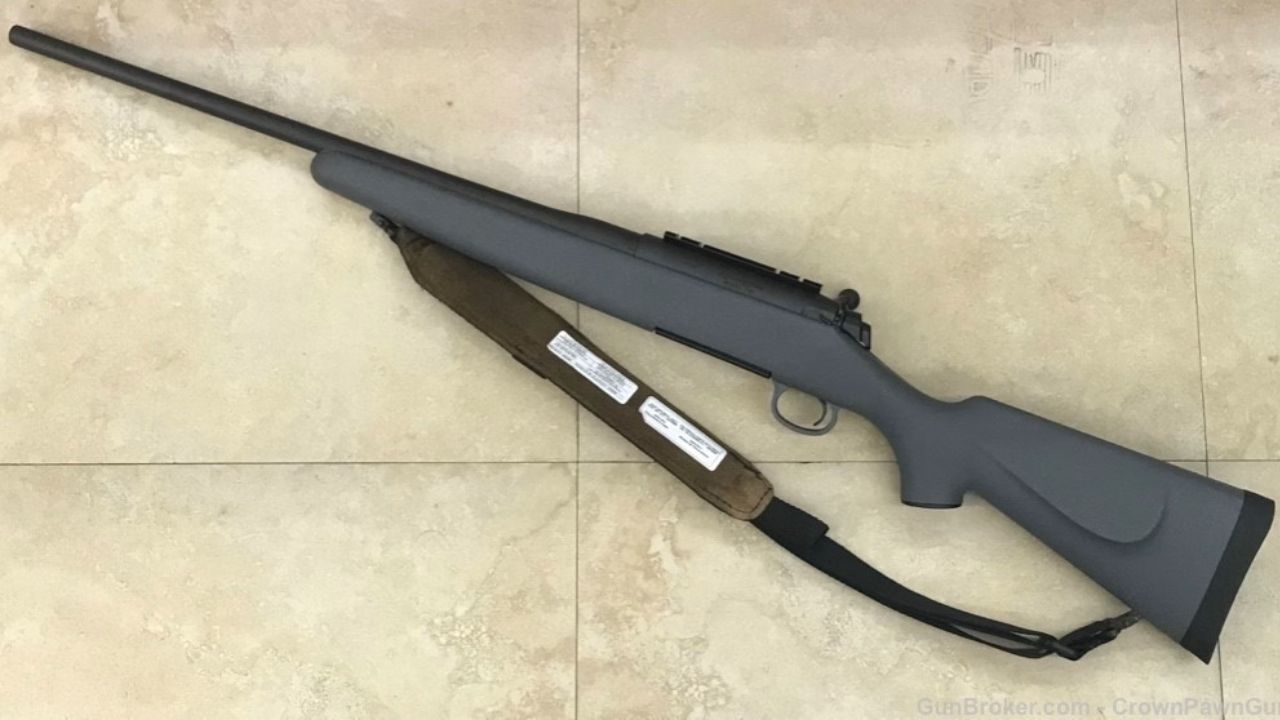
This one has put more hunters in a “why can’t I keep it on paper?” spiral than it should. The rifle can shoot fine, but the weak link is the whole system: how it’s put together, how the hardware holds up, and how often it ends up wearing bargain-bin optics in soft rings.
When a rifle already has a reputation for shortcuts, any little looseness gets magnified in the field. It’s not always the barrel. It’s not always the scope. It’s the stack-up of small issues that ends with you chasing zero every other weekend.
2. Remington 770

The 770 followed the same path: affordable, available, and commonly bought as a “just need a deer rifle” option. Then it lives behind the seat, gets carried one-handed by the scope, and the first cold, wet season starts exposing what’s solid and what isn’t.
I’ve seen them do okay, but I’ve also seen them shift point of impact enough to make you second-guess yourself on a clean shot. If you own one, the best money you can spend isn’t fancy ammo. It’s making sure the mounting hardware is quality and properly installed, and the rifle isn’t getting treated rough.
3. Mossberg ATR 100

These were popular because they were priced right and looked the part. The problem is they tend to show up with entry-level rings and bases, and they don’t always forgive sloppy mounting. Add a hard-kicking cartridge and a budget scope, and you’ve got a recipe for “it was zeroed last month, I swear.”
I’m not saying every ATR is cursed. I am saying they’re more likely to end up in the hands of someone who doesn’t want to spend money on the parts that actually keep a rifle sighted in.
4. Savage Axis (especially early packages)
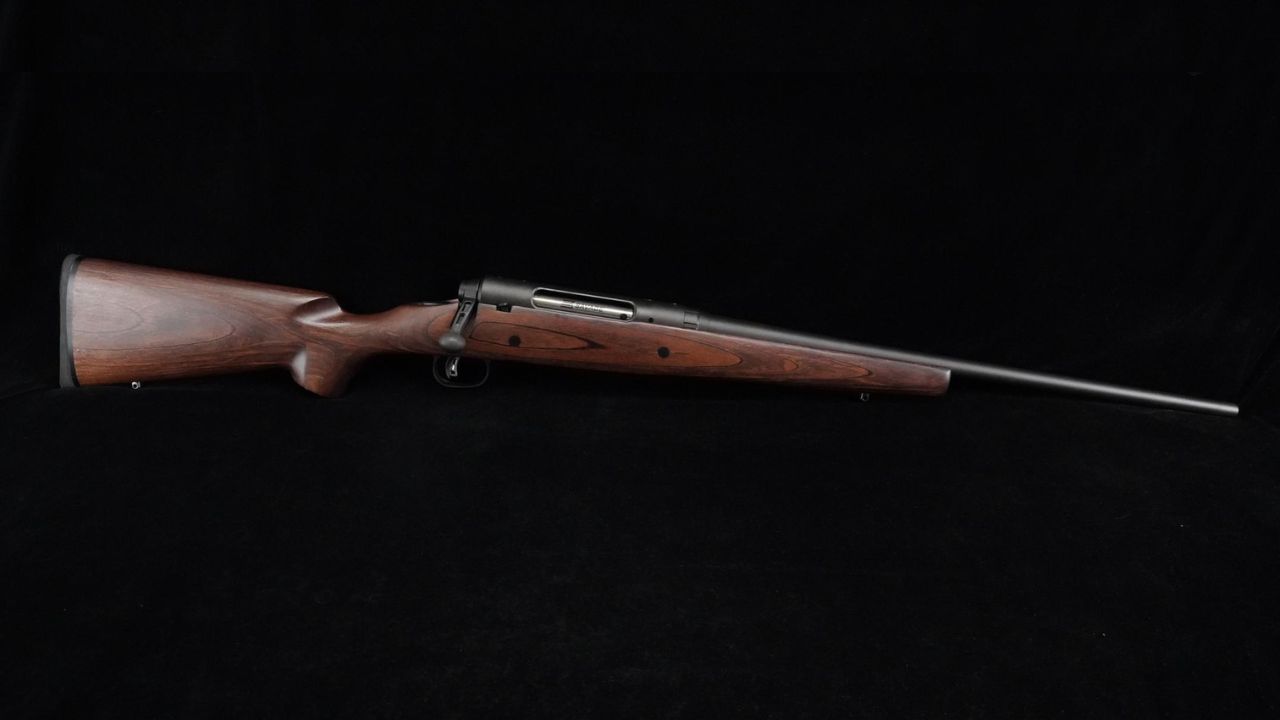
The Axis itself can be a shooter. The headache usually starts with the old package-gun setup: a low-end scope in low-end rings, thrown together to hit a price point. Then it rides in a scabbard or a truck rack and gets counted on like it’s a duty rifle.
The common failure isn’t the action. It’s the optics and mounts not holding up to recoil and bumps. Plenty of guys “fix” an Axis by replacing everything above the receiver. Ask me how I know.
5. Ruger American Rifle (package-scope combos)

Same story as the Axis, and it’s not really Ruger’s fault. The Ruger American is light, handy, and it flat-out works for a lot of hunters. But the combo deals bring a scope and mounting setup that can be the first thing to wobble loose after a few range trips and a week of real hunting.
Light rifles also get carried more, leaned more, and knocked more. That’s good for hunting, bad for cheap rings. If your groups start wandering, don’t blame the barrel first.
6. Marlin 336 (older rifles with barrel bands)
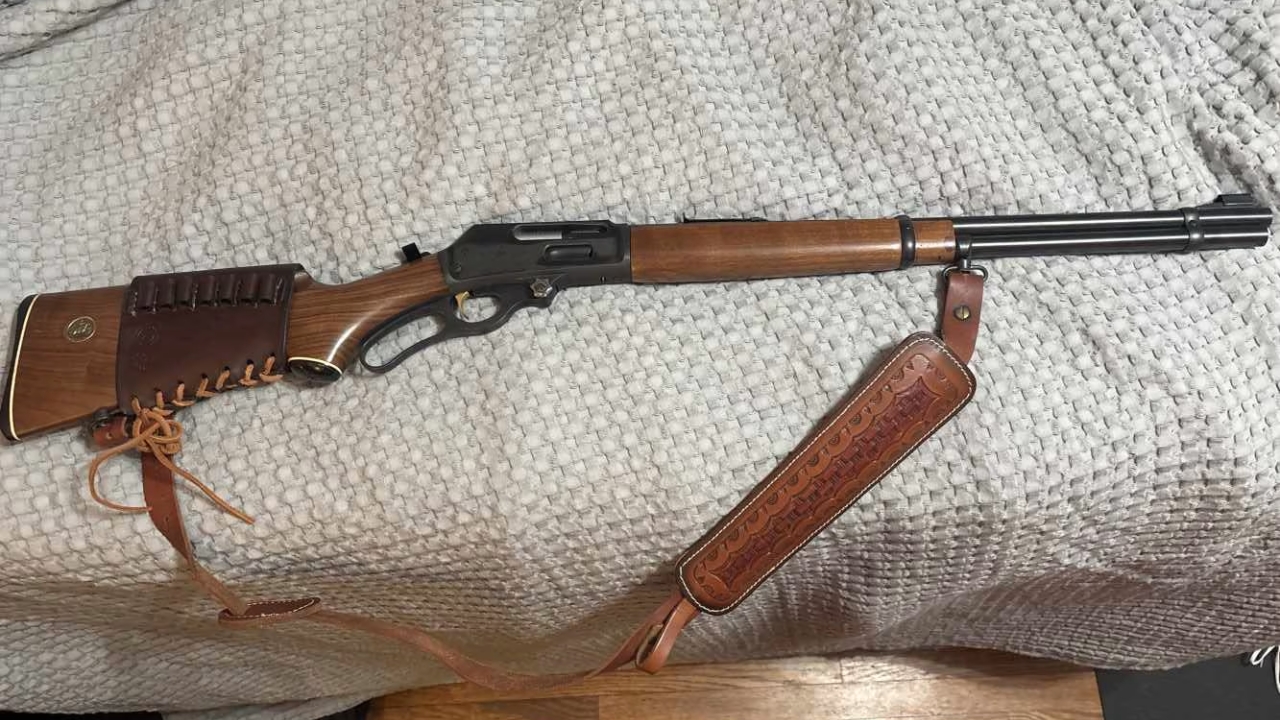
I love a 336. It carries like it’s part of your arm, and in thick timber it’s still hard to beat. But the barrel band setup can change things if it’s not consistent, especially if the rifle gets taken apart, cleaned hard, or the screws get snugged down differently each time.
You’ll also see point-of-impact shifts when guys rest the magazine tube or barrel on a hard rail in a blind. Lever guns can be plenty accurate, but they can also be sensitive to how they’re supported and how that barrel band pressure changes.
7. Winchester Model 94 (angle-ejects with side mounts)
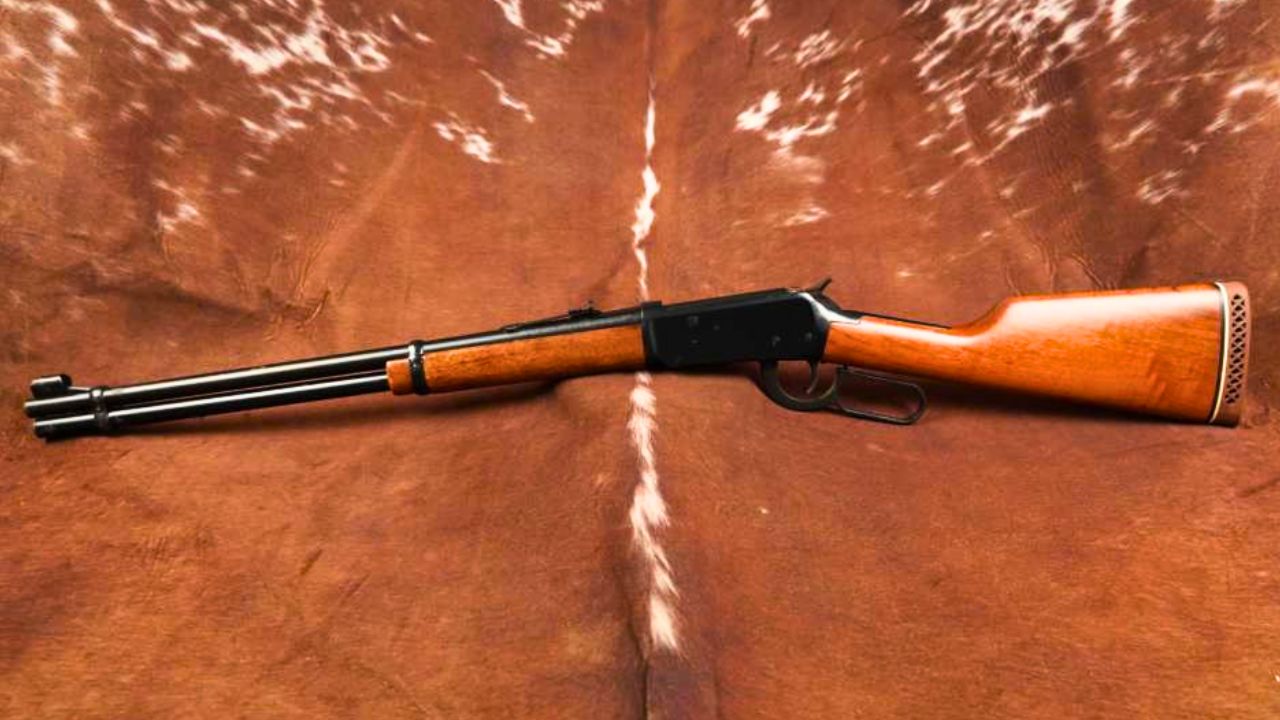
The old side-mount scope setups can work, but they’re not my favorite for holding zero through a whole season of bumps. They tend to sit higher, put more leverage on the mount, and they often get paired with older hardware that’s been on and off a few times.
Open sights or a solid receiver-mounted peep can be a better answer on a Model 94 if you’re trying to keep things simple. If you do run glass, make sure the mount is quality and the rifle isn’t getting used as a walking stick.
8. SKS (with receiver-cover scope mounts)
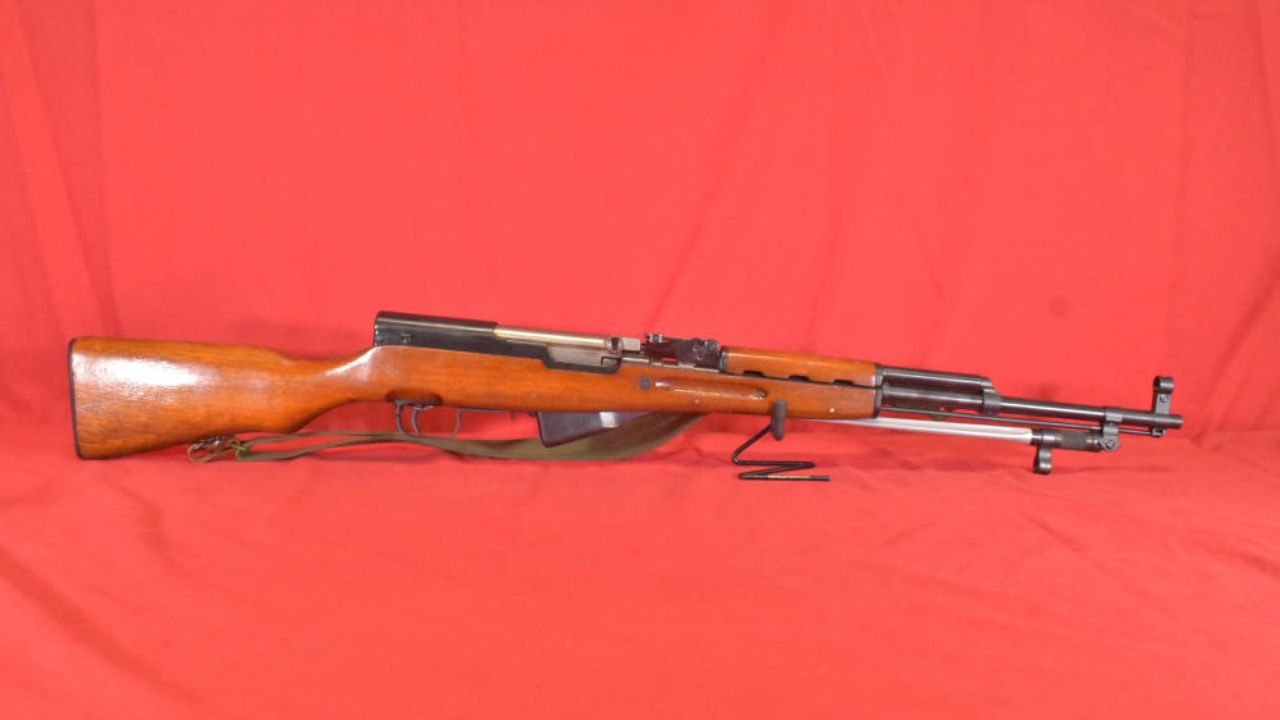
I get it. SKS rifles are fun, tough, and they’ve probably killed more deer than the internet wants to admit. But the receiver-cover “scope mount” route is where good intentions go to die. Those covers were never meant to be a stable optic platform, and a lot of them shift under recoil or just from normal handling.
If you’re hunting with an SKS, irons can be the most honest setup. If you insist on glass, the mounting method matters more than the scope brand.
9. Ruger Mini-14 (older thin-barrel models)

Mini-14s have their lane, and I’m not here to pick on them. But older thin-barrel rifles can string shots as they warm up, and that can look like a zero that’s “moving” when it’s really heat and harmonics doing what they do.
That shows up in deer season when a guy checks zero with a quick three-shot group, then wonders why the next group isn’t in the same place. If your confirmation routine is one cold shot, then stop, you’ll learn more with these rifles.
10. Thompson/Center Compass (early rifles and rough handling)
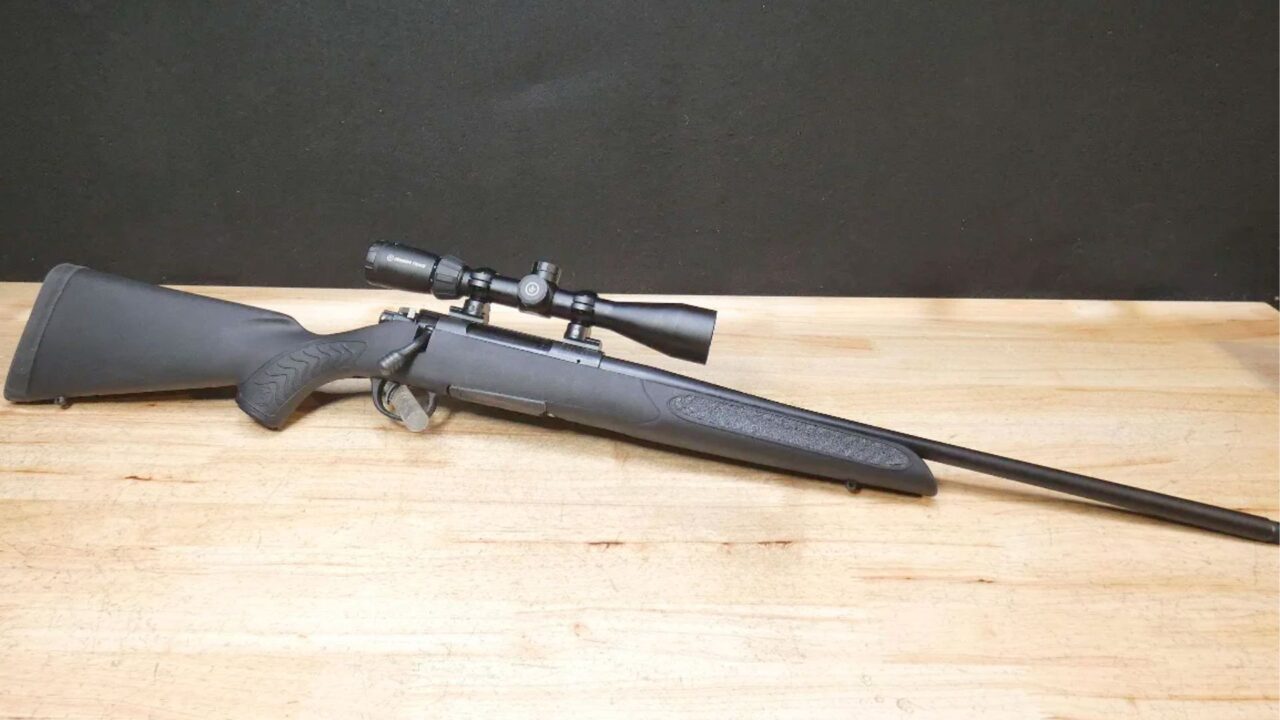
The Compass can shoot better than it feels, and the feel matters because it affects how people treat it. When a rifle feels “cheap,” it’s more likely to get tossed in the corner of the truck or banged on a stand ladder. Then the scope takes the beating.
I’ve also seen inconsistent results when the mounting hardware was an afterthought. A good scope mounted correctly can save a lot of grief on these.
11. CVA Cascade (lightweight setups with heavy recoil)

The Cascade is a nice surprise in the accuracy department, but like any light rifle, it can be tough on optics in bigger cartridges. A lightweight rifle in .300 Win. Mag. or similar is handy for walking, but recoil impulse is sharp, and sharp recoil finds weaknesses in rings and internal scope guts.
If your zero is walking and your groups open up for no clear reason, don’t ignore the possibility that the scope is giving up. That one hurts because you can blame the rifle all season when the real issue is sitting on top of it.
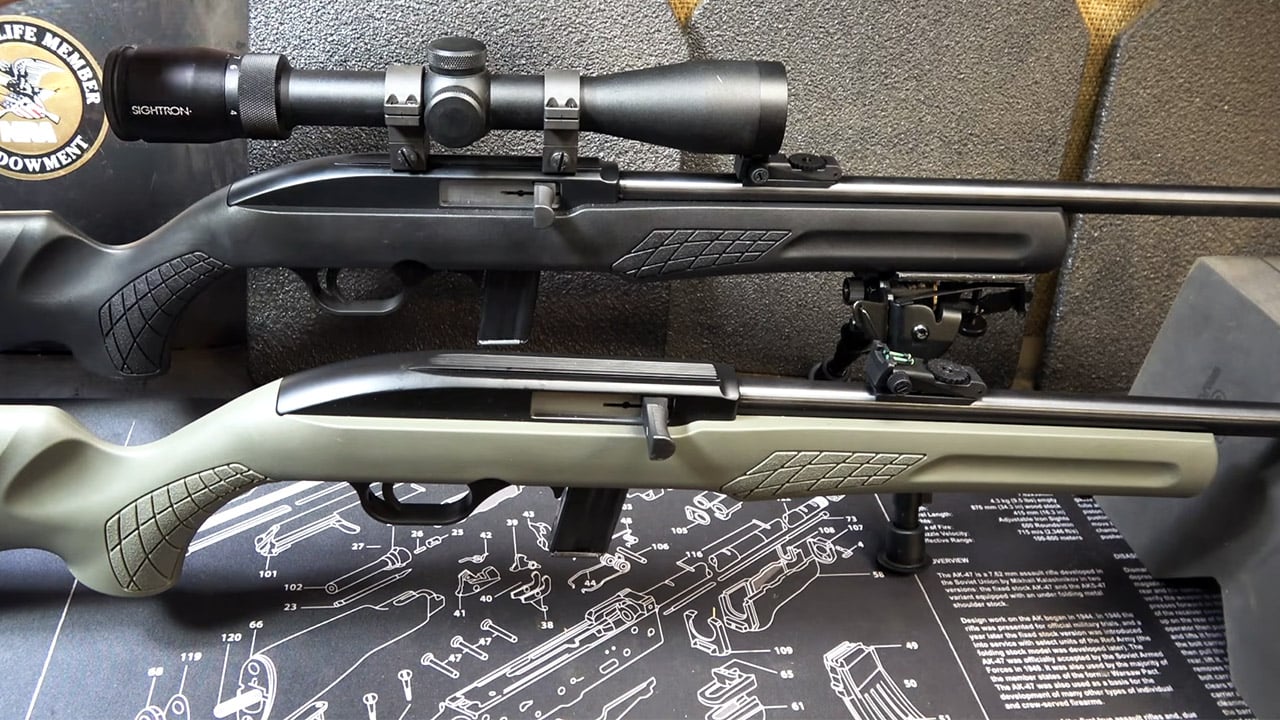
12. Rossi RS22 / budget .22s pressed into “practice rifle” duty
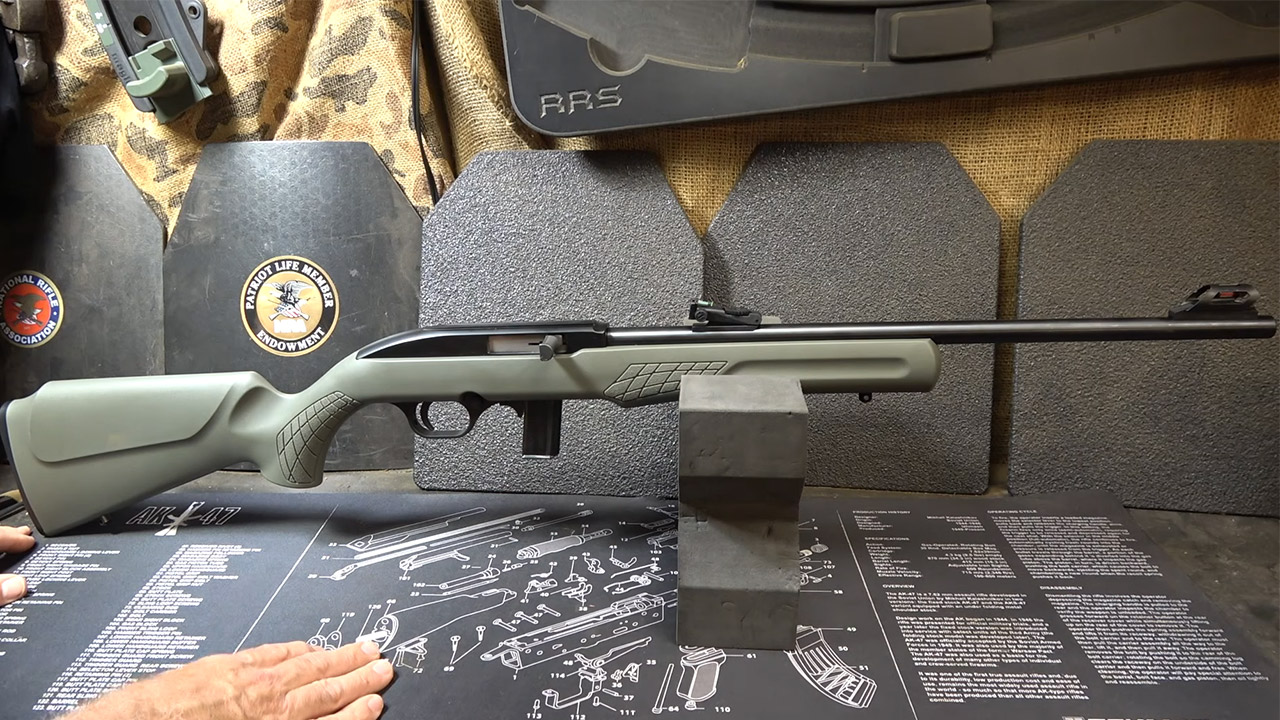
This sounds off-topic until you see how many hunters “confirm” a cheap scope mount job on a .22 and then copy that same approach onto their deer rifle. A lot of the really frustrating zero issues start as bad habits: soft screws, over-tightened rings, and scopes that get slid around to “make it fit.”
Budget .22s also get used and abused. If the scope on your .22 won’t hold zero, don’t act surprised when that same brand of rings and scope acts up on your .308.
13. H&R Handi-Rifle (single-shot with fore-end sensitivity)
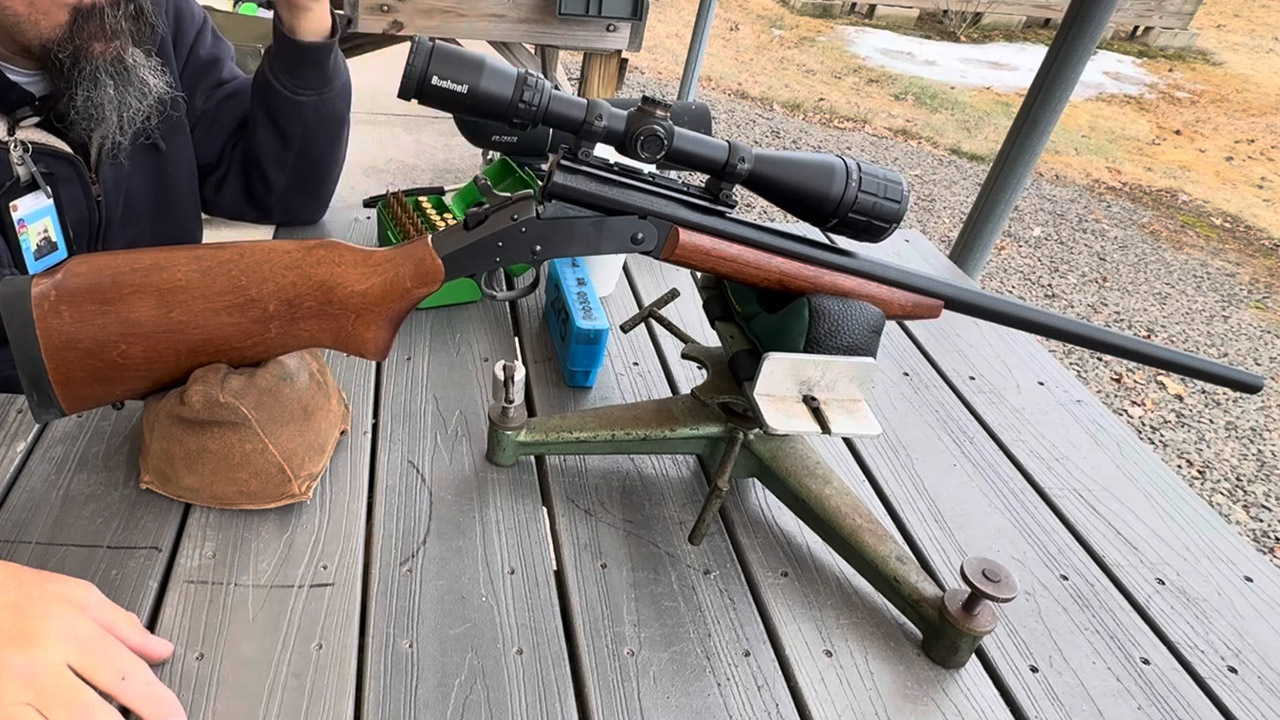
These simple single-shots can be deadly, but they can also be picky. The way the fore-end attaches and the way it gets rested can shift point of impact more than folks expect. If you sight in off a hard front rest and then hunt off shooting sticks, you might be in for a surprise.
They’re not junk. They’re just different, and they reward a consistent setup. If you’re the guy who changes how you rest the rifle every range trip, this one will make you pay attention.
14. Remington Model 600 / 660 (light rifles, big cartridges)

These are cool rifles. They also tend to be short, light, and chambered in cartridges that let you know when you touched one off. That combination is hard on scopes and hard on shooters, and both of those things can show up as “my rifle won’t stay zeroed.”
Sometimes it’s flinch and inconsistent shoulder pressure. Sometimes it’s mounts that weren’t up to it. Sometimes it’s an older scope that finally had enough. Either way, they can be finicky if you don’t set them up right.
15. Marlin Model 1895 (Guide Gun style) with heavy loads

A short .45-70 is a thumper. It’s also one of the easiest ways to find out your rings aren’t as tight as you thought, or your scope isn’t as rugged as the box claims. I’ve watched guys chase zero, then swap ammo, then swap scopes, when the real issue was the rifle beating up the whole stack.
The other thing is how these get carried. They’re “grab and go” guns, which means they get grabbed and go-banged off stuff. Keep the mounting hardware serious and keep an eye on it during the season.
16. Springfield Armory M1A (with questionable scope mounts)

The M1A can be a tack driver or a headache, and the difference is often the mount. The receiver wasn’t designed with easy modern optics mounting in mind, and a lot of aftermarket solutions are a mix of “works on my bench” and “shifts when it gets real.”
If you’re hunting with one, you already know it’s heavier than it needs to be. Don’t make it worse by using a mount that won’t hold solid. A heavy rifle that won’t keep zero is the worst of both worlds.
17. Mosin-Nagant 91/30 (with clamp-on mounts)
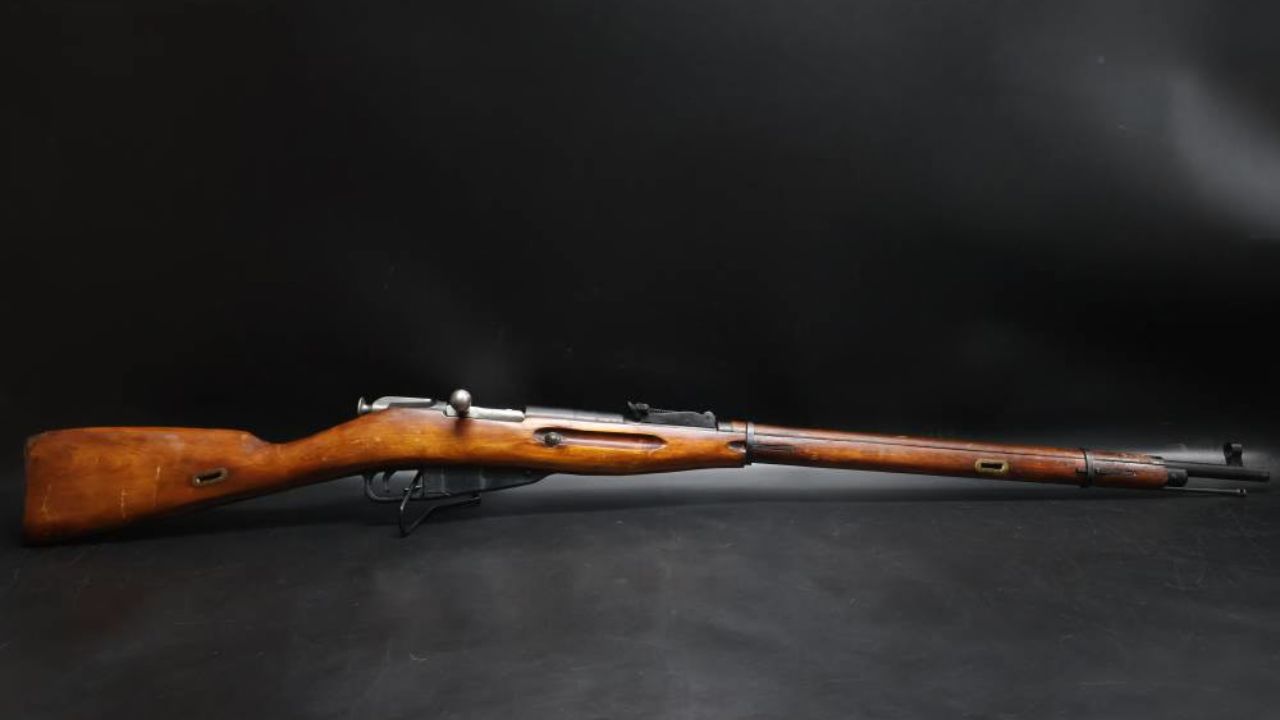
Another one where the rifle isn’t always the villain; the mounting solution is. Clamp-on and no-drill mounts are tempting, but they often walk around under recoil or shift when the rifle gets bumped, because they’re fighting the shape they’re clamping to.
Mosins can be accurate enough for deer inside reasonable distance, but you need a stable sighting system. If you want glass, a proper setup matters. If you can’t do that, irons and practice are the honest route.
18. Browning BAR (semi-auto hunting rifles, especially older ones)

I like a BAR for what it is. But semi-autos add moving parts and different recoil impulses, and older rifles sometimes have seen a lifetime of “good enough” maintenance. If the scope mount screws have been in and out a dozen times, or the rifle lives in a soft case that gets thrown around, zero can drift.
Also, some BAR owners shoot them just enough to think they’re fine, not enough to catch a slowly loosening issue. A quick preseason check isn’t always enough with older semi-autos.
19. Ruger No. 1 (when the scope sits too far forward and the rings get creative)
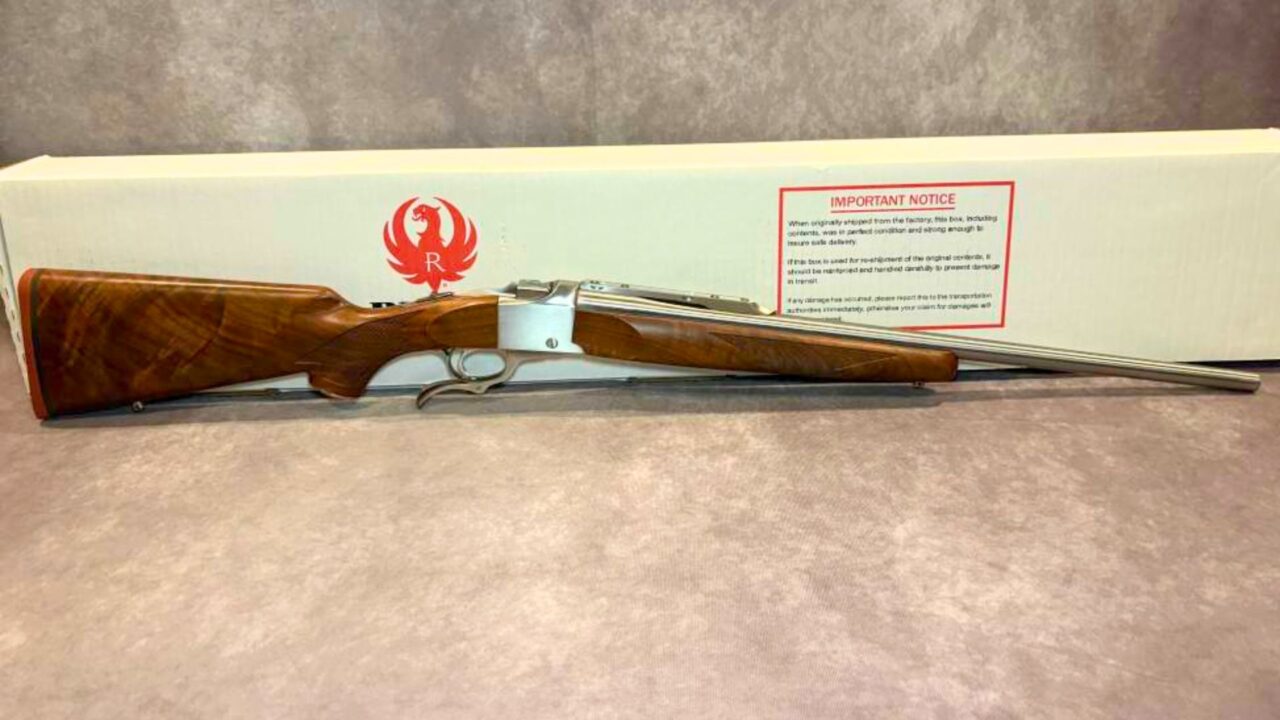
The No. 1 is classy, accurate, and not always easy to fit for eye relief depending on scope choice. When guys start using odd ring setups, extensions, or mixing ring heights to “make it work,” that’s when reliability of zero can take a hit.
It’s not the rifle’s fault. It’s a setup problem. But it’s common enough that I’m calling it out. A clean, correct mounting job solves most of the wandering-zero complaints on these.
20. Winchester Model 70 (older rifles with two-piece bases and tired screws)

This might surprise you because the Model 70 is a solid deer rifle. The issue I see is older rifles that have had the bases swapped multiple times, screws buggered up, and threads that have seen too many “tight is tight” installs. Then a hunter wonders why things won’t stay put.
A good Model 70 deserves fresh hardware if the old stuff is questionable. If your bases don’t sit flat or your screws don’t feel right, you’re asking for a point-of-impact shift right when the woods finally get good.
If you noticed a theme, it’s not that certain rifles are magically “unsightable.” It’s that certain rifles are more likely to get bad mounts, bargain scopes, rough handling, or inconsistent support at the range. Deer season is hard on gear. If your rifle has a history of wandering, start with the simple stuff: solid mounts, correct torque, and a zero check after the first rough weekend. Boring fixes kill more deer than fancy upgrades ever will.
Like The Avid Outdoorsman’s content? Be sure to follow us.
Here’s more from us: