Photo credit: WHO_TEE_WHO/GunBroker
Some handguns never get a fair shake. A bad launch, weak marketing, an ugly design, or an old reputation can follow a pistol long after the actual gun proves it deserves another look.
That is what makes these models interesting. None of them are perfect, but all 20 offer more reliability, shootability, durability, or value than their reputation suggests. A few were dismissed because they were cheap. Others were overshadowed by better-known guns from the same company. Either way, these are handguns I would judge by how they actually perform rather than by what shooters assume about the name on the slide.
Ruger P345
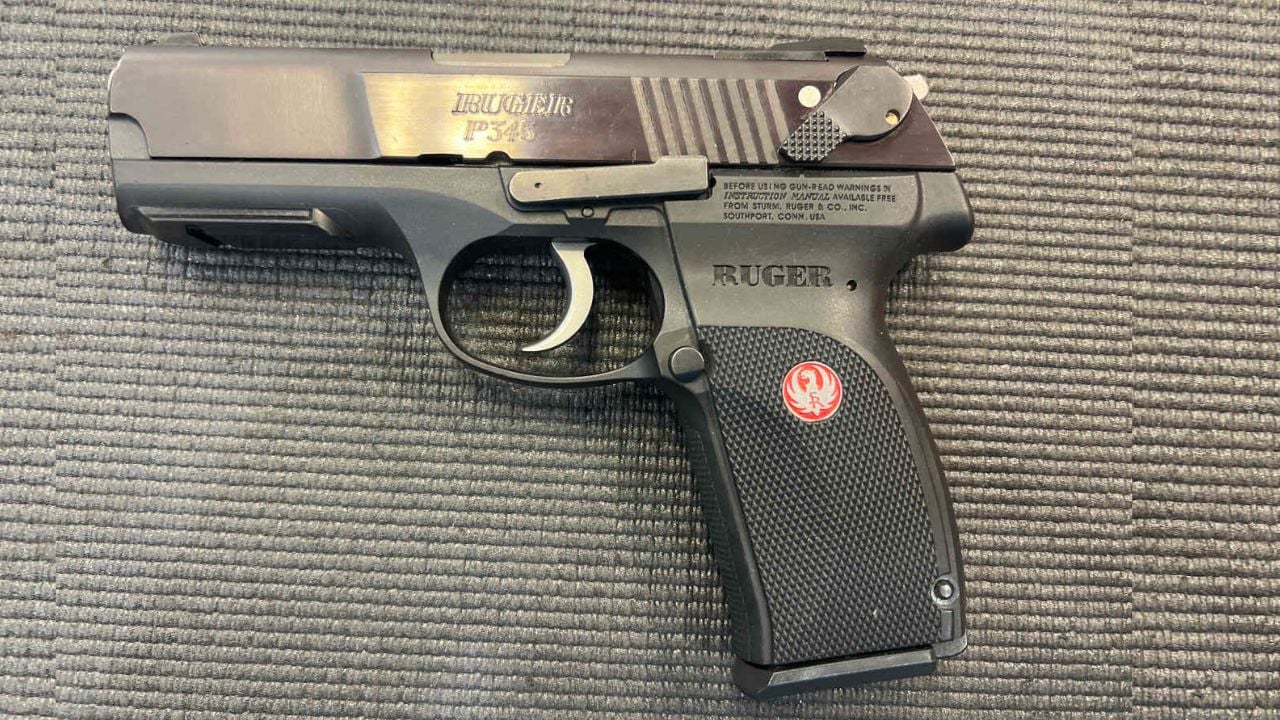
The P345 arrived during the final years of Ruger’s bulky P-series pistols, and a lot of shooters treated it like another oversized budget handgun. In reality, it was noticeably slimmer and more refined than the older P90 and P97.
The pistol gave shooters a relatively manageable .45 ACP with traditional DA/SA controls and Ruger’s usual emphasis on durability. It never developed the following of the company’s later striker-fired guns, but owners who actually shot them often discovered a dependable and comfortable .45. The P345 is not fashionable now, but that does not mean it was a bad design.
Smith & Wesson SW99
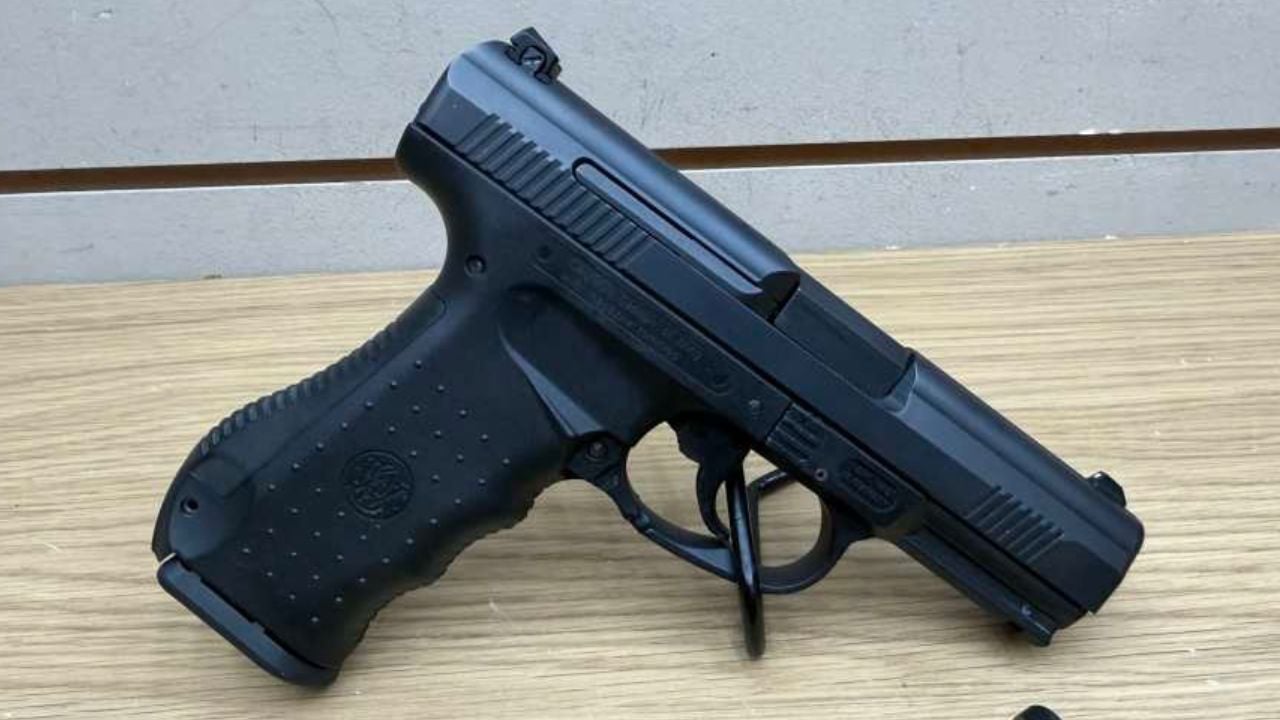
The SW99 lived in an awkward spot because it looked like a Walther P99 wearing a Smith & Wesson badge. That made some buyers dismiss it as a licensing exercise rather than a serious pistol.
The gun was better than that reputation. Its ergonomics were strong, the trigger system was more interesting than the typical striker gun of the era, and the overall design had a solid service-pistol foundation. It never became a major commercial success, but the pistol itself offered far more than its low profile suggested. Clean examples remain surprisingly good shooters.
Steyr S9-A1

Steyr pistols have always looked unusual enough to scare off conservative buyers. The low bore axis, unconventional grip angle, and trapezoidal sights make them feel very different from the Glock-style norm.
That weirdness hides a very shootable pistol. The S9-A1 sits low in the hand, tracks flat under recoil, and has much better ergonomics than its odd appearance suggests. It never built a huge American following, but the design itself was thoughtful and mechanically sound. Shooters willing to adapt to the sights often come away much more impressed than expected.
Walther PPQ SC
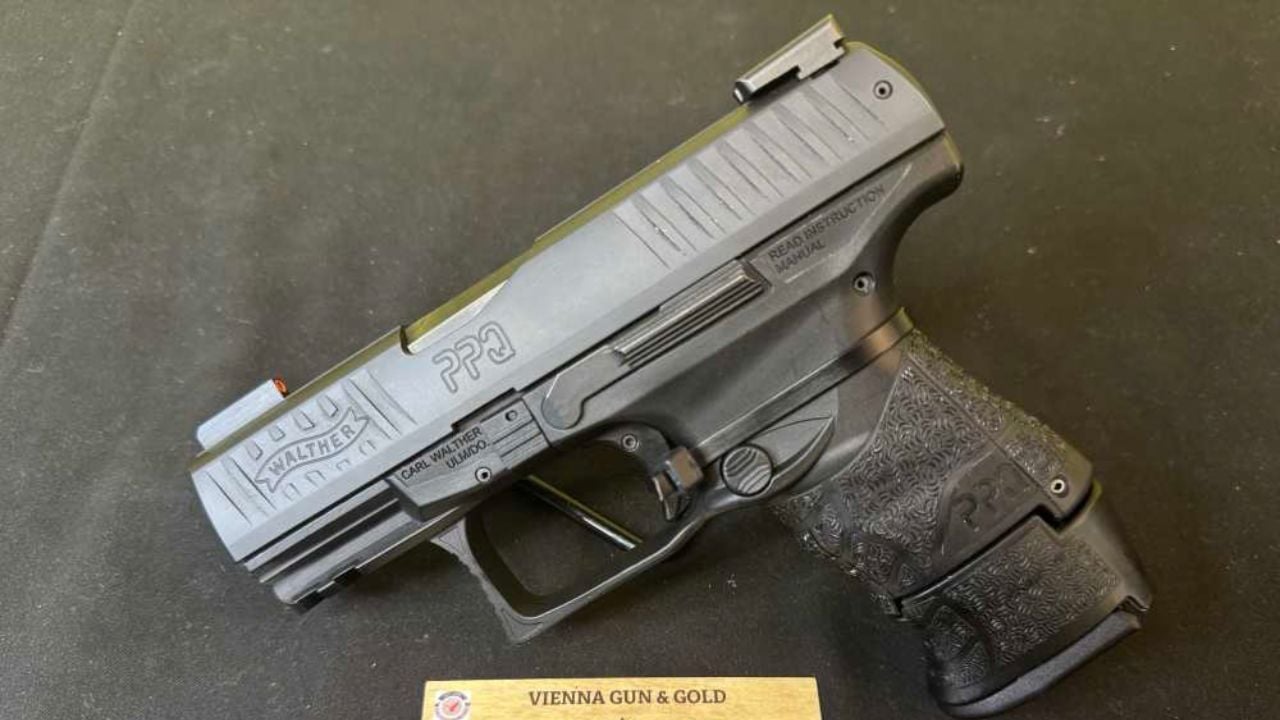
The PPQ SC never received the attention of the larger PPQ models, partly because it arrived just before the micro-compact market exploded.
That timing hurt it. The pistol still had one of Walther’s excellent striker-fired triggers, good ergonomics, and a surprisingly shootable feel for a subcompact. It was thicker than newer micro guns, but that also made it easier to control. The market moved on quickly, yet the PPQ SC remains a better pistol than its short commercial life would suggest.
FEG PA-63

The PA-63 often gets dismissed as a cheap surplus pistol with harsh recoil and an ugly military finish. That criticism is not completely wrong, but it misses what the pistol actually is.
The gun is lightweight, mechanically simple, and surprisingly accurate once the shooter gets used to the trigger and snappy 9x18mm recoil. Many examples were bought for very little money and continued running long after owners expected them to quit. It is not refined, but as a durable Cold War carry pistol, the PA-63 earned more respect than its bargain-bin reputation suggests.
Astra A-100
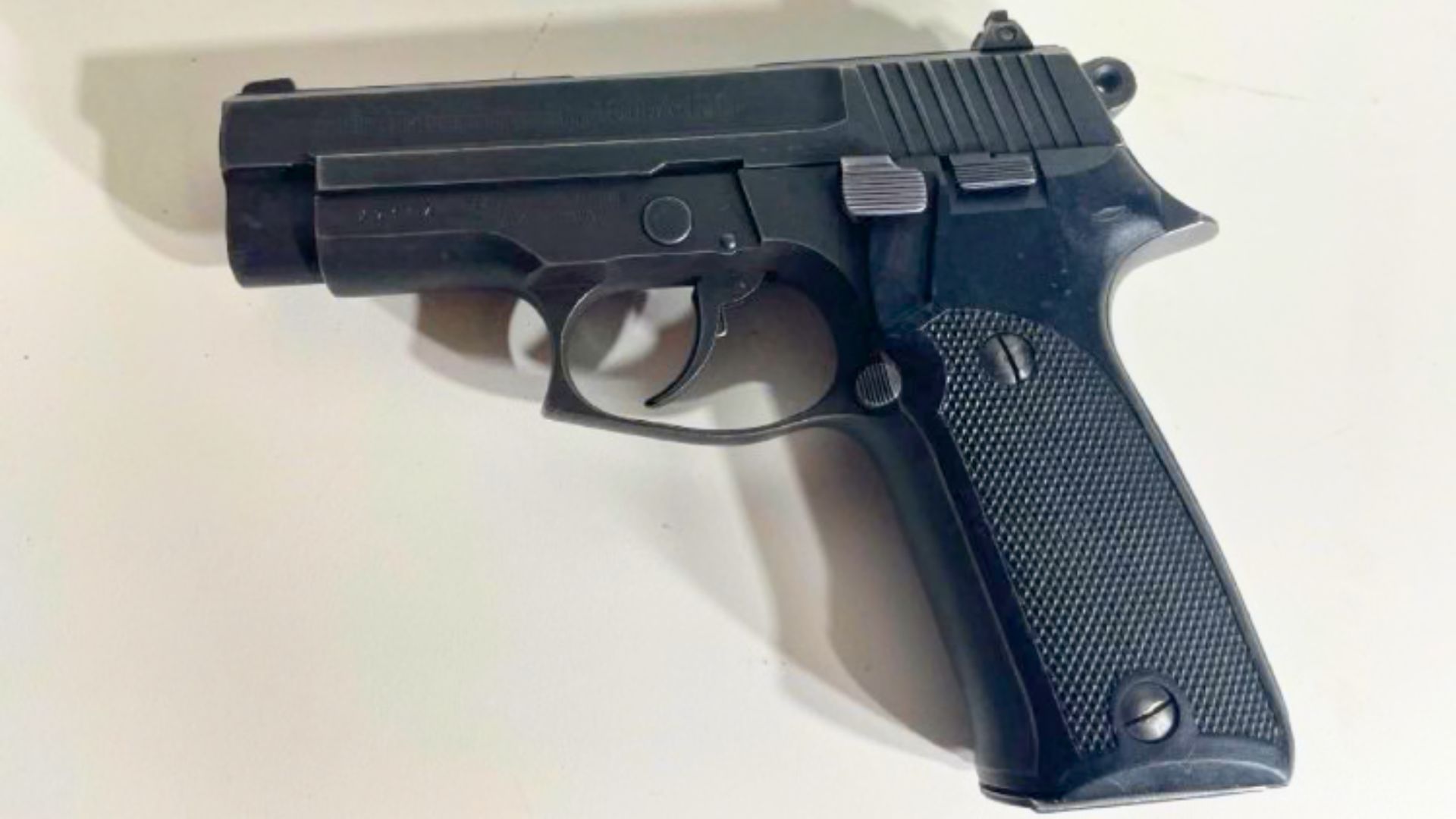
The Astra A-100 was often viewed as another inexpensive European service pistol with styling borrowed from more famous designs.
That reputation undersold it. The pistol is solidly built, comfortable to shoot, and benefits from a conventional DA/SA layout that is easy to understand. The weight helps tame recoil, and many examples have proven impressively durable. Astra’s disappearance as a major manufacturer hurt long-term support, but the gun itself was better than the market ever gave it credit for.
Star Firestar M43
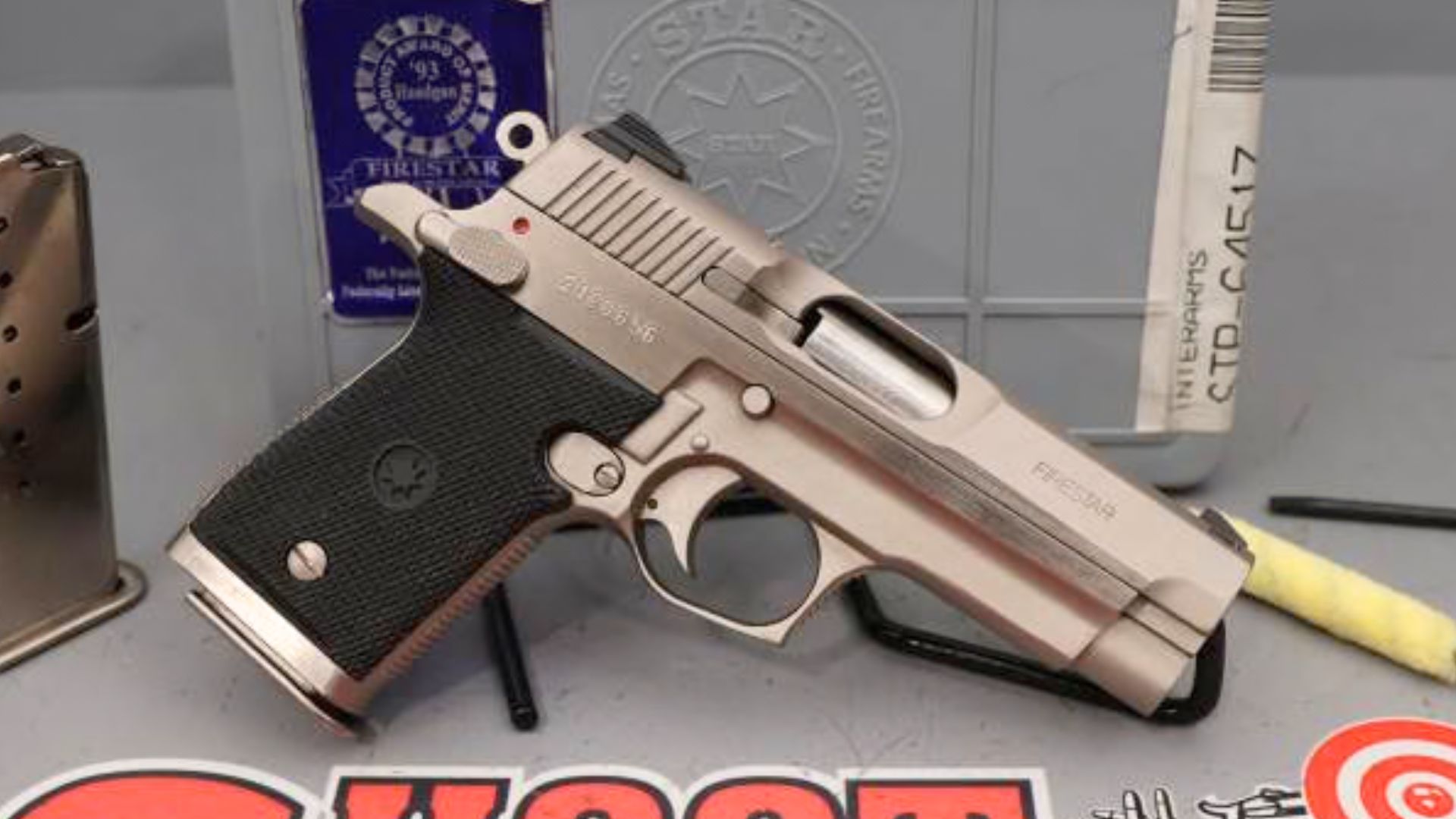
The Firestar M43 was heavy for a compact 9mm and arrived before concealed-carry buyers became obsessed with weight.
That made it easy to dismiss. The same all-steel construction that feels heavy on the belt also makes the pistol unusually pleasant to shoot for its size. The single-action trigger is good, the design is straightforward, and the gun has a reputation for being far more durable than its relatively low price suggested. It is not light, but it is absolutely not junk.
Star Model 30M
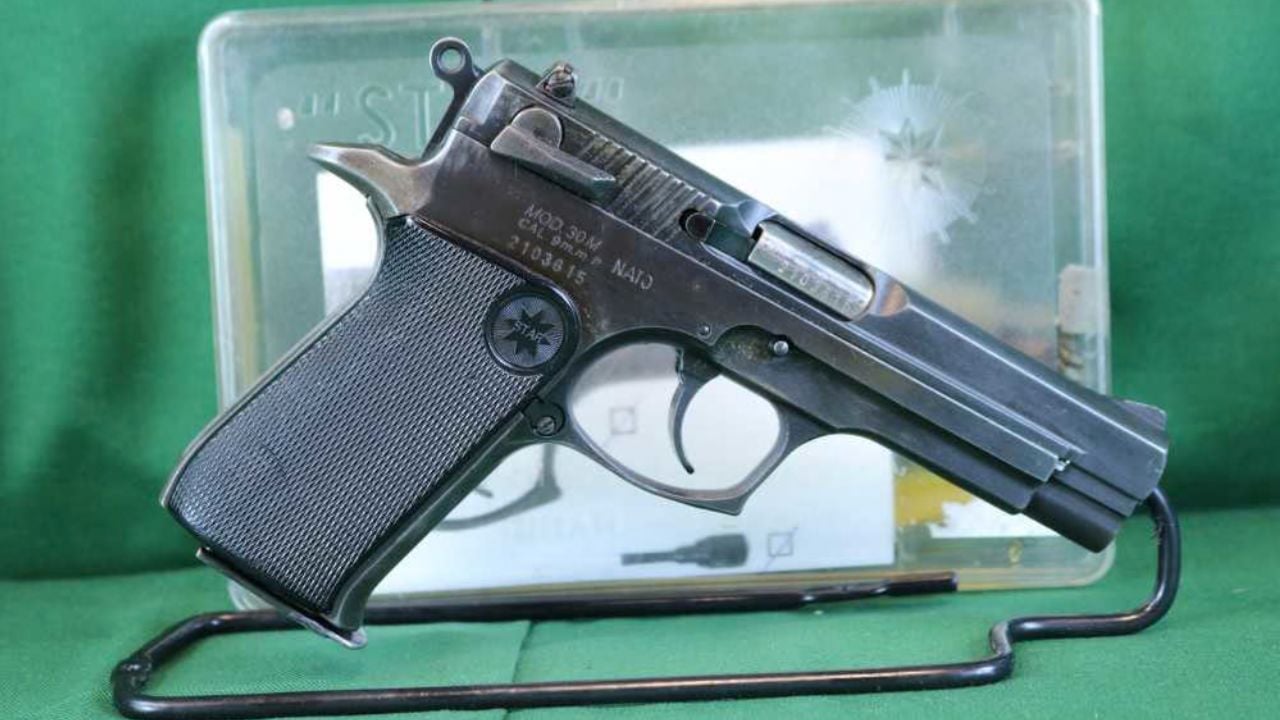
The Model 30M is another Spanish pistol that never received much attention in the United States. It is large, heavy, and visually dated compared with modern polymer service guns.
Those traits also make it a soft-shooting and extremely substantial 9mm. The pistol was built for service use, not minimal production cost, and the all-steel construction gives it a quality feel many cheap imports never had. It is one of those guns that looks ordinary until you actually handle and shoot one.
Arcus 98DA
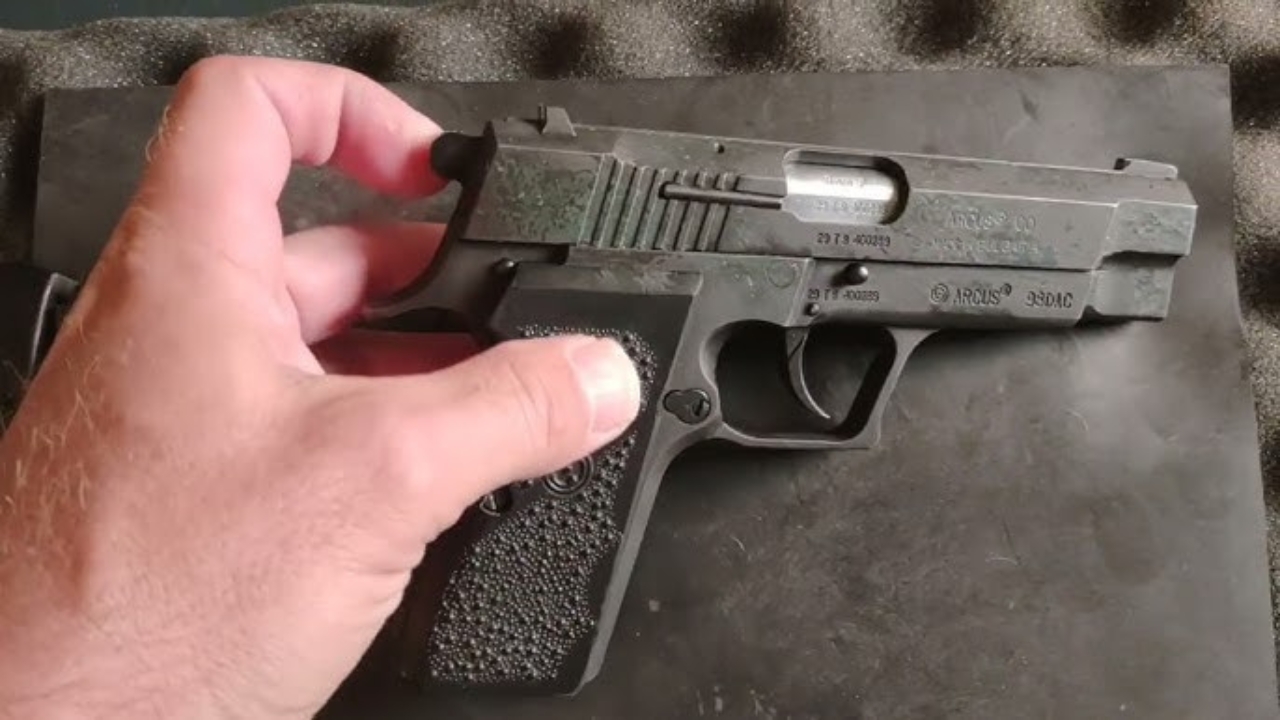
The Arcus 98DA spent years being treated as a low-cost Hi-Power-inspired import rather than a serious pistol in its own right.
It deserved better. The gun used a robust steel frame, familiar controls, and a proven basic operating concept. The double-action trigger was never world-class, but the pistol was durable and easy to shoot. It is exactly the kind of handgun that owners bought cheaply and later realized was far more solid than its reputation suggested.
EAA Witness P Carry
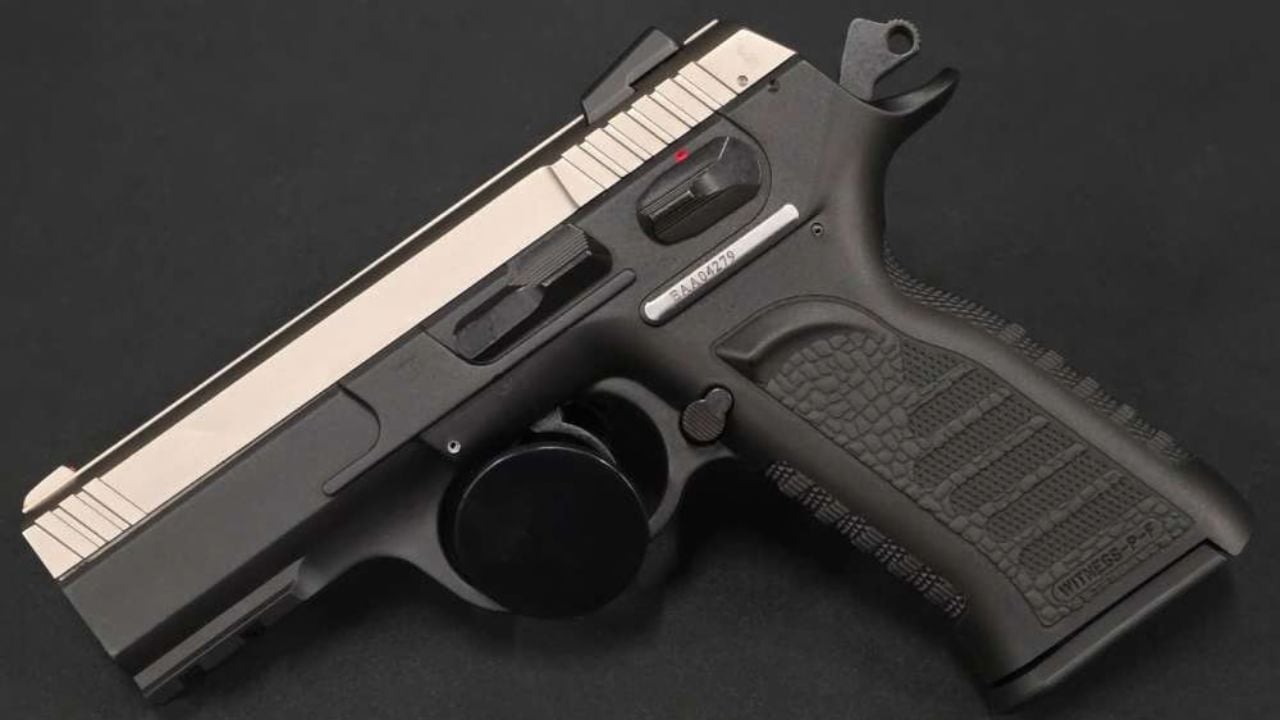
The Witness P Carry was easy to ignore because the EAA catalog was crowded with dozens of similar Tanfoglio-based pistols.
Underneath that confusing product lineup was a genuinely capable compact handgun. The CZ-derived ergonomics, traditional hammer-fired action, and respectable capacity made it a practical defensive pistol. The polymer frame kept weight manageable while retaining the familiar feel of the larger Witness family. It never became fashionable, but the gun was more competent than its generic appearance suggested.
Bersa Thunder 9 Pro
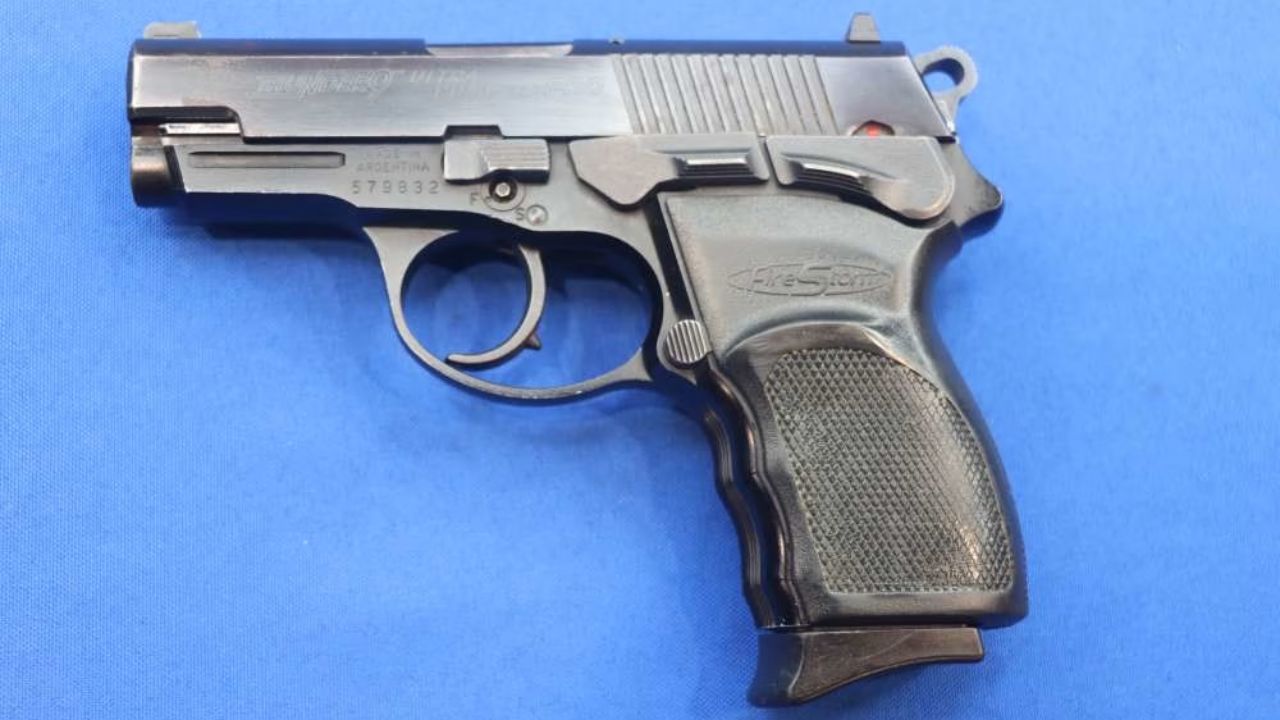
Bersa’s name is so strongly tied to inexpensive .380 pistols that many shooters never took the company’s larger service pistols seriously.
The Thunder 9 Pro deserved more attention. It offered ambidextrous controls, a traditional DA/SA trigger, good capacity, and a sturdy frame at a very reasonable price. It was not as polished as a SIG or Beretta, but it also did not cost nearly as much. Shooters who judged it purely by the Bersa name often missed a surprisingly capable full-size pistol.
Jericho 941 R
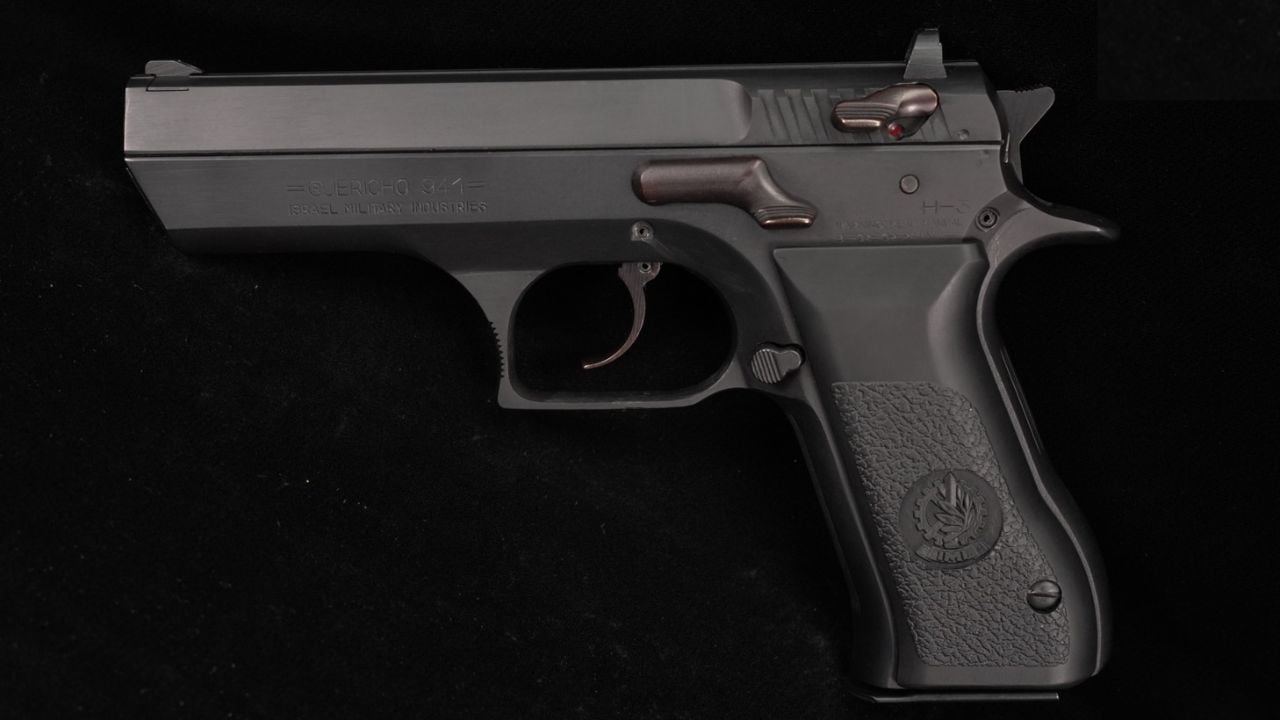
The Jericho 941 R often gets overshadowed by more recognizable CZ-pattern guns or by its own pop-culture reputation.
Mechanically, it is a serious pistol. The steel frame gives the gun excellent balance, the slide rides low in the frame, and recoil is extremely manageable. It is heavy for carry, but that is not the same as being outdated or poor. As a range or home-defense pistol, the Jericho can be much better than shooters expect when they first dismiss it as a novelty.
Daewoo DH40
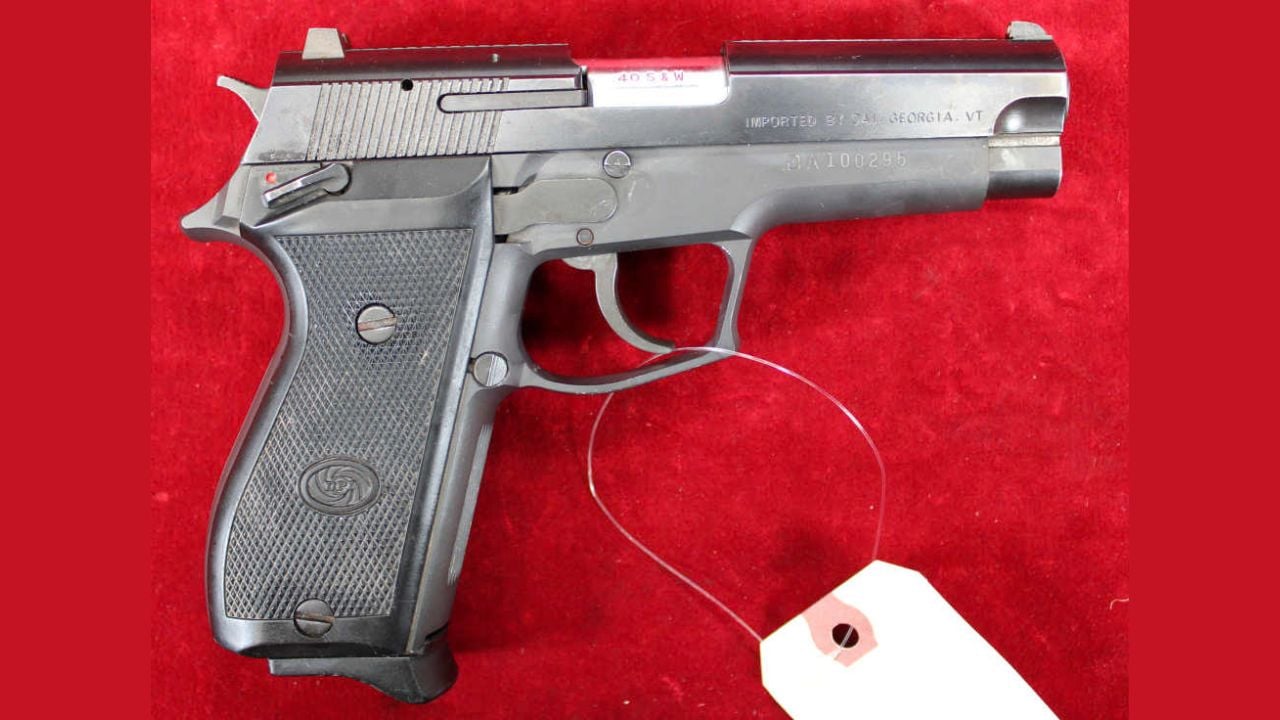
The DH40 never had much American recognition, and the .40 S&W chambering makes it even easier to ignore today.
The pistol was built around a serious service design and offered the unusual fast-action trigger system associated with Daewoo handguns. The gun is durable, mechanically interesting, and surprisingly manageable despite the cartridge. It is not something most buyers would choose today, but that has more to do with market trends than the quality of the pistol itself.
Beretta 9000S
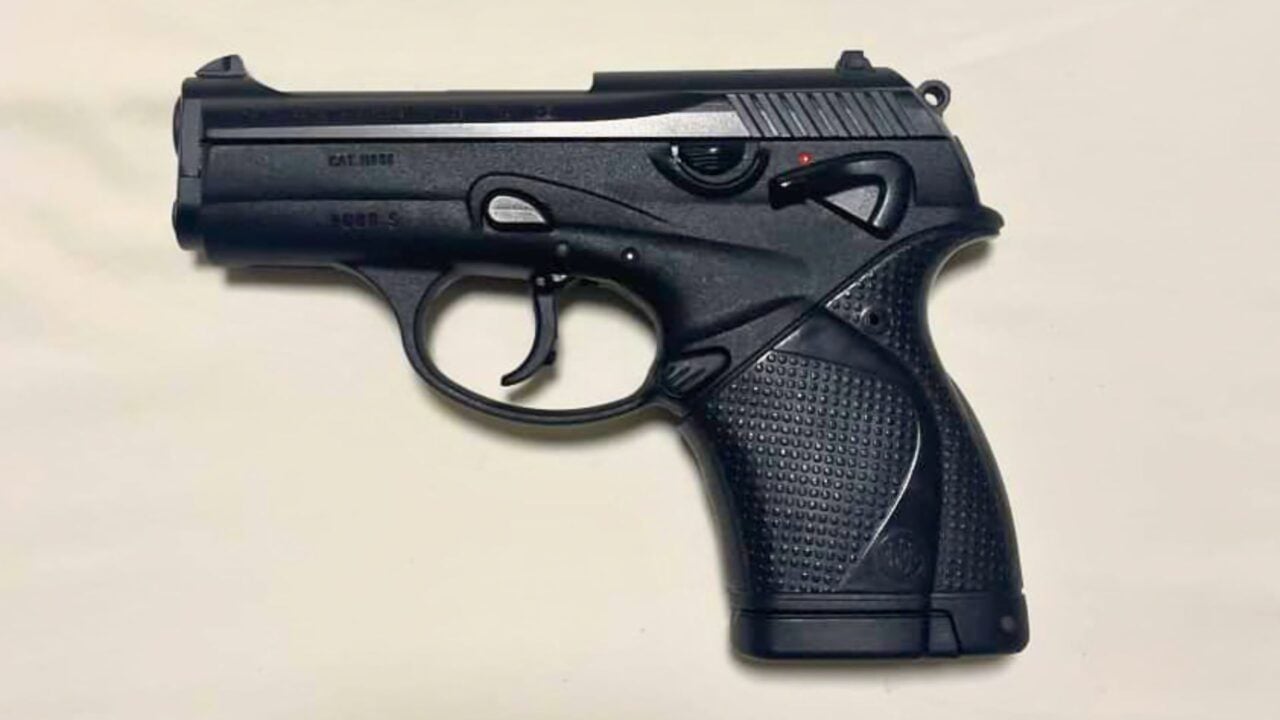
The 9000S developed a reputation for awkward ergonomics and strange styling, and some of that criticism is deserved.
What gets missed is that the pistol was mechanically sound and surprisingly durable. Beretta built it during a period when the company was experimenting with compact defensive pistols, and the result was more competent than attractive. The grip does not fit everyone, but shooters who adapt to it often find a dependable little gun hidden under the odd appearance.
Taurus PT92

The PT92 has spent decades being treated as the cheaper alternative to the Beretta 92.
That description is true but incomplete. Taurus inherited the basic design from Beretta’s Brazilian production, and the PT92 developed into a very durable service-size pistol in its own right. The frame-mounted safety is actually preferred by many shooters over Beretta’s slide-mounted setup. Taurus has made plenty of guns worth criticizing, but the PT92 is not one of the models that deserves to be casually dismissed.
Smith & Wesson Model 457
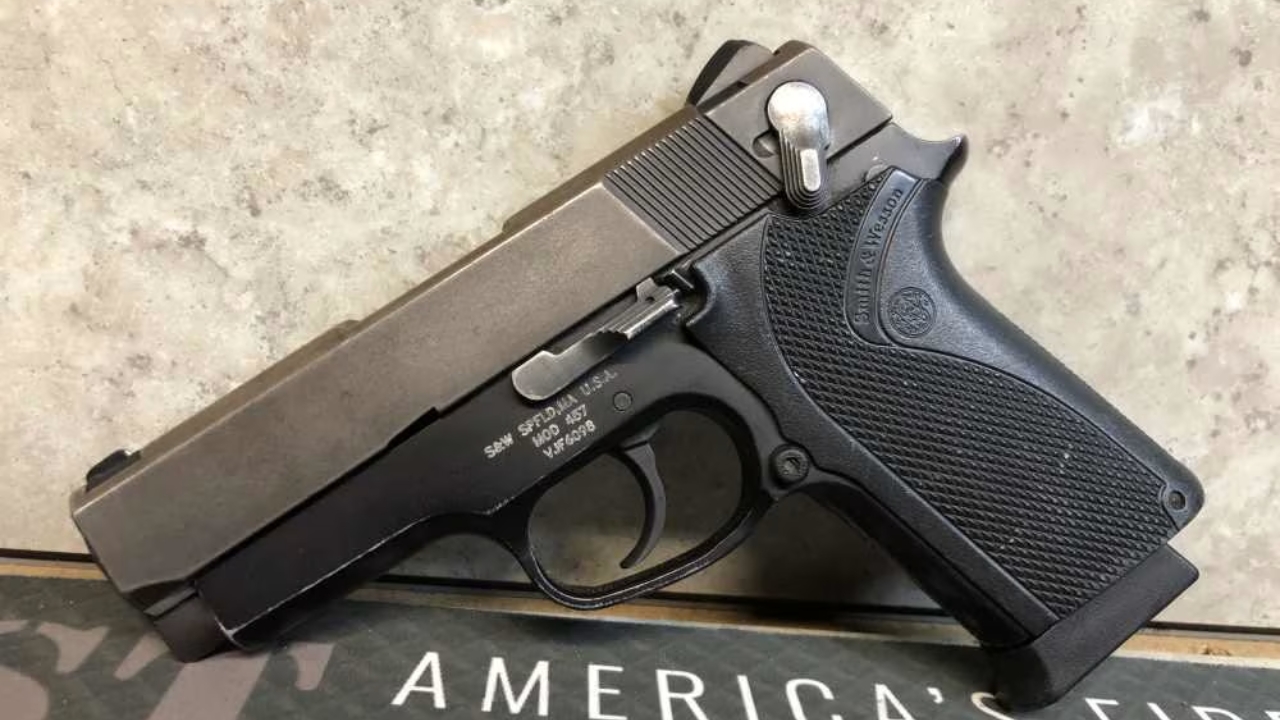
The Model 457 was built as a value-oriented compact .45, which meant it lacked the premium finish of Smith & Wesson’s higher-end third-generation pistols.
That lower-cost positioning made it easy to overlook. The gun still offered a metal frame, conventional DA/SA operation, and a compact format that handled .45 ACP surprisingly well. It was not glamorous, but it was dependable. The Model 457 is a good example of a pistol that got judged by its budget trim rather than by how well it actually worked.
Stoeger Cougar 8045
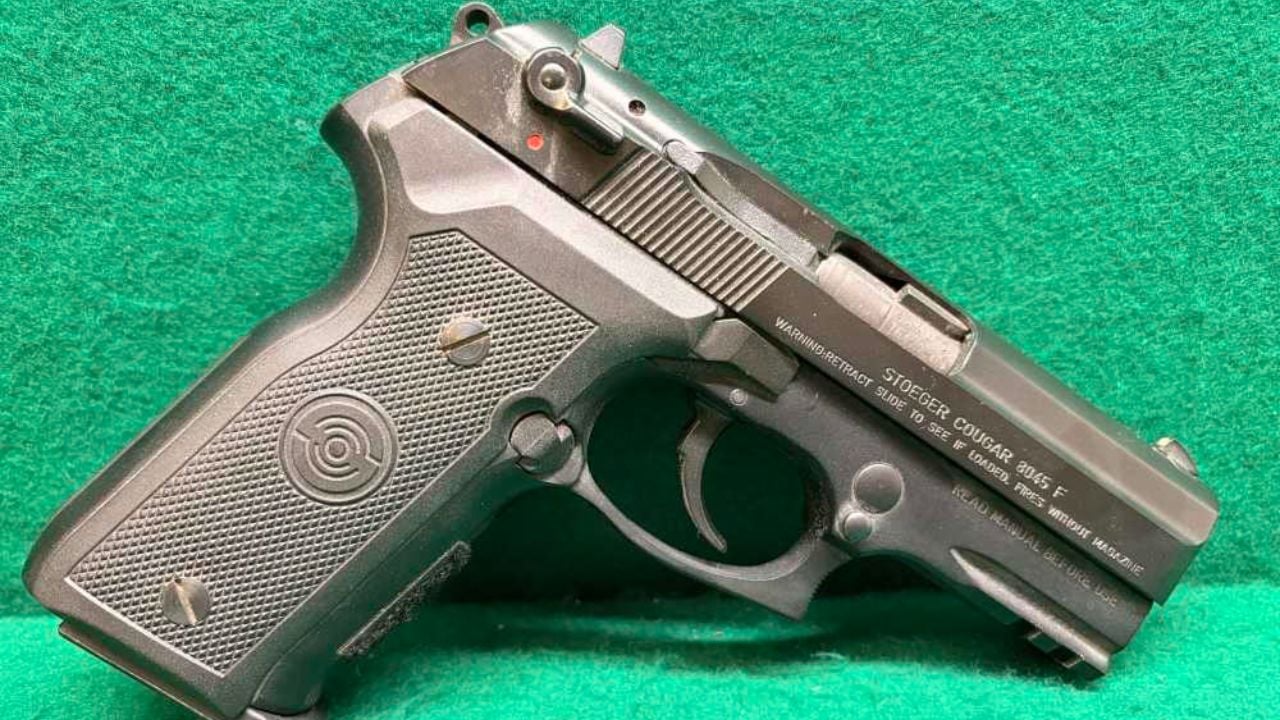
The Stoeger Cougar was often dismissed because buyers knew it was the less expensive continuation of Beretta’s older Cougar design.
The rotating-barrel action did not suddenly become bad because the name on the slide changed. The gun remained soft-shooting, strong, and mechanically interesting. In .45 ACP, the extra weight and rotating system make recoil very manageable. The Stoeger name kept prices down, but owners often discovered they were getting much more pistol than the market reputation suggested.
Ruger SR45
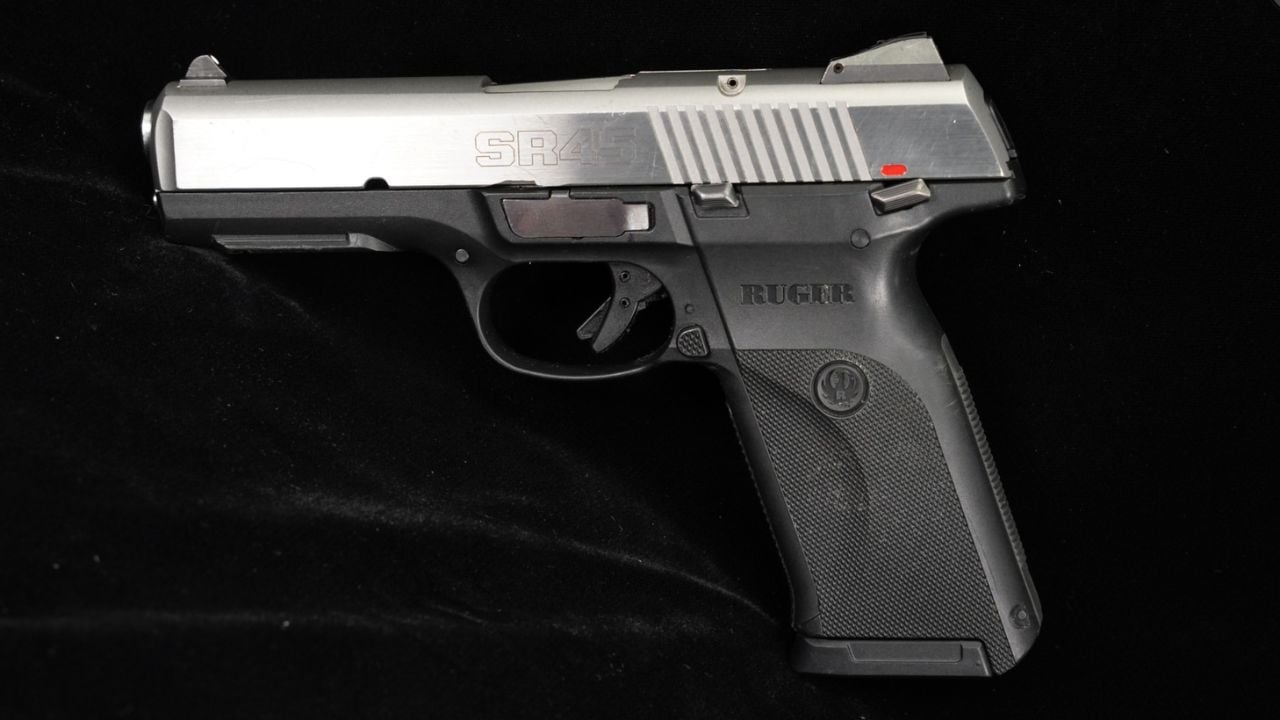
The SR45 arrived late to the big-bore polymer-pistol market and never became one of Ruger’s defining handguns.
That is unfortunate because the pistol was comfortable, relatively slim for a .45 ACP, and straightforward to shoot. It offered enough grip surface to control the cartridge without becoming excessively bulky. The SR45 was not revolutionary, but it was a solid defensive pistol that got buried as Ruger shifted attention to newer platforms.
FN FNP-45
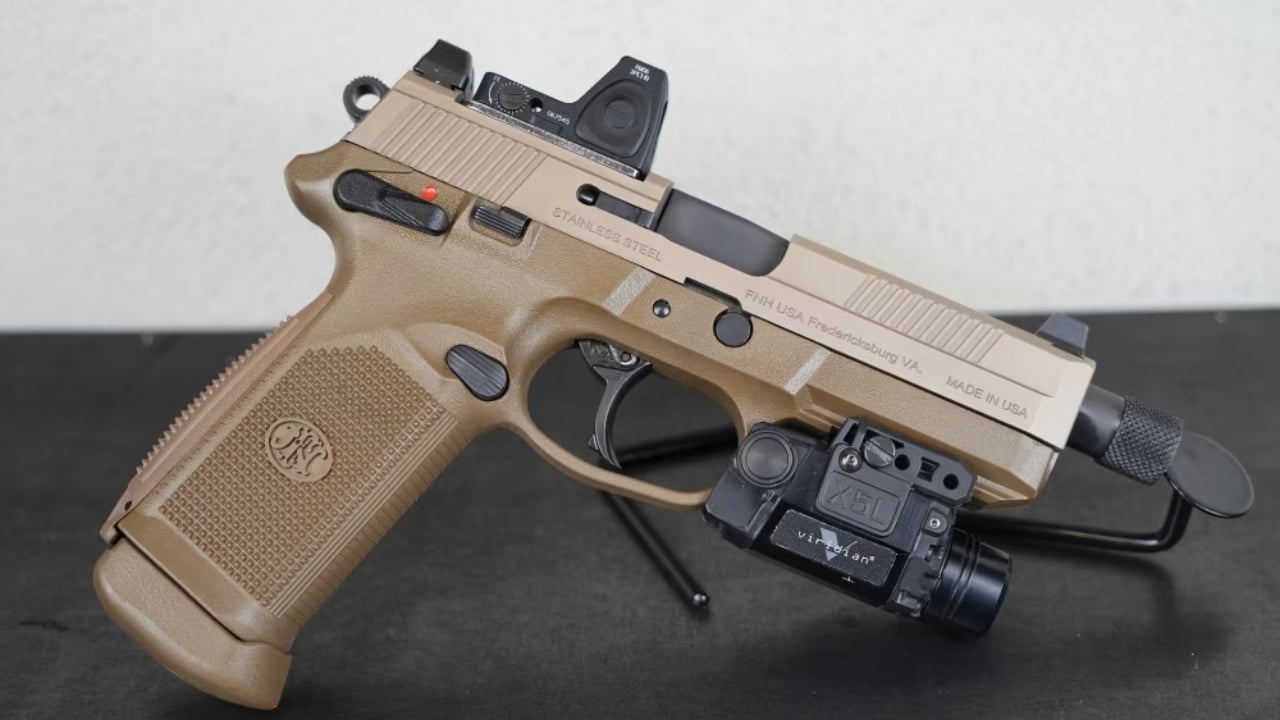
The FNP-45 was overshadowed by the later FNX-45 Tactical, which became the model everyone remembered.
The original FNP was still a serious high-capacity .45. It offered a large frame, ambidextrous controls, and a hammer-fired system designed around hard use. The pistol was bulky, but that bulk made it easy to shoot. Owners who bought one before the FNX took over often found little reason to upgrade because the underlying gun was already dependable and capable.
Para-Ordnance P14-45
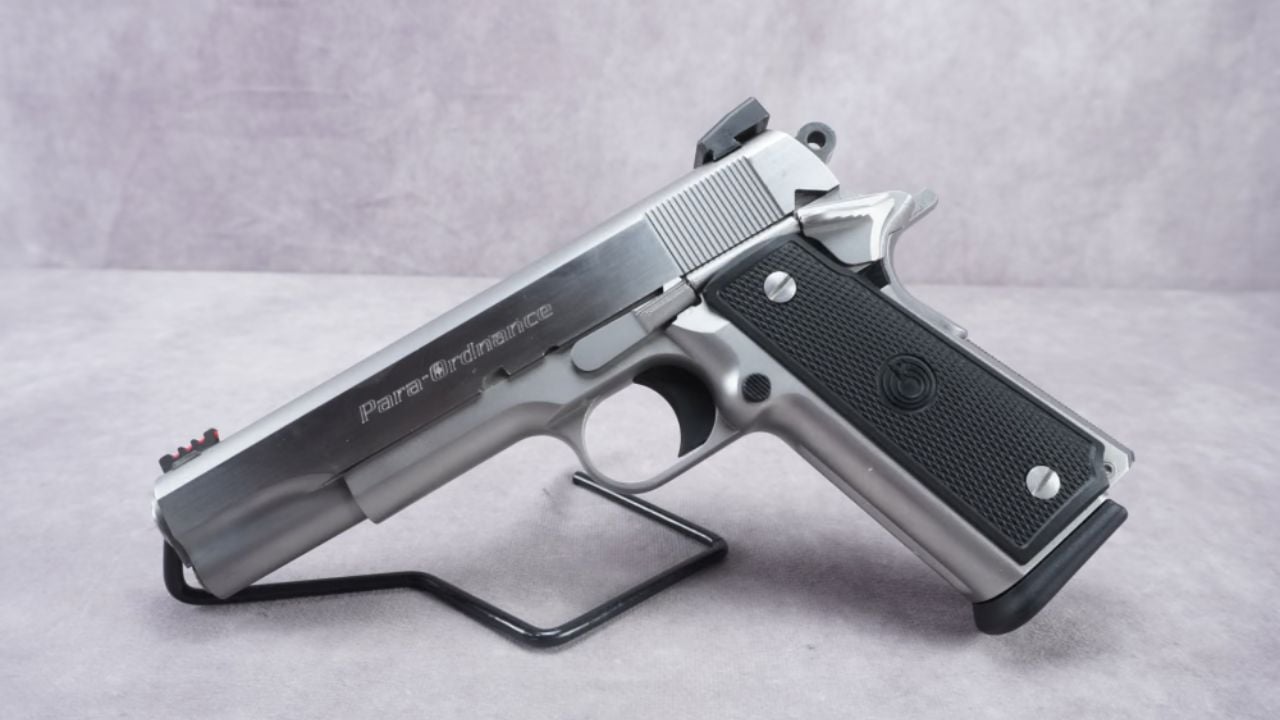
The P14-45 gets blamed for some of the reliability problems associated with older double-stack 1911s, and poor magazines or badly maintained examples certainly existed.
A properly sorted P14-45 could be a very different gun. The pistol gave shooters 14 rounds of .45 ACP at a time when that was genuinely unusual, and the basic 1911 trigger remained one of its strongest features. Modern double-stack 1911s are more refined, but Para deserves more credit for proving the concept could work long before the current 2011 craze.
Like The Avid Outdoorsman’s content? Subscribe to our newsletter so you never miss an article.
Here’s more from us: