Photo credit: Alabama Arsenal/YouTube
A gun can seem like a great purchase right up until the first serious ammunition order. Some cartridges are expensive because they are uncommon. Others cost more because they use heavy bullets, specialized brass, or simply do not have the production volume of 9mm, .223, or .22 LR.
That does not make the guns themselves bad. In many cases, these are excellent firearms that are accurate, powerful, or unusually fun to shoot. The problem is that every range trip starts feeling more expensive than expected. These 20 guns are easy to love until you start calculating what each pull of the trigger is costing you.
Ruger No. 1 in .375 Ruger

The Ruger No. 1 is already the kind of rifle that appeals to people who enjoy something different. Chamber it in .375 Ruger and you get a beautifully simple single-shot rifle capable of handling very large game with serious authority. It is powerful, elegant, and far more interesting than another ordinary bolt gun.
The downside appears as soon as you start buying ammunition. .375 Ruger is not a high-volume cartridge, and factory loads are priced accordingly. Shooting a few rounds to confirm zero is one thing. Spending an afternoon practicing with it is another. The rifle may beg to be shot, but your wallet may suggest otherwise.
Sako 85 in .338 Lapua Magnum

A Sako chambered in .338 Lapua Magnum sounds like the ultimate long-range rifle. You get premium construction, excellent accuracy, and a cartridge capable of reaching far beyond what most shooters will ever realistically attempt.
Then you start paying for quality .338 Lapua ammunition. Long-range loads are expensive enough that practice sessions can become surprisingly costly very quickly. That creates an awkward situation where the rifle requires substantial practice to use well, yet every round encourages you to slow down and count your shots. It is an incredible setup, but hardly an inexpensive one to master.
Smith & Wesson Model 500

The Model 500 is one of the easiest revolvers in the world to get excited about. It is enormous, brutally powerful, and guaranteed to get attention at the range. Buying one can feel like adding the ultimate revolver to your collection.
Feeding it changes the mood. .500 S&W Magnum ammunition is expensive enough that casually burning through boxes becomes painful. The heavy recoil also means most shooters are not firing hundreds of rounds in a session anyway, but that does not make replacement ammunition any cheaper. The gun remains fun, but every cylinder feels like a small financial decision.
Winchester Model 70 Safari Express in .416 Remington Magnum
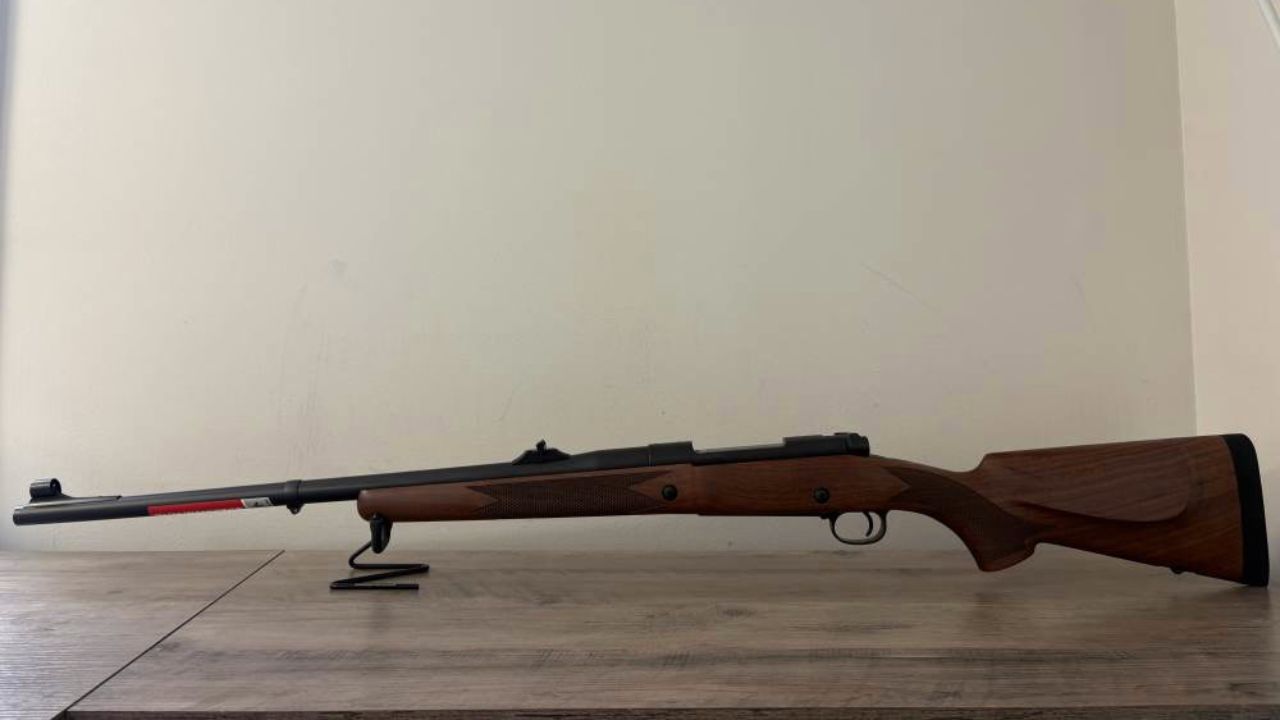
The Safari Express is built around serious hunting, and .416 Remington Magnum is a serious cartridge. The combination has the power and reliability needed for dangerous game, along with the classic controlled-round-feed action many hunters want in a rifle like this.
Of course, most owners are not hunting buffalo every weekend. That leaves practice as the main way to enjoy the rifle, and .416 Remington ammunition can make regular practice expensive fast. It is one of those guns where the purchase price is only the beginning. Once you start feeding it, you understand why dangerous-game rifles are not casual range toys.
Magnum Research BFR in .45-70 Government

The BFR in .45-70 is one of the wildest production revolvers you can buy. It takes a cartridge normally associated with large lever rifles and puts it into a massive single-action handgun.
That novelty is exactly what makes it appealing. Unfortunately, .45-70 is not cheap to shoot, especially if you are buying quality hunting loads. A few cylinders can chew through ammunition faster than expected, and the recoil encourages deliberate shooting anyway. It is an unforgettable handgun, but not one you casually bring out for a 200-round range session.
Barrett Model 99 in .50 BMG
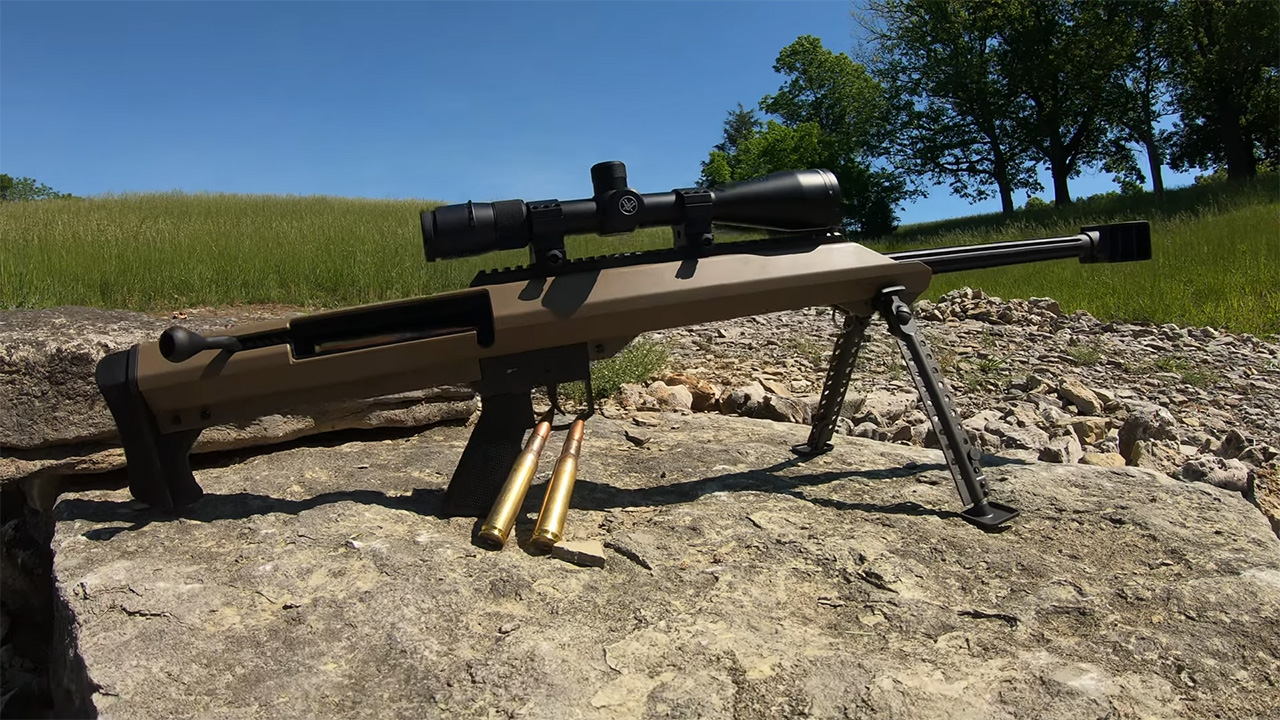
Few rifles make ownership feel more dramatic than a .50 BMG. The Barrett Model 99 gives you a relatively simple single-shot platform that can deliver extreme range and enormous energy.
The cost of feeding it is equally enormous compared with ordinary rifle cartridges. Match-grade .50 BMG can turn even a short range trip into a serious expense. The rifle itself may be simple, but the ammunition budget definitely is not. Buyers drawn in by the power quickly learn that .50 BMG ownership involves much more than simply buying the rifle.
Freedom Arms Model 83 in .454 Casull
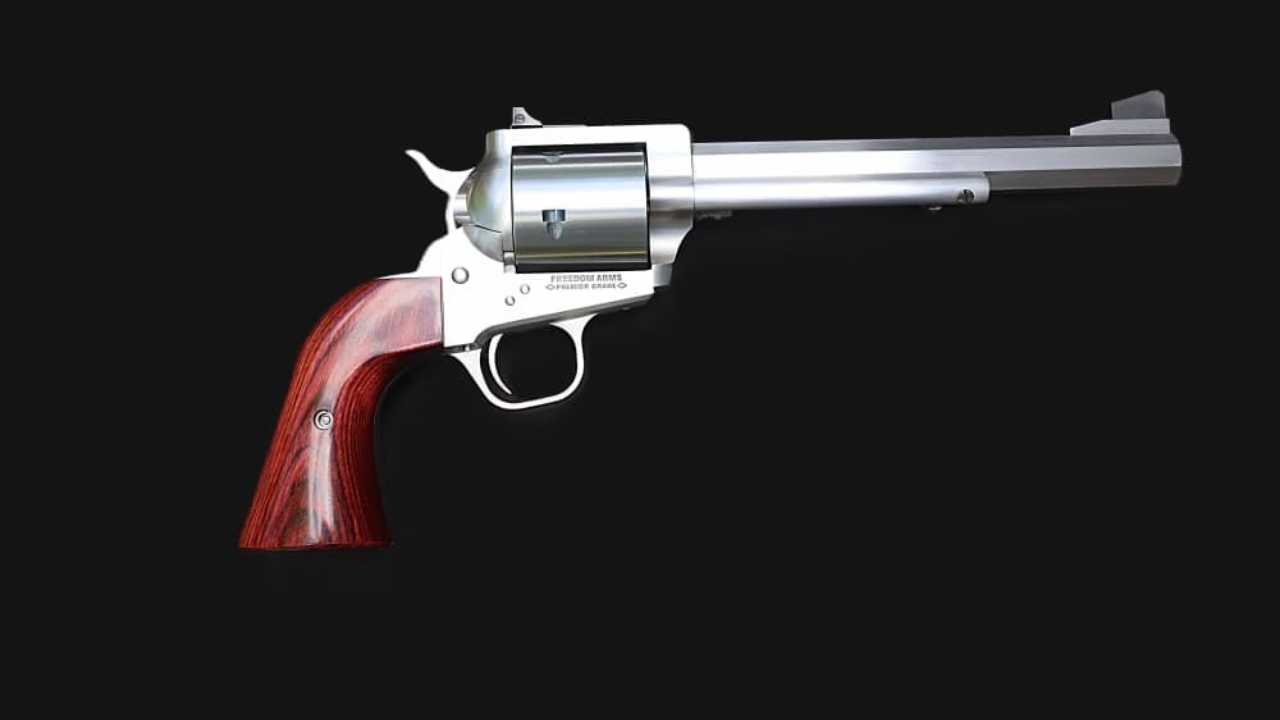
The Model 83 is one of the finest single-action revolvers available, and .454 Casull is a natural match for its strength. The cartridge delivers serious hunting power and impressive performance from a handgun.
The problem is that full-power .454 ammunition is far more expensive than common revolver cartridges. You can sometimes practice with .45 Colt, which helps, but anyone wanting to train regularly with the cartridge they actually hunt with will feel the difference. The gun may be refined, but the ammunition bill is not.
Weatherby Mark V in .257 Weatherby Magnum

The .257 Weatherby Magnum has built a reputation for speed, flat trajectory, and excellent performance on deer-sized game. Put it in a Mark V and you get one of the classic high-performance hunting combinations.
You also get Weatherby ammunition prices. The cartridge does not benefit from the same production volume as something like .270 Winchester or .308, and premium hunting loads can get expensive. It is a fantastic cartridge for people who appreciate velocity, but regular practice is much easier to justify with something more common.
Desert Tech SRS in .300 Norma Magnum
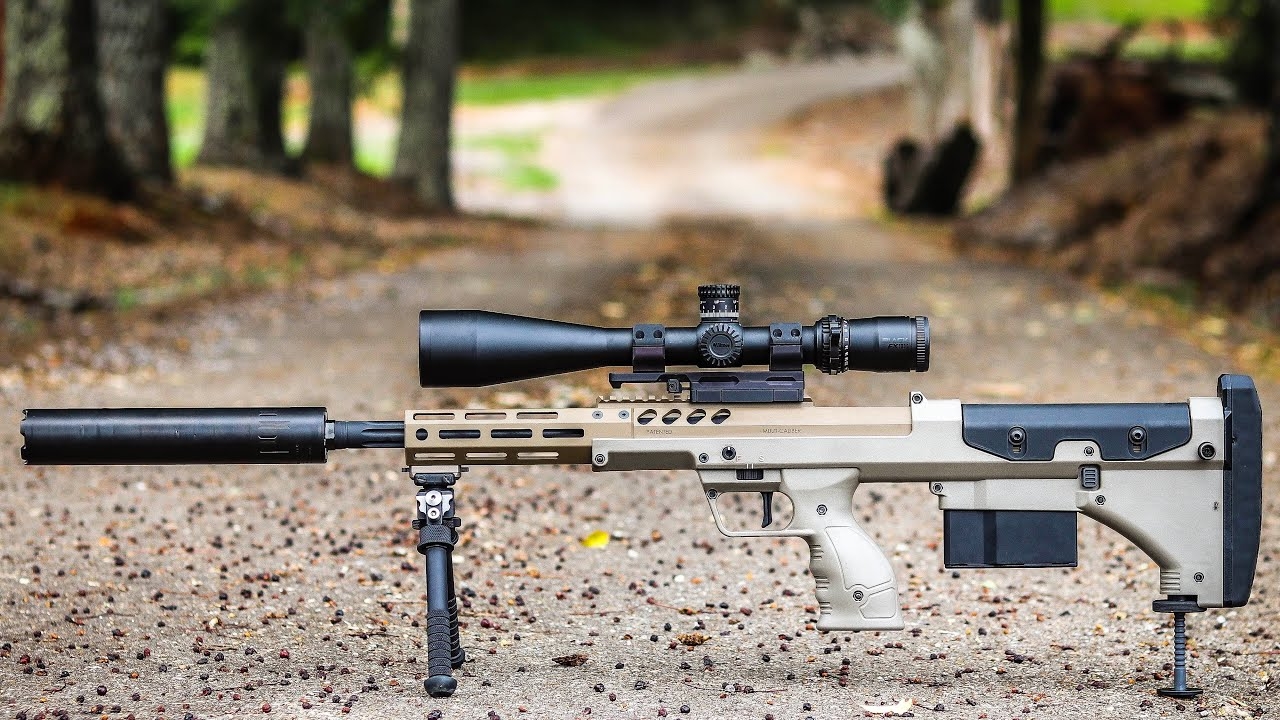
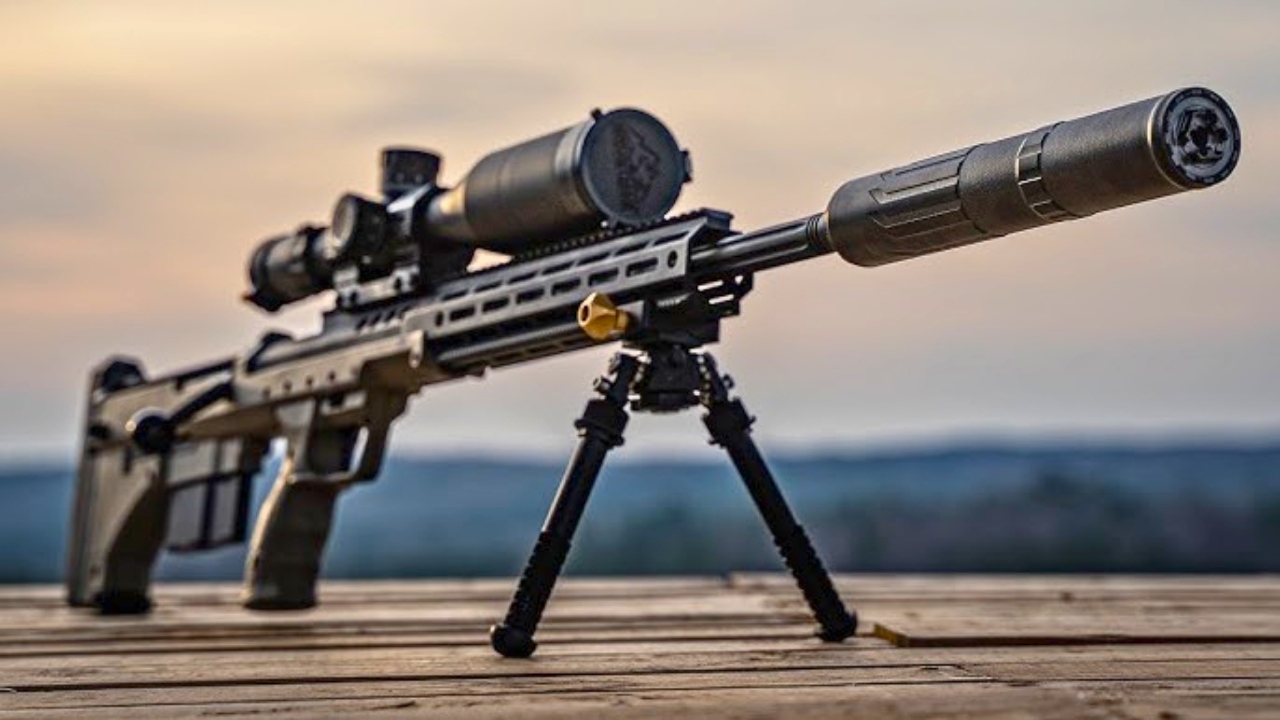
The SRS is already an unusual rifle, and pairing it with .300 Norma Magnum pushes things even further into specialized long-range territory. The cartridge offers tremendous ballistic performance for shooters chasing distance.
The downside is that specialized long-range cartridges tend to come with specialized long-range prices. Factory ammunition can be expensive, and quality match loads are not something most shooters burn through casually. This is a rifle and cartridge combination built around capability first and budget second.
Ruger Super Blackhawk in .480 Ruger

The .480 Ruger offers serious power without quite reaching the extreme recoil of some larger magnum revolver cartridges. In a Super Blackhawk, it makes an excellent hunting and field combination.
The catch is that .480 Ruger remains relatively uncommon. That means ammunition is not sitting on every store shelf, and prices reflect the smaller market. The revolver itself may be rugged and straightforward, but keeping it fed can become much more complicated than owning a .44 Magnum.
Browning X-Bolt in .28 Nosler

The .28 Nosler earned attention by combining high velocity with excellent long-range hunting capability. In an X-Bolt, it creates a modern hunting rifle that can stretch far beyond traditional woods distances.
That performance comes with expensive ammunition. High-quality .28 Nosler loads are not something most people shoot by the case. The cartridge also performs best when you actually practice at distance, which makes the cost even more noticeable. It is easy to love the ballistics and much harder to love the ammunition receipts.
Free for gun owners: If something happened to you tomorrow, would your family know where the guns are, who has the safe combination, or what to do first? Our free Gun Owner’s Family Checklist walks them through it. It takes about 15 minutes to fill out. Get your free copy here.
CZ 550 in .458 Lott

The .458 Lott is built for situations where ordinary cartridges are not enough. In a large controlled-feed rifle such as the CZ 550, it has the strength and reliability expected of a dangerous-game setup.
It is also the kind of cartridge that reminds you exactly how expensive specialized ammunition can become. Each range session requires enough practice to manage recoil and stay proficient, but every round is far more expensive than ordinary rifle ammunition. It is a rifle built for a purpose, not cheap entertainment.
Smith & Wesson Model 610
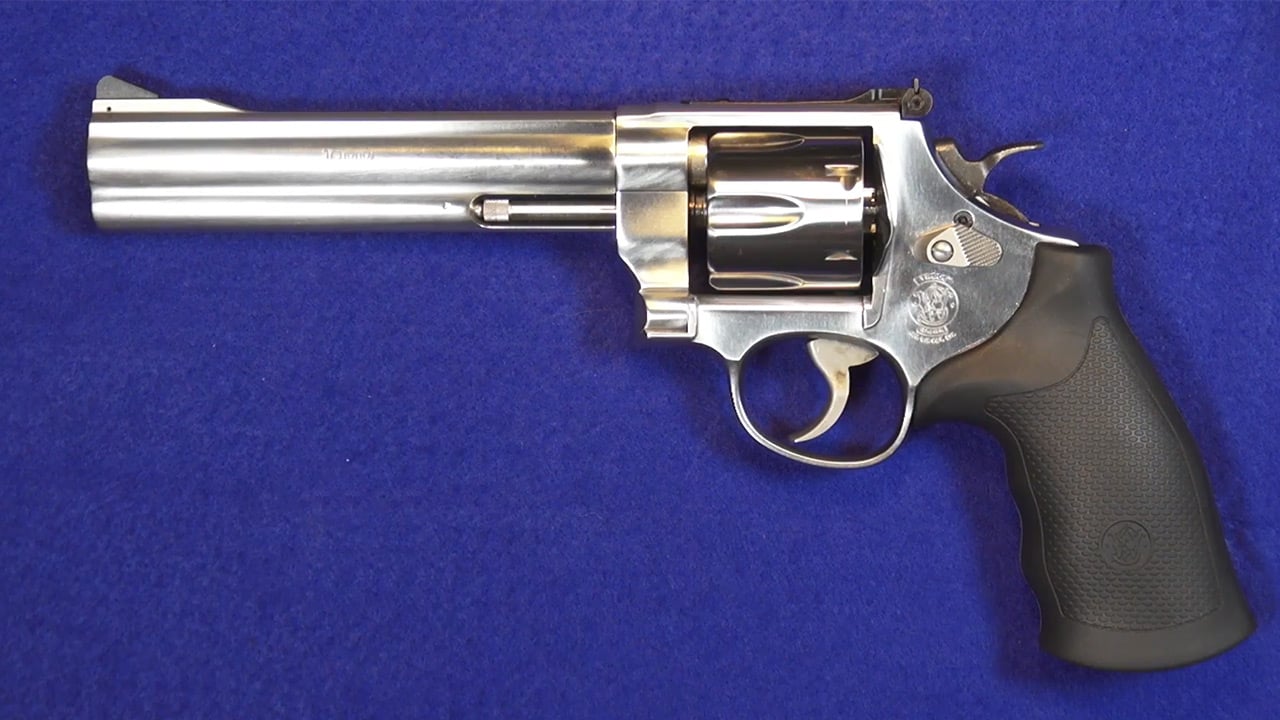
The Model 610 is a 10mm revolver, which already makes it unusual. You get the power of 10mm Auto with the durability and handling characteristics of a large revolver.
The problem is that 10mm is still more expensive than common 9mm ammunition, especially when you start buying full-power loads. Revolver owners also tend to shoot slower, but that only stretches the pain rather than removing it. The Model 610 is interesting and capable, but it is not the cheapest revolver to keep busy.
Marlin 1895 in .450 Marlin
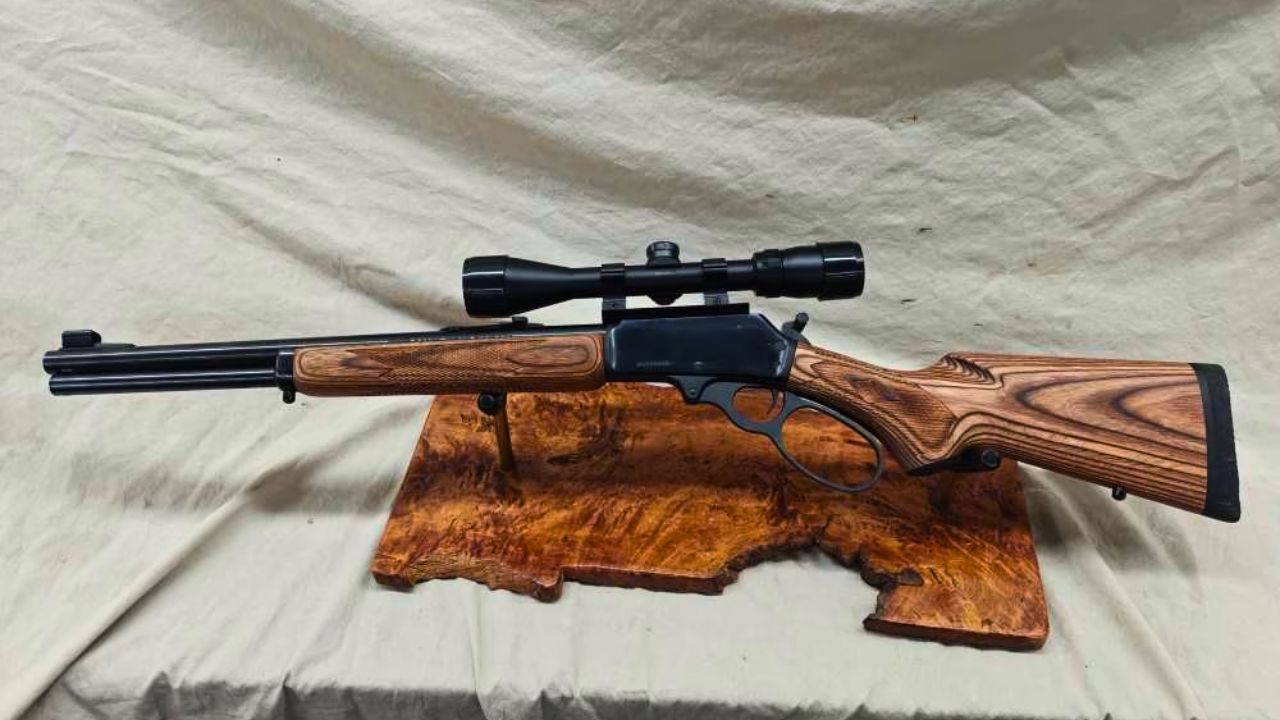
The .450 Marlin was created to deliver heavy lever-gun performance without some of the concerns associated with high-pressure .45-70 loads in older rifles. In a modern Marlin, it makes a powerful brush-country hunting setup.
Unfortunately, the cartridge never achieved anything close to .45-70 popularity. That limited demand means ammunition can be harder to find and more expensive when you do find it. The rifle itself remains excellent, but owners may eventually wish they had gone with the more common chambering.
Steyr HS .50
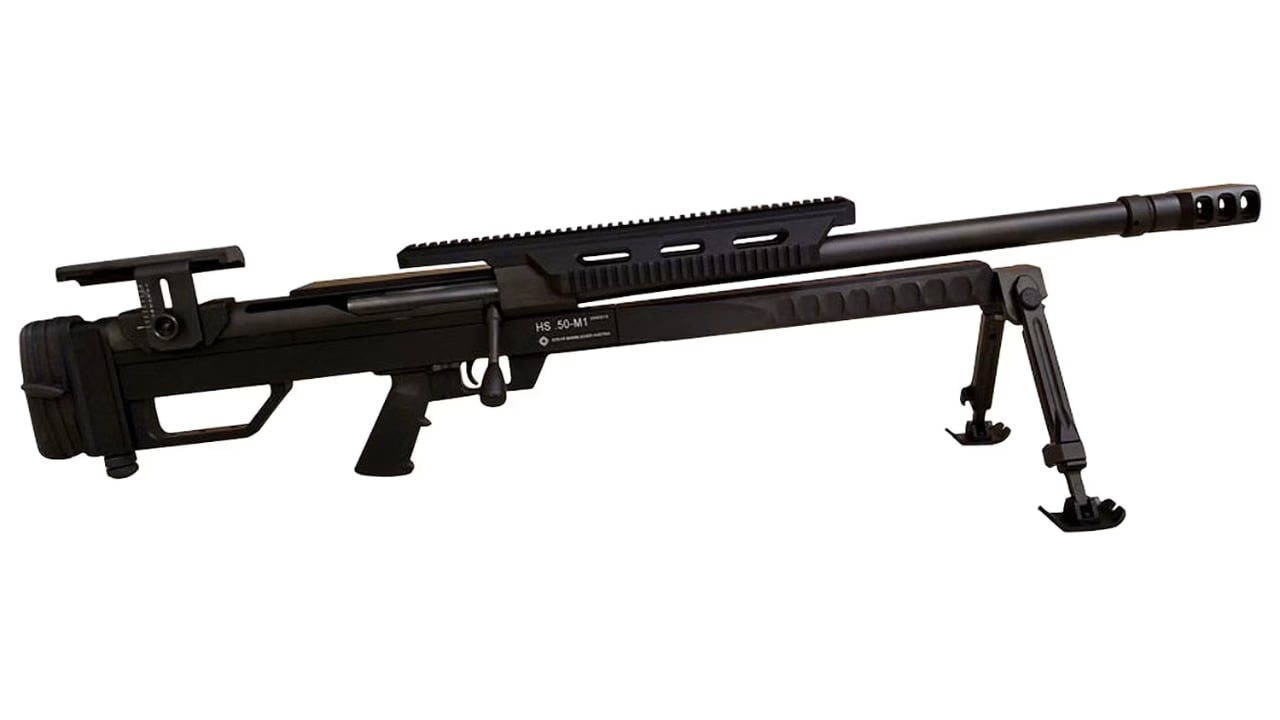
The Steyr HS .50 is another rifle that instantly attracts anyone fascinated by extreme long-range cartridges. The huge barrel, single-shot layout, and .50 BMG chambering give it a purpose-built feel that ordinary rifles simply cannot match.
The cost of ammunition is equally purpose-built. Even basic .50 BMG loads cost enough that every shot feels deliberate, and premium ammunition can get dramatically more expensive. It is a thrilling rifle to own, but affordability is nowhere near the top of its strengths.
Browning BLR in .358 Winchester
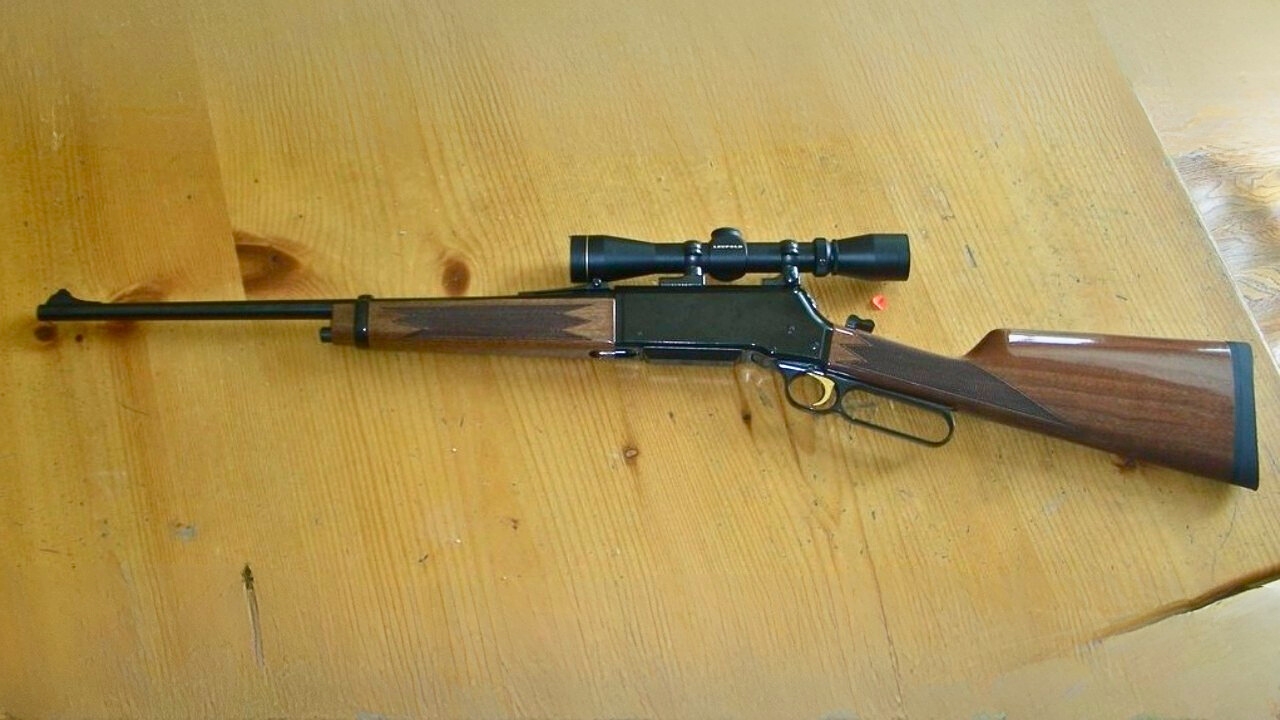
The BLR in .358 Winchester combines one of the most interesting lever-action designs with a cartridge that delivers excellent short-to-medium-range power. It makes a great hunting rifle for thick woods and larger game.
The problem is that .358 Winchester is nowhere near as common as .308 or .30-06. Factory ammunition can be difficult to locate and expensive when available. The cartridge performs beautifully, but unless you reload, you may spend more time searching for ammunition than you expected.
Taurus Raging Hunter in .460 S&W Magnum

The Raging Hunter chambered in .460 S&W offers massive handgun performance at a price that can look surprisingly reasonable for such a powerful revolver. It is built for hunters who want serious energy and long-range capability.
The ammunition cost quickly balances out any savings on the gun itself. Full-power .460 loads are expensive, and the revolver encourages practice if you intend to hunt effectively with it. You can shoot lighter cartridges in some .460 revolvers, but anyone wanting the full experience will pay for it.
Winchester Model 1895 in .405 Winchester
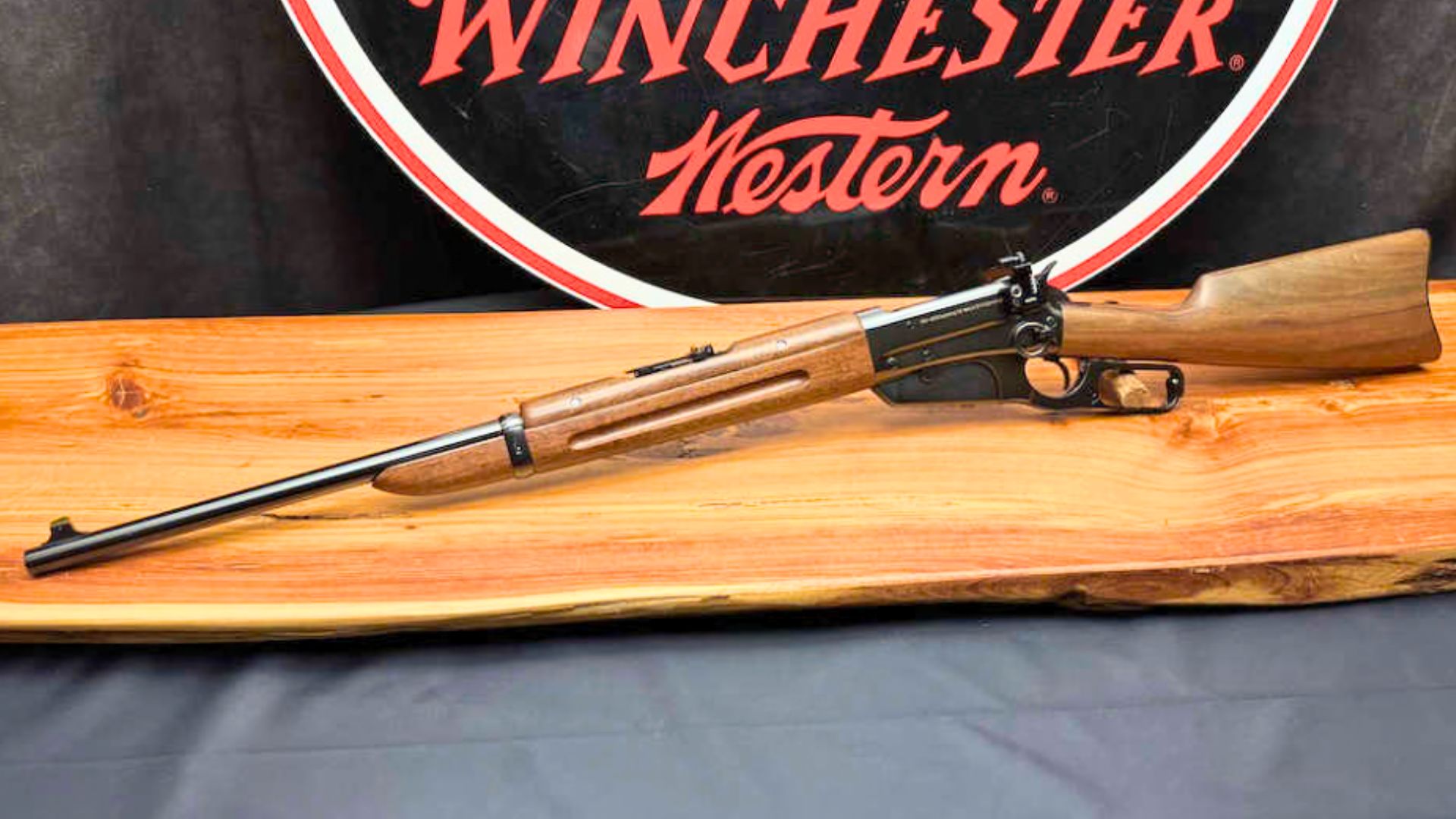
The .405 Winchester gives the Model 1895 a tremendous amount of historical character. It is the sort of combination that appeals to hunters and collectors who want something far outside the ordinary.
That historical charm does not translate into cheap ammunition. .405 Winchester is a niche cartridge, and factory loads can be significantly more expensive than common hunting rounds. It is incredibly satisfying to shoot, but most owners are not going to treat it like an inexpensive afternoon plinker.
Nighthawk Custom 1911 in .38 Super

A premium 1911 chambered in .38 Super is an incredibly enjoyable pistol. The cartridge shoots flat, has a long competition history, and gives the classic 1911 platform a noticeably different personality than .45 ACP.
The problem is that .38 Super simply does not have the production volume of 9mm. Ammunition generally costs more, and premium loads can make regular practice noticeably more expensive. The gun may be smooth enough to encourage fast shooting, but your ammunition budget may tell you to slow down.
Pedersoli Sharps in .45-90
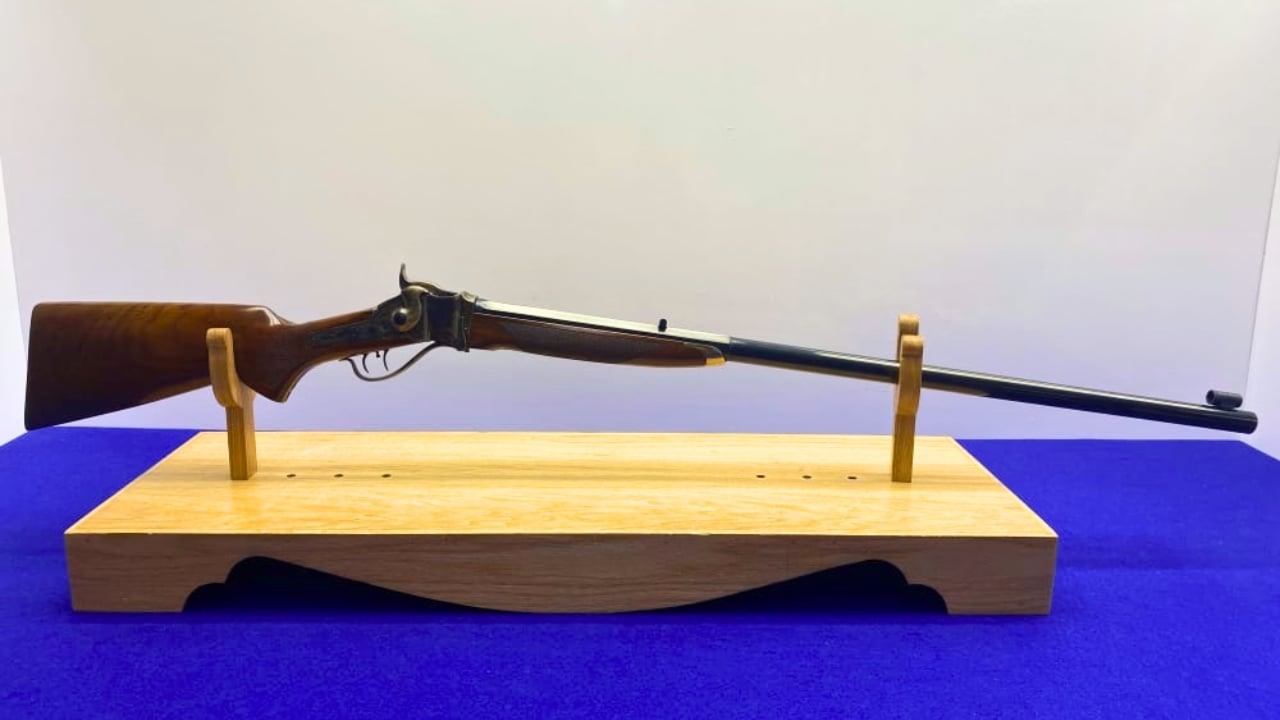
A Sharps rifle chambered in .45-90 offers one of the most traditional big-bore shooting experiences available. The long barrel, heavy construction, and enormous cartridges make every shot feel like an event.
That experience gets expensive quickly if you rely on factory ammunition. .45-90 is far more specialized than .45-70 and is often the kind of cartridge that eventually pushes owners toward reloading. The rifle itself may be built around old-school shooting, but the price of keeping it fed feels very modern.
Like The Avid Outdoorsman’s content? Subscribe to our newsletter so you never miss an article.
Here’s more from us: