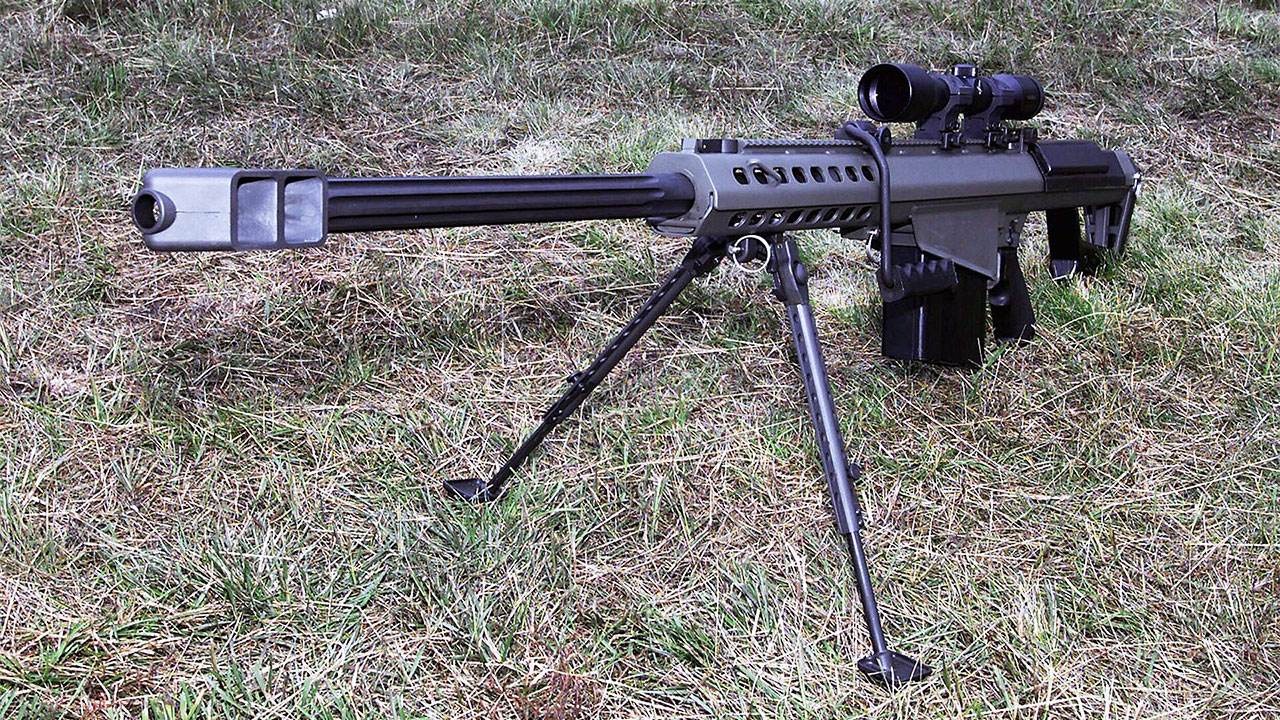
Photo credit: Staffotografen Directie Voorlichting Ministerie van Defensie, CC BY-SA 4.0/Wiki Commons
Barrett is one of those names shooters recognize even if they have never been behind one. For a lot of people, the brand starts and stops with giant .50 BMG rifles, movie scenes, military photos, and price tags that make regular hunting rifles look cheap. That is a big part of the story, but it is not the whole story.
Barrett built its reputation by solving problems most gun companies were not even trying to touch. The Model 82 became the foundation of the company’s identity, and Barrett still lists it as the rifle where the legacy began, calling it the first shoulder-fired semi-automatic .50 BMG rifle. The current Barrett lineup also goes well beyond the Model 82, with rifles like the M107A1, Model 99, MRAD family, REC10, and REC7 DI still part of the company’s catalog.
Barrett Started With a Photographer, Not a Giant Defense Contractor

A lot of shooters assume Barrett came out of the military-industrial world from the beginning. That is easy to believe because the rifles became so closely tied to military use. But the company’s origin story is more unusual than that.
Ronnie Barrett was a commercial photographer before he became known for building .50 BMG rifles. That matters because the Model 82 did not come from some huge established rifle company playing it safe. It came from someone chasing an idea most people would have dismissed. That outsider start is part of why Barrett still has a different feel than brands that simply expanded from traditional hunting rifles into tactical guns.
The Model 82 Was Not Just Another Big Rifle
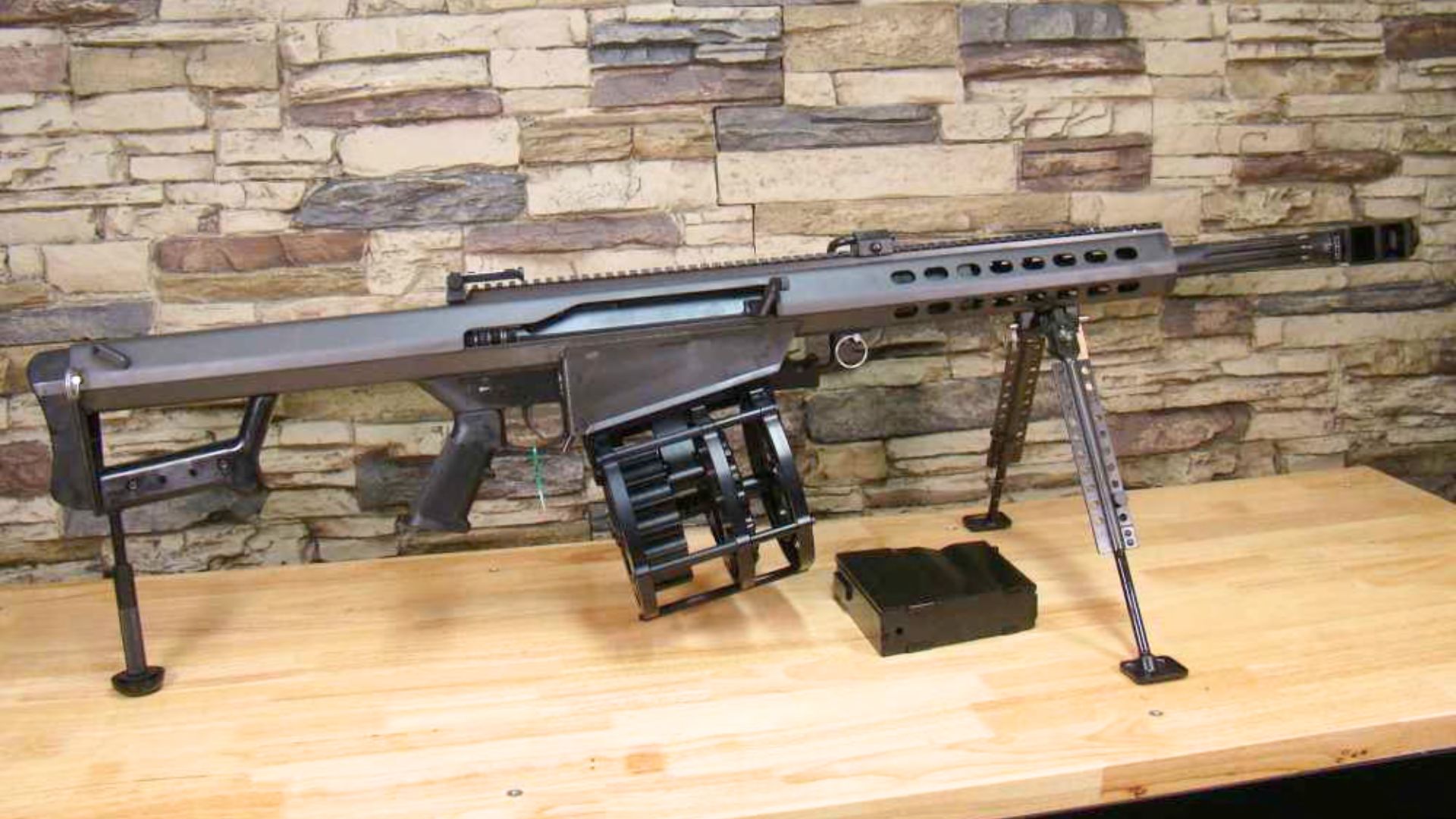
The Barrett Model 82 changed how shooters thought about .50 BMG outside mounted guns. Before Barrett, the cartridge was mostly tied to heavy machine guns and crew-served roles. A shoulder-fired semi-auto .50 BMG rifle sounded almost ridiculous until somebody made it work.
That is why the Model 82 became such a defining rifle. It was not simply big for the sake of being big. It gave military and specialized users a portable anti-materiel rifle that could reach equipment, vehicles, barriers, and distant targets in ways normal rifles could not. Shooters sometimes treat it like a range spectacle now, but the design had a serious purpose from the start.
The Model 82 Became Tennessee’s Official State Rifle
This is one of those facts even plenty of gun people miss. In 2016, Tennessee named the Barrett Model 82/M107 as the state’s official rifle, which is not something that happens to many modern firearms.
That says a lot about how closely Barrett became tied to Tennessee manufacturing and American firearm identity. Most state-symbol conversations focus on birds, flowers, songs, or flags. Barrett getting that kind of recognition shows how culturally recognizable the Model 82 became. It is not just a firearm people know from movies and military photos. In Tennessee, it became part of the state’s official story.
The M107A1 Is Not Just a Rebranded Model 82
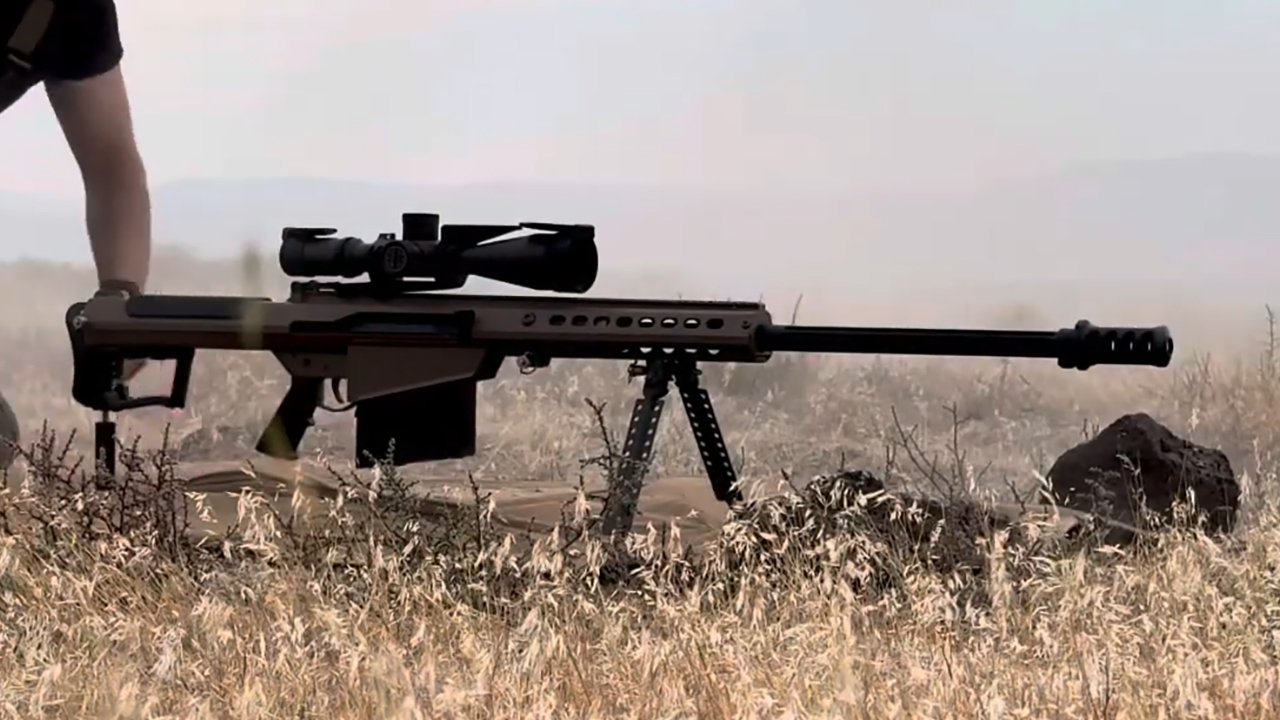
A lot of shooters lump the Model 82A1 and M107A1 together because they look similar and both carry the same basic Barrett .50-cal identity. But the M107A1 was developed as a lighter, more modern evolution of the system.
The M107A1 is built around military needs, suppressor compatibility, weight reduction, and improved handling compared with the older pattern. That does not mean a regular shooter needs one, or that the Model 82A1 suddenly became outdated. It means Barrett did not just freeze the design after it became famous. The company kept refining the platform for users who actually had to carry and fight with it.
Barrett Rifles Are Often Anti-Materiel Tools, Not Movie Sniper Rifles
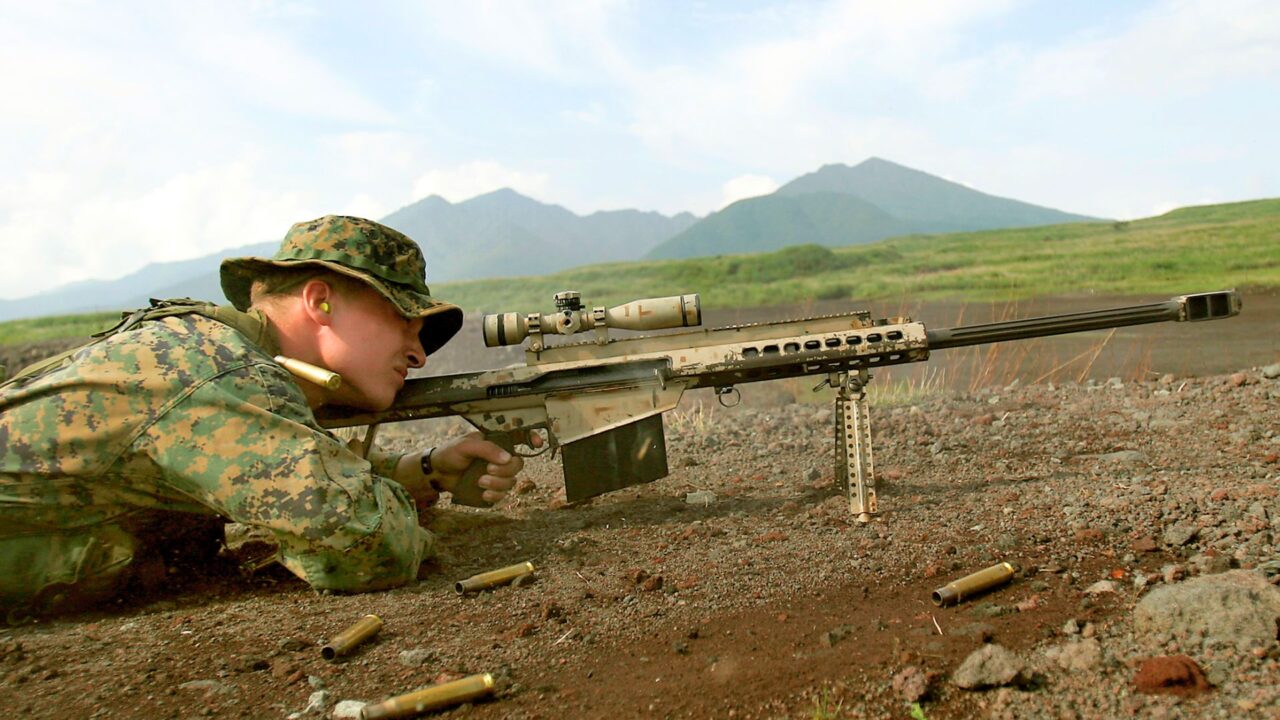
A lot of people hear “Barrett” and immediately think sniper rifle. That is not entirely wrong, but it misses the bigger point. The .50 BMG Barrett rifles were heavily valued for anti-materiel work, meaning targets like vehicles, equipment, radar, aircraft on the ground, barriers, and other hard-use military targets.
That distinction matters. The rifle is accurate for what it is, but it is not just a giant precision rifle built to make dramatic shots at people. It was designed around reach, power, and effect on things normal rifle cartridges cannot handle. Shooters who understand that usually respect Barrett more because the design makes sense inside its real role.
The Recoil Is More Manageable Than People Expect
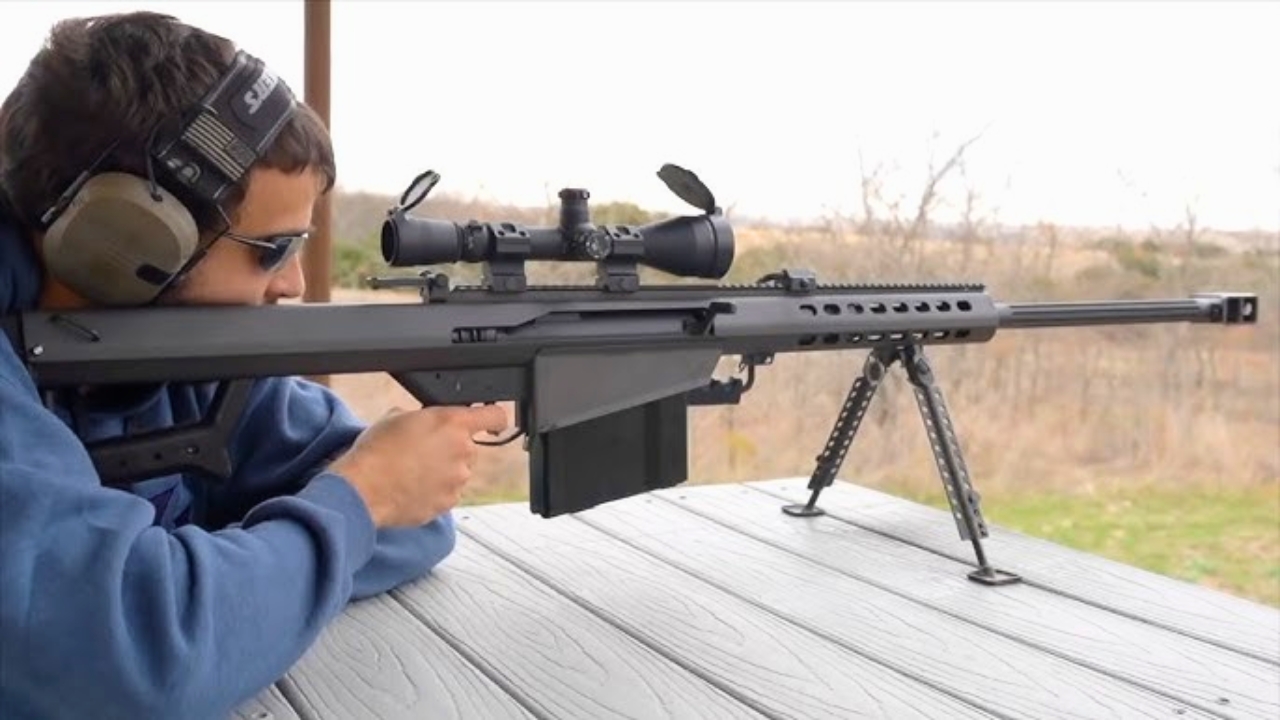
People see a Barrett .50 BMG and assume it must be unbearable to shoot. That is understandable. The cartridge is massive, the rifle is huge, and the blast gets your attention before the trigger ever breaks.
But the rifle’s weight, action design, and muzzle brake make the recoil more manageable than many first-time shooters expect. It is still loud, expensive, and not something you casually burn through all afternoon, but it is not the shoulder-destroying monster some imagine. The blast is often more shocking than the push. That is part of the engineering achievement. Barrett made a cartridge that seemed too large for shoulder fire feel usable.
The Muzzle Brake Is a Huge Part of the Experience
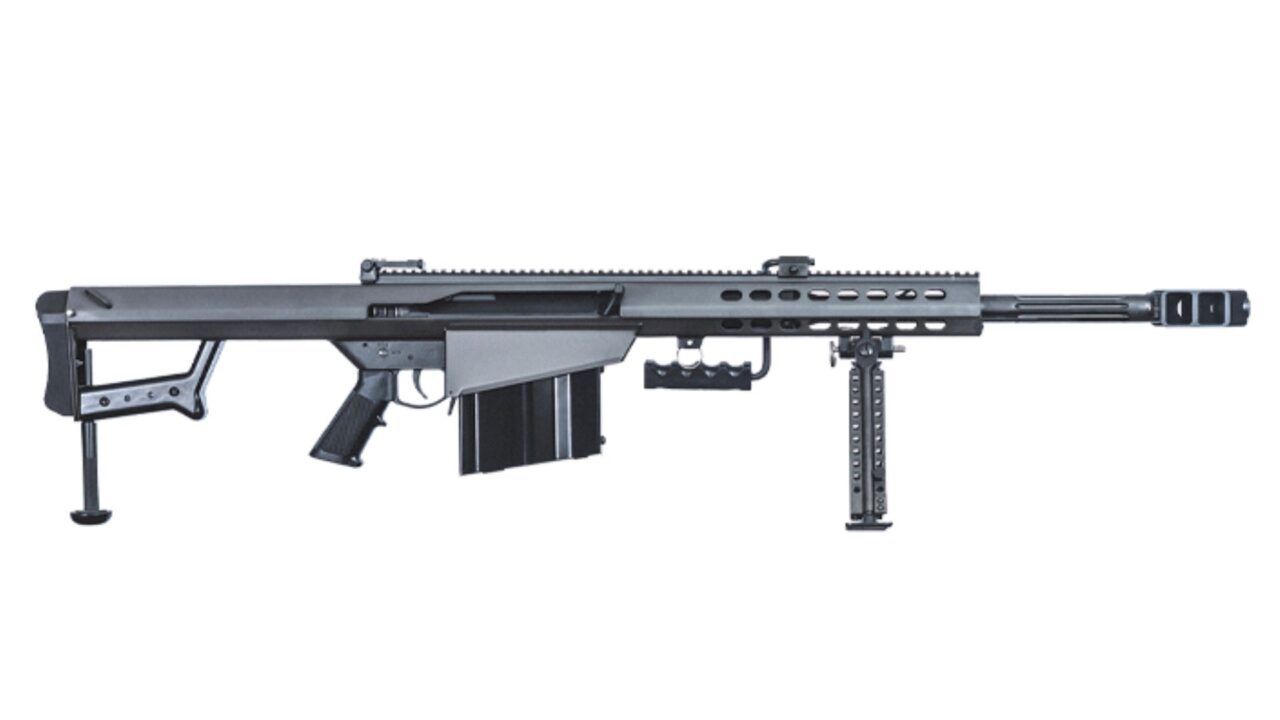
The Barrett muzzle brake is not just there for looks. On the .50 BMG rifles, it is doing serious work. Without an effective brake, the recoil and shooter experience would be completely different.
That also means anyone standing beside the rifle learns respect quickly. The side blast from a .50 BMG brake can be nasty, especially on covered ranges or around dust, gravel, and loose gear. Shooters sometimes underestimate that part because they focus only on recoil. The person behind the rifle may be fine. The people beside it may be less amused.
The MRAD Gave Barrett a Different Kind of Credibility
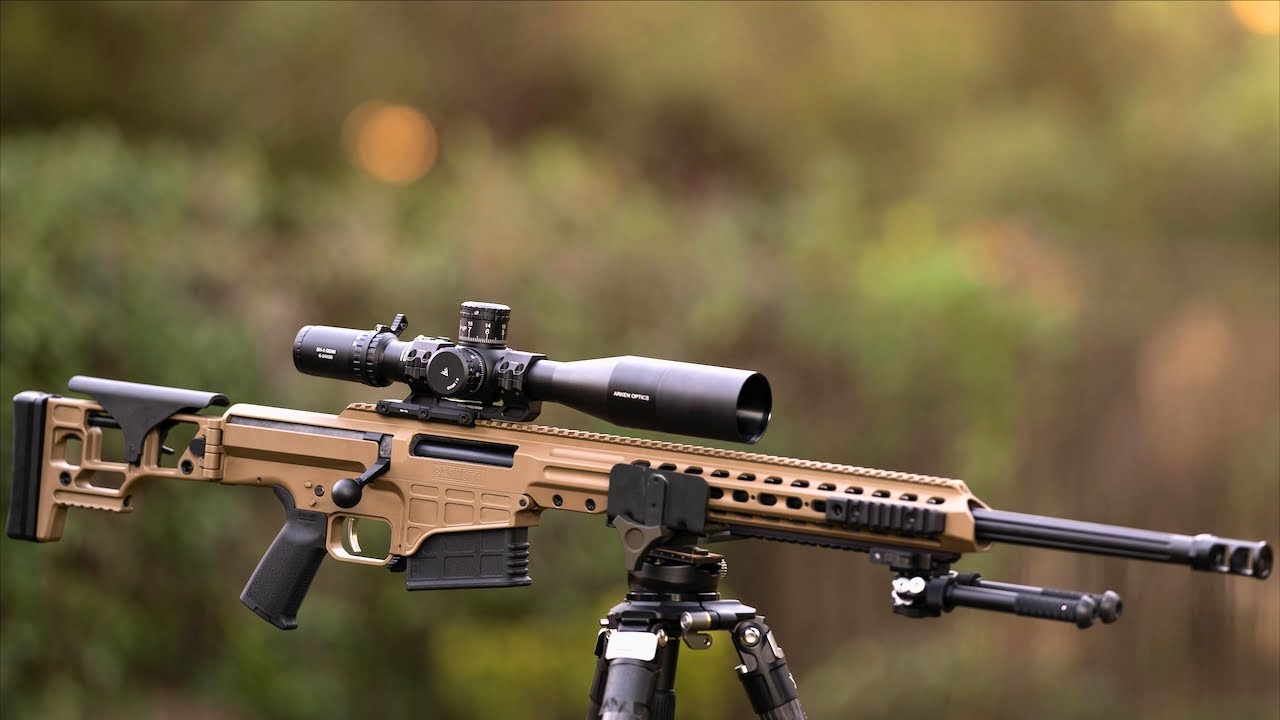
The MRAD helped prove Barrett was more than the company that made giant semi-auto .50s. A multi-caliber precision bolt-action rifle is a very different challenge from the Model 82 family, and Barrett pulled it into serious military use.
That matters because the MRAD competes in a world where accuracy, repeatability, modularity, and user-level caliber changes are everything. It is not relying on the wow factor of .50 BMG. It has to perform like a precision rifle system. That expanded Barrett’s reputation from “big rifle company” to a company that could build serious modern sniper platforms too.
The MK22 Version Comes From Military Precision Rifle Needs
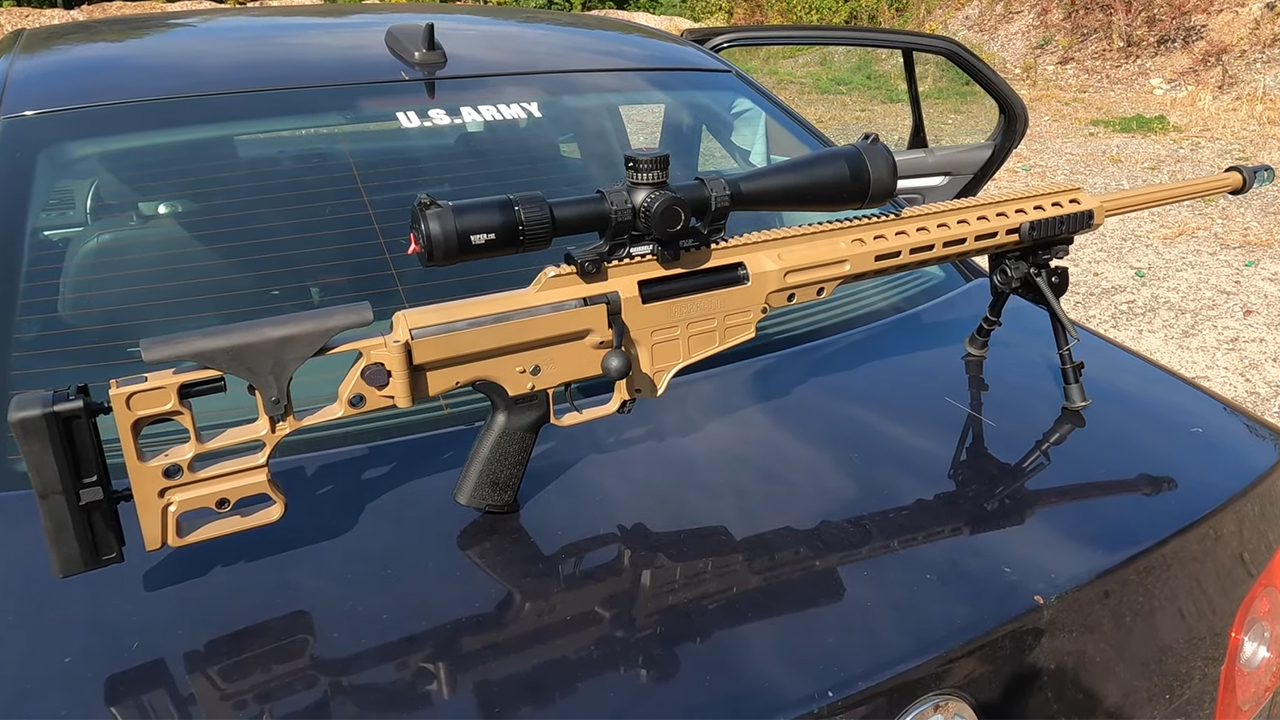
The MRAD MK22 is not just a civilian rifle with a cool name. It came out of military precision-rifle requirements where modularity, caliber flexibility, and extreme-range performance mattered. Barrett’s current catalog lists the MRAD MK22 as part of the company’s rifle lineup.
That is one reason the MRAD family gets taken seriously even by shooters who do not care about .50 BMG rifles. The platform was designed around real sniper-system demands, not just range-day bragging. The ability to adapt to different mission needs is a big part of its appeal. For serious precision shooters, that matters more than the Barrett name alone.
Barrett Also Makes AR-Pattern Rifles
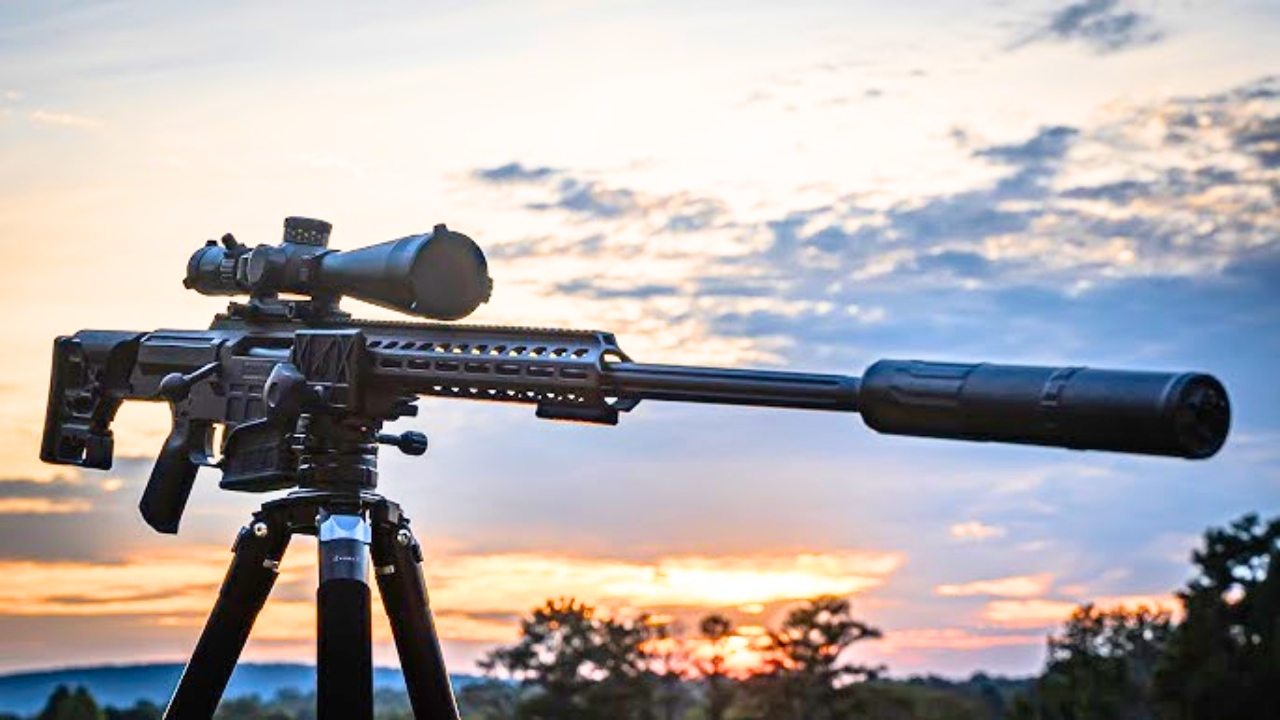
Some shooters still think Barrett only makes .50-cal rifles and precision bolt guns. The company’s current lineup includes AR-pattern rifles like the REC10 and REC7 DI, which gives Barrett a presence in more familiar semi-auto categories too.
That surprises people because the brand identity is so strongly tied to huge rifles. But Barrett has spent years working in smaller-caliber semi-auto platforms as well. The REC7 especially shows how the company tried to bring its hard-use reputation into the carbine world. Not every shooter thinks of Barrett when shopping for an AR, but the company has been in that conversation longer than many realize.
The REC7 Has a Different History Than Most ARs
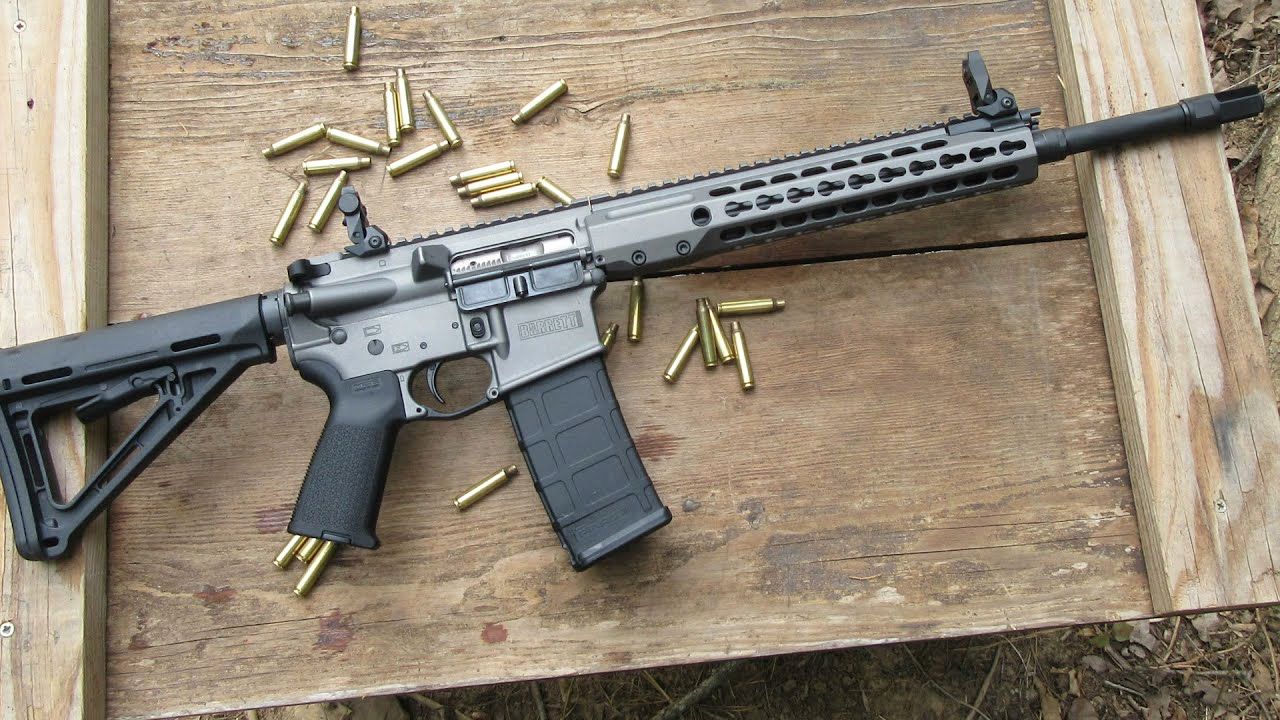
The REC7 is not just “Barrett made an AR.” The earlier REC7 concept was tied to reliability-focused carbine thinking, and it was offered in 6.8 SPC during a time when some shooters and military observers were questioning whether 5.56 NATO was enough for every job.
That history matters because it shows Barrett was paying attention to cartridge and operating-system debates before they became internet noise. The REC7 did not become the universal M4 replacement, but it remains an interesting part of the company’s catalog history. It was Barrett stepping into a much more crowded rifle market and trying to solve a different problem than the Model 82 solved.
Barrett’s Bolt Guns Are More Practical Than People Assume
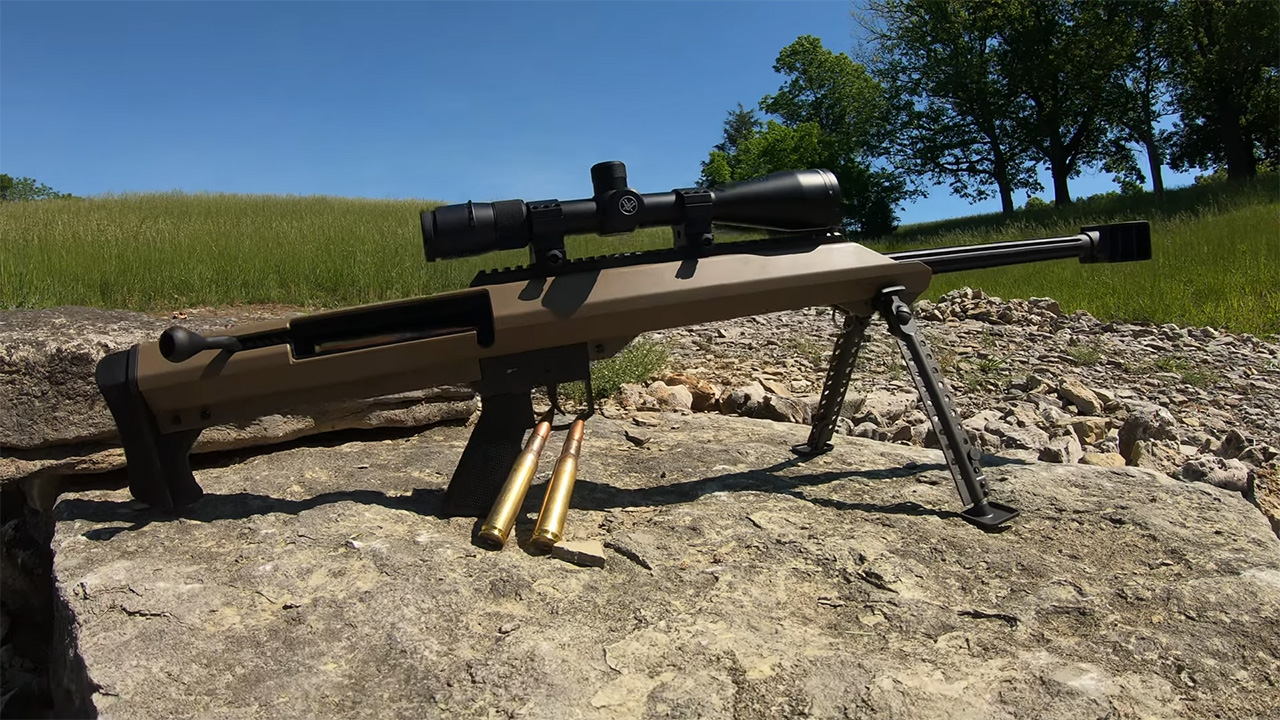
When people hear Barrett bolt-action, they often think everything must be huge, heavy, and built for military snipers only. The reality is more varied. The Model 99, for example, is a single-shot .50 BMG rifle that strips the concept down compared with the semi-auto Model 82 family.
That kind of rifle makes sense for shooters who want power and accuracy without the complexity or cost of a semi-auto .50. It is still not casual, cheap, or lightweight, but it shows Barrett has approached big-bore rifles in more than one way. The company did not build only one famous rifle and stop thinking.
Owning One Is Only Part of the Expense
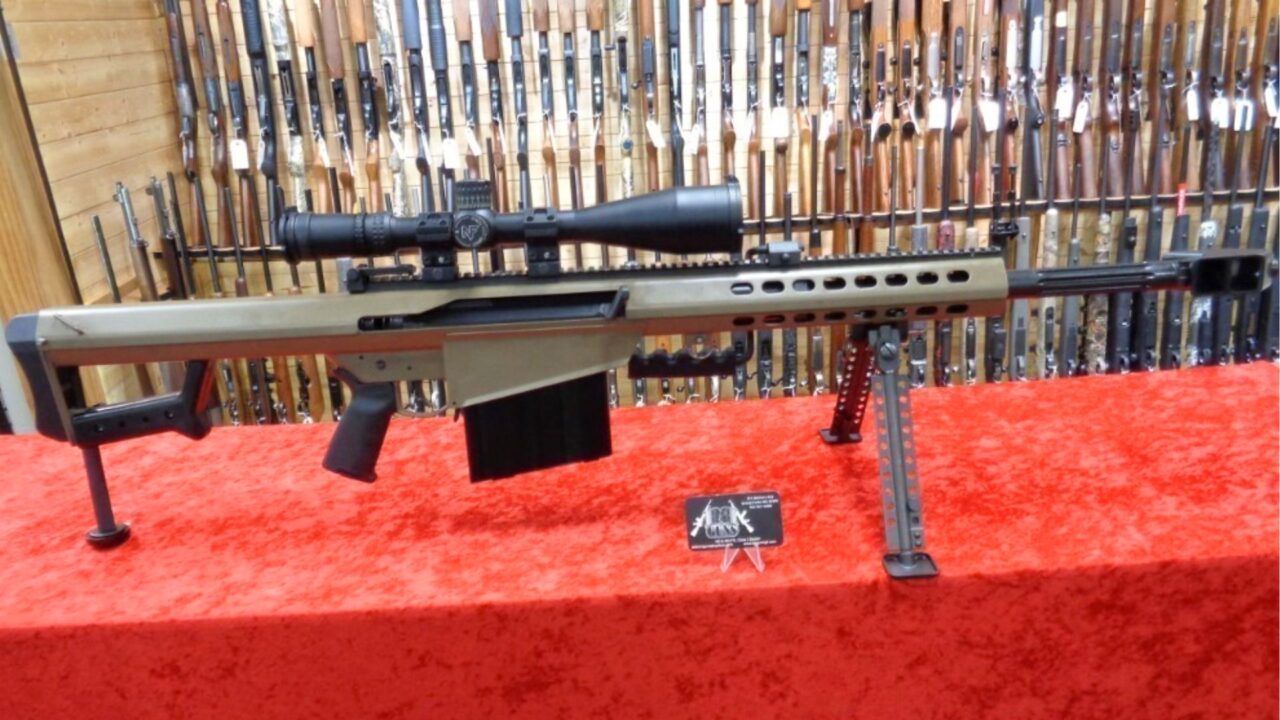
The price of a Barrett rifle gets attention, but experienced shooters know the rifle is only the beginning. Ammunition, optics, mounts, cases, range access, cleaning gear, and safe storage all become more serious when you are dealing with .50 BMG or high-end precision rifles.
That is one reason casual buyers should slow down before chasing the name. A Barrett is not like buying a budget AR and a few boxes of ammo. If you want to use it properly, everything around the rifle costs more too. The gun may be the centerpiece, but the whole system matters. That is especially true with MRAD-style precision rifles, where glass and ammo quality can make or break the experience.
The Brand Became Bigger Than the Rifle Itself

Barrett reached a level where the name means something even to people who do not know many firearm details. That can be good and bad. It gives the company instant recognition, but it also creates lazy assumptions. Some people think every Barrett is automatically the best. Others dismiss it as overpriced military fantasy.
The truth sits in the middle. Barrett earned its reputation by building rifles that filled real roles and became icons in the process. Not everyone needs one. Most shooters will never use one to its potential. But the company did something rare: it created firearms that became recognizable far outside normal gun circles while still being respected by serious users. That is not easy to fake.
Like The Avid Outdoorsman’s content? Subscribe to our newsletter so you never miss an article.
Here’s more from us: