Photo credit: Joey Cedé/pexels.com
When you book a guided hunt or trip, you see the clean packing list and the neat gear talk. What you don’t always see is the little pile of “just in case” items a good guide quietly throws in the rig for themselves. It’s not because clients are helpless. It’s because weather turns, gear breaks, folks forget the basics, and the day still has to get done safely.
These are the pieces that don’t usually get mentioned during the pre-trip call. Not because they’re secret. Because they’re boring, personal, or they solve problems before they become a big deal. Here are 20 of the quiet favorites that keep the wheels on when the plan starts slipping.
1. Leukotape P (wrapped on a lighter or trekking pole)
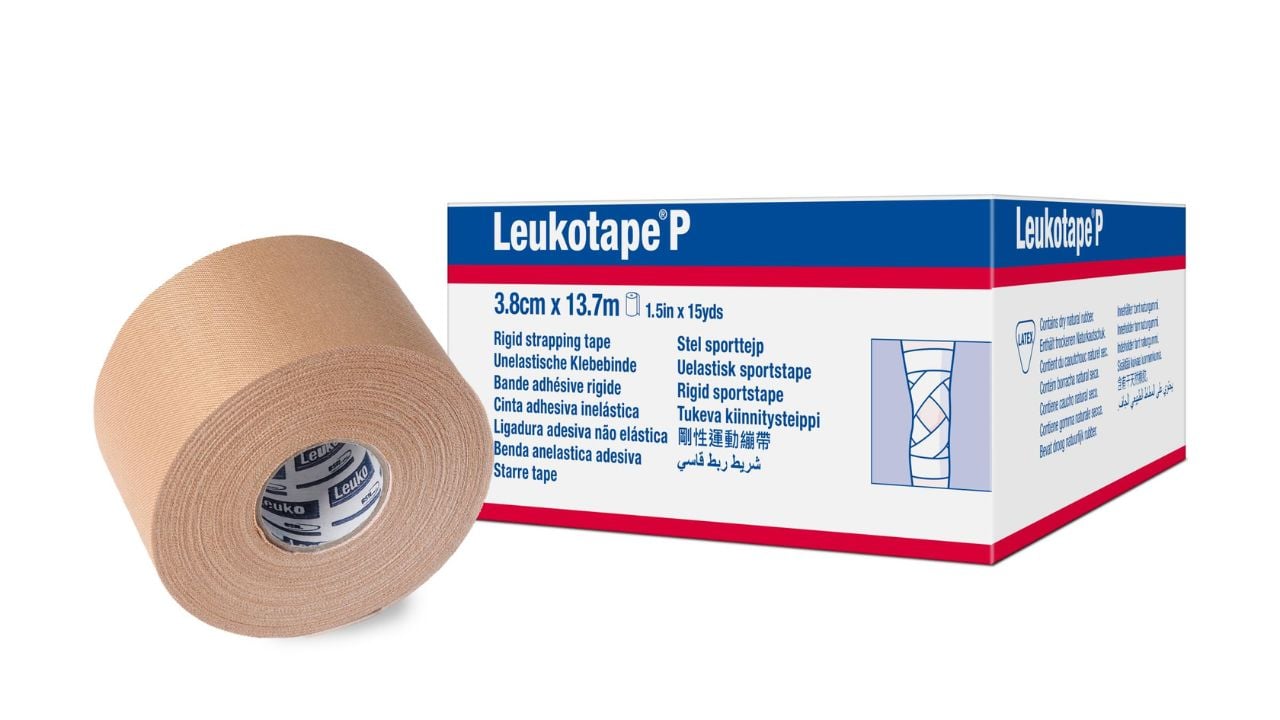
This isn’t “nice-to-have” tape. This is the tape that stays stuck when your heel is wet, your sock is damp, and you still have two ridges left. Athletic tape rolls around in the pack and turns into a fuzzy mess; Leukotape stays ready if you wrap it on something.
Guides use it for hot spots, finger cracks, and patching gear in a pinch. It’s one of those items that almost never gets requested, but when it’s needed, it’s needed right now.
2. Superglue (gel, not the watery kind)
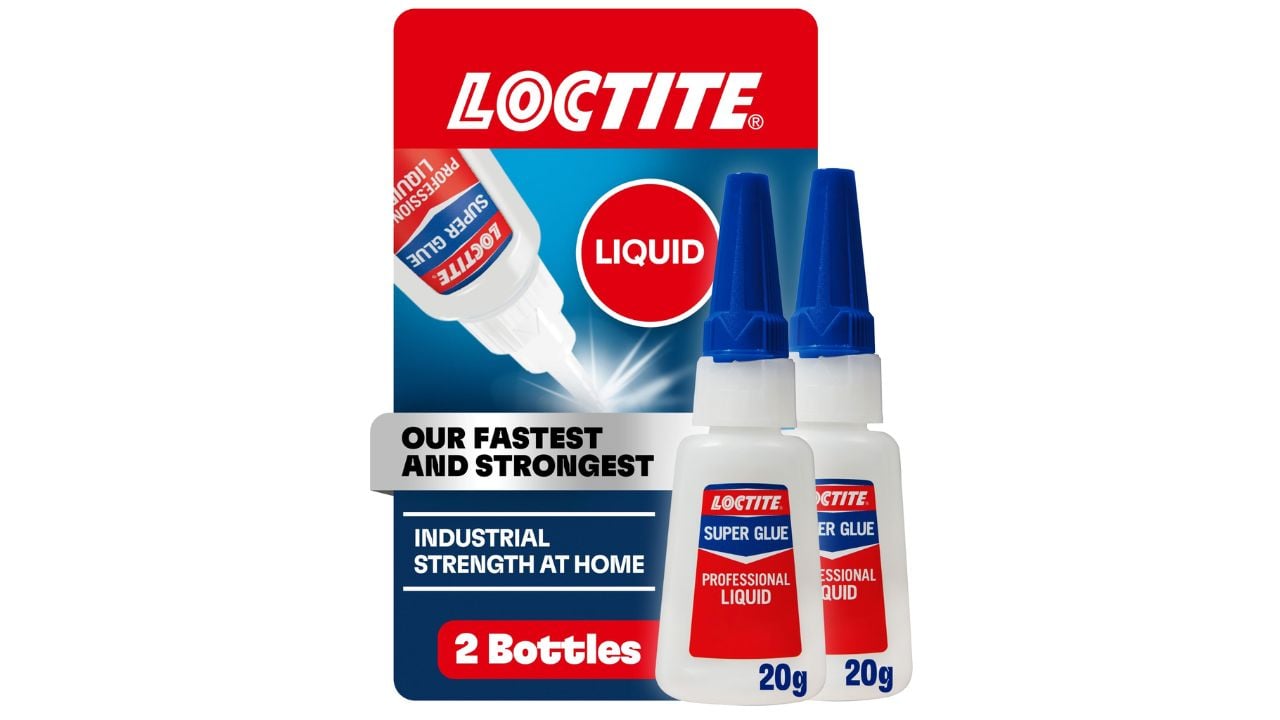
Small cuts on knuckles and fingertips are the worst because they never stop reopening. A tiny tube of gel superglue can close a split long enough to keep working without bleeding on everything. It also keeps a loose boot rand from peeling further or locks a screw in place temporarily.
There’s nothing fancy about it, and that is kind of the point. One little tube can save a whole day from turning into a slow-motion gear failure.
3. A real blister kit (moleskin plus hydrocolloid patches)
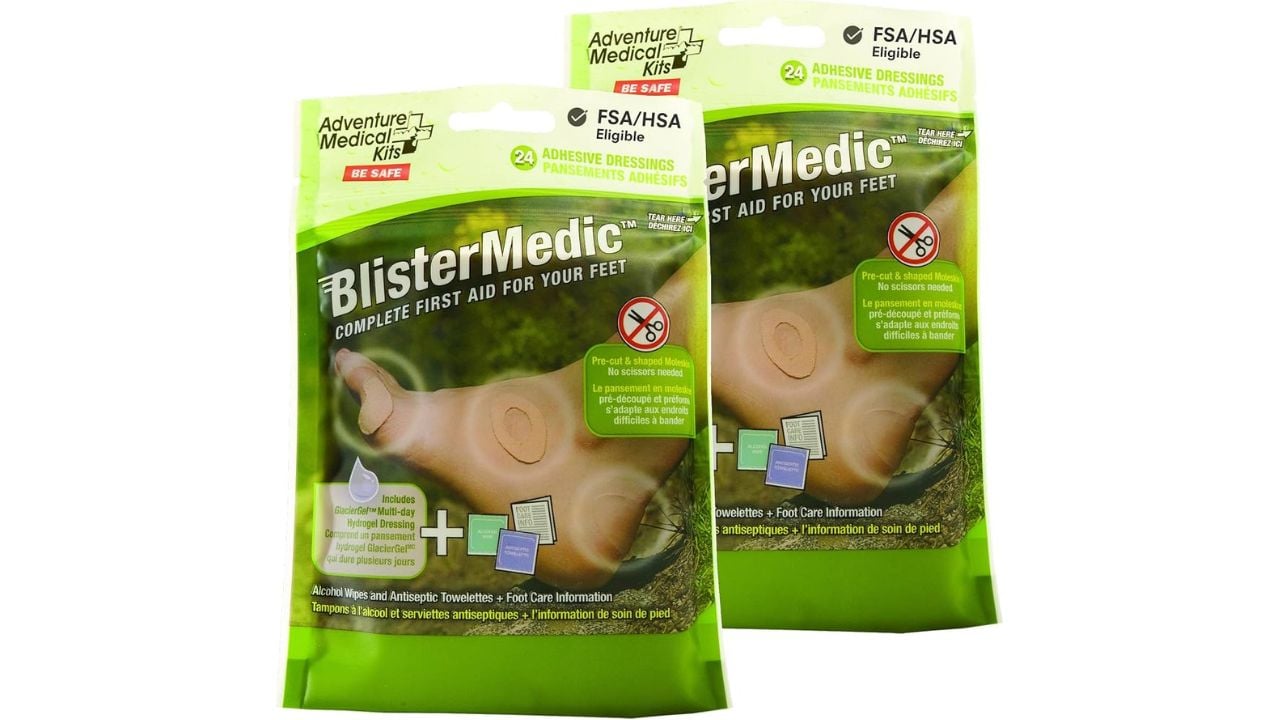
Moleskin is fine until it gets wet, then it turns into a sliding pad that makes the problem worse. Hydrocolloid patches actually cushion and protect. The trick is having both, plus alcohol wipes to get skin clean enough to stick.
Guides keep the legit stuff because they’ve watched tough guys limp for two days over something that started as a nickel-sized hot spot.
4. Compact headlamp backup (Petzl e+LITE or similar)
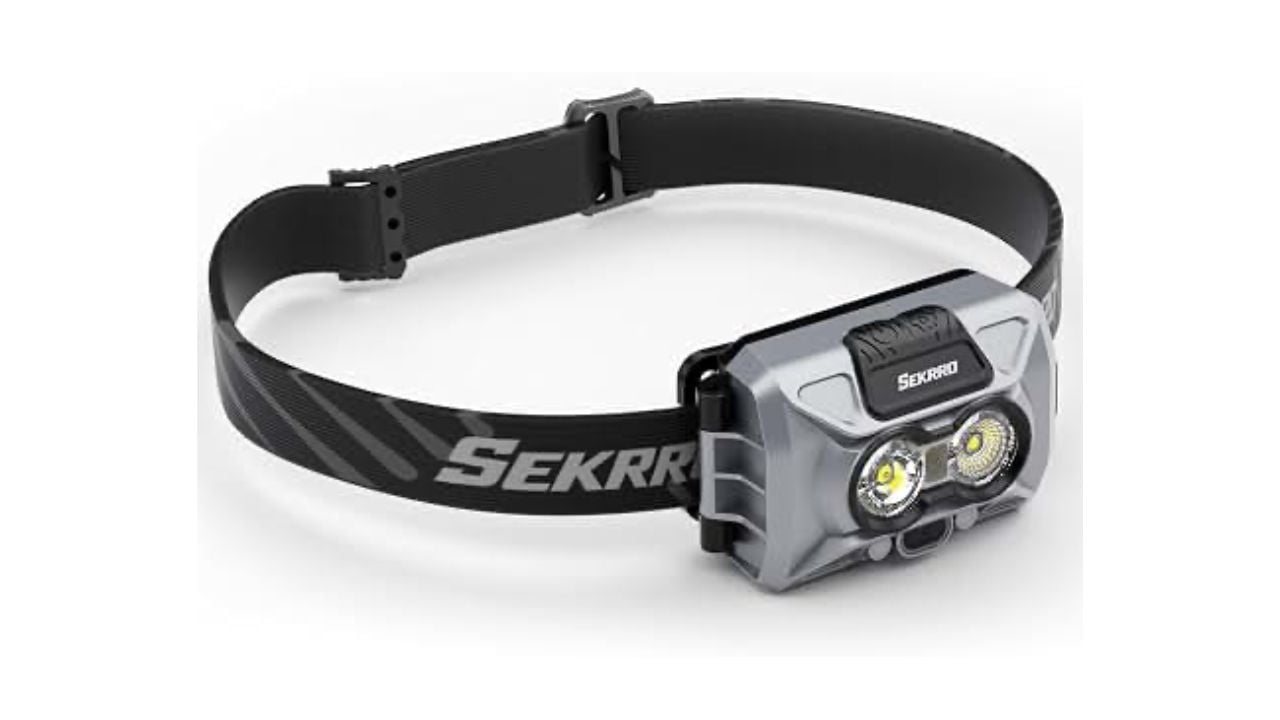
Everyone brings a headlamp. Not everyone brings a second one. And the first one always seems to die when you’re elbow-deep in an animal or trying to find a trail at dark with wind in your ears.
A tiny backup lives in the lid of the pack. It weighs nothing, and it’s the difference between “annoying” and “unsafe.”
5. Extra lithium batteries (in a taped-up, waterproof sleeve)
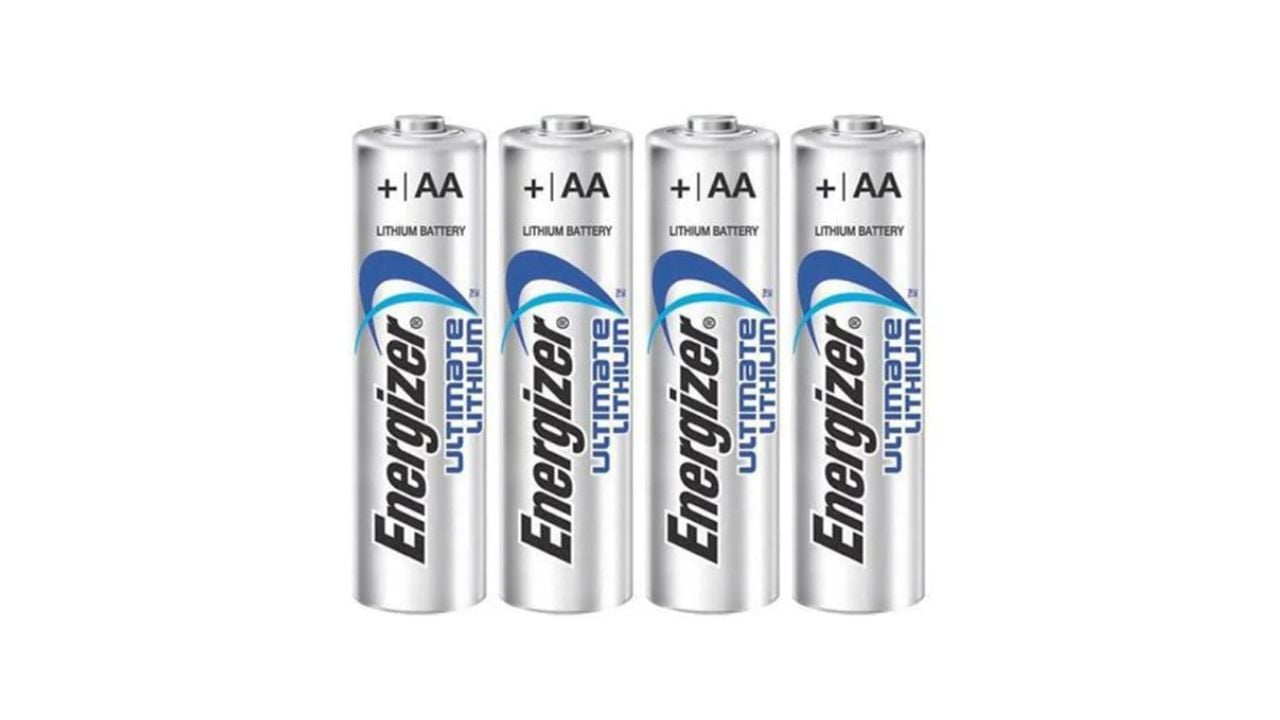
Cold kills alkalines, and cheap batteries leak when you least need it. Guides tend to run lithiums and keep them in something that won’t let terminals rub or get wet. It’s not glamorous, it’s just competence.
The funny part is how often these get used for other people’s optics and lights. It’s always “I thought my batteries were good.” Ask me how I know.
6. A tiny bottle of lens cleaner and a lens brush
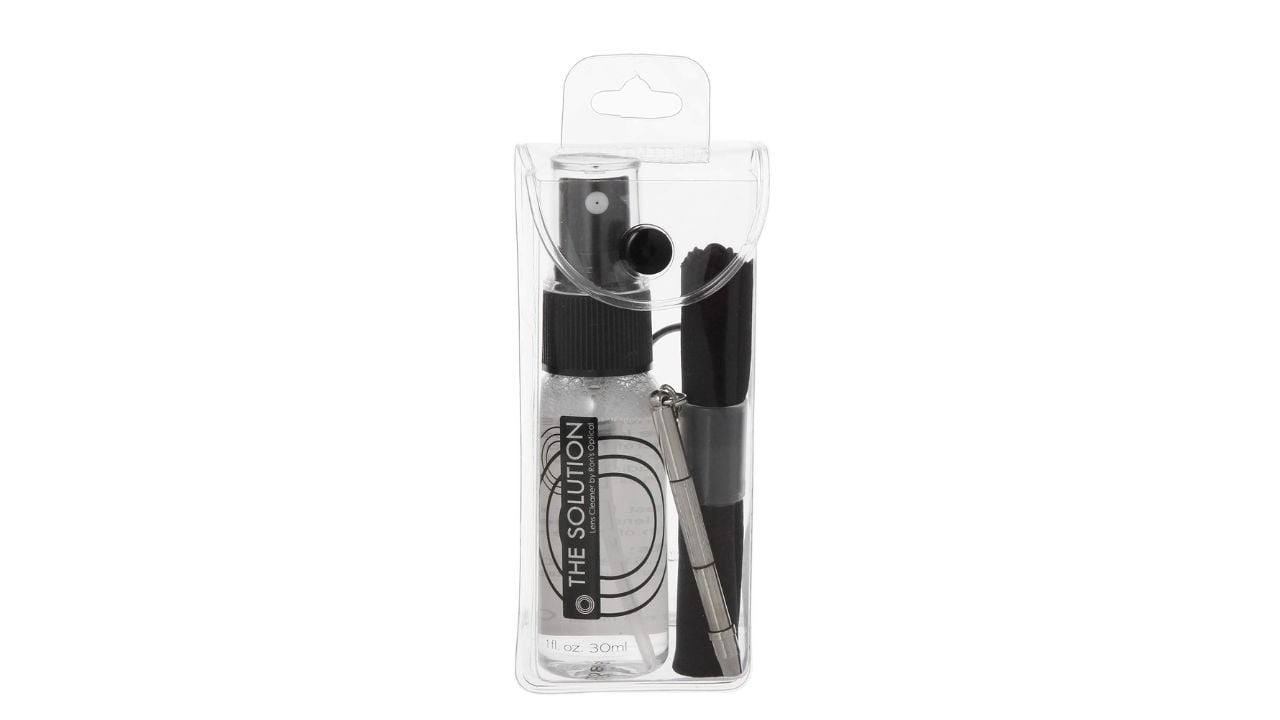
Wiping binoculars with a shirt tail is how you end up with permanent scratches and glare right when you’re trying to pick antlers out of brush. A simple brush and proper wipe keeps glass usable. It also keeps you from staring at smears and thinking you’re seeing movement.
Guides don’t always say it out loud, but clear optics are safety gear. Misidentifying things in low light is how bad decisions happen.
7. Electrical tape (flat-wrapped, not a full roll)
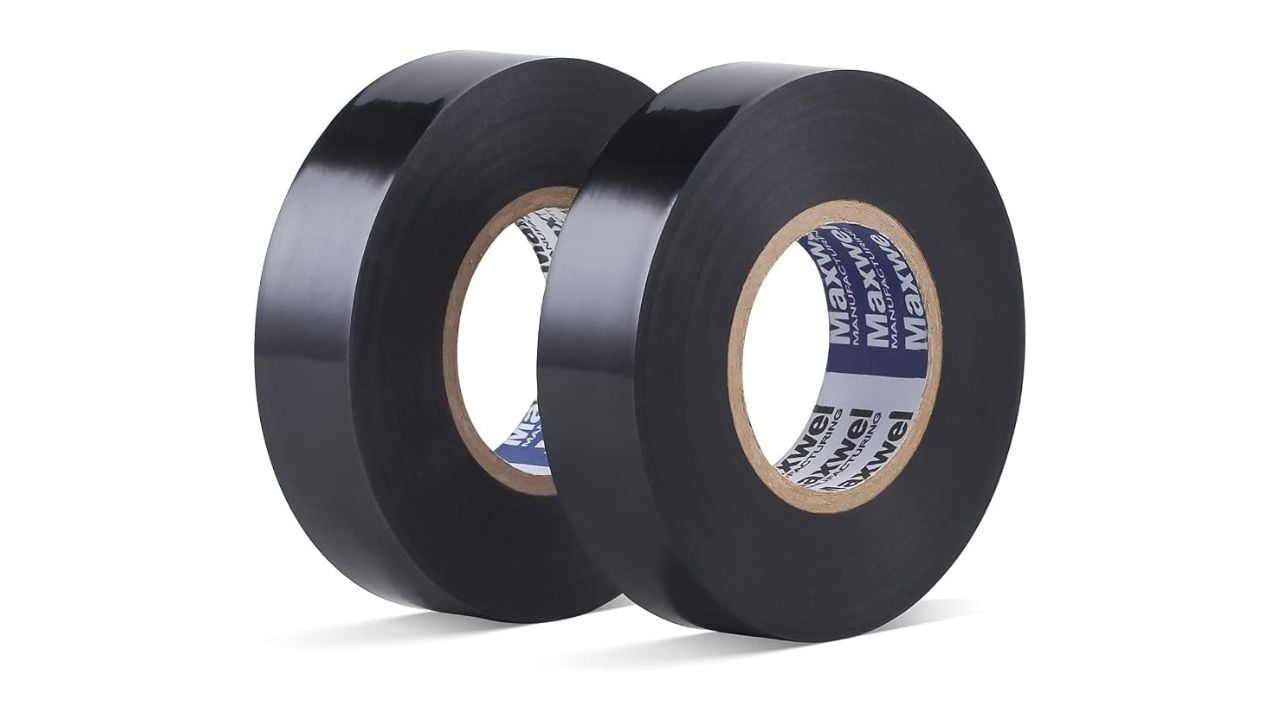
Electrical tape is the quick fix for rattles, loose straps, and clacking metal. Wrap a little around a water bottle and it’s always there. It’s also good for covering bright logos, shiny buckles, and anything that reflects when the sun hits it.
It’s one of those “quiet” items that helps before an animal ever shows up. Less noise, fewer problems.
8. A small repair kit with zip ties and a sewing needle
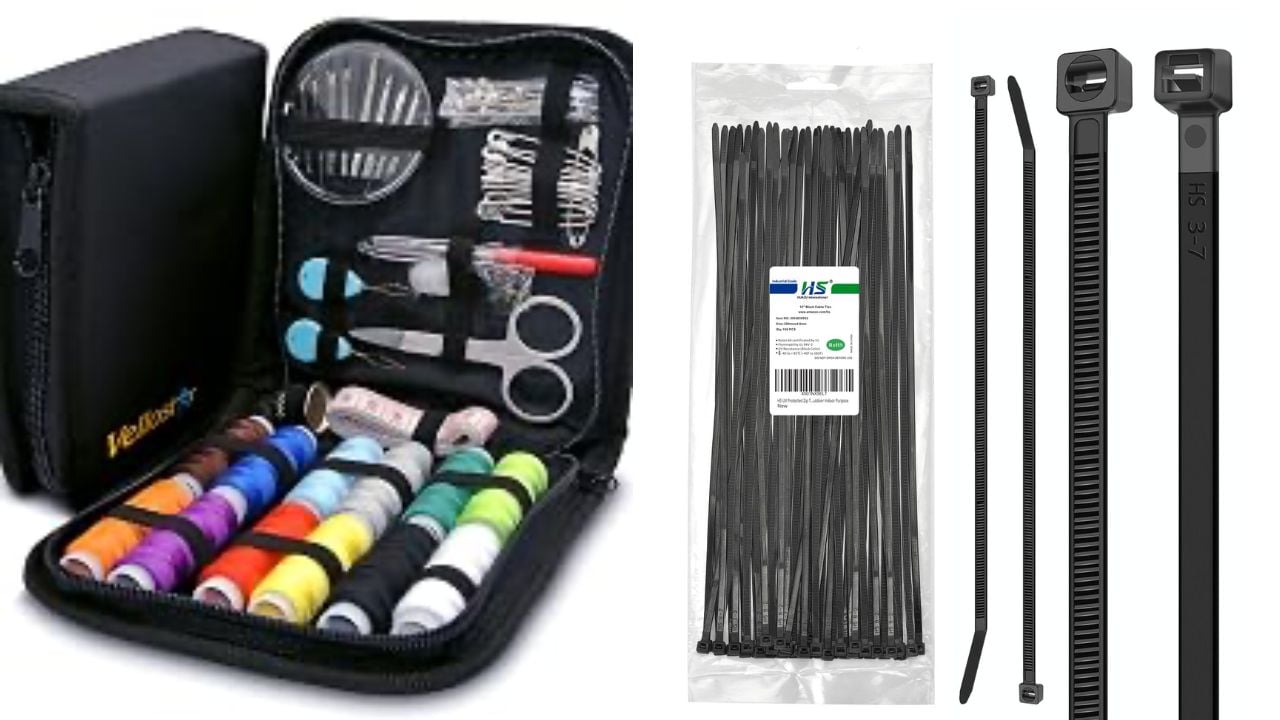
Pack straps tear, wader suspenders pop, and buckles break. Zip ties are ugly, but they work. A heavy needle and a few feet of strong thread can stitch a blown seam enough to finish a trip.
You don’t need a full-on gear bench in your pack. You need the basics that keep you moving when something fails at the farthest point from the truck.
9. A miniature multi-tool (with real pliers)

Big multi-tools are nice until they become dead weight. Guides tend to carry a smaller one that still has pliers, a file, and a decent blade. The pliers part is key for split rings, hot pot handles, stuck zippers, and the occasional hook removal.
This is also the tool that gets loaned out and never comes back if you’re not careful. There’s a reason it lives in the same pocket every time.
10. Nitrile gloves (a few pairs, folded flat)
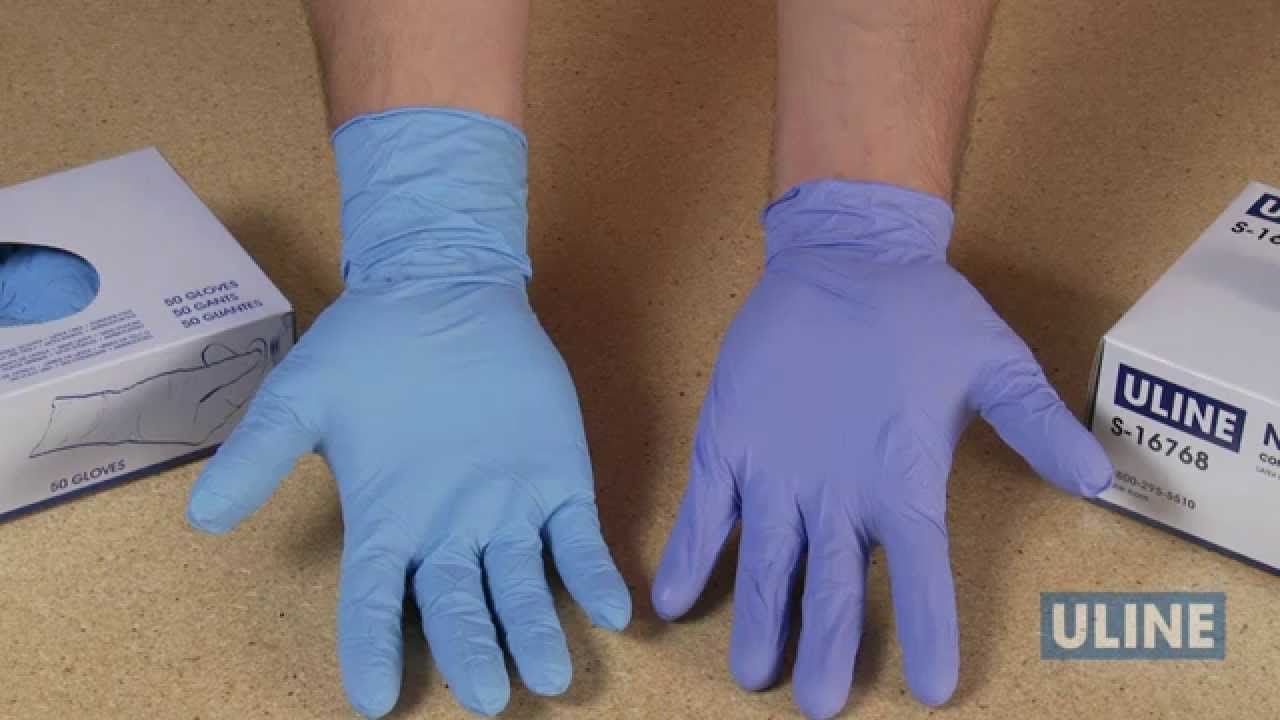
They’re not just for dressing game. They’re for sunscreen hands, fish slime, first aid, fuel spills, and cleaning a stove without smelling like gas all day. A guide can keep their hands clean and still help when things get messy.
Also, they make it easier to keep blood off expensive packs and gloves. Nobody talks about it, but everyone appreciates it.
11. Contractor-grade trash bags (not grocery sacks)
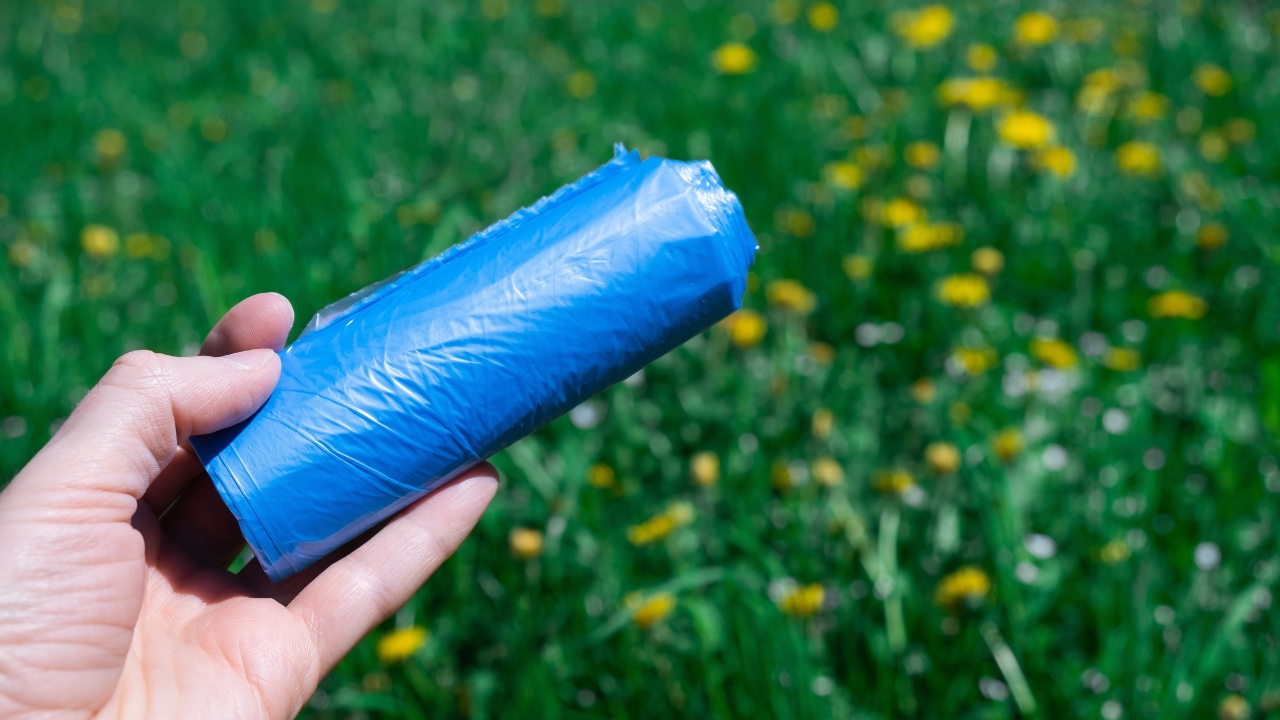
A heavy trash bag is a pack liner, an emergency rain layer for gear, a place to sit on wet ground, and a way to keep bloody clothing from soaking everything else. The thicker bags don’t shred when you drag them over rock or jam them under a pack.
Guides use them constantly and clients rarely bring them. It’s cheap insurance that works in a dozen ways.
12. A mini roll of flagging tape (used sparingly)
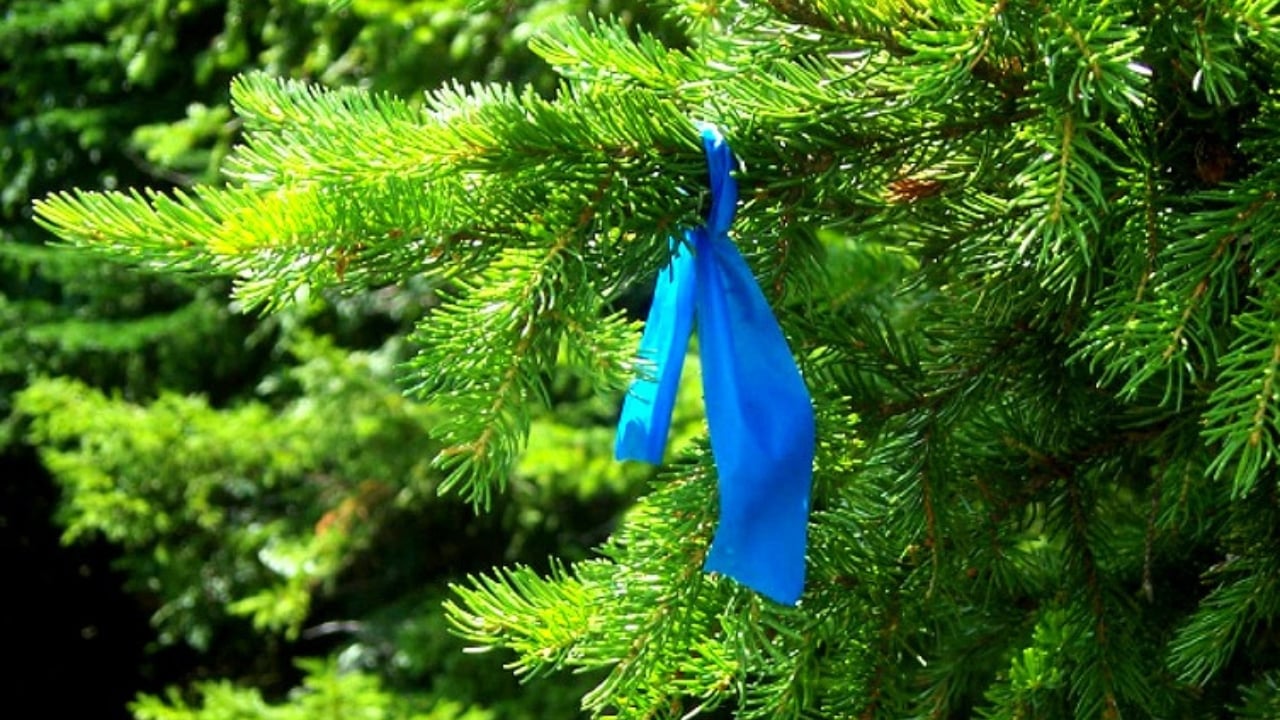
Good guides don’t want the woods looking like a road construction site. But a little flagging can save you when visibility drops, the fog comes in, or you’re trying to relocate a blood trail direction change without wandering in circles.
Used sparingly and removed when you can, it’s a smart tool. It also helps keep groups together when daylight fades faster than expected.
13. Spare boot laces (and a couple lace hooks)
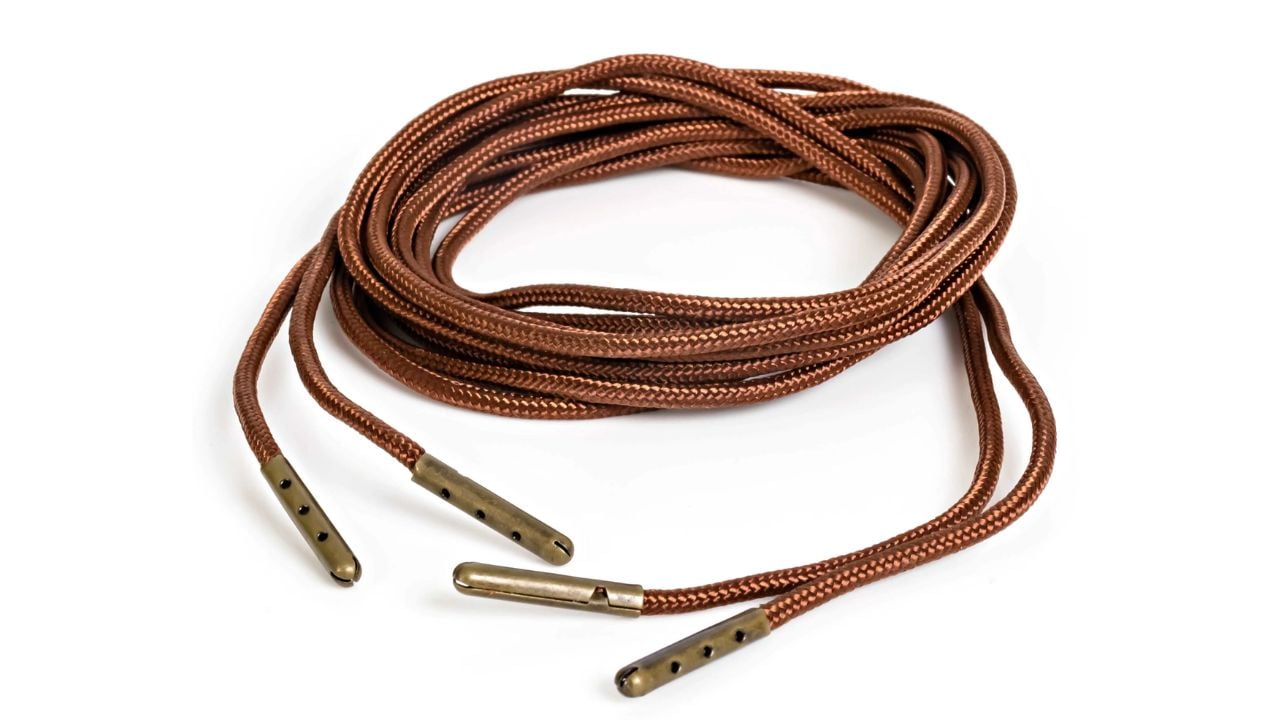
Boot laces break at the worst times, usually when they’re frozen and you reef on them. A spare set weighs almost nothing, and they can double as a gear tie-down, a sling for a broken strap, or even a replacement drawcord.
Guides bring them because they’ve watched an entire day get ruined by a $3 problem.
14. A thin pair of liner gloves
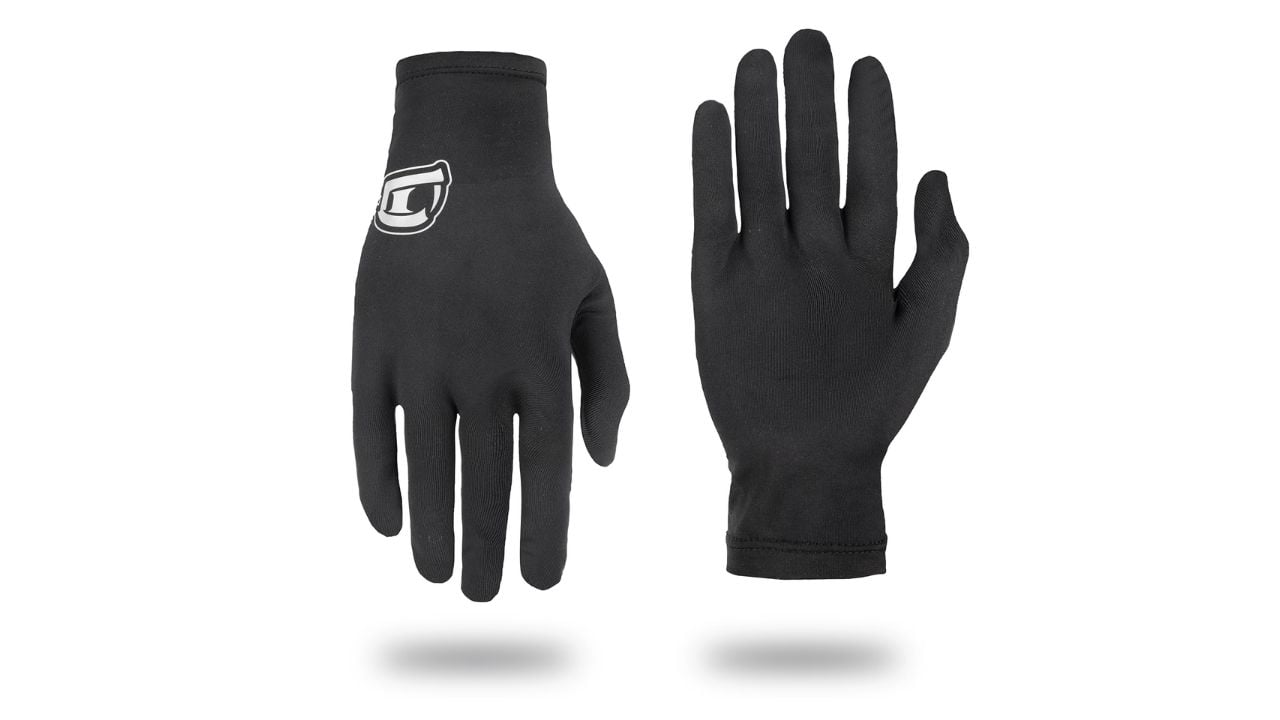
Cold hands wreck shooting and wreck judgment. Liner gloves let you glass, handle buckles, and run a firearm safely without going barehanded. They also make it easier to add a heavier mitten over top when you’re sitting still.
Most clients either bring ski gloves that are too bulky or nothing at all. A guide’s liners fill the gap.
15. A compact wind checker (unscented powder, not a gimmick)
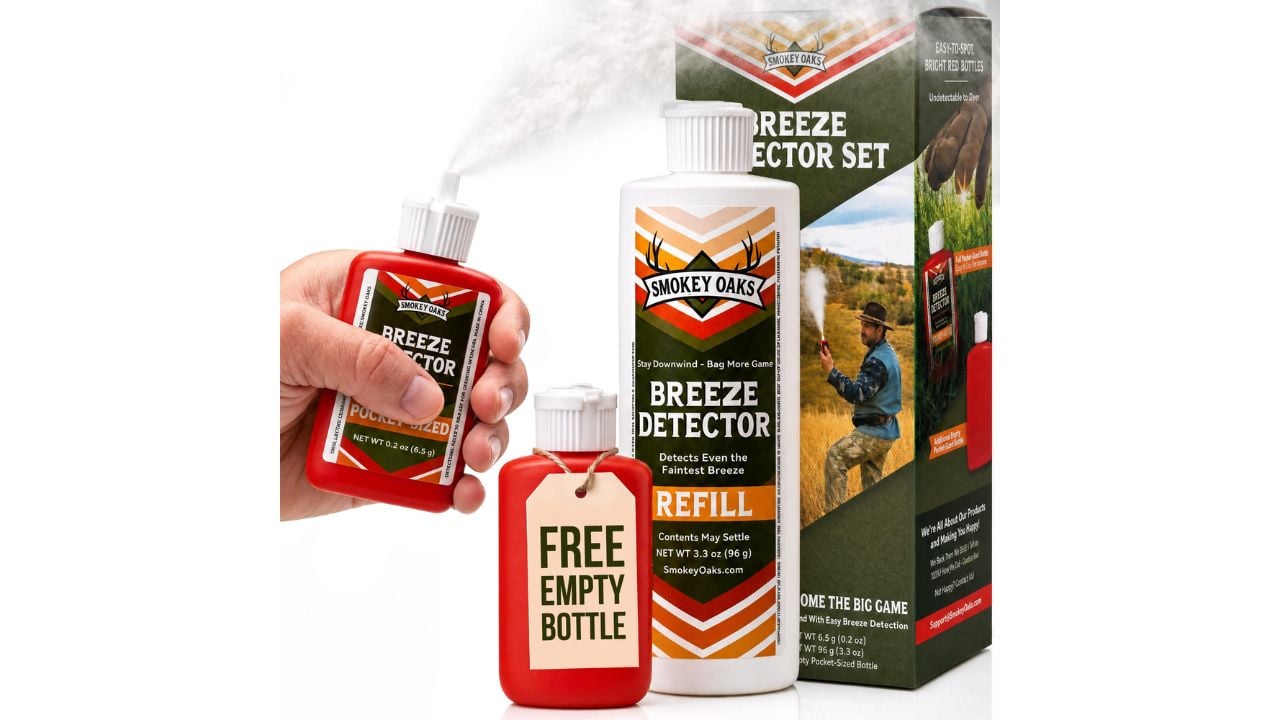
Wind is everything, and guessing gets old. A little puff of powder tells you what the air is doing in the timber, in a cut, or near a creek bottom where it swirls. It’s also a quiet way for a guide to confirm what they already suspect before committing to a stalk.
There are a bunch of fancy options out there, but the simple stuff works. Keep it unscented and keep it dry.
16. Small squeeze bottle water filter (Sawyer Squeeze-style) plus a dirty bag
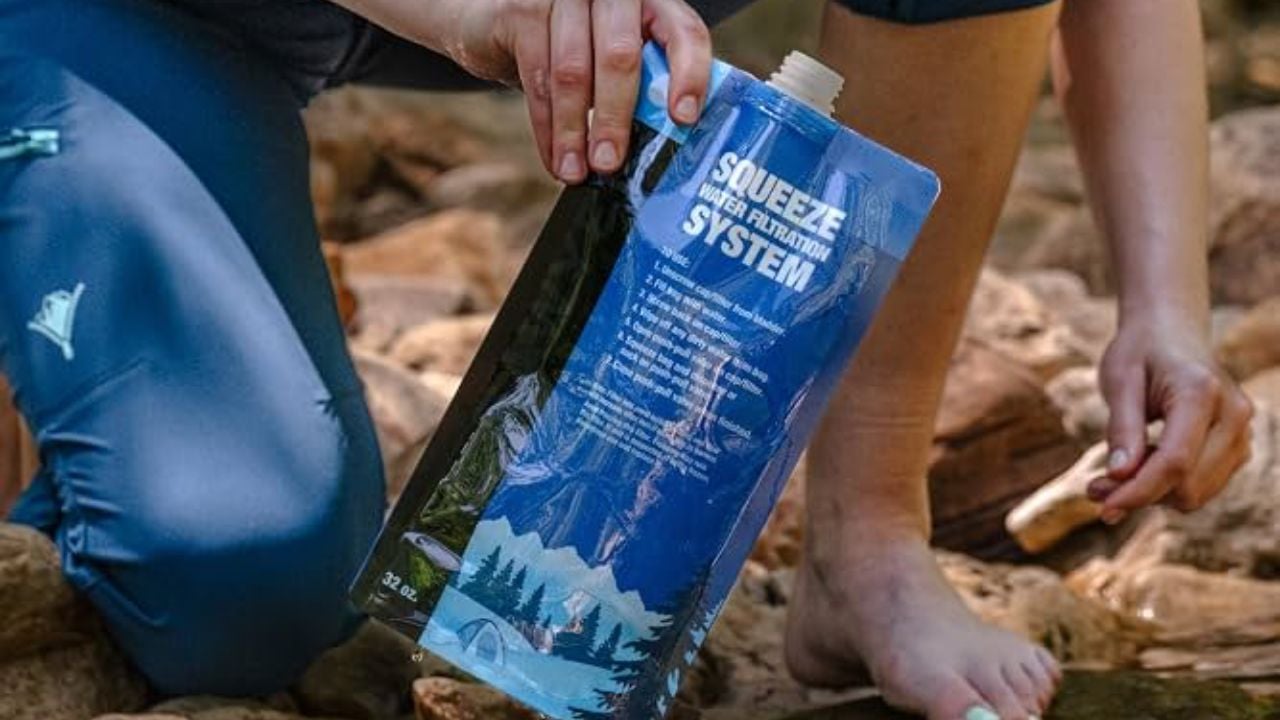
Even if the plan is to carry all your water, plans change. Filters turn puddles into usable water and keep you from doing something dumb when you’re thirsty and two miles from camp. Guides tend to trust simple filters because you can see what’s happening and they don’t rely on a battery.
The extra dirty bag matters because filtering from a shallow trickle is miserable without it. It’s one of those lessons you learn after trying to scoop water with a bottle mouth for 20 minutes.
17. Electrolyte packets (the unsexy kind)
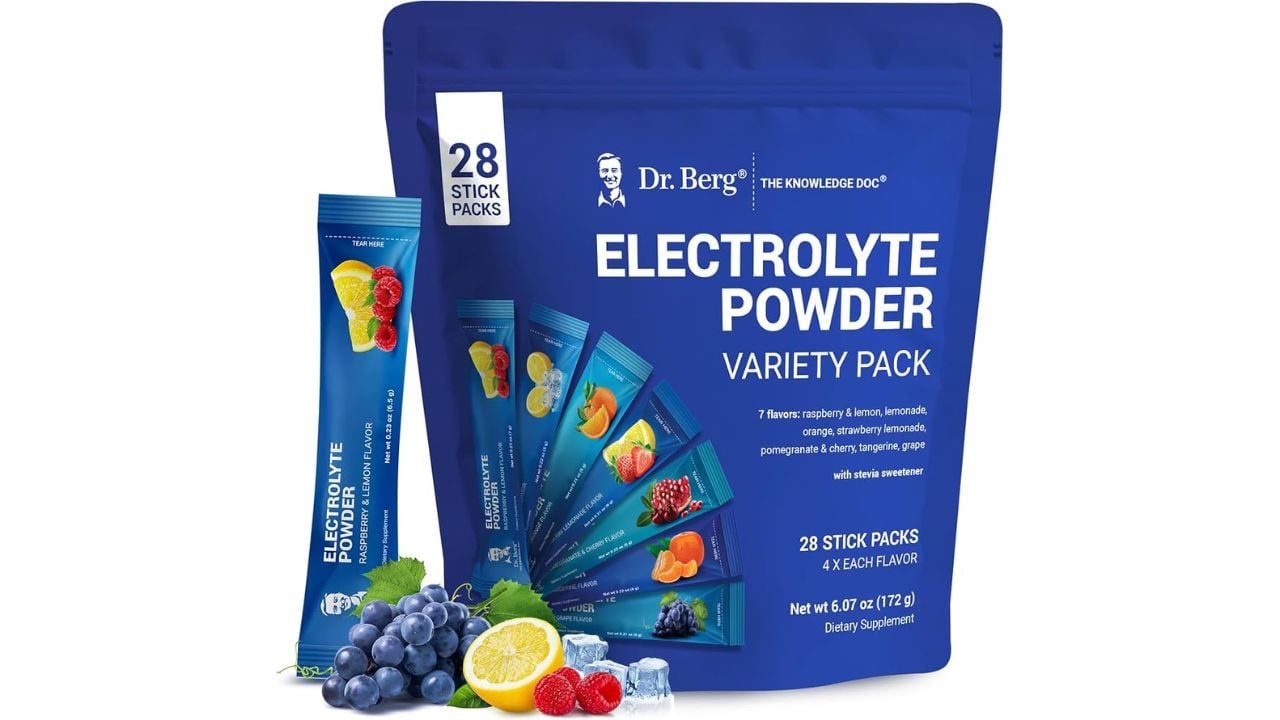
Dehydration doesn’t always feel like thirst. Sometimes it feels like a headache, cramps, or just getting stupid. Electrolyte packets help clients recover when the day is hotter than the forecast or the climb is steeper than they expected.
Guides don’t push them like a fitness influencer. They just quietly hand one over when they see the early signs.
18. A small emergency bivy or space blanket that actually fits back in the pouch
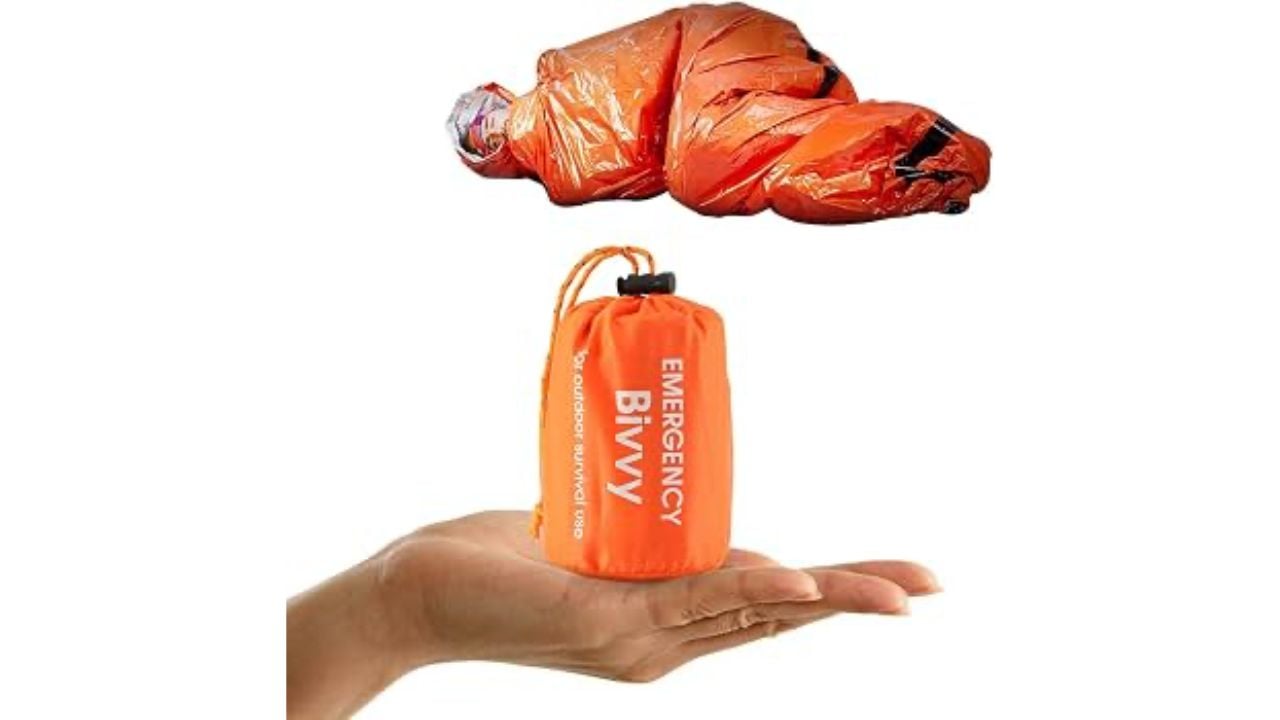
The thin foil blankets are loud and tear easily, but they still matter. Better is a compact emergency bivy that can buy time if someone gets hurt or weather pins you down. The key is carrying one you’ve opened before, so it’s not a mystery item when your hands are cold.
This is not “survival fantasy” gear. It’s for keeping a bad situation from becoming a dangerous one.
19. A spare firearm magazine or ammo card (kept separate from the main stash)

Things get dropped in snow. Cartridges get spilled in the dark. Magazines get set down on a tailgate and driven off. Guides who carry guns in the field often keep a small, separate reserve so one mistake doesn’t end the day.
It’s not about spraying rounds. It’s about having enough to finish ethically if the moment comes and your main supply took a hike down a hillside.
20. A tiny notebook and a pencil

This one surprises folks. But guides are always tracking something: time, wind shifts, distances, a blood trail direction, a camp note, a gate code, a client preference, a serial number for a lost item report. Pens freeze and quit; pencils keep working.
It’s also the simplest way to turn a confusing moment into a clear plan. When everyone’s tired, writing it down saves arguments.
If you’ve guided, you read that list and nodded at a few. If you’ve only been the client, the lesson isn’t “bring more stuff.” It’s “bring the small stuff that prevents big problems.” A few ounces of the right gear keeps the trip safer, calmer, and a lot more fun when things don’t go perfectly—which is most days outdoors.
Like The Avid Outdoorsman’s content? Subscribe to our newsletter so you never miss an article.
Here’s more from us: