Photo credit: SMASH TIME/YouTube
Some pistols are built for close-range emergencies, and that is fine as long as everyone is honest about it. The problem starts when tiny sights, short barrels, rough triggers, weak grips, and snappy recoil get ignored like they do not matter. At 5 yards, almost anything can look usable. Past 15 yards, the truth starts showing up fast.
That does not mean every pistol here is worthless in every situation. Some are easy to carry, cheap to buy, or useful as last-ditch guns. But if you expect clean hits at distance, these pistols make the shooter work way harder than they should.
Taurus Curve

The Taurus Curve was designed around concealment first, and that decision shows the second you try to shoot it past close range. The curved frame, strange sighting system, and awkward grip make it feel more like a concept gun than a serious shooting tool.
At across-the-room distances, it may seem clever. Stretch things past 15 yards, and the pistol quickly reminds you why conventional sights and a normal grip exist. It is hard to shoot well, hard to aim precisely, and hard to defend as anything more than a novelty carry gun.
North American Arms Mini Revolver

The North American Arms Mini Revolver is tiny, well-made, and easy to appreciate mechanically. It is also one of the hardest handguns to shoot accurately at any meaningful distance. The grip is barely there, the sights are minimal, and the single-action operation is slow.
Past 15 yards, it becomes more of a challenge than a defensive tool. These little revolvers make sense as deep concealment or backup guns, but nobody should pretend they are practical distance pistols. They are last-ditch guns, not confidence builders.
Beretta 21A Bobcat

The Beretta 21A Bobcat has charm, especially with its tip-up barrel and classic pocket-pistol feel. It is fun, easy to carry, and interesting in a way many modern pistols are not. But it was never built to be a distance gun.
The tiny sights, small grip, and rimfire chambering limit what most shooters can do with it past 15 yards. It can be surprisingly fun up close, but precision falls off quickly. The Bobcat is a neat pocket pistol, not a gun you buy for stretching shots.
Beretta 3032 Tomcat

The Beretta Tomcat gives shooters a little more power than the Bobcat, but it does not become a long-range pistol because of that. It is still a small pocket gun with short sights, a small grip, and a design built around close-range convenience.
At 15 yards and beyond, the Tomcat starts to feel much smaller than you want it to. The trigger, sight radius, and grip size all make precise shooting difficult. It is better judged as a carryable close-range pistol than as a gun that gives confidence at distance.
KelTec P-3AT

The KelTec P-3AT helped define the tiny .380 pocket pistol category, but shootability was never its strong point. It is extremely light, flat, and easy to carry. Those are real advantages until you start asking it to perform like a larger handgun.
Past 15 yards, the tiny sights and long trigger pull become a serious problem. The light frame also makes recoil feel sharper than people expect from .380 ACP. It can serve as a backup or deep concealment option, but it is not a pistol most shooters will run accurately at distance.
Ruger LCP
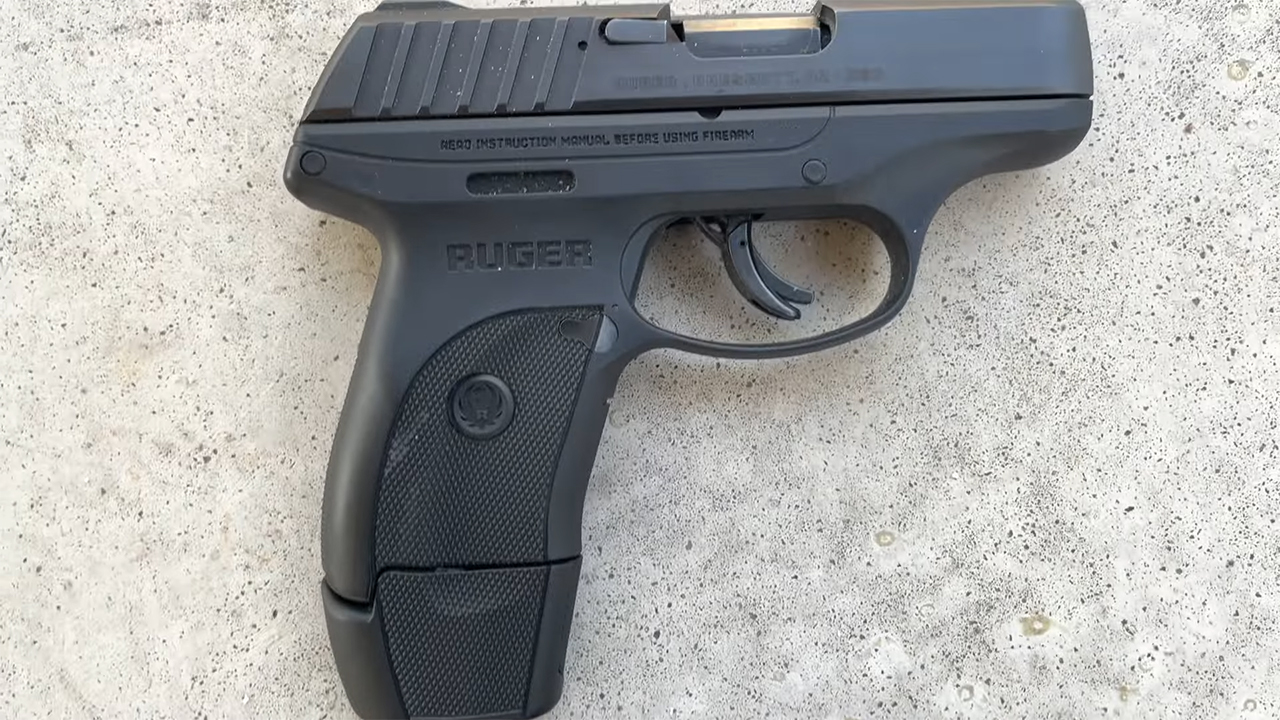
The original Ruger LCP is one of the most popular pocket pistols ever made, and for good reason. It is small, affordable, and easy to carry when larger pistols are inconvenient. But the original LCP is also a reminder that carry comfort and shooting performance are not the same thing.
The sights are tiny, the grip is short, and the trigger does not help much when targets get smaller or farther away. Inside close range, it can do its job. Past 15 yards, most shooters will wish they had something with better sights and more grip.
Ruger LCP II

The Ruger LCP II improved the original LCP in several ways, especially with its trigger and handling. It is easier to shoot than the first version, and it remains very easy to carry. That said, it is still a tiny .380 pocket pistol with real limits.
The problem past 15 yards is not that the gun cannot physically hit a target. It is that the shooter has very little to work with. The sight radius is short, the grip is small, and the pistol moves around quickly under recoil. It is better than the original, but still not built for distance.
Ruger LCP Max

The Ruger LCP Max is one of the best pocket .380s because it adds better capacity and more useful sights in a very small package. Compared with older pocket guns, it is a major improvement. But compared with a real compact pistol, the limits show up fast.
Past 15 yards, the short grip and tiny frame still make it harder to shoot well. The LCP Max is excellent for what it is, but what it is remains a close-range carry pistol. It should not be judged like a Shield Plus, Glock 26, or P365 XL.
Smith & Wesson Bodyguard .380

The original Smith & Wesson Bodyguard .380 is easy to carry but not especially easy to shoot well. The long trigger pull, small sights, and slim grip all work against the shooter once distance increases. It feels like a pistol built around being present, not being enjoyable.
At close range, it can make sense as a pocket defensive gun. Past 15 yards, it starts to feel like every part of the design is asking for patience. The newer Bodyguard 2.0 is a much better shooter, but the original Bodyguard .380 belongs on this list.
SCCY CPX-2

The SCCY CPX-2 has always been tempting because of the low price and decent capacity. It gives buyers a compact 9mm for not much money, which matters to people on tight budgets. But cheap defensive pistols often reveal their weaknesses when distance grows.
The long, heavy trigger is the biggest problem. It may be manageable up close, but past 15 yards it makes clean hits much harder than they need to be. Add in the snappy feel and basic sights, and the CPX-2 is not a pistol most owners will trust for precise shooting.
SCCY DVG-1

The SCCY DVG-1 tried to improve the SCCY formula with a striker-fired design, but it still does not feel like a pistol built for confident distance shooting. It is compact, affordable, and easy to understand, but the overall feel remains budget-grade.
Past 15 yards, rough edges matter. Trigger consistency, grip control, and sight quality all show up on target. The DVG-1 may be more modern than the CPX-2, but it still does not give shooters the same confidence as better compact 9mm options.
Diamondback DB9

The Diamondback DB9 is extremely small for a 9mm, which is both its selling point and its biggest weakness. It is easy to carry because there is not much gun there. Unfortunately, there is also not much grip, sight radius, or recoil control.
Past 15 yards, the DB9 becomes difficult for many shooters to manage. A tiny 9mm can be impressive on paper, but the shooting experience is demanding. If the goal is real accuracy beyond close range, a slightly larger pistol is usually a much better choice.
Kimber Micro 9

The Kimber Micro 9 looks better than many small carry pistols, and that helps sell it. It has a metal-frame feel, 1911-style controls, and a more refined appearance than most polymer micro guns. But style does not automatically translate into easy hits.
The Micro 9 is small, snappy, and not especially forgiving when the target moves past 15 yards. The short grip and short sight radius make mistakes obvious. Some owners shoot them well, but for the average person, there are easier carry pistols to trust at distance.
SIG Sauer P938
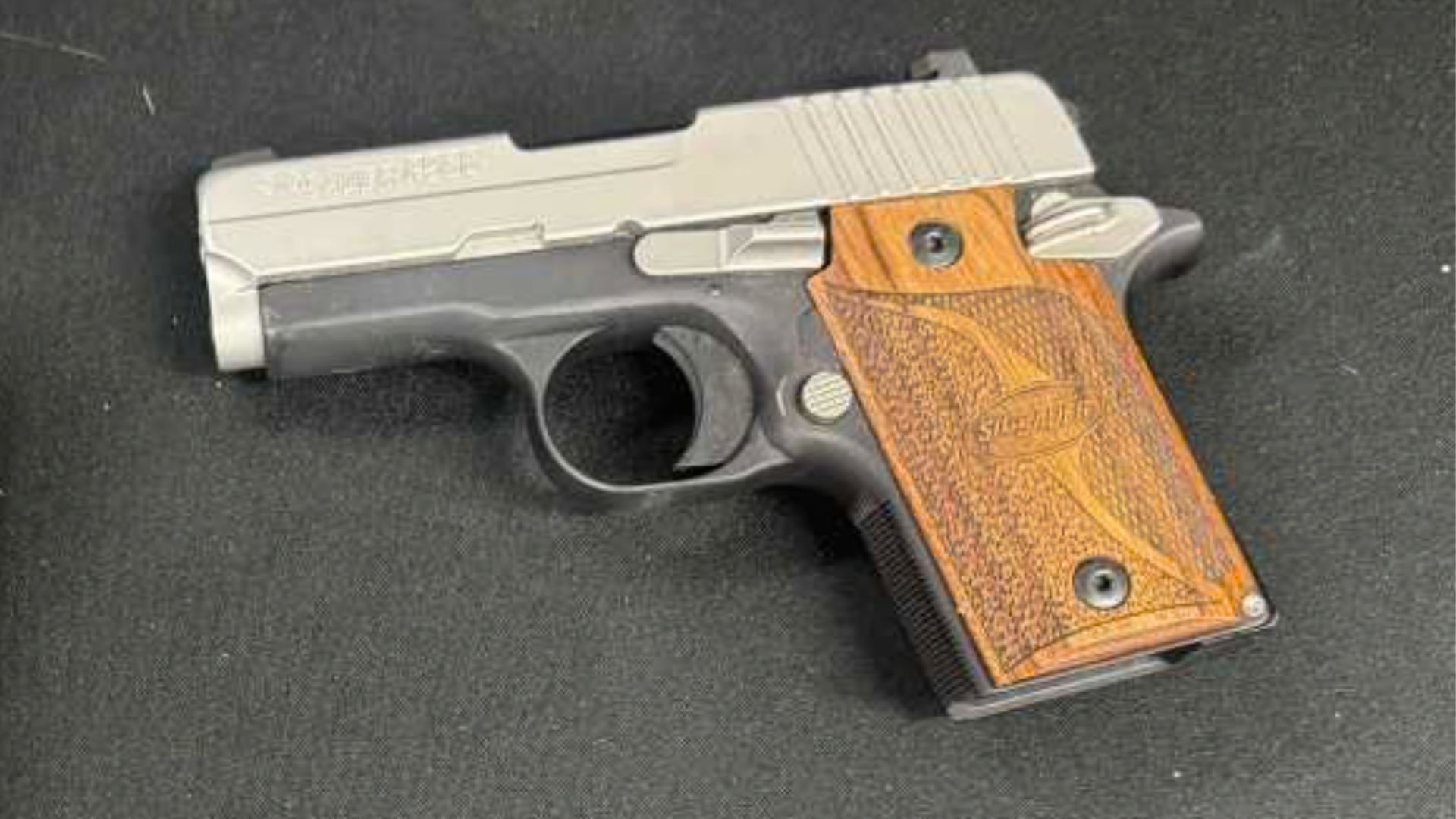
The SIG P938 is a classy little 9mm with real appeal. It is small, metal-framed, and easier to carry than many compact pistols. It also has better sights than some pocket guns, which helps. But it is still a very small single-action 9mm.
Past 15 yards, the P938 demands more from the shooter than a larger gun would. The small grip gives less control, and recoil recovery is not as easy as it looks on paper. It is a good pistol for people who train with it, but it is not a forgiving distance shooter.
Springfield Armory 911 9mm

The Springfield 911 9mm follows the same basic idea as other tiny 1911-style carry pistols. It gives you familiar controls, a small frame, and a pistol that looks more serious than a basic pocket gun. For close-range carry, that can be appealing.
The problem is that its size works against it once distance increases. The grip is short, recoil is sharp, and the pistol requires careful handling to shoot well. Past 15 yards, most shooters would be better served by a slightly larger carry gun with more control.
Taurus Spectrum
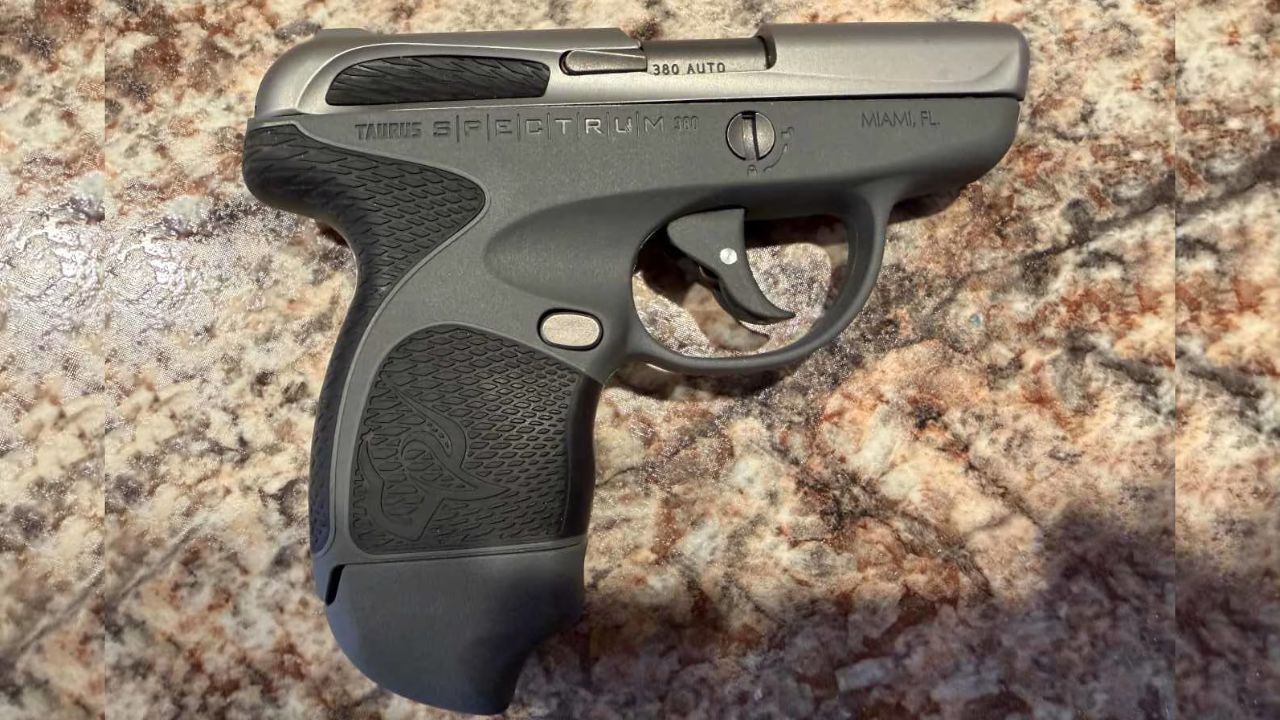
The Taurus Spectrum was supposed to be a soft-looking, easy-carry .380 with a different kind of style. It was small, rounded, and very pocket-friendly. Unfortunately, the same features that made it easy to carry did not make it easy to shoot well.
The sights are minimal, the grip is small, and the trigger is not ideal for distance work. At close range, it can function as a pocket pistol. Past 15 yards, it feels like the design has already given you everything it can offer.
KelTec PF-9
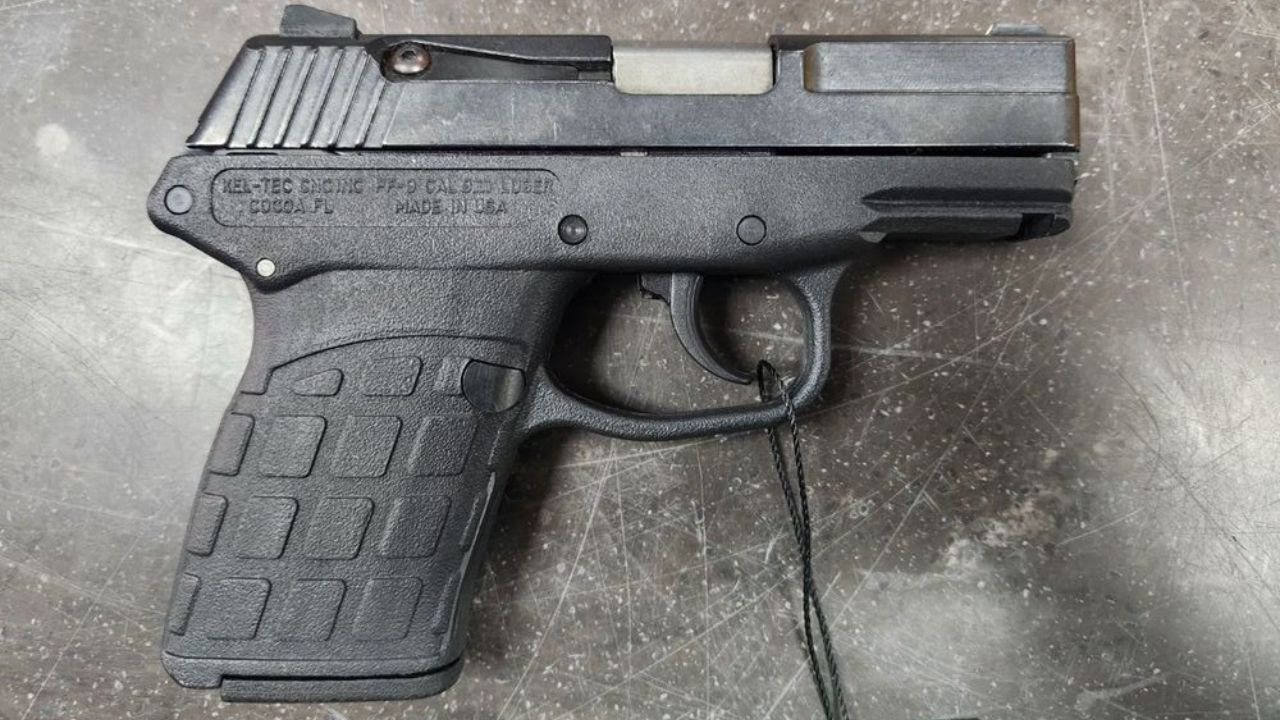
The KelTec PF-9 was one of the early ultra-thin 9mm carry pistols, and it deserves credit for helping push the market in that direction. It gave people a light, flat 9mm before the category became crowded. But by today’s standards, it feels rough.
Past 15 yards, the PF-9’s long trigger, sharp recoil, small grip, and basic sights make it a tough pistol to shoot accurately. It is carryable, but not confidence-inspiring. Modern slim 9mms have made its limitations much harder to ignore.
Cobra CA380
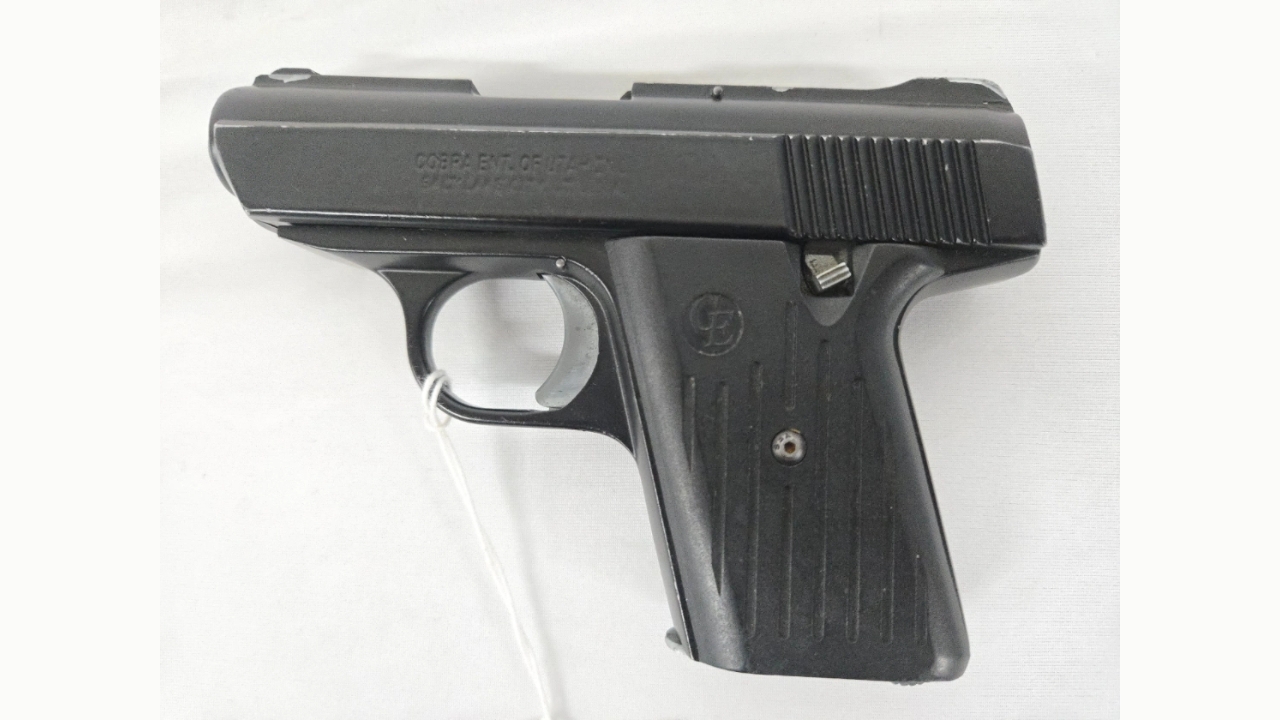
The Cobra CA380 is the kind of pistol people usually buy because the price is low, not because they expect outstanding performance. It is basic, heavy for what it is, and not known for refined shooting characteristics. Cheap pocket pistols often struggle most when precision matters.
Past 15 yards, the CA380 gives the shooter very little help. The trigger, sights, and overall fit all make accuracy harder than it should be. For close-range plinking or curiosity, maybe it has a place. As a serious distance-capable pistol, it does not.
Hi-Point C9

The Hi-Point C9 is more accurate than its reputation sometimes suggests, but it still belongs here because the design is awkward once you start asking more from it. It is bulky, top-heavy, and saddled with a rough feel that makes precise shooting less enjoyable than it should be.
At close range, it can put rounds on target and often runs better than people expect. Past 15 yards, the crude ergonomics and heavy slide make it harder to shoot well under any kind of speed. It is cheap and functional, but that does not make it a good distance pistol.
Bond Arms Backup
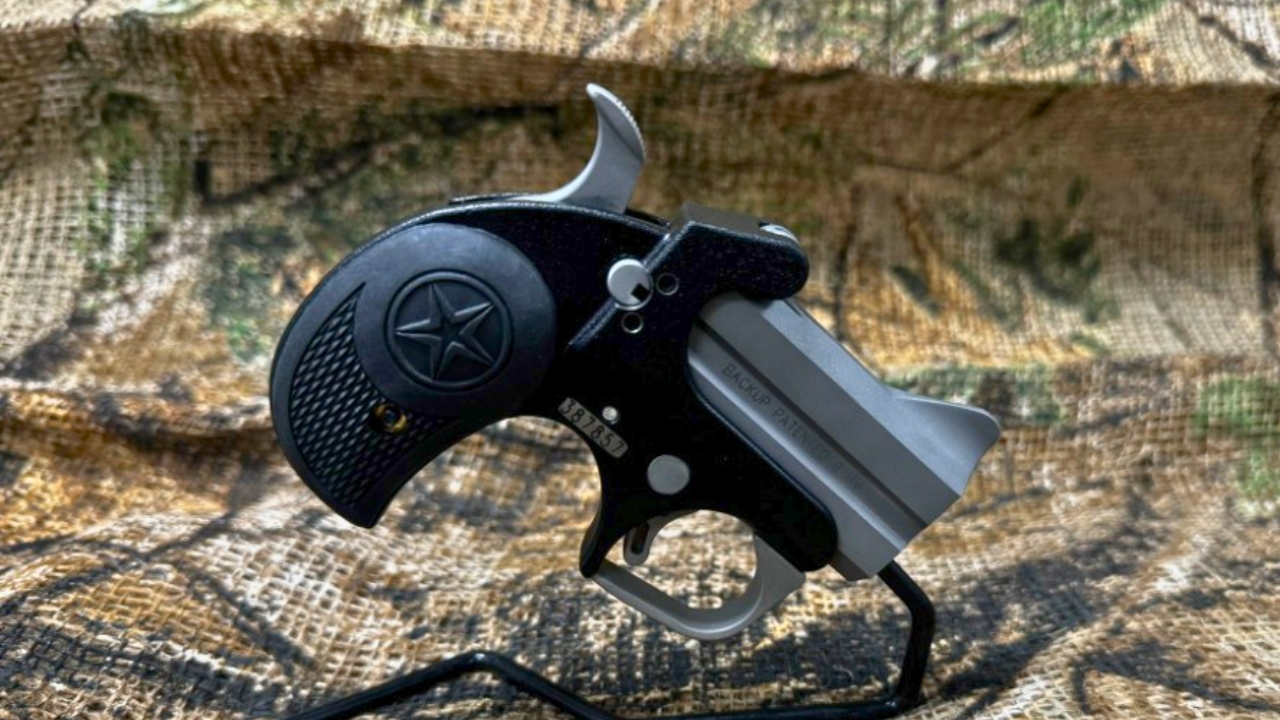
The Bond Arms Backup is tough, compact, and extremely simple, but it is still a two-shot derringer. That puts a hard limit on what it does well. The trigger is heavy, the grip is small, and the sights are not built for refined shooting.
Past 15 yards, it becomes more of a novelty challenge than a practical handgun. Derringers have a place as ultra-close defensive tools or backup curiosities, but they are not distance guns. The Bond Arms is well-made, but the format itself is the limitation.
Like The Avid Outdoorsman’s content? Be sure to follow us.
Here’s more from us: