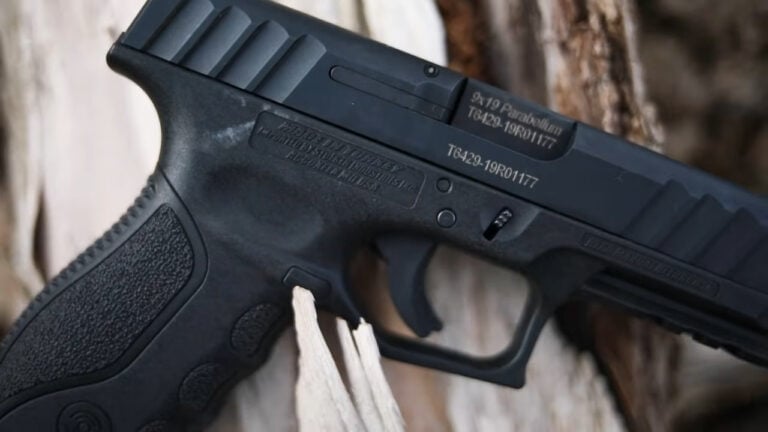
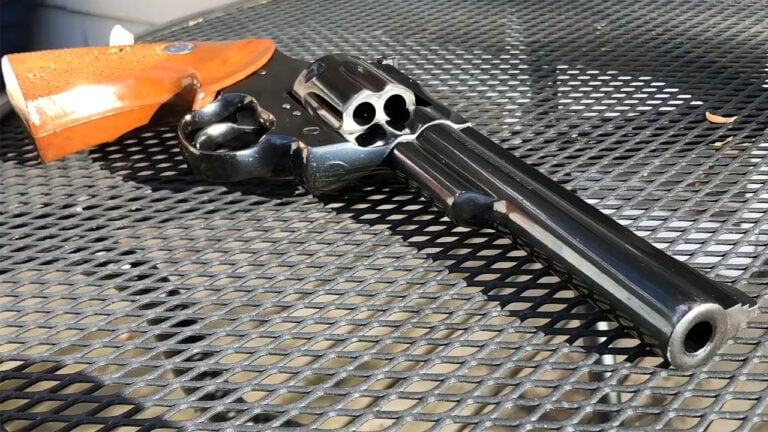
Photo credit: Great Northwest Weaponry/ YouTube
There was a stretch where you could walk into a pawn shop with a solid old pistol and get offered lunch money for it. Not because the gun was junk, but because the guy behind the counter already had three of them in the case and nobody was asking. Then the magazine bans and panic cycles came, followed by the “retro” wave, followed by folks realizing that metal guns and proven designs aren’t automatically obsolete just because a new micro-compact dropped.
Now a bunch of handguns that used to be treated like slow-moving inventory are getting priced like the real-world tools and collector pieces they are. Some of this is nostalgia. Some is parts and magazine availability drying up. And some of it is simple reality: if it runs, shoots straight, and holds value, the market eventually notices.
1. Colt Python
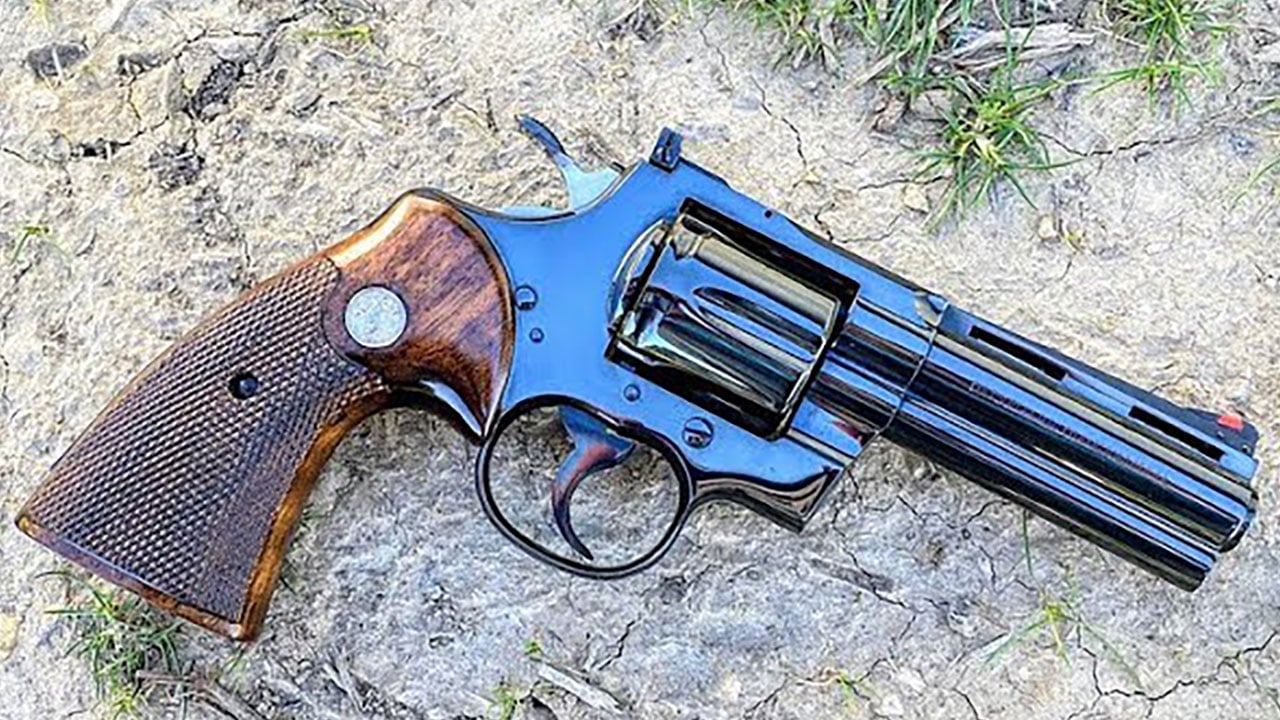
For years, older Pythons would sit in a case with a tag that didn’t match what they really were. The finish, the slick double-action pull, and that vent rib look “fancy,” but they’re also legitimately well-made revolvers that aren’t getting cheaper to build. Once collectors and shooters started chasing them at the same time, the bargain days ended.
If you find one that hasn’t been abused with a steady diet of hot loads and backyard gunsmithing, it’s hard not to smile when you thumb that cylinder closed. It’s not a “needs” gun for most folks. But it’s the kind of revolver that turns into a family gun if you treat it right.
2. Smith & Wesson Model 19
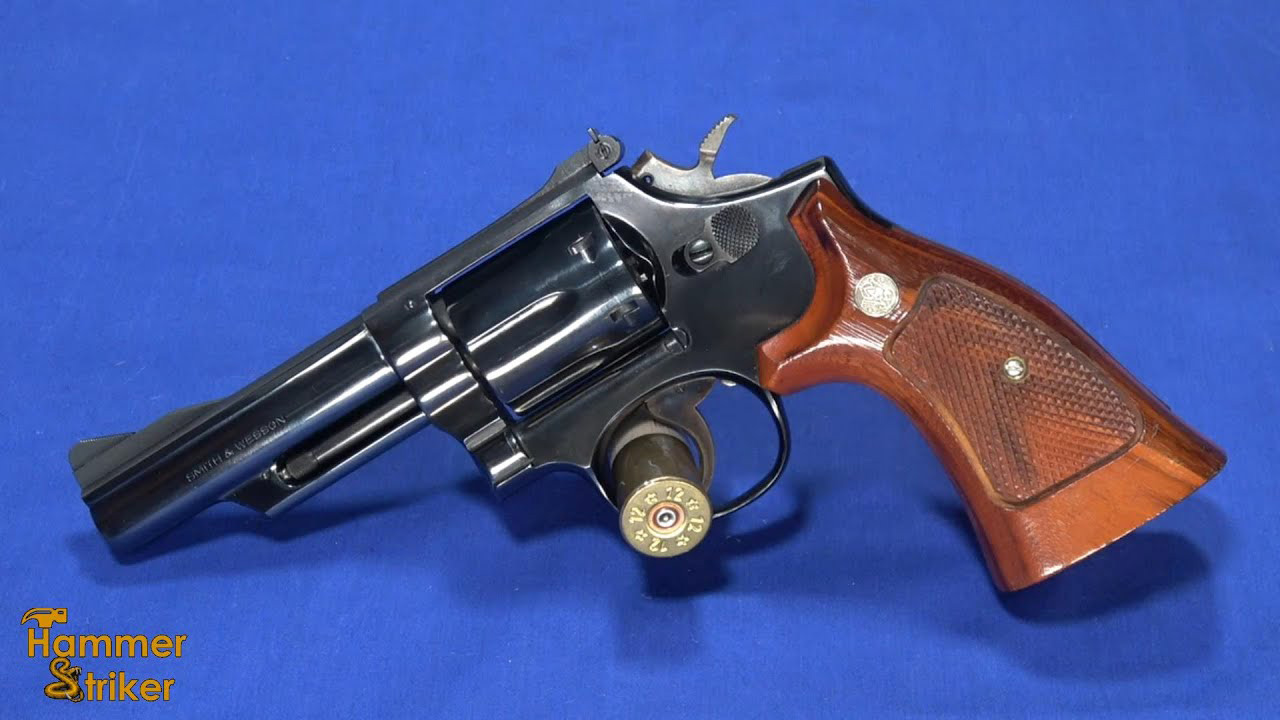
The Model 19 used to be that “nice old .357” that pawn shops would take in and price like any other used wheelgun. Not anymore. K-frame Smiths are in that sweet spot of carry-able, shootable, and classic without being a full-size brick on your belt.
They point naturally, the triggers are usually better than what you get on a lot of modern production revolvers, and they fit the outdoorsman life well—camp gun, truck gun (stored properly), or a woods walk companion. The market caught on because guys started realizing they actually like shooting them.
3. Smith & Wesson Model 10
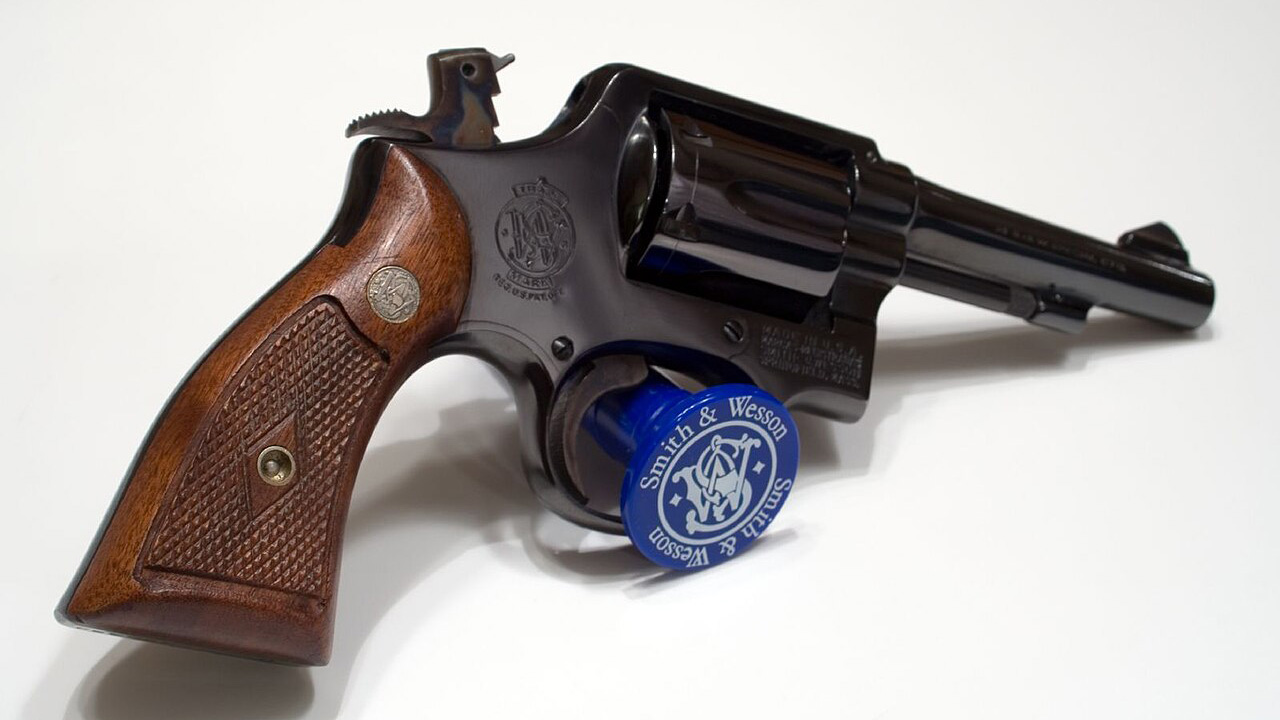
A plain Model 10 is about as exciting as a shovel until you shoot one. Then you get it. These were everywhere, so for a long time they were “cheap police trade-in revolvers.” Pawn shops treated them like commodity items.
Now clean examples bring real money because they’re honest guns. Fixed sights, simple controls, and a trigger that tends to be smooth even after decades. If you want a revolver that will still work when you’re old and your eyes aren’t what they used to be, the Model 10 makes a lot of sense.
4. Ruger Security-Six
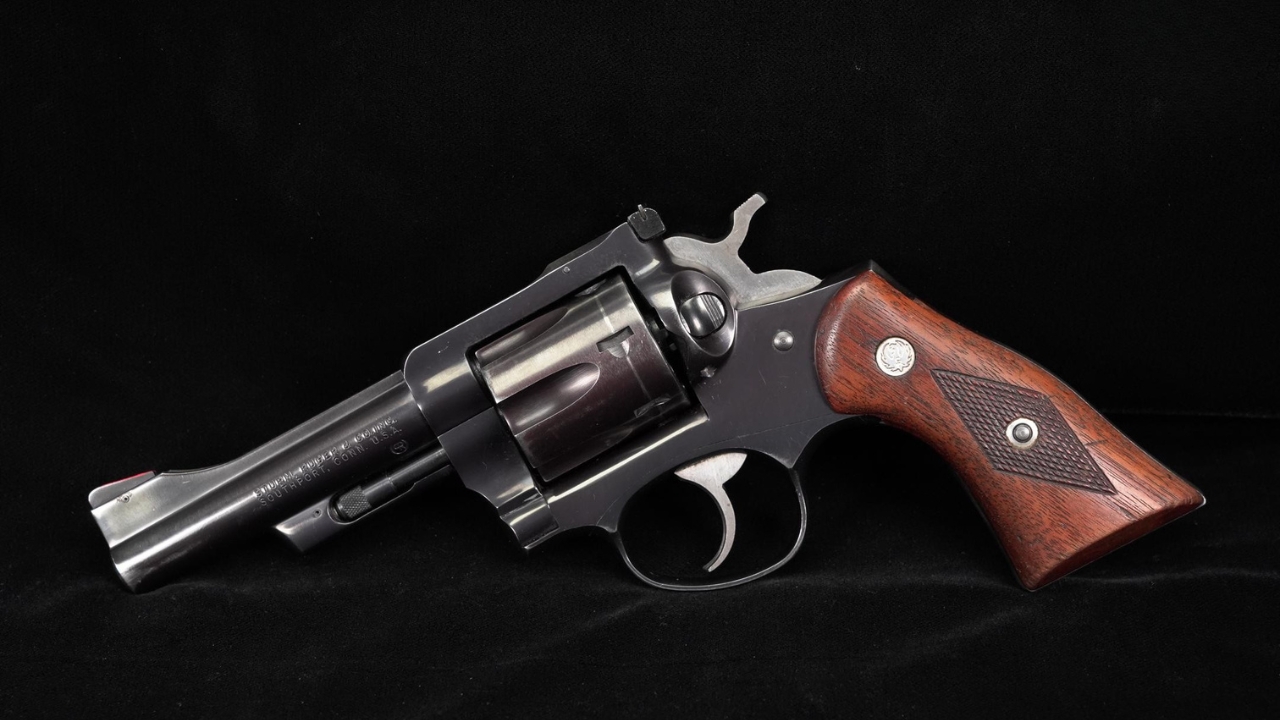
Ruger’s old Six-series revolvers were undervalued for a long time because they weren’t as “pretty” as comparable Smiths. But they’re tough. They handle .357 well, and they don’t baby you like some lighter framed revolvers will.
They’re also the kind of gun you can actually use without feeling like you’re abusing a museum piece. Pawn shops used to price these like “used Ruger revolver, whatever.” Now they know the guys walking in might be hunting specifically for one.
5. Browning Hi-Power (FN P-35)
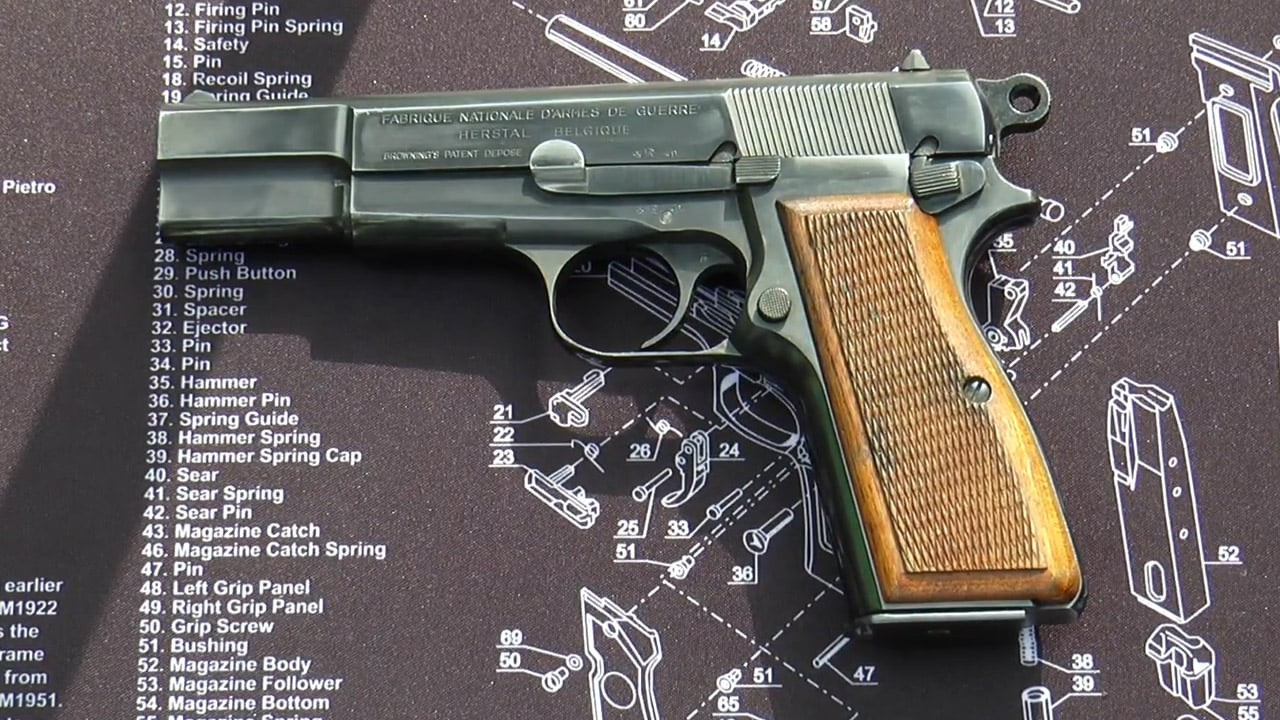
There was a time when the Hi-Power was treated like a dated single-action 9mm with small controls. Then people started carrying striker guns for a decade and got the itch for steel frames and slim grips again. Suddenly, the Hi-Power didn’t feel old—it felt classy.
Original magazines and clean examples matter. You’ll still run into home-brew modifications that hurt value and reliability, so look closely. But a good Hi-Power feels like a “real handgun” in the hand, and the market is paying attention.
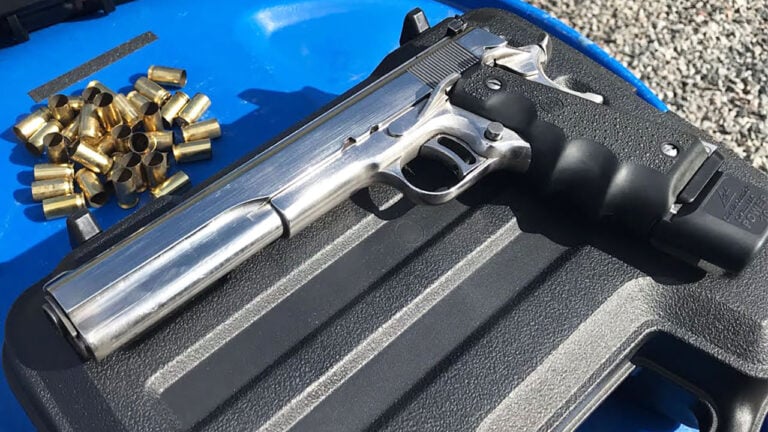
6. Colt Series 70 Government Model
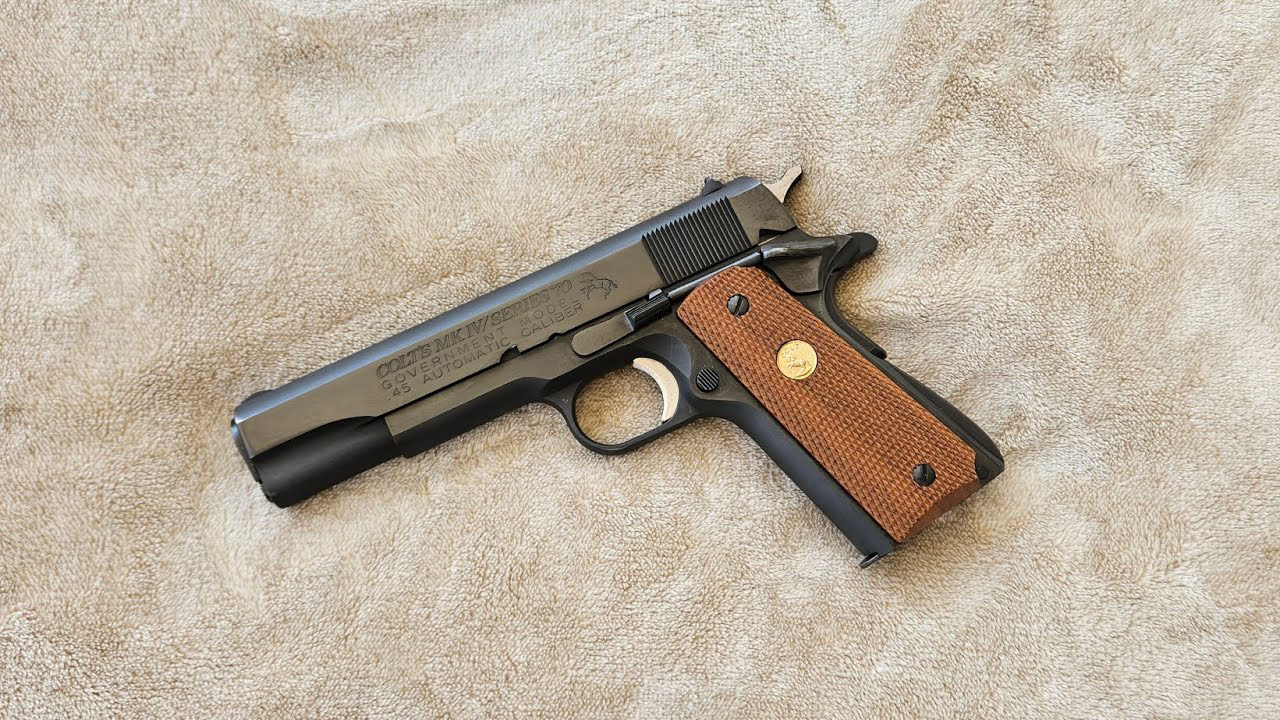
Pawn shops used to lump “old 1911” into one mental category and price them accordingly. The Series 70 Colts have separated themselves from the pack. They’re not perfect, and not every one is a tack driver, but they’ve become a benchmark for a certain kind of 1911 guy.
Parts are available, the design is familiar, and they hold their appeal even when the latest wonder-1911 comes out. If you’re buying one to shoot, make sure it runs with your magazines and ammo. If you’re buying one to keep, don’t let it get “customized” into something it isn’t.
7. SIG Sauer P226 (German or early West German)

The P226 is one of those pistols that never really stopped being good, it just stopped being trendy. When polymer went dominant, pawn shops treated used P226s like heavy, old-duty guns. Then shooters started rediscovering what a stable, accurate service pistol feels like.
They shoot flat, they last, and the controls make sense if you grew up on traditional double-action. Magazines aren’t unicorns, holsters exist, and it’ll do everything from range time to nightstand duty without being fussy.
8. SIG Sauer P228
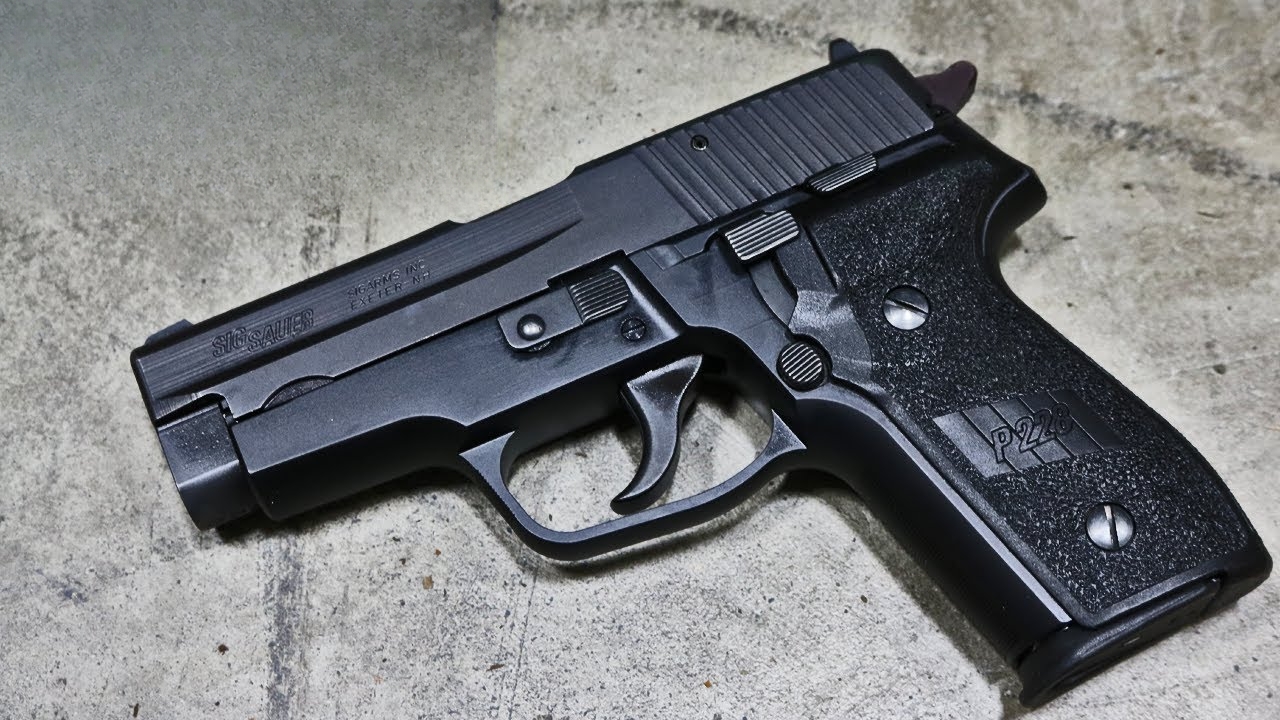
The P228 got overlooked because it’s “just” a compact 9mm in a world full of compact 9mms. But the balance on a good P228 is hard to beat, and the older stamped-slide guns have their own following now.
This is one where condition and originality matter more each year. When pawn shops realized how fast the right P228 walks out the door, the tags stopped being friendly.
9. Heckler & Koch P7 (PSP / P7M8)
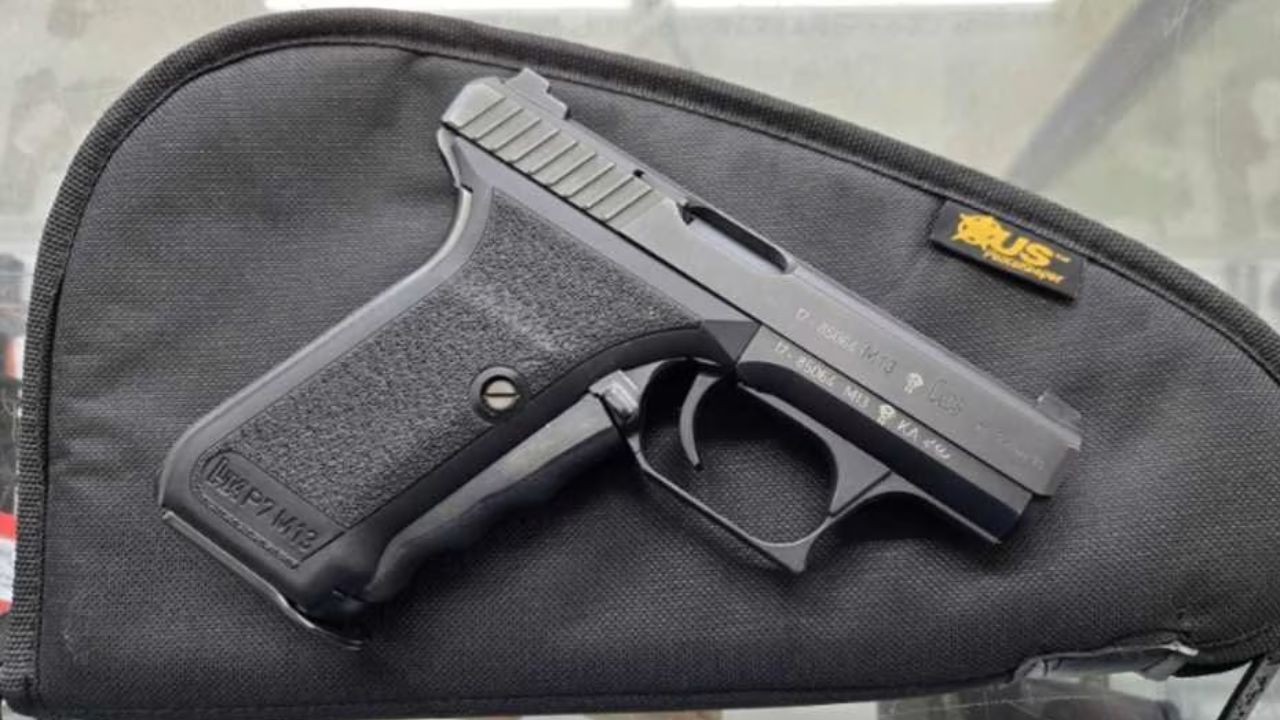
There’s no other pistol quite like the P7. For a long time, pawn shops didn’t know what to do with them. They’d see an oddball squeeze-cocker and assume “weird equals cheap.” That window is closed.
They’re accurate, built like machinery, and they carry flatter than you’d think. The heat buildup is real if you’re doing long strings, and the manual of arms isn’t for everybody. But collectors and shooters both want them, and supply is what it is.
10. Heckler & Koch USP Compact

USPs used to be the poster child for “overbuilt, overpriced.” Then the market got flooded with lightweight pistols that feel disposable after enough rounds. The USP Compact isn’t dainty, but it’s trustworthy, and it holds up to actual use.
Controls and variants can confuse new buyers, but once you learn your setup, it’s a solid carry or bedside gun. Pawn shops have learned that used HKs don’t sit around like they used to.
11. Beretta 92FS (Italian-made, older runs)

The 92FS was so common that it became invisible. Pawn shops had stacks of them after trade-ins, and pricing stayed soft. The “metal gun comeback” changed that, and so did the reality that a smooth-shooting full-size 9mm is still useful.
They’re big, yes. But they’re easy to shoot well, magazines are everywhere, and they’re reliable with decent ammo. The older Italian-marked guns and clean examples bring noticeably more now, and shops aren’t shy about it.
12. CZ 75B (and pre-B CZ 75)
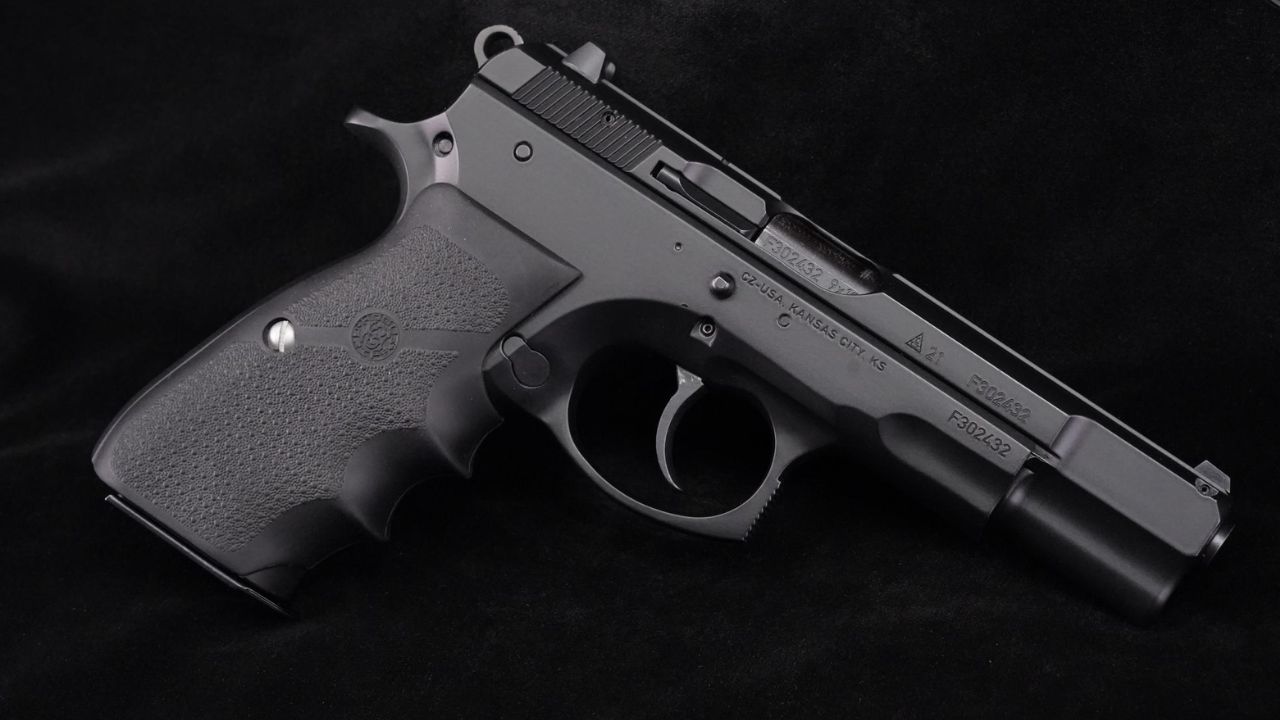
CZ 75s lived in that zone where serious shooters appreciated them, but the average pawn shop buyer walked right past for something with a more familiar name. That changed. The grip shape, the low bore axis feel, and the accuracy are hard to argue with.
Pre-B and early variants can get real collector interest, but even a standard 75B isn’t “cheap used CZ” anymore. If it’s tight, smooth, and comes with original mags, expect the price to reflect that.
13. CZ 82
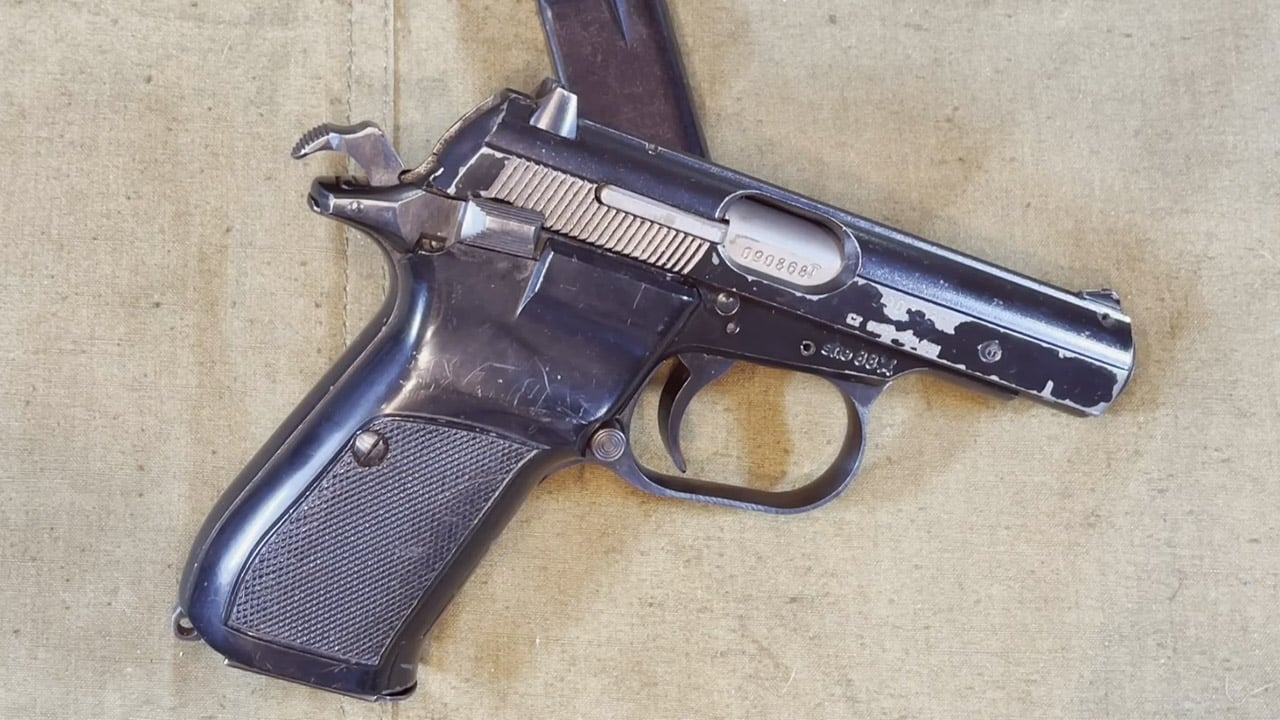
The CZ 82 had a golden era where they were everywhere as surplus and priced like a fun range toy. A lot of them got bought on impulse. Then folks shot them and realized they were accurate, easy-handling pistols with a great trigger for what they are.
Now that the surplus stream isn’t endless, nice examples bring more. Mags and parts aren’t as carefree as modern mainstream pistols, so clean originals with accessories are where value really climbed.
14. Walther PPK / PPK/S
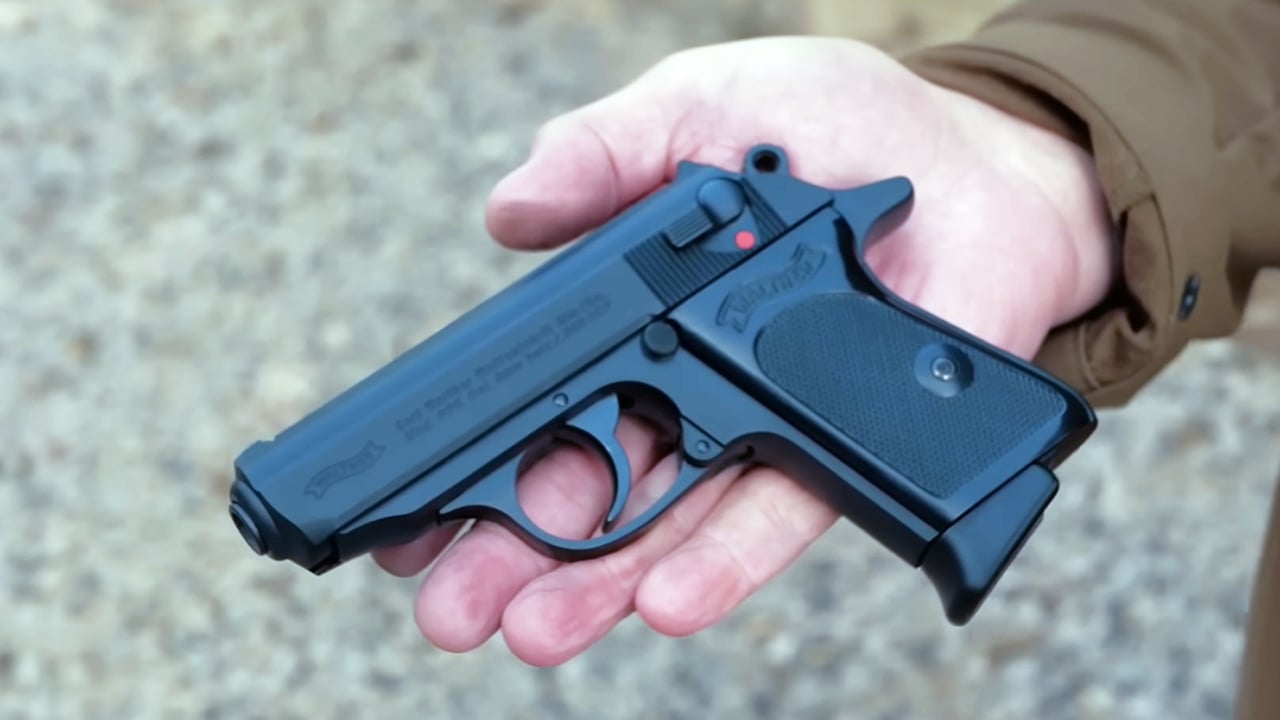
The PPK has always had image, but for a while the used market didn’t reward it unless it was pristine or carried a certain rollmark. Pawn shops would price them like “old .380.” Then the classic carry-gun crowd pushed values up again.
They’re not the softest shooters, and bite is a real thing for some hands. Still, they’re slim, iconic, and they ride nicely in a jacket pocket or an inside-the-waistband holster if you dress around them. The market pays for that kind of style now.
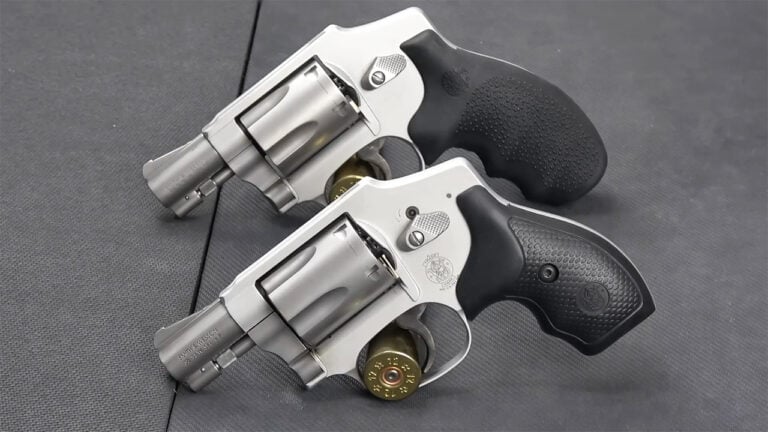
15. Smith & Wesson Model 36 (Chief’s Special)
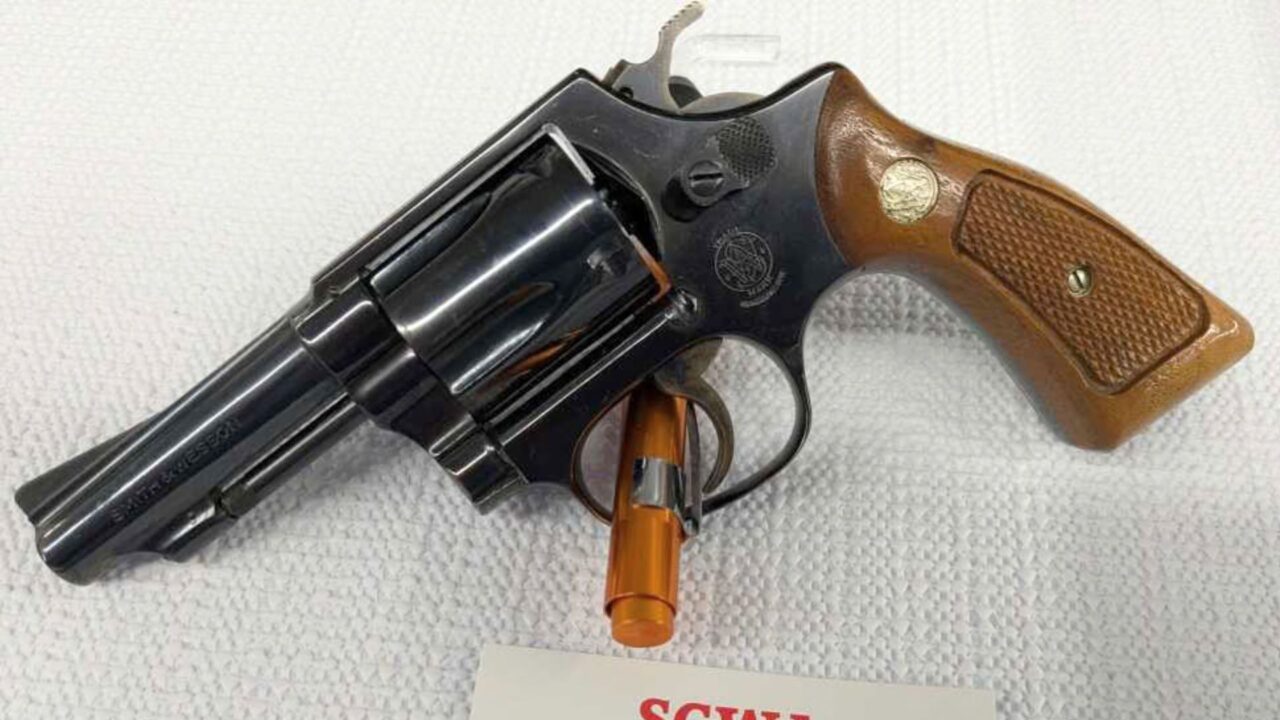
There was a time when every pawn shop had a snub-nose J-frame and none of them were priced like anything special. That changed as more folks looked for a simple revolver they can actually carry without it printing like a brick.
Older blued Model 36s with honest wear are desirable because they feel like a “real” revolver, not a lightweight compromise. They’re still not fun for long range sessions, but for a glovebox gun? No. For a properly carried, properly secured everyday revolver? Absolutely.
16. Ruger SP101
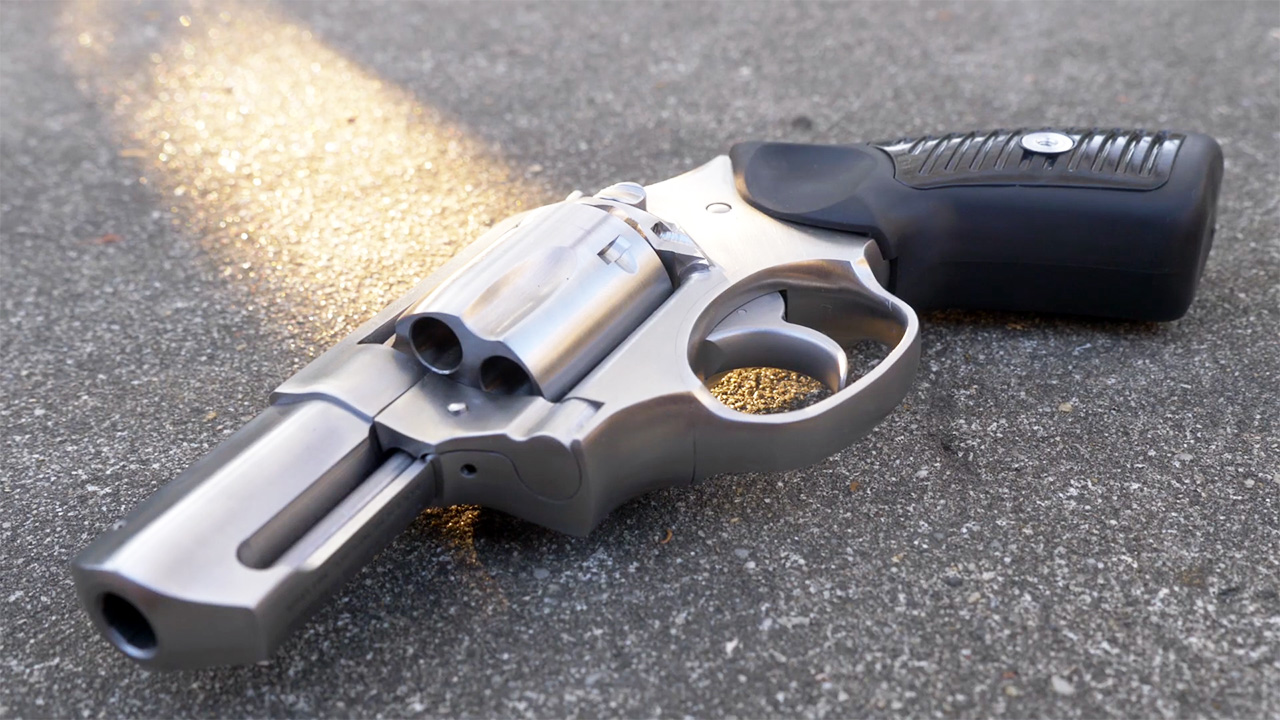
The SP101 used to be treated like a chunky little revolver that didn’t have collector shine. Then folks started getting serious about small revolvers again—especially ones that don’t feel like they’re going to shake loose.
It’s heavier than some want for carry, but that weight makes .357 more manageable and .38s downright pleasant. If you find one with a good trigger, it’s hard not to respect it. Pawn shops know it sells.
17. Colt Detective Special
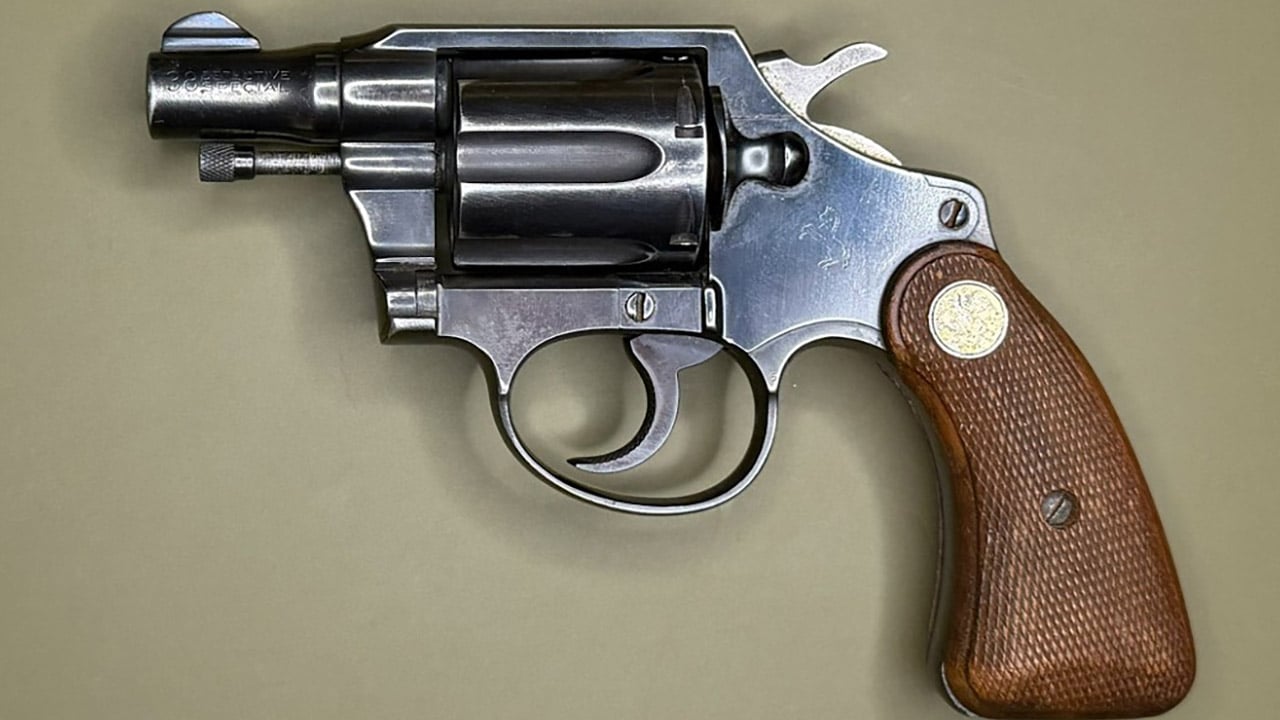
Old Colt snubs had a long period where they were “interesting but risky,” mostly because not everyone understands Colt’s older lockwork. Pawn shops used to price Detective Specials like they were interchangeable with any other snub.
Collectors changed that, and so did carry folks who appreciate six shots in a snub-sized package. If timing is right and the gun hasn’t been messed with, they’re sweet shooters. If it’s out of time, it can get expensive fast, so buy with your eyes open.
18. Smith & Wesson Model 29 / 629
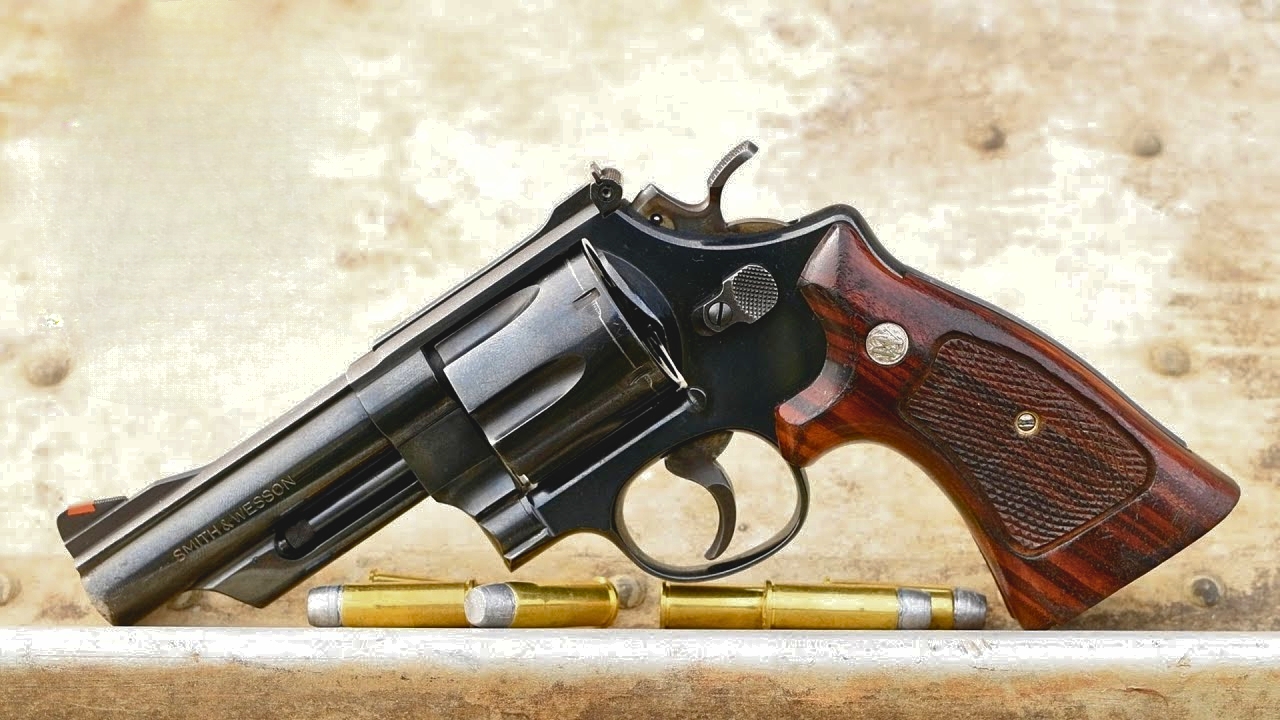
The big .44s were hot, then cold, then hot again. When everyone wanted polymer 9mms, pawn shops would sometimes underprice a used Model 29 because it was “too much gun.” Now? Guys want a hard-hitting revolver again for bear country, hogs, and just because it’s fun.
Recoil is real, and the gun is big, and it’s not the answer for everybody. But if you’ve ever carried one in the woods with a good holster, you understand the appeal. Clean examples don’t sit long anymore.
19. Glock 19 (Gen 2 and Gen 3)
Guns, Gear & On Target Training, LLC/Youtube
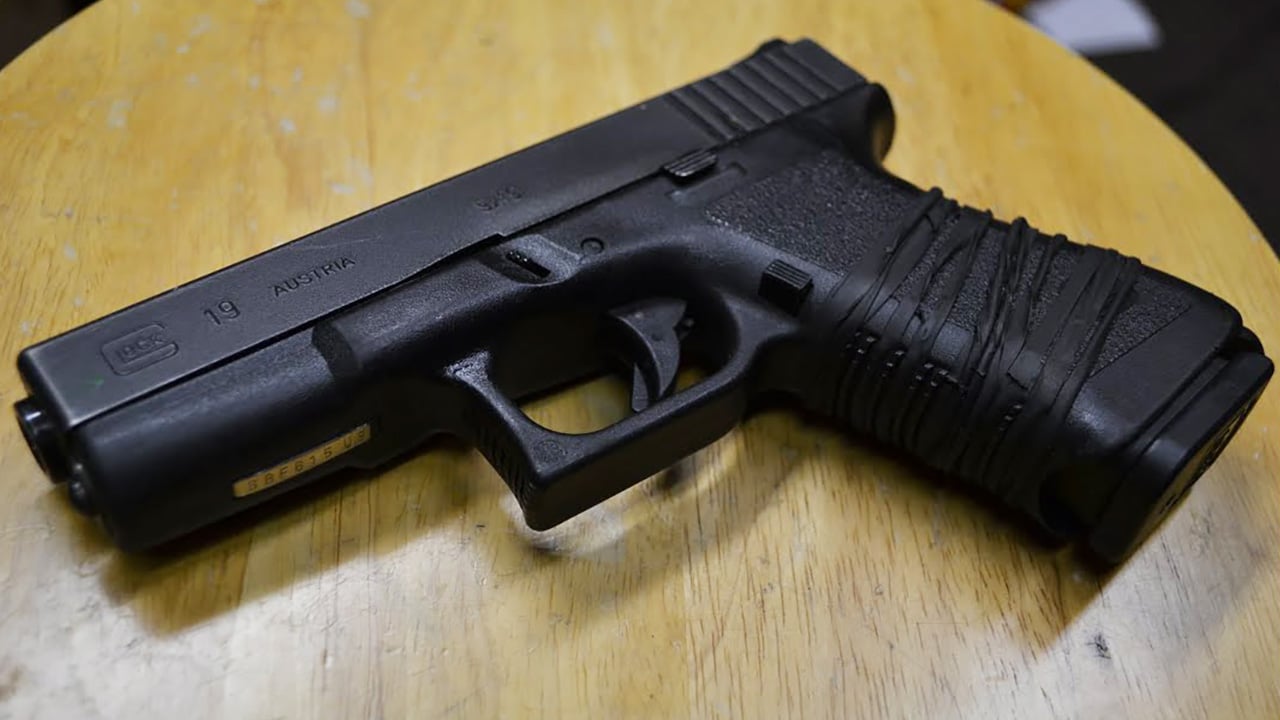
It sounds funny to talk about a Glock being undervalued, but older Gen 2 and Gen 3 guns spent years in the “used plastic gun” bargain bin. Then certain variants, finishes, and configurations started getting chased, and the supply of clean, un-messed-with examples got thinner.
They’re still workhorses, not safe queens. But a straightforward, reliable Glock 19 with normal sights and no kitchen-table stippling has become its own kind of desirable. Pawn shops finally price them like they won’t be there tomorrow.
20. Ruger Mark II (and early Mark I)
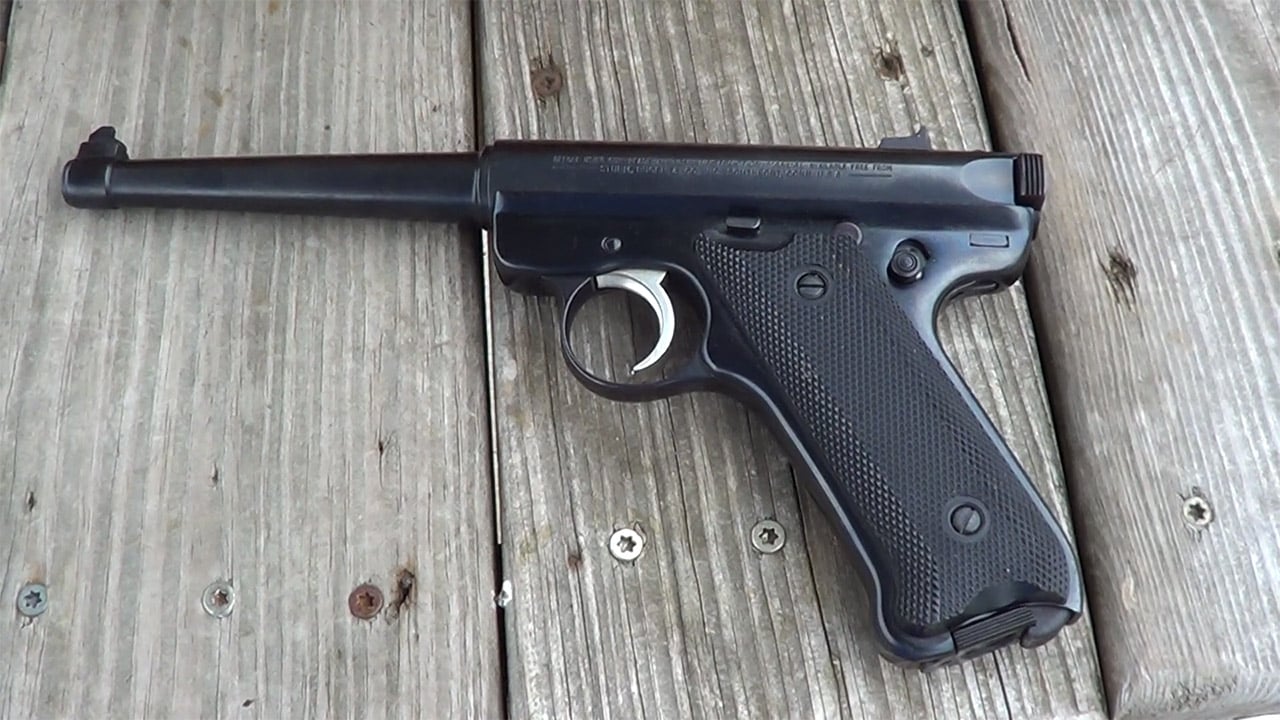
The Ruger .22 autos have always been good, but they were so common that a lot of shops treated them like cheap plinkers. Then ammo got expensive, new shooters wanted rimfires, and everyone remembered that a solid .22 pistol is one of the most useful guns you can own.
Mark IIs in particular have a loyal following because they run and run, and they’re accurate enough to make you look better than you are. They aren’t the easiest guns to learn to take apart the first time—ask me how I know—but once you’ve got it, you’ve got a lifetime .22.
If you’ve got one of these sitting in the back of the safe, this isn’t me telling you to run out and sell it. It’s the opposite. The market finally started valuing proven handguns the way shooters always should have: by how well they work, how hard they are to replace, and how much you’ll miss them once they’re gone.
Like The Avid Outdoorsman’s content? Subscribe to our newsletter so you never miss an article.
Here’s more from us: