Photo credit: Tex Mex/Youtube
Every now and then, somebody drags a dusty lever gun out of a closet or a barn cabinet because they’re cleaning out an estate, moving, or finally getting serious about organizing the safe. The rifle looks “old,” maybe it has a little freckling on the receiver, and the box of ammo is long gone. Then a buddy takes one look at the rollmark, the odd chambering, or the little details—correct sights, correct barrel band, correct buttplate—and says, “Do not sell that until you know what it is.”
Lever-actions are like that. A bunch of them were working tools for deer season, truck duty, and ranch chores. Now certain models bring real money because they’re discontinued, they’re tied to a cartridge that’s hot again, or they just aren’t being made in that configuration anymore. Here are 20 lever-actions that get “stored away and forgotten” more than you’d think—right up until somebody learns what they actually have.
1. Winchester Model 94 (pre-1964)

This is the one everybody thinks they know, and it still catches families off guard. A pre-’64 94 often has the fit and finish folks remember from “grandpa’s rifle,” and collectors pay attention to that era for a reason. They carry light, they point fast, and they’re the definition of a woods deer gun.
Condition matters a lot. Drilled-and-tapped holes, swapped stocks, cold-blue touch-ups, and missing hooded front sights can swing the value hard. Even so, a clean pre-’64 is rarely just another $300 deer rifle anymore, especially if it’s in a desirable chambering and hasn’t been messed with.
2. Winchester Model 94 “Trapper” (16-inch)

Short lever guns are handy in a way you don’t appreciate until you’re climbing in and out of a truck all week or still-hunting through tag alders. The Trapper-length 94s feel quick and alive. They also tend to get “borrowed,” leaned in a corner, and forgotten until someone finds them again.
Winchester made them in multiple runs with different markings and features, and that’s where the money gets weird. A legit factory short barrel is not the same thing as a cut-down rifle, and buyers can tell. If you’ve got one, don’t assume it’s just a chopped 94.
3. Winchester Model 1892 (original production)
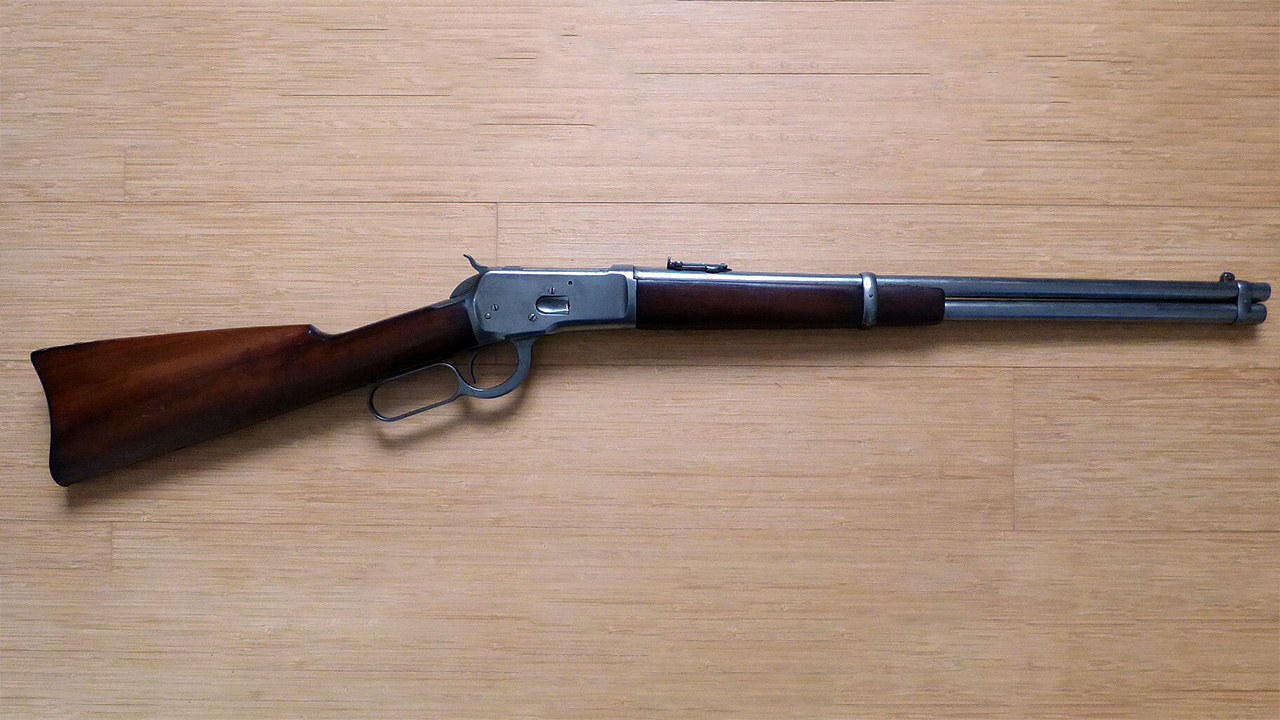
Original 1892s show up tucked in old soft cases that smell like oil and mothballs. They’re slick actions, especially in pistol calibers like .38-40 or .44-40, and they have that “old West” feel without being gigantic like some earlier designs.
Here’s the kicker: a lot of them were shot, carried, and used hard, so a nicer one can surprise you. On the flip side, parts guns and questionable refinishes are everywhere. If it has crisp markings and honest wear, it’s worth a careful look before it gets traded off as “just an old lever gun.”
4. Winchester Model 71 (.348 Winchester)
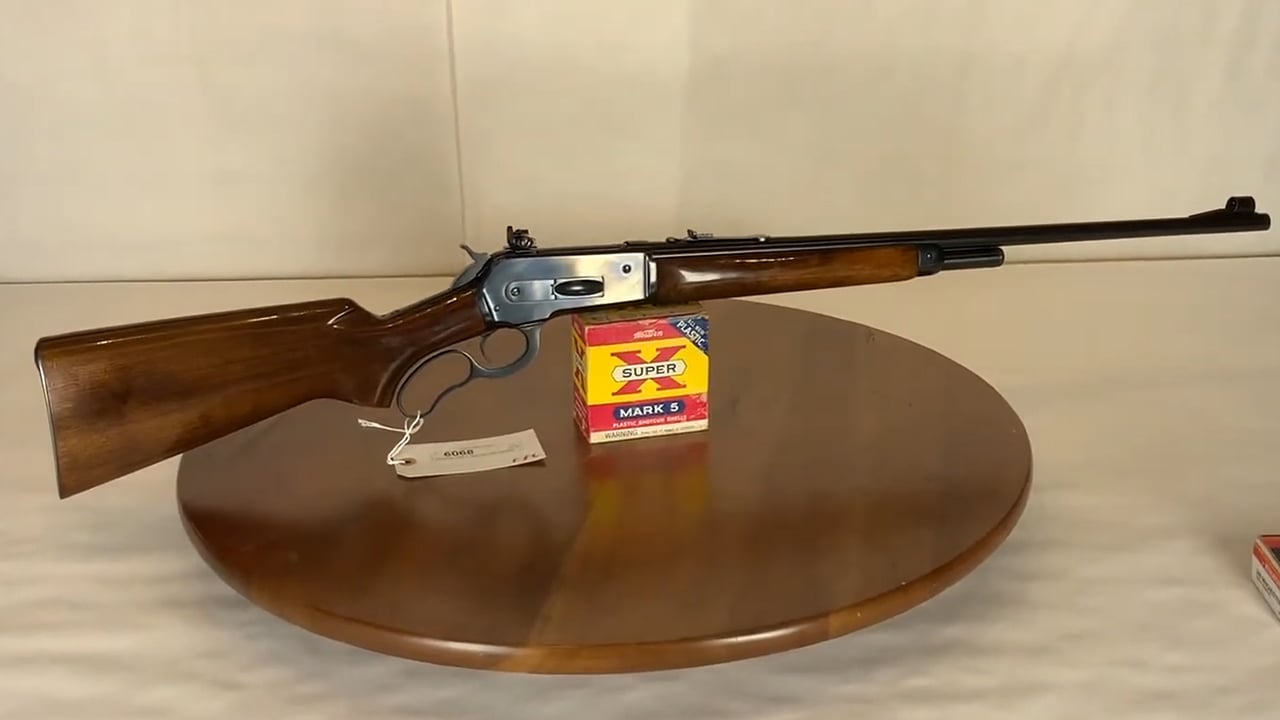
The Model 71 is one of those rifles you don’t see until you do, and then you start noticing how many serious hunters still talk about it like it’s a secret handshake. The .348 hits hard, and the rifle has a solid, upscale feel compared to a lot of working-class lever guns.
Ammo isn’t cheap and it’s not on every shelf, which is why these sat in closets for years. But scarcity cuts both ways. When a clean 71 turns up, guys who know what it is tend to find the money.
5. Winchester Model 95 (.30-40 Krag / .30-06)
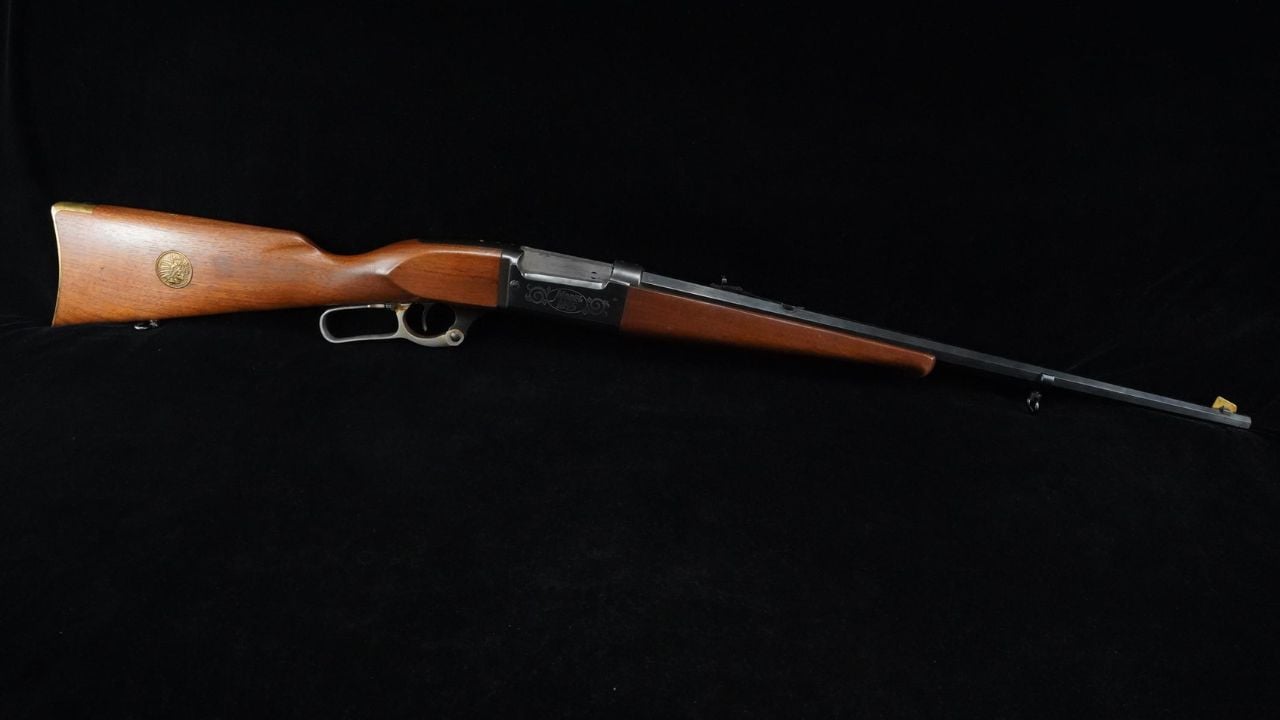
The Model 95 looks different because it is different—box magazine, more “rifle-like” profile, and it shows up in chamberings that make history buffs perk up. These aren’t the lever guns you beat around in a scabbard. They’re the ones that got wrapped in an old blanket and left alone.
They can be valuable, but condition and originality are everything. A sporterized 95 is a different animal than an unmolested one. If it has the right sights and a clean receiver, it’s worth slowing down and doing some homework.
6. Marlin 336 “JM” stamped (North Haven)
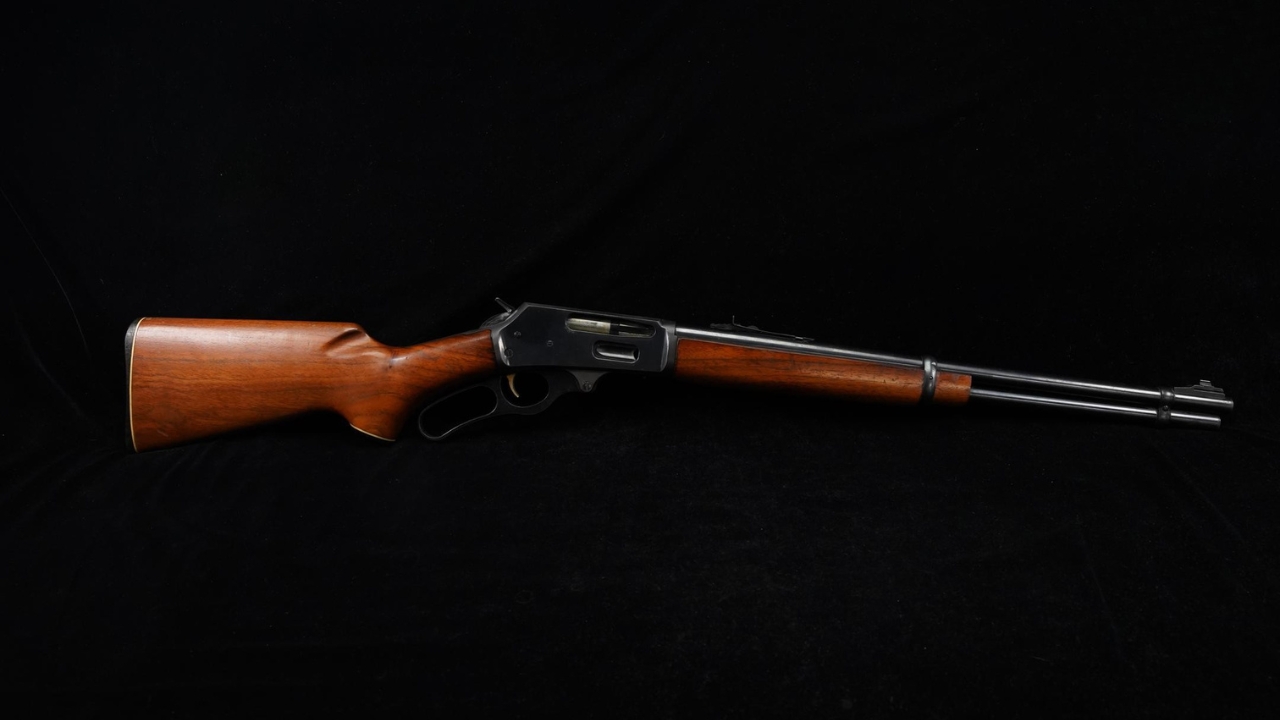
If you’ve spent any time at gun counters, you’ve heard somebody say “JM stamp” like it’s magic. It isn’t magic, but it does mean something: those older Marlins have a feel—smooth cycling, good wood-to-metal fit, and they just work. A 336 in .30-30 is still one of the best real-world deer rifles ever made.
They also got treated like tools, which means many have dings and scratches but still run perfectly. A clean JM 336, especially in a less common configuration, tends to bring more than folks expect. And replacing it with the “same thing” isn’t as simple as grabbing any 336 off a rack anymore.
7. Marlin 1895 (older Guide Gun and limited runs)

The .45-70 craze has been going on long enough that people forget there was a time these rifles were just practical bear-country medicine. The older 1895s—especially the short Guide Gun style—got bought, shot a box or two, and then parked in the back of the safe because the recoil is real. I get it.
Now, though, certain runs bring serious money, and the “right” features matter: barrel length, ports or no ports, sights, and overall originality. Even if it’s not your shoulder’s best friend, it’s hard to replace a good one once you let it go.
8. Marlin 1894 in .44 Magnum (JM era)

A handy .44 lever gun is one of those rifles you don’t “need” until you do. It’s light enough to carry all day, hits hard inside normal woods ranges, and it pairs well with a revolver if you’re that kind of guy. Plenty of them lived behind pickup seats and in camp closets.
What surprises owners is how the market treats them now—especially nicer JM-era examples. If you’ve got a clean 1894 with decent wood and it feeds right, it’s not a throw-in item on a trade. It’s a keep-it-or-price-it-right rifle.
9. Marlin 1894 in .357 Magnum
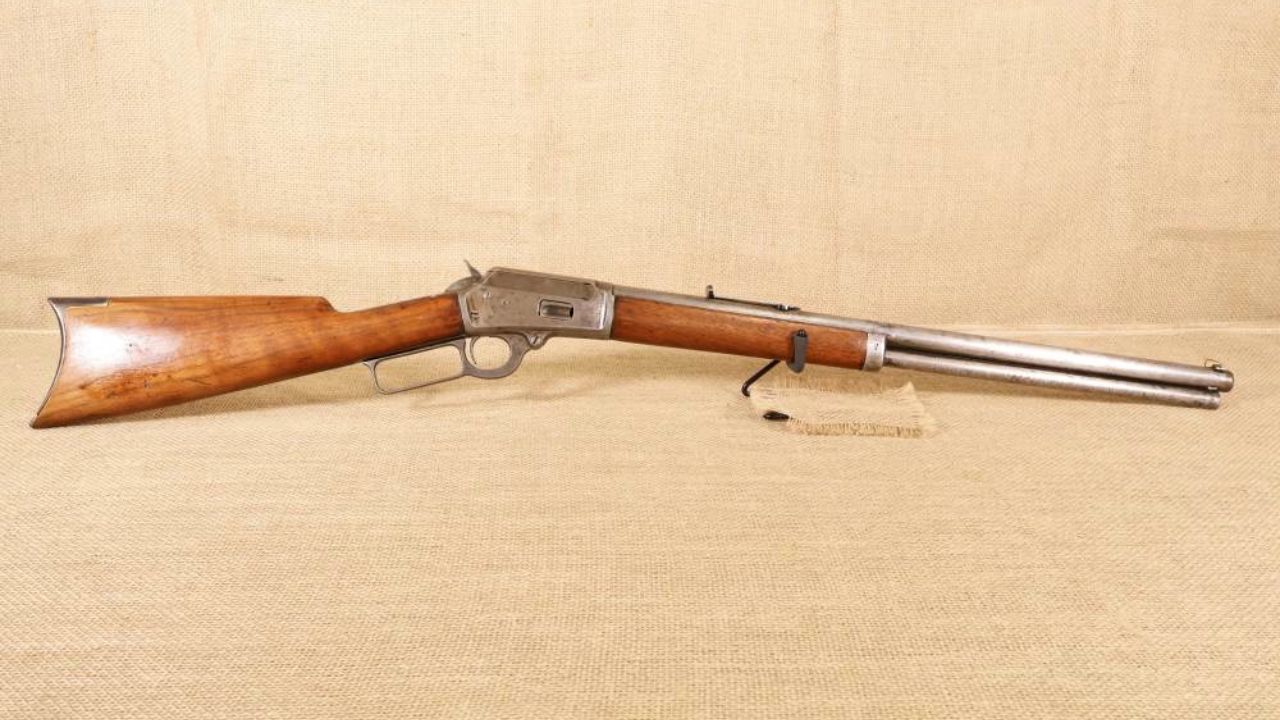
These are fun, and “fun” sells. A .357 lever gun will run .38 Specials all day for plinking and still carry .357s for coyotes, hogs, or a close-range deer in the right hands. A lot of guys bought them for a cabin gun and then forgot about them when life got busy.
They can be picky about certain bullet shapes, and not every example is perfect. But demand is steady, and the good ones are shockingly useful. If you stumble on one in the back of a safe, don’t assume it’s just a cheap pistol-caliber novelty.
10. Marlin 39A (.22 LR)
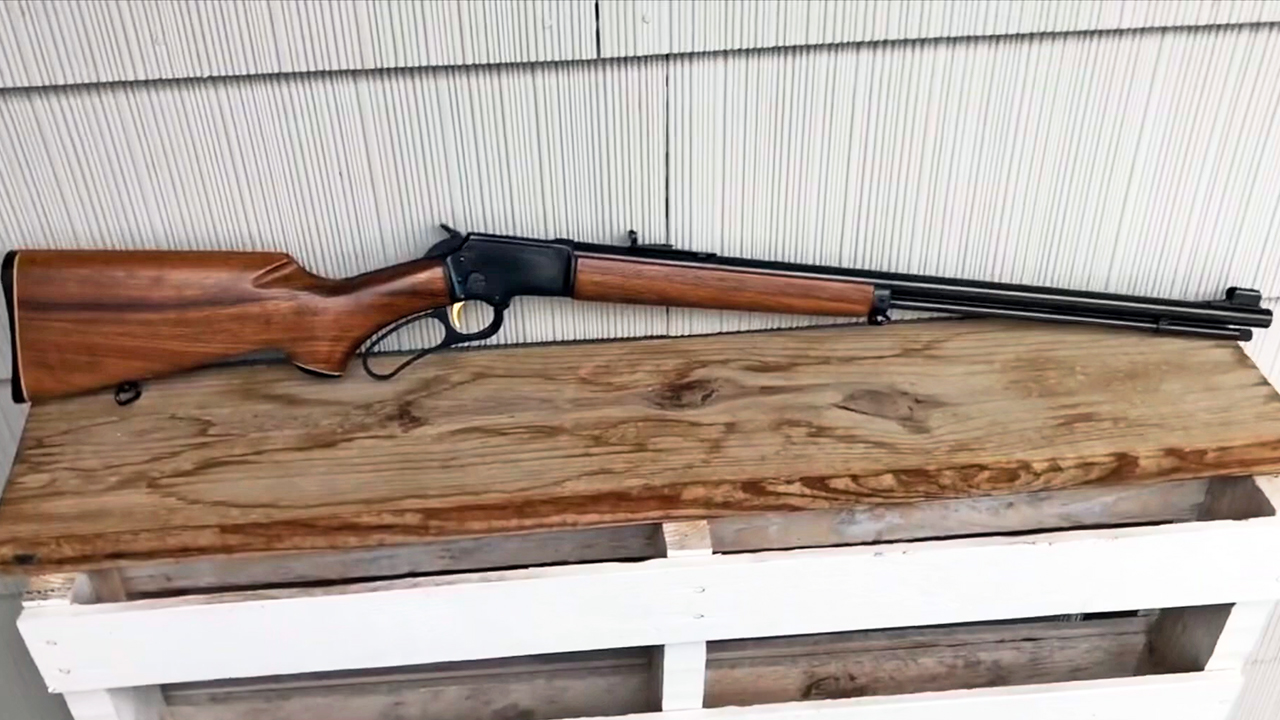
The 39A is the kind of rifle that ends up in a closet because it never breaks and nobody worries about it. It’s also one of the finest rimfire levers ever made. Take-down design, solid feel, and accuracy that makes you look better than you are on squirrels.
Because it’s “just a .22,” families often undervalue them. Then they see what a clean 39A brings, especially older ones with nice bluing and clean stocks. If you’ve got one, it’s a generational rifle if you treat it right.
Free for gun owners: If something happened to you tomorrow, would your family know where the guns are, who has the safe combination, or what to do first? Our free Gun Owner’s Family Checklist walks them through it. It takes about 15 minutes to fill out. Get your free copy here.
11. Henry Big Boy Brass (.357 / .44 / .45 Colt)

Love it or hate it, the brass-framed Big Boy gets attention. A lot of folks bought one because it looked good, shot it a couple of times, and then stuck it in the safe because it’s heavier than they expected. That weight soaks recoil, but you feel it on a long walk.
They hold value better than people assume, especially when they’re clean and complete. Henry’s fit is usually good, and the actions tend to smooth up with use. If you inherit one, it might not be your style, but it’s not junk, and the used market proves it.
12. Henry X Model (threaded, modern furniture)
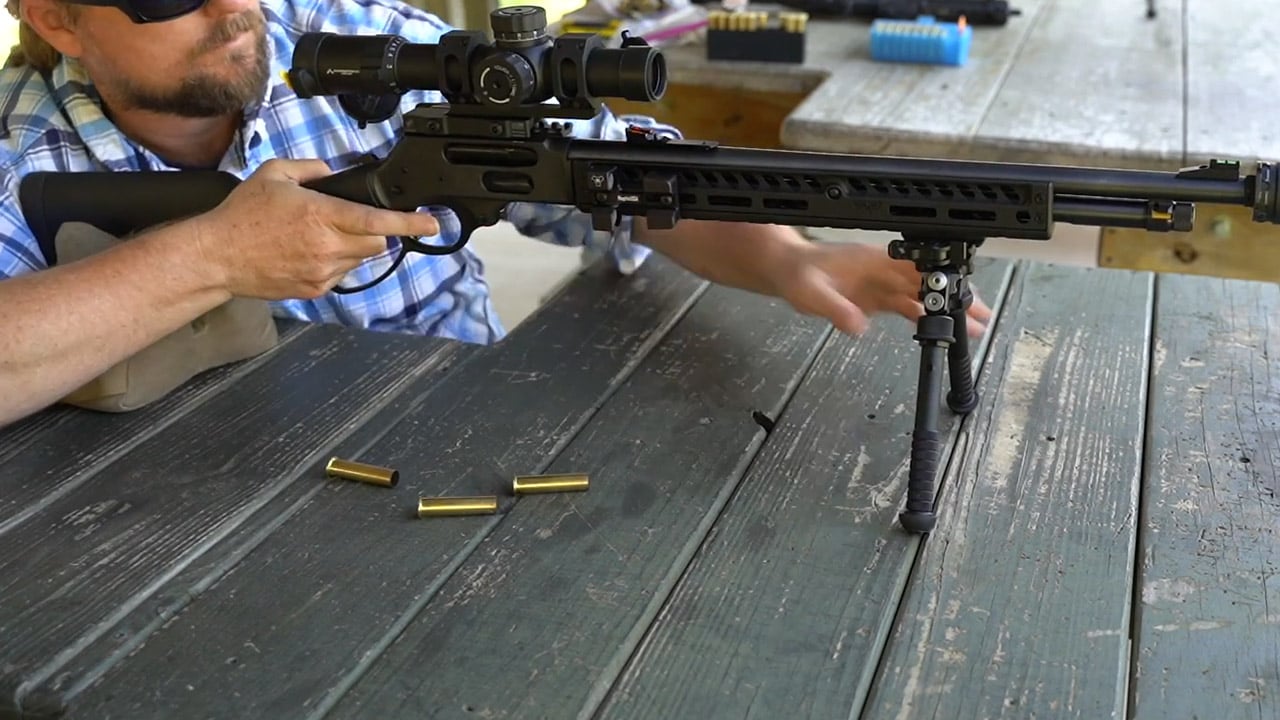
The X Model is what happens when a lever gun gets dragged into the modern world. They’re popular for practical reasons: weather resistance, usable sights, and they ride well in a truck or on an ATV. Plenty got bought during a “lever gun phase” and then shelved.
Because these are still being made, the value isn’t always collector-driven, but demand is strong. If the rifle is unmodified and not beat up, it sells fast. And if you’ve got one that runs perfectly, you’ll miss it the first time you want a no-nonsense, grab-and-go rifle.
13. Browning BL-22
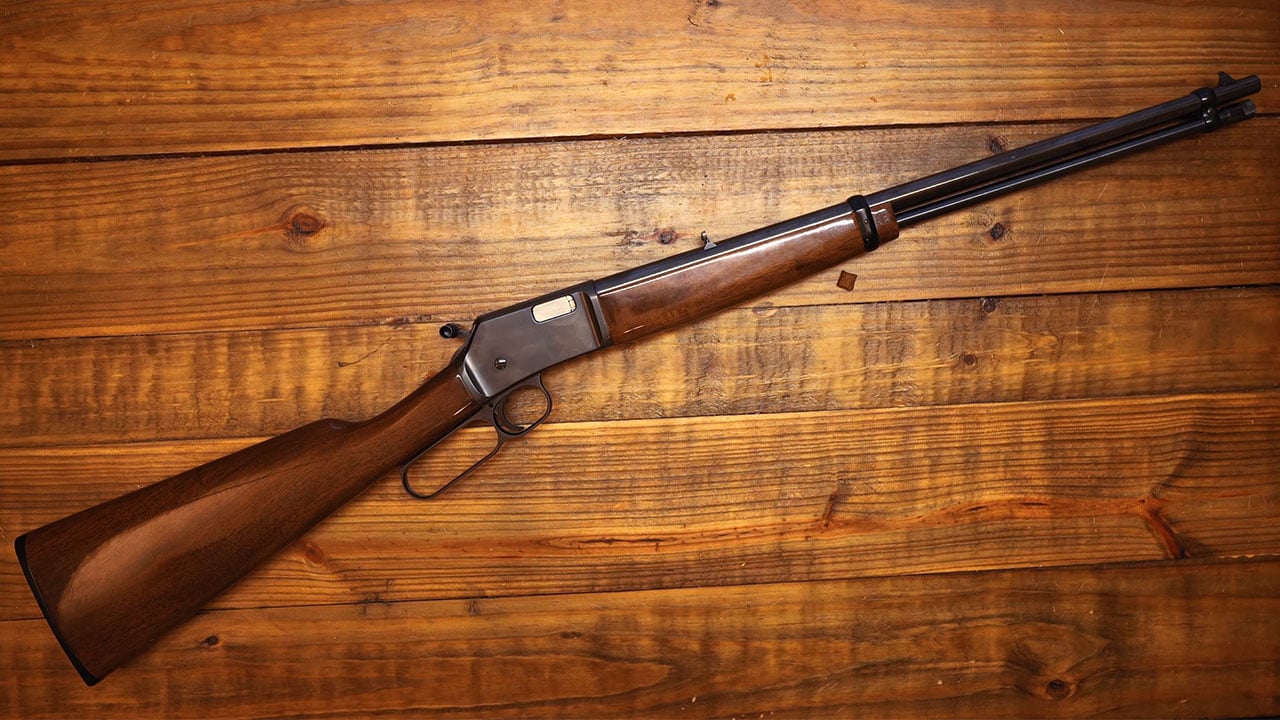
If you’ve ever worked a BL-22, you know. The throw is short, the action is quick, and it makes tin cans nervous. They’re common enough that folks assume they’re nothing special, but good ones don’t sit on used racks long.
A BL-22 is also the kind of rifle that gets “loaned” to kids and new shooters and then put away when the family moves on to other hobbies. If you have one with a clean bore and decent finish, it’s worth more than sentimental value. It’s a rimfire you can actually keep forever.
14. Browning Model 71 (modern reproduction)
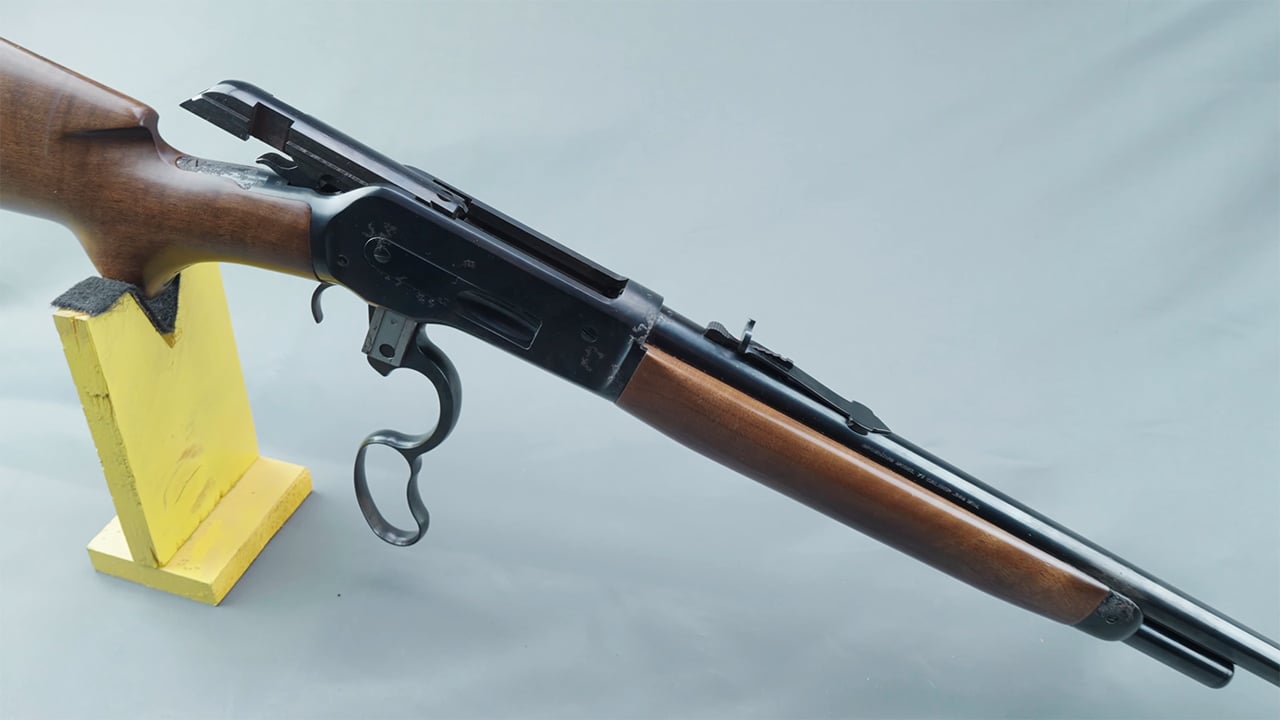
Browning’s reproduction of the Model 71 scratches the itch for a classic big-bore lever without betting the farm on a 100-year-old original. They’re well-made, smooth, and the kind of rifle a guy buys because he always wanted one. Then it sits because feeding .348 isn’t cheap.
The market notices quality, and these aren’t getting more common. Boxes and paperwork help, but even without them, a clean Browning 71 usually brings more than the owner expects when they finally decide to “thin the safe.”
15. Browning BLR (steel receiver hunting models)

The BLR is what you buy when you want lever action speed but also want modern cartridges. It handles pointed bullets safely, and that opens the door to .308, .243, .30-06, and more. In the deer woods, a BLR carries like a lever gun but shoots like a rifle you’d take seriously at distance.
These get forgotten because they don’t have the cowboy vibe. They’re just efficient. The funny part is how expensive they are to replace now, especially nicer older examples. If you’ve got a clean BLR with a good trigger, you’re sitting on a very practical rifle that the market respects.
16. Savage Model 99 (rotary magazine models)

The Savage 99 is a thinking man’s lever gun. Rotary magazine, sleek lines, and often chambered in classics like .300 Savage or .250-3000. They show up in estates a lot because owners tended to keep them, not trade them.
They can also be a little finicky compared to a 94 or 336 if they’re worn or abused. Still, a solid 99 is a piece of American rifle history you can hunt with. And for certain variants, the “worth” conversation gets serious in a hurry.
17. Savage Model 99 in .358 Winchester

This is where the Savage 99 gets spicy. A 99 chambered in .358 Winchester is not something you stumble into every day. It’s a hammer on deer and black bear inside sane ranges, and it’s one of those chamberings that makes experienced hunters lean in for a closer look.
The downside is ammo availability. That’s why these rifles often got parked. But scarcity drives value, and niche chamberings are exactly the kind of thing a collector will pay up for, especially if the rifle hasn’t been modified.
18. Ruger 96/22
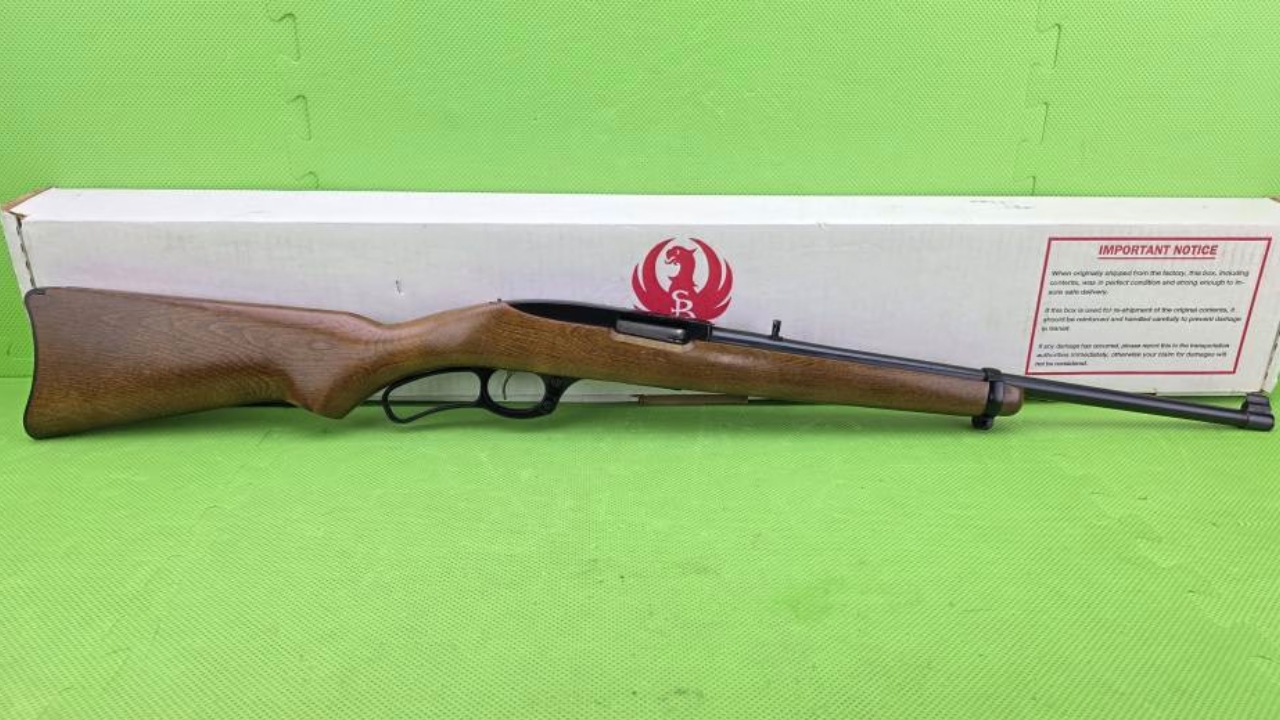
The Ruger 96/22 is easy to overlook because it’s not “old west” and it’s not a traditional tube-fed .22 lever, either. It takes 10/22 magazines, it’s handy, and it’s one of the best small-game utility guns Ruger ever made. They also stopped making it, which changes everything.
These lived in cabins and farmhouses because they were simple. Then they vanished. If you have one with the original sights and it’s not beat to death, it’s worth more than the average rimfire lever sitting on a used rack.
19. Mossberg 464 (early production and special variants)

The Mossberg 464 doesn’t get romantic talk like a Winchester or Marlin, and that’s fair. But some of these ended up as honest truck rifles, and when folks started pricing new lever guns, they realized even “budget” levers weren’t cheap anymore.
Value here is less about collector fever and more about simple supply and demand. If it runs, locks up tight, and the bore is good, it can bring a surprising price compared to what the owner paid. Not every 464 is a gem, but the days of dirt-cheap lever guns are mostly gone.
20. Winchester Model 88 (.308)

The Model 88 is a lever gun for guys who like rifles. Detachable box magazine, sleek lines, and it shoulders more like a bolt gun than a saddle gun. Plenty of owners bought one to hunt with, then put it away because it felt “too nice” to bang around in a deer camp.
They’re also the kind of rifle that gets misidentified at a glance by folks who don’t know lever guns beyond the 94. A clean 88 in .308 is desirable, and parts and magazines aren’t as carefree as a modern bolt gun. If you’ve got one, treat it like the classic it is.
One last thing before you start hauling Grandpa’s lever gun to the pawn shop: slow down. Verify the exact model and variation, check serial numbers and markings, and be honest about alterations. If you’re not sure, a reputable shop can at least tell you whether you’re holding a common shooter or something you’re going to regret letting go. And no matter what it’s “worth,” keep it safe—old guns deserve the same careful handling and secure storage as the new ones.
Like The Avid Outdoorsman’s content? Subscribe to our newsletter so you never miss an article.
Here’s more from us: