Photo credit: Dra Röva i Koks – DRiK/Youtube
You can walk a gun show for three hours, handle fifty modern striker-fired 9mms that all feel like cousins, and still not find the one older semi-auto you actually came for. The 1970s were a weird, interesting decade for pistols. Designs were changing fast, police trade-ins were shaping the market, and manufacturers were still willing to take chances that would never make it past a committee today.
Collectors with money in pocket are getting tired of hearing, “I had one of those years ago,” because the follow-up is always the same: “Shouldn’t have sold it.” Some of these are legitimately scarce. Some aren’t rare at all, they’re just hard to find in the condition you want, with the correct magazines, correct grips, and without somebody “improving” it with a file and cold blue. Here are 20 seventies semi-autos that keep getting harder to track down when you’re serious about bringing one home.
1. Heckler & Koch P7 (PSP)
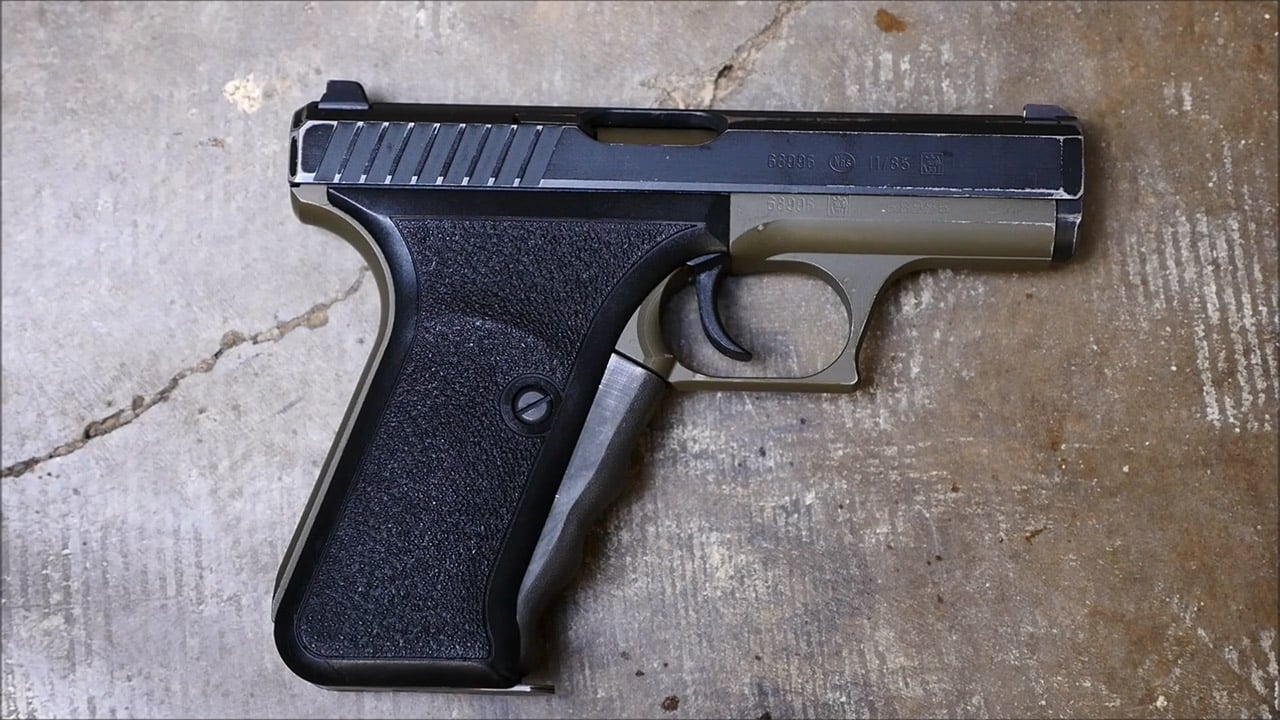
The P7 is one of those pistols you either “get” the first time you squeeze the frontstrap, or you never will. The squeeze-cocker system feels odd until it doesn’t, and then you realize how flat and well-balanced the gun is for its size. It carries like a brick of confidence.
What slows collectors down is price and originality. Holster wear is common, and matching mags aren’t cheap. Also, a lot of P7s have been shot hard; they run hot, and that heat tells stories on the finish.
2. Browning BDA .45 (FN-built)

This is the “Browning” that isn’t a Browning design in the classic sense, and that’s exactly why it’s cool. Built by FN and related to the SIG P220 family, it’s a smooth, practical .45 that points naturally and has that old-school service pistol heft.
Finding one with the right markings and in clean shape is the chase. Magazines can be a sticking point if the gun has been separated from its extras over the decades.
3. SIG Sauer P220 (early European/heel-release variants)

Before the P226 stole the spotlight, the P220 was quietly doing serious work. The older ones with European features—like heel magazine releases—aren’t everyone’s idea of convenient, but they’re collector magnets.
They’re also honest pistols. Slide-to-frame fit tends to feel “serviceable” rather than bank-vault tight, yet they shoot better than they have any right to. The hard part now is getting a clean example that hasn’t been refinished or had parts swapped.
4. Smith & Wesson Model 59
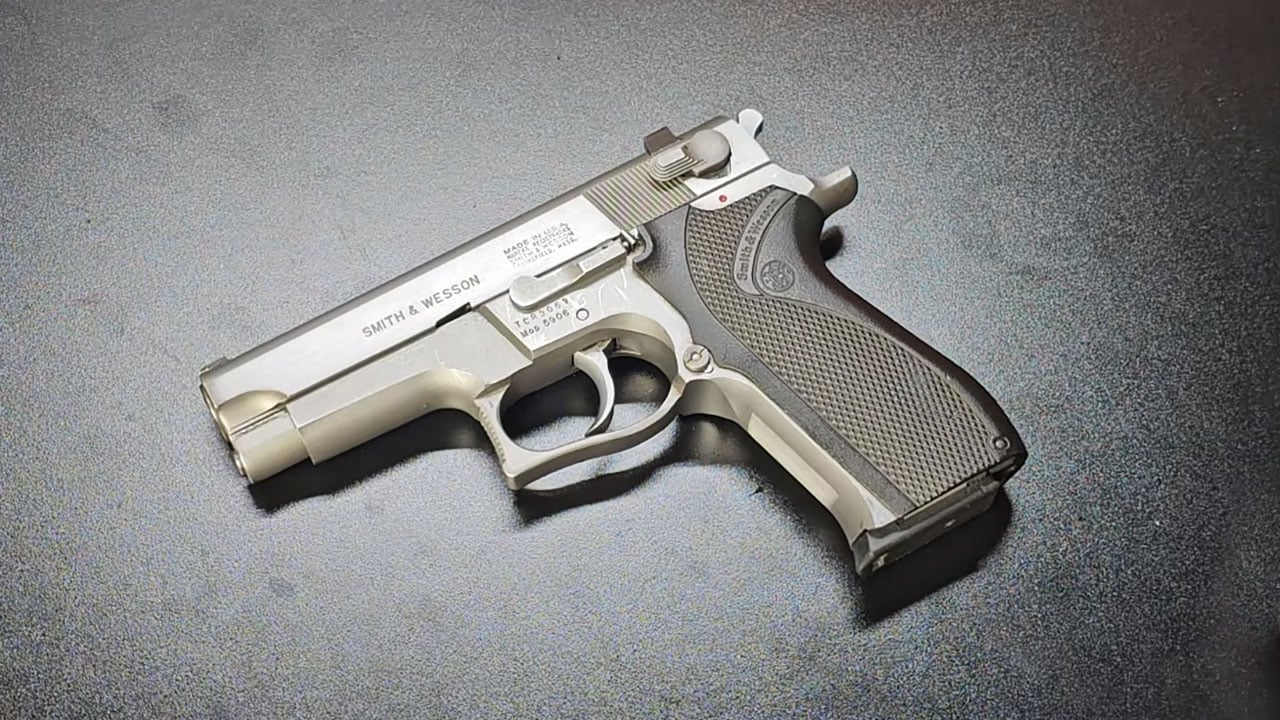
If you want to understand the roots of the modern double-stack 9mm service pistol, you spend time with a Model 59. It’s not sleek. It’s not light. But it’s a piece of American police-sidearm history you can actually take to the range.
Many were carried a lot and maintained just enough. When you find one with a decent bore, original grips, and magazines that aren’t beat to death, you grab it.
5. Smith & Wesson Model 39-2
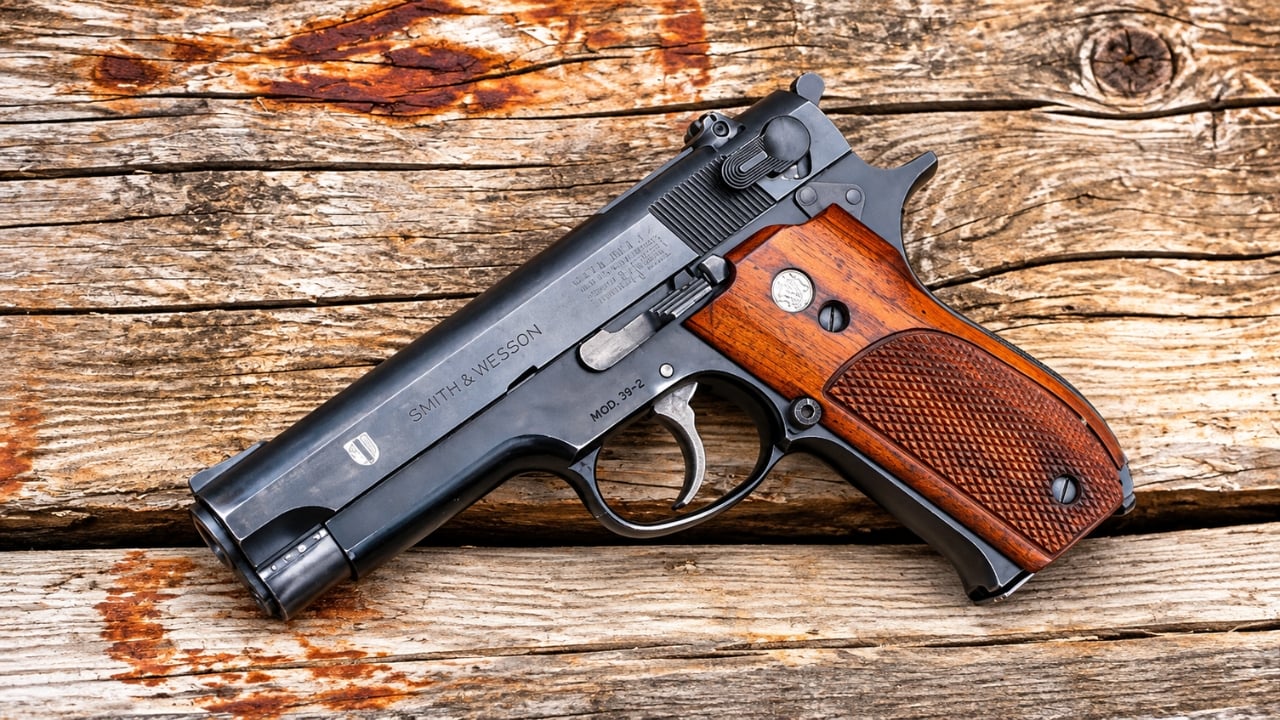
Single-stack, slim, and one of those pistols that seems to sit “right” in the hand. The 39-2 has a following because it’s a practical shooter that still looks like a classic.
The collector headache is condition and small parts. Original sights and grips matter more than people think, and a lot of these have been “tuned” by somebody with more confidence than skill.
6. Colt Combat Commander (Series 70 era)

A seventies Combat Commander is a carry 1911 that still makes sense today. Balance is the selling point. It comes up quick, and the Commander length just feels like it was meant to ride on a belt.
Collectors are picky here, and I don’t blame them. There are many legitimate guns and plenty of Franken-Commanders built from mixed parts. The clean, original ones keep drifting upward in price.
7. Colt Government Model Mark IV Series 70
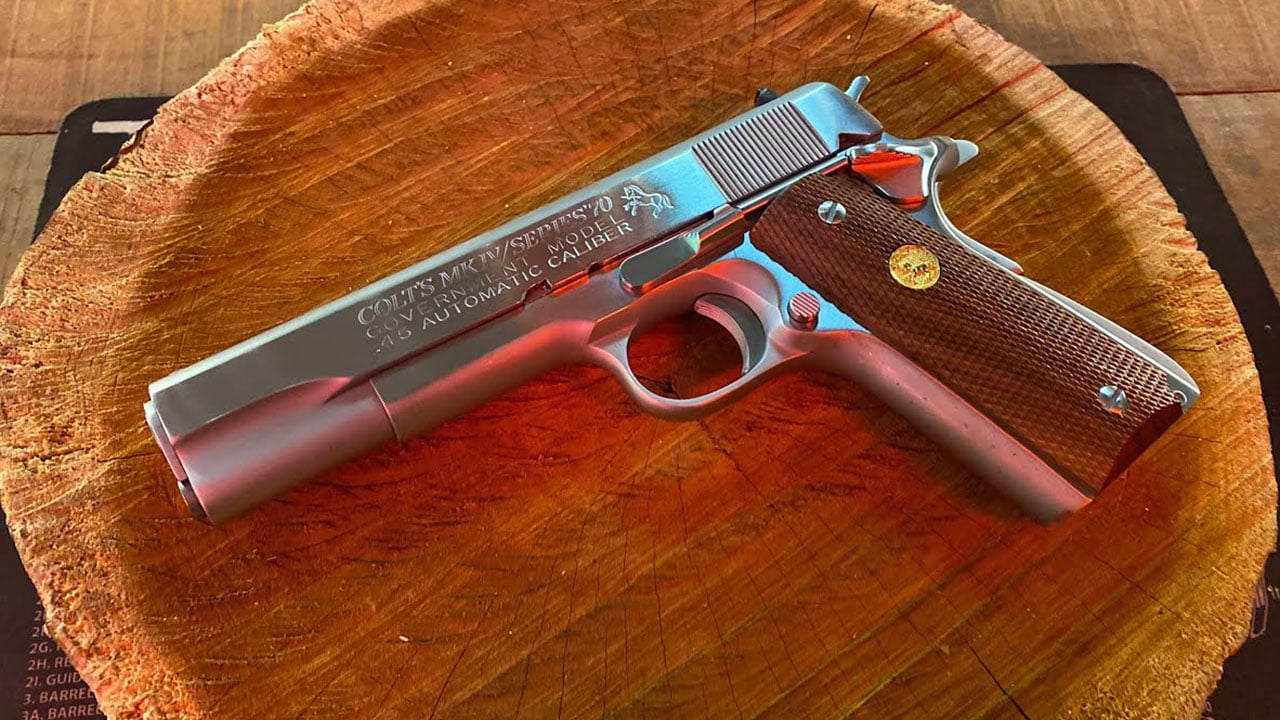
This is one of those pistols that makes people argue at the gun counter. Some will tell you it’s the only “real” Colt 1911 worth chasing. Others will say they’re overrated. Both sides usually agree on one thing: they don’t get cheaper.
Original finish, correct parts, and a frame that hasn’t been messed with is the whole ballgame. Plenty have been customized, and for a shooter that’s fine. For a collector, that one hurts.
8. Colt Mustang (early production)

The Mustang arrived late in the decade’s shadow and really hit its stride in the early 1980s, but the early guns are where the collector itch starts. They’re small, handy, and the shape just screams “classic pocket auto.”
These got carried. A lot. Expect edge wear and tired springs. The ones with boxes and clean mags don’t sit long on a table when they show up.
9. Beretta 92 (first-generation, “92” not 92FS)
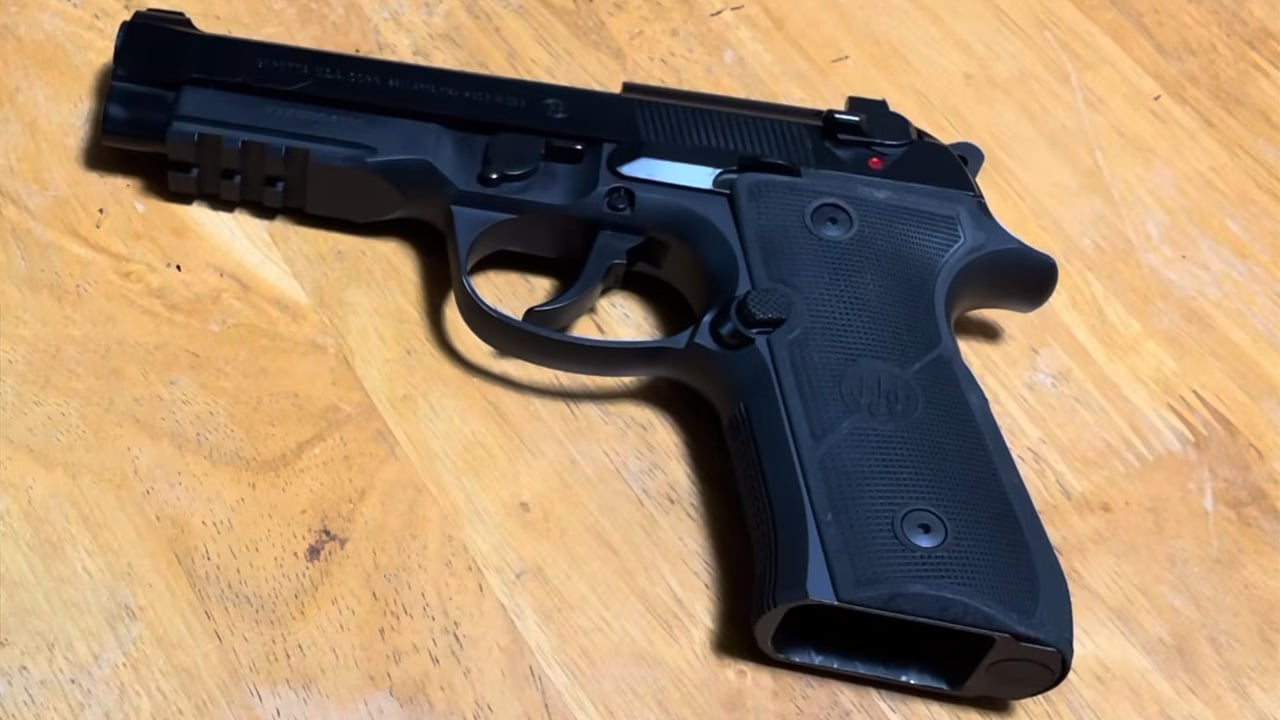
Before the 92 was the U.S. military’s pistol and before the FS safety changes, the original 92 was already a soft-shooting, big-framed 9mm that runs. The early guns have little details collectors look for, and they feel slightly different in the hand.
Most that come up are either well-used or priced like they’re museum pieces. Magazines are easy enough today, but getting the correct early configuration is what makes folks impatient.
10. Beretta 70 Series (Model 71/70S)
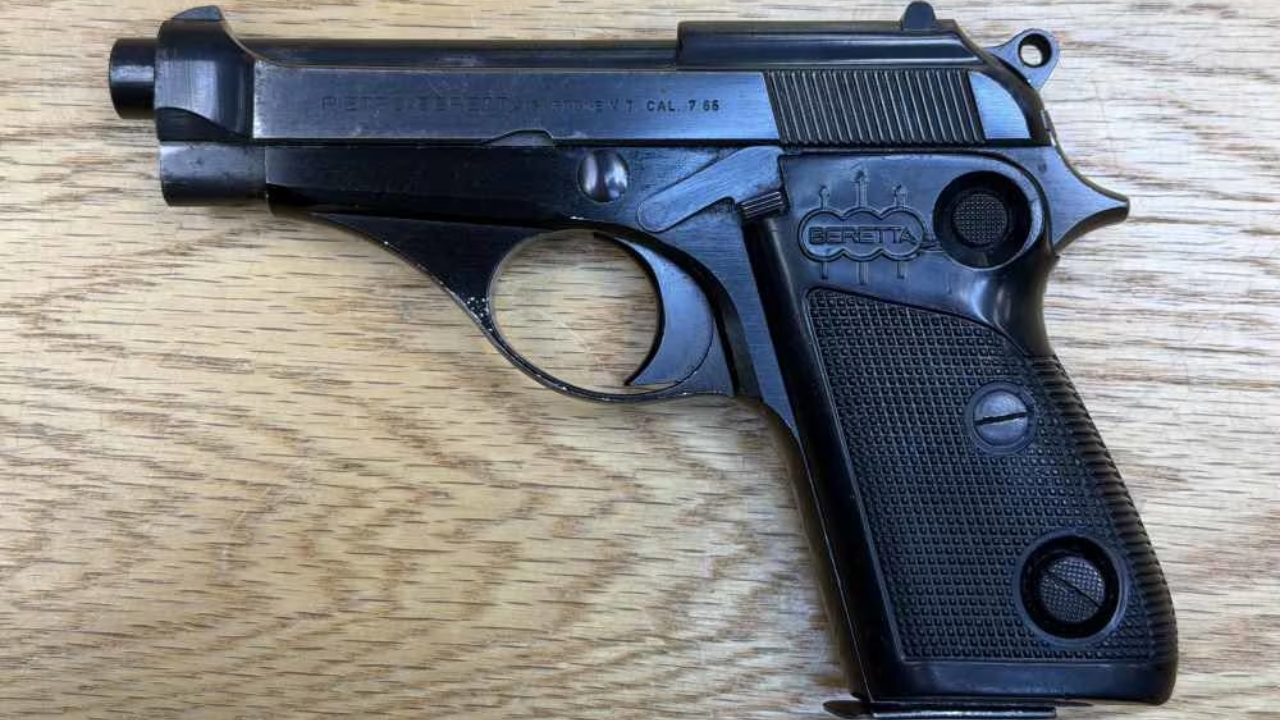
These little Berettas are simple, classy .22s and .32s that feel like they were built for a leather holster and a coat pocket. The Model 71 in particular has that “smooth little tool” vibe, with controls that aren’t fighting you.
They got imported in waves, then dried up, then came back. The clean ones still disappear fast, especially with original grips and good magazines.
Free for gun owners: If something happened to you tomorrow, would your family know where the guns are, who has the safe combination, or what to do first? Our free Gun Owner’s Family Checklist walks them through it. It takes about 15 minutes to fill out. Get your free copy here.
11. Walther P5
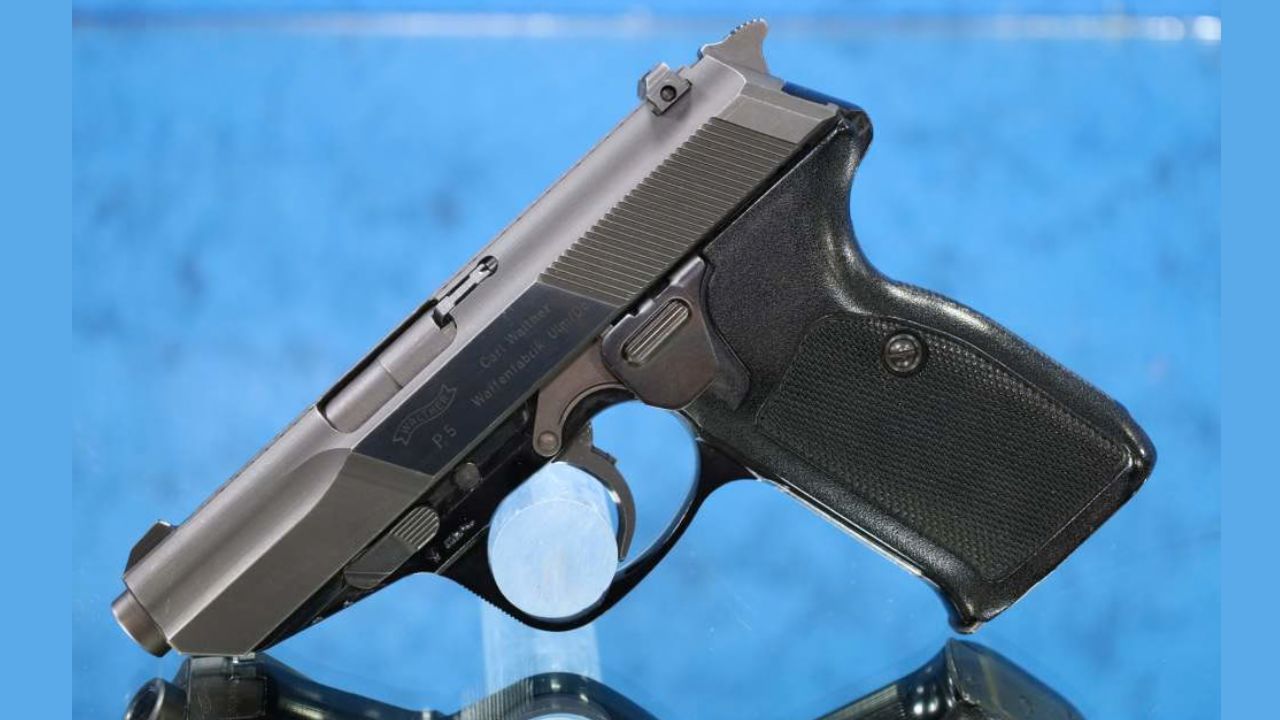
The P5 is what happens when a company refines an idea instead of chasing trends. It’s compact, accurate, and has a character all its own. The controls and layout aren’t for everybody, but it’s a serious pistol.
Collectors are running into the same problem: limited supply and high demand. Parts and magazines aren’t as casual to find as a modern polymer gun, and that makes buyers cautious.
12. Walther PPK/S (seventies production)
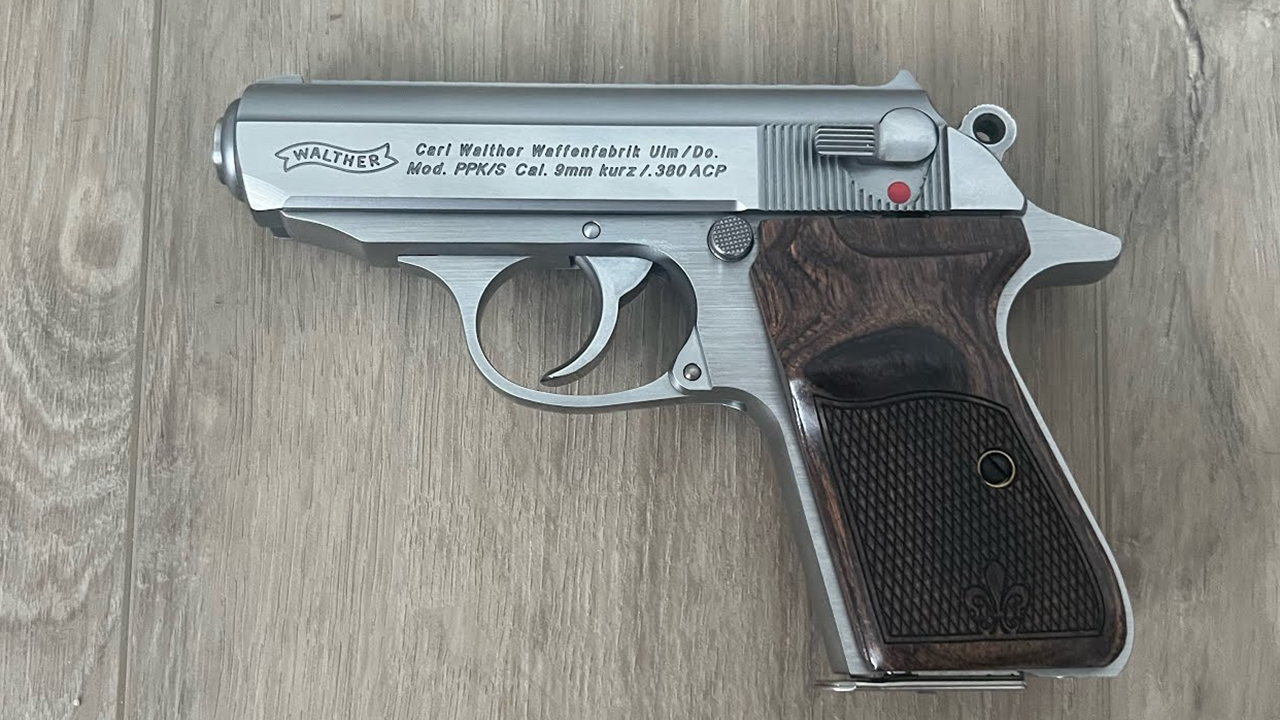
The PPK/S is famous enough that folks forget it’s also a real, shootable pistol with a certain feel in the hand—heavy for its size, snappy in some calibers, and very “metal gun.” In the seventies, you still see a lot of traditional fit and finish.
What you want is a clean example with honest wear, not one that’s been buffed into rounded edges. There are plenty out there, but the good ones are always “already sold.”
13. CZ 75 (pre-B, early production)

There’s a reason the early CZ 75 has a cult following. The grip shape is excellent, the slide-in-frame design feels slick, and the gun points like it was shaped by a shooter instead of an engineer.
Early imports can be tricky, and values swing hard depending on markings and condition. Also, the number of clones and later variants can confuse the hunt if you don’t know what you’re looking at.
14. Ruger P85 (early design roots; transitional interest)
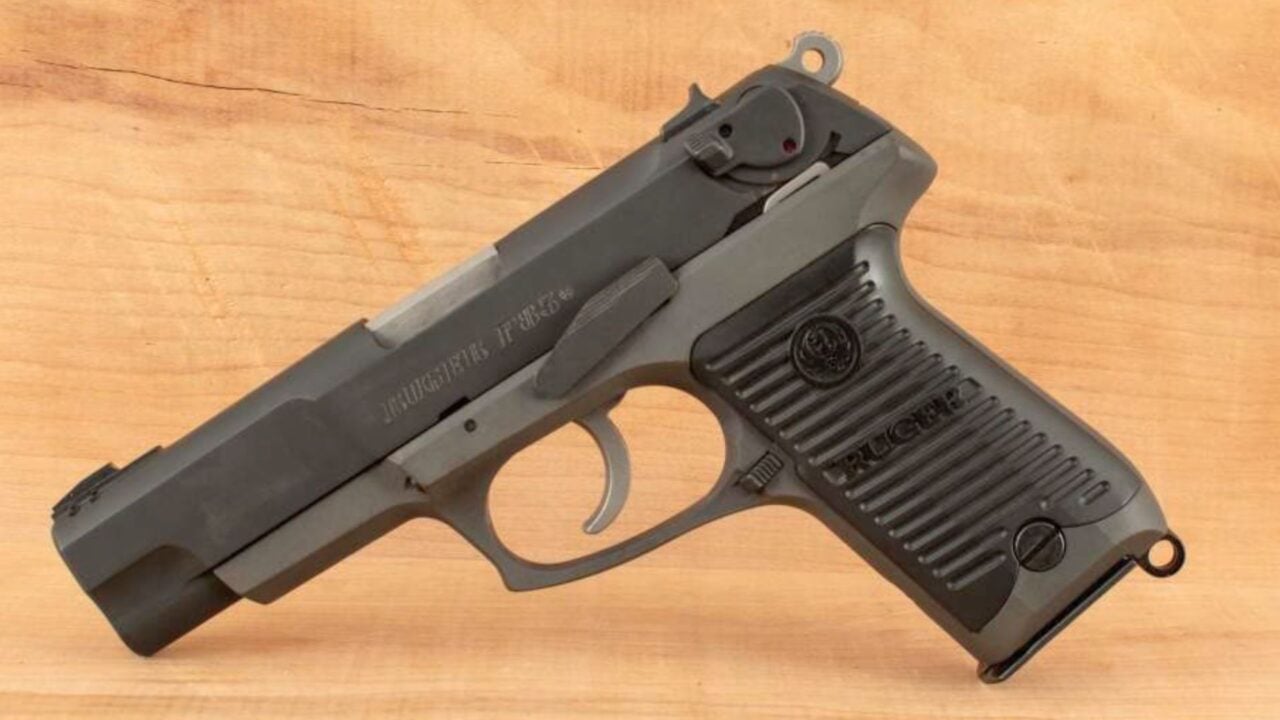
Ruger’s P-series doesn’t get much romance, and I understand why. They’re chunky. They’re plain. But the early P-series story matters, and collectors are starting to treat them like the working-class service pistols they are.
Finding a clean early example with correct mags and without homebrew “improvements” is where the patience runs out. They were bought to be used, not babied.
15. Ruger Mark II (early runs)
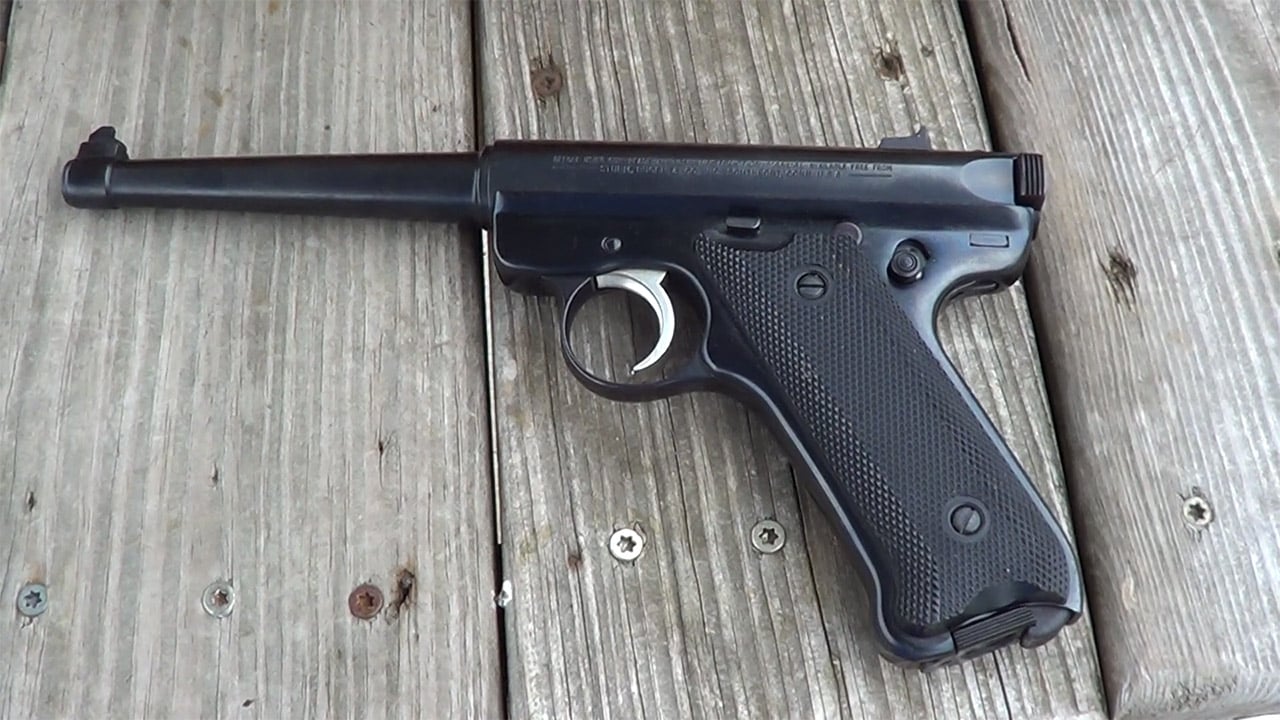
The Mark II is one of the most useful .22 pistols ever made, period. If you grew up hunting squirrels or shooting cans, odds are you’ve got memories tied to a Ruger .22 auto. The early Mark IIs have their own small differences and that classic Ruger feel.
Collectors chase clean guns with original boxes and magazines. Shooters chase them because they just keep running. Either way, nice ones don’t stay “nice” if they’re shot a lot, and most owners do shoot them.
16. High Standard Supermatic Trophy (Hamden-era holdovers into the 1970s)

A good High Standard target pistol makes you feel like a better shot than you are. The triggers can be excellent, the balance is steady, and they have that bullseye-era style that modern .22s don’t try to copy.
The catch is magazines. High Standard mags can be finicky about fit and geometry, and original factory mags can be a big part of the value. When you find a clean pistol with reliable mags, you don’t overthink it.
17. Star Model BM (9mm Largo/9mm variants depending on import)
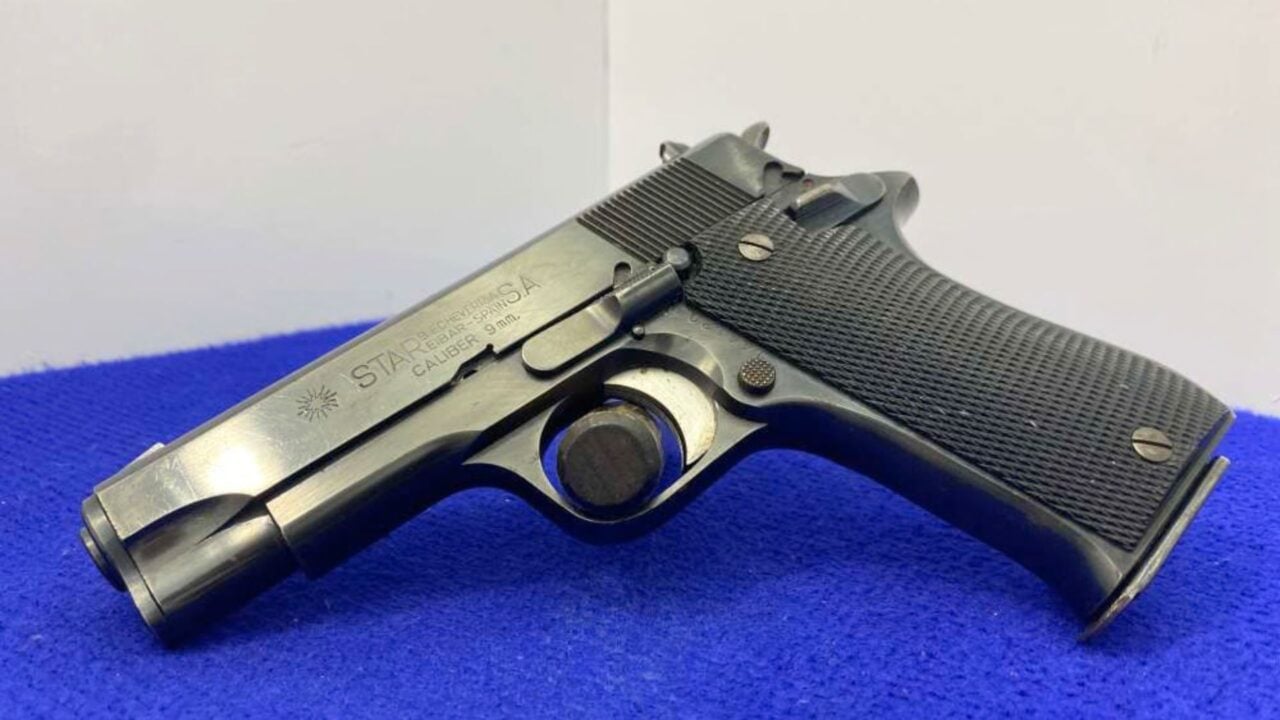
Star pistols are the kind of thing you overlook until you handle a clean one. The BM has a simple, no-nonsense look and often a surprisingly decent trigger for a service-style gun.
Collectors are learning the hard way that “cheap surplus” doesn’t stay cheap. Spare parts and magazines aren’t impossible, but you don’t see piles of them everywhere either, and that changes the buying calculus.
18. Star Model B Super
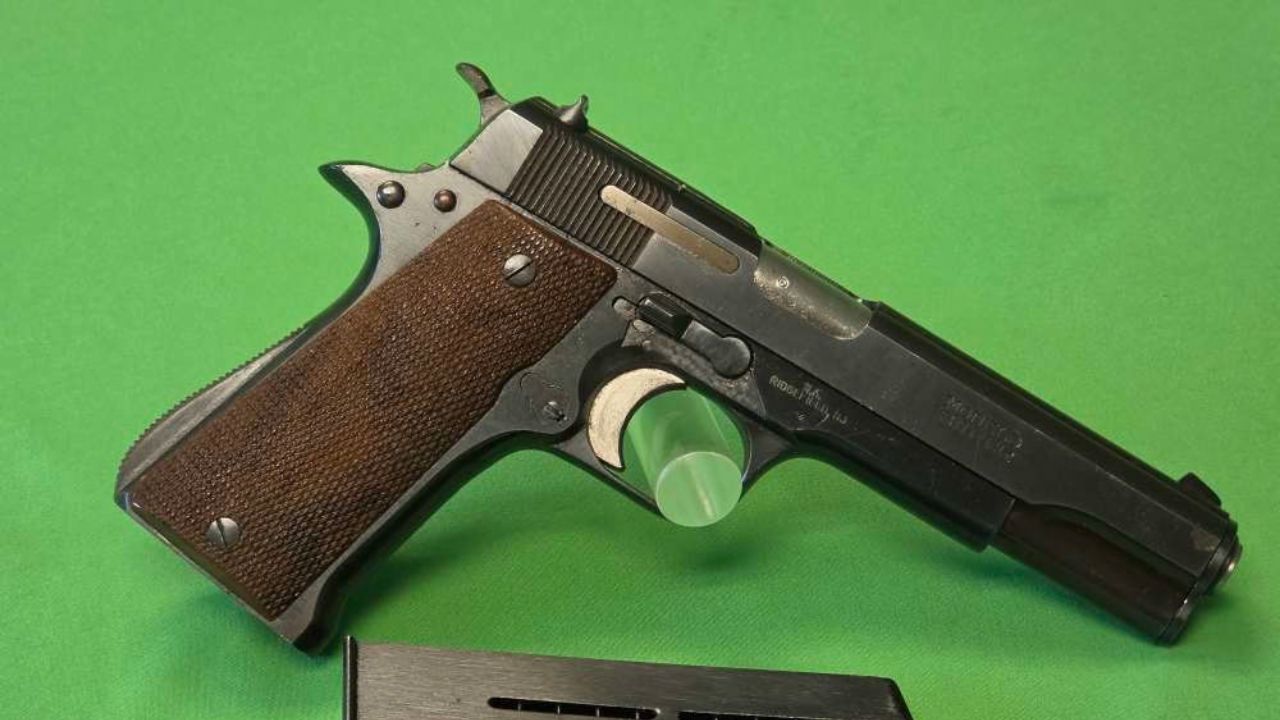
The B Super feels like a 1911’s Spanish cousin that grew up differently. It’s slim, points well, and has enough heft to soak up recoil without being a boat anchor.
The downside is that these can be a mixed bag depending on wear and spring life. A lot of them lived hard lives. A clean, tight one is a legitimate find now, not an afterthought.
19. Bernadelli Model 60
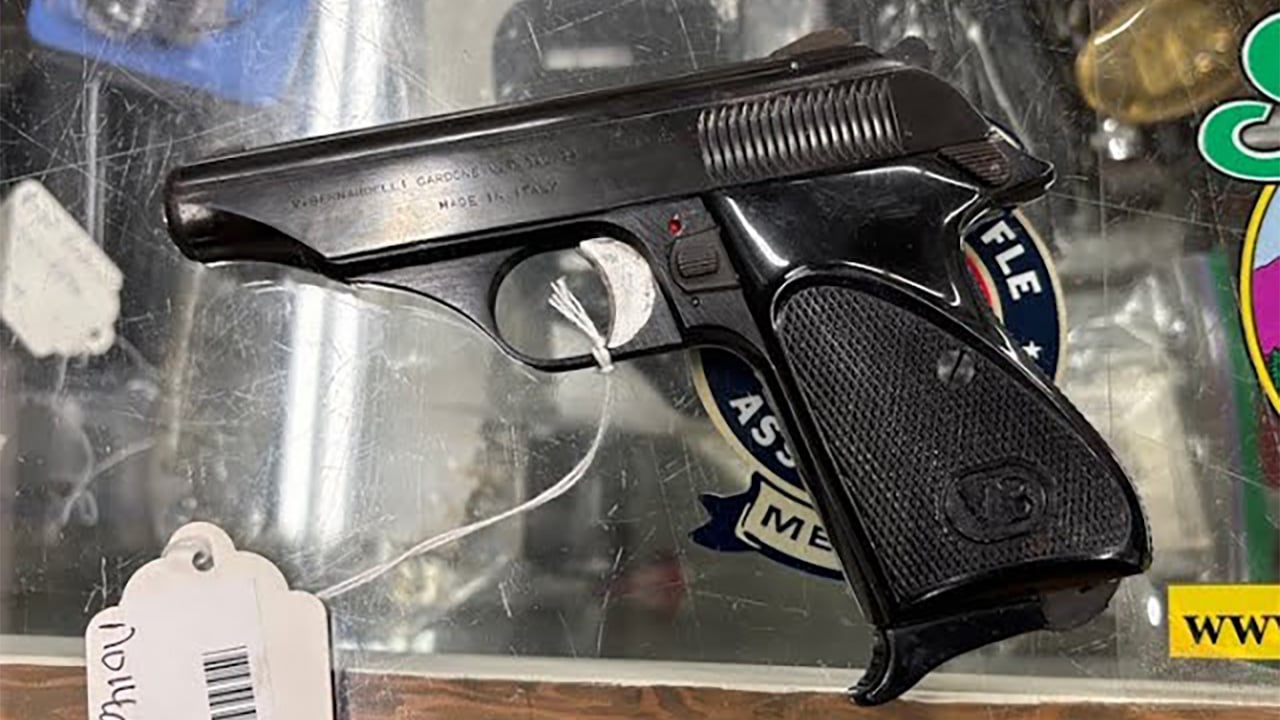
Italian pocket autos don’t always get love in a world full of polymer micro-compacts, but the Bernadelli has charm. It’s small, all steel, and made in an era when even modest pistols got real machining time.
These aren’t impossible to find, but finding one with the right grips, uncracked panels, and magazines that actually run can be a waiting game. They’re also the kind of gun that gets lost in drawers and estates, then suddenly reappears.
20. AMT Hardballer (early production)
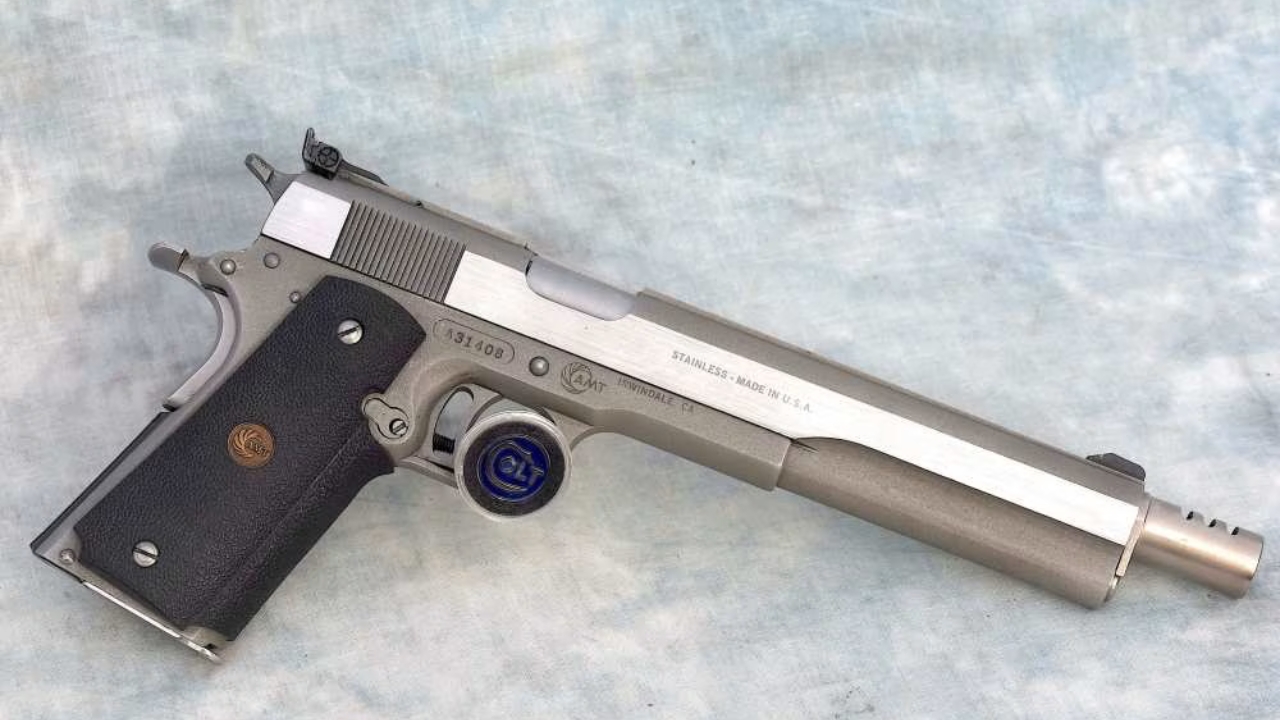
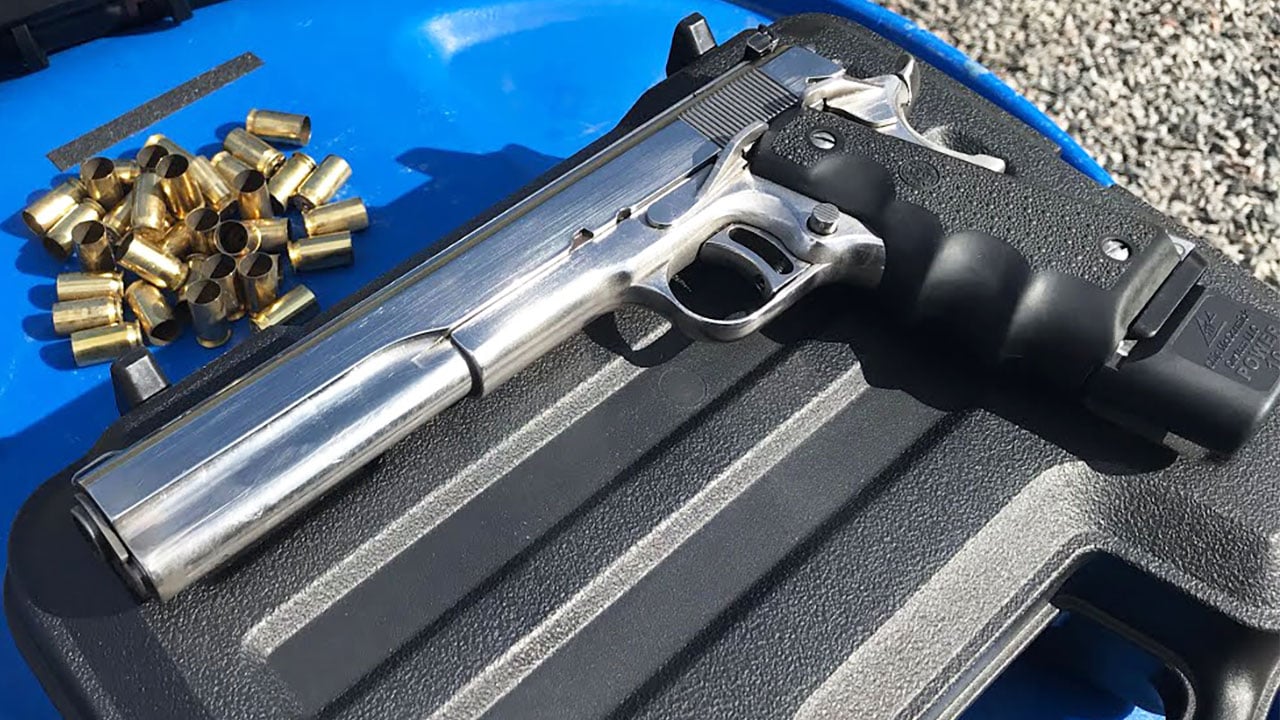
The stainless 1911 idea sounds normal now. In the seventies, it was a statement. The Hardballer has a look that still grabs you, and it’s tied into enough pop culture and gun lore that collectors keep hunting them.
Here’s the honest part: some Hardballers run great, and some will test your patience. Fit and finish can vary. The clean early ones with good paperwork and minimal “gunsmithing” are what serious collectors keep chasing.
The common thread with seventies semi-autos isn’t just nostalgia. It’s that they feel like products of a time when companies were still figuring out what a modern pistol should be, and they weren’t afraid to try odd ideas. If you’re hunting any of these down, bring a light, check the magazines, look for amateur tinkering, and don’t get hypnotized by shine. The right example is out there. You just might have to walk a few more aisles than you planned.
Like The Avid Outdoorsman’s content? Subscribe to our newsletter so you never miss an article.
Here’s more from us: