Photo credit: Gun News & Reviews/Youtube
There was a stretch of time when a rural sheriff’s sidearm was just another tool, same as a fence pliers or a flashlight with dead batteries rolling around in the cab. It rode in a worn leather holster, got sweat on it all summer, picked up dust during harvest, and spent too many hours bouncing on washboard roads.
Now, half those old duty guns are “collectible” and the other half are sitting in somebody’s sock drawer because granddad never saw a reason to trade it. Either way, you don’t see many of them on hips anymore, and that’s a shame. These are 20 handguns that showed up in rural sheriff departments back when function mattered more than fashion, and nobody was hanging price tags on history.
1. Smith & Wesson Model 10
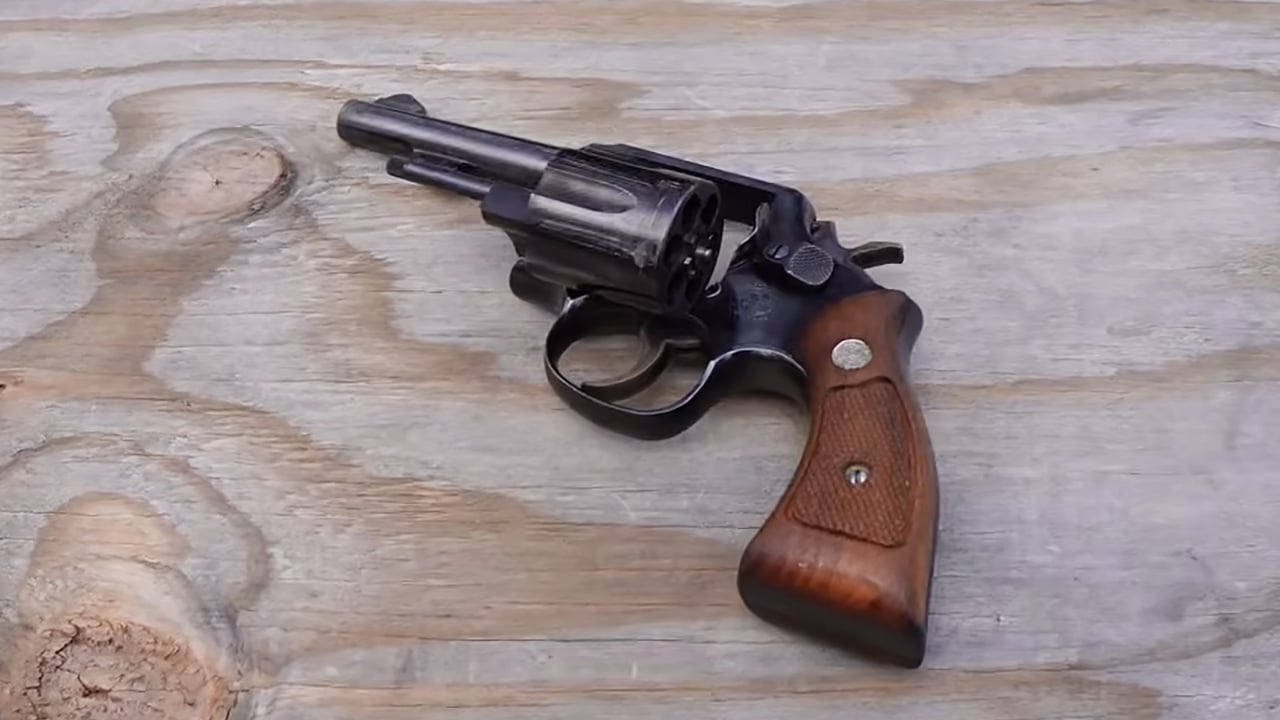
If you ever handled an old service revolver with honest holster wear, odds are it was a Model 10. It points naturally, the double-action pull can be butter-smooth when it’s been used a lot, and it just keeps working if it isn’t abused. With standard-pressure .38 Special, it’s controllable for anybody on the department, big or small.
The downside is the same thing that made it common: they were everywhere, so they got treated like they were disposable. These days, a clean one with original grips and tight lockup is harder to stumble into than you’d think. It’s still a “do the job” gun, not a safe queen.
2. Colt Official Police
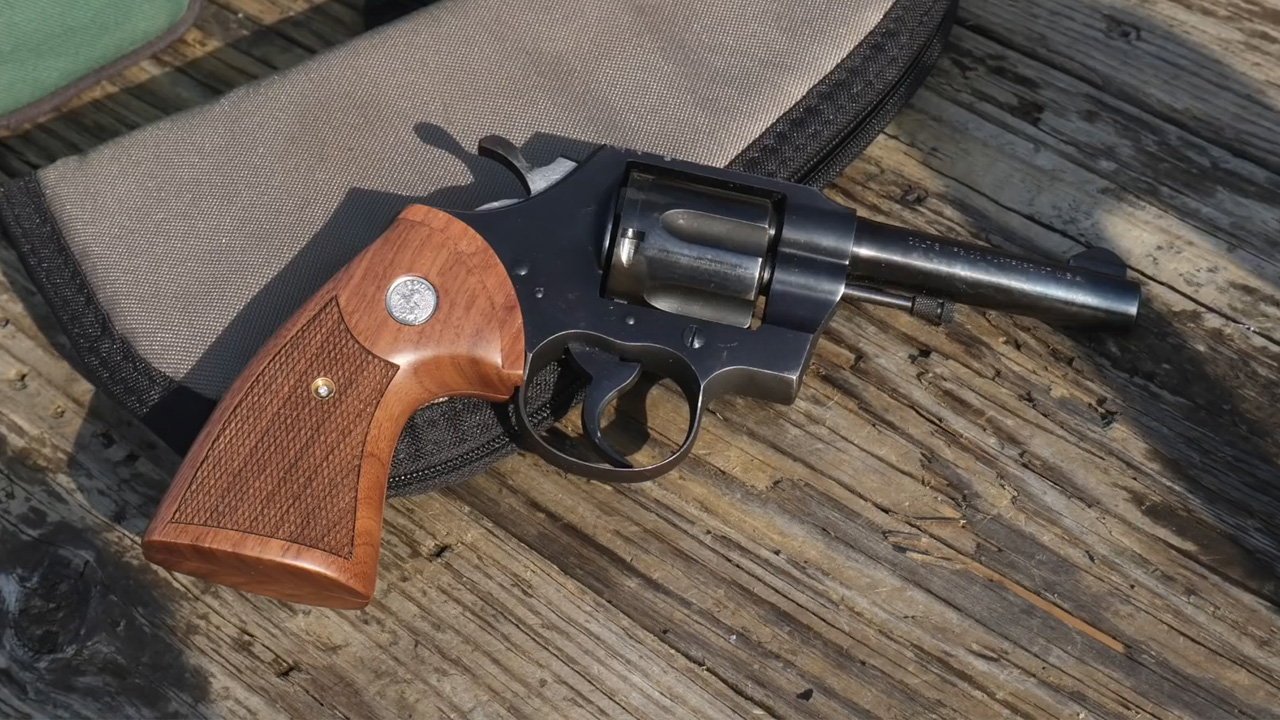
Old Colts have a feel in the action that’s hard to explain until you’ve run one. The Official Police was a serious working revolver, and plenty of rural deputies carried them because they were accurate and well-made. The sights are plain, but they’re usable, and the gun balances well with a 4-inch barrel.
Parts and gunsmiths who really understand the old Colt lockwork are not as common as they used to be. That doesn’t make it fragile, it just means you don’t want to “kitchen table” your way through a problem. If you find one that hasn’t been messed with, it’s a keeper.
3. Smith & Wesson Model 19
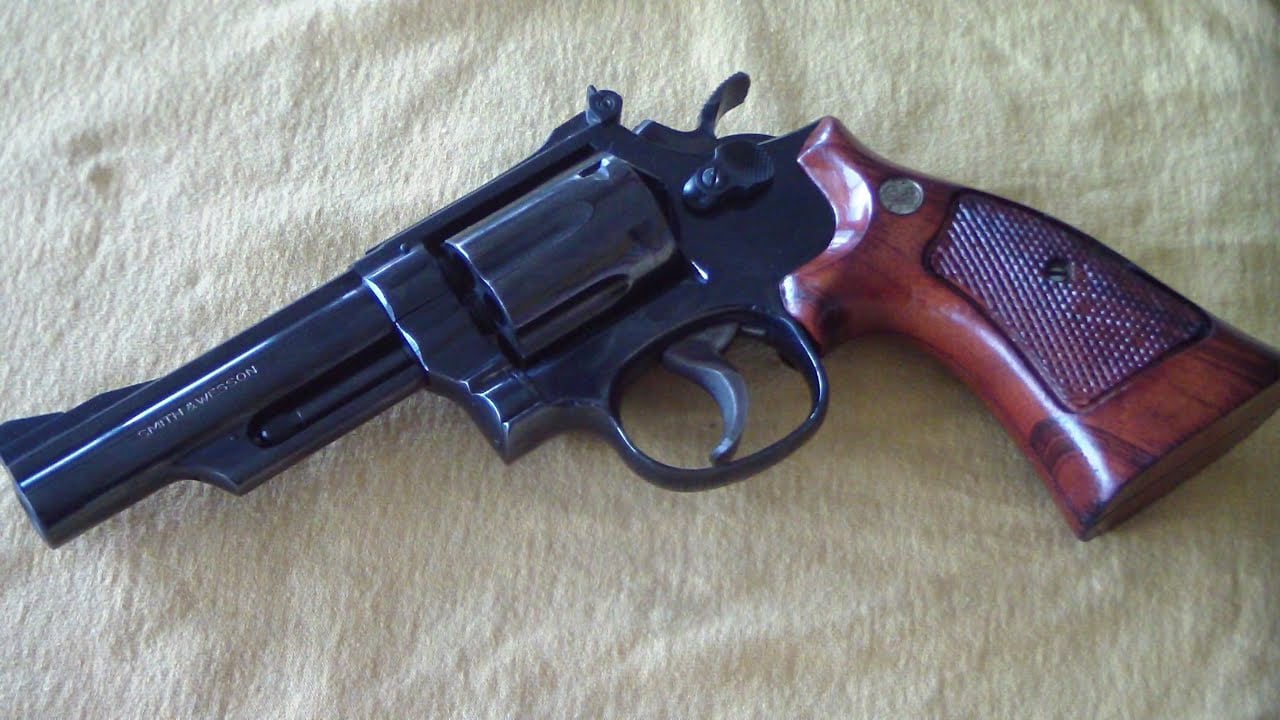
The Model 19 is the classic “carry a .357 but don’t hate your life” revolver. It’s lighter and trimmer than the big N-frames, and it carries nice in a duty holster or on a belt in the woods. With .38s, it’s a pussycat. With .357s, it’s business.
Where folks get sideways is feeding it a steady diet of hot 125-grain magnums like it’s a modern tank. These guns were built to be used, just not abused. Treat it like a working revolver and it’ll outlast most of us.
4. Ruger Security-Six
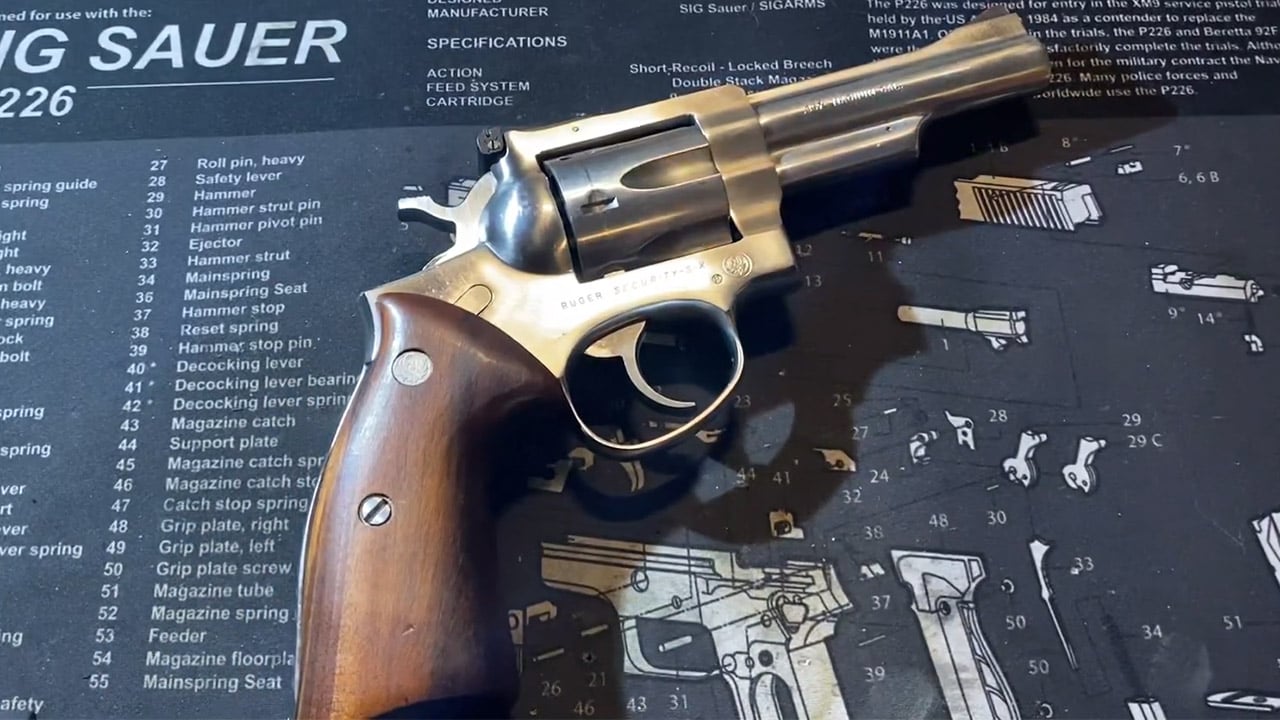
Ruger’s old Six series earned a reputation in rural law enforcement because they were tough and simple. The Security-Six isn’t fancy, but it’s the kind of gun you can drop in gravel, wipe on your jeans, and keep moving. The grip shape works for a lot of hands, and the gun points fast.
They also aged well. You’ll see them still riding in farm trucks and tackle boxes, which tells you what you need to know. If you run across one with a good bore and timing, don’t overthink it.
5. Ruger GP100

When departments started drifting away from the “K-frame .357” idea, the GP100 made a lot of sense. It’s heavier, yes, but it soaks up recoil and holds up under magnum loads without drama. For a sheriff’s deputy who might shoot a lot of full-power ammo and still carry every day, that mattered.
It’s not a delicate gun, and it never pretended to be. The tradeoff is weight on the belt, especially with a full-size duty rig. Still, if you want a revolver that feels like a tool, this one is it.
6. Smith & Wesson Model 28 Highway Patrolman
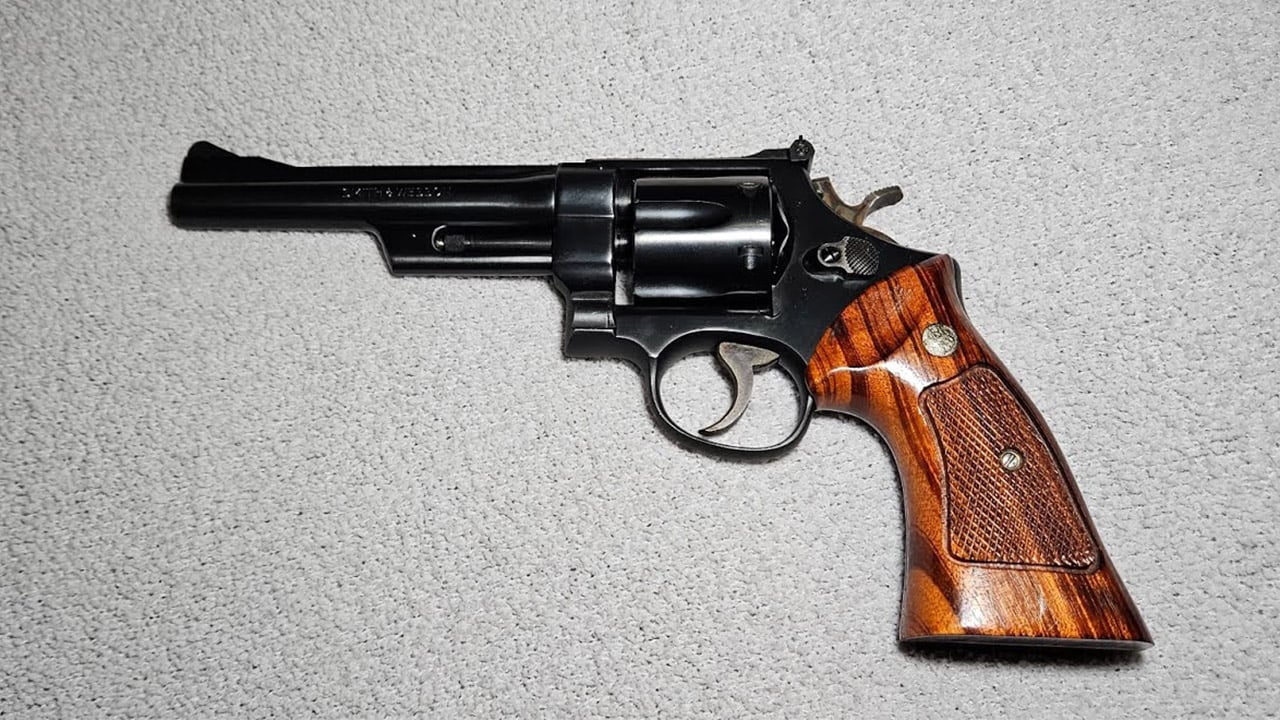
This is the “working man’s” N-frame .357, and it has the bulk to prove it. Model 28s were made to be carried and shot, not babied. The finish is more utilitarian than the fancy Model 27, but the bones are strong.
On the hip all day, you knew it was there. But if you lived in a place where you might have to stop a vehicle in the dark on a lonely road, having that kind of controllable power felt comforting. Heavy guns have a way of calming situations down before they get weird.
7. Colt Trooper Mk III
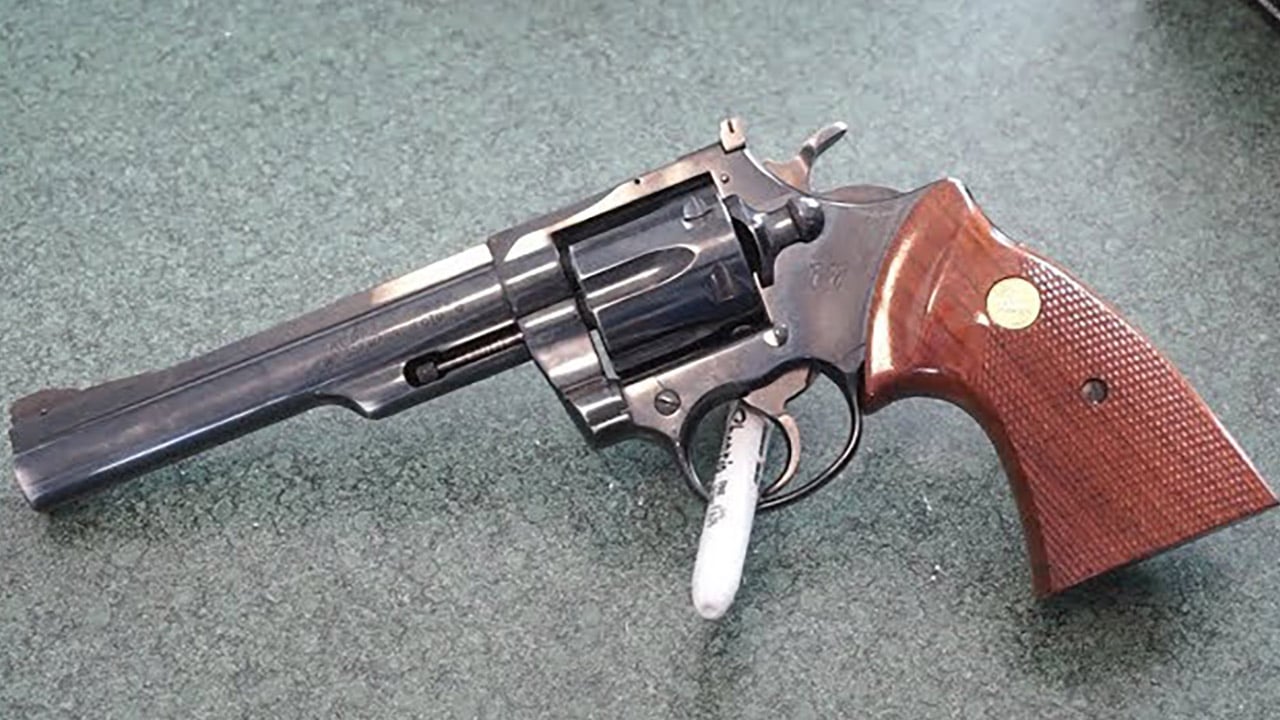
The Trooper Mk III is one of those guns that gets overlooked until you shoot one that’s been cared for. The action is different than earlier Colts, a little more “modern” and sturdy, and they’ll take real use. In a rural setting where maintenance could be hit or miss, that’s important.
They’re not as common on shelves now, and you’ll see some that got rode hard. If the cylinder locks up tight and the timing is right, you’re holding a serious old service gun.
8. Smith & Wesson Model 36 (Chief’s Special)
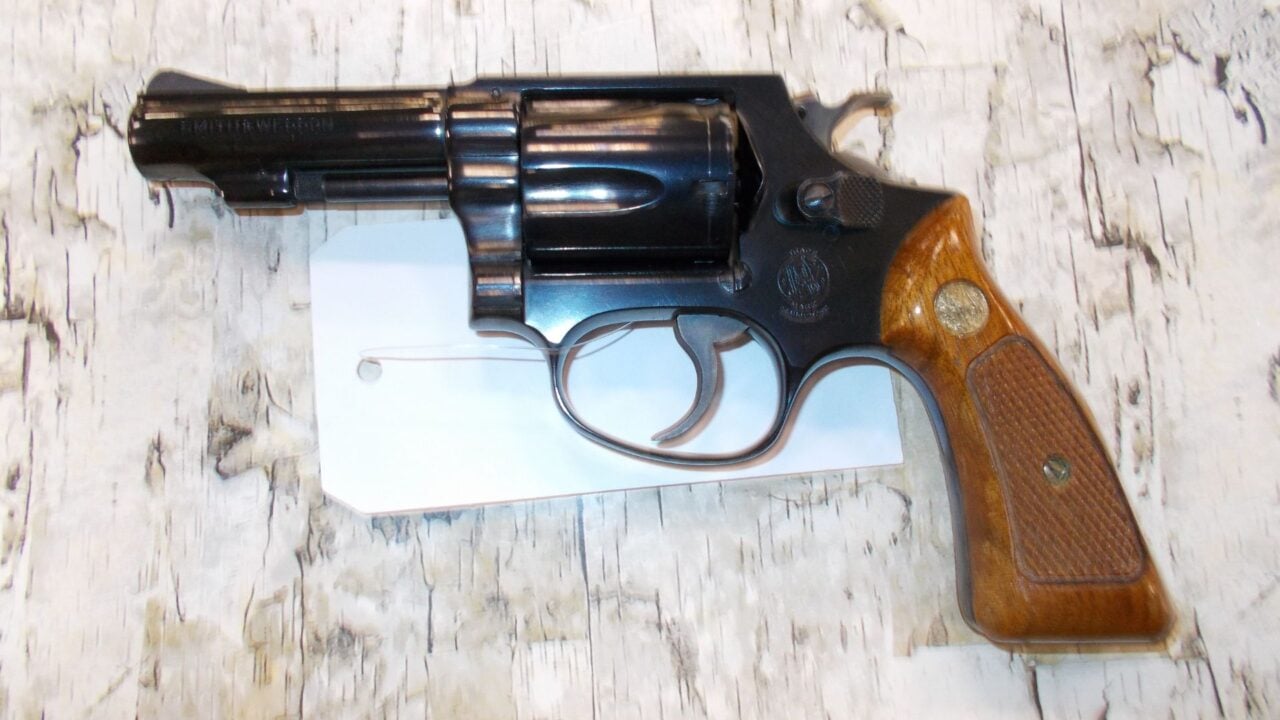
Not every sheriff wanted a big duty revolver on his hip while he was doing paperwork, meeting folks at the diner, or checking cattle fences. The Model 36 filled that niche. It’s small, it’s simple, and it disappears in a coat pocket or under a light jacket.
It’s also not a range toy. A box or two of ammo, sure. But snubs are work guns, and they’ll humble you if you get lazy with the trigger. For close-range problems, though, they’ve been ending arguments for a long time.
9. Colt Detective Special

The Detective Special is one of those snub revolvers that feels “right” the second it’s in your hand. Six shots in a compact frame was a big deal for its day, and the gun carries flat. A rural sheriff who wanted something discreet but capable could do a lot worse.
Old Colts can be expensive now, and the good ones aren’t just sitting around unloved. If you inherit one, don’t “upgrade” it into something it isn’t. Put a few rounds through it, clean it, and appreciate what it is.
10. Browning Hi-Power

Every once in a while you’d see a sheriff’s department that leaned toward semi-autos earlier than the rest, and the Hi-Power was often part of that story. Slim in the hand, decent capacity, and it points like it’s reading your mind. In a world of heavy revolvers, it felt fast.
The original small safety and the magazine disconnect aren’t everybody’s favorite features. Still, as a carry gun that shoots well and carries flatter than a double-stack polymer brick, it’s easy to understand the appeal.
11. Colt 1911 Government Model
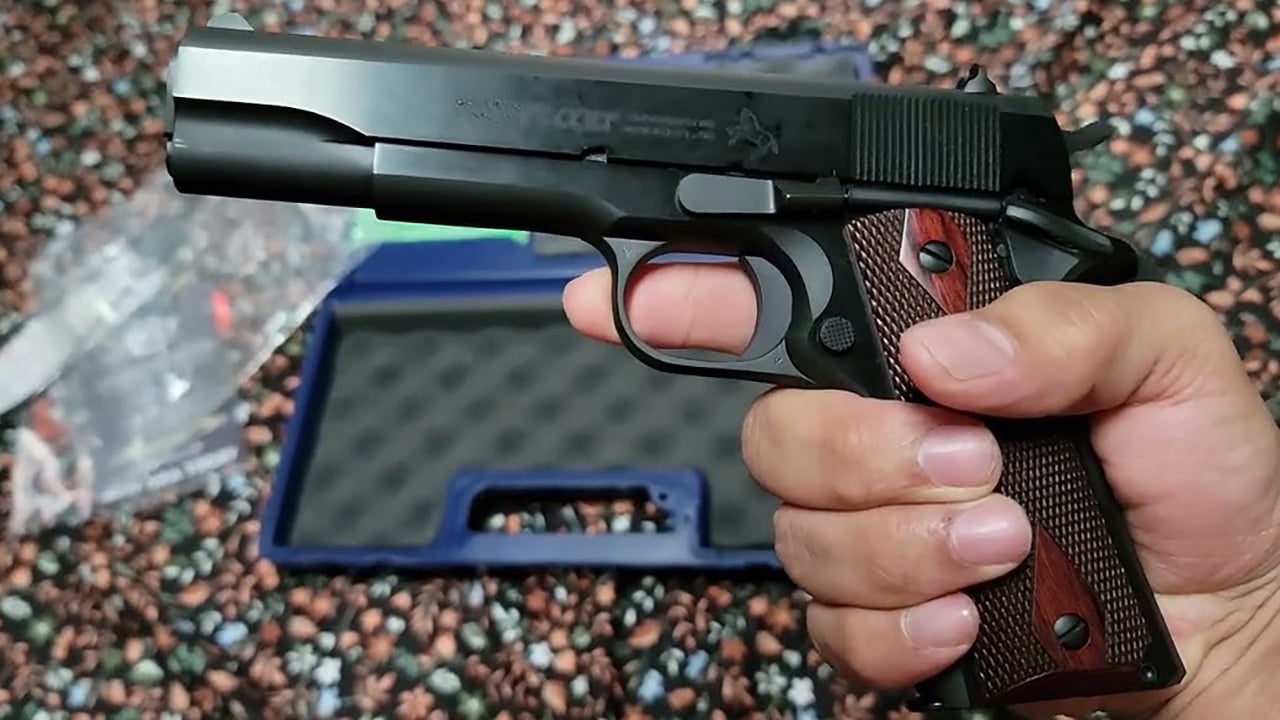
In some places, a 1911 rode on duty belts long after people assume it disappeared. It’s thin, it carries comfortably, and good ones shoot better than most folks can. The manual safety is second nature if you train with it, and that single-action trigger is hard to beat for clean hits.
Not every 1911 is a good 1911, and sheriff’s departments didn’t always have an armorer who loved them. The ones that ran, ran. The ones that didn’t… got traded off quietly. If you find an old duty-worn Government Model with honest wear, that one hurts to pass up.
12. Smith & Wesson Model 39
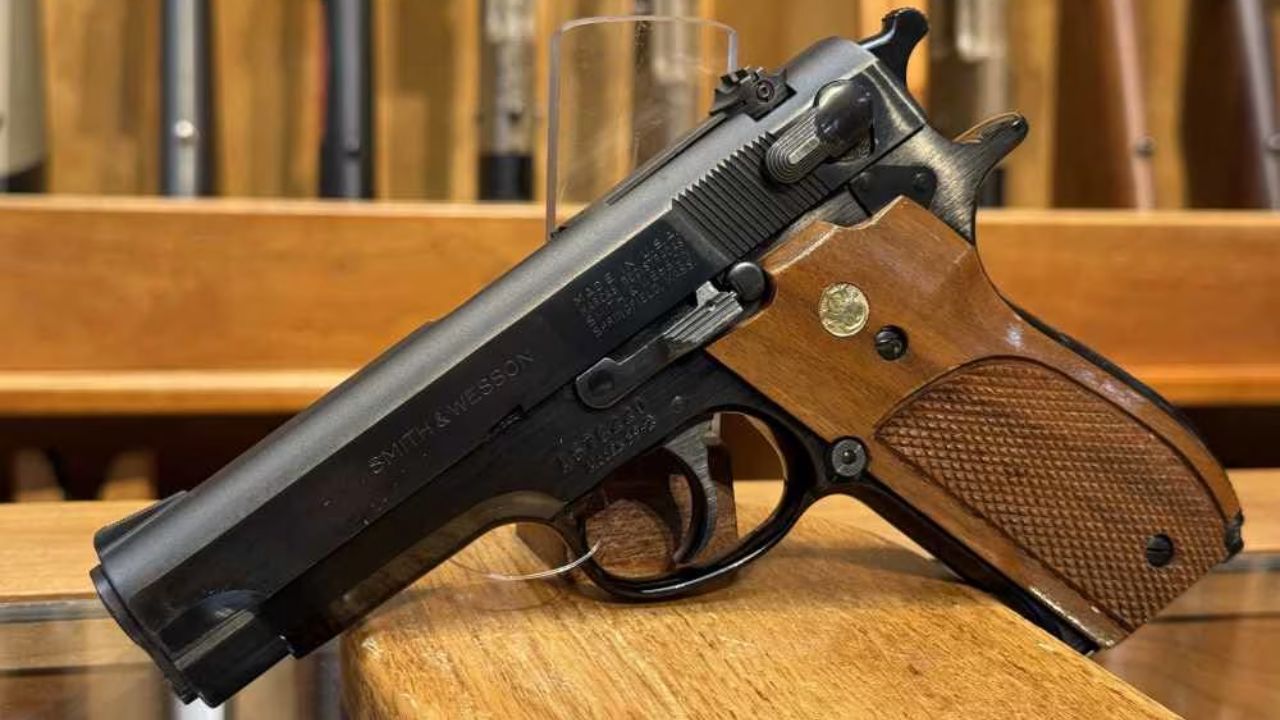
The Model 39 was one of those early American 9mms that showed where things were headed. Single-stack, slim grip, and a DA/SA system that made sense for folks coming off revolvers. It carried easily, especially compared to the chunky double-stacks that came later.
Magazines can be a little more of a hunt, and you’ll want to check function with your ammo. But if you want to understand the bridge between revolver days and modern semi-autos, the Model 39 is part of the story.
13. Smith & Wesson Model 59
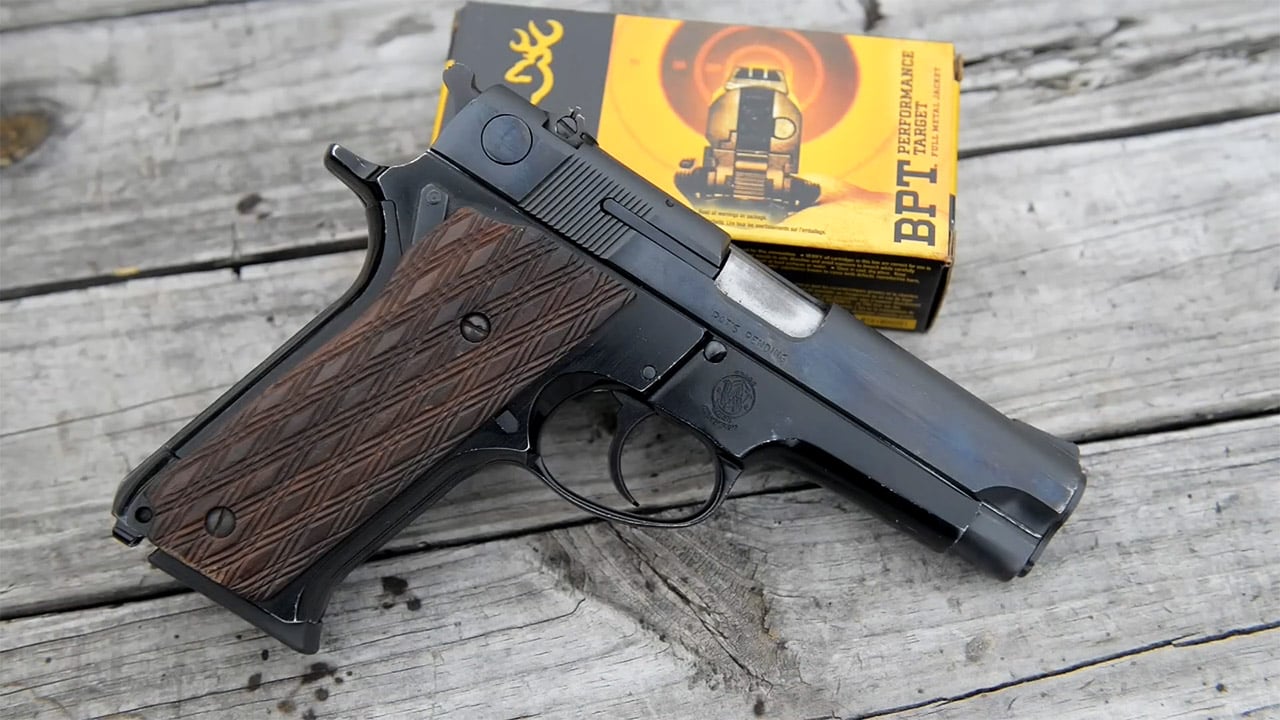
Take the Model 39 idea and give it more capacity, and you get the Model 59. It wasn’t perfect, but it brought double-stack 9mm capacity into the conversation for American law enforcement. For rural deputies who might be a long way from backup, more rounds wasn’t a bad thing.
They can feel chunky in the grip, especially for smaller hands. And they’re not as refined as later generations. Still, a functioning Model 59 is a reminder that “high capacity” used to mean something different than it does now.
14. Beretta 92FS
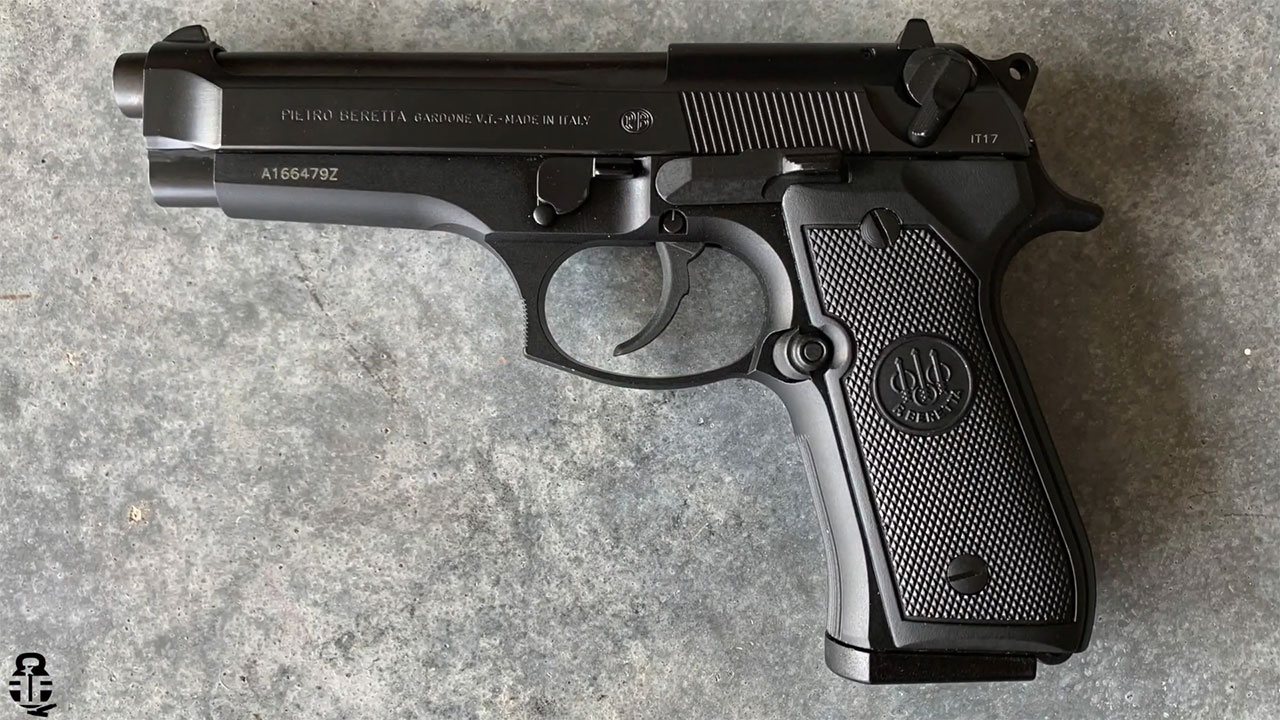
The Beretta 92 platform shows up in rural duty history more than some folks realize. It’s reliable, soft-shooting, and it handles neglect fairly well as long as you keep it reasonably clean and lubricated. The open-top slide design runs dirty better than you’d expect.
It’s also a full-size pistol, and carrying it all day isn’t subtle. But for deputies who spent a lot of time in a vehicle and wanted a gun that fed anything, the 92 made sense. It’s not trendy. It’s just steady.
15. SIG Sauer P226
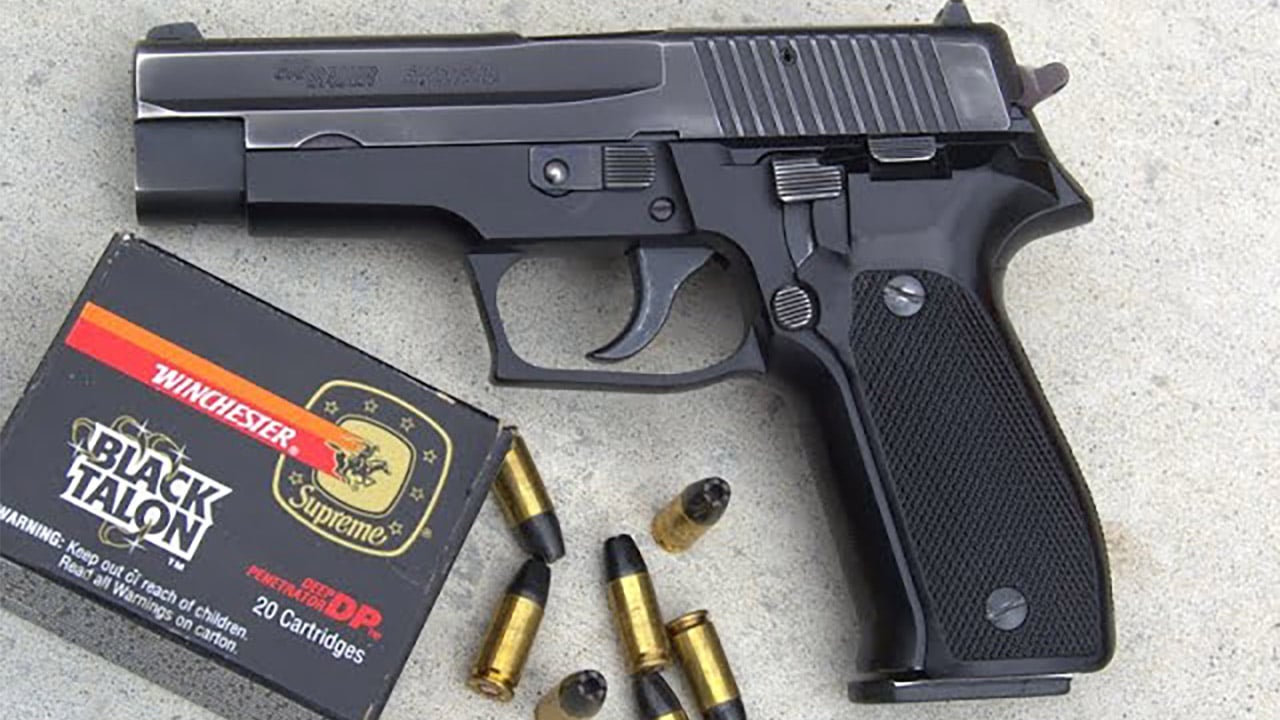
The P226 has that “built like a machine” feel when you rack it and run it. A lot of rural departments that stepped into semi-autos wanted something that would hold up and shoot straight without drama. The P226 checks those boxes.
The DA/SA learning curve is real if you don’t train. First shot heavy, then it’s lighter. If you practice enough to make that transition automatic, it’s a hard pistol to dislike. Even now, it still feels like a duty gun should.
16. Smith & Wesson Model 5906
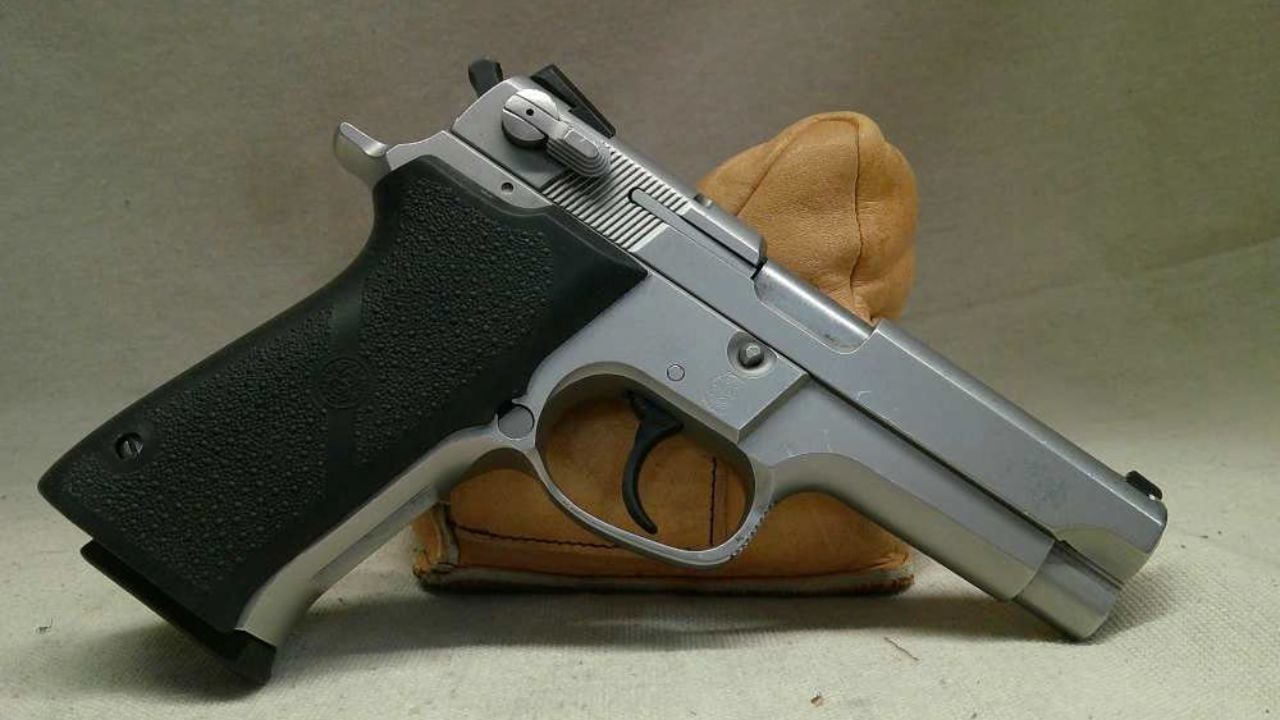
Stainless steel, heavy, and about as unexciting as a shovel. That’s also why so many deputies trusted them. The 5906 is the kind of pistol that will ride in a holster through sweat, rain, and dust and keep ticking. If it looks like it’s been dragged behind a truck, it might still run.
The weight is the complaint, and it’s a fair complaint. But weight also means it shoots nicely, especially with hotter duty loads. These are the pistols that make you realize “boring” is sometimes the best compliment.
17. Glock 17 (Gen 1/Gen 2 era)
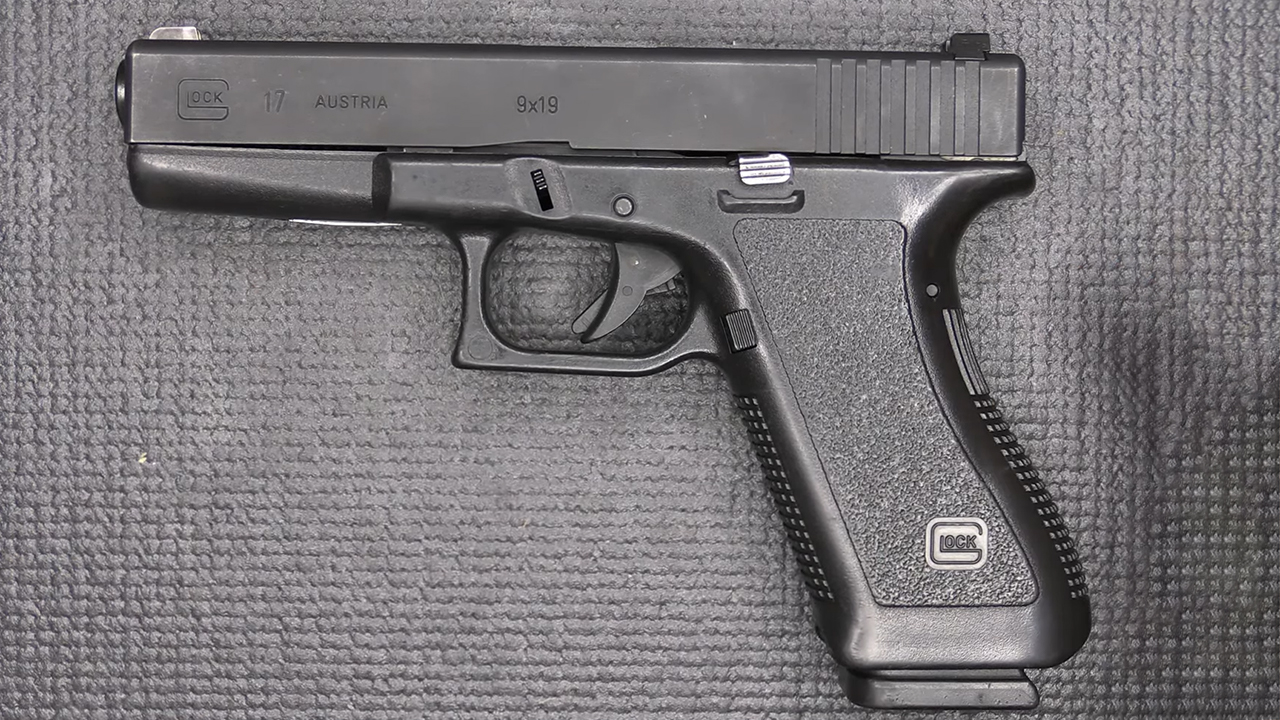
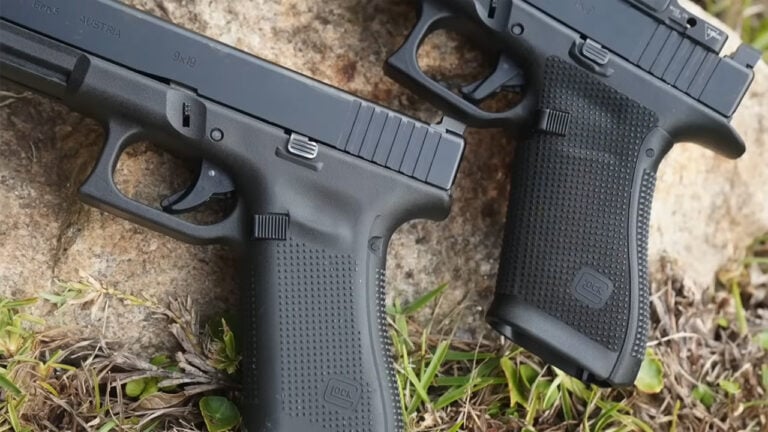
When Glocks started showing up, some old-timers rolled their eyes. Then they watched them run. A Glock 17 is simple, light, and it just works if you keep it within its lane and don’t get cute. In rural law enforcement, where gear gets used hard and maintained when there’s time, that mattered.
Early ones have that slick grip and different feel than what you see today, but the core idea is the same. Easy mags, easy parts, easy to carry. It’s not romantic, but it’s practical.
18. Ruger P89
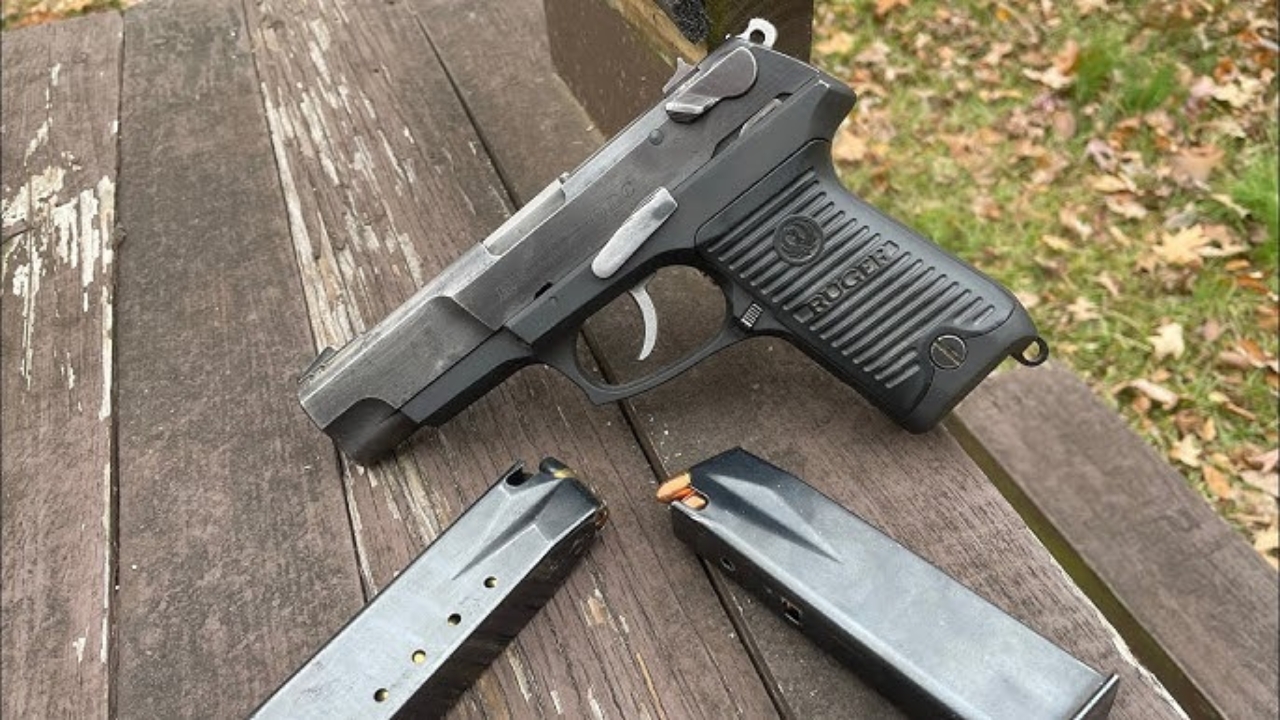
If you want a picture of “overbuilt,” look at the old Ruger P-series. The P89 is thick, a little clunky, and not winning any beauty contests. It’s also the kind of gun that took a lot of abuse and kept functioning, which is why rural agencies and deputies bought them with their own money.
They’re not a great choice if you want a slim carry gun, and the trigger can be nothing special. But as a duty pistol that goes bang every time, it earned its keep. There is nothing fancy about it, and that is kind of the point.
19. Smith & Wesson Model 686
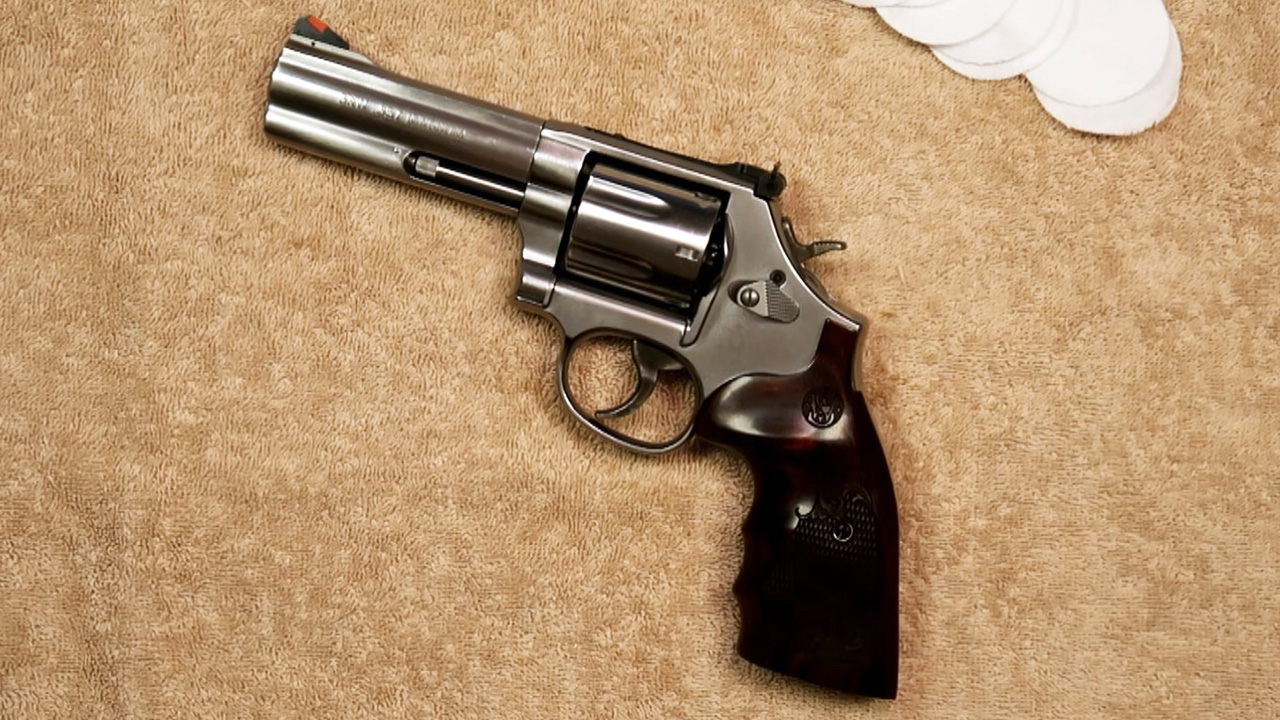
The 686 is what happened when folks wanted .357 power with a little more durability and a little less worry. L-frame size hits a sweet spot for a lot of shooters: sturdy, controllable, and still reasonable to carry. With good grips, it’s one of those revolvers that makes you look better than you are.
It’s also one of those guns that went from “common service revolver” to “why are these so expensive now?” without much warning. The clean, unmodified ones don’t sit on tables long. If you’ve got one, it’s not crazy to keep it.
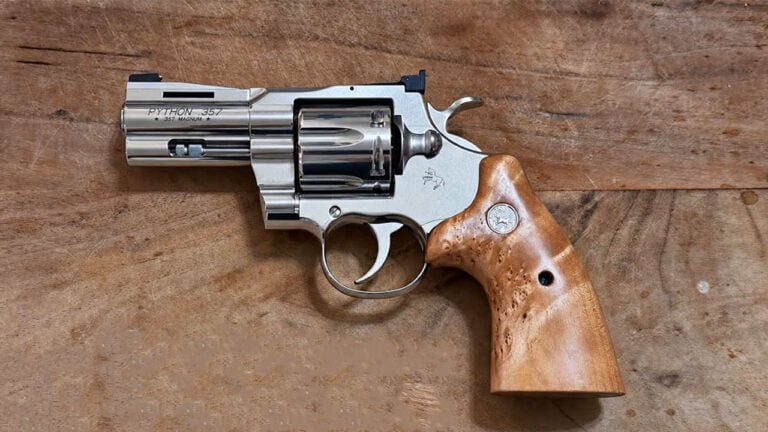
20. Colt Python (early duty carry examples)
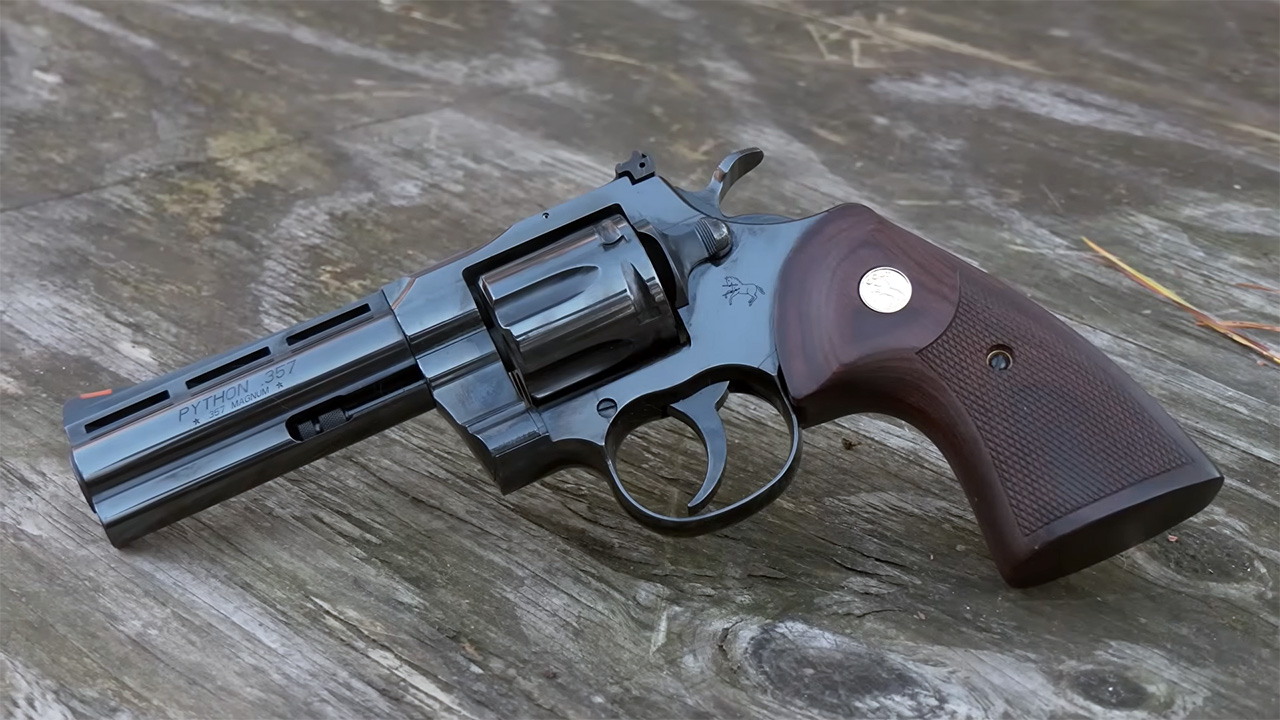
Yes, some were carried on duty, especially by sheriffs who could choose their own gear and wanted the smoothest action and best accuracy they could get. A Python feels like a different class of revolver when it’s right. The trigger is the kind of thing people talk about for decades because it really is that good.
But here’s the honest part: they were always pricey, and they’re even more so now. I don’t blame anybody who sold one back when it was “just a revolver,” because nobody had a crystal ball. Still, if you’ve got an old one that’s been in the family, I would not be quick to let it go.
Most of these handguns weren’t carried because they were cool. They were carried because they worked, they were available, and they fit the reality of rural law enforcement: long drives, short tempers, and help that might be 30 minutes out. If you’ve got one tucked away, it’s worth taking it out, checking it over safely, and remembering it as a tool that earned its wear the honest way.
Like The Avid Outdoorsman’s content? Subscribe to our newsletter so you never miss an article.
Here’s more from us: