Photo credit: SPN Firearms/Youtube
For years, “compact carry pistol” was code for compromise. You accepted sharp recoil, tiny sights, low capacity, stiff triggers, and the kind of reliability that was fine until it wasn’t. Then a handful of pistols started shifting the goalposts. They didn’t just get smaller; they got shootable. They didn’t just get lighter; they got reliable with real ammo and real round counts.
This isn’t a museum tour. This is the short list of handguns that changed what serious carriers started demanding from anything called “compact.” Some are classics. Some are ugly. A few are straight-up dated. But every one of them pushed the market, and pushed our expectations, in a way you can still feel at the gun counter today.
1. Glock 19
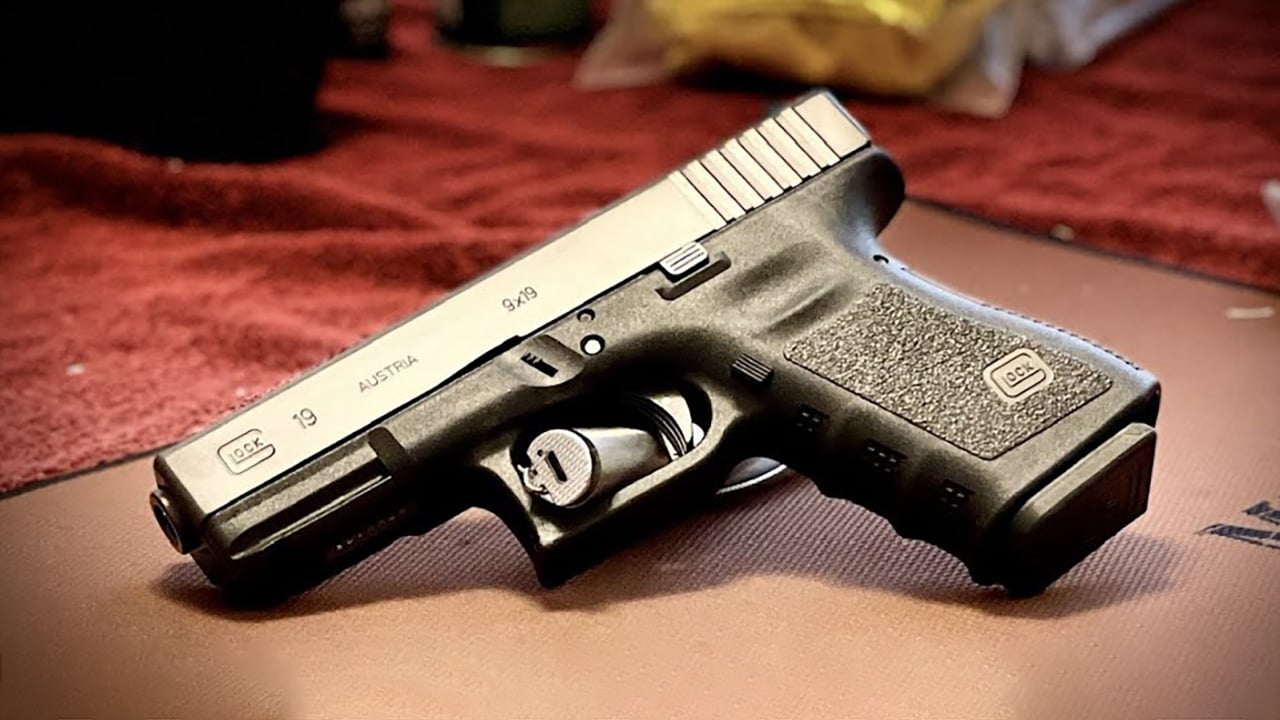
There’s a reason the G19 is the yardstick. It’s compact enough to carry all day with the right belt, big enough to shoot like a “real gun,” and simple enough that it tends to run when neglected. A lot of people who thought they needed something smaller eventually circle back to a 19.
What it changed was the idea that a carry gun has to be miserable to shoot. The G19 made “compact” mean you could still do fast, accurate work at 10–15 yards without feeling like you’re wrestling a bar of soap.
2. SIG Sauer P365

This is the pistol that made a lot of folks look at their single-stacks and go, “Why am I doing this to myself?” The P365 brought double-digit capacity into a package that used to top out at 6 or 7 rounds, and it did it without feeling like a gimmick.
It also forced a new baseline: if you’re going to carry a small 9mm now, you expect decent sights, decent trigger, and magazines that don’t feel like rare coins. The little SIG made “micro-compact” a real category instead of a novelty.
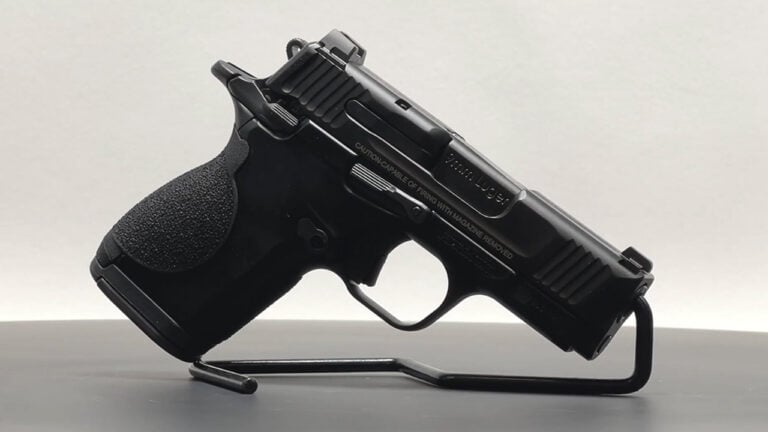
3. Smith & Wesson M&P Shield
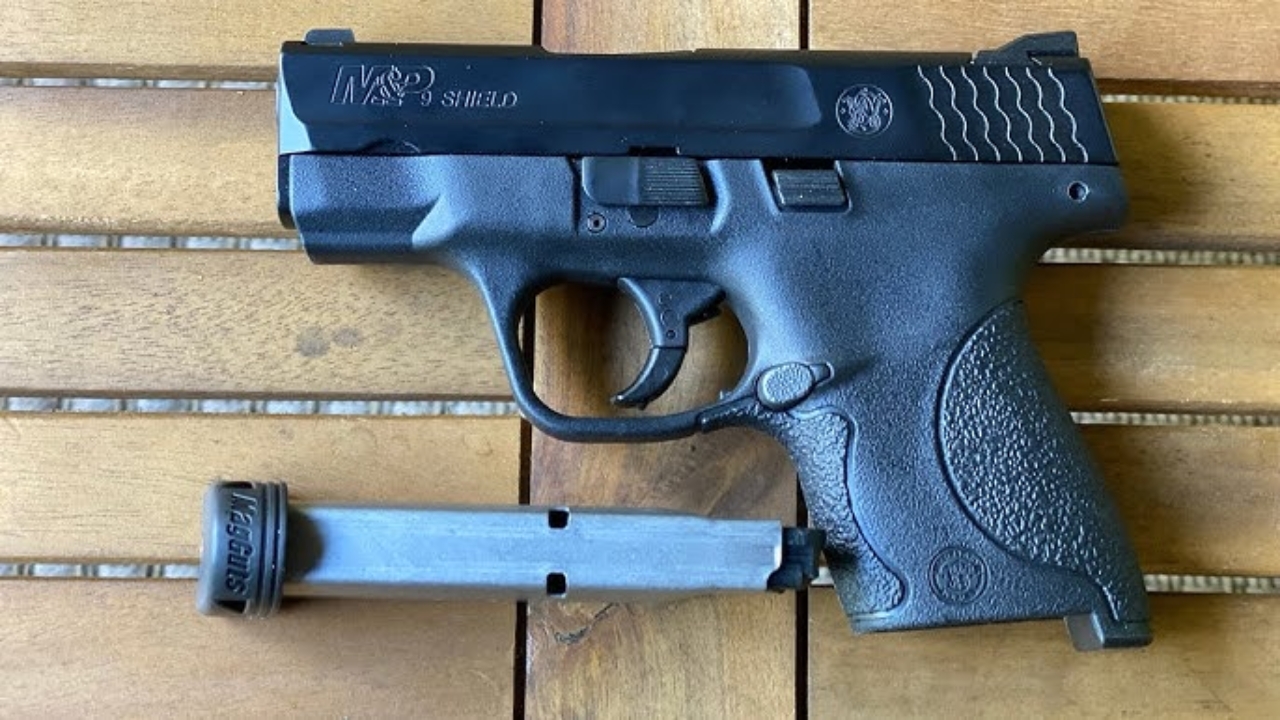
The original Shield wasn’t flashy. That’s why it mattered. It was thin, dependable, priced where working guys could actually buy one, and it rode close to the body without printing like a brick.
A ton of carriers learned on a Shield, and it taught an important lesson: a boring pistol that works beats a “cool” pistol you don’t trust. It also proved that a slim gun didn’t have to be finicky.
4. Glock 43
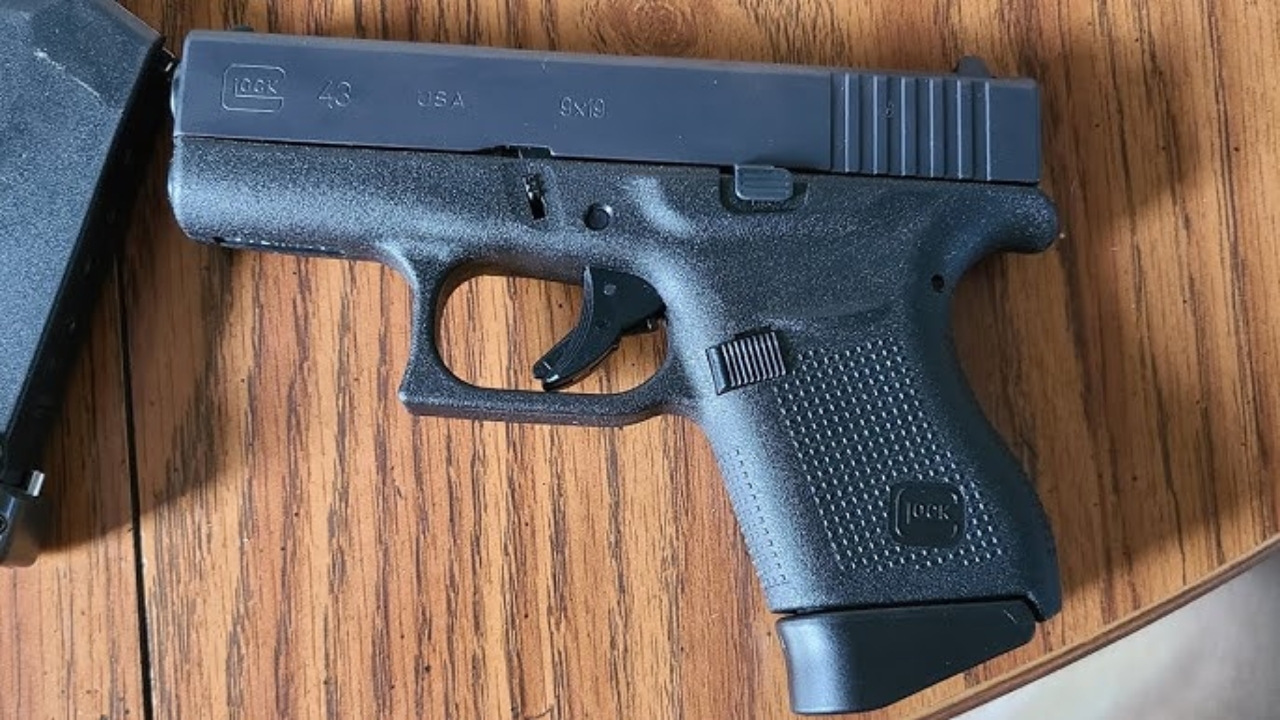
The Glock 43 didn’t win any capacity awards, but it showed Glock could do thin without weirdness. It was the answer for people who loved Glock reliability but needed something that disappeared under a T-shirt in July.
It also normalized the expectation that a tiny gun should still have mainstream support: holsters everywhere, spare mags everywhere, parts everywhere. In the real world, that matters more than a slick brochure.
5. Springfield Armory Hellcat
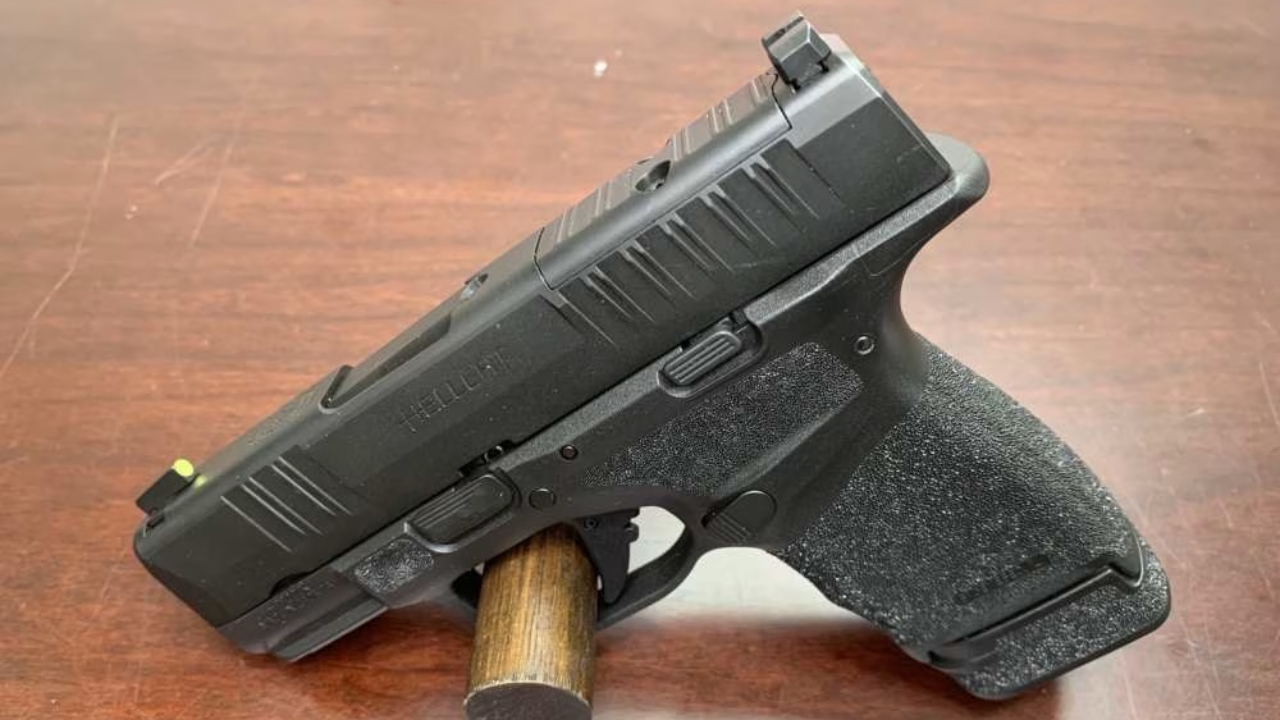
The Hellcat came out swinging right in the middle of the micro-compact arms race. It was small, carried easy, and held enough rounds that you didn’t feel undergunned just because you dressed light.
More than anything, it reinforced the new standard: you can have capacity and concealment at the same time, and the gun still needs to be controllable. Nobody wanted to go back to “pinky dangle” grips after this wave hit.
6. Ruger LCP

The LCP didn’t make pocket carry popular, but it made it realistic for regular folks. It was light enough that you’d actually have it on you when you ran to town, fed the stock, or walked the property line.
It also taught a hard truth: there’s a difference between “I can carry it” and “I can shoot it well.” The LCP changed expectations by proving deep concealment could be reliable enough to trust, even if it wasn’t fun on the range.
7. Kel-Tec P-11
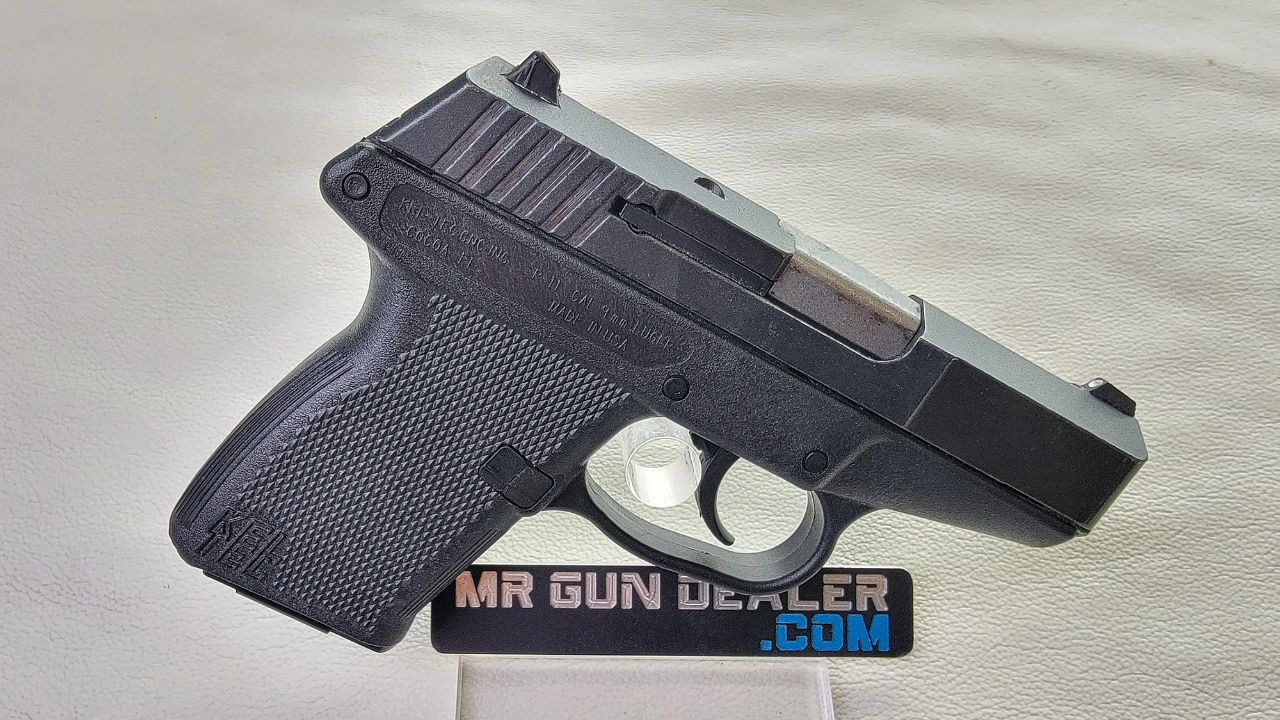
Kel-Tec was doing “small and high capacity” before it was trendy. The P-11 was chunky and the trigger wasn’t winning any awards, but it shoved 10+ rounds into a package that made people rethink what was possible.
It also pushed the industry toward polymer carry guns that weren’t built like steel boat anchors. A lot of modern designs owe at least a nod to what Kel-Tec was experimenting with.
8. Glock 26

The baby Glock is still a problem-solver. It’s thick, sure, but it’s short enough to hide and big enough to run hard. And it takes bigger Glock mags, which is a real-world advantage if you stage mags in a truck console or a nightstand.
What it changed was the idea that subcompact has to mean “different system.” Same trigger feel, same manual of arms, same reliability reputation as its bigger brothers. That matters when you’re carrying every day and training when you can.
9. Smith & Wesson J-Frame (Model 642/442 family)
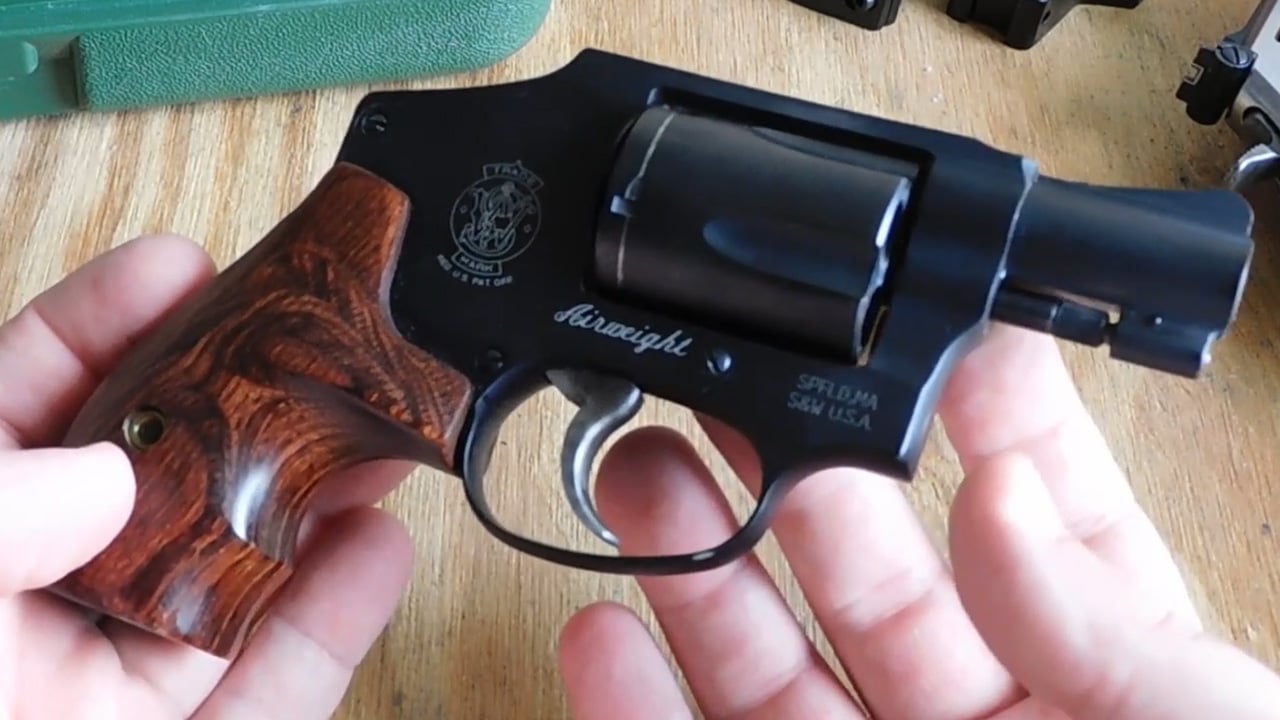
No, it’s not high capacity. Yes, the trigger is heavy. Still, the J-frame has saved more “I need something I will actually carry” decisions than most pistols ever will.
It changed expectations in a different direction: snag-free draw, pocket-ready shape, and point-and-shoot simplicity when you’re in awkward positions. Plenty of serious carriers still keep a 642-style revolver around because it fills gaps autos don’t.
10. SIG Sauer P239
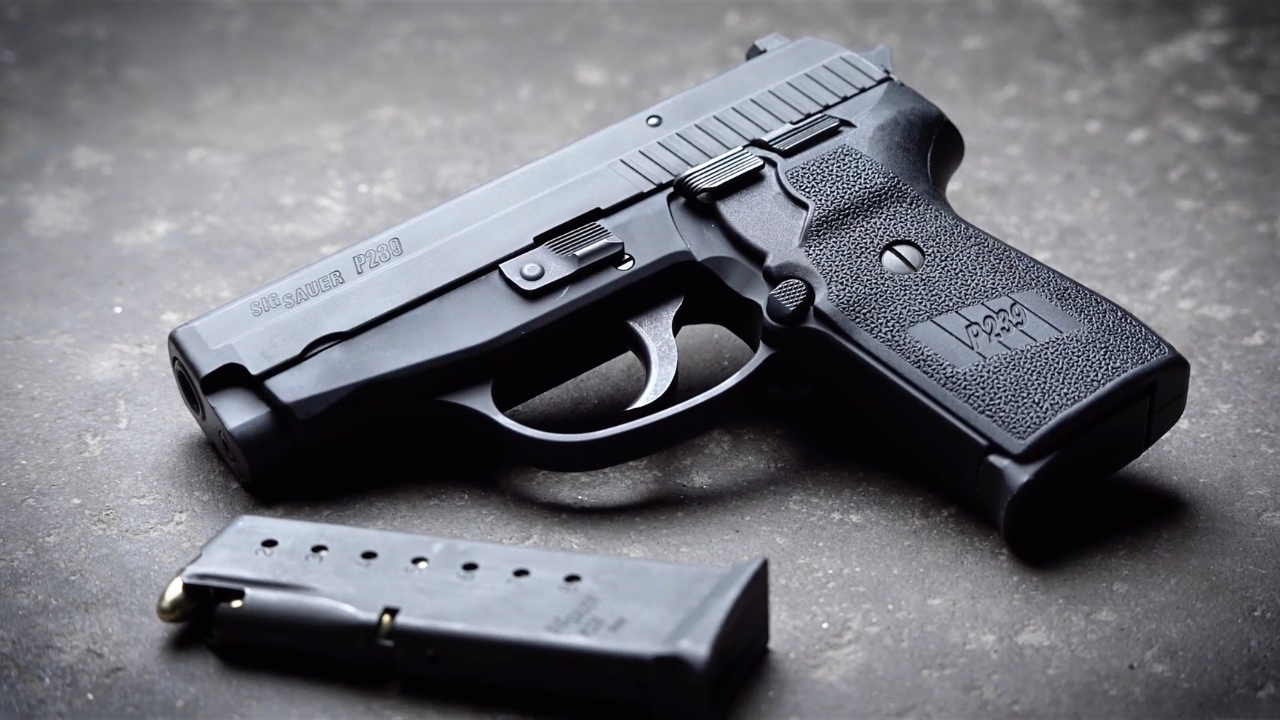
The P239 is one of those guns that feels like it was made for adults. Slim, metal-framed, smooth, and easy to shoot well. It’s not light by modern standards, but it carries flatter than people expect.
Back when compact often meant “cheap and sharp,” the P239 showed you could have a carry pistol that shot like a service gun. A lot of folks still regret selling theirs. Ask me how I know.
11. Walther PPS (Classic)

The original PPS was slim before slim was everywhere. It carried like a single-stack should, but it wasn’t a total compromise on shootability. The ergonomics helped, and Walther triggers tend to feel like somebody cared.
It raised the bar for what a thin gun should feel like in the hand. Not everyone loved the paddle-style mag release, but the pistol itself pushed the idea that concealment doesn’t have to mean “awkward.”
12. Kahr PM9

Before the P365 era, the PM9 was the little 9mm that made people’s eyebrows go up. It was legitimately small, not just “short grip, same thickness.” When you needed a 9mm that carried like a .380, Kahr was on the short list.
The trigger is long and smooth, more like a good revolver pull than a striker snap. That’s not for everyone, but it helped normalize the expectation that a tiny pistol can still be built with quality and real carry in mind.
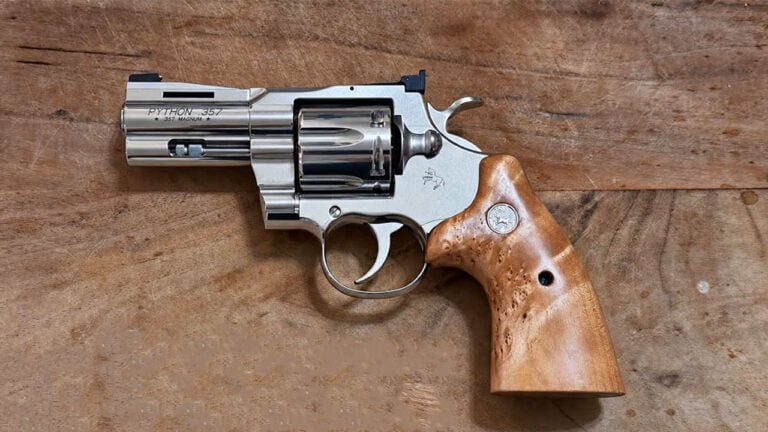
13. Colt Detective Special
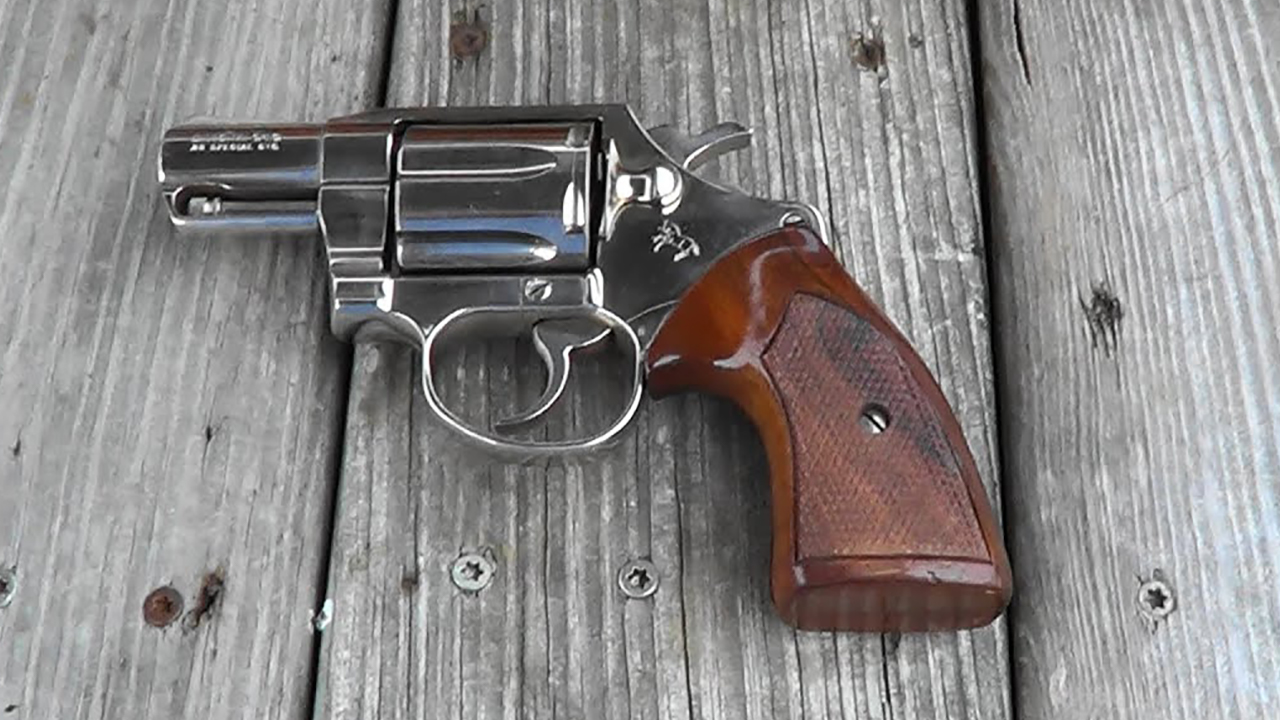
Six shots in a small-frame revolver mattered, especially when “small revolver” usually meant five. The Detective Special rode in coat pockets, tackle bags, glove boxes, and nightstands for generations.
It changed expectations about what “compact” could be in a wheelgun. Even now, when folks pick up a good one, they notice the balance. It points naturally, and it’s easier to shoot well than a lot of ultra-light snubbies.
14. Heckler & Koch P7
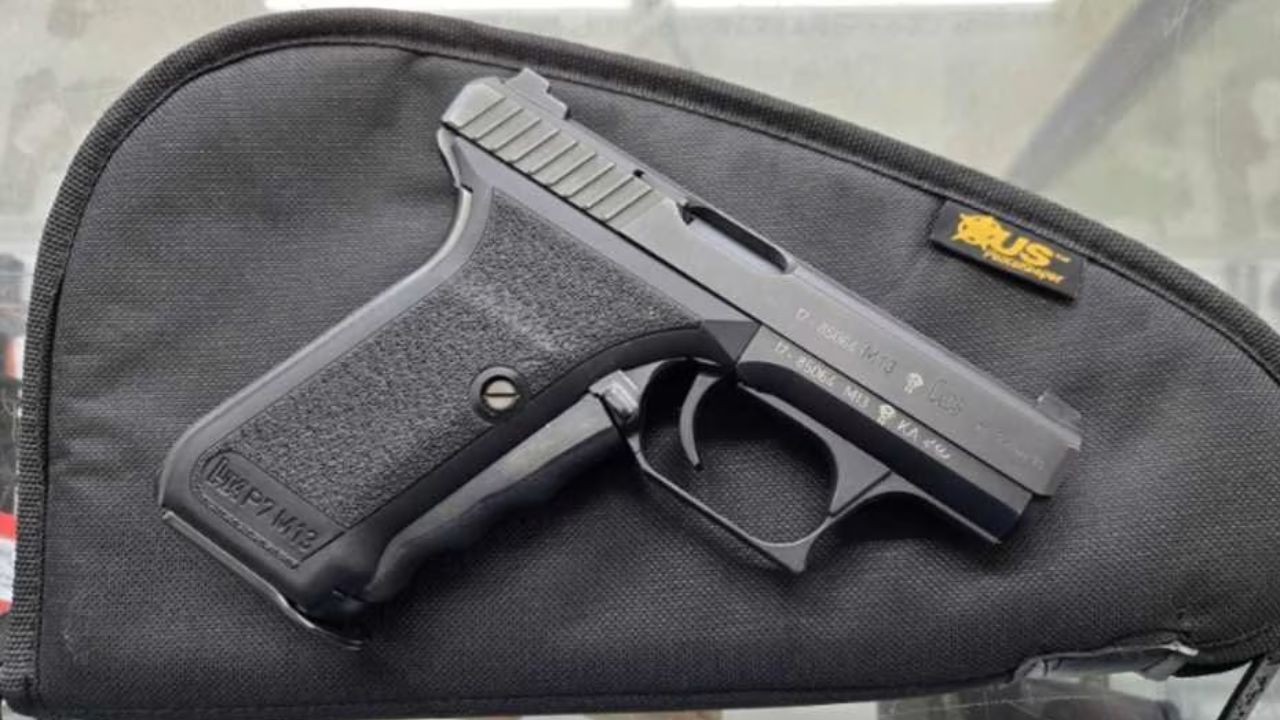
Weird? Yep. Expensive? Absolutely. But the P7 was ahead of its time in a way that still feels modern. It’s slim, accurate, and carries flat. The squeeze-cocker system isn’t for everybody, but it was built around safe carry and fast deployment.
The P7 also helped cement the idea that a compact pistol could be a precision tool, not just a “get-off-me” gun. Downside: they heat up when you run them hard, and parts aren’t getting easier to find.
15. Browning Hi-Power
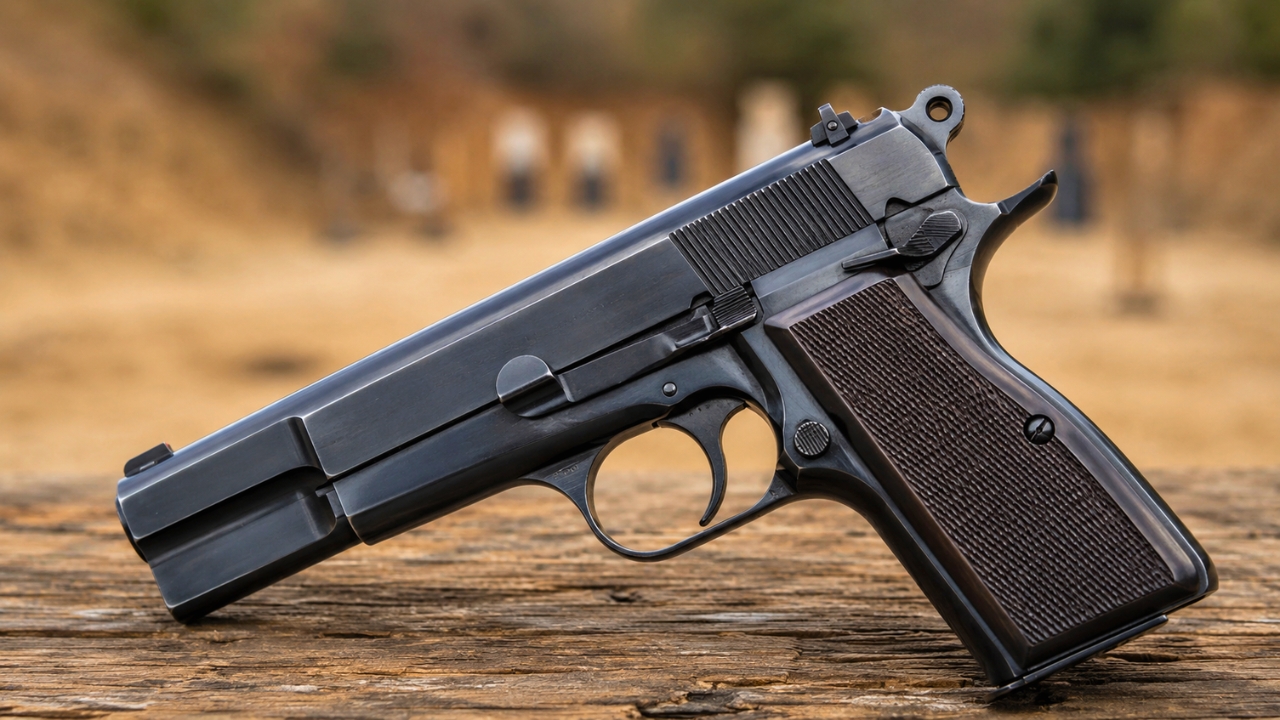
It’s not “compact” the way we mean it today, but it changed what carriers expected from a carryable pistol: capacity and shootability together. Thirteen rounds of 9mm in a slim frame was a big deal for a long time.
The Hi-Power also influenced how we think a pistol should point. A good one comes on target naturally, and that trait matters when you’re talking serious carry, not just slow-fire bench groups.
16. CZ 75 Compact (CZ 75D PCR / P-01 family)
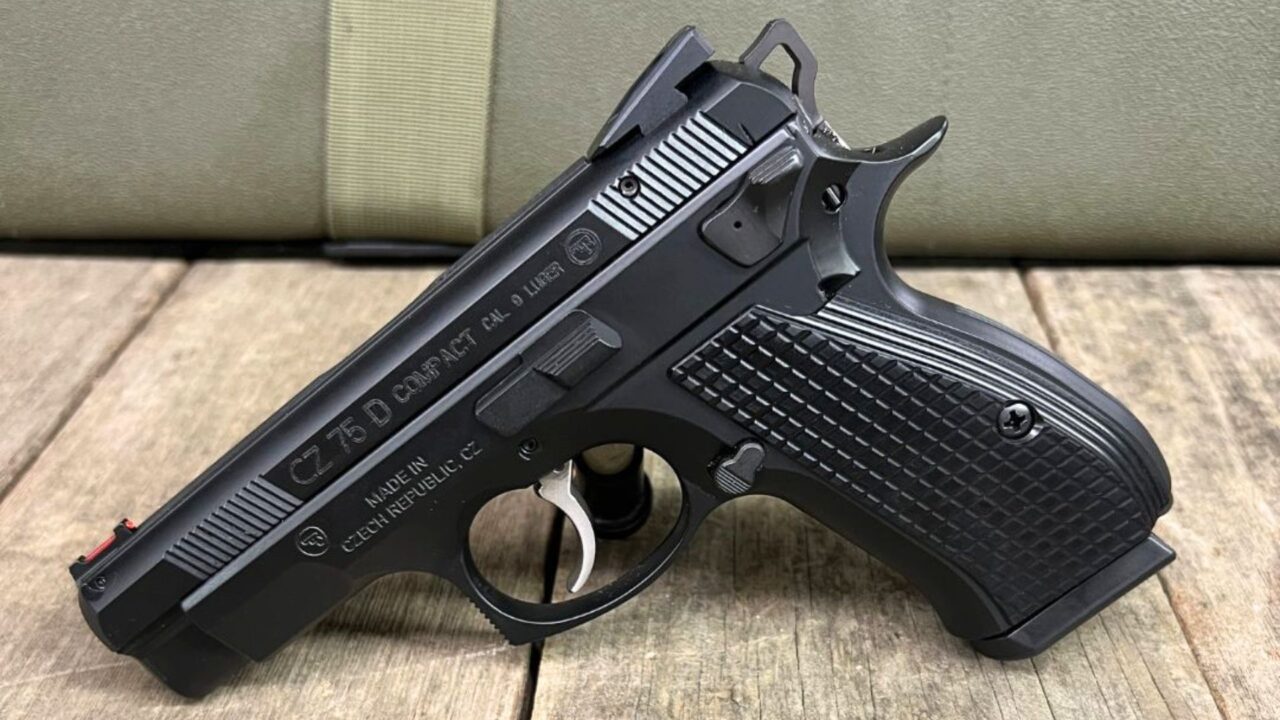
CZ compact pistols hit that sweet spot: heavy enough to shoot comfortably, compact enough to carry with a decent holster, and shaped like they were designed by somebody with hands. The PCR and P-01 variants became favorites for folks who wanted DA/SA without a boat anchor.
They also proved “compact” doesn’t have to mean “snappy.” That extra weight and low bore axis make follow-up shots easier, which matters more than internet arguments when you’re actually training.
17. Beretta 92 Compact
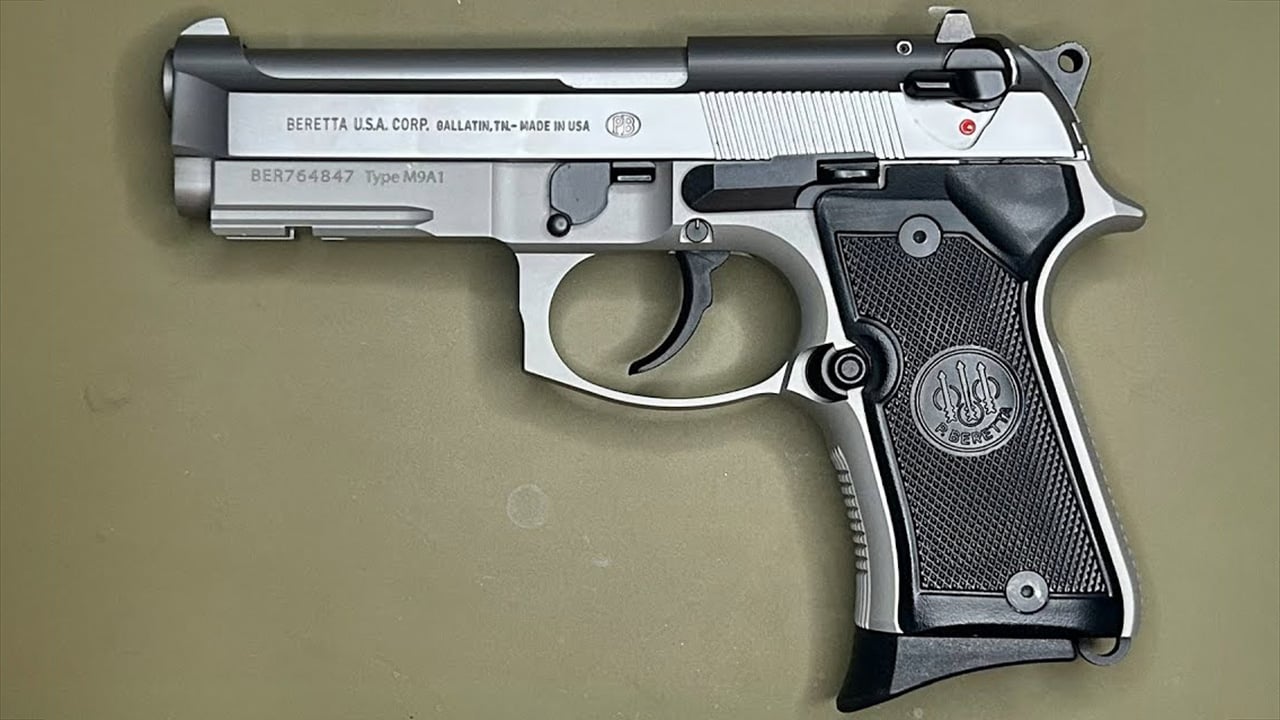
The full-size 92 is big, but the Compact version brought the same smooth shooting into a more manageable package. Big controls, soft recoil impulse, and a reputation for running when kept reasonably clean.
It changed expectations for carriers who didn’t mind a little width but wanted comfort while shooting. A compact that’s pleasant to practice with is a compact you’ll actually practice with.
18. Ruger LCR
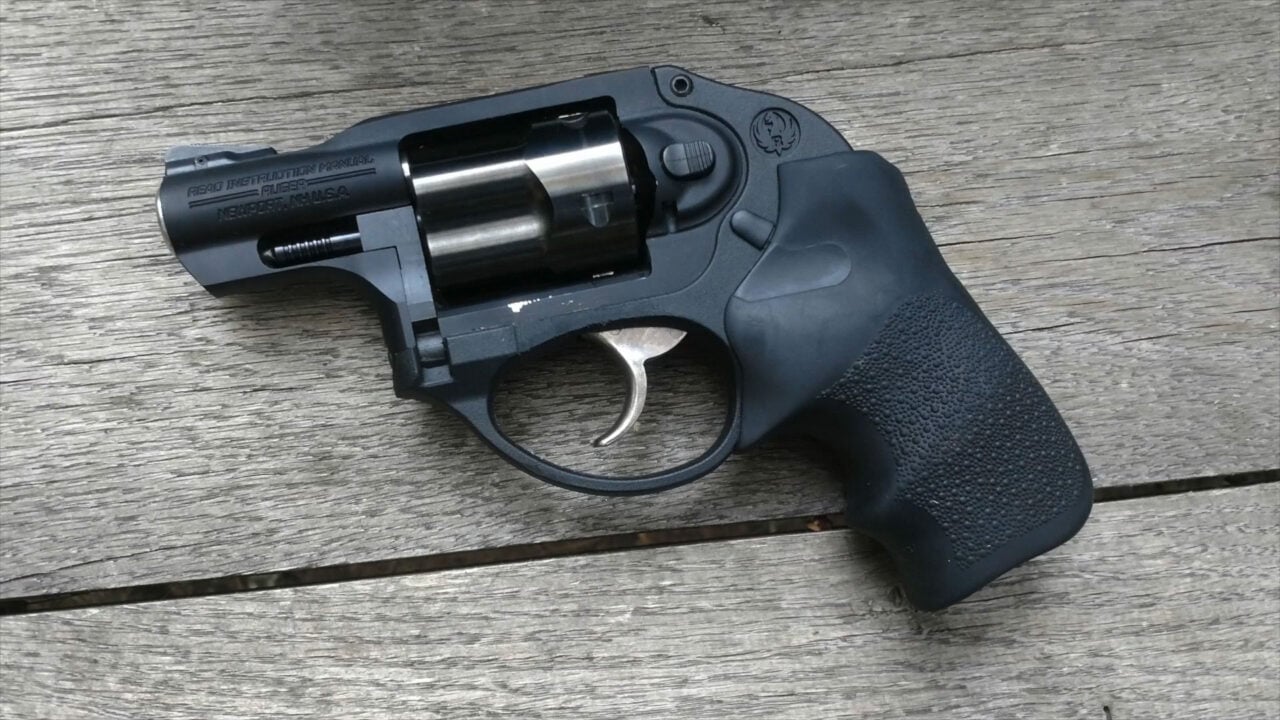
The LCR made a modern snub-nose feel less like a punishment. The trigger on many of them is surprisingly good for a small revolver, and the design does a decent job taming recoil for what it is.
It also helped keep revolvers relevant in the concealed carry world. When pocket carry is the only realistic option for the day, an LCR with a quality pocket holster still makes a lot of sense.
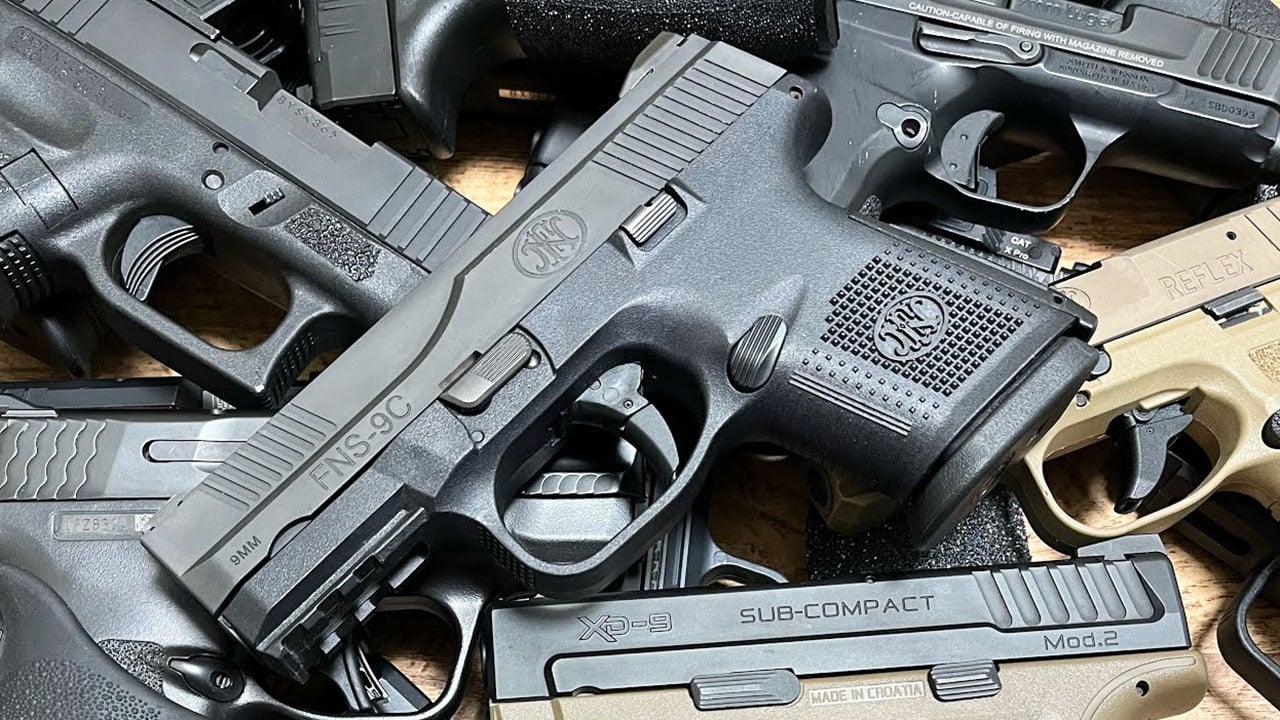
19. FN FNX-9 Compact (FNP-9 Compact family)
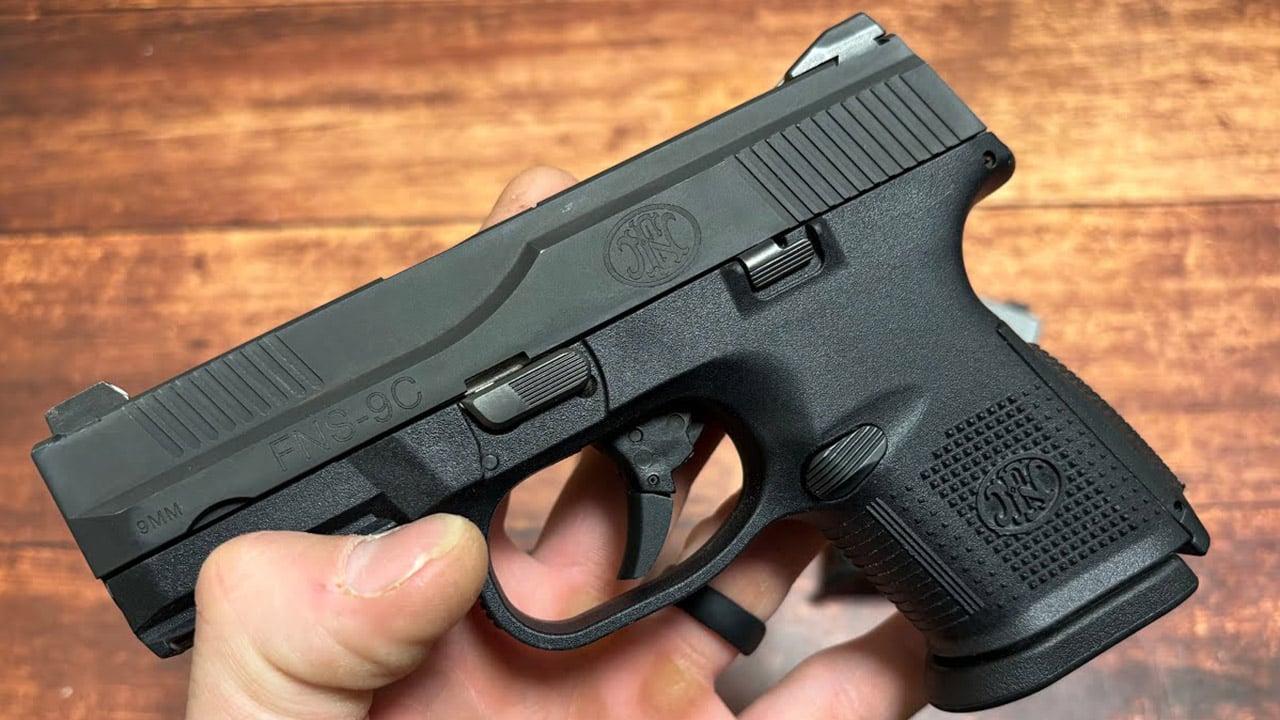
Before micro-compacts took over, FN’s compact double-stacks were a reminder that you could get service-grade reliability in a slightly chopped package. They weren’t the thinnest, but they ran and they held enough rounds to feel comforting.
This family pushed expectations on durability and magazine design. When you’re carrying in the woods, around dust and sweat and truck seats, “duty tough” starts sounding better than “ultra slim.”
20. Smith & Wesson M&P Shield Plus
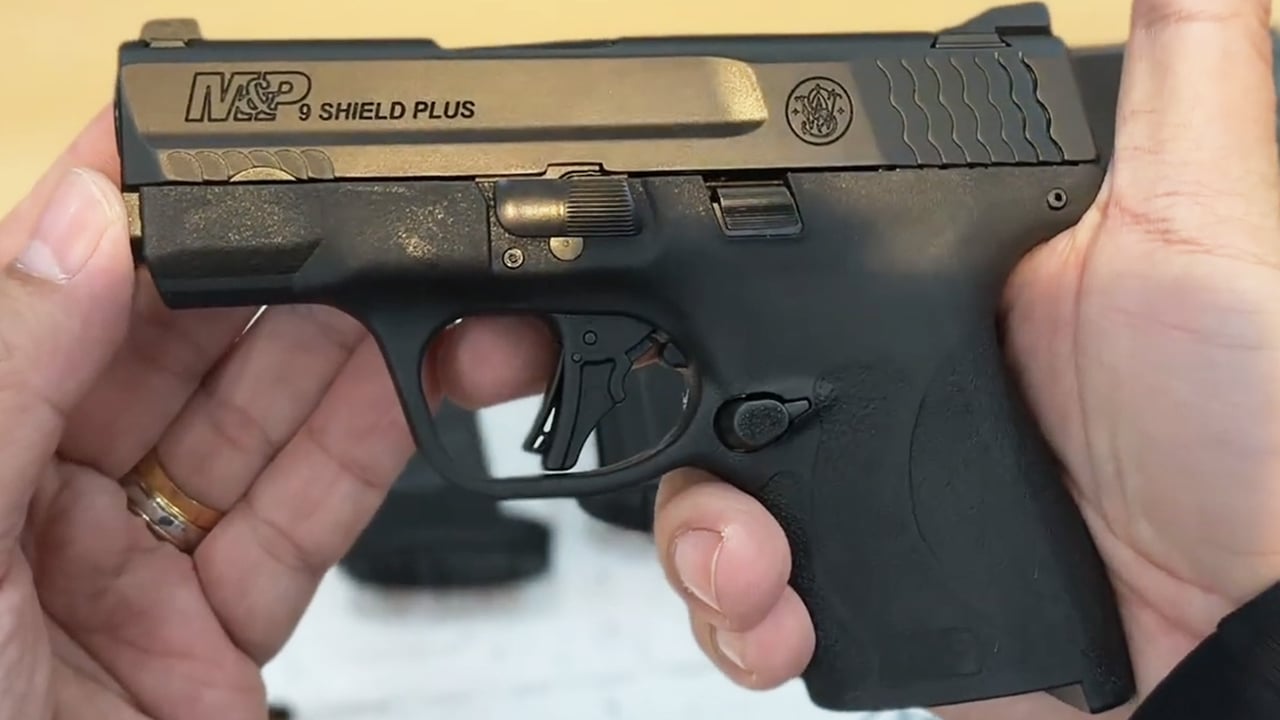
The Shield Plus is what happens when a proven carry gun evolves without losing the plot. It kept the thin profile people liked, but finally brought capacity up where it needed to be to compete in the modern market.
It changed expectations by proving you don’t have to buy a whole new platform to get modern performance. If you’re the type who wants one carry gun you can live with for years, the Shield Plus is exactly why the industry can’t sell “six rounds is enough” as easily anymore.
The funny part is none of these pistols “ended the conversation.” They just moved it. Serious carriers used to ask, “Will it hide?” Now the question is, “Will it hide and still shoot like a real pistol, with real capacity, and real support when I need parts and mags?” That’s a better place to be, even if it makes your old favorites feel a little outdated.
Like The Avid Outdoorsman’s content? Subscribe to our newsletter so you never miss an article.
Here’s more from us: