Photo credit: Historic Militaria/Youtube
On a rural place, a pistol wasn’t a “collection.” It was what rode in the pickup door pocket, what lived in a tackle box under the bench seat, what sat in a drawer by the back door for snakes in the yard or a rabid coon in the daylight. They got sweat on them, dust in them, and honest wear from being handled with work gloves and cold fingers.
Now, half the guns that were just tools for generations have turned into “desirable” pieces, and it’s funny how fast the tone changes when somebody realizes Grandpa’s beater isn’t so easy to replace. Here are 20 pistols that earned their keep on farms, ranches, traplines, and rural properties long before anybody started babying them.
1. Ruger Standard Model (Mark I)

If you grew up around barns and feed sheds, you’ve seen one. The early Ruger .22 autos were the kind of gun that lived on nails in the shop or in a drawer with a flashlight and a handful of loose cartridges.
They point naturally, shoot better than most folks can, and they’ll run filthy longer than they have any right to. Taking them apart can be a small adventure if you’ve never done it, but once you figure it out, you understand why so many families kept the same one for decades.
2. Colt Woodsman

The Woodsman is one of those pistols that makes you slow down when you pick it up. The balance is right, the sights are honest, and the trigger usually feels like it was fit by somebody who cared.
On rural properties it was a “do everything small” gun—traps, pests, finishing chores around the chicken coop. A lot of them got carried hard, and the ones that are still tight today didn’t get that way by sitting in a safe.
3. Smith & Wesson Model 10

This is the revolver equivalent of a fence post. It’s not flashy, it doesn’t beg for attention, and it just works.
Plenty of Model 10s wound up in rural hands after being traded off from duty use or bought used because they were affordable and dependable. With .38 Special they’re easy to shoot, easy to keep running, and accurate enough to handle most real-life “back lot” problems without drama.
4. Ruger Security-Six
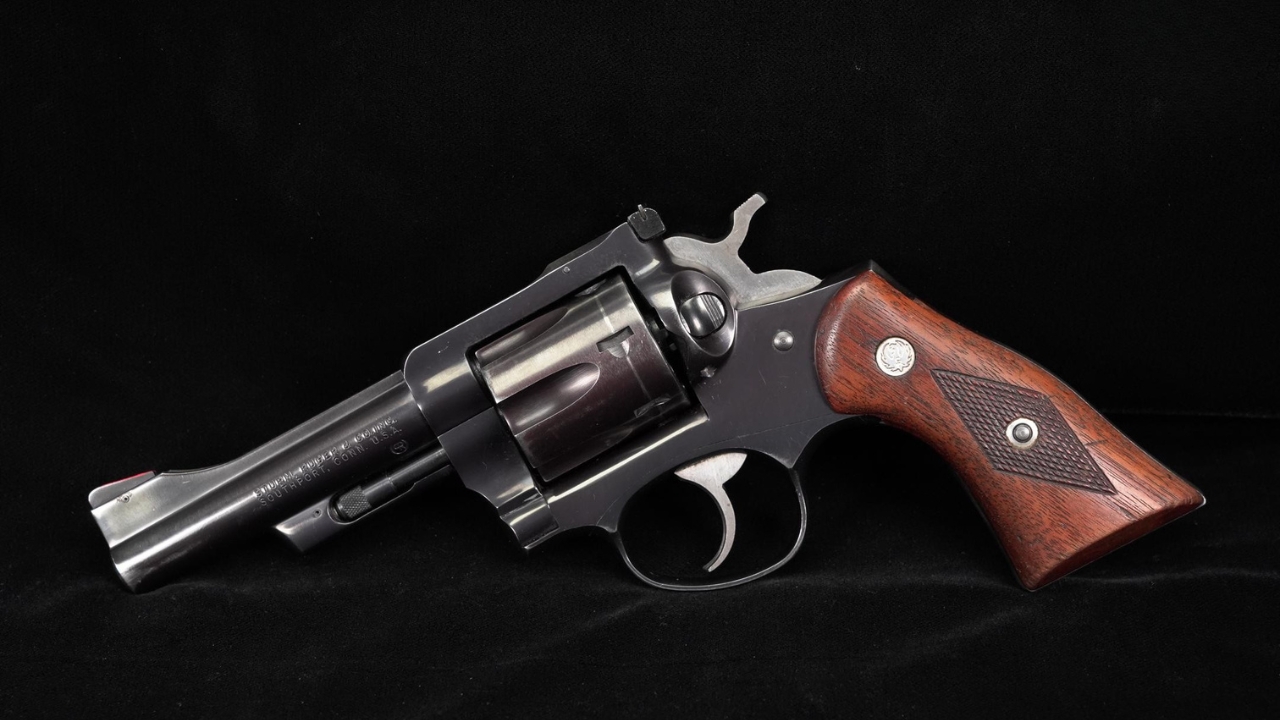
If you ever wondered why old-timers trust Ruger revolvers, handle a Security-Six that’s been used but not abused. They feel like they were built for truck carry and rough weather.
They were common property guns because they didn’t mind dust, sweat, or bouncing around. These days, finding one that hasn’t been “improved” with questionable home gunsmithing is half the battle.
5. Smith & Wesson Model 36 Chiefs Special
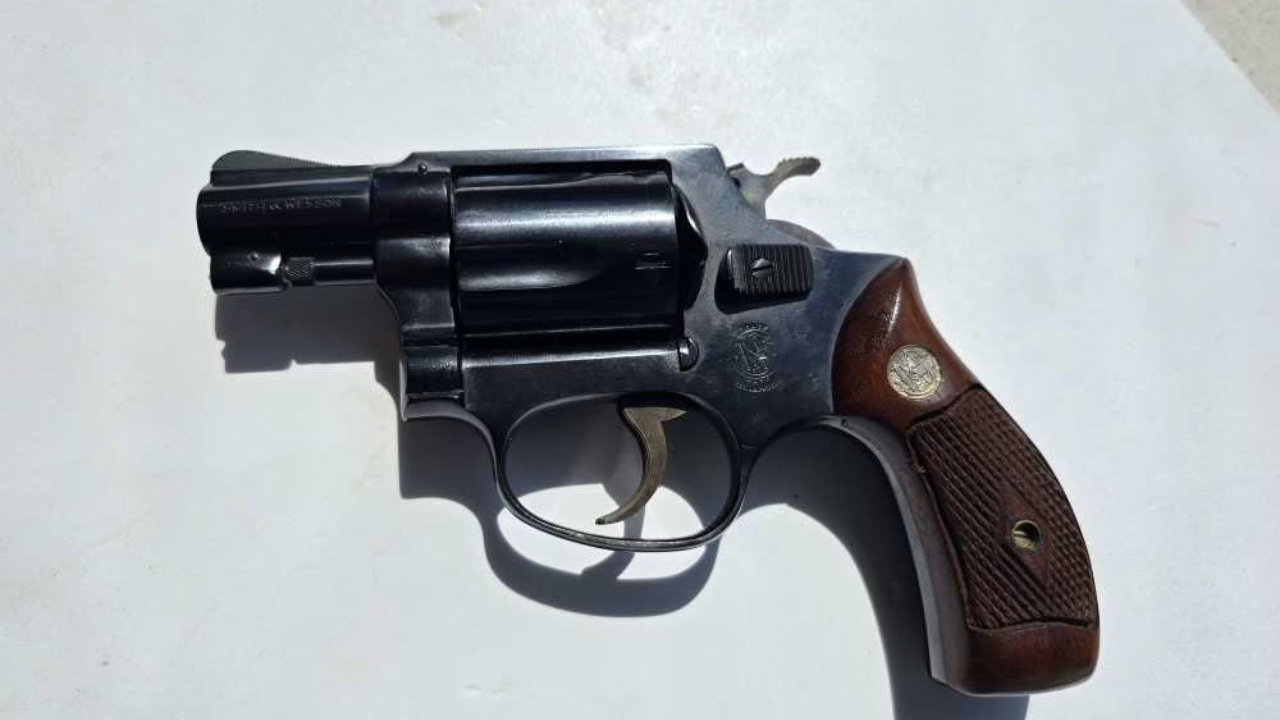
This one didn’t always live on the property—it often lived on the person who owned the property. The little J-frame rode in coat pockets, bib overalls, glove boxes, and tackle boxes.
It’s not a range toy. Small revolvers can be snappy and they don’t forgive sloppy grip. Still, for a “walk the fence line” gun, it made a lot of sense, and it’s the kind of pistol families forget about until they’re cleaning out a dresser.
6. Colt Detective Special
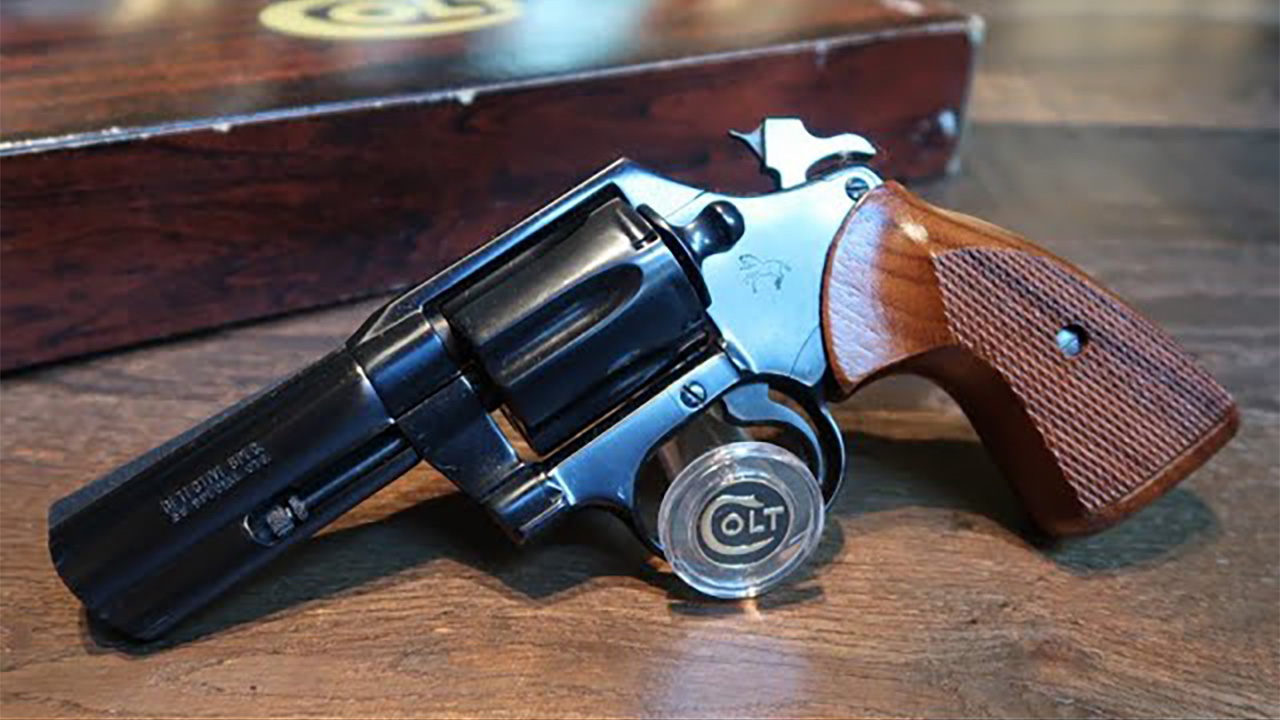
The Detective Special shows up in rural America more than people think, especially in families that bought “one good revolver” and stuck with it. Six shots in a compact frame was a big deal for a long time.
They carry well, point fast, and the older ones have that Colt action feel that’s hard to describe until you’ve shot one. They also taught a lot of folks to respect a smooth double-action trigger, because it’ll surprise you if you’re not paying attention.
7. Harrington & Richardson Model 999 Sportsman
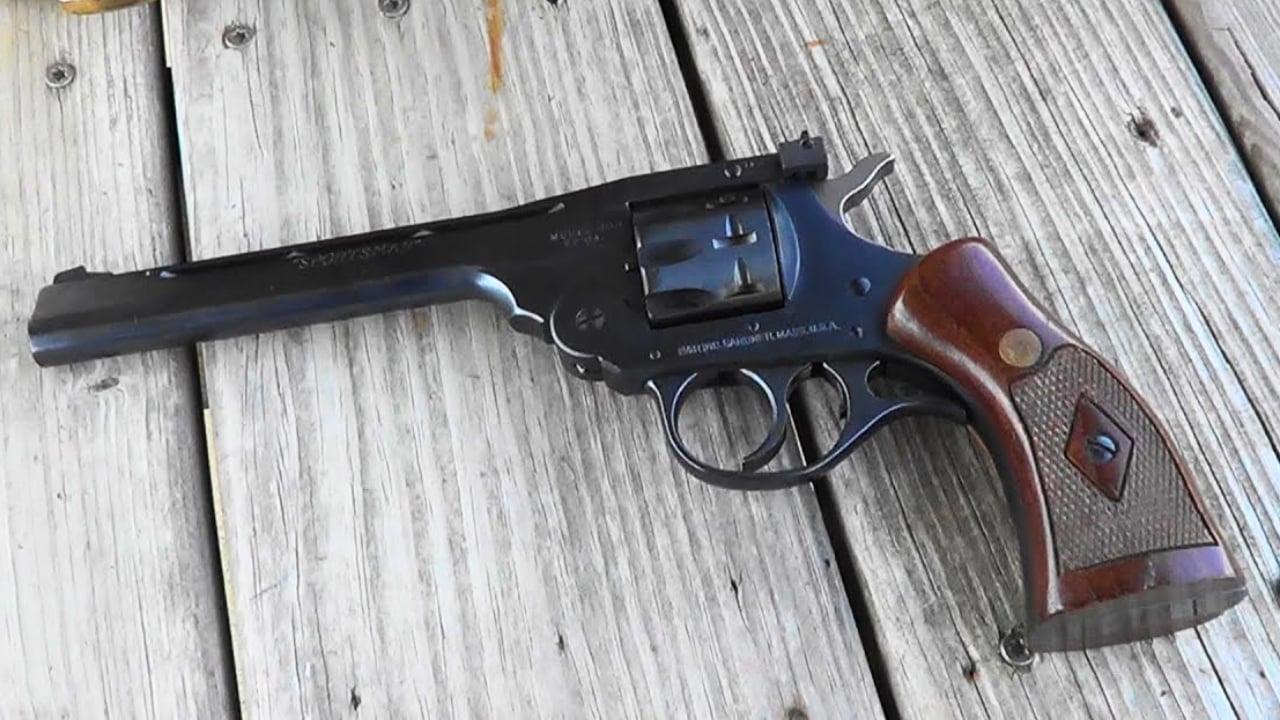
The top-break H&R isn’t glamorous, but it’s pure rural practicality. Pop it open, dump the empties, drop in more .22s, close it, and keep moving.
They got used on traplines, in barns, and around sheds because they were affordable and simple. The downside is parts and qualified hands aren’t as common now, so a worn timing issue can turn a “cheap old .22” into a headache.
8. Ruger Single-Six
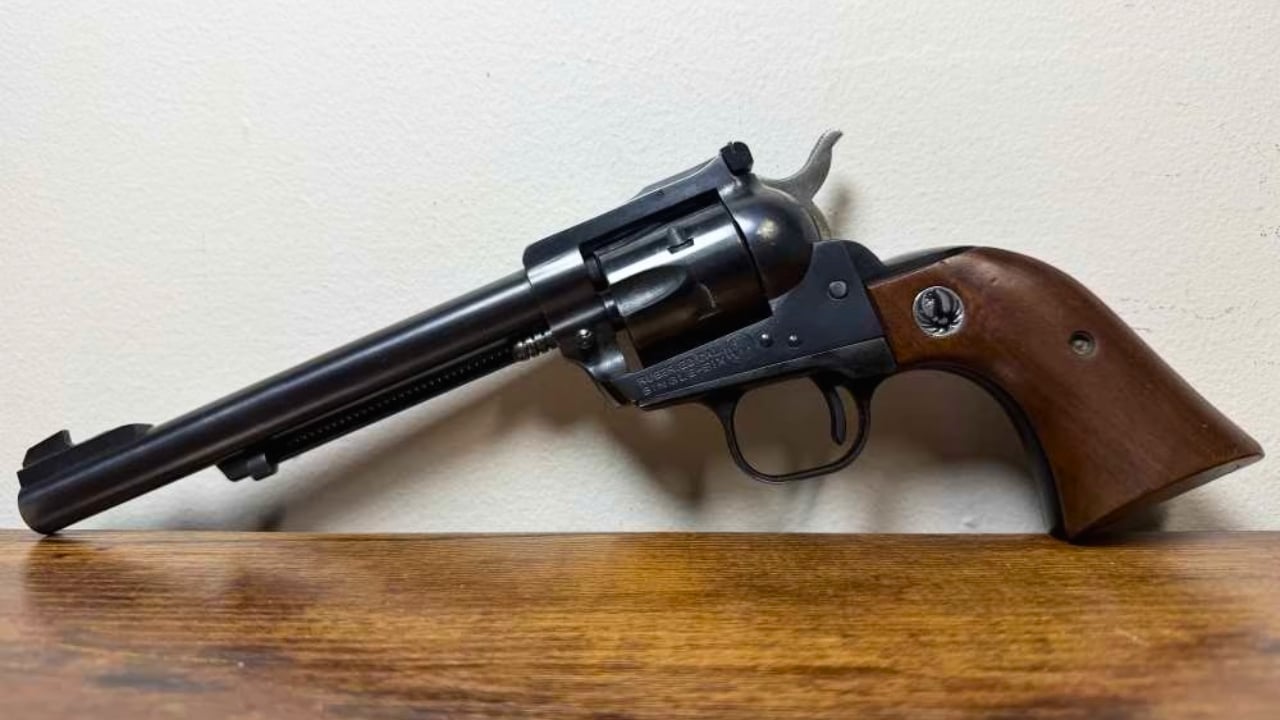
The Single-Six is the sidearm that taught a lot of kids how to shoot without scaring them or breaking the bank. It also rode in a lot of tractors and UTVs because it’s tough and it doesn’t care if you neglect it a little.
Loading gate, slow pace, one-at-a-time loading—none of that mattered when you were popping pests or carrying it as a camp gun. It’s still one of the best “always works” .22s going, especially when you consider how many have been passed down.
9. Colt Single Action Army (and early clones)
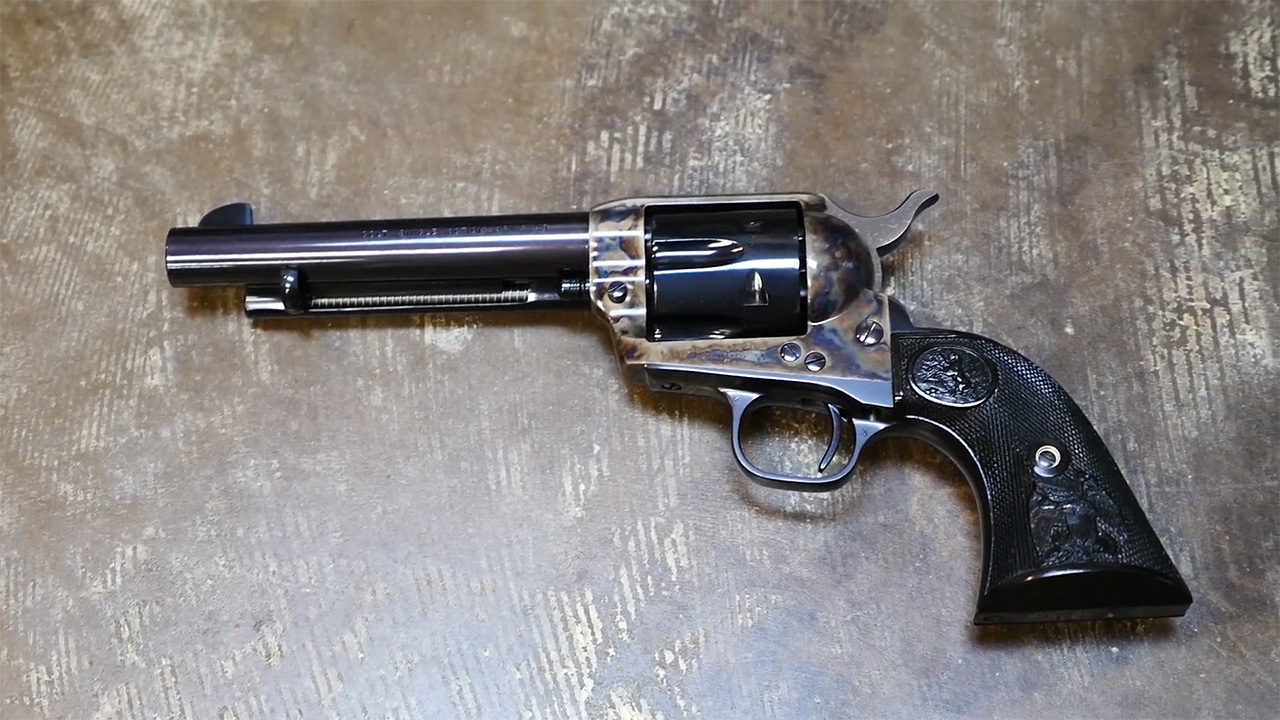
Not every old revolver on a ranch was a museum piece. Some SAAs and early clones were just… there. They lived in a drawer, got carried during branding, and got shot when something needed shooting.
They’re not the most efficient tool, but they’re simple and durable, and they hit with authority in the bigger chamberings. These are the ones that make families kick themselves when they remember trading “that old cowboy gun” for a used chainsaw. That one hurts.
10. Smith & Wesson Model 19
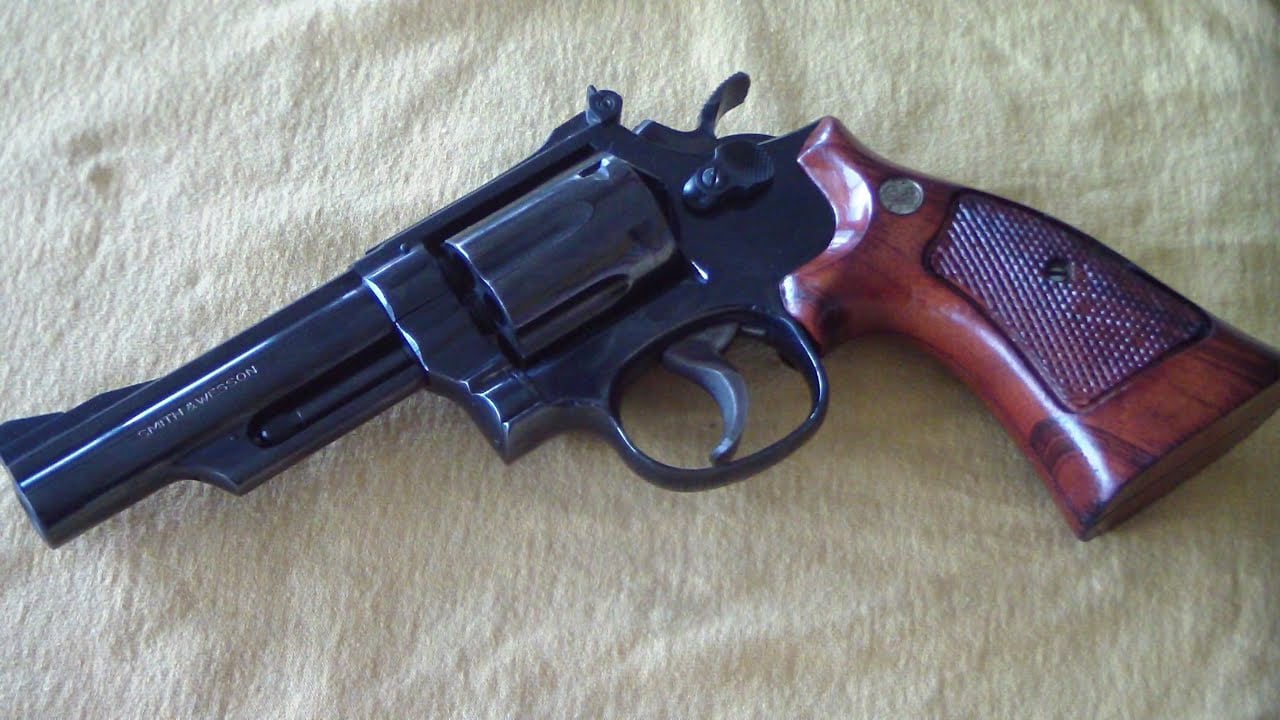
The Model 19 is what happens when a revolver gets the balance right. For years, a .357 like this was the do-it-all sidearm for folks who might deal with a mean dog one day and a wounded deer the next.
They’re smooth, accurate, and easy to carry for a revolver. The caution is the same as it’s always been: pounding them with a steady diet of hot loads isn’t doing the gun any favors, especially with older examples.
11. Ruger Blackhawk
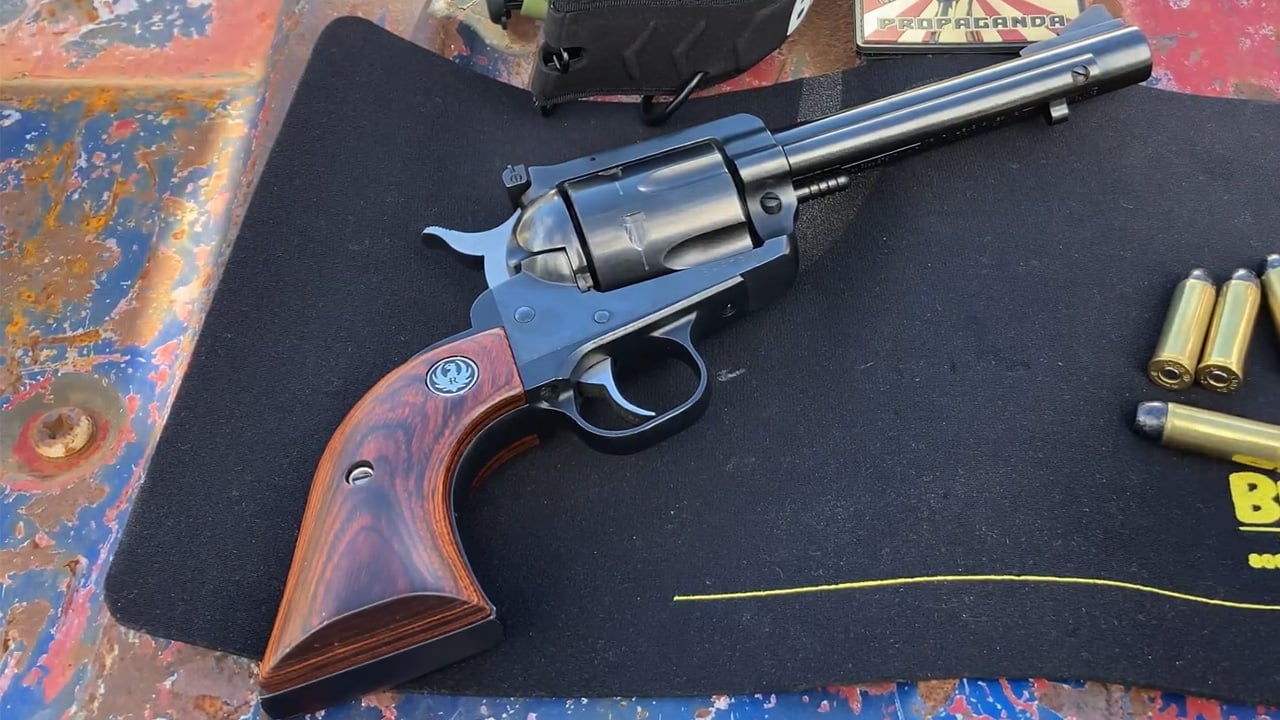
If the Single-Six was for .22 chores, the Blackhawk was for “bigger chores.” A lot of them lived in .357 or .41 or .44, and they were the handgun you grabbed when you were headed somewhere you might run into trouble.
They’re strong, simple, and handle field use well. They’re also not light, and they’re not fast to reload, but rural folks weren’t running drills. They were carrying a reliable tool that could ride in a holster all day.
12. Browning Hi-Power

The Hi-Power wasn’t as common as some of the working revolvers, but when one shows up in a farm family, there’s usually a story. Often it was a “one good pistol” purchase, or it came home from overseas and stayed in the family.
They carry flatter than a lot of steel pistols, feel good in the hand, and shoot well. Magazine availability is decent, but original parts and competent work matter if you start chasing problems on an older gun that’s been ridden hard.
13. Colt Government Model 1911

For a long time, the 1911 in rural America wasn’t a fashion statement. It was a serious sidearm, and if a family had one, it often got treated like a truck: maintained when needed, trusted always.
They’re heavy compared to modern carry guns, but that weight helps them shoot well. The 1911 can be finicky if it’s been “customized” by three different owners, so a plain, honest, mostly-original pistol is usually the one that kept working on a property for decades.
14. Star Model B

Star pistols were the kind of thing a rural guy bought because it was available, affordable, and looked close enough to the 1911 shape to make sense. They weren’t bought for bragging rights. They were bought because cash was tight and the job still needed doing.
They can be solid shooters, but parts can be the problem now. If you’ve got one that runs, it’s worth keeping it clean, using decent magazines, and not treating it like something you can replace at the next gun show without effort.
15. Smith & Wesson Model 39
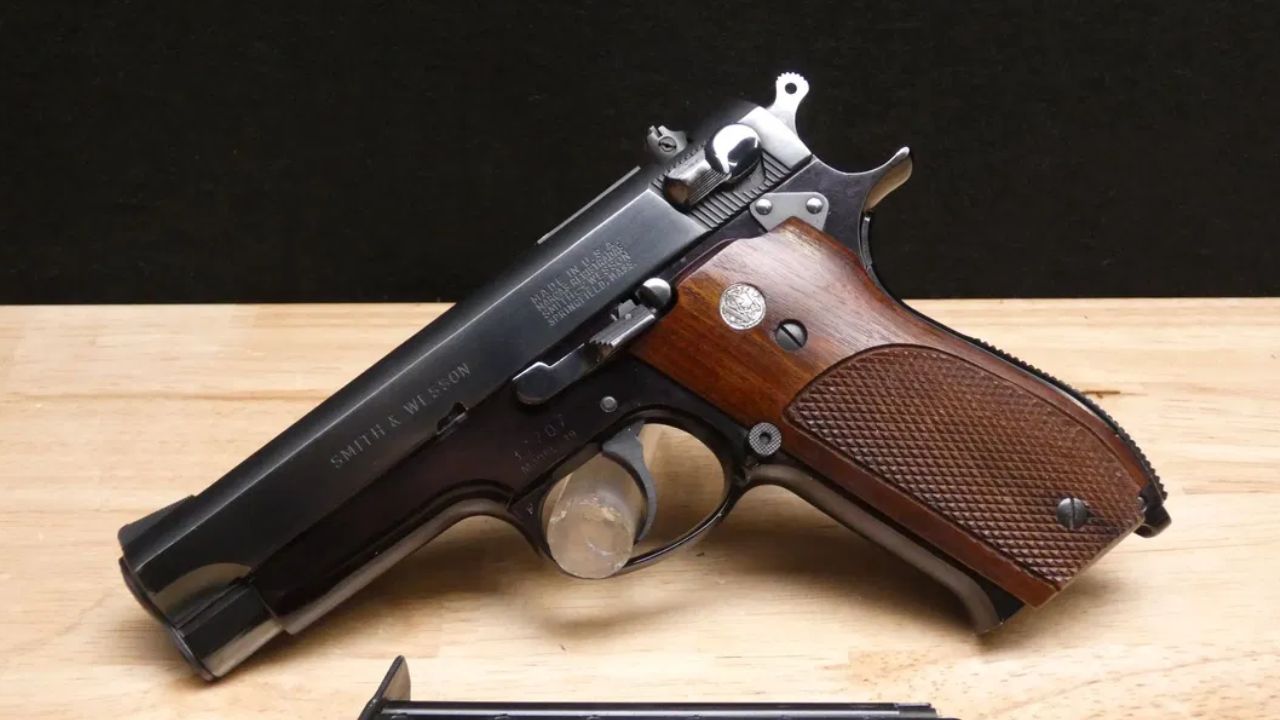
The Model 39 is one of those early American double-stack ideas that found its way into rural drawers and glove boxes because it was a “modern” 9mm for its time. Slim, straightforward, and typically accurate enough.
These were carried, not pampered. They can show wear, and some have seen questionable magazine choices over the years. Still, the ones that are running right have a nice, natural feel that newer guns sometimes miss.
16. Beretta 92FS
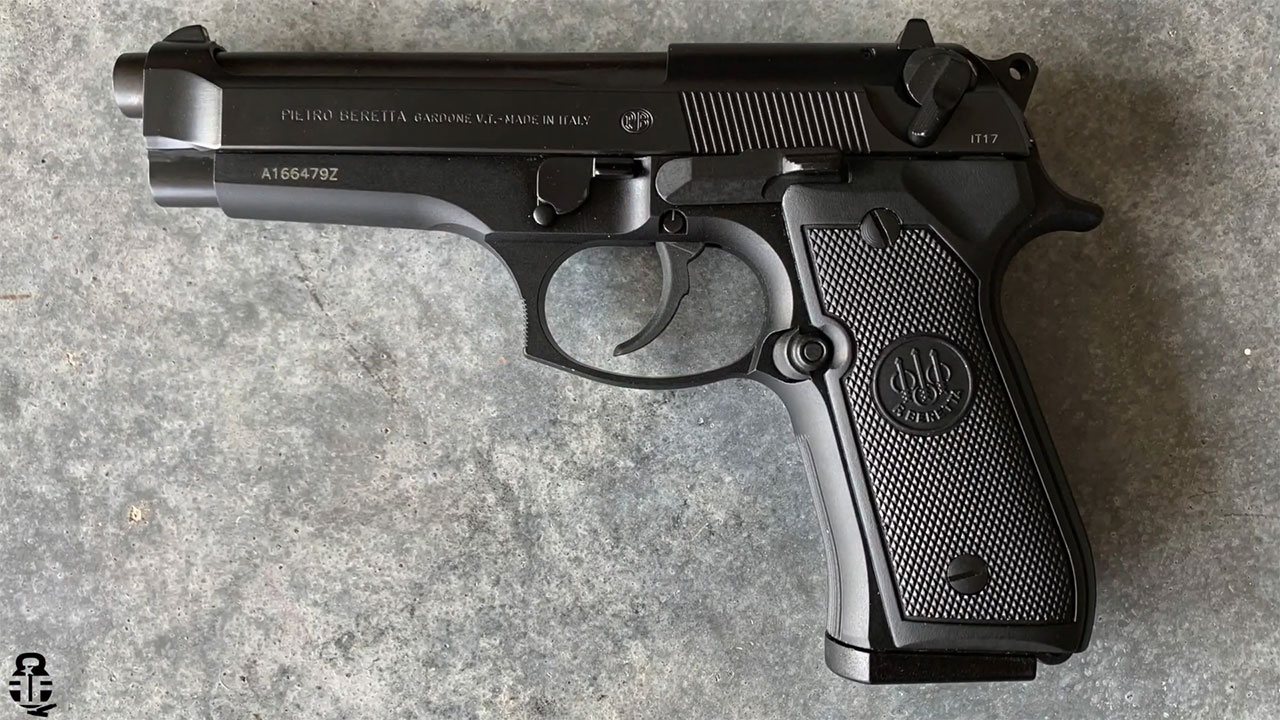
Once the Beretta became the familiar service pistol, a bunch of them ended up in rural hands. And for a working property gun, a full-size 9mm that runs and runs makes a lot of sense.
It’s not small, and the grip can be a stretch for smaller hands. But the reliability reputation is earned, magazines are easy to find, and it’s a soft shooter. If you’ve got one riding in the ranch truck, you’re not undergunned.
17. Glock 17 (Gen 2 and Gen 3 especially)
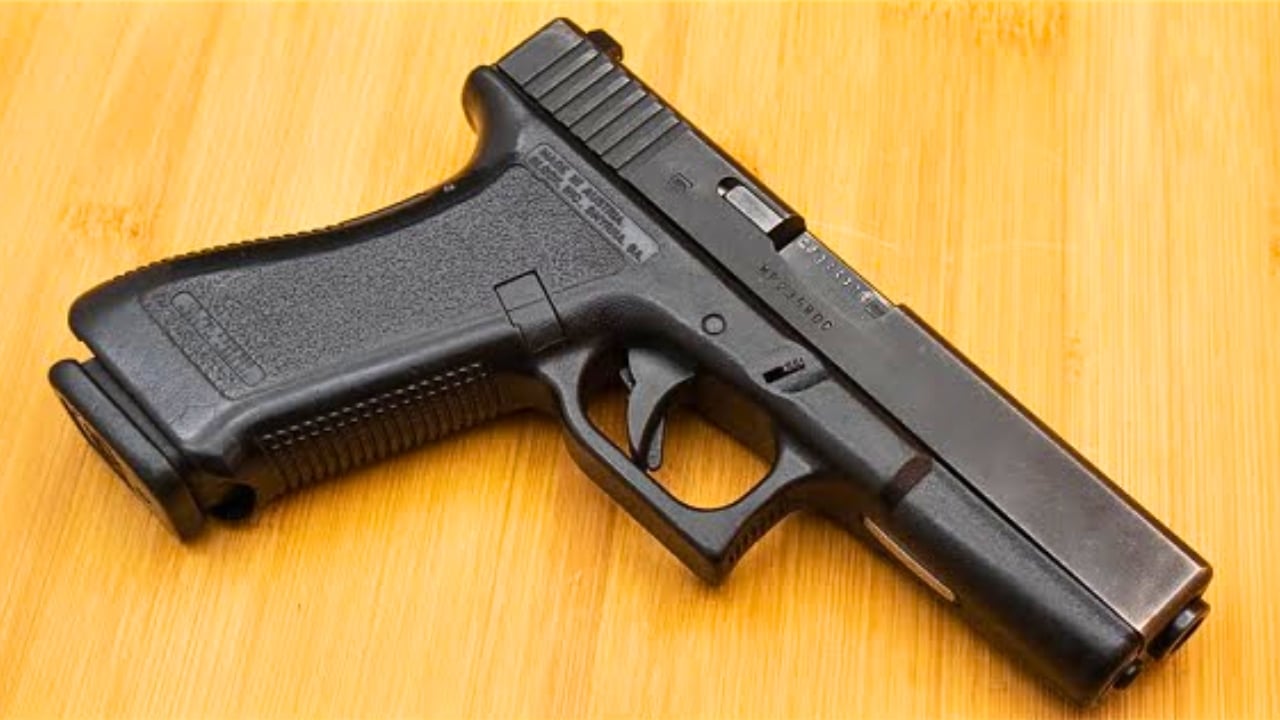
There was a time when folks called Glocks “plastic guns” like it was an insult. Meanwhile, they were quietly becoming the ultimate working pistol—simple, tough, and not picky.
On a rural place, the Glock 17 made sense because it didn’t require much attention and parts were everywhere. It’s not romantic. It’s not special. It’s just a hammer that happens to be a pistol, and there’s value in that.
18. Ruger P89
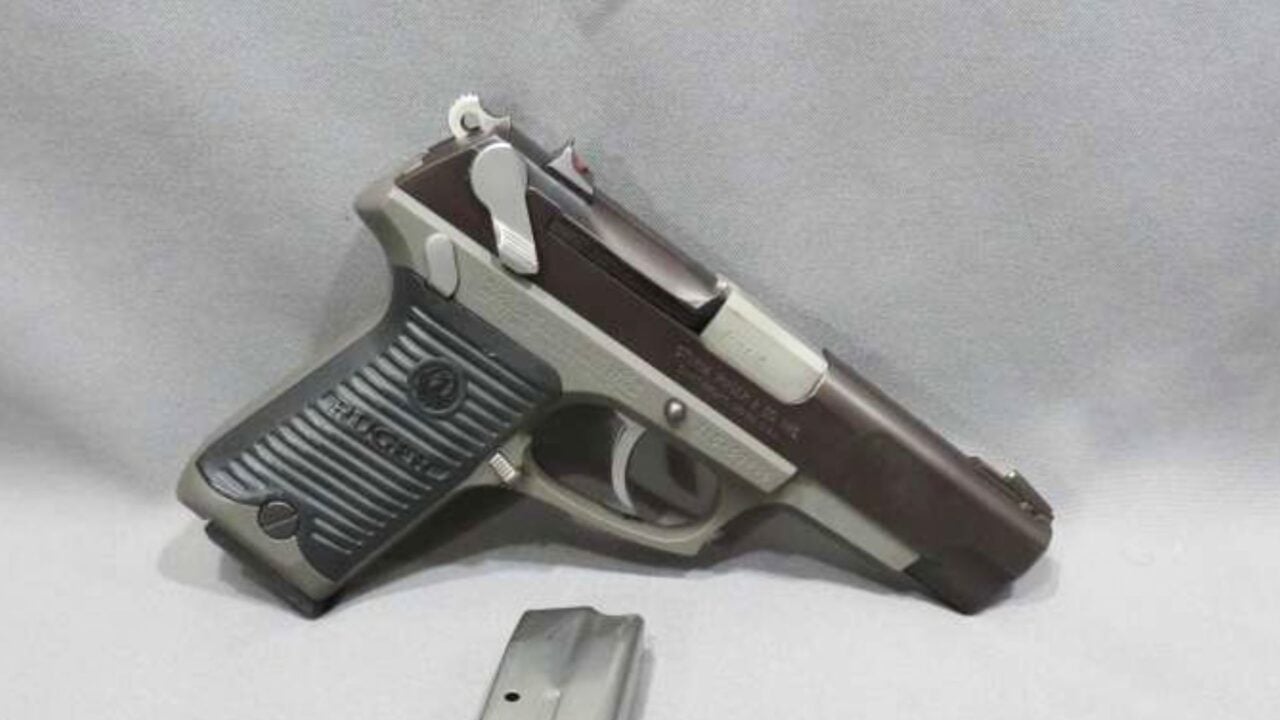
The P89 is a brick. If you want sleek, look elsewhere. But if you want a gun that can live in a toolbox and still fire when you need it, this is the kind of pistol that earned respect without trying.
They’re usually affordable on the used market, and they tend to be forgiving of neglect. The downside is they’re bulky to carry and not everybody likes the trigger. For a property gun, those complaints don’t carry much weight.
19. CZ 75 (pre-B and early variants)
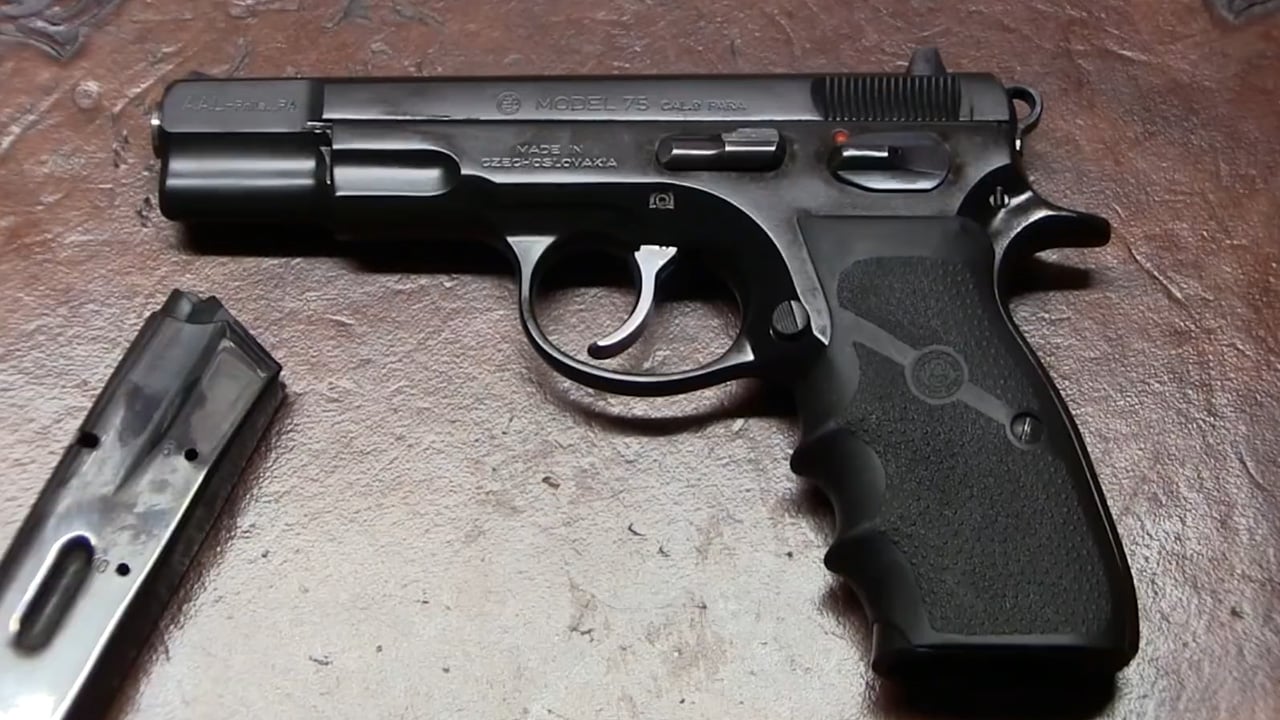
When a CZ 75 shows up in a rural safe, it’s often because someone bought it after handling it and realizing it fit their hand like it was made for them. They shoot flat, point well, and they’re accurate without being temperamental.
They also have that all-steel feel that’s hard to replace. Not the lightest choice for everyday carry, but for a working pistol that might see years of use, they’ve got a reputation for good reason.
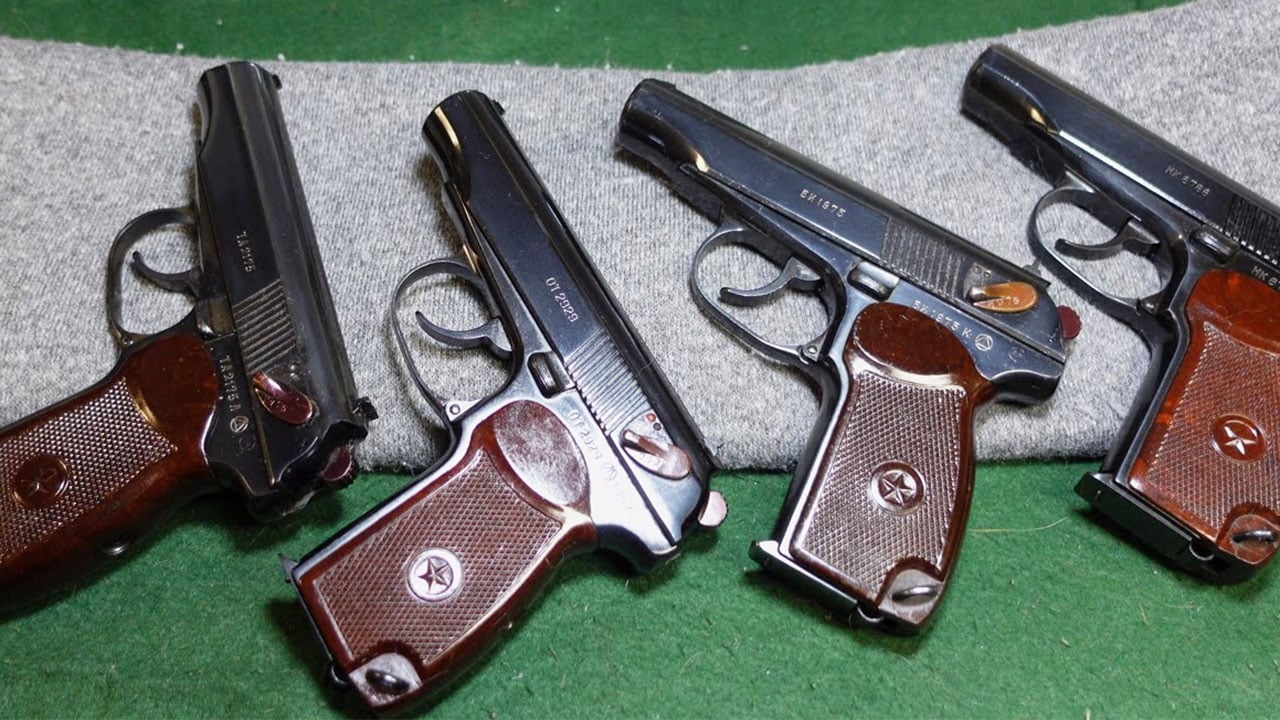
20. Makarov PM
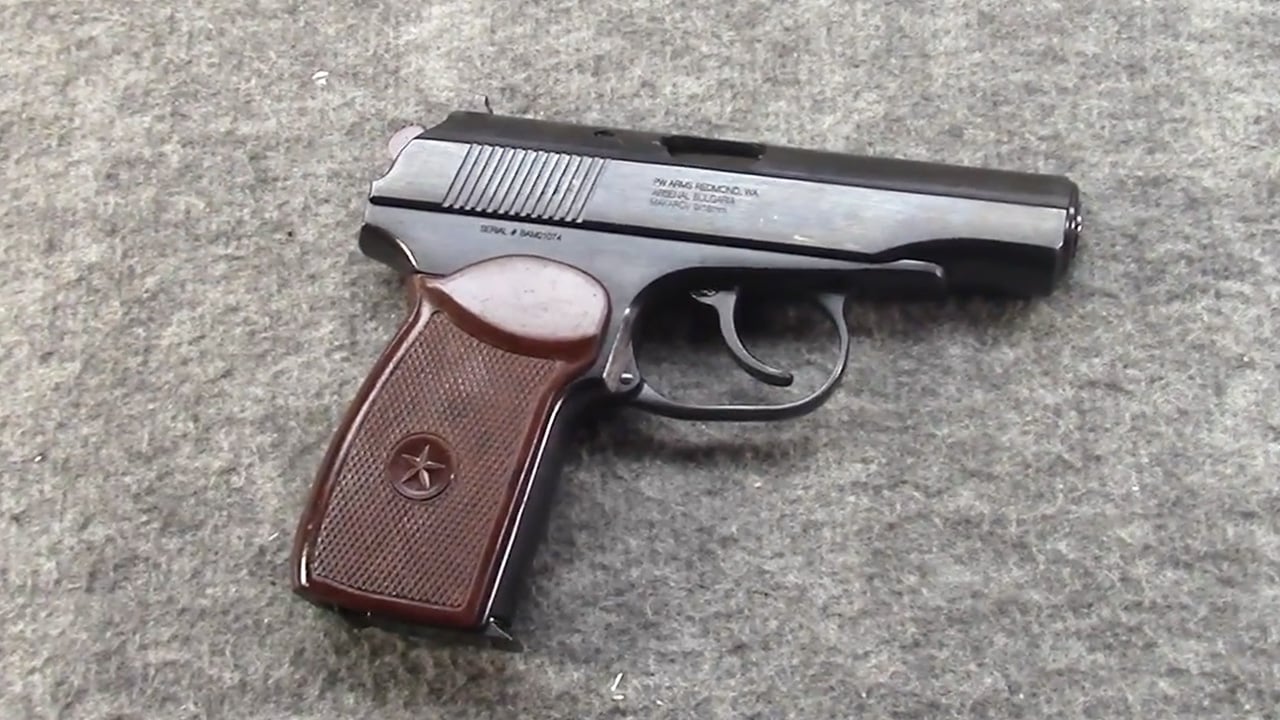
The Makarov is the classic “cheap and reliable” gun that became a lot less cheap once people started paying attention. For years, they were the kind of pistol somebody picked up because it was affordable and sturdy, then kept because it never gave trouble.
It’s simple, rugged, and easy to maintain. The caliber isn’t what most folks choose today, but for close-range property defense and a general-purpose truck gun (where legal and stored safely), it did the job for a lot of rural owners.
The funny thing about all these pistols is how ordinary they were when they were doing the work. They weren’t bought as “investments.” They were bought to solve problems. If you’ve still got one of these old tools in the family, I wouldn’t be quick to let it walk out the door. Clean it, check it over, store it right, and remember: a working gun with honest wear is still a working gun.
Like The Avid Outdoorsman’s content? Subscribe to our newsletter so you never miss an article.
Here’s more from us: