Photo credit: Howa
Every deer rifle looks pretty good sitting on a clean shooting bench. The ones I really appreciate are the rifles that still make sense after the weather turns bad, the trail gets muddy, and I have to carry them through thick timber before daylight. Deer season has a way of exposing whether a rifle was actually built for hunting or simply shoots well from a comfortable position.
For a woods rifle, I want manageable weight, dependable feeding, a stock I can actually hunt with, and enough accuracy to take advantage of whatever shot the terrain gives me. Some of these rifles are inexpensive tools I would not hesitate to drag through brush. Others are the kind of rifles I would hope to hand down someday. If I were filling the gun rack before deer season, these 20 would all be rifles I could confidently carry into the woods.
Tikka T3x Lite
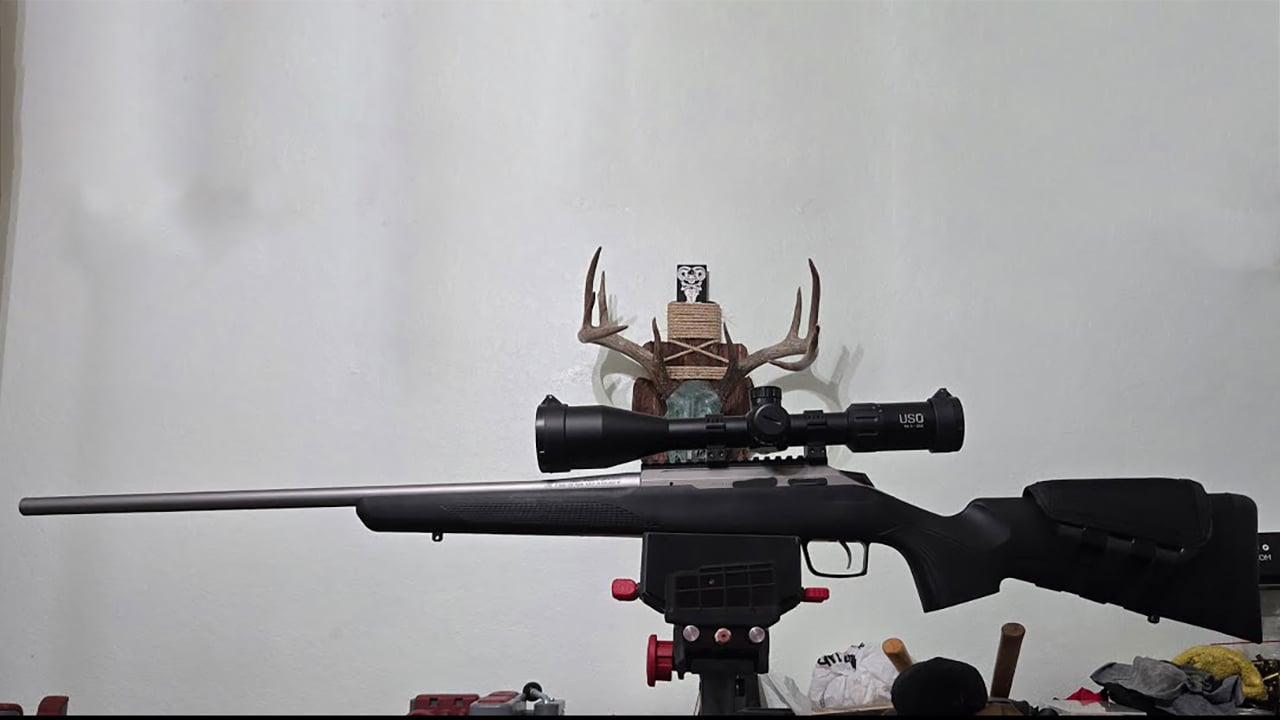
The Tikka T3x Lite is one of those rifles I would have a hard time talking myself out of if I needed one bolt gun for an entire deer season. It carries easily, points naturally, and has the smooth action that has helped Tikka develop such a loyal following. I especially like it in something practical such as .308 Winchester, 7mm-08 Remington, or .270 Winchester. None of those chamberings needs an oversized rifle to work well on deer, and the Tikka gives me plenty of capability without making a long walk to the stand feel like a punishment.
What really sells me on the T3x Lite is that there is not much unnecessary bulk. It feels like a hunting rifle rather than a target rifle adapted for hunting. Put a sensible lightweight scope on one, verify the zero, and I would feel perfectly comfortable carrying it through hardwoods, across clear-cuts, or up a steep ridge all November.
Browning X-Bolt 2
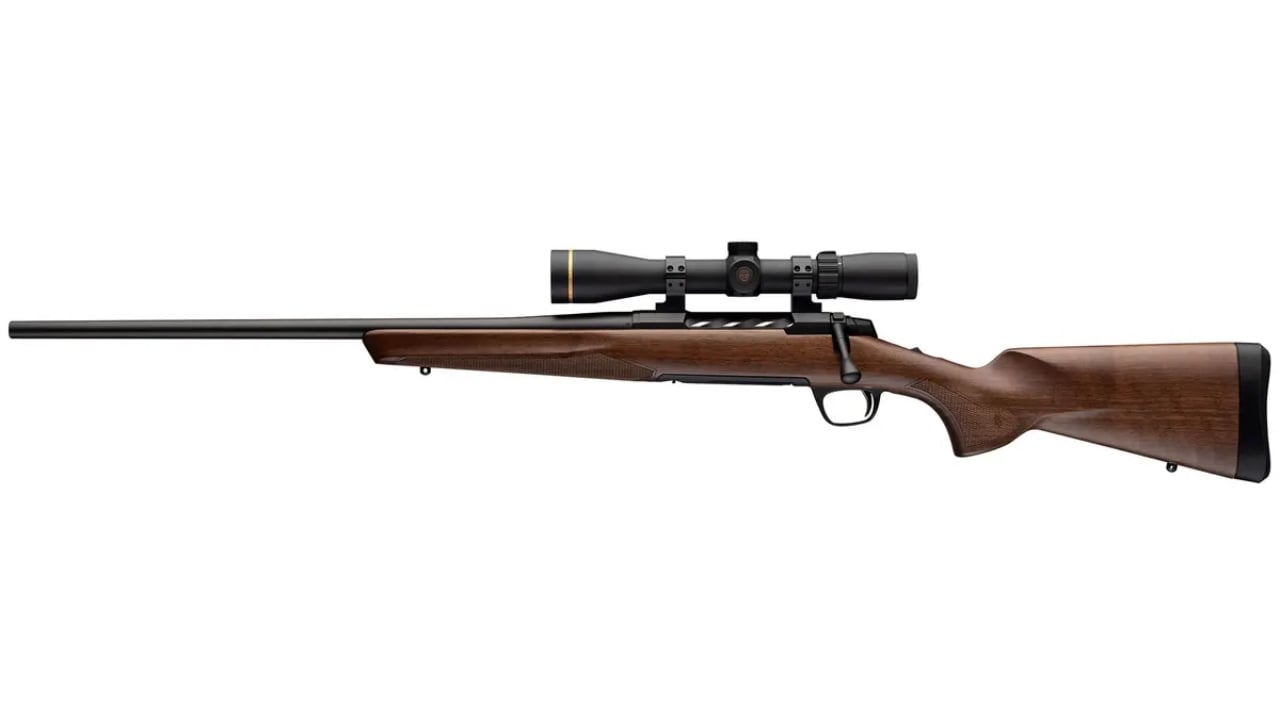
The X-Bolt 2 is where I would look if I wanted a modern hunting rifle with a little more refinement than the typical entry-level bolt action. Browning did not turn it into some enormous precision rifle either. The hunting versions still feel like rifles meant to be carried, and the updated stock and trigger system make it easier to get a comfortable fit. For deer, I would lean toward .308 Winchester, 6.5 Creedmoor, .270 Winchester, or 7mm-08 depending on where I planned to hunt.
I also like that the X-Bolt 2 works for somebody who might spend one weekend in a treestand and the next hunting more open country. It gives me enough precision to stretch a shot when necessary without sacrificing the handling I want in timber. It is more rifle than someone absolutely needs to kill a whitetail, but it is one I could see hunting with for decades.
Winchester Model 70 Featherweight
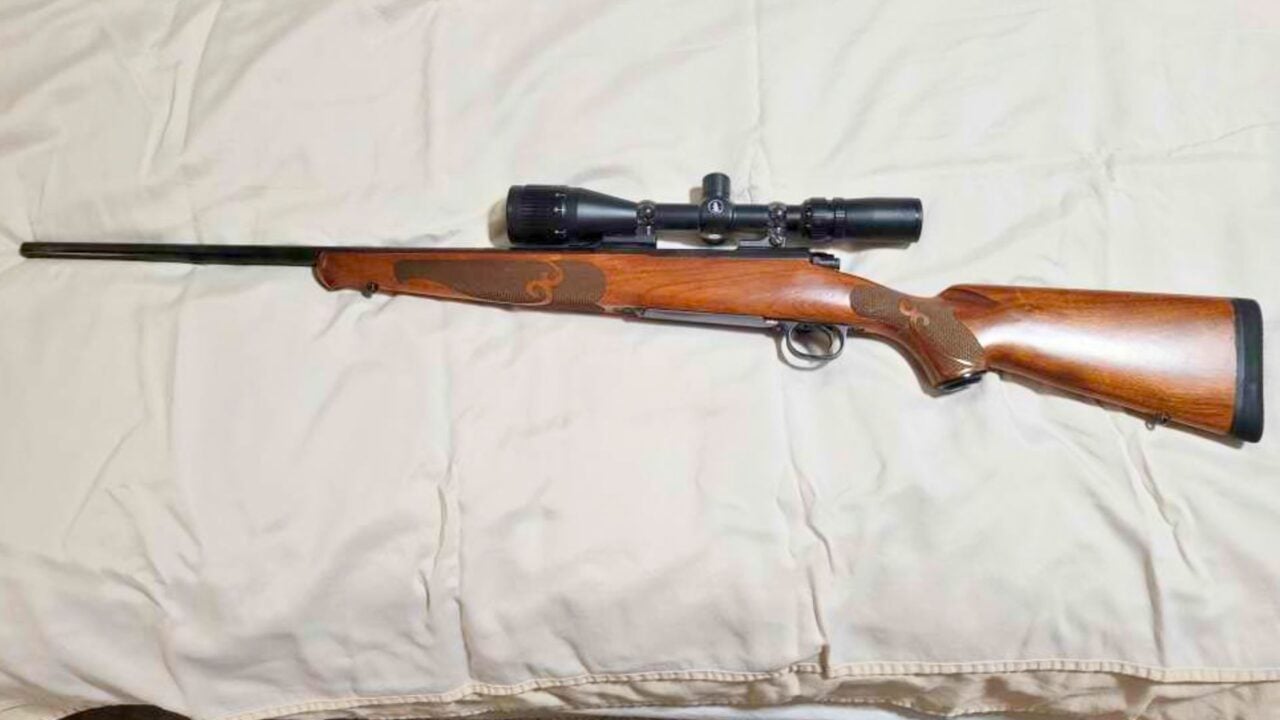
There are newer rifles with more adjustment and more accessories, but I still have a soft spot for the Model 70 Featherweight. This is what a traditional deer rifle is supposed to feel like. The walnut stock, controlled-round-feed action, three-position safety, and slender profile make it a rifle that belongs in November hardwoods. I would be perfectly happy with one chambered in .270 Winchester, .308 Winchester, or .30-06 Springfield and a moderate-power scope mounted as low as practical.
The Featherweight also carries differently from many modern rifles. You are not hauling around a heavy barrel, oversized magazine, giant optic, and a pile of accessories you never use. It comes to the shoulder quickly and still has enough weight to settle down for a careful shot. If I knew most of my deer hunting would happen inside 200 yards, I would never feel under-equipped carrying one.
Ruger American Rifle Generation II
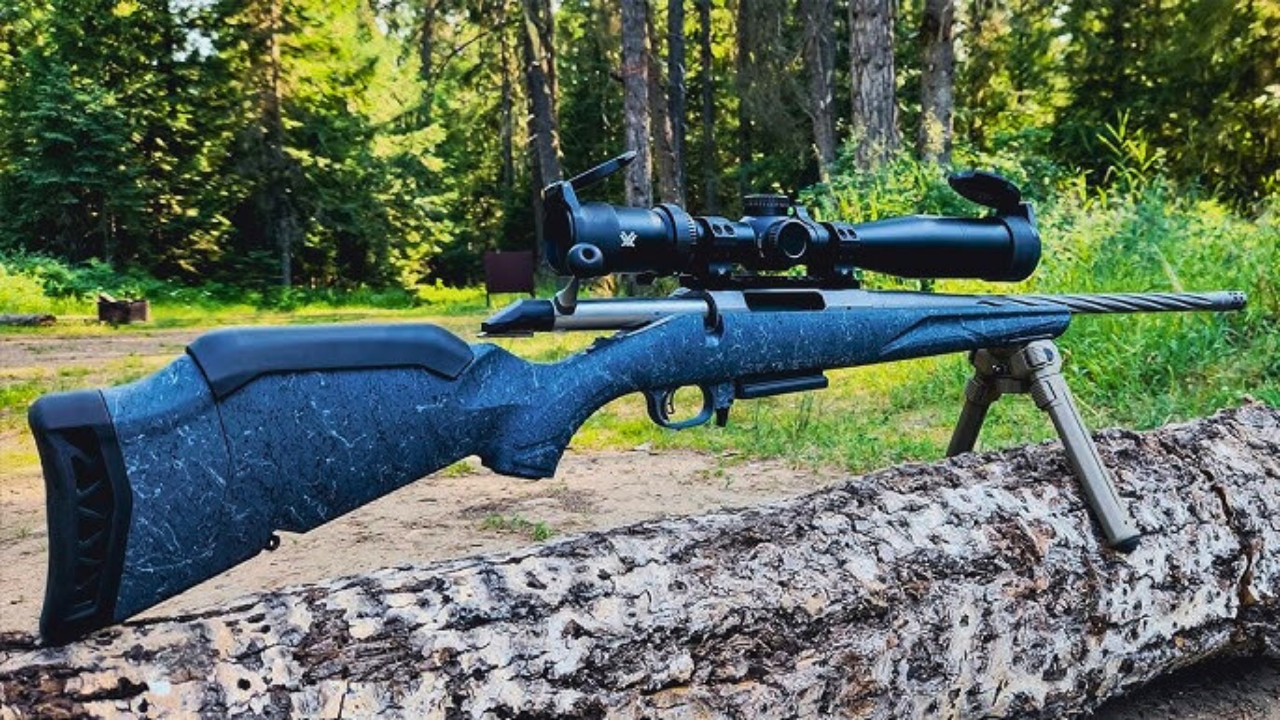
The Ruger American Gen II is one of the first rifles I would recommend to somebody who wants to spend reasonable money and still walk into deer season with a rifle that does not feel disposable. Ruger improved the original American in the places that matter, and the Gen II has the kind of practical stock and weather-resistant construction I appreciate on a rifle that is going to get carried through wet grass, bumped against a ladder stand, and occasionally come home covered in mud.
I would particularly like one in .308 Winchester or 7mm-08 for a compact all-around deer setup. The Gen II is also the kind of rifle I would not be afraid to actually use. A scratch would not ruin my week, and bad weather would not make me leave it in the safe. That matters because my favorite hunting rifles tend to be the ones I stop babying.
Savage Model 110

The Savage 110 has been around long enough that nearly every deer camp seems to have a story involving one. What keeps me interested is that Savage continues updating the platform rather than simply selling the same rifle forever. The 110 family now covers everything from fairly traditional hunting configurations to more specialized rifles, so it is easy to find one that fits the way you actually hunt. For a woods rifle, I would stay with one of the lighter hunting versions rather than building a heavy long-range setup.
A 110 in .30-06, .270 Winchester, .308 Winchester, or 6.5 Creedmoor gives a deer hunter very little to complain about. The adjustable stock and trigger features available on many versions also make it easier to set the rifle up properly. Savage rifles may not always be the prettiest guns in camp, but I care a lot more about where the first cold-barrel shot lands.
Bergara B-14 Ridge

The Bergara B-14 Ridge is the rifle I would grab when I wanted some of the solid feel and accuracy reputation associated with Bergara without carrying a full-blown competition rifle through the woods. It is not the lightest rifle in this group, but that extra stability can be useful when the shot opens up across a pasture or cutover. I like the Ridge in .308 Winchester or 6.5 Creedmoor for somebody who wants a deer rifle capable of doing more than sitting inside a 100-yard box.
It also feels substantial without becoming absurdly bulky. That makes it a good compromise for hunters who split their season between enclosed blinds, wooded stands, and more open terrain. I would probably keep the scope moderate rather than turning it into a heavyweight long-range package. Set up correctly, the B-14 Ridge gives me enough rifle for practically any deer hunt I am likely to encounter.
CZ 600 American
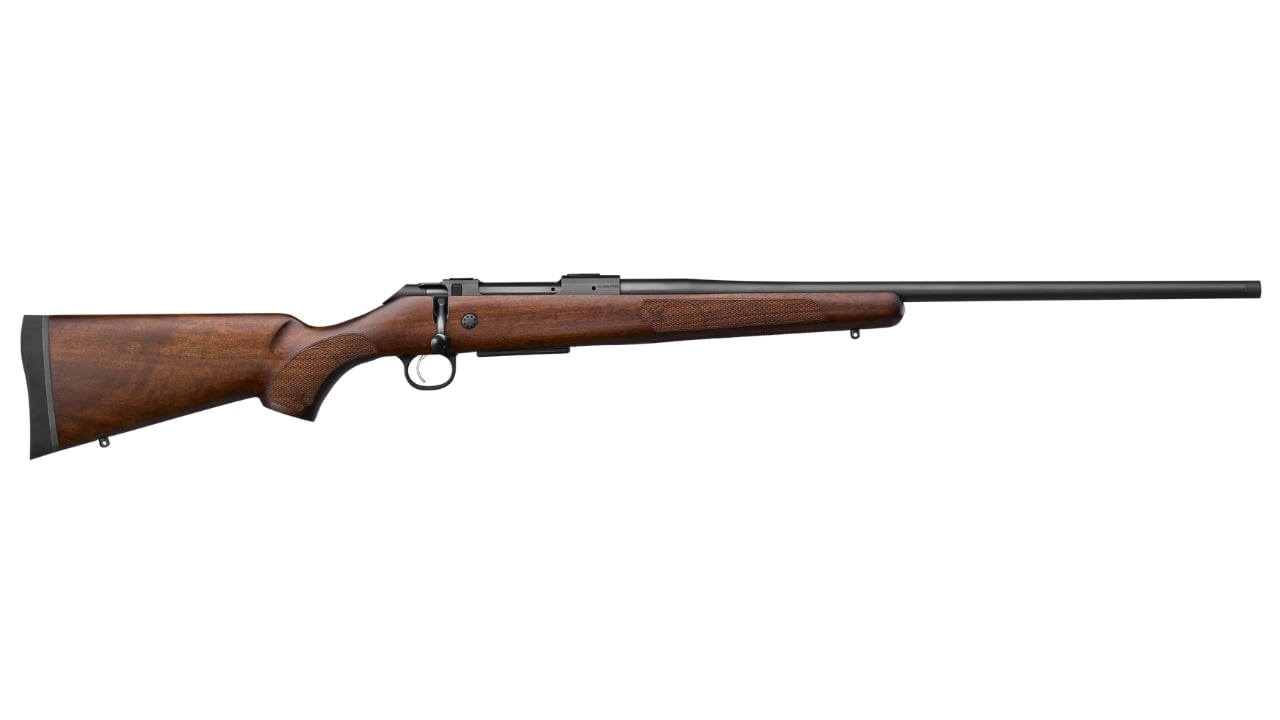
The CZ 600 American appeals to me because it manages to look like a traditional hunting rifle while using a modern action underneath. The walnut stock gives it the appearance I want in a deer rifle, but I am not buying it strictly because it looks good leaning against a cabin wall. The 600 action is designed around practical hunting features, and the rifle is available in chamberings that make sense for whitetails without forcing me into some oversized magnum.
I would be especially interested in a .308 Winchester or 6.5 Creedmoor version for general deer hunting. The rifle has enough polish that I would enjoy owning it but not so much decoration that I would be terrified to carry it through brush. That middle ground is important. A hunting rifle should be something I look forward to taking out, not something I am afraid to expose to the woods.
Remington Model 700 Alpha 1 Hunter
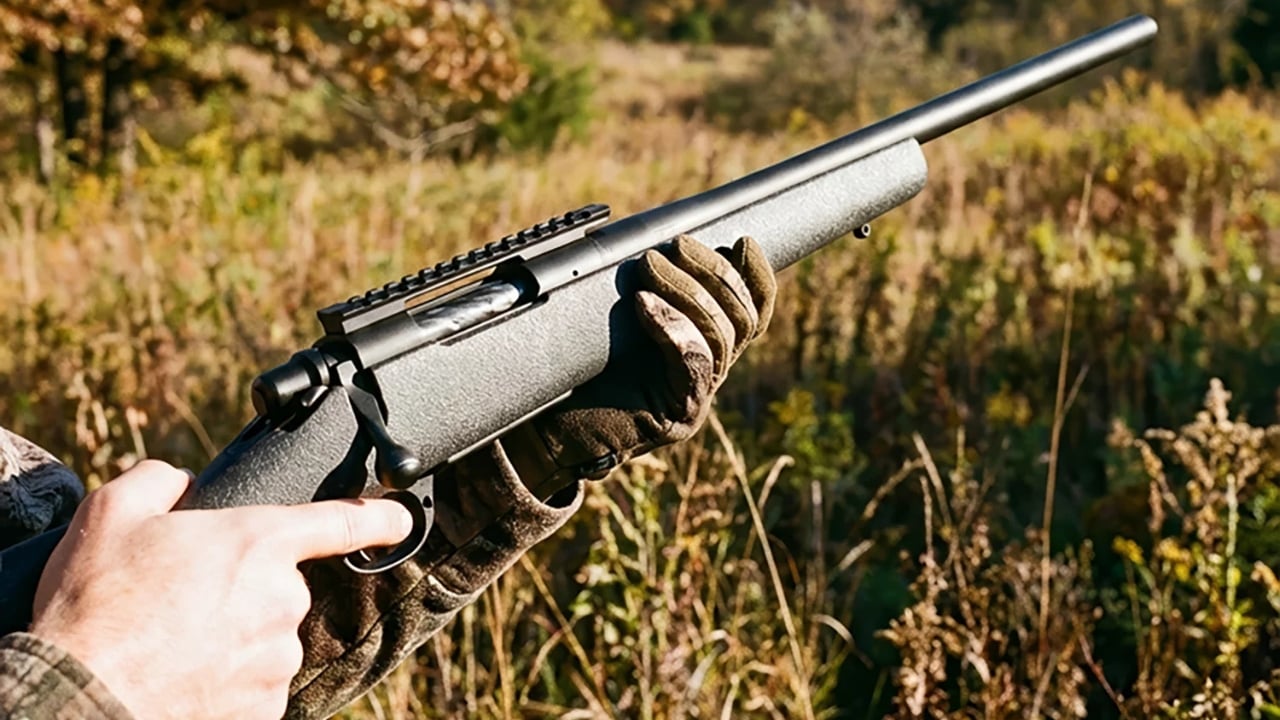
The Model 700 name has been attached to American deer hunting for generations, and the Alpha 1 Hunter is the version that would get my attention going into this season. It keeps the basic Model 700 identity but updates the formula for hunters who want a new-production rifle rather than searching used racks for an older example. Remington now fitting newly manufactured Model 700s with Timney triggers makes the current generation particularly interesting to me.
If I bought one specifically for deer, I would have a hard time going wrong with .30-06 Springfield or .308 Winchester. Those cartridges match the traditional character of the rifle and give me plenty of flexibility. I would mount a straightforward hunting scope and leave the rest alone. A Model 700 does not need to look tactical to work. For me, the appeal is still a familiar bolt-action rifle that feels at home in a deer stand.
Weatherby Vanguard
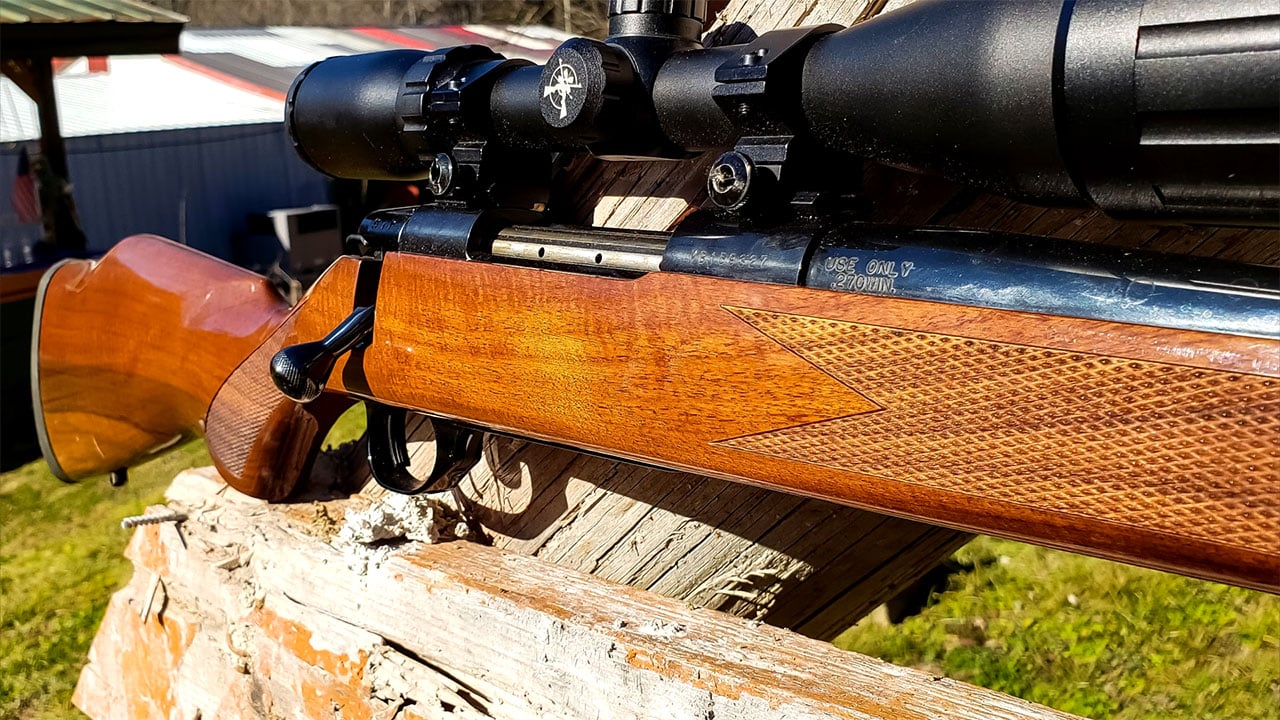
The Vanguard has always made sense to me for hunters who care more about getting a solid rifle than getting the lightest rifle in the rack. It has a substantial, steady feel that I actually like when I am hunting from a box blind, permanent stand, or field edge where I am not carrying the rifle five miles over a mountain. Weatherby offers much more expensive rifles, but the Vanguard has long been the practical entry point into the brand.
For deer, I would probably skip the giant magnums unless my hunting actually required one. A Vanguard in .243 Winchester, .308 Winchester, or .30-06 Springfield is plenty of rifle for most whitetail situations. The extra weight can even be pleasant when shooting from a rest because the rifle settles down nicely. It may not be my first choice for an all-day mountain hike, but for ordinary deer woods, I would gladly carry it.
Marlin Model 336

If I knew my deer season was going to happen in thick timber where a 150-yard shot felt long, the Marlin 336 would move very close to the top of my list. A .30-30 lever gun carries beautifully through brush, shoulders quickly, and gives me exactly the kind of fast handling I want when a buck steps into a narrow opening and does not plan on standing there very long.
The modern 336 still has the same basic appeal that made older rifles deer-camp staples. I do not need a giant scope or complicated setup either. A low-power optic or good receiver sight keeps the rifle compact and preserves the handling advantage that makes a lever gun worthwhile in the first place. There are cartridges that shoot flatter and rifles that print smaller groups from the bench, but inside normal woods distances I would never feel poorly armed with a 336.
Henry Steel Lever Action .30-30
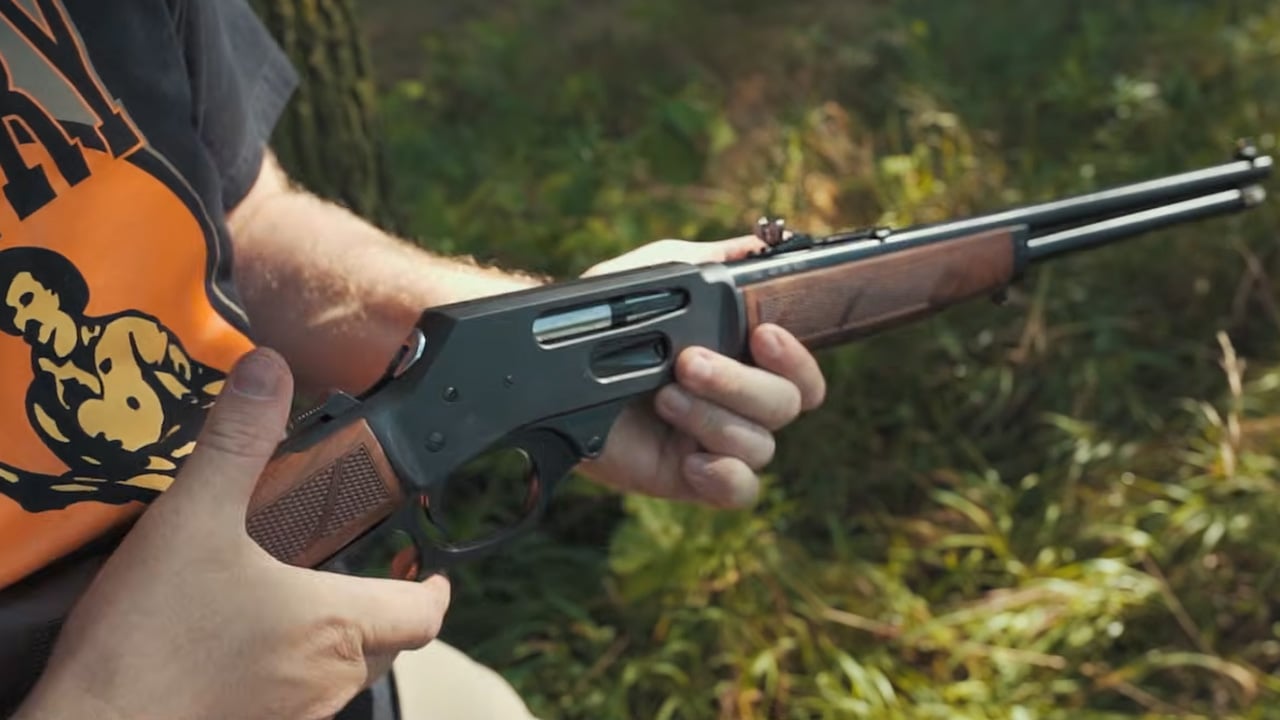
Henry’s .30-30 rifles give me another lever-action option for the kind of deer hunting where shots happen quickly and relatively close. The advantage is not that a .30-30 magically cuts through brush. Nothing does. The advantage is that the rifle itself is compact, quick, and easy to carry while weaving between trees or climbing into a stand. That matters more to me in tight country than squeezing another hundred yards of theoretical range out of the cartridge.
I also appreciate that Henry offers modern concessions without completely destroying the classic lever-gun feel. A hunter can mount an optic and build a very practical whitetail rifle while retaining the handling that made this style of rifle popular in the first place. If most of my shots were going to come inside 125 or 150 yards, I could carry a Henry .30-30 all season and never wish I had brought something bigger.
Browning BLR
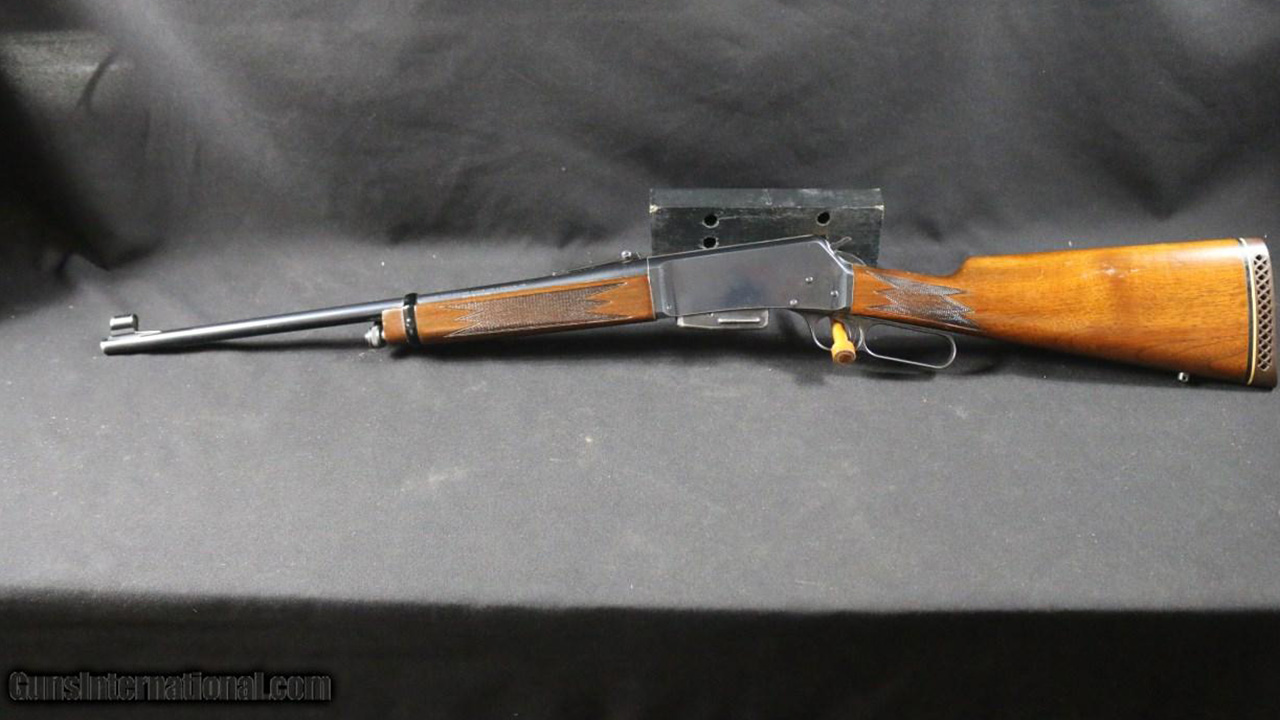
The Browning BLR has always interested me because it gives a lever-action hunter access to cartridges normally associated with bolt rifles. That changes the equation quite a bit. Instead of being limited to traditional flat-nosed lever-gun ammunition, I can have a fast-handling lever rifle chambered in something like .308 Winchester while retaining considerably more reach than a classic .30-30 setup.
That makes the BLR especially appealing in woods that occasionally open into fields, logging roads, or clear-cuts. I get the quick cycling and compact feel of a lever gun without feeling limited when a buck appears farther away than expected. It is also distinctive enough that I enjoy carrying one for reasons beyond pure utility. Plenty of hunters have bolt actions. A BLR gives me something different while still being an extremely sensible deer rifle.
Howa 1500 Hogue
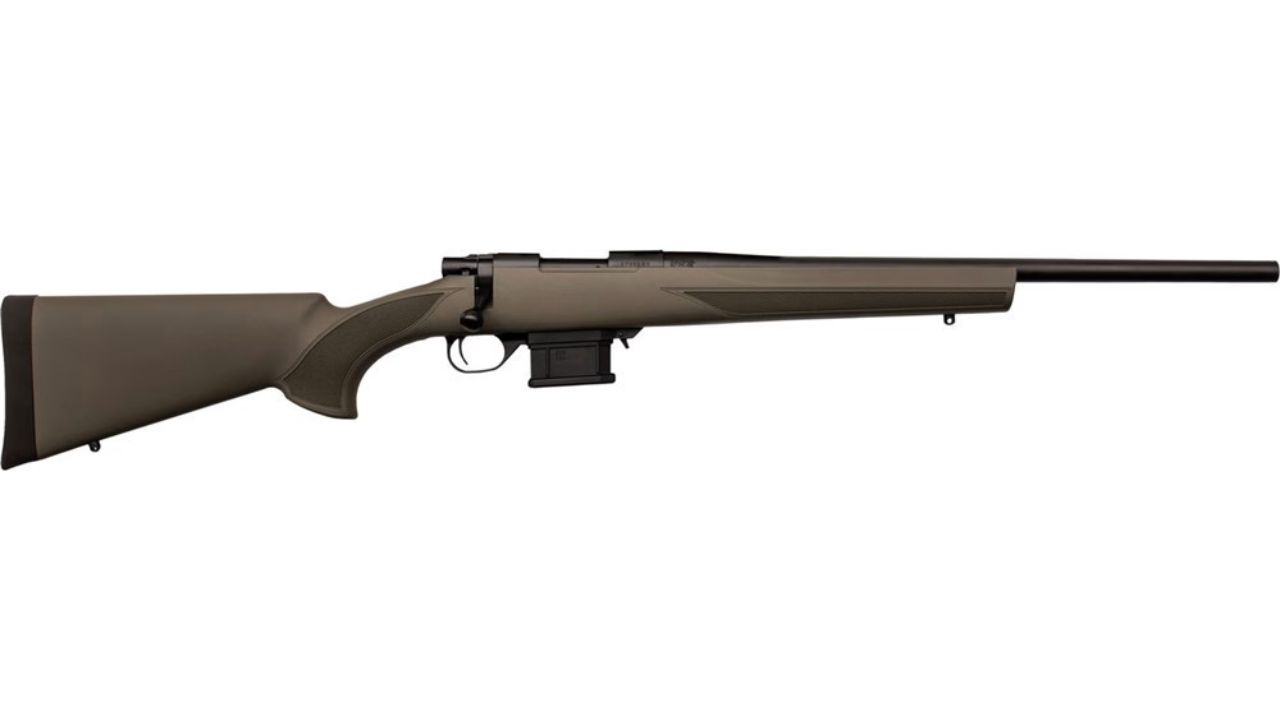
The Howa 1500 is one of those rifles I think gets overlooked because it does not have the same deer-camp nostalgia attached to its name as a Remington 700 or Winchester Model 70. That does not bother me. The action has a strong reputation, and the Hogue-stocked hunting rifles are the sort of practical tools I could carry through unpleasant weather without spending the entire hunt worrying about damaging fancy wood.
In .308 Winchester, .270 Winchester, or 6.5 Creedmoor, a Howa 1500 makes a very straightforward deer rifle. It has enough weight to shoot comfortably without feeling like something designed strictly for a bench. I also like that it gives hunters another choice in the middle of the market rather than forcing them to pick between bargain rifles and expensive premium models. Give me a reliable Howa with good glass and I would feel ready for November.
Mossberg Patriot

The Mossberg Patriot is a rifle I would look at if I needed another deer gun without turning the purchase into a major financial event. Affordable rifles have become surprisingly capable, and the Patriot has helped make the old idea that a hunter needs an expensive bolt action increasingly difficult to defend. I would personally choose one of the straightforward hunting configurations rather than loading it down with unnecessary accessories.
A Patriot in .308 Winchester or .243 Winchester would cover a huge percentage of American whitetail hunting. I would spend the money I saved on a dependable scope, ammunition the rifle likes, and enough range time to know exactly where it shoots. That combination is more useful than buying a premium rifle and firing three rounds before opening morning. The Patriot may not earn the most attention at camp, but deer have never cared what name was stamped on the receiver.
Sako 90 Hunter

The Sako 90 Hunter sits at the opposite end of the spectrum from the budget rifles here. This is the choice I would make if I wanted a beautifully finished hunting rifle and was willing to pay for it. There is something appealing about taking a well-made walnut-stocked rifle into the woods, especially if it is going to become the rifle I use every deer season rather than one more gun cycling through the safe.
I would probably choose .308 Winchester or .270 Winchester and keep the optic proportional to the rifle. The whole point would be having an elegant, exceptionally well-made hunting setup without turning it into a heavy precision rig. Would a much cheaper rifle kill the same buck? Absolutely. That is not really why I would buy the Sako. I would buy it because some rifles make the hunt more enjoyable every time I pull them from the case.
CVA Cascade

CVA built its reputation around muzzleloaders, so the Cascade surprised plenty of hunters when the company moved seriously into centerfire bolt actions. What interests me about the Cascade is that it competes in the practical middle of the hunting-rifle market. It is not trying to be a safe queen, and it is not priced like a custom rifle. It is simply built to be carried and used.
For a deer setup, I would look hard at 7mm-08 Remington, .308 Winchester, or .350 Legend depending on local conditions and hunting regulations. The .350 Legend version is especially interesting for hunters in states with cartridge restrictions or for anyone who spends most of the season in close-cover whitetail country. The Cascade gives me another rifle I could set up once, leave mostly alone, and take hunting without feeling that I needed to upgrade half the gun first.
Franchi Momentum

The Franchi Momentum does not have the decades of American deer-camp history that some rifles on this list carry, but I would not hold that against it. It was designed as a modern hunting rifle, and it has the kind of ergonomic stock and practical construction that make sense once you get away from the gun-store counter and actually start carrying it.
I particularly like it for hunters who want something a little different without taking a gamble on an obscure platform. A Momentum in .308 Winchester or 6.5 Creedmoor would handle the vast majority of deer hunting I do, and I would not hesitate to put it through rain, cold, and rough terrain. It is not trying to recreate a rifle from 1955. It feels like a hunting rifle made for somebody buying one today, which is exactly why it earns a place on my list.
Springfield Model 2020
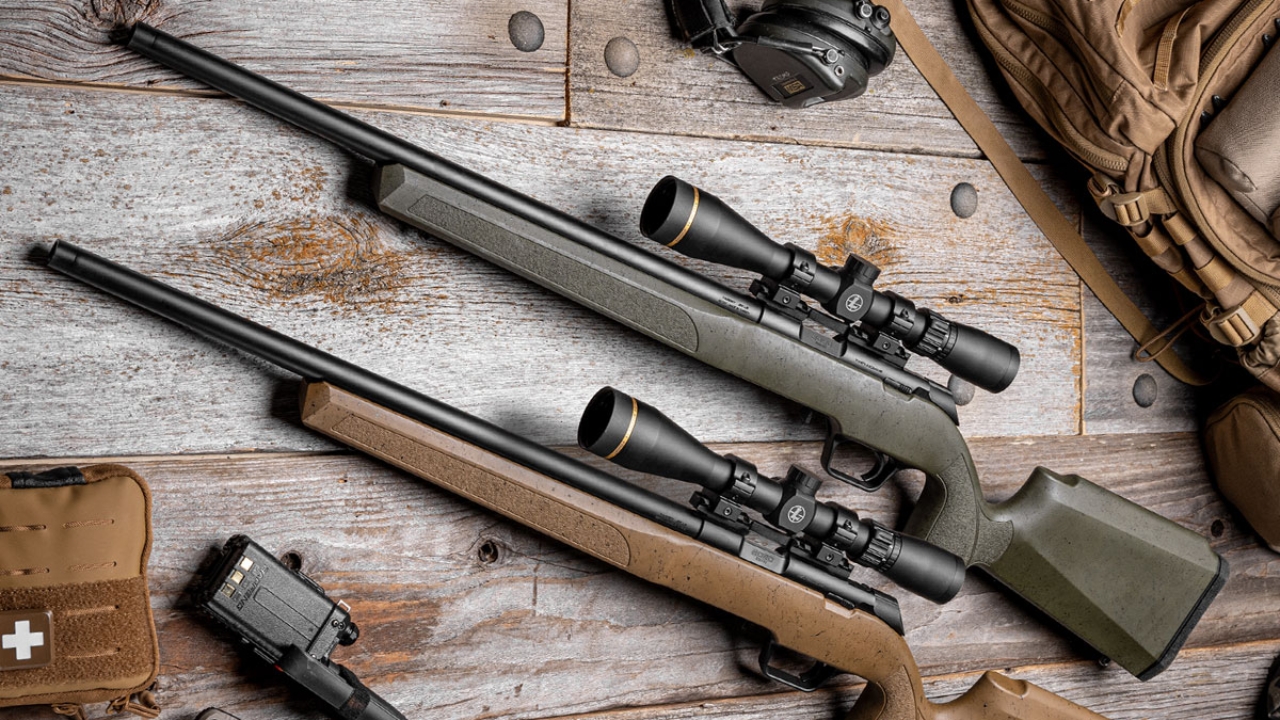
Springfield’s Model 2020 family is another modern option I would consider when accuracy matters but I still want a rifle I can take hunting instead of leaving on a bench. Some configurations lean more toward long-range shooting than I need for ordinary whitetail hunting, so I would choose carefully and keep overall weight under control. The goal is still a deer rifle, not a rifle I dread carrying by noon.
What I like is having the confidence to make a precise shot if the woods suddenly open into a large field or power-line cut. A good 6.5 Creedmoor or .308 Winchester setup gives me that flexibility. I may spend most of the season shooting under 150 yards, but it is reassuring to know the rifle is capable when conditions give me more distance. That versatility earns the Model 2020 a place here.
Ruger Hawkeye
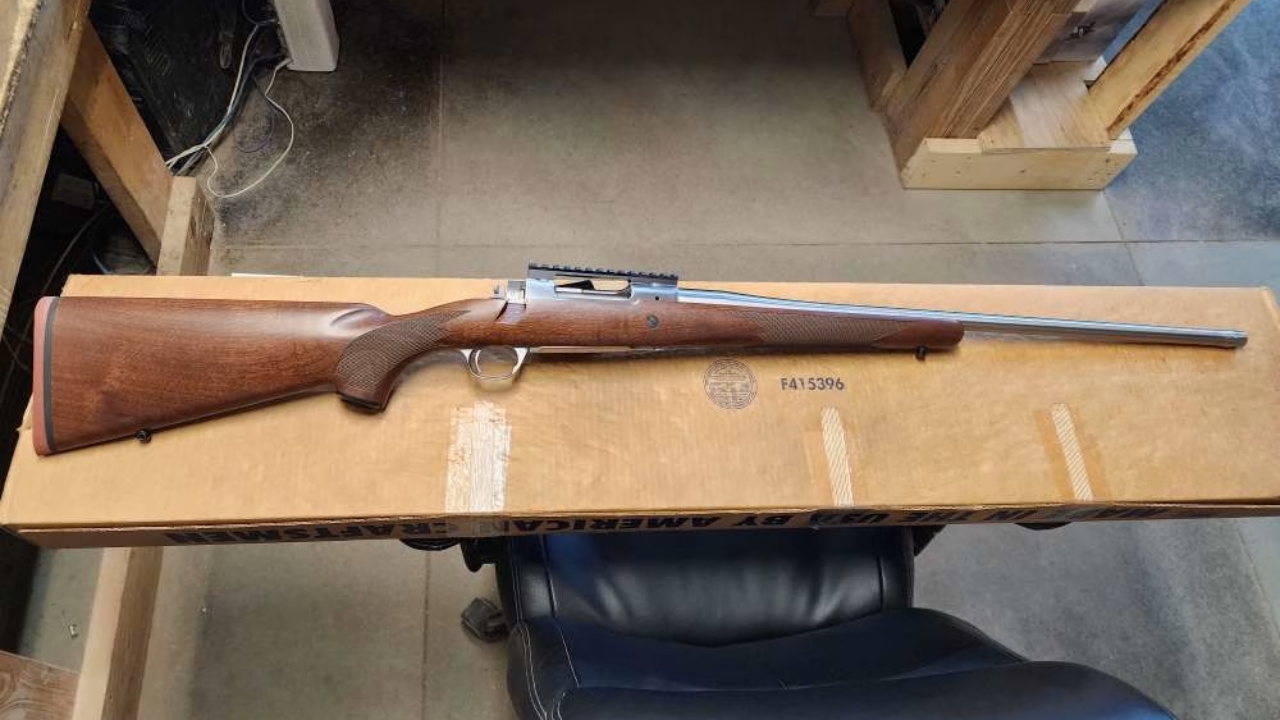
The Ruger Hawkeye appeals to the part of me that still wants a hunting rifle to feel like a hunting rifle. It uses the rugged controlled-feed style that has made Ruger’s traditional bolt guns popular with hunters who value dependable operation over whatever feature happens to be trendy this year. A Hawkeye with a sensible stock and scope is not particularly flashy, but that is part of its appeal.
For deer, .308 Winchester, .270 Winchester, and .30-06 Springfield are exactly where I would look. I would choose the chambering based on the rifle configuration and simply go hunting. The Hawkeye feels especially appropriate for somebody who hunts rough country and wants a rifle that can be carried hard for years. Plenty of newer rifles are lighter and more adjustable, but there is something reassuring about a straightforward action that has already earned generations of trust.
Winchester Model 94

I would finish the rack with a rifle that does not need any introduction in deer camp. The Winchester Model 94 in .30-30 helped define American woods hunting because its dimensions match the job so well. It is slim, easy to carry one-handed, quick to shoulder, and perfectly comfortable working through thick timber where shots are more likely to be measured in dozens of yards than hundreds.
I would not choose a Model 94 if I expected to sit over a 400-yard bean field. That would miss the entire point. I want one when I am following a creek bottom, easing along an oak ridge, or sitting in a patch of timber where a buck may appear with almost no warning. Modern rifles can outperform it on a ballistic chart, but very few feel better in your hands when deer hunting gets close and fast.
Like The Avid Outdoorsman’s content? Be sure to follow us.
Here’s more from us: