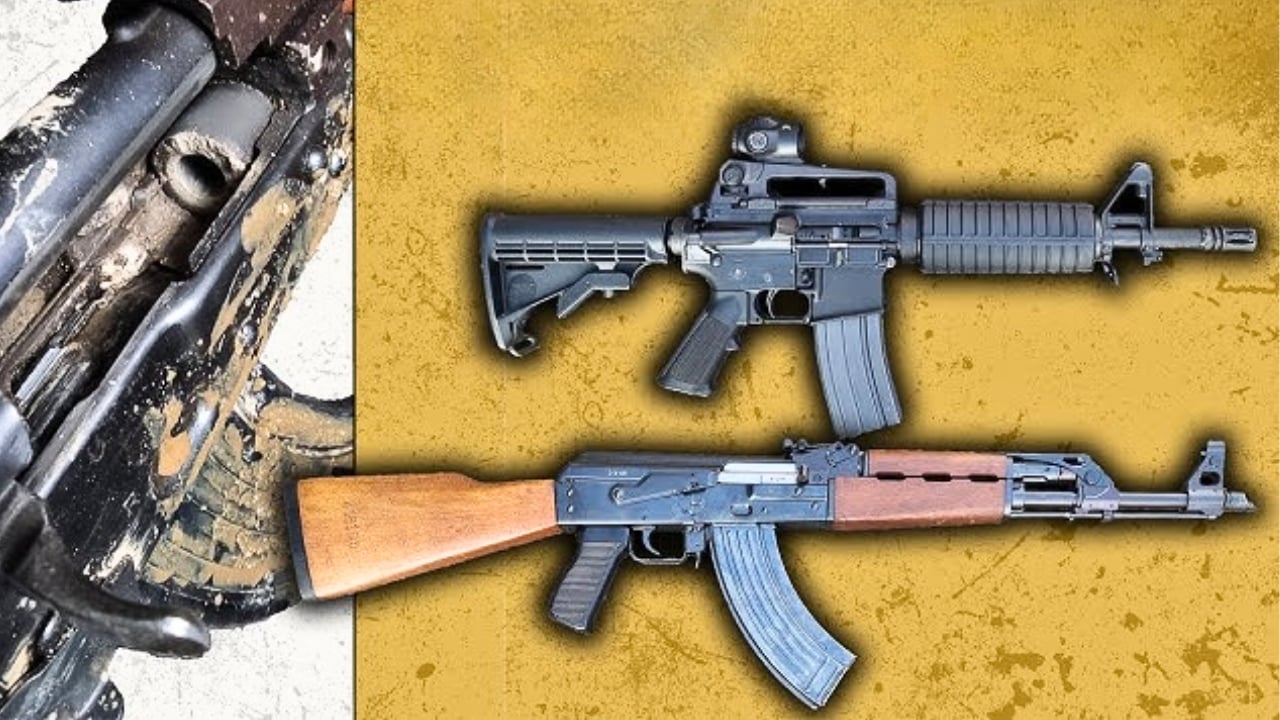
Photo credit: Polenar Tactical/YouTube
The AR-15 and AK-47 debate usually turns into a shouting match before anyone says anything useful. One side acts like the AR is fragile unless it is spotless. The other side acts like the AK can be buried in a swamp, kicked by a mule, and still run forever. Both sides are exaggerating.
The truth is more practical. Both platforms can hold up well if they are built right, fed decent magazines, and maintained at least a little. Both can also fail if they are cheap, abused, or set up badly. Hard use does not care about internet reputation. It exposes weak parts, bad assembly, poor magazines, rough ammo, and lazy maintenance.
The AK earned its reputation for a reason

The AK-47 and its later AKM-style rifles built their reputation around loose tolerances, rugged parts, and simple operation. In rough conditions, that matters. Mud, sand, carbon, cheap ammo, and bad weather are less likely to stop a decent AK than they are to stop many more finely fitted rifles.
That does not mean the AK is magic. A bad magazine, rough import, poor rivet work, crooked sights, soft bolt, or questionable parts kit build can turn an AK into a headache. But when the rifle is made correctly, the design is extremely forgiving. It was built for soldiers, conscripts, and ugly conditions, not clean range benches.
The AR-15 is tougher than people give it credit for
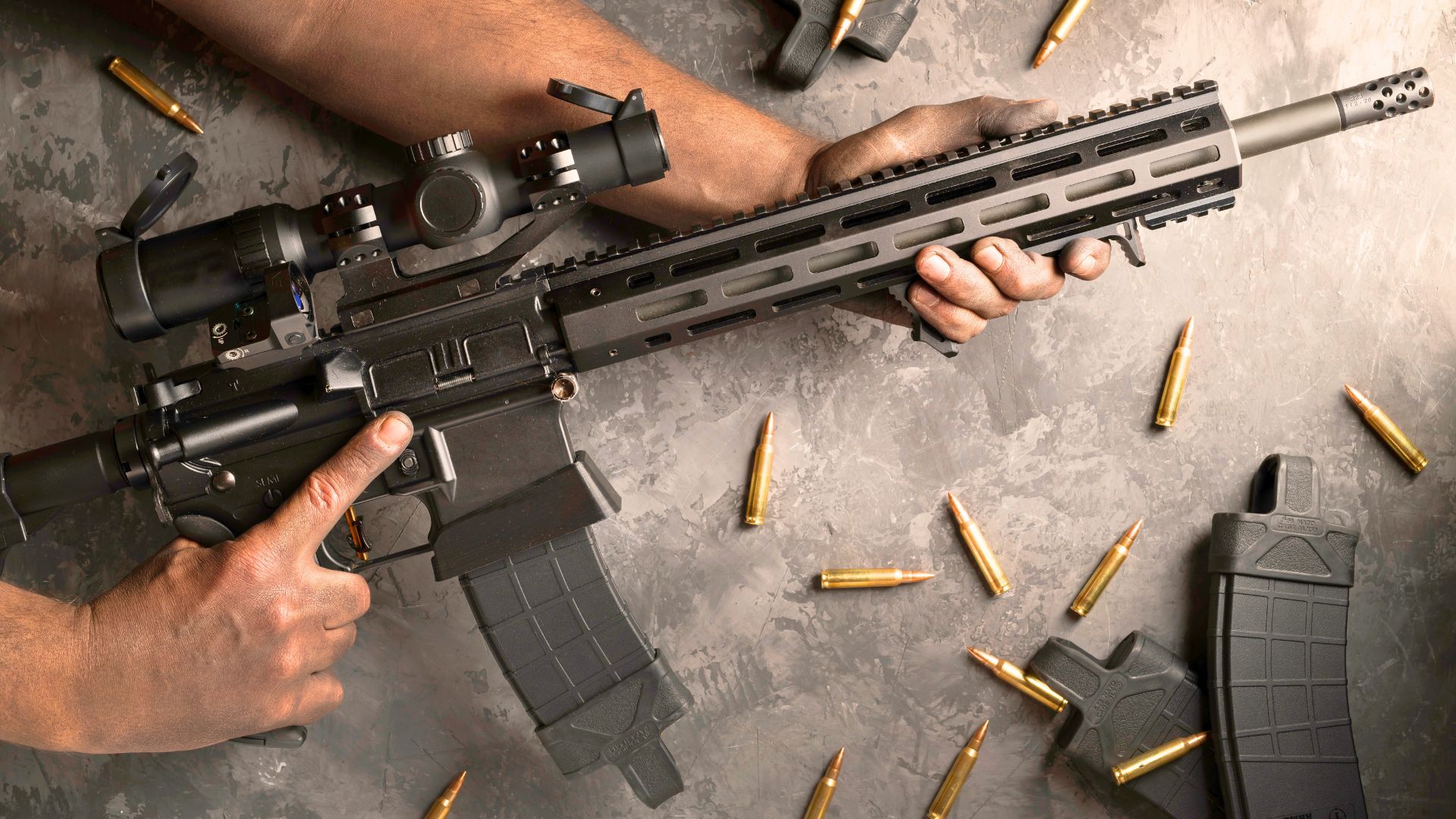
The AR-15 gets called delicate by people who are usually thinking of old stories, bad magazines, or poorly maintained rifles. A quality AR-15 is not fragile. Good bolts, proper gas systems, quality magazines, and decent lubrication make a huge difference.
The AR does like lubrication more than the AK. It also has more small parts and tighter areas where fouling can build. But modern ARs have proven they can handle high round counts, training classes, patrol use, competition, hunting, and home-defense roles without falling apart. A cheap AR can be suspect. A well-built AR is a serious hard-use rifle.
Magazines matter more than people admit

A lot of “rifle failures” are really magazine failures. This is true for both platforms, but it shows up differently. The AK magazine design is extremely strong, especially with steel surplus mags. They lock in solidly and can take rough handling better than many lightweight AR magazines.
The AR magazine is lighter and faster to reload, but bad magazines can cause feeding issues quickly. Quality aluminum, steel, or polymer AR mags are reliable, but old worn-out magazines are not. In hard use, the winner is not just AR or AK. The winner is the rifle with good magazines.
The AK handles neglect better

If the question is which rifle tolerates neglect better, the AK has the edge. It can usually run dirtier, drier, and rougher than an AR. The long-stroke piston system, generous clearances, and simple bolt carrier group help it keep moving when conditions are ugly.
That is why the AK reputation stuck. It does not require the same level of attention to stay functional. For someone who may not clean often, may use cheap steel-case ammo, or may expose the rifle to bad conditions, a well-made AK is hard to beat.
The AR handles precision and control better

Hard use is not just about whether the rifle fires. It is also about whether the shooter can hit quickly and consistently. This is where the AR-15 usually wins. The controls are better, recoil is softer, sights and optics mounting are easier, and the platform is easier to shoot accurately for most people.
The AR also makes accessories more practical. Lights, optics, slings, suppressors, grips, and replacement parts are easier to set up. If hard use means training, defensive work, hunting, and shooting under time pressure, the AR’s handling advantages matter a lot.
Heat and high round counts expose both rifles
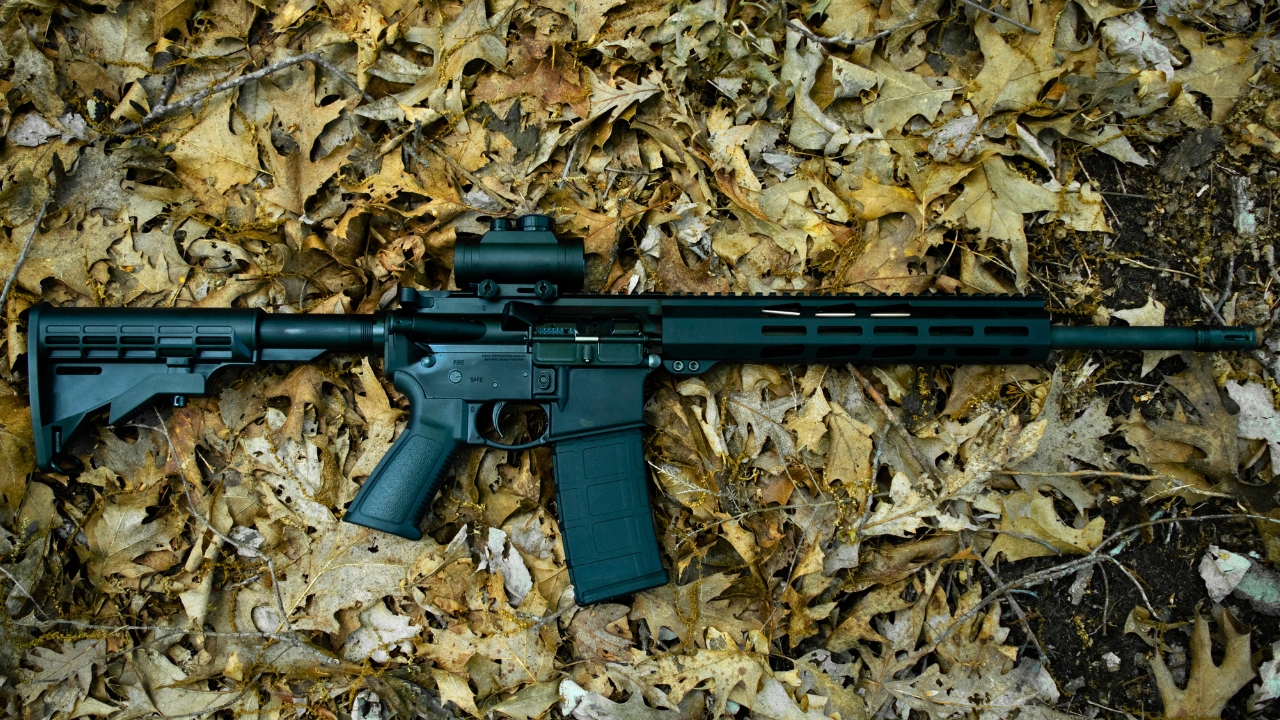
Neither platform is immune to heat. Push any rifle hard enough and parts wear, barrels heat up, lubricant burns off, and accuracy can shift. The AK may keep functioning when very dirty, but it is not immune to heat stress or poor metallurgy.
The AR can handle high round counts well when built correctly, but cheap bolts, weak gas rings, poor staking, and overgassed setups can show up fast. Hard use punishes low-quality examples of both rifles. The platform matters, but build quality matters more.
Cheap AKs can be worse than decent ARs

This is where the old debate gets messy. People often compare the best AK reputation to the worst AR stereotype. That is not fair. A poorly built AK is not automatically better than a decent AR just because it is an AK.
Bad AKs can have canted sights, magazine wobble, rough chambers, poor heat treatment, bad rivets, and inconsistent parts fit. Some cheap AKs look tough but are not built to the standard people imagine. In today’s market, a solid AR is often easier to find than a truly good budget AK.
Cheap ARs are not all equal either
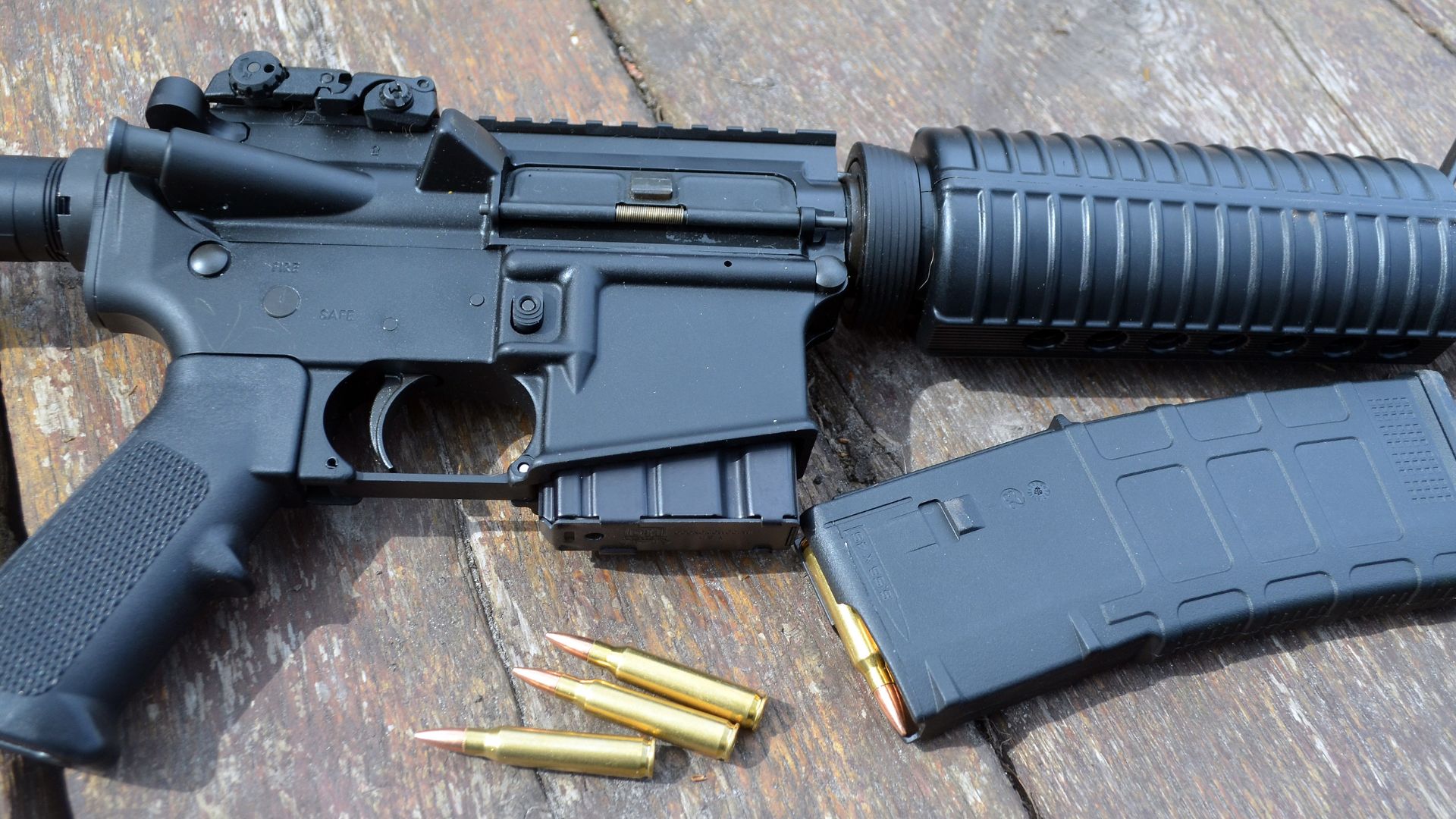
Budget ARs vary a lot. Some are perfectly serviceable rifles for normal use. Others cut corners on bolts, barrels, gas blocks, staking, triggers, and quality control. A low price does not automatically mean bad, but it does mean the buyer needs to inspect harder.
The AR’s advantage is that problems are usually easier to fix. Parts are everywhere, upgrades are simple, and most owners can replace common components without special tools or deep gunsmithing. A budget AR can grow into a better rifle. A bad AK can be harder to correct.
The AK is better with rough ammo

The AK was built around steel-case ammunition, and it generally handles cheap ammo well. That is one of its biggest hard-use strengths. It does not need match-grade ammunition to be useful, and it tends to digest rougher loads better than many rifles.
The AR can also run steel-case ammo, depending on the rifle, chamber, extractor, and ammunition. But it is generally less forgiving if the rifle is undergassed, dirty, dry, or running weak ammo. If the plan is to shoot cheap, dirty ammo by the case, the AK usually feels more at home.
The AR is easier to keep running long term

The AK may be tougher under neglect, but the AR is easier to support in the United States. Parts, magazines, barrels, bolts, triggers, stocks, handguards, and tools are everywhere. If something breaks, replacement is usually simple and affordable.
That matters for hard use. A rifle that can be repaired easily has a real advantage. AK parts are available, but compatibility can be more complicated because of different countries, patterns, receivers, and parts standards. The AR wins the long-term support argument for most American owners.
The AK is harder to mount optics on cleanly
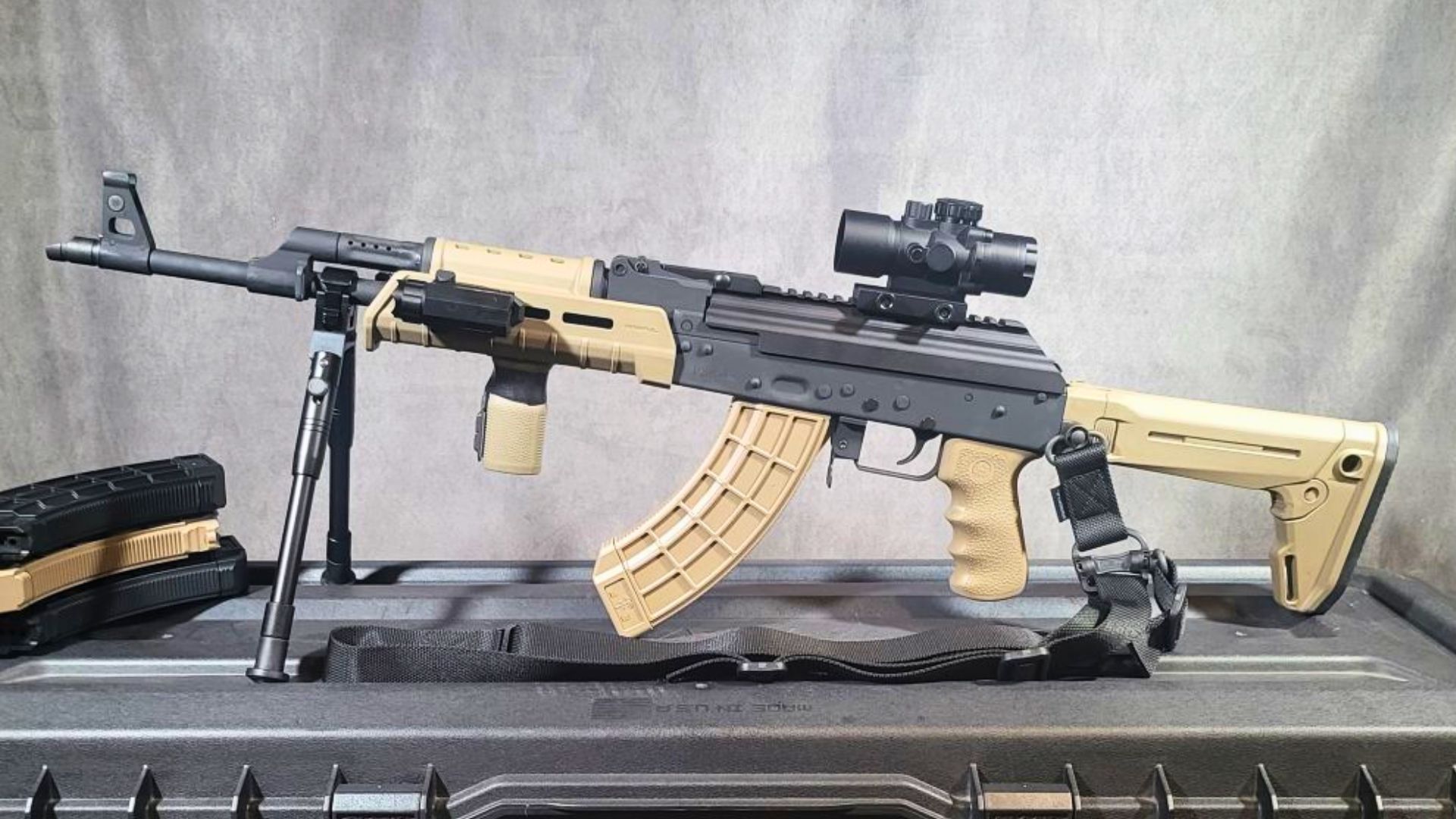
Modern AKs can absolutely run optics, but the platform was not originally designed around easy optic mounting the way the AR is today. Side rails, railed dust covers, gas tube mounts, and handguard systems all exist, but quality matters. Cheap mounts can lose zero or add bulk.
The AR makes optics easy. A flat-top receiver gives a solid mounting surface, and the rifle naturally works well with red dots, LPVOs, magnifiers, and night-use accessories. For modern hard use, that is a major advantage. Seeing better and aiming faster matter.
The AR has better ergonomics for most shooters

The AR’s safety, magazine release, bolt catch, charging handle options, and reload process are more user-friendly for most shooters. It is easier to teach, easier to manipulate under stress, and easier to adapt to different body sizes.
The AK controls are rugged, but not as efficient. The safety is loud and stiff on many rifles, reloads take more practice, and the charging handle is on the right side. Skilled AK shooters can run them fast, but the AR gives most people a shorter learning curve.
The AK wins on brutal simplicity
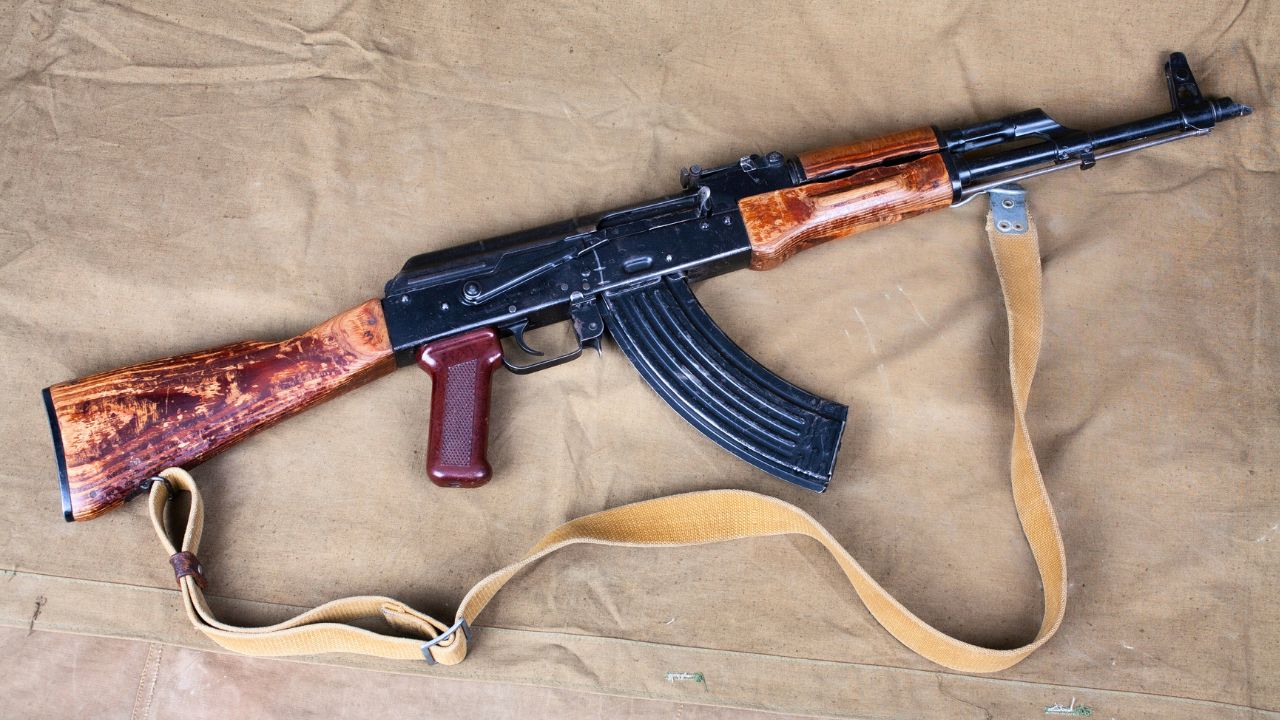
The AK’s biggest strength is that it does not ask for much. The manual of arms is simple, the piston system is straightforward, and the rifle can keep running when conditions are rough. There is a reason people trust them in bad environments.
That simplicity is real. It is also easy to overstate. The AK is not always easier to maintain when something truly goes wrong, and it is not as modular as the AR. But for basic rough use, the AK still has a very strong case.
The AR wins on practical hard-use performance

When the rifle is clean enough, lubed enough, and built well, the AR gives the shooter more advantages. It is lighter, softer shooting, easier to accessorize, easier to repair, easier to mount optics on, and easier for most people to shoot accurately.
That combination matters more than raw toughness for many owners. A rifle that is easier to hit with and easier to configure for real use may be the better hard-use choice, even if it needs a little more care than an AK.
Which one actually holds up better?

If “hard use” means neglect, dirt, bad weather, cheap ammo, and minimum maintenance, a good AK has the edge. It is more tolerant of abuse and less sensitive to being run dirty or dry. That reputation is not fake.
If “hard use” means serious training, defensive use, optics, lights, suppressors, parts replacement, accuracy, and long-term support in the United States, a good AR-15 usually makes more sense. It may need more lubrication and better magazines, but it gives the shooter more practical advantages.
The real answer is quality over platform

A well-made AR beats a poorly made AK. A well-made AK beats a bargain-bin AR with bad parts and no lubrication. The name of the platform does not save a rifle from bad manufacturing.
For most American shooters, the AR-15 is the more practical hard-use rifle because it is easier to shoot well, easier to repair, and easier to equip. For people who want a rifle that shrugs off neglect and rough ammo, a quality AK still deserves respect. The best answer depends less on internet loyalty and more on what kind of hard use the rifle will actually see.
Like The Avid Outdoorsman’s content? Subscribe to our newsletter so you never miss an article.
Here’s more from us: