Photo credit: Redleg Objective/Youtube
Every few years the gun world gets a “new and improved” wave. New model names, new finishes, new marketing buzzwords, and sometimes real upgrades. But other times the older gun that got pushed aside was the one that actually worked better in the field, carried better, or just held up longer when you quit babying it.
This isn’t nostalgia for nostalgia’s sake. It’s the stuff I’ve watched happen at gun counters, on tailgates at deer camp, and at the range when the new-gun glow wears off. Here are 20 older models I’d hang onto, even when their replacements show up with shinier brochures.
1. Remington 870 Wingmaster
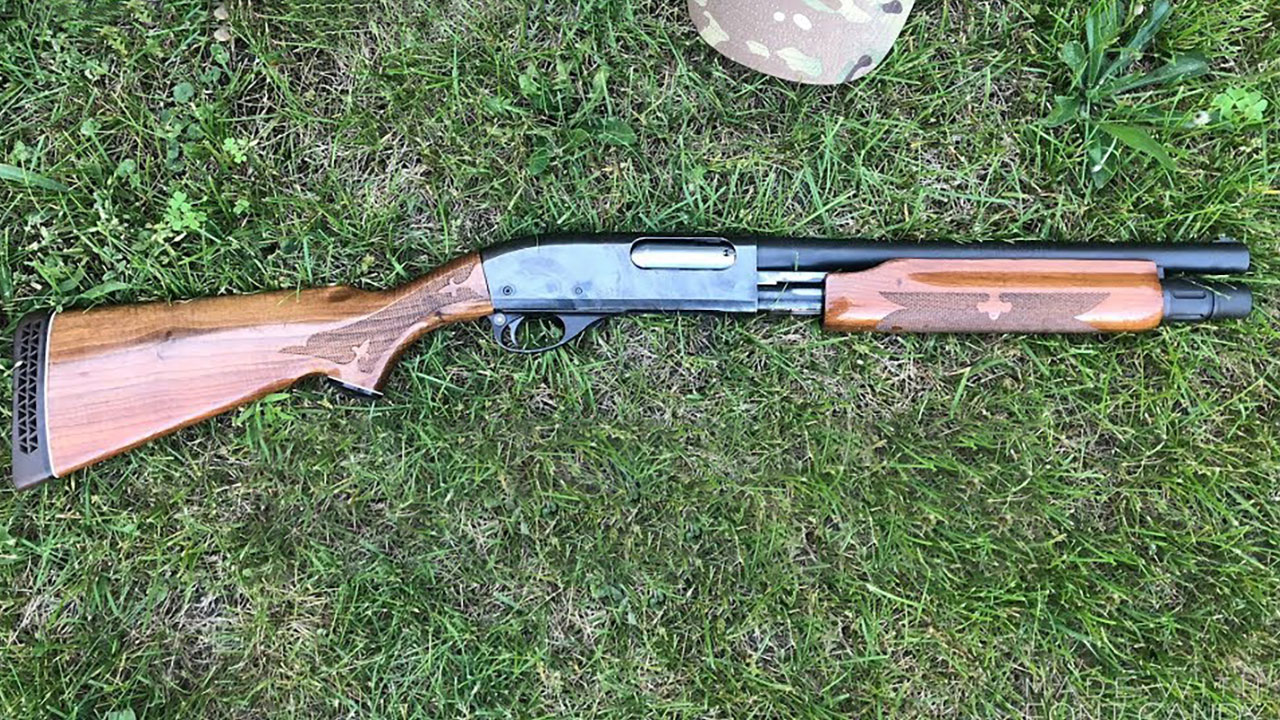
The old Wingmasters have that slick, broken-in pump stroke that newer budget pumps try to imitate and don’t quite reach. The bluing and walnut might be “old school,” but it’s also the kind of finish that survives generations if you don’t treat it like a boat oar.
Modern 870 variants can be fine, but the Wingmaster era guns tend to feel more consistent from one to the next. If you’ve got one that patterns well and runs smooth with your hunting loads, I wouldn’t be in a hurry to trade it for a newer model just because it has a different rollmark.
2. Remington 700 (older production)
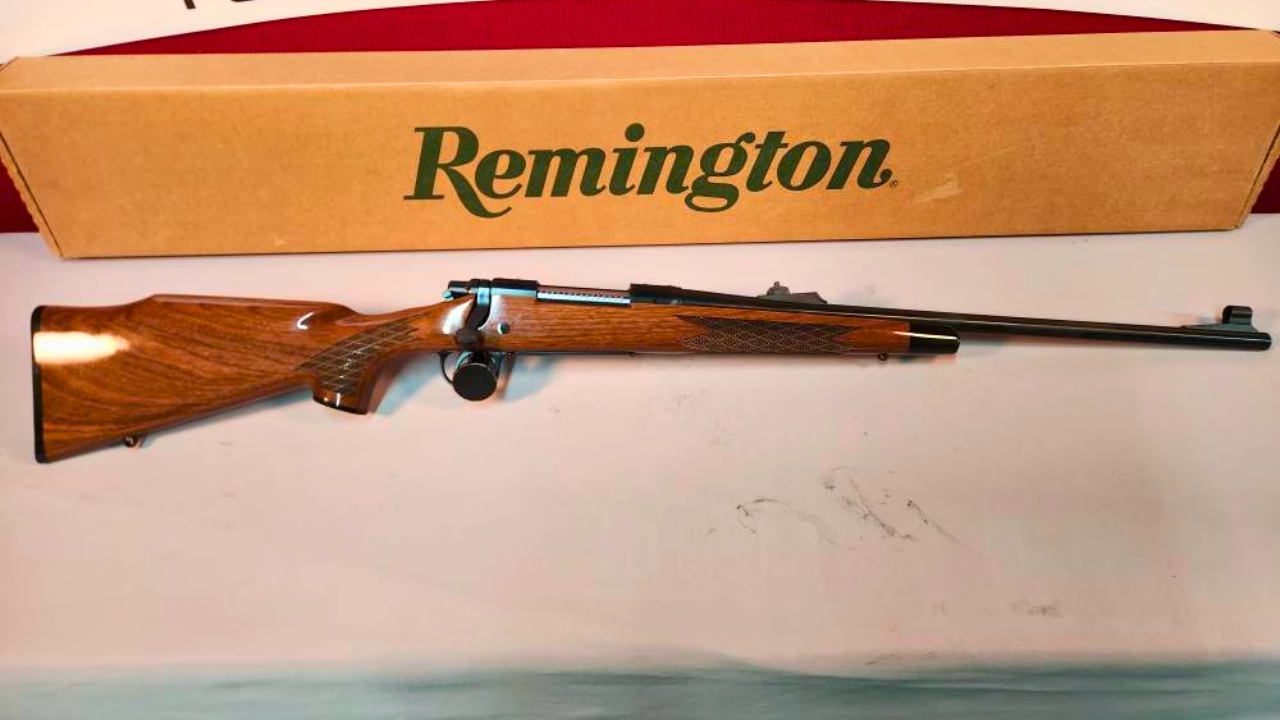
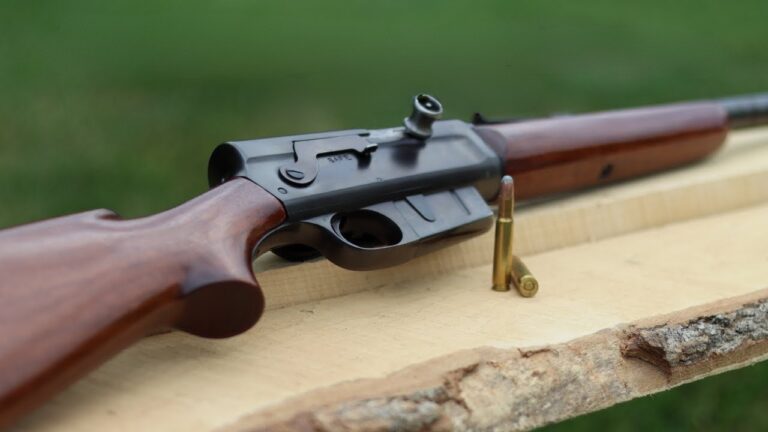
There’s a reason so many folks built their first “real” deer rifle around a 700 action. The old ones feed and extract with a simple, familiar feel, and there’s a mountain of parts, mounts, and smith knowledge behind them.
Newer versions and offshoots can shoot great, but the older rifles have a track record that’s hard to replace with hype. If you’ve got a 700 that already shoots the load you trust, swapping it out can turn into a long season of chasing tiny problems that never used to exist.
3. Winchester Model 70 “pre-64” style (controlled-round feed)
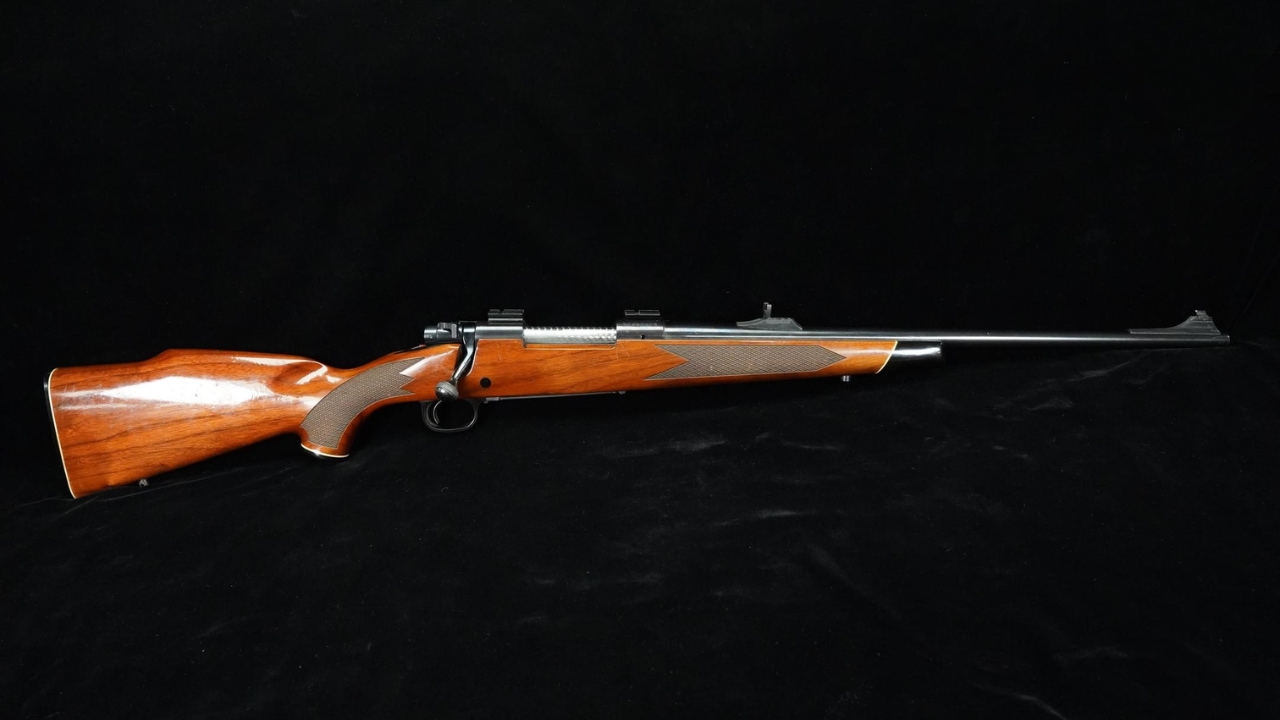
Controlled-round feed isn’t magic, but when you’re working a bolt fast in the cold or at an odd angle in a stand, it’s comforting. The classic Model 70 feel is hard to describe until you run one side by side with a modern “cost-optimized” bolt gun.
Plenty of newer rifles are accurate, no question. But the Model 70’s reliability and the way it handles real hunting conditions is why so many people come back around after trying the latest and greatest.
4. Ruger M77 Mk II
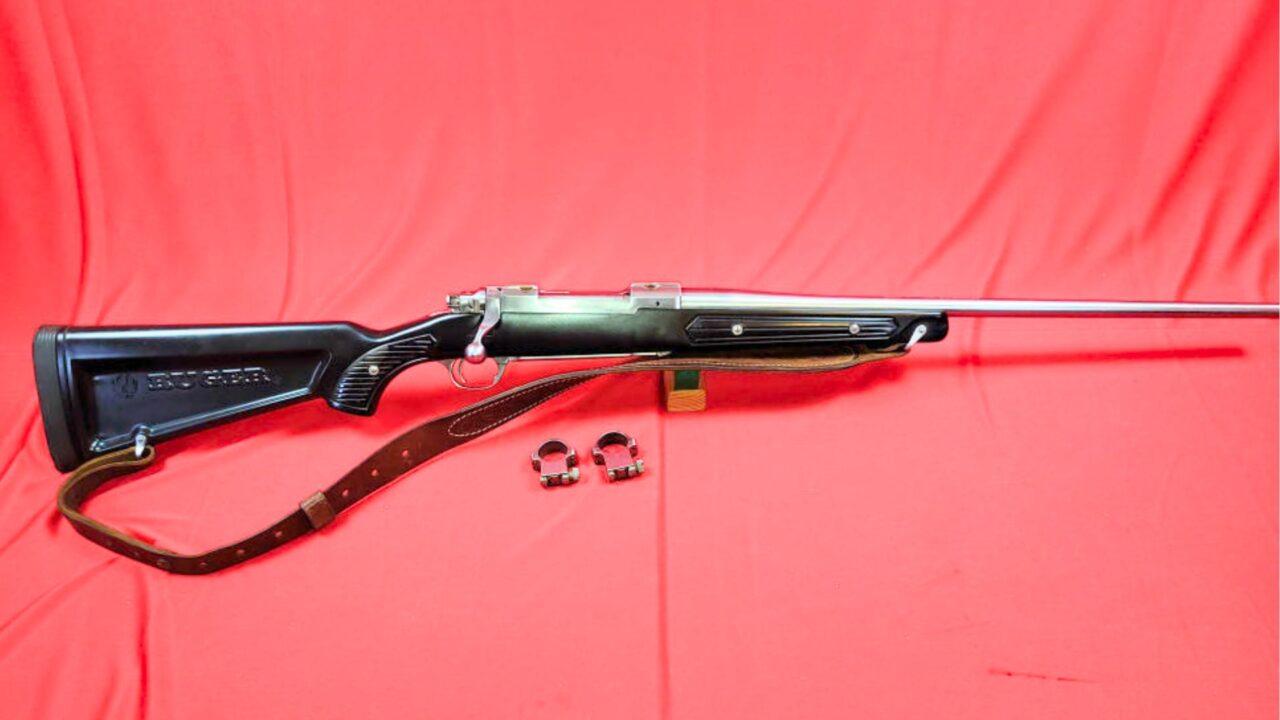
The Mk II isn’t flashy, and that’s part of the appeal. It’s a no-drama hunting rifle with a solid extractor and a reputation for just keeping on going with basic care.
Some newer Rugers add refinements and better out-of-box triggers, but the Mk II has a work-truck vibe that’s gotten a lot of deer dragged. If you find one that shoots, it’s the kind of rifle you stop thinking about, which is a compliment.
5. Ruger P95

It’s not pretty. It’s not thin. It’s not the gun you buy to impress somebody at an indoor range. But the P95 has a reputation for running when other pistols get picky, and that matters if you’re keeping a handgun in a truck, a tackle box, or a nightstand.
Newer polymer 9mms are lighter and more ergonomic, sure. Still, the P95 is the kind of boring reliable that makes you wonder why you ever sold it.
6. Glock 19 Gen 3
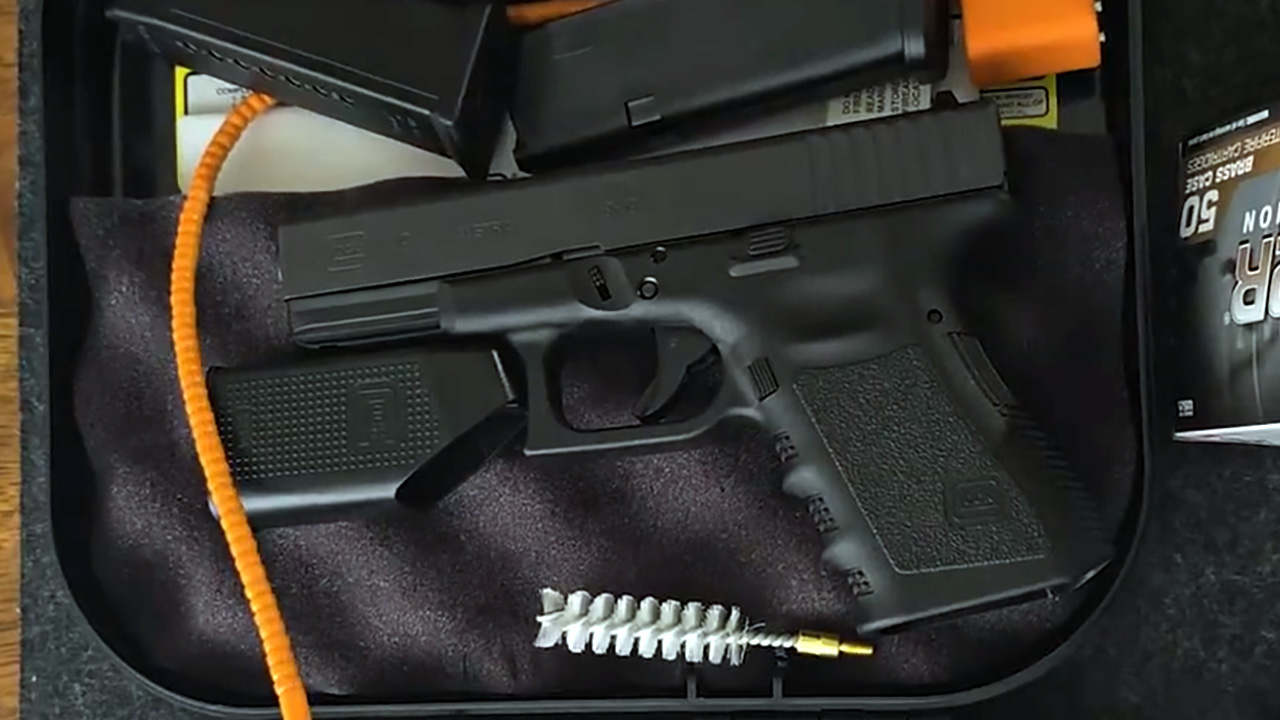
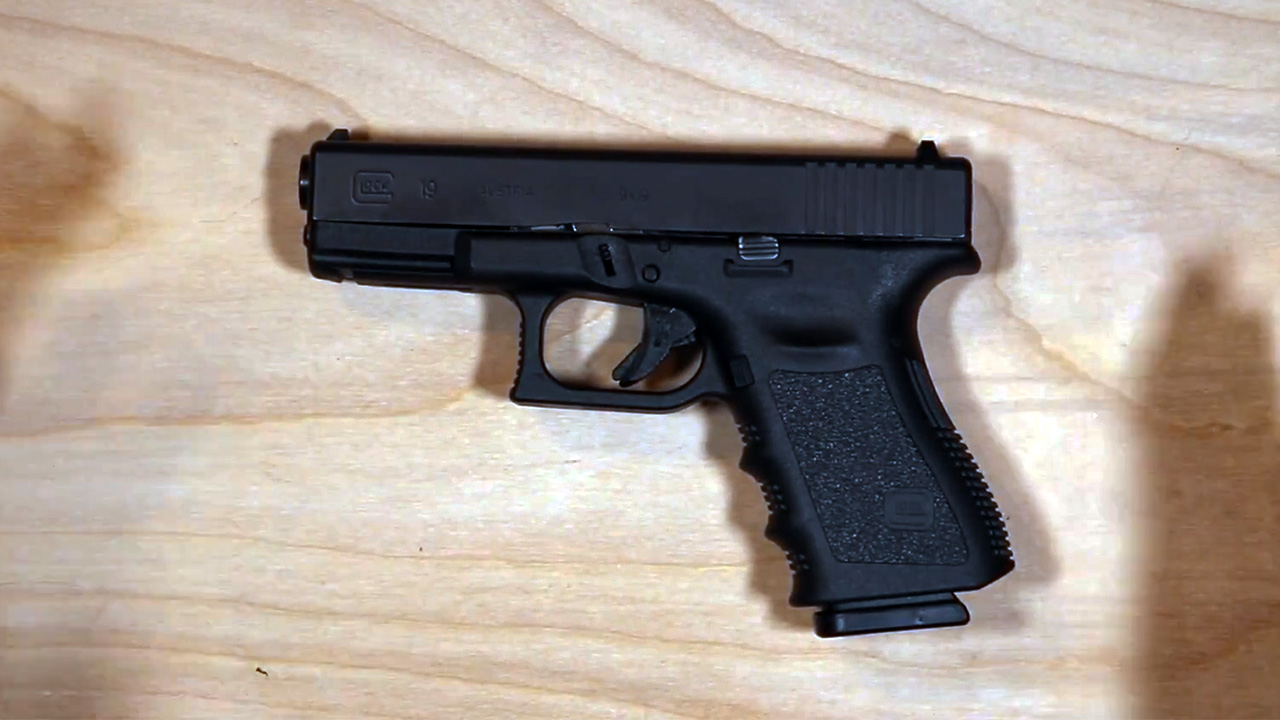
Gen 3 G19s have been riding on hips, riding in cruisers, and living in safes for a long time. The parts ecosystem is massive, magazines are everywhere, and the guns just keep doing what they’re supposed to do.
Later gens bring changes that some shooters love, but not everybody needed finger groove removal, optics-ready cuts, or tweaks to springs and finishes. If you’ve got a Gen 3 that’s dead reliable with your carry ammo, there’s nothing “outdated” about it.
7. Smith & Wesson Model 686 (older no-lock)
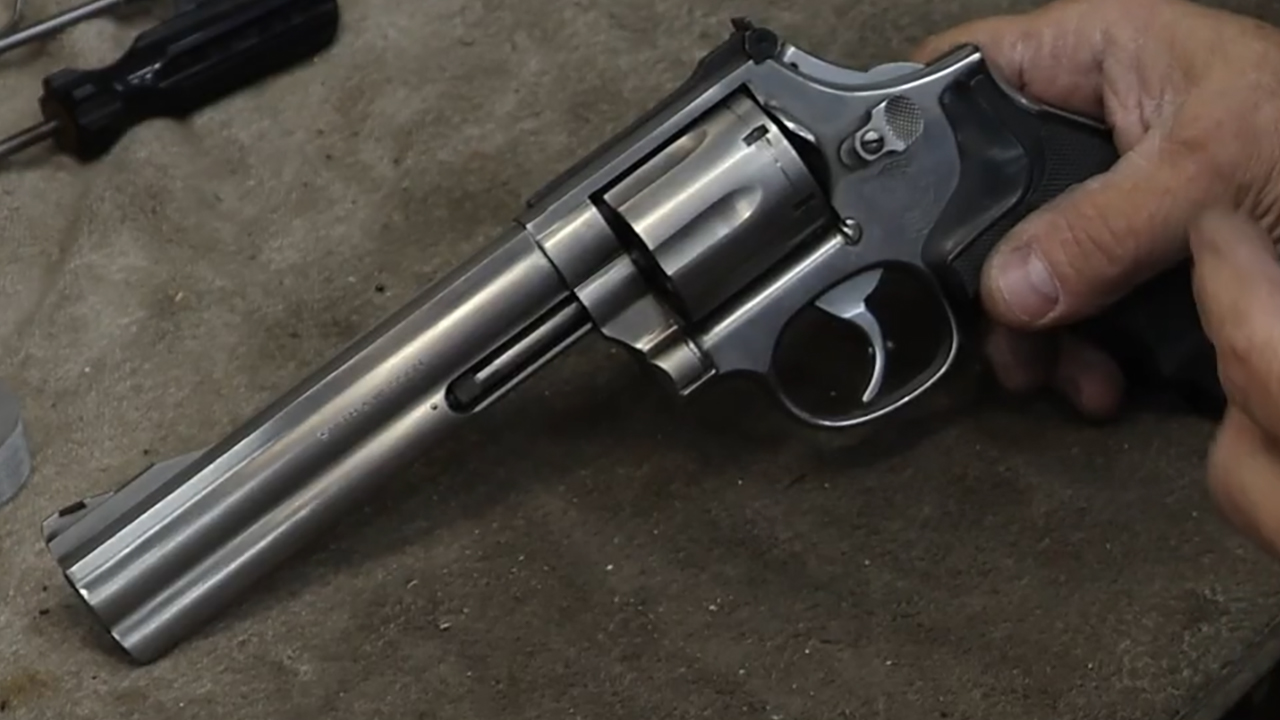
A good .357 revolver is a lifetime tool, and the older 686s have a feel that’s hard to explain until you’ve dry-fired a bunch of them. The triggers tend to be smoother, and the fit just feels tighter on many examples.
New production revolvers can be solid, but the older no-lock guns are the ones folks quietly hunt for. If you’ve got one, it’s a do-everything revolver that still makes sense for woods carry and camp use.
8. Smith & Wesson Model 19
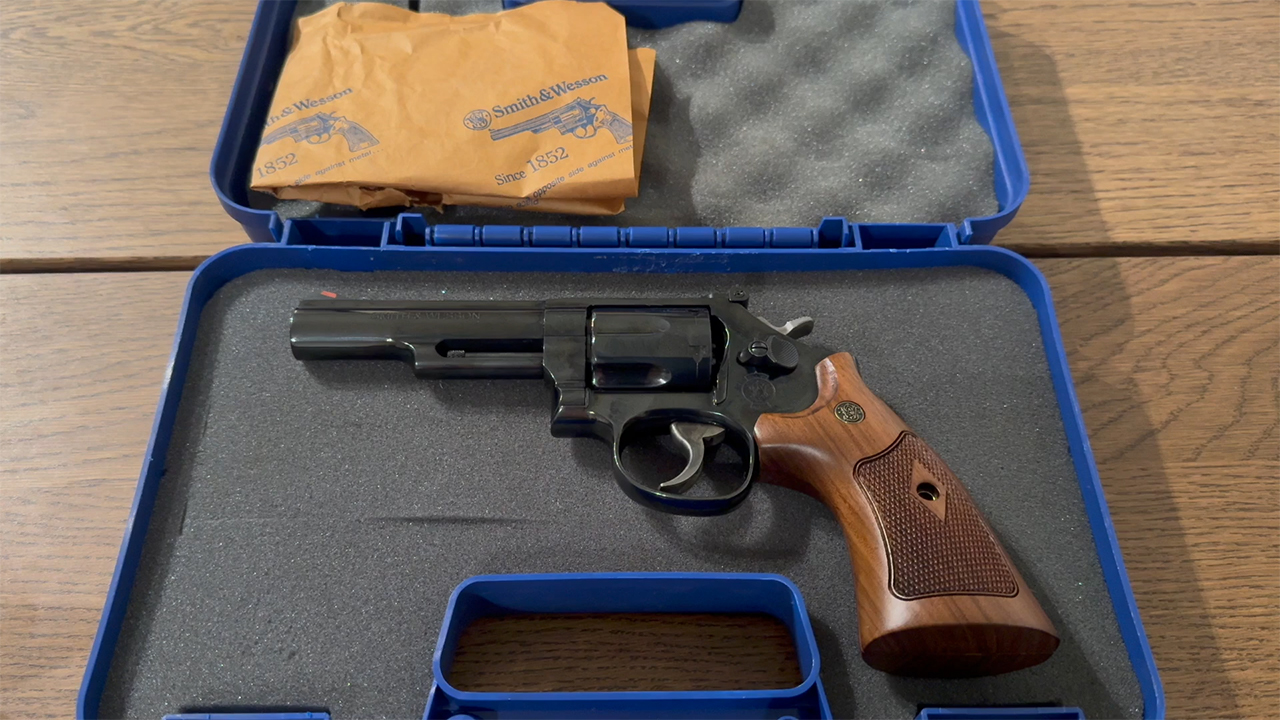
The Model 19 is one of those guns that points like it was designed by a guy who actually carried it. It’s lighter and handier than many modern .357 options, and that matters when you’re walking fence lines or checking trail cameras.
It’s not the revolver for a steady diet of the hottest loads, and everyone knows that. Kept in its lane, though, it’s a classic for a reason, and plenty of newer “updated” revolvers don’t carry as well.
9. Browning Hi-Power (classic pattern)

There’s a balance to a Hi-Power that’s just right. Slim in the hand, points naturally, and carries flatter than a lot of chunky double-stacks that replaced it.
Modern updates can improve sights and controls, but they often lose a little of what made the original feel special. If you’ve got one that runs with the mags it likes, it’s a handgun you’ll keep taking out even if you own newer designs.
10. Beretta 92FS (Italian-era classic feel)

The 92 has always been a big pistol, but it’s a soft shooter and it runs. The open-slide design and the way it feeds are part of why it has the reputation it does, even with folks who don’t love the grip size.
Newer variants bring rails and tweaks, but the plain 92FS has a simple “do the job” personality. It’s also one of those pistols that tends to keep working even when it’s dirty and ignored, which is real life for a lot of gun owners.
11. Sig Sauer P226 (West German/older production)
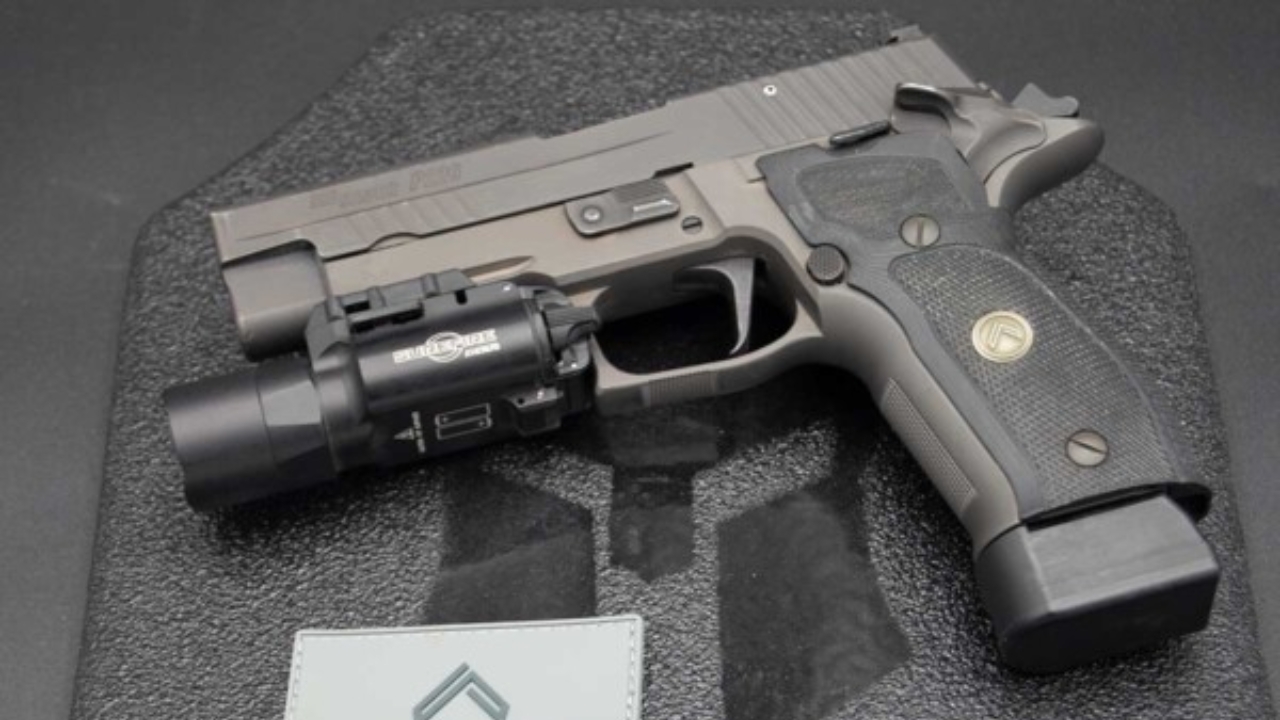
Older P226s have a trigger feel and overall fit that made people fall in love with Sigs in the first place. They’re not light, and they aren’t cheap, but they shoot like a serious service pistol.
Newer versions can be excellent, but quality feels more variable across eras. If you’ve got an older one that’s been reliable and accurate, it’s hard to justify “upgrading” just to chase a feature set you might not even use.
12. CZ 75B (classic steel gun)
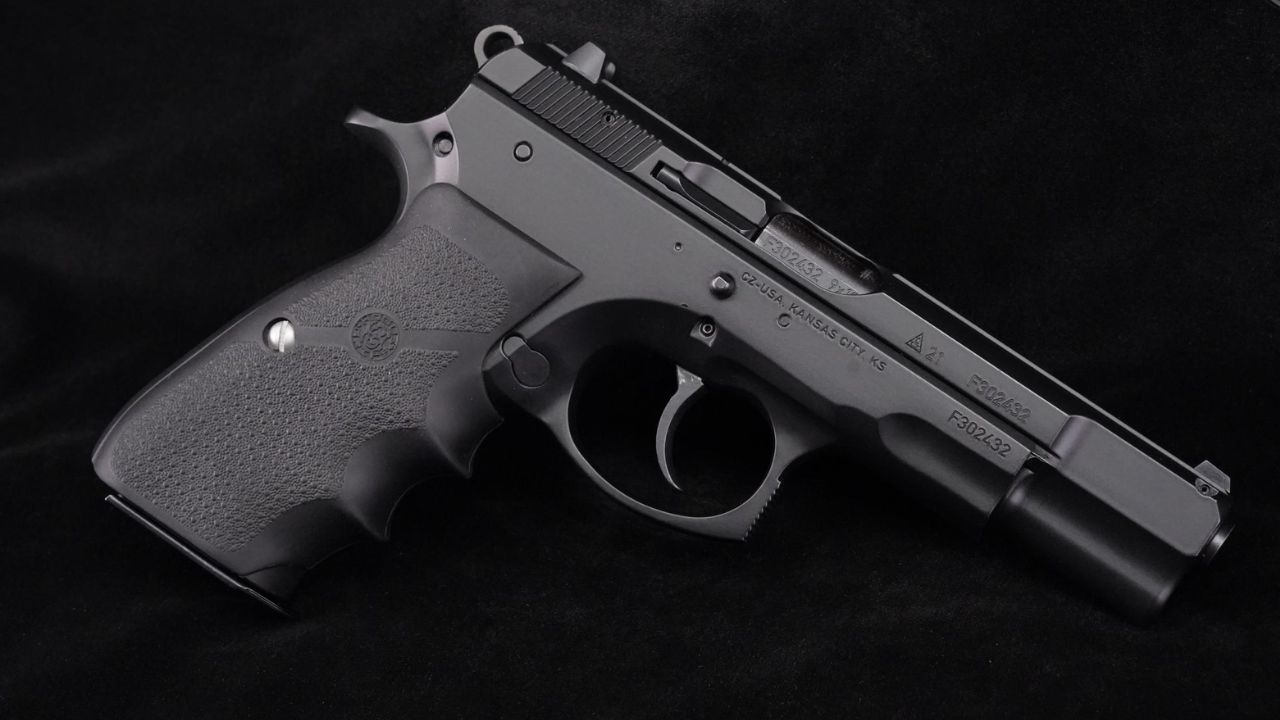
A steel CZ 75 has a smoothness to the slide and a natural point that makes you look better than you are. They soak up recoil, and they’re the kind of pistol you can run for a long range day without feeling beat up.
Optics-ready and polymer versions make sense for some folks, but the original vibe is why the 75 became a cult favorite. If you’re honest about what you actually do with a pistol, the classic steel gun still checks the boxes.
13. Marlin 336 (JM-stamped era)

Ask deer hunters what lever gun they wish they hadn’t sold, and the 336 comes up fast. The older guns have smooth actions, good wood-to-metal fit, and they carry like they were made for slipping through brush and climbing into stands.
New production lever guns can be good, but the older Marlins earned their reputation the hard way: by getting wet, getting banged around in a truck, and still putting venison in the freezer.
14. Winchester Model 94 (pre-safety, classic configuration)

A Model 94 is not a benchrest rifle, and it never was. What it is, is light, fast, and handy, especially in the thick stuff where you’re shooting quick inside normal woods distances.
When newer versions started adding lawyer features and cost-saving shortcuts, the feel changed. The older guns have a simple charm, and they carry like a walking stick instead of a boat anchor.
15. Ruger 10/22 (older walnut/standard carbine)
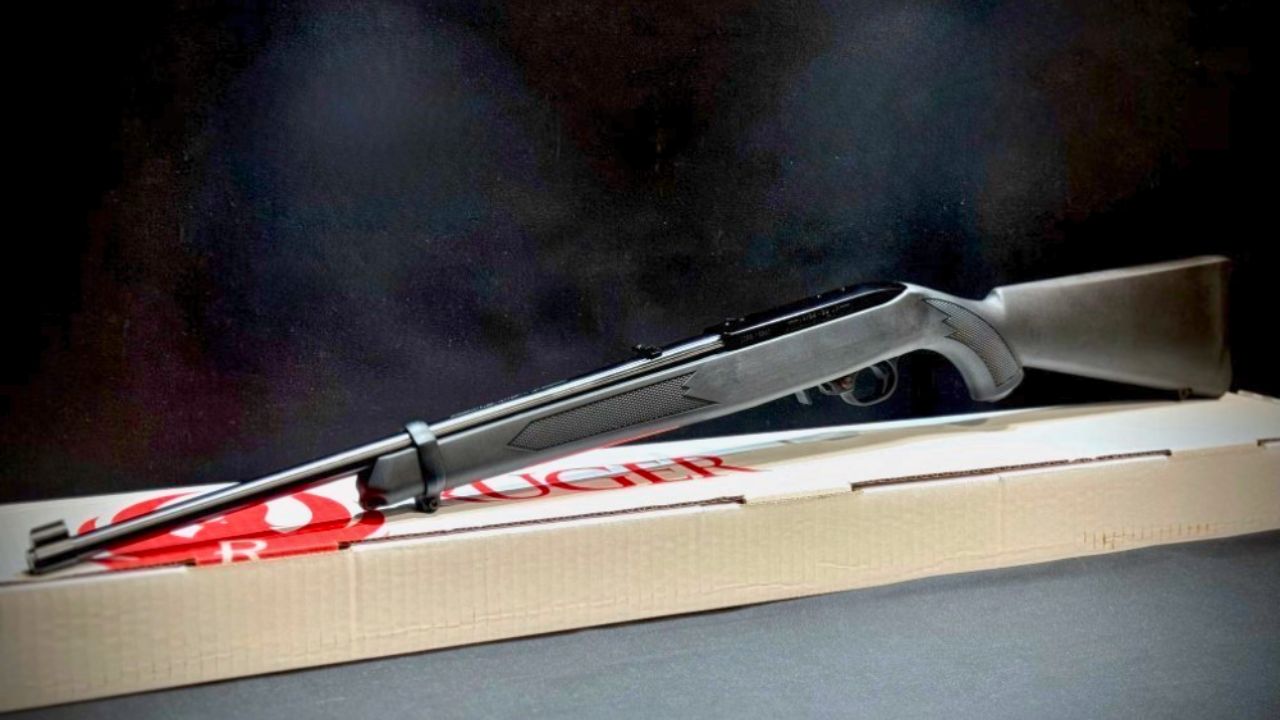
Everybody “improves” a 10/22 until it weighs as much as a centerfire and stops being fun. The plain older carbines are the ones that live behind a kitchen door on a farm or ride to the creek for plinking and pests.
Newer models add rails, threaded muzzles, and different furniture, and that can be useful. But the old basic carbine is reliable, easy to maintain, and magazines are everywhere. It’s hard to beat a gun that’s that useful.
16. Savage 110 (older, plain-Jane hunting rifles)
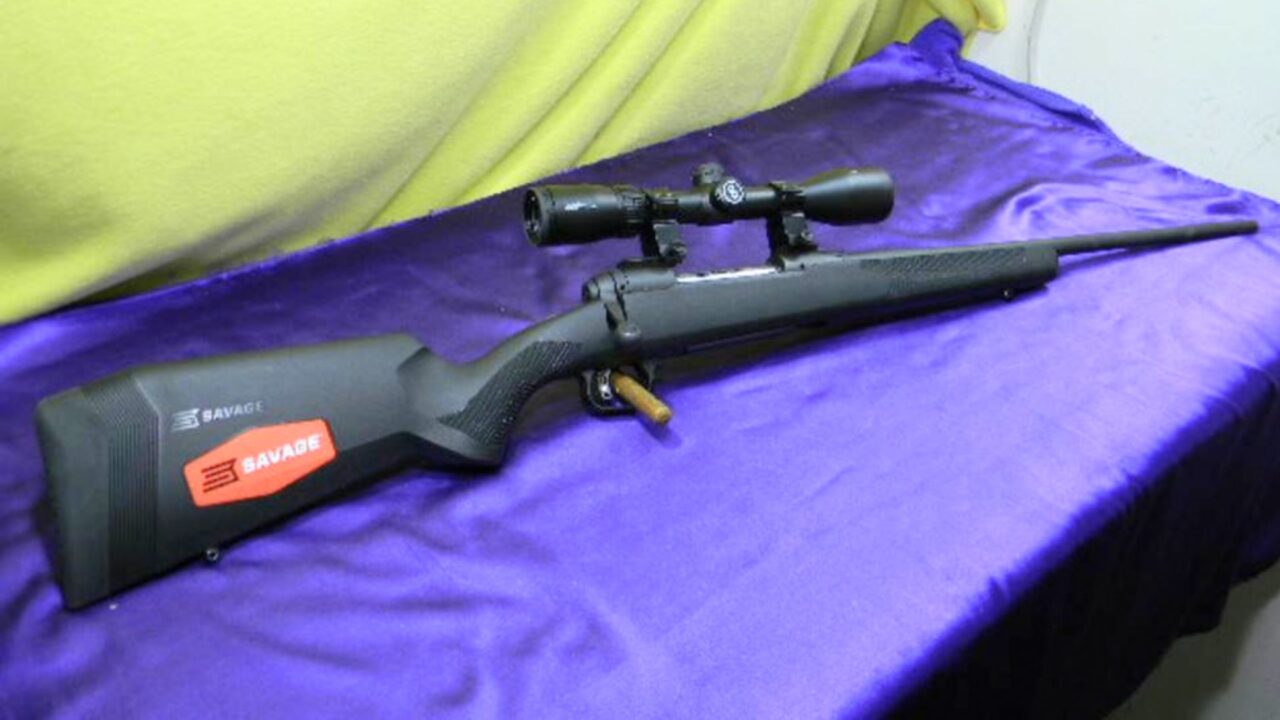
Older Savage 110s aren’t sexy. The stocks can feel cheap, and the finish isn’t going to win a beauty contest. Yet a lot of them shoot far better than their price tag ever suggested, and they keep shooting.
Newer rifles may come with better stocks and nicer features, but I’ve watched plenty of old 110s embarrass fancy guns on a cold range day. If you’ve got one that groups with your hunting load, don’t let “dated” talk you into a trade.
17. Tikka T3 (original generation)
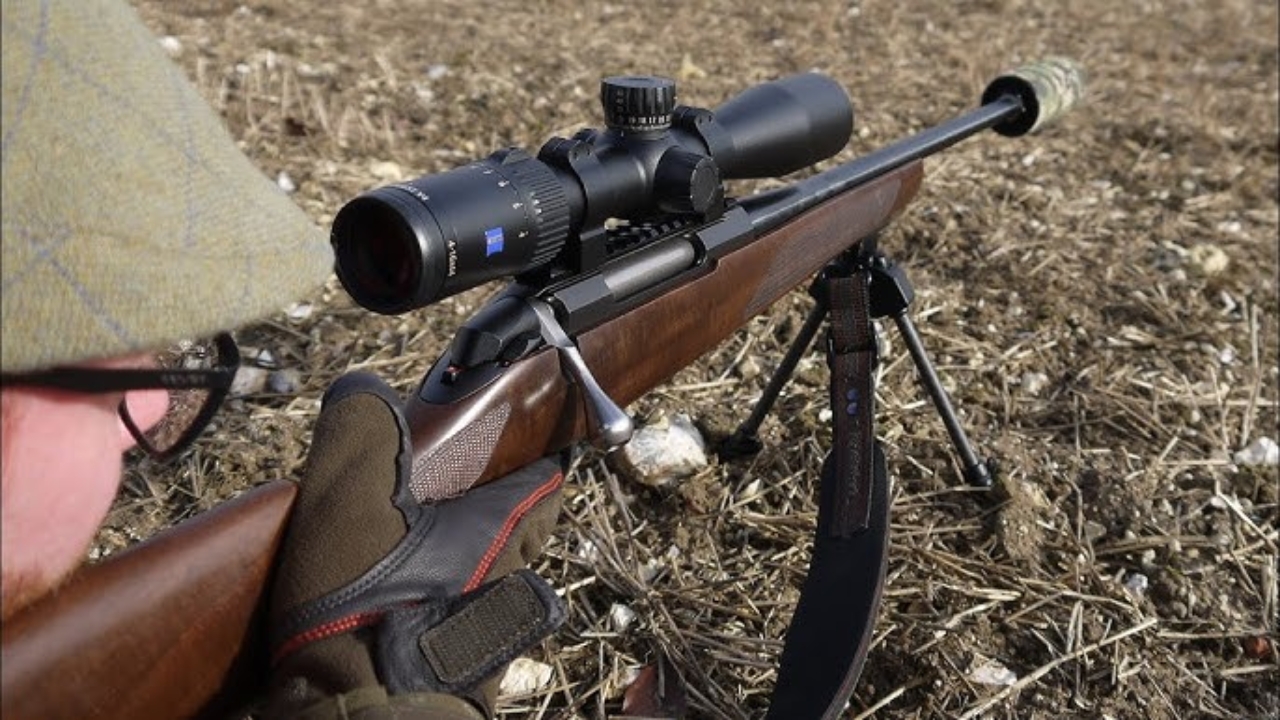
The original T3 earned its following by being light, smooth, and accurate without needing a bunch of tinkering. They carry great in the mountains and don’t feel like a cinder block when you’re walking all day.
Newer versions add changes that some folks like, but the early rifles have a simple “it just works” quality. If you’ve got a T3 that feeds well and shoots straight, you already own what most people are trying to buy.
18. Mossberg 590 (older heavy-duty pump vibe)
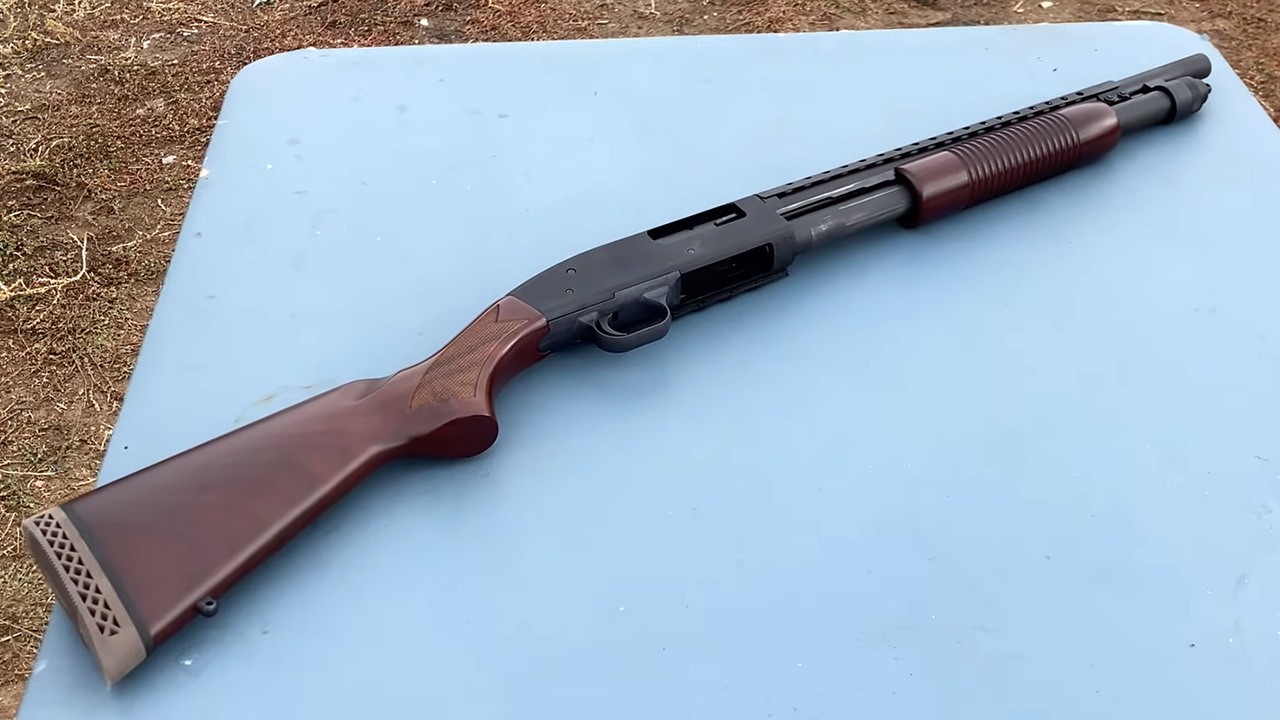
The 590 line has always been about rugged utility, and the older ones have that simple, tough personality. The safety location is still one of the best ideas in shotguns if you run it the way it was intended.
Newer tactical pumps pile on furniture and accessories, and half of it just adds weight and snag points. A basic 590 with a good light and a sling is more practical than most “upgrades” that end up in the closet.
19. Springfield Armory M1A (older standard models)

The M1A isn’t light and it isn’t cheap to feed, but it has a feel that modern rifles don’t replicate. It’s also one of those guns that turns range time into actual enjoyment instead of a chore.
Modern “improved” versions often chase rails and accessories, and suddenly the rifle loses what it was good at: balance and shootability. A straightforward older M1A that runs with the mags it likes is still a rifle you can be proud to own.
20. Ruger SP101 (early production, simple tank revolver)

The SP101 has never been glamorous, but it’s a little brick of a revolver that holds up to real carry and real weather. In the woods, that matters more than whatever trend is hot this year.
Newer carry revolvers can be lighter and easier to pocket, but they often pay for that with more felt recoil and less “shoot it a lot” comfort. An SP101 that fits your hand is a steady companion for years.
New guns aren’t automatically bad, and old guns aren’t automatically better. But if you’ve got one of these older workhorses that’s proven itself on the range and in the field, don’t let the catalog talk you into thinking it’s obsolete. Most of the time, the best upgrade is a case of ammo, a little range time, and leaving a good thing alone.
Like The Avid Outdoorsman’s content? Subscribe to our newsletter so you never miss an article.
Here’s more from us: