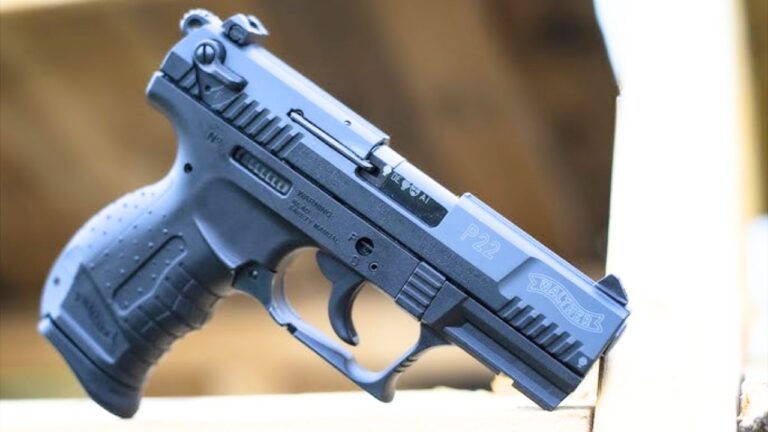
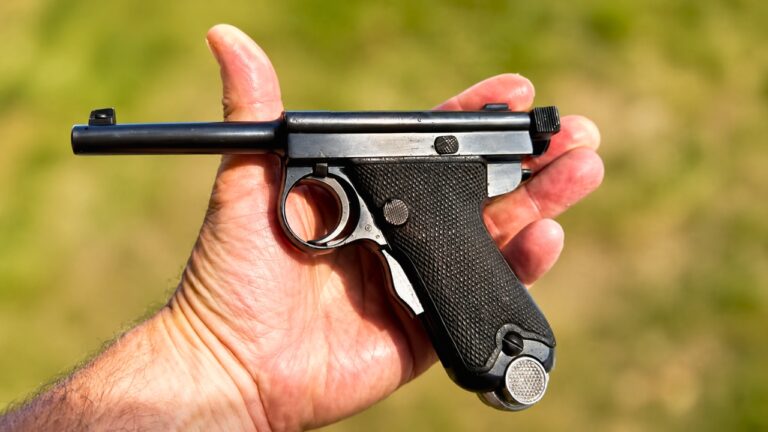
Photo credit: Peter Gnanapragasam – BY-SA 3.0/Wiki Commons
Some calibers sell themselves before anyone fires a shot. The name sounds powerful, the numbers look serious, and the guy behind the counter makes it seem like anything less would be underpowered. Then the first round goes off and the truth shows up fast.
A cartridge can be effective and still be miserable, expensive, overbuilt, or just wrong for the average shooter. Power is easy to brag about. Control is harder. These are the calibers that sound impressive until recoil, muzzle blast, ammo cost, and real-world practicality start ruining the fun.
.357 Magnum in lightweight snubnose revolvers

The .357 Magnum has earned its reputation, but a lightweight snubnose makes it a whole different animal. On paper, a small revolver with magnum power sounds like the perfect carry gun. It is compact, simple, and powerful enough to make people feel confident.
Then they shoot full-power magnums through it. The blast is sharp, the recoil is brutal, and follow-up shots can get ugly fast. Plenty of people buy a lightweight .357 and end up carrying .38 Special anyway. That does not make them weak. It just means they learned that power without control is not much of an advantage.
.44 Magnum

The .44 Magnum sounds like authority in cartridge form. It has hunting history, movie fame, and enough energy to make ordinary handgun rounds seem small. For woods carry and handgun hunting, it can make plenty of sense.
For casual shooters or defensive-minded buyers, it often becomes too much gun. The recoil is heavy, the muzzle blast is loud, and ammo is not cheap. A lot of people like the idea of owning a .44 Magnum more than they like shooting one. After a cylinder or two, the romance can fade quickly.
.454 Casull
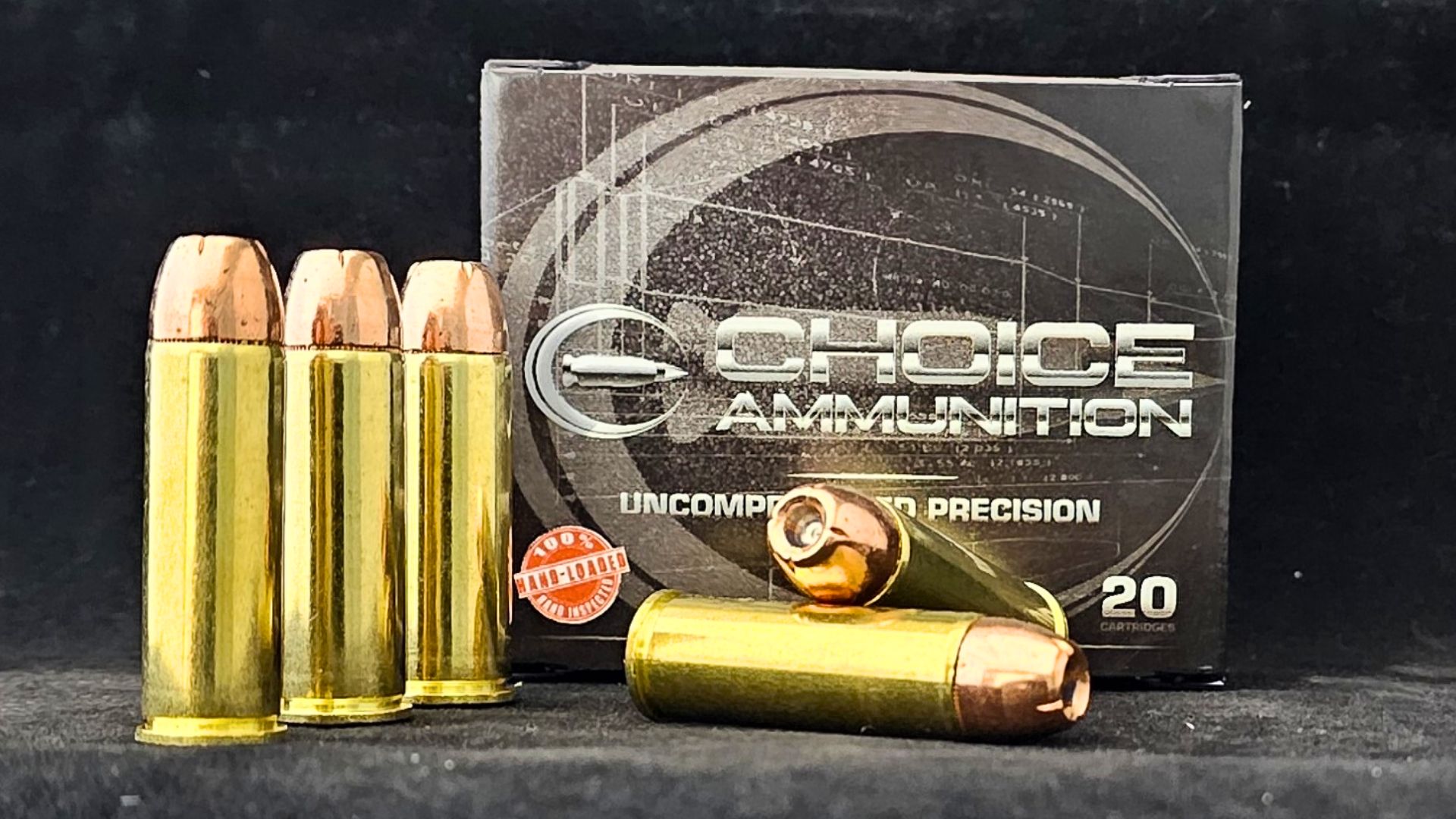
The .454 Casull sounds like the kind of revolver cartridge that solves every problem. It is powerful, flat for a big-bore handgun round, and capable on serious game in the right hands. That makes it easy to admire from a distance.
Pull the trigger, and the admiration turns into respect fast. The recoil is violent, the blast is intense, and practice becomes expensive and tiring. This is not a casual woods gun for most people. It is a specialist cartridge that demands skill, grip strength, and a real reason to own it.
.500 S&W Magnum
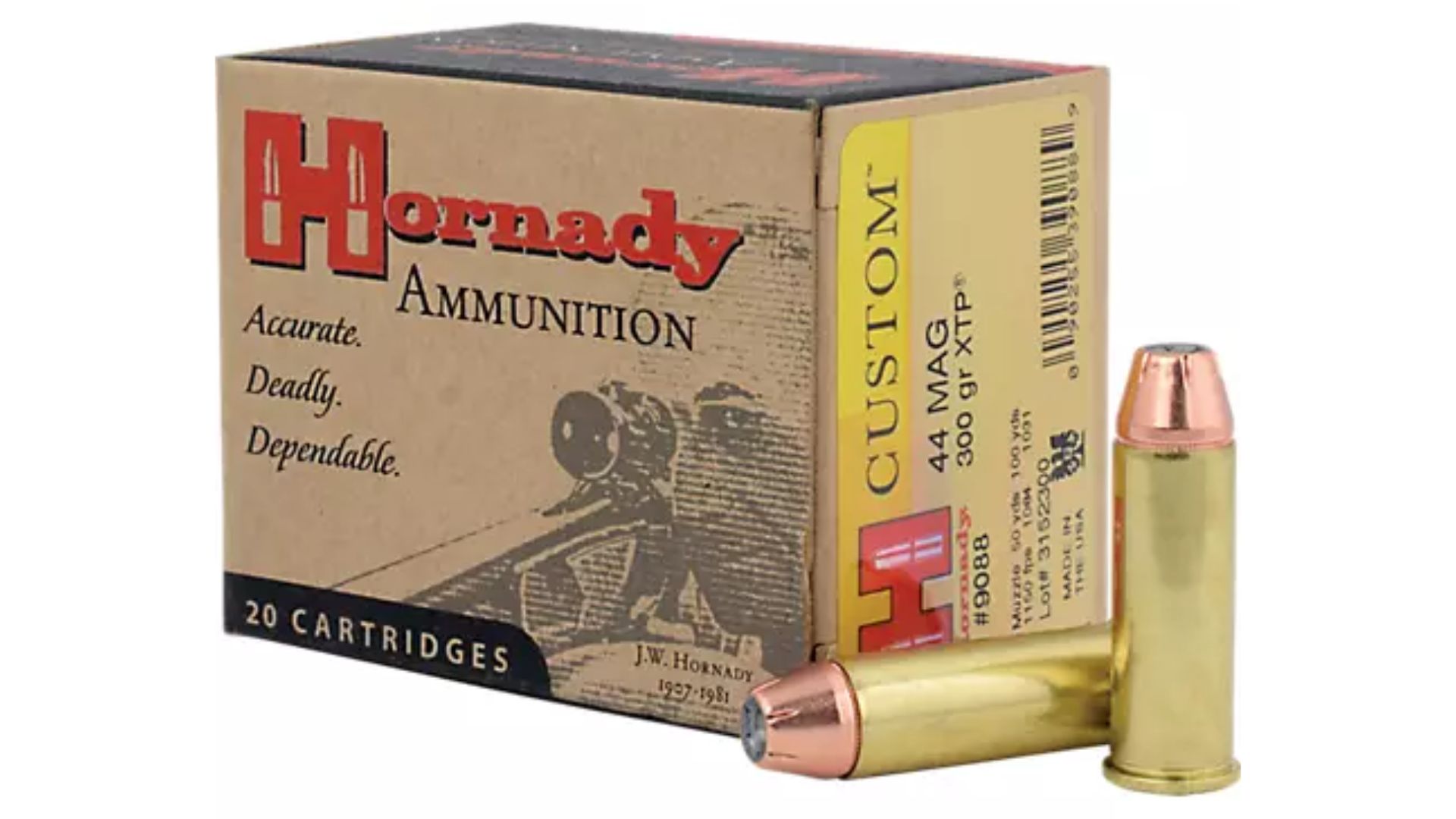
The .500 S&W Magnum wins the attention game immediately. It is huge, loud, and built around being one of the most powerful production handgun cartridges available. At the counter, it sounds like the ultimate revolver.
On the range, it often becomes a novelty. The recoil is massive, ammunition costs are painful, and most shooters do not need anywhere near that level of power. It is impressive, but impressive does not always mean useful. For many owners, it becomes a gun they show people more than they shoot.
10mm Auto in compact pistols

The 10mm Auto sounds like a perfect do-everything handgun round. It has more power than 9mm, more reach than .45 ACP, and enough reputation to attract people who want one pistol for defense, woods carry, and range use.
The problem starts when it gets stuffed into compact pistols. Full-power 10mm loads bring sharp recoil, fast slide movement, and more blast than many shooters expect. If the owner loads it down, it starts feeling like an expensive .40 S&W. In a full-size pistol, 10mm can be excellent. In a small carry gun, it often sounds better than it feels.
.357 SIG
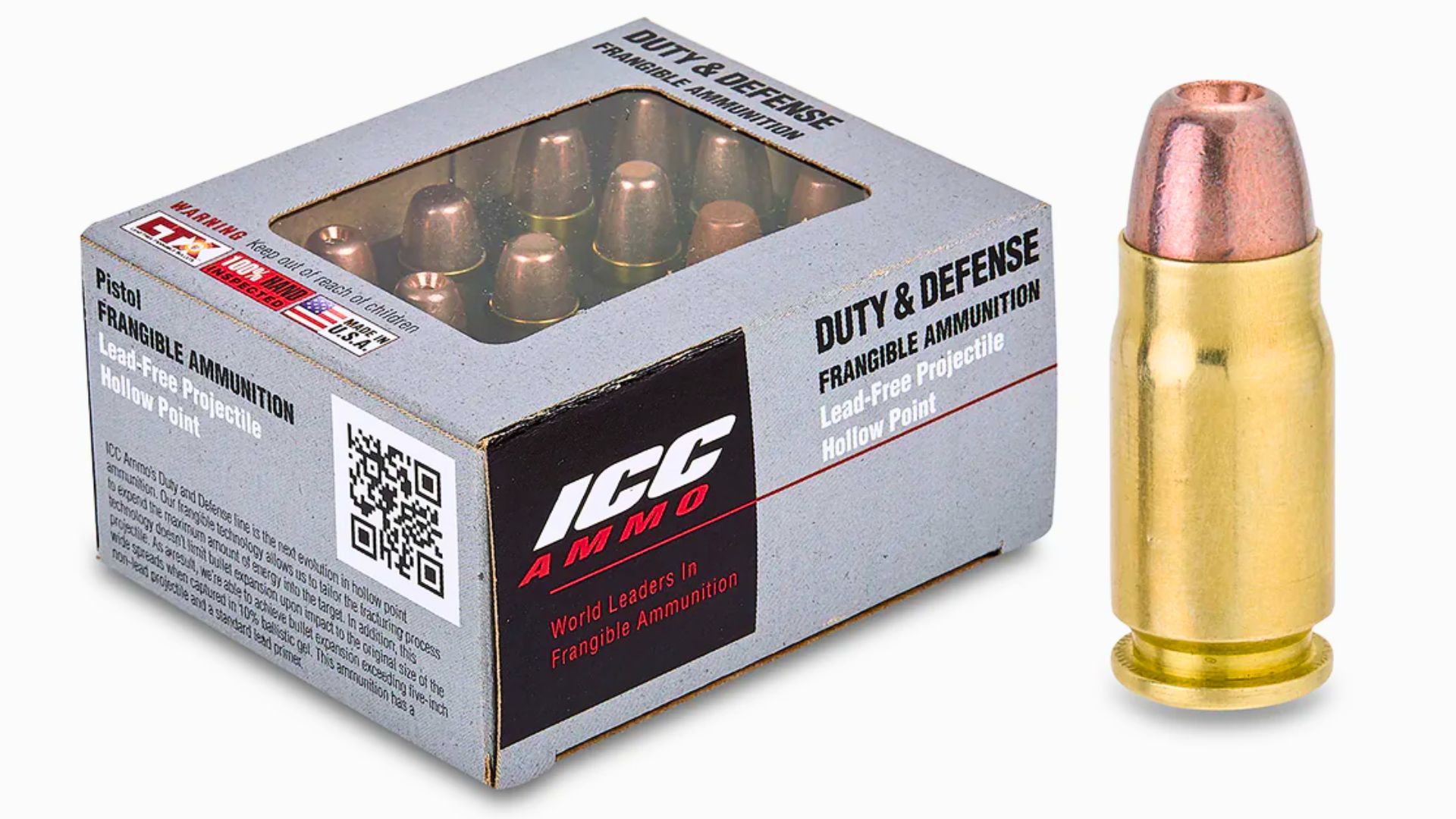
The .357 SIG has a name that makes it sound like a semi-auto .357 Magnum, which is part of its appeal. It is fast, loud, and has a reputation for strong performance. For some shooters, especially those who like bottleneck pistol cartridges, it feels serious.
Then they start buying ammo and shooting it regularly. The recoil is snappy, the muzzle blast is sharp, and the practical gain over modern 9mm is harder to justify than fans admit. It is not a bad cartridge. It is just one that often sounds more impressive than it feels useful.
.40 S&W in subcompact pistols
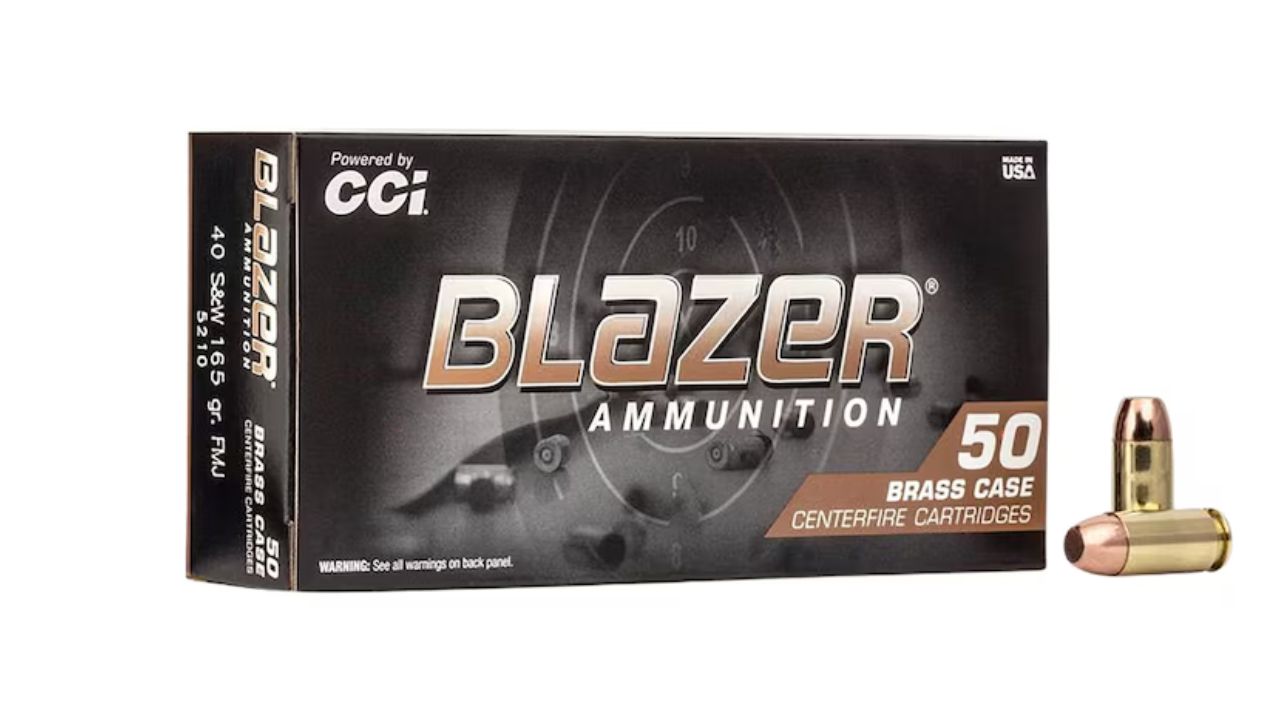
The .40 S&W used to be the answer for shooters who wanted more than 9mm but less bulk than .45 ACP. It still has defensive value, and a full-size .40 can be manageable with practice. The problem is the tiny guns chambered for it.
A subcompact .40 can be unpleasant fast. The recoil is abrupt, the grip is short, and new shooters often start flinching before they finish the first box. It sounds like a smart power upgrade until the owner realizes they shoot a similar-sized 9mm faster, cleaner, and more often.
.45 ACP in lightweight carry pistols

The .45 ACP has one of the strongest reputations in handgun history. Big bullet, classic service use, and decades of loyal fans make it sound like the obvious serious choice. In a full-size pistol, it can be pleasant and effective.
In a lightweight compact, it can become a different story. Recoil gets pushy, capacity drops, and small guns can be less forgiving with the big cartridge. Many shooters buy a slim .45 because it sounds powerful, then realize they practice less with it than they would with a 9mm. That is not a win.
.45-70 Government

The .45-70 Government sounds like old-school stopping power, and it is. In a strong rifle with modern loads, it can be a serious big-game cartridge. It also has the kind of history that makes hunters feel like they are carrying something legendary.
But the trigger pull tells the full story. Heavy loads can kick hard, trajectory drops fast, and ammo can be expensive. For deer inside normal woods ranges, it may be more punishment than needed. The .45-70 is useful, but it is not magic. A lot of people love the idea until they spend a day sighting one in.
.450 Bushmaster
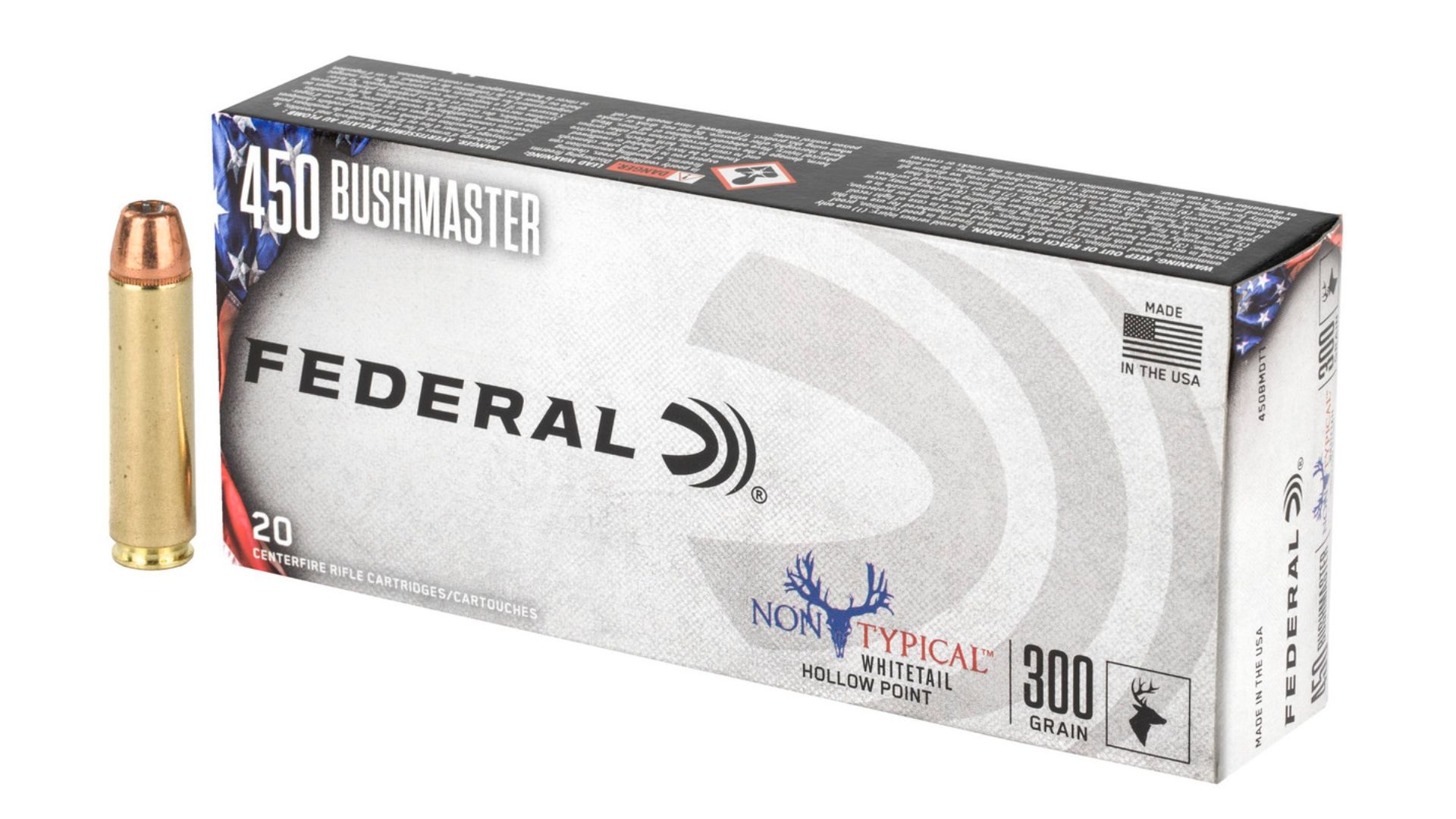
The .450 Bushmaster sounds perfect for hunters who want a big straight-wall cartridge. It hits hard, works in AR-style rifles, and feels like a major step up from old slug guns. For straight-wall states, that appeal is real.
The downside is recoil, blast, and cost. It can be more cartridge than many deer hunters actually need, especially on average whitetails. A shooter who is recoil-sensitive may shoot a milder straight-wall round better. The .450 gets attention because it sounds like a hammer, but hammers are not always pleasant to swing.
.444 Marlin
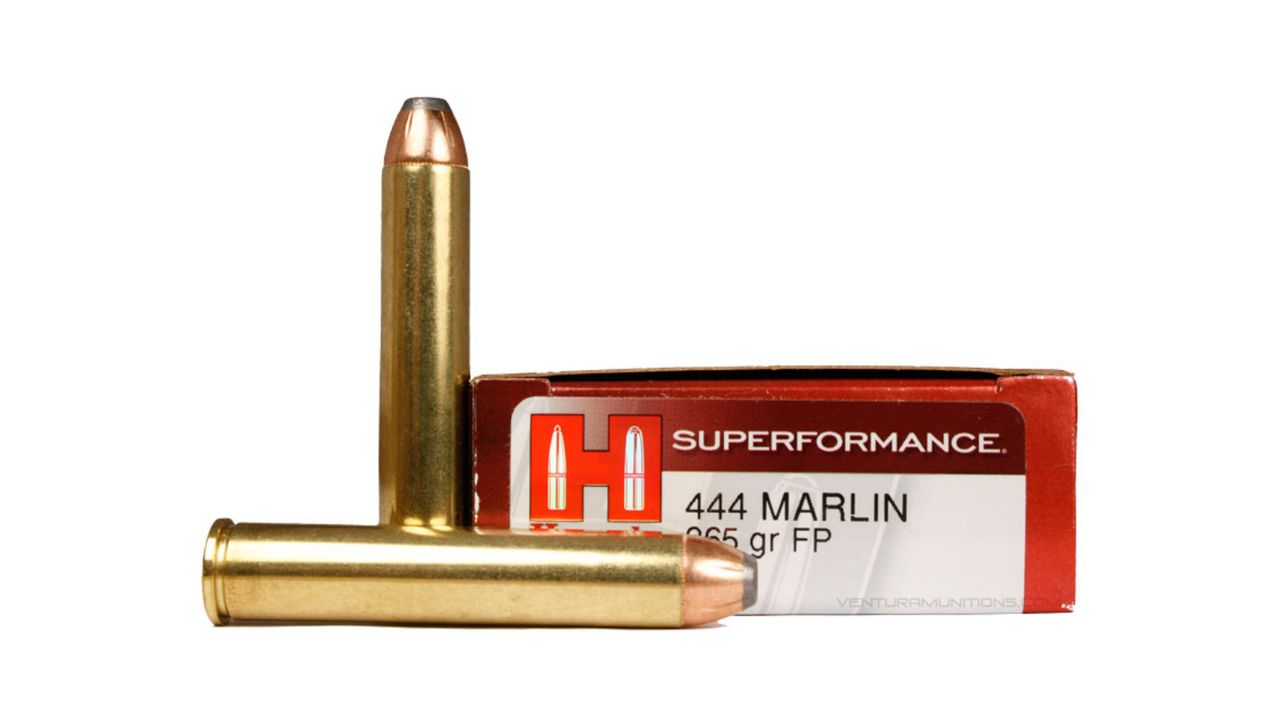
The .444 Marlin sounds like the kind of lever-gun cartridge that should flatten anything in the woods. It throws a big bullet fast enough to feel serious and has a reputation as a hard-hitting brush round. That makes it attractive to hunters who want something different from .30-30.
Then reality sets in. Recoil is stout, ammo is not as common as mainstream deer rounds, and the cartridge does not make shots magically easier. It can be excellent in the right hands, but it is not a casual upgrade. Some hunters find out that a lighter-kicking rifle would have served them better.
.300 Remington Ultra Magnum
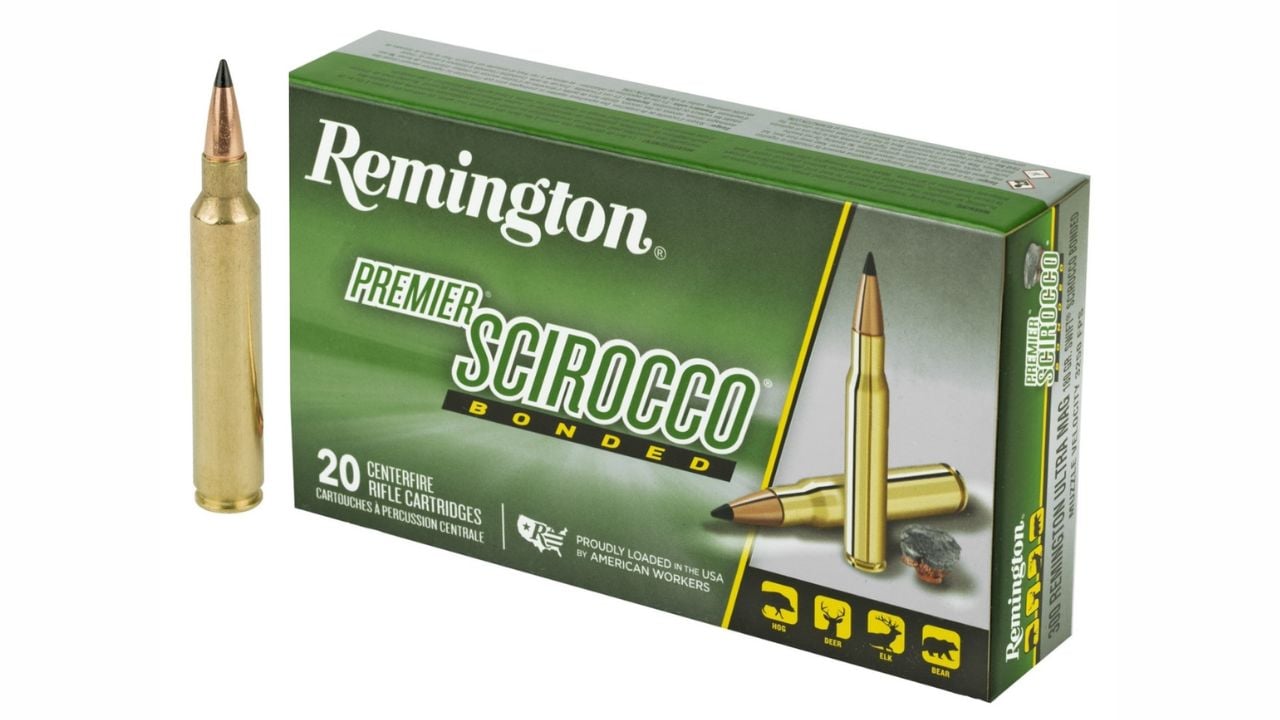
The .300 RUM sounds like the answer for anyone who wants more speed, more range, and more authority than a standard .300 magnum. The numbers are impressive, and it has real long-range big-game capability.
Most hunters do not need what it brings. The recoil is heavy, barrels can heat quickly, and ammo cost makes practice less appealing. If someone is not shooting far enough to use the extra horsepower, all they bought was more punishment. It sounds impressive until the bench session starts.
.300 Weatherby Magnum

The .300 Weatherby Magnum has style, speed, and a serious big-game reputation. It shoots flat, hits hard, and carries that Weatherby aura that makes people feel like they bought a premium hunting cartridge.
It also kicks harder than many hunters want to admit. Ammo is expensive, rifles can be loud, and the performance advantage over more common cartridges may not matter inside ordinary deer and elk ranges. It is capable, but capability does not help if the shooter starts dreading the shot.
.30-378 Weatherby Magnum

The .30-378 Weatherby Magnum sounds like pure long-range power. It is fast, intense, and built for people who want serious reach. At the counter, it can make regular hunting cartridges seem boring.
On the shoulder, it reminds you why regular hunting cartridges exist. Recoil, blast, barrel heat, and ammo price all stack up fast. It is a specialized cartridge for people who know exactly why they need it. For everyone else, it is a very expensive way to learn that bigger numbers are not always better.
7mm Remington Ultra Magnum
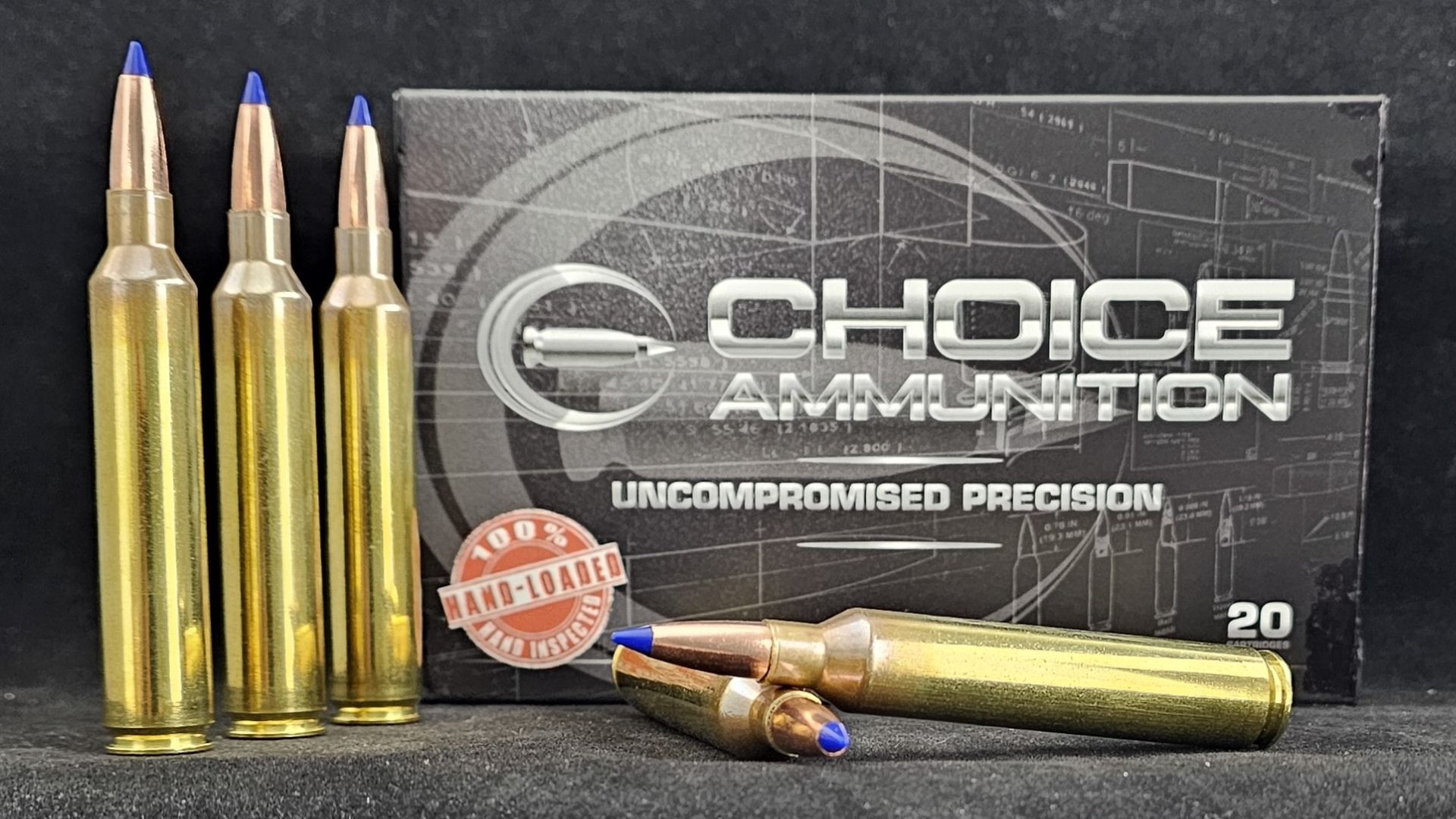
The 7mm RUM sounds like a dream for hunters who like fast 7mm bullets. It promises flat trajectory, high energy, and long-range performance that makes ordinary deer rifles feel modest. There is real capability there.
But it comes with real tradeoffs. Recoil is sharper than many expect, ammo is not cheap, and the performance gain over a 7mm Remington Magnum or 7mm PRC may not matter for most hunters. A cartridge can be impressive on paper and still be unnecessary in the field.
28 Nosler
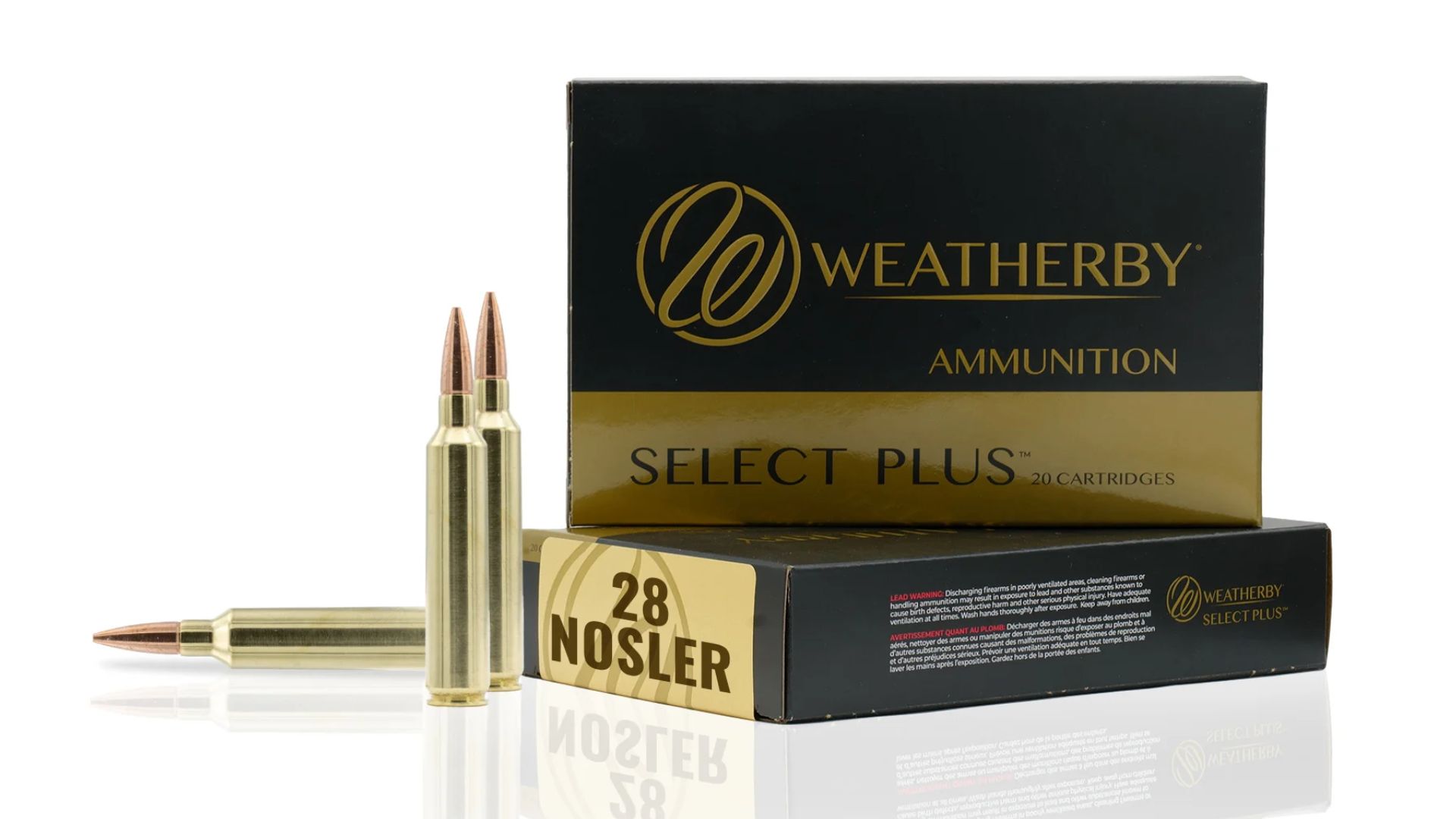
The 28 Nosler sounds like a modern long-range hunter’s answer to everything. It is fast, flat, powerful, and built around high-performance 7mm bullets. That makes it easy to want, especially if someone is chasing numbers.
The trouble starts when the rifle gets shot often. Recoil is real, barrel life is not the same as milder cartridges, and ammo costs more than casual hunters like to admit. It is an excellent cartridge for a narrow group of shooters. For many deer and elk hunters, it is more intensity than they need.
.338 Lapua Magnum
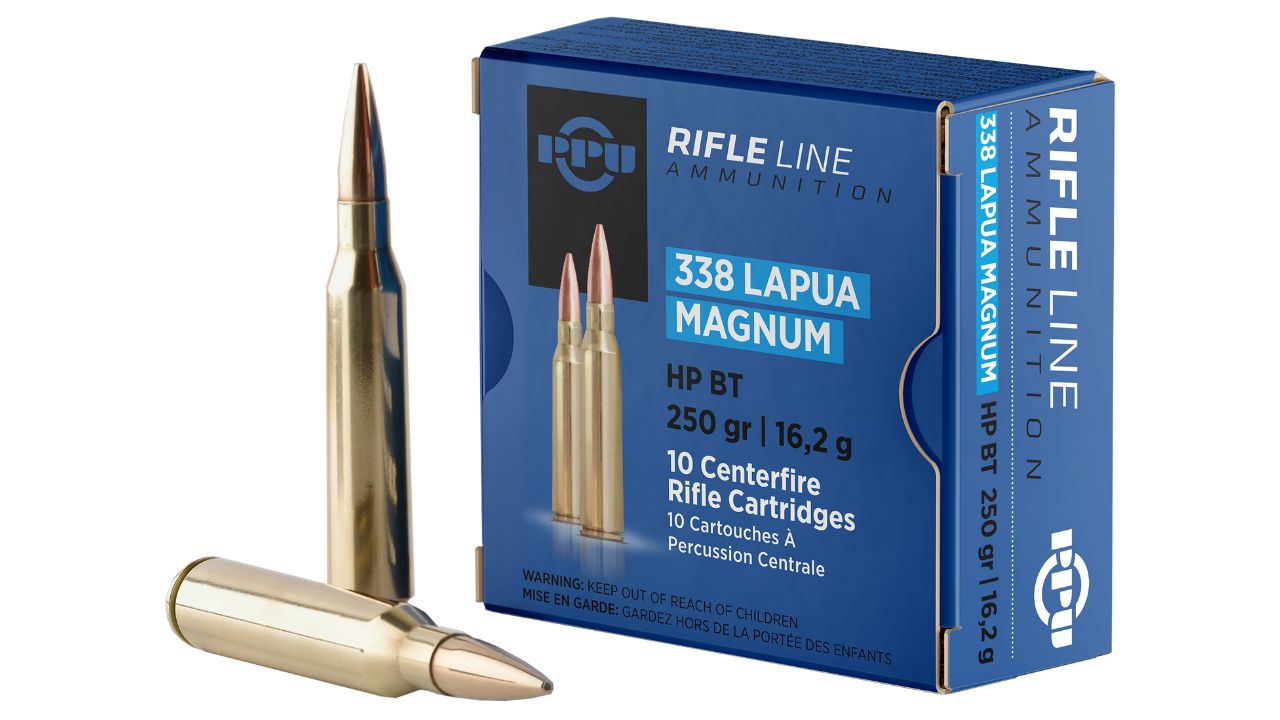
The .338 Lapua Magnum sounds like the ultimate long-range rifle cartridge to a lot of people. Military reputation, extreme-distance capability, and massive energy all make it seem like the top shelf. It is impressive before the rifle even comes out of the case.
Then the cost and recoil show up. Rifles are heavy, ammunition is expensive, and the cartridge requires serious distance, skill, and equipment to justify itself. Most shooters will never use what it can do. Without that need, it is mostly blast, recoil, and a bruised wallet.
.338 Winchester Magnum

The .338 Winchester Magnum is a legitimate big-game cartridge, especially for elk, moose, and bears. It sounds like the smart step up from .30-caliber rifles when bigger animals are on the menu. In that role, it makes sense.
For average deer hunters, it is often too much. Recoil can be heavy, rifles are not always pleasant from the bench, and smaller cartridges are easier to shoot well. The .338 Win. Mag. is not overrated for serious big game. It is just often bought by people who would be happier with less cartridge.
.375 H&H Magnum
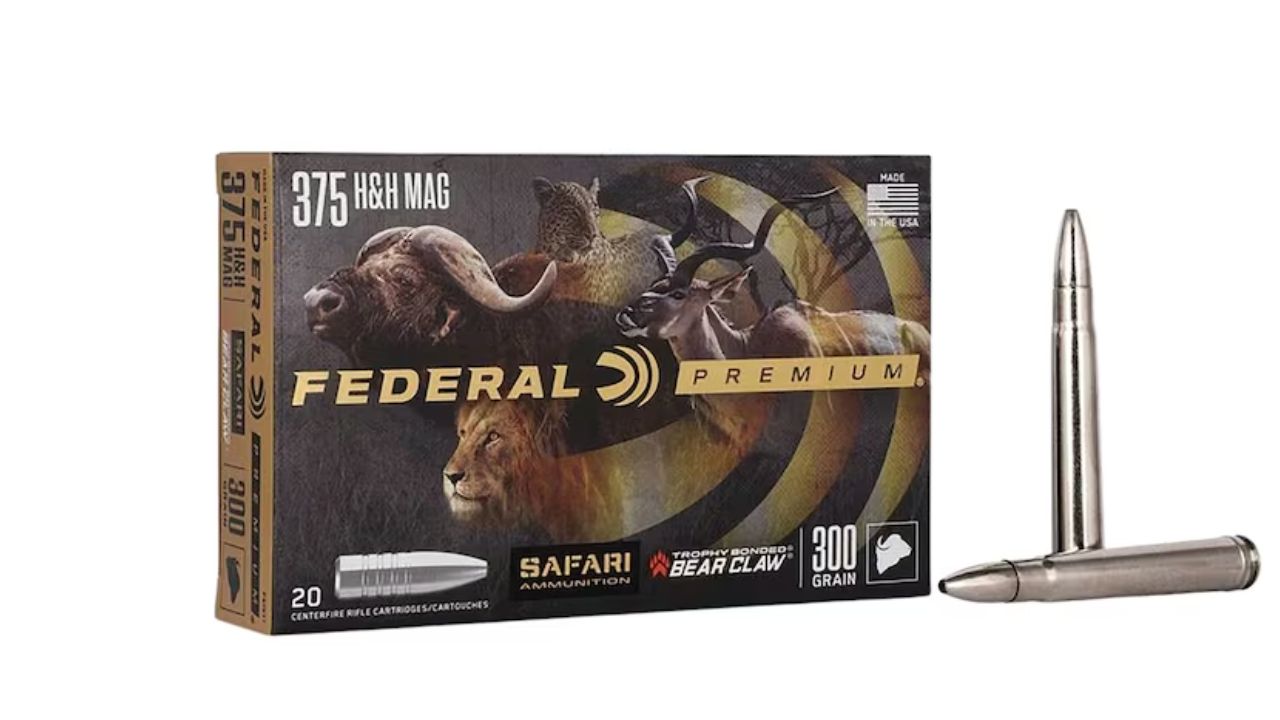
The .375 H&H Magnum sounds like global big-game authority. It has history, class, and real capability on dangerous game. Few cartridges carry that kind of respect.
But for most American shooters, it is more fantasy than necessity. The recoil is significant, rifles are heavier, and ammo is expensive. Unless someone is hunting animals that justify it, the .375 H&H becomes a cartridge people admire more than they use. It sounds incredible until the range bill and sore shoulder arrive.
12-gauge 3.5-inch magnum’

The 12-gauge 3.5-inch magnum sounds like the obvious choice for waterfowl and turkey hunters who want the most payload possible. More shot, more power, more reach. That is an easy sales pitch.
Then someone fires a box from a light shotgun. Recoil is punishing, follow-up shots suffer, and many hunters realize modern 3-inch loads pattern well enough without beating them up. The 3.5-inch shell has a place, but plenty of shooters buy it before they understand the cost in comfort and control.
Like The Avid Outdoorsman’s content? Subscribe to our newsletter so you never miss an article.
Here’s more from us: