Photo credit: Outdoor Limited
Some calibers sound tougher than they really are. The name looks good on a box, the numbers seem serious, and the reputation gets repeated enough that people start believing the cartridge is more capable than it actually is. Then real-world use tells a different story.
That does not mean every caliber here is worthless. Some are fun, accurate, useful in narrow roles, or perfectly fine with the right load. The problem is that they often sound more impressive than they perform when people ask them to do real defensive, hunting, or practical work.
.25 ACP
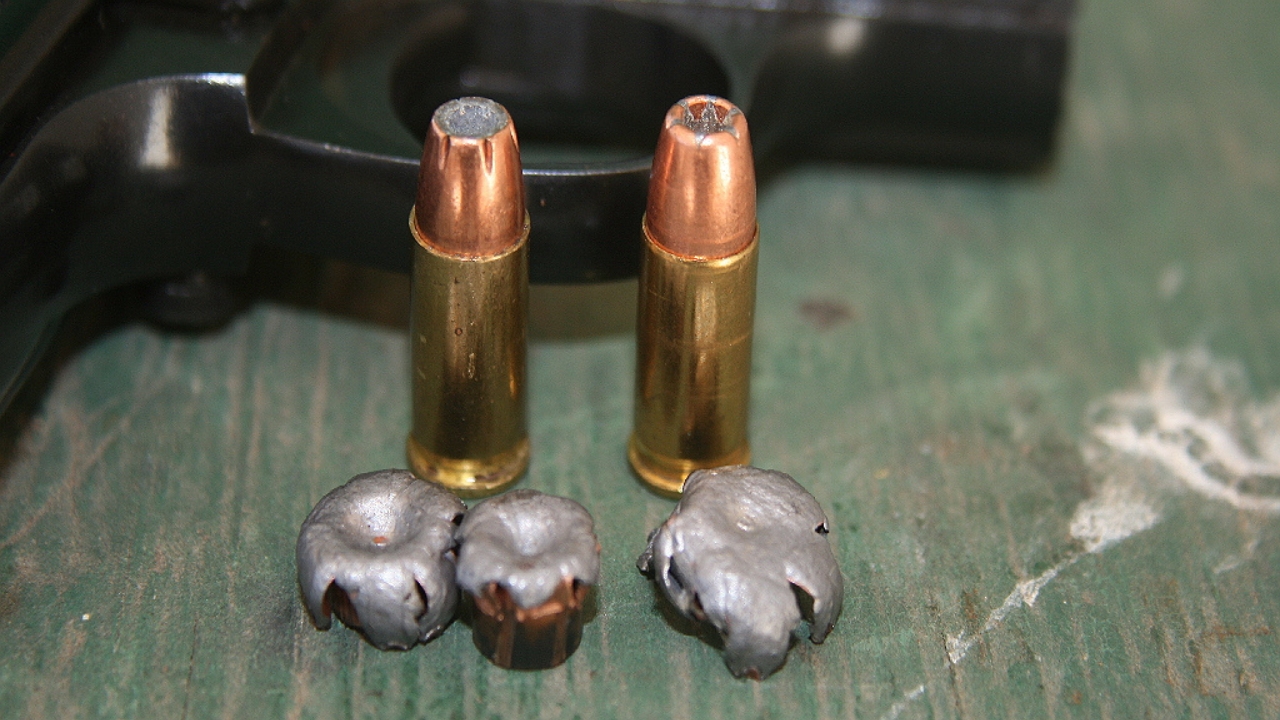
The .25 ACP sounds like a real centerfire pistol cartridge, which gives it more credibility than it deserves. It is not a rimfire, it feeds from tiny pocket pistols, and it has been around long enough that people assume it must have a serious purpose.
In reality, it is one of the weakest carry calibers still defended. The bullets are small, light, and limited, and the pistols chambered for it often have rough triggers and tiny sights. It may be better than an empty pocket, but that is not much of a compliment.
.32 ACP
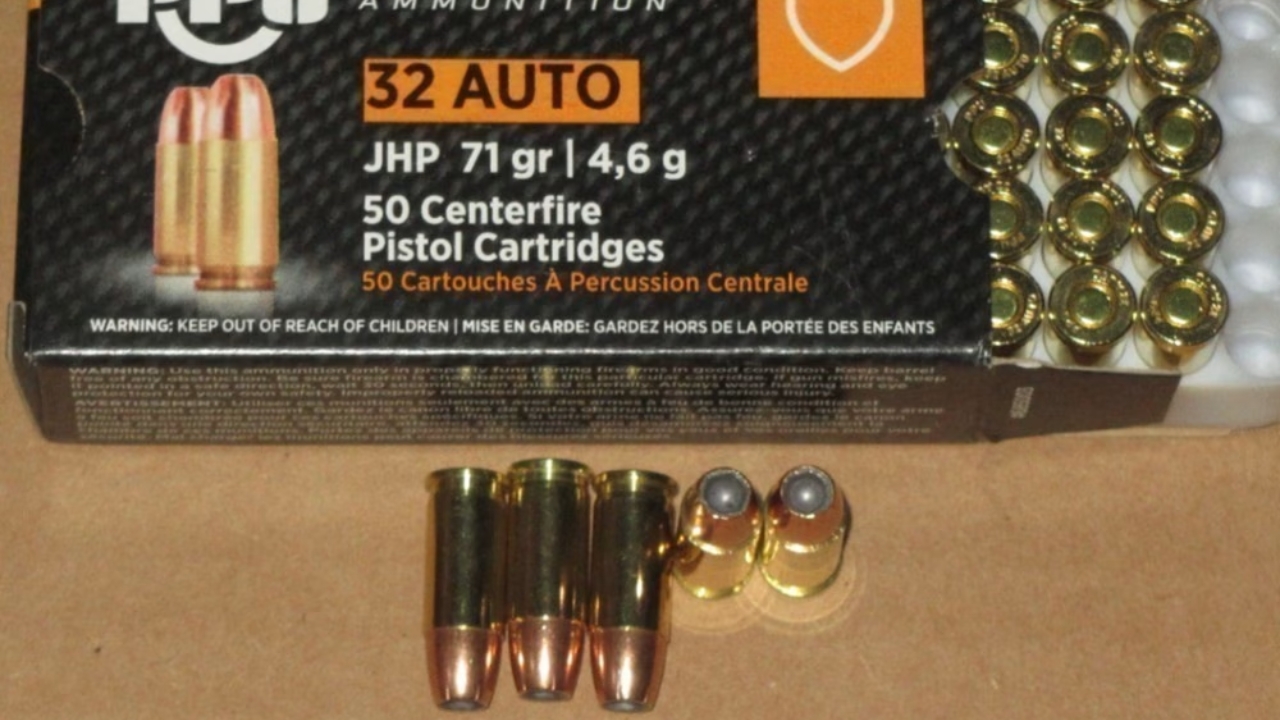
The .32 ACP sounds respectable because it has old European service and police history behind it. A lot of classic pistols wore this chambering, and that history makes it feel more capable than the numbers suggest.
The problem is that modern defensive standards moved past it. It can be pleasant to shoot, and some loads penetrate better than people expect, but it still gives up a lot compared with modern 9mm or even better .380 setups. It sounds like an old professional’s choice, but today it is mostly a compromise.
.32 S&W Long
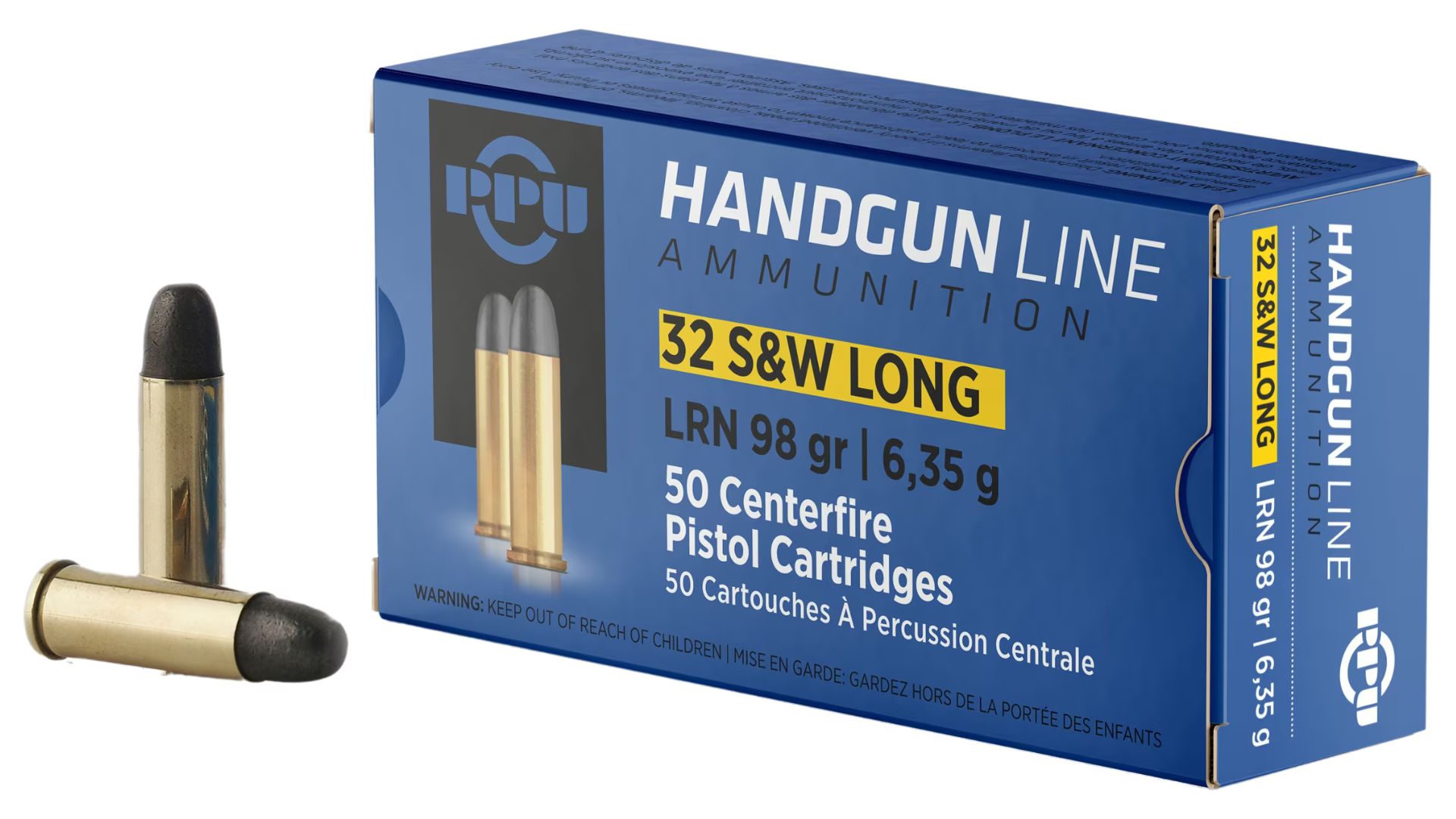
The .32 S&W Long sounds more substantial than tiny pocket calibers because it sits in revolvers and has a classic target-shooting reputation. It is accurate, soft-shooting, and pleasant enough to make people want to defend it.
But for defensive use, it does not deliver much. It is slow, mild, and usually found in older revolvers with limited capacity and slow reloads. It is a nice range cartridge and a neat piece of revolver history. It is not the serious fighting round the name can make it sound like.
.38 S&W
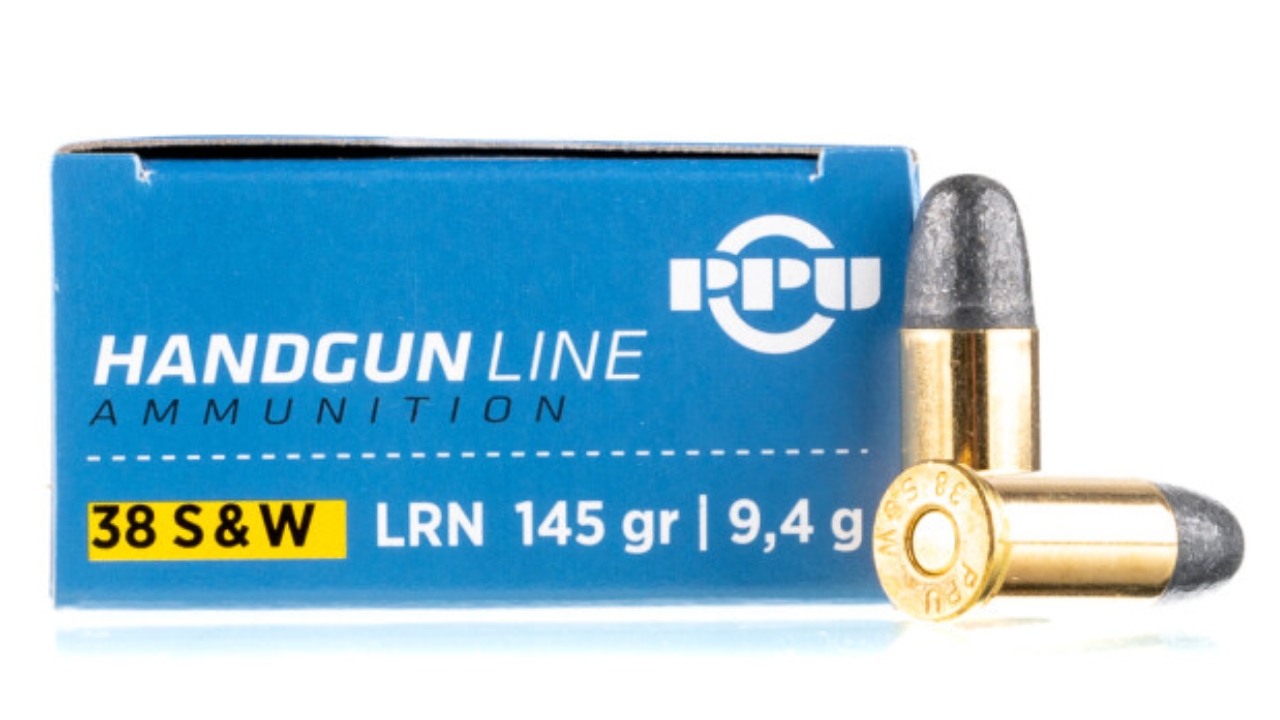
The .38 S&W sounds like it should be close to .38 Special, and that is where a lot of confusion starts. Someone sees “.38” and assumes it means a capable defensive revolver cartridge.
It does not. The .38 S&W is older, weaker, and usually tied to outdated revolvers. It may have history, but history does not make it powerful. For anyone expecting .38 Special performance, the cartridge is a letdown the first time they look into what it actually does.
.38 Short Colt
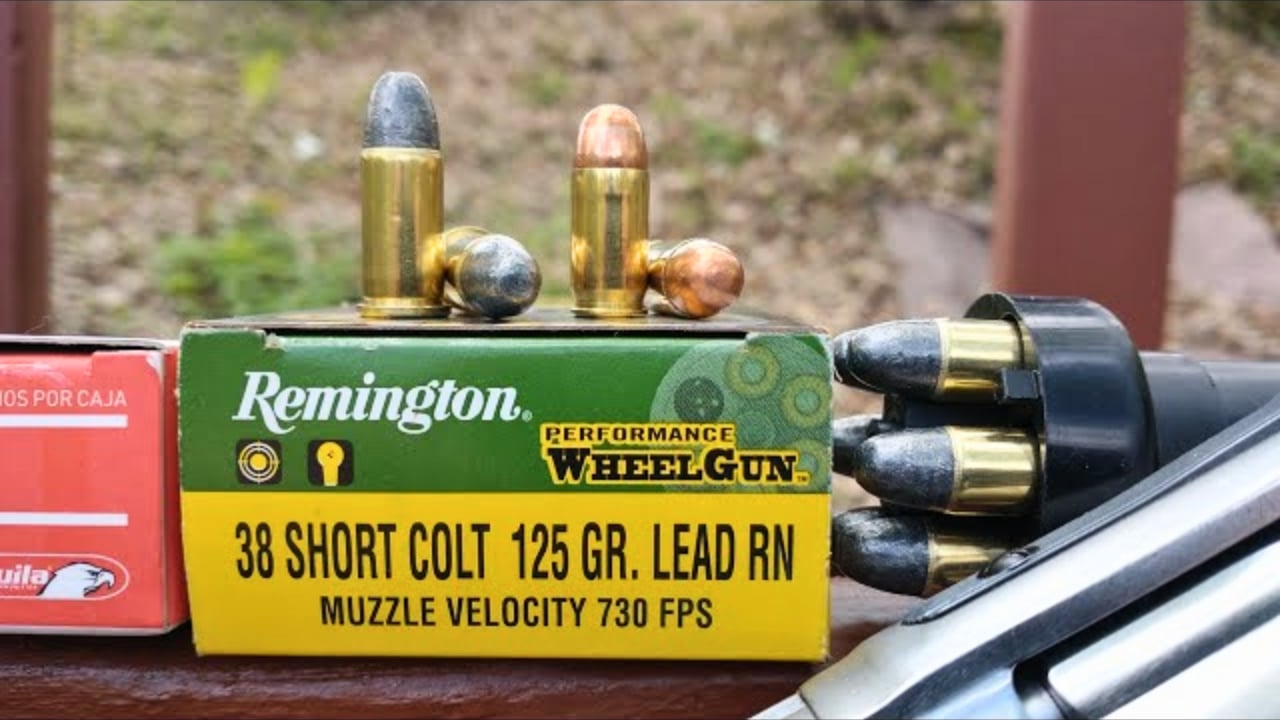
The .38 Short Colt sounds like a trimmed-down version of a serious revolver round, and technically that is not far off. It has use in competition circles where light recoil and fast shooting matter.
Outside that narrow lane, it does not deliver much. It is soft, mild, and not a cartridge most people should look at for defensive use. The name carries more authority than the performance. It is a specialist round, not a serious all-around choice.
.380 ACP

The .380 ACP sounds like a reasonable defensive cartridge because it sits just below 9mm and comes in extremely carryable guns. In a medium-size pistol, it can be controllable and practical for some shooters.
The problem is the tiny micro pistols that make the cartridge look better than it feels. Short barrels, tiny grips, and picky hollow-point performance can rob the .380 of confidence fast. It sounds like a simple pocket-carry answer, but in the smallest guns it often gives shooters less control and less performance than they expected.
.22 WMR from snubnose revolvers

The .22 Magnum sounds much more serious than .22 LR. The name alone makes people think speed, flash, and extra power. From a rifle, it can be a useful small-game and varmint cartridge.
From a snubnose revolver, it loses a lot of that magic. The blast is loud, the velocity is not what people imagine, and rimfire ignition is still not as comforting as centerfire reliability. It sounds like a clever low-recoil defensive option, but the short barrel keeps it from delivering what the name promises.
5.7x28mm in carry pistols

The 5.7x28mm sounds like a futuristic answer to handgun performance. High velocity, light recoil, flat shooting, and high capacity all make it easy to sell. It feels more exciting than another ordinary 9mm.
The issue is that it does not automatically solve defensive handgun problems. Ammo is expensive, bullet selection matters heavily, and many pistols chambered for it are bigger than people want to carry. It sounds like a major leap forward, but for most everyday users, a good 9mm still makes more sense.
.30 Super Carry

The .30 Super Carry sounds like it should have changed the carry market. More capacity than 9mm, better performance than smaller pocket calibers, and modern defensive design all gave it a strong pitch.
But a caliber has to do more than look smart on paper. Rifle and pistol support stayed limited, ammo never became common enough, and most shooters did not see enough gain to leave 9mm. It sounds like a clever upgrade, but it has not delivered the kind of real-world adoption a carry cartridge needs.
.357 SIG

The .357 SIG sounds like a semi-auto version of .357 Magnum, and that is exactly why people keep defending it. It is fast, loud, and has a reputation for strong performance through barriers.
The problem is that the practical advantage is not as dramatic as the name suggests. Recoil is sharper than 9mm, ammo is more expensive, and pistol choices are more limited. It can work well, but it does not deliver enough benefit for most shooters to justify the extra cost and blast.
.45 GAP

The .45 GAP sounds like a smart idea when someone explains it quickly. Big .45-caliber bullet, shorter case, smaller grip frame. That seems like a practical way to get .45 performance into a more manageable pistol.
Then the market speaks. The cartridge never built enough support, and modern 9mm kept improving while .45 ACP stayed more available. The .45 GAP sounds like a clever fix to a real problem, but most shooters decided the problem was not worth solving that way.
.410 handgun loads
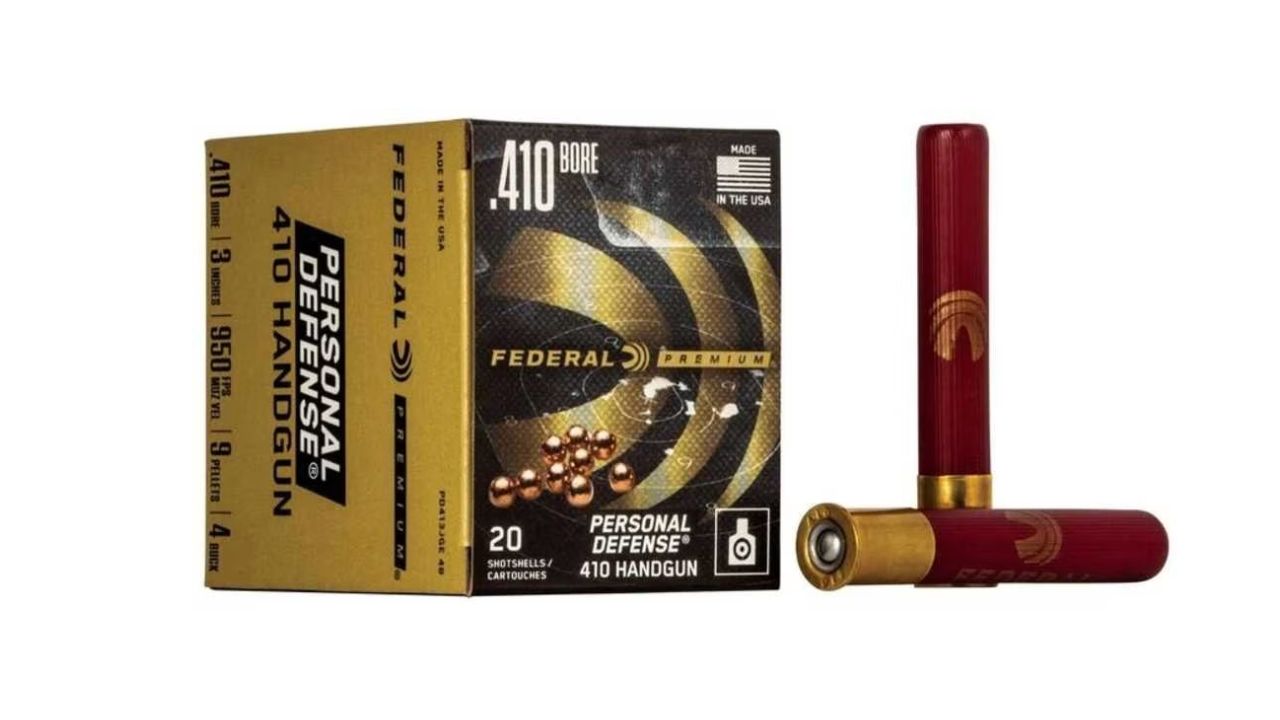
A .410 handgun sounds like a pocket shotgun, and that sells the idea immediately. People imagine a cloud of pellets solving aiming problems at close range. It sounds powerful, forgiving, and intimidating.
Reality is less impressive. Short barrels do not turn .410 into real shotgun performance, and patterns or penetration can disappoint depending on the load. The guns are often bulky, and the results can be inconsistent. It sounds like a fight-stopper, but too often it delivers more noise than confidence.
.300 Blackout subsonic for deer
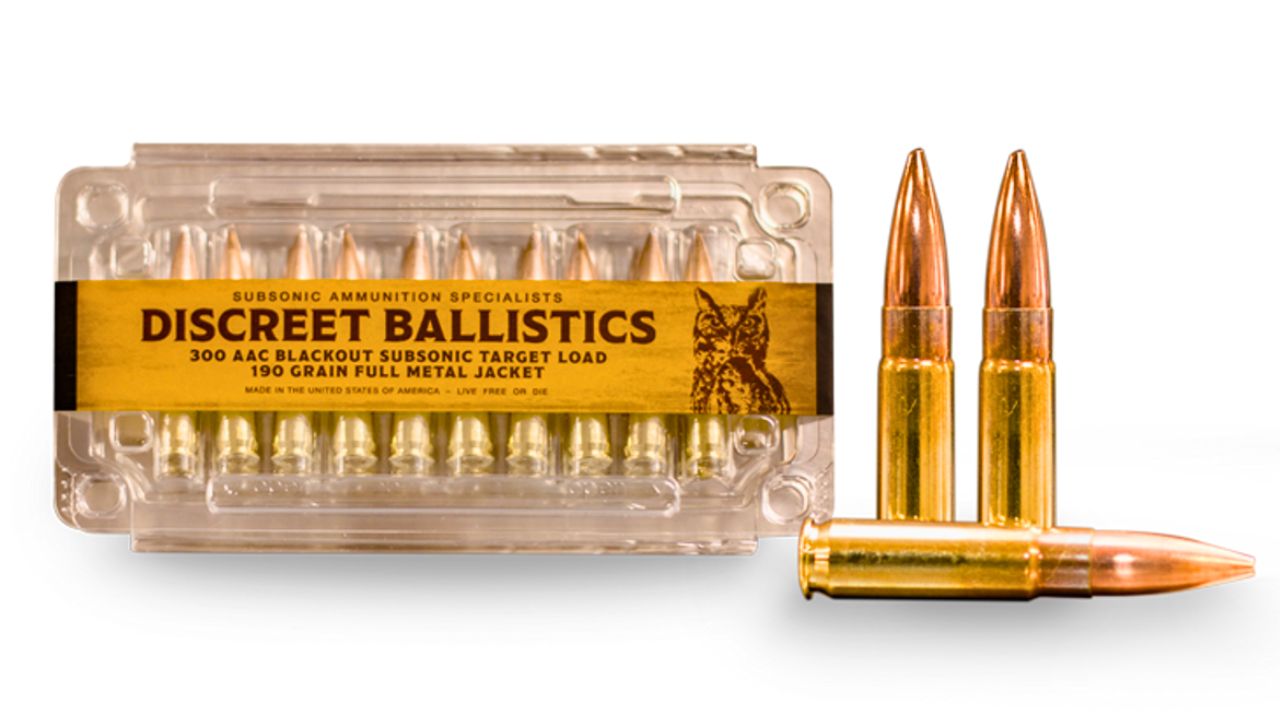
The .300 Blackout sounds serious because it fires a .30-caliber bullet and works well in compact suppressed rifles. For hogs, defense, and close-range setups, it has a real place when loaded correctly.
The trouble comes when hunters expect subsonic loads to act like normal deer ammo. A slow heavy bullet may be quiet, but quiet does not equal effective terminal performance. Supersonic hunting loads are one thing. Subsonic deer hunting with poor bullet choice is where the cartridge stops delivering what people think it promises.
7.62x39mm with cheap soft points

The 7.62x39mm sounds like a hard-hitting little rifle round because it has military history and throws a bigger bullet than .223. In a handy carbine, it feels like it should be a perfect close-range deer or hog cartridge.
The problem is that ammo quality varies a lot. Cheap FMJ is not hunting ammo, and some budget soft points do not perform as well as hunters expect. The cartridge can work, but it needs good bullets and realistic distance. The reputation makes it sound more consistent than it often is.
.350 Legend

The .350 Legend sounds like a hard-hitting deer cartridge because it has a big bore, straight-wall legality, and plenty of marketing behind it. In states that restrict hunters to straight-wall rounds, it has a real purpose.
But outside that legal niche, it does not feel nearly as impressive. It is mild, practical, and useful, not a powerhouse. Some hunters buy it expecting hammer-like performance and end up realizing it is mainly a regulation-friendly tool. It delivers within its lane, but the name sounds tougher than the cartridge feels.
.360 Buckhammer

The .360 Buckhammer may have one of the most aggressive names in the deer-cartridge world. It sounds like something built to flatten whitetails in their tracks. That name alone makes it seem more dramatic than it really is.
The actual cartridge is more practical than monstrous. It gives straight-wall hunters another useful option, especially in lever guns, but it is not magic. Ammo support and rifle choices are still limited compared with more established rounds. The name promises a hammer. The reality is more of a specialized woods tool.
.450 Bushmaster

The .450 Bushmaster sounds like it should end every deer hunt immediately. Big bore, heavy bullets, and AR compatibility make it feel like a serious thumper. In straight-wall states, it gained popularity fast for good reasons.
But it does not always deliver the easy success people expect. Recoil, blast, trajectory, and ammo cost all matter. It hits hard, but that does not replace marksmanship or good bullet choice. Plenty of hunters eventually realize they bought more cartridge than they needed for whitetails.
.224 Valkyrie

The .224 Valkyrie sounded like it was going to change the small-frame AR world. It promised long-range performance from an AR-15 platform with sleek bullets and better reach than standard .223.
Then the excitement cooled. Accuracy results varied by rifle and load, barrel twist mattered, and the cartridge never became the universal answer people hoped for. It can still work for target shooters who know what they are doing, but it did not deliver the broad, easy upgrade many expected.
.30 Carbine

The .30 Carbine sounds more powerful than it feels because it comes from a real military arm and uses a centerfire rifle case. People see a little carbine round and assume it must hit far harder than handgun cartridges.
It is useful in its original role, but it is not a modern do-all defensive or hunting cartridge. Bullet selection is limited, energy is modest, and it lacks the authority many people imagine. The M1 Carbine is great fun, but the cartridge itself often sounds more serious than it performs.
.45 Colt cowboy loads

The .45 Colt has a huge reputation, and in strong guns with heavy loads, it can be genuinely powerful. That reputation causes confusion because not all .45 Colt ammo is built the same.
Standard cowboy-style loads are usually mild. They are fun, soft-shooting, and great for old-style revolvers, but they do not deliver the hard-hitting performance people associate with heavy .45 Colt hunting loads. The name sounds big and serious. The load in the box may be anything but.
Like The Avid Outdoorsman’s content? Subscribe to our newsletter so you never miss an article.
Here’s more from us: