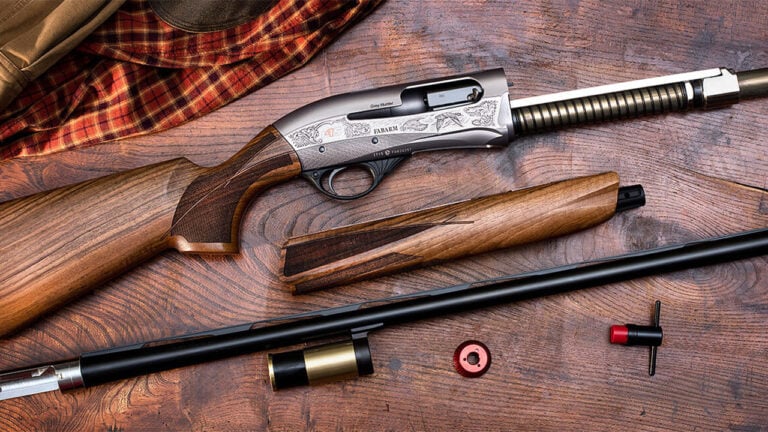
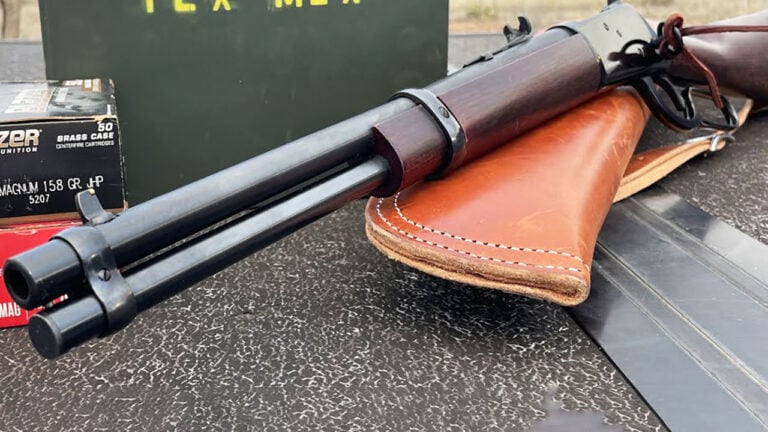
Photo credit: Police 10.8Talk/YouTube
You can spot them from two aisles away. A clean old pistol sitting on faded felt, a hand-written tag with a price that makes your eyebrows climb, and a seller who’s got that “it was my dad’s” or “it came out of my grandpa’s dresser” look. No holster wear, no spare mags, no box, no clue what they’ve got beyond whatever the last guy at the show told them.
I’m not mad at heirs trying to turn an inherited collection into cash. I get it. What gets sideways is the pricing-and-story combo that shows up every weekend: a perfectly ordinary pistol tagged like it’s rare, or a legitimately desirable one treated like a pawn shop beater. Here are 20 specific handguns I keep seeing in that exact situation, and what actually matters before you hand over your money.
1. Colt MK IV Series 70 Government Model
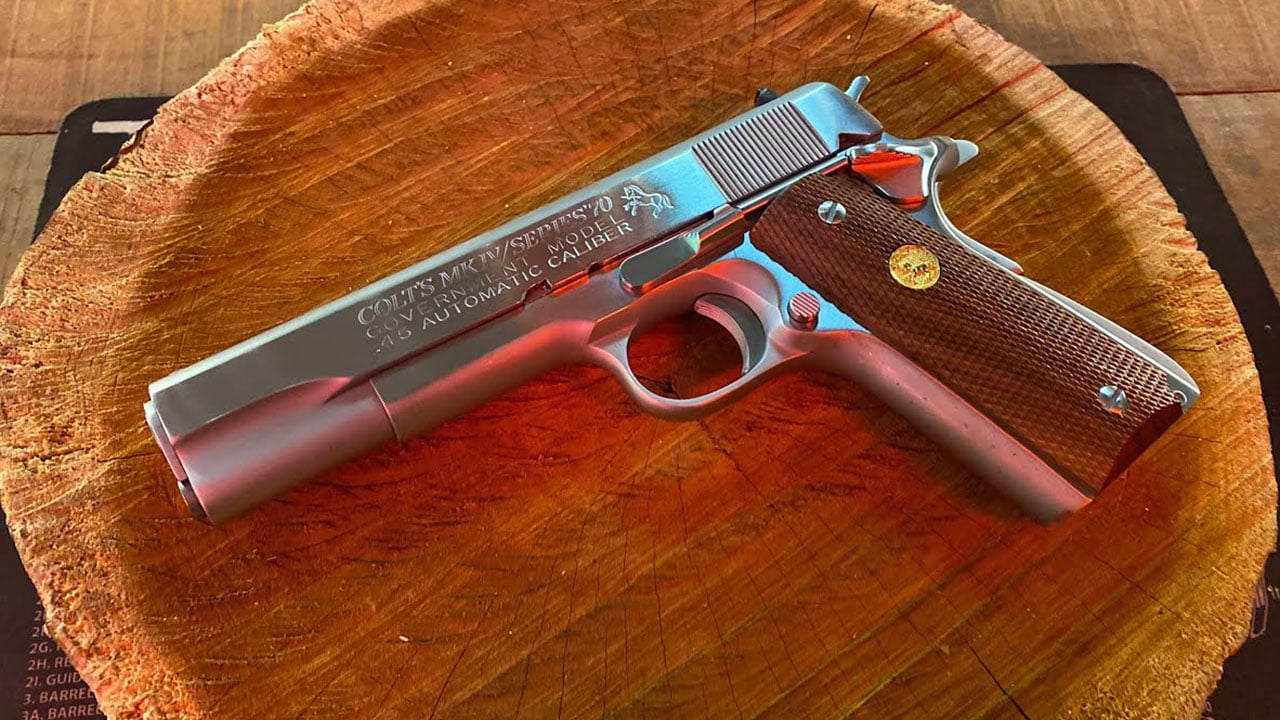
This one tends to get tagged like any old 1911, or like a museum piece, with very little in-between. A real Series 70 Colt has a feel to it—smooth slide, honest machining, and usually a trigger that reminds you why people put up with 1911 quirks.
Condition is everything. Original finish and original parts matter more than a “custom” job done by somebody’s buddy in 1994. If it has aftermarket sights hacked in, a beavertail blended poorly, or random internals, the “collector” premium disappears fast even if the seller thinks it’s still a Colt jackpot.
2. Colt Python (older blued models)
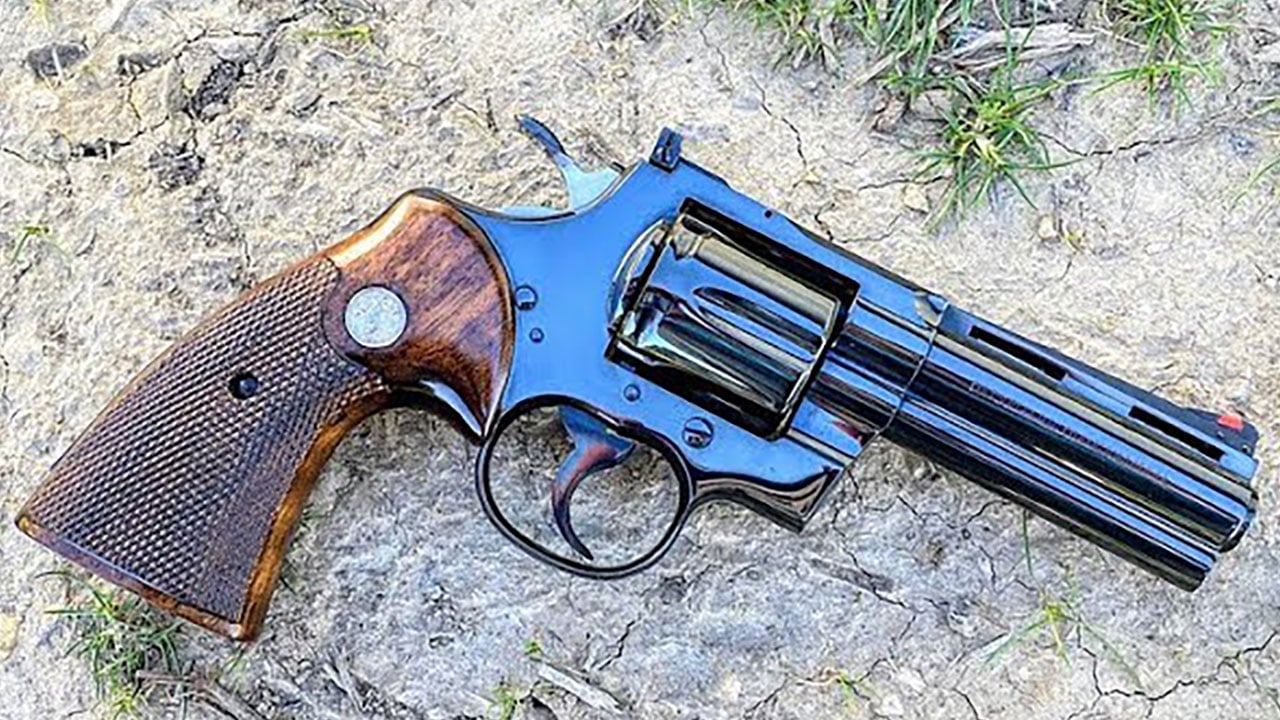
There’s always at least one Python on a table with a price tag that reads like a mortgage payment. Sometimes it’s justified. Sometimes it’s a well-worn revolver with timing that feels a little “soft,” being sold by someone who only knows what YouTube told them.
With Pythons, lockup, timing, and overall mechanical health matter more than a shiny story. A Python that’s out of time is not a casual fix, and it’s definitely not a “take it to any gunsmith” situation in a lot of towns. If you don’t know what you’re checking, bring someone who does or be ready to walk.
3. Smith & Wesson Model 10 (Military & Police)
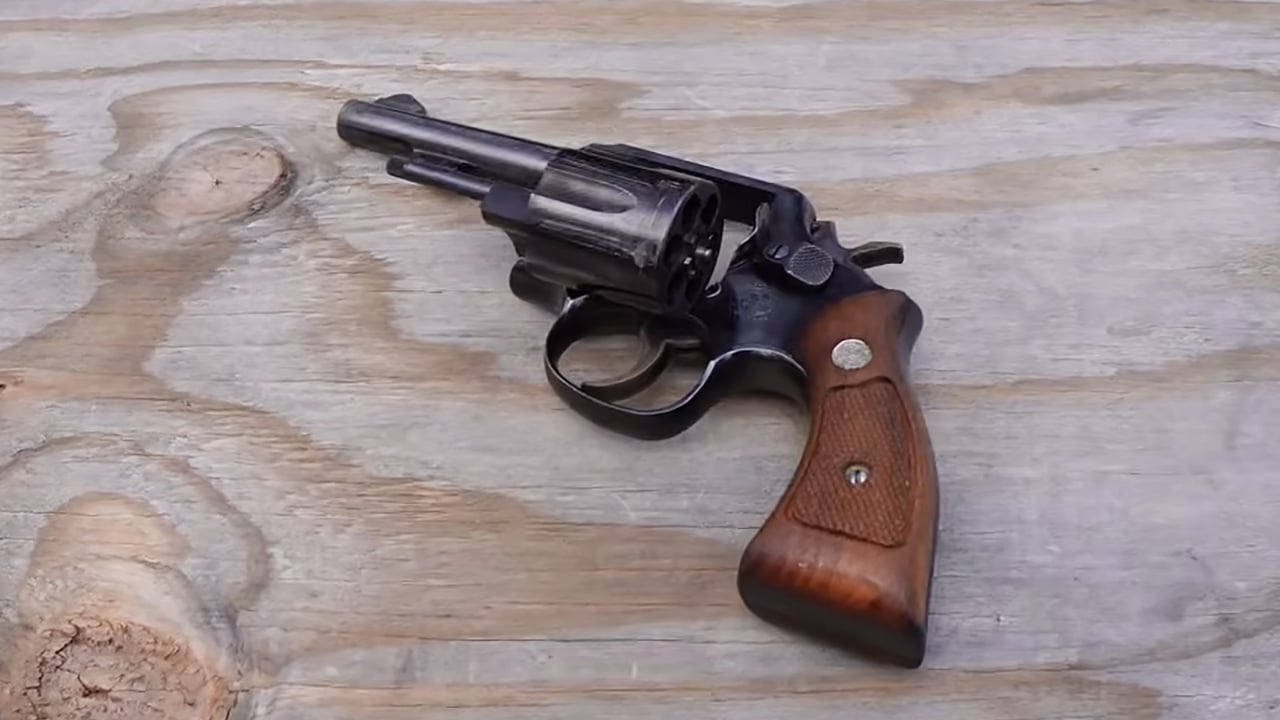
This is the classic “grandpa’s revolver” that gets priced like a rare combat gun because it’s old and says Smith & Wesson on the side. The Model 10 is common, tough, and usually shoots better than you’d expect with plain-jane sights.
It’s also one of the best “keep it around the farm” revolvers ever made, assuming it’s mechanically right. The problem is the tag: heirs see a blued revolver in nice shape and assume it’s automatically a high-dollar collector item. Most aren’t. They’re just good working guns, and that’s not an insult.
4. Smith & Wesson Model 19 (Combat Magnum)
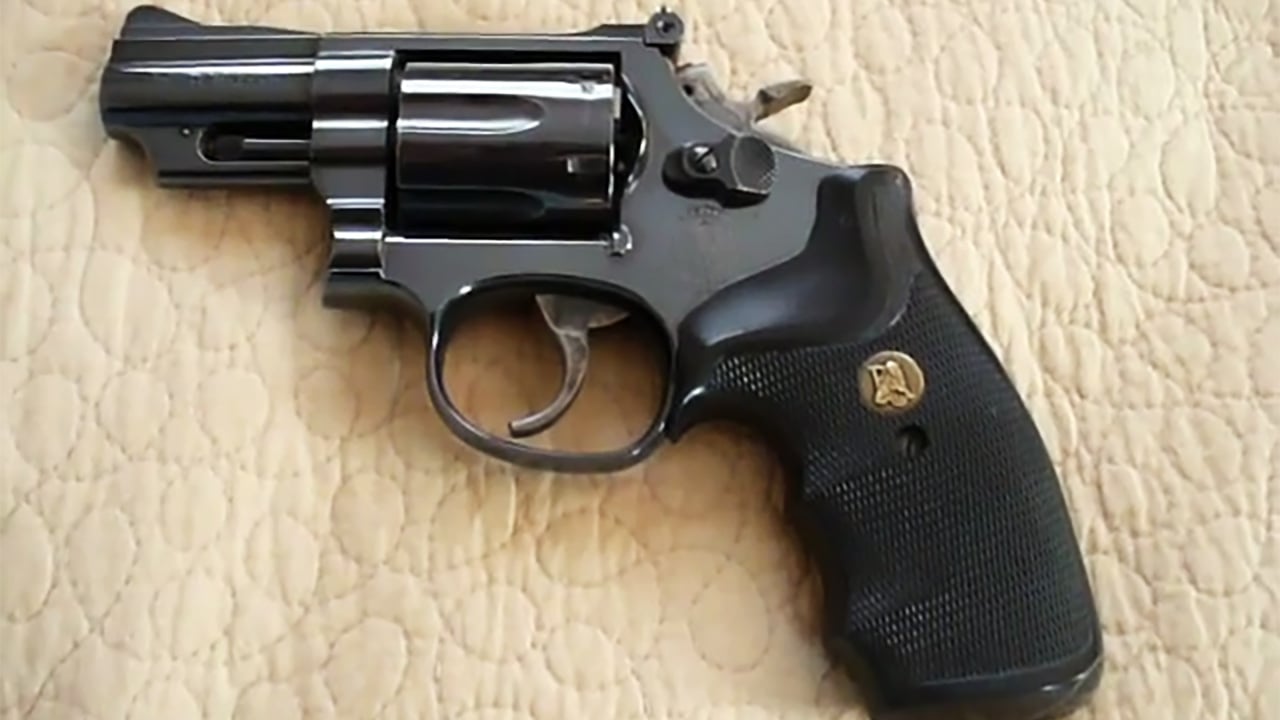
Model 19s pop up constantly, especially four-inch guns, and they’re the kind of revolver a lot of outdoorsmen still like for packing. They balance well, they point naturally, and the double-action pull on a decent one is hard to beat.
But they also get “magnum’d to death” sometimes. A steady diet of hot .357 loads can be hard on them. If it’s loose, spits, or the cylinder gap looks goofy, don’t pay premium money just because the seller’s cousin said “it’s a Dirty Harry gun.” Different Smith, different story.
5. Ruger Blackhawk .357 Magnum (Old Model and New Model)

The Blackhawk is one of those pistols that gets treated like it’s either a cowboy toy or a priceless relic. In reality, most of them are honest, durable single-actions that will outlast their owners. Nothing fancy about it, and that is kind of the point.
Old Model guns (three-screw) bring different interest than New Model, and the details matter. Boxes, paperwork, original grips—those details are where value hides, not in a dramatic story about “this was carried on a ranch.” Plenty were. That doesn’t automatically make it rare.
6. Browning Hi-Power (FN / Browning-marked pistols)
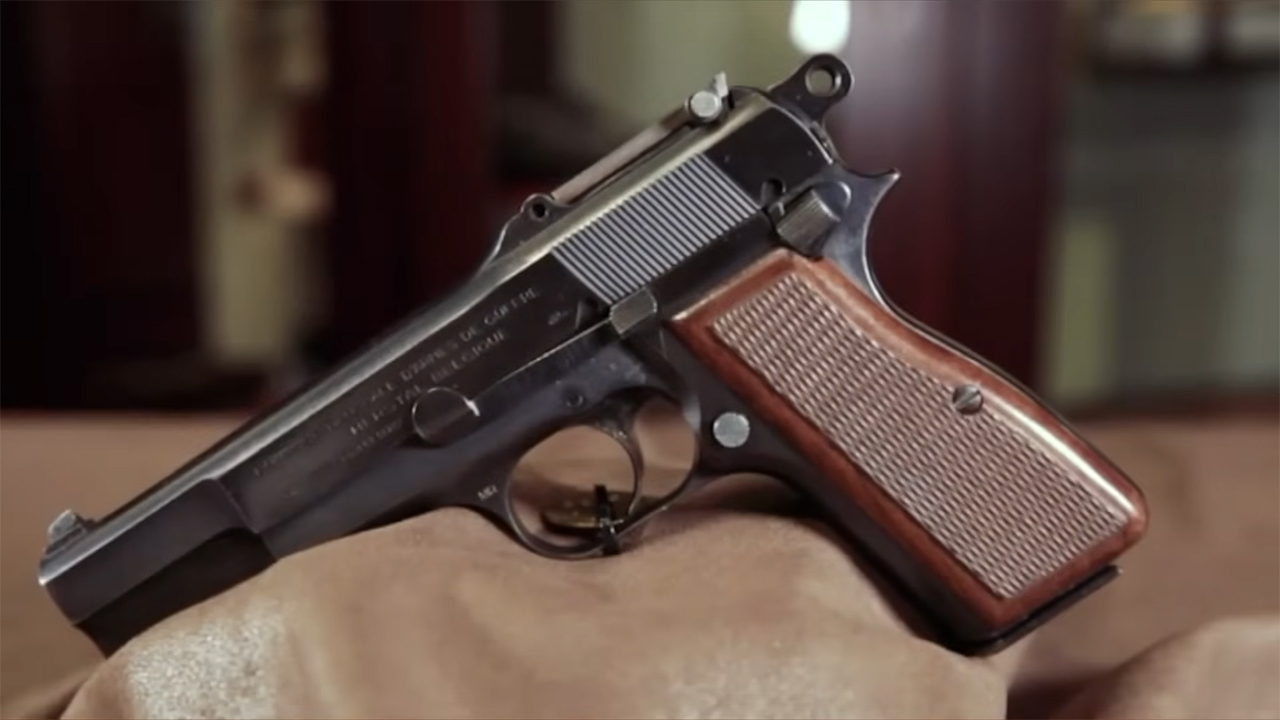
I see Hi-Powers priced all over the map, usually with the seller saying “it’s like a 1911 but holds more.” Not wrong, but also not the whole deal. A good Hi-Power feels slim in the hand and carries flatter than a lot of double-stacks.
Here’s the catch: magazine availability is usually fine, but condition and originality matter. Some have been refinished, some have had parts swapped, and some have mushy triggers because of the magazine disconnect. If you’re paying top dollar, make sure you’re not buying a parts-bin special with a polished story.
7. Beretta 92FS (and older 92F/92SB variants)

These show up as “military issue” pistols even when they’re regular commercial guns. The Beretta 92 is a big, smooth shooter with a recoil impulse that’s more push than snap. If you’ve got big hands, it’s a comfortable range gun.
What it isn’t is rare, and it isn’t everyone’s carry choice in 2026 either. When I see one tagged too high, it’s usually because it looks pristine and the seller assumes “like new” equals “collector.” If you want one, negotiate like it’s a used service pistol, because that’s what it is.
8. SIG Sauer P226 (German-frame and early West German guns)
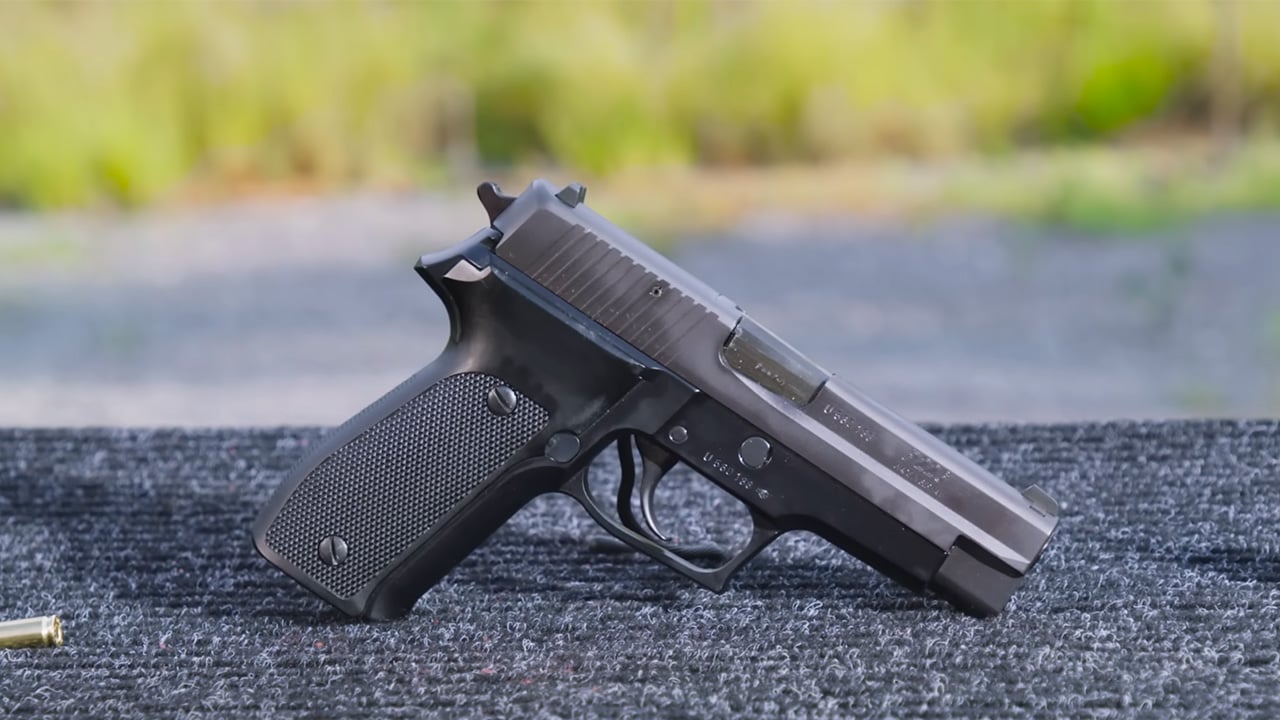
Older P226s are easy to fall for. The slide feels like it’s on bearings, and they tend to run forever. A lot of folks carried them on duty, and a lot more shot them a ton at the range because they’re just pleasant pistols.
The inherited-gun-show version often comes with one magazine and a price tag based on “SIGs are expensive.” True, but also: check night sights (usually dead), check frame rails, and check if it’s been shot to the point of being “loose but still runs.” Great guns, but don’t pay like it’s unfired just because the outside looks clean.
9. Walther PPK / PPK/S
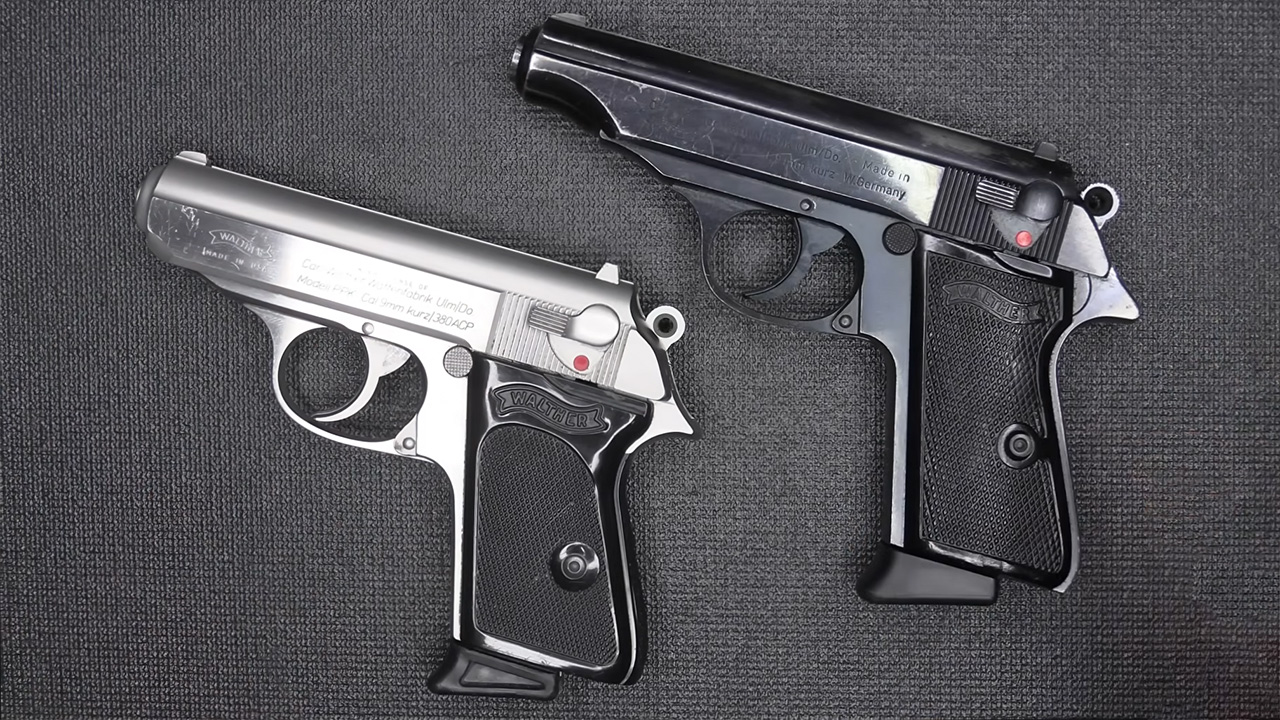
These get priced like James Bond personally signed them. The reality is they’re classy, heavy for their size, and not especially fun to shoot with snappy .380 ammo. They carry fine in the right setup, but bite hands and punish thumbs if you’re not careful. Ask me how I know.
Collectors do care about markings and production era, but the average show table PPK isn’t a unicorn. If you’re buying it to shoot, make sure it functions, feeds your preferred ammo, and doesn’t have cracked grips or peened parts. If you’re buying it to admire, you’re probably already the guy who researched it.
10. CZ 75B (and pre-B CZ 75 variants)
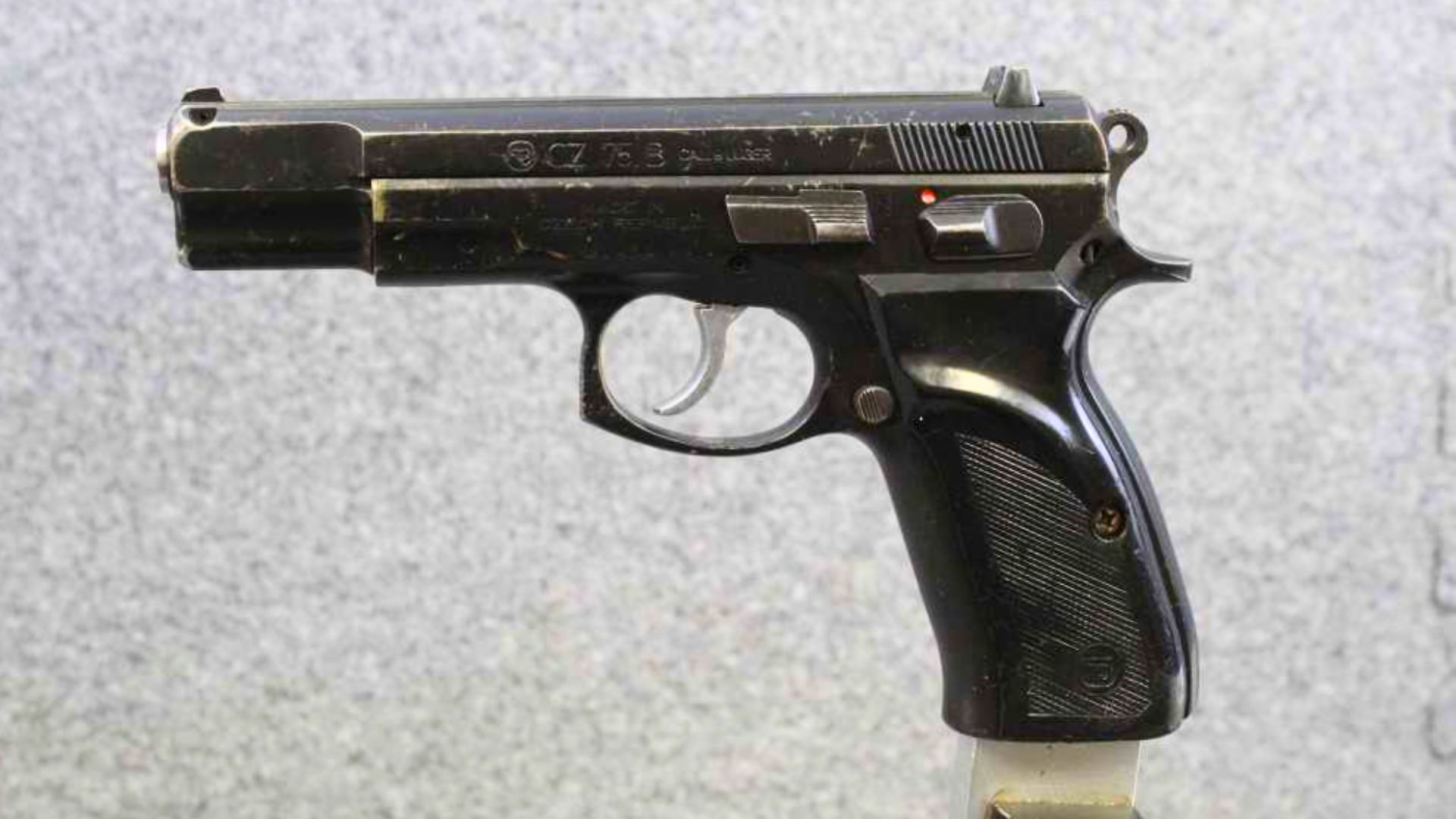
CZ 75s are one of those pistols that get overlooked until you actually handle one. The ergonomics are solid, the steel frame soaks up recoil, and they usually shoot flatter than the striker-fired guns that replaced them in a lot of circles.
At gun shows, heirs will sometimes price a CZ like it’s an obscure European collectible just because it’s not a Glock. Other times, they’ll practically give away a genuinely desirable early variant because “it’s just an old 9mm.” Knowing which CZ you’re looking at is the whole game.
11. Heckler & Koch USP .45
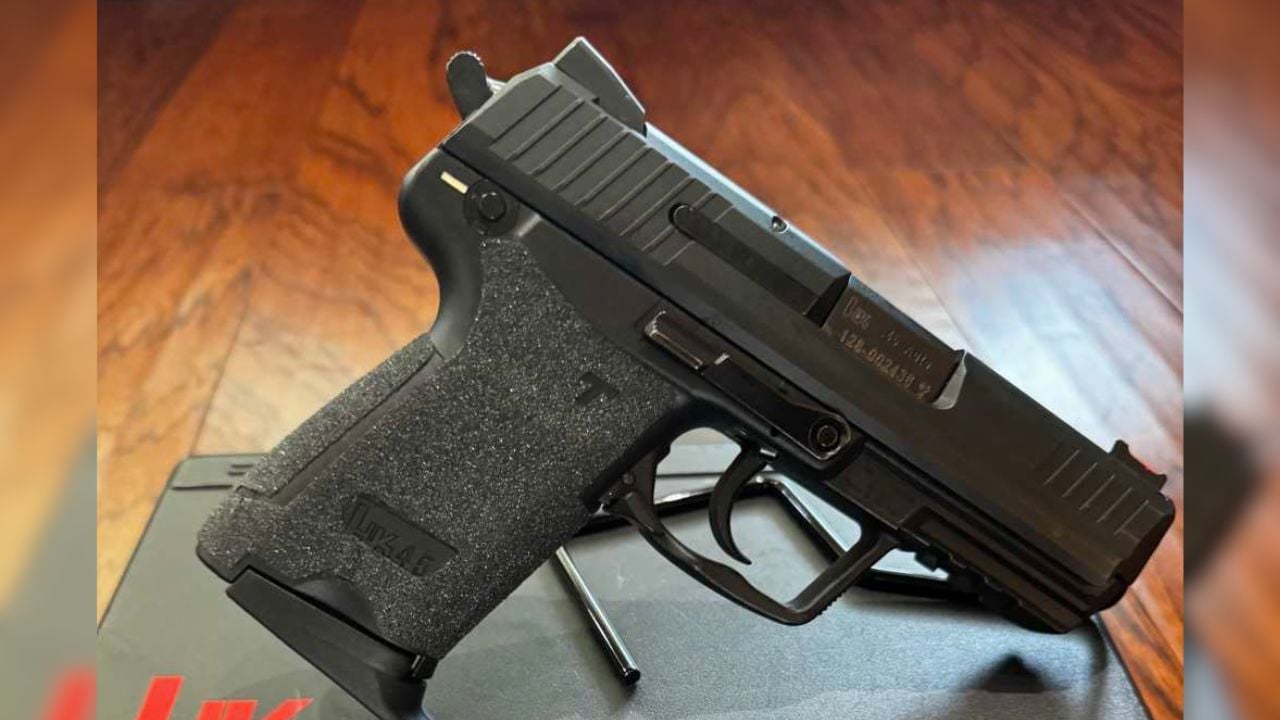
The USP .45 is big, blocky, and about as subtle as a cinder block in a holster. Still, it’s reliable, accurate enough, and built like it was meant to survive a lifetime of neglect in a glove box. I wouldn’t recommend that kind of storage, but you get what I mean.
What surprises buyers is the trigger feel and the price of magazines and some parts. Sellers who inherited one often anchor on “HK equals premium,” then tack on extra because it “looks tactical.” If you want an HK, make sure you actually like the controls and can live with feeding it mags at HK prices.
12. Glock 19 (Gen 2 and Gen 3)
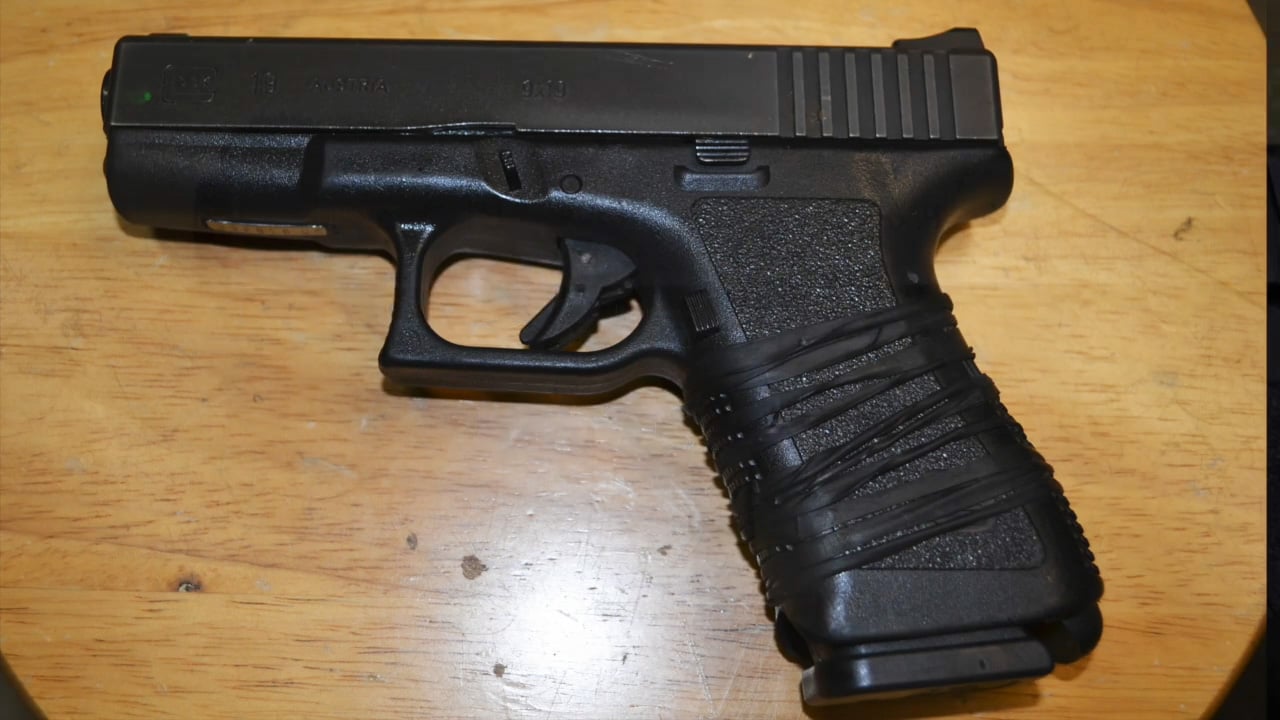
Yes, even the most common carry pistol in America shows up with a goofy price tag. I’ve seen Gen 2 and Gen 3 Glock 19s labeled “early rare model” with a price that ignores the fact you can still buy a brand new Glock 19 any day of the week.
There’s nothing wrong with older Glocks, and some folks prefer the feel. But “old” doesn’t automatically mean “collectible.” Check the frame condition, check the sights, and check for oddball aftermarket parts. The nice thing is magazines and parts are everywhere, which is more than you can say for some old show-table specials.
13. Glock 17L

This one actually can be a little uncommon depending on what’s on the market at the moment, and that’s where sellers get starry-eyed. The long-slide Glock has a cool factor, no doubt, and it shoots soft with a long sight radius.
But it’s also a niche pistol. It’s not most folks’ carry choice, and it’s not a woods gun. If it’s priced like a collector grail, make sure it’s not just “rare because nobody wanted it.” If you’re a competition guy, you’ll know what it’s worth to you.
14. Ruger P89
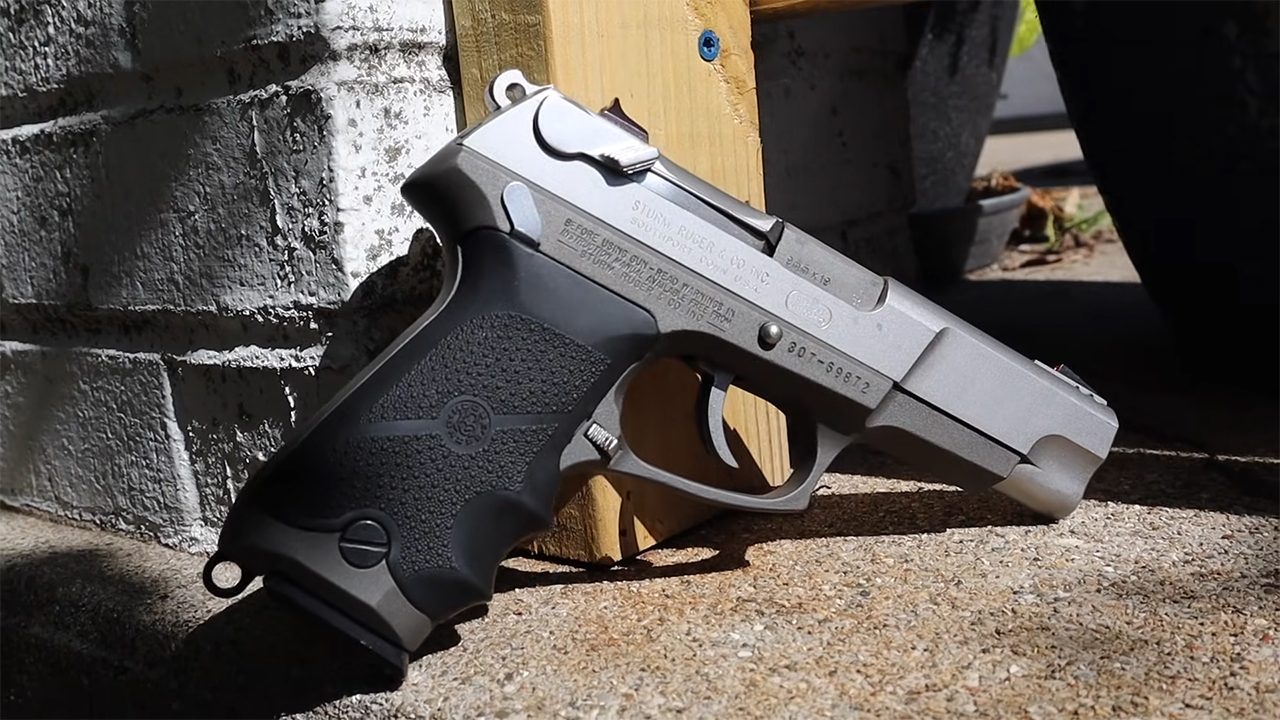
The Ruger P-series pistols are the definition of “built like a hammer.” They aren’t pretty, they aren’t slim, and they aren’t modern. They also tend to run and run, even when they look like they’ve been rattling around a tackle box since the Clinton administration.
At gun shows, I see P89s priced like they’re classic stainless collectibles. They’re not. They’re dependable working pistols with clunky triggers and a chunk-of-steel vibe. If the price is right, they’re a fine truck/range gun. If the price is wrong, keep walking.
15. Ruger Mark II (Standard/Target)
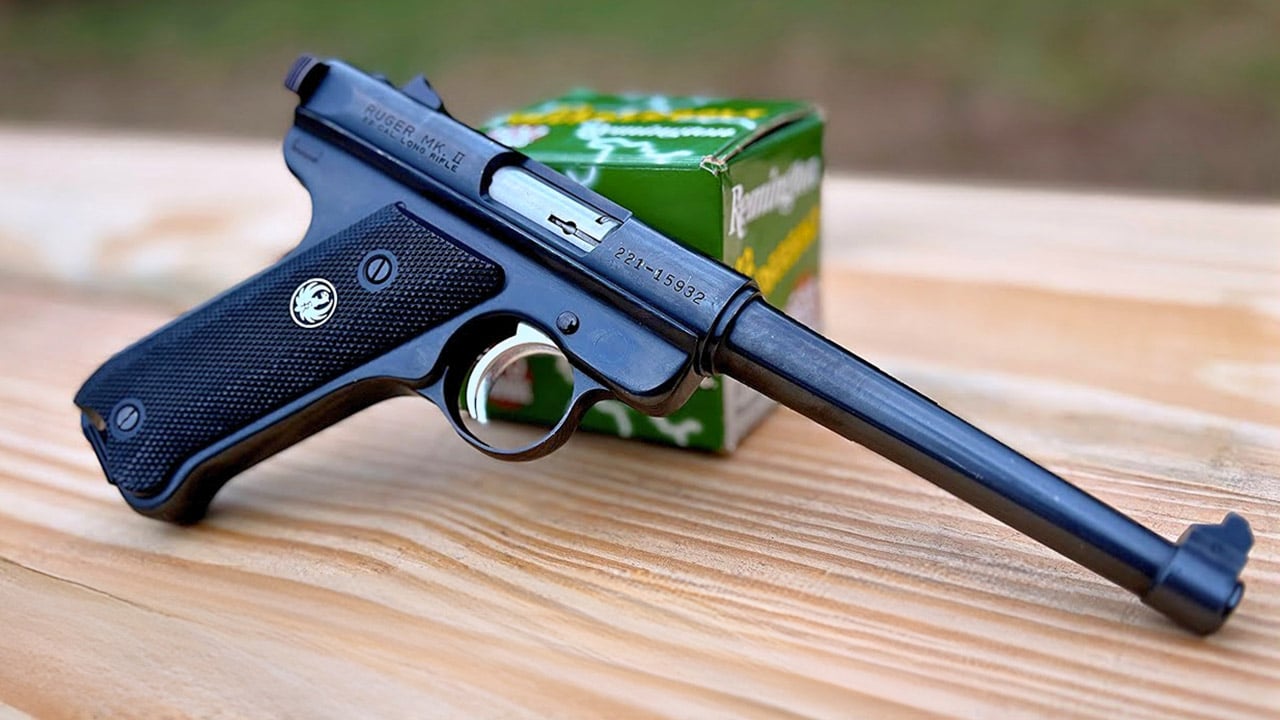
Ruger’s older .22 pistols are everywhere in family collections because they’re useful. They’ll teach kids to shoot, they’ll pop squirrels, and they’ll keep you honest at the range when centerfire ammo gets expensive.
The inherited ones usually come with a story about how it was “never fired,” even when the bolt ears are polished from use. The bigger issue: some folks hate taking them apart and put a premium on newer versions. A clean Mark II with the right magazines is still a keeper, but don’t let anyone charge you like it’s a rare match gun unless it truly is.
16. High Standard Supermatic Trophy

This is one that gets mispriced both directions. Some sellers think it’s “just an old .22,” and some think every High Standard is a national treasure. A good Supermatic is accurate and has that old-school target pistol vibe that modern polymer guns can’t fake.
What bites buyers is magazines. Good High Standard mags are the difference between a tack-driving .22 and a jam-o-matic range headache. If it comes with the right mags and it runs, that’s value. If it’s one lonely pistol with no mags and no support, price should reflect that.
17. Smith & Wesson Model 41

If you’ve spent any time around bullseye shooters, you know the Model 41 name carries weight. They’re accurate, they balance well, and they feel like a “real” target pistol the moment you pick one up.
Heirs often recognize it’s nice but don’t know how to judge condition beyond “it’s shiny.” A Model 41 that’s been tinkered with or has issues can be a headache, and they aren’t cheap to begin with. If it’s legitimately clean with correct parts, it can be worth strong money—but you should still verify function instead of buying the story.
18. Taurus PT92

The Taurus PT92 is always sitting near the Berettas, and the sales pitch usually sounds like “same thing, cheaper.” It’s Beretta-ish, and some run great. The frame-mounted safety is actually something some shooters prefer.
Still, pricing at gun shows can get weird when the seller thinks it’s a “Brazilian military pistol” and adds a premium. Value here is condition, included magazines, and whether it’s been reliable for whoever owned it. Pay used-gun money, not fantasy money.
19. Makarov PM (Russian/East German/Bulgarian variants)
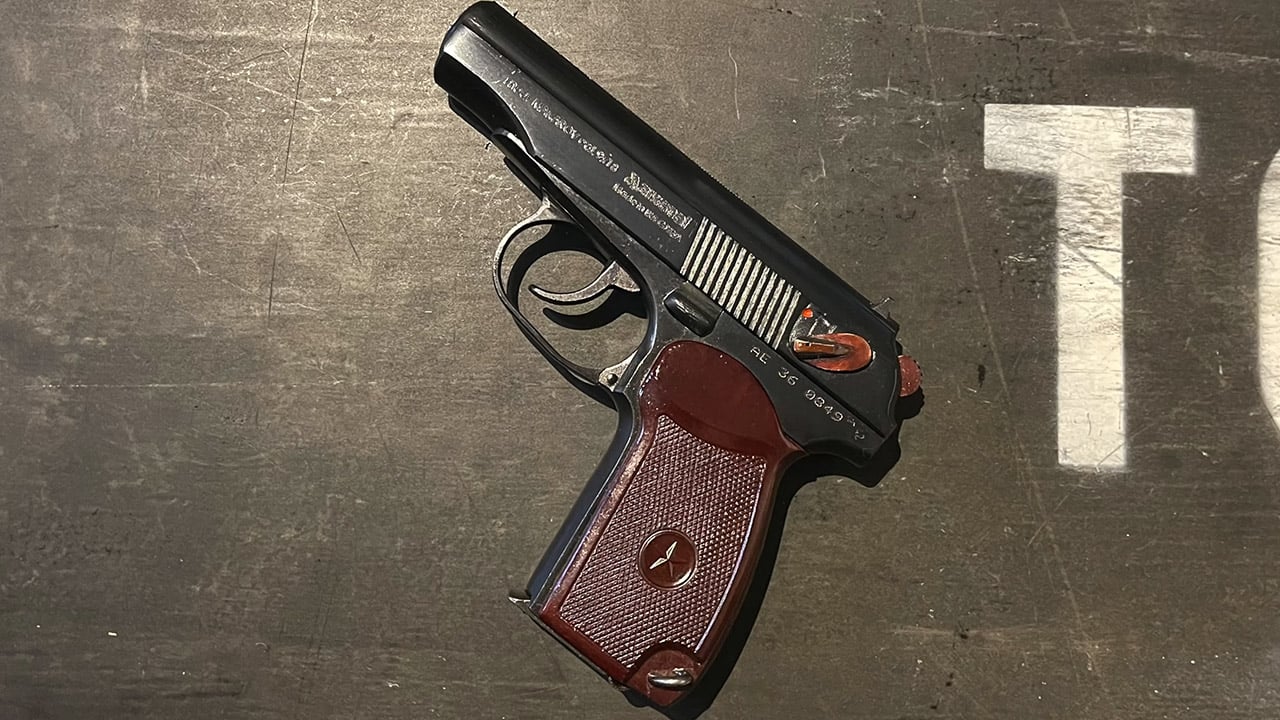
Makarovs show up with two extreme price tags: dirt cheap like it’s just an old commie pistol, or wildly expensive like every one of them is a Cold War artifact that belongs behind glass. Truth is, they’re simple, sturdy, and surprisingly accurate with their fixed barrel setup.
Where you need to pay attention is variant and markings, plus overall mechanical condition. Also, 9×18 ammo isn’t as effortless to find as 9mm Luger everywhere you go, and that affects how much “use” you’ll get out of it. If you want a shooter, don’t pay collector pricing for a rough import with a worn-out spring set.
20. Luger P08 (DWM and other marked examples)

This is the king of “inherited and mispriced.” I’ve watched sellers try to move a Luger with a price tag based on one blurry online listing, while knowing nothing about matching numbers, originality, or whether it’s been refinished. Meanwhile, buyers hover like buzzards because they know the details are where the money is.
Lugers are neat, but they’re not the pistol you buy casually. Condition, matching parts, and mechanical health matter, and so does whether it’s safe and sensible to shoot with modern ammo. If you’re new to Lugers and you’re tempted at a gun show, slow down. A bad Luger deal hurts twice: once when you pay, and again when you learn what you actually bought.
Gun shows are still one of the better places to handle older pistols and learn what you like. They’re also where family guns land when somebody is cleaning out an estate and trying to do right by it. If you’re the buyer, bring patience, bring a flashlight, and don’t let a sad story or a confident price tag make the decision for you. The right deal will still be there after you take a lap and think.
Like The Avid Outdoorsman’s content? Subscribe to our newsletter so you never miss an article.
Here’s more from us: