Photo credit: Buckeye Ballistics/Youtube
I used to treat shotguns like trading cards. If something caught my eye at the gun counter and I could swap my way into it, I did. A different choke system. A prettier receiver. A “tactical” version of something I already owned. I told myself it was all part of learning.
What I didn’t understand yet was that a good shotgun isn’t always easy to replace, even if it’s not “rare.” Certain models get discontinued, certain older versions are better than what replaced them, and some guns just plain fit you. When they’re gone, you can’t always buy your way back into the same feeling. Here are twenty shotguns I let walk out of my life before I learned that lesson.
1. Remington 870 Wingmaster (older blued, walnut)
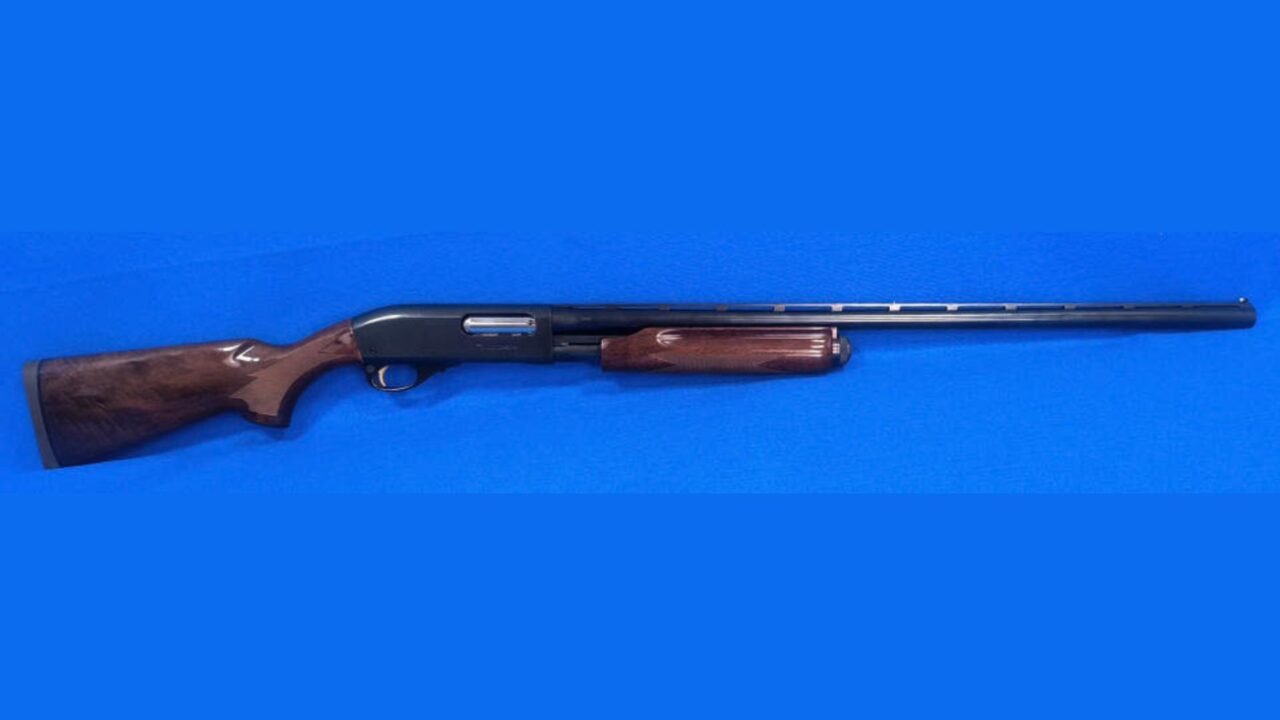
I traded my first Wingmaster for a scoped deer rifle I “needed.” I remember the 870’s action feeling like it was on ball bearings, even when it was dirty from a wet pheasant hunt. It pointed where my eyes went, and the balance was right between the hands.
Later on, I realized what I’d had wasn’t just an 870. It was an older, slick, well-fitted Wingmaster with deep bluing and wood that didn’t feel like plastic. There are plenty of 870s out there, sure, but finding one with that exact smoothness and honest wear is harder than it sounds.
2. Mossberg 500 (plain 28-inch field gun)
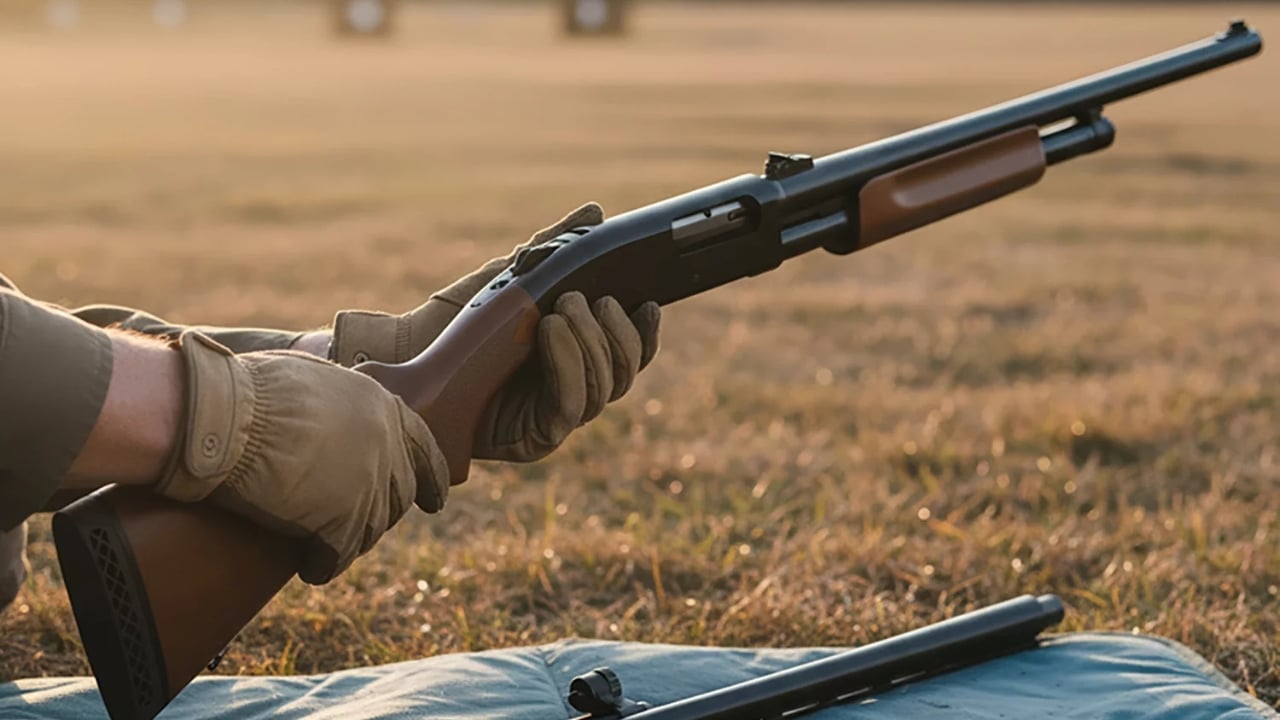
This one was “boring,” which is exactly why I moved it along. Nothing fancy: matte finish, vent rib, Accu-Choke tubes, a stock that had more dings than shine. It lived behind the truck seat during bird season and never once acted up.
What I didn’t appreciate is how useful a basic 500 is when you stop chasing new-gun excitement. Parts are everywhere, it’s easy to keep running, and you don’t baby it. I traded it toward something nicer, then found myself missing the shotgun I didn’t worry about.
3. Browning A-5 (Belgian “Sweet Sixteen”)
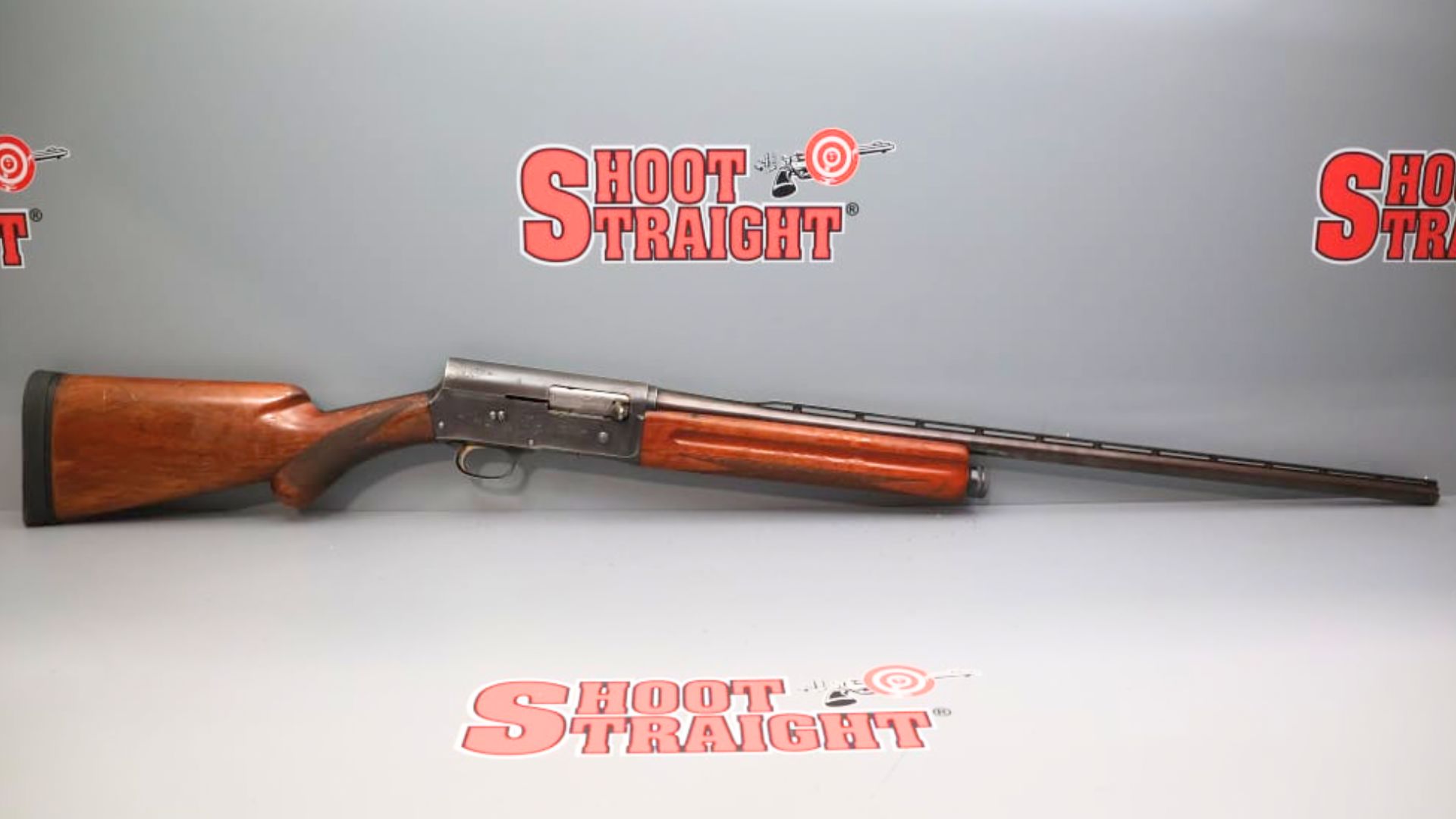
I had a Sweet Sixteen for a short stretch and convinced myself I “didn’t need a 16 gauge.” That was the whole argument. Then I carried it in the grouse woods a few times and realized why so many old-timers never shut up about them.
That long-recoil humpback design has its quirks, but the gun carried light and swung like it wanted to hit birds. The one I had wasn’t perfect, but it had that old Browning feel. I’ve seen others since, but the price and condition never line up when I’m ready to buy.
4. Ithaca Model 37 Featherlight (20 gauge)
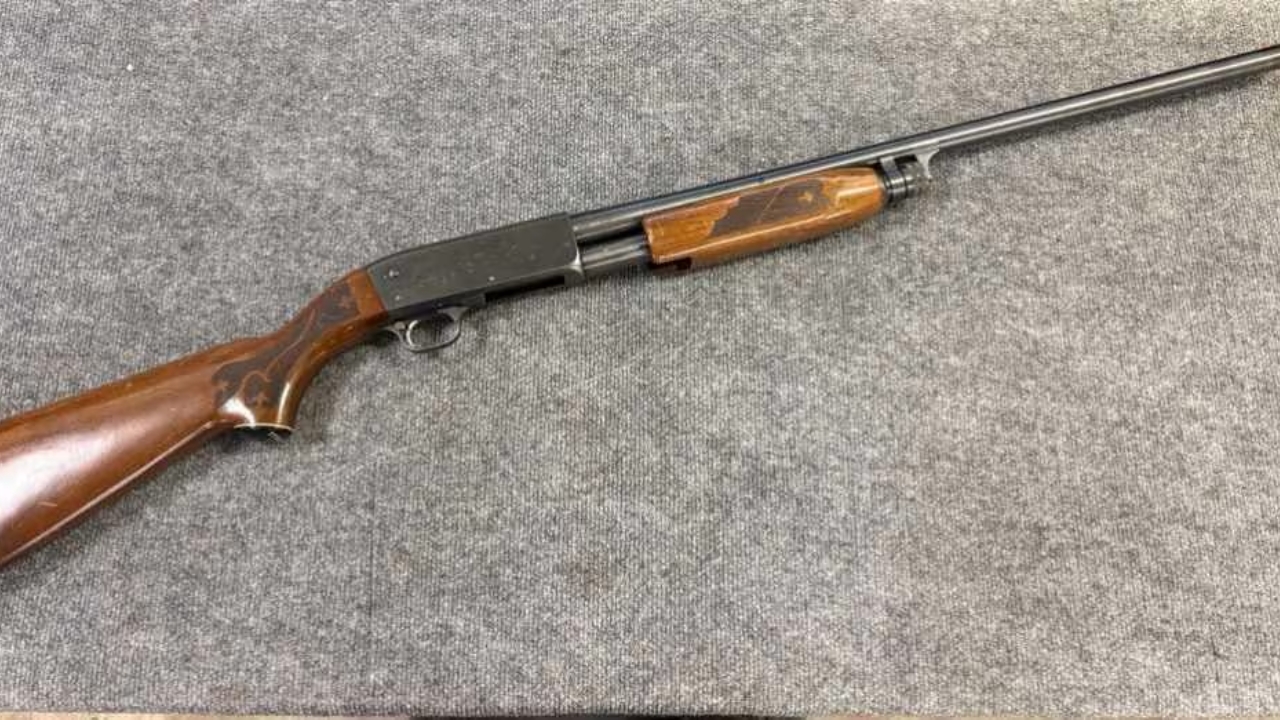
This is one of the few pump guns that can make you forget you’re carrying a pump. Bottom-eject, trim receiver, and it rides close to the body when you’re slipping through brush. Mine was a 20 gauge that felt like it belonged in my hands.
I traded it during a phase where I thought I needed to “standardize” everything. That sounded smart until I realized some guns are standardized because they’re common, not because they’re best for every job. A good Model 37 is a keeper, especially if it fits you.
5. Winchester Model 12 (12 gauge, fixed choke)
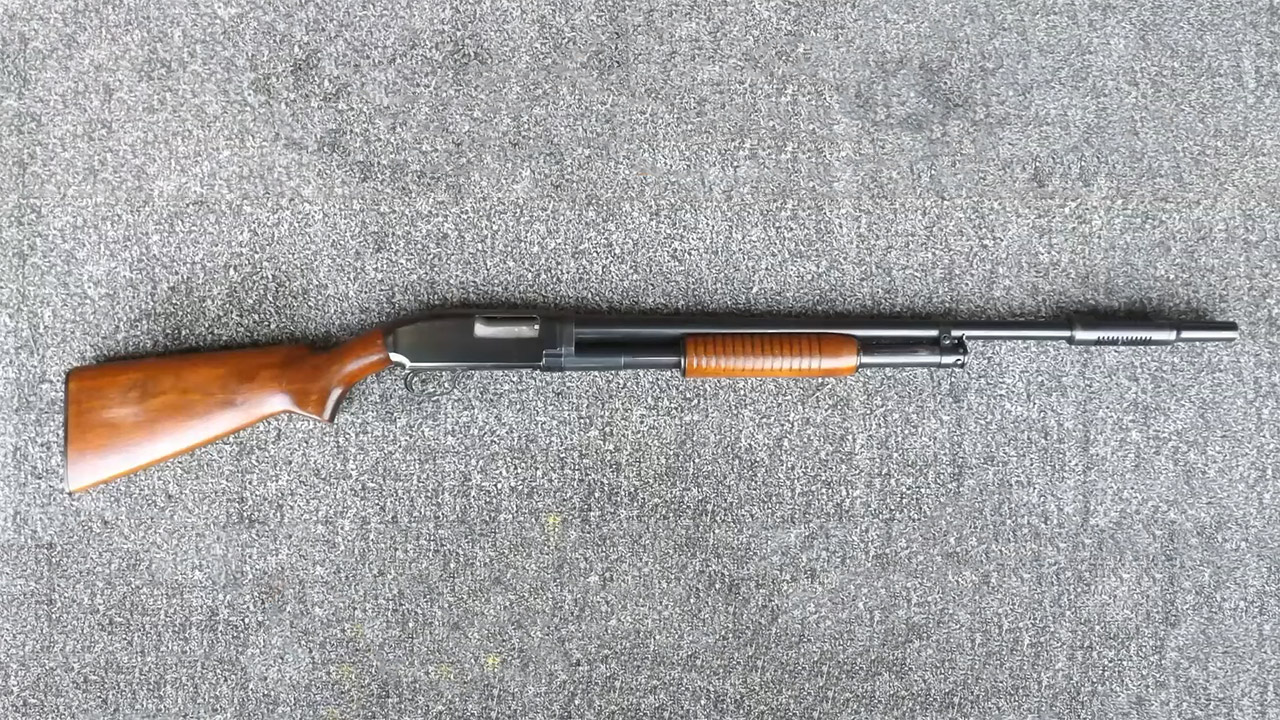
The Model 12 I had was old and honest. Fixed choke, worn blue, and a pump stroke that was long but smooth. I didn’t like the idea of fixed chokes back then, and I definitely didn’t like the price of having a barrel worked on.
What I learned later is that a fixed-choke Model 12 isn’t a disadvantage if you actually hunt the way it was meant to be used. There’s a confidence that comes from a gun that has already been “proved” by decades of birds and seasons. I let mine go because I was chasing modern convenience.
6. Beretta A300 Outlander (12 gauge)
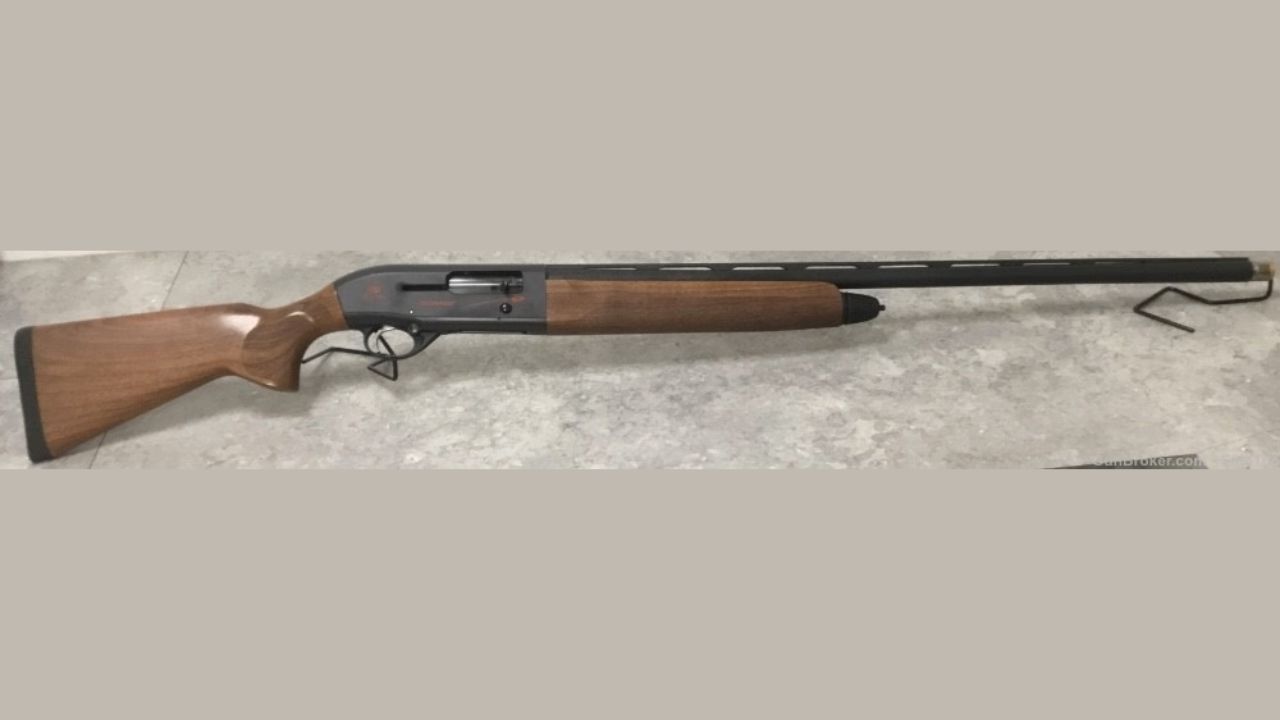
I traded an A300 because I wanted something “higher end.” The A300 didn’t care about my feelings. It just ran. Light target loads, field loads, dusty range days, wet mornings—mine ate it all without drama.
Looking back, it was the definition of a working semi-auto. Not a safe queen, not a status symbol, just a solid gas gun with reasonable recoil. I’ve shot fancier shotguns that didn’t do anything more useful, and that’s an annoying realization.
7. Benelli Super Black Eagle II (12 gauge)
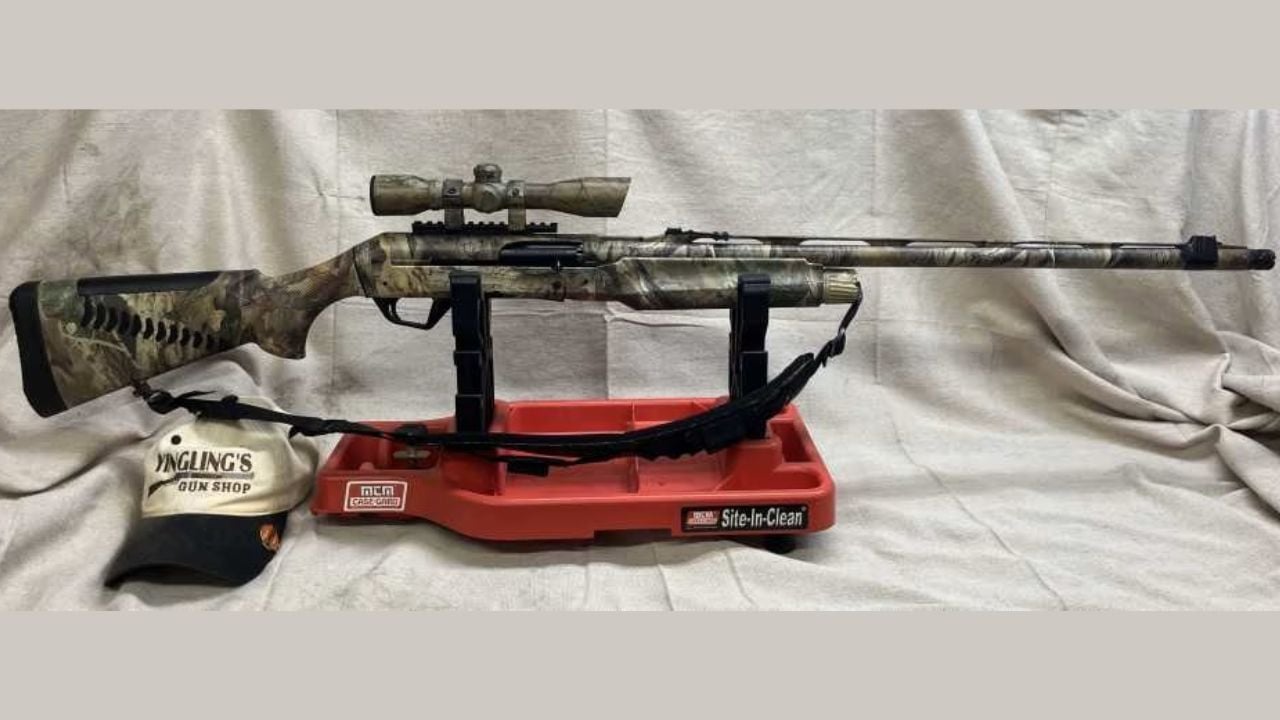
When I had an SBE II, I thought it was too much shotgun for me. It felt tall in the receiver and a little clunky compared to slimmer guns. I wasn’t waterfowling as much then, so it seemed like easy trade bait.
Later, when I was standing in cold wind with gloves on and an icy boat floor under my feet, I missed that Benelli reliability. Inertia guns aren’t perfect for everyone, but a Super Black Eagle that fits you is the kind of tool you keep for the years when the weather turns mean.
8. Franchi Affinity 3 (20 gauge)

I let an Affinity 3 go because I wanted a “real” Benelli, which is the kind of thinking that empties wallets and safes. That Franchi carried like a wand, and the recoil in 20 gauge was easy to live with all day.
For upland hunters who walk a lot, the Affinity punches above its price. The controls were simple, it pointed naturally, and it didn’t feel fragile. I’ve handled plenty since, and I still think I had the sweet spot: right barrel length, right stock, right everything.
9. Ruger Red Label (12 gauge)
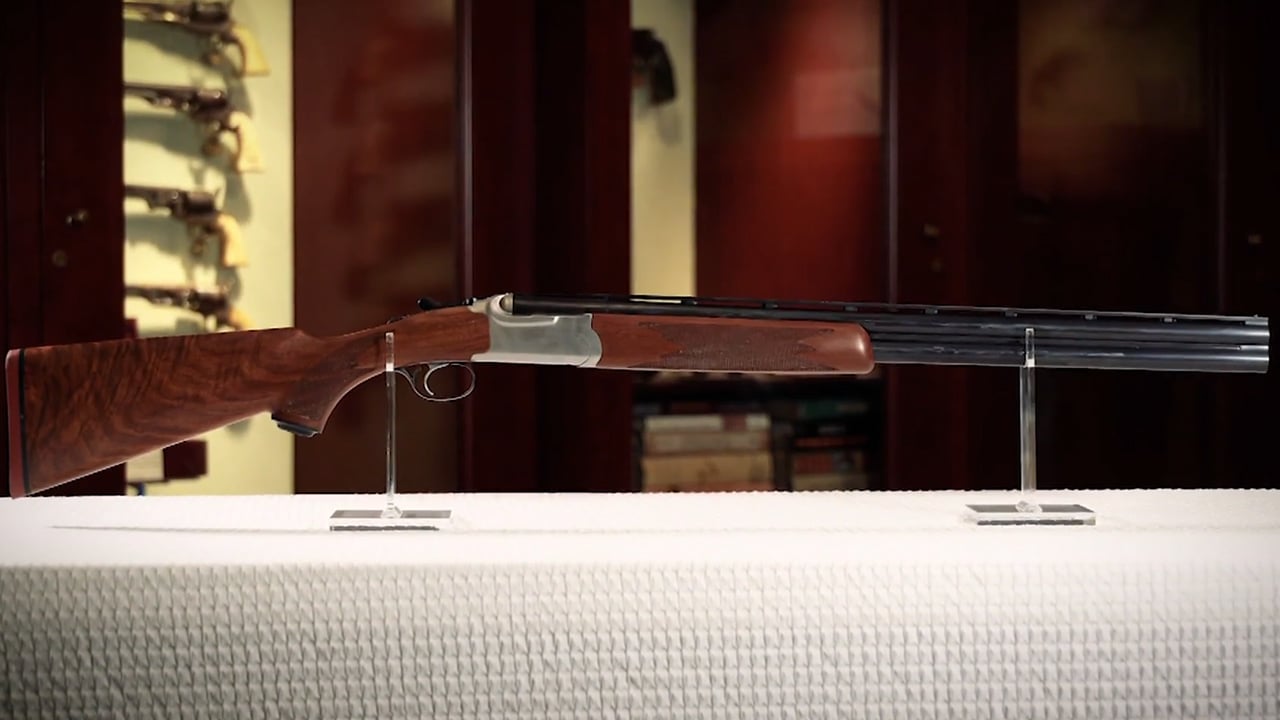
The Red Label I had wasn’t the lightest over/under, and it wasn’t the prettiest. But it was American-made, tough, and it gave me an O/U I didn’t feel like I had to pamper. It was the gun I grabbed when I didn’t want to think.
I traded it because I wanted something with a different name on the receiver. That’s a bad reason. Red Labels have their own following now, and clean ones don’t sit around long. Mine would have been a perfect “loaner” gun for buddies and kids getting into clays.
10. Browning Citori 525 (12 gauge)
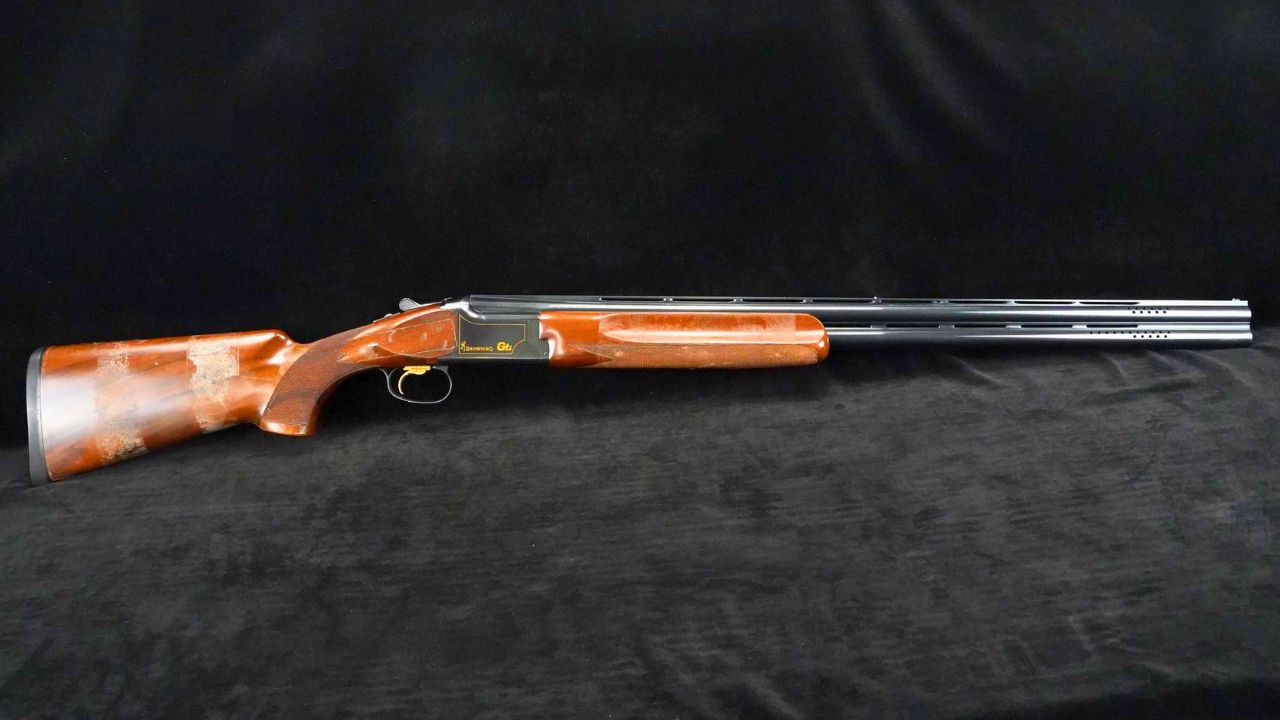
I moved a Citori 525 during a stretch where I was convinced I was going to be a dedicated duck guy again. That meant I “needed” a camo semi-auto, so the Citori went down the road to fund it.
The Citori was steady on the swing, and it soaked up recoil better than most field over/unders I’ve shot. More importantly, it never gave me a reason to doubt it. When you find an over/under that shoots where you look, you hang on tight.
11. CZ Bobwhite G2 (16 gauge)
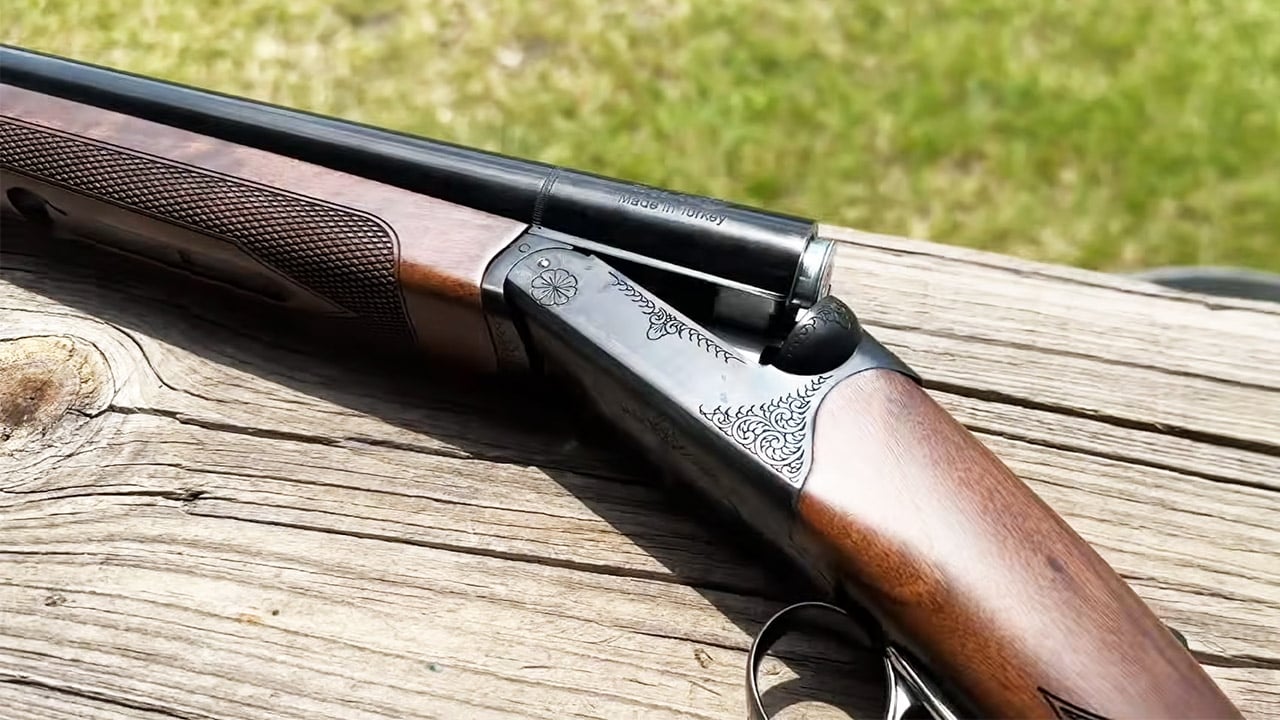
I bought a Bobwhite G2 mostly because I wanted a side-by-side, and the price didn’t make my stomach hurt. It wasn’t a high-dollar English gun, and it didn’t pretend to be. Double triggers, straight stock, simple extractor system—nothing fancy about it, and that is kind of the point.
I traded it because I got it in my head that I needed ejectors and a single trigger. In actual hunting, I never once needed either of those things. What I did need was a light, quick shotgun for close birds, and that Bobwhite did that job without complaint.
12. Stevens 311 (12 gauge)
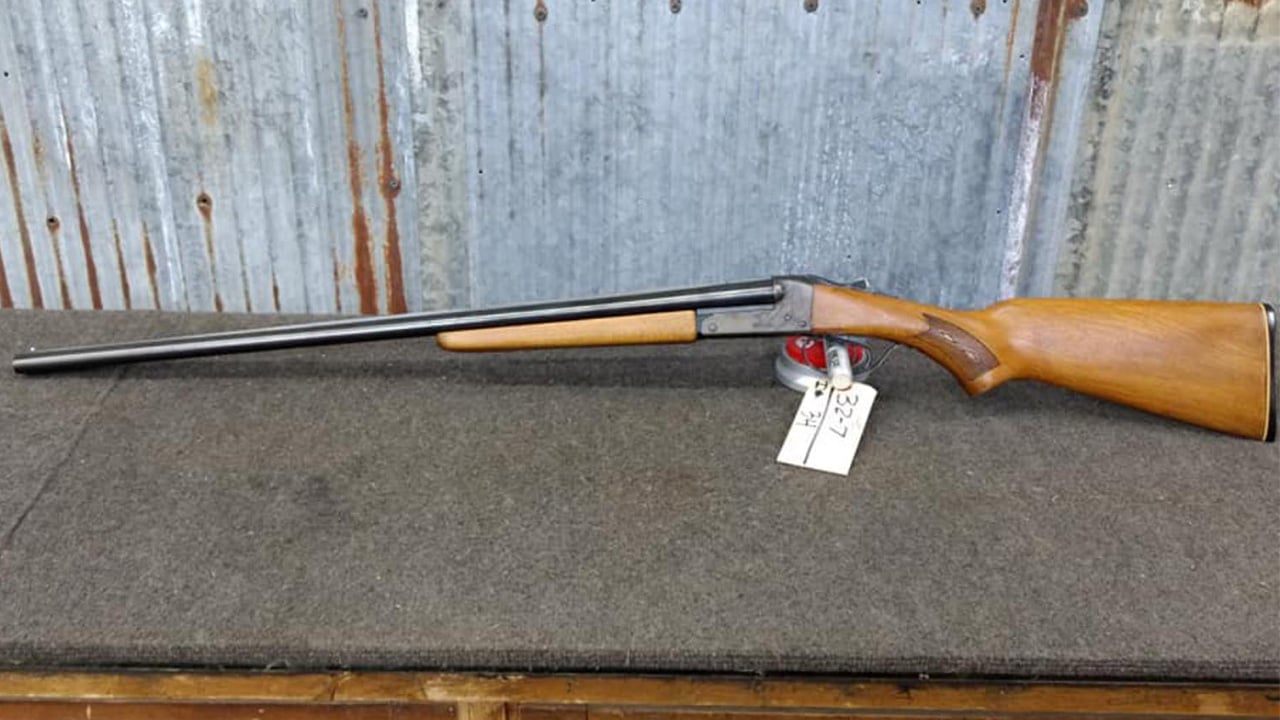
A Stevens 311 is the kind of shotgun that makes internet gun snobs roll their eyes. Mine had a stiff opening lever and wood that looked like it came off a fence post. I still killed birds with it and never worried about a scratch.
I traded it off thinking I’d “upgrade” to a nicer double, but there’s value in a gun that can ride in the back of a UTV and not ruin your day if it gets knocked around. The 311 isn’t glamorous; it’s honest. I miss having an honest beater double.
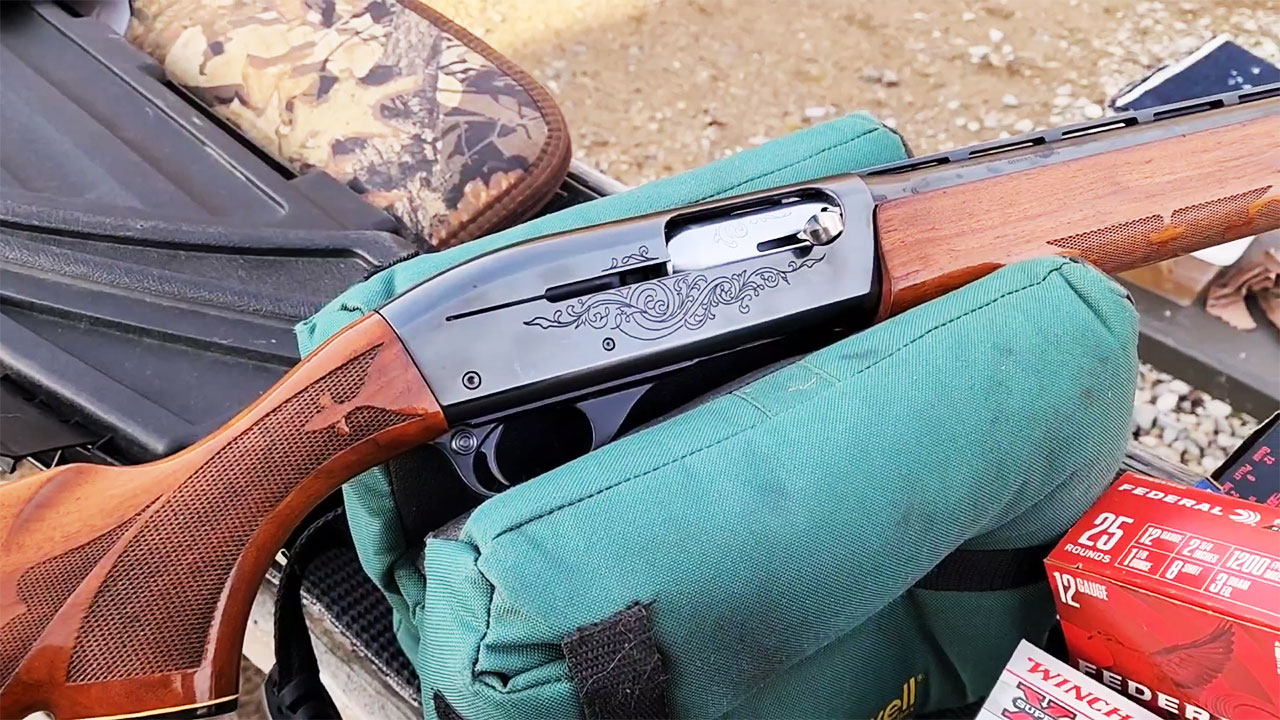
13. Remington 1100 (12 gauge)

The 1100 was my first real lesson in soft recoil. After shooting pumps for years, it felt like cheating. On clays, it helped me look better than I was. In the field, it settled down fast for follow-up shots.
I sold it because I got tired of cleaning gas guns. That’s a real complaint, not just an excuse. Still, an 1100 that runs is a pleasure, and parts support is strong. I should have kept it and learned to maintain it instead of acting like cleaning was a tragedy.
14. Weatherby SA-08 (20 gauge)

I had a SA-08 that was shockingly good for what I paid. It wasn’t flashy, and it didn’t have a “legacy” reputation like the old classics, but it fit me and it cycled the loads I used for dove and early-season birds.
I traded it because I got greedy for a different gun with nicer engraving. The engraving didn’t kill any birds. A dependable 20-gauge semi-auto that you’re not afraid to scratch is a good thing, and I was too blind to see it at the time.
15. Winchester Model 1300 (12 gauge)
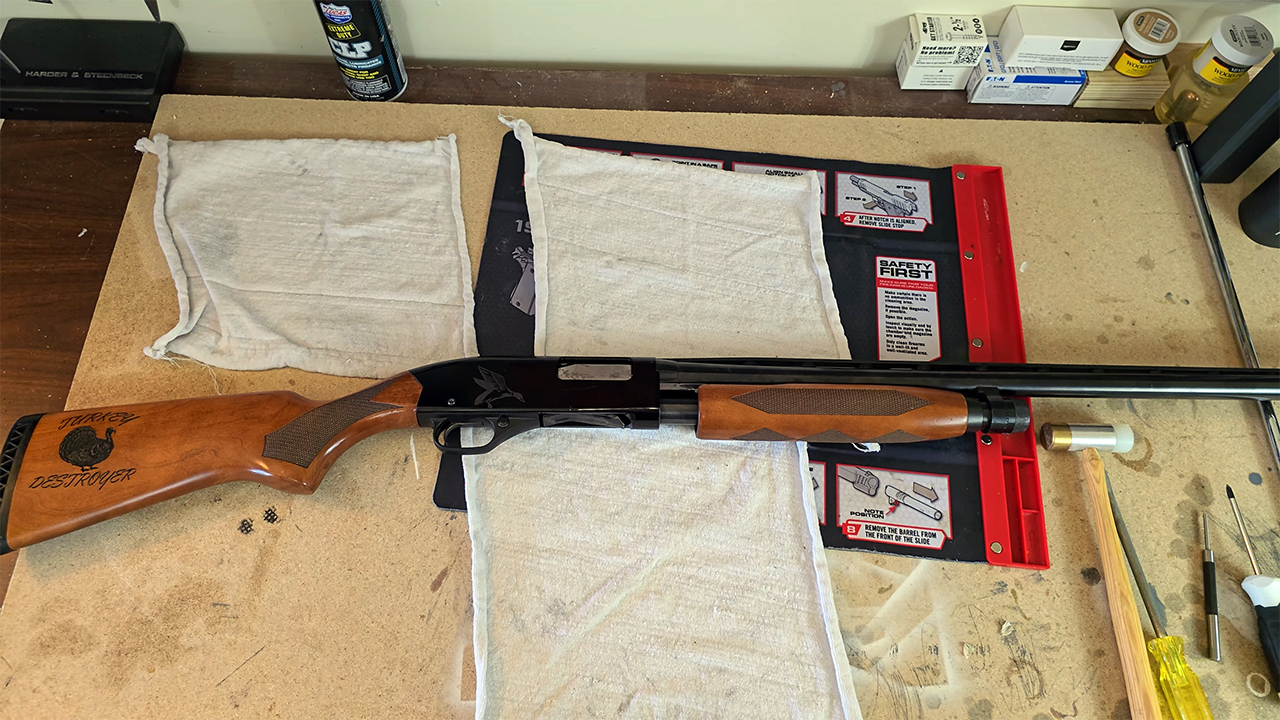
There’s a reason folks call the 1300 the “Speed Pump.” The action on mine was quick and slick, and it didn’t feel like it was fighting me when I ran it hard. It was one of the few pumps I could shoot fast without short-stroking.
I got rid of it during a phase where I was swapping guns constantly, and I told myself I could always find another. You can, but finding one in clean shape for a fair price is getting harder. For a working pump with a little personality, the 1300 is hard to beat.
16. Benelli Nova (12 gauge)
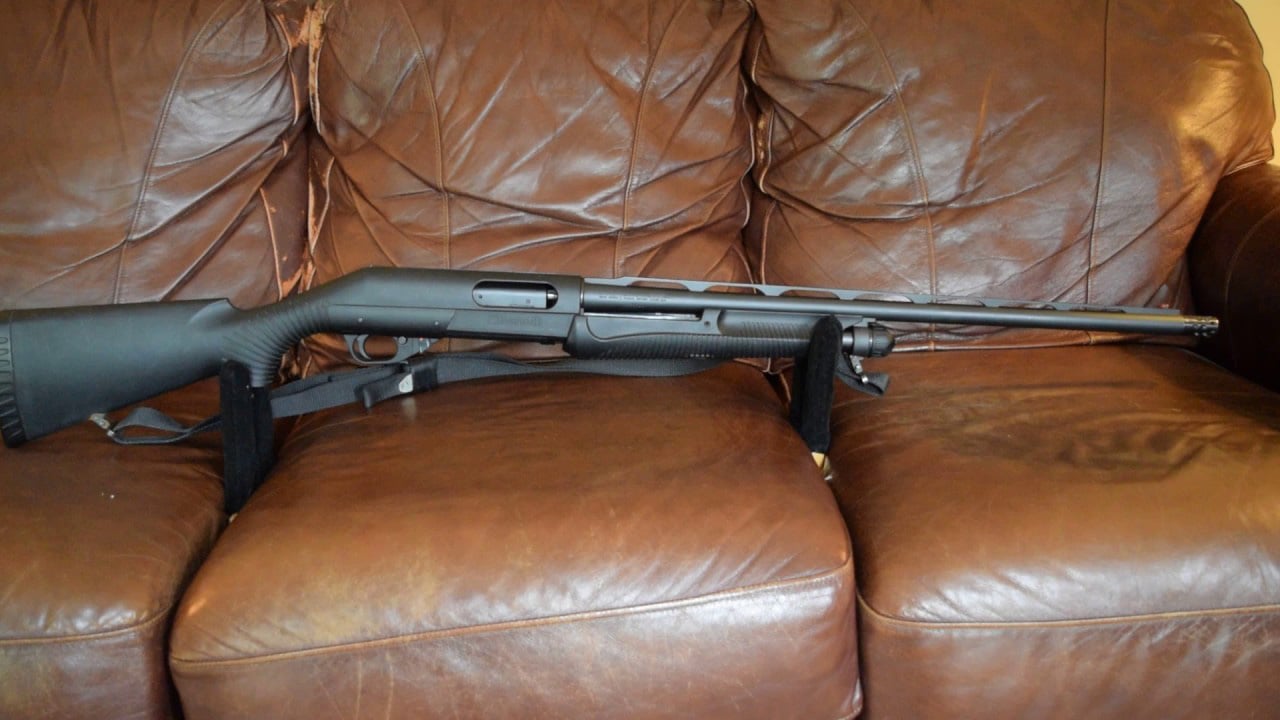
I used to think the Nova was ugly. It kind of is. That one-piece stock/receiver look doesn’t win beauty contests. But I carried one in nasty weather and it never cared—mud, rain, cold, you name it.
What I didn’t appreciate was how good it is as a “rough duty” shotgun. The polymer overmold shrugs off abuse, and the gun is simple to live with. I traded it because it wasn’t pretty, and I’ve regretted that on more than one wet morning since.
17. Mossberg 835 Ulti-Mag (12 gauge)

My 835 was a dedicated waterfowl and turkey hammer. It patterned heavy payloads well, and the overbored barrel did seem to help with certain loads. It wasn’t light, and it wasn’t gentle, but it did what I asked.
I moved it because I got tired of the recoil with magnum shells. Fair. But here’s the truth: you don’t have to shoot 3 1/2-inch shells all day just because the gun will. As a do-it-all hunting pump that can reach into the heavier end when you need it, it earned its keep.
18. Stoeger Coach Gun (12 gauge)
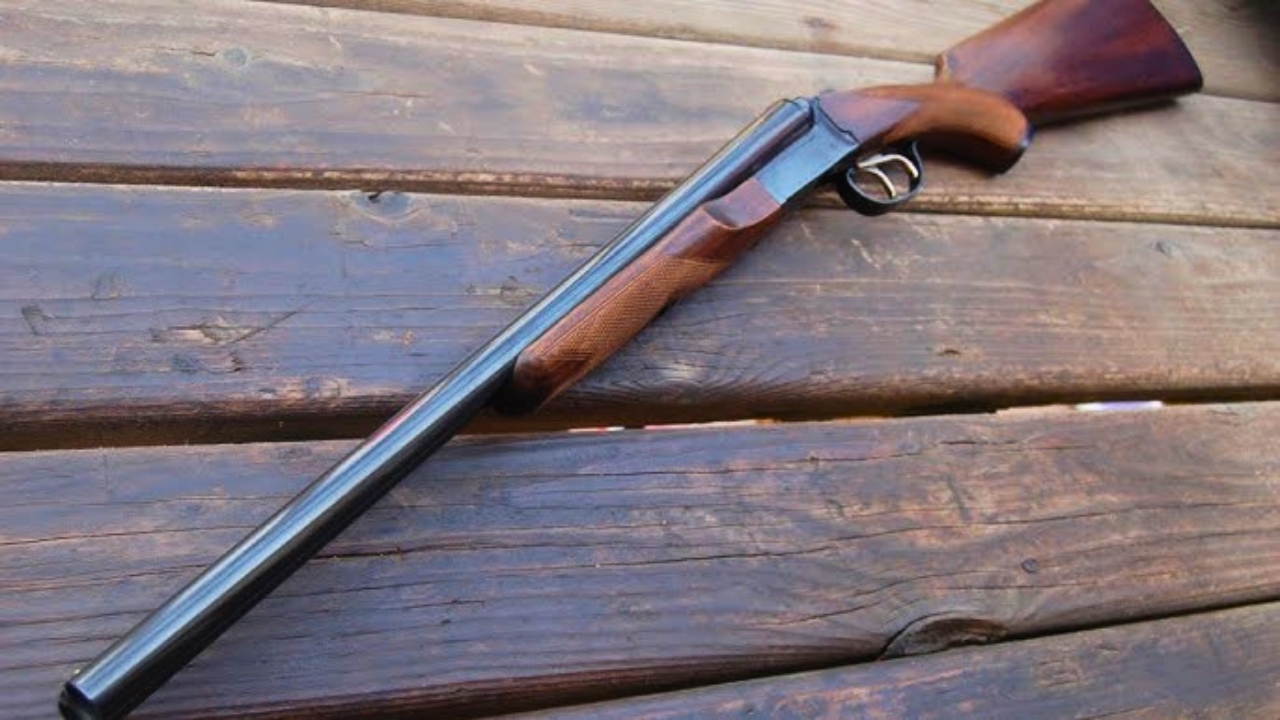
I bought a Stoeger Coach Gun because I wanted something simple for the woods and the cabin. Side-by-side, short barrels, double triggers—pure uncomplicated fun. It also made a handy snake and pest gun around the property, where legal and safe.
I traded it away when I decided I was going to be “serious” and only keep practical guns. Turns out, practical includes the gun you actually enjoy enough to practice with. The Coach Gun isn’t for everyone, but it’s the kind of shotgun that gets used instead of admired.
19. Browning BPS (12 gauge, 26-inch)
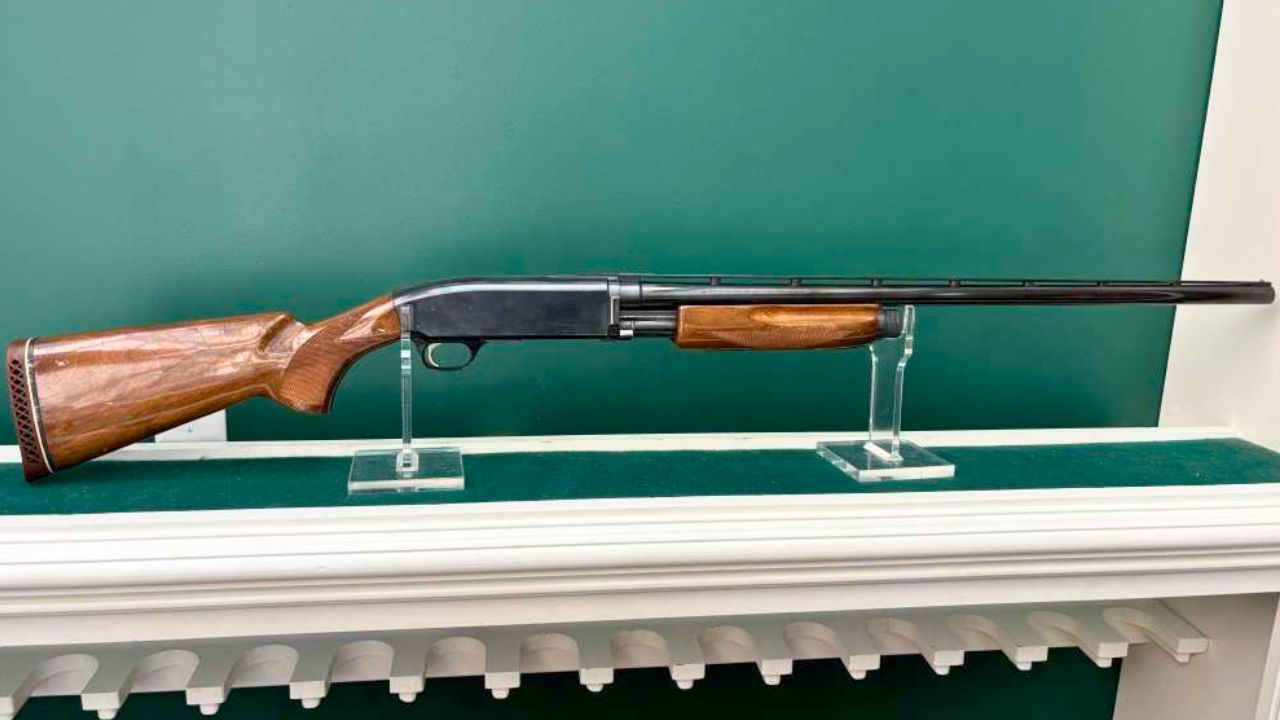
The BPS is an oddball until you hunt with one. Bottom eject makes it friendly for lefties and keeps hulls out of the marsh. It’s also built like a bank vault, which is good and bad because you feel it on long walks.
I traded mine because it was heavier than my other pumps. Then I spent a few seasons listening to rattly actions and wishing I had that smooth, solid BPS feel back. If you find one that balances well for you, it’s a steady companion.
20. Beretta 686 Silver Pigeon I (12 gauge)
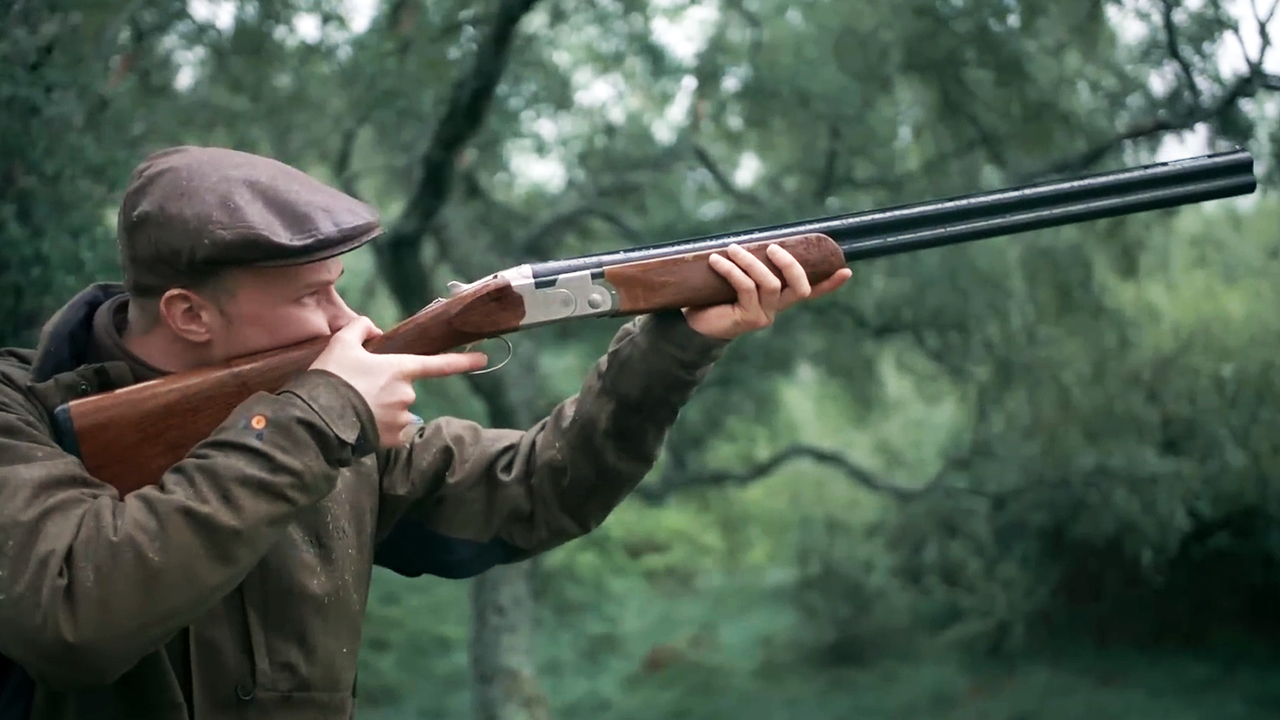
This one stings. I had a 686 that fit me like it was measured to my shoulder, and I let it go to fund a “dream gun” that looked better on the rack than it shot on the range. The Beretta wasn’t perfect, but it was consistent.
A good 686 is the kind of over/under you can shoot for decades if you don’t treat it like it’s made of glass. The lockup is solid, the recoil impulse is manageable, and it carries well. When you find a shotgun that makes you feel calm and capable, that’s not something you should trade lightly. Ask me how I know.
I’m not saying every gun on this list is a legend, or that you should never sell anything. I’ve traded plenty of shotguns I don’t miss at all. But if a shotgun fits you, runs without excuses, and earns trust in bad weather or on a long walk, slow down before you slide it across the counter. Some of them don’t come back around when you’re ready.
Like The Avid Outdoorsman’s content? Subscribe to our newsletter so you never miss an article.
Here’s more from us: