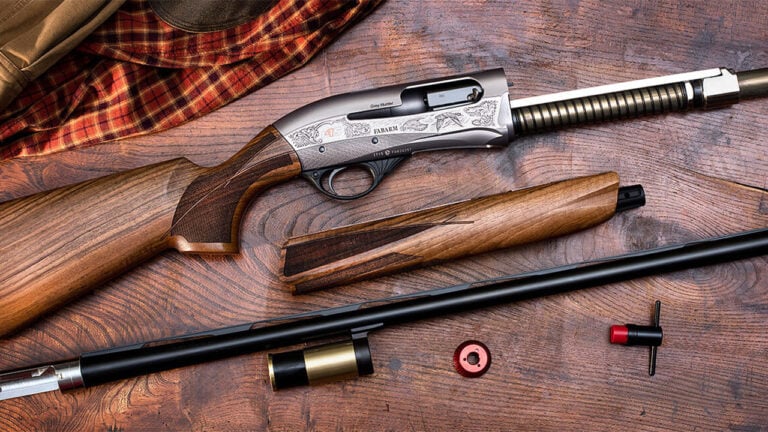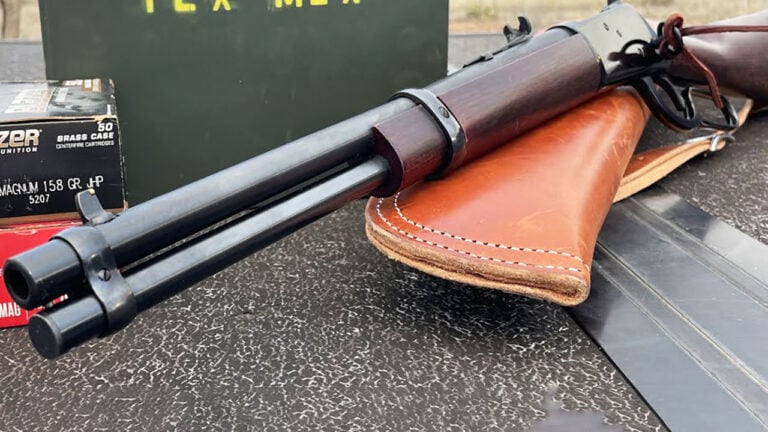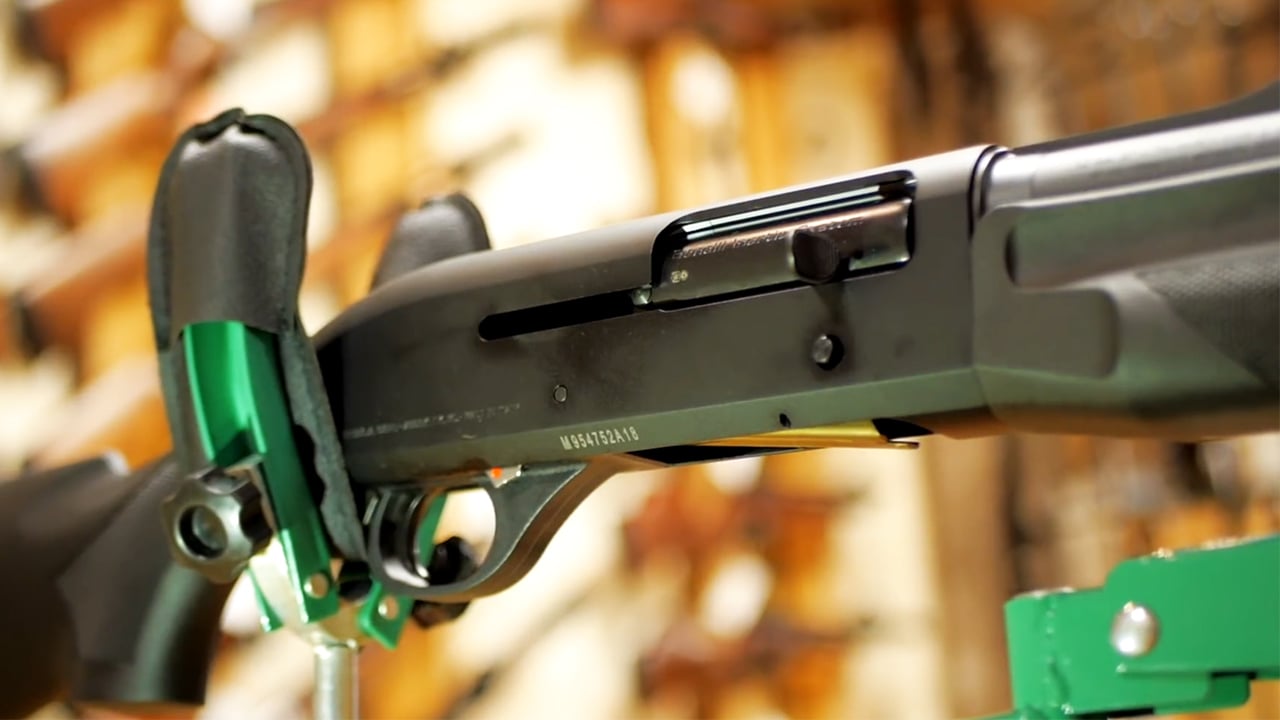
Photo credit: TGS Outdoors/Youtube
Every fall I see it at gun counters and tailgates: a guy dragging in a scratched-up shotgun that still smells like swamp water and Hoppe’s, acting like it’s “just an old beater.” Then the shop owner flips it over, reads the markings, and you can watch the tone change. Not because it’s pretty. Because it’s one of those field guns that got used hard for decades, and somehow ended up more valuable now than when it was brand new.
This isn’t about safe queens. These are the shotguns that earned their dings, kept running anyway, and became harder to replace than most folks realize. Some are collectible, some are just discontinued in a way that matters, and some are both. If you’ve got one, you don’t need to baby it—but you might want to stop calling it “nothing special.”
1. Remington 870 Wingmaster (older, polished-blue guns)
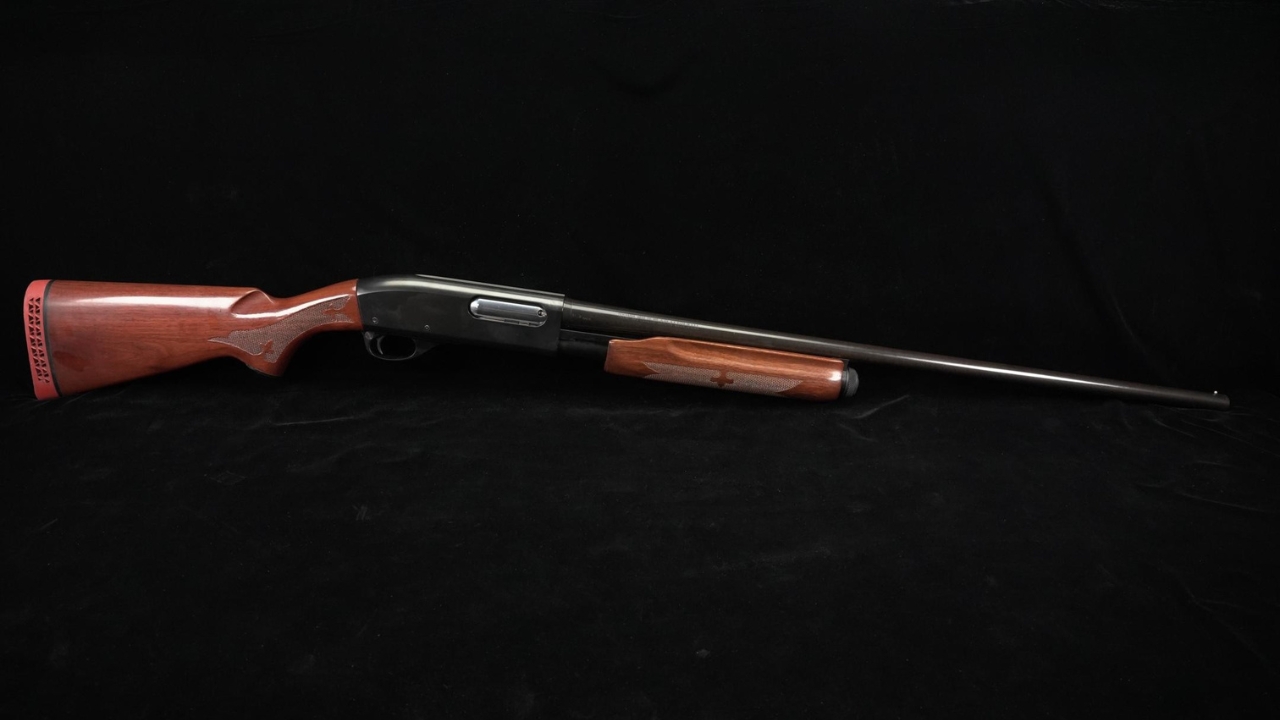
The older Wingmasters have a feel you don’t have to explain to anyone who’s run one: slick action bars, deep bluing, walnut that’s been carried more than it’s been admired. They point naturally, and they cycle like the gun knows what you’re thinking. A lot of them have been in duck boats, behind truck seats, and leaned in corners of deer camps for 40 years.
Between nostalgia, Remington’s ups and downs, and the fact that new guns just don’t have the same finish, clean older Wingmasters bring strong money. Even the “honest wear” ones are desirable because they’re the kind of wear you can’t fake without actually hunting.
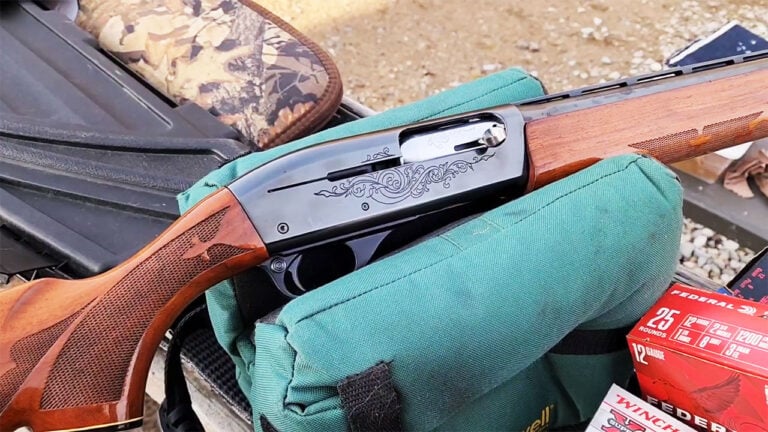
2. Remington 1100 (especially early 12-gauge and LT-20 variants)
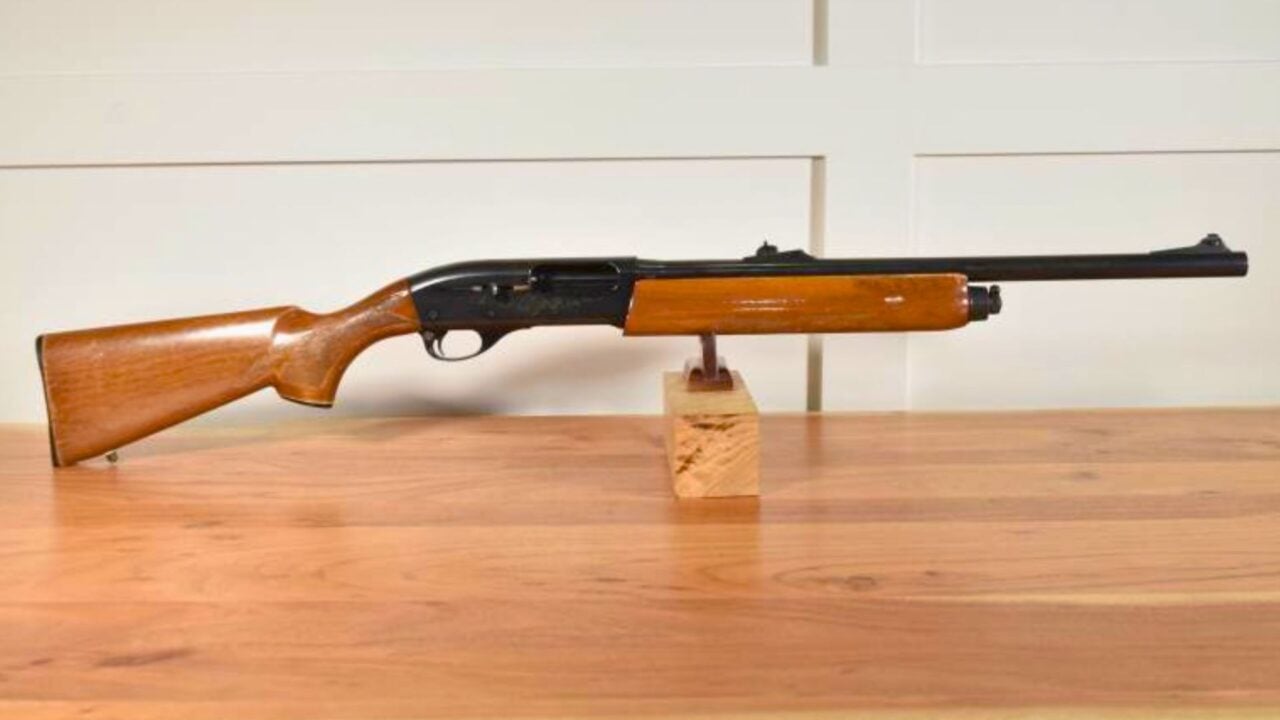
Plenty of semi-autos come and go, but the 1100 is still the one a lot of bird hunters quietly miss. Soft recoil, steady swing, and that old-school gas gun rhythm that makes follow-up shots feel easy. When you find one that’s been maintained, it’s hard not to smile shooting it.
Good 1100s have crept up because clean examples aren’t getting more common, and parts guns are getting picked over. The LT-20 in particular has a fan club for good reason: it carries like a wand and kills birds like it’s supposed to.
3. Browning Auto-5 (Belgian-made “Sweet Sixteen” and classic 12s)
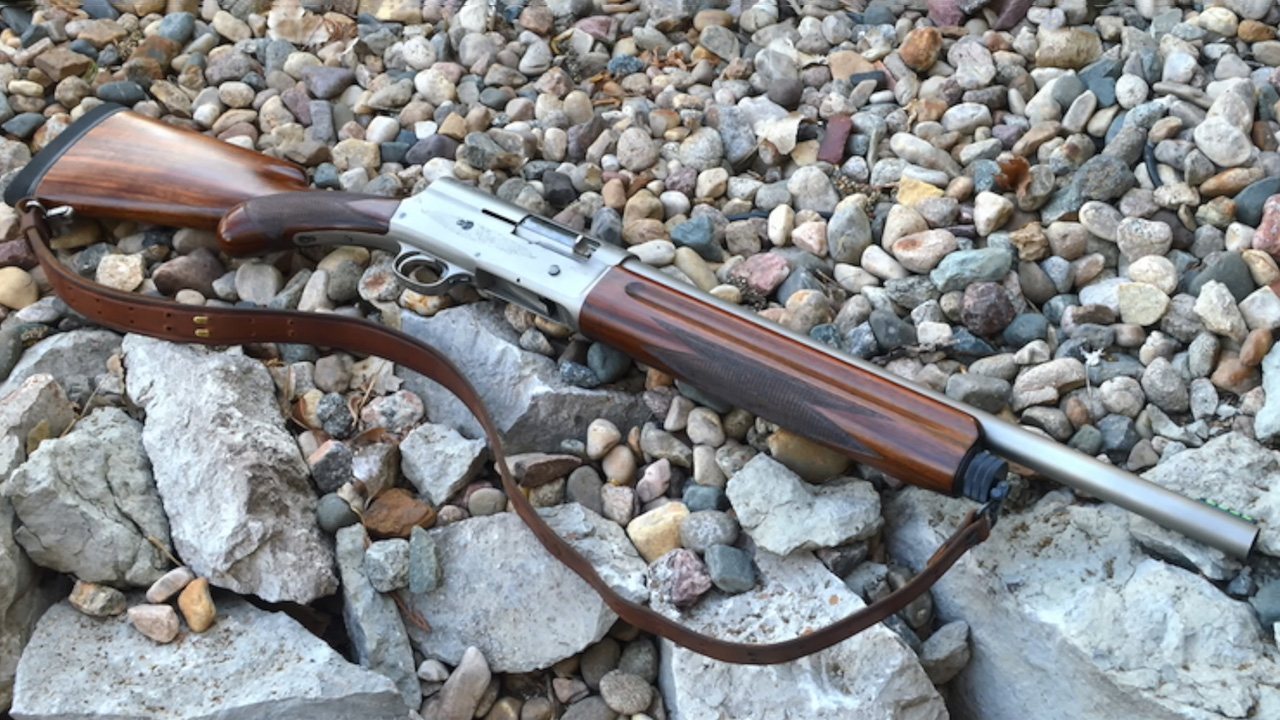
There’s nothing modern or polite about the humpback, long-recoil shove of an Auto-5. It’s clunky on the bench and kind of loud in the hands—until you’re walking a fencerow and it just keeps doing its job. A lot of these have been running since before some of us were born.
The Belgian guns, the Sweet Sixteen especially, have become a money category all their own. Folks figured out that “they don’t make them like that” isn’t just talk, and the prices followed.
4. Winchester Model 12 (pre-1964 field guns)
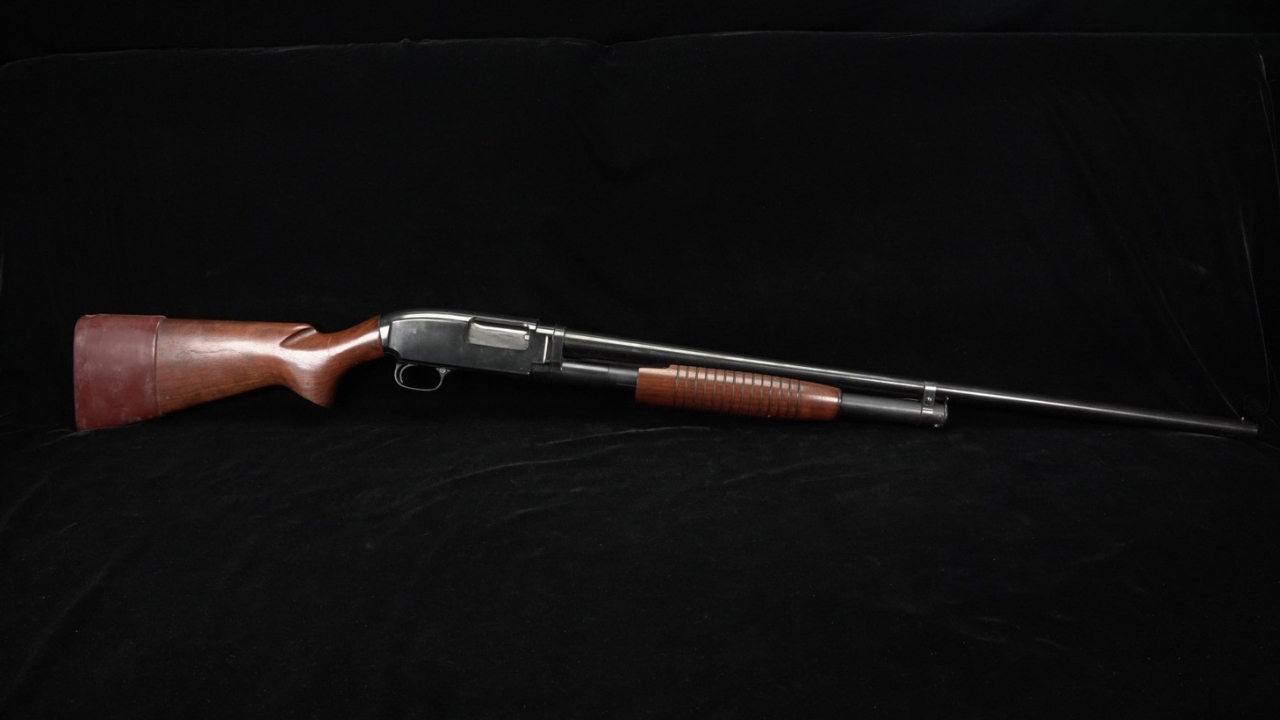
A Model 12 is what a pump gun feels like when somebody cared. The action is smooth in a way that makes you work it slower because you enjoy it. They were used hard on rabbits, pheasants, and ducks back when a shotgun wasn’t an accessory—it was meat and memories.
They aren’t light, and they aren’t cheap anymore. The ones with honest wear but good bores still bring real money because a Model 12 in solid shape is a lifetime gun, and everyone knows it.
5. Ithaca 37 (older “Featherlight” bottom-eject guns)

Bottom-eject is one of those things you don’t appreciate until you’re hunting in nasty weather or shooting left-handed around a blind partner. The Ithaca 37 carries well, handles fast, and doesn’t throw empties across the boat. It’s a working man’s design that ended up being pretty smart.
Older 37s with nice wood and smooth actions have climbed in value, especially as hunters rediscover how handy they are. They’re not flashy. They’re just right.
6. Browning BPS (early Japan-made guns, especially 20 gauge)
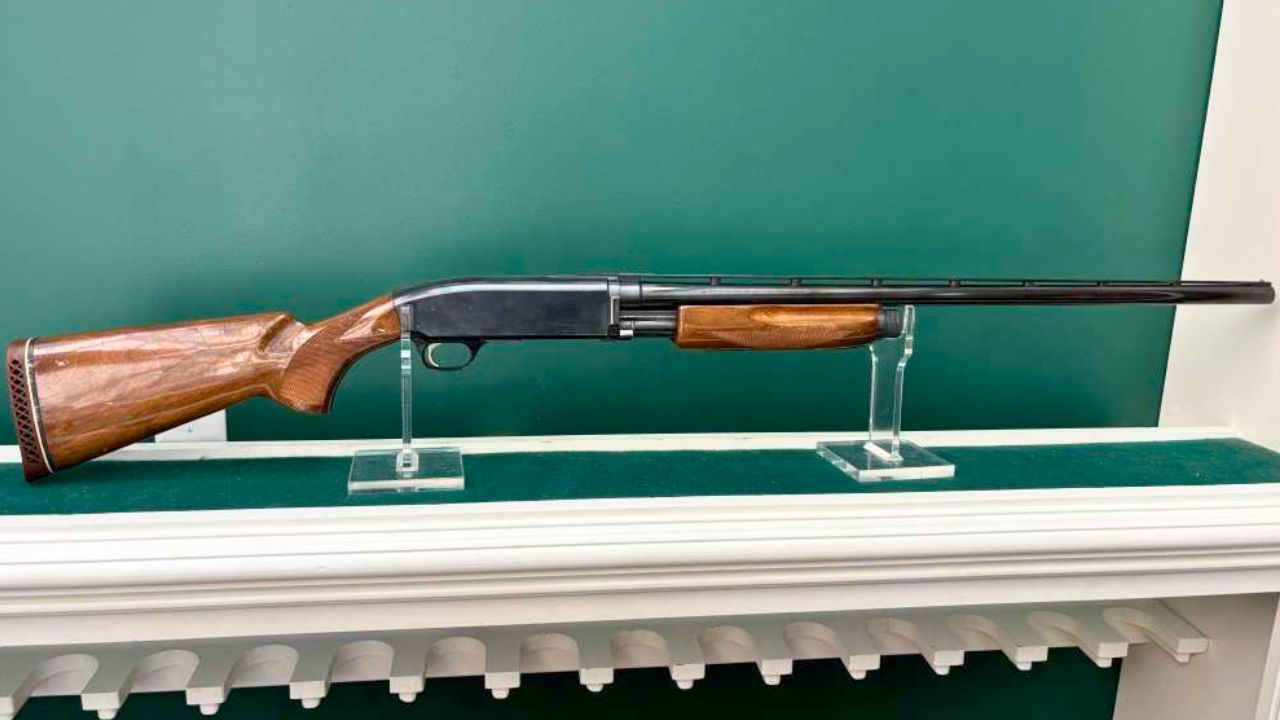
The BPS is a pump that feels “tight” in a good way. Steel receiver, bottom-eject, and a steady, planted swing. It’s not the lightest thing to carry all day, but when you mount it on a bird, it doesn’t wander.
As lighter, cheaper guns flooded the market, the BPS stayed in that “serious shotgun” lane. Good older examples, particularly in smaller gauges, bring more now because they’re built for decades of seasons, not just a few.
7. Benelli Super Black Eagle (first-generation guns)
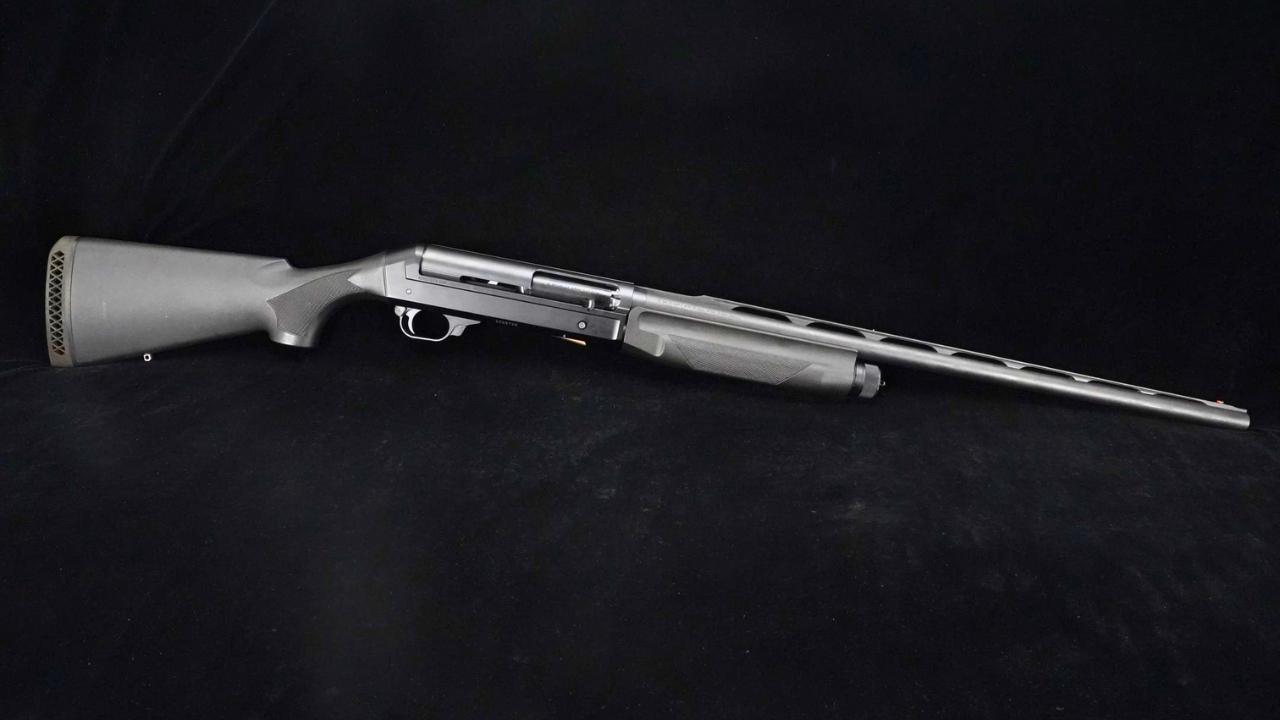
If you hunted waterfowl through the era when 3½-inch shells became common, you know why the SBE gained a reputation. It wasn’t about being fancy. It was about being the gun that ran in cold, wet, miserable conditions when other guns got moody.
Early SBEs are holding value because they’re proven and because the demand never really went away. A clean first-gen with the right barrel and choke setup can sell for more than its original sticker, which still feels weird to say out loud.
8. Benelli M1 Super 90 (field and practical-use classics)
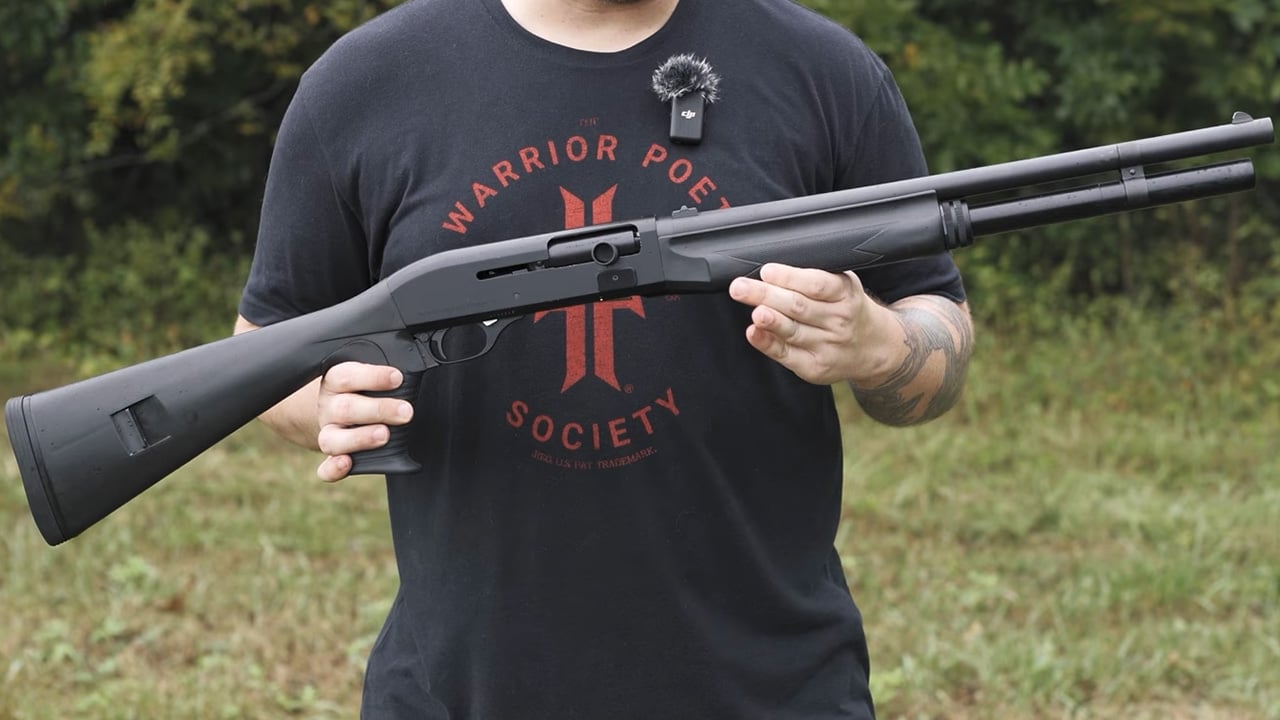
The M1 is one of those shotguns that just works, and it does it without drama. Light enough to carry, fast enough to shoot, and simple enough that it doesn’t need babysitting. Hunters used them, competition shooters beat on them, and they kept showing up.
They’ve become a “buy it when you see it” gun. Folks who sold theirs to chase the newest thing often end up paying more to get back into one.
9. Beretta 390 (and 3901) gas guns
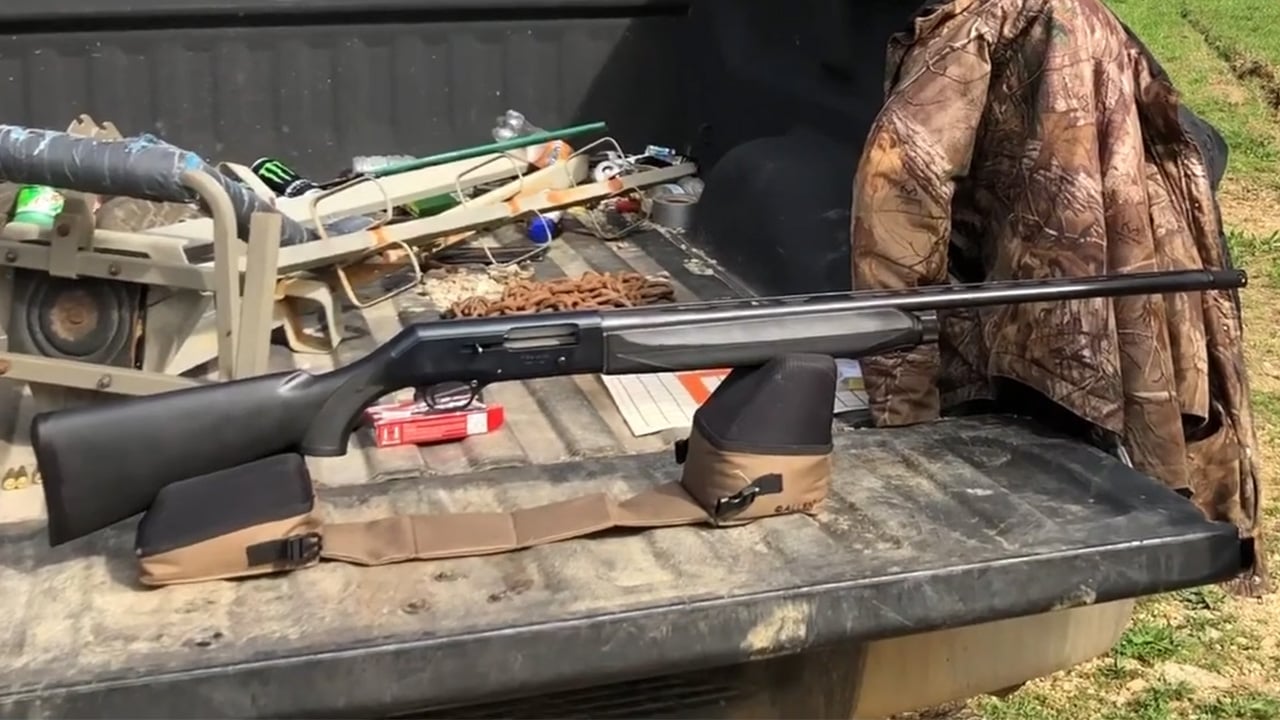
The 390 series is the definition of boring reliability. They aren’t trendy, and they don’t flex for social media, but they cycle everything and they do it gently. If you’ve ever shot a long day of clays or doves with one, you understand why people stick with them.
They’ve gained value because a clean 390 is a safe bet, and Beretta’s older gas system has a loyal following. When one shows up used in good shape, it doesn’t sit long.
10. Beretta 391 (Urika and Teknys variants)
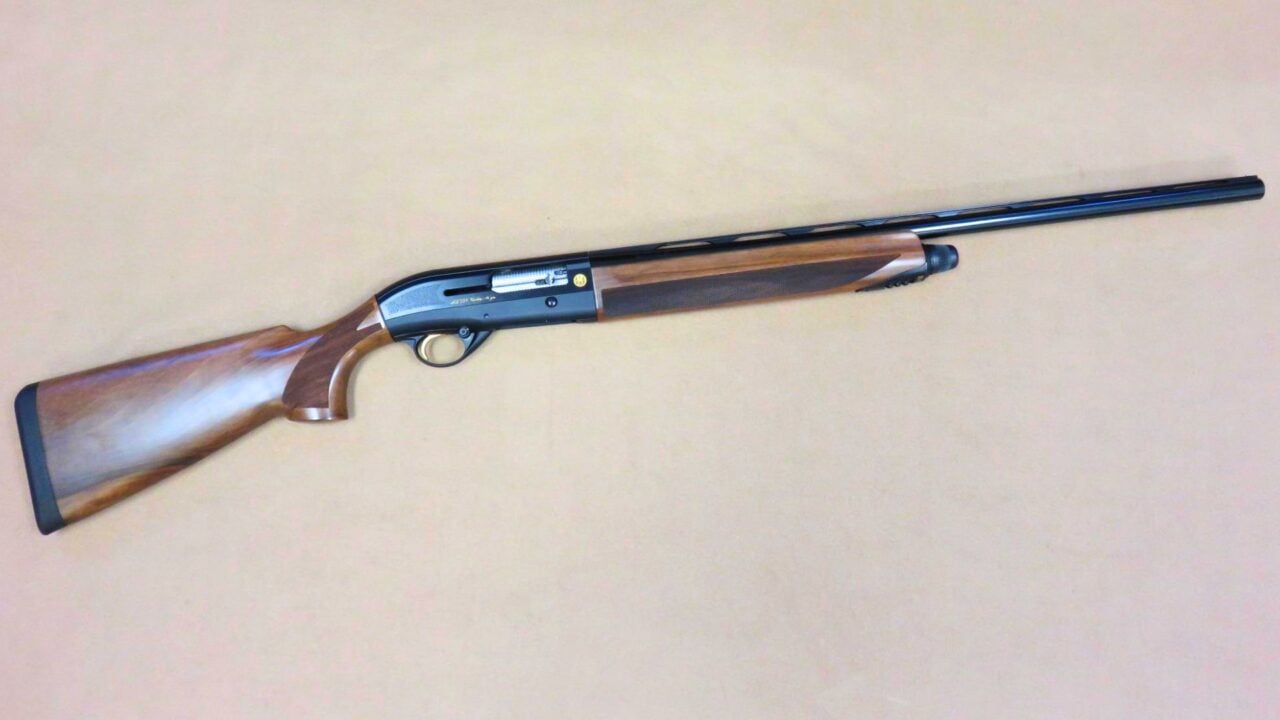
Some 391s got hunted hard, especially in duck blinds where they’d get coated in cattail fuzz and marsh grit. The good ones still run smooth, and the balance is hard to beat for a do-everything semi-auto. They’re the kind of gun you can shoot well without thinking about it.
Because Beretta moved on to other platforms, the 391 has become a “last of that era” gun for a lot of shooters. Strong demand plus limited clean supply usually means prices climb.
11. Browning Citori (early Grade I and field guns)

A Citori isn’t rare, but it’s one of the few over/unders that actually took abuse in the field and didn’t get loose. You’ll see them with worn checkering and faded bluing at the carry point, and they still lock up like a bank vault. That’s why they’re everywhere in upland camps.
Older Japanese-made Citoris with nice wood have become more expensive because new over/unders cost a small fortune now. A used Citori that’s been maintained is often a better deal than a brand-new “budget” O/U that won’t stay tight.
12. Winchester Model 21 (field-grade doubles)
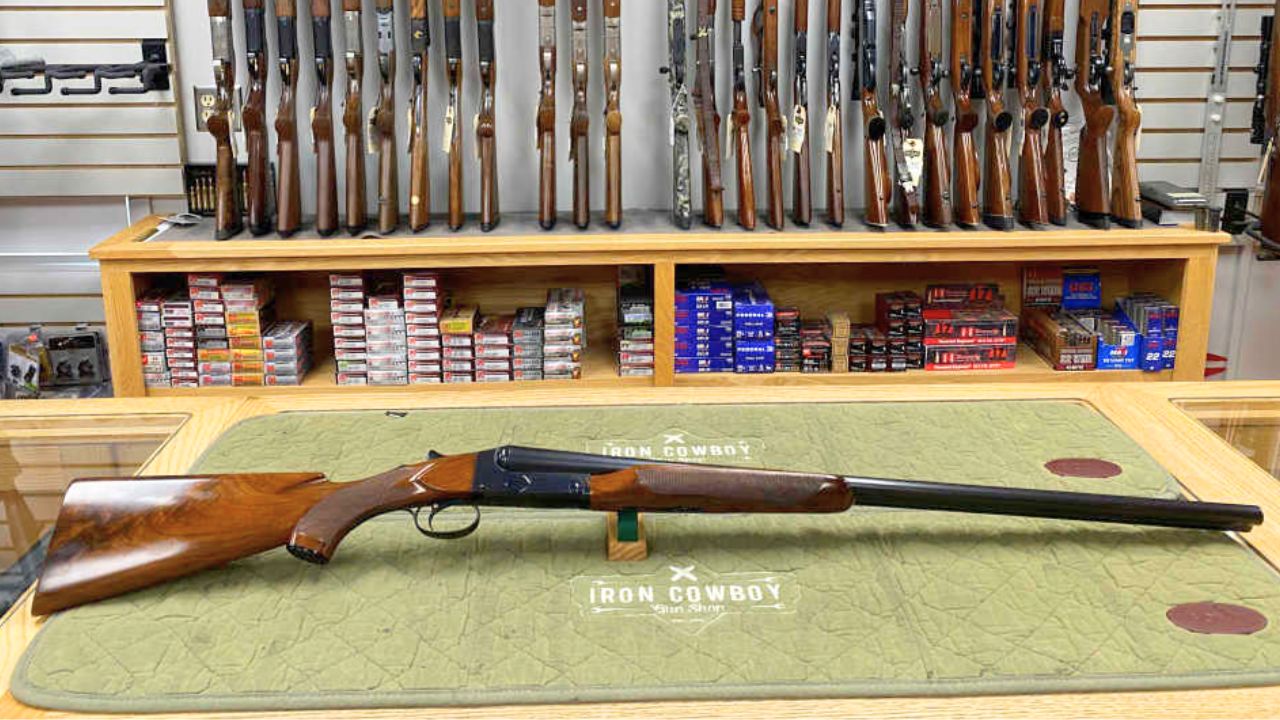
Model 21s don’t show up in every gun rack, and when they do, they don’t have bargain tags. They’re heavy for a double, yes, but they were built like somebody expected you to actually shoot them for the next 80 years. Plenty of them have lived exactly that life.
Collector interest keeps these moving up. Even the working field grades are pricey because the name matters, the quality is real, and there aren’t more being made.
13. Parker Bros. VH (and other honest field Parkers)
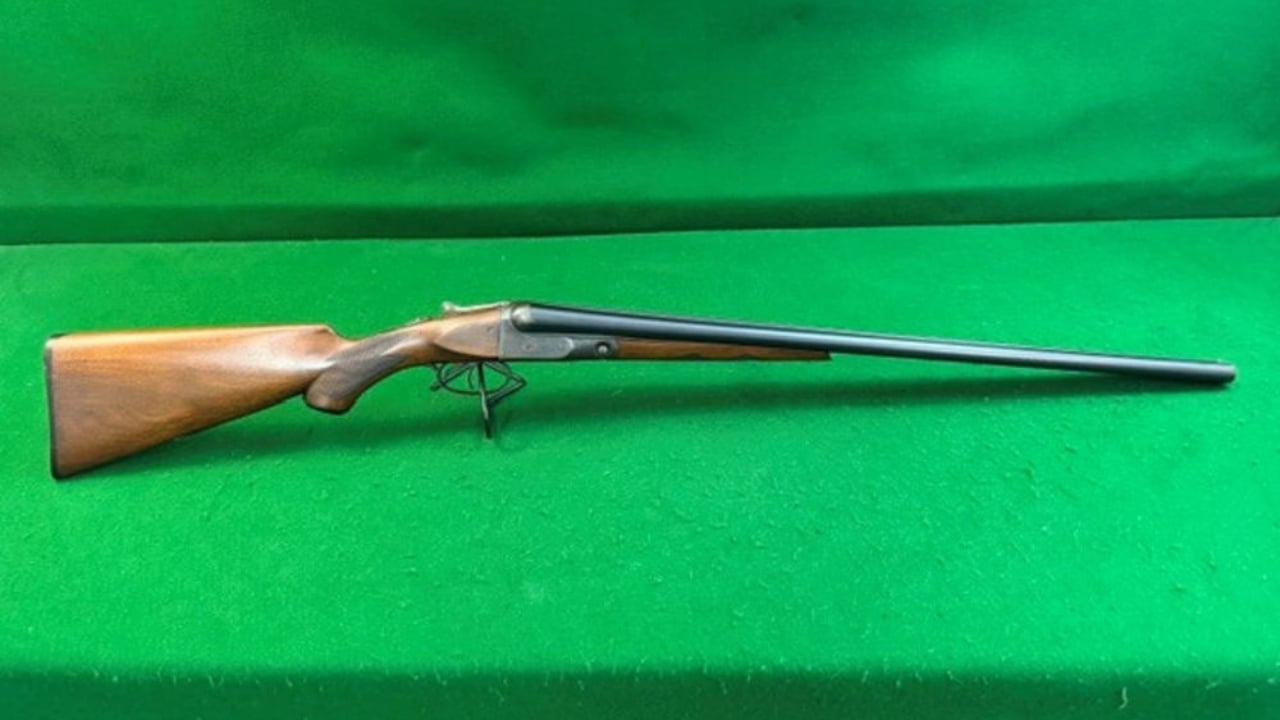
An old Parker with worn case color and a thin blue is the definition of “used but not abused.” You don’t buy one to drag through flooded timber, but a lot of them have been dragged through enough brush to prove they’re not fragile. They’re part tool, part heritage.
Values have climbed for decades because classic American doubles are a finite resource. Original condition matters a lot, but even field-used guns can surprise you when you start pricing them.
14. L.C. Smith Field Grade (side-by-side classics)
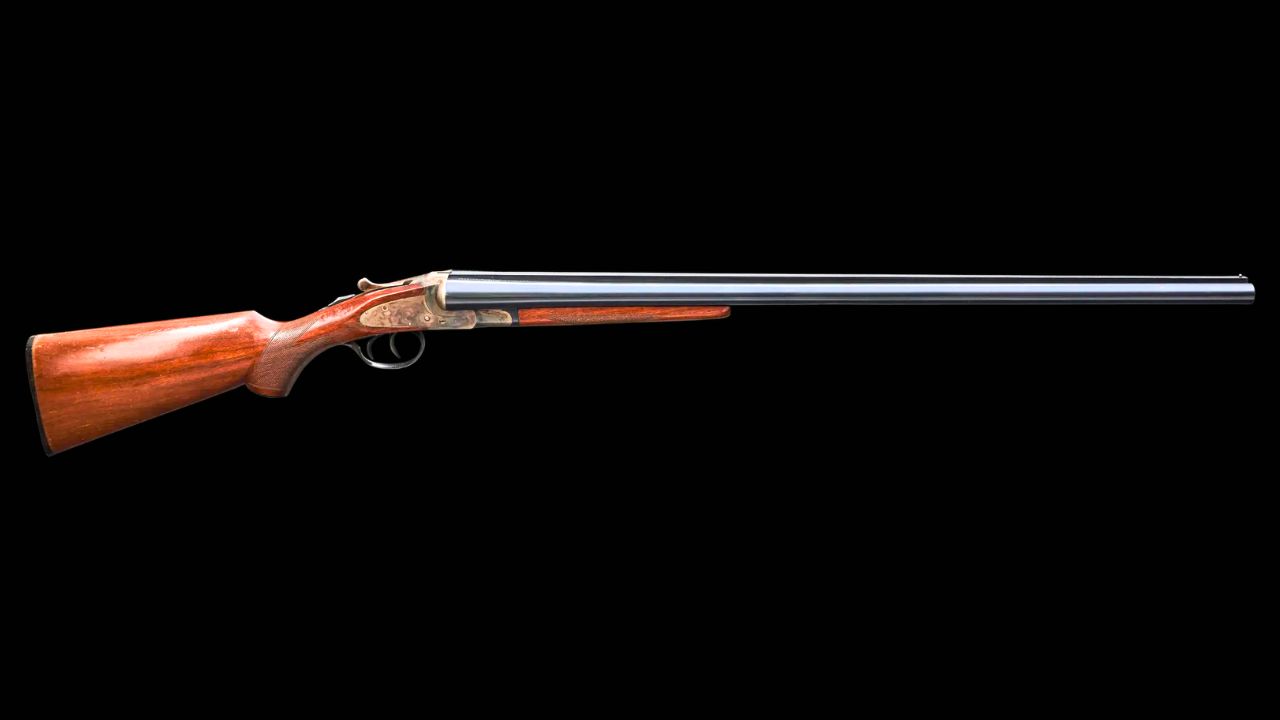
L.C. Smith shotguns have their quirks, and they aren’t for folks who don’t want to learn how to care for an older double. But they carry beautifully and they have that lively “snap” to the mount that makes them feel like upland hunting was the whole point of the design.
Clean examples are bringing more because the side-by-side crowd isn’t getting smaller, and good old American doubles aren’t getting more common. If you inherit one, don’t rush to turn it into a quick paycheck.
15. Fox Sterlingworth (used hard, still respected)
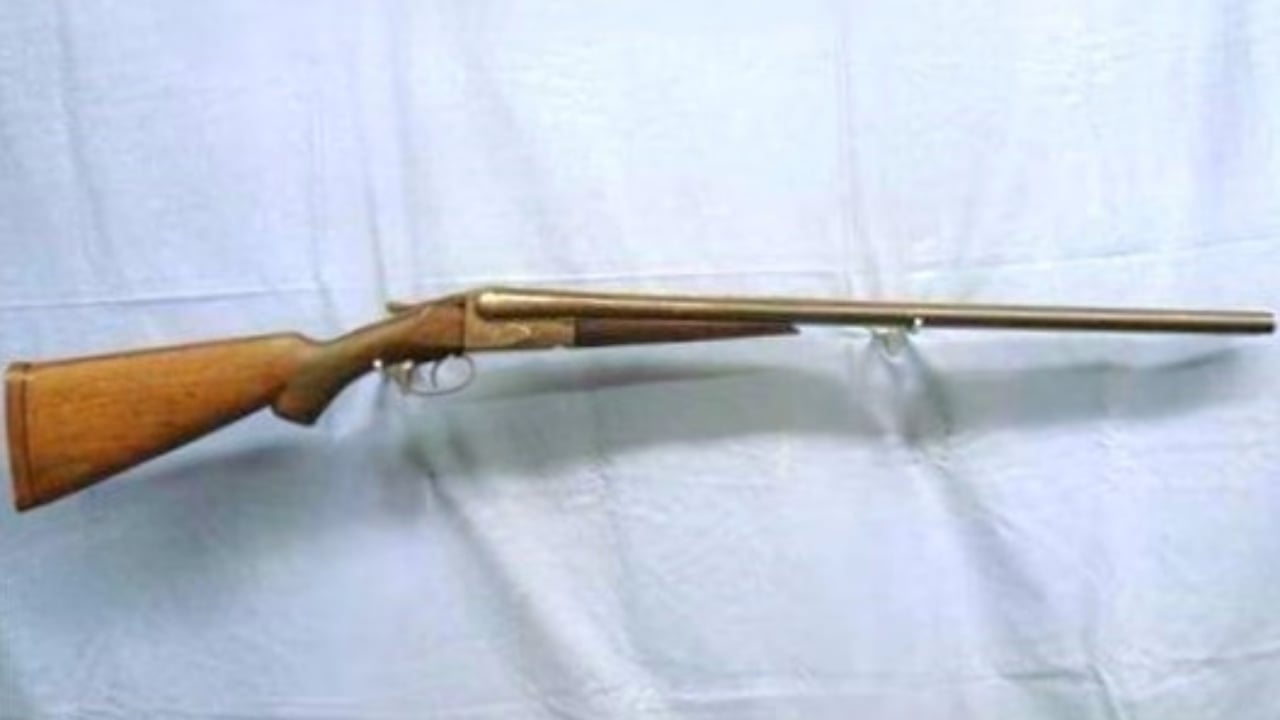
The Sterlingworth is the kind of double that actually got hunted, not just displayed. You’ll see them with replaced recoil pads, worn stocks, and plenty of miles on them. They aren’t fancy, but they’re honest, and they often balance better than they have any right to at their age.
They’ve appreciated because they’re a reachable entry into classic doubles. As new guns get pricier, the Sterlingworth keeps looking like a smarter buy—especially for someone who wants a real field gun with history.
16. Ruger Red Label (early production and 20-gauge guns)
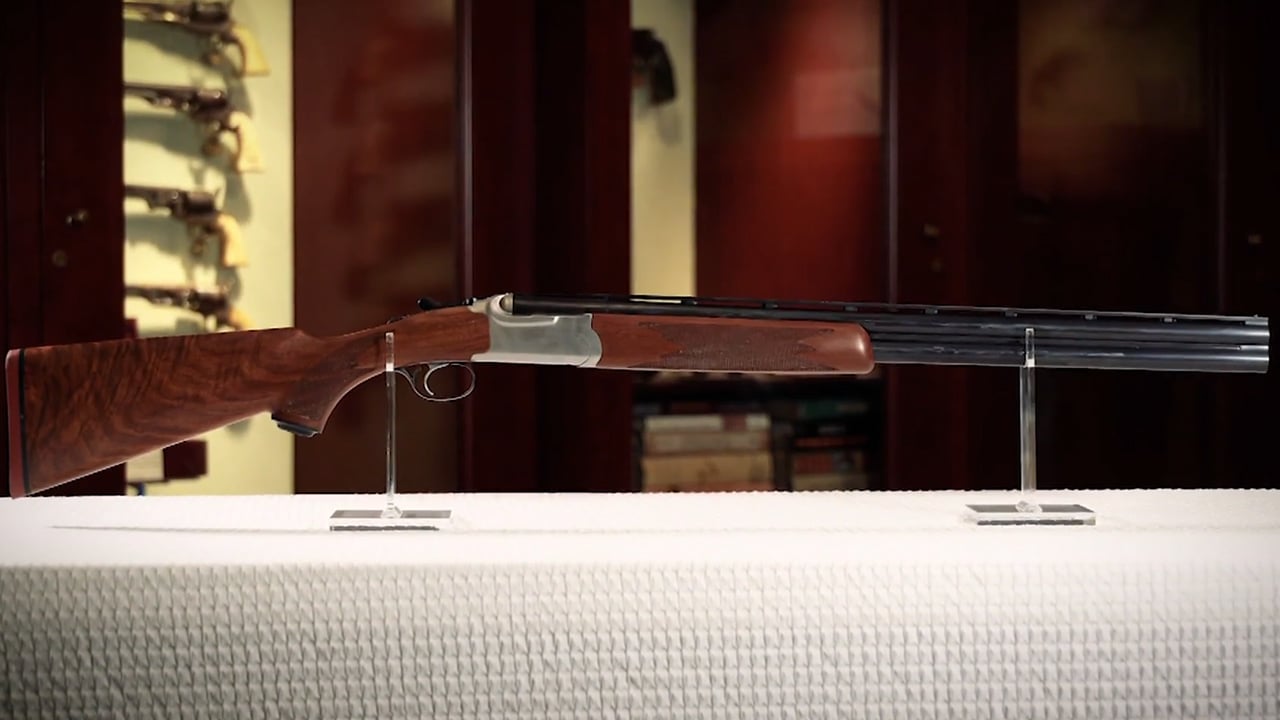
The Red Label had a stretch where everyone had an opinion about it. Some loved them, some didn’t like the feel, and plenty got sold off to fund something “nicer.” Funny thing is, once Ruger discontinued them, folks started missing them.
They’ve climbed because they’re American-made over/unders with a recognizable profile, and the good ones hold up. A clean 20 gauge especially can bring more than what it cost when it walked out of the shop years ago.
17. Remington 870 Police Magnum (older production)
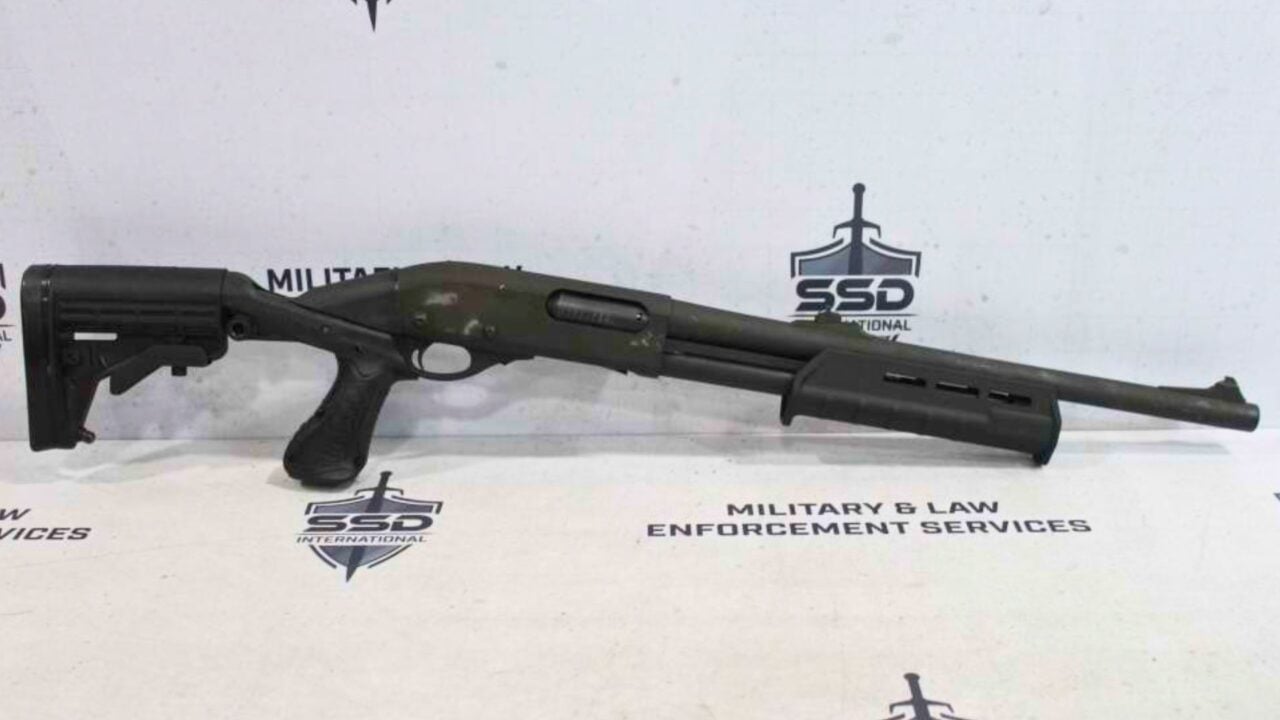
These aren’t bird guns, but they’ve spent decades in trucks, closets, and behind doors, getting handled more than they get shot. The older Police Magnums tend to be built with fewer shortcuts, and you can feel it in the way they run. They’re not glamorous; they’re dependable.
Values have jumped because “real” older 870s are in demand, and the Police variants have a reputation for being the tougher cousins. If you find one that isn’t beat to death, it usually isn’t cheap anymore.
18. Mossberg 500 (older, U.S.-made hunting guns with wood)
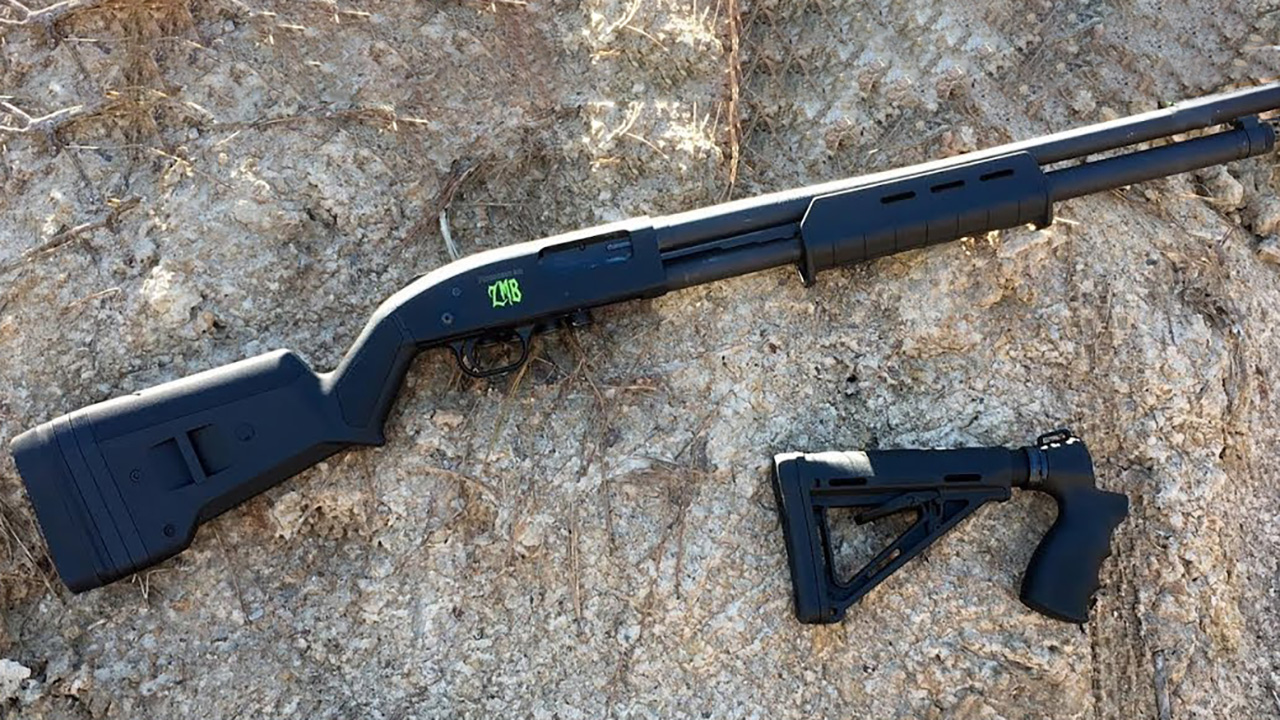
The 500 has probably put more squirrels, rabbits, and deer camp meals on the table than a lot of fancier guns combined. It’s not refined, and the action can feel a little rattly. Still, they work, and they keep working. There is something to be said for that.
Most 500s aren’t “investment” guns, but certain older configurations—especially nicer wood, longer vent-rib barrels, and clean condition—have become more desirable. Not everything appreciates, but the right 500 can surprise you.
19. Franchi AL-48 (lightweight long-recoil upland favorite)

If you’ve carried an AL-48 up and down hills all day, you remember the weight—or the lack of it. They’re light, fast, and they hit birds like a proper upland gun should. Recoil is snappier than a gas gun, but in the field, that’s not always a deal-breaker.
They’ve gotten pricier because lightweight, quality semi-autos aren’t as common as you’d think, and because the older ones built a reputation the hard way: by getting hunted.
20. Browning A-5 (Japanese-made Miroku production, later “classic” guns)

Not every Auto-5 that matters is Belgian. The later Japanese-made A-5s are well-built shotguns that saw real use in duck blinds and pheasant fields. They’ve got that familiar humpback sight plane and a solid, no-nonsense feel that’s hard to replace with something “modern” without spending real money.
As shooters chase older Brownings and realize the Japanese production is no slouch, these have crept up too. A clean example with the right choke setup can bring more than folks expect—especially when the buyer already knows what it is.
Here’s the part that matters: most of these shotguns got valuable by being good, not by being babied. If you’ve got one, keep hunting it if it’s safe and sound. Just do yourself a favor—wipe it down, don’t store it wet, and maybe stop treating it like it’s replaceable. In today’s market, a lot of them aren’t.
Like The Avid Outdoorsman’s content? Subscribe to our newsletter so you never miss an article.
Here’s more from us: