Photo credit: Buckeye Ballistics/Youtube
There’s a big difference between a pistol that’s fun on the range and one that actually earns its keep when you’re cold, tired, and trying to make good decisions with limited gear. In a serious survival situation, “cool” dies fast. What matters is reliability, common ammo, common magazines, simple manual of arms, and sights you can actually use when your hands are numb and your brain is fried.
This isn’t a hit piece on brands or a flex about what’s in my safe. It’s a reality check. If you’re picking one handgun to bet your comfort and safety on, these are the types of pistols that tend to turn into expensive paperweights when the easy days are over.
1. Taurus Judge (and similar .410/.45 Colt revolvers)

I get the appeal. Snake gun, camp gun, “one gun does it all.” Then you start trying to feed it. .410 defensive loads and decent .45 Colt aren’t exactly the most common things to scrounge, and the stuff you do find is often pricey or low quality.
Past that, the practical performance isn’t magic. The .410 patterns can be thin from a short barrel, and the .45 Colt out of a long, heavy revolver isn’t the quick-handling answer folks imagine. In a hard situation, you want boring, common, and repeatable.
2. Desert Eagle (any caliber)

This one is dead weight in the most literal sense. It’s heavy, bulky, and it eats ammo like a wood chipper. If you’ve ever carried one around the woods for an afternoon, you already know how fast it becomes “the gun I should’ve left in the truck.”
Gas-operated magnum pistols can be picky about loads and maintenance, too. In a survival setup, a handgun that demands a specific diet and careful cleaning isn’t a blessing. It’s a job.
3. Kel-Tec PMR-30 (.22 WMR)
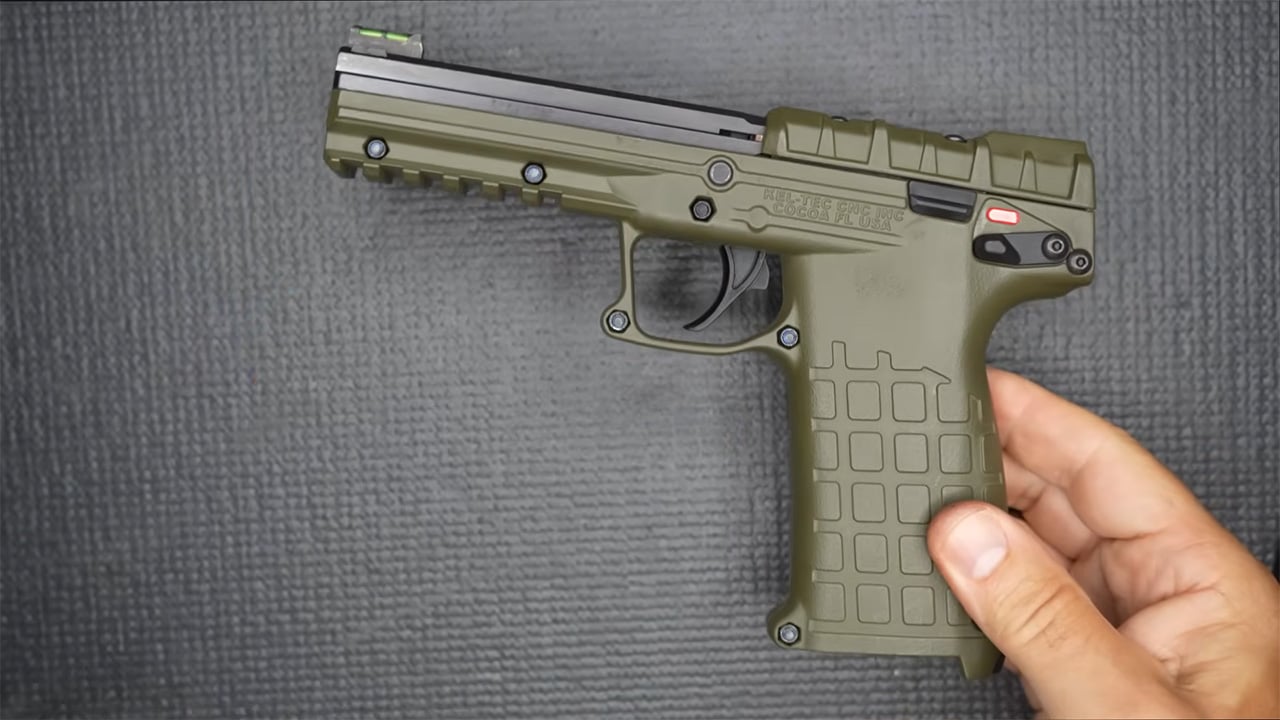
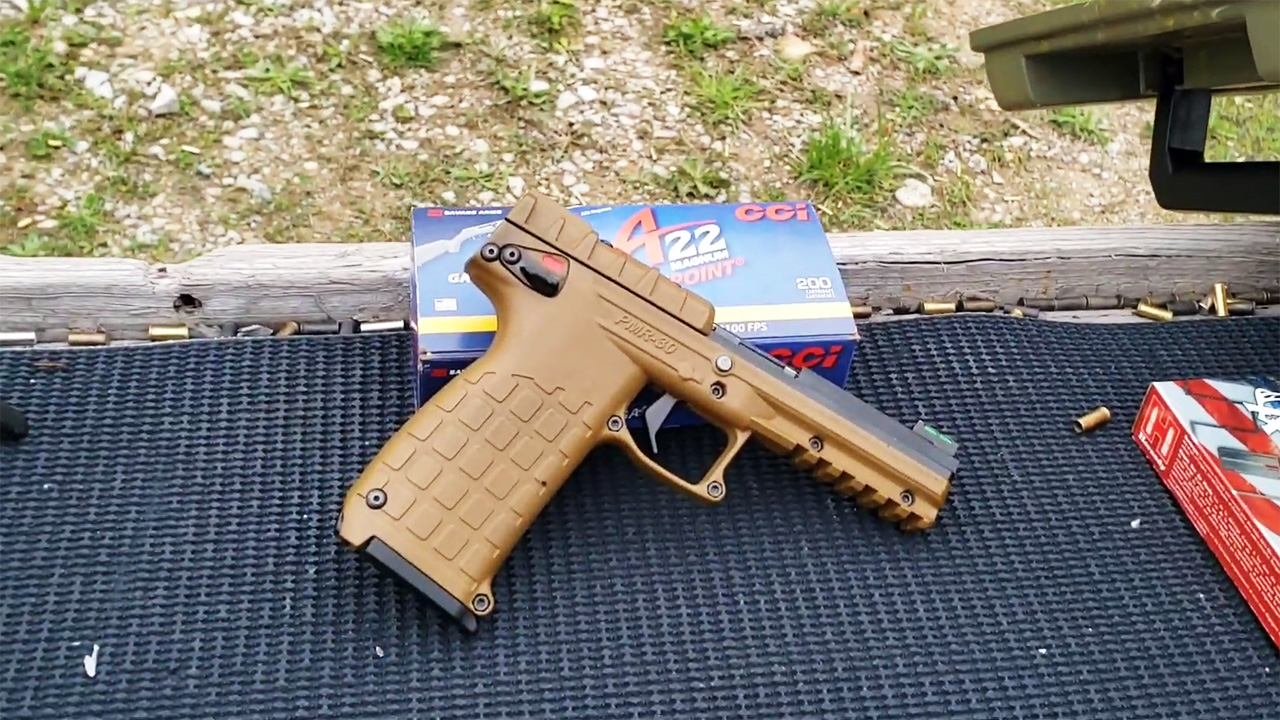
When the PMR-30 runs, it feels like cheating—lightweight, lots of rounds, easy recoil. The problem is rimfire ignition and rimfire feeding are not the place I want to hang my hat when things get serious.
.22 WMR is also not as common in rural junk drawers as .22 LR, 9mm, or .38 Special. A slick high-capacity rimfire pistol can be a neat tool, but it’s not a “one pistol for the end of the world” tool.
4. Walther P22
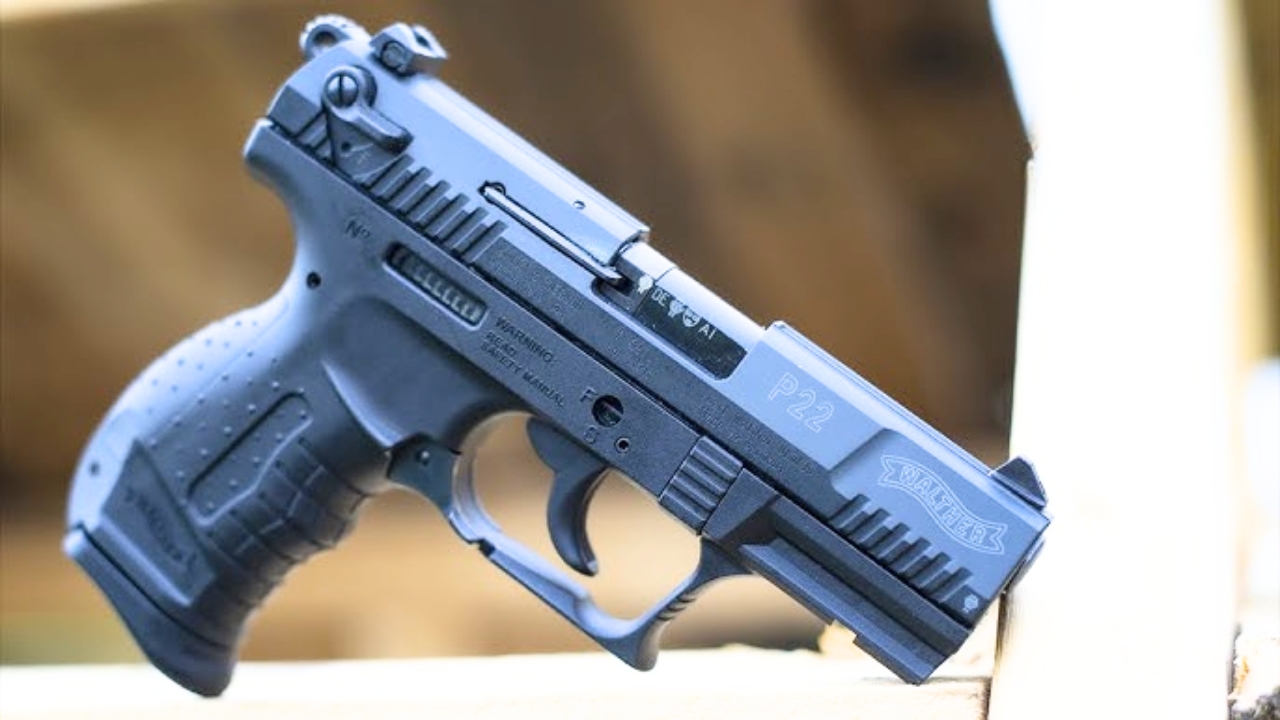
I’ve seen more than one P22 that was a constant ammo diva. It’ll run one brand, choke on another, and turn a simple range trip into a troubleshooting session. That can be tolerable when you’re plinking. It’s not tolerable when you’re relying on it.
Yes, .22 LR is everywhere. But the gun still has to run dirty, run cold, and run when you’re not in the mood to baby it.
5. Phoenix Arms HP22A

These little pot-metal .22s show up because they’re cheap, and because somebody always needs “something.” They’re also the kind of pistol that makes you understand why saving money can be expensive.
In a serious situation, brittle parts, finicky safeties, and spotty longevity are a bad mix. A survival pistol shouldn’t feel like a disposable lighter.
6. Hi-Point C9
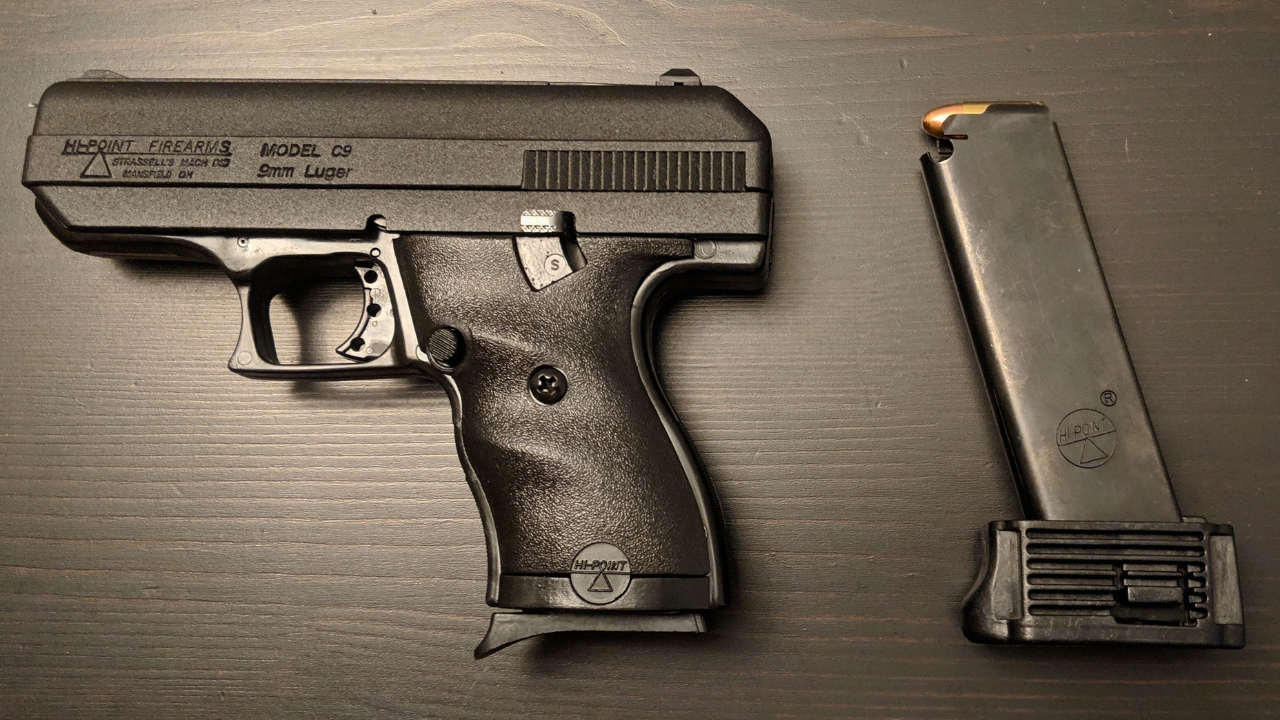
Here’s the thing: plenty of Hi-Points do run, and I’m not going to pretend they don’t. But they’re bricks. They’re heavy for the capacity, awkward to carry, and the holster/mag ecosystem is nowhere near what it is for the common service pistols.
If your whole plan is “one handgun and a couple spare mags,” the C9’s biggest sin is that you’ll actually leave it behind because it’s miserable to tote. That one hurts, because a gun left behind is the least useful gun there is.
7. Smith & Wesson SDVE (Sigma-era variants)
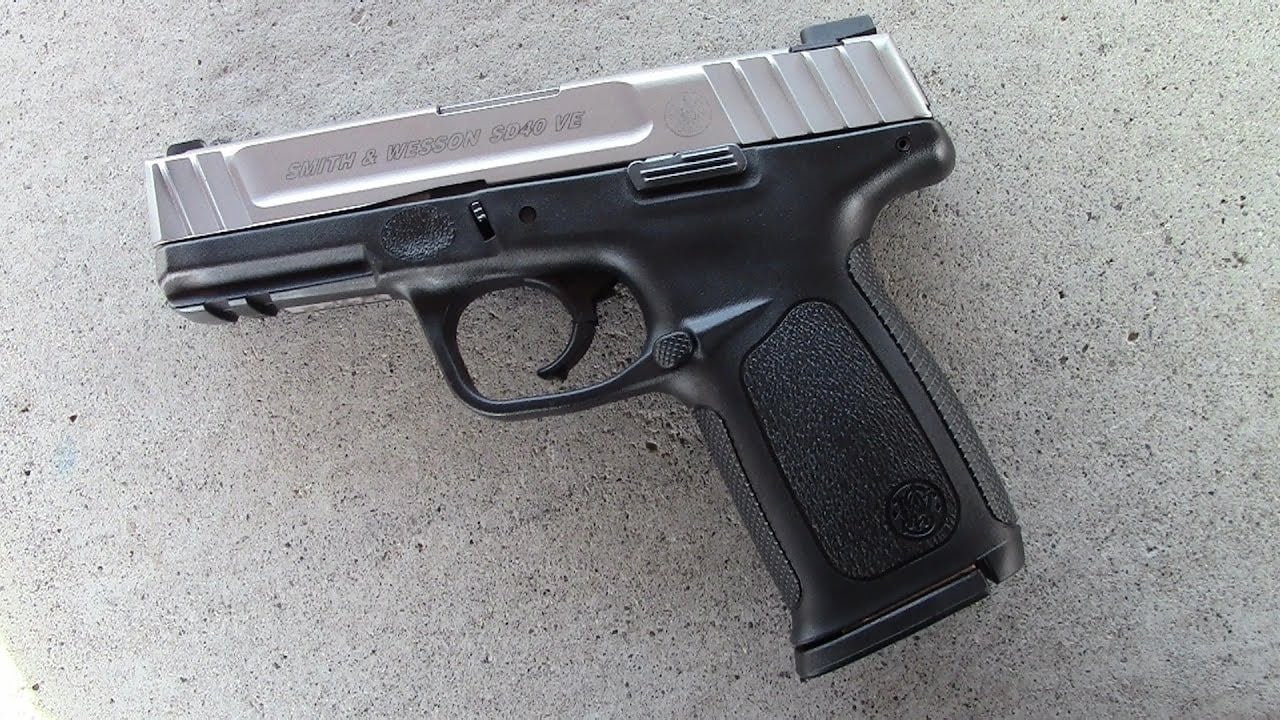
I’ve watched good shooters struggle with these because of the trigger. Long, heavy, and not especially clean. That may sound like a comfort issue, but under stress it turns into missed shots and slower follow-ups.
Could you train around it? Sure. But in a survival scenario, you want a pistol that lets you shoot well on your worst day, not just your best day.
8. Ruger LC9 (original hammer-fired, long trigger)
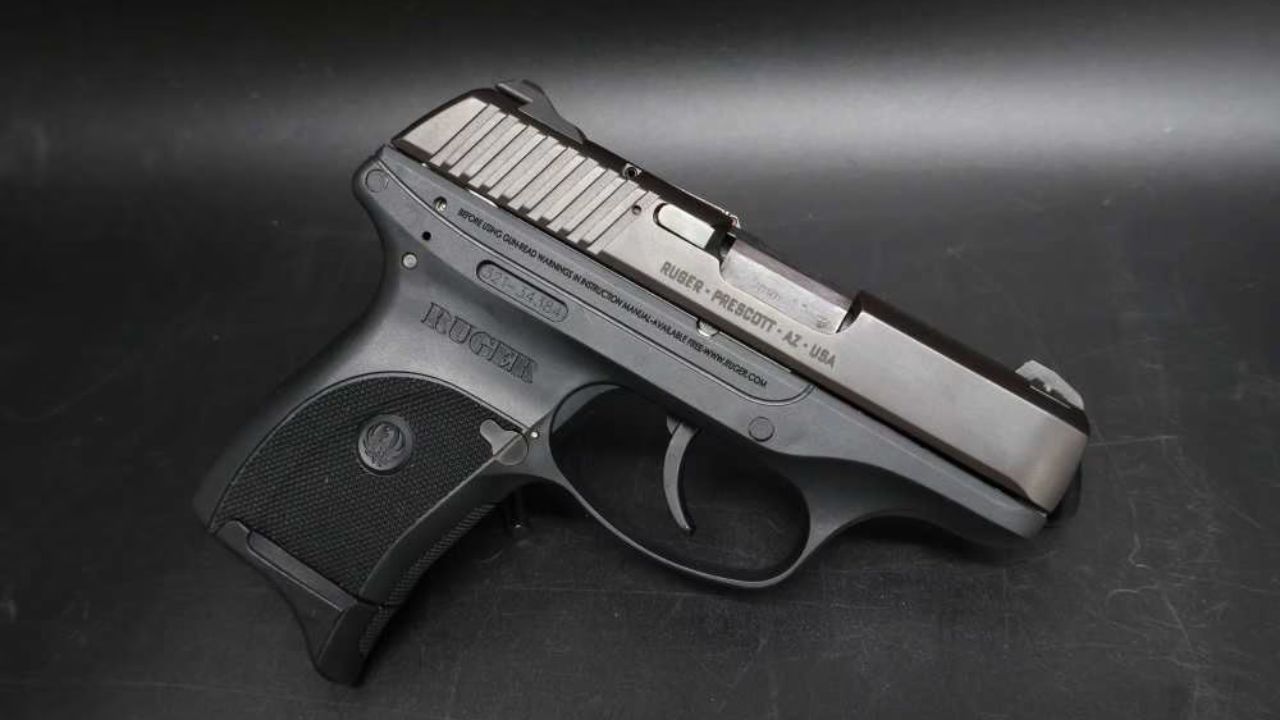
Lightweight carry guns are great until you realize how much they demand from the shooter. The original LC9 has a long, revolver-like pull that can be tough to run fast and accurately.
It’s also snappy for what it is. If the goal is one do-it-all pistol, a micro-compact that you dread practicing with is a bad pick, even if it disappears under a T-shirt.
9. Beretta 21A Bobcat (.22 LR/.25 ACP)
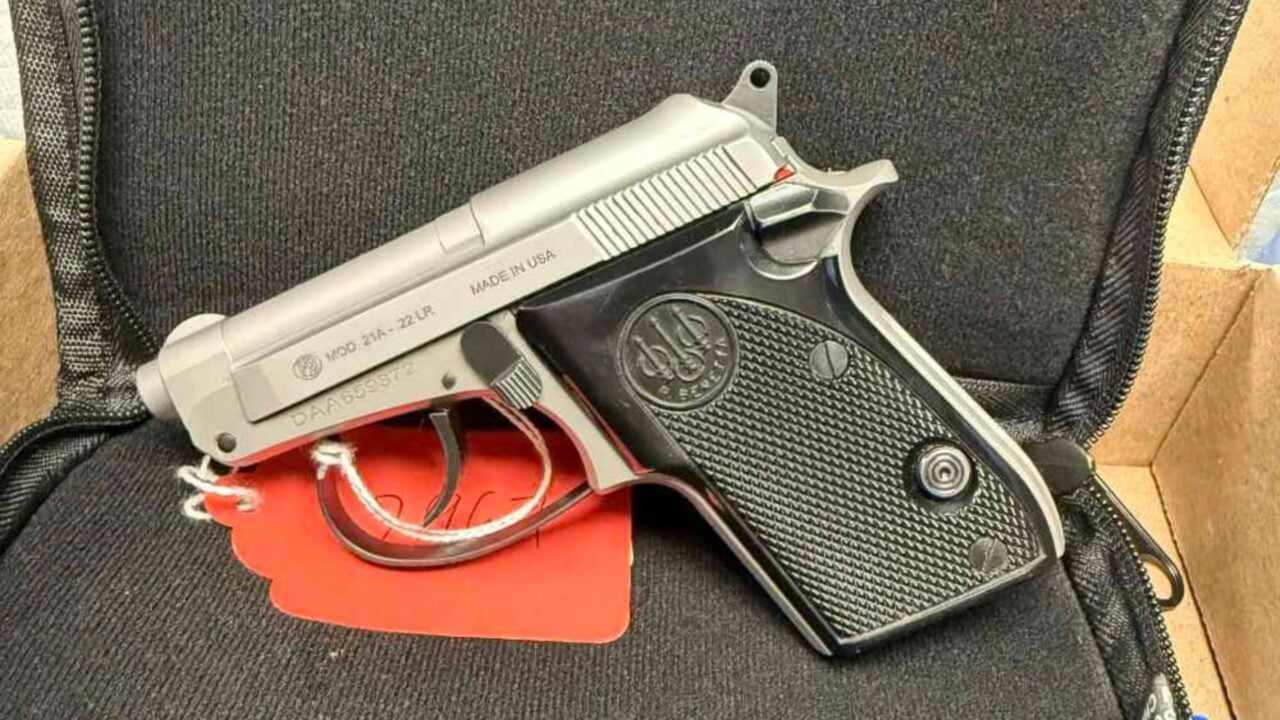
Tip-up barrel pistols are handy for folks with grip issues, and they’re neat little guns. But they’re still tiny, low-powered, and built around short sight radiuses and small controls.
In the real world, they ride in pockets, collect lint, and get shot just enough to “verify they still work.” That’s not a confidence builder for a worst-case tool.
10. Baby Browning / clone .25 ACP pocket pistols

These are easy to love if you like classic guns. They’re also easy to outgrow if you’re honest about what you can hit with them, and what they do when they get dirty.
.25 ACP isn’t what you want to be hunting for when supply is tight. And the magazines and small parts aren’t exactly stacked on every gun shop shelf, either.
11. AMT Backup (.45 ACP and other variants)

The AMT Backup has a following, and I understand why—stainless, compact, and serious caliber. But a lot of them have reputations for rough triggers, sharp edges, and inconsistent reliability depending on the individual gun.
In a survival pistol, “this particular one runs if you do your part” is not the standard. The standard is “it runs, period,” with common magazines and support.
12. Cobra/Davis/Jennings/Bryco pocket pistols
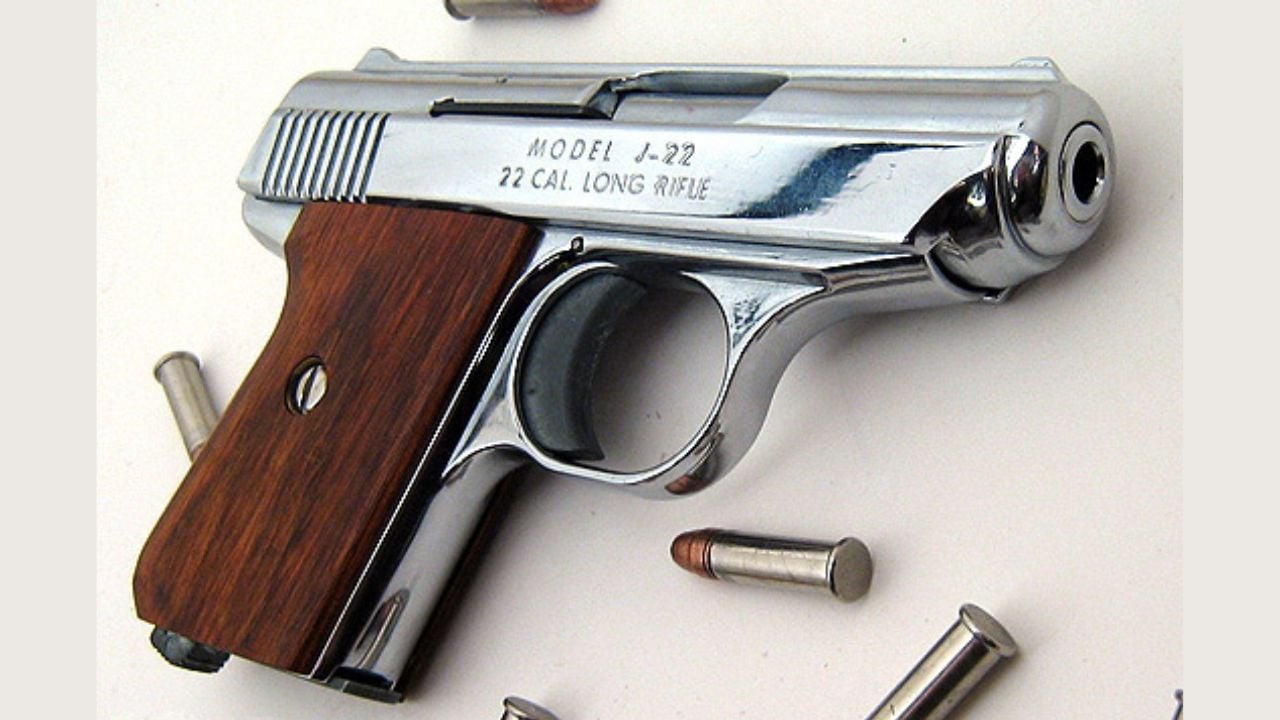
Saturday night specials are often bought in a hurry and shot rarely. Then they sit. Springs weaken, magazines get lost, and the owner realizes they’ve got a gun they don’t trust but can’t quite justify replacing.
When you need a pistol that can handle dust, sweat, and neglect, these are the wrong foundation. If it’s the only handgun in the house, it’s worth upgrading while times are normal.
13. Rock Island Armory 1911 (budget GI models)
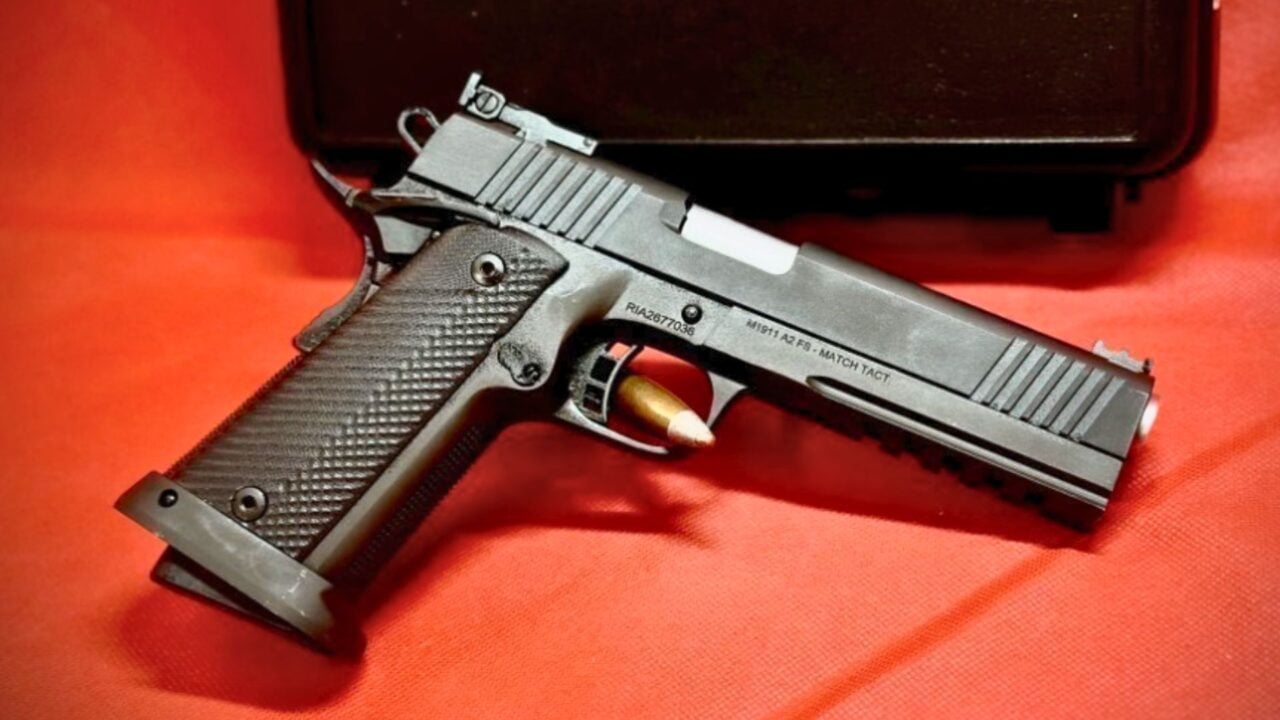
Let me be clear: I like 1911s. But the cheap end of the 1911 world can be a gamble, and a 1911 is not the platform I pick for “limited lube, limited parts, limited patience.”
Magazines matter, springs matter, extractors matter, and little tolerance issues start showing up when you’re running it hard. A good 1911 is a joy. A budget 1911 that only runs with certain mags is not.
14. Kimber Ultra/Compact 1911s (3-inch models)
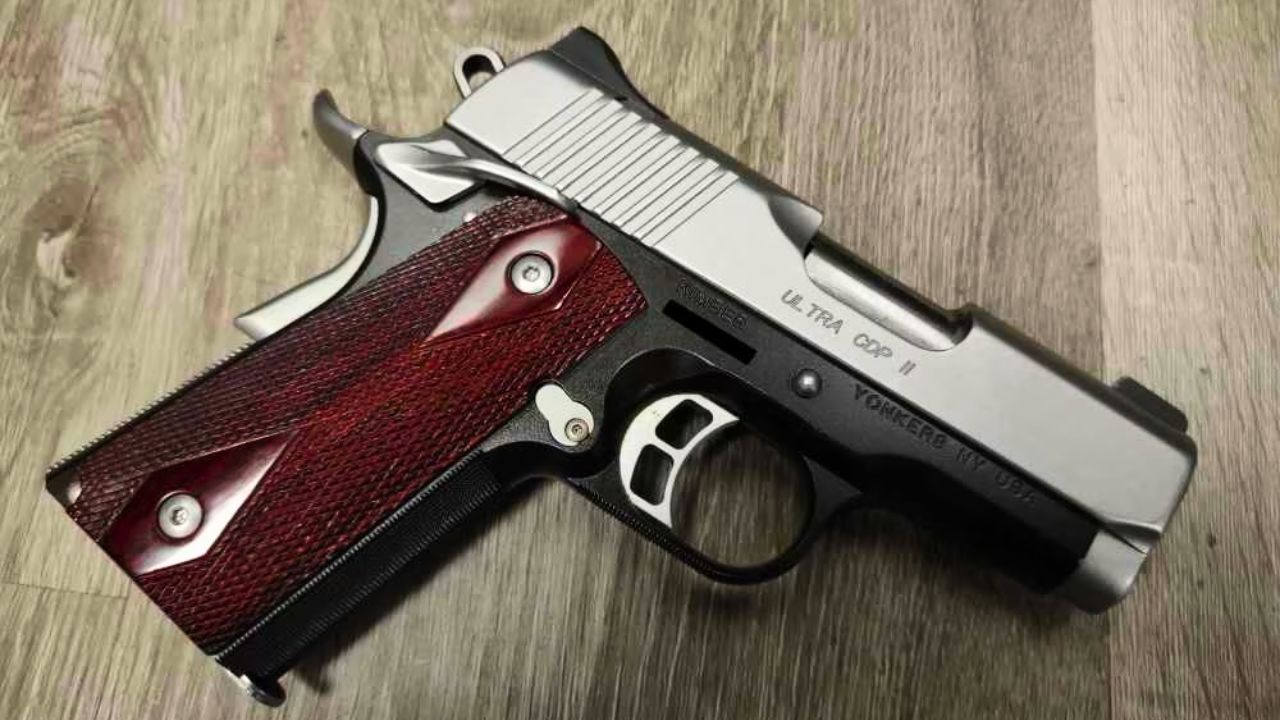
Short 1911s can be finicky. I’ve seen them run great, and I’ve seen them turn into jam-o-matics the moment the owner tries a different hollow point or a different recoil spring schedule.
In a survival context, you want mechanical forgiveness. Tiny 1911s are often the opposite of forgiving, and they require the kind of maintenance discipline most folks won’t keep up with when life is sideways.
15. Glock 42 (.380 ACP)

This one will ruffle feathers because the G42 is a good little pistol. The issue isn’t quality. The issue is that .380 ACP becomes a “specialty shelf” item fast when ammo gets scarce.
If your whole plan is one handgun and you’re not already stocked deep, 9mm is the smarter bet. A survival gun is partly a logistics choice, not just a shooting choice.
16. SIG Sauer P938
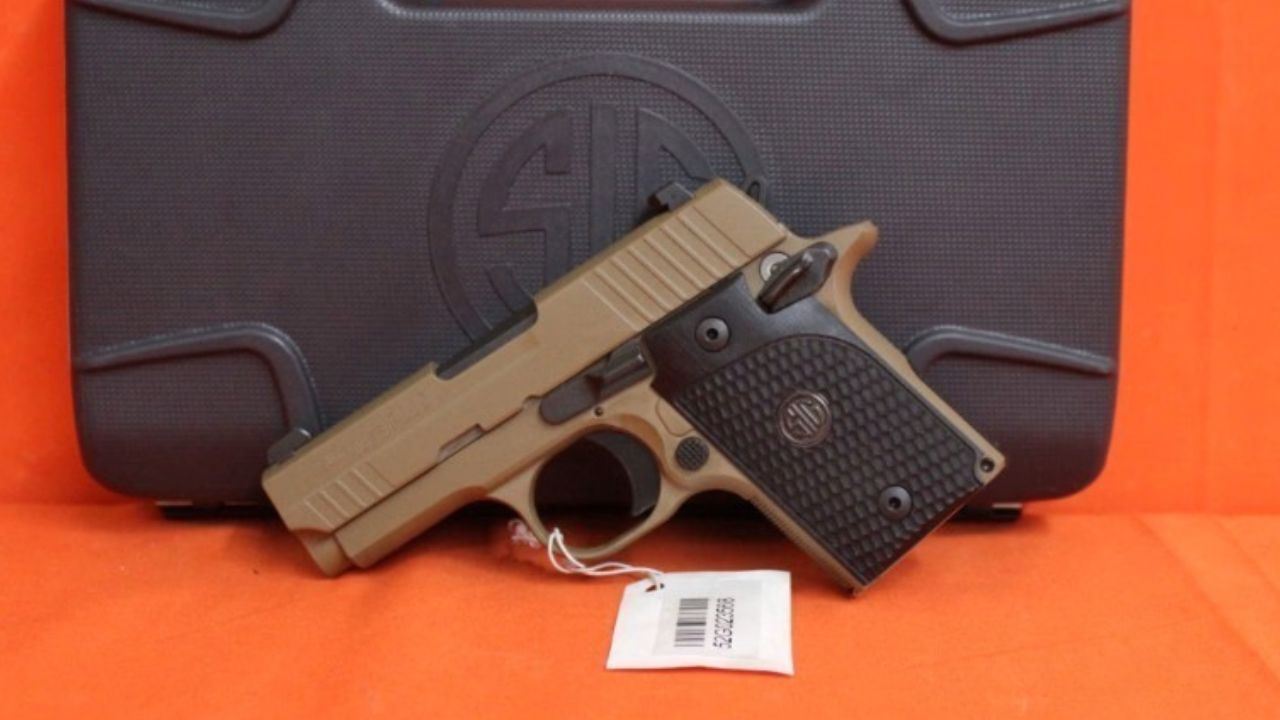
It’s a sweet shooter for its size, and it carries well. But it’s also a micro 9mm with small controls, shorter sight radius, and more sensitivity to limp-wristing than a full-size service pistol.
In a stressful situation, fine-motor-skill guns can punish you. If you’re tired, cold, or injured, you’ll appreciate a bigger grip and simpler handling.
17. Springfield Armory XD-S (single-stack .45 ACP)

Single-stack .45 carry guns sound tough. Then you shoot them a lot. They’re snappy, the capacity is limited, and you often wind up carrying extra magazines to make yourself feel better about the low round count.
.45 ACP is common enough, but the platform choice here is the problem: a small gun in a big caliber is harder to run well, especially when you’re not training constantly.
18. HK P7 (all variants)

This is one of those “great gun, wrong era for it” picks. The P7 is accurate, slim, and has a cool manual of arms. It also heats up fast, and parts and magazines aren’t cheap or plentiful.
In a survival world, exotic equals fragile in a different way. Not fragile metal—fragile logistics. When something breaks or you need mags, you’re not going to like the scavenger hunt.
19. Any optics-only pistol with no usable iron sights (range builds, race guns)

I’m not anti-dot. I run dots. But pistols set up where the irons are deleted or nearly unusable can turn into dead weight when batteries die, emitters get blocked, or the optic takes a hard hit.
A serious-use handgun needs a backup plan you can actually shoot. Co-witnessed or at least functional irons matter when you don’t get a do-over.
20. .22 LR “tactical” pistols built around proprietary magazines and oddball parts

There are .22 pistols that are absolute workhorses. Then there are the ones that look like a service pistol, feel fun for a weekend, and quietly become a problem because the magazines are unique, the parts are unique, and the reliability depends on being kept clean and pampered.
If you want a rimfire for survival, pick a proven design with widely available mags and support, and test it hard. Otherwise it’s just a neat toy that eats time when you need results.
If you noticed a pattern, it’s not “cheap vs. expensive” or “old vs. new.” It’s commonality, simplicity, and confidence. The pistol you can keep fed, keep running, and actually shoot well on a bad day is the one that matters. Everything else is just extra weight when you start counting ounces and consequences.
Like The Avid Outdoorsman’s content? Subscribe to our newsletter so you never miss an article.
Here’s more from us: