Photo credit: The Average Joe Armory/Youtube
Every rifle line has a couple models the company would rather you forget. The concept was solid, the marketing was loud, and the first batches hit shelves before the bugs were worked out. Sometimes the factory eventually sorts it out with a quiet “Gen 2.” Other times the rifle just carries that reputation forever, and the fix never really comes.
This isn’t a hit piece on any one brand. It’s a reality check for hunters and range guys who don’t want to be unpaid beta testers. Here are 20 rifles that showed up before they were ready, and in one way or another never fully shook the early problems.
1. Remington 710

I remember seeing these stacked deep at big-box stores and thinking, “Well, that’s a cheap way into a deer rifle.” Then you run the bolt a few times and it feels like it’s riding on gravel. The 710 was built to a price point so hard it squeaked.
Between spotty extraction, questionable long-term durability, and a general “disposable rifle” vibe, it didn’t take long for the model to get a bad name. Remington moved on, but the 710 never got a real redemption arc the way some other rough launches did.
2. Remington 770

The 770 was supposed to be the “we listened” version of the 710, but it mostly felt like a continuation. You still had that hollow-stock feel and a bolt that didn’t exactly invite you to run it fast on a cold morning.
Plenty of them have killed deer, and I won’t pretend otherwise. But as a platform, it never became something people wanted to build on, tune, or keep for life. It stayed in that category of rifle you buy once, fight a little, and then replace when you can.
3. Remington Model 783 (early production)

This one stings because the 783 has a lot going for it on paper. The barrel nut system and decent accuracy potential are real. The problem is the early rifles weren’t consistently “decent” out of the box, and the fit-and-finish felt like it was rushed out the door.
Some owners got good shooters. Others got feeding quirks and rough actions that never really slicked up. Remington’s bigger corporate issues didn’t help, and the 783 never fully escaped the shadow of what was happening around it.
4. Ruger American Rifle (first-run teething issues)

I like the idea of the Ruger American: light, affordable, accurate enough to matter. But the early rifles had enough magazine and feeding complaints that I started telling new hunters to handle one in person before buying sight unseen.
Ruger improved things over time, especially as the line expanded, but the “it’s great… unless it isn’t” reputation stuck around longer than it should have. When your rifle is a budget workhorse, it has to be boringly reliable. Excuses don’t belong in the deer woods.
5. Ruger Mini-14 (180- and 181-series)
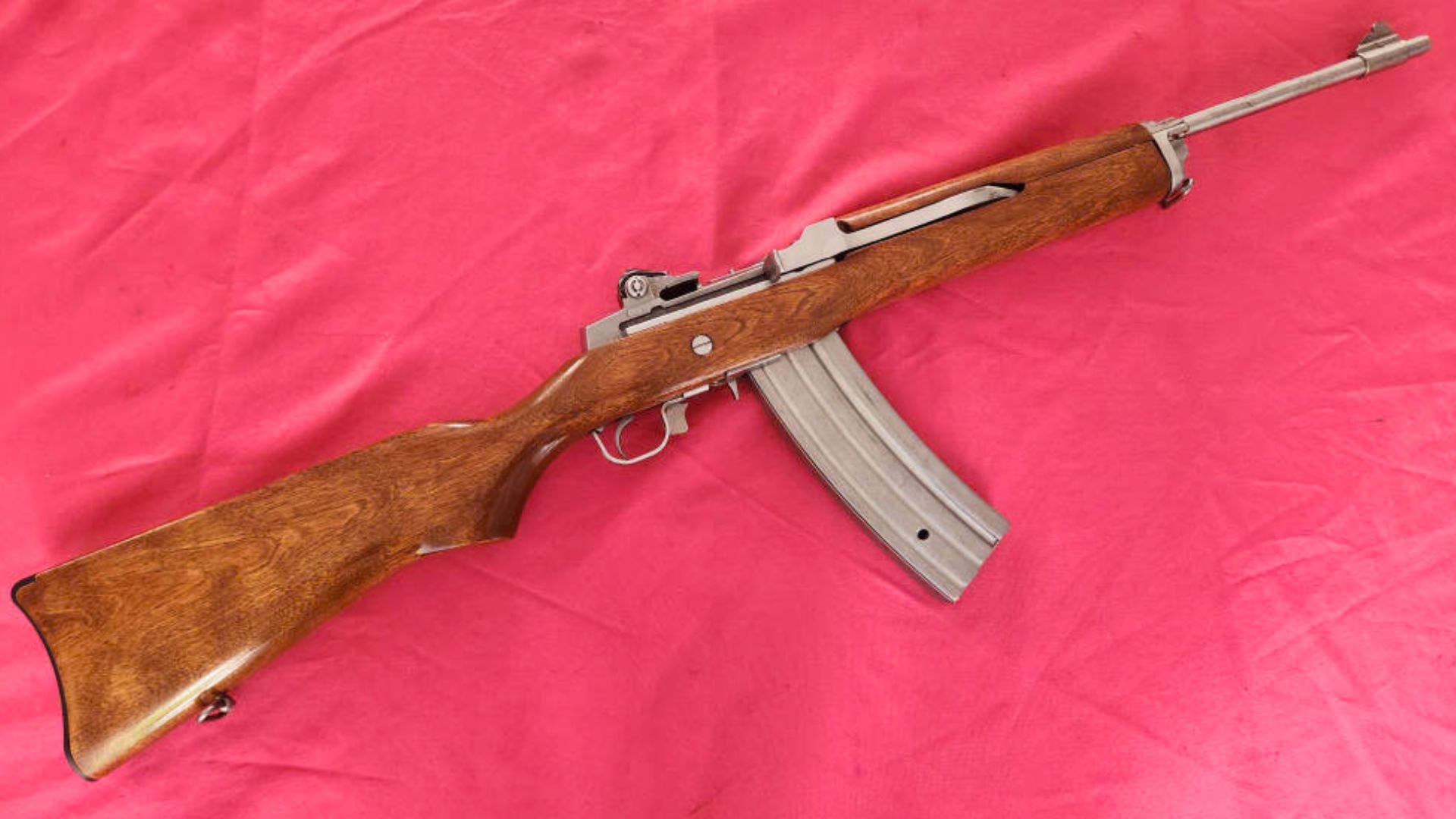
Mini-14 fans are loyal, and I get it. Handy rifle, carries nice, and it points fast like a good ranch gun should. The problem with the early series is accuracy, plain and simple. “Minute of coyote at 100” was not a compliment, but it was common.
Ruger eventually tightened things up, but the early Minis never got “fixed” because they’re already out there doing what they do. If you have one, you either accept it as a practical field blaster or you spend the rest of your life trying to make it something it isn’t.
6. Ruger Mini-30 (early production)
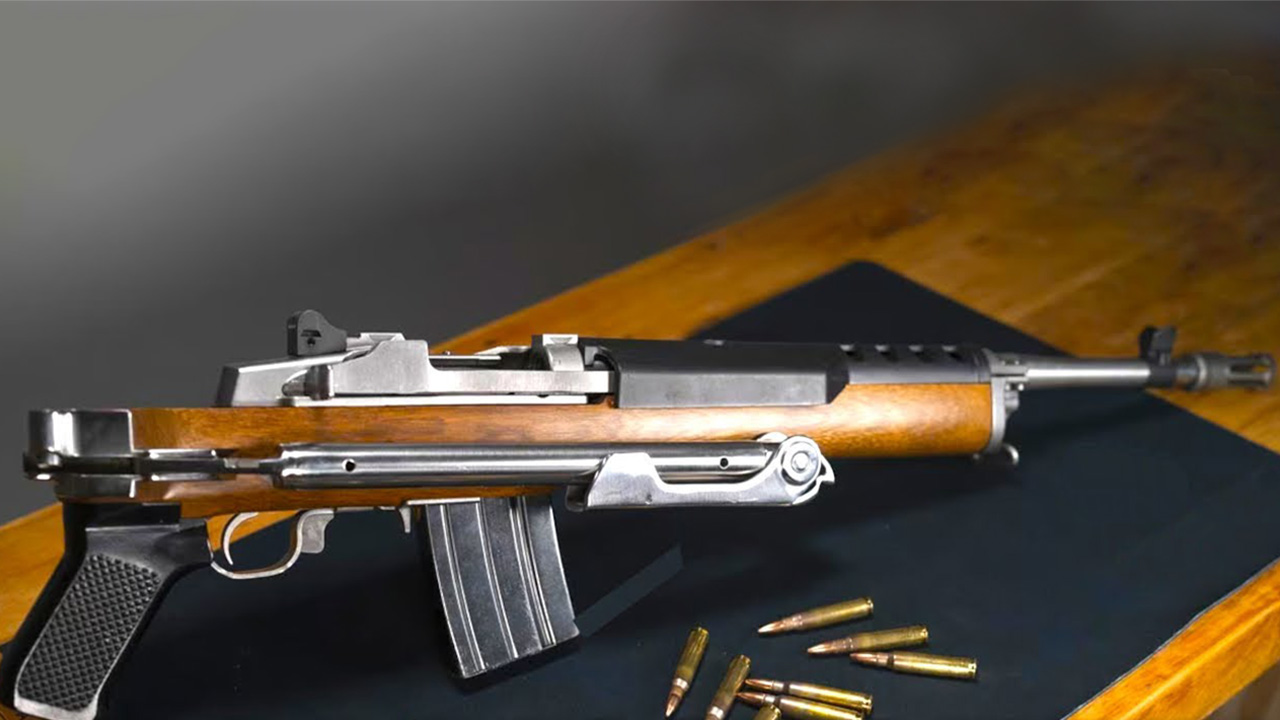
The Mini-30 should have been a home run: 7.62×39 in a handy package. Early on, though, you saw ignition issues with certain ammo and accuracy that varied from “okay” to “what is happening.”
Some of that is ammo-related and some of it is the platform being picky. Either way, it created a rifle that was supposed to be a simple utility gun but often demanded more patience than buyers expected.
7. Colt All American 2000
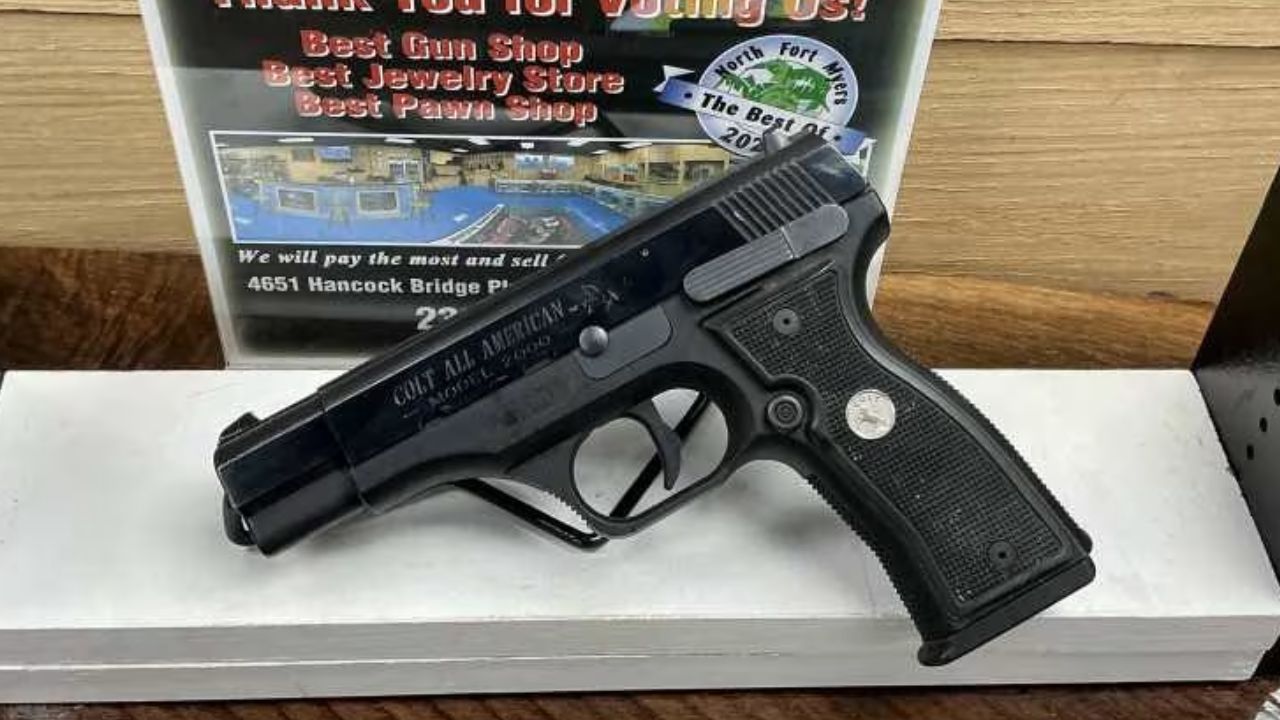
This rifle is one of those “how did that make it out the door?” stories. Colt tried to make a modern hunting rifle with some modern ideas, but the execution never matched the ambition.
Accuracy and consistency issues followed it, along with a general sense that it wasn’t finished when it shipped. Colt moved on, and the All American 2000 became a cautionary tale more than a classic.
8. Winchester Super X1 (rifled slug barrel setup)
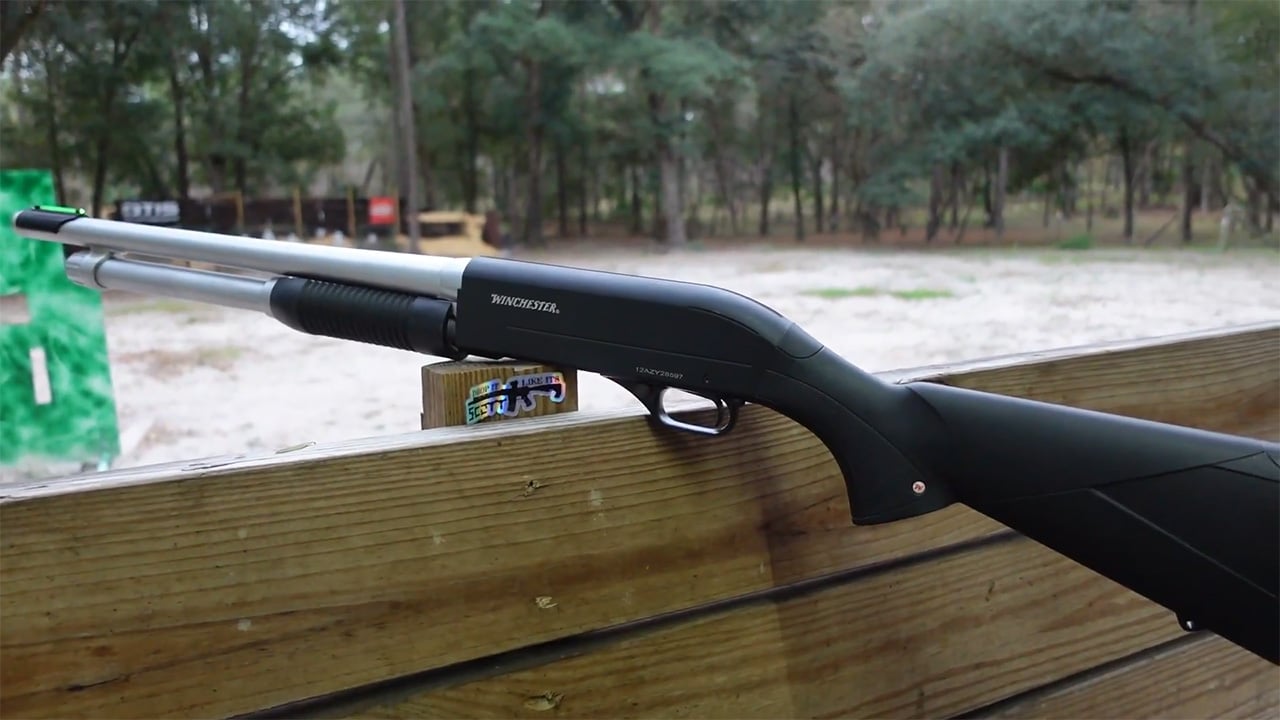
Yeah, it’s a shotgun, but the rifled barrel deer setups were sold and treated like a rifle replacement in a lot of slug-only places. The Super X1 is legendary in many configurations. The problem is that some of the slug setups and early optics mounting solutions were never as solid as they needed to be.
If your “rifle” is a slug gun with a cantilever mount that shifts or loosens, your confidence goes out the window fast. A deer at 80 yards deserves better than “I hope this stayed tight.”
9. Savage B.Mag (early .17 WSM rifles)

When .17 WSM hit, it had that shiny-new-rimfire energy, and Savage got rifles to market quickly. The B.Mag was light and handy, but early rifles had enough extraction and consistency complaints that it took the wind out of the sails.
Rimfires are supposed to be fun, not fussy. The cartridge is interesting, but the platform didn’t earn trust early, and it never quite recovered its reputation as a dependable field varmint rifle.
10. Remington R51 (carbine conversions and “ecosystem” hype)
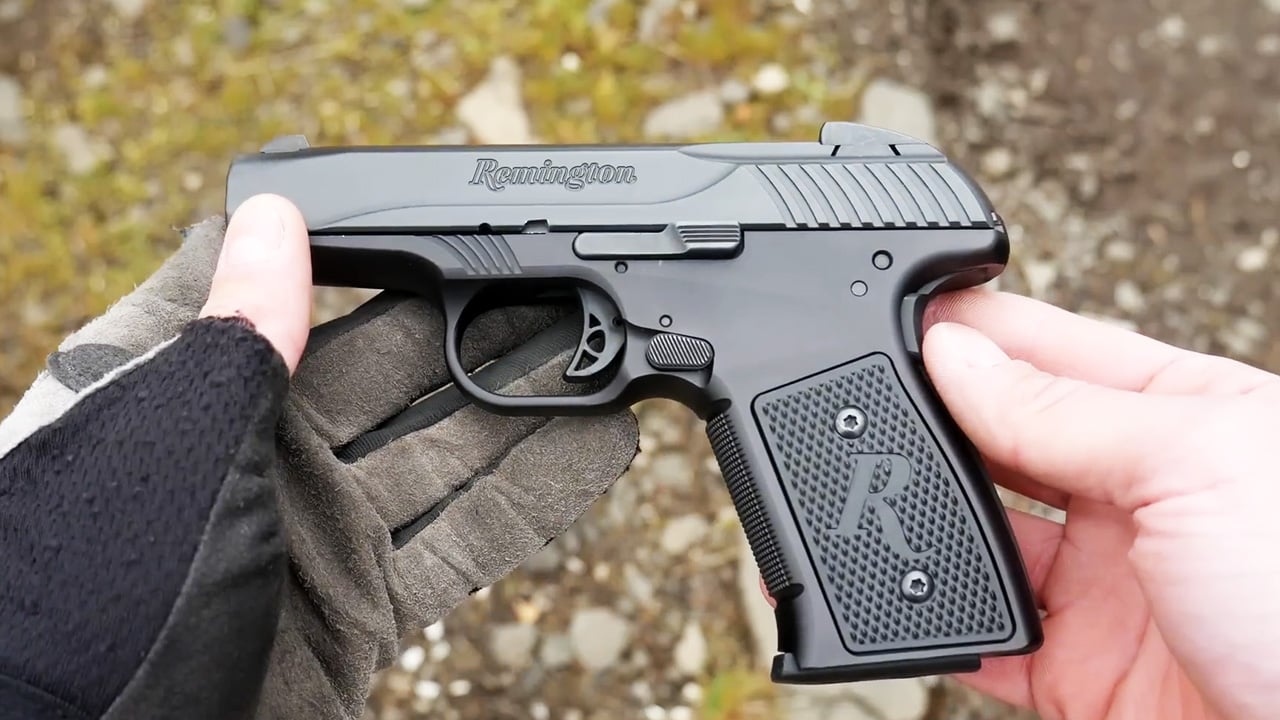
Technically a pistol story, but it bled into the rifle world through conversion kits and the broader “system” talk that floated around it. When a company can’t get the base gun right, the add-ons don’t inspire confidence.
The early R51 launch damaged trust in anything connected to it. Folks who watched that unfold got more skeptical of flashy ecosystem promises, especially when the core product has obvious issues.
11. SIG Sauer SIG516 (early runs)
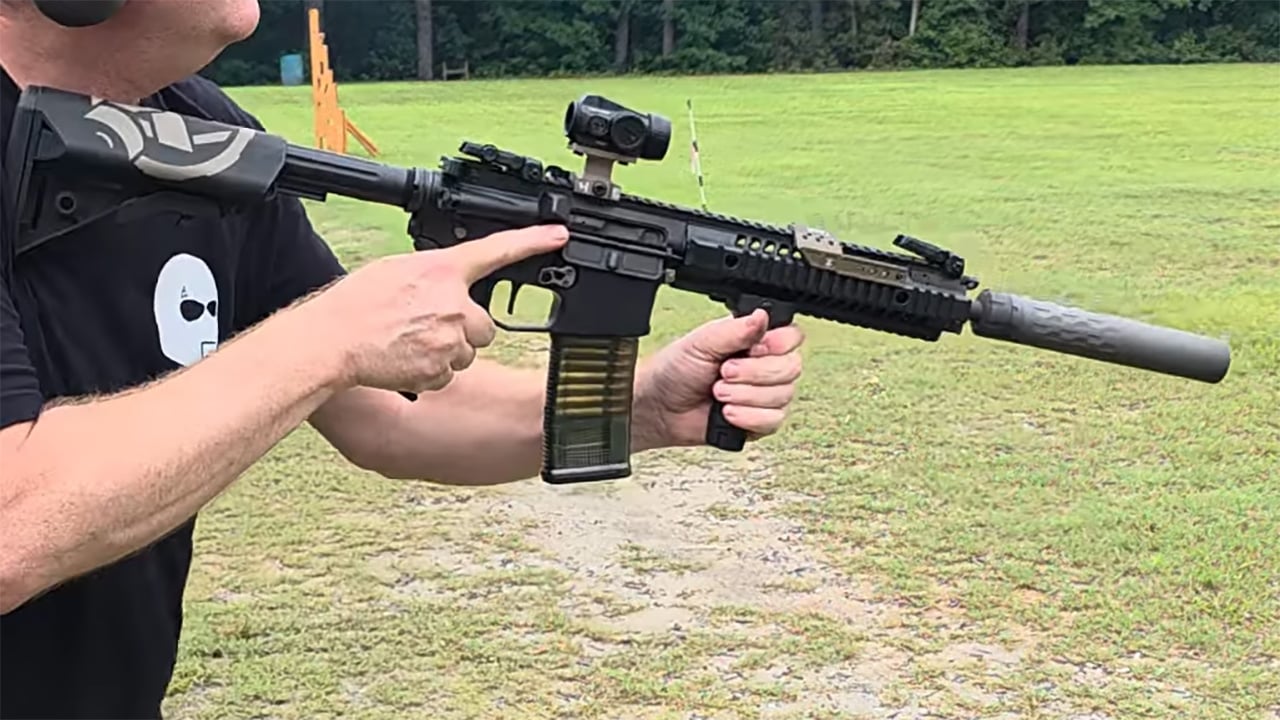
The 516 had a lot of appeal for guys who wanted a piston AR from a big-name maker. Early examples, though, developed a reputation for being gassy and a little harsh, and some rifles showed odd wear patterns that made owners nervous.
Plenty run fine, but the rifle never became the “set it and forget it” piston AR people hoped it would be. When you’re paying SIG money, you want the kinks already worked out.
12. Bushmaster ACR (civilian launch)
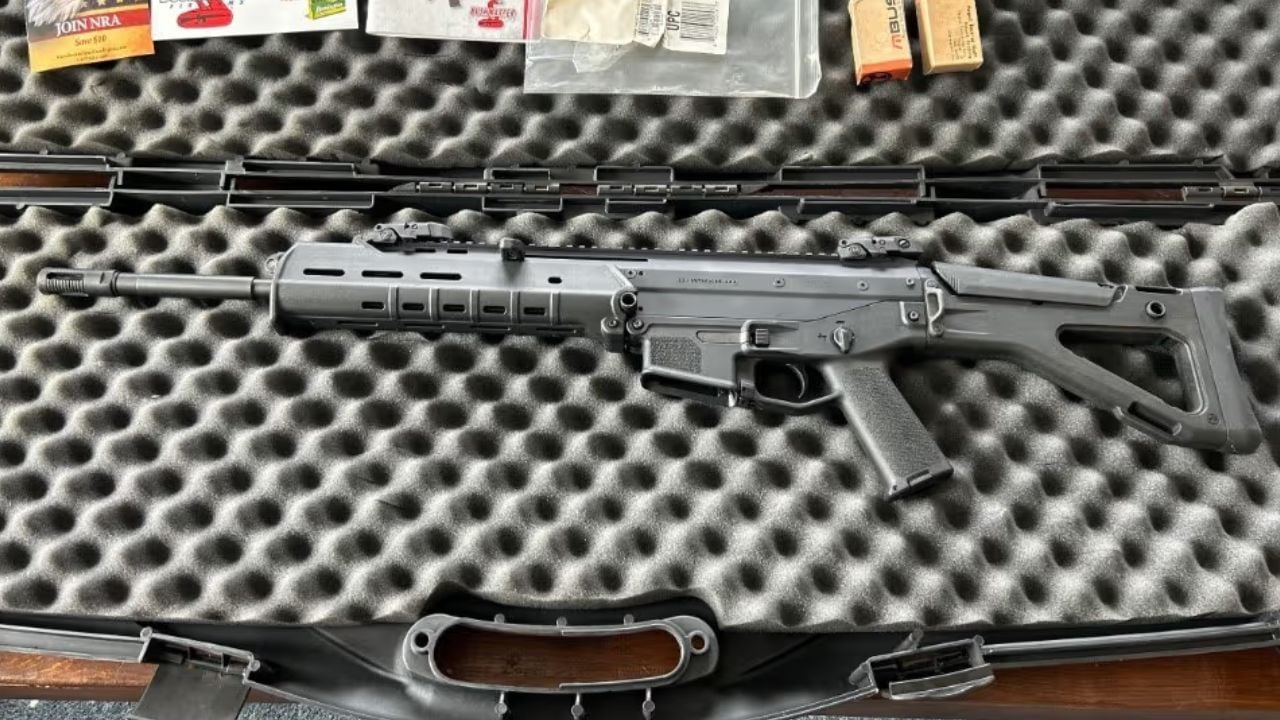
The ACR is a perfect example of a rifle arriving with a ton of expectations and not enough follow-through. It looked like the future and carried like a brick. Then you got into the real-world stuff: parts, support, and the “why am I paying this much?” question.
It wasn’t that every ACR was unreliable. It’s that the platform felt stranded—expensive, heavy, and never fully developed into what the early hype promised. That’s its own kind of “never fixed.”
13. Remington R15 VTR (early varmint AR offerings)
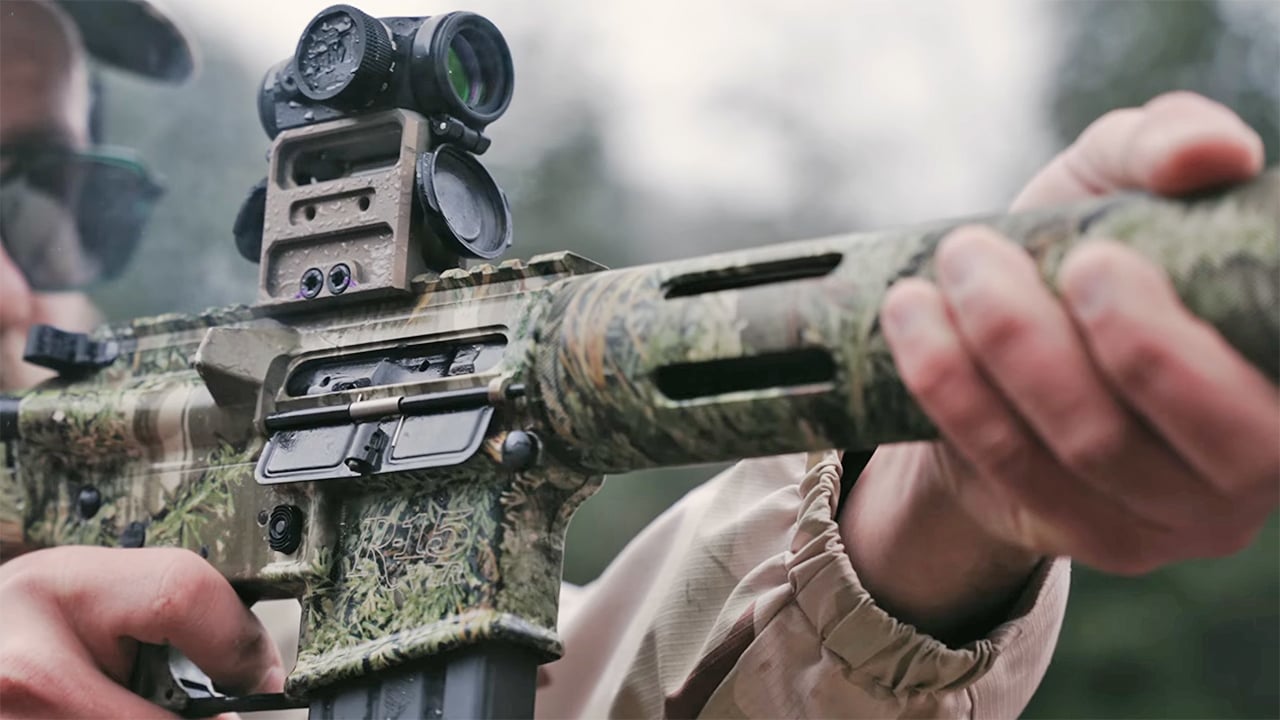
The camo, the trim profile, the whole “purpose-built predator AR” pitch was strong. But early on, the consistency wasn’t always there, and the proprietary-feeling configurations made simple upgrades more annoying than they needed to be.
Predator hunters are hard on gear. When a rifle is marketed to them, it better run clean in dust, cold, and truck-gun neglect. This one didn’t always match the marketing tone.
14. Mossberg 4×4 (first-gen issues)
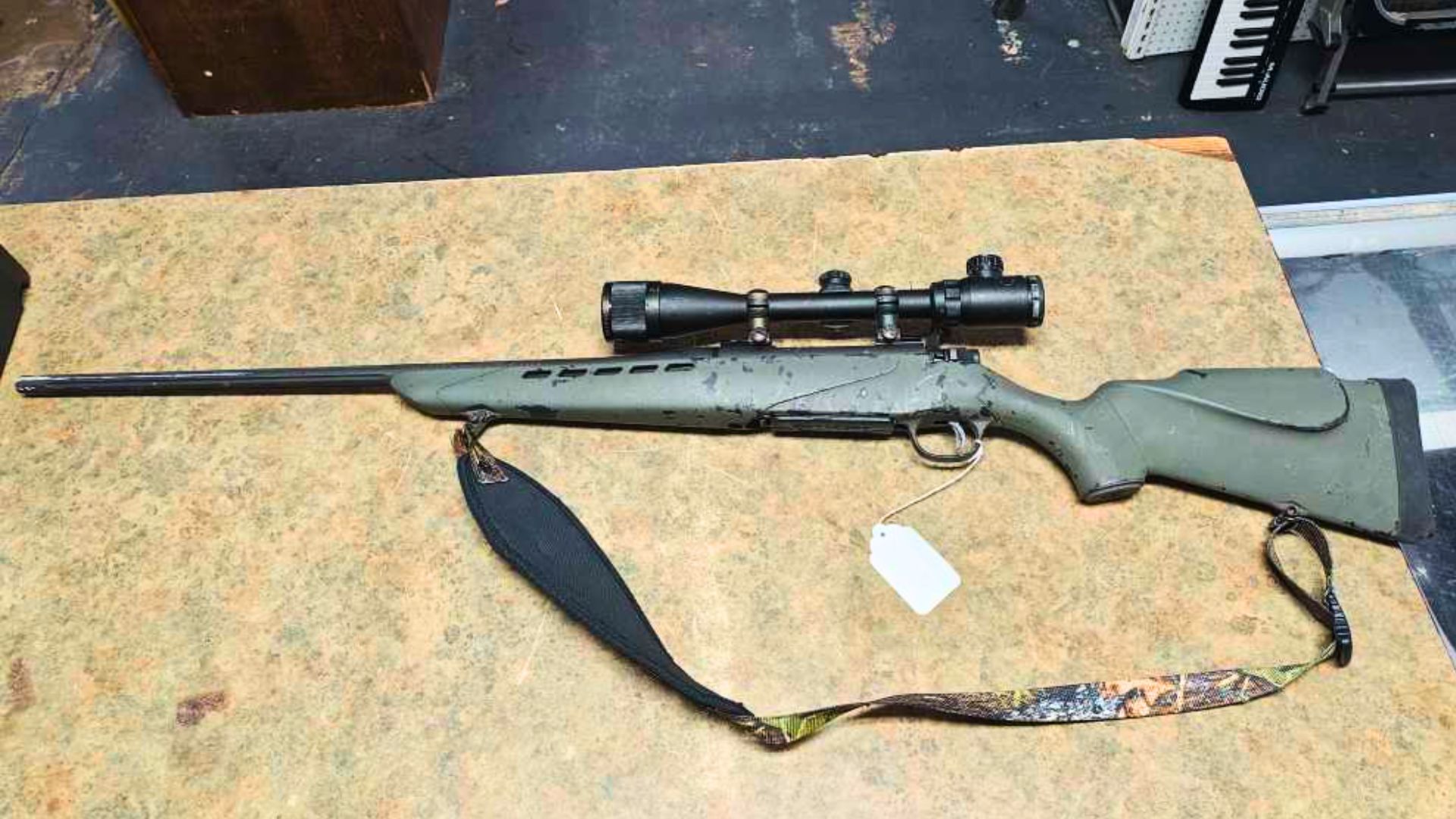
Mossberg can make a value hunting rifle that works, and the 4×4 had the right idea. But the early rifles got tagged with feeding and magazine complaints that made them feel unfinished.
It’s tough to build trust in a hunting rifle when the most basic job—getting the next round up and in—feels questionable. Even if yours runs, the line never gained the steady respect that the better budget rifles earned.
15. Marlin X7 (early production quirks)
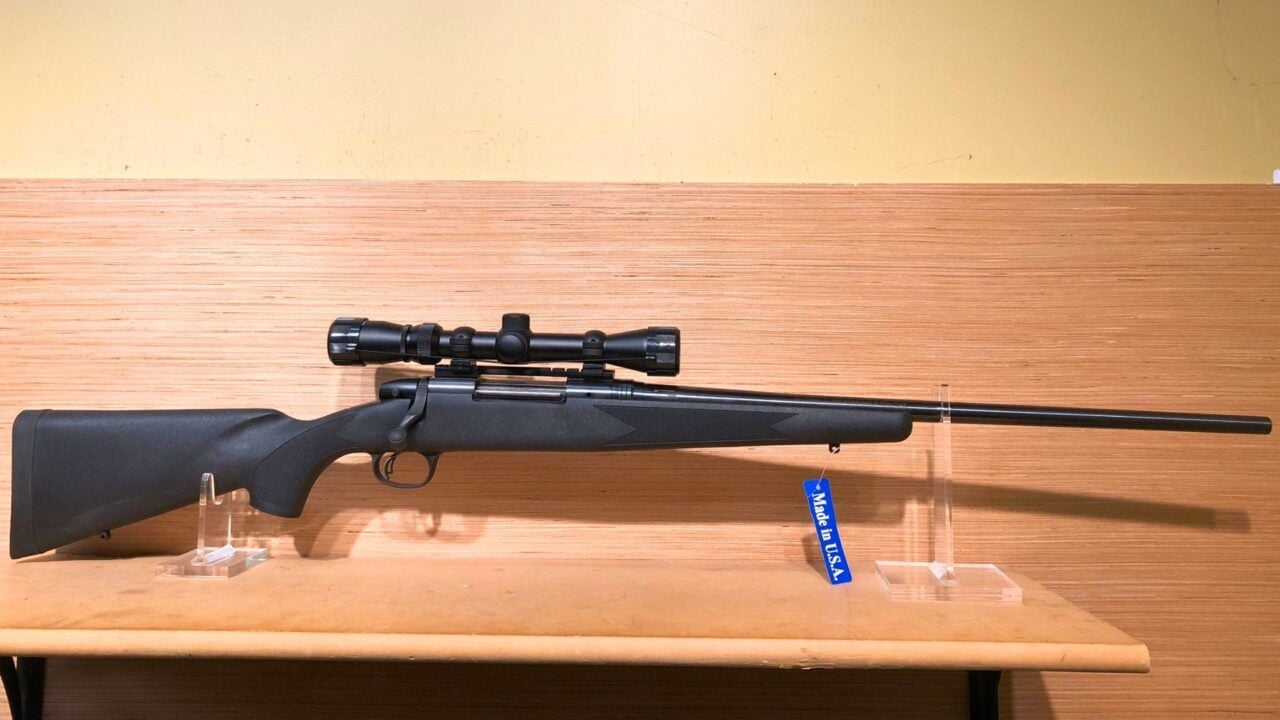
The X7 had real promise, especially for folks who wanted an accurate, affordable bolt gun without the usual budget-rifle ugliness. The trouble was inconsistent quality control early on, with fit, finish, and occasional extraction complaints.
Some of the best-shooting “cheap rifles” I’ve seen were X7s. But inconsistency kills a model’s reputation. If two rifles with the same roll mark feel like they came from different planets, buyers remember that.
16. Kimber Adirondack (first-wave ultralight problems)

I understand the ultralight obsession. A rifle that disappears on your shoulder is a joy on steep ground. But ultralight rifles can be unforgiving, and early Adirondacks showed that the hard way with accuracy complaints that popped up more than they should have at the price.
When you pay premium money, you expect premium confidence. A finicky light rifle that needs a specific load, a specific torque feel, and a specific mood is not what most hunters are after.
17. Christensen Arms Mesa (early reputation damage)

The Mesa is another rifle that should have been an easy win: good features, good styling, nice carry weight. Early on, though, the brand as a whole took enough public heat for quality control and accuracy consistency that the skepticism spread.
Even when a model is fundamentally sound, a rough period can stick. The “maybe you get a good one, maybe you don’t” talk is poison in hunting camps, and it’s hard to scrub out once it takes hold.
18. Springfield Armory M1A (inconsistent modern production eras)

The M1A is a classic pattern, and when they’re right, they’re right. But modern production across different periods has been uneven enough that buying one can feel like rolling dice unless you know what to look for and you inspect it carefully.
This isn’t about nostalgia. It’s about a rifle that costs real money and should deliver a consistent experience. If you’re buying for accuracy or serious use, “hope you got a good batch” is not the standard.
19. IWI Tavor X95 (early caliber conversion and gas complaints)
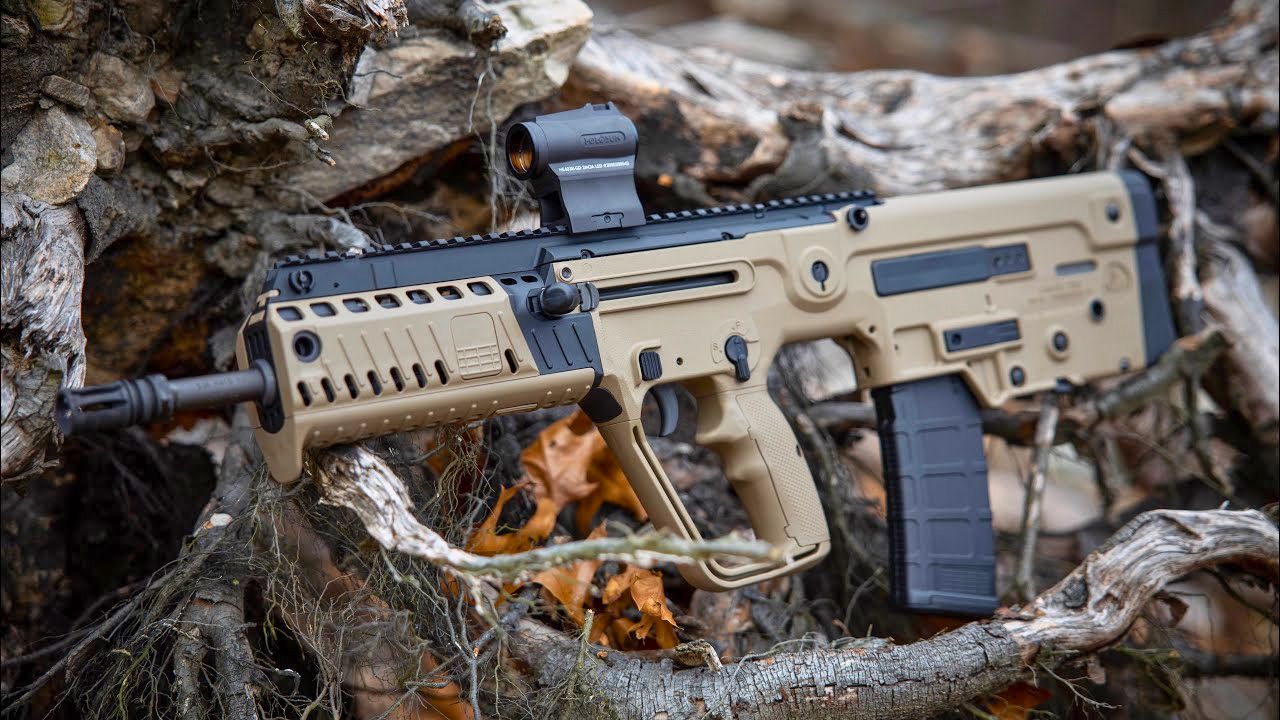
The X95 is handy, especially in tight spaces, and bullpups have their place. The early civilian experience had some rough edges, though—especially around gas and suppressed use, plus the reality that changing calibers and parts support is more complicated than the brochures make it sound.
For a lot of owners, the rifle stayed in the category of “cool and capable” but never became the simple, do-everything carbine they hoped it would be. Not exactly broken, but not exactly sorted, either.
20. Henry Long Ranger (early magazine and feeding complaints)
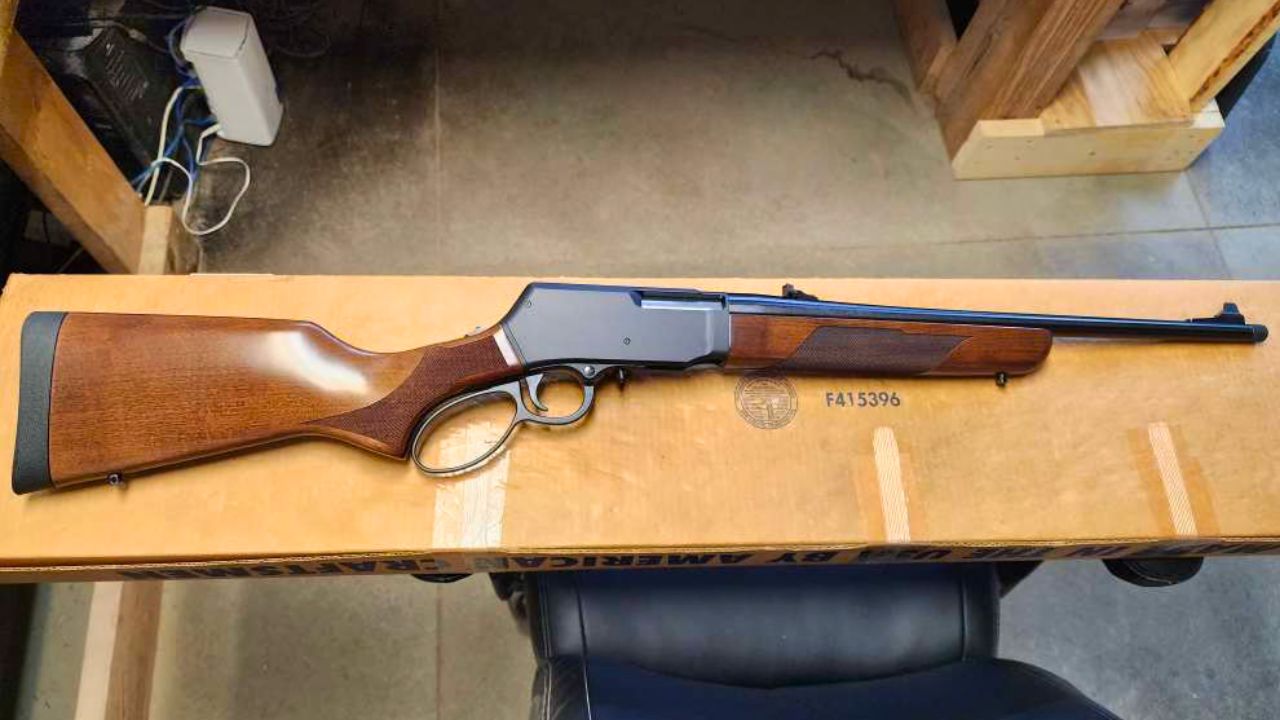
I like Henrys, and I like lever guns. The Long Ranger is a smart idea: a lever-action that takes pointed bullets and stretches the platform’s reach. Early on, though, you saw enough chatter about magazine quirks and feeding pickiness that it made buyers pause.
Lever guns are supposed to run smooth and simple. When the mag system feels touchy, it ruins the whole point of a fast-handling woods rifle. Some run perfectly, but the early reputation never fully disappeared.
None of this means you can’t hunt with these rifles or that every single one is a lemon. It means the first impression was rough, the fixes were inconsistent or incomplete, and the models never completely earned back trust. If you own one that runs, treat it right and keep it safe. If you’re shopping, do the boring stuff: handle it, cycle it, test the magazines, and put real rounds downrange before you declare it “good to go.”
Like The Avid Outdoorsman’s content? Subscribe to our newsletter so you never miss an article.
Here’s more from us: