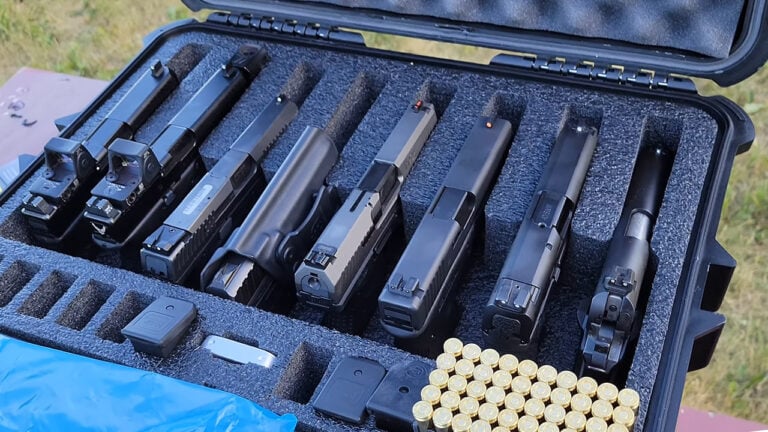
Photo credit: Chris Parrish Outdoors/Youtube
Spend enough time around a real gunsmith shop and you learn something quick: the pistols that show up the most are usually the ones that sold the most. Not always because they’re junk. More often it’s because they’re common, they get carried hard, they get cleaned wrong, and they get “fixed” by somebody’s buddy with a punch set and a YouTube video.
What follows are the handguns gunsmiths tend to see over and over. Some come in for broken parts. Some come in for reliability work after a “trigger upgrade.” Some come in because they’ve ridden in a sweaty holster for three summers and now the sights are rusted solid. If you own one of these, don’t panic. Just treat it like a tool, maintain it like you mean it, and don’t turn a perfectly good pistol into a science project.
1. Glock 19 (Gen3/Gen4)

This one is everywhere for a reason. It’s the Honda pickup of pistols: boring, dependable, and it just keeps getting bought. Gunsmiths see a ton of them for routine stuff like sight swaps, new recoil springs, and the occasional extractor issue after high mileage.
The bigger problem is home gunsmithing. Folks start stacking aftermarket connectors, springs, and mystery triggers, then wonder why it’s getting light strikes or acting weird. A stock Glock 19 with fresh magazines and a sane maintenance schedule is hard to beat.
2. Glock 43X

These show up a lot because they’re actually carried. Pocket lint, sweat, and dried oil will make any pistol cranky, and slim carry guns get that treatment more than safe queens. The other reason is sights—everybody wants night sights, and not everybody has a proper pusher.
When the 43X runs, it runs. Most of the drama I’ve seen comes from questionable mags or folks trying to “improve” the trigger until the safety margins get thin. Carry guns don’t need to be fancy.
3. SIG Sauer P365

The P365 changed the carry world, and it also gave gunsmiths plenty to look at early on. Even now, they come in for striker-related wear checks, extractor issues, and general high-round-count maintenance. They’re small, they get shot a lot, and that’s a recipe for parts to eventually need attention.
Also, the modular design means a lot of owners tinker—new grips, new triggers, new everything. Nothing wrong with that, but when a pistol is your daily carry, reliability beats cool points.
4. Smith & Wesson M&P Shield (9mm)

The Shield has probably ridden in more holsters than most people want to admit. Gunsmiths see them for worn-out mag springs, rusty sights, and the occasional feed issue that usually traces back to magazines or neglect. They’re not glamorous, but they work.
The older ones especially can get gritty inside if they’re carried against the body. Pull it apart, clean it, replace wear items on schedule, and it’ll keep doing its job.
5. Smith & Wesson M&P9 (1.0)
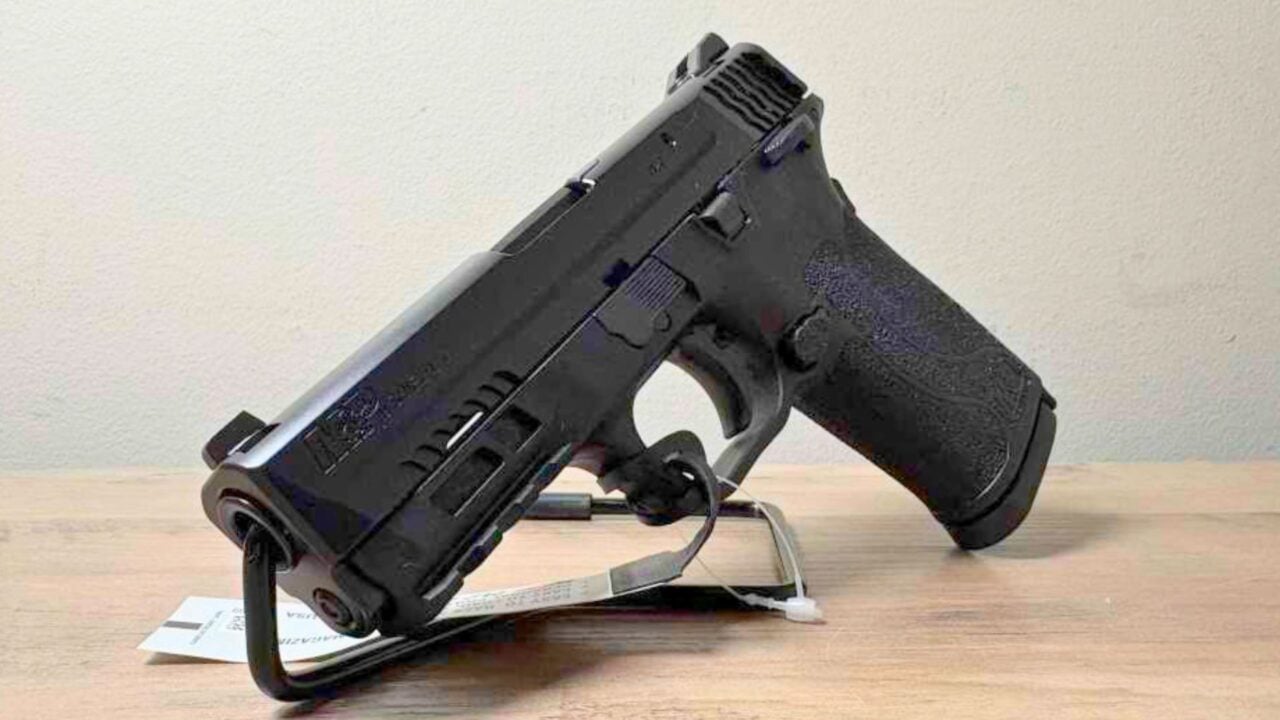
The original M&P9 is still a common duty and bedside gun, and gunsmiths see plenty for trigger work, worn recoil springs, and sight changes. A lot of owners want that “crisp break” they felt on something else. Sometimes that turns into a pile of aftermarket parts and a gun that won’t reset right.
Most of the fixes are simple, but the lesson is the same: if you don’t know what each part does, don’t start swapping parts like you’re building a race motor.
6. Springfield Armory XD (XD-9/XD-40)

XDs keep showing up because so many were sold, and a lot of them were first-time handgun buys. Gunsmiths see them for striker and roll pin issues, worn springs, and grip safety-related complaints when the gun’s dirty or the shooter’s grip is inconsistent.
They’re not my first pick today, but plenty run fine with basic maintenance. If you own one, keep it clean, use good mags, and don’t ignore small changes in feel.
7. Springfield Armory Hellcat

Small, snappy 9mms live a hard life. Hellcats come in for sight swaps, trigger feel complaints, and occasional reliability tuning when owners mix ammo types and limp-wrist them at the range. A lot of “gun problem” is actually “tiny pistol plus bad range day.”
Still, springs wear faster on these micro-compacts. If your round count is climbing, treat recoil springs and magazines like consumables.
8. Ruger LCP (Gen1/Gen2)
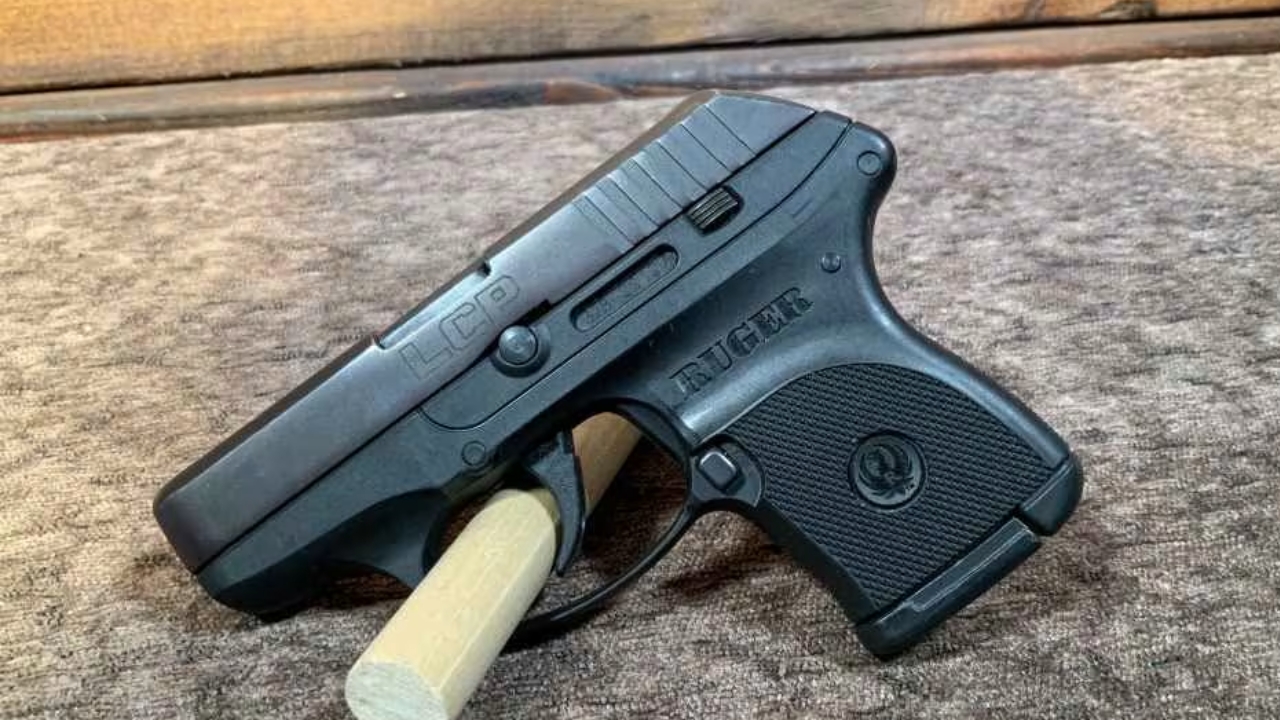
The LCP is the definition of “always there.” It’s also the definition of “gets neglected.” Gunsmiths see them with pocket lint packed into the action, rusty internals, and sights that are barely sights. That’s what happens when a gun lives in a pocket holster year-round.
It’s not a range toy. It’s a close-range, get-off-me option. Clean it more than you think you need to, and test-fire it often enough to trust it.
9. Ruger EC9s / LC9s
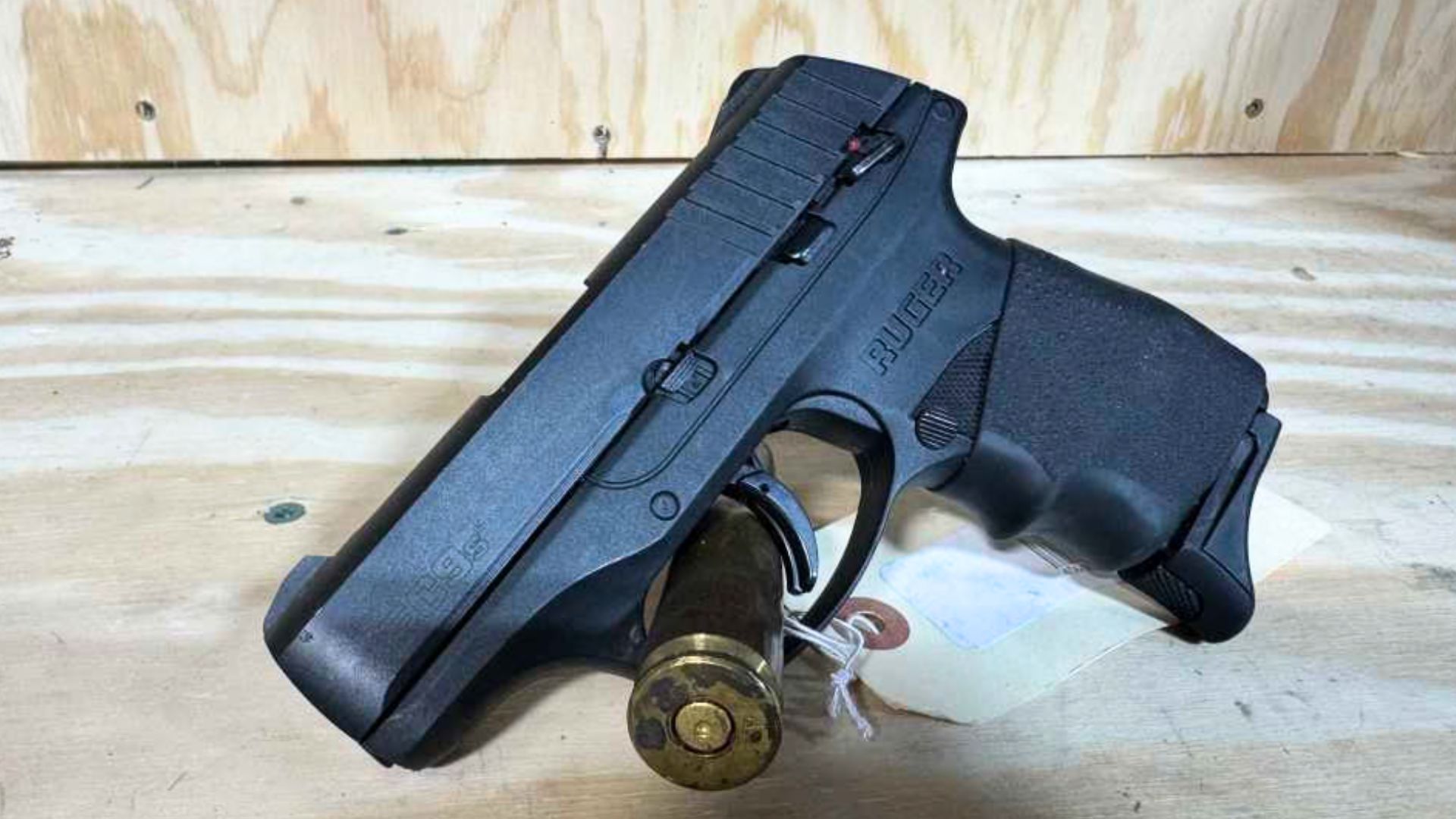
These are popular because they’re affordable and thin. They also show up for light primer strikes and feeding issues that frequently come down to magazines, weak recoil springs, or cheap ammo. A skinny 9mm doesn’t have much forgiveness.
They’re good “real world” guns if you keep them stock and don’t try to make them something they’re not. If it’s your carry gun, keep a couple fresh mags and rotate your carry ammo.
10. Taurus G2C
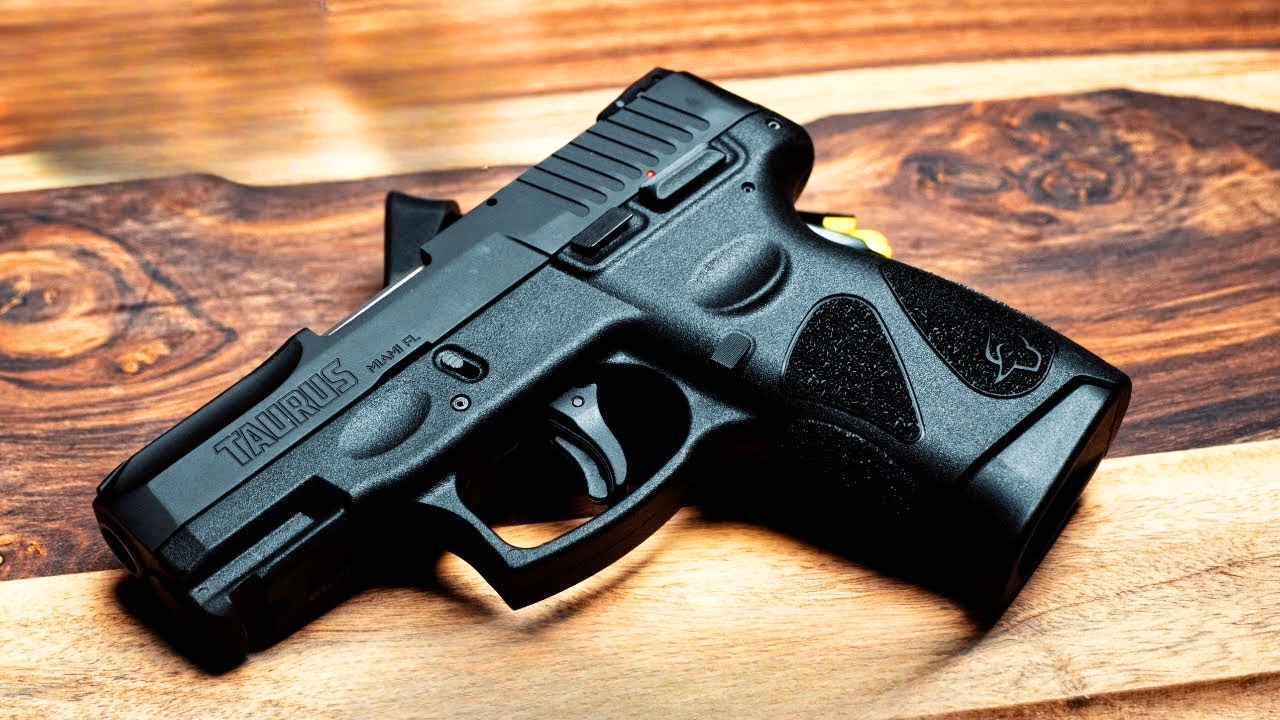
The G2C has probably launched a thousand carry permits. It’s inexpensive, it feels decent in the hand, and it sells. Gunsmiths see them for trigger issues, broken small parts, and general QC clean-up—especially on hard-used examples.
I get why folks buy them. Money is real. But if you’re betting your hide on it, you need to run it enough to prove it, and you need to accept that the “budget” part sometimes shows up later.
11. Taurus G3 / G3C

Same story as the G2C, just a newer generation that sold a pile of units. They show up for sight work, extractor issues, and the occasional failure-to-feed that’s usually magazine-related. The good news is parts and mags are easier to find now than they used to be.
The bad news is some owners treat them like a disposable tool and never replace springs. Any semi-auto can get finicky when it’s dry and worn.
12. Kimber Custom II (1911)
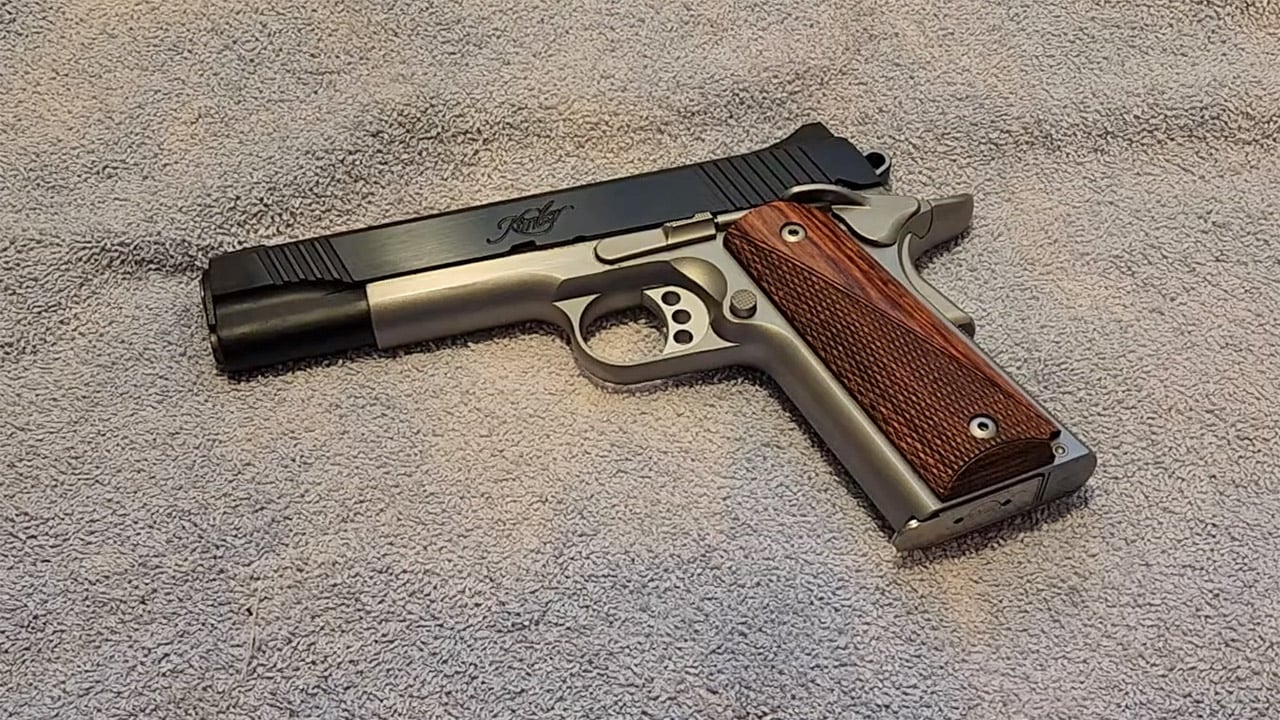
1911s are their own ecosystem, and Kimber sells enough of them that gunsmiths see a steady stream. A lot of the work is reliability tuning—feed geometry, extractor tension, and making sure it runs with the owner’s chosen hollow point. The tighter the 1911, the less it forgives dirt and weak mags.
Here’s the thing: a good 1911 is a joy. A temperamental 1911 is a wallet leak. If you want one for carry, keep it simple, use proven magazines, and don’t chase every internet “upgrade.”
13. Colt Series 70 Government Model

These don’t come in because they’re junk. They come in because they’re older, valuable, and owners don’t want to mess them up. Gunsmiths end up doing careful work: timing, sights, and sometimes just bringing one back from years of neglect.
It’s also common to see someone inherit one and immediately want a beavertail and a rail. That one hurts. If you’ve got a classic Colt, think long and hard before you start cutting on it.
14. Rock Island Armory GI Standard FS
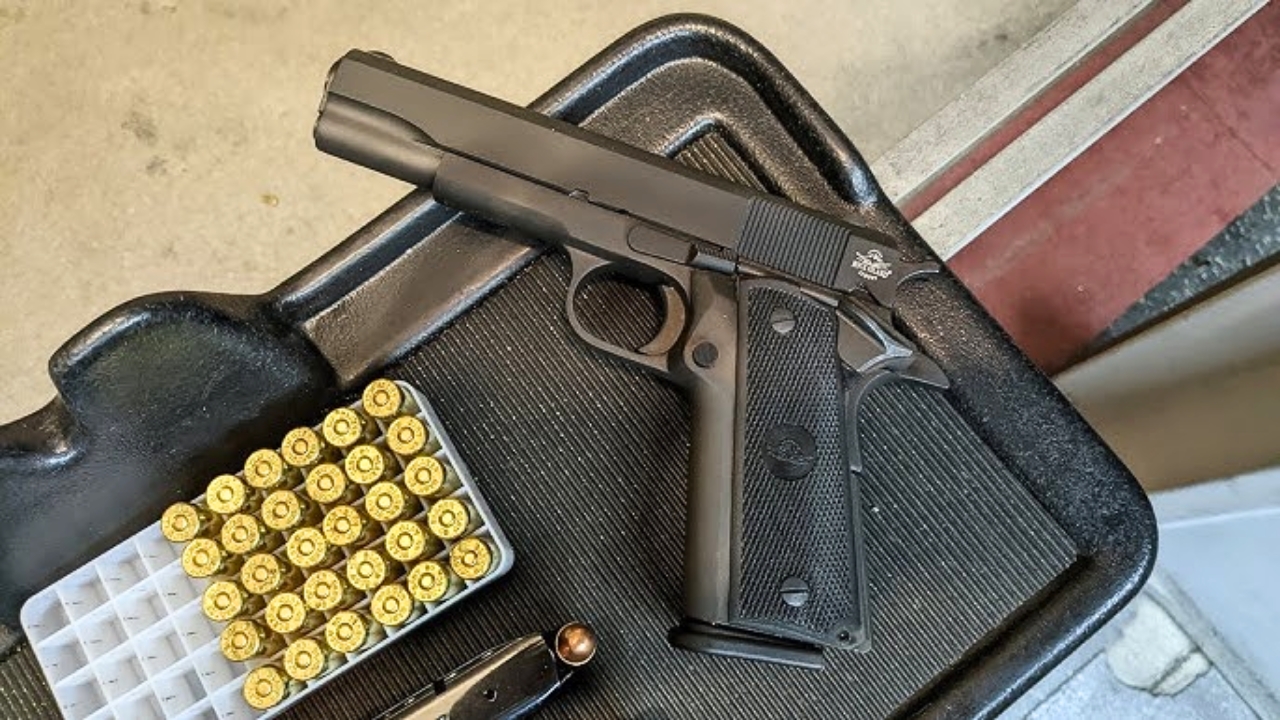
RIA 1911s are the entry ramp for a lot of folks. They show up for feed issues, rough extractors, and general smoothing out. None of that is shocking at the price point, and a good smith can usually get them running right.
The trap is dumping “custom money” into a budget 1911. It can be done, but you need to decide if you’re building a project or buying a tool.
15. Beretta 92FS

Beretta 92s are tough, but they’re also everywhere—military history, police trade-ins, and guys who just like the way they shoot. Gunsmiths see them for locking block wear, recoil spring replacement, and decocker/safety issues from age and grime.
The 92FS is a big gun that shoots soft. If you keep springs fresh and don’t ignore cracks or odd wear, it’ll run a long time. Also, use quality mags—this platform notices bad magazines fast.
16. CZ 75B

CZ 75s come in because owners shoot them… a lot. They point naturally, they’re accurate, and they invite long range sessions. Gunsmiths commonly deal with trigger return springs, worn slide stop parts, and general maintenance on high-round-count guns.
Parts aren’t as “everywhere” as Glock parts, but they’re not unicorns either. If you like DA/SA guns, the CZ is still one of the best values out there.
17. Walther PPQ
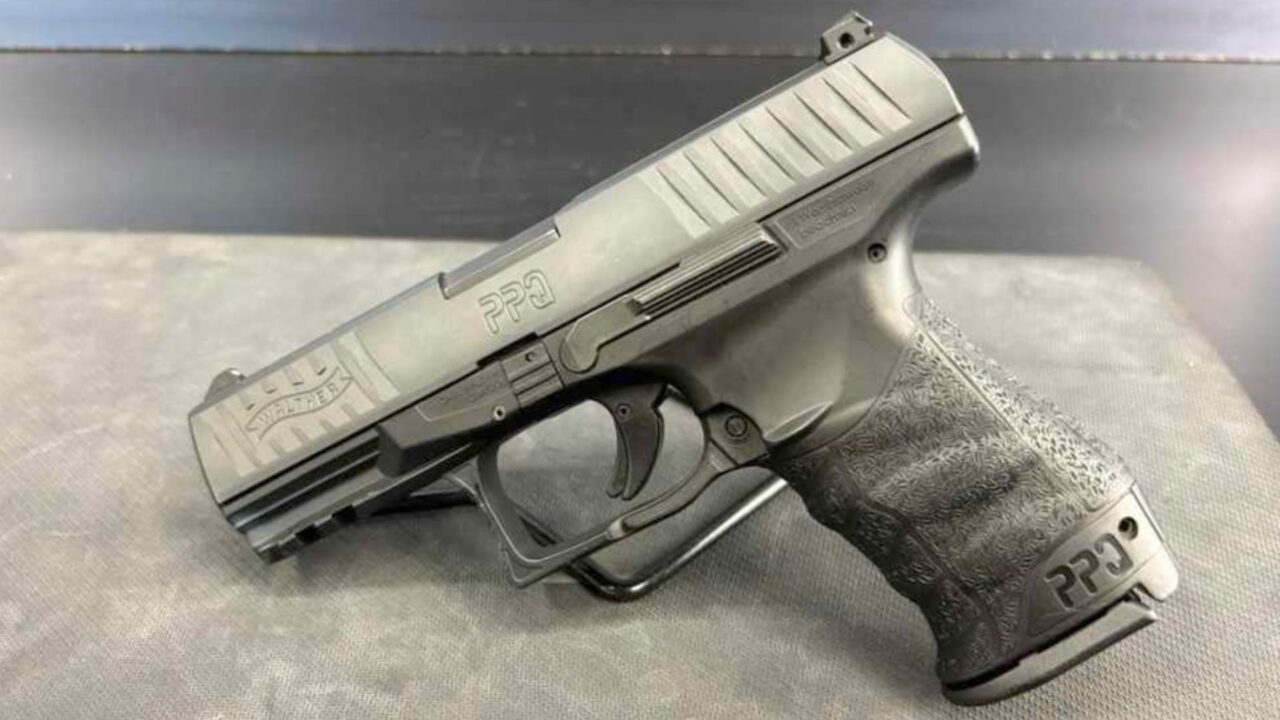
The PPQ has one of those triggers that makes you look better than you are, at least for a magazine or two. Gunsmiths see them for striker channel cleaning, sight swaps, and occasional issues tied to maintenance—or lack of it. A great trigger doesn’t fix a dirty gun.
Another thing: folks buy a PPQ, love it, then start chasing aftermarket parts that aren’t as common as Glock stuff. Keep it stock, keep it clean, and it’s a sweetheart.
18. Heckler & Koch VP9

VP9s show up for the same reasons most modern striker guns do: sights, triggers, and periodic spring replacement. They’re generally solid, but the gunsmith bench sees plenty because VP9 owners tend to be “gun guys” who actually shoot and tweak.
Also, when you pay HK money, you expect perfection. So a minor hiccup that someone would ignore on a cheaper gun becomes a trip to the shop.
19. Canik TP9SF

Canik sold a ton of these because they shoot great for the money. They also show up for small parts wear, occasional striker-related issues, and warranty-type fixes after heavy use. Many are used in training classes, and classes expose weak links quick.
Mags and parts are easier to find now, but it’s still smart to have spares if it’s a primary home-defense pistol. The cheap gun isn’t cheap anymore if it’s down waiting on a part.
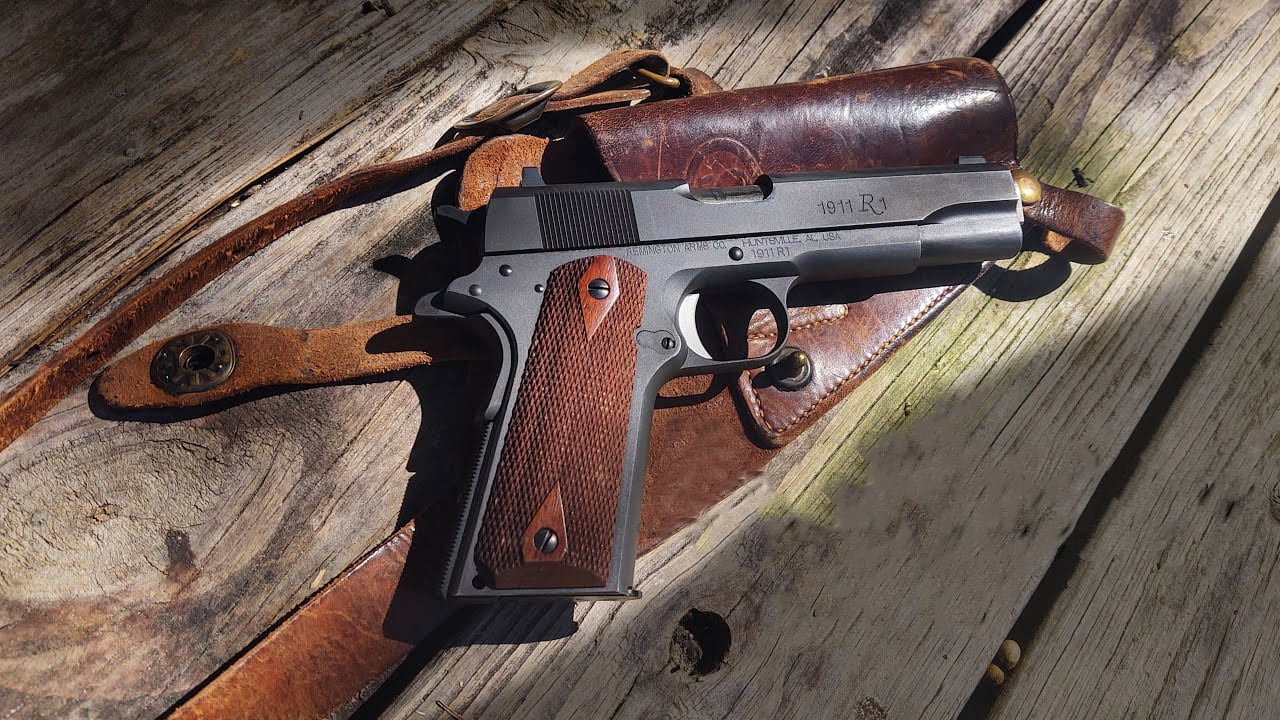
20. Remington R1 (1911)

The Remington R1 is another “there are a lot of them out there” gun, and 1911s just naturally generate shop visits. Gunsmiths see them for the usual: feed reliability tuning, extractor issues, and getting them to run the owner’s preferred defensive load.
Some R1s run like a top right out of the box. Others need a little attention. If you’re set on a 1911, budget for good magazines and a little professional help if it’s acting picky.
If you notice a pattern here, it’s not that these pistols are “bad.” It’s that popular guns get carried, shot, dropped, sweat on, and tinkered with. If you want to see your handgun less often at the gunsmith, keep it stock, clean it like a tool you rely on, replace springs and magazines before they’re dead, and do your testing at the range instead of trusting wishful thinking.
Like The Avid Outdoorsman’s content? Subscribe to our newsletter so you never miss an article.
Here’s more from us: