Photo credit: Kahr Firearms Group/Youtube
A 72-hour kit is supposed to be boring. It’s food, water, light, first aid, a way to stay warm, and a plan to get home or stay put without turning a bad day into a disaster. The firearm portion should follow that same rule: simple, reliable, common ammo, and something you can actually carry when you’re tired, wet, and trying to think straight.
Instead, I see folks treat a three-day kit like it’s a fantasy loadout. Heavy, specialized, finicky, or just plain goofy guns get tossed in because they’re “cool” or because somebody on the internet said it was the perfect end-of-the-world tool. Here are 20 firearms I’d leave out if the goal is a realistic, workable 72-hour setup.
1. Barrett M82 (.50 BMG)
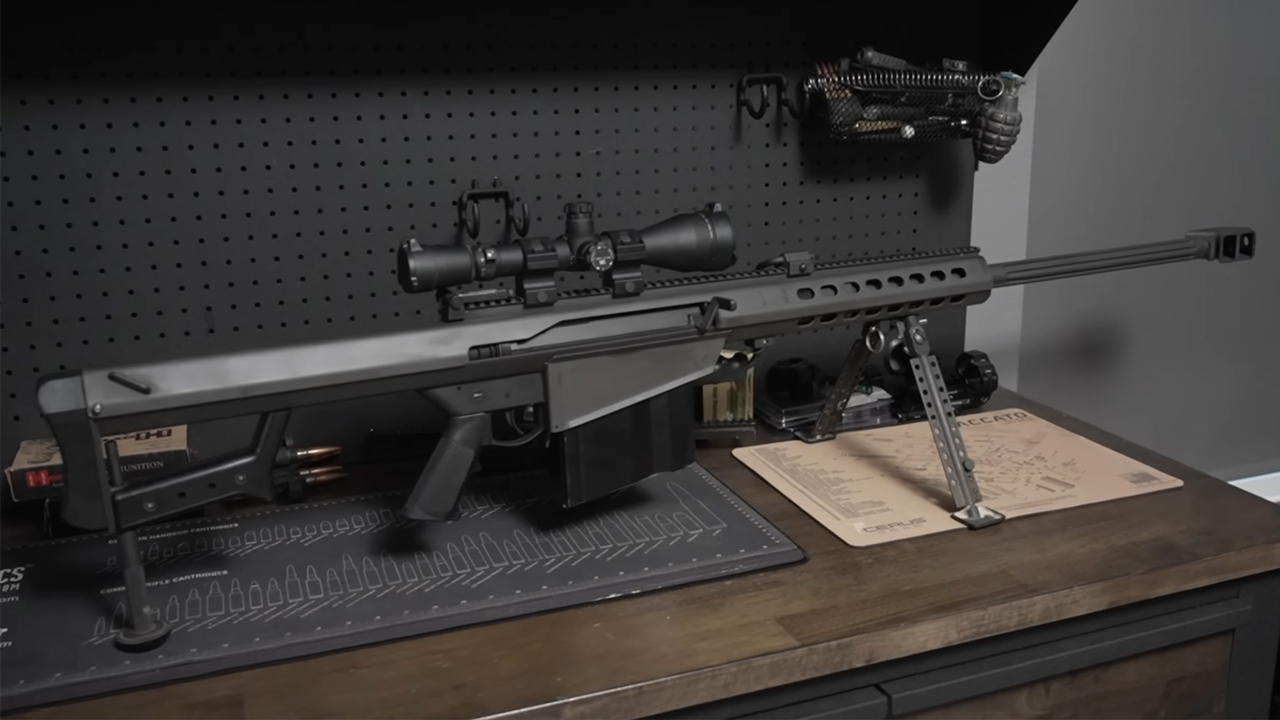
I don’t care how tough you are or how big your truck is, this is not a three-day problem-solver. It’s long, heavy, loud, and it demands a lot of space and a lot of attention. Try moving through brush or climbing in and out of a vehicle with one and you’ll get the message quick.
Ammo is expensive, heavy, and not exactly sitting on every hardware store shelf. If your kit is about mobility and staying unnoticed, this is the opposite of that.
2. Desert Eagle (.50 AE)

Big hand cannons are fun at the range for about two magazines, then reality sets in. The gun is huge, hard to carry, and it has a way of making small problems into big ones with noise and blast alone.
Also, the ammo supply question matters. If you’re building a 72-hour kit, you’re betting on common calibers and proven reliability under less-than-perfect conditions. This one’s more “Instagram” than “I need this to work.”
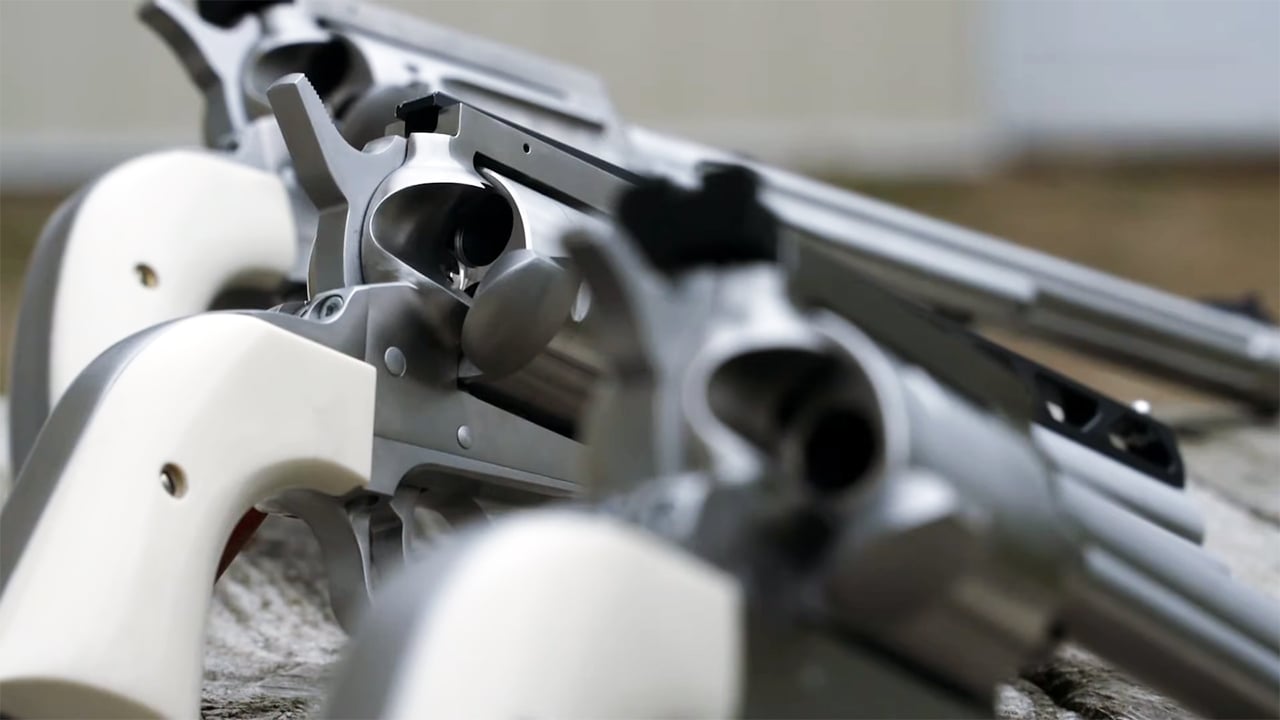
3. Magnum Research BFR revolver
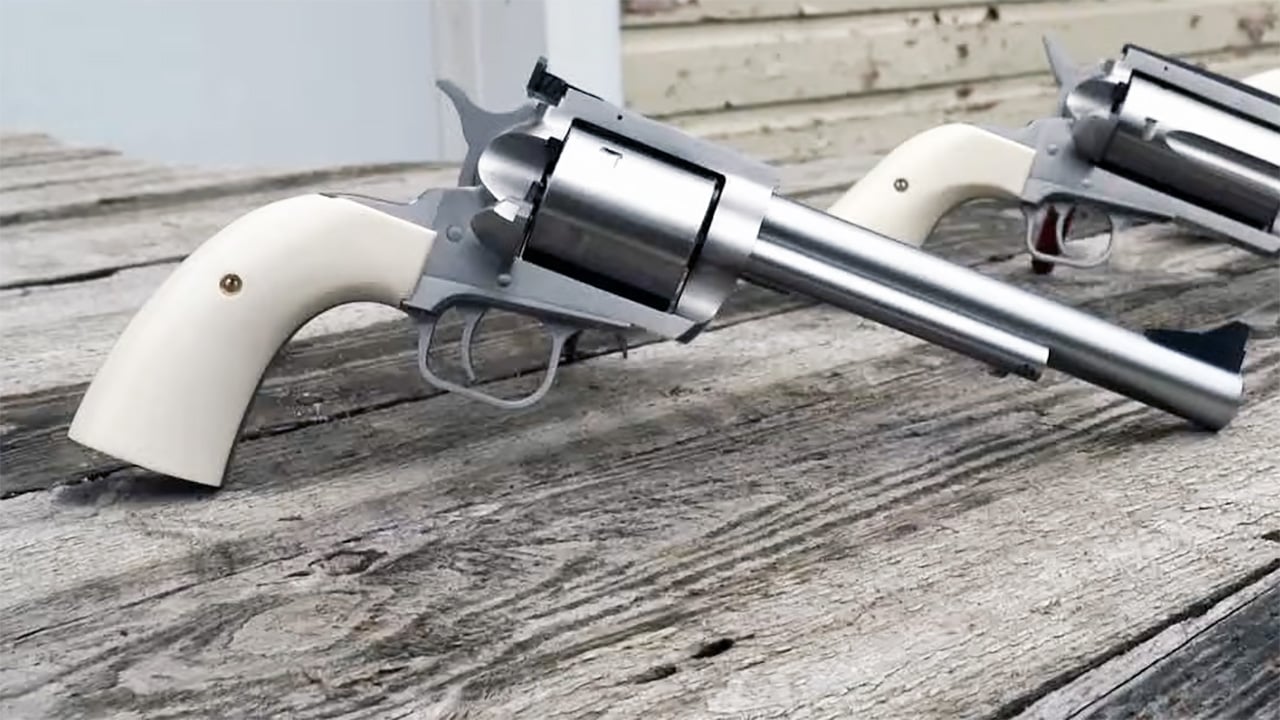
These are impressive pieces of steel, and they’ll thump anything you point them at. The downside is they’re big, heavy, and the recoil is a real factor when your hands are cold and you’re stressed.
A three-day kit handgun should be something you can shoot well one-handed if you have to, and something you can keep on you without feeling like it’s dragging your belt to your knees.
4. Smith & Wesson Model 500
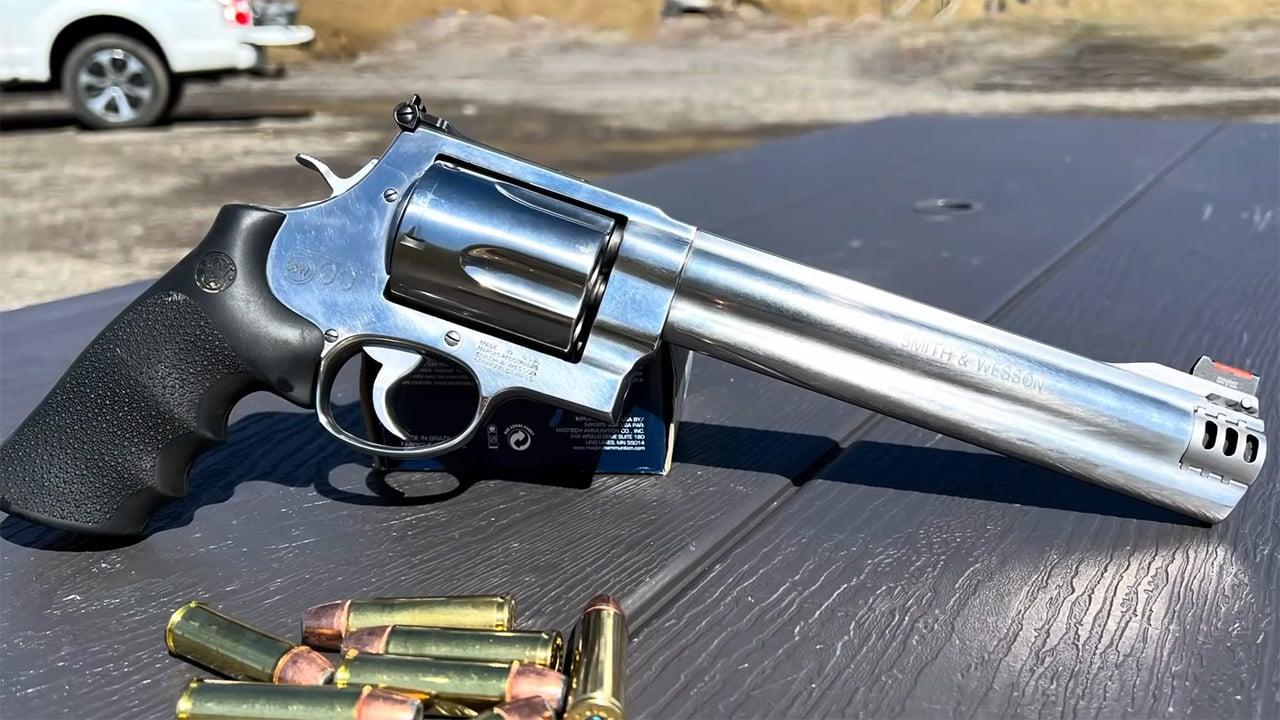
Same story as the big BFR, just with more mainstream recognition. It’s a specialized hunting/backcountry bear gun, and even then it’s not everyone’s cup of coffee. It’s not a general-purpose tool.
If you truly live in big bear country and your plan requires a heavy revolver, fine. But most kits don’t need a cannon that eats space, weight, and recovery time between shots.
5. Bond Arms derringer (any caliber)
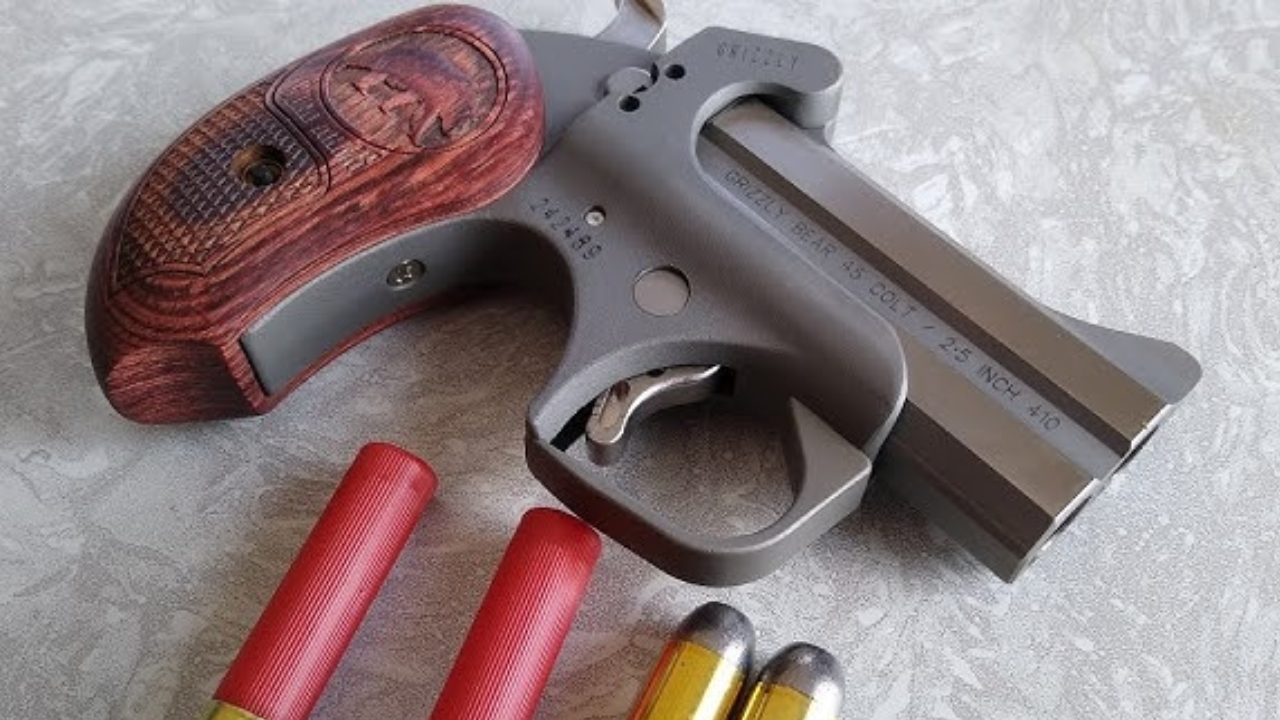
I get it. They look tough, they’re small, and they feel like a “just in case” gun. But derringers are slow, low-capacity, and not exactly easy to shoot well, especially under pressure.
If your kit gun is something you might need when everything is going sideways, you want controllability and speed. Two shots and a tricky reload isn’t a plan.
6. Taurus Judge (.410/.45 Colt)

This one sells on the idea that it can do everything. In practice, it tends to do a bunch of things kind of okay and nothing especially well. .410 defensive loads out of a short barrel aren’t magic, and .45 Colt performance depends a lot on the load.
It’s also bulky for what you get, and the recoil can be snappy with certain ammo. A kit gun should be straightforward, not a compromise pile.
7. Taurus Public Defender Poly
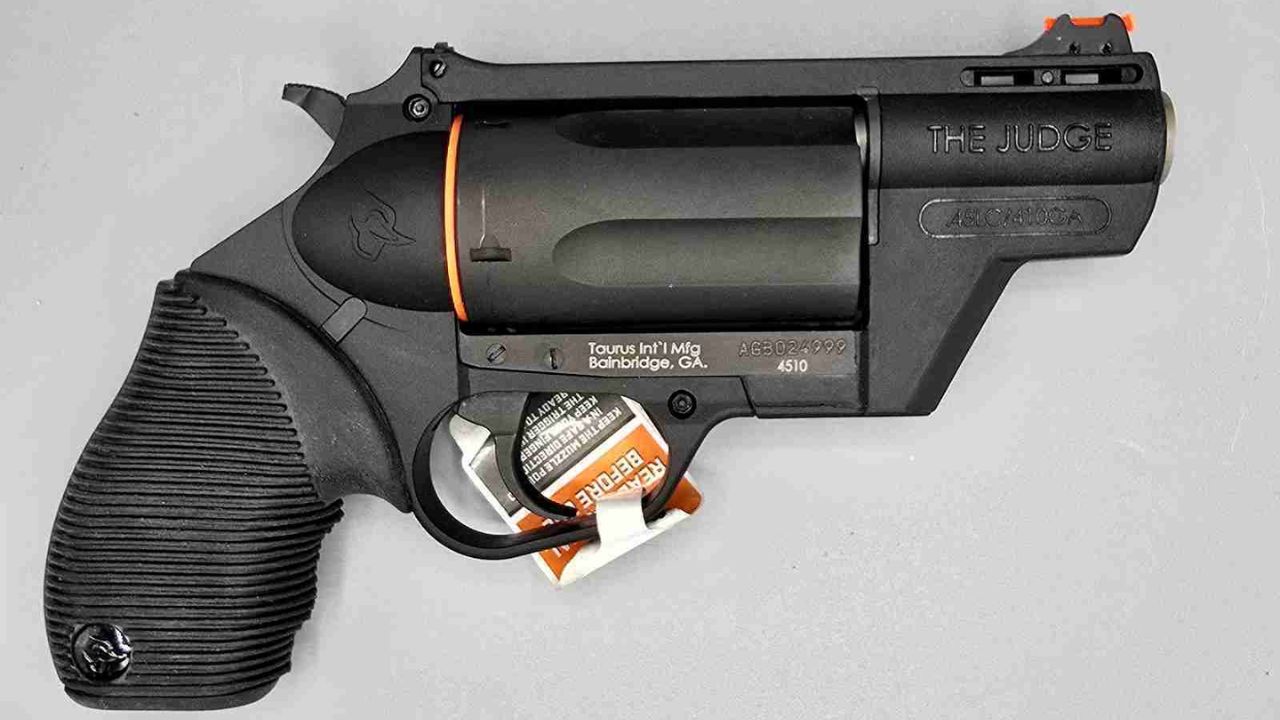
Lighter sounds better until you start shooting it. The little “defender” versions can be unpleasant with stout ammo, and they still carry the same “what’s my actual role here?” question as the full-size versions.
When you’re trying to keep things simple, oddball revolver/shotgun hybrids just complicate your ammo and your training.
8. Kel-Tec KSG (12 gauge)

It’s compact and holds a lot of shells, and I understand why folks want to like it. But bullpup shotguns come with quirks: controls, balance, and the way they run when you’re working them hard. They can be less forgiving than a plain pump.
For a 72-hour kit, I’d rather have a boring pump shotgun that every farm kid and deputy already understands, with parts and support that aren’t a scavenger hunt.
9. Kel-Tec Sub-2000
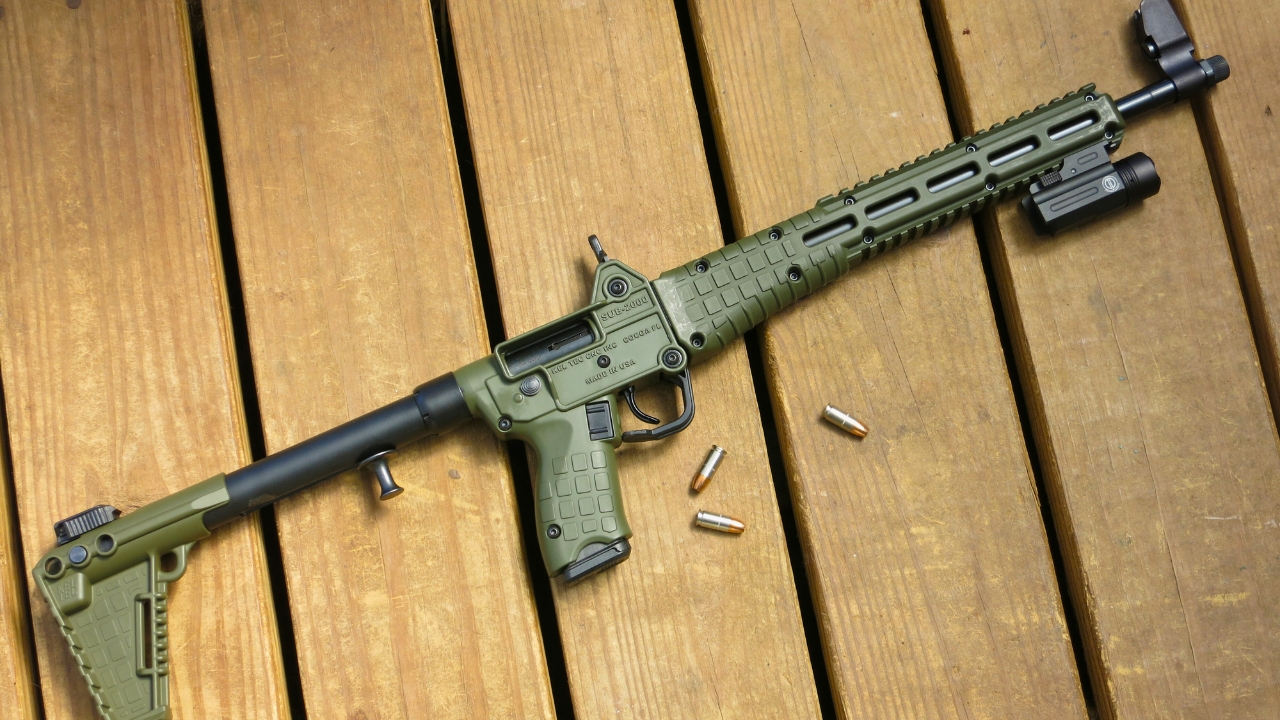
Folding carbines are handy, but the Sub-2000 is a gun you either get along with or you don’t. The ergonomics are odd, the cheek weld can be weird, and some setups are a pain once you add an optic and still want it to fold.
For a kit gun, I want something that points naturally and stays simple. If you’ve run one hard and trust it, that’s your call. Most owners I’ve watched end up “making it work” instead of just working it.
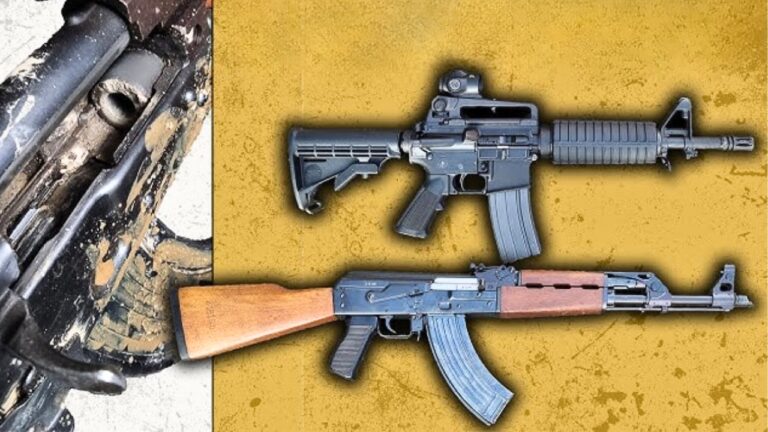
10. AK-style “micro” pistols (7.62×39 or 5.45) with short barrels

They’re loud enough to rattle fillings. They throw fireballs. They look like trouble even when you’re minding your own business. And they’re not especially pleasant or efficient platforms for the cartridge when you chop the barrel down.
In a three-day problem, you want practical accuracy and manageable blast, especially indoors or near vehicles. These are range toys that happen to launch rifle rounds.
11. AR pistols with oversized muzzle brakes

The brake might make it flatter, but it also makes it miserable for everyone around you, including you. If you ever have to fire under a roof, in a hallway, or around a vehicle, the concussion is not a small issue.
A 72-hour kit is about reducing problems, not adding them. If you’re set on a short gun, run a setup that doesn’t punish your senses and your decision-making.
12. HK MP5 clone with proprietary magazines (the picky kind)
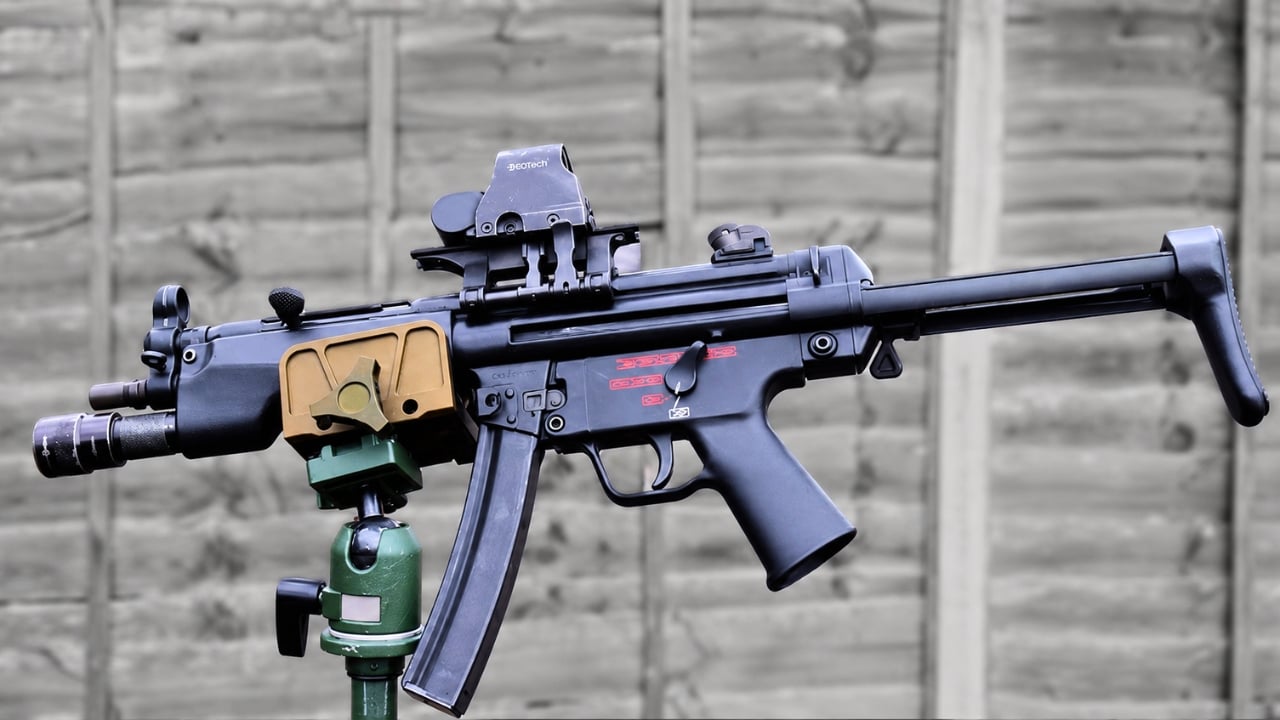
I love the MP5 pattern, but some clones are finicky about mags, ammo, or break-in. When it’s right, it’s smooth. When it’s not, you’ll burn time and money chasing reliability.
Your kit gun is not the place for “it runs great with these specific magazines I have to order online.” Common mags and common support matter.
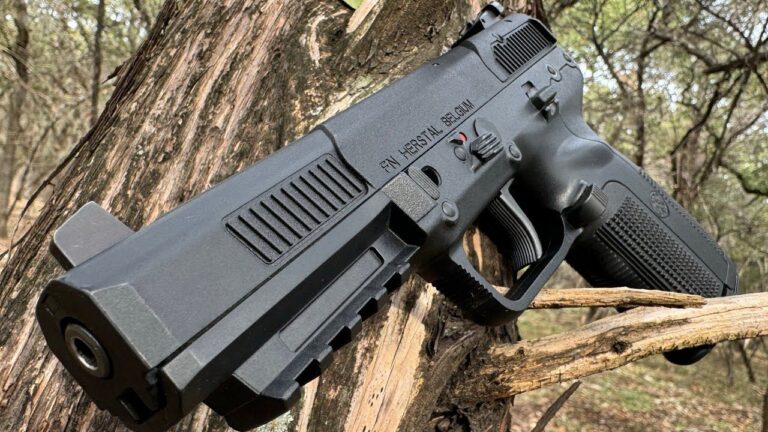
13. FN Five-seveN
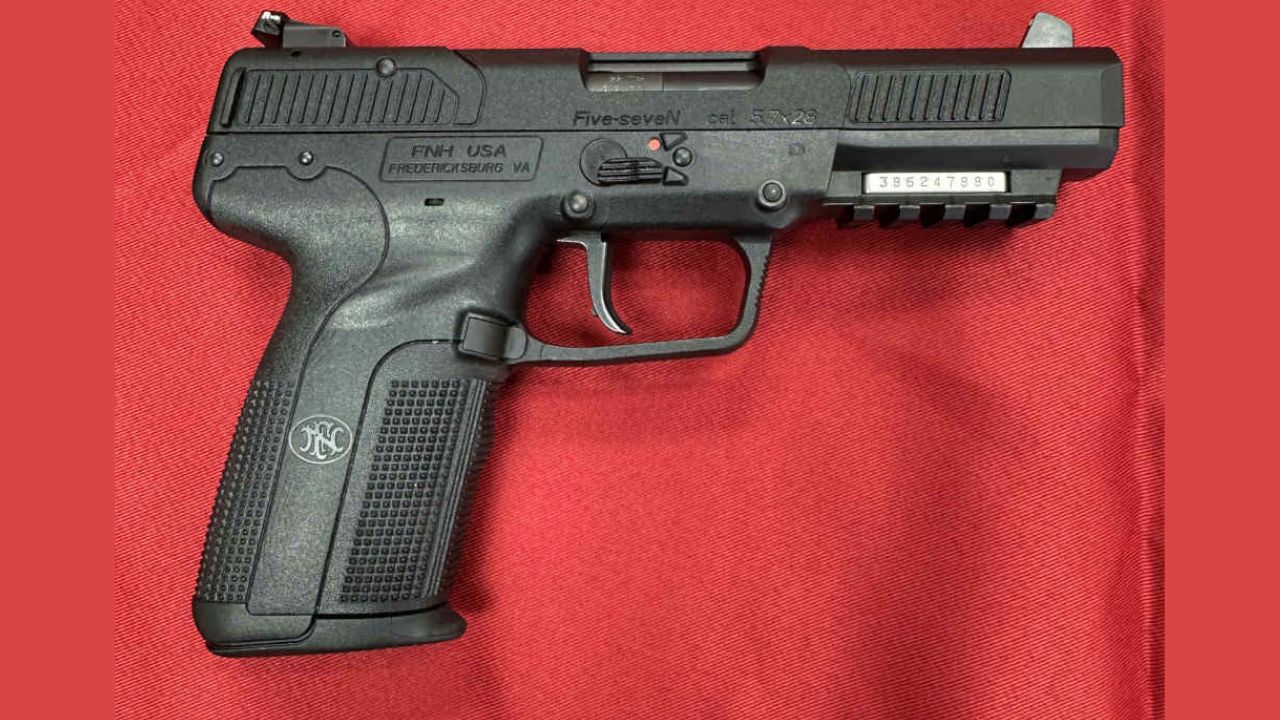
It’s light, high-capacity, and flat-shooting. It’s also a niche caliber with price tags that keep most folks from training the way they should. I’ve seen plenty of owners who love the concept but barely shoot it because every range trip feels like lighting money on fire.
A kit handgun should be something you can feed without thinking too hard. 9mm exists for a reason.
14. Ruger PC Charger (short 9mm “pistol” version)

The PC platform is solid, but the short Charger-style setup pushes you into a weird middle ground. It’s heavier than many people expect, and once you start adding braces, optics, and lights, the whole “compact” idea gets fuzzy.
If you want a 9mm long gun for a kit, pick one you can carry comfortably and shoot easily. Otherwise it becomes another chunk of weight you’ll leave behind when you’re tired.
15. “Race” 2011 pistols with ultra-light triggers

These guns can be amazing in trained hands on a clean range. In mud, grit, rain, and stress, the priorities change. Hair triggers and tight tolerances don’t always pair well with getting knocked around in a bag.
A kit pistol should be durable, reasonably tolerant of filth, and safe to handle when your hands are numb. Match guns belong at matches.
16. Short-barreled .308 battle rifles (SCAR 17 SBR style setups)
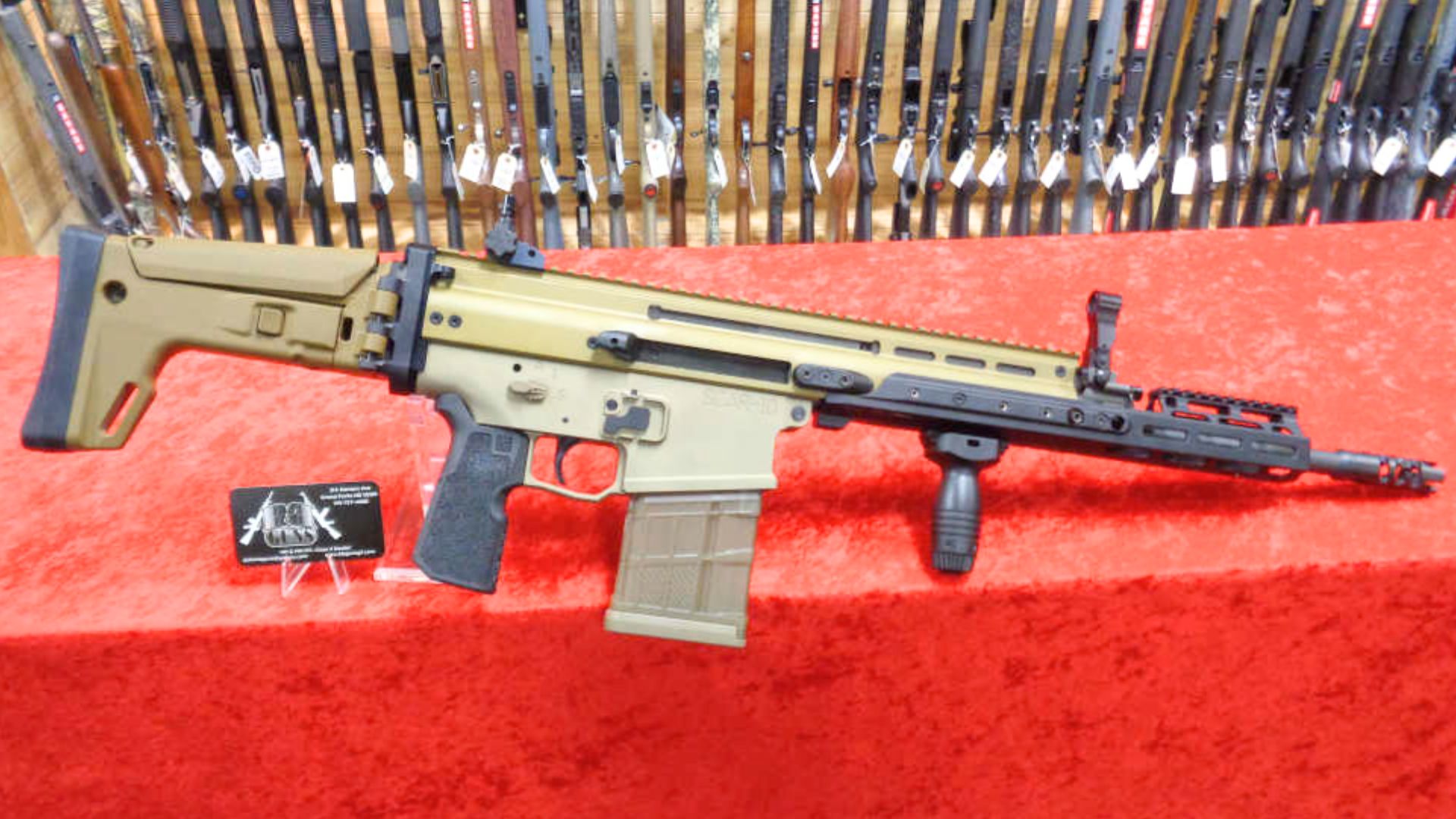
.308 in a short barrel is a lot of blast and a lot of recoil in a platform you’re trying to keep handy. It’s also a heavy system once you factor in mags and ammo. A couple loaded .308 mags make you rethink life choices.
For three days, most folks are better served by a lighter rifle caliber or a simple carbine they can actually carry without hating it by mile two.
17. Precision bolt guns with heavy barrels and big glass (6.5 Creedmoor “PRS-style” builds)

I’ve watched guys pack these around “just in case,” and it always ends the same way. The rifle is accurate, sure, but it’s a boat anchor. The scope is huge, the bipod catches on everything, and you baby it like a newborn because it cost more than your first pickup.
In a 72-hour kit, you’re not trying to win a long-range match. You’re trying to stay mobile and capable. A handy, practical rifle beats a benchrest setup every time.
18. Over-under shotguns (sporting clays models)

I own over-unders and like them, but they’re not ideal “kit” guns. Two shots, slow reloads, and they don’t like getting banged around. Also, if something breaks, you’re not fixing it with a multi-tool and spare parts from any small-town shop.
A simple pump or a basic semi-auto makes more sense if a shotgun is truly part of your plan. Over-unders are for birds and weekends, not hard living.
19. Antique black powder revolvers
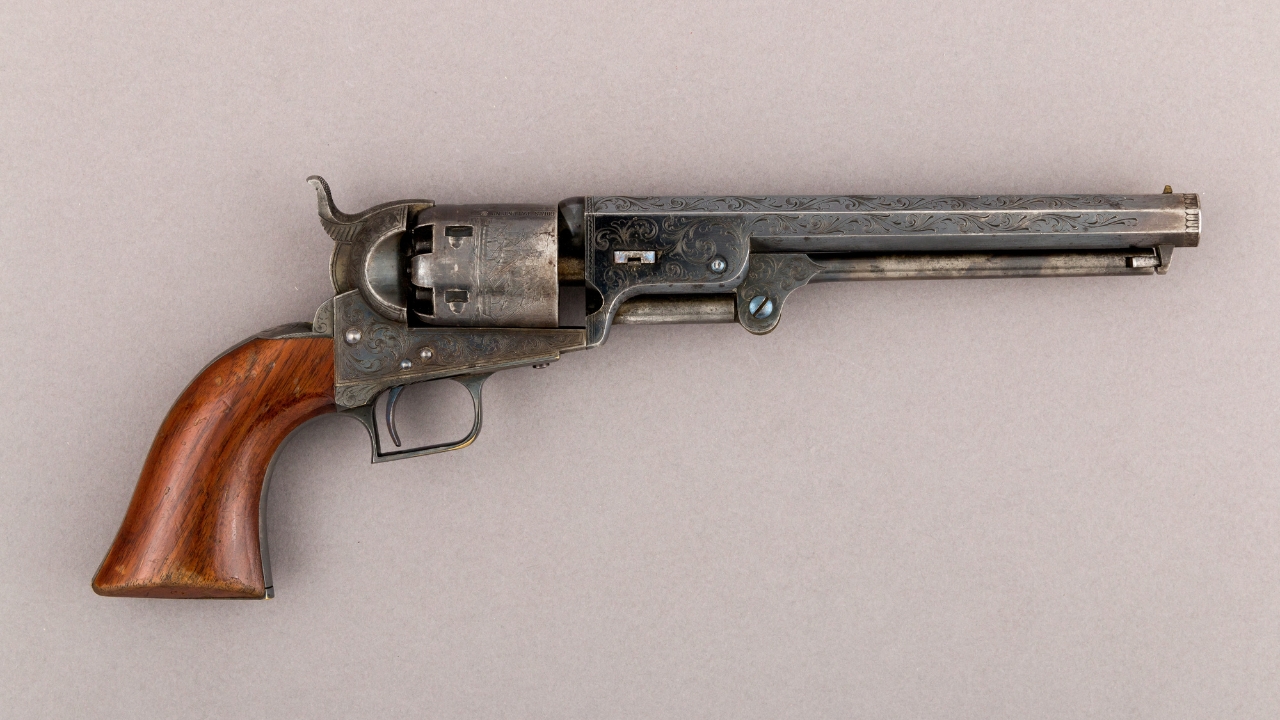
Cap-and-ball guns are cool history, and they can be fun. They are not a three-day solution unless your whole world already revolves around black powder. Moisture, maintenance, slow loading, and the need for specific components make them a poor fit.
I’ve seen folks stash one thinking it’s “better than nothing.” Maybe. But there are modern options that are safer, easier, and far more dependable when conditions get ugly.
20. Cheap no-name .22 “Saturday Night Special” pistols
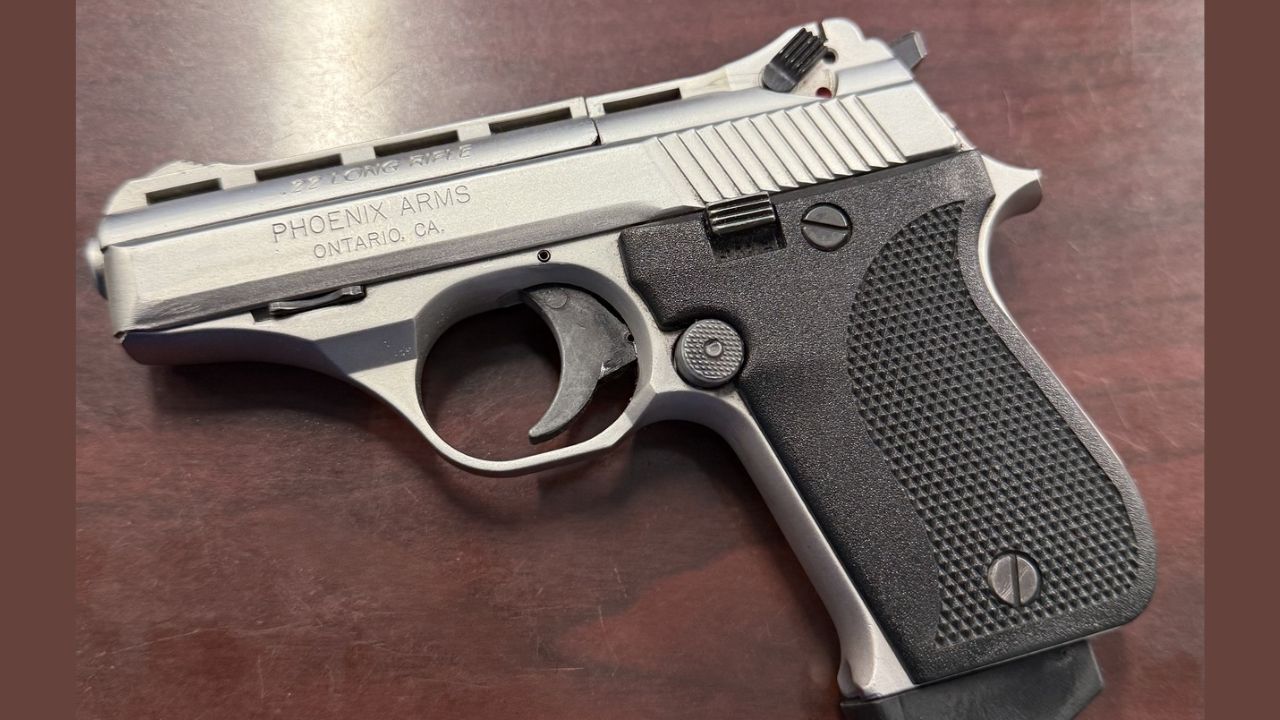
This is the one that gets people in trouble because they want a bargain and they want it small. Tiny .22 pistols can be ammo-sensitive, hard to shoot well, and more prone to malfunctions than folks admit. When they run, they run. When they don’t, you’re standing there with a jam and a bad feeling.
A .22 has a place in the outdoors, especially for small game and camp chores, but your kit gun should be something you’ve proven with the exact ammo you plan to carry. If it’s a mystery-brand pocket .22, you’re gambling.
A three-day kit isn’t about showing off. It’s about keeping the basics covered when you’re tired, cold, and not thinking at your best. If you want to add a firearm, keep it common, dependable, and something you’ve actually carried and shot enough to trust. The boring choices usually are the right ones, and ask me how I know.
Like The Avid Outdoorsman’s content? Subscribe to our newsletter so you never miss an article.
Here’s more from us: