Photo credit: WHO_TEE_WHO/YouTube
Some rifle cartridges are perfectly useful at normal hunting distances but get exposed fast when the target moves past 400 yards. That does not always make them bad rounds. A cartridge can be excellent in timber, thick brush, hog country, or short-range deer hunting and still be a poor choice for open-country distance work.
Past 400 yards, velocity, bullet shape, retained energy, wind drift, and trajectory start mattering a lot more. Rounds that feel easy and effective at 100 or 200 yards can suddenly require huge holds and very careful wind calls. These rifle cartridges still have a place, but long-range performance is not where they shine.
.30-30 Winchester

The .30-30 Winchester is one of the best woods deer cartridges ever made, but it was never built for 400-yard shooting. From a traditional lever-action rifle with flat- or round-nose bullets, it loses velocity quickly and carries a rainbow-like trajectory compared with modern long-range rounds.
Inside normal timber distances, the .30-30 is still deadly on deer and black bear. Past 400 yards, though, it asks way too much from the shooter and the cartridge. Drop gets serious, wind becomes harder to manage, and retained energy falls behind cartridges built for open country.
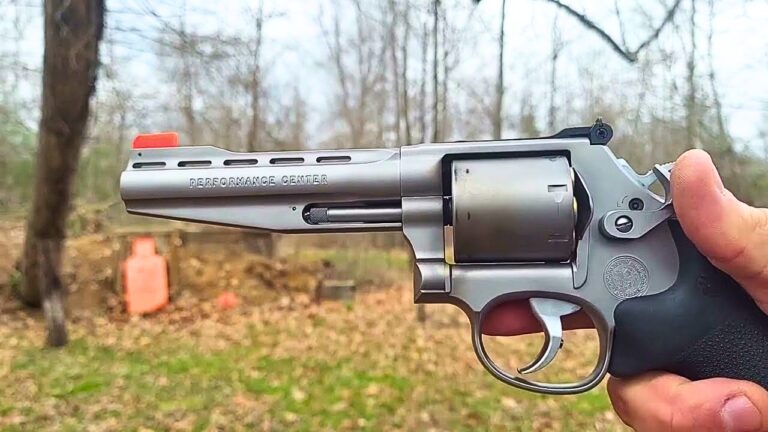
.35 Remington

The .35 Remington hits hard at close range and has earned plenty of respect in lever-action deer and bear rifles. It throws a heavier bullet than the .30-30 and works well in brush country where shots are usually close. That is its lane.
Stretch it past 400 yards and the whole argument falls apart. The bullets are not especially sleek, velocity is modest, and drop becomes brutal. It is a thumper in the woods, not a long-range hunting cartridge. Trying to make it one misses the point.
.45-70 Government
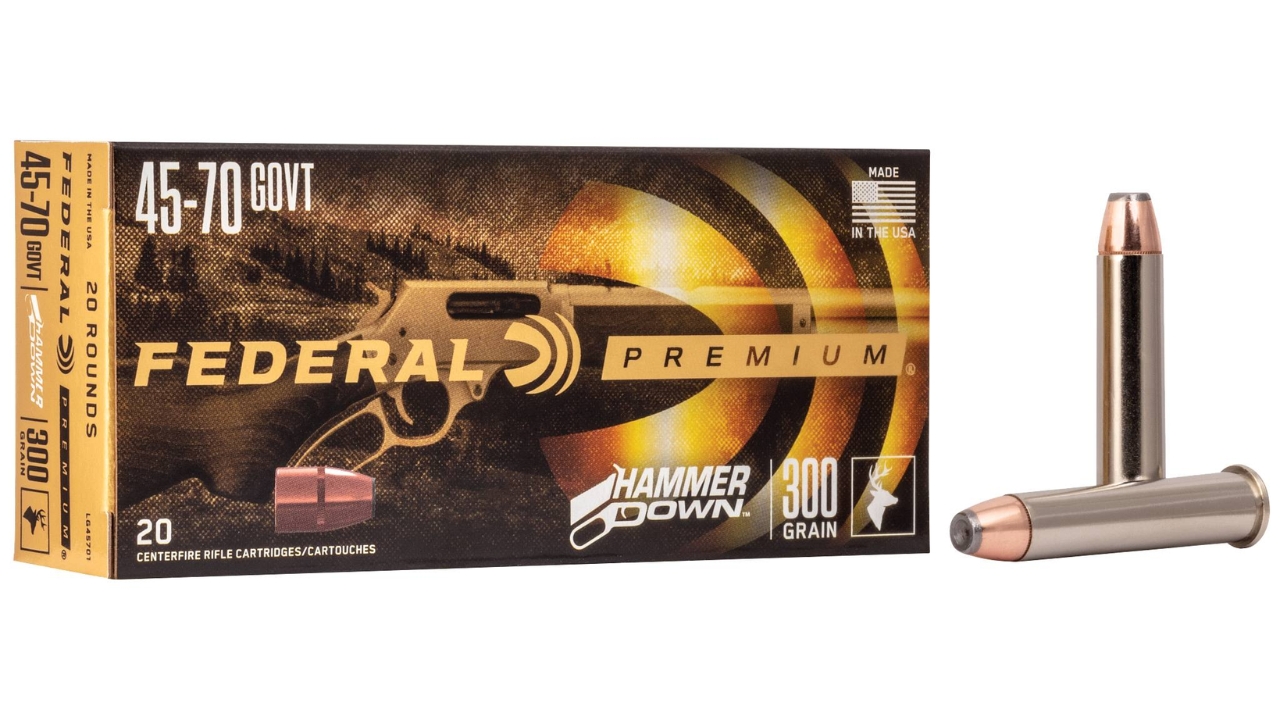
The .45-70 Government has serious authority at close and moderate distances, especially in modern lever guns with strong loads. It can hit extremely hard and penetrate deeply, which is why people still carry it in bear country and thick timber.
But past 400 yards, gravity is not kind to the .45-70. Even with modern loads, the trajectory is steep, recoil is heavy, and precise distance judgment becomes critical. It can lob bullets far, but that does not make it a smart long-range hunting round. It shines where power matters more than flat flight.
.44 Magnum rifle loads

A .44 Magnum lever-action rifle is one of the handiest short-range hunting setups around. It is great for hogs, close woods deer, and compact carry around a property. The extra barrel length helps the cartridge perform better than it does from a handgun.
That does not make it a 400-yard rifle cartridge. The blunt bullets, limited velocity, and steep drop make long-range shooting difficult fast. Inside 125 or maybe 150 yards, it can be very useful. Past 400, it is completely outside its realistic comfort zone.
.357 Magnum rifle loads

The .357 Magnum out of a rifle is more capable than many people expect. It gains useful velocity, shoots comfortably, and works well for small game, varmints, and close-range deer or hogs with the right loads. It is one of the most enjoyable pistol-caliber carbine rounds.
At 400 yards, though, it is out of its league. Energy falls off, trajectory drops hard, and wind drift becomes a real problem. A .357 lever gun is fun and useful, but it is not a long-range tool. It belongs in close-cover hunting and range plinking, not open-country distance work.
.300 Blackout
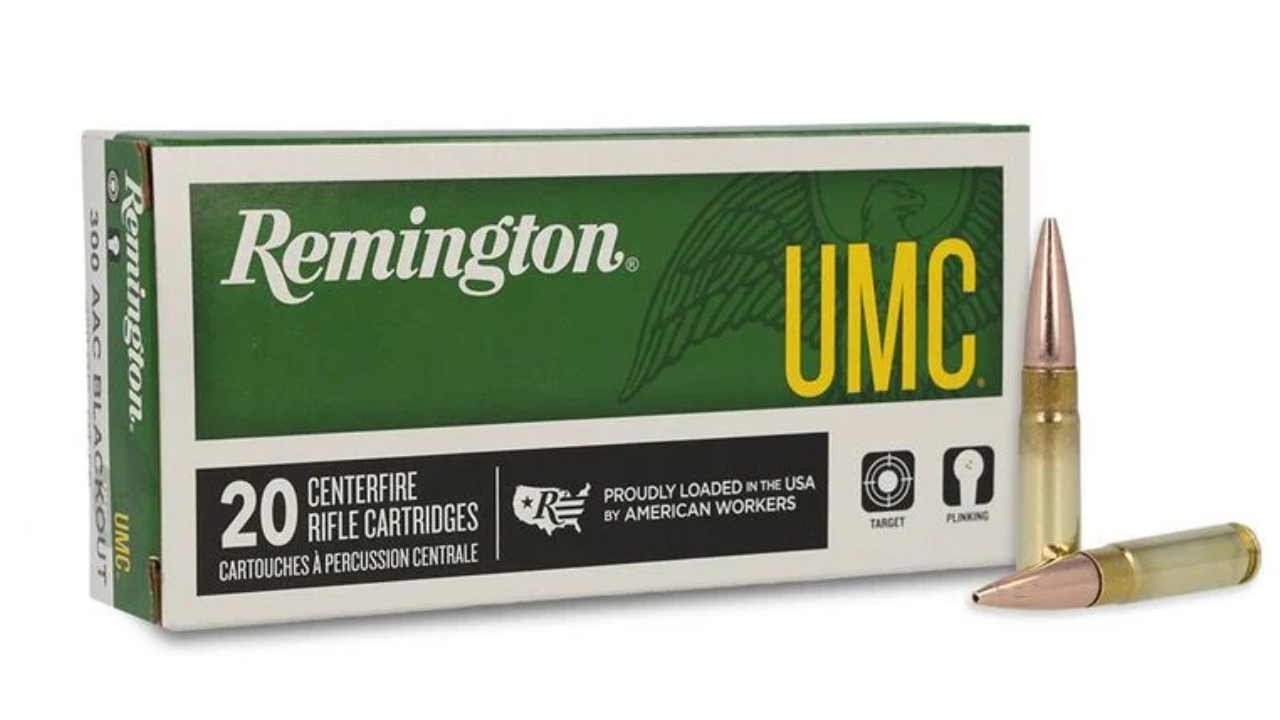
The .300 Blackout is useful when people keep it in its lane. It works well in short barrels, suppresses nicely, and makes sense for close-range hunting or defensive setups. That is exactly why it became popular in AR pistols and compact carbines.
Past 400 yards, the cartridge runs out of advantages. Supersonic loads are still not especially flat, and subsonic loads are completely wrong for that kind of distance. It is a short-range cartridge designed around compact platforms. Trying to stretch it like a .308 or 6.5 Creedmoor is where disappointment starts.
7.62x39mm

The 7.62x39mm is a useful medium-range cartridge with a lot of real-world success behind it. In an AK, SKS, Ruger American Ranch, or similar rifle, it works well for close-range deer, hogs, steel, and general shooting. It is affordable, mild, and practical.
But 400 yards is where its limitations show clearly. The bullet shape and velocity are not built for long-range efficiency, and drop starts getting serious. It can reach that far, but reaching is not the same as performing well. For closer work, it makes sense. For distance, better options are everywhere.
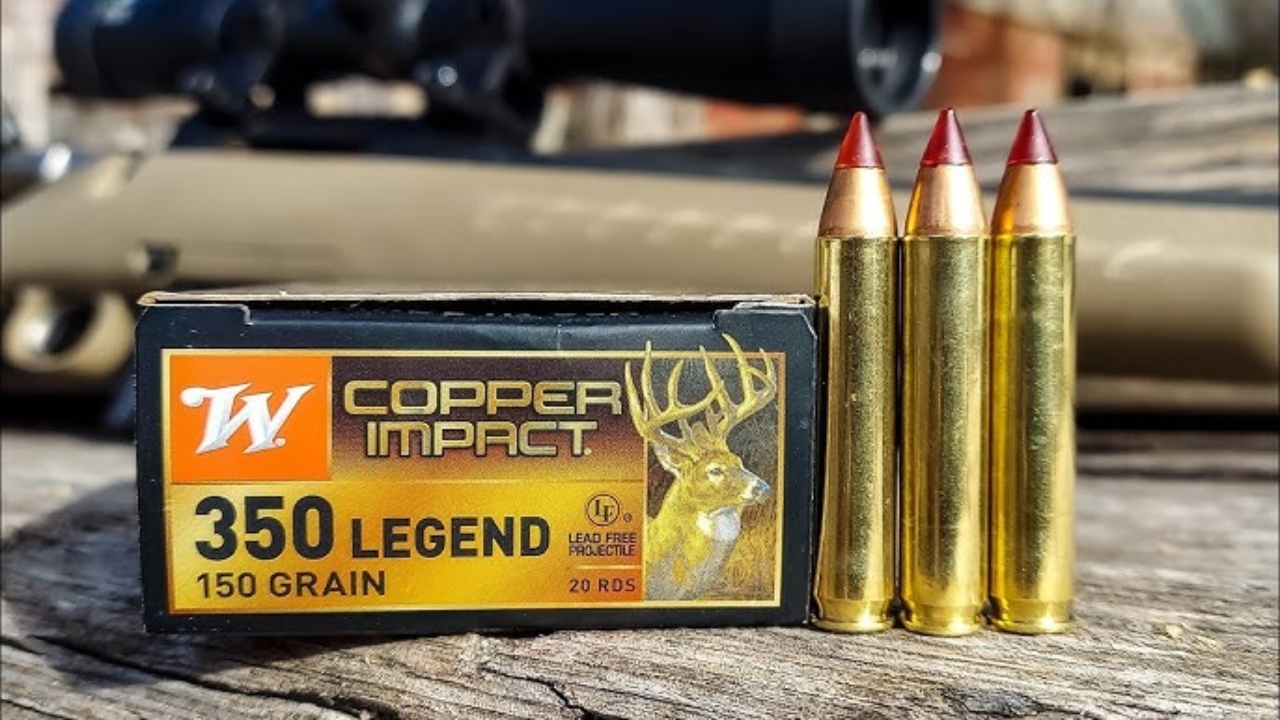
.350 Legend

The .350 Legend has become popular in straight-wall states because it gives hunters a legal, mild-recoiling deer cartridge that works well at normal ranges. In that role, it is genuinely useful. It is easy to shoot, affordable compared with some alternatives, and effective inside its intended window.
Past 400 yards, though, the straight-wall design shows its limits. It does not have the velocity or bullet efficiency needed to hang with flatter-shooting rifle cartridges. It is a practical deer round where regulations demand it, not a long-range cartridge. Inside normal woods range, fine. Across a big field, not ideal.
.450 Bushmaster
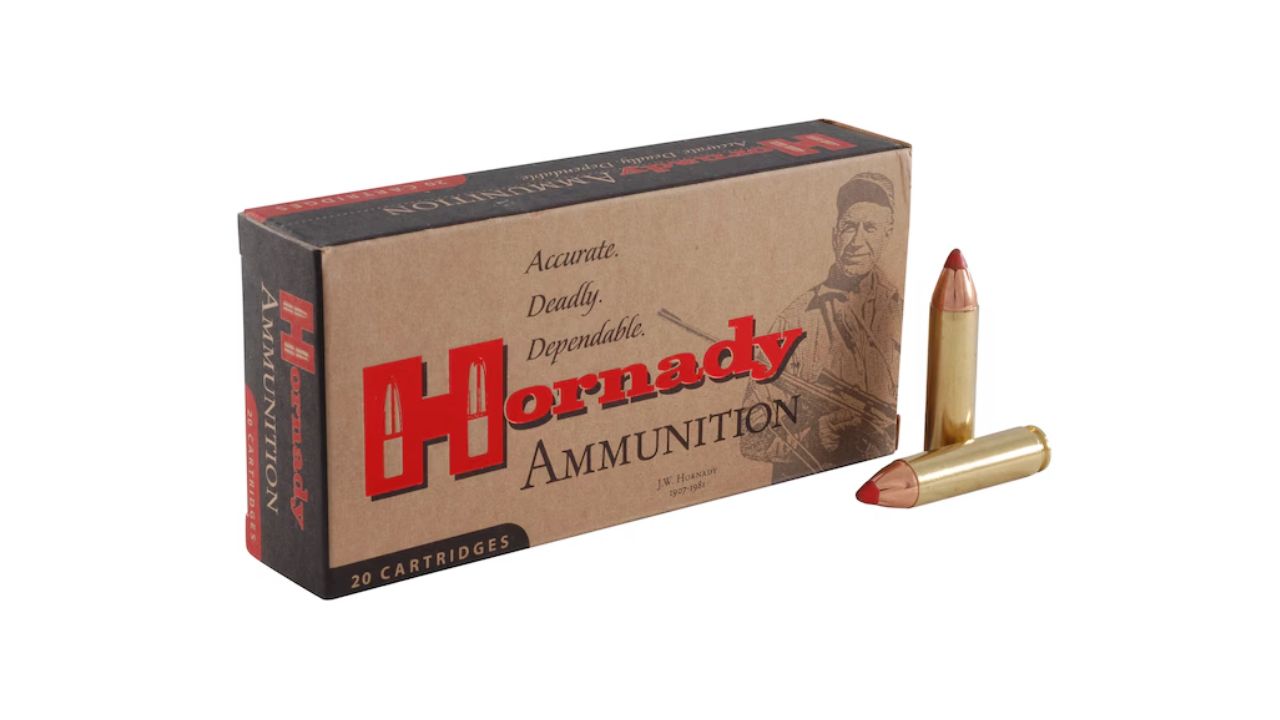
The .450 Bushmaster is a hard-hitting straight-wall cartridge that makes sense for close to moderate deer and hog hunting. It throws a big bullet, works in AR-style rifles and bolt guns, and gives hunters in straight-wall states a serious option.
The problem is that big frontal area and modest velocity do not help at 400 yards. Drop is steep, recoil is stout, and wind drift becomes much less forgiving. It can hammer game inside its lane, but it is not built for precision at distance. Past 400, the cartridge starts asking for too many compromises.
.458 SOCOM

The .458 SOCOM is a specialized cartridge designed to put a big bullet into an AR-15 platform. At close range, it can be powerful, interesting, and useful for specific jobs. It brings a lot of frontal diameter and heavy-bullet authority in a compact semi-auto.
That heavy-bullet appeal fades quickly at long range. The trajectory is steep, velocity is limited, and the cartridge was never meant to compete with real long-range rifle rounds. Past 400 yards, it becomes more of a ballistic stunt than a practical choice. It is a close-range hammer, not a distance cartridge.
.50 Beowulf

The .50 Beowulf follows the same basic idea as other big-bore AR cartridges: heavy bullet, close-range power, and dramatic impact. For hogs, brush work, and short-range fun, it has a clear appeal. Nobody buys it because they want delicate ballistics.
Past 400 yards, though, the limitations are obvious. The bullet drops hard, recoil is heavy, and the cartridge does not retain velocity like a sleeker rifle round. It is built to hit hard up close, not stay flat and efficient across distance. That makes it a poor pick for long-range shooting.
.223 Remington with lightweight varmint bullets
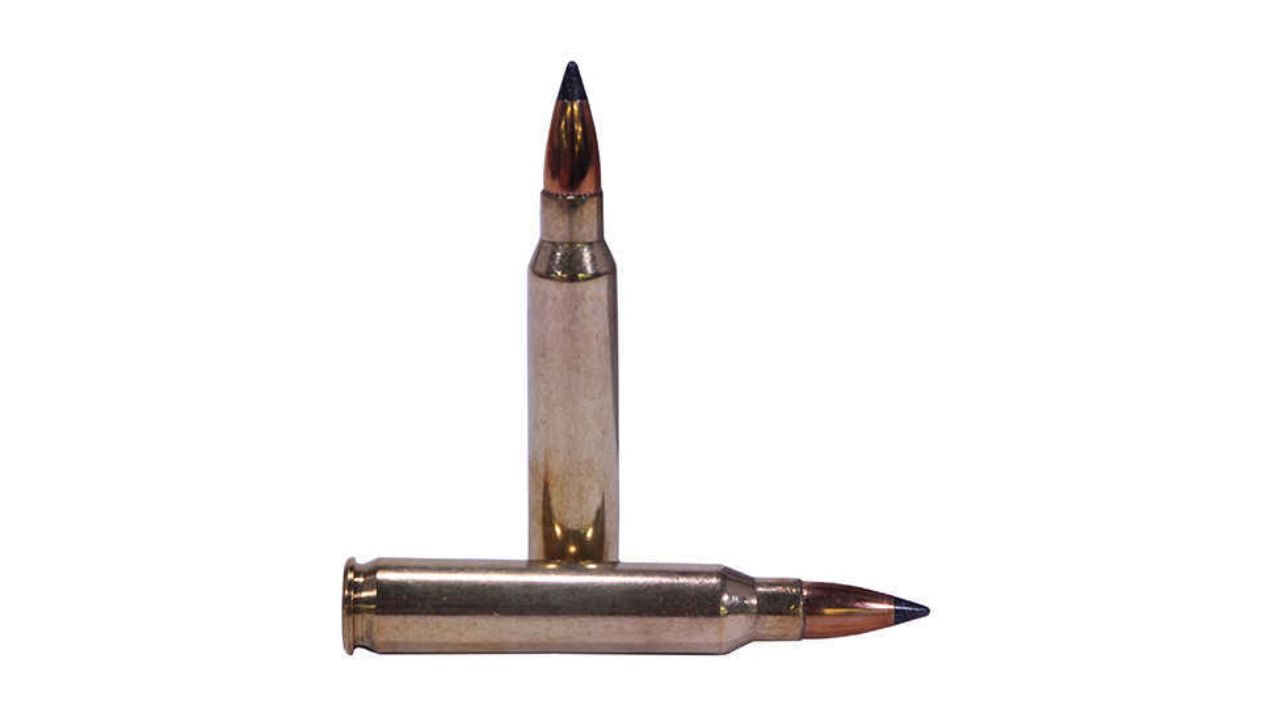
The .223 Remington can reach past 400 yards, especially with good bullets and the right rifle. The problem is lightweight varmint loads. Fast 40- to 55-grain bullets can be explosive and accurate up close, but they lose speed quickly and get pushed around by wind.
For prairie dogs, coyotes, and target shooting at moderate range, those loads are fun. Past 400 yards, wind drift becomes unforgiving, and retained energy drops off fast. Heavy, high-BC .223 loads are a different conversation, but lightweight varmint loads are not the best choice for distance.
.22 Hornet
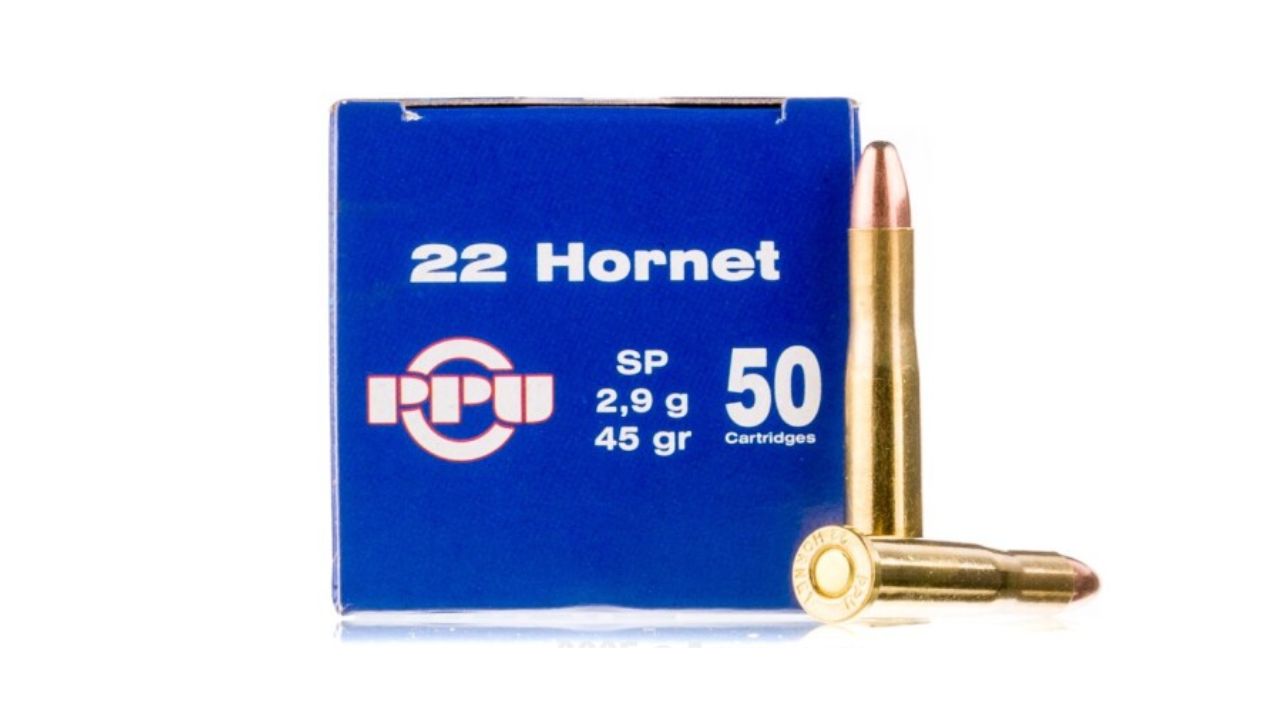
The .22 Hornet is a charming little varmint cartridge with low noise, mild recoil, and enough power for small pests at sensible distances. It is a great round for farms, small properties, and situations where a full-power centerfire would be too much.
At 400 yards, the Hornet is asking for trouble. It starts slow compared with bigger varmint rounds, uses light bullets, and sheds velocity quickly. It was designed for closer varmint work, not long-distance precision. Inside its lane, it is useful. Past 400, it falls apart quickly.
.218 Bee

The .218 Bee is another older small varmint cartridge that still has charm. In the right rifle, it is fun, mild, and effective on small game and pests at reasonable ranges. It gives more personality than practicality in today’s market, but it still has fans.
Long-range shooting is not why it exists. The bullet weights are light, velocity is modest, and trajectory becomes a problem as distance increases. Past 400 yards, it cannot hang with modern varmint cartridges. It is a neat short-range round, not a serious distance performer.
.17 Hornet

The .17 Hornet is fast, flat for its size, and very effective on small varmints when conditions are right. It is quieter and easier on the shoulder than bigger centerfire varmint cartridges, which makes it appealing for high-volume pest shooting.
The issue is wind. Tiny .17-caliber bullets can be extremely accurate, but past 400 yards they are easy for wind to bully around. Energy is also limited. For ground squirrels and prairie dogs at sensible distances, the .17 Hornet is excellent. For stretching into real distance, it starts to feel fragile.
.17 HMR
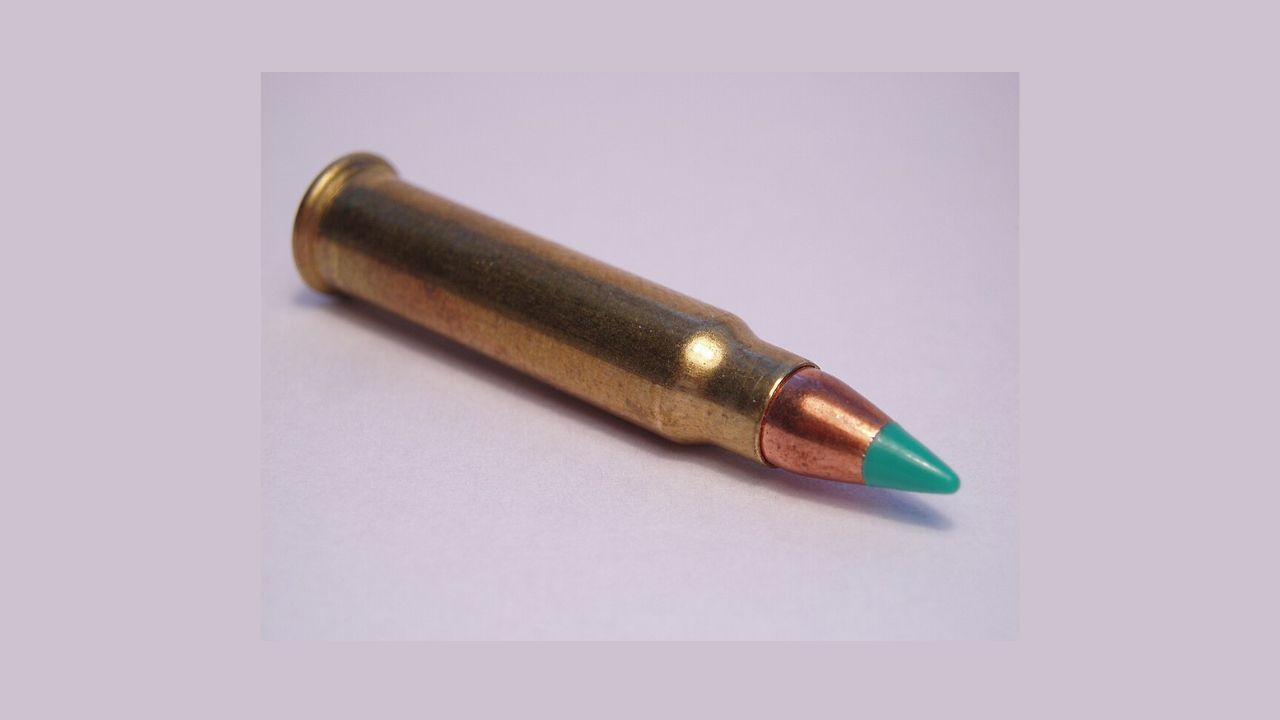
The .17 HMR is one of the best rimfire varmint cartridges ever made, but some shooters expect too much from it. It is accurate, flat-shooting compared with .22 LR, and very effective on small pests at moderate distances. That does not make it a long-range centerfire.
Past 400 yards, the .17 HMR is completely outside its practical role. The tiny bullet loses velocity fast, wind drift becomes severe, and energy is very low. It is a great rimfire. It is not a cartridge for serious long-distance work.
.22 WMR
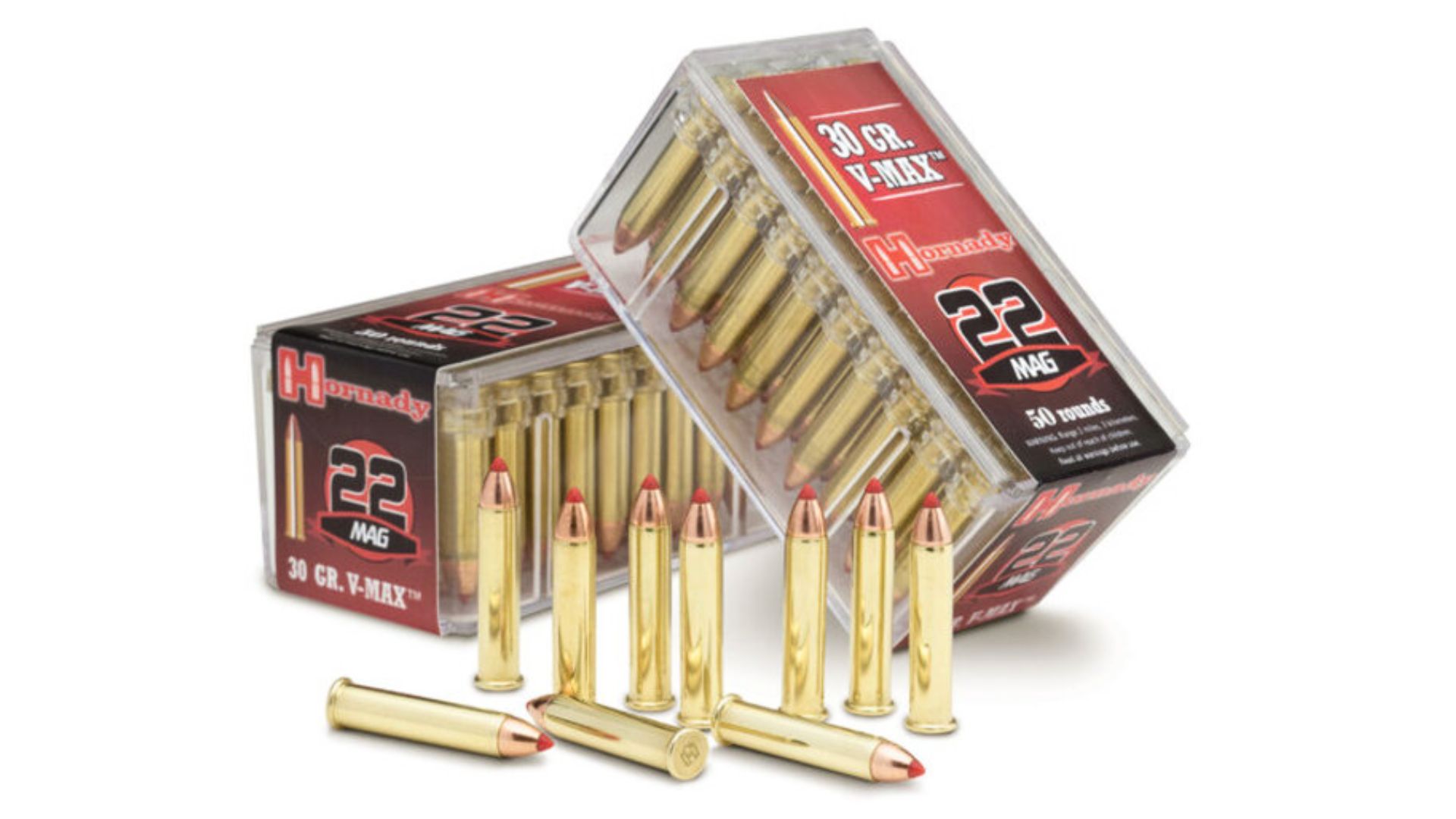
The .22 Magnum gives shooters more reach and power than .22 LR, and it is very useful for small game, pests, and close-range varmints. In a good rifle, it can be accurate and handy. It fills a real gap between .22 LR and centerfire cartridges.
But 400 yards is far beyond what it does well. The bullets are light, velocity is limited, and wind drift gets ugly. It is a practical rimfire for shorter-range field use, not a long-range cartridge. Past 400, it simply does not have enough ballistic horsepower.
.410 slug loads

A .410 slug from a long gun can work at close range under the right conditions, but it is one of the weakest choices for distance. Some hunters use .410 slug guns where allowed, especially for small-framed shooters or close-range setups. But the limitations are real.
Past 400 yards, it is not even a serious conversation. The slug sheds velocity quickly, energy is low compared with larger slug options, and trajectory is steep. It can be useful up close in limited roles, but it is not a cartridge or load anyone should stretch.
12-gauge Foster slugs
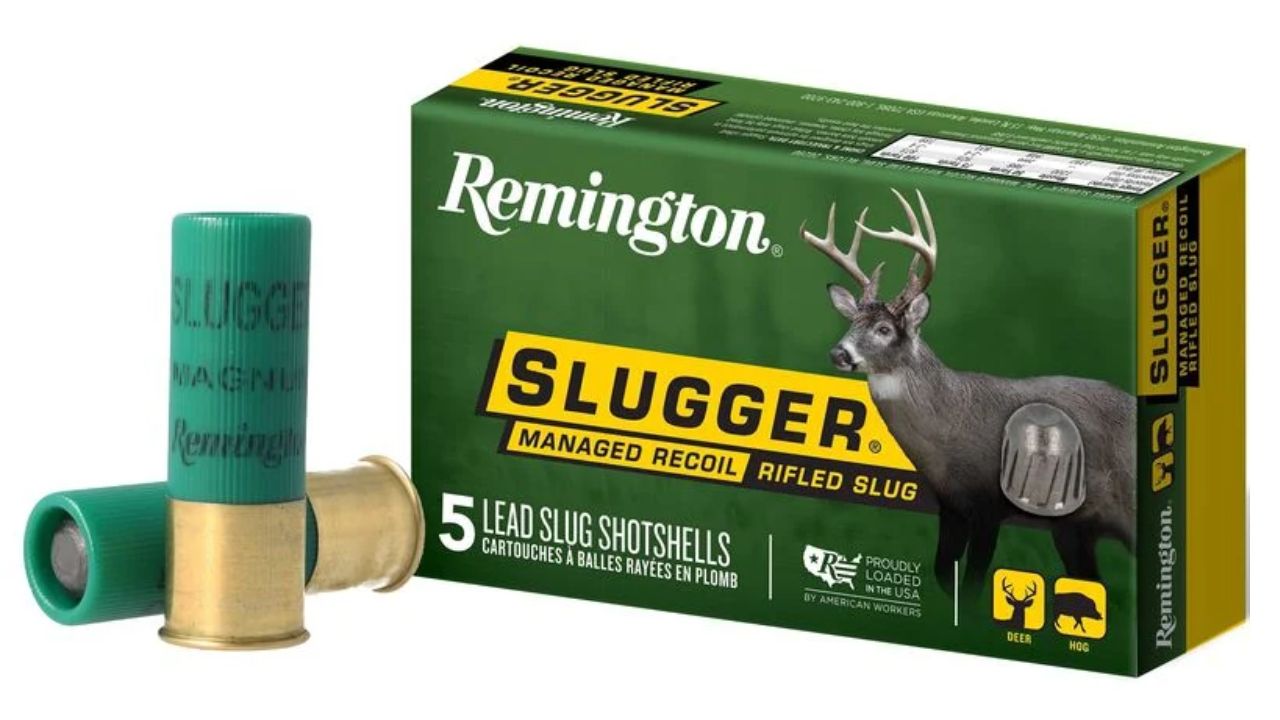
A 12-gauge Foster slug hits hard at close range and has killed a lot of deer in shotgun-only areas. In smoothbore slug guns, it was a practical answer for hunters working inside typical woods distances. It still has a place where simplicity matters.
Past 400 yards, it falls apart fast. Foster slugs are not sleek, and they were never designed for long-range precision. Drop and wind drift become major issues, and accuracy from many smoothbores is not built for that distance anyway. Great close-range power does not equal long-range performance.
20-gauge Foster slugs

The 20-gauge Foster slug is easier on the shoulder than a 12 gauge and can be useful for close-range deer hunting. Plenty of hunters have used it effectively in thick cover and shotgun-only areas. At normal slug-gun distances, it can do the job.
At 400 yards, the story changes completely. The slug loses speed, drops hard, and does not offer the aerodynamic efficiency needed for distance. Rifled barrels and modern sabot slugs stretch shotgun range, but old-style Foster slugs are still short-range tools. They belong in the woods, not in long-range conversations.
Like The Avid Outdoorsman’s content? Be sure to follow us.
Here’s more from us: