Photo credit: Kimber America/Youtube
Most pistols will run when they’re clean, lubed, and fed decent ammo on a calm range day. The trouble starts when you carry them all summer, sweat into them, stuff them in a dusty truck console, or finally decide to run a real practice session with a couple hundred rounds and some awkward shooting positions. That’s where a handful of handguns go from “seems fine” to “why is this happening right now?” in a hurry.
This isn’t a hit piece on any one brand. Some of these are popular for good reasons. But these are the pistols I’ve seen (or dealt with) that can lull you into thinking you’re set… until a weak spring, finicky magazine, oddball tolerance stack, or one cheap little part decides it’s done.
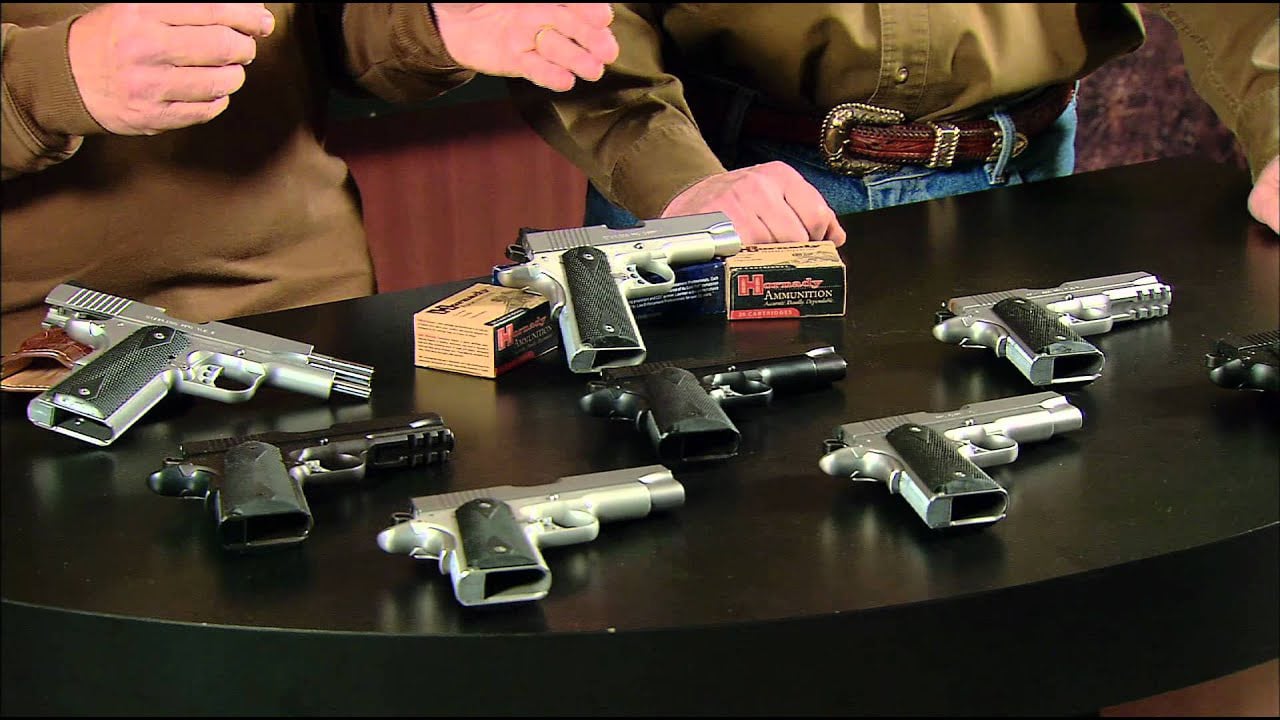
1. Kimber Ultra Carry (3-inch 1911)
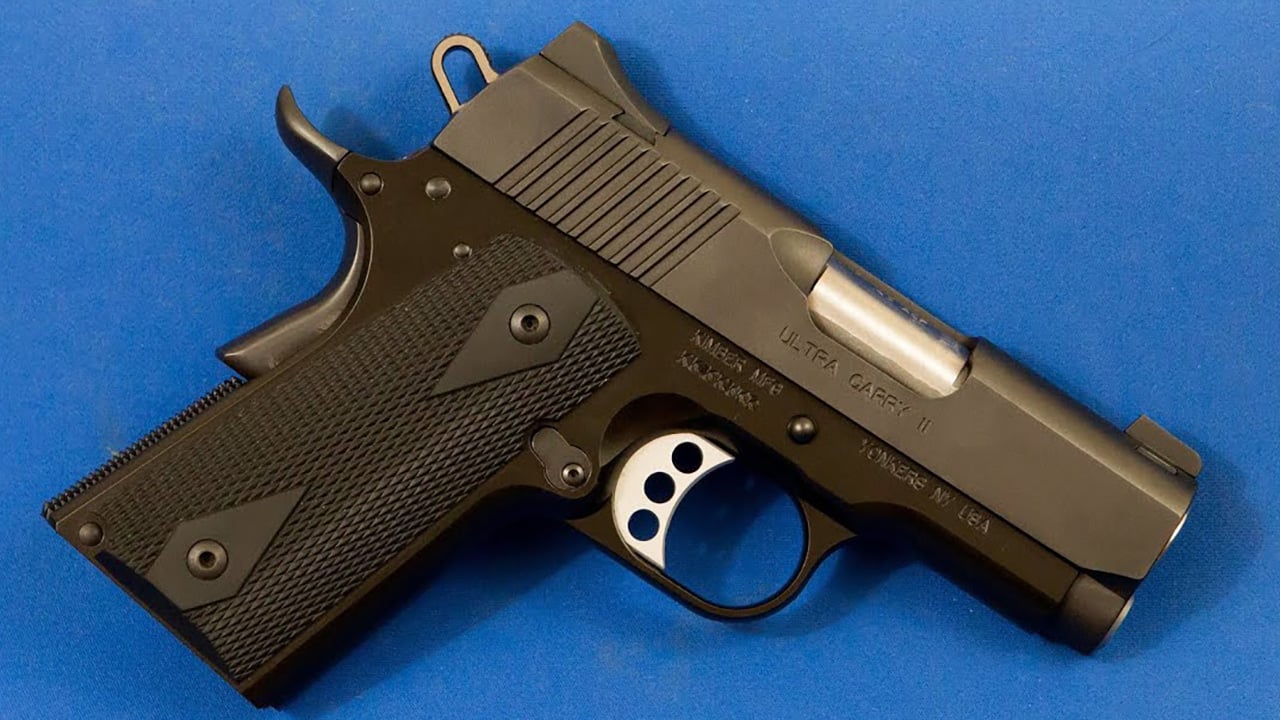
Short 1911s are the classic example of a gun that can be perfect for 150 rounds and then act like it’s never met a cartridge before. The timing window gets tighter when you chop a 1911 down, and recoil springs are doing a whole lot of work in a short slide.
When they start failing, it’s usually not “one hiccup.” It’s a string of nose-dives, failures to return to battery, and weird extraction issues that make you chase your tail. If you insist on one, you need a real spring-change schedule and magazines you trust, not whatever came in the box.
2. Springfield Armory 1911 EMP (9mm)
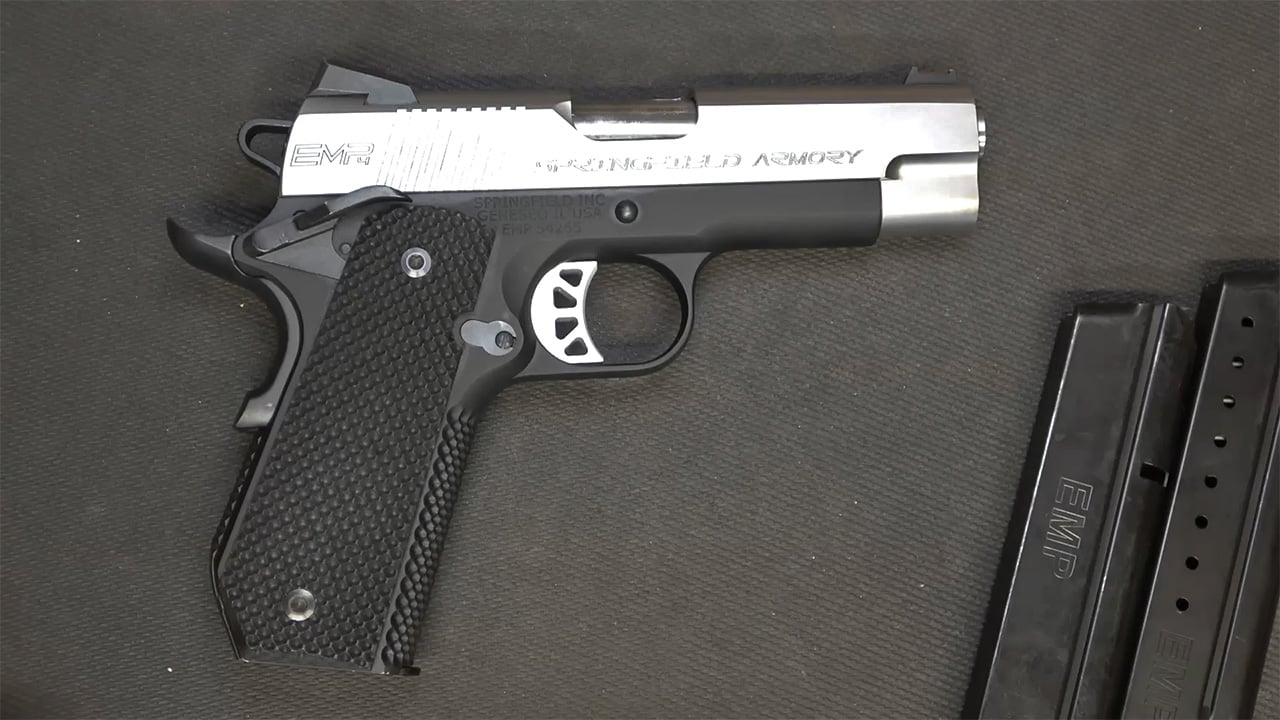
The EMP feels great in the hand and carries like it was made for it—because it was. A lot of them run like sewing machines. And then you run into the ones that get picky about ammo length, certain hollowpoints, or they start choking once the gun’s dirty and hot.
What makes this one sting is the price. You buy it expecting it to be your “forever carry,” and when it gets moody the fix isn’t always obvious. A competent 1911 smith can sort most of them out, but that’s extra money and downtime.
3. Rock Island Armory 1911 (budget models)
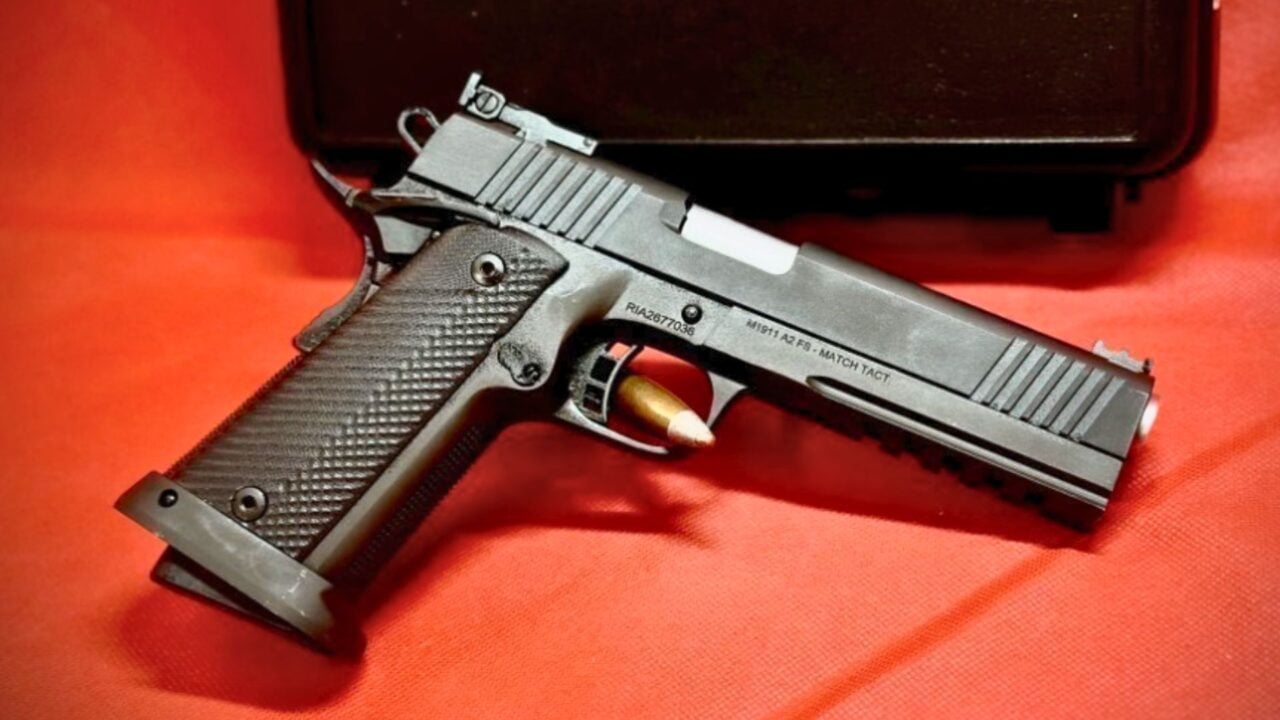
Plenty of these do fine for casual range use. The trap is thinking “it ran 200 rounds, so it’s vetted.” Cheaper 1911s can be perfectly serviceable, but they sometimes come with rough feed ramps, inconsistent extractors, and magazines that are just along for the ride.
When they quit, it’s often a combo problem. One weak mag spring plus a slightly out-of-tune extractor plus a little carbon, and now you’ve got a jam-o-matic right when you start actually training.
4. Taurus PT1911

This one has tempted a lot of folks because you get a pile of features for the money. Some PT1911s run surprisingly well. Others start shedding small parts or drifting out of spec after enough recoil cycles.
When the wheels come off, it can feel sudden. Safeties get mushy, extractors lose tension, and you’re hunting parts and a smith who wants to fool with it. That one hurts because it’s usually after you’ve decided you “got a deal.”
5. Smith & Wesson M&P Shield (early generations)
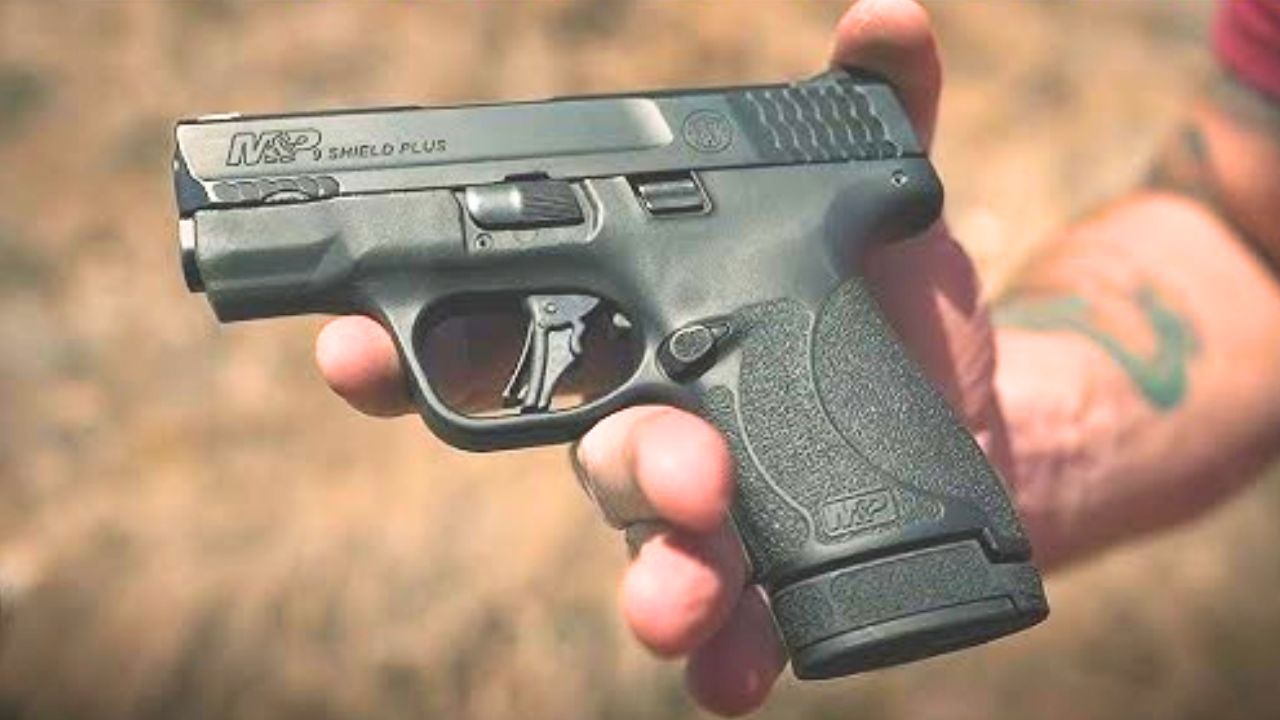
The Shield earned its place in pockets and IWB holsters everywhere, and most of them are solid. The “until they don’t” part tends to be magazine-related or maintenance-related. Springs wear, followers get gritty, and a gun that was 100% starts short-stroking with weak ejection.
Small guns are less forgiving, and the Shield is no exception. If you carry it daily, rotate mags, replace springs on a schedule, and don’t treat a carry gun like a sealed unit that never needs attention.
6. SIG Sauer P365 (early production)

The P365 changed the whole concealed-carry market, no question. The early run had enough teething issues that a lot of folks learned a lesson: don’t be the first guinea pig for the hottest new micro-compact.
Even now, the gun’s compact size means springs and magazines matter. When a P365 starts acting up, it’s often a tired recoil spring assembly, a mag that’s taken a set, or a little gunk slowing the slide just enough to cause failures you never saw in the first few range trips.
7. SIG Sauer P320 (various models)

When the P320 runs, it runs. The frustration comes from the ecosystem: different grip modules, different slides, different tolerances, and a whole lot of aftermarket parts. Mix-and-match is fun until it isn’t.
Failures tend to show up as inconsistent ejection, return-to-battery issues, or magazines that don’t play nice across setups. It’s not that the design can’t be reliable—it’s that the “modular” temptation can turn a dependable pistol into a science project.
8. Walther P22
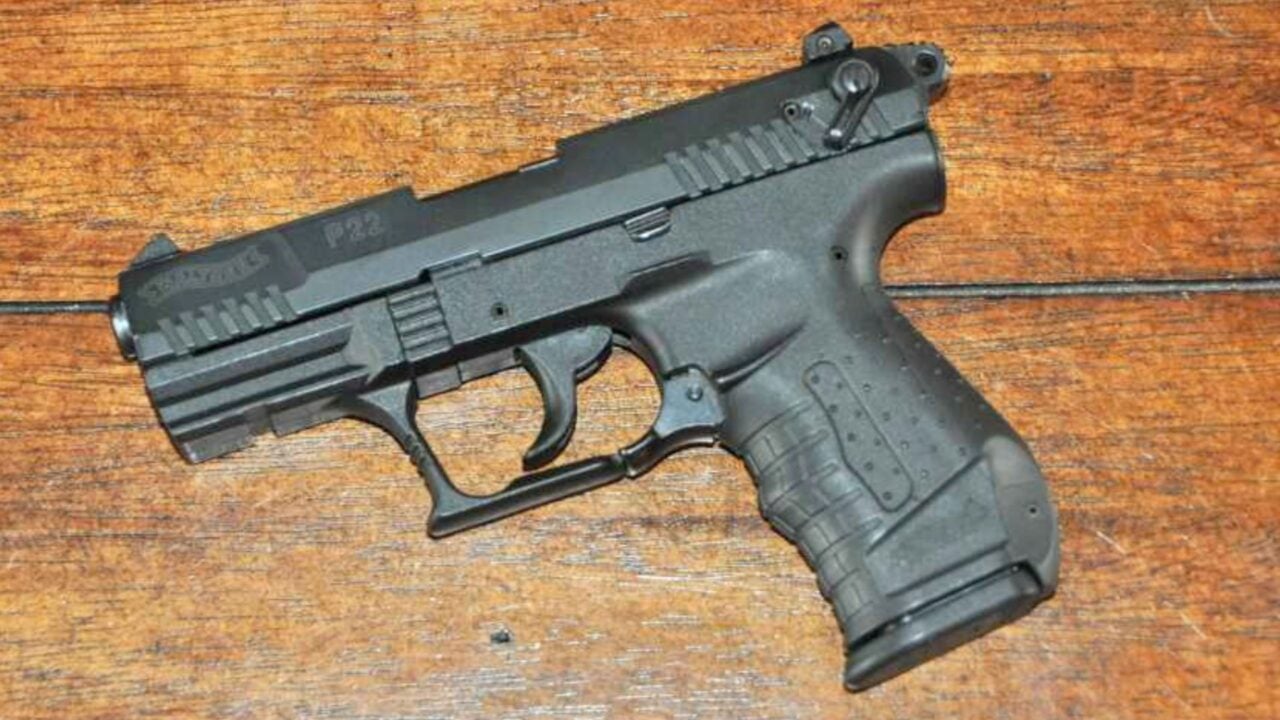
This one is a classic “fun little .22” that feels great until you try to make it a serious trainer. Some P22s run okay with the exact ammo they like, clean and wet. Change ammo, get it a little dirty, or hand it to a new shooter who limp-wrists it, and it can turn into stoppage practice.
Rimfires are already more finicky than centerfire. If you want a .22 pistol you can run hard, you’re better off with something that has a stronger reliability reputation and more robust magazines.
9. Ruger SR22

I like the SR22 for what it is, but it’s still a lightweight rimfire pistol with lightweight everything. It’ll make you smile on a Saturday. It can also start choking once it gets dry, especially if you feed it bargain bulk ammo and never clean the chamber.
When it starts failing, it usually looks like weak extraction and random feeding weirdness. Keep it clean, run decent ammo, and it’s mostly fine. Treat it like a duty gun and you’ll get reminded it’s not one.
10. Beretta 21A Bobcat
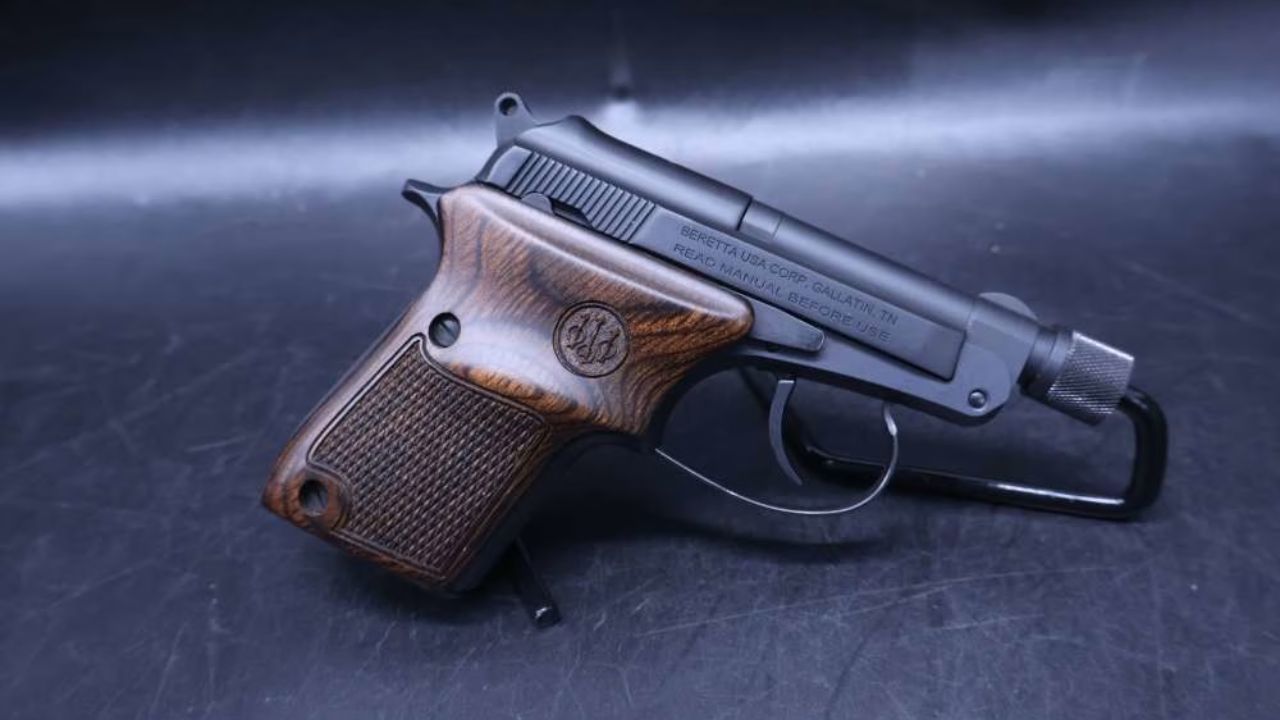
The tip-up barrel is handy, especially for folks with weaker hands. The Bobcat is also tiny, blowback, and picky. It can run like a champ with the one load it likes, and then act offended when you try something else.
When it really quits, it’s typically extraction and ejection. The gun is so small that a little grime and a little weak ammo stack up fast. It’s a neat tool, not a “set it and forget it” pistol.
11. Remington R51
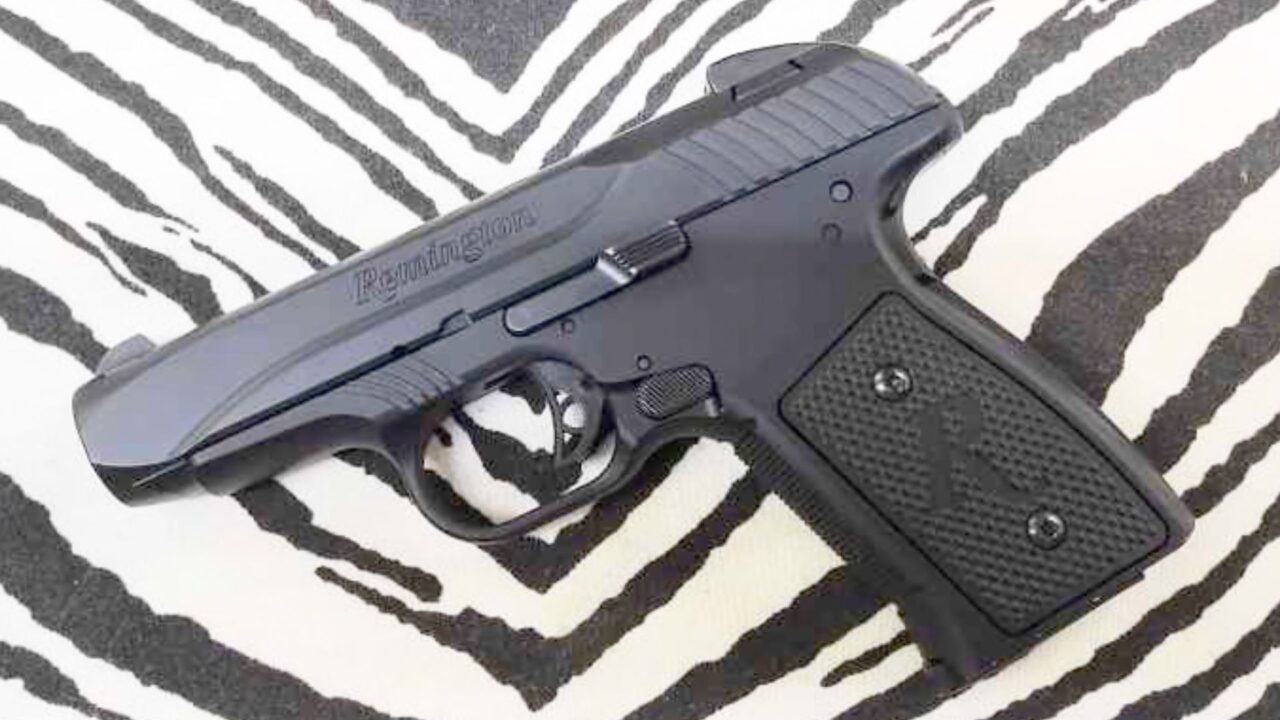
A lot of us wanted this one to be good. The idea was cool, the look was different, and it felt like a carry gun that could’ve been a real contender. The execution is what got people.
When R51s go down, they can go down hard—failures to feed, failures to return to battery, odd reliability patterns that don’t respond to basic troubleshooting. It’s the kind of pistol that makes you stop trusting it, and once that happens it’s tough to come back from.
12. SCCY CPX-2

Budget carry guns fill a real need. The CPX-2 can work, and plenty of owners have decent luck. The problem is inconsistency from gun to gun and magazines that aren’t always as robust as you’d hope for something riding on your belt.
When the stoppages start, it’s often failures to feed or erratic ejection that shows up after the gun’s been carried a while and shot a bit. If you own one, test your exact magazines and your exact carry ammo, and don’t assume the cheap gun “proved itself” after a single box.
13. Kel-Tec P3AT
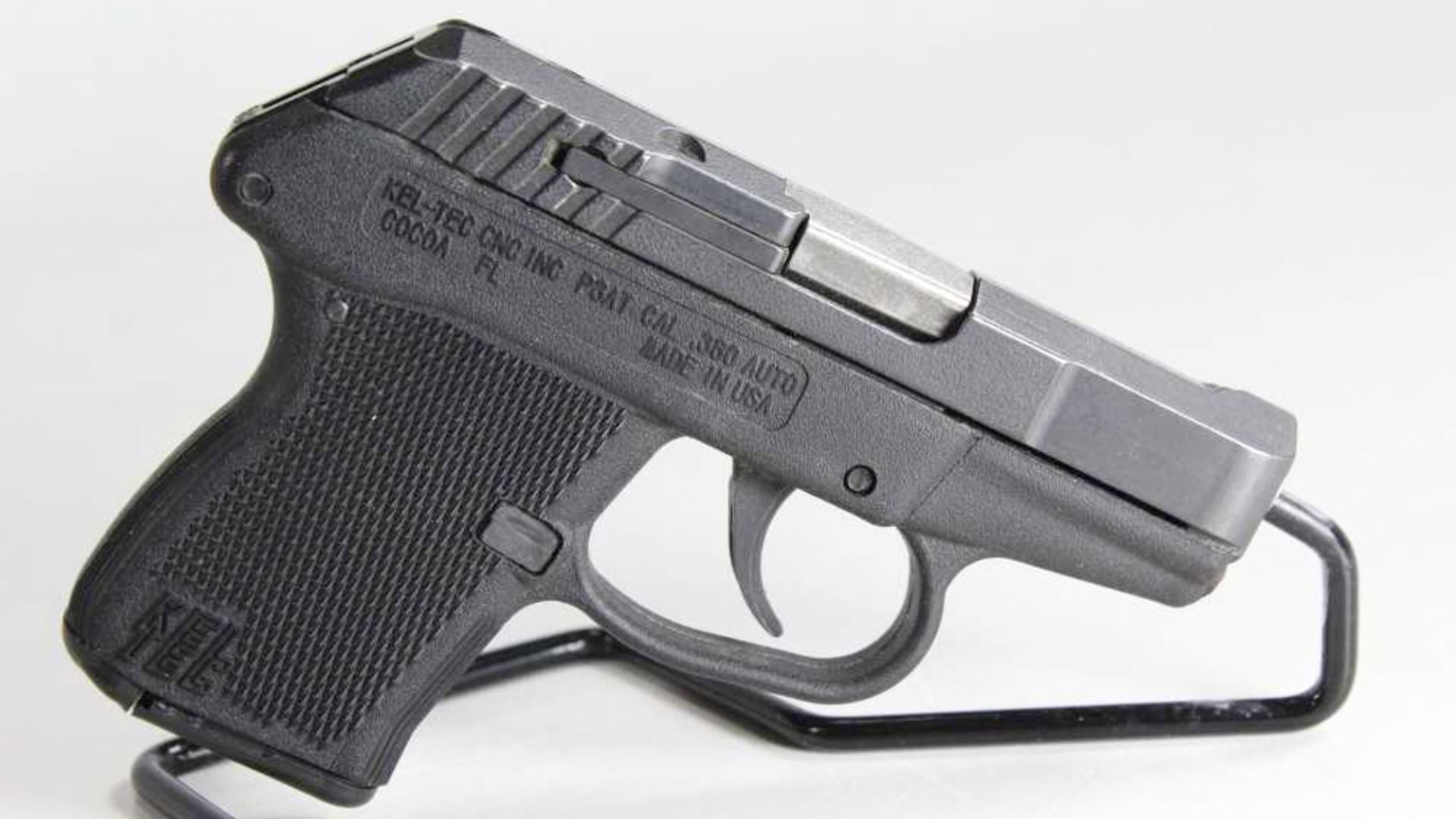
The P3AT has been in a lot of pockets because it’s light and it’s thin. It’s also a tiny .380 with tiny springs and a tiny grip that encourages less-than-perfect shooting. It can run fine for a while, then start getting failures that feel random.
Sometimes it’s the shooter. Sometimes it’s the gun getting dry and linty. Sometimes it’s just that ultralight pistols don’t have much tolerance for wear. If you carry one, clean it more than you think you need to.
14. Kel-Tec PF-9

There was a time when a thin, light 9mm was a big deal, and Kel-Tec was early to that party. The PF-9 can be snappy and it can be temperamental, especially when shooters don’t lock in their grip.
When it starts acting up, the pattern often looks like failures to eject and failures to feed that show up mid-session. It’s one of those pistols that can convince you it’s “good enough” right up until you try to run it like a modern defensive handgun.
15. Diamondback DB9

The DB9 is another tiny 9mm that got attention for being small and affordable. The problem with pushing size that hard is you’re asking the gun to do a lot with very little mass and very little spring length.
If yours runs, great. But when they don’t, they can turn into constant malfunction drills. Parts and support aren’t as common as the big names, and that’s where the headache really starts—because fixing it isn’t always quick or cheap.
16. Ruger LCP (early models)
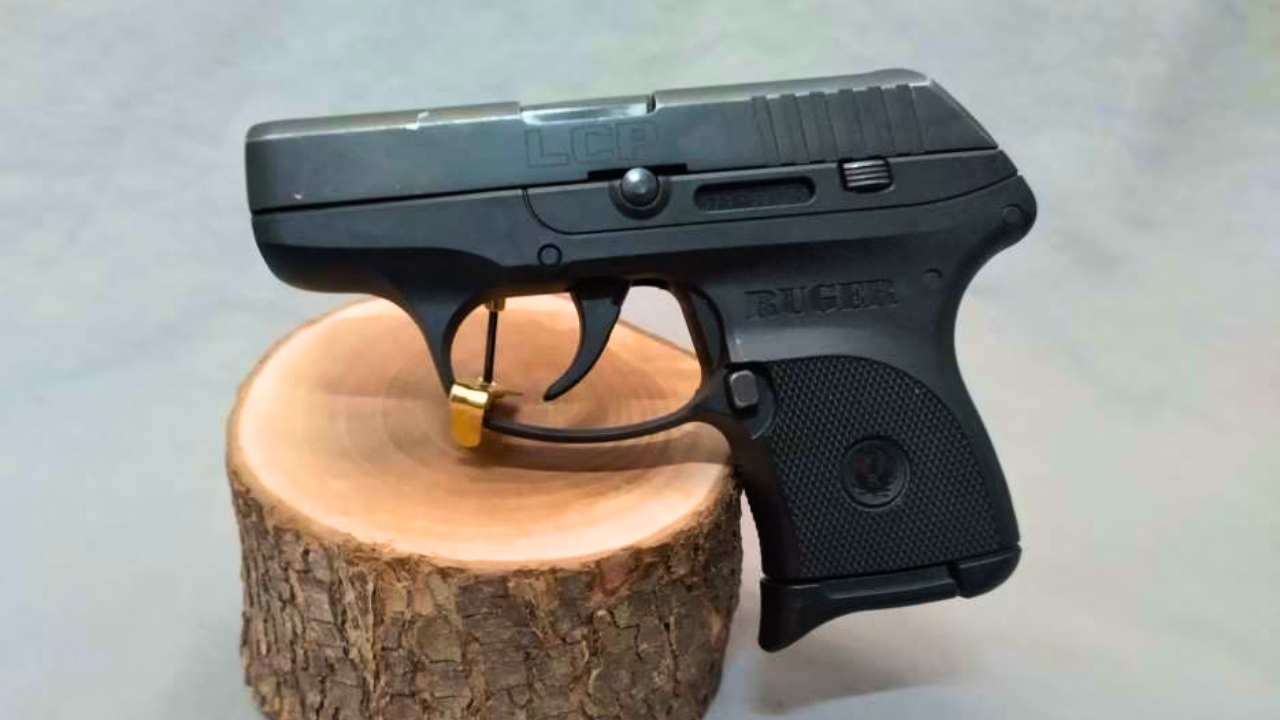
The LCP is famous because it’s easy to carry when you “don’t feel like carrying.” Early guns, especially, can be ammo-sensitive, and the tiny grip makes consistency tough under speed.
When LCPs fall off, you’ll usually see failures tied to limp-wristing, worn mag springs, or the gun being carried dirty for months. Pocket guns live in lint. Lint is not lubricant. Ask me how I know.
17. Glock 43 (with aftermarket magazines or extensions)

A stock Glock 43 is about as boring-reliable as it gets. The issues show up when you start chasing capacity with bargain extensions or off-brand magazines. It’ll run great until one day you get that nose-dive on the top round or the slide fails to lock back for no good reason.
When it’s a carry gun, boring is good. If you want more rounds, either run proven magazines from reputable makers or step up to a platform designed around that capacity instead of forcing it.
18. Glock 22 / 23 (.40 S&W) with weapon lights and worn springs

This isn’t “Glocks are unreliable.” It’s that .40-caliber guns run a sharper recoil impulse, and once you start stacking variables—weapon light clamping the dust cover, tired recoil spring, high-round-count mags—you can see odd malfunctions that don’t show up in a fresh, stock gun.
When they start choking, it’s often failures to feed or inconsistent ejection that appears “out of nowhere.” Keep springs fresh, test the gun with the exact light setup you’ll use, and don’t assume your old duty trade-in is ready for another lifetime with zero maintenance.
19. CZ P-07 (with neglect or a rough break-in)
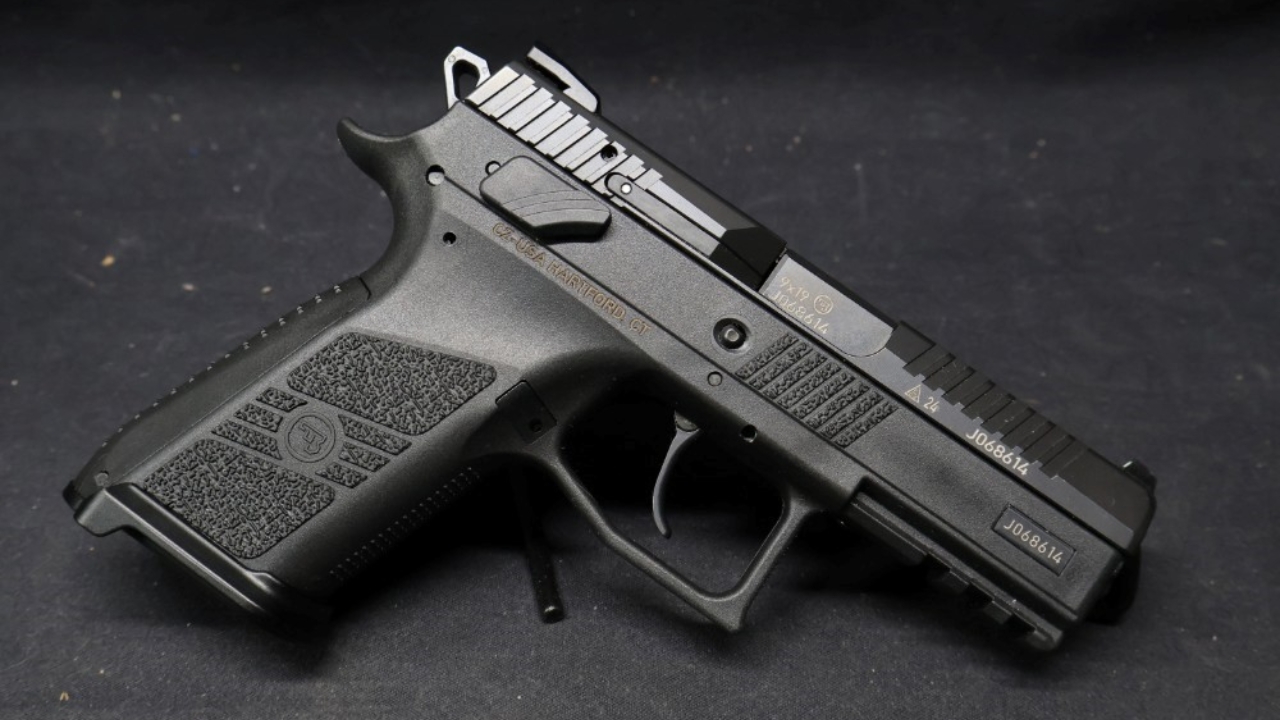
I like how the P-07 shoots. It points naturally, and the trigger can settle in nicely. But I’ve also watched them get a reputation for being “tight” when new, and tight guns don’t love being run bone-dry or dirty.
When they stumble, it’s often early on with sluggish cycling or picky feeding until the gun is properly lubed and has a little time on it. If you’re the type who never cleans and never oils, there are other pistols better suited to that lifestyle.
20. Hi-Point C9
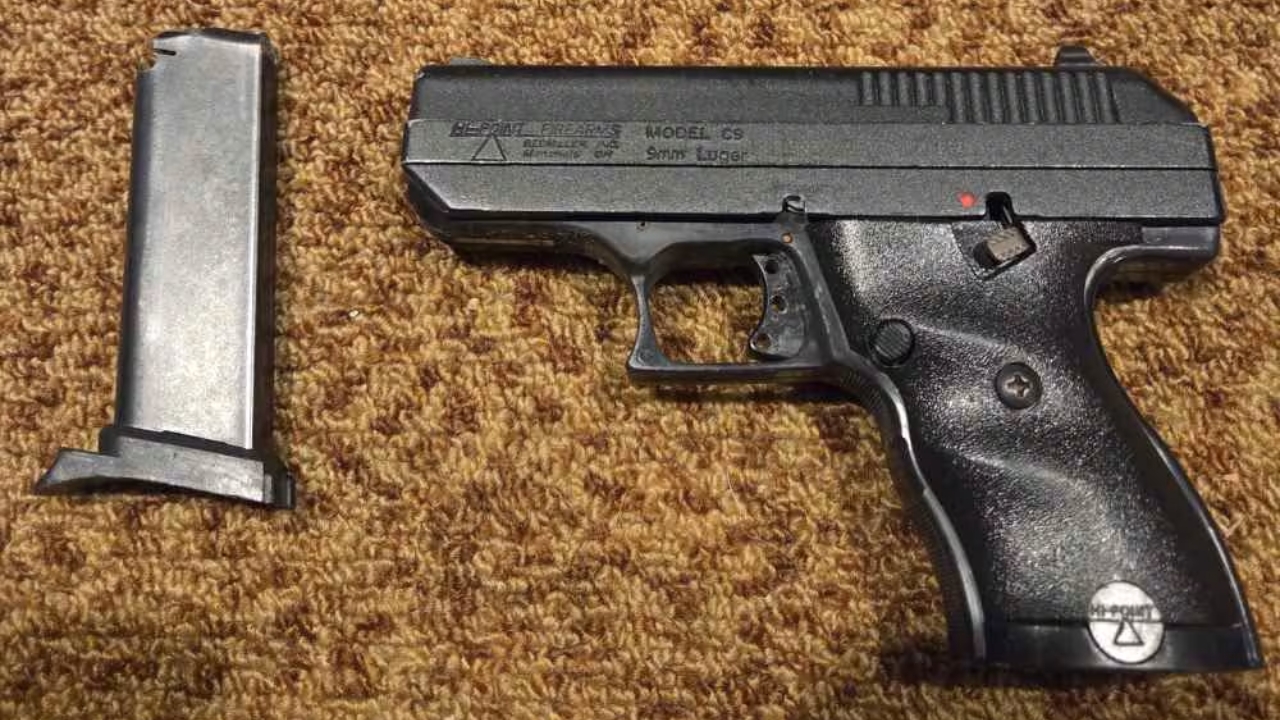
I’ve seen Hi-Points run longer than they have any right to, and I’ve seen them quit in a way that stops the whole day. They’re heavy, simple, and inexpensive, which is the draw. The downside is you’re dealing with a gun built to a price point, and small issues can become big ones fast.
When one really gives up, it can be magazines, extractors, or general wear showing up as repeated stoppages. As a glovebox backup or a “better than nothing” gun, I get it. As something you bet your safety on, I’d rather see you save a little longer and buy a boring, proven compact from a major maker.
What all of these have in common isn’t that they’re automatically “bad.” It’s that they can trick you. They’ll behave for a few range trips, earn your trust, and then fail when they’re dirty, hot, carried daily, or run hard with your real magazines and your real defensive ammo. If a pistol is going to be more than a range toy, vet it like you mean it, keep your springs and mags in shape, and don’t let “it ran fine last time” be the whole plan.
Like The Avid Outdoorsman’s content? Subscribe to our newsletter so you never miss an article.
Here’s more from us: