Photo credit: Icarryone/YouTube
Some handguns earn loyalty because they have been proven for years. Others get defended like they are perfect, even when the flaws are obvious after one range trip. A pistol can be reliable, useful, or even fun and still be overrated by the people who love it most.
That is what this list is about. These are not all bad guns, and some are actually pretty good in the right role. The problem is that their biggest fans tend to excuse everything, from bad triggers and awkward grips to dated capacity, harsh recoil, spotty value, or a reputation that does more work than the handgun itself.
Taurus Judge
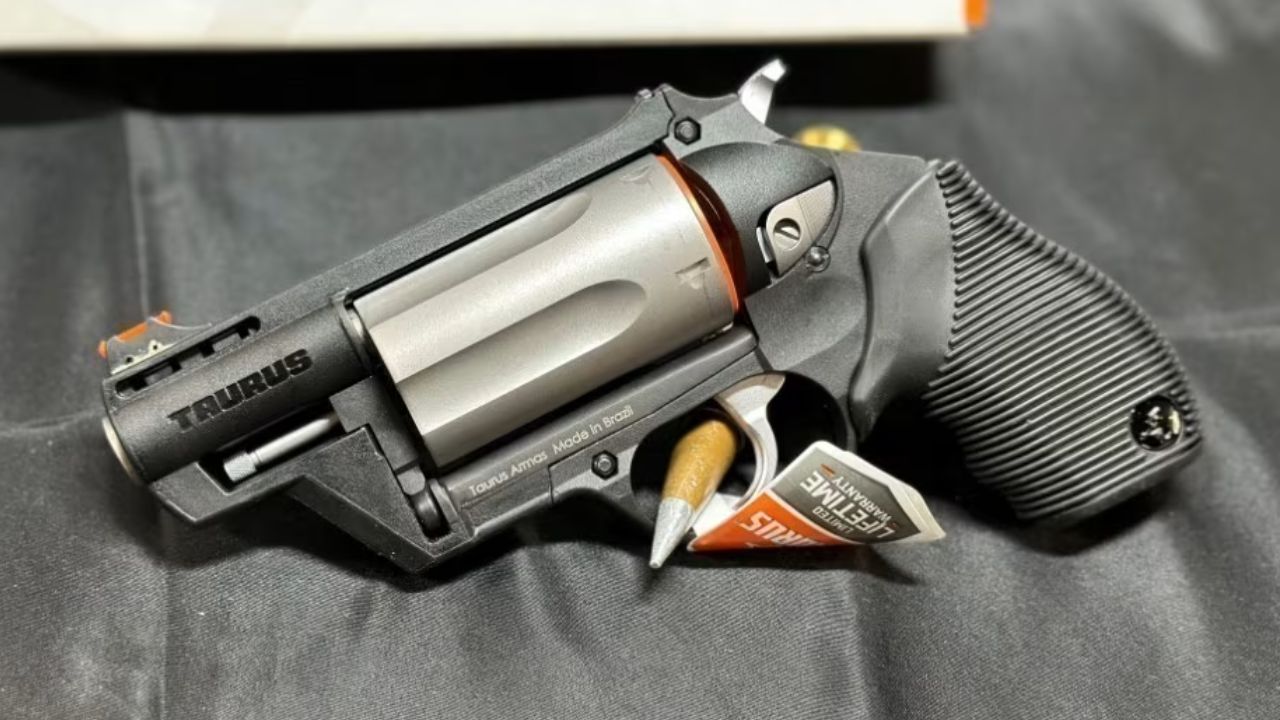
The Taurus Judge is one of those handguns people defend because the idea sounds better than the reality. A revolver that fires .45 Colt and .410 shells feels like it should handle everything from snakes to close-range defense. It looks intimidating, it is easy to explain, and it has a certain gun-counter appeal that never really went away.
The issue is that fans often talk about it like it is a magic problem solver. It is bulky for what it does, .410 performance from a short barrel is not nearly as impressive as people imagine, and .45 Colt loads do not suddenly make it a great carry revolver. The Judge can be fun and useful in narrow situations, but people defend it way harder than its real-world performance deserves.
Kimber Micro 9

The Kimber Micro 9 gets a lot of protection from owners because it looks and feels more refined than many polymer carry guns. It has that little 1911-style profile, attractive finishes, and just enough class to make it feel special in a pocket or on the belt. For people who like metal-framed carry pistols, the appeal is obvious.
Where the defense gets excessive is when people pretend looks make up for everything else. The gun can be snappy, the controls are small, and it is not always as forgiving as simpler modern carry pistols. A pistol that looks good in the case still has to be easy to shoot well, and the Micro 9 does not always win that argument.
Springfield XD-S Mod.2
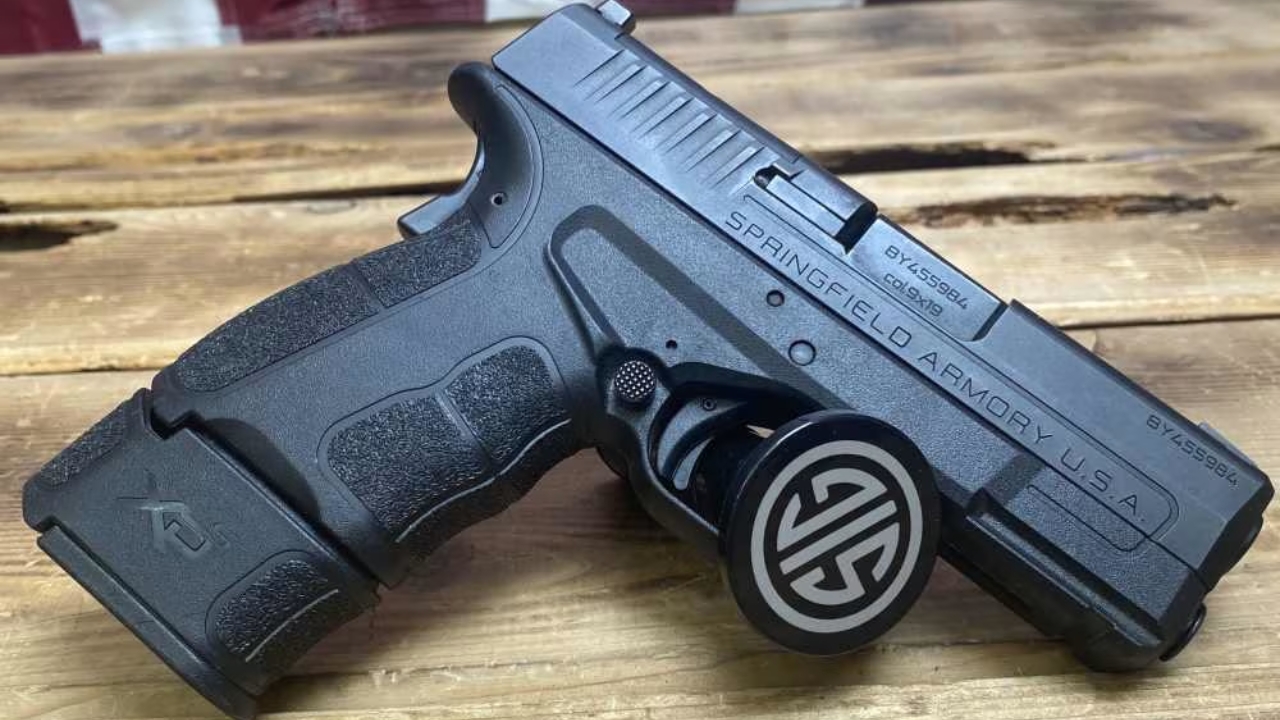
The Springfield XD-S Mod.2 still has a loyal crowd because it came along when slim carry guns were a big deal. It feels sturdy, carries flat, and has enough Springfield familiarity to make people comfortable with it. For someone who already likes the XD setup, it is not hard to see why they would stick with it.
The problem is that the carry-gun market moved past it fast. Capacity is not impressive anymore, the grip safety is not loved by everyone, and the gun can feel more awkward under recoil than newer micro-compacts. Fans often defend it like it is still a top-tier carry choice, but today it feels more like a decent older option than a pistol people should fight over.
Glock 30

The Glock 30 has earned a following because it gives shooters a compact .45 ACP with Glock reliability. It is durable, simple, and surprisingly manageable for a smallish .45. For people who still want .45 in a defensive pistol, it has plenty of appeal.
But Glock 30 defenders tend to downplay how chunky it really is. It is thick, loaded weight adds up, and it does not conceal like a modern slim compact. A lot of shooters would be better served by a lighter 9mm with more capacity and easier follow-up shots. The Glock 30 works, but fans sometimes act like the size penalty does not exist.
SIG Sauer P320

The SIG Sauer P320 is a major modern handgun platform for a reason. The modular fire-control unit is genuinely useful, the grip modules give shooters options, and the lineup covers everything from compact carry guns to full-size duty pistols. Plenty of people shoot the P320 well and trust it.
Still, its fans can get strangely defensive anytime someone criticizes it. The gun can feel bulky, the bore axis sits higher than some competitors, and the platform has carried enough controversy that people are allowed to ask questions. A P320 can be a good pistol without every concern being dismissed as internet noise.
Walther CCP M2
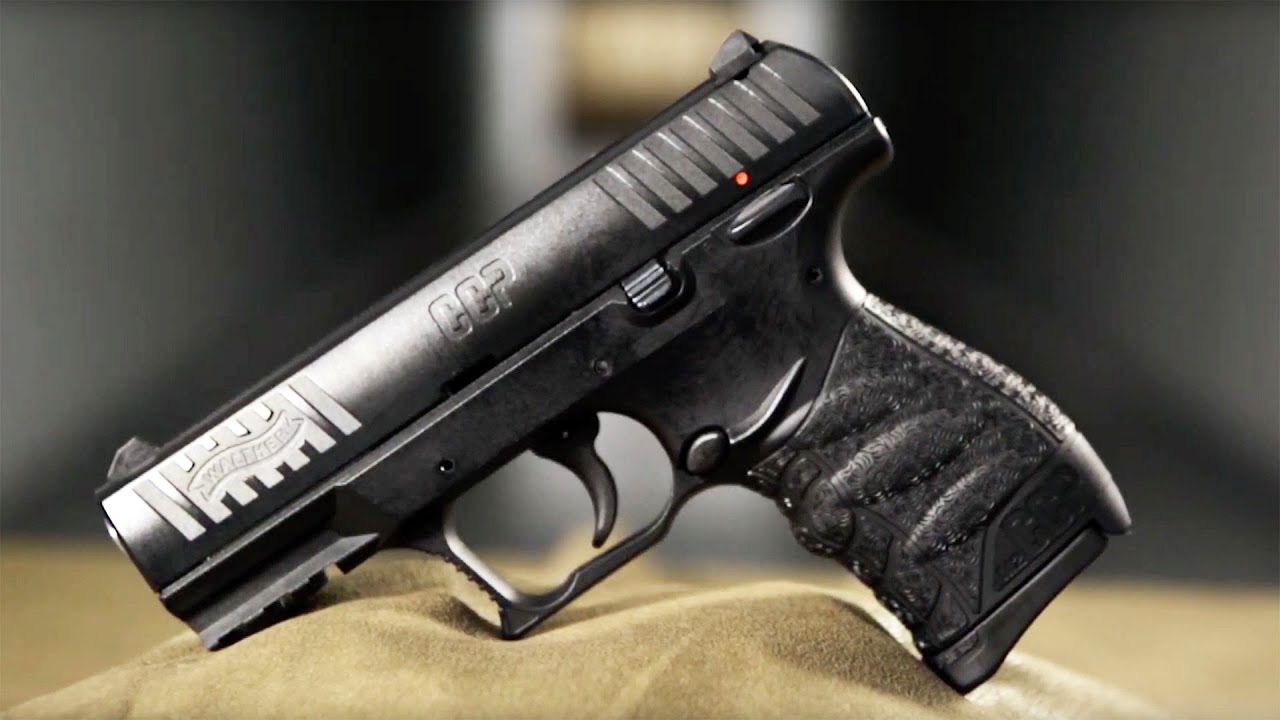
The Walther CCP M2 has defenders because it feels comfortable and shoots softer than many small 9mm pistols. The grip shape is easy to like, and the gas-delayed system gives it a different feel from the usual compact carry gun. For recoil-sensitive shooters, that softer impulse can be a real selling point.
The trouble is that the rest of the pistol does not always match the comfort. The trigger is not great, the design is more complicated than many carry guns, and takedown has never been its strongest selling point. People defend it because it feels good in the hand, but a carry pistol has to do more than feel good at the counter.
Remington R51
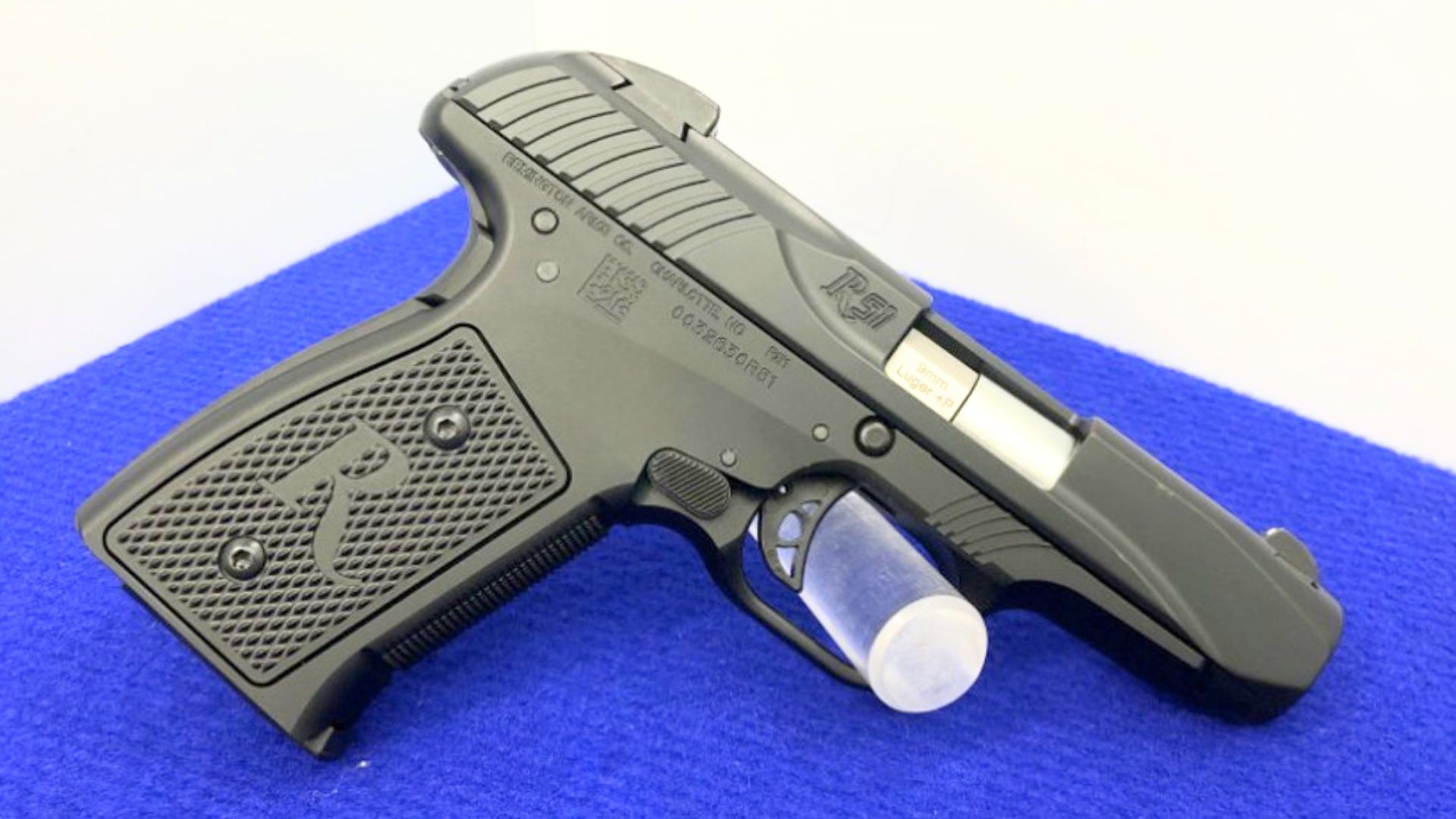
The Remington R51 had people defending it before it ever really proved itself. The design was interesting, the grip angle was different, and the idea of a slim 9mm based on an old Pedersen-style action sounded cool. Some shooters badly wanted it to be the clever alternative to another polymer compact.
Then reality got in the way. The R51 developed a reputation for serious reliability and quality-control problems, and even the improved versions never fully escaped that cloud. People still defend the concept, but defending the actual pistol takes a lot more work. Interesting design does not matter much when shooters cannot fully trust the gun.
Ruger LCP

The Ruger LCP gets defended because it is so easy to carry. The original model practically disappears in a pocket, weighs almost nothing, and made a lot of people comfortable carrying when they otherwise might not have carried at all. That matters, and the LCP deserves credit for it.
But people defend the shooting experience way too hard. The tiny sights, long trigger, sharp feel, and minimal grip make it a pistol most people tolerate rather than enjoy. It is better than being unarmed, but that phrase has carried the original LCP further than it should. A gun can be convenient and still be unpleasant to shoot.
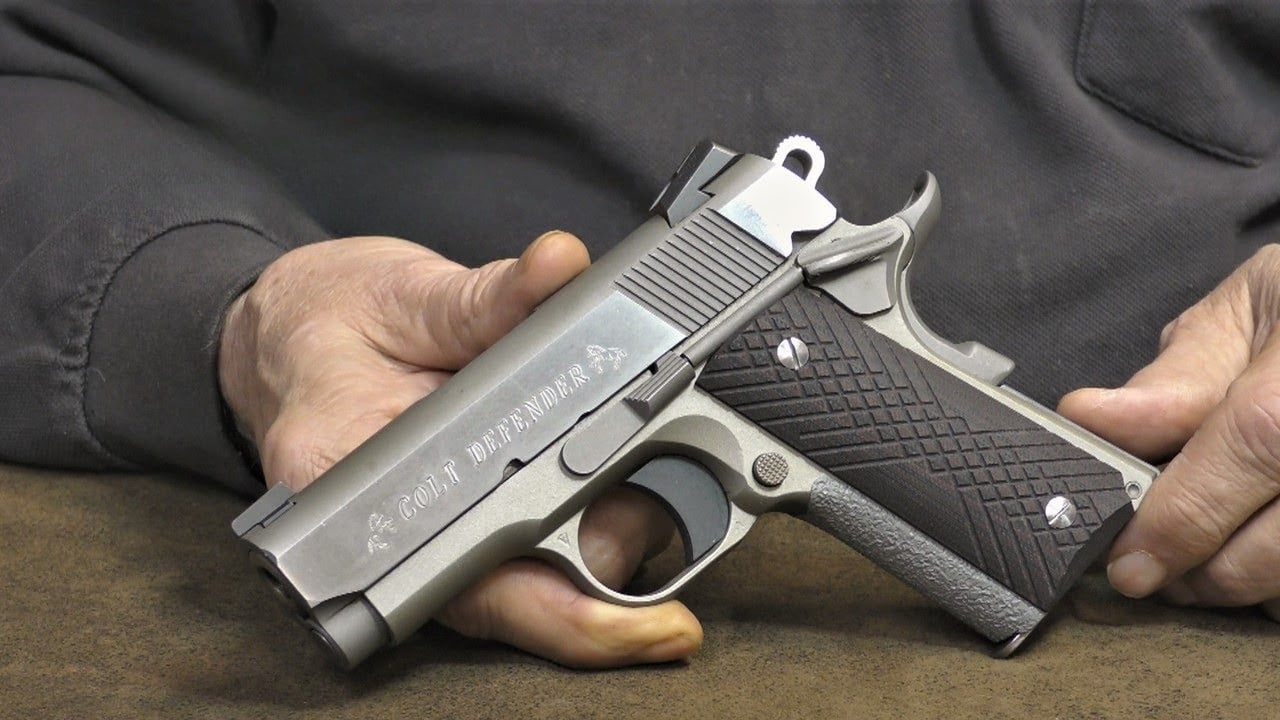
Colt Defender

The Colt Defender has a loyal following because it gives people a compact 1911 with a real Colt name on the slide. It is easier to carry than a Government model, still has the 1911 trigger feel, and looks like a serious little fighting pistol. For 1911 fans, that combination is hard to resist.
The problem is that small 1911s usually come with tradeoffs. Short slides, tight timing, limited capacity, and magazine sensitivity can make them less forgiving than full-size guns or modern polymer compacts. Defender fans often excuse those issues because it is a Colt, but the name does not erase the realities of making a 1911 that small run well.
Springfield Hellcat Pro

The Springfield Hellcat Pro has a lot going for it on paper. It gives shooters more grip than the original Hellcat, good capacity, a slim profile, and a size that makes sense for concealed carry. For people who found the standard Hellcat too small, the Pro feels like the smarter version.
The problem is that some owners defend the shooting feel harder than they should. The Hellcat Pro can still feel sharp under recoil compared with other pistols in its class, and the trigger does not win everyone over. It is not a bad carry gun at all, but the people who act like every complaint is shooter error are ignoring the fact that some competitors are simply easier to run well.
Beretta PX4 Storm Compact

The Beretta PX4 Storm Compact has a loyal fan base because it shoots better than its odd looks suggest. The rotating-barrel system helps tame recoil, the gun feels durable, and the compact model has a reputation for being softer than many similar-sized pistols. People who like it usually really like it.
Where the defense goes too far is when fans act like everyone else is just too shallow to appreciate it. The controls are bulky, the styling is not for everyone, and the pistol never had the same aftermarket support or broad appeal as more common carry guns. The PX4 Compact is underrated in some ways, but it still has flaws people love to wave away.
Smith & Wesson CSX
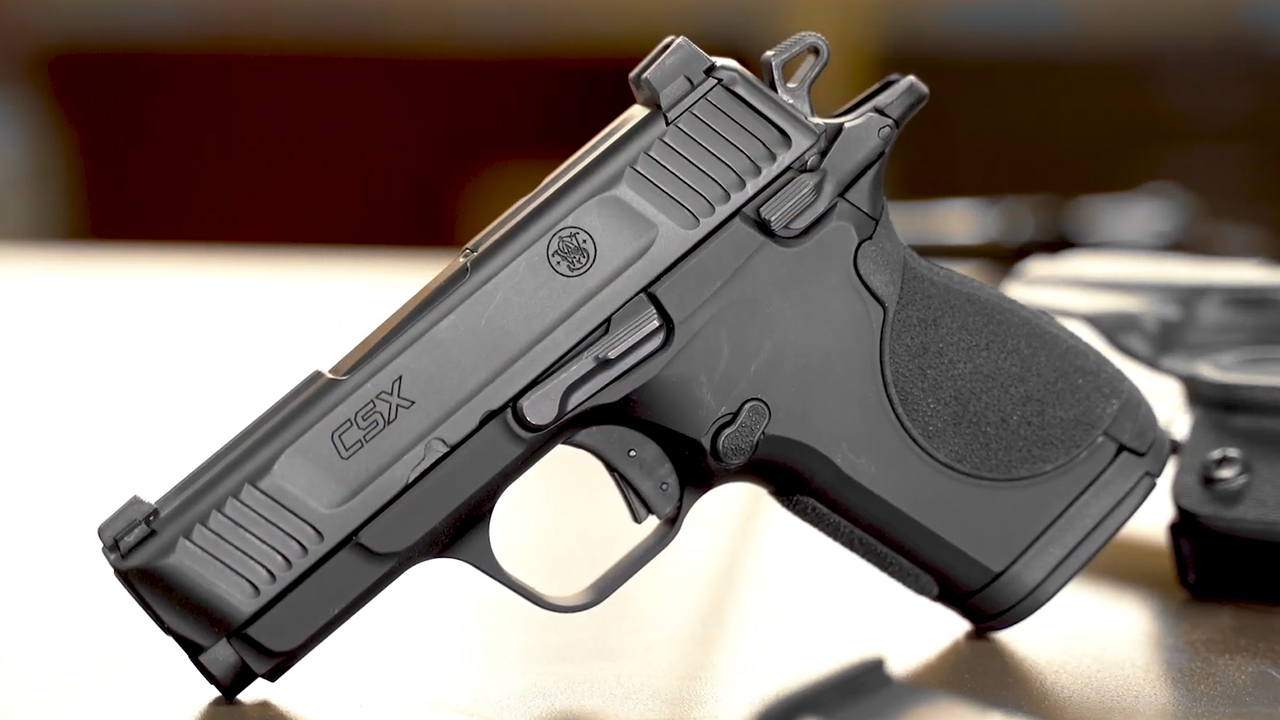
The Smith & Wesson CSX got attention because it tried to offer something different in the micro-compact world. An aluminum-frame, hammer-fired carry pistol with good capacity sounded like a refreshing break from the usual striker-fired options. On paper, it looked like a gun many people had been asking for.
In practice, the CSX has been defended harder than its trigger and controls deserve. The reset feel bothers some shooters, the safety is not for everyone, and the whole package can feel like it missed the chance to be great. It is interesting, but interesting is not the same as polished. Fans defend the concept, while critics are usually reacting to the actual shooting experience.
FN 509

The FN 509 has plenty of serious-gun credibility. It is tough, comes from a respected brand, and has been offered in several useful versions, including tactical and midsize models. Shooters who want a durable striker-fired pistol with a more duty-oriented feel often find a lot to like.
But FN fans sometimes defend the 509 like price and trigger feel do not matter. The stock trigger has never been the main selling point, and the gun can cost more than competitors that feel better out of the box. It is a strong pistol, but strong does not automatically mean best. Sometimes the FN name does more of the arguing than the gun itself.
CZ P-07

The CZ P-07 gets defended because it gives shooters a compact DA/SA pistol in a market filled with striker-fired sameness. It has good capacity, a solid grip shape, and that CZ reputation for shootability. For people who prefer a hammer-fired carry gun, it fills a role many companies have mostly abandoned.
The issue is that fans can act like the P-07 has no downsides. The slide is short and can be harder to grab, the trigger is not amazing out of the box, and the gun feels blockier than some people expect. It is a good pistol, but not everyone wants to work around DA/SA controls or send parts off to make the trigger feel like fans say it does.
Ruger Security-9
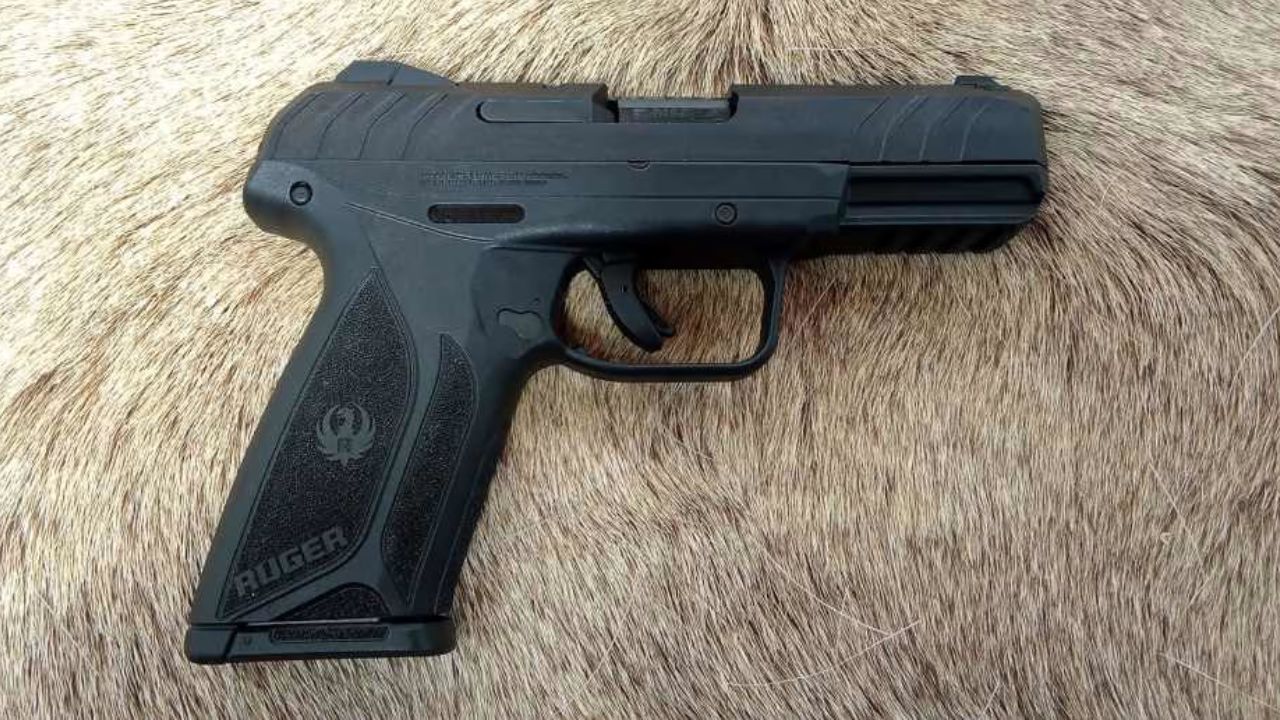
The Ruger Security-9 is easy to defend at first because it is affordable, lightweight, and comes from a brand people trust. It gives buyers a usable defensive pistol without asking for premium money. For someone on a tight budget, that matters.
Where the defense gets old is when people act like it is just as refined as pistols that cost more. The trigger, sights, finish, and overall feel are serviceable, not impressive. It can do the job, but it still feels like a budget gun. There is nothing wrong with that until owners start pretending the only reason people criticize it is because they are gun snobs.
Canik TP9 Elite SC

The Canik TP9 Elite SC has a big fan base because it offers a good trigger, solid capacity, and a lot of features for the money. Compared with older budget pistols, it feels like a major step up. It also gives buyers an optics-ready compact without paying premium-brand prices.
But defenders sometimes ignore that it is chunky for a subcompact. It can feel top-heavy, and its size makes it harder to justify against slimmer carry pistols. The trigger is good, but a carry gun has to balance shootability with comfort and concealment. The TP9 Elite SC is a good value, but fans defend it like value erases every size and carry drawback.
Rock Island Armory GI 1911
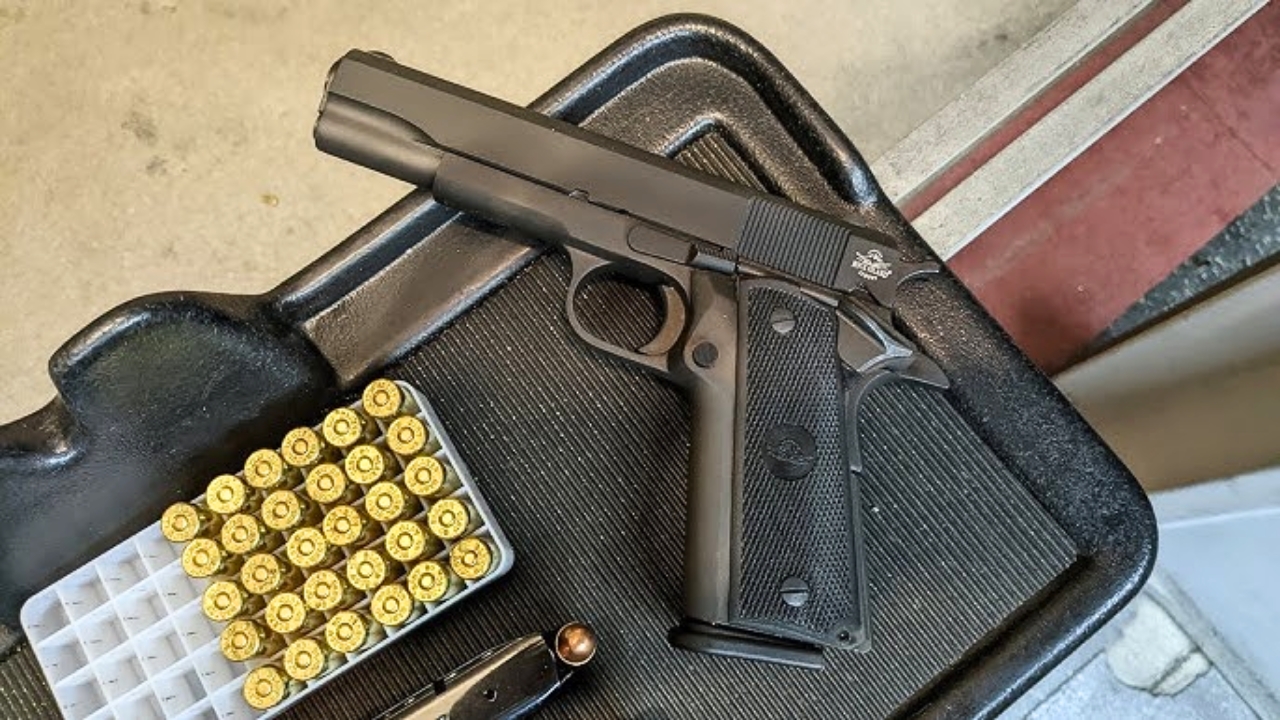
The Rock Island Armory GI 1911 gets defended because it gives people a way into the 1911 world without spending big money. It looks the part, runs well enough for many owners, and scratches the old-school .45 ACP itch. For a basic range 1911, it can be a perfectly reasonable buy.
The problem is when people act like it is the same experience as a better-built 1911. The tiny GI sights, basic controls, plain trigger feel, and rougher finish are all part of the bargain. That does not make it worthless. It just means it is an entry-level 1911, and fans should not get offended when someone points that out.
Kahr CM9
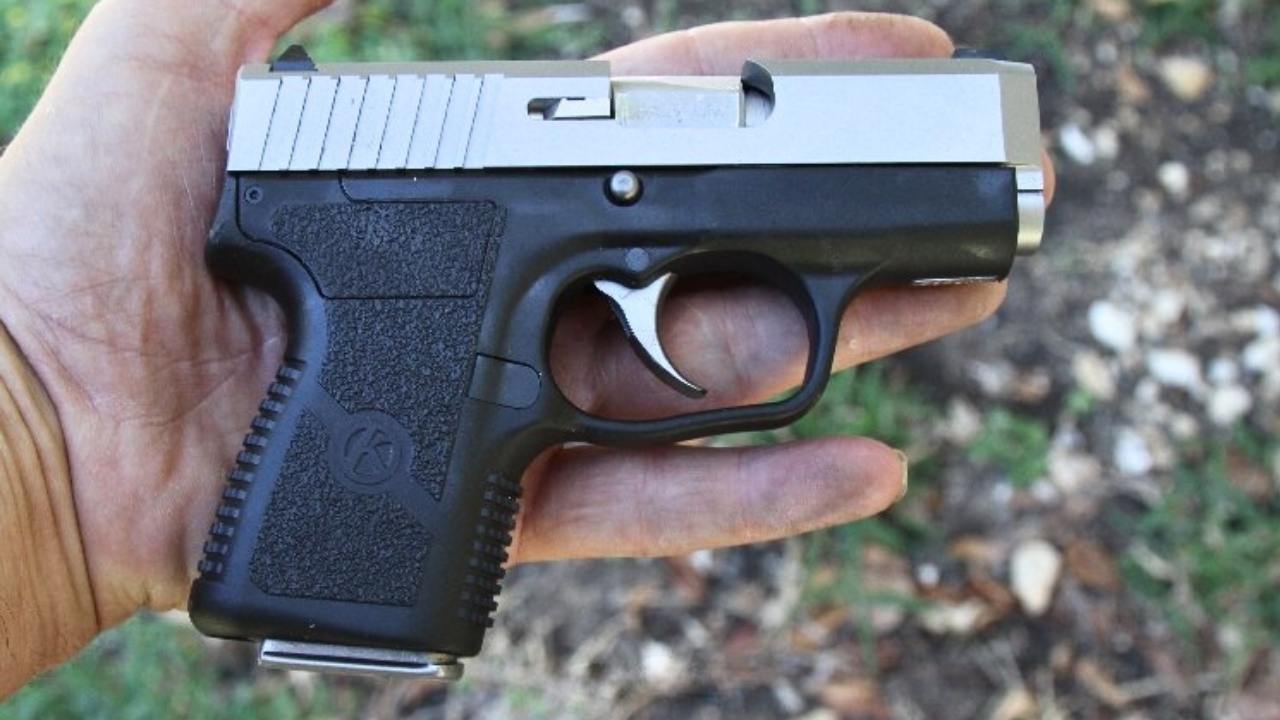
The Kahr CM9 built a following because it is small, smooth-sided, and easy to conceal. The long trigger pull feels familiar to shooters who came from revolvers, and the pistol disappears better than many thicker carry guns. For deep concealment, that still gives it a purpose.
But the CM9 gets defended past its expiration date. The trigger is smooth but long, the capacity is limited, and the pistol can feel dated next to newer micro-compacts that carry more rounds and shoot easier. Kahr fans often defend the old formula because it worked for them, but the carry market has changed in a big way.
IWI Masada
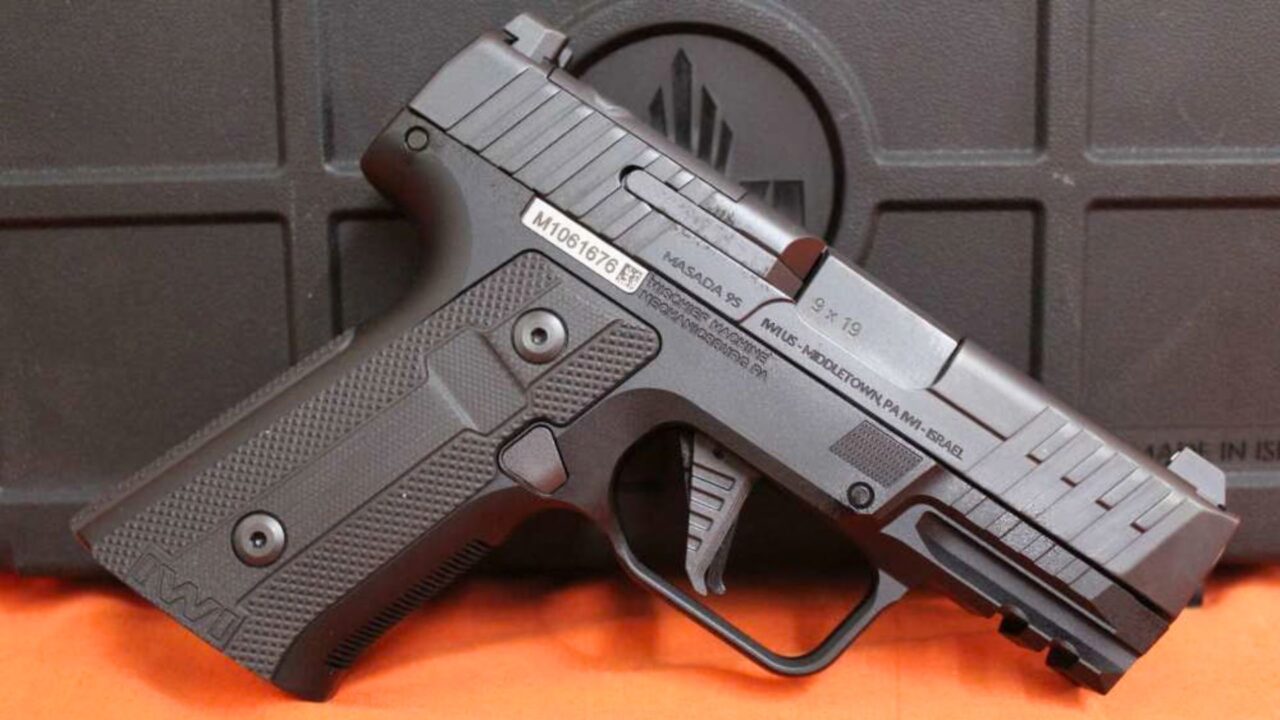
The IWI Masada has defenders because it comes from a respected manufacturer and offers a lot of modern features at a reasonable price. It is optics-ready, has good capacity, and feels like a serious service pistol rather than a cheap range toy. For the money, it is not a bad package.
The issue is that some fans defend it like it has already earned the same status as more established striker-fired pistols. The aftermarket is thinner, holster support is more limited, and the pistol does not have the same long track record in the U.S. market. It might be a solid gun, but acting like it is an obvious replacement for every Glock, M&P, or SIG is a stretch.
Mossberg MC2c
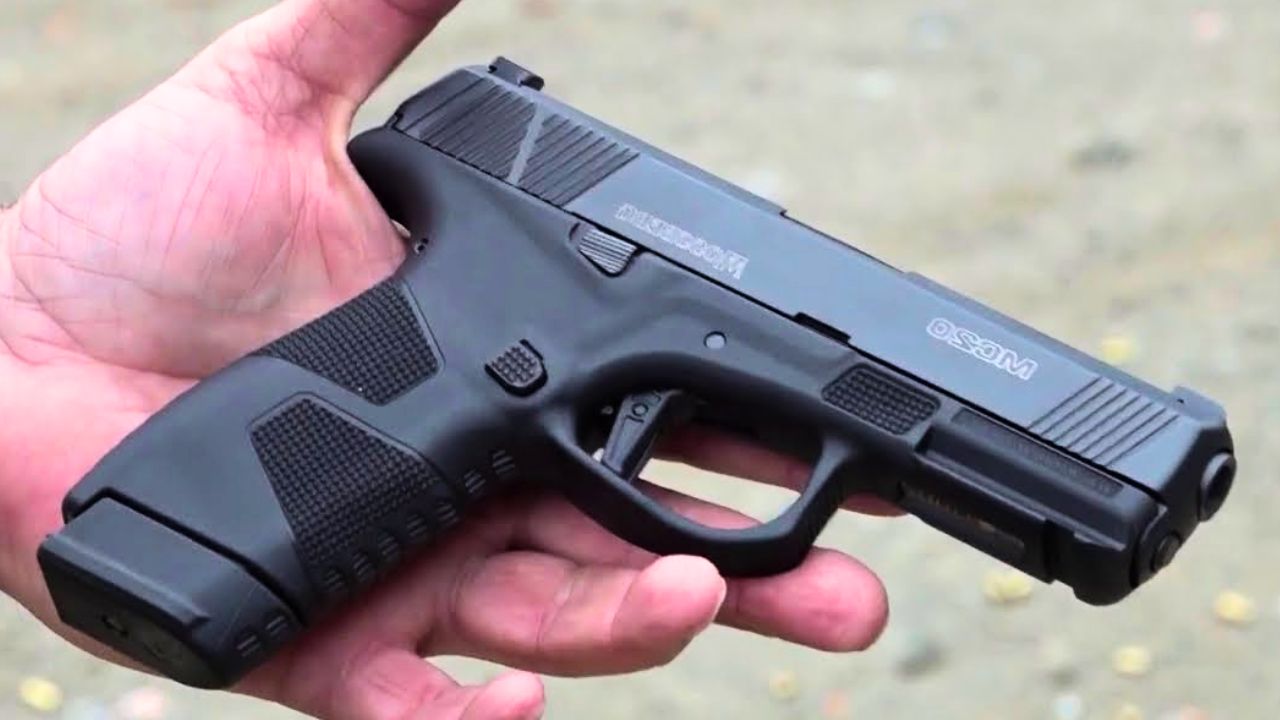
The Mossberg MC2c has its defenders because it is a practical compact 9mm from a company people already associate with dependable defensive guns. It offers decent capacity, a slim enough frame, and a price that makes it easy to consider. It is also more serious than some people expected from Mossberg’s pistol line.
But the MC2c is defended harder than its market position deserves. It is competent, but it does not really dominate in trigger feel, aftermarket support, optics options, or overall refinement. In a crowded compact 9mm field, being decent is not enough to make a pistol special. Fans may like it, but that does not mean everyone else is missing some hidden masterpiece.
Like The Avid Outdoorsman’s content? Be sure to follow us.
Here’s more from us: