Photo credit: sootch00/Youtube
Spend enough time around a public range, a deer camp, or the back counter of a gun shop and you’ll notice something: experienced shooters have a pretty short list of pistols they trust, and a much longer list of pistols they won’t even bother picking up. It’s not always about brand snobbery, either. Sometimes it’s reliability. Sometimes it’s a design that bites hands or breaks parts. And sometimes it’s just a gun that doesn’t do anything better than the boring options that already work.
Here are 20 handguns that seasoned shooters often steer clear of, and the real-world reasons why. Not to start a fight, just to save somebody a headache and a box of ammo.
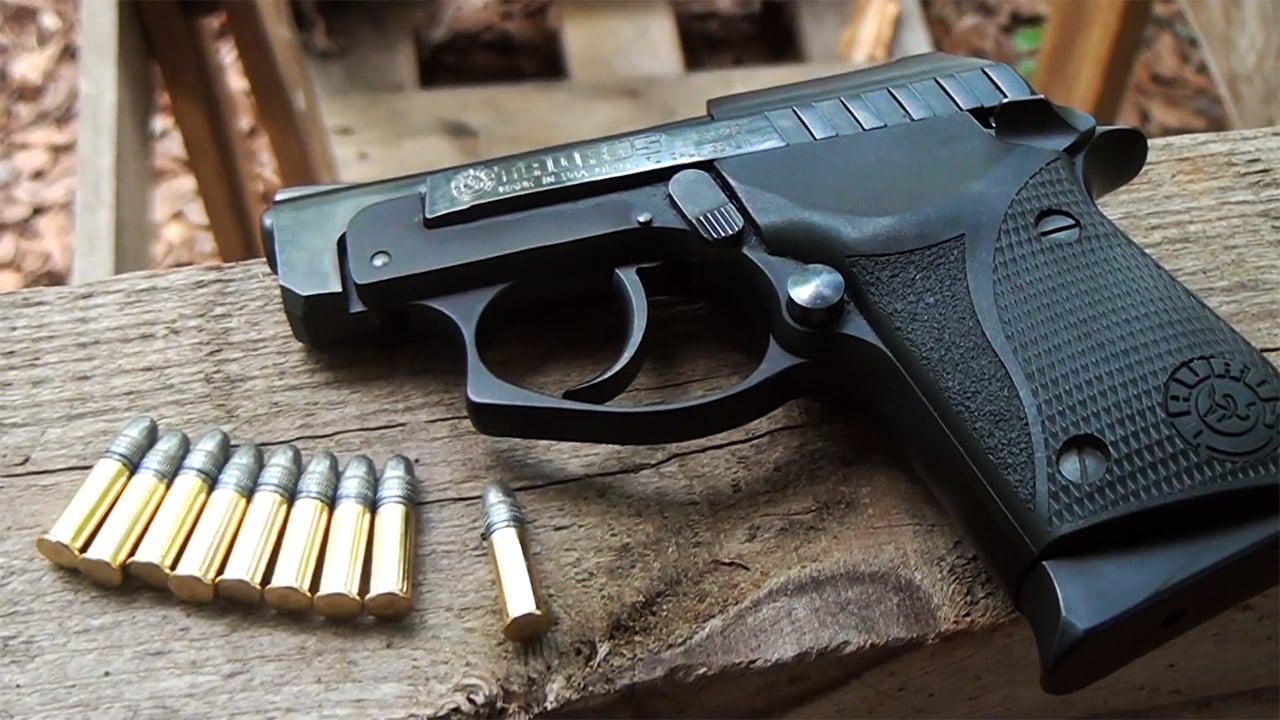
1. Taurus PT22
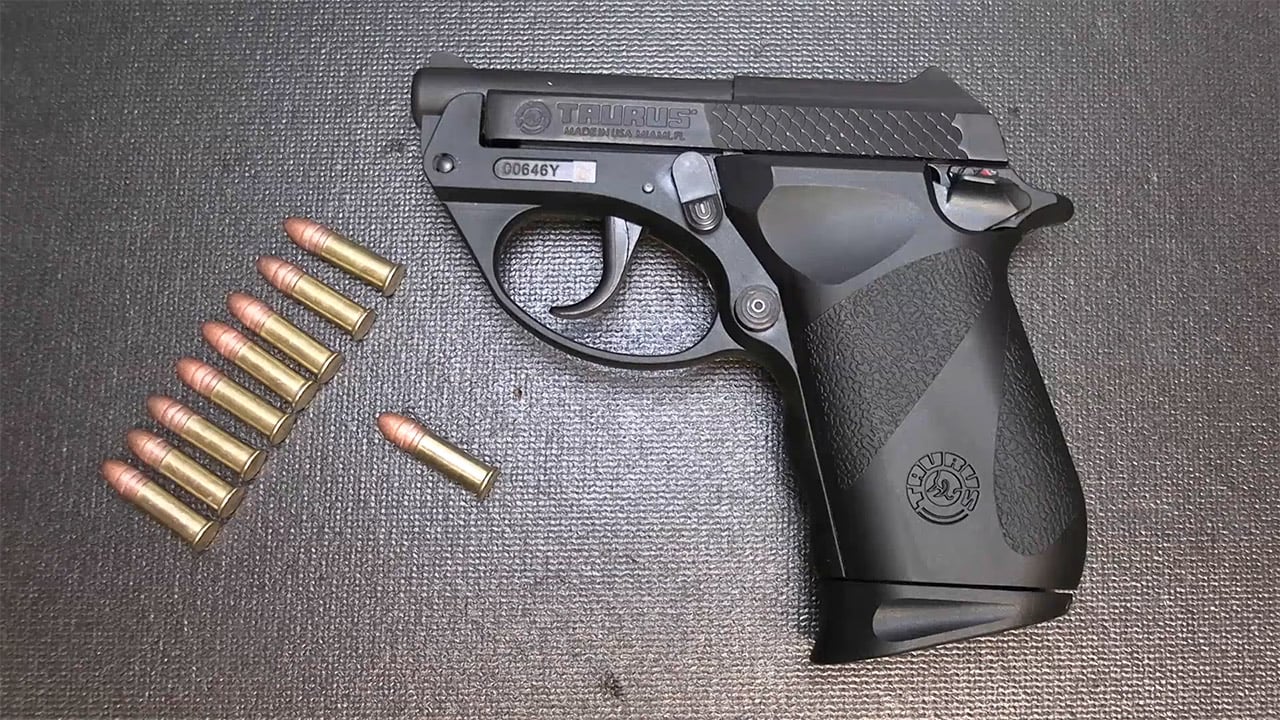
Little .22 pocket pistols look handy until you’re standing there doing malfunction drills you didn’t plan on practicing. The PT22 has a long history of being picky about ammo and magazines, and .22 rimfire is already finicky by nature.
If a .22 won’t run, it’s not just annoying—it’s pointless. Most folks who have been around awhile would rather carry a slightly bigger gun that actually cycles, locks up, and doesn’t turn every range trip into troubleshooting.
2. Walther P22
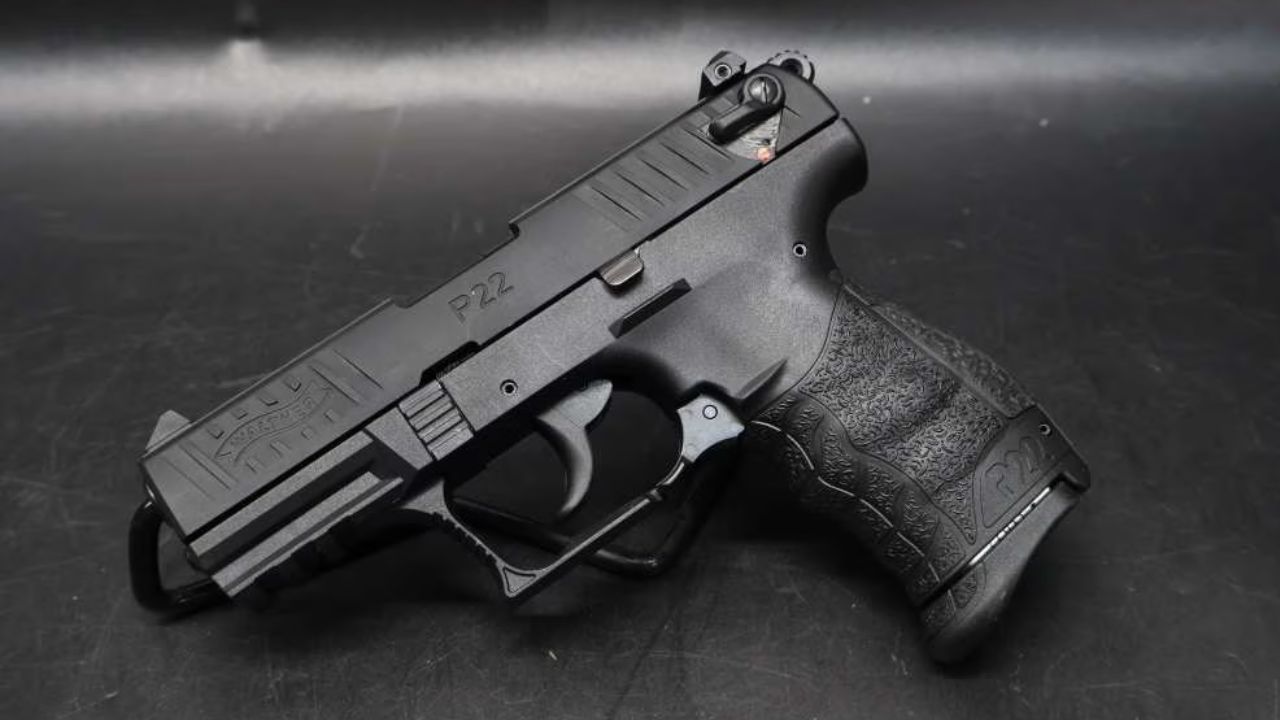
The P22 is one of those pistols that sells on looks. It feels “tactical,” it’s light, and it’s a common first .22 for folks who want something like their carry gun. Then the problems start: it can be ammo-sensitive, and some examples run like sewing machines while others won’t.
Experienced shooters tend to prefer .22 pistols with a track record for eating bulk ammo all day. When the same money can buy a Ruger or Browning that just works, the P22 is hard to justify.
3. Jimenez JA-9
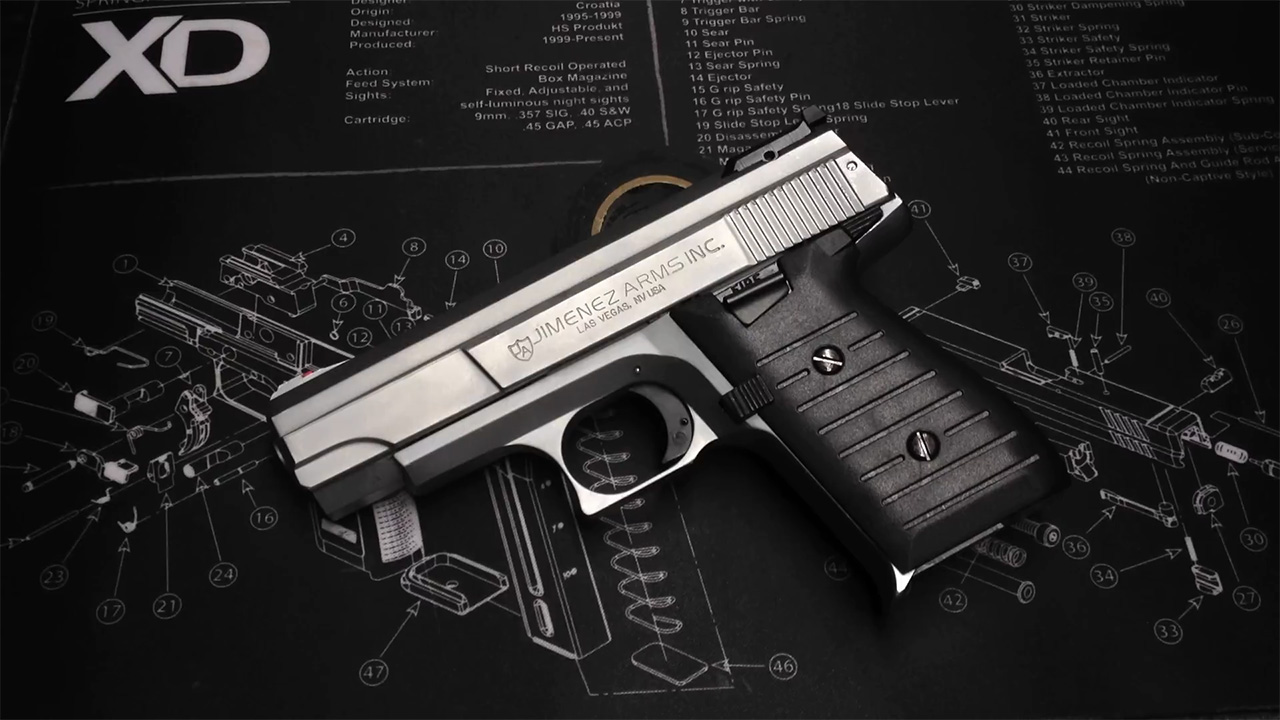
These bargain 9mms have been around in one form or another forever, and they always land in the same place: “cheap” up front can get expensive in time and frustration. Heavy triggers, rough actions, and spotty reliability are common complaints.
A defensive pistol is not where most serious shooters want a mystery box. If you can’t get consistent function and usable accuracy without a bunch of tinkering, it’s a no from the folks who’ve already learned that lesson.
4. Bryco/Jennings .380 and 9mm pistols

Ask any old range regular about “Saturday night specials” and these names come up quick. They’re often rough, inconsistent, and parts support is not what you’d call comforting.
Even as range beaters, they’re hard to recommend because you spend more time wondering what’s going to break than actually shooting. Plenty of shooters won’t touch them because they’ve seen too many cracked slides and persistent feeding issues.
5. Kel-Tec P-11
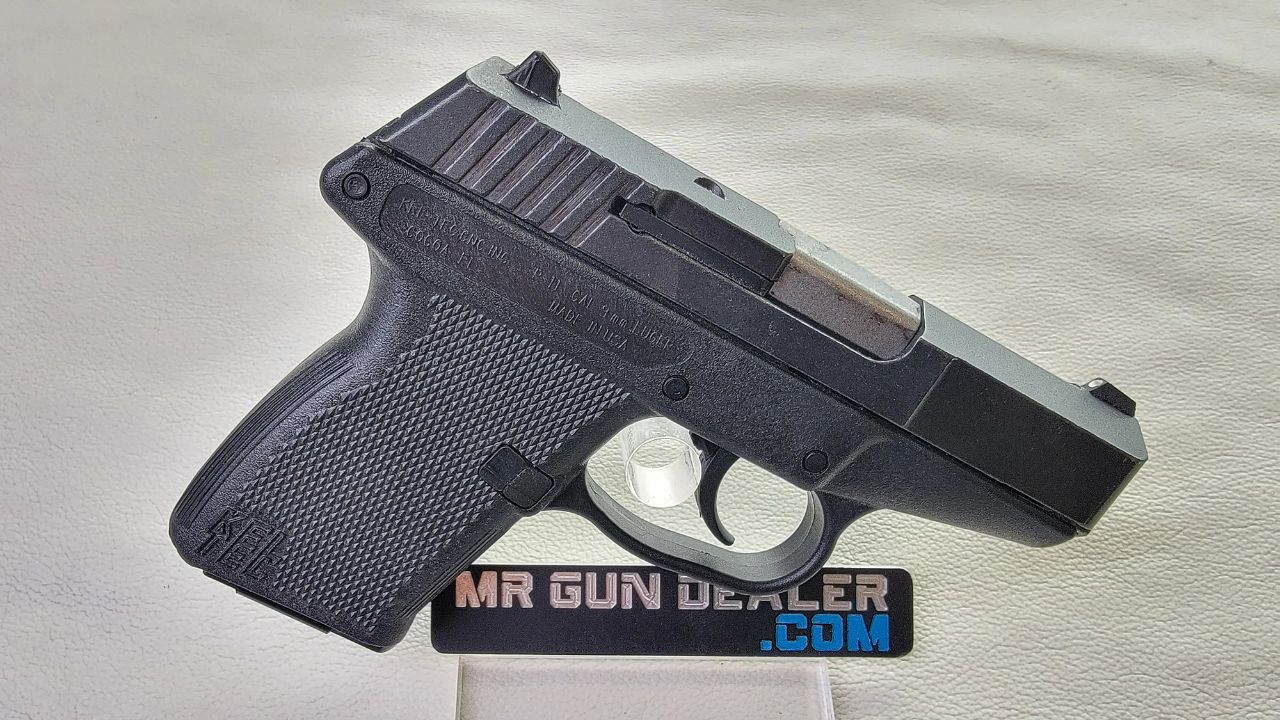
I get why the P-11 exists. It’s small, it’s light, and it was doing the micro-9 thing before micro-9 was cool. The trouble is the trigger—long, heavy, and not exactly confidence-inspiring when you’re trying to shoot well.
For deep concealment, you can put up with a lot. But experienced shooters usually pick the newer crop of micro-9s that offer better triggers, better sights, and better control without giving up much in size.
6. Remington R51 (Gen 1)
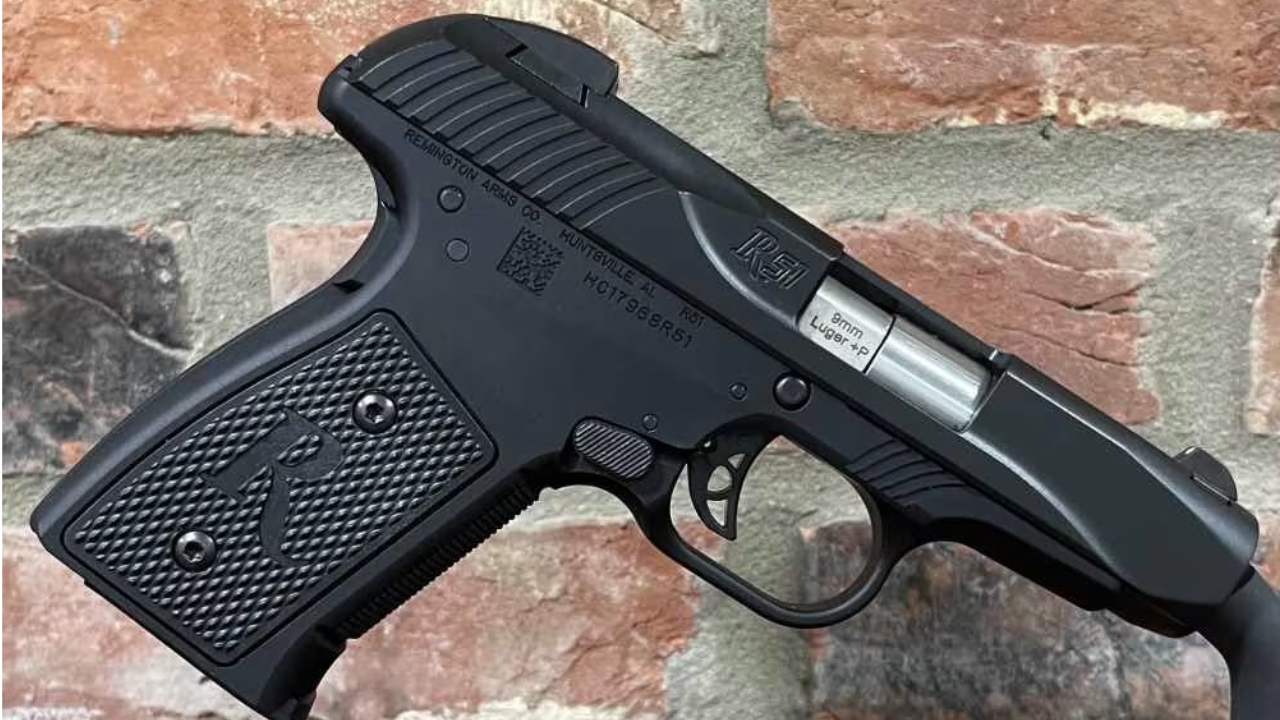
That first run of R51s turned into a cautionary tale. The concept was interesting, but too many guns shipped with problems that shouldn’t have left the factory.
When a pistol gets a reputation for needing factory fixes right out of the gate, it loses the confidence of the people who actually carry and train. Plenty of shooters never circled back after that rough launch.
7. Kimber Solo
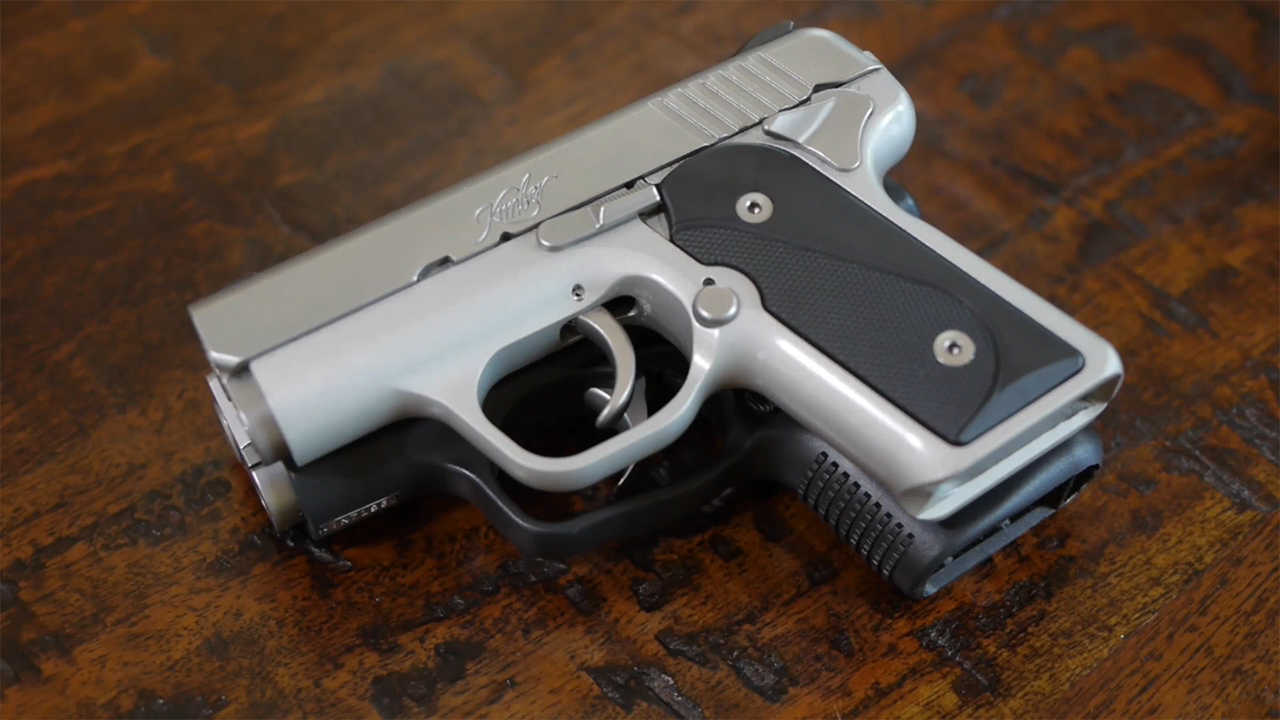
The Solo is a good-looking little 9mm with a price tag that suggests it ought to be flawless. The catch is that many owners learned it can be picky about ammo, often preferring hotter loads to run right.
A carry gun that demands a specific diet isn’t a “carry gun” in most experienced shooters’ minds. If you practice with one ammo and carry another, you want the pistol to not care.
8. SIG Sauer P250

The P250 has fans, but the long, smooth DAO trigger is a deal-breaker for a lot of folks. It’s not that it can’t be shot well—it can—but it takes real commitment, and most shooters would rather put that effort into a gun with a shorter reset.
On top of that, it got overshadowed by the P320. Once the newer platform showed up with a different trigger feel and more momentum, the P250 started gathering dust in a lot of safes.
9. SCCY CPX-1/CPX-2
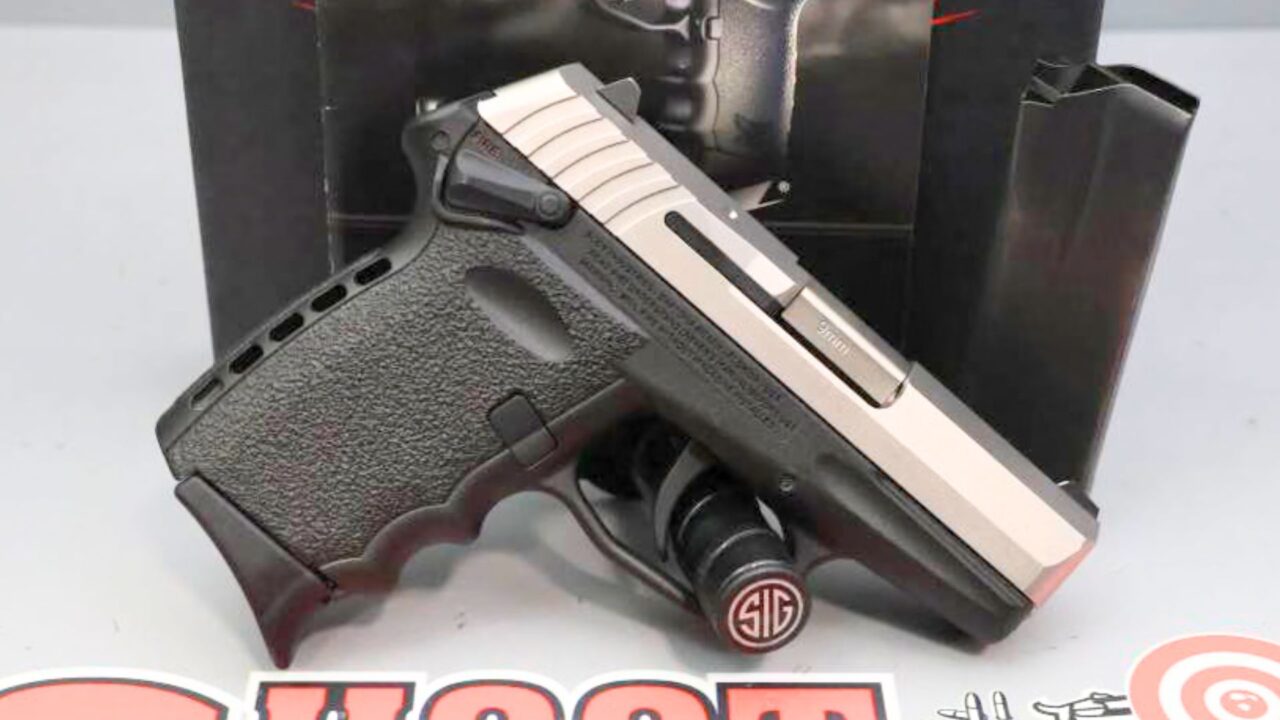
SCCY pistols are often bought as “just in case” guns. They’re affordable and small, and they do work for some owners. The problem is consistency from one pistol to the next, plus a trigger that can be a real chore.
Experienced shooters tend to pay for reliability and shootability first, especially in small pistols where little issues get magnified. When a gun is hard to shoot well and occasionally temperamental, it doesn’t get invited back.
10. Taurus Millennium Pro (PT111 and similar)
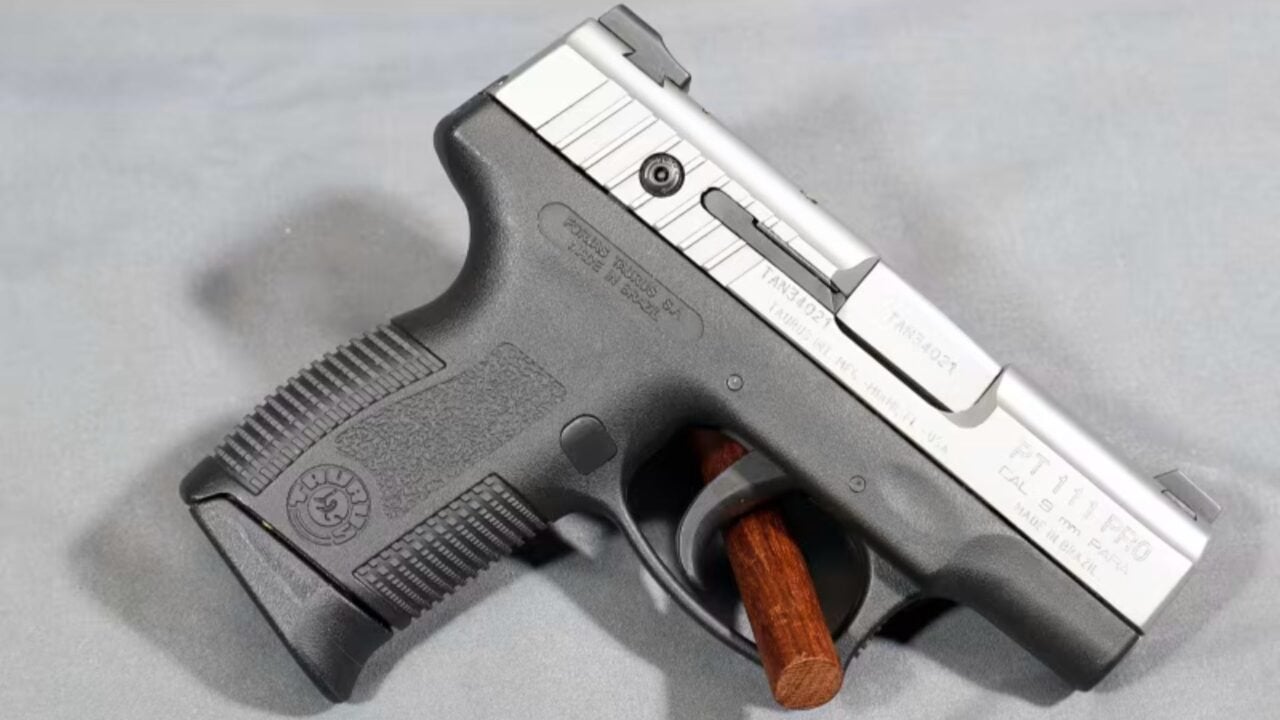
These were extremely popular for years because they hit a price point and felt good in the hand. The trouble is, long-term confidence varies a lot by production era, and some shooters have seen enough weird issues—trigger quirks, magazine problems, inconsistent reliability—to walk away.
If you get a good one, you might never have trouble. But experienced shooters don’t like gambling on “might,” especially when there are other compact 9mms with more consistent track records.
11. Taurus Curve
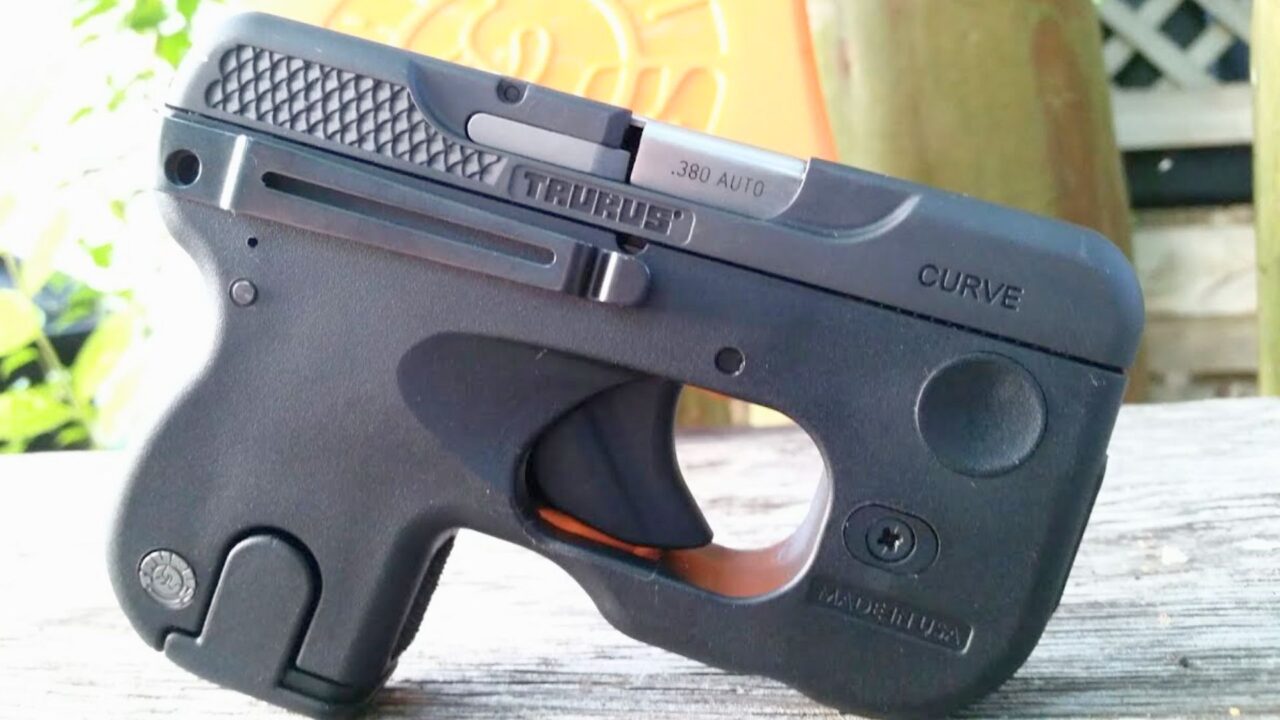
Curved guns are one of those ideas that sound better in a marketing meeting than at the range. The Curve was meant to print less, but the tradeoffs are obvious when you actually shoot it: odd ergonomics, awkward sights, and a general “why?” feeling.
Carry guns are already a compromise. Most seasoned shooters prefer a normal-shaped pistol with standard holster options, real sights, and controls that don’t feel like an experiment.
12. Glock 44

Yes, it’s a Glock. Yes, it’s a .22 trainer. But the early reputation was rough, and a lot of shooters ran into finicky behavior that didn’t match the Glock name on the slide.
When you buy a .22 trainer, you want it to be the least dramatic gun you own. The folks who’ve been around awhile often just grab a proven .22 pistol and stop chasing the “same-as-my-carry-gun” concept.
13. Colt Double Eagle
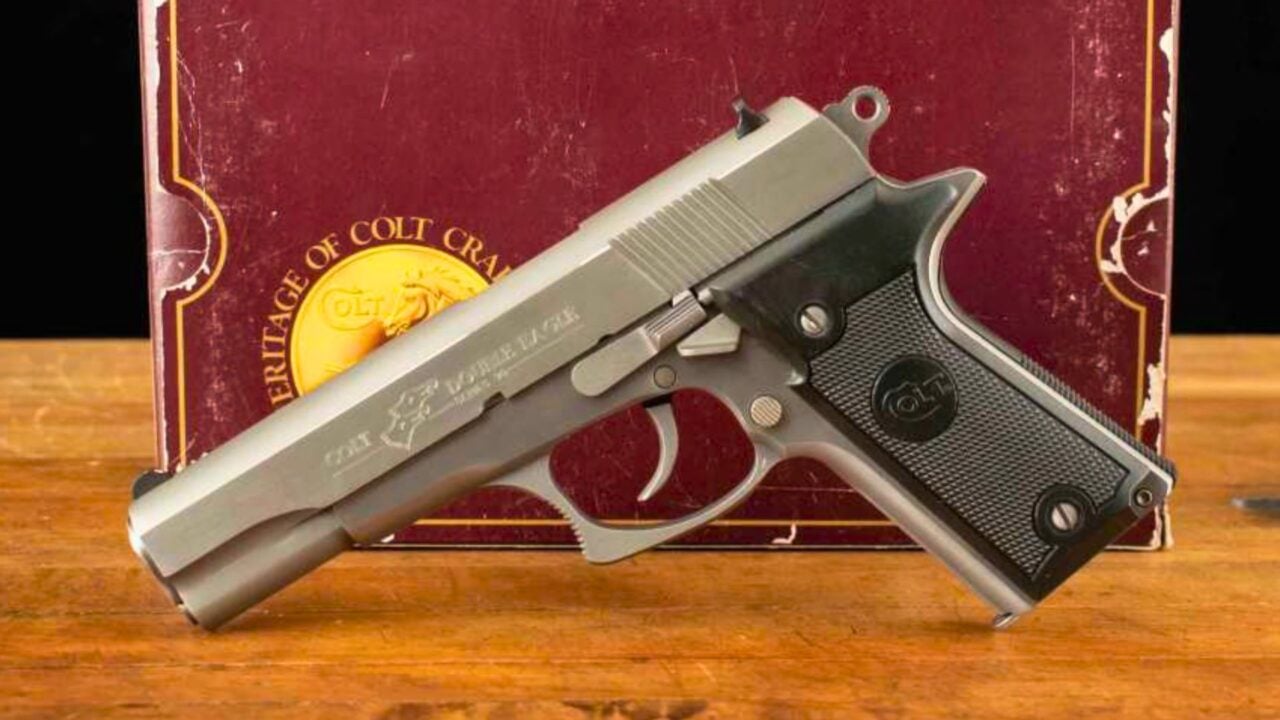
The Double Eagle is one of those pistols that makes you say, “Huh, I forgot those existed.” Big, heavy, and not particularly beloved, it never really earned the cult following that keeps older designs alive.
Parts and support can be a question mark, and the trigger system isn’t everyone’s favorite. Experienced shooters usually don’t want to adopt an orphan when there are plenty of proven metal-frame DA/SA pistols with better support.
14. AMT Backup (various calibers)
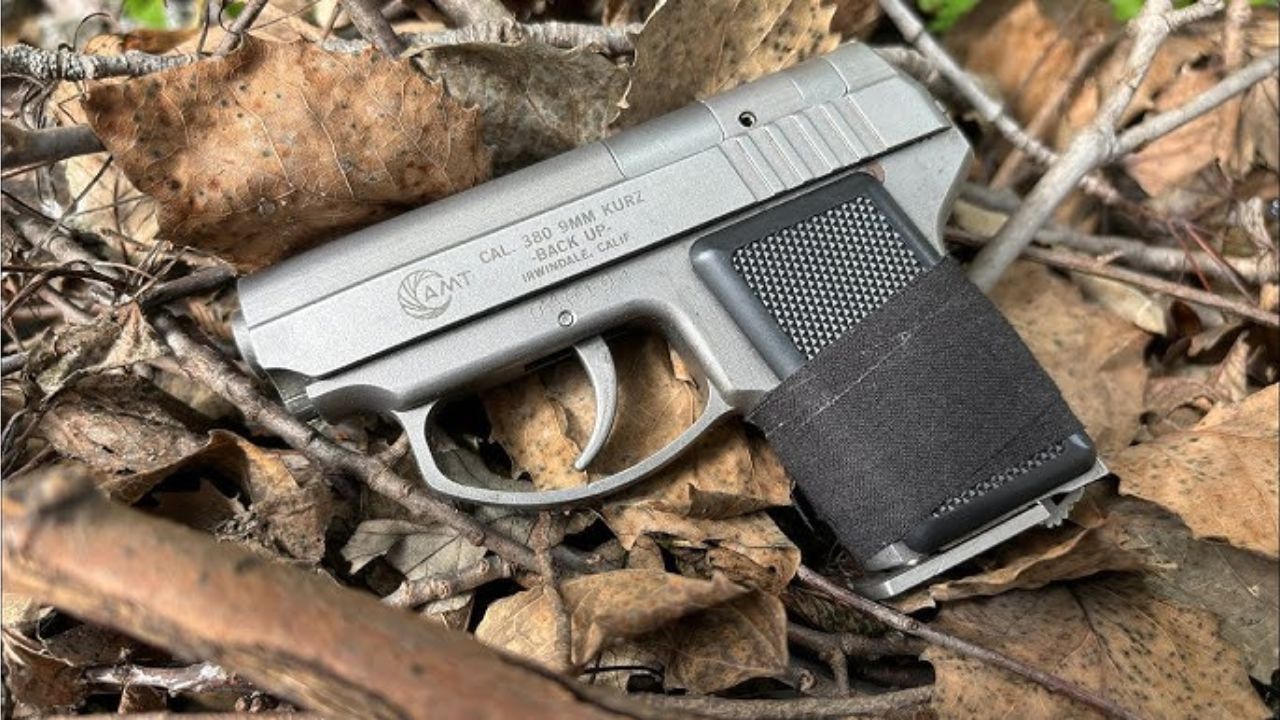
Small stainless pistols have a certain appeal, especially if you like old-school hardware. The AMT Backup series, though, has a reputation that ranges from “quirky” to “why did I buy this.”
Heavy triggers, sharp edges, and reliability complaints show up often enough that many seasoned shooters won’t bother. There are modern small pistols that carry easier, shoot better, and don’t beat up your hands.
15. Desert Eagle (any caliber)
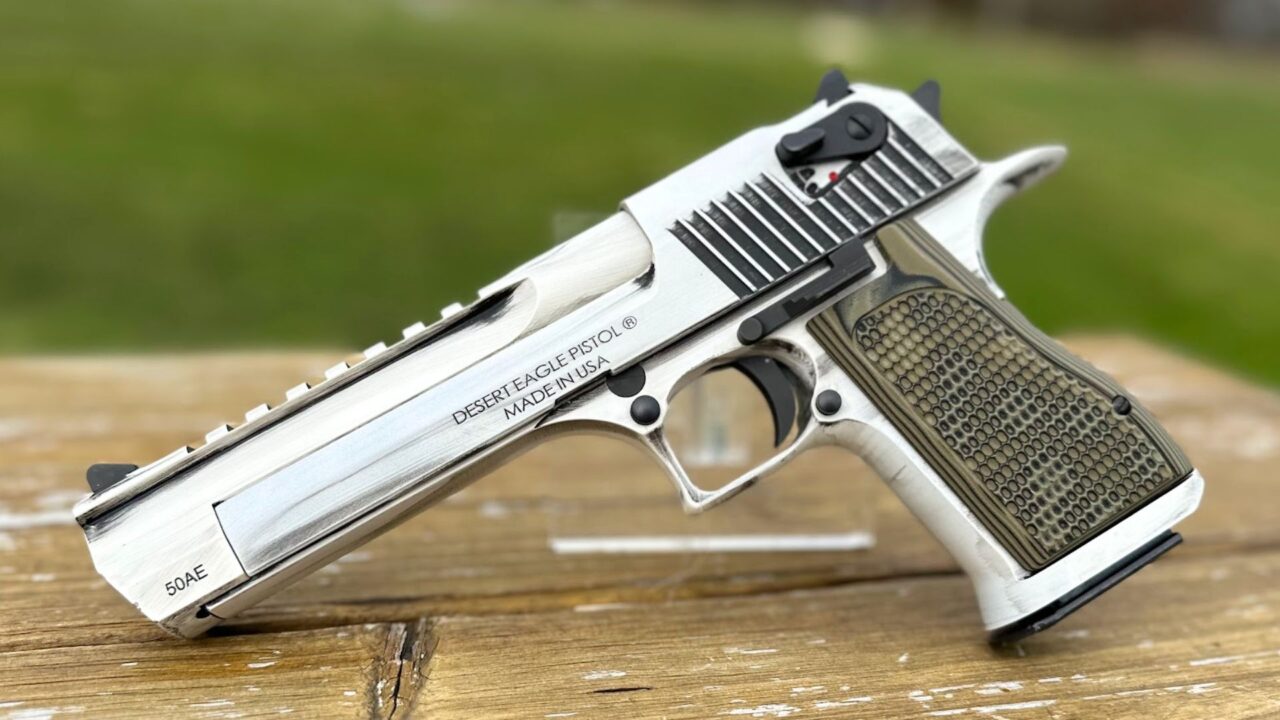
Everybody wants to shoot one once. That’s the honest truth. Then you touch off a few rounds, feel the weight, deal with the blast, and realize it’s mostly a range novelty unless you’ve got a very specific use.
Experienced shooters don’t hate it; they just don’t want to own the headache. It’s big, expensive to feed, and picky compared to normal pistols. For most folks, the fun wears off before the first box is empty.
16. Smith & Wesson Sigma (SW9VE/SW40VE)

The Sigma line built a reputation on one thing: a trigger that felt like dragging a couch across carpet. Some ran fine and held up, but that trigger turned a lot of shooters off fast, especially when new shooters struggled with accuracy.
There are shooters who mastered them, no doubt. But most experienced hands would rather start with a pistol that doesn’t require you to fight the trigger every time you press it.
17. Smith & Wesson SD9 (early models)

The SD series improved on the Sigma idea, but early examples still didn’t impress everyone. The trigger got better, but not always good, and the guns often lived in a weird spot where you could spend a little more and get something noticeably nicer.
That’s why experienced shooters sometimes pass. It’s not that it can’t work—it’s that it doesn’t offer a strong reason to choose it over the usual suspects unless the budget is the whole story.
18. Ruger LC9 (original, hammer-fired)

The original LC9 carried well, and Ruger sold a pile of them. But it also came with a long trigger pull that made fast, accurate shooting harder than it needed to be, plus small sights that weren’t doing anyone favors.
Once the striker-fired LC9s and other modern micro-9s hit the market, a lot of experienced shooters moved on. The old LC9 isn’t “bad,” but it can feel dated in a hurry.
19. Colt All American 2000
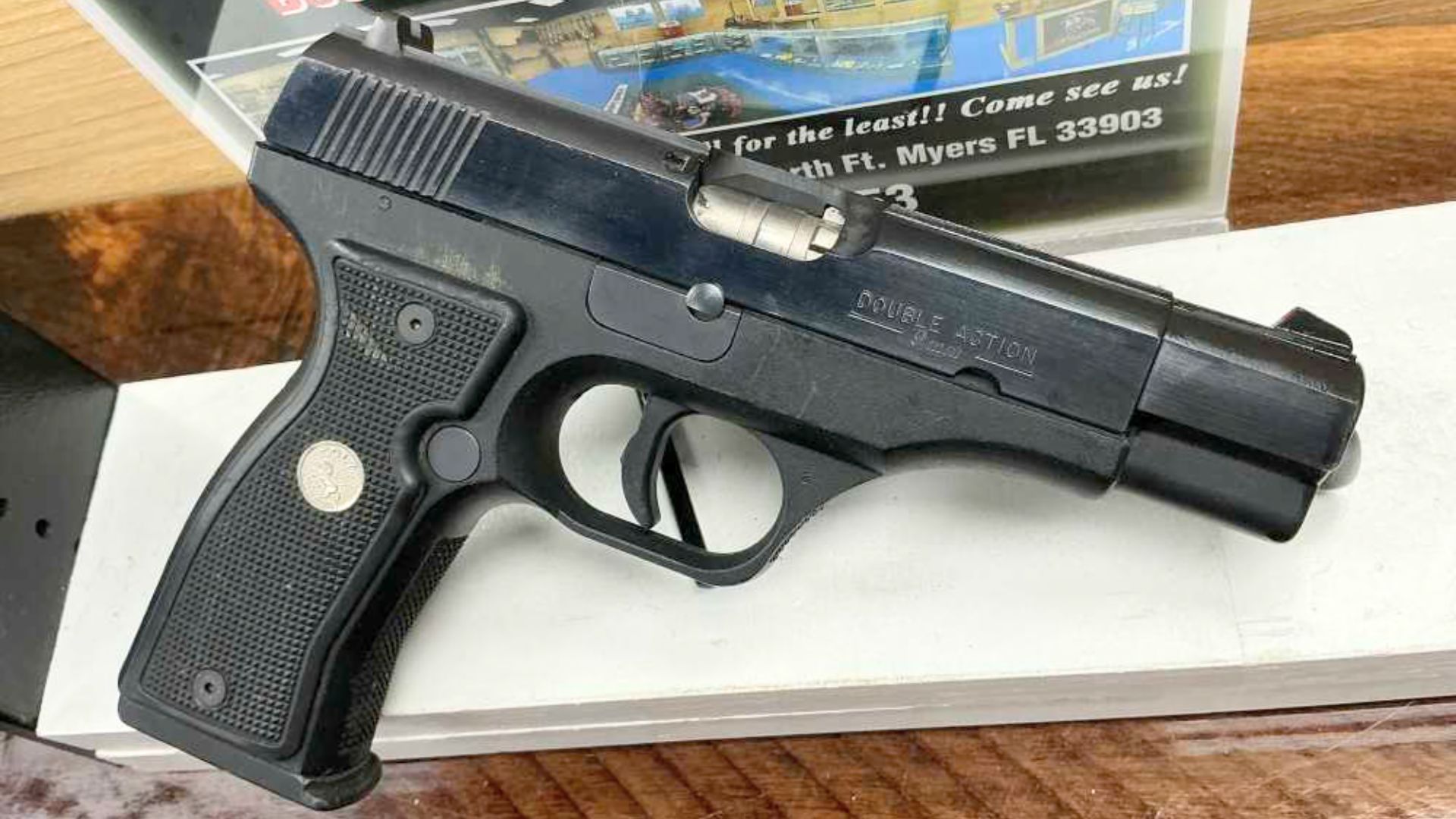
This is one of those pistols that should’ve been a bigger deal than it was. The All American 2000 has an infamous reputation for reliability problems and a trigger system that didn’t win hearts.
Collectors might chase one for the oddball factor. Shooters who want a pistol to run, though, usually keep their hands in their pockets when one shows up on the table.
20. Hi-Point C9
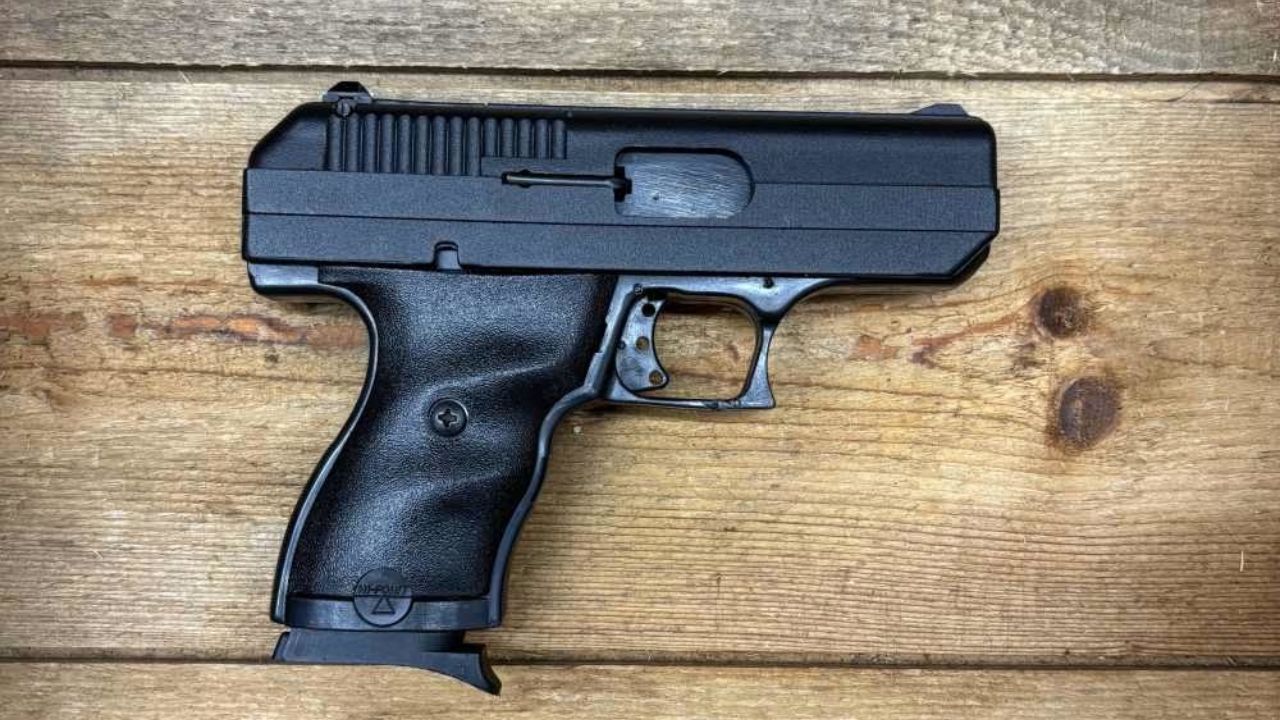
I’ve seen Hi-Points run, and I’ve seen them take abuse that would make you cringe. They’re not always unreliable, which is why this one is complicated. The issue is they’re bulky, clunky, and heavy for what you get, and the ergonomics are nobody’s idea of refined.
Experienced shooters often refuse them because there are used police-trade pistols, entry-level striker guns, and dependable compacts that carry better and shoot better. A pistol that’s so awkward you avoid practicing with it isn’t doing you any favors.
If you notice a pattern here, it’s not “cheap equals bad” or “new equals good.” It’s confidence. The pistols that get avoided are the ones that leave shooters guessing—about feeding, about durability, about triggers, about parts, about whether the thing will behave the same way twice. When you’ve burned enough range time chasing problems, you get real interested in boring guns that just work.
Like The Avid Outdoorsman’s content? Subscribe to our newsletter so you never miss an article.
Here’s more from us: