Photo credit: First Round Pop/Youtube
Cold rain will teach you more about a shotgun than a whole summer of clays. In a dry dove field, almost anything will run. In a layout blind with sleet piling up on your sleeves, you find out which actions hate water, which finishes start turning orange overnight, and which “waterfowl” guns are really just upland guns with marketing paint.
None of these are automatically “bad” shotguns. A few are actually pretty handy in the right role. But if you’ve ever watched a gun turn into a single-shot because the bolt won’t go home, or you’ve had to baby a safety that feels like it’s full of sand, you’ll recognize the pattern. Here are 20 models I see struggle when the weather gets mean and you keep hunting anyway.
1. Remington 11-87 (older field models)
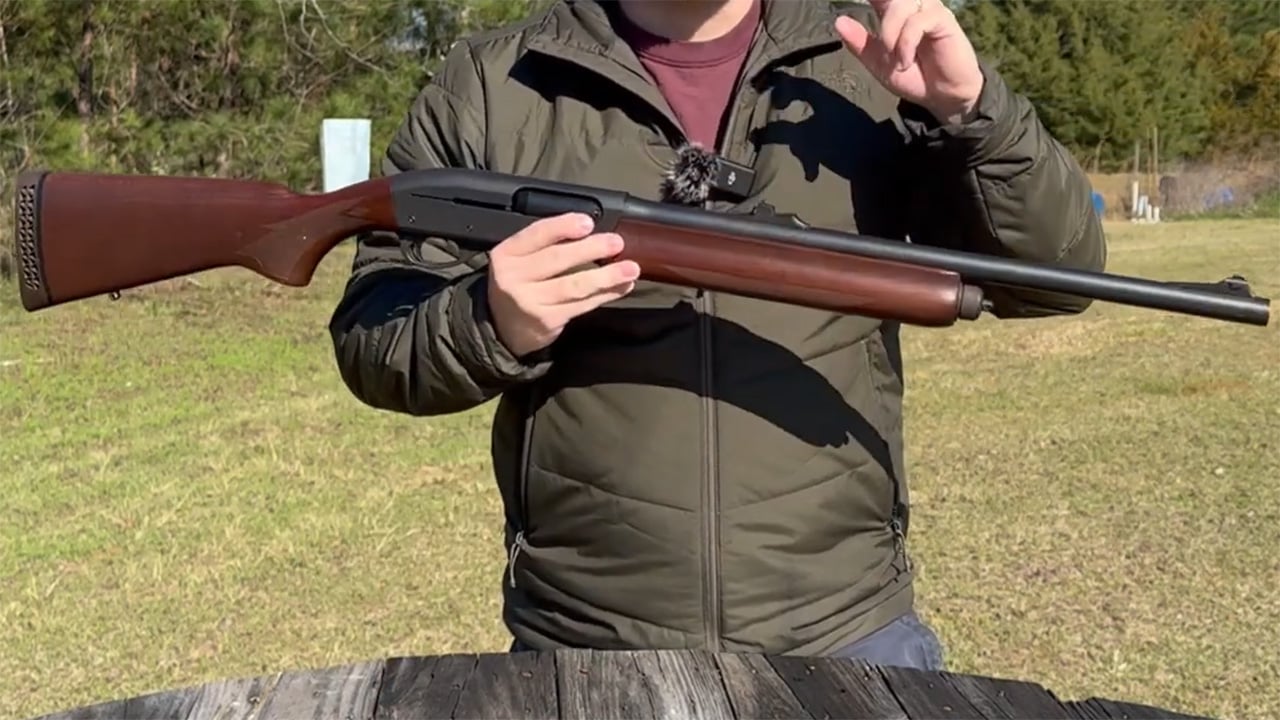
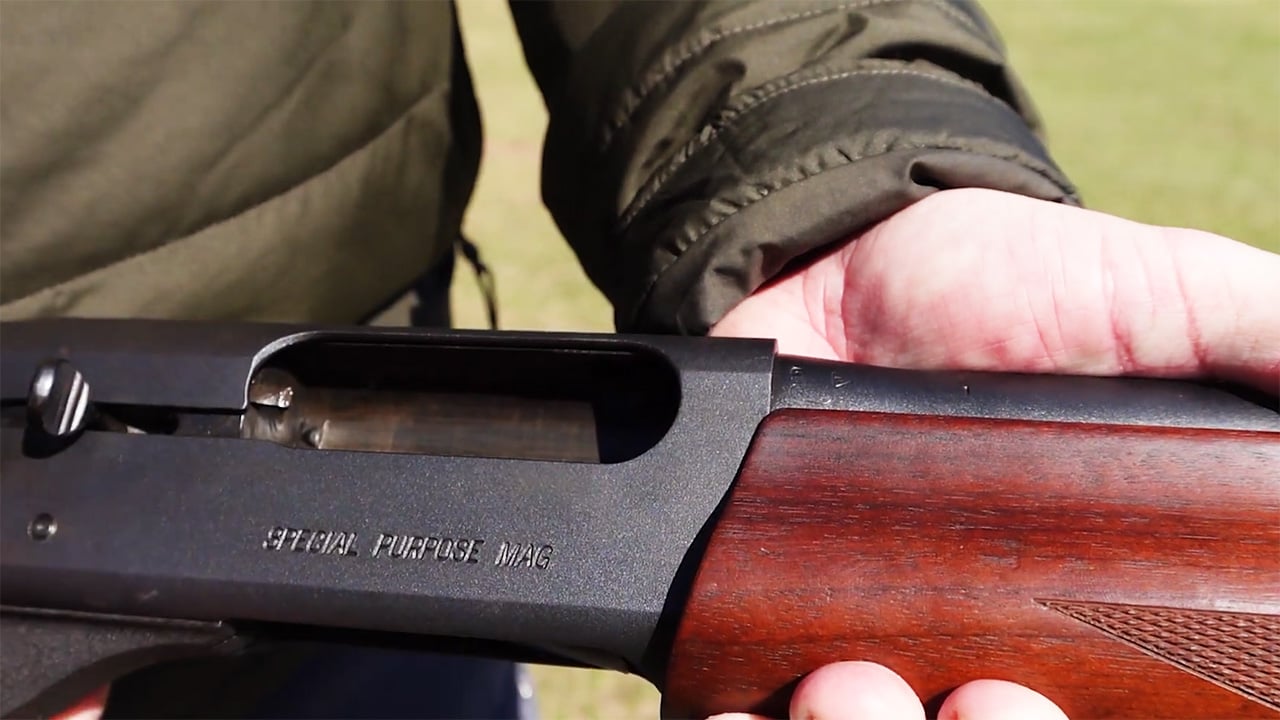
I’ve seen plenty of 11-87s run great, but the older field versions can get temperamental when you mix cold air, wet fouling, and a little neglect. Gas guns already ask more of you than inertia guns, and the 11-87 is no exception.
The O-rings, seals, and gas system parts aren’t complicated, but they don’t love being ignored. When the temperature drops and you’re shooting dirty ammo, you can go from smooth cycling to short-stroking in a hurry. If you insist on one for ducks, keep spare seals in the bag and don’t pretend you’ll “clean it later.” Ask me how I know.
2. Remington 1100 Magnum (3-inch)

The 1100 is a classic for a reason, but the 3-inch Magnum versions have a reputation for being a little finicky even in decent conditions. Add cold rain and a muddy boat floor and it’s easy to see why guys end up with pump guns again.
It’s also a shotgun that tends to be “owned” more than it’s maintained. When the gas system gets gunked up and the action spring is tired, the first hard freeze is when it shows up. Beautiful shooter, soft recoil, and it still points like a bird gun. It just isn’t the one I’d bet my limit on in December.
3. Stoeger M3500 (early production)
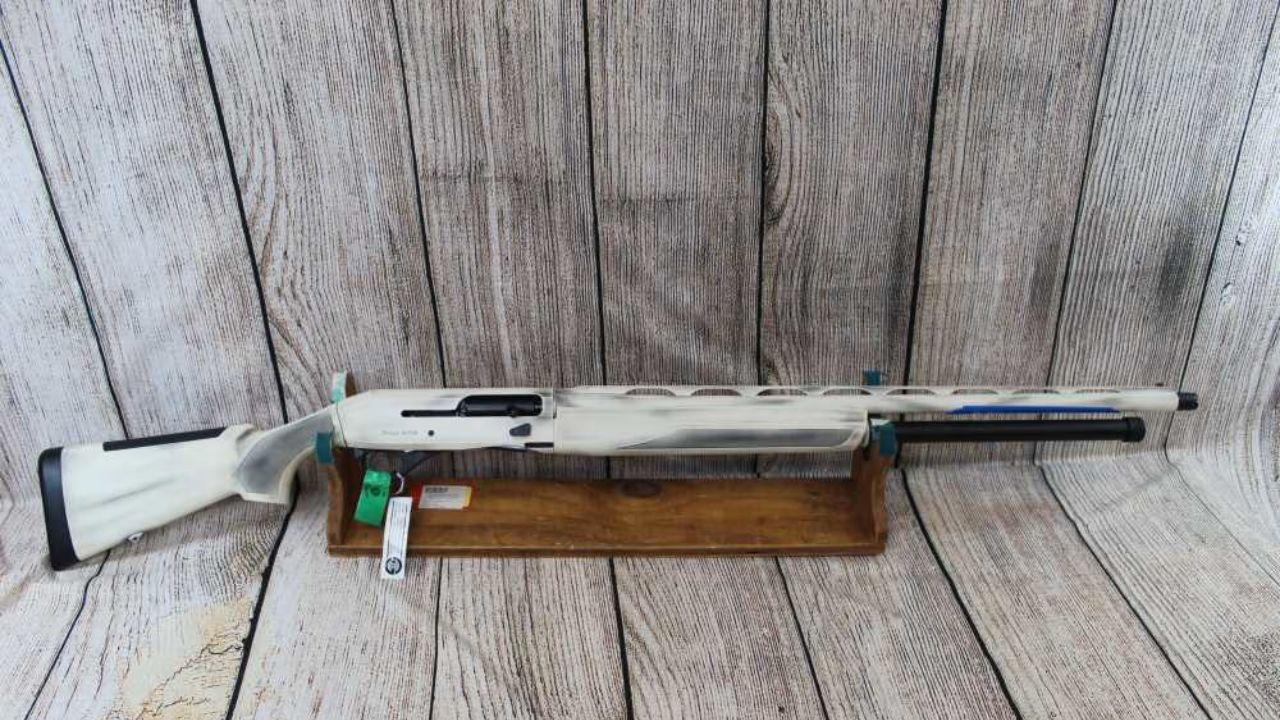
The M3500 gets bought because the price is right and it says 3 1/2-inch on the barrel. The problem is that some of the earlier guns can be rough in the action, and rough inertia guns don’t magically smooth out when they’re cold and wet.
In freezing rain, that stiff cycling can turn into sluggish cycling, especially if you’re trying to run lighter loads between big goose shells. When they’re running, they run. When they’re not, they’ll teach you patience and vocabulary you shouldn’t use around kids.
4. Mossberg 935 (heavy-load gas gun)

The 935 was built around big shells and big payloads, and that’s fine. What I’ve seen in the marsh is guys trying to make it do everything, including lighter 2 3/4-inch loads on teal or early-season ducks, and then acting surprised when it gets picky.
Cold weather exaggerates that pickiness. Gas rings and ports that are a little dirty matter more when the metal is cold and the lube is thick. It’s also a big, tall receiver, and it carries like it. If you’re willing to keep it clean and feed it what it likes, it can be a hammer. If not, it can be a headache.
5. Winchester SX4 (if run dry and dirty)
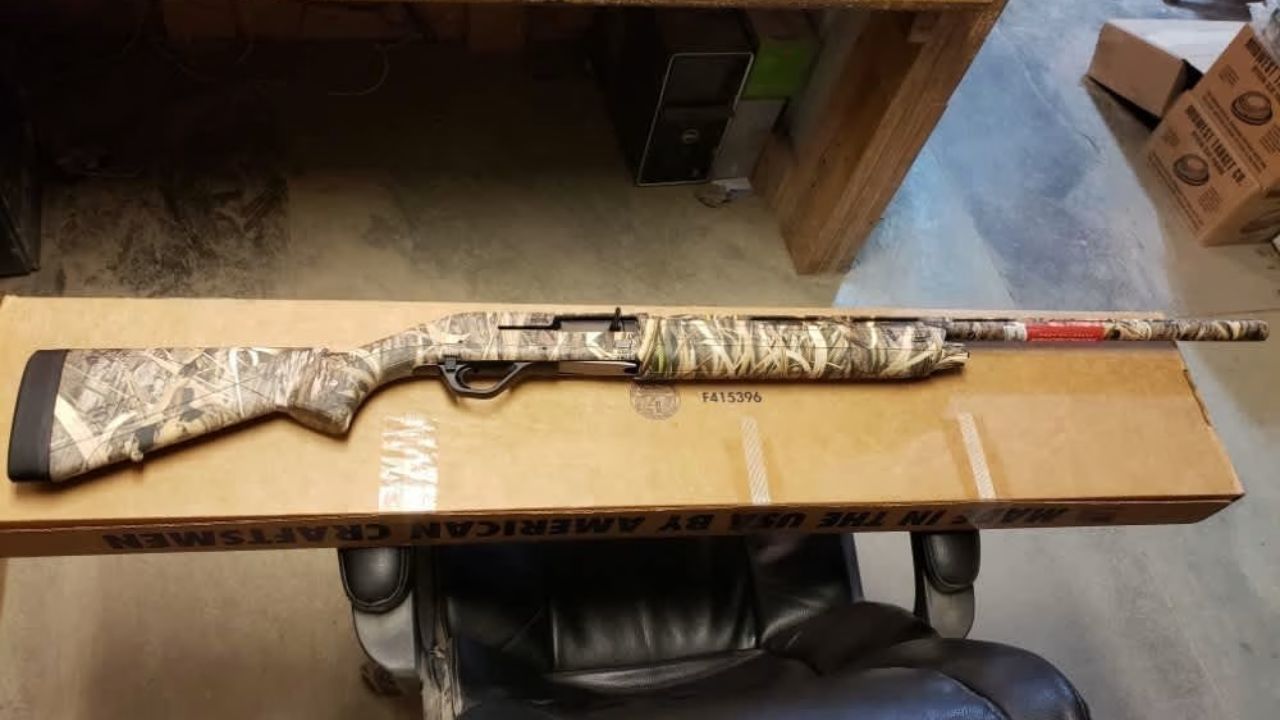
I like the SX4, but I’m not going to pretend it’s immune to abuse. The fast cycling and light feel make it a favorite, and then some guys run it bone dry, never wipe the rails, and wonder why it starts feeling gritty by the third hunt in a week of rain.
When SX4s start acting up in bad weather, it’s usually not “the design,” it’s the combination of wet grit, cheap oil that thickens, and a gun that hasn’t been wiped down. It’s the kind of shotgun that rewards a little maintenance and punishes the “it’ll be fine” attitude.
6. Browning Maxus (older coating wear issues)
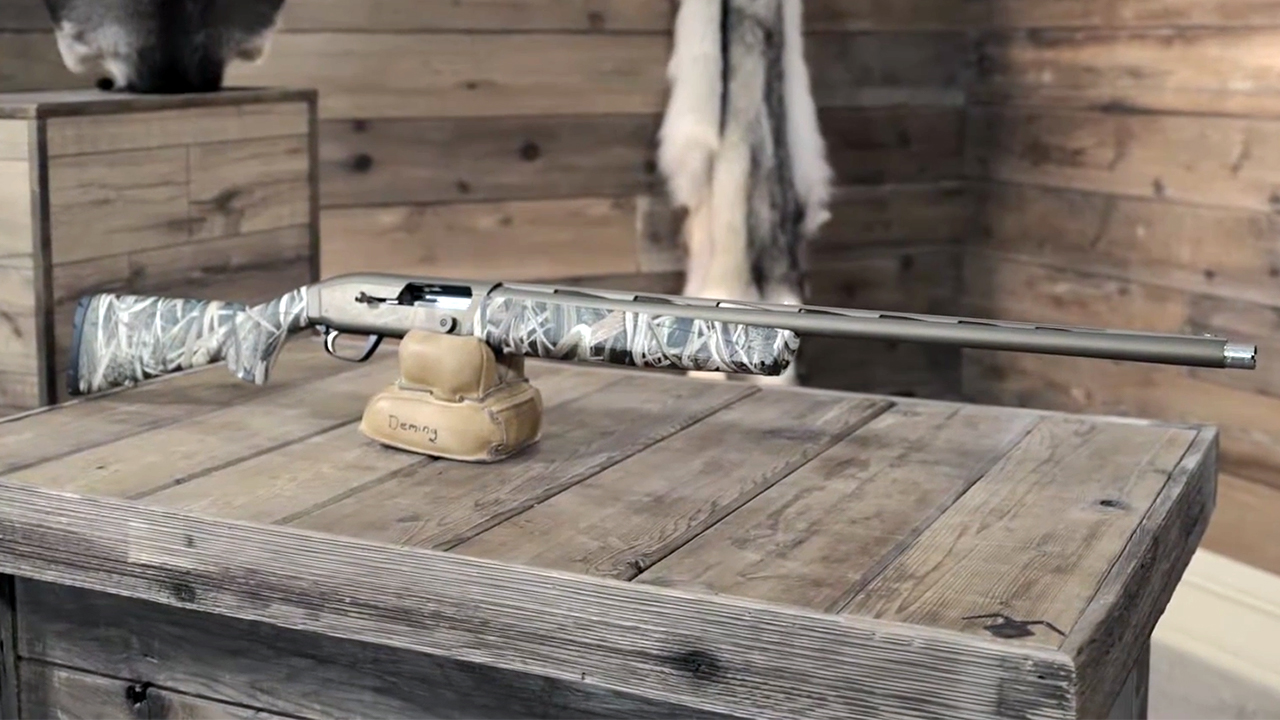
The Maxus points well and shoots soft. But I’ve seen enough older ones with worn finishes and small rust freckles to know they can look rough fast if you hunt salt marsh or you’re sloppy about wiping it down after a wet day.
The other issue is that when the inside gets a mix of water and powder crud, the “smooth” feel can go away and the gun starts to feel draggy. Not every Maxus does it, but the ones that do tend to show it when the weather is ugly and you’re shooting a lot.
7. Franchi Affinity (with thick oil in freezing temps)

The Affinity is a solid inertia gun for the money, but it’s not magic. Inertia systems hate thick oil and heavy fouling. When you combine those with cold temperatures, you can get sluggish return-to-battery issues.
The fix is usually simple: run it cleaner and don’t drown it in heavy lube. But out in the rain, when you’re wearing gloves and trying to reload with numb fingers, “usually simple” can feel like a big deal.
8. Benelli SuperNova (pump, but the controls can get icy)

Pump guns are supposed to be the answer to everything, and the SuperNova is tough. Still, I’ve watched the big, glove-friendly controls turn into ice collectors in freezing rain. The gun will work, but you may be fighting the feel of it.
The other thing is the rotating bolt head and the action bars can feel stiff when they’re packed with wet grit. It’s not a “falls apart” gun in the broken sense, it’s a “falls apart” in the confidence sense when you’re fumbling a sticky pump stroke and a flock is landing.
9. Mossberg 500 (budget waterfowl setups)
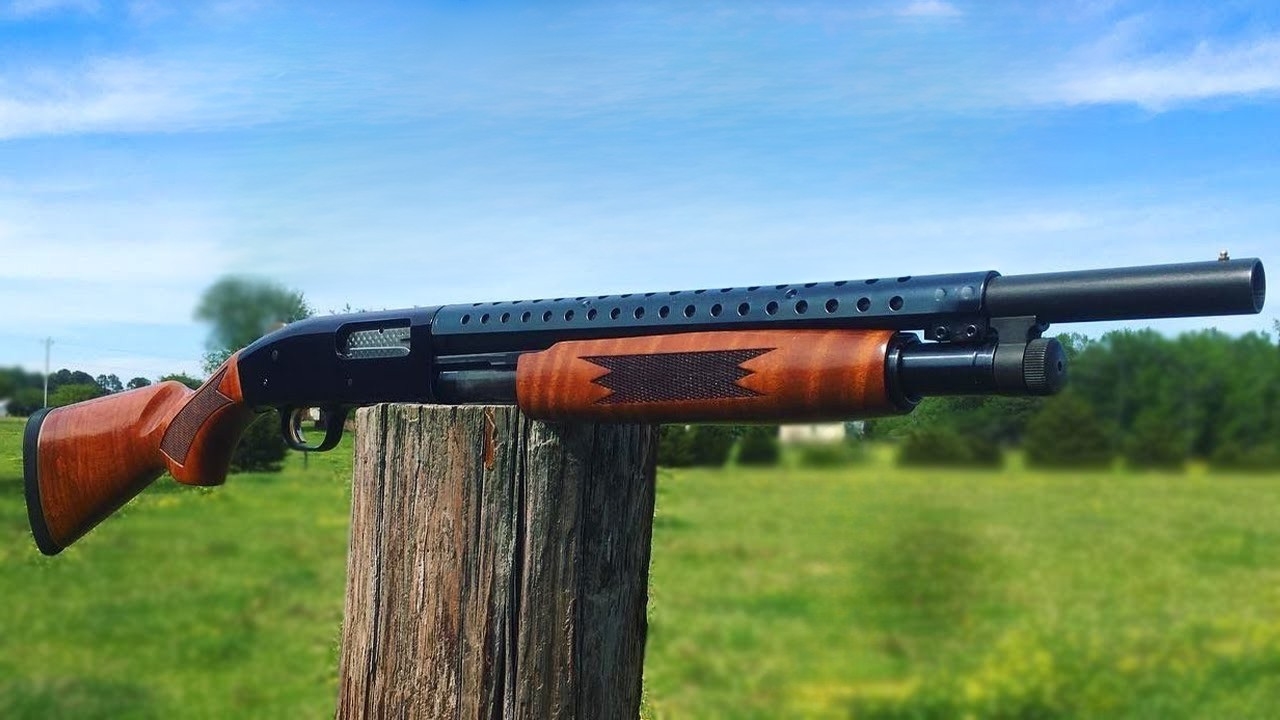
The 500 has killed a mountain of ducks, but the bargain versions with rough chambers and basic finishes can be rough in cold rain. A wet hull that sticks in a slightly rough chamber is a fast way to turn a pump into a club.
Also, the external metal on some older or cheaper 500s will rust if you look at it wrong. If it’s your beater boat gun, fine. Just don’t act shocked when you pull it out of the case and the barrel looks like it spent the night in a bait bucket.
10. Mossberg 835 Ulti-Mag

The 835 has a loyal following, mostly because it throws big patterns and it’s been around forever. But the overbored barrel and 3 1/2-inch capability make it a gun that gets shot hard and cleaned “eventually.”
In cold rain, the combination of gritty internals and stiff pumping can make it feel like it’s fighting you. When you’re tucked into a blind, you don’t want to be yanking on a forend like you’re starting an old chainsaw.
11. Beretta A300 Outlander (hard use without attention)

The A300 is one of the best values in a gas autoloader. But it’s still a gas gun, and when guys treat it like it’s an AK and never wipe it out, it will eventually start telling on them—usually during the worst weather of the season.
Cold rain plus heavy shooting can leave you with a gritty action and inconsistent cycling if the gas system is fouled. It’s not fragile, it’s just not a “zero maintenance” machine. Keep it reasonably clean and it’ll do its job.
12. Beretta A400 Xtreme (first-gen teething and neglect problems)
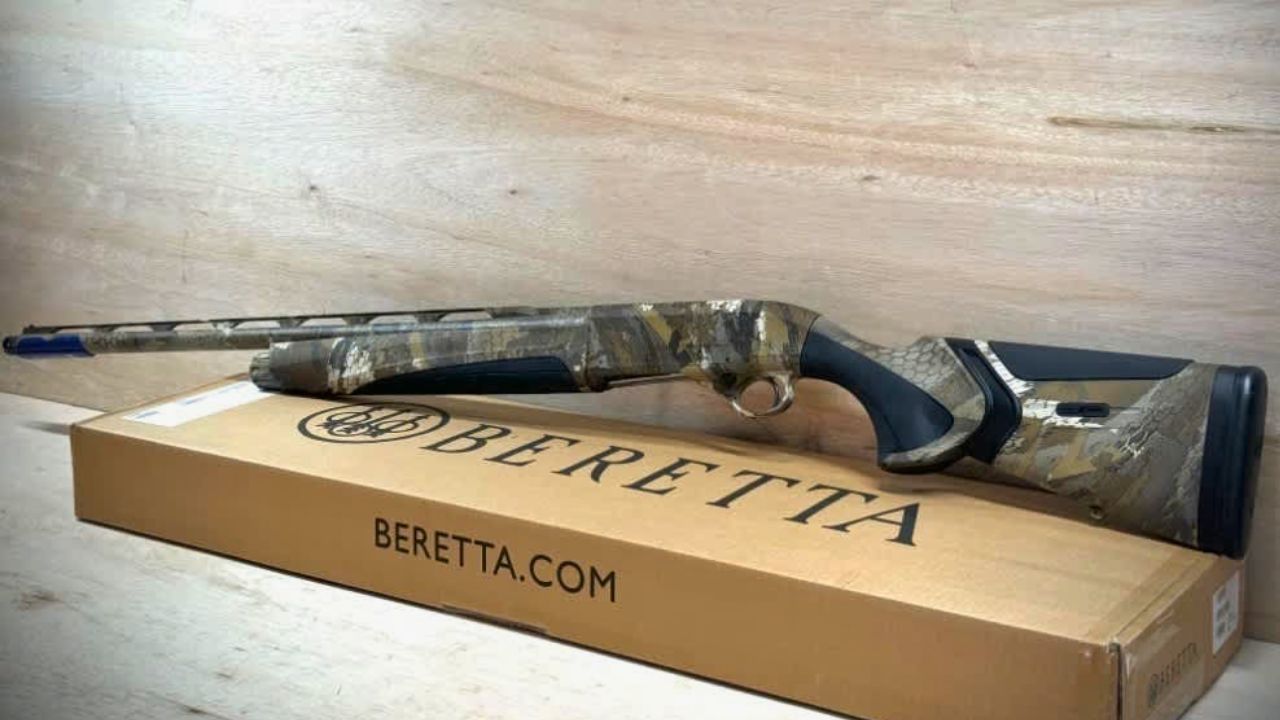
The A400 Xtreme line has a lot going for it, but I’ve seen first-gen guns that were more sensitive than you’d expect when everything was soaked and gritty. It’s also a shotgun that gets bought as a premium “forever” gun, which somehow makes some owners lazier about basic cleaning.
When an A400 gets sluggish, it often needs a real cleaning, not a wipe-down. In a wet layout hunt, that’s the difference between a gun that runs like a sewing machine and one that’s slowly turning into a single-shot.
13. TriStar Viper G2 (budget gas gun reality)
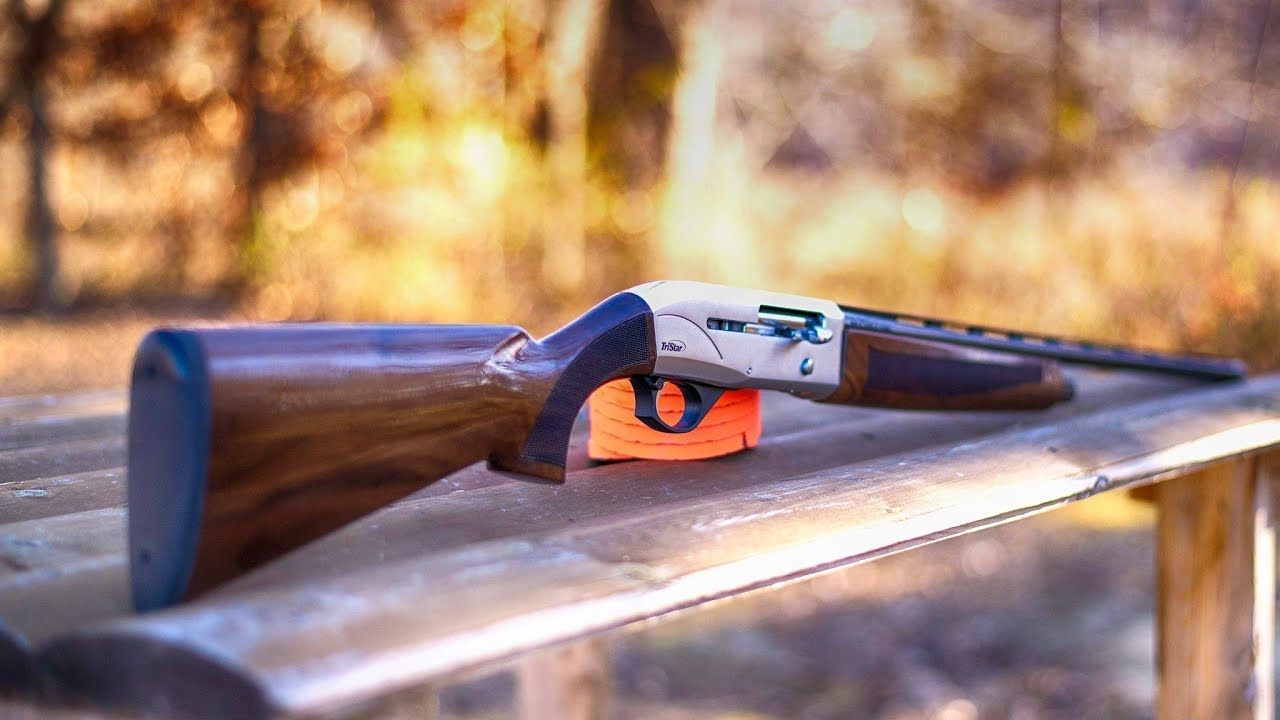
These sell because they’re affordable and they shoulder nicely. In fair weather, many of them run fine. In cold rain, budget gas guns can show their cost-cutting in the form of inconsistent cycling and finishes that don’t shrug off water.
Parts availability and gunsmith familiarity are also a real-world issue. If your extractor chips or something small goes sideways in the middle of the season, you don’t always have the same easy support you’d have with the big names.
14. Charles Daly semi-autos (various Turkish imports)
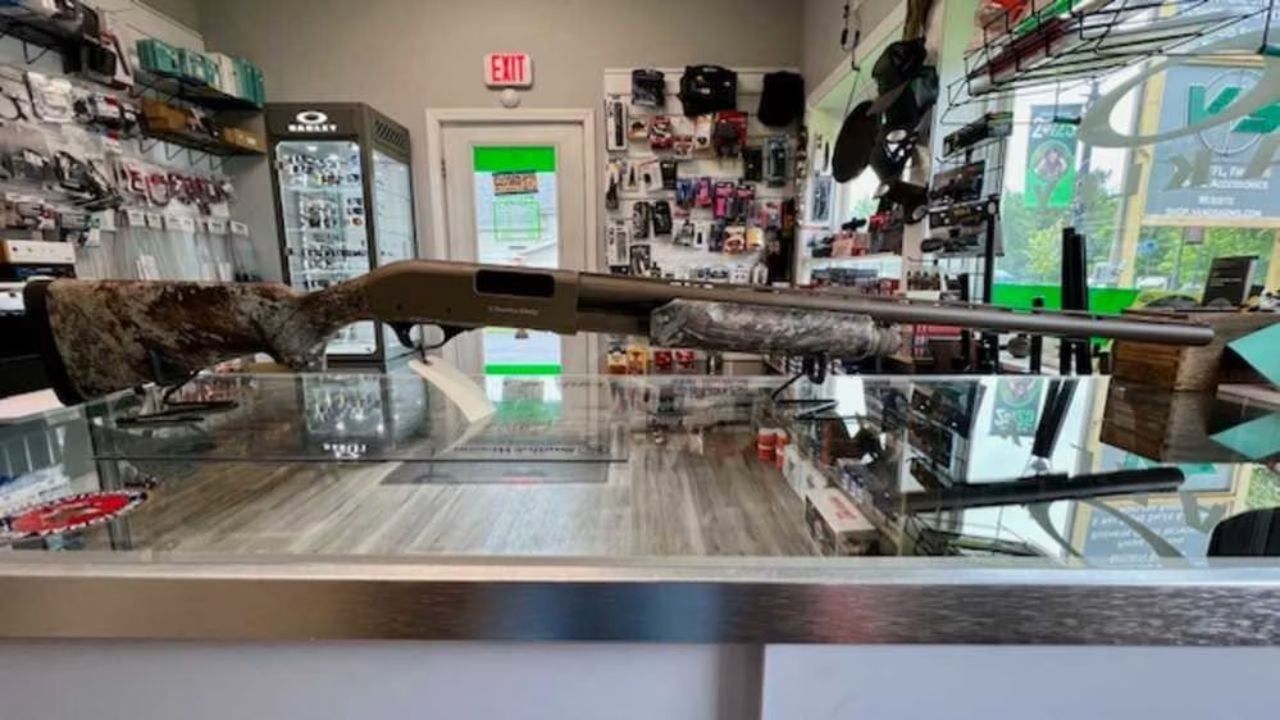
Some of these are decent, and some are the kind of shotgun that feels okay at the counter and then starts loosening up in all the wrong places. Cold and wet conditions amplify tolerance issues, weak springs, and rough machining.
When they start malfunctioning, it’s rarely one clean problem you can diagnose quickly. It’ll be a mix of failures to feed, sticky extraction, and a general “this thing feels tired.” That one hurts when you’re a long walk from the truck.
15. Hatfield semi-autos (entry-level, light springs)

These are classic “budget gets you in the game” guns. For light use, sure. For a season of rain, mud, and freezing mornings, they can start feeling like disposable tools.
Weak magazine springs and rough actions don’t get better in cold weather. They get worse. If you’re going to hunt hard, you want something that can be serviced easily and won’t punish you for using it like a hunting gun instead of a closet gun.
16. Escort (Hatsan) gas guns (finish and sealing issues)

Escort-branded guns have been everywhere for years, and some hunters have great luck with them. The consistent complaint I see in wet climates is finish durability and the way moisture finds its way into places you wish it wouldn’t.
Once water and grit start living inside the action, little issues stack up fast. And when you’re trying to keep a gun running with gloves on and birds working, you don’t want “little issues.” You want boring reliability.
17. CZ 1012 (inertia, but sensitive to grime)

The 1012 is an inertia gun that feels like a lot of shotgun for the money. In good conditions it can be a sweetheart. But inertia guns don’t love being run wet and dirty, and some of these can start feeling sluggish if you let grime build up.
The bigger problem is expectations. Guys buy it thinking “inertia equals unstoppable.” Then they hunt it in a week of rain, never wipe it down, and are surprised when the bolt feels slow. It’s a solid option, just not a free pass from maintenance.
18. Winchester SXP (budget pump with a reputation for sticky extraction)
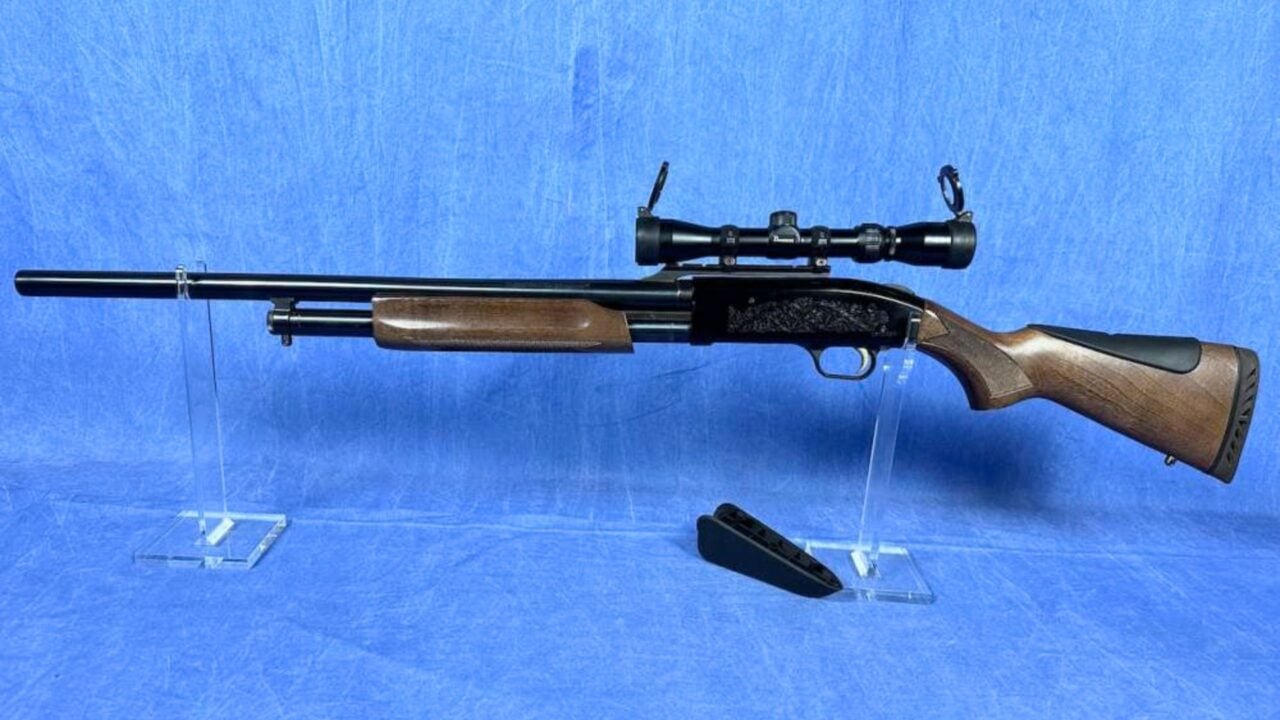
The SXP points well and it’s fast when it’s running right. The issue I’ve seen in nasty weather is sticky extraction, especially with certain cheap steel loads and a chamber that isn’t perfectly smooth.
When a pump sticks, it doesn’t just slow you down. It wrecks your follow-up shots and makes you start thinking about the gun instead of the birds. If you’re going to run an SXP in the marsh, test your ammo and keep it clean. Don’t learn this lesson when a flock is backpedaling into the decoys.
19. Stevens 320 (hard use, limited refinement)

The 320 is a workingman’s budget pump, and it feels like one. In the cold rain, the rougher action and basic finish can make it feel clunky fast, and clunky becomes “why won’t this cycle” when everything is wet and gritty.
It’ll still kill ducks if you do your part. But if you’re the guy who hunts every chance you get, the little annoyances add up. There’s a difference between “cheap” and “cheap that makes the hunt harder.”
20. Savage/Stevens 555 over-under (not built for wet blinds)
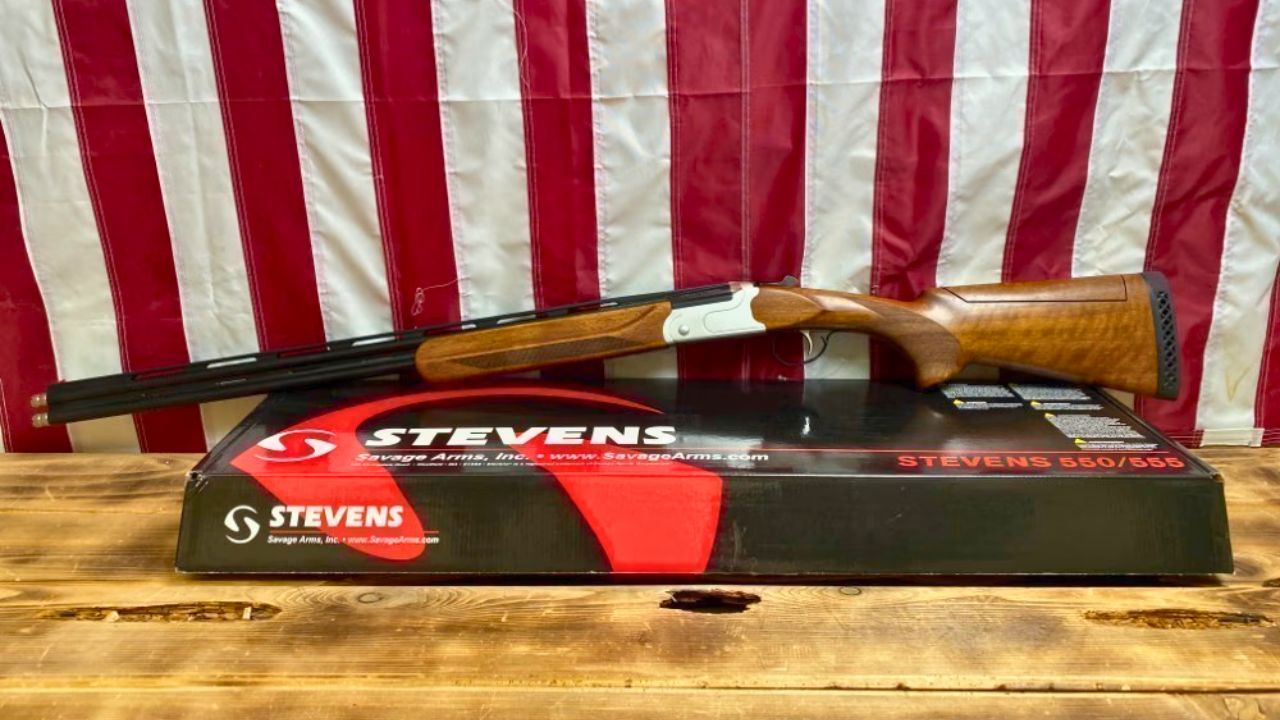
Xtreme Guns/GunBroker
Over-unders in a duck blind are a personal choice, and I won’t argue with a man who likes them. But lightweight budget O/Us are not the first thing I’d pick for cold rain and constant moisture.
When they start having issues, it’s often with stiff opening/closing, gritty ejectors, or a safety/barrel selector that feels like it’s packed with sand. They’re fine for occasional use and fair-weather hunts. In a soaked blind for weeks straight, they can start feeling like they’re coming unglued.
If you noticed a theme, it’s not “this brand is cursed.” It’s cold, wet grime plus mismatched expectations. If you want fewer problems, keep the gun wiped down, run the right lube (not too much, not too thick), and actually pattern and function-test your shells before the first nasty front rolls through. The best waterfowl shotgun is the one that still runs when your gloves are soaked and the birds finally do it right.
Like The Avid Outdoorsman’s content? Subscribe to our newsletter so you never miss an article.
Here’s more from us: