Photo credit: Tex Mex/Youtube
Buying your first handgun is easier than choosing the right one. New buyers often focus on size, caliber, capacity, or appearance without thinking much about how the pistol will actually feel after a few hundred rounds.
That leads to some predictable mistakes. Tiny guns get mistaken for easy guns. Powerful cartridges get confused with better defensive choices. Competition pistols get bought for carry, and full-size duty guns get purchased by people who really wanted something lighter. These 20 pistols are not necessarily bad choices, but new buyers often misunderstand what they are getting.
Glock 43

The Glock 43 looks like an ideal first carry pistol because it is slim, simple, and extremely easy to conceal. That makes a lot of new buyers assume it will also be easy to shoot.
The opposite can be true. The short grip and light frame make recoil feel sharper than it does in larger 9mm pistols, and the six-round standard magazine gives you less capacity than newer guns of similar size. It is still a solid carry pistol, but beginners often would be better served learning on something larger first.
Smith & Wesson Model 340PD
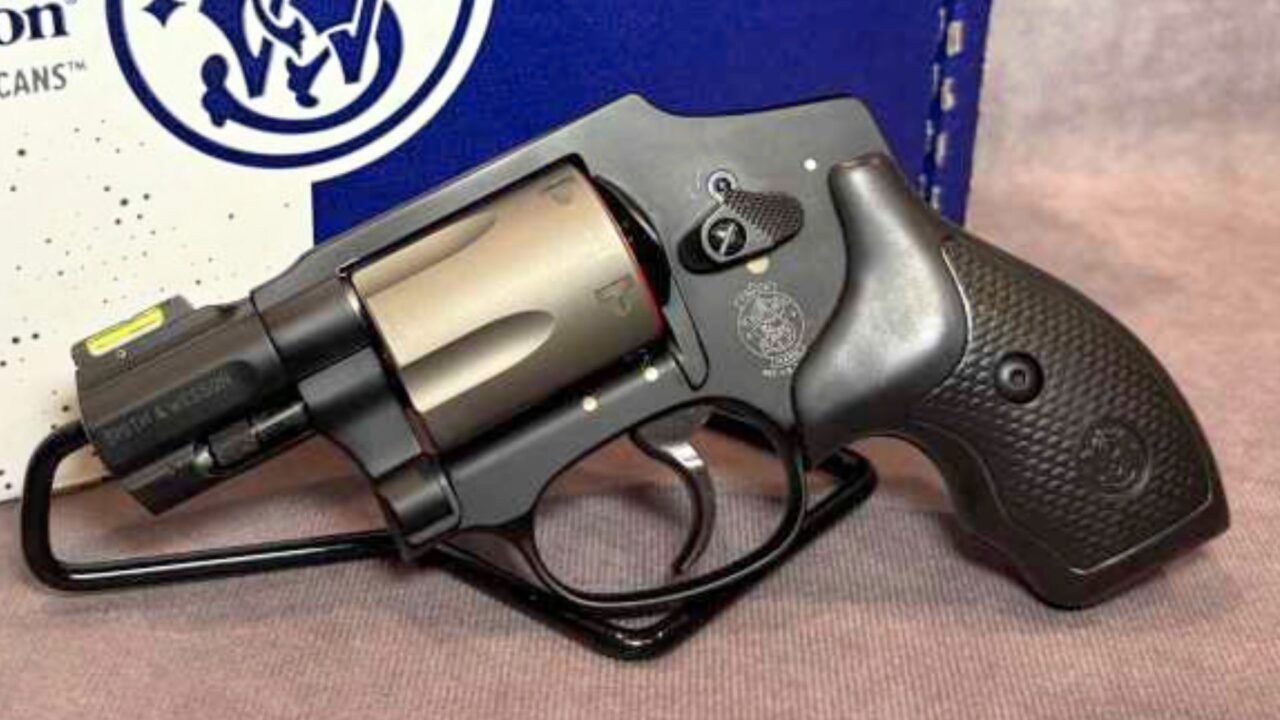
A lightweight .357 Magnum sounds perfect if you want maximum power without carrying much weight. The 340PD certainly delivers on the weight part.
What buyers sometimes miss is just how unpleasant full-power .357 Magnum can be in an ultralight revolver. The gun is extremely easy to carry and dramatically harder to shoot well. Many owners end up using .38 Special +P most of the time, which raises the question of whether they needed the magnum capability in the first place.
SIG Sauer P365

The P365 changed the carry market by packing excellent capacity into a tiny frame. That success also made it one of the first pistols many new buyers look at.
The mistake is assuming small automatically means beginner-friendly. The P365 is easy to conceal, but its short grip and light weight make it less forgiving than a compact or full-size pistol. It is an excellent carry gun once you have solid fundamentals, but it is not always the easiest platform to learn on.
Ruger LCP MAX
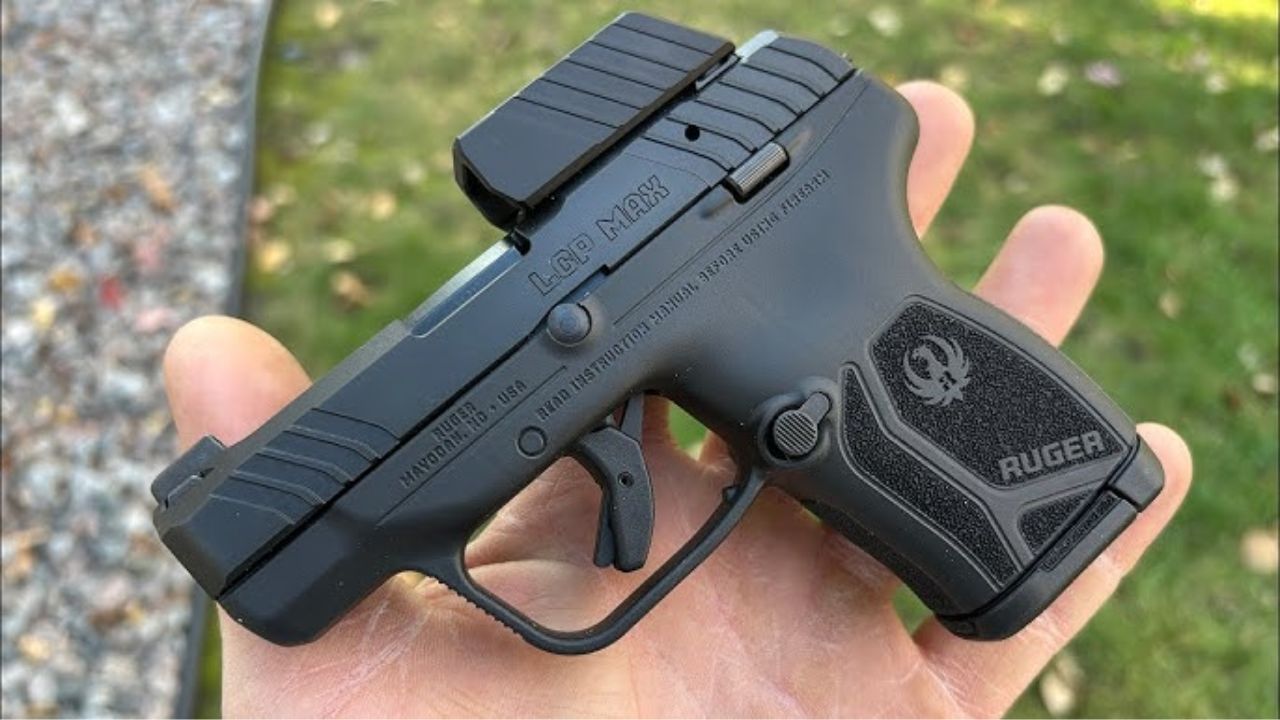
The LCP MAX gives you impressive capacity in an extremely small package, which makes it look like an easy answer for concealed carry.
The problem is that pocket pistols require more skill than their dimensions suggest. The grip is tiny, the sight radius is short, and the light weight makes recoil feel much sharper than expected from .380 ACP. It is convenient to carry, but convenience should not be confused with ease of shooting.
Springfield Armory Hellcat
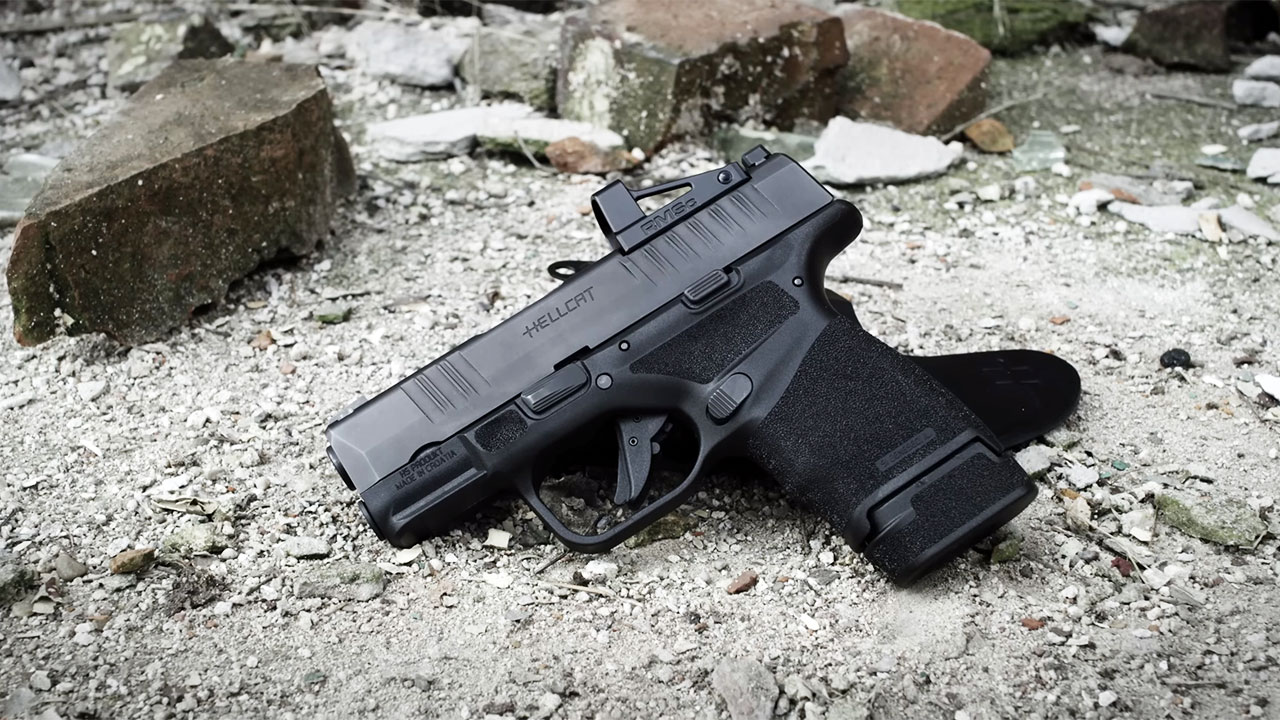
The Hellcat is one of the most capable micro-compacts available, but new buyers often choose it because of capacity and size without realizing how lively a small 9mm can feel.
It is accurate and well built, yet the short grip and light frame make recoil more noticeable than in larger pistols. Shooters who buy one without trying it first may discover they would have been happier with a slightly larger compact that is easier to control.
Glock 20
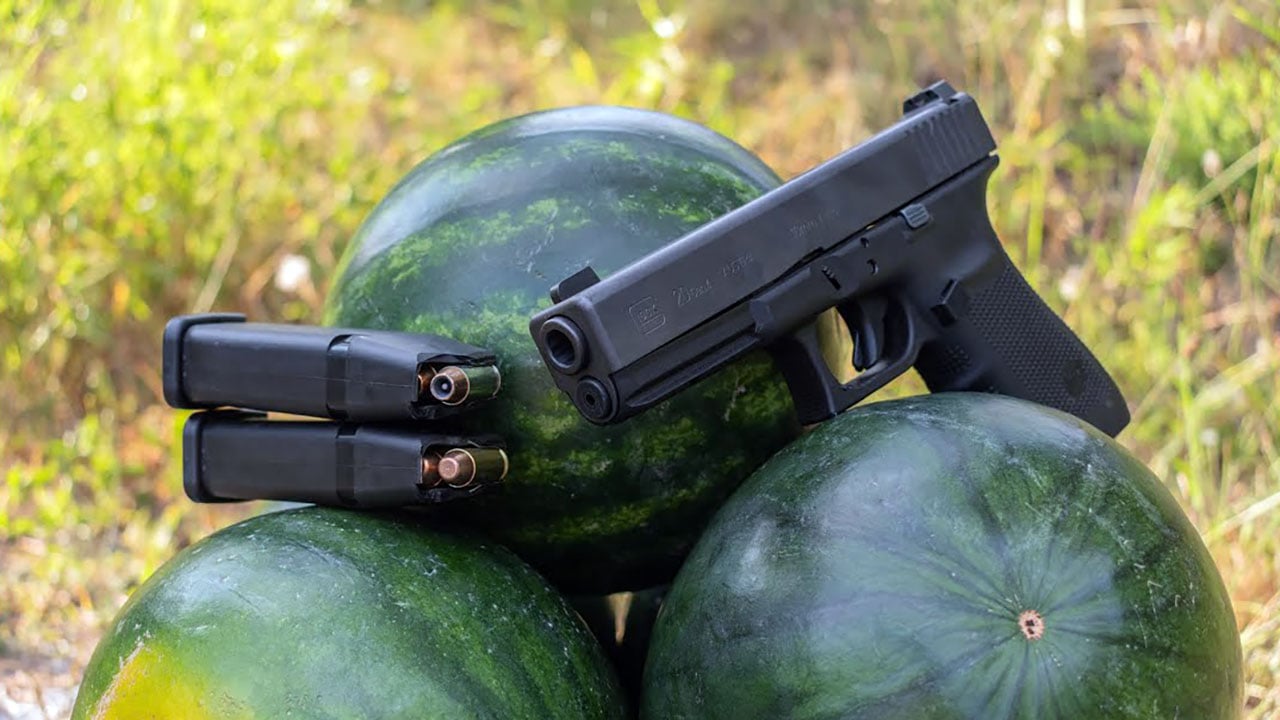
The Glock 20 gets a lot of attention because 10mm Auto sounds like the ultimate do-everything handgun cartridge. Hunters and outdoorsmen especially are drawn to the power.
New buyers sometimes underestimate the size, recoil, and ammunition cost. The grip is large, full-power 10mm is expensive, and regular practice can become tiring. It is a great woods pistol, but it is rarely the smartest first handgun for someone who primarily wants range and defensive use.
Kimber Micro 9

The Micro 9 looks premium, compact, and familiar to anyone who likes 1911-style pistols. That combination can be very tempting to a first-time buyer.
The small frame, single-action trigger, manual safety, and sharp recoil create more demands than the dimensions suggest. It is not a bad pistol, but a new shooter may be taking on several layers of complexity at once when a larger, simpler pistol would make learning easier.
Smith & Wesson Model 500
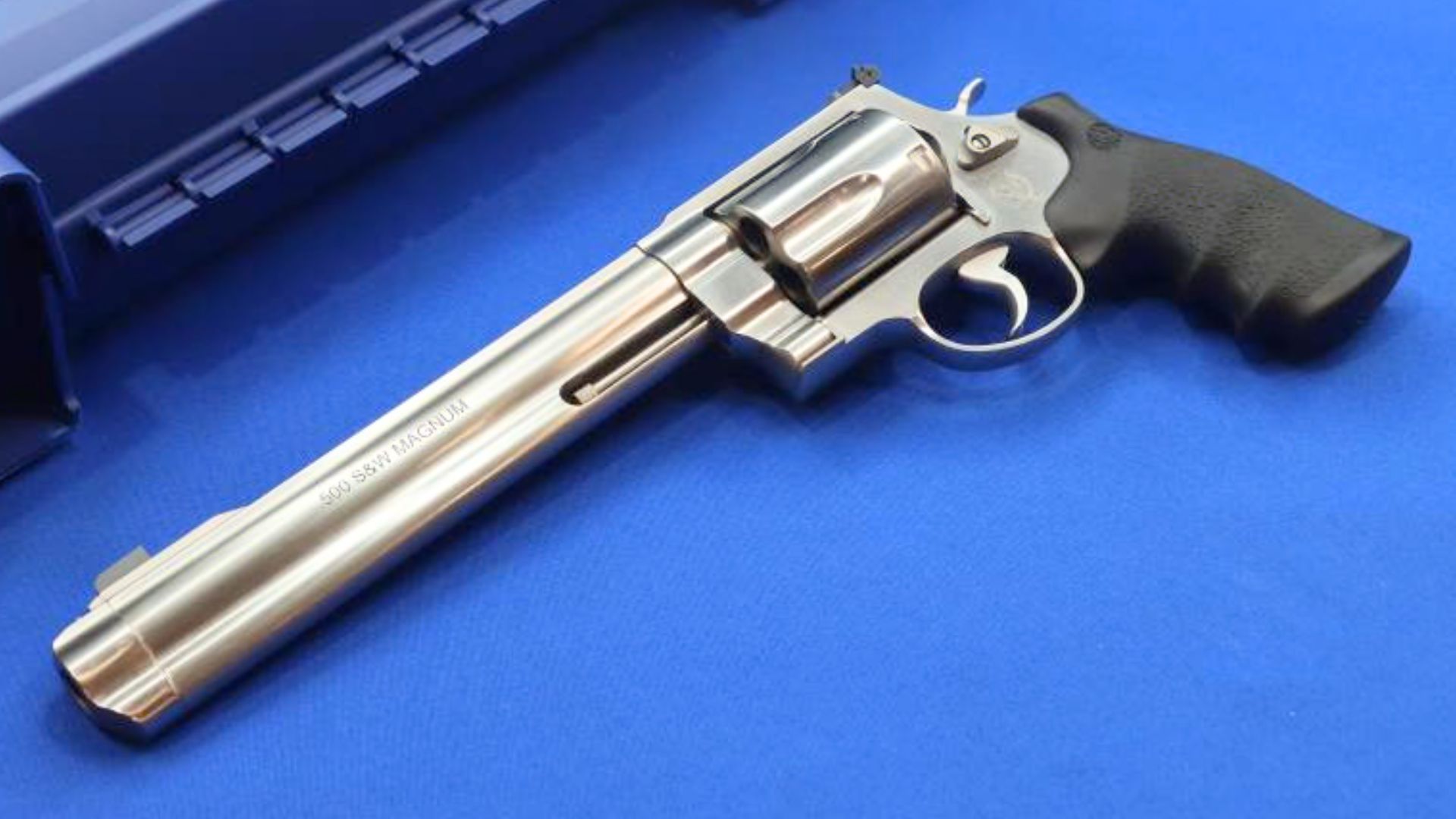
The Model 500 is one of those guns that sells itself through sheer spectacle. New shooters see the size and power and immediately want the biggest handgun they can find.
The reality is that recoil, ammunition cost, weight, and muzzle blast make it a highly specialized firearm. It is fun in small doses, but it is not remotely practical as a general-purpose first handgun. Buyers who start with something manageable usually learn faster and shoot far more.
Desert Eagle .50 AE

The Desert Eagle has unmatched cultural recognition, which is exactly why inexperienced buyers sometimes want one long before they understand what ownership involves.
It is huge, heavy, expensive to feed, and more sensitive to shooting technique than conventional service pistols. It can be tremendously entertaining, but it is a range toy and collector piece for most people. Buying one as a first handgun usually means choosing with your eyes instead of your actual needs.
Ruger Mark IV

The Mark IV is one of the best beginner pistols available, but some new buyers get it wrong in the opposite direction by assuming a .22 LR can cover every handgun role.
It is excellent for learning sight alignment, trigger control, and safe gun handling. What it does not do is replace a centerfire defensive pistol. The Mark IV makes a fantastic first training gun, but buyers should understand what it is and what it is not.
CZ Shadow 2

The Shadow 2 is so easy to shoot well that new buyers sometimes assume it is simply a better version of a normal defensive pistol.
It is really a competition-oriented handgun. The heavy steel frame, large dimensions, and performance-focused trigger make it outstanding at the range but far less practical for everyday carry. It can absolutely be a first handgun, but buyers should understand they are purchasing a specialized performance gun.
Glock 34

The Glock 34 attracts new shooters who assume the longer barrel automatically means more accuracy and a better all-purpose pistol.
The longer sight radius and extra slide length do make it excellent for competition and range work, but the added dimensions offer little advantage for concealed carry. A buyer who wanted one pistol to do everything may eventually wish they had chosen a shorter model.
Beretta 92FS

The 92FS is soft shooting and extremely easy to control, which makes it a great range and home-defense pistol. New buyers sometimes miss how large the grip really is.
Shooters with smaller hands can struggle with the double-action trigger reach and overall circumference. It is worth trying before buying rather than assuming the legendary reputation guarantees a perfect fit.
Taurus Judge
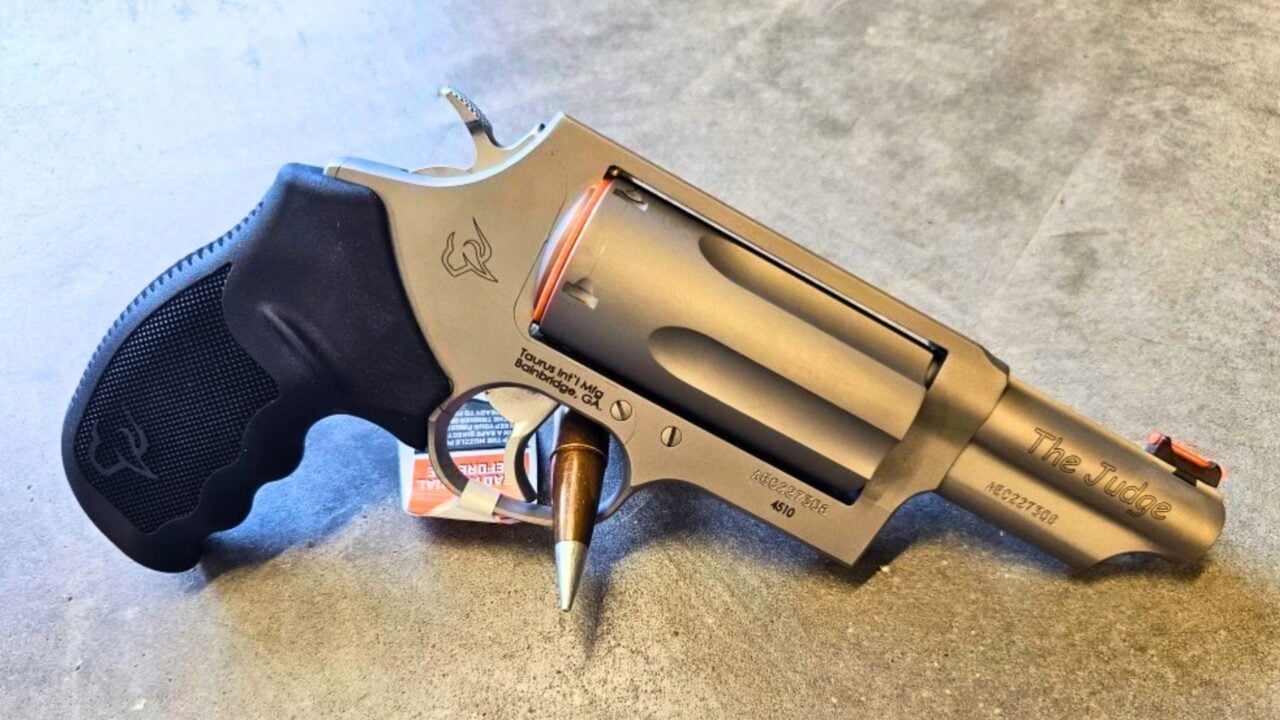
The Judge sounds like the ultimate versatile revolver because it can fire both .410 shotshells and .45 Colt.
New buyers often assume that makes it better at everything. In reality, the long cylinder and unusual chamber design involve compromises, and .410 performance from a short barrel is highly dependent on ammunition. It is a niche gun that gets mistaken for a universal solution.
North American Arms Mini Revolver

The Mini Revolver is so small that it looks like the perfect answer for concealed carry.
That extreme size also makes it difficult to grip, aim, fire quickly, and reload. It is useful when maximum concealment is the only priority, but new buyers may be far better served by a slightly larger handgun they can actually practice with comfortably.
FN Five-seveN

The Five-seveN gets attention for its capacity, low recoil, and unusual 5.7x28mm cartridge. New buyers can easily assume those qualities automatically make it superior to more conventional pistols.
The gun is large, ammunition is more expensive than common handgun cartridges, and the cartridge serves a relatively specific role. It is fun and capable, but buyers should decide whether they actually need what it offers before paying the premium.
Ruger Blackhawk .44 Magnum
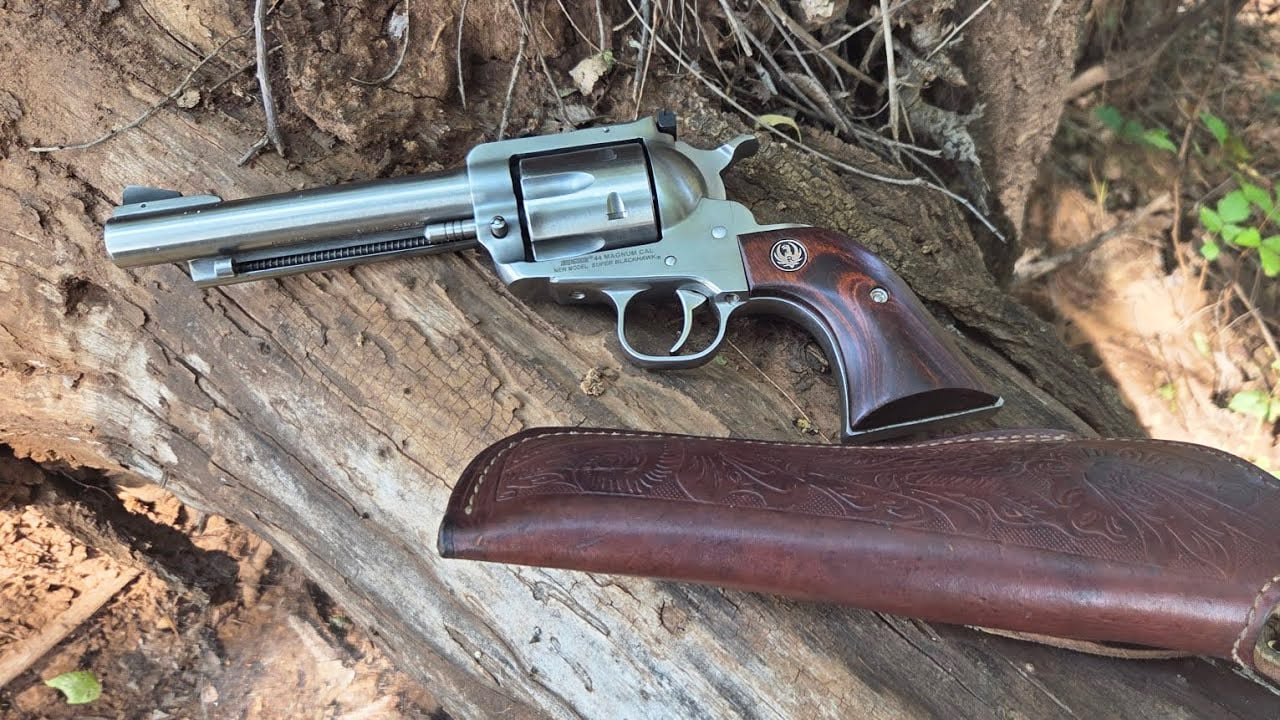
A single-action .44 Magnum can seem like the ultimate outdoors handgun. It has power, durability, and classic styling.
New buyers sometimes underestimate how slowly it loads, how differently a single-action revolver operates, and how much recoil full-power loads generate. It can be a fantastic hunting gun, but it is not automatically the most practical choice for someone simply wanting a powerful field handgun.
Walther PDP Full Size
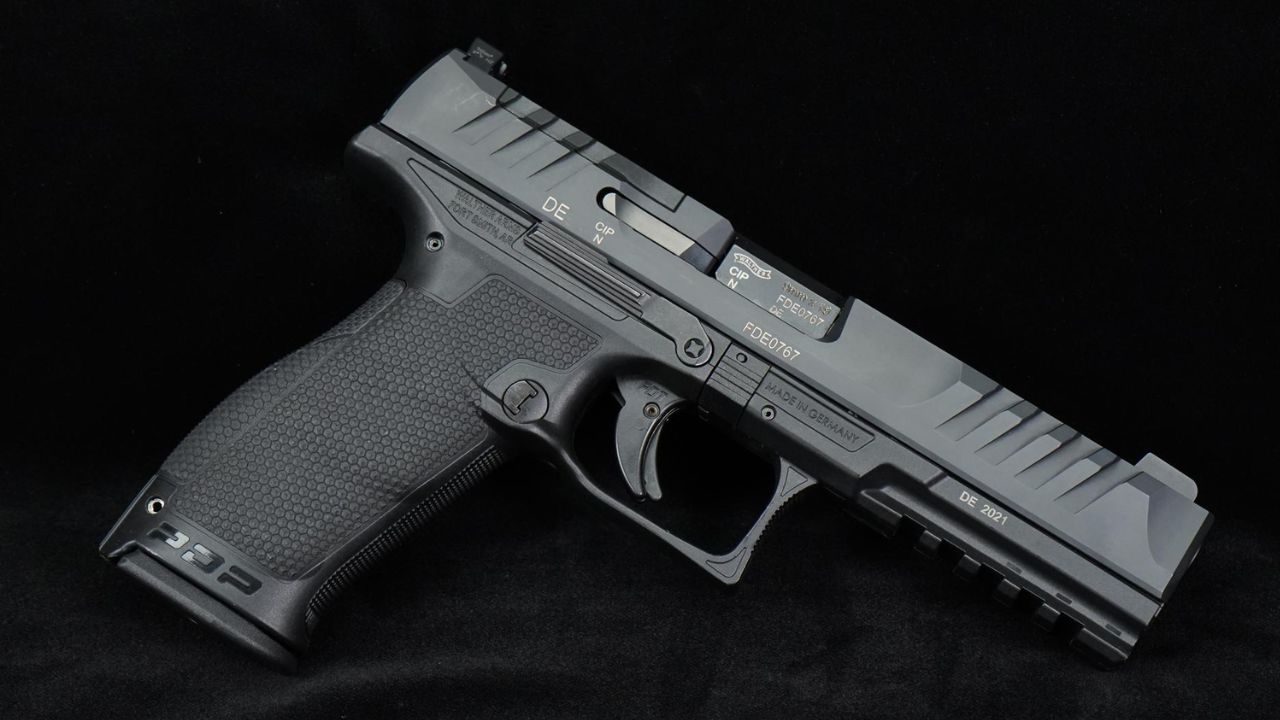
The PDP Full Size is one of the better modern striker-fired pistols, but new buyers sometimes choose the largest version because they assume bigger always shoots better.
It does shoot extremely well, but the long grip can be harder to conceal and more cumbersome for everyday use. Many shooters would be better served by the Compact version, which retains most of the shootability while being easier to carry.
Colt Python 6-Inch

The 6-inch Python is beautiful, accurate, and iconic. New revolver buyers often gravitate toward the long barrel because it looks like the ultimate .357 Magnum.
The extra length adds weight and makes the revolver much less convenient to carry. For a range gun or hunting revolver, that may be fine. For someone wanting a versatile first revolver, a 4-inch version is often much easier to live with.
Browning Buck Mark

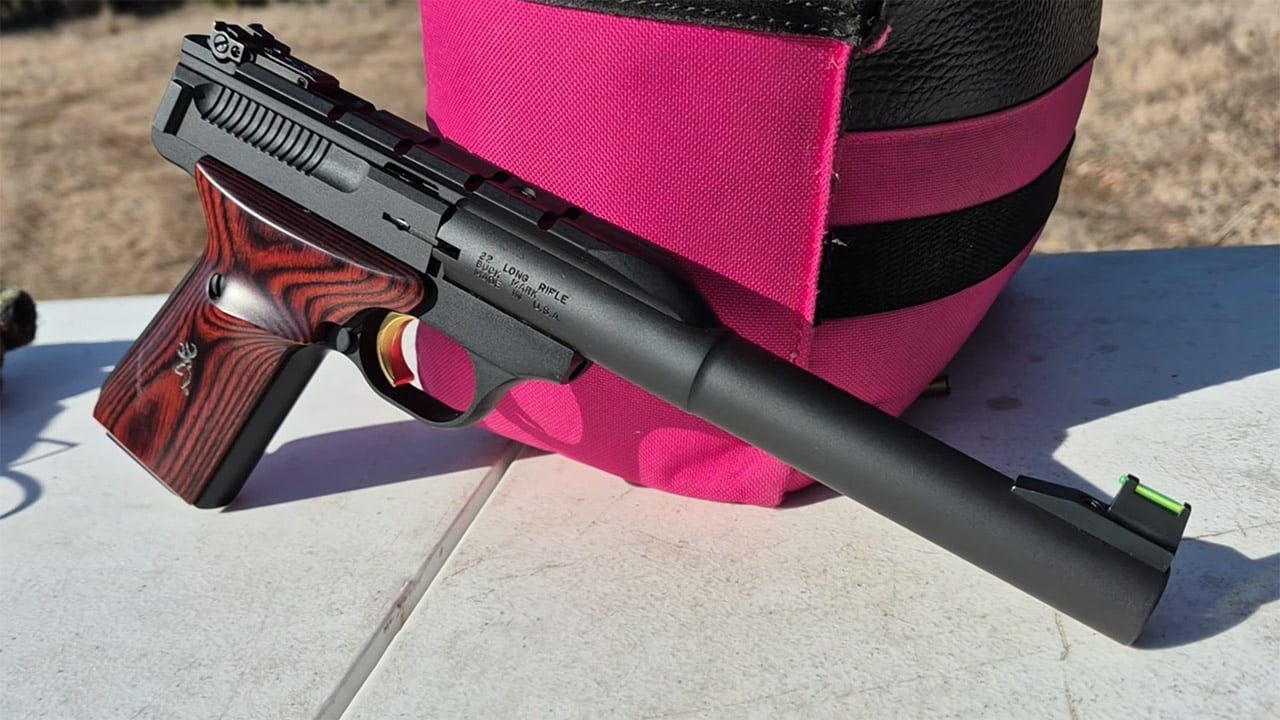
The Buck Mark is another excellent rimfire that new buyers can misunderstand. Because it is so accurate and easy to shoot, beginners may think their handgun skills are developing faster than they really are.
That is not a flaw in the pistol. It simply means the Buck Mark should be used as a training tool rather than the only gun you practice with. Once fundamentals are established, moving to a centerfire pistol reveals what recoil management and grip consistency still need work.
Like The Avid Outdoorsman’s content? Subscribe to our newsletter so you never miss an article.
Here’s more from us: