Photo credit: 1957Shep/YouTube
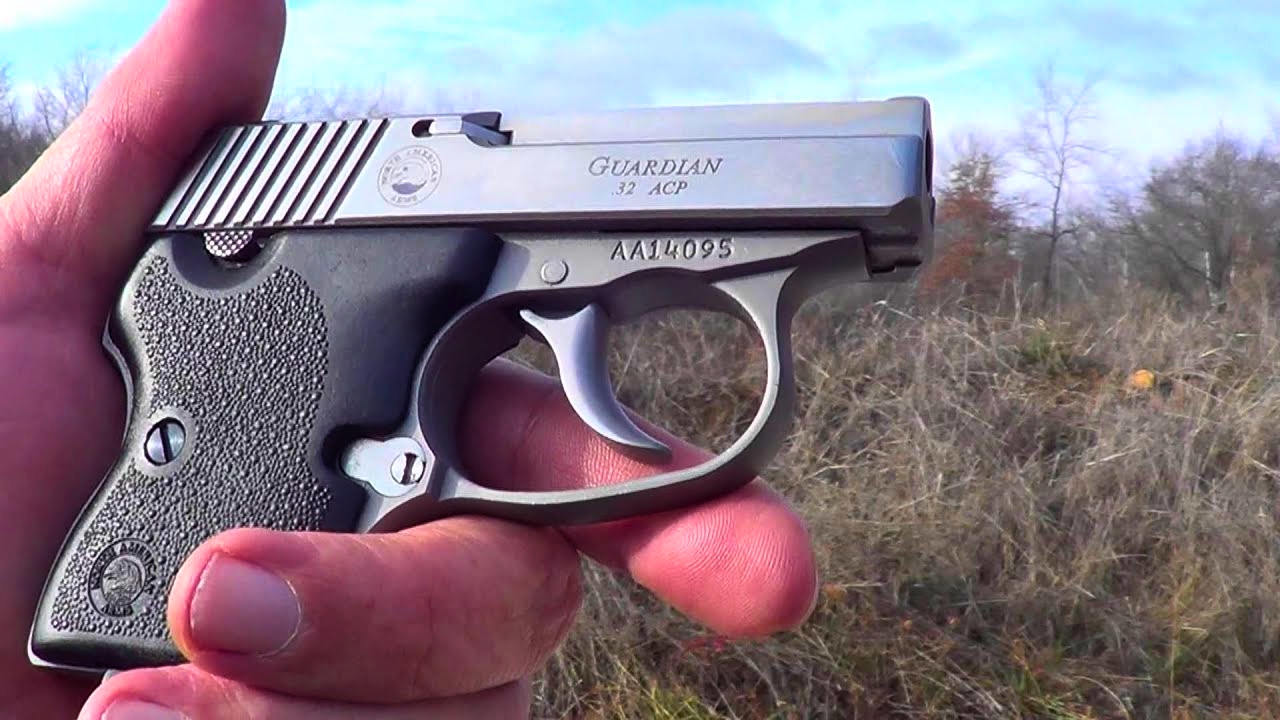
Pocket pistols feel smart because they solve a real problem: carrying a gun when a “real gun” feels like too much. They disappear in light clothing, they don’t demand a belt setup, and they’re easy to keep on you when you’re running errands or moving around the house. For a lot of people, that convenience is the whole argument. The mistake is assuming convenience equals capability. Pocket pistols are smart from a carry perspective right up until you try to shoot them fast, and then you learn what you actually bought: a platform that’s small, snappy, and unforgiving when you push pace. They’re better than nothing, but they’re not small versions of service pistols. They’re their own category with their own limitations, and speed exposes those limitations immediately.
Most pocket pistol owners don’t discover this because they never run them hard. They shoot a couple mags slowly, confirm the gun functions, and then it rides in a pocket for months. The first time they try to shoot fast—controlled pairs, transitions, or even just a quick draw to one clean hit—the wheels start wobbling. The gun jumps more, the sights are harder to track, and the grip feels like it’s barely there. That’s where the “smart” feeling gets replaced by a more honest question: can I actually run this thing when it counts?
Small grips don’t give you control margin
Speed with a handgun is mostly about grip and trigger control. Pocket pistols give you very little grip surface, which means you have less leverage to keep the gun stable. Your support hand can’t get as much purchase, your strong hand ends up doing too much, and the gun moves more between shots. When you shoot slow, that movement doesn’t matter much. When you shoot fast, it matters immediately. The gun starts shifting in your hands, the muzzle flips harder, and your sight picture becomes inconsistent. You can still be effective, but your margin for error is thinner, and thin margins don’t mix well with speed.
This is why people who shoot pocket pistols well tend to have strong fundamentals. They’re not relying on the gun to be forgiving. They’re compensating for what the platform lacks. Most casual carriers aren’t doing that work, so when they finally try speed, the gun feels like it’s fighting them.
Short sight radius and tiny sights punish rushed shots
Pocket pistols often have minimal sights, and even when the sights are decent, the sight radius is short. Short sight radius magnifies alignment errors. At typical defensive distances, you can still hit, but you don’t have the same visual clarity you get from a compact or full-size pistol. When people try to go fast, they either over-confirm—wasting time—or under-confirm—missing. Both happen because the sight picture is harder to read at speed.
This is also where people start convincing themselves they’ll “point shoot” the pocket pistol in a real situation. Some level of target-focused shooting can work up close, but it’s not a free pass to ignore sights entirely. Speed without an honest visual process is how people miss fast, especially under stress when your body wants to rush.
The trigger and reset often aren’t built for fast work
A lot of pocket pistols have triggers that feel fine for slow fire but aren’t pleasant for fast strings. Long travel, heavier pull, or mushy reset makes it harder to run cleanly at pace. That doesn’t mean the gun is defective. It means it’s designed for deep concealment and simplicity, not for being run like a duty gun. People discover this when they try to shoot quick pairs and realize they’re either slapping the trigger or outrunning the reset. That creates misses that feel confusing because the gun “shoots fine” when they slow down.
Once again, speed exposes what slow fire hides. A pocket pistol can be accurate enough. The question is whether you can be accurate enough quickly and repeatedly, because defensive shooting doesn’t hand you unlimited time.
Draw speed is often worse than people think
Pocket carry also has its own speed reality. Drawing from a pocket can be slower and more awkward than drawing from a holster, especially if clothing is tight or the pocket opening is small. If the gun shifts in the pocket, if the grip isn’t presented cleanly, or if the pocket holster comes out with the gun, your draw becomes a mess. People love pocket carry because it’s comfortable. They don’t always love the draw process once they train it honestly.
This is why pocket pistols feel smart in theory. You imagine the gun is instantly available. In practice, the draw is a skill that needs reps, and without reps, it’s slow and fumbly. That fumble matters more than most people want to admit.
The honest role of a pocket pistol
Pocket pistols shine as “always” guns, not as “best” guns. They cover the days you’d otherwise be unarmed. They’re a solution for deep concealment, quick errands, and situations where a larger gun won’t happen. They are not the ideal platform for speed, volume training, or high-confidence performance under pressure. If you treat a pocket pistol like a compact, you’ll eventually get frustrated. If you treat it like a compromise tool and train within its reality, it can be a legitimate option.
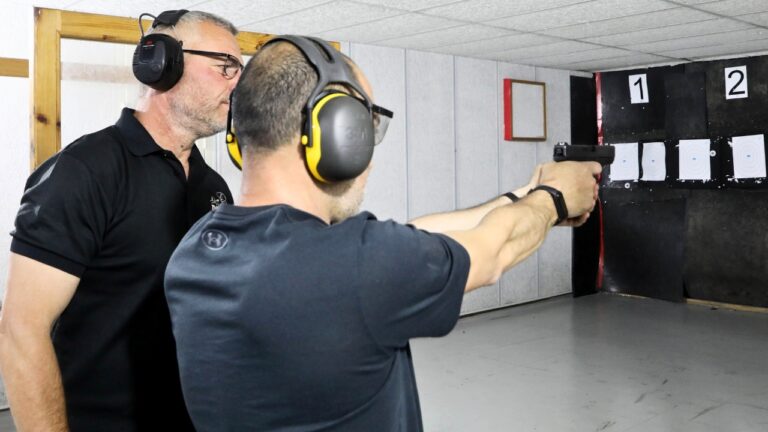
A smart way to keep it honest is running simple drills: draw to one hit, controlled pairs at close distance, and reload practice if the gun allows it. A shot timer and consistent targets will reveal quickly what your true pace is and what your hit standard looks like. If you want training targets and basic timing tools, Bass Pro Shops carries that kind of stuff, but the key is the reps, not the purchases.
Like The Avid Outdoorsman’s content? Subscribe to our newsletter so you never miss an article.
Here’s more from us: