Photo credit: Chris Parkin Shooting Sports/Youtube
Some guns don’t announce themselves as lifetime pieces. They get bought for practical reasons, picked up on sale, grabbed as a backup, or added because the price seemed fair. Nobody expects much drama from them.
Then years pass. Other guns get traded. Newer models come and go. The flashy stuff loses its shine. But that one plain, useful gun keeps getting used, trusted, and kept around. These are the guns that quietly turned into keepers when nobody was looking.
Ruger American Rifle
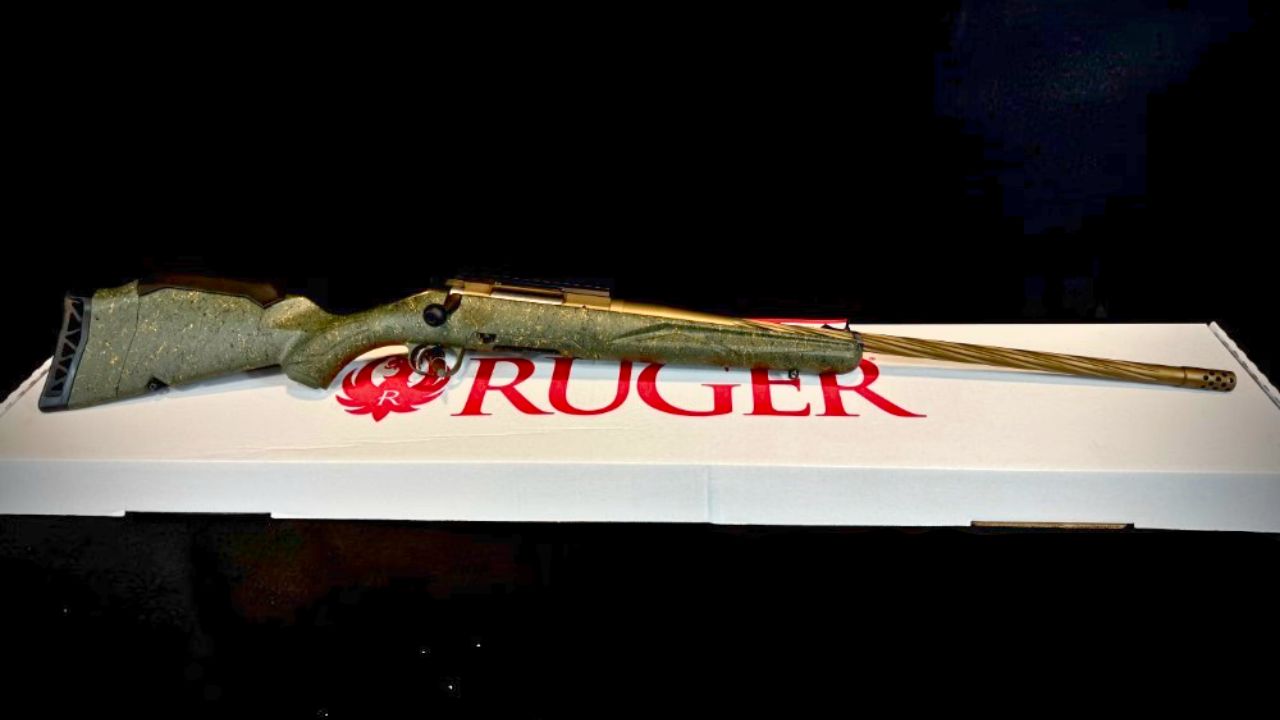
The Ruger American Rifle didn’t look like a future keeper when it first hit the rack. It looked like a practical, affordable bolt-action for hunters who wanted accuracy without spending Model 70 or Sako money. The synthetic stock, simple finish, and budget-friendly price made some people assume it was a short-term rifle.
Then owners started shooting them. The accuracy was better than expected, the trigger was solid, and the rifle handled hunting weather without making anyone nervous. It may not have the warm feel of walnut and blued steel, but it does the job. A rifle that keeps putting bullets where they belong tends to stay in the safe longer than planned.
Smith & Wesson M&P9 2.0
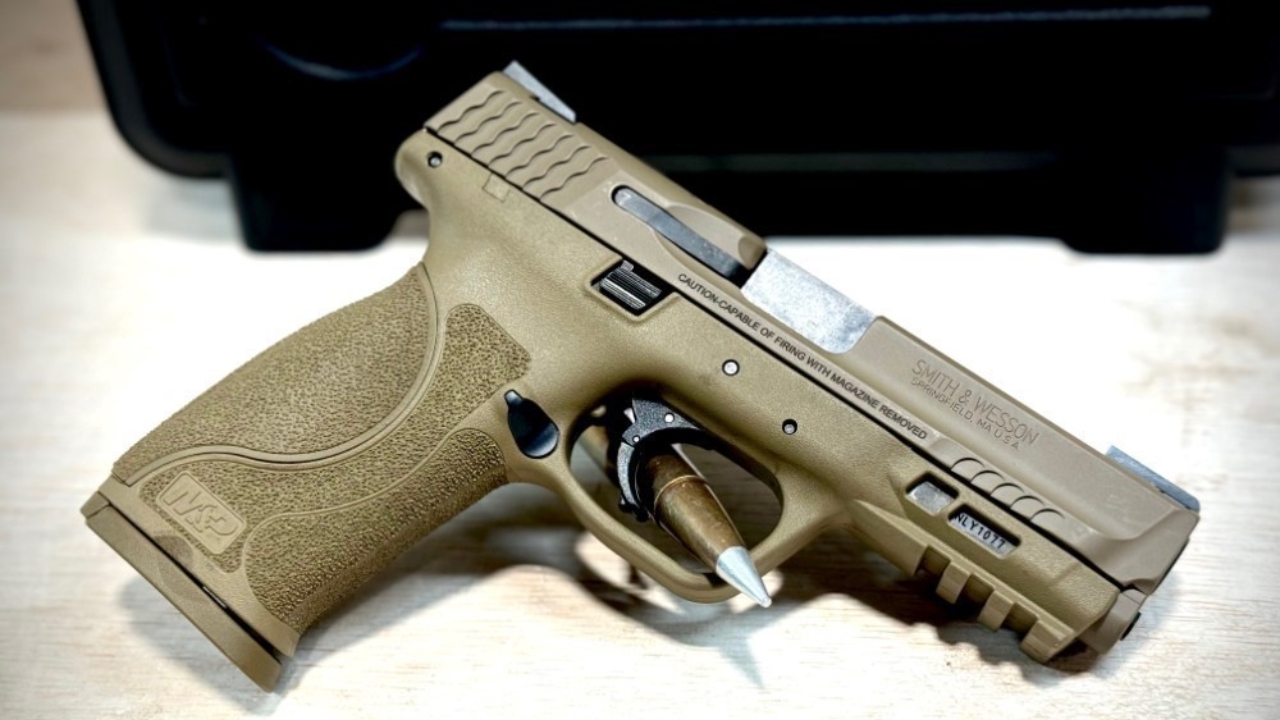
The M&P9 2.0 became a keeper by doing almost everything a practical 9mm pistol needs to do. It wasn’t the first striker-fired pistol people thought of, and it still lives in Glock’s shadow in a lot of conversations. But owners who use them hard know the platform has plenty going for it.
The grip texture is aggressive, the ergonomics are strong, and the 2.0 trigger improved over earlier models. It works for home defense, duty use, range practice, and carry in the right configuration. The pistol doesn’t need a personality cult to justify itself. It just keeps running, shooting well, and making owners wonder why they’d bother replacing it.
Mossberg 930
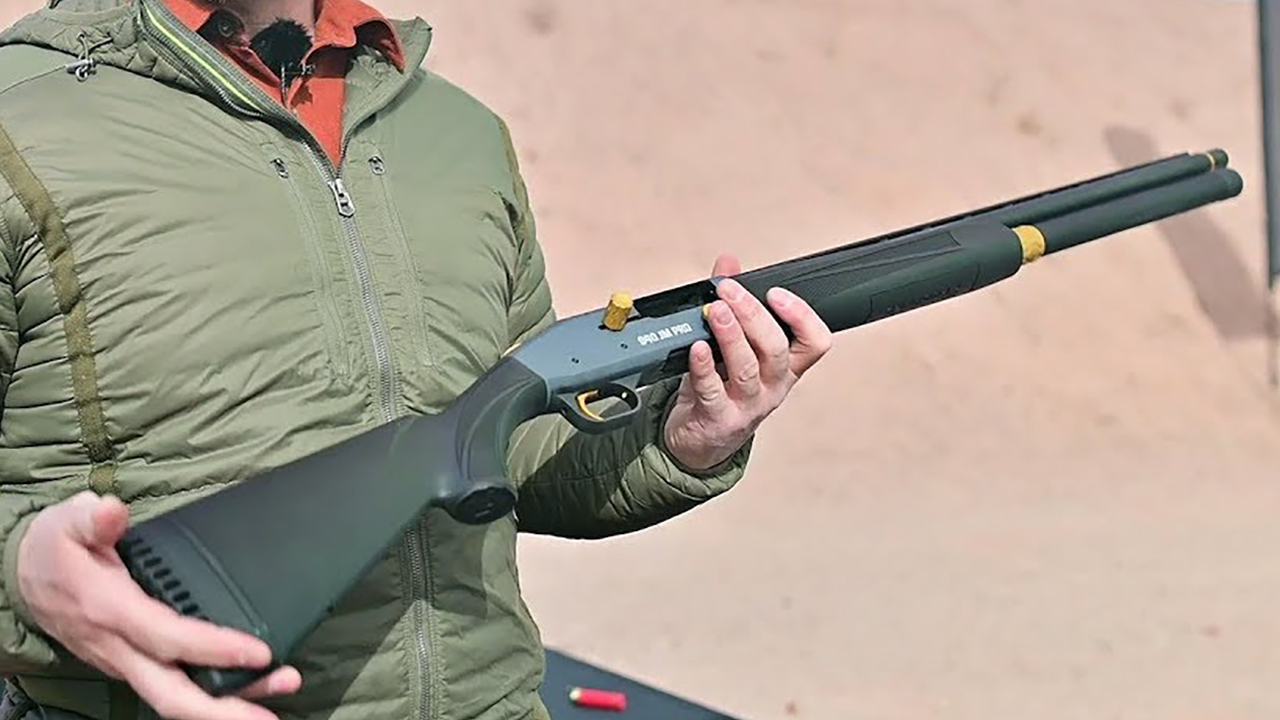
The Mossberg 930 had a mixed reputation in some circles, especially among shooters who expected Benelli or Beretta performance at a lower price. But plenty of owners found that, with proper maintenance and the right setup, the 930 filled a useful semi-auto shotgun role without costing premium money.
That’s how it became a keeper for many people. It worked for hunting, clays, and defensive configurations depending on the model. It wasn’t perfect, and it needed to be kept cleaner than some inertia guns. But a good 930 gave regular shooters a gas-operated semi-auto that softened recoil and handled real use. Not every keeper is flawless. Some just prove useful enough that selling them feels foolish.
CZ 457 American
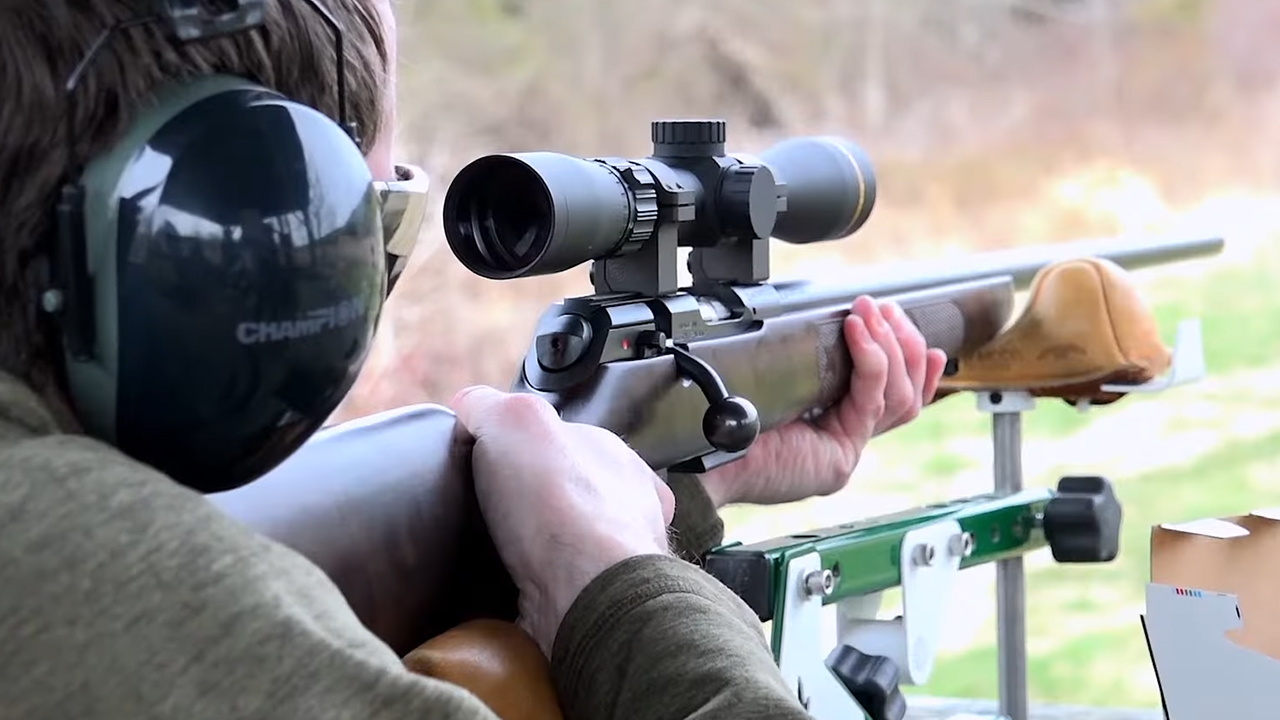
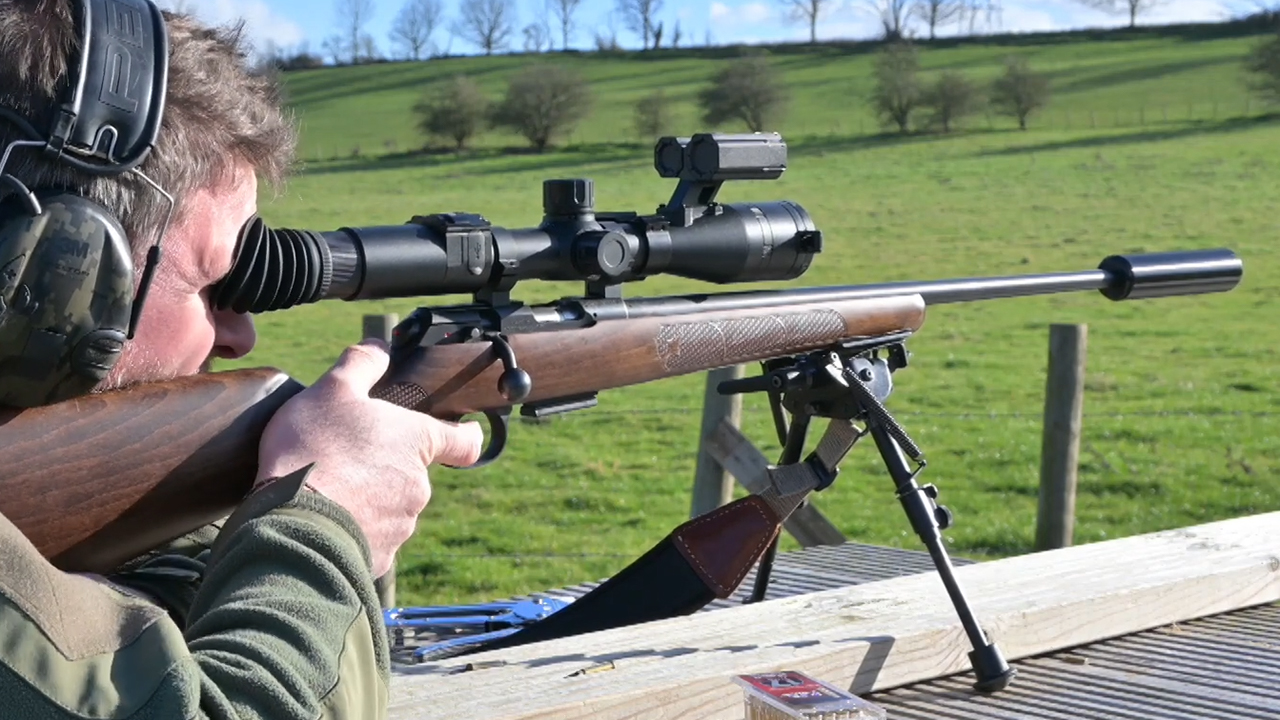
The CZ 457 American looks like a traditional bolt-action rimfire, and that’s part of its quiet appeal. It doesn’t need tactical furniture or competition styling to make sense. It gives shooters a real rifle feel, good accuracy, and the kind of quality that makes a .22 worth keeping.
Owners tend to understand it after a few range trips or small-game seasons. The trigger is good, the action is smooth, and the rifle feels more grown-up than cheaper rimfires. It’s the kind of .22 that can teach a new shooter and still satisfy an experienced one. That’s a hard combination to beat, and it’s why rifles like this don’t get traded away easily.
Glock 48

The Glock 48 quietly became a keeper because it fixed a problem a lot of Glock owners had: they wanted something thinner than a Glock 19 without dropping into tiny pistol territory. The 48 gives shooters a slim profile, a longer slide, and a full grip that makes it easier to shoot than many smaller carry guns.
It doesn’t look exciting, but it carries well and shoots well enough to keep owners loyal. The simple controls, strong holster support, and familiar Glock maintenance all help. Some buyers chase capacity upgrades or compare it endlessly to newer micro-compacts, but the base idea still works. A thin 9mm that’s comfortable enough to carry and controllable enough to practice with is easy to keep.
Winchester SXP Defender
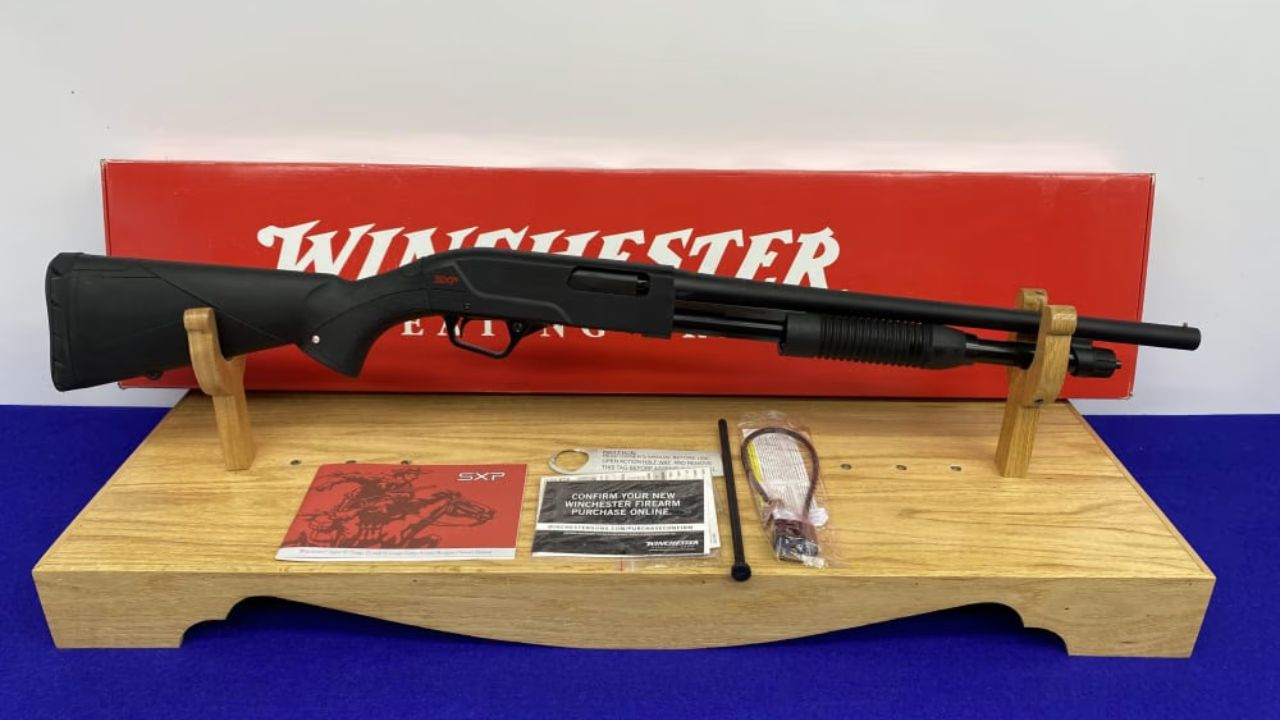
The Winchester SXP Defender is one of those shotguns that people buy because they need a basic defensive pump and then end up keeping because it just makes sense. It’s affordable, quick-cycling, and simple to run. It doesn’t have the history of the 870 or Mossberg 500, but it has earned more respect than some expected.
The rotary bolt and fast action give it a lively feel. The Defender setup keeps things short and practical without getting overloaded with unnecessary parts. A lot of defensive shotguns turn into accessory projects that become heavier and clumsier over time. The SXP Defender works best when kept simple. That’s usually why owners keep it around.
Tikka T3x Lite

The Tikka T3x Lite turned into a keeper for a lot of hunters because it removed excuses. Smooth bolt, clean trigger, light carry weight, and strong accuracy with factory ammunition. That combination makes it hard to justify trading one away once you’ve found a load it likes.
At first, some hunters see the synthetic stock and plain look and assume it’s just another modern lightweight rifle. Then they carry it all season and watch it shoot tight groups without much fuss. The T3x Lite may not feel as romantic as an old walnut-stocked deer rifle, but it works. A rifle that carries easily and shoots confidently tends to become the one hunters actually use.
Ruger Wrangler
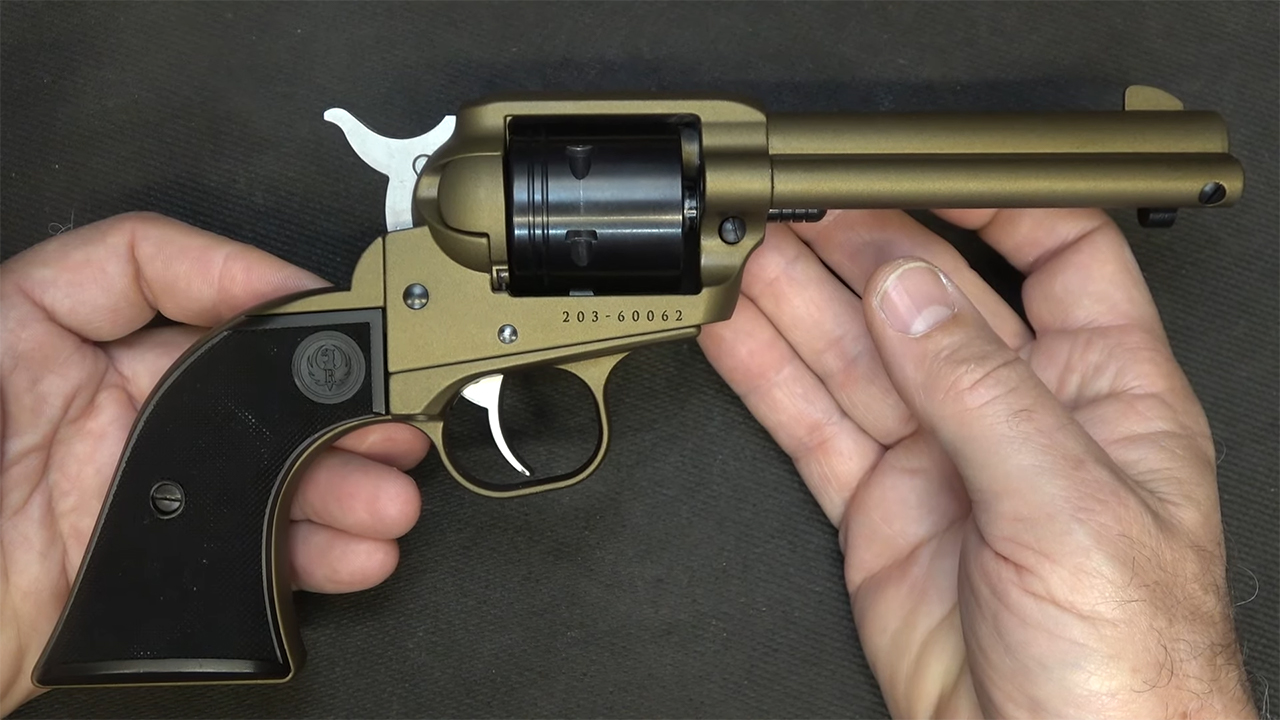
The Ruger Wrangler became a keeper by being affordable, fun, and simple. Nobody bought one expecting a collectible-grade single-action revolver. They bought one because it was a cheap .22 with Ruger’s name on it. That low-pressure entry is exactly why so many owners ended up liking it.
The Wrangler is useful for casual plinking, teaching new shooters, and getting cheap trigger time with a single-action revolver. It isn’t as refined as a Single-Six, and the finish is practical rather than fancy. But it works well enough, costs little enough, and brings enough fun that owners often keep it even after buying nicer revolvers. A gun that makes people want to shoot more has real value.
Beretta APX Centurion
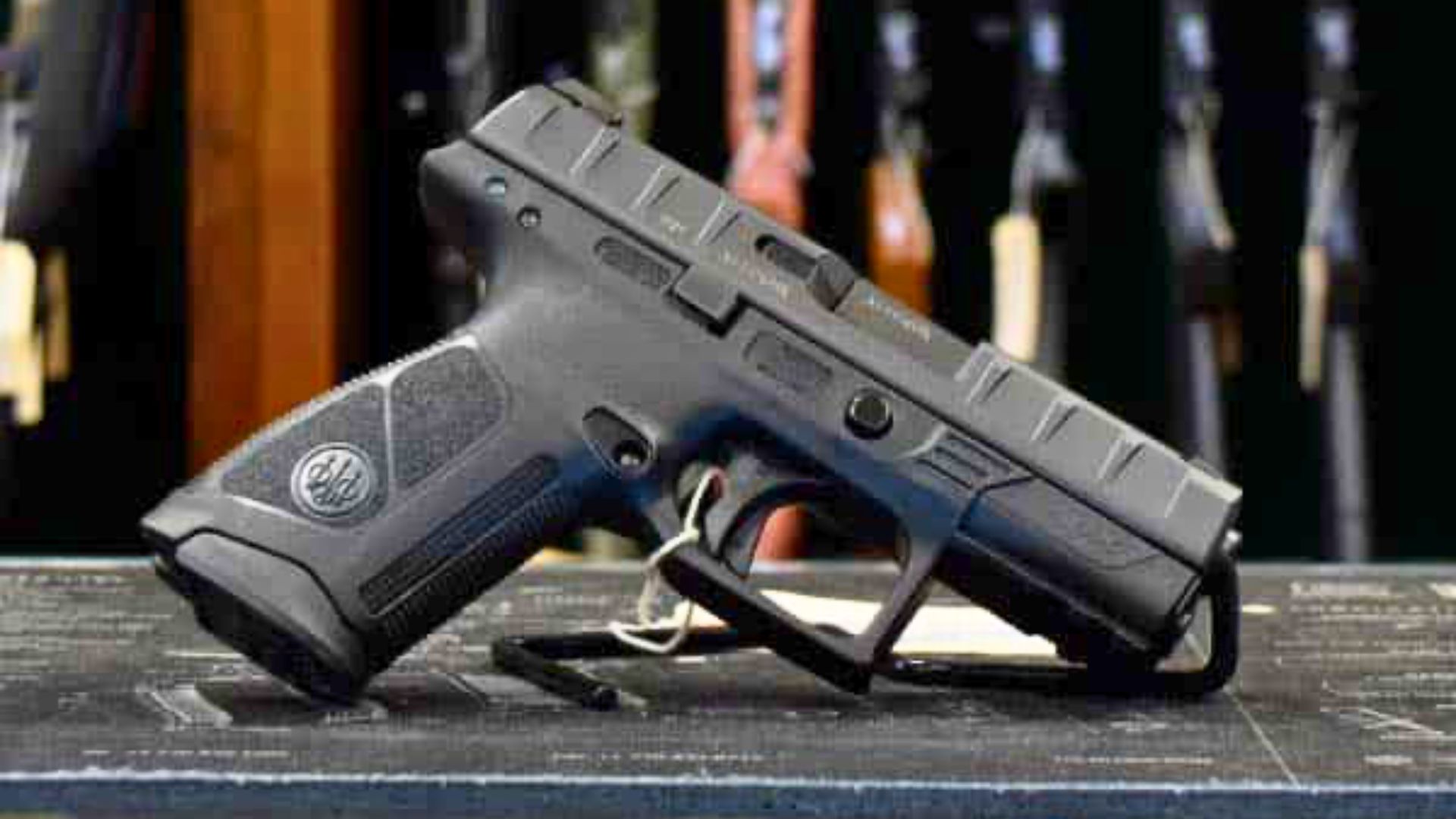
The Beretta APX Centurion didn’t get the spotlight it deserved. The original APX styling turned off some buyers, and the striker-fired market was already packed. But the Centurion size hit a useful middle ground, and shooters who gave it a chance often found a capable, comfortable pistol.
It became a keeper for people who cared more about performance than popularity. The grip texture works, recoil control is good, and the pistol has Beretta’s service-gun thinking behind it. It may not have the same aftermarket support as bigger names, but it doesn’t feel flimsy or unserious. Sometimes the overlooked pistol stays because it quietly does the boring stuff right.
Savage Axis II

The Savage Axis II is not fancy, and nobody should pretend it is. The stock can feel cheap, the finish is basic, and the rifle was clearly built to hit a price point. But the AccuTrigger and Savage accuracy reputation helped turn it into something more than a disposable budget rifle.
Hunters who bought one as a starter rifle or backup often found themselves keeping it. Why sell a rifle that shoots well? The Axis II has put a lot of deer in freezers because it does the part that matters most. It may not impress anyone leaning on a gun counter, but it can absolutely prove itself in the field. That’s how budget rifles become keepers.
Henry AR-7 Survival Rifle
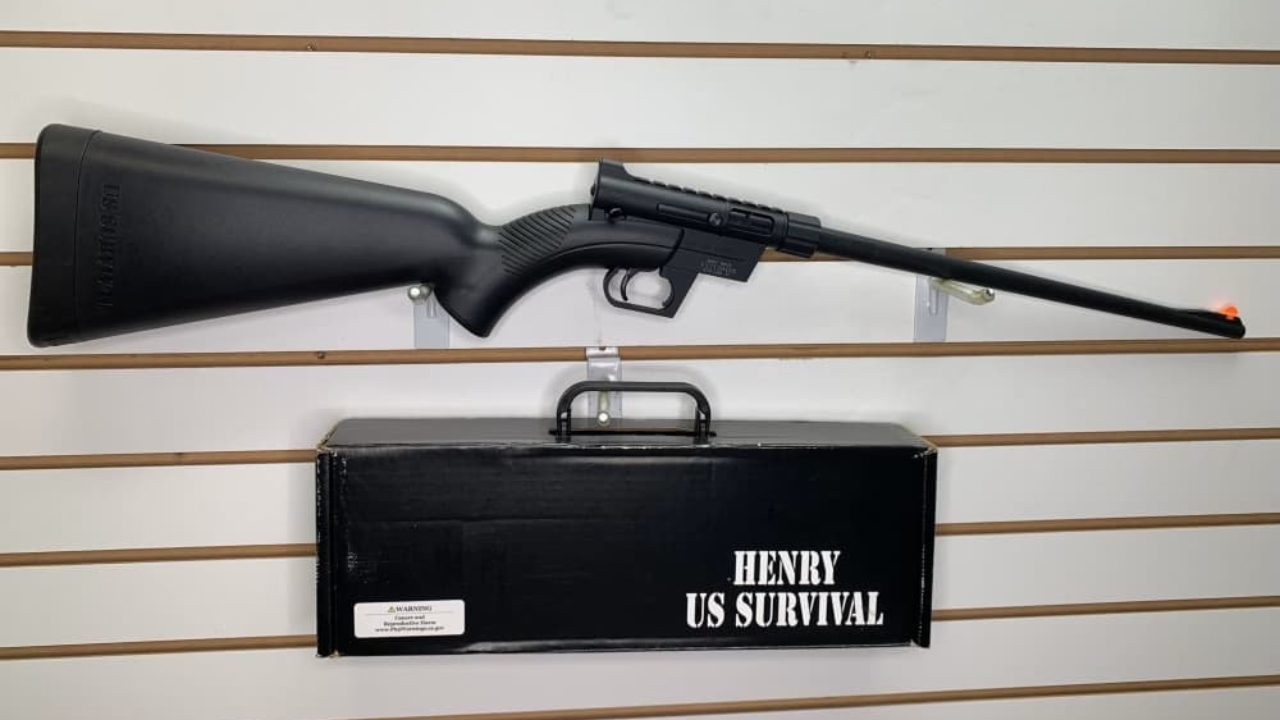
The Henry AR-7 is an odd little rifle, and that’s part of its appeal. It stores inside its own stock, floats when packed properly, and doesn’t look like a serious everyday rimfire. A lot of shooters buy one out of curiosity more than need.
Then they realize it fills a niche few other rifles do. It’s compact, light, and easy to stash for camping, boats, emergency kits, or general pack use. It’s not the most accurate .22, and it’s not as comfortable to shoot as a full-size rimfire. But it was never meant to be. It became a keeper because it solves a specific problem in a simple, clever way.
Springfield Armory Hellcat

The Springfield Hellcat arrived during the micro-compact capacity race, so it could have faded as soon as the next small 9mm came along. Instead, it stuck because the basic package worked. Small size, strong capacity, usable sights, and optics-ready options gave it staying power.
Owners keep it because it carries easily without feeling under-equipped. It’s snappy, like most pistols this size, but it remains manageable with practice. The grip texture helps, and the overall package is hard to ignore for everyday carry. Some shooters may prefer the Hellcat Pro for better control, but the original Hellcat still fills the deep-concealment role well. That’s what turns a trendy launch into a keeper.
CVA Cascade
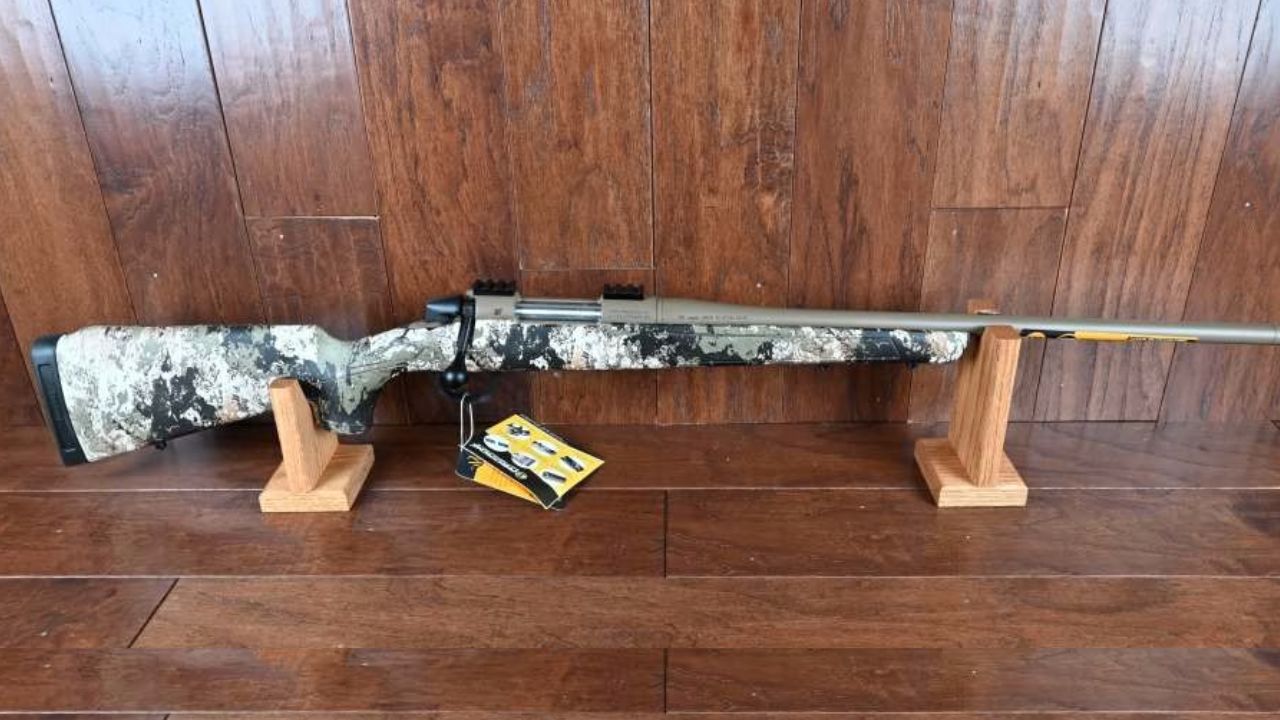
The CVA Cascade surprised hunters who still thought of CVA mainly as a muzzleloader company. It showed up as an affordable centerfire bolt-action with practical features, decent accuracy, and a threaded barrel at a time when hunters were starting to expect more from factory rifles.
The Cascade became a keeper because it gave owners a lot without feeling overcomplicated. It carries well, shoots well, and handles common hunting roles cleanly. The stock is practical, the trigger is usable, and the rifle feels like CVA paid attention to what regular hunters actually wanted. It may not have decades of history yet, but it has already earned a spot with people who bought one expecting less.
Smith & Wesson Model 637
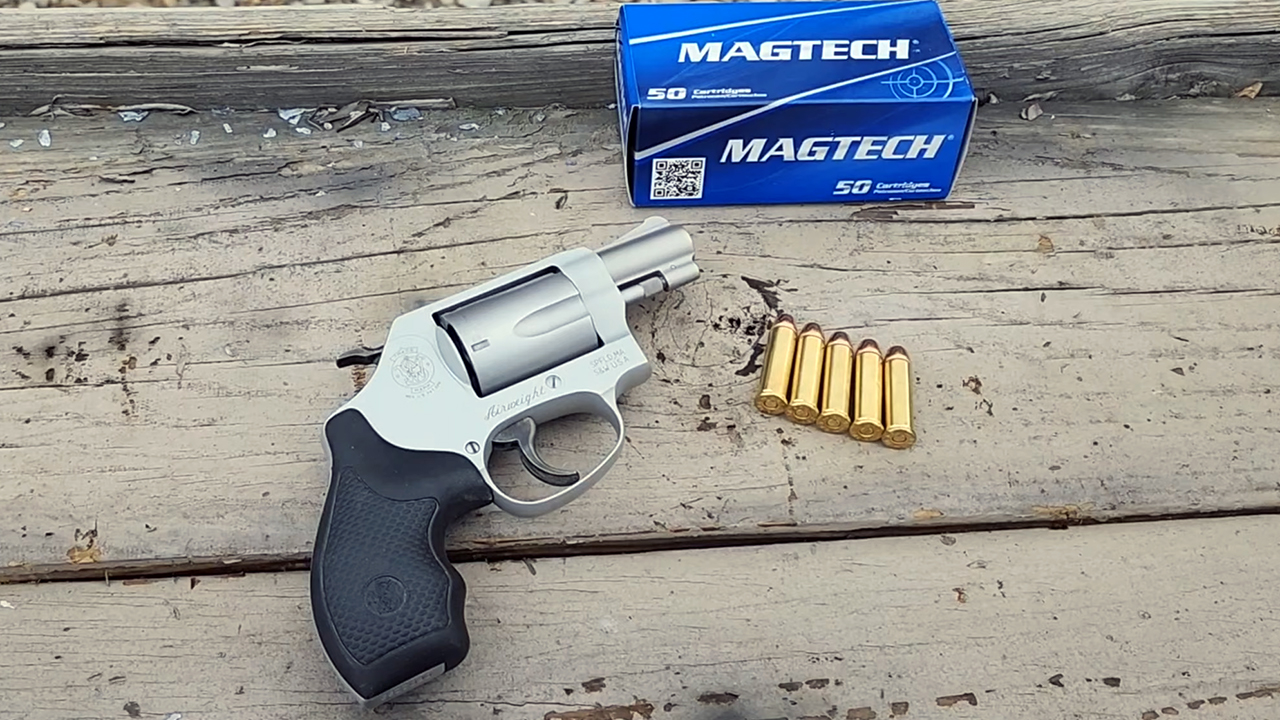
The Smith & Wesson Model 637 is one of those small revolvers that quietly sticks around because it is easy to carry and easy to understand. It has an exposed hammer, lightweight frame, and classic J-frame simplicity. In a market full of tiny semi-autos, it can look dated.
Owners keep it because it fills a role. It can ride in a pocket holster, sit as a backup gun, or serve someone who prefers revolver operation. It is not easy to shoot well without practice, and +P loads can be sharp in such a light gun. But the simplicity, weight, and long J-frame history make it hard to dismiss. Some guns stay because they’re always useful in one clear lane.
Browning Silver Hunter
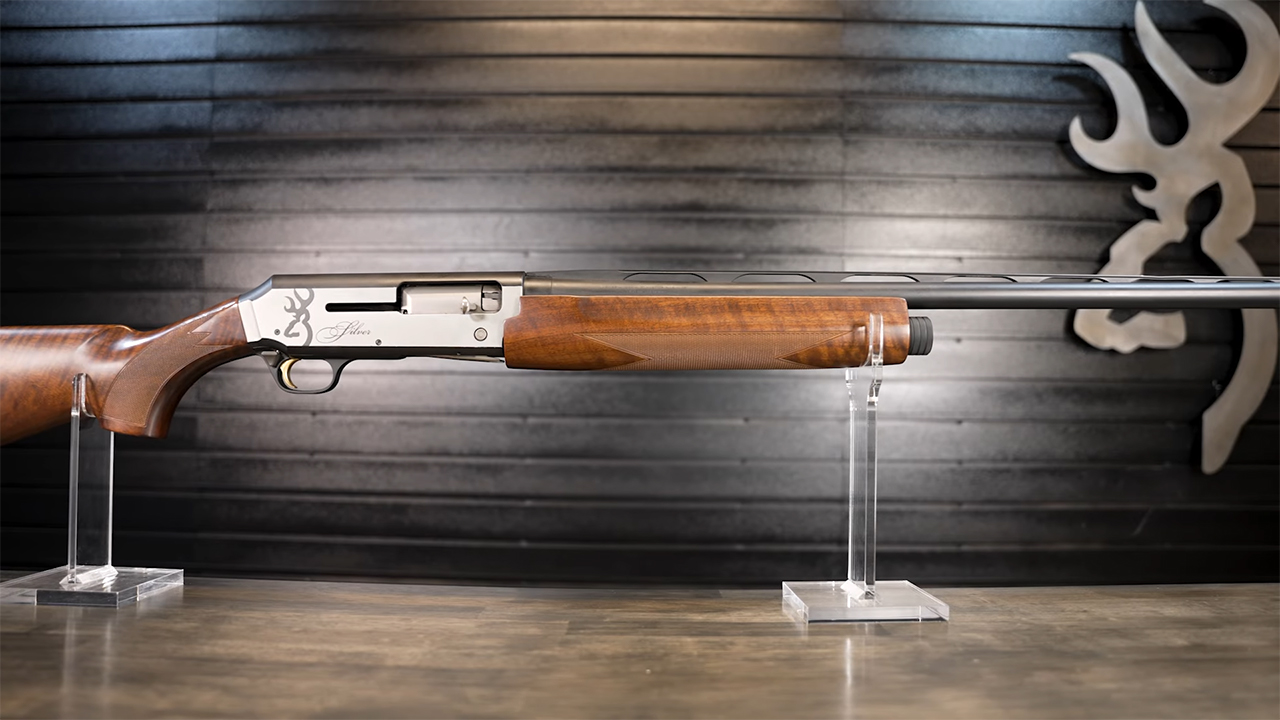
The Browning Silver Hunter is not as talked about as some other semi-auto shotguns, but it has quietly become a keeper for a lot of bird hunters and clay shooters. It offers gas-operated recoil softness, classic styling, and Browning quality without always demanding the same attention as the Maxus or older Gold models.
The Silver Hunter points well for many shooters and is pleasant during long shooting days. It handles field use cleanly, looks good without being too pretty to hunt, and fits the needs of someone who wants one semi-auto shotgun for several roles. It doesn’t need to be the loudest name in the blind. It just needs to work when birds are moving, and that’s why owners keep it.
Like The Avid Outdoorsman’s content? Subscribe to our newsletter so you never miss an article.
Here’s more from us: