Photo credit: HillbillyNitro USA/YouTube
The handgun industry is always trying to convince shooters that yesterday’s pistol has been replaced. Metal frames give way to polymer, hammer-fired guns give way to strikers, compact pistols get smaller, and every new generation arrives with another feature that supposedly makes everything before it obsolete. Yet some older pistols simply refuse to become irrelevant.
They may be heavier, lower in capacity, harder to mount optics on, or built around operating systems younger shooters rarely choose anymore. None of that changes the fact that they still shoot well, remain mechanically dependable, and continue to have owners who see absolutely no reason to replace them. These are 20 pistols that stayed useful long after the industry had supposedly moved on.
Ruger P95

The P95 came from an era when Ruger service pistols were valued more for durability and affordability than refinement. The polymer frame reduced some of the bulk associated with earlier P-series guns, but the pistol still felt substantial compared with today’s striker-fired compacts. The trigger was traditional DA/SA, the controls were large, and nobody was buying one because it looked sleek. People bought them because they were inexpensive pistols that tended to keep functioning through an enormous amount of neglect.
That reputation is why the P95 still has loyal owners. It may not accept a modern optic without modification or disappear under a T-shirt like a micro-compact, but as a basic 9mm that somebody already knows and trusts, it remains perfectly usable.
Smith & Wesson 5904
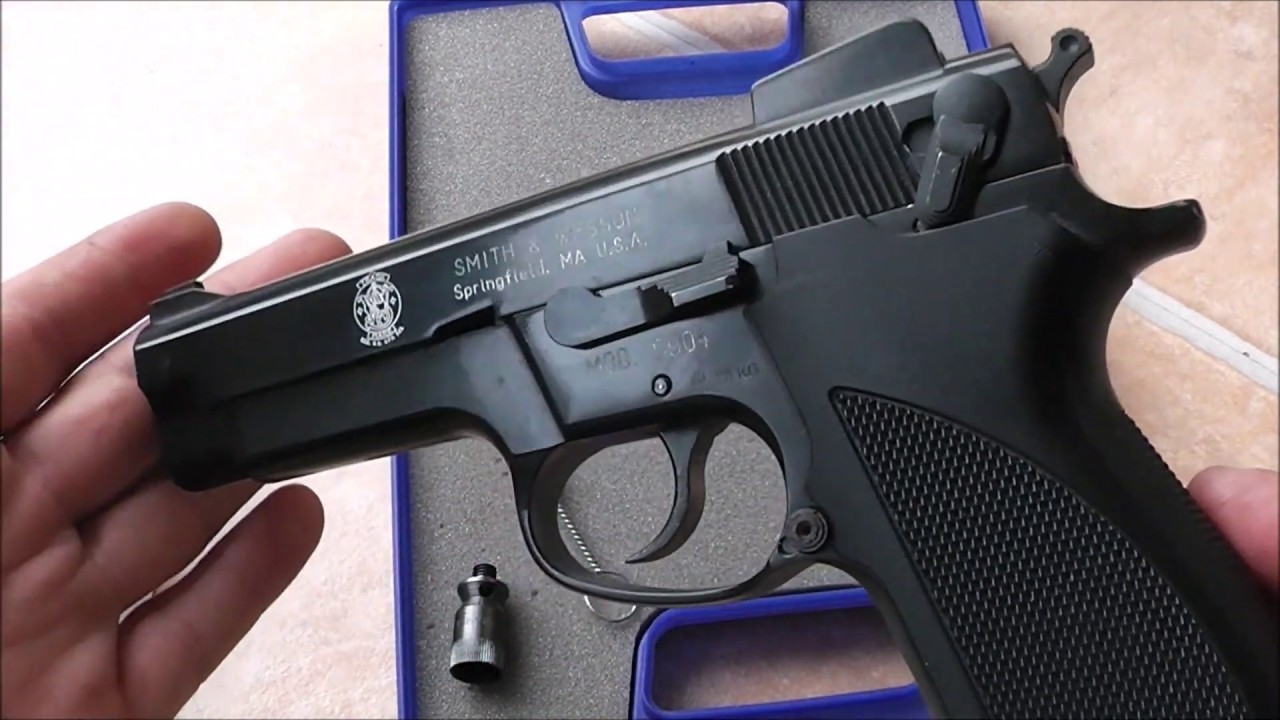
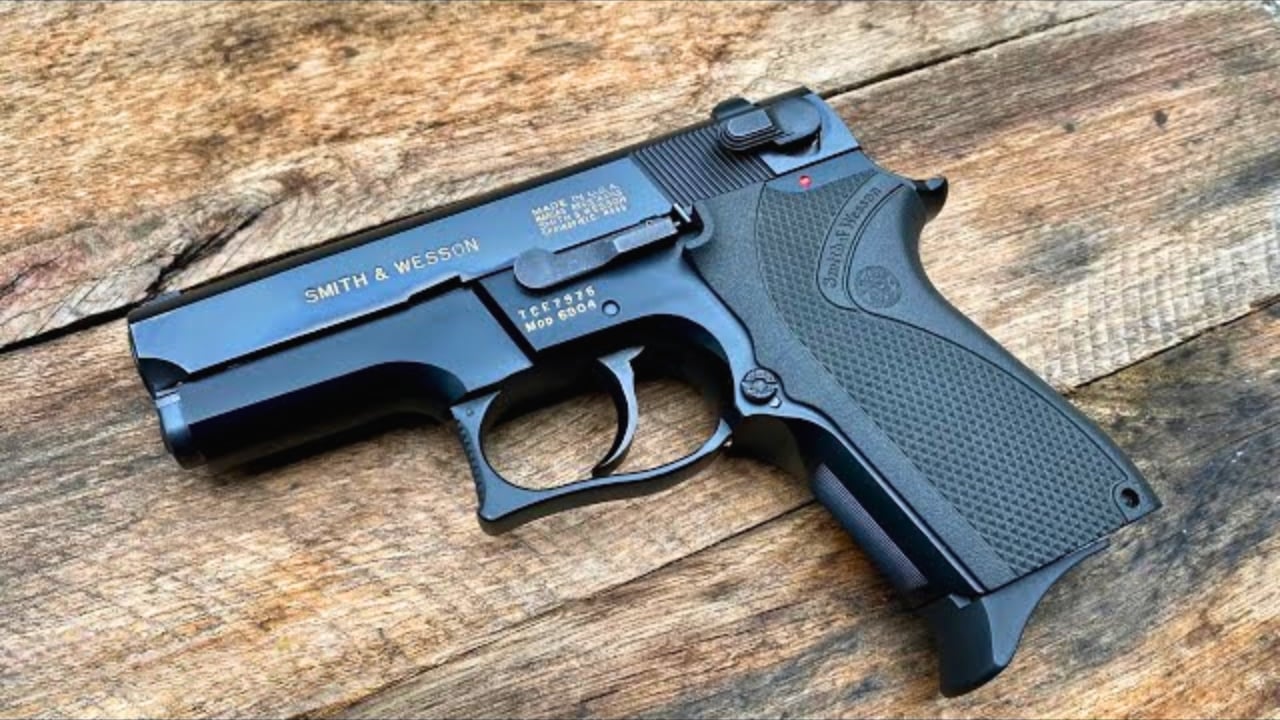
The 5904 represents the era when Smith & Wesson’s metal-framed semiautomatics were everywhere. It gave shooters a double-stack 9mm magazine, alloy frame, traditional DA/SA trigger, and the kind of construction expected from a service pistol. Compared with a current polymer gun, it is heavier and mechanically more complicated, but that does not make it ineffective.
Plenty of shooters still appreciate how naturally these old Smiths point and how manageable recoil feels through the larger frame. The market moved away from pistols like the 5904 years ago, yet a clean example can still serve perfectly well as a range, home, or collection gun without feeling obsolete.
Smith & Wesson 4006
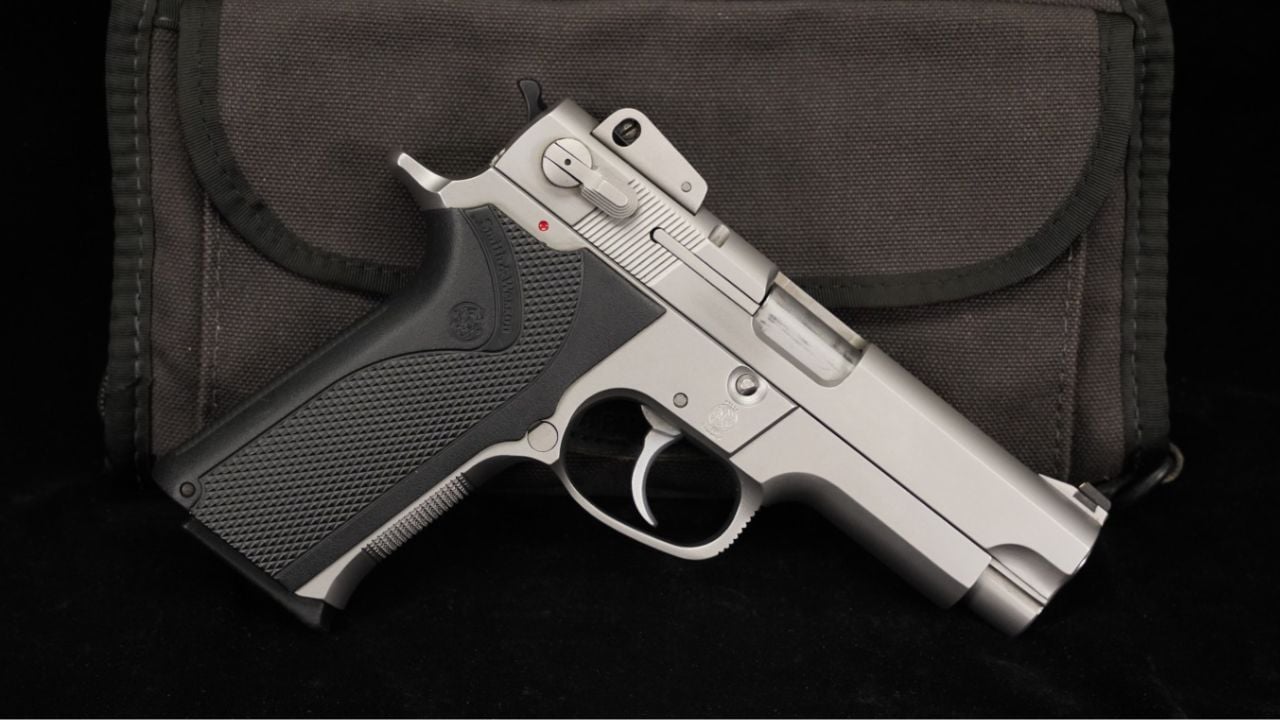
The 4006 was built during the height of .40 S&W’s popularity and became associated with law-enforcement use for good reason. It is a heavy stainless pistol that absorbs much of the sharpness people normally associate with the cartridge, while the full-size grip makes it easy to control. These guns were designed around duty use rather than minimum weight, and that difference is obvious the moment you pick one up.
The .40 market has shrunk dramatically, but that has not made a good 4006 stop working. Owners who already have magazines and ammunition often discover that there is little reason to abandon a pistol that remains accurate, controllable, and extremely durable.
Smith & Wesson 5946
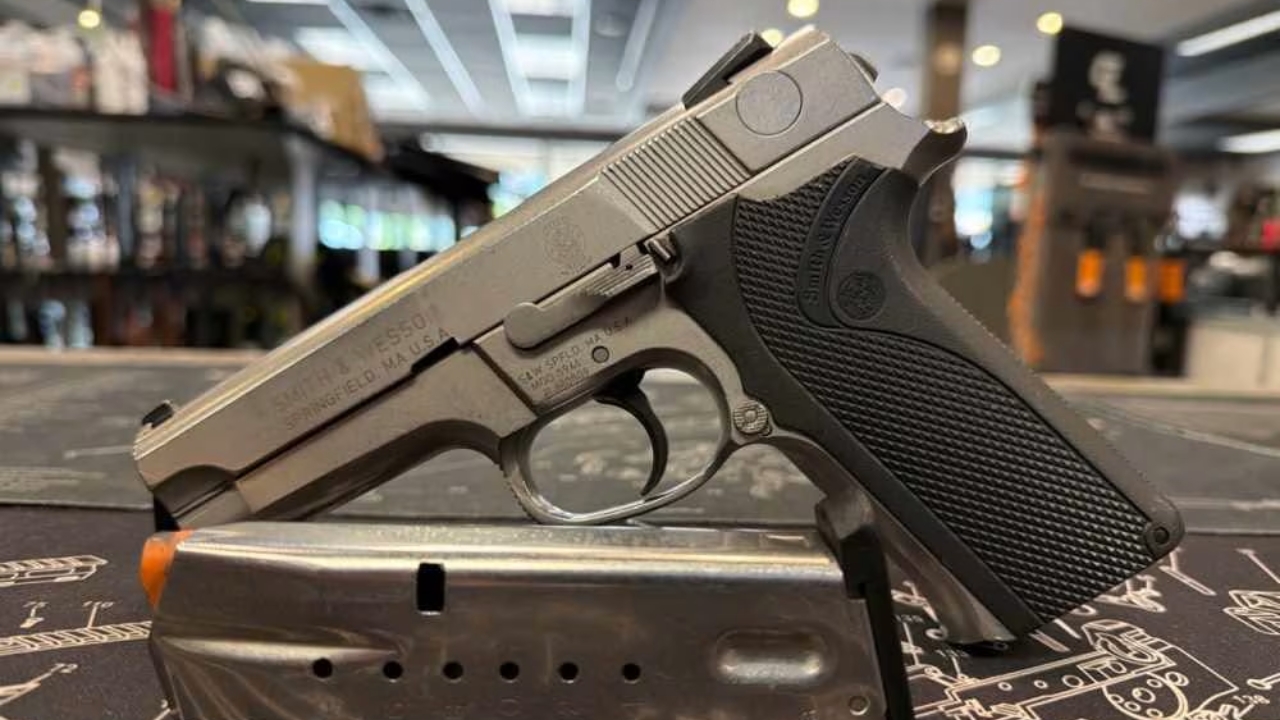
The 5946 may be even further removed from today’s trends because of its double-action-only trigger. There is no striker break, no single-action follow-up, and no attempt to provide the lightest trigger possible. Instead, every shot uses the same long, deliberate pull. That made the gun attractive to agencies that wanted consistency and a relatively straightforward manual of arms.
Modern buyers may dismiss the trigger immediately, but experienced shooters who grew up with DAO pistols often run them remarkably well. The 5946 is heavy, durable, and predictable. It belongs to a different era, yet none of those traits suddenly stopped mattering.
Beretta 92D
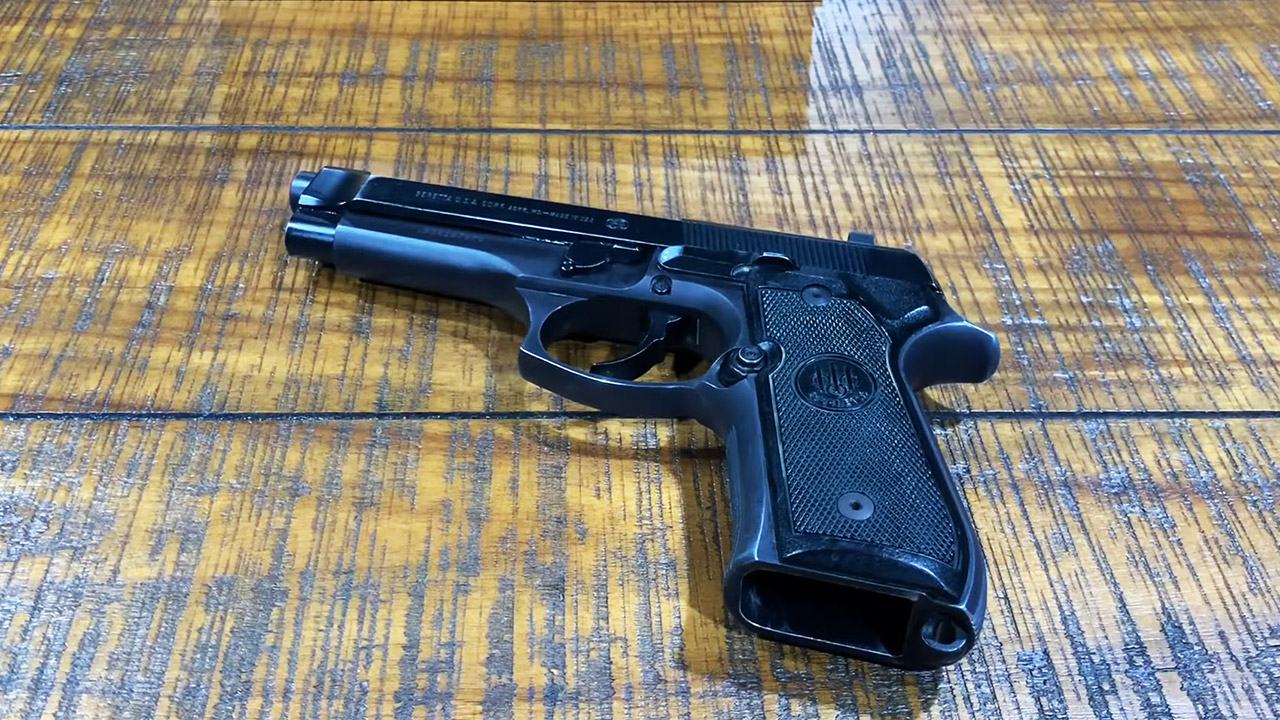
The 92D stripped the familiar Beretta service pistol down to a double-action-only trigger system, eliminating the traditional safety-decocker arrangement found on more familiar versions. That created a pistol with an extremely consistent manual of arms, even if the long trigger pull feels strange to shooters accustomed to modern striker guns.
The industry clearly chose another direction, but a 92D in experienced hands remains an easy pistol to control. The full-size frame keeps recoil mild, the open-slide design remains dependable, and the gun rewards shooters who have learned how to manage a long trigger without disturbing the sights.
Taurus PT92

The PT92 has survived multiple generations of handgun trends because the underlying design remains useful. It offers a full-size metal frame, substantial magazine capacity, and a traditional DA/SA trigger in a pistol closely related to the early Beretta 92 design. Taurus eventually developed its own safety arrangement, giving shooters the ability to carry the pistol in several different ways depending on preference.
Newer Taurus pistols are smaller and lighter, but the PT92 refuses to disappear because it still shoots well. A large grip and alloy frame make 9mm easy to manage, and long-term owners often trust them because they have already spent decades learning the platform.
Ruger P85
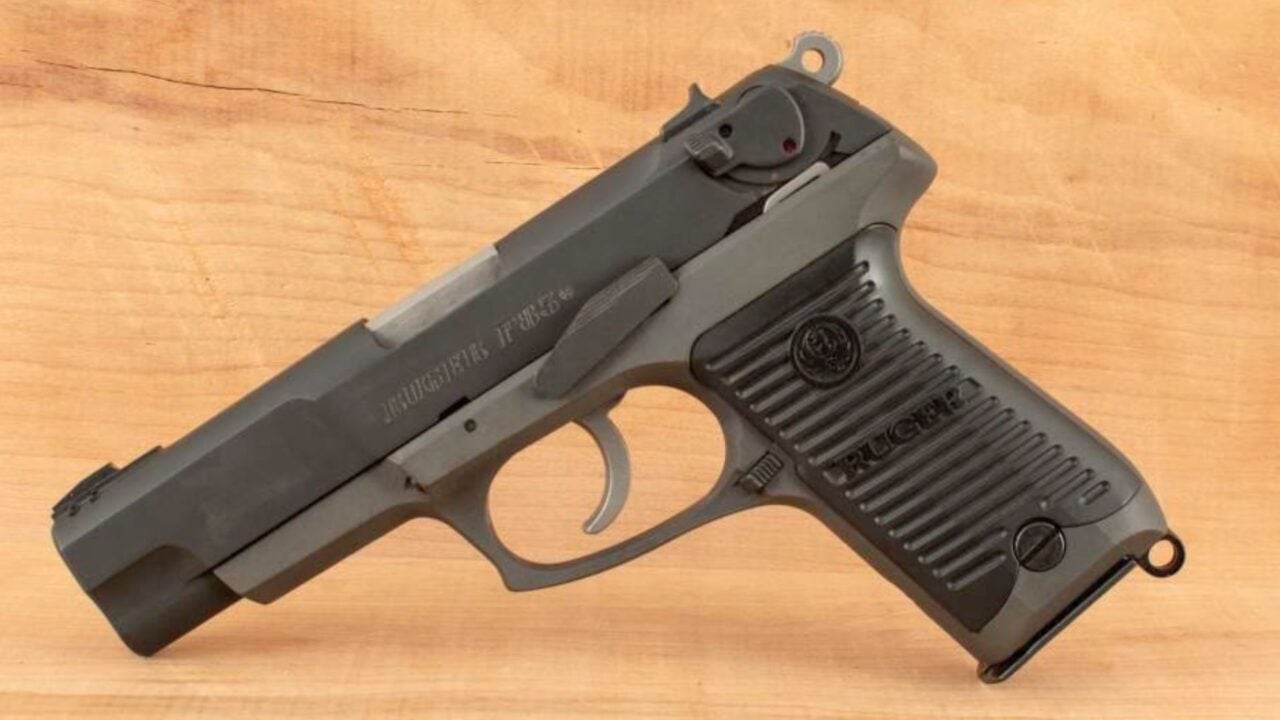
The P85 looks enormous next to many modern 9mm pistols, but it was built around very different priorities. Ruger wanted a rugged service handgun that could compete in the military and law-enforcement market, and elegance was clearly secondary. The pistol is thick, the controls are substantial, and the trigger feels very much like a product of its time.
Yet mechanically sound P85s remain useful shooters. Their weight makes recoil easy to handle, magazines are not tiny, and the pistols were built with durability in mind. It is hard to call something obsolete when it still performs the basic job reliably decades later.
Ruger P93
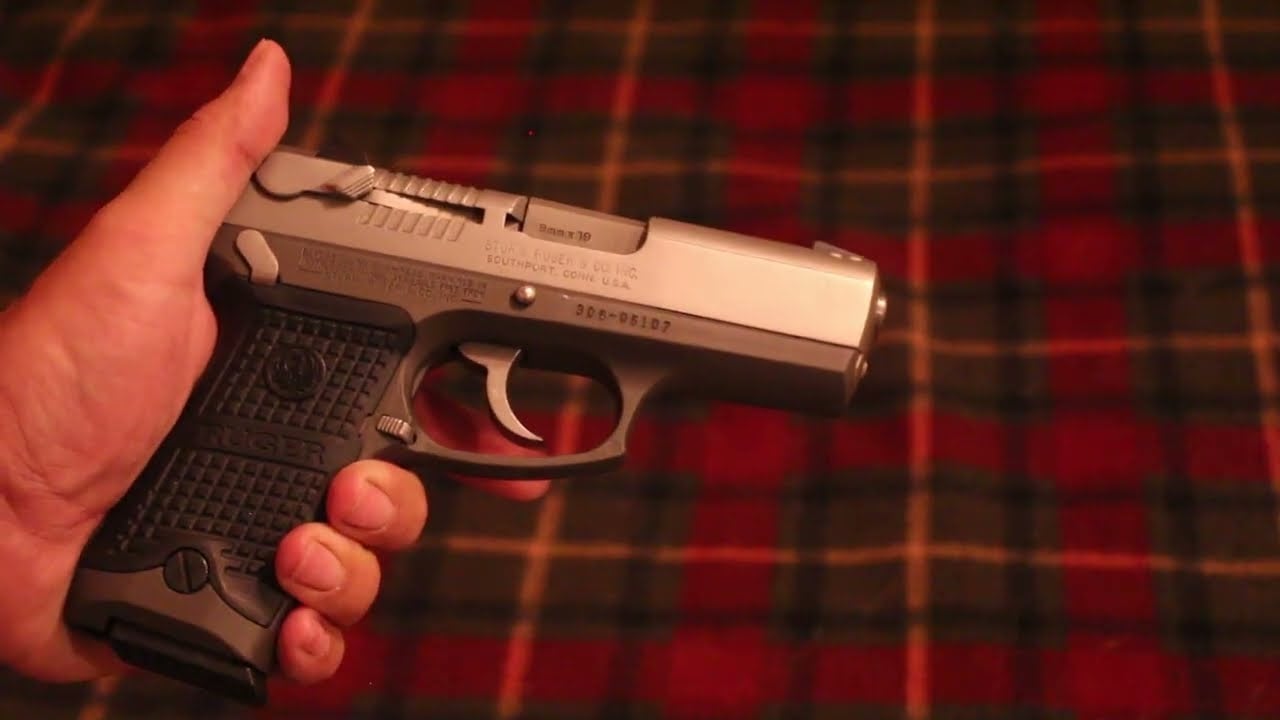
The P93 shortened the P-series concept into a more compact package without completely abandoning the chunky construction that defined the family. It is still heavier than today’s compact polymer guns, but it is manageable enough for belt carry and gives the shooter a substantial grip and traditional hammer-fired operation.
What keeps guns like the P93 relevant is familiarity. Someone who has carried and practiced with one for years may gain very little by replacing it simply because the industry decided striker-fired pistols were the future. A proven pistol remains proven until something actually makes it unsuitable.
Star Firestar M43

The Firestar M43 is a compact steel-frame 9mm from a period when manufacturers were still willing to make small carry pistols noticeably heavy. That weight works against it in a pocket but helps considerably when actually shooting the gun. Recoil feels controlled, the single-action trigger is straightforward, and the slim grip makes it easy to handle for shooters who dislike thick double-stack frames.
Modern micro-compacts offer much more capacity for less weight, but they do not necessarily shoot better. A Firestar in good mechanical condition still provides a very pleasant shooting experience, which is why people continue hanging onto them.
Star Megastar 45
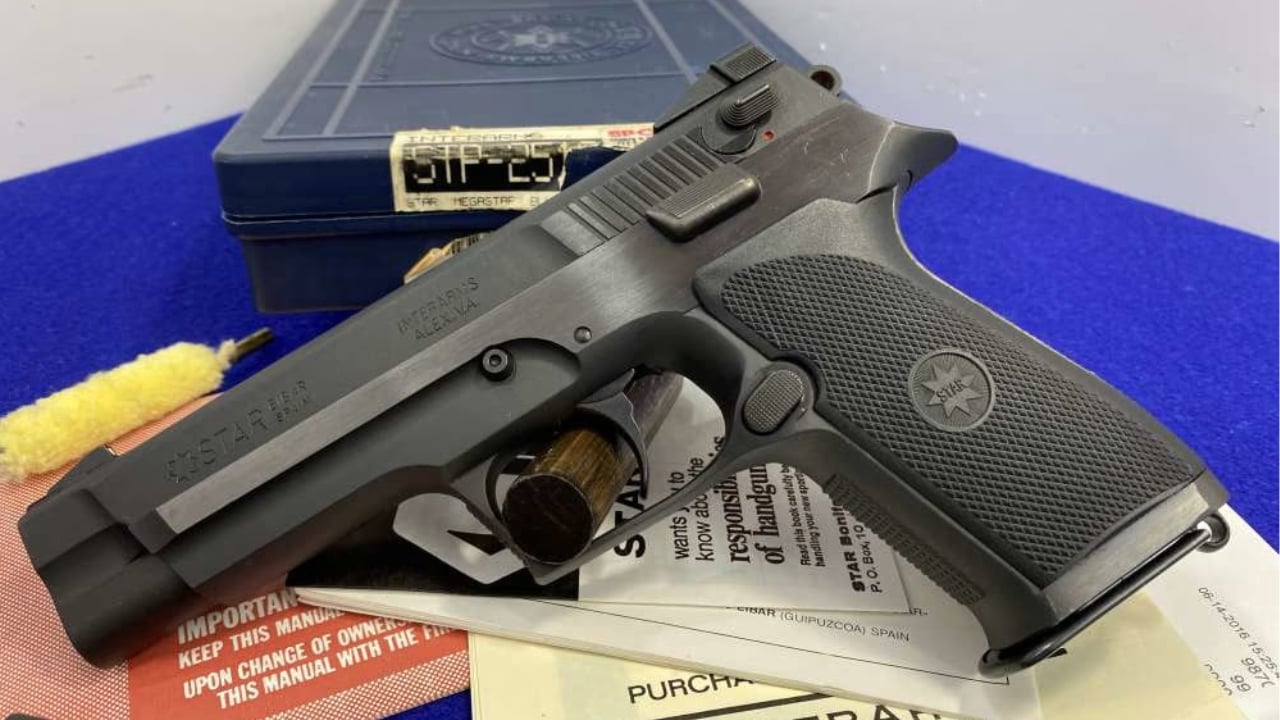
The Megastar went in exactly the opposite direction. It is huge, heavy, and built around cartridges like .45 ACP with very little concern for concealability. It feels closer to a piece of industrial equipment than a modern carry pistol. That sounds like a disadvantage until you start shooting one.
The weight makes the pistol remarkably stable, while the large grip gives the shooter plenty to hold onto. Nobody would design a mainstream carry pistol this way today, but that does not mean the concept stopped working. As a range or home-defense handgun for someone comfortable with its size, the Megastar still has plenty of usefulness.
Walther P1
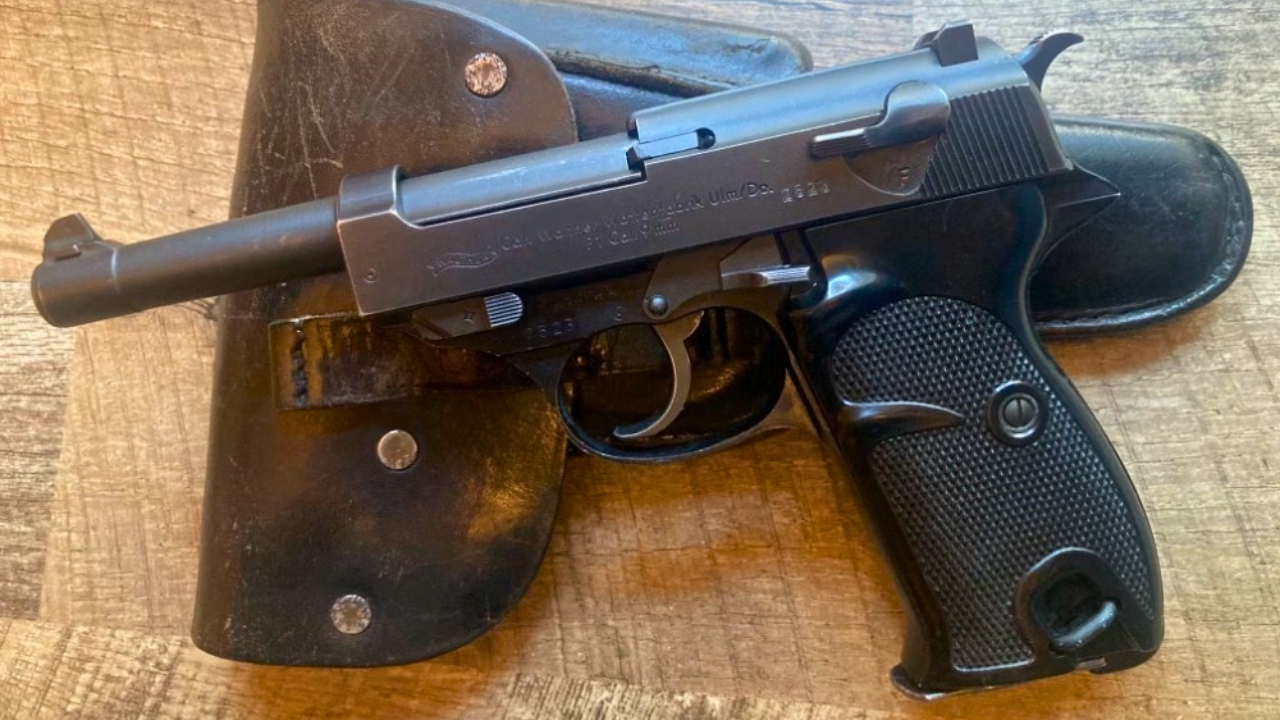
The P1 is essentially the postwar evolution of the famous P38 concept, incorporating an alloy frame while retaining the distinctive locking system and DA/SA operation. Its eight-round magazine looks outdated next to current service pistols, and the slide-mounted controls are unlikely to win over shooters raised on modern striker guns.
Still, the P1 remains historically important and surprisingly shootable. The slim grip fits many hands well, recoil is manageable, and the mechanical design offers a shooting experience that modern handguns rarely duplicate. It stopped being cutting-edge decades ago without ever becoming useless.
CZ 82
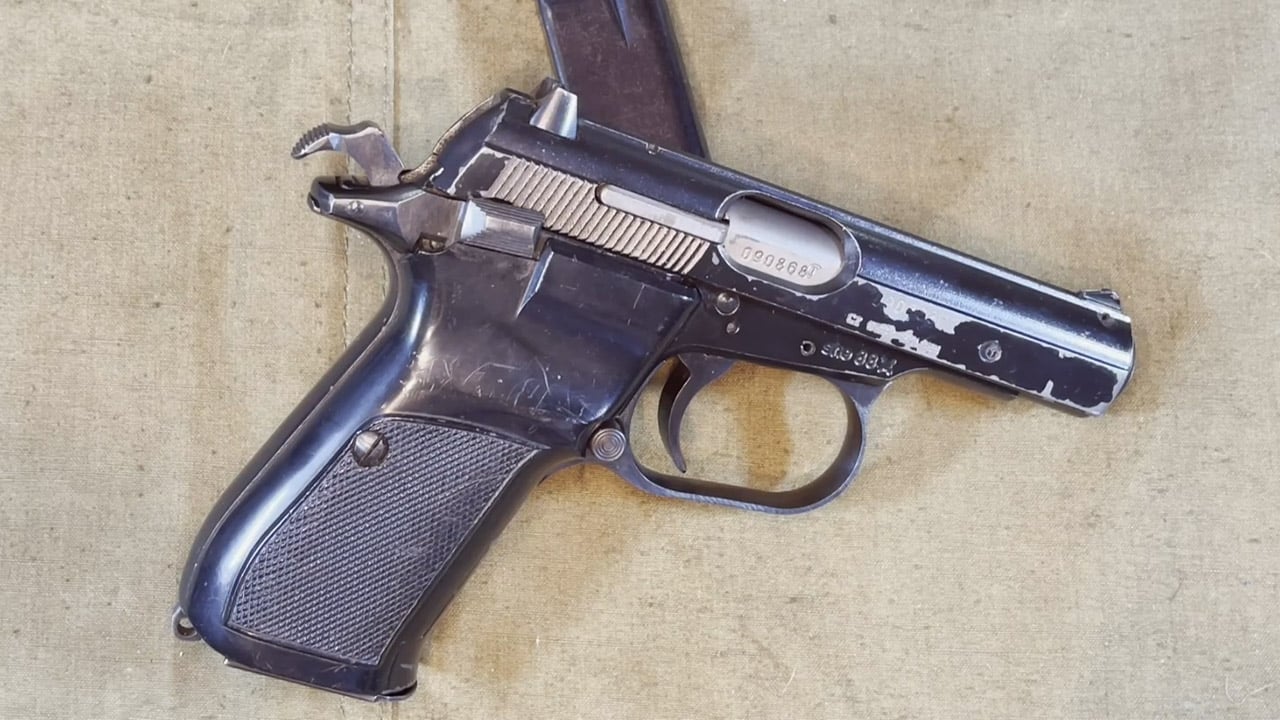
The CZ 82 is one of those military surplus pistols that people often buy out of curiosity and keep because it shoots better than expected. Chambered in 9x18mm Makarov, it has an all-steel frame, polygonal rifling, and surprisingly comfortable ergonomics for a Cold War-era service pistol. The trigger is also better than many shooters expect from an inexpensive military handgun.
The cartridge keeps it outside the mainstream American market, but enthusiasts continue using these pistols because they are compact, controllable, and mechanically interesting. Newer guns are lighter and easier to support, yet the CZ 82 still feels like a legitimate pistol rather than a historical novelty.
Makarov PM
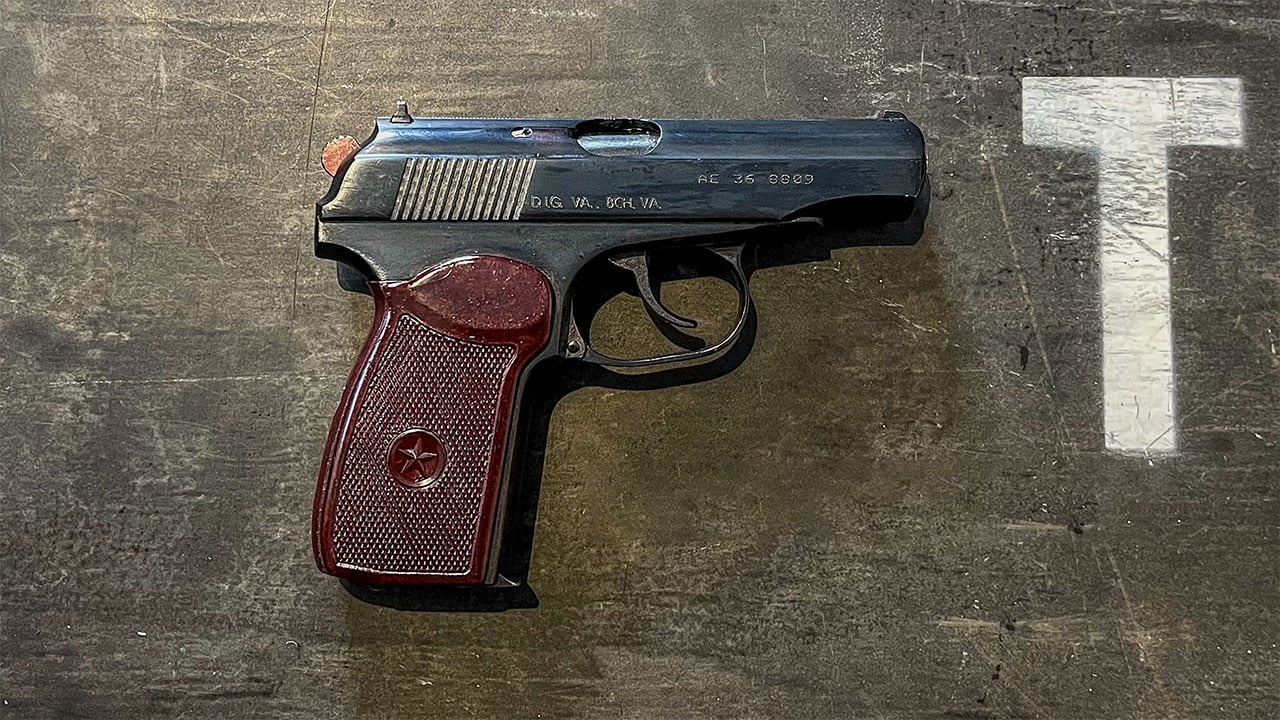
The Makarov PM may be one of the clearest examples of a pistol surviving through sheer mechanical practicality. It is compact, built with relatively few parts, and operates through a basic blowback system. The magazine capacity is low and the sights are tiny, but the design was created around reliability and straightforward maintenance rather than competitive shooting.
Modern carry pistols outperform it in capacity, sights, weight, and ammunition selection. Even so, countless Makarovs remain in use because owners know exactly how they work and appreciate their durability. Sometimes uncomplicated machinery remains relevant precisely because there is not much to go wrong.
Tokarev TT-33

The TT-33 is old enough that nobody is going to confuse it with a modern defensive pistol. Its grip is narrow, the sights are basic, and original military designs were remarkably sparse in terms of external controls. Yet the pistol remains interesting because of its strong action and the high-velocity 7.62x25mm cartridge.
A Tokarev is not what I would choose over a modern service 9mm for ordinary carry, but that misses the point. These pistols are still actively shot because they are rugged, historically significant, and genuinely fun to use. The industry moved on long ago, but shooters did not completely follow.
CZ 52
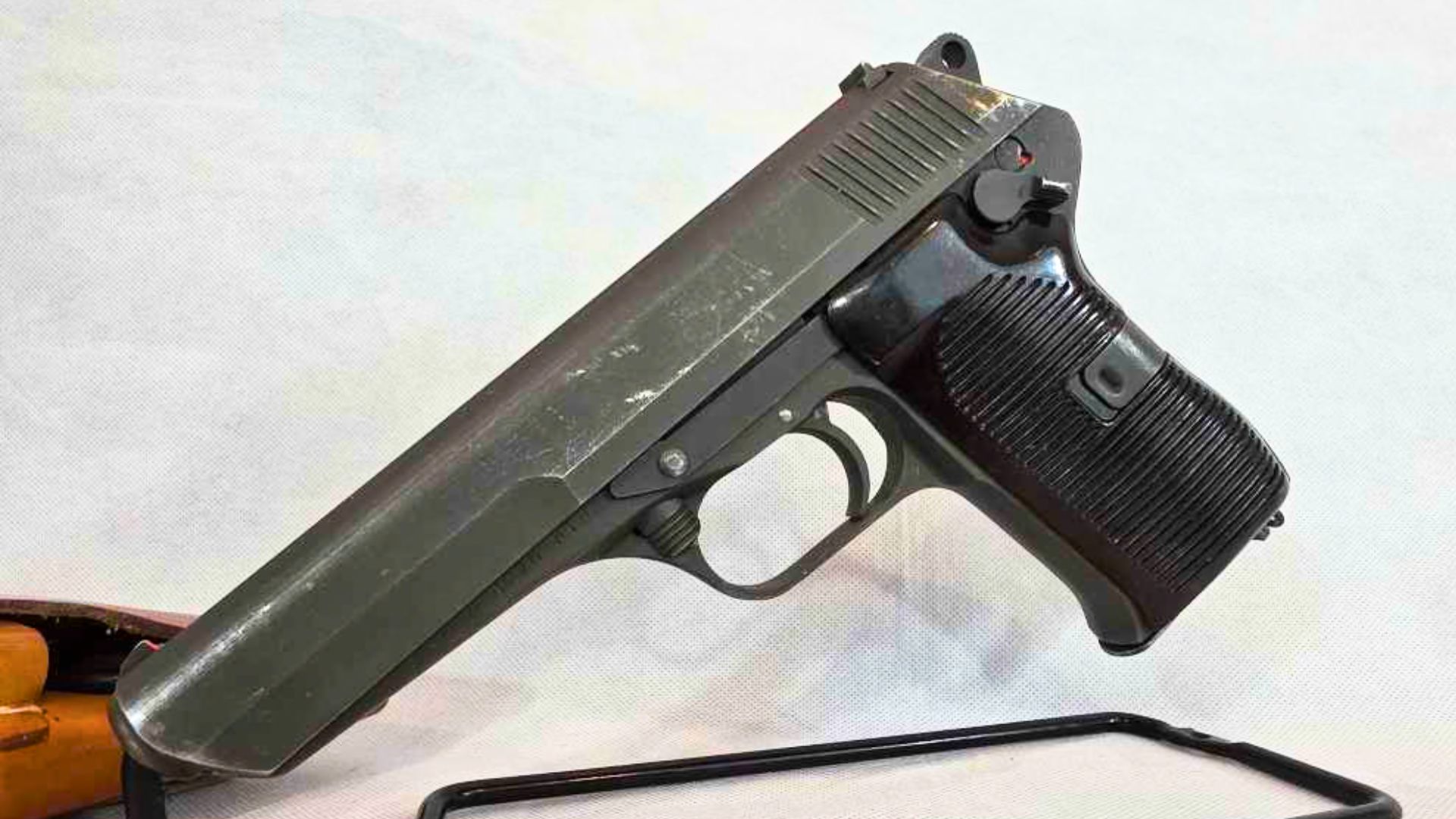
The CZ 52 is even stranger than the Tokarev, using a roller-locked operating system that is almost unheard of in handguns today. Its large grip, unusual controls, and 7.62x25mm chambering make it feel unlike almost anything currently sold. It was clearly built around military requirements that no longer shape the civilian handgun market.
What keeps the CZ 52 relevant is that there is still nothing quite like it. Collectors shoot them, surplus enthusiasts keep them alive, and the mechanical design remains fascinating decades later. Relevance does not always mean being the best defensive option. Sometimes it means continuing to offer something modern guns simply do not.
SIG Sauer SP2009
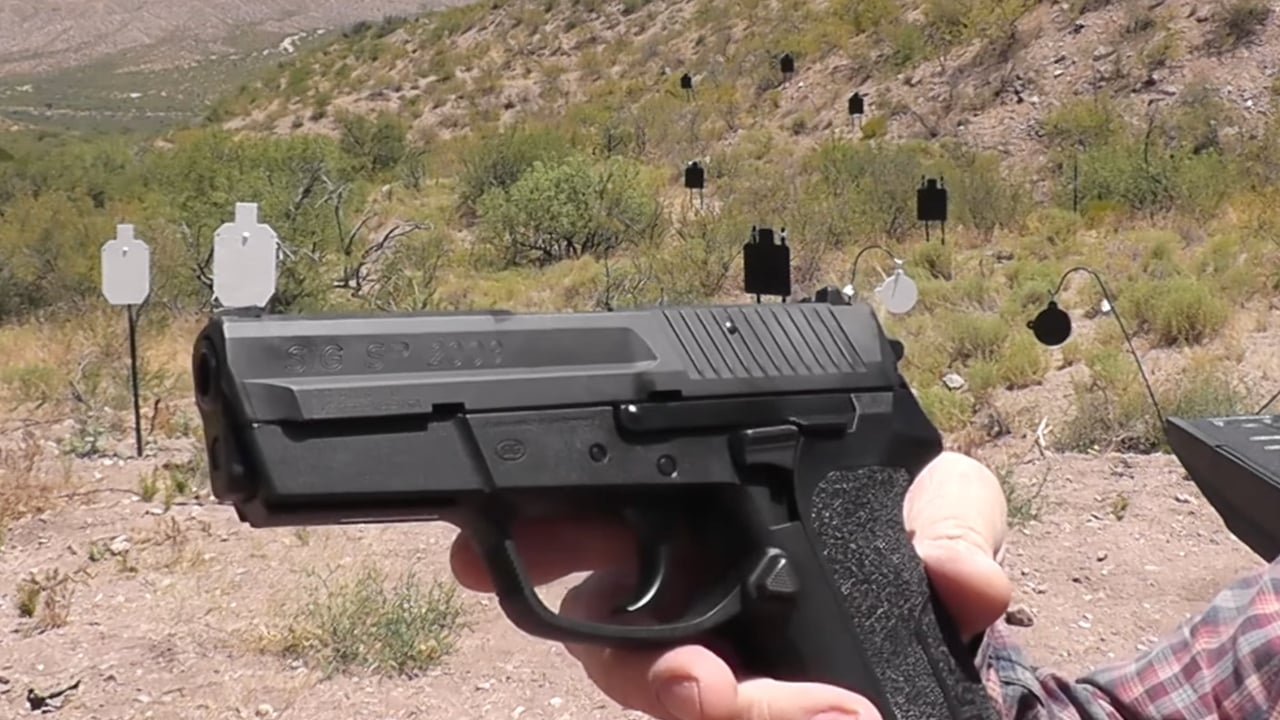
The SP2009 was part of SIG’s early move into polymer-framed service pistols before the market became dominated by striker-fired designs. It retained a traditional hammer-fired DA/SA system while reducing weight compared with SIG’s metal-frame guns. That made it somewhat transitional, sitting between two very different eras of service pistol development.
It never achieved the reputation of the classic P-series pistols, but the basic concept remained sound enough to evolve into later SIG Pro models. Shooters who own SP2009s often keep using them because they still provide familiar SIG controls and dependable performance without the weight of an alloy frame.
Beretta 9000S

The 9000S was Beretta’s attempt to shrink a traditional hammer-fired pistol into a compact format at a time when the concealed-carry market was changing rapidly. Its styling was unusual, the controls could feel cramped, and the thick grip kept it from becoming the runaway success Beretta might have hoped for.
Even so, it still has owners who appreciate what it offers. The pistol is compact, mechanically robust, and unmistakably different from the endless sea of striker-fired carry guns that followed. The market passed it by, but a functioning 9000S still does the same job it was designed to do.
FN FNP-45
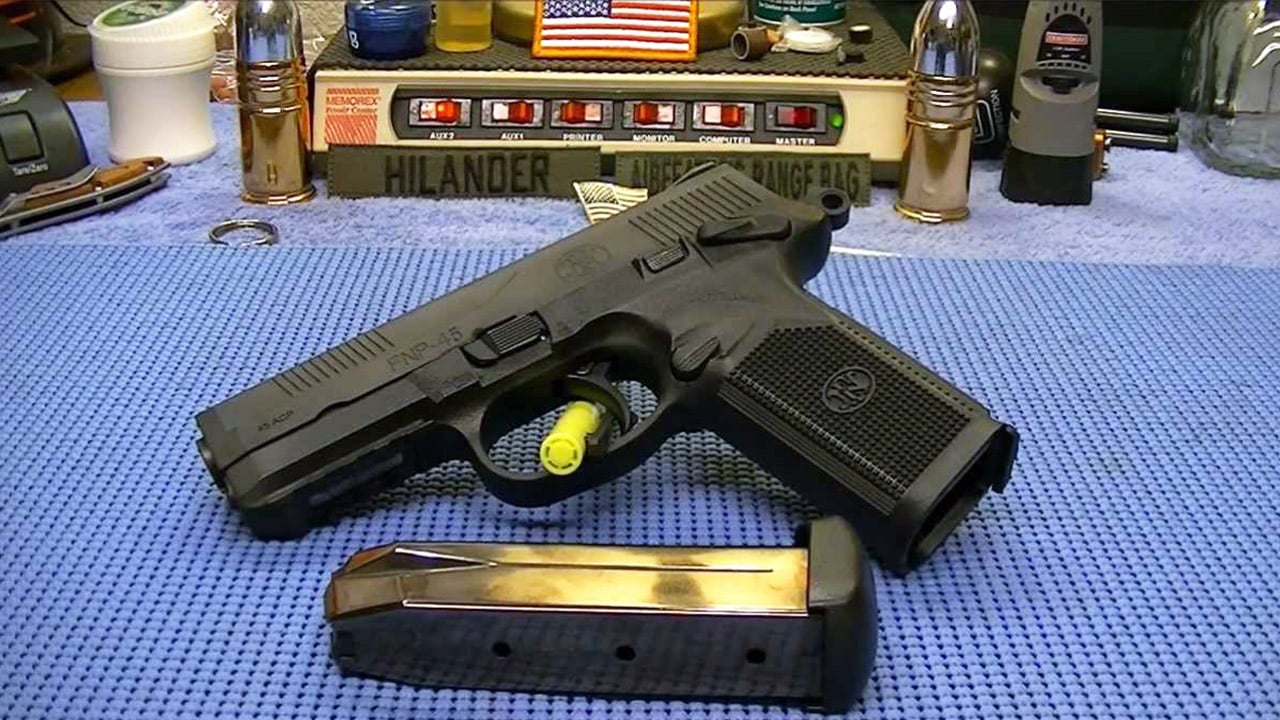
The FNP-45 arrived before optics-ready tactical pistols became nearly mandatory in the premium handgun market. It was large, hammer-fired, polymer-framed, and offered substantial .45 ACP capacity at a time when many competing .45s were either single-stack 1911s or lower-capacity service designs. It eventually gave way to newer FN pistols, but the basic concept was ahead of where the market was headed.
Its size remains the biggest drawback. For home, range, or field use, though, that large frame becomes an advantage because the pistol is easy to control. Owners who already have one may see little reason to replace it simply because a newer generation exists.
Beretta 96D
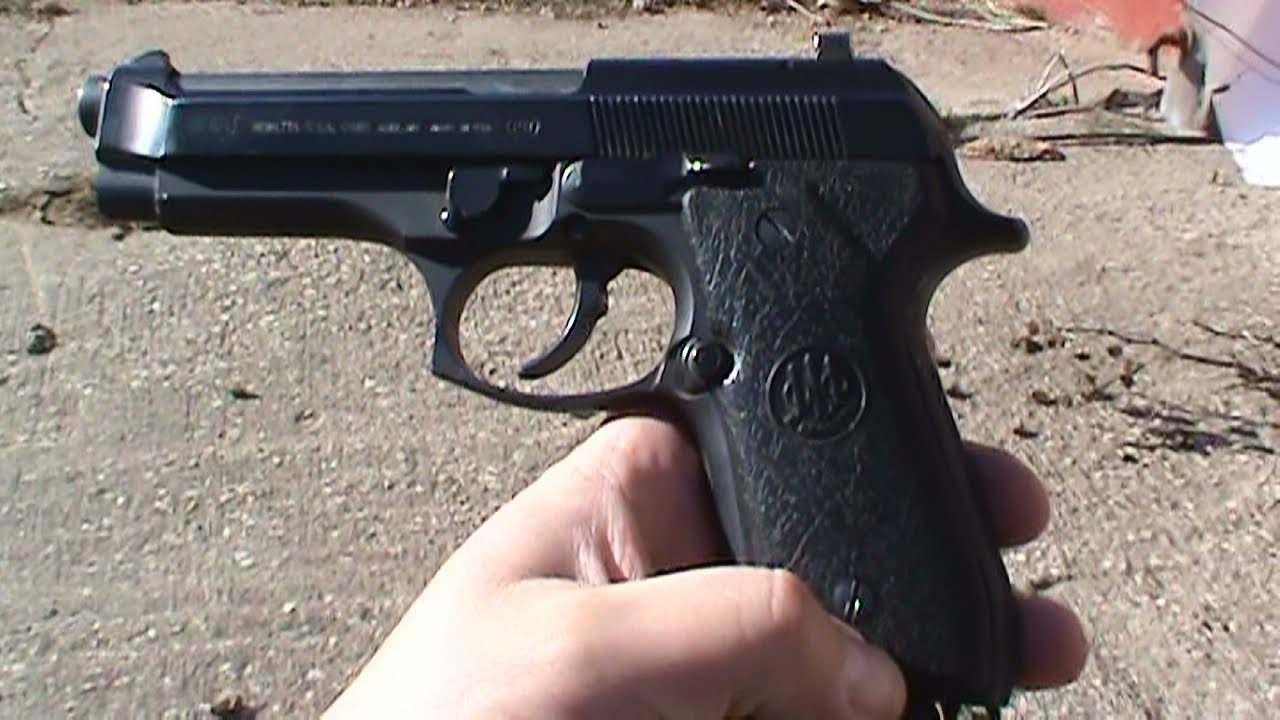
The 96D combines two ideas the modern market has mostly abandoned: .40 S&W and double-action-only service pistols. That makes it almost a museum piece by current design trends, yet the underlying Beretta platform remains exceptionally shootable. The large alloy frame helps tame the snappier cartridge, while the DAO trigger gives you the same pull every time.
A shooter accustomed to the system can still run one quickly and accurately. The fact that manufacturers no longer build many pistols like it says more about changing preferences than about whether the gun itself still works.
Smith & Wesson 6904
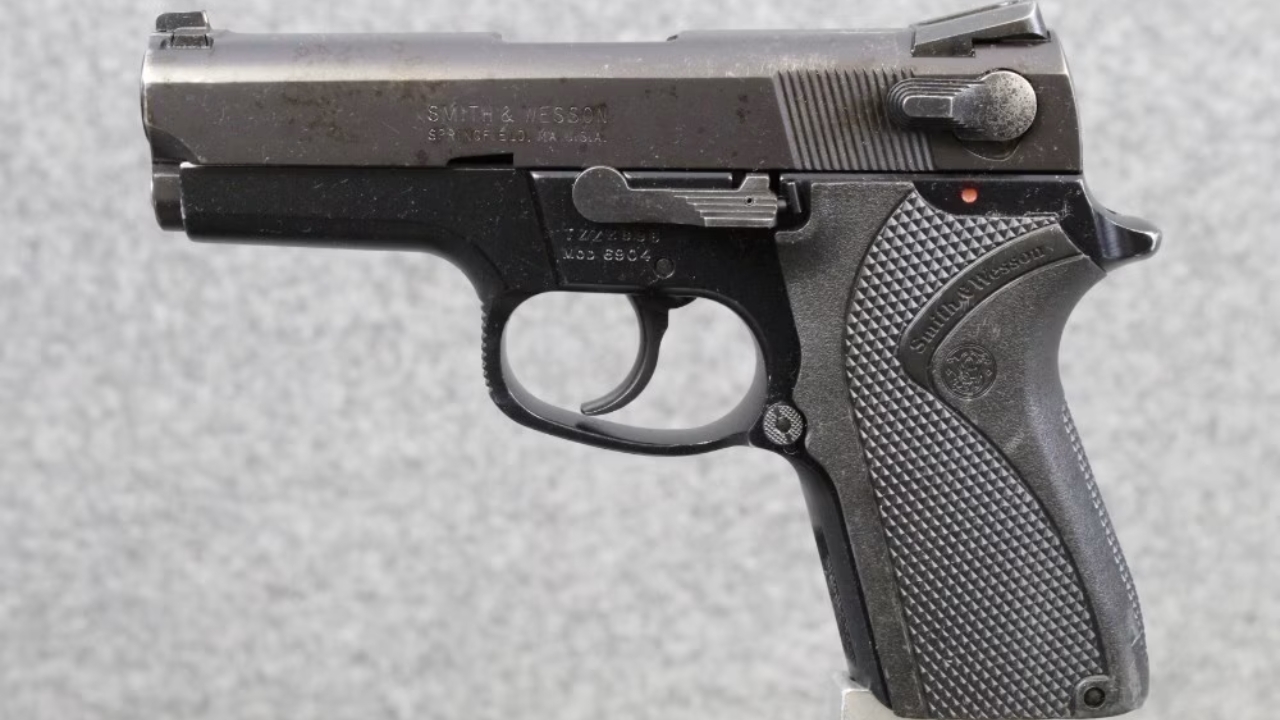
The 6904 is a compact double-stack 9mm from Smith & Wesson’s third-generation era, giving it a combination of alloy-frame construction, traditional DA/SA operation, and useful capacity in a relatively short package. It is thicker and heavier than modern carry pistols, but those disadvantages become less significant once the gun is actually being fired.
The extra mass makes it comfortable, the grip gives the shooter real control, and the operating system remains perfectly usable for anyone trained with it. Modern compacts may conceal more easily, but a well-kept 6904 still feels like a serious pistol rather than something history left behind.
Like The Avid Outdoorsman’s content? Be sure to follow us.
Here’s more from us: