Photo credit: midway512/YouTube
A handgun can look fantastic during a review and still lose its appeal after a few years of ownership. Reviewers usually get a clean pistol, shoot it under controlled conditions, run a few hundred rounds, and judge the gun against whatever else is new at the moment. Experienced shooters tend to look at different things once the honeymoon period wears off. They care about whether the pistol is still comfortable after long practice sessions, whether magazines and parts remain easy to find, whether the trigger actually helps them shoot better, and whether the gun fills a role their older pistols were not already handling.
That does not make these handguns failures. Most are capable firearms, and several have enthusiastic owners for good reasons. The problem is that strong reviews can make every new release sound like a permanent improvement. After enough time behind different pistols, experienced shooters usually become much harder to impress. These are the handguns that can receive glowing attention up front while leaving seasoned owners wondering whether they really gained anything.
Walther PDP Pro SD Compact
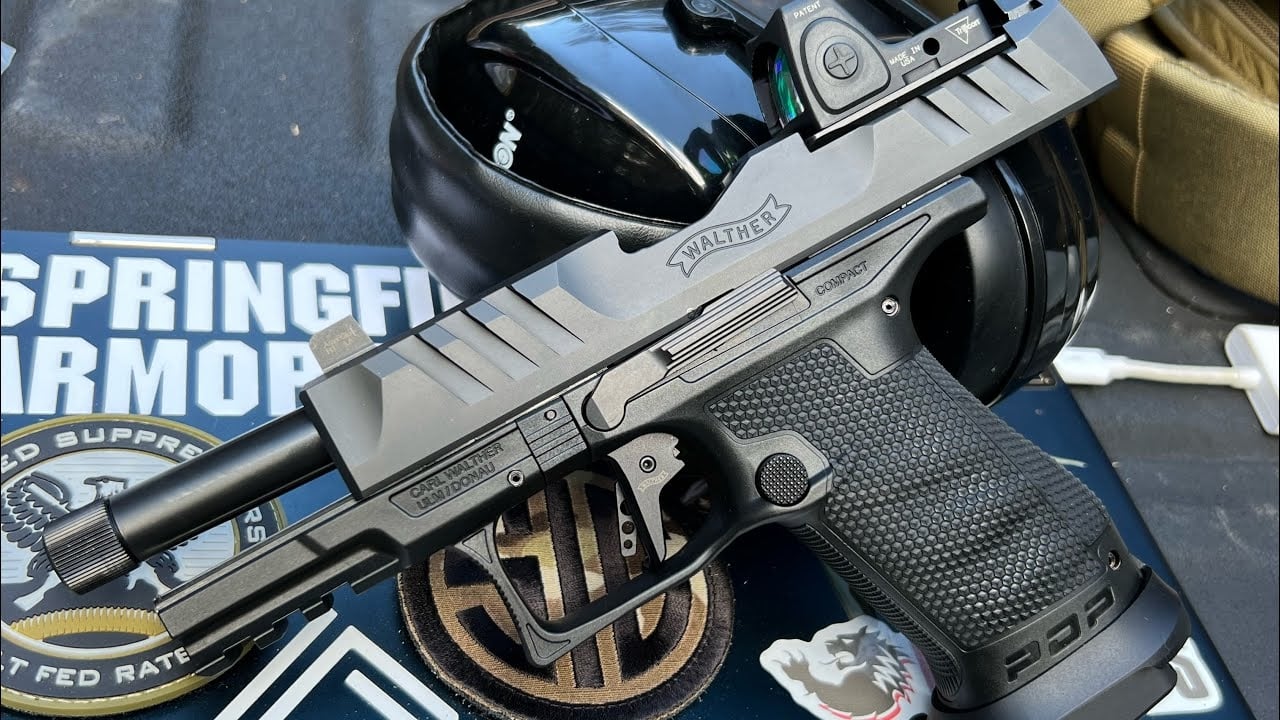
The PDP Pro SD Compact checks almost every box that makes reviewers excited. The trigger is excellent, the grip texture provides tremendous control, the optics-ready slide is modern, and the threaded barrel gives the gun an aggressive premium configuration straight from the factory. Put one on a range table beside an older service pistol and the Walther immediately feels newer. The problem is that experienced shooters eventually start noticing how energetic the slide can feel compared with heavier or lower-bore-axis pistols. It is accurate and fast, but it does not necessarily shoot as softly as its size and reputation might suggest.
That becomes more important after thousands of rounds than after a short review session. Some shooters eventually decide they would rather have a calmer pistol with a merely good trigger than a fantastic trigger attached to a gun they have to work harder to control.
Canik SFx Rival

The Rival is extremely easy to praise during a review. The trigger is outstanding for the money, the pistol comes ready for optics, the controls are competition friendly, and the package gives buyers a lot of equipment without forcing them immediately into aftermarket upgrades. For someone comparing features per dollar, it can make substantially more expensive pistols look difficult to justify. That is exactly why the Rival became such an attention magnet.
Experienced competition shooters often become more particular after enough matches, though. Holster support, long-term parts availability, magazine logistics, balance, and how a pistol behaves across tens of thousands of rounds start mattering more than what comes in the box. Some eventually move toward platforms with deeper competition ecosystems even if the initial value is worse.
Springfield Armory Echelon
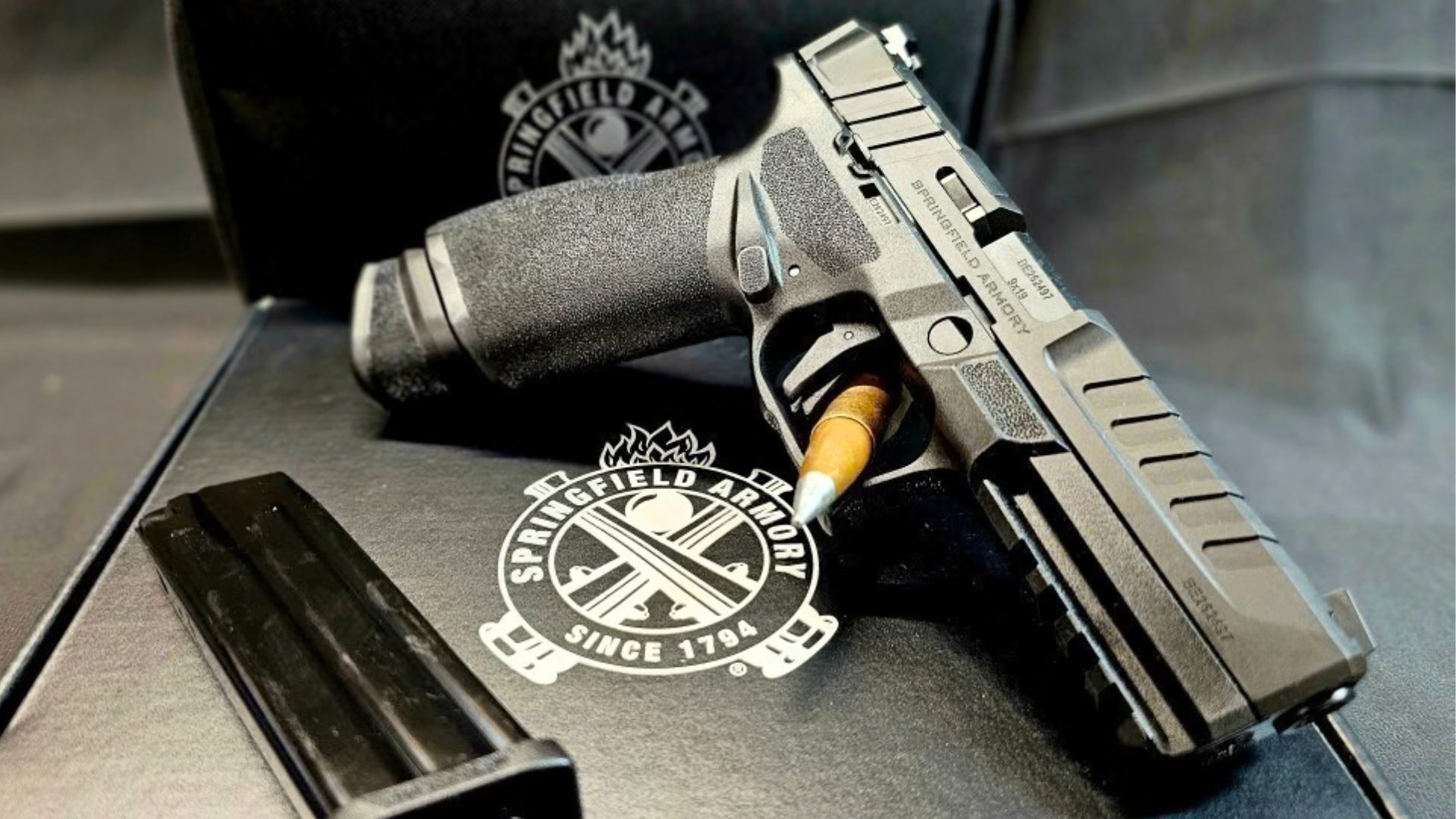
The Echelon received strong attention because Springfield managed to enter the modular striker-pistol category with a design that felt mature immediately. The grip texture is good, the internal chassis system is clever, and the optics mounting system avoids some of the frustrations associated with adapter plates. The pistol also has enough size to be easy to shoot without becoming enormous. On first impression, it is difficult to find much wrong with it.
The question experienced shooters eventually ask is whether modularity matters if they never actually change anything. Once the pistol is configured, many owners leave it alone. At that point, an established platform with years of magazines, holsters, spare parts, and personal familiarity can start looking more attractive than having a removable serialized chassis that rarely leaves the original frame.
FN 545 Tactical
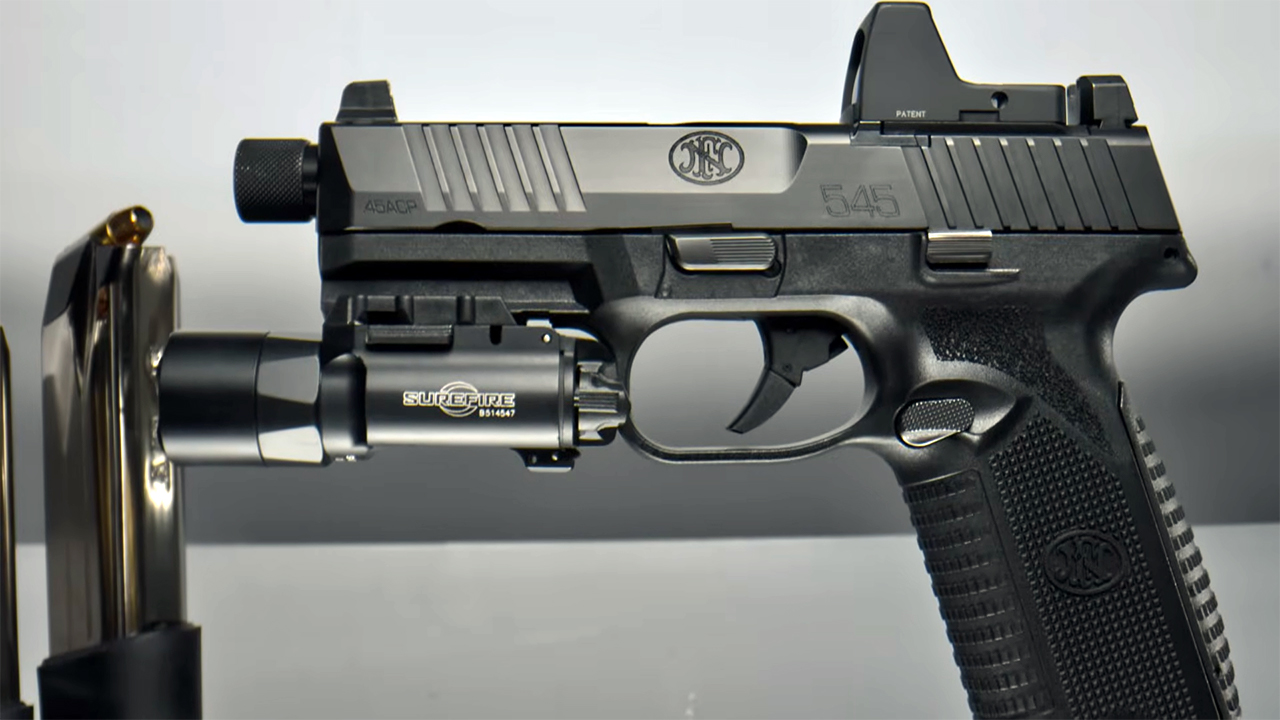
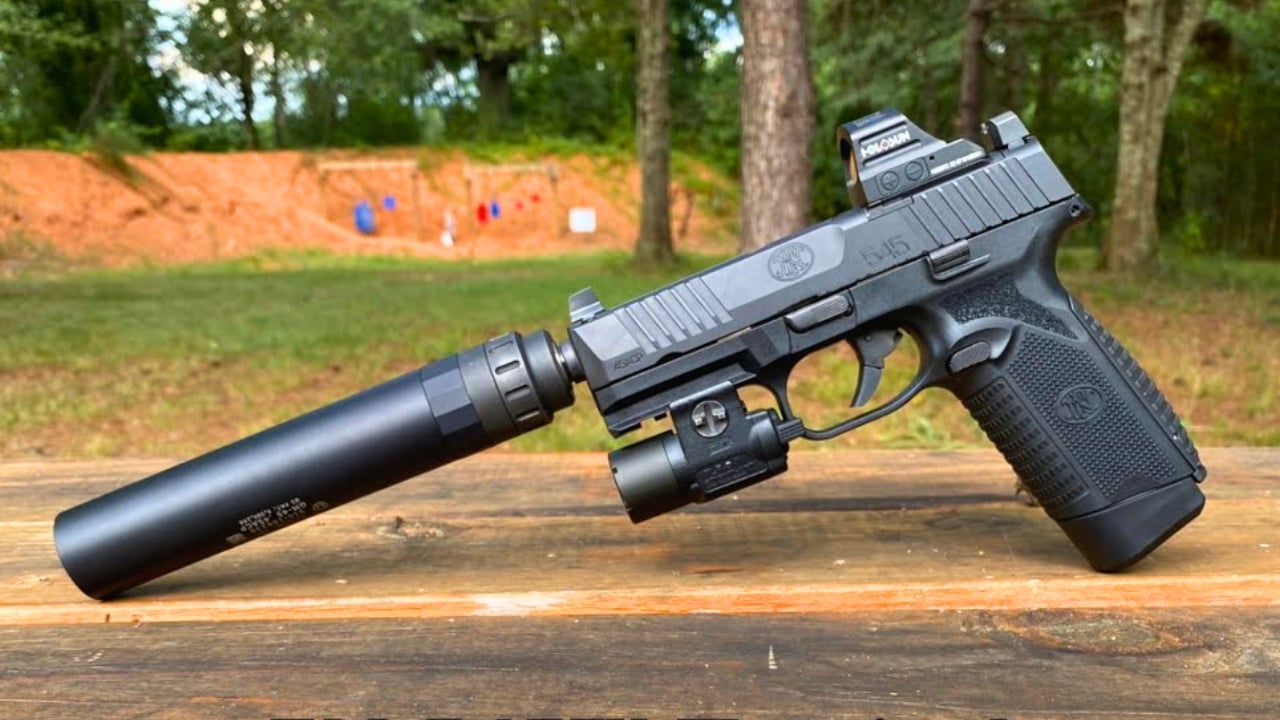
The 545 Tactical has the kind of specification sheet that makes a review almost write itself. You get a large-capacity .45 ACP pistol, optics capability, a threaded barrel, aggressive grip texture, and a modern service-style frame. It gives the shooter a lot of gun without requiring immediate modification, and the size makes .45 ACP surprisingly manageable.
The problem is that it is still a large handgun built around a cartridge many experienced shooters no longer feel compelled to carry. After the novelty wears off, a lot of shooters realize they can get easier ammunition logistics, lower recoil, and similar practical effectiveness from a 9mm service pistol they already own. The FN remains capable, but its role can become harder to justify.
Staccato CS
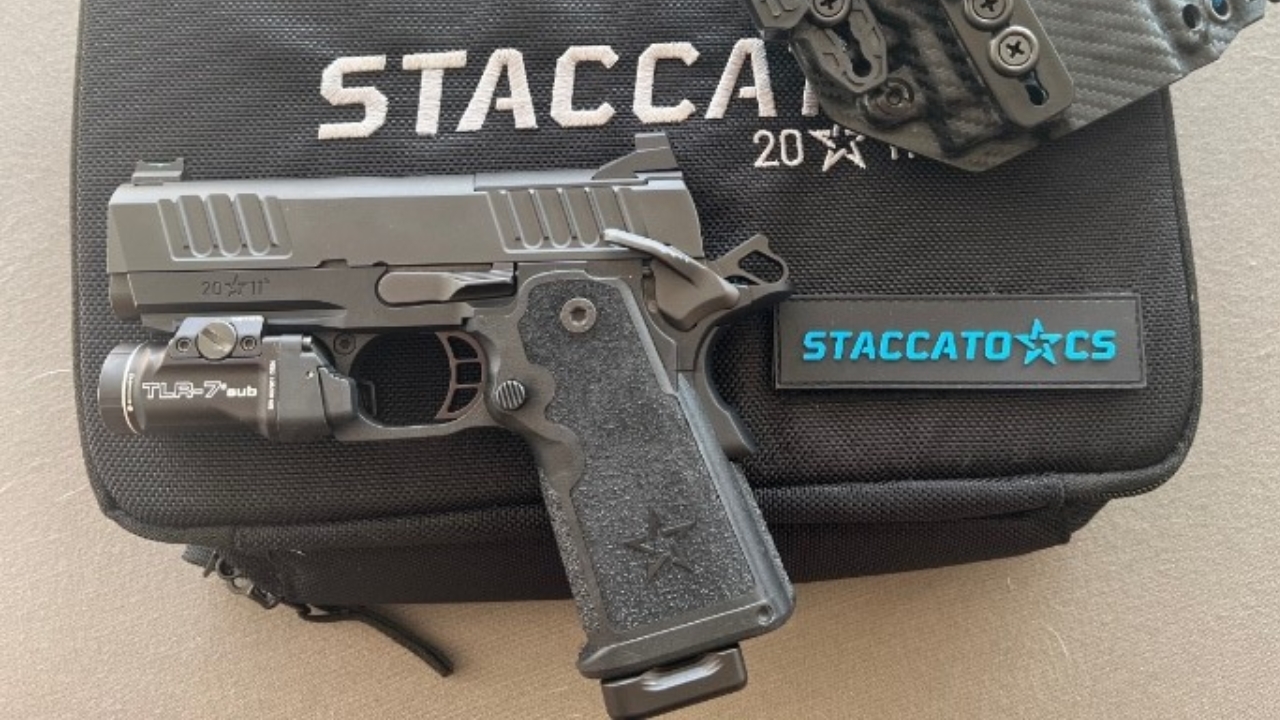
The CS gets enormous attention because it brings the modern double-stack 1911 concept into a genuinely compact carry package. The trigger is excellent, the pistol feels premium, and the combination of capacity and shootability makes it easy to understand why reviewers enjoy it. Compared with many micro-compacts, it can feel like a dramatic upgrade the first time you shoot one.
Long-term ownership introduces a different question: how much extra performance are you actually buying for the money? Experienced shooters who train regularly can often run much less expensive compact pistols extremely well. The CS remains excellent, but some eventually decide that carrying an expensive precision-oriented pistol every day creates more worry and maintenance concern than the small practical advantage is worth.
Kimber KDS9c

The KDS9c looks like exactly what many experienced shooters claimed to want: a metal-frame compact 9mm with a good single-action trigger, substantial capacity, and more refinement than the average polymer carry gun. The grip is slim, the pistol points naturally, and the overall package feels much more traditional than the modern striker-fired norm. Reviewers understandably focus on how well it shoots.
What becomes less obvious is whether someone really wants the maintenance expectations, manual safety, price, and platform-specific support that come with it. A seasoned shooter may love the trigger at the range and still decide that a simpler, more common carry pistol makes more sense every day.
FN Reflex

The Reflex generated interest because it entered the micro-compact market with an internal hammer system instead of simply copying the striker-fired formula. The trigger feels different from many competitors, the pistol is thin, capacity is strong for the size, and the overall dimensions make it easy to conceal. On paper and during short range sessions, there is a lot to like.
Experienced shooters often become increasingly skeptical of the entire micro-compact category, though. Tiny grips and light slides make these guns harder to shoot well than larger compacts. Some owners eventually realize that gaining a little concealability cost them more control than they expected and move back toward slightly larger pistols.
Shadow Systems CR920

The CR920 is easy to appreciate if you like Glock-style controls but want something more refined out of the box. The frame texture, slide work, sights, and optics system address many of the things Glock owners traditionally changed themselves. Reviewers can pick one up and immediately point to features that feel like obvious improvements.
The issue for experienced owners is that refinement also brings complexity and cost. Once you have already trained extensively with a more conventional platform, the benefits may not be large enough to justify switching magazines, holsters, spare parts, and established habits. Sometimes the upgraded version of a familiar idea ends up solving problems the shooter had already learned to live without.
S&W M&P9 Metal

The metal-frame M&P generated attention because it took one of America’s most established polymer service pistols and gave it an aluminum frame. The pistol feels more premium, balances differently in the hand, and retains the familiar M&P controls. For reviewers, it is an easy comparison because the metal construction instantly creates something tangible to discuss.
After enough shooting, some owners question whether the change actually provides enough benefit. The gun is not dramatically heavier, and the recoil difference may be smaller than expected. Experienced shooters who already own a well-set-up polymer M&P can eventually decide the metal version is more interesting than necessary.
Beretta APX A1 Tactical
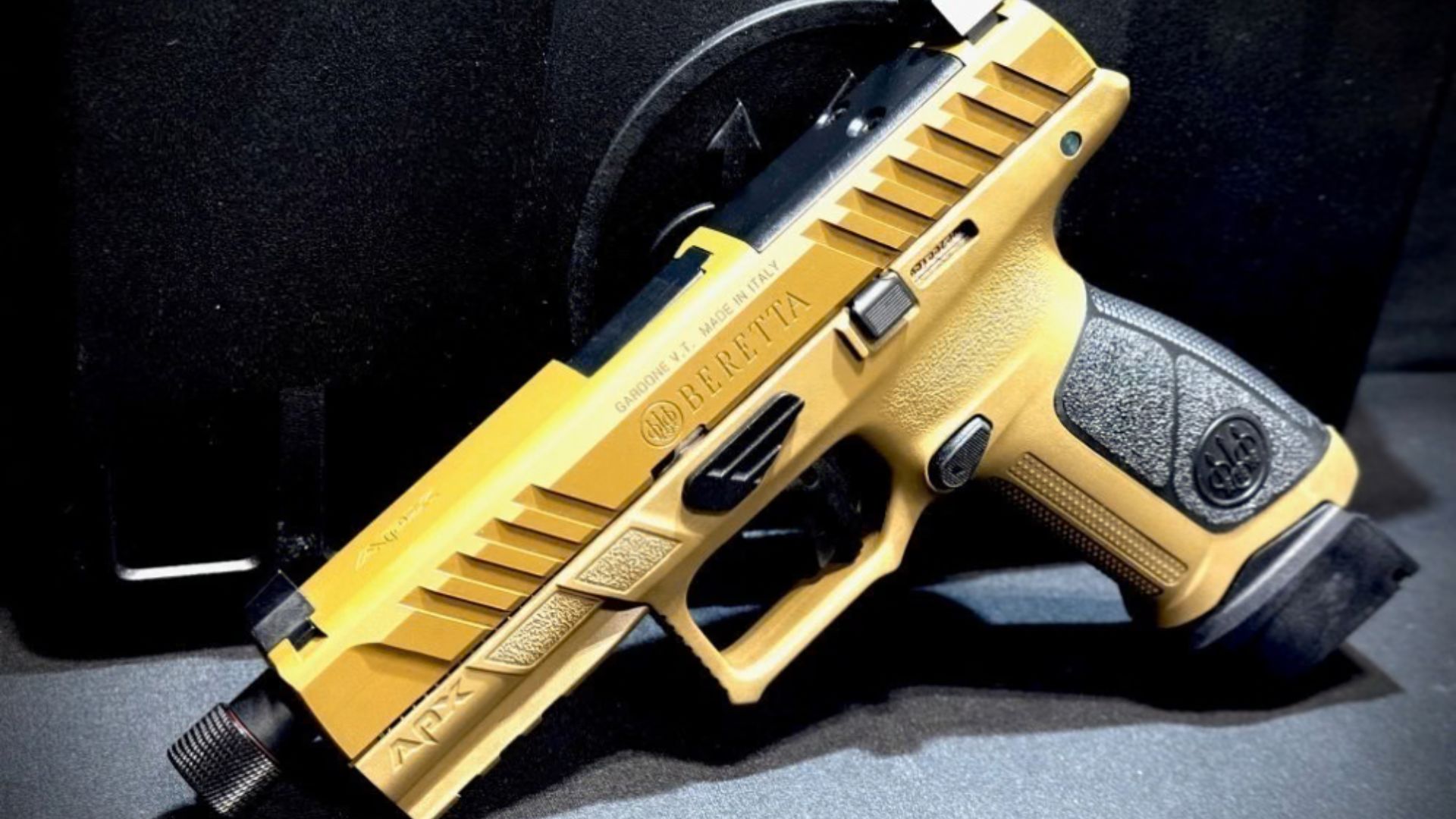
The APX A1 Tactical offers nearly everything a modern reviewer expects: an optics-ready slide, threaded barrel, substantial magazine capacity, modular internal design, and an aggressive service-pistol appearance. It also comes from a manufacturer with decades of service-handgun experience behind it. As a package, there is nothing obviously missing.
The challenge is that the APX platform never developed the aftermarket gravity of the biggest competitors. Experienced shooters eventually care about finding magazines locally, locating holsters easily, sourcing small parts, and maintaining several identical guns. A pistol can be very good and still lose ground simply because ownership becomes less convenient.
CZ Shadow 2 Carry
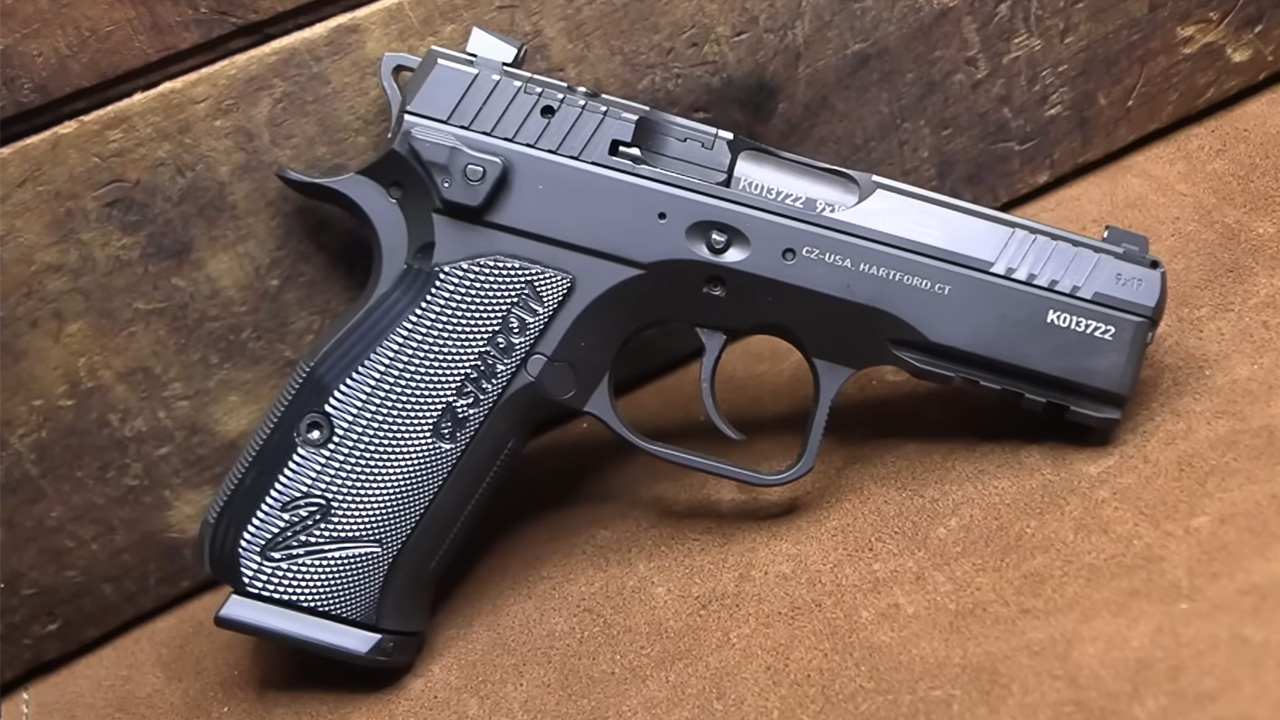
A compact or carry-oriented Shadow-style pistol sounds almost perfect to someone who has spent time with CZ competition guns. The heavy frame, excellent trigger, low slide, and familiar ergonomics make the gun extremely easy to shoot well. Reviewers naturally love pistols that make accurate rapid shooting look easy because the advantage appears immediately on camera and on target.
The problem comes when the owner remembers that a carry gun spends far more time being carried than fired. Weight, controls, maintenance, and concealment start mattering more. Some experienced shooters eventually return to lighter pistols even though they objectively shoot the heavier CZ better.
SIG Sauer P320 XFive Legion

The XFive Legion earned huge praise because it brought tungsten-infused grip weight, an excellent competition-oriented setup, and modular P320 architecture into one factory pistol. It shoots flat, balances well, and requires very little modification before entering competition. For a reviewer, the performance difference compared with a basic striker pistol is immediately noticeable.
Experienced competitors often move past it because competition preferences become extremely specific. Trigger feel, optic mounting, recoil tuning, grip shape, and division rules can eventually push shooters toward more specialized platforms. The XFive Legion remains strong, but what looks like the complete package initially can become the starting point rather than the destination.
Springfield Armory Emissary
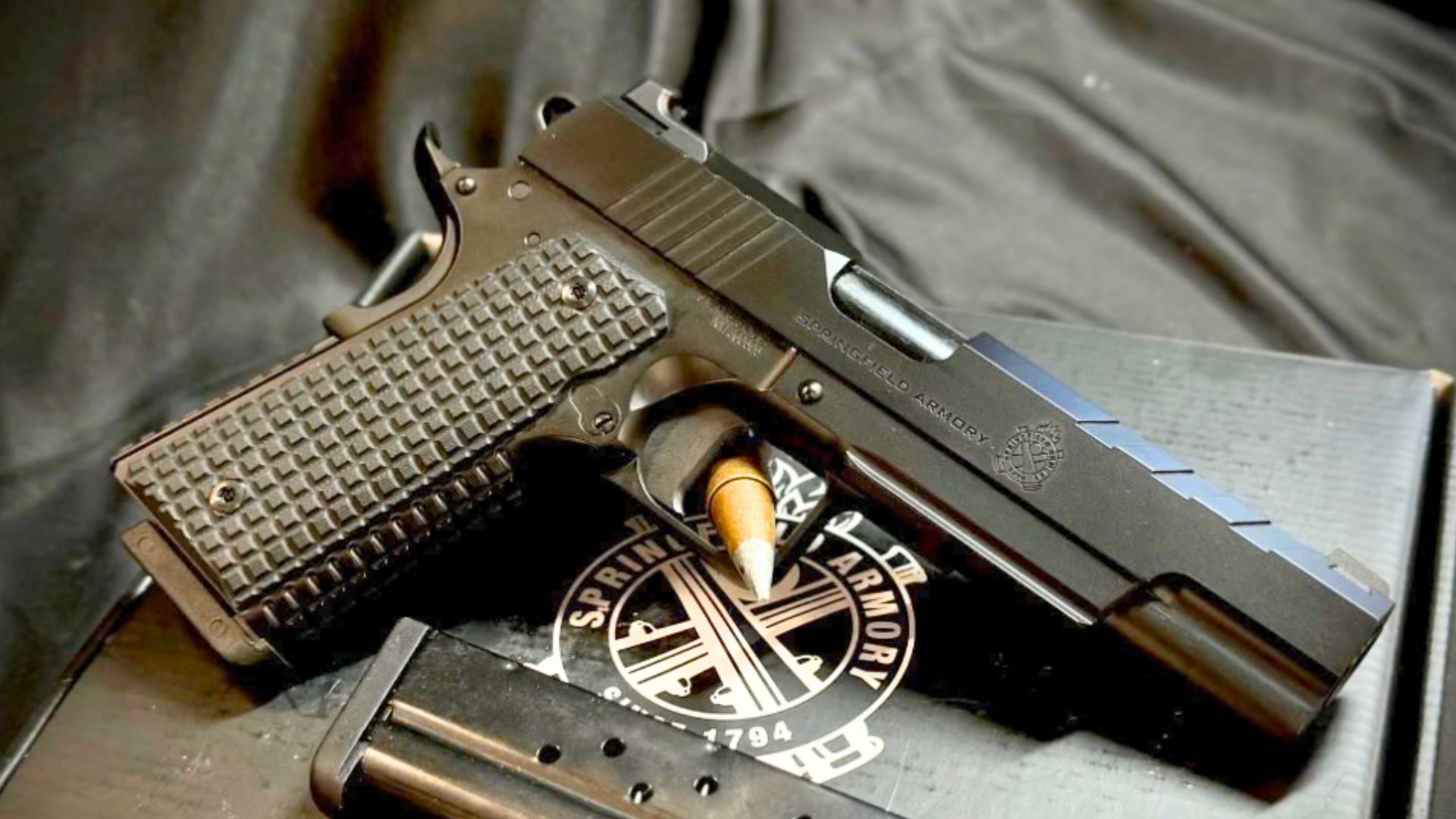
The Emissary attracts attention because it gives the 1911 a striking modern appearance without completely abandoning traditional construction. The squared trigger guard, distinctive slide treatment, heavy-profile barrel, and aggressive grips make it stand apart from ordinary Government Models. Reviewers have plenty to talk about before they even fire it.
Experienced 1911 shooters often become less impressed by cosmetic differentiation, though. They tend to care more about barrel fit, extractor tuning, trigger quality, reliability with their ammunition, and whether the gun is comfortable during extended shooting. A visually dramatic 1911 can eventually lose out to a plainer pistol that has been tuned exactly the way the owner wants.
Colt Python Combat Elite
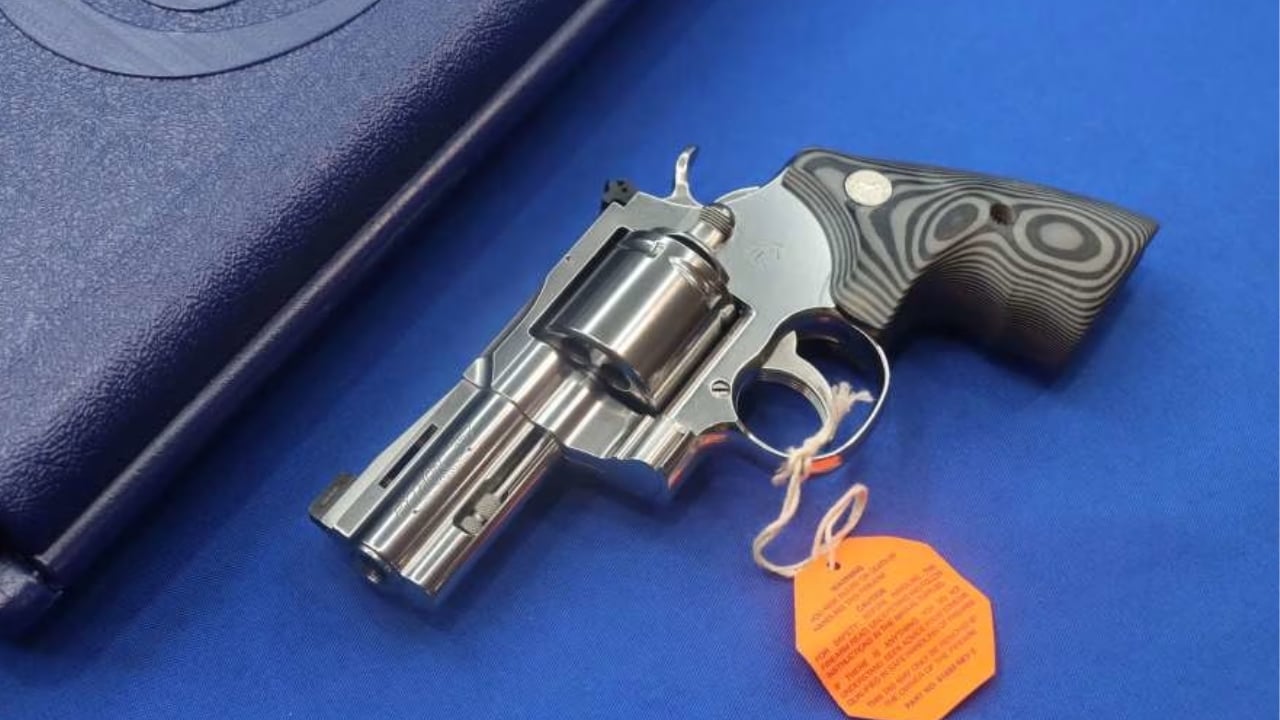
The modern Python Combat Elite combines one of the most famous revolver names ever made with features aimed at shooters who actually intend to run the gun hard. The shorter barrel, updated sights, stainless construction, and refined action make it immediately attractive. Reviewers understandably focus on how much better the new Python shoots than many people expect.
Experienced revolver shooters may eventually decide they do not need to pay a Python premium to get an excellent .357. Once prestige becomes less important, other revolvers can offer comparable practical accuracy and durability for less money. The Python is still excellent. It simply stops being the automatic answer once the name itself loses influence.
Taurus 856 TORO
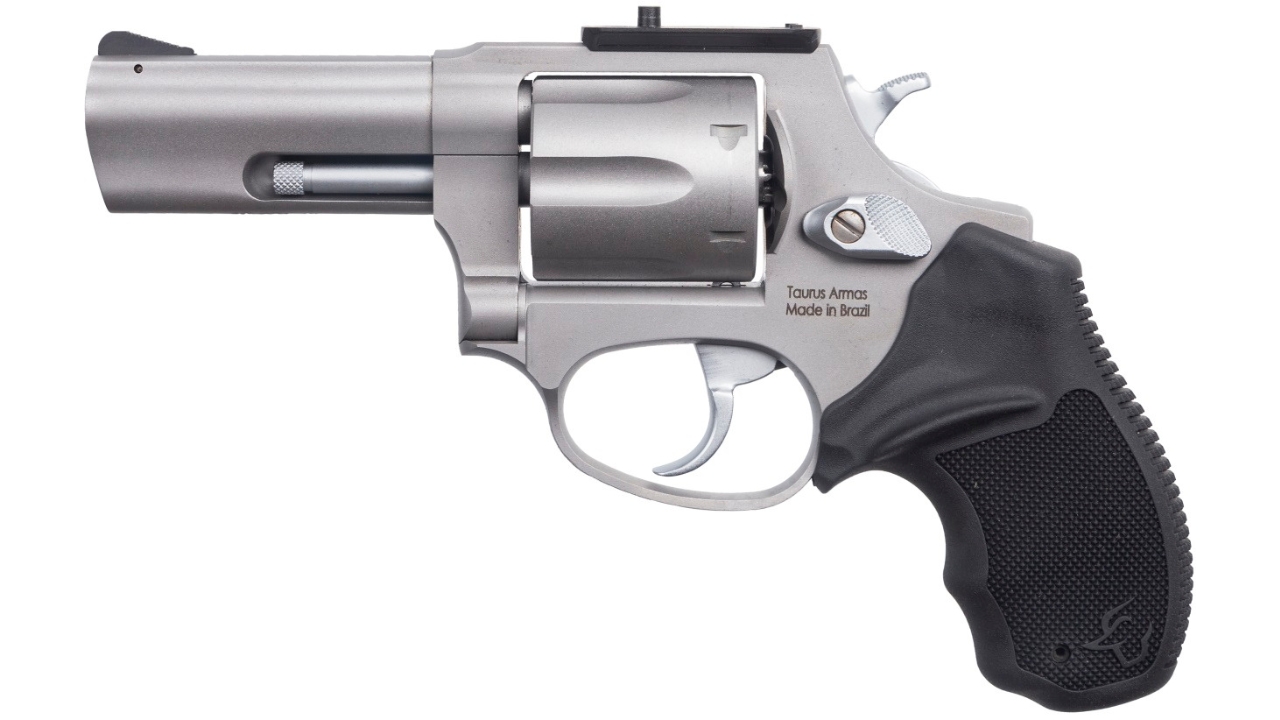
The 856 TORO received attention because an optics-ready compact revolver is still unusual enough to be interesting. Putting a red dot on a small six-shot .38 addresses one of the snubnose revolver’s biggest limitations: primitive sights. Reviewers have an obvious story because the gun combines a very old defensive format with a very modern sighting system.
Experienced revolver shooters may be less convinced that the extra bulk is worth it on a gun chosen specifically for compactness. A dot makes the pistol easier to aim, but it also changes how the revolver carries and draws. Some eventually decide better irons and more practice fit the original purpose better.
Ruger-57

The Ruger-57 was easy to celebrate when it arrived because it gave shooters a less expensive route into 5.7x28mm than the best-known alternatives. The pistol is lightweight, the magazine capacity is high, recoil is mild, and the cartridge produces a shooting experience distinctly different from conventional service rounds. It also looks and feels modern enough to attract buyers who want something unusual.
The longer you own one, though, the harder it can be to identify what role it fills better than a good 9mm. Ammunition cost and availability matter more after thousands of rounds than they do during a review. Experienced shooters may keep one for interest while moving back to more conventional pistols for serious practice.
Rock Island Armory TAC Ultra FS HC 9mm
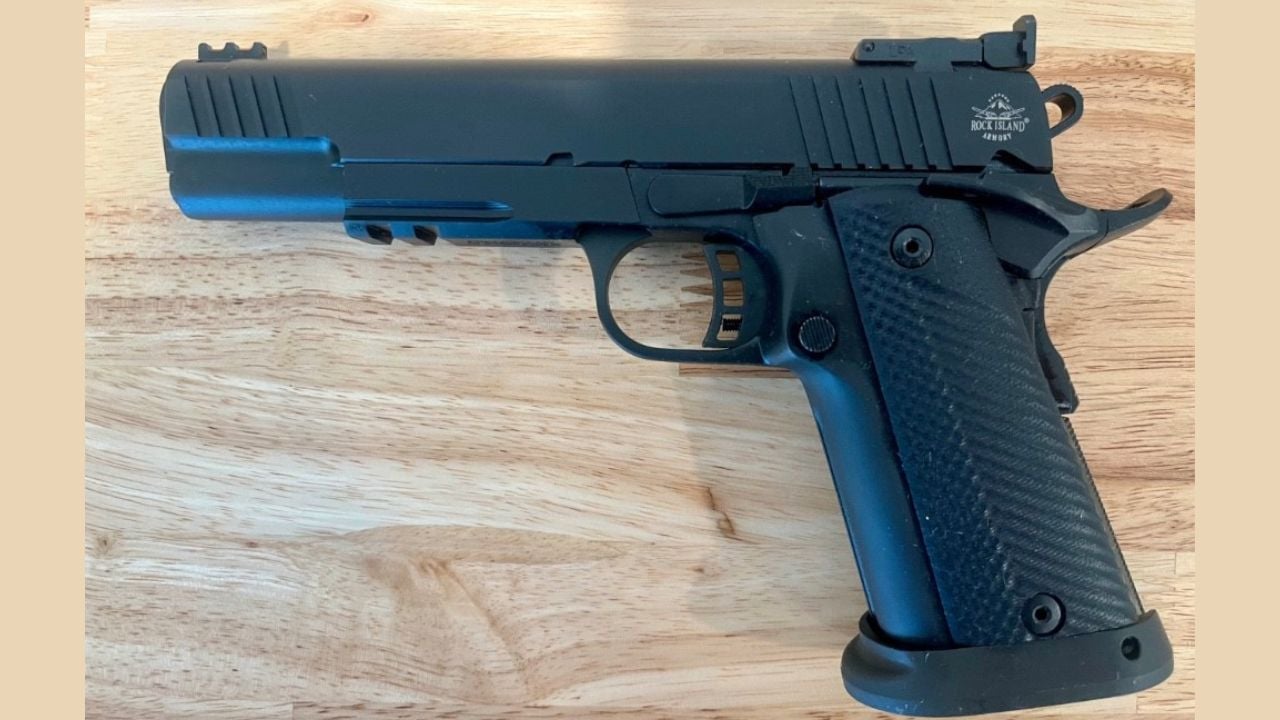
The TAC Ultra double-stack pistols have always looked like tremendous value because they provide a lot of steel, capacity, competition-style controls, and 1911 ergonomics without premium 2011 pricing. They are heavy enough to shoot softly, and the single-action trigger gives them an immediate advantage in slow and rapid accuracy.
What experienced shooters eventually notice is that inexpensive double-stack 1911 ownership can involve more fitting, tuning, magazine attention, and parts knowledge than a conventional service pistol. For someone who enjoys that process, it is fine. Shooters who simply want to train may eventually decide they would rather spend their time shooting than troubleshooting compatibility.
Tanfoglio Stock II

The Stock II has long been a favorite among shooters who appreciate heavy steel competition pistols. The low slide, excellent balance, and CZ-derived ergonomics make it incredibly stable, while the DA/SA system gives experienced competitors a lot to work with. A reviewer shooting one beside ordinary polymer pistols will notice the difference immediately.
The problem is that serious competition shooters rarely stop experimenting. Once they begin tuning triggers, changing springs, altering grips, and chasing division-specific advantages, they may migrate toward other platforms with easier support or a setup better matched to their exact preferences. The Stock II remains excellent even after the shooter moves on.
Colt Anaconda
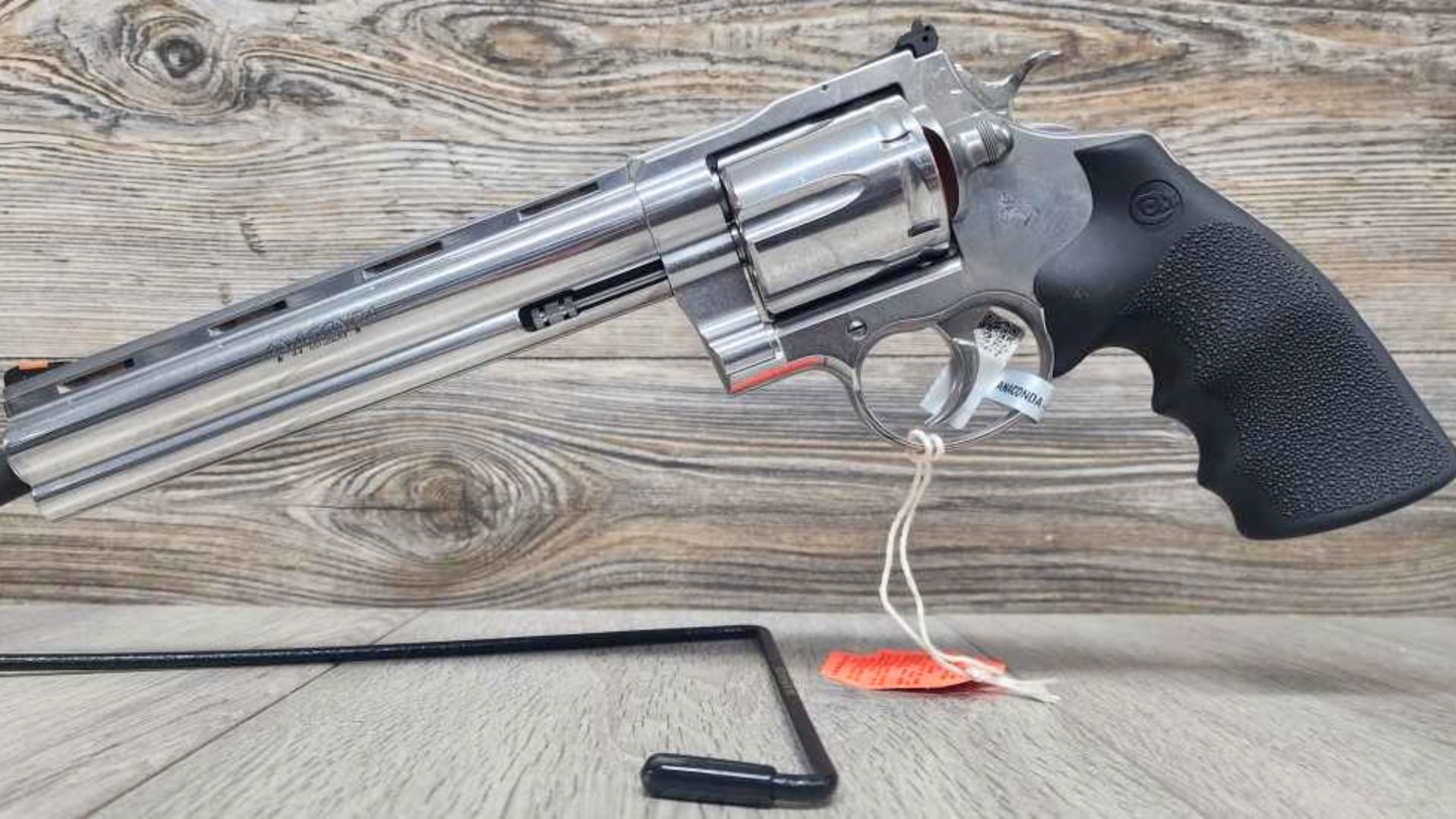
The revived Anaconda attracted enormous attention because Colt finally returned to the large-frame .44 Magnum revolver market. The new action is strong, the trigger can be very good, and the polished stainless finish gives buyers the classic Colt appearance they wanted. For anyone who missed the original production guns, the modern version looked like an easy answer.
Experienced big-bore shooters eventually start judging it against Redhawks, older Smiths, and specialized hunting revolvers instead of against nostalgia. Once the Colt name is removed from the equation, the practical advantages become less overwhelming. It is a fine revolver, but not necessarily the only .44 worth wanting.
KelTec P50
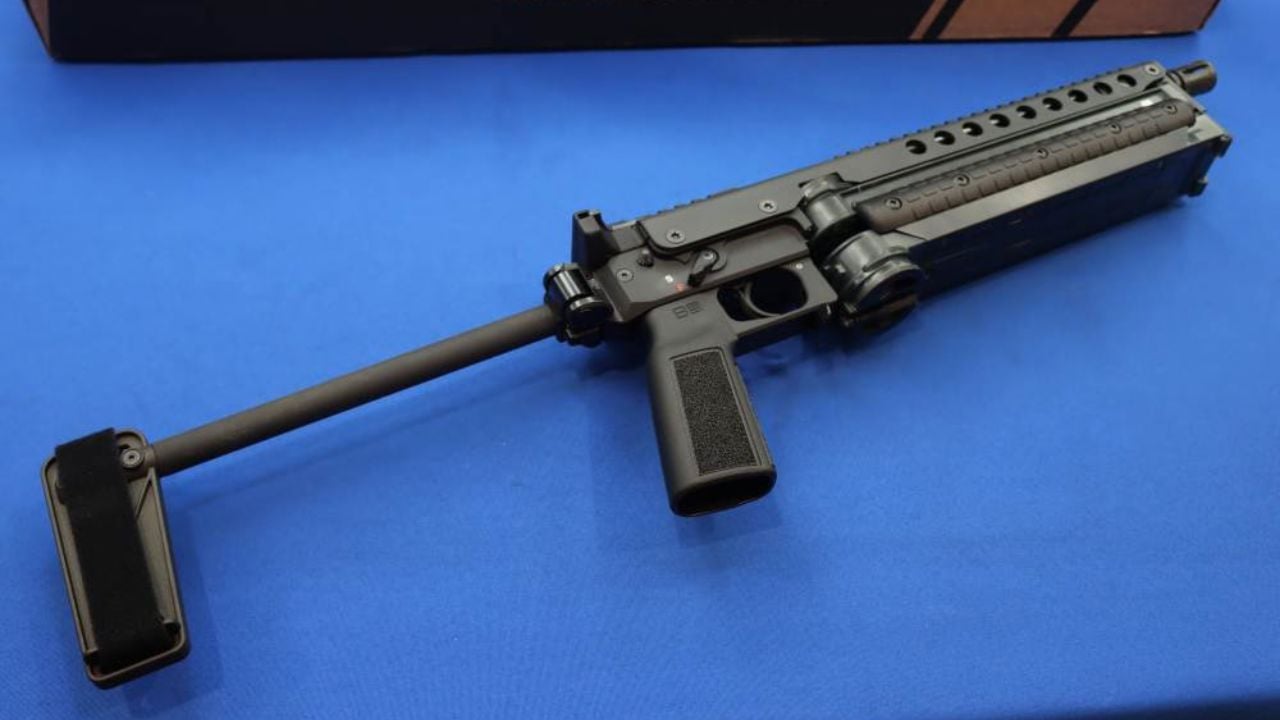
The P50 is exactly the kind of firearm reviewers love because it is genuinely different. The large-capacity 5.7x28mm magazine sits horizontally above the grip, the entire layout looks futuristic, and the gun produces almost no recoil. It makes entertaining video, draws attention at the range, and offers a mechanical arrangement that almost nothing else duplicates.
Experienced shooters often move past guns like this once the novelty wears off because they start asking what problem it solves. It is large for a handgun, unusual to carry, and dependent on a less common cartridge and magazine system. As a recreational firearm it is fascinating. As a practical handgun, the argument becomes much harder.
Like The Avid Outdoorsman’s content? Be sure to follow us.
Here’s more from us: