Photo credit: BoomStick Tactical/YouTube
The first night on a rural property changes the way you think about firearms. Suddenly the problems are not theoretical. There may be coyotes behind the barn, feral dogs along the fence, raccoons getting into feed, snakes around outbuildings, or a wounded animal that needs to be dealt with. You also start realizing how far the house can be from the shop, livestock pens, equipment shed, or back pasture when something happens after dark.
That does not mean I would scatter loaded guns around the property. With children, visitors, and ordinary life to consider, anything staged would need to be secured appropriately and accessible only to authorized adults. What I would want is a small group of proven firearms positioned around the jobs they actually make sense for. These are 20 guns I would trust for that kind of rural life.
Savage Mark II FV .22 LR

One of the first rifles I would want available is a dependable bolt-action .22, and the Mark II FV fits that role extremely well. A rural property produces plenty of situations where a centerfire rifle is unnecessary. Small pests, trapping chores, informal practice, and the occasional small-game opportunity can all be handled with very little recoil, noise, or ammunition expense. The heavier barrel also gives the rifle a steady feel that makes deliberate shots easier than they are with some ultralight rimfires.
I would rather have a scoped .22 I know exactly where it hits than reach for more gun than the situation requires. Around barns and livestock areas, knowing the target and what lies beyond it remains critical regardless of caliber.
Rossi RB22 .22 LR

The RB22 is the type of inexpensive rimfire I would not be afraid to actually use. It is light enough to carry while checking fences, uncomplicated enough that almost anybody familiar with bolt rifles can understand it, and affordable enough that scratches from riding around rural property are not going to bother me.
That matters more than people think. The rifle that gets used around a farm tends to get dusty, bumped around, and exposed to weather. I do not necessarily want my nicest rimfire filling that role. I want something accurate enough for property work and inexpensive enough that I treat it like a tool.
Ruger American Rimfire Target .22 WMR

A .22 Magnum gives me another level of capability without immediately jumping to a centerfire. The American Rimfire Target provides enough weight and barrel stability to take advantage of the cartridge’s additional reach, while the bolt action keeps the rifle straightforward. For rural varmints and predators on the smaller end, .22 WMR can occupy a very useful middle ground.
I would especially appreciate it on a property where shots might stretch across a pasture or down a long fence line. It gives you more reach than .22 LR while remaining much easier and cheaper to live with than a larger centerfire rifle.
Savage 93R17 .17 HMR
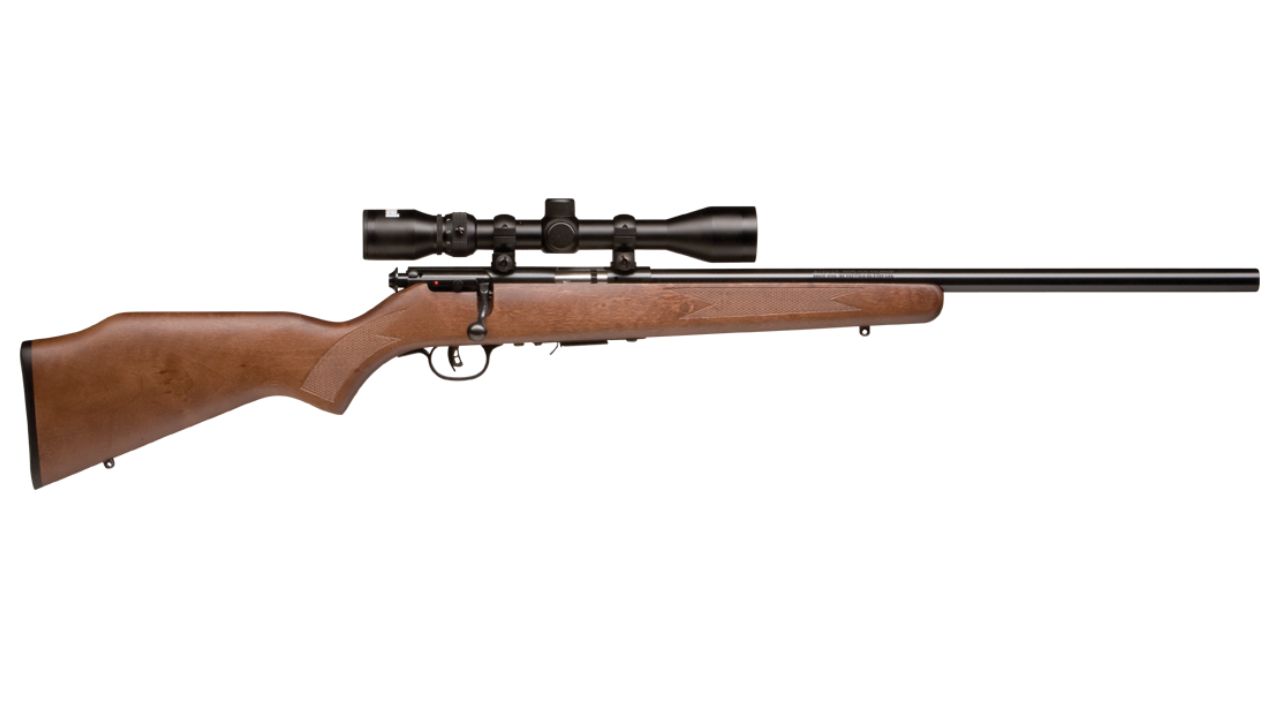
The .17 HMR makes sense when small varmints are regularly appearing farther away than I would want to stretch a .22 LR. The cartridge shoots flat enough to simplify those moderate-distance shots, and the Savage 93R17 has been around long enough that there is very little mystery about what the platform is supposed to do.
This would be a specialized property rifle rather than an answer to everything. That is fine. Rural ownership creates enough different jobs that having one rifle specifically suited to small targets at distance can be more useful than trying to force one centerfire into every situation.
Henry Single Shot .223 Remington

A single-shot .223 may sound old-fashioned, but I like the idea for deliberate property use. There is no detachable magazine to keep track of, the action is extremely easy to verify as loaded or unloaded, and .223 gives you enough capability for coyotes and similar rural problems when used appropriately.
The slower action can actually be an advantage when the rifle’s role is controlled, deliberate shooting rather than rapid fire. I would set it up with a modest optic and keep the entire package straightforward.
Howa Mini Action .223 Remington

The Mini Action is one of the better bolt-rifle formats for .223 because the action is appropriately sized around shorter cartridges. That keeps the rifle compact and handy, which matters if it is going to ride in a farm vehicle or get carried around buildings and pasture edges.
A detachable magazine gives it more flexibility than a single-shot, while the mild cartridge makes practice inexpensive compared with larger hunting rounds. For coyotes, varmints, and general rural rifle duty where a centerfire is appropriate, it is hard to argue with the usefulness of .223.
Savage 110 Scout .308 Winchester
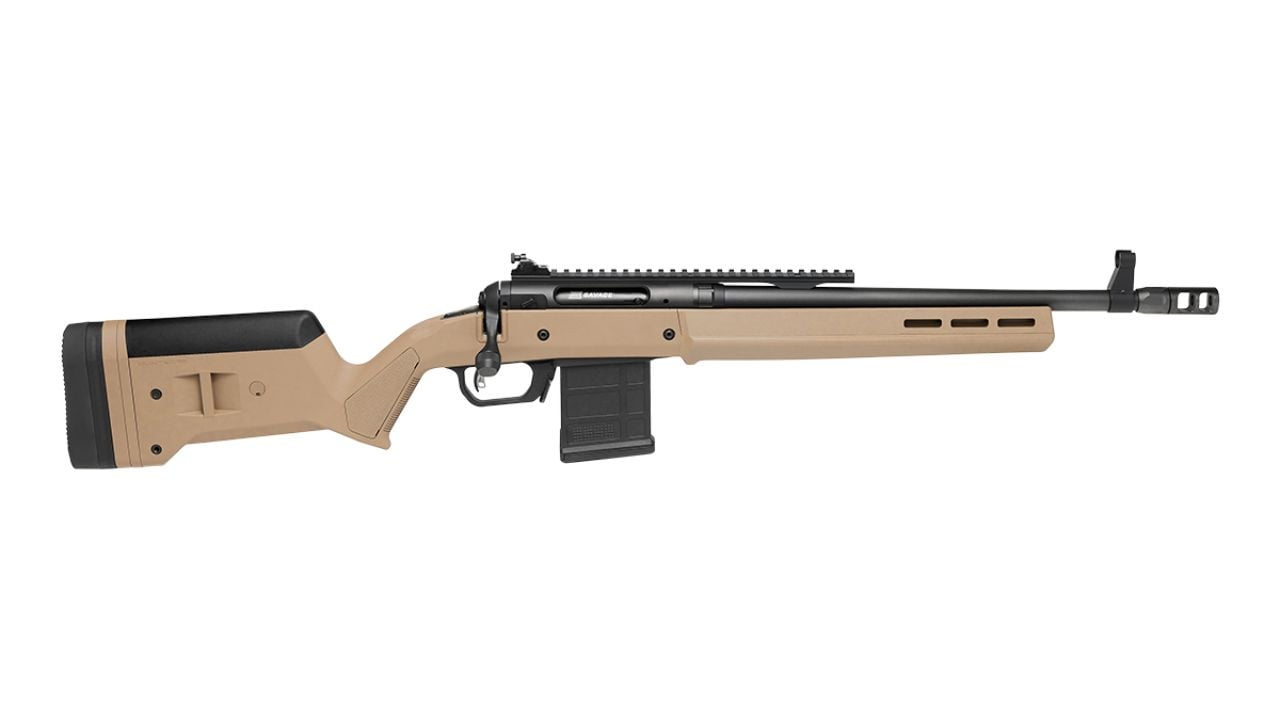
The 110 Scout is the rifle I would want available when the problem is bigger than what a varmint cartridge is intended to handle. The shorter, practical configuration keeps the rifle from becoming cumbersome, while .308 gives it enough capability for deer, hogs, and other larger game where lawful.
I would not carry a .308 around the property for every chore. The point is having one dependable centerfire rifle available for the jobs where a .22 or .223 is no longer the right tool. A rural property can give you those situations eventually.
Mossberg MVP Patrol .308 Winchester

The MVP Patrol gives you another compact .308 format that feels more at home around property than a long sporting rifle. The shorter barrel and straightforward synthetic stock make it easier to maneuver in a truck, side-by-side, or around outbuildings than a full-length hunting setup.
For me, this would be a utility rifle rather than a precision project. Put a durable optic on it, verify zero, and leave the rest alone. Rural rifles earn their value by being ready when needed, not by collecting accessories.
Henry Single Shot .357 Magnum
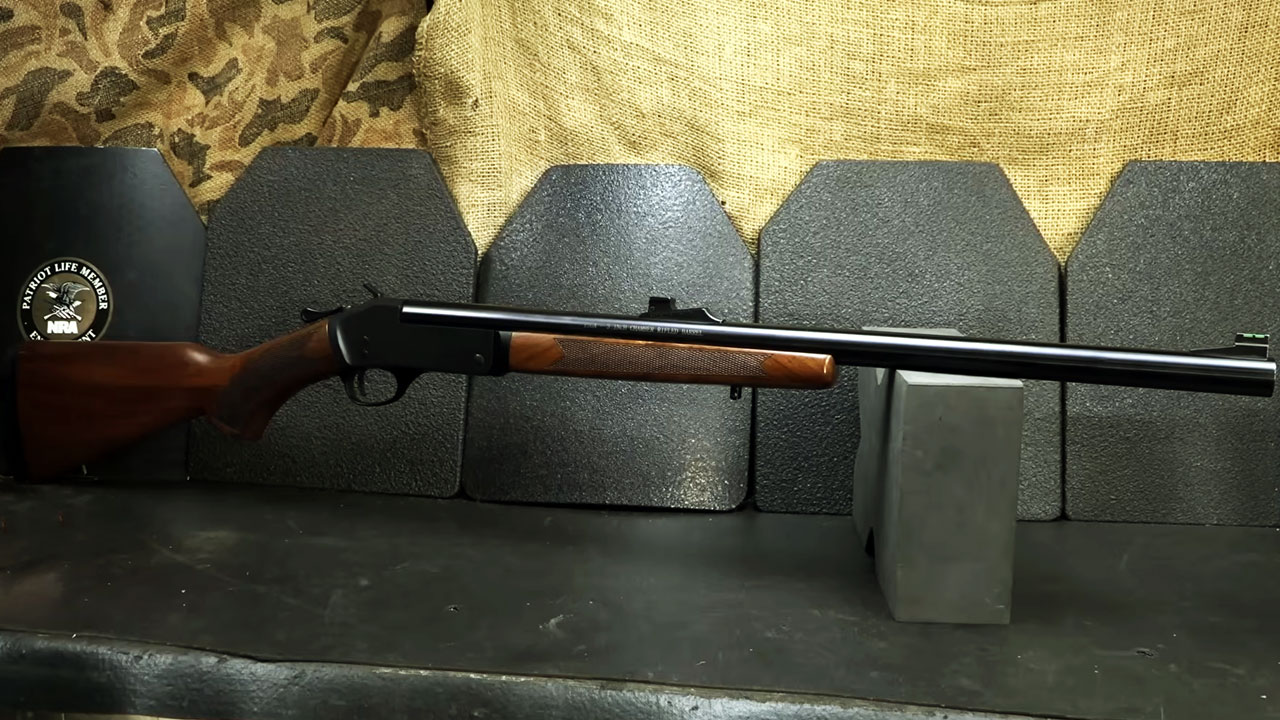
A .357 Magnum rifle is one of the most useful short-range rural firearms because the cartridge gains meaningful performance from a rifle barrel while remaining comparatively mild to shoot. The single-shot Henry keeps the package mechanically straightforward and gives you a compact rifle that can handle close-range field work without the blast of larger centerfires.
It also gives the owner access to .38 Special for lower-recoil practice where appropriate. That flexibility makes the platform far more interesting than its one-shot capacity might suggest.
Rossi R95 Trapper .30-30
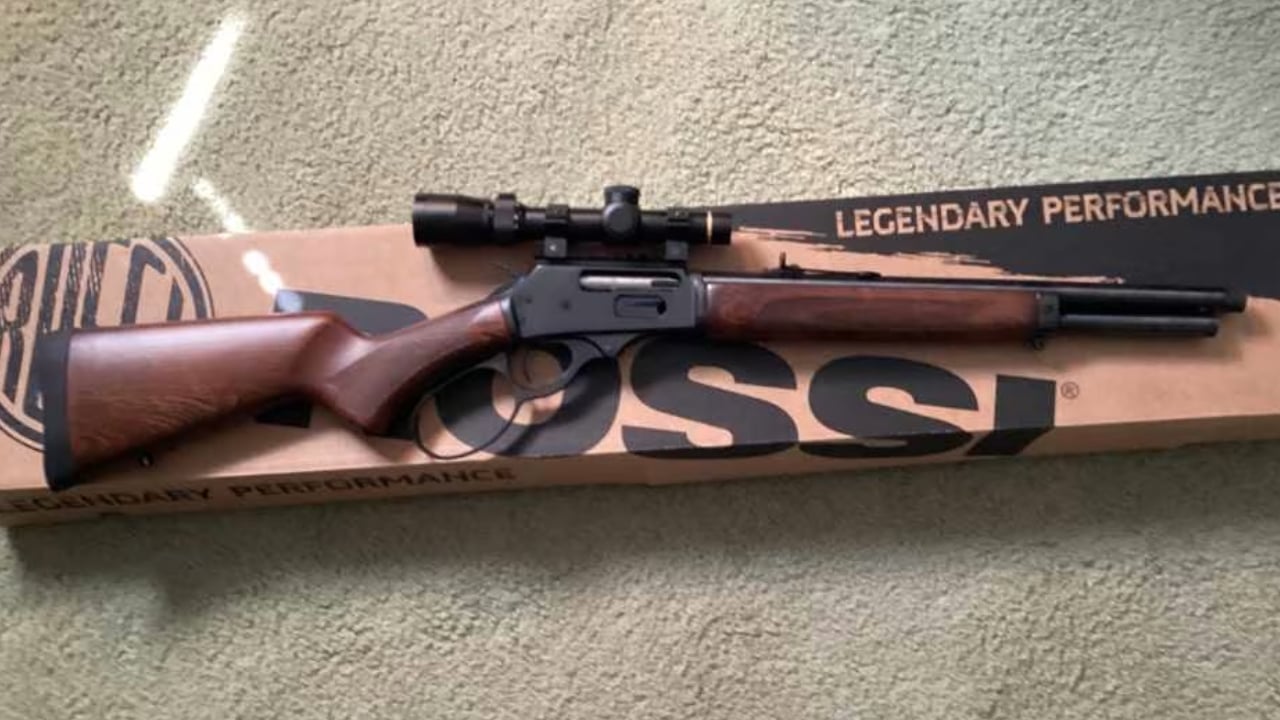
A compact .30-30 lever gun still fits rural America extremely well. The R95 Trapper is short enough to carry easily through woods and around equipment while giving you substantially more capability than a pistol-caliber carbine. In thick country, I would much rather have a handy rifle like this than drag around a long, heavy setup built for distances I will never see.
The .30-30 also remains a sensible deer and hog cartridge at the ranges most lever rifles are actually used. Sometimes the old answer survives because the problem never changed.
Stoeger P3000 12 Gauge
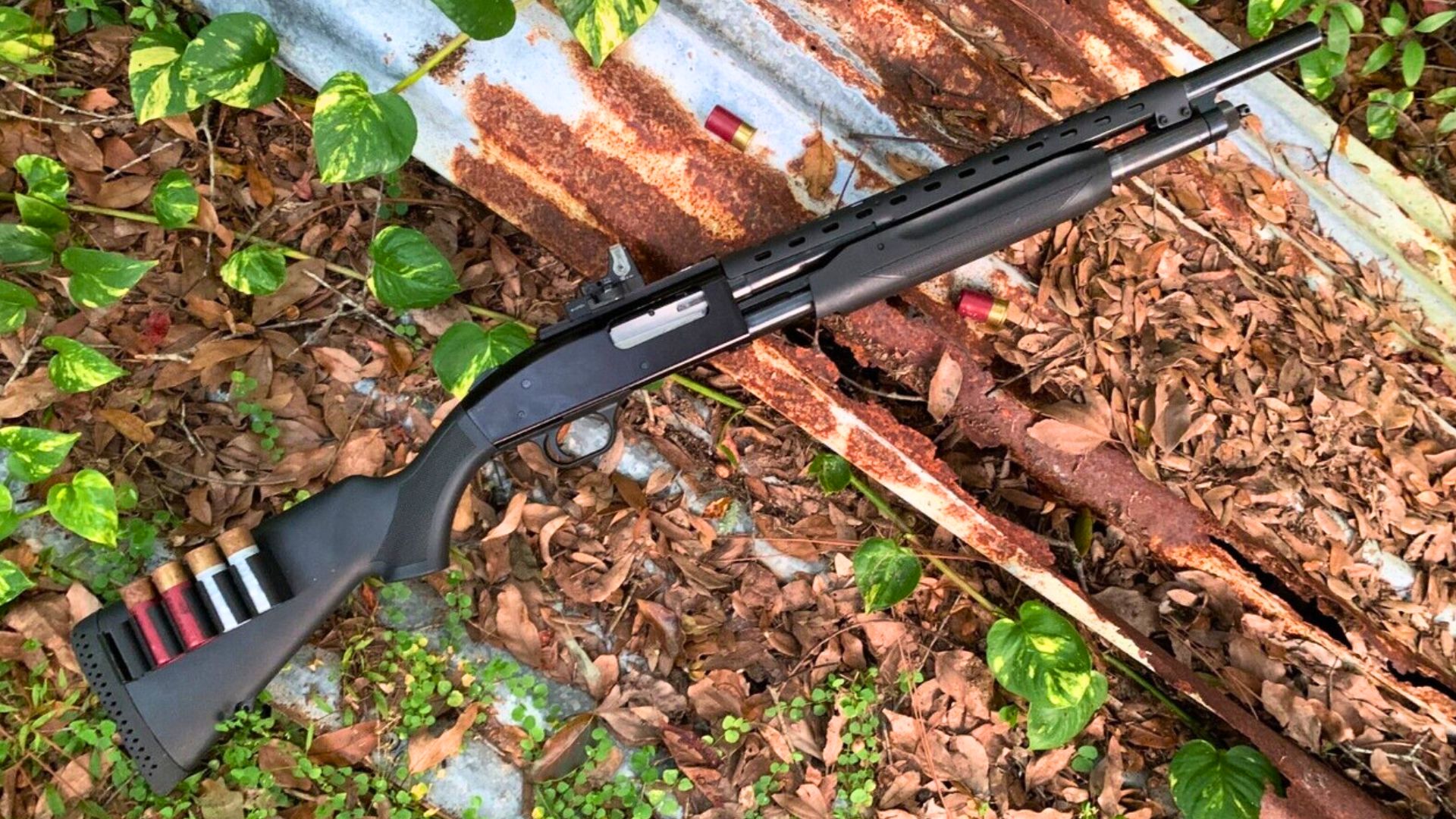
A rural property should have a basic pump shotgun somewhere in the equation, and the P3000 fills that role without making the gun precious. The action is straightforward, the price is generally approachable, and the 12-gauge chambering gives you access to a huge range of lawful sporting loads for different jobs.
What I like most is that this is the kind of shotgun I would actually use. It can live a working life around barns, fields, and woods without making me worry about every scratch in the stock.
Winchester SXP Field 12 Gauge
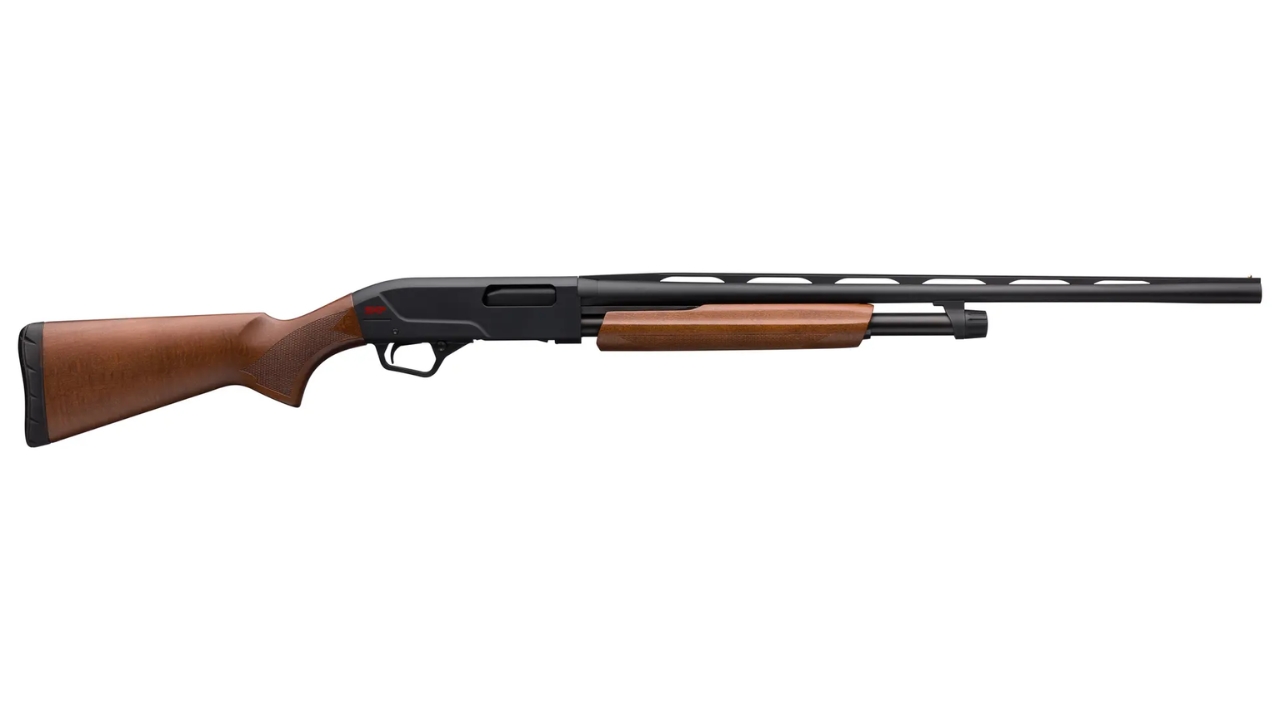
The SXP Field gives you another straightforward pump shotgun with more traditional sporting proportions. That makes it useful if the same gun may be used for rabbits, birds, or general field duty instead of existing only as a defensive shotgun.
On a rural property, versatility matters. A shotgun that can go hunting in the morning and still remain useful for ordinary property chores afterward earns its storage space quickly.
Franchi Affinity 3 Turkey 20 Gauge
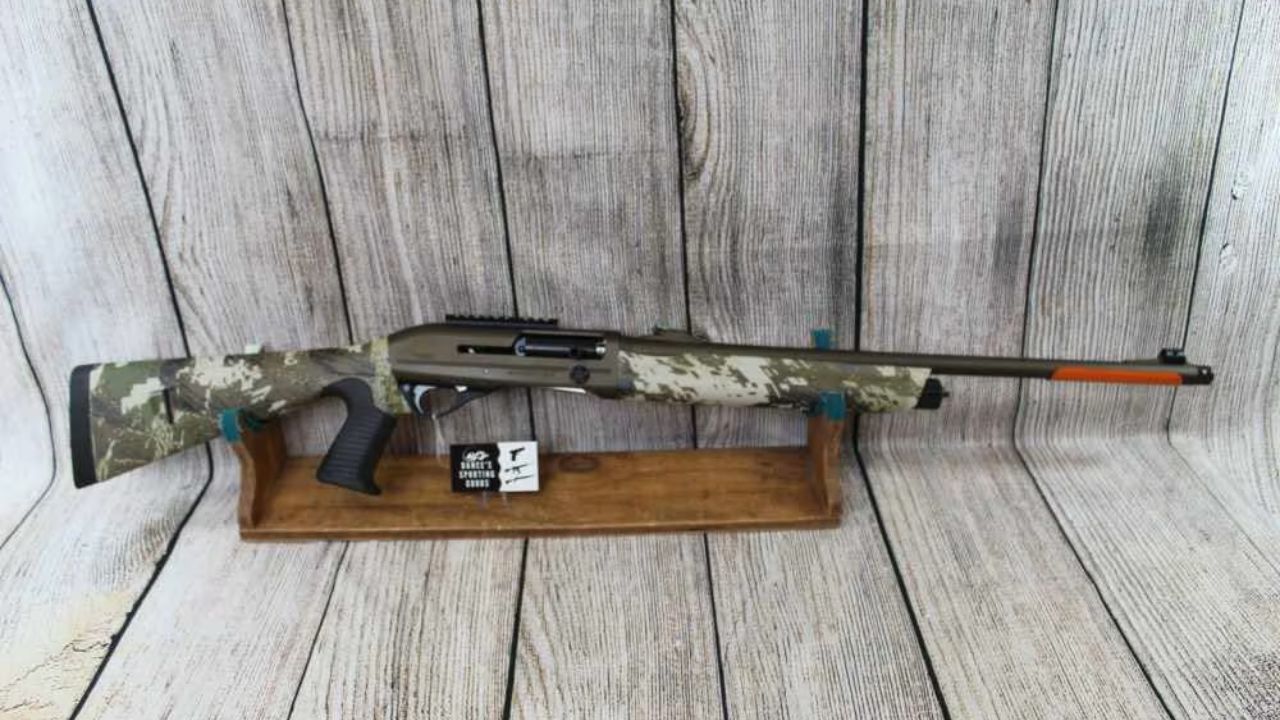
A 20-gauge semiautomatic makes a lot of sense when you want something lighter than a 12 but still capable enough for serious hunting. The Affinity 3 platform is easy to carry, and the turkey configuration lends itself well to a compact field setup.
I like the 20 gauge on rural property because it is useful without being unnecessarily heavy. It can serve legitimate hunting roles while remaining comfortable enough that smaller-framed family members may find it easier to manage than a large 12 gauge.
Beretta A400 Xplor Action 20 Gauge

The A400 is the sort of shotgun I would keep if I wanted one semiautomatic that was genuinely pleasant to shoot. Gas operation helps keep recoil manageable, and the 20-gauge version is light enough for long days in the field without becoming unpleasant during practice.
This is less of a rough utility gun and more of the shotgun I would actually hunt with. Rural property ownership tends to turn recreational shooting opportunities into regular ones, and having a shotgun you enjoy carrying becomes worth the extra cost.
Ruger Security-Six 4-Inch .357 Magnum
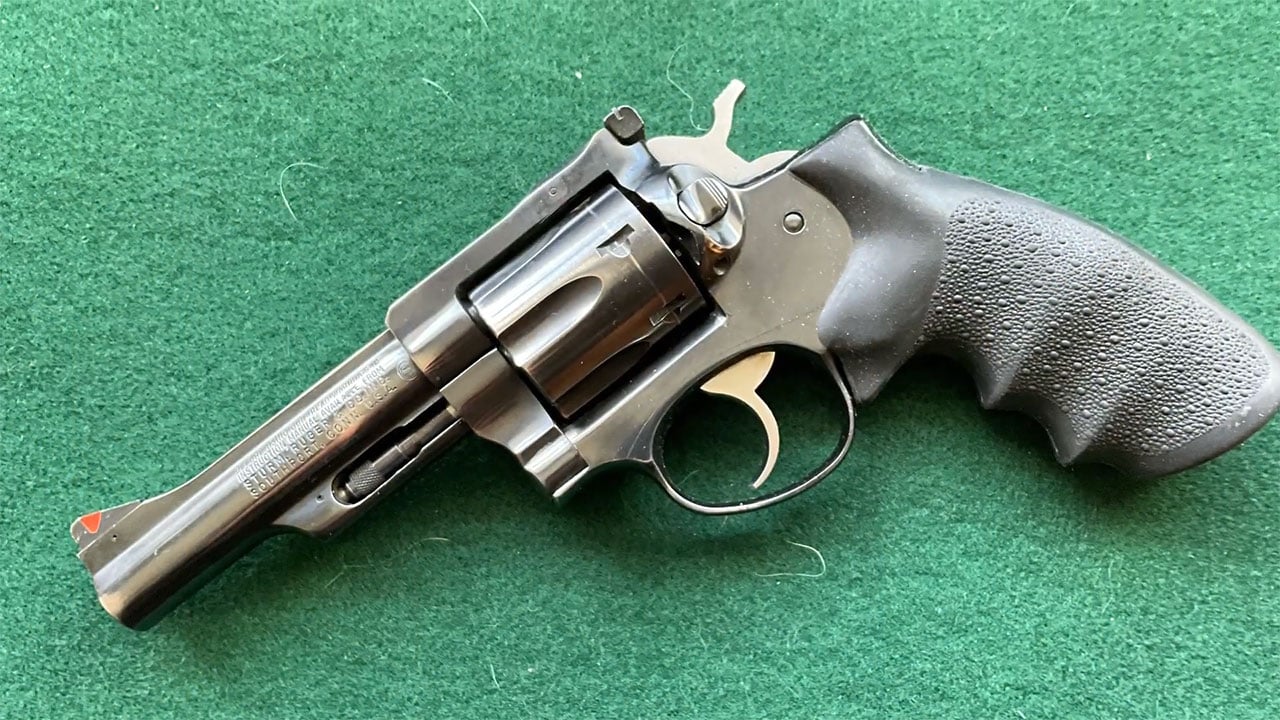
The Security-Six is exactly the kind of revolver I like for rural belt carry. A 4-inch .357 is large enough to shoot well while still being easy to carry in a proper holster during chores. The revolver can also use .38 Special, giving the owner a broad range of ammunition choices for practice and appropriate field use.
What makes the old Ruger appealing is the lack of delicacy. These were practical revolvers, and a clean example still fits the role perfectly. I would rather have a revolver I am comfortable carrying than one that spends its entire life protected in the safe.
Smith & Wesson Model 10 Heavy Barrel
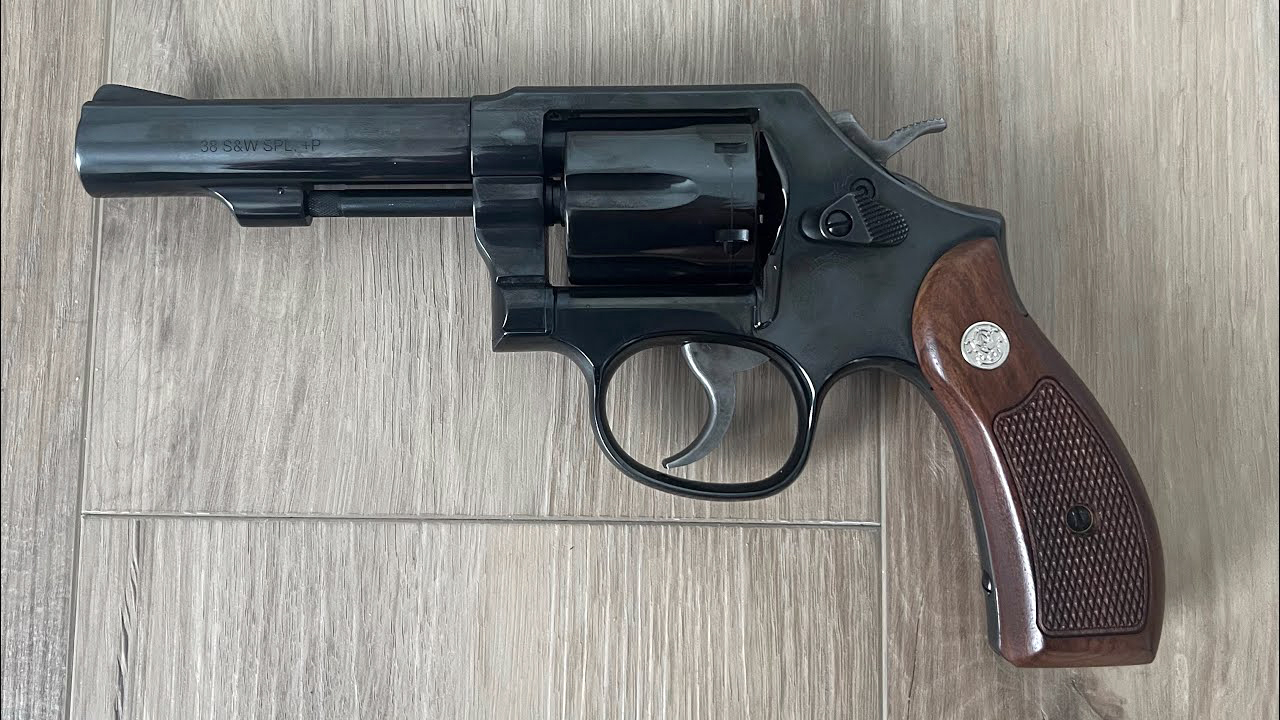
The Model 10 does not get much attention in a world obsessed with magnums and high-capacity semiautomatics, but a full-size .38 Special remains exceptionally easy to shoot. The heavy-barrel versions balance well, recoil is mild, and the fixed-sight arrangement keeps the gun straightforward.
For ordinary rural belt or property use where maximum power is not necessary, that can be enough. Sometimes the handgun that gets carried most is the one that is comfortable, predictable, and inexpensive to practice with.
Colt Police Positive Special
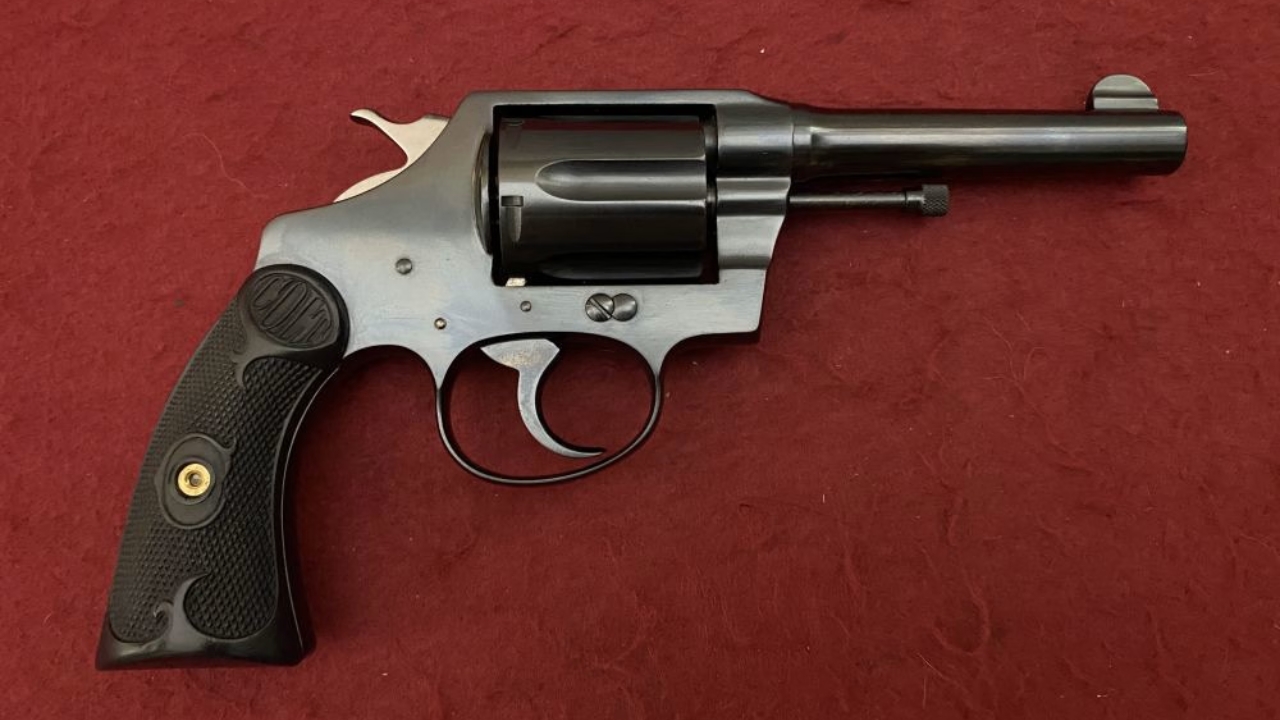
The Police Positive Special belongs to an older generation of working revolvers, but the reason those guns were popular has not disappeared. It is compact enough to carry comfortably, chambered in a manageable cartridge, and mechanically uncomplicated once the shooter understands the platform.
I would not choose a valuable collector-grade example for hard use. A mechanically sound shooter, though, still makes a perfectly reasonable rural revolver. Old designs do not automatically become impractical simply because the industry stopped building them.
Ruger Blackhawk .357 Magnum
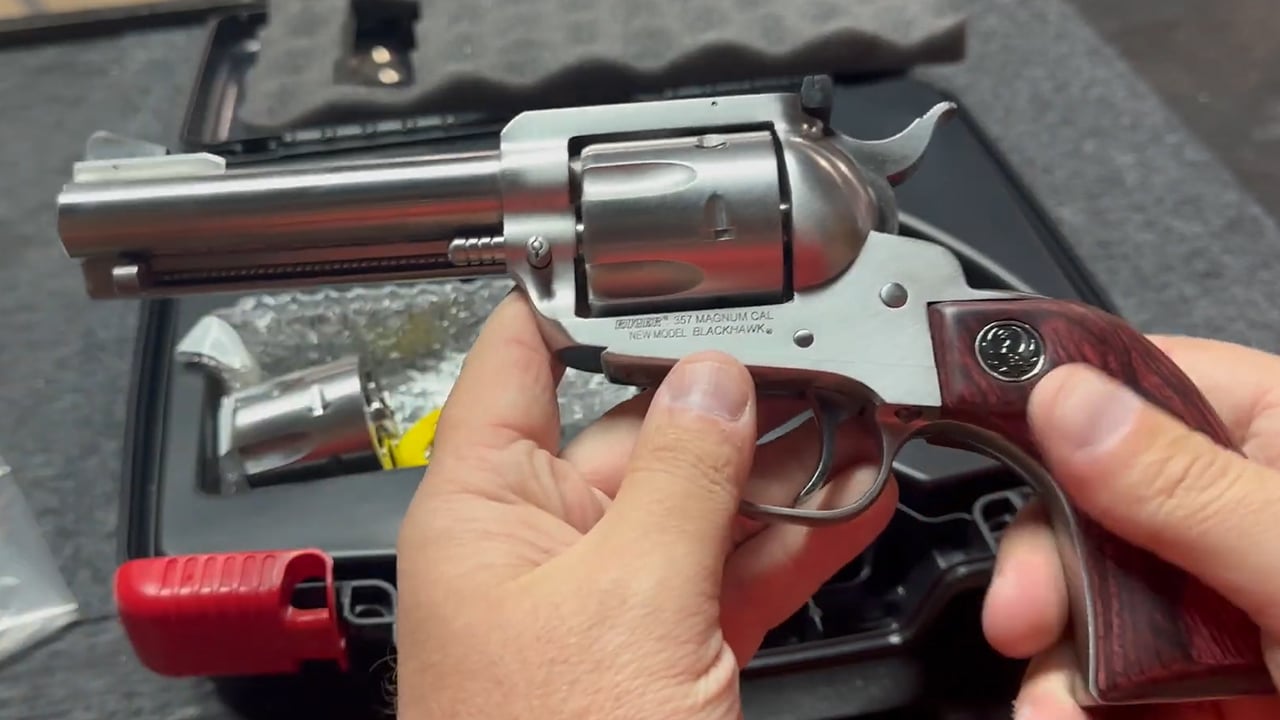
The Blackhawk makes sense when the handgun is more of a field tool than a concealed-carry pistol. The single-action design is extremely strong, the longer barrels available on the platform make accurate shooting easier, and .357 Magnum gives you enough capability for a wide range of appropriate rural uses.
It is slower to reload than a double-action revolver, but rural property work rarely resembles a competition stage. Accuracy, durability, and the ability to carry a capable revolver comfortably matter far more to me.
SIG Sauer P227

The P227 gives you a full-size .45 ACP pistol built around the familiar SIG DA/SA operating system. It is too large to be the first thing I would choose for light concealed carry, but rural property changes that calculation. If the pistol is going in a secure bedside location or on a proper belt rather than disappearing under light clothing, shootability becomes more important than minimum dimensions.
The larger frame is easy to control, the hammer-fired system is familiar to experienced SIG shooters, and the pistol fills the role of a substantial centerfire handgun without requiring anything exotic.
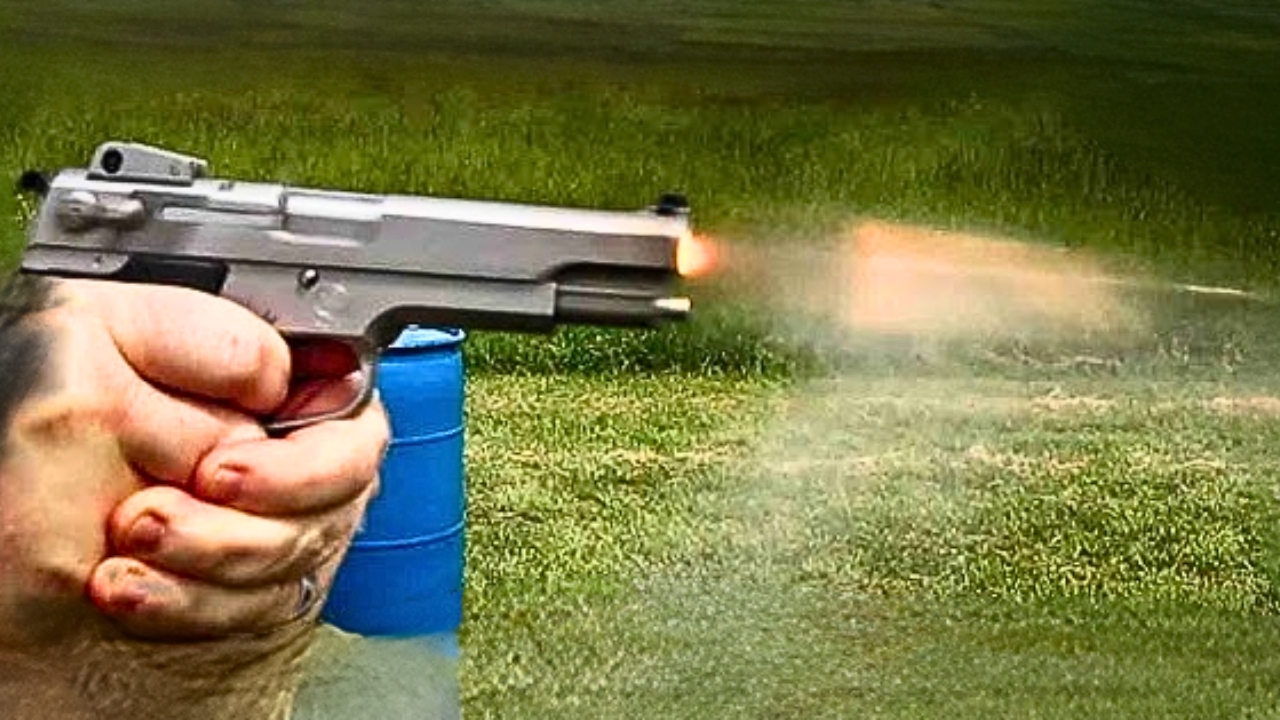
Smith & Wesson Model 4506

The 4506 is heavy, stainless, and thoroughly out of step with modern handgun design. That is also why I like it for a fixed rural-property role. The weight makes .45 ACP extremely manageable, the full-size grip gives you plenty of control, and the pistol was built during an era when service handguns were expected to tolerate hard use.
I would not want to carry one around all day when lighter options exist. In secure quick-access storage inside the house or shop, however, the weight becomes almost irrelevant. A proven 4506 is exactly the kind of old service pistol I would be comfortable trusting long after newer designs had taken over the gun counter.
Like The Avid Outdoorsman’s content? Be sure to follow us.
Here’s more from us: