Photo credit: 762x51n8o/Youtube
There was a stretch of time when pistol makers weren’t trying to impress anybody with marketing buzzwords or wild optics cuts. They were trying to keep guns running in mud, cold, rain, sweat, and neglect. Not because it was trendy, but because a sidearm that quits is worse than useless.
A lot of those designs came out of the 1970s and 1980s, when police and military contracts pushed manufacturers to build handguns that fed, fired, and kept going with real-world ammo and real-world maintenance schedules. Here are 20 pistols from that era (and that mindset) that still matter, especially if you’re the kind of outdoorsman who values boring reliability over internet excitement.
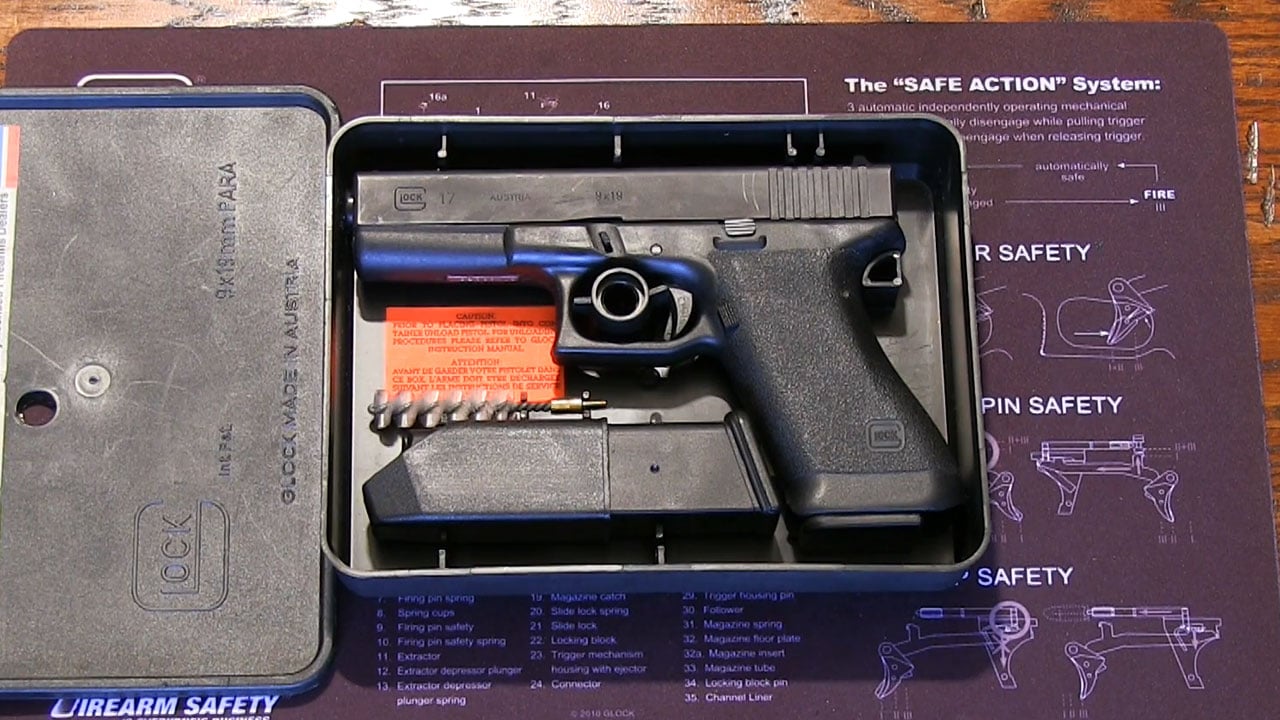
1. Glock 17 (Gen 1/Gen 2)
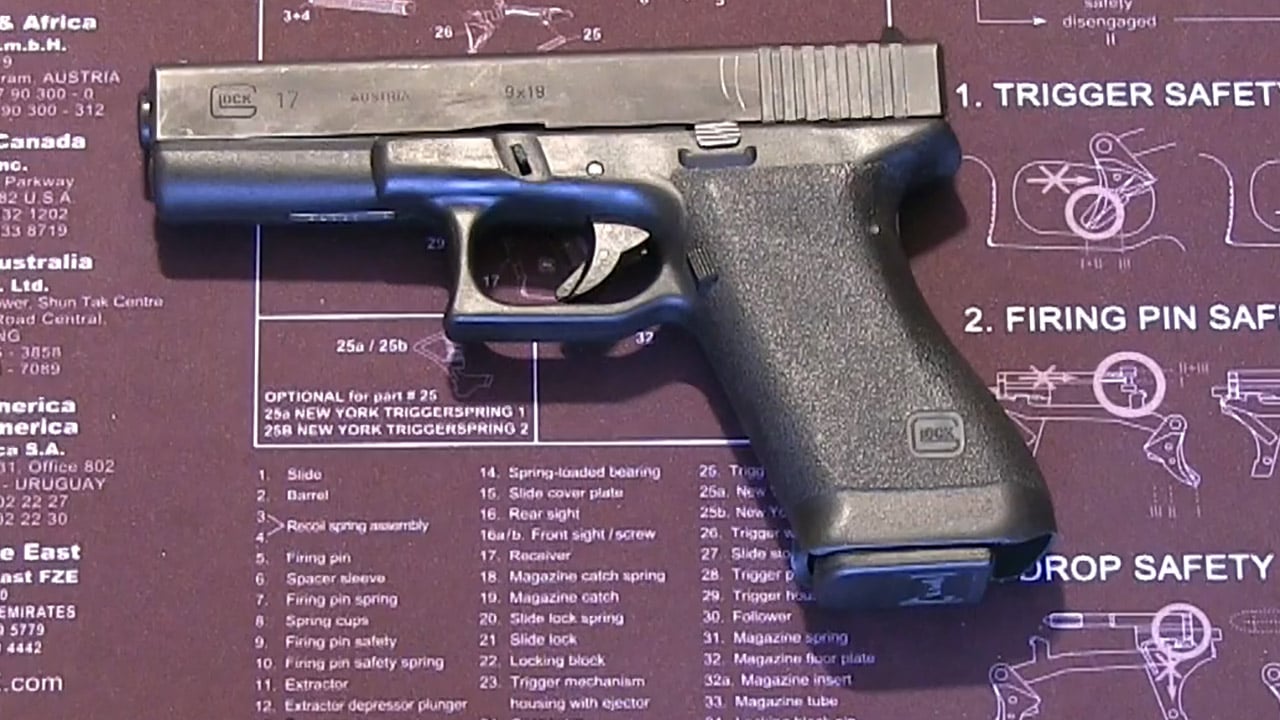
The original Glock 17 is the poster child for “ugly but works.” Early guns don’t have the modular backstrap stuff, don’t have fancy finishes, and don’t pretend to be anything besides a tool.
What you get is a pistol that runs dirty, runs wet, runs dry (within reason), and doesn’t care much about your feelings. Magazines are everywhere, parts are everywhere, and it still points naturally for a lot of hands. It’s not romantic. It’s dependable.
2. SIG Sauer P226 (West German era)
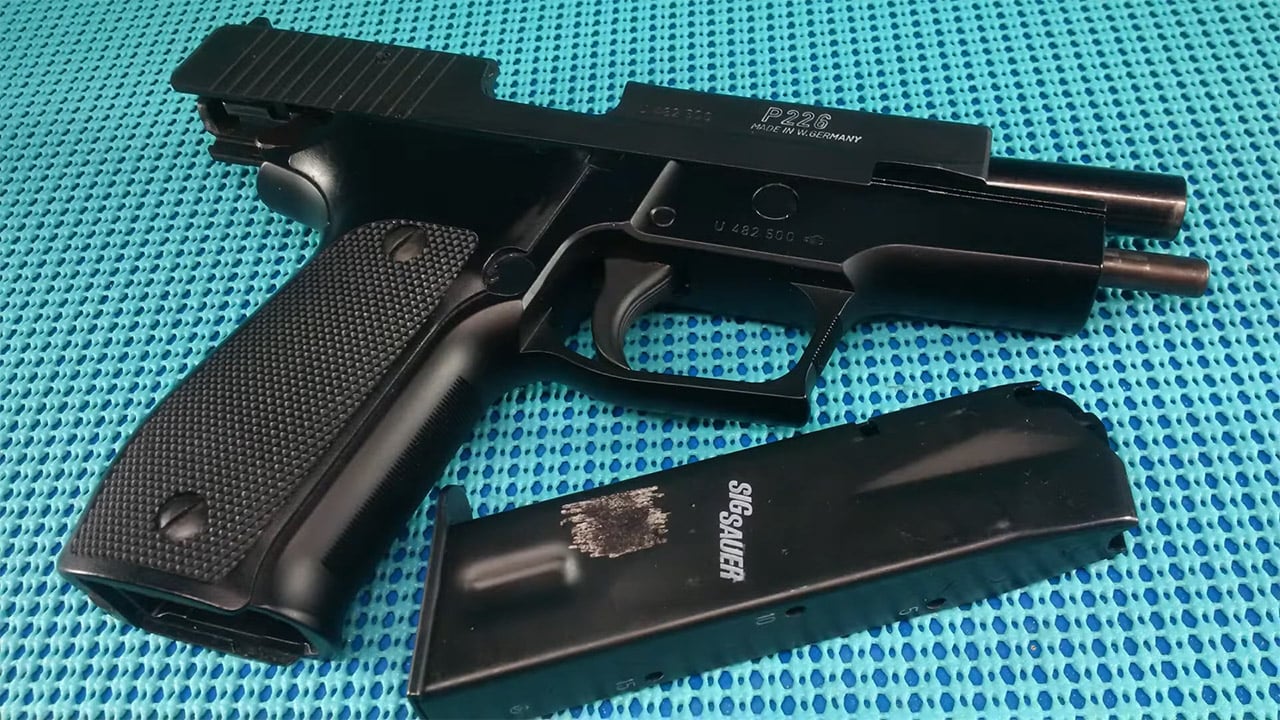
Pick up an older P226 and you can feel the “service pistol” DNA in the slide and frame fit. It’s not delicate. The DA/SA trigger takes some practice, but it’s consistent once you learn it.
These guns earned their reputation the hard way. They tend to feed anything decent, and the controls are laid out like a serious duty gun. Downsides? They’re heavier than modern polymer options, and good mags aren’t cheap. Still, I wouldn’t be quick to let one go.
3. Beretta 92FS / M9
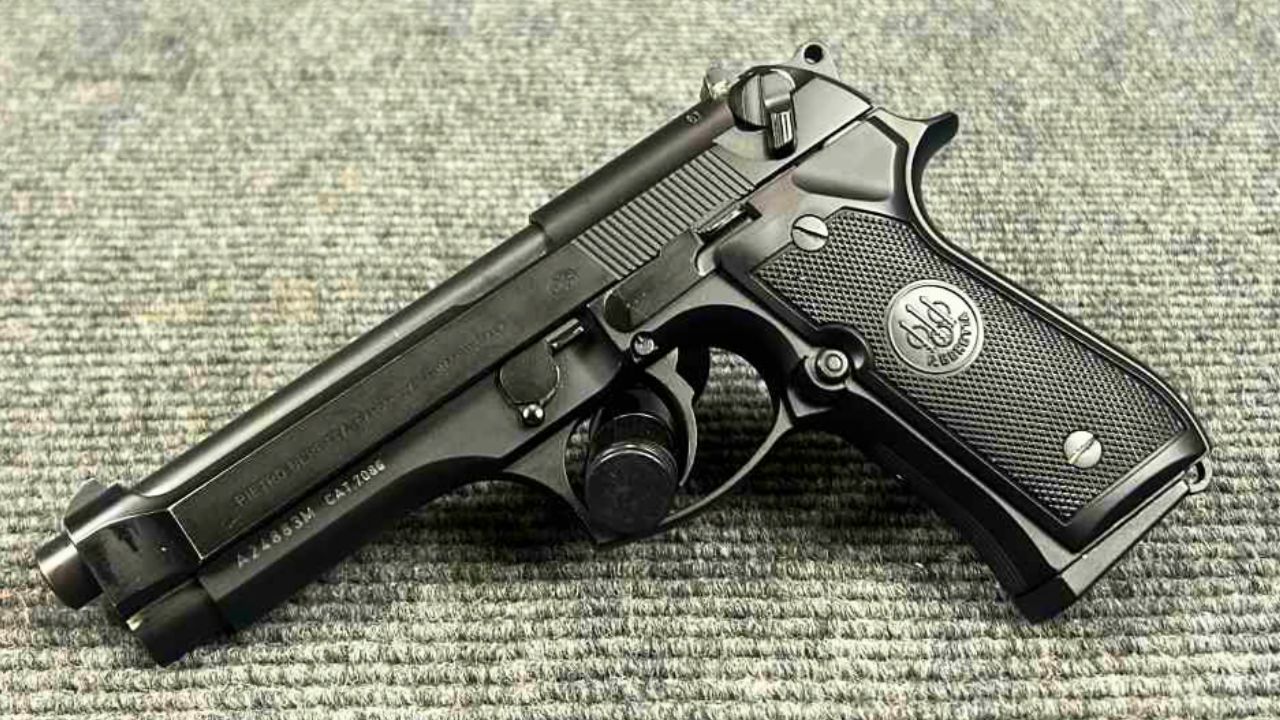
The 92 isn’t small and it isn’t subtle. But it’s one of those pistols that can go a long time between real cleanings and keep punching rounds downrange like nothing happened.
The open-top slide design has its fans and critics, but the practical result is usually strong ejection and a gun that doesn’t seem to choke easily. If you’ve ever shot one a lot, you know it’s smooth, soft recoiling, and easy to run well. Carrying it all day is the tax you pay.
4. CZ 75 (pre-B and early production)
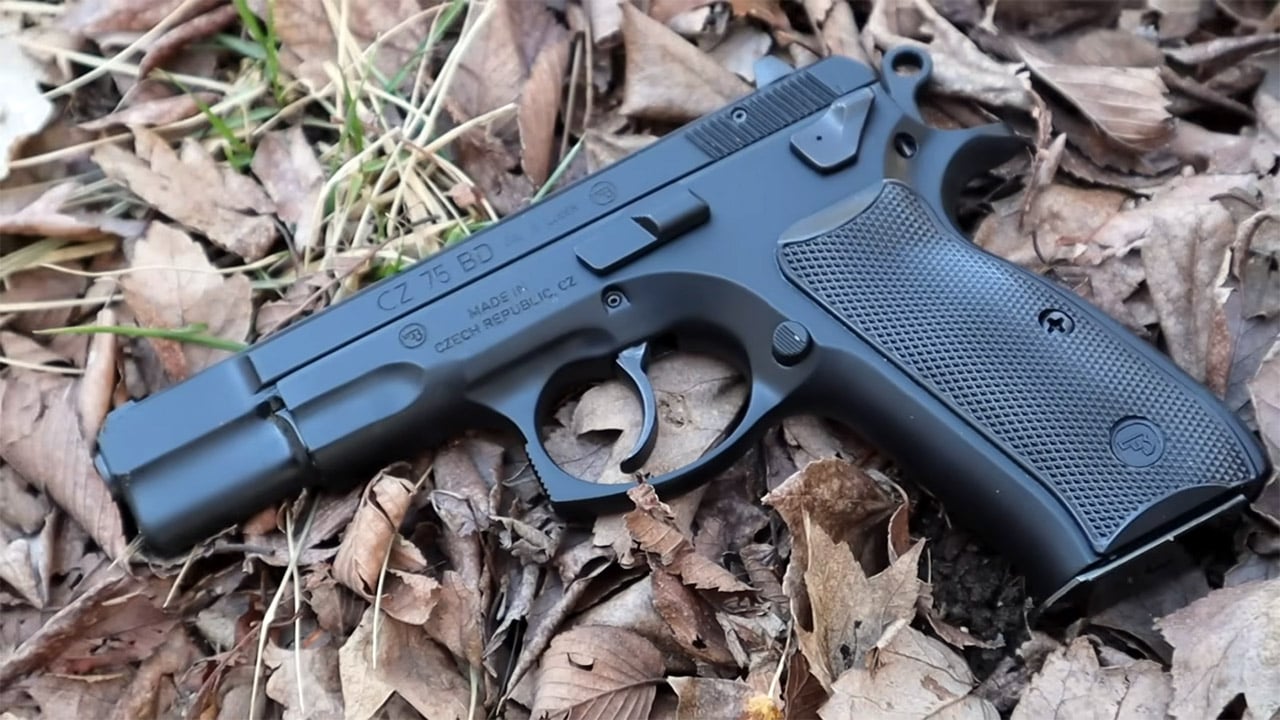
The CZ 75 has that “it just fits” feeling in the hand, and for many shooters it points like an extension of the forearm. The all-steel build soaks up recoil and makes follow-up shots feel easy.
These older CZs got a reputation for being dependable workhorses with good accuracy. They’re not as simple inside as a Glock, and some parts are a little more niche depending on the exact variant. But when you find a good one, it’s hard not to respect it.
5. Browning Hi-Power (FN GP-35, late production)

The Hi-Power is one of those pistols that feels like it was designed by people who cared about how a handgun carries and points. Slim, balanced, and still surprisingly modern in the hand.
Reliability on a good one is excellent with proper magazines and decent ammo. The downside is that many examples benefit from a little thoughtful maintenance and spring replacement, and some have a magazine disconnect that makes the trigger worse. Still, if you want a classic that’s actually usable, this is it.
6. Heckler & Koch P7 (PSP/M8)
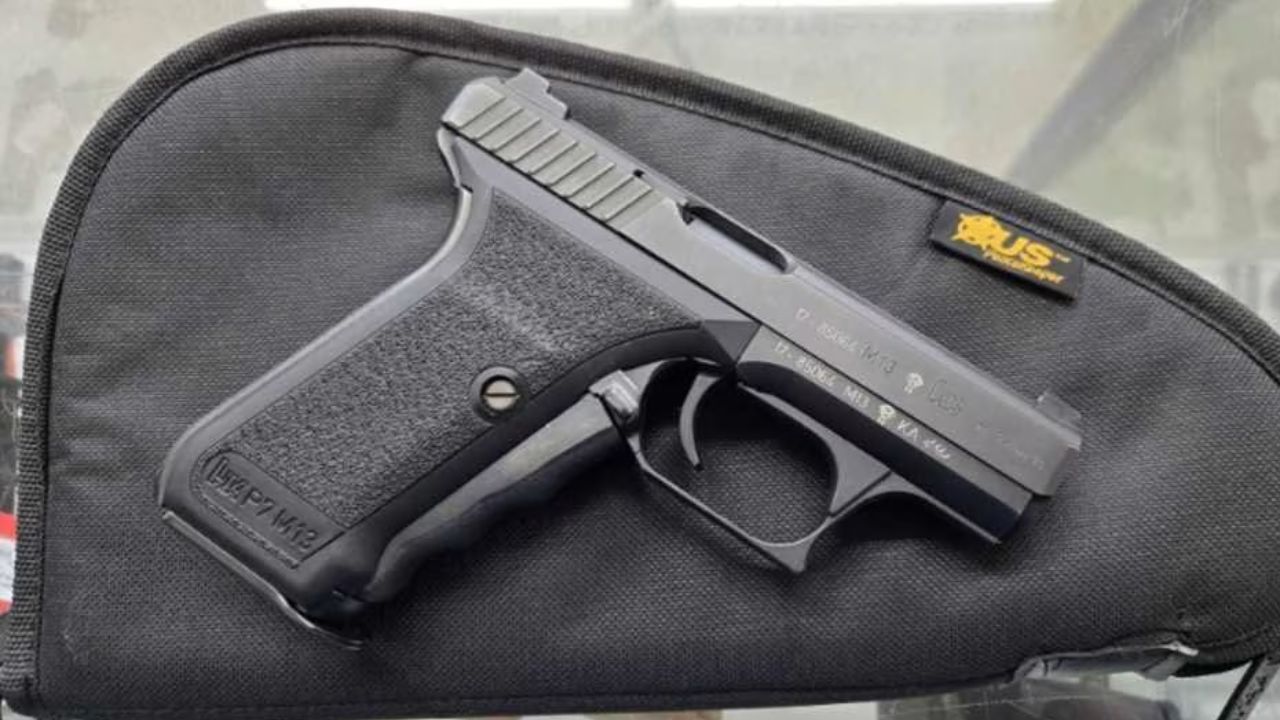
The P7 is weird in the best way. Squeeze-cocker, fixed barrel, low bore axis—everything about it feels like a serious engineering solution to a serious problem.
They tend to be extremely reliable and accurate, but they also heat up fast during long strings of fire. It’s not the gun I’d choose for a high-round-count class, but as a carry pistol from that “no excuses” era, it’s a gem. Expensive now, and parts aren’t getting more common.
7. Heckler & Koch USP (early 1990s production)
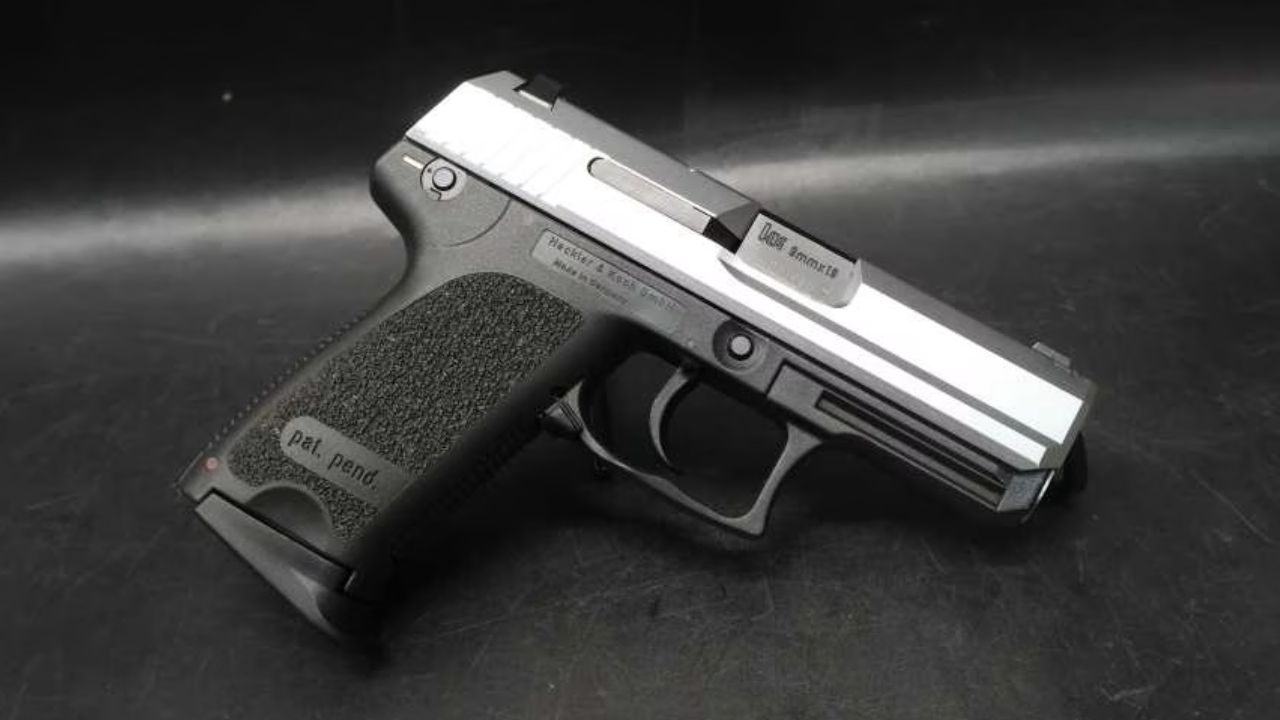
The USP arrived right after the “decade” vibe, but it was born from that same mindset: overbuild it, test it hard, and don’t apologize for the size. Early USPs feel like a brick in the hand, and that’s not always a compliment.
But they run. The recoil system and overall durability are why so many USPs are still out there doing work. If you want a pistol that can live in a truck, a holster, or a nightstand without being babied, the USP earned its keep.
8. Ruger P89

Ruger’s P-series guns are not pretty. They’re not light. And the trigger isn’t going to win any awards. But if you want a pistol that will eat whatever 9mm you feed it and keep going, the P89 is hard to argue with.
They were built like Ruger expected owners to treat them rough. Magazines are still around, prices are usually reasonable, and the gun tends to shrug off neglect better than many “nicer” pistols. There is nothing fancy about it, and that is kind of the point.
9. Ruger P85
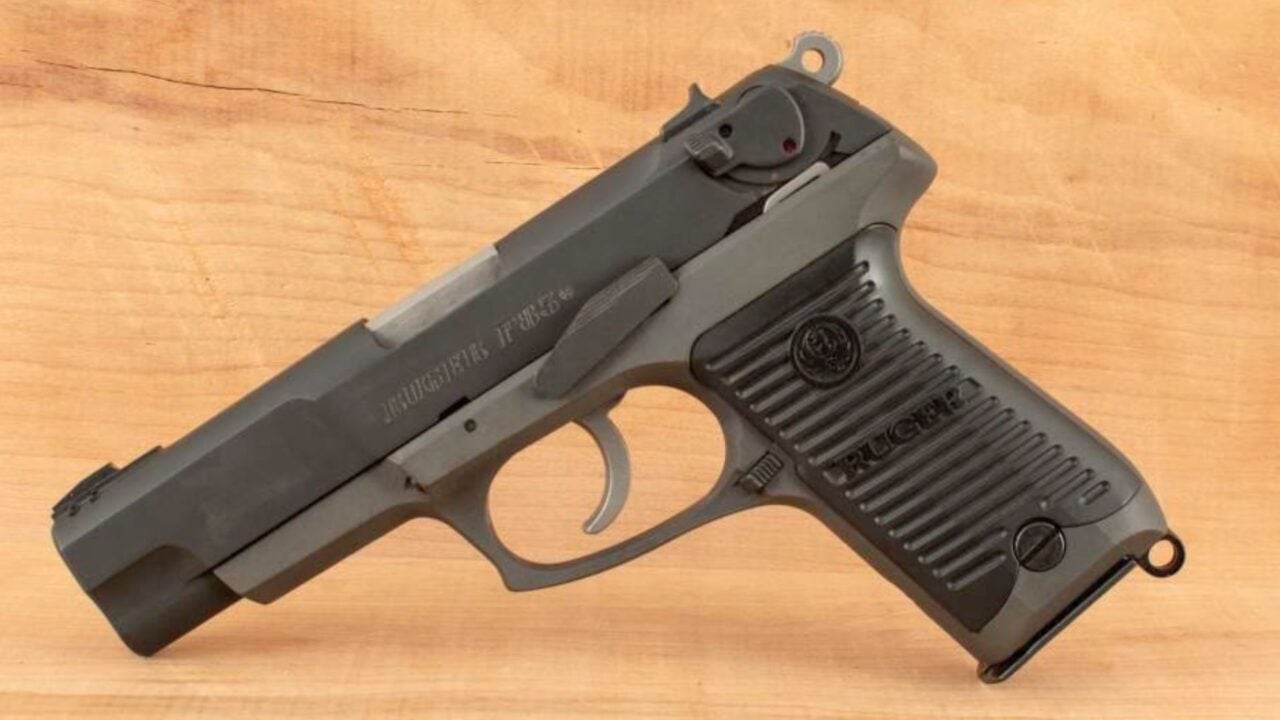
The P85 was one of Ruger’s first big moves into service-style semi-autos, and you can tell it was designed for function over form. It’s chunky, but it carries its weight honestly.
When you find one that’s been cared for, they’re generally very reliable. Where folks get tripped up is thinking it will feel like a modern striker-fired pistol. It won’t. Learn the controls, run good mags, and it’ll do what a sidearm is supposed to do.
10. Smith & Wesson Model 5906
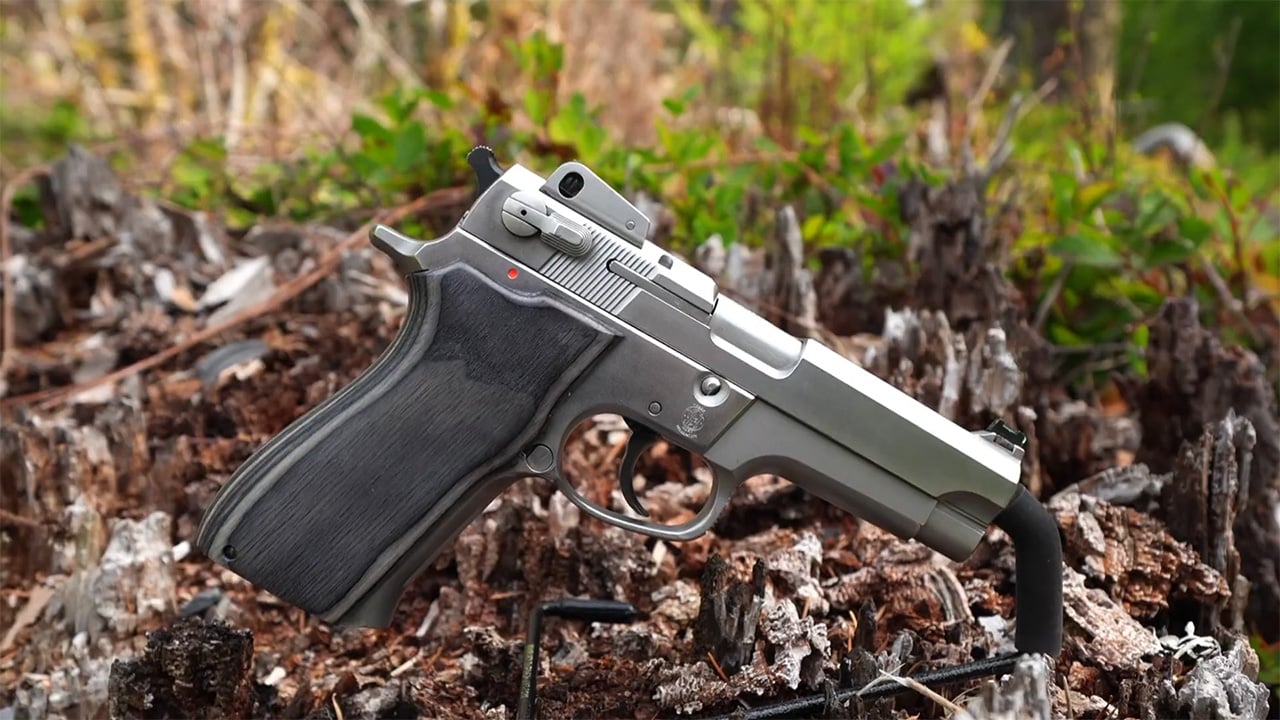
All-stainless, third-gen S&W autos have a loyal following for a reason. The 5906 is a duty pistol that feels like it could double as a hammer.
They’re not the easiest guns to tune up at home compared to simpler designs, but they’re famously reliable when maintained. The DA first shot isn’t everybody’s favorite, yet the gun carries flat enough and shoots soft enough that you can understand why so many departments ran them.
11. Smith & Wesson Model 3913
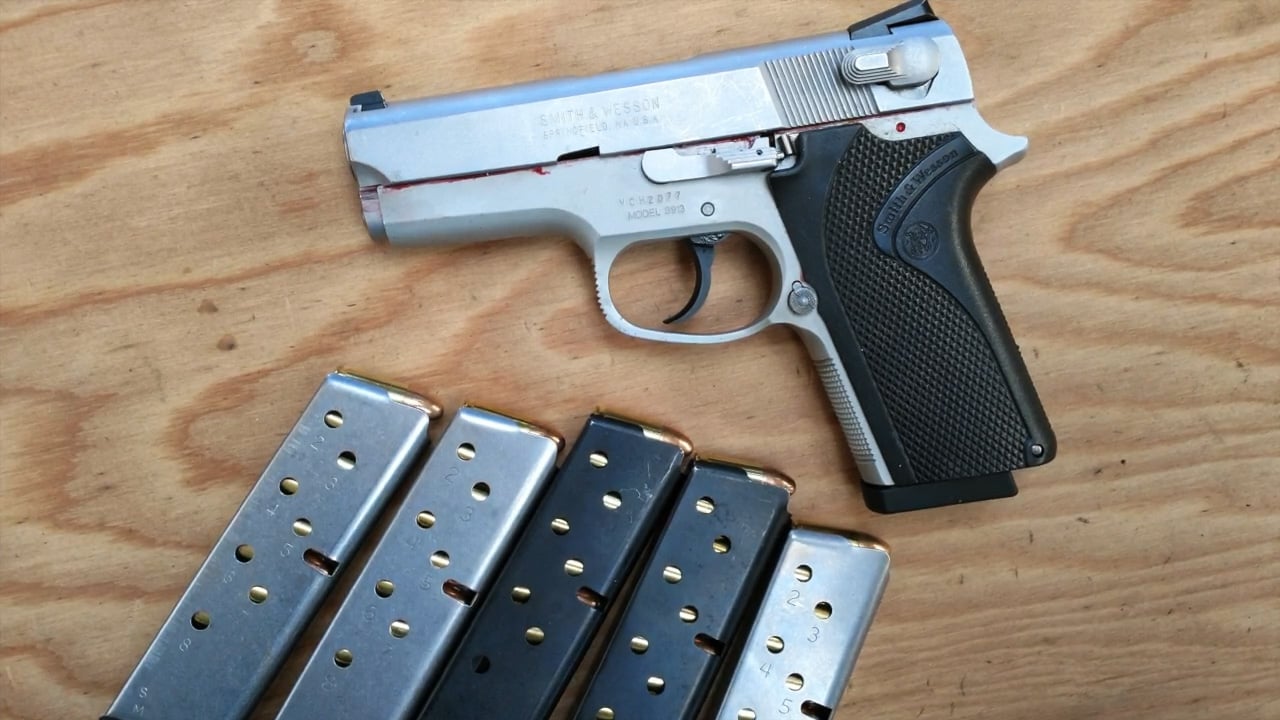
If you want a “real carry gun” from that era—before micro-compacts were normal—the 3913 is a strong pick. Slim, single-stack, and still built like a duty pistol that got put on a diet.
They’re known for reliability and a solid balance of size and shootability. The downside is parts and magazines aren’t as mindlessly common as Glock or Beretta, and clean examples are getting harder to find. If you stumble on one that hasn’t been abused, it’s worth a second look.
12. Walther P88
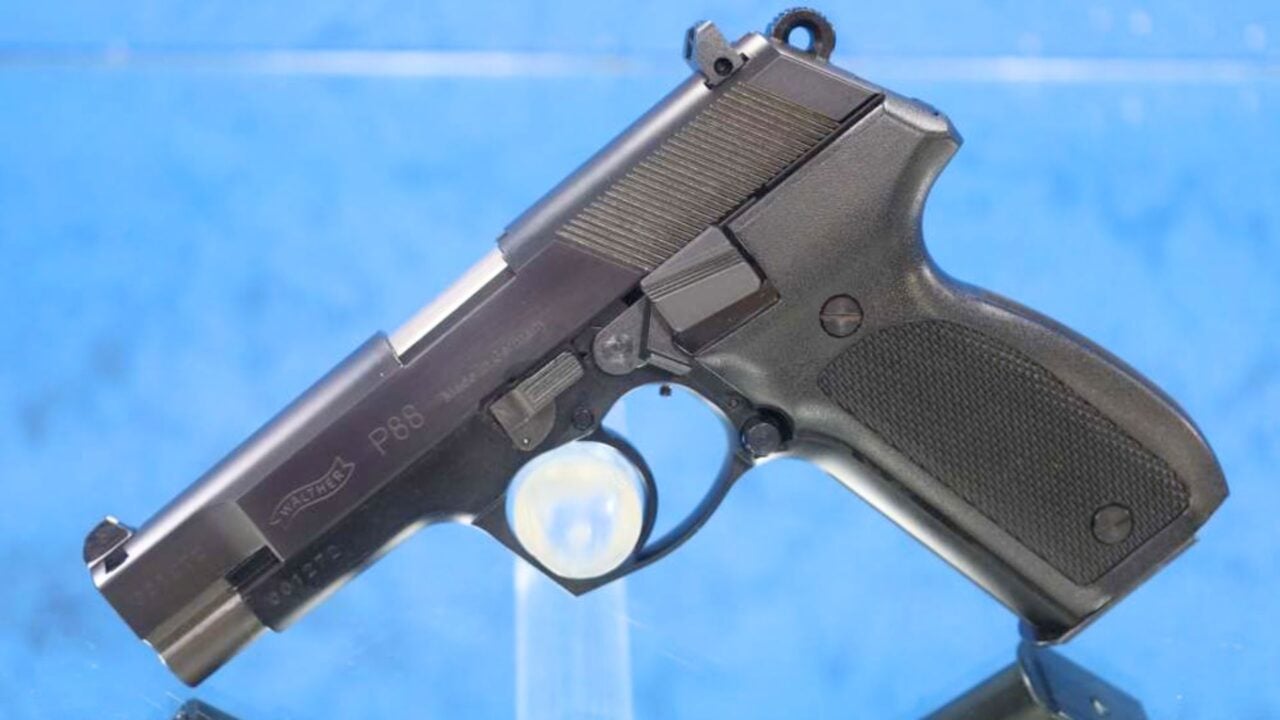
The P88 is one of those pistols that feels like Walther decided to prove a point. Fit and finish are excellent, and it has a “tight but smooth” action that’s hard to explain until you feel it.
Reliability is typically very good, but it’s not a budget-friendly gun to own in 2026. Magazines can be pricey, and you’re not going to find bins of parts at every gun show. It’s a serious pistol from a serious era, but it’s more of a keeper than a beater.
13. Walther P5
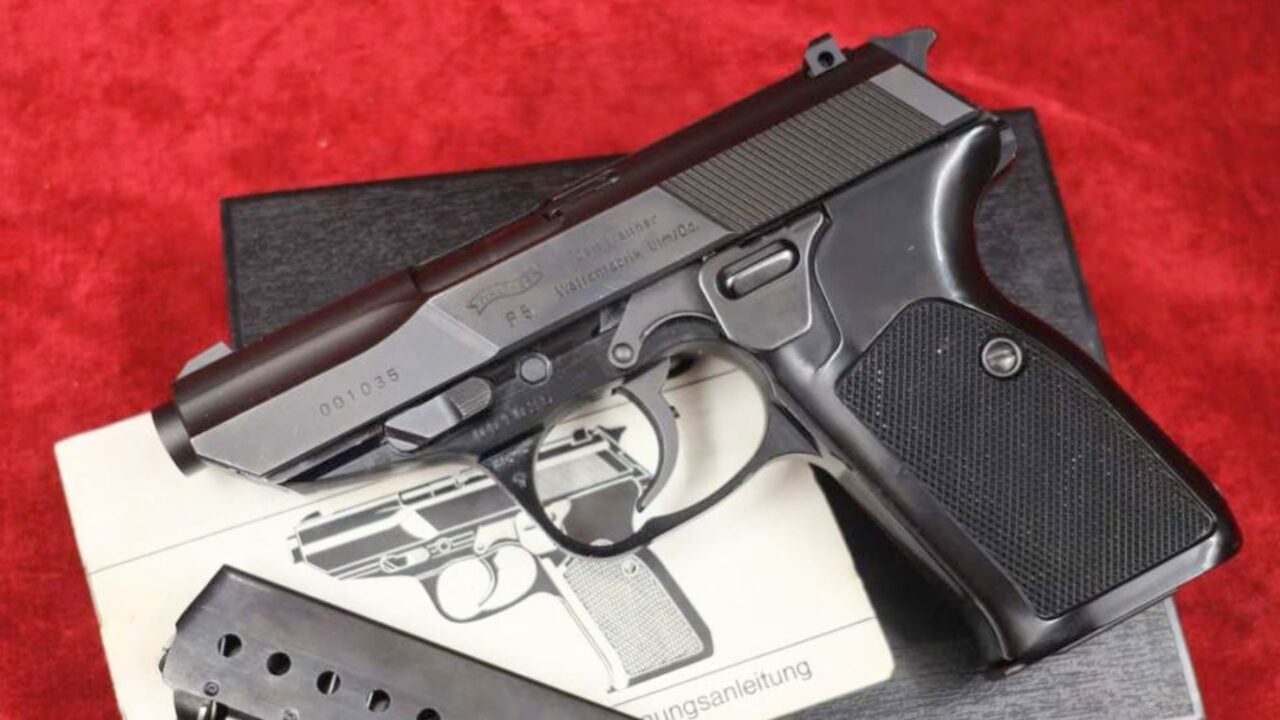
The P5 is another Walther that doesn’t get talked about enough outside collector circles. It’s compact, accurate, and built to a standard that feels expensive.
It’s reliable with quality ammo, though it’s not a “toss it in the tackle box” kind of pistol. If you’re the sort who appreciates clever engineering and old-school German build quality, it’s a neat piece. Just go in knowing support isn’t as widespread as mainstream duty guns.
14. Steyr GB
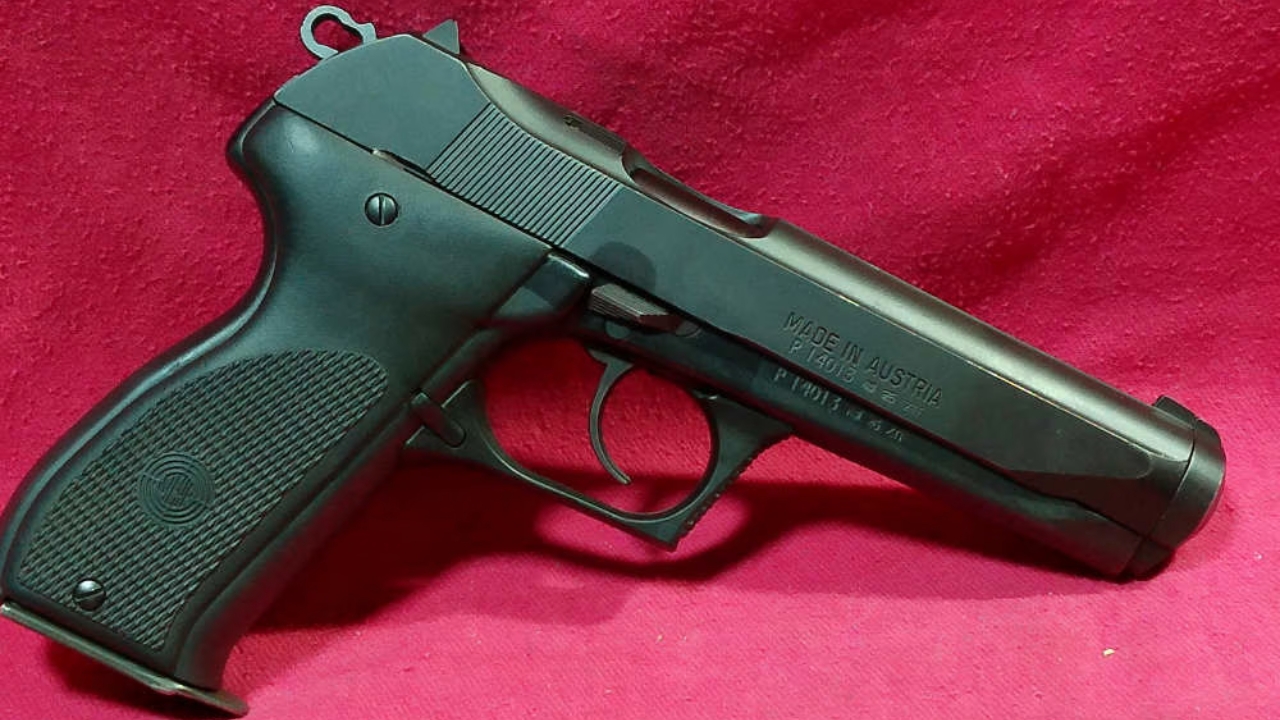
The Steyr GB is big, flat, and a little odd. It’s also one of those pistols that feels like it was designed by a committee that cared about low recoil and high capacity before those were common selling points.
When they’re in good shape, they’re known to be reliable and soft shooting. The catch is availability—both the pistol and the magazines can be a hunt. It’s not the easiest “practical” pick, but it’s very much a product of that reliability-first thinking.
15. Colt Government Model Series 70 (1911)

A good Series 70 Government Model is still one of the most shootable pistols out there. It’s thin, it carries well for its size, and the trigger—when it’s right—is hard to beat.
Now, let’s be honest: 1911 reliability depends on the gun, the magazines, and the setup. But the better Colts from that era, with quality mags and ball or proven hollow points, can be extremely dependable. It’s not a “never clean it” pistol, but it’s a serious sidearm.
16. Colt Combat Commander (Series 70)
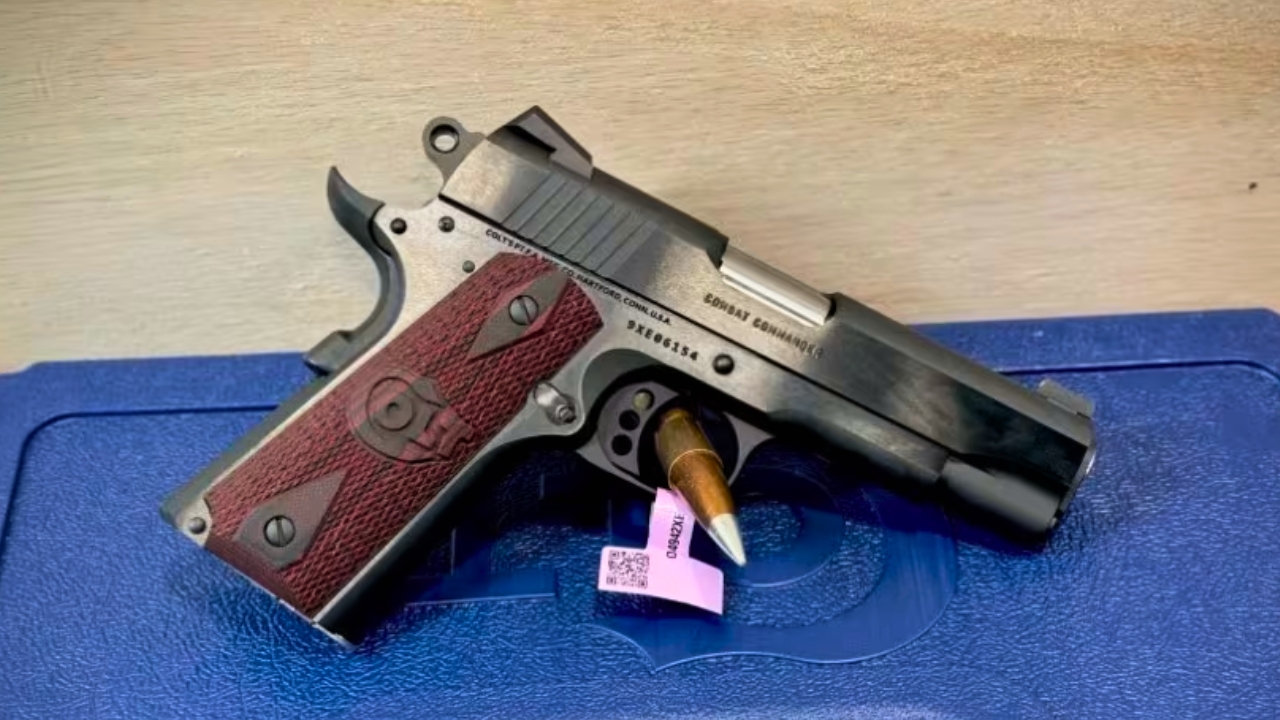
The Commander-length 1911 has always made sense to me for carry. You lose a little sight radius and a little velocity, but you gain comfort and balance.
A well-maintained Combat Commander can run like a sewing machine, especially with magazines it likes. Recoil is snappier than a full-size Government model, and some examples are pickier than others. Still, as a practical classic, it’s one that stays useful instead of just collectible.
17. Star Model BM
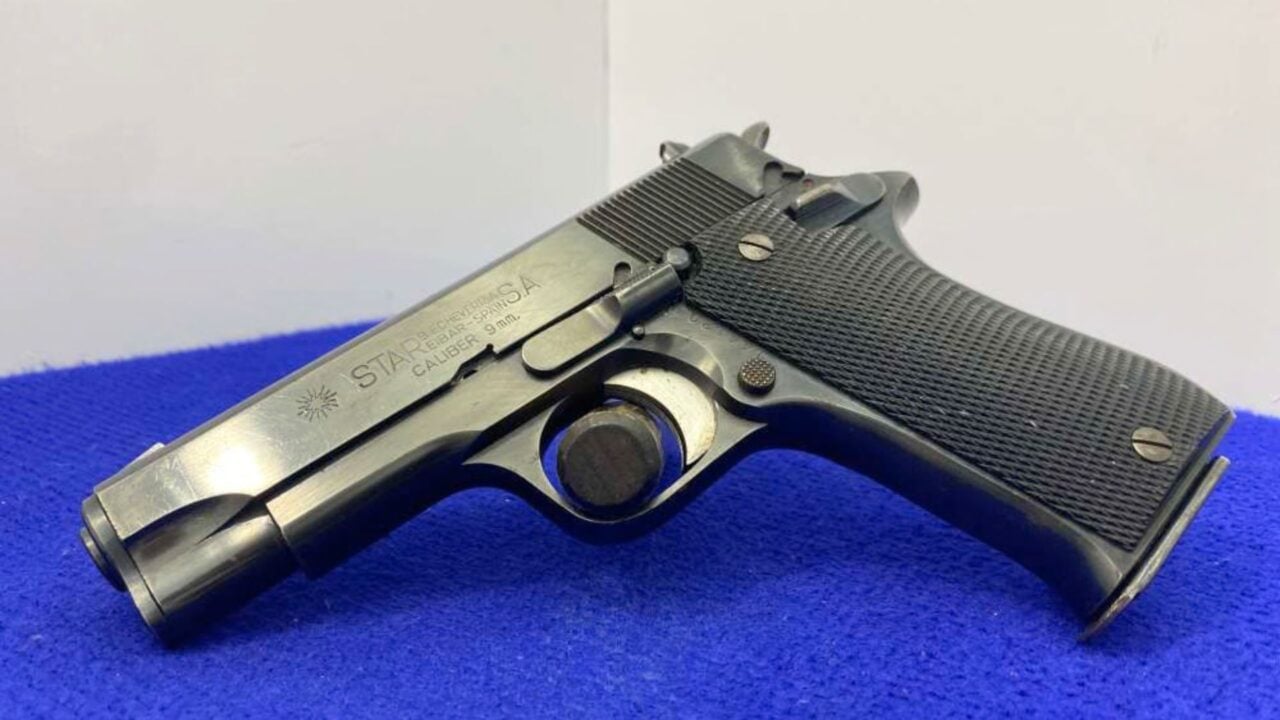
The Star BM is one of those pistols that surprised a lot of folks who bought it as an inexpensive surplus piece. It’s basically a compact, 9mm, 1911-ish gun that feels better in the hand than its price tag suggests.
They can be very reliable with good springs and decent magazines, and they shoot flatter than many small pistols. The downside is parts support isn’t what it used to be, and you may have to do a little digging for mags. For a “working man’s pistol,” it earned a spot on this list.
18. Beretta 81 (Cheetah series)
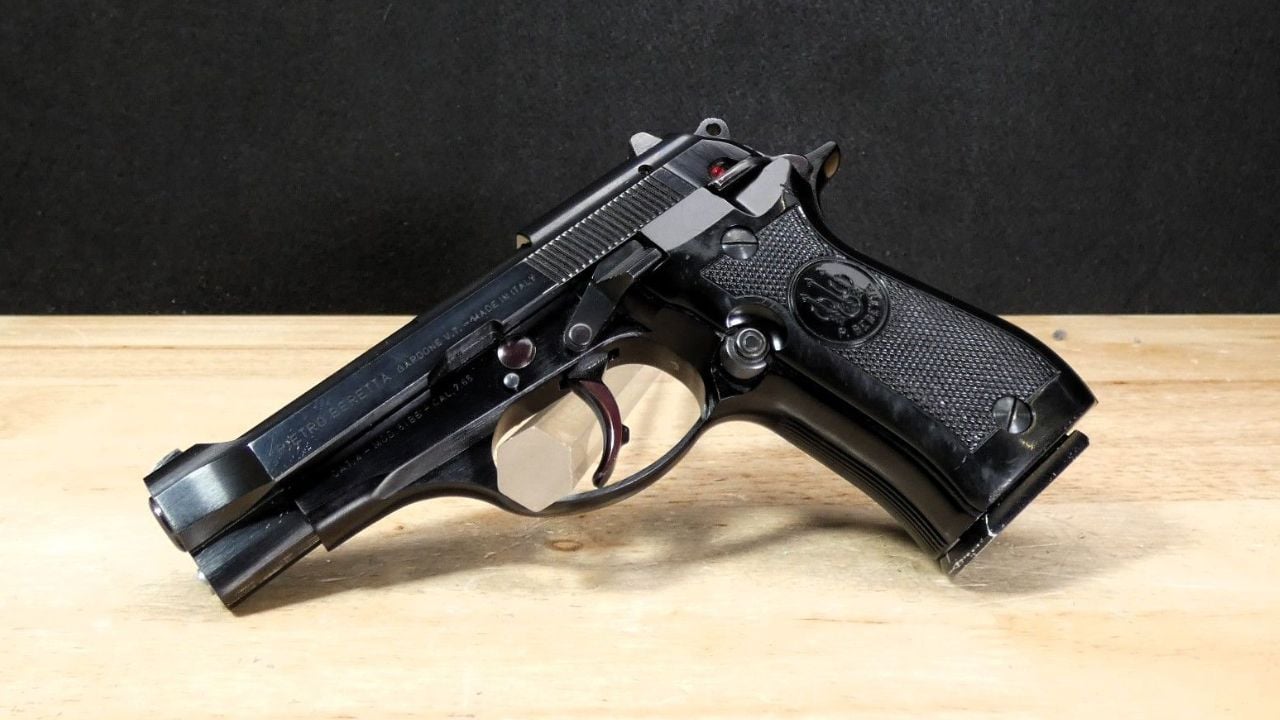
The Beretta 81 in .32 ACP is not a powerhouse, and nobody should pretend it is. But reliability isn’t just about caliber—it’s about feeding, firing, and functioning every time.
The 81 is smooth, mild, and easy to shoot well, which means you’re more likely to practice with it. Many of them run like they’re on ball bearings. If you’re a trapline-and-farm type who wants a light-recoiling pistol for pests or as a deep-carry option, it’s a practical old design.
19. SIG Sauer P230 / P232

The P230 and P232 are simple, slim blowback pistols that carry easily and don’t snag much. They feel like a “coat pocket gun” that was built by adults.
Reliability is generally strong with quality ammo, though blowback guns can be a little snappy for their caliber. These are the kind of pistols you forget you’re wearing until you need it, which is a real compliment. Magazines aren’t as cheap as modern plastic-gun mags, but they’re out there.
20. Makarov PM (Soviet/Bulgarian pattern)

The Makarov is about as straightforward as a pistol gets. Fixed barrel, simple controls, and a design that assumes it may never see a gunsmith in its whole life.
They’re usually extremely reliable with ball ammo, and they hold up to hard use. The caliber (9×18) is the only real hang-up for some folks, since it’s not as common on every shelf as 9mm Luger. But as a “keep it in the truck, keep it running” pistol, it’s tough to beat.
If you notice a theme here, it’s that most of these guns are a little heavier, a little more “mechanical,” and a lot less concerned with being trendy. They were built when service pistols had to work with whatever ammo showed up and whatever maintenance schedule reality allowed. If you own one already, keep it running, feed it good magazines, and don’t be too quick to trade it off for the newest thing on the counter.
Like The Avid Outdoorsman’s content? Subscribe to our newsletter so you never miss an article.
Here’s more from us: