Photo credit: Langdon Tactical/YouTube
Springfield Armory is one of those names that causes confusion before the conversation even really starts. Some shooters hear it and think about the old U.S. government armory in Springfield, Massachusetts. Others think about the modern company in Geneseo, Illinois, selling M1A rifles, 1911s, Hellcats, SAINT rifles, XD pistols, and the Echelon. Those two things are connected by name and legacy, but they are not the same entity.
That distinction matters. The original Springfield Armory was a U.S. government arsenal ordered by George Washington in 1777 and later became one of America’s most important military firearm production and development sites. The modern Springfield Armory, Inc. is a private company founded in 1974 when the Reese family brought the name back for commercial firearms. Springfield Armory’s own history page leans into both stories: the old armory’s 1777 origins, its 1968 closure, and the 1974 rescue of the name by the Reese family.
1. The Modern Company Is Not the Old Government Armory

This is the first thing a lot of shooters get wrong. The historic Springfield Armory in Massachusetts was a federal armory. It manufactured and developed military arms for the United States for generations before closing in 1968. The modern Springfield Armory, Inc. is a private commercial firearms company based in Geneseo, Illinois.
That does not mean the modern company has no right to the name. The Reese family revived it in 1974 and built a successful commercial firearm brand around it. But readers should understand the difference. A modern Springfield Hellcat or SAINT rifle is not coming from the old Massachusetts government armory. It is coming from the modern Springfield Armory company that carries the name forward.
2. Springfield Armory’s Historic Roots Go Back to George Washington

The old Springfield Armory story begins during the Revolutionary War. Springfield Armory’s own history says George Washington ordered the creation of the armory in 1777 to store ammunition and gun carriages. By 1794, the armory began manufacturing muskets for the young country.
That historic armory became a major part of American military firearm development. It was not only a storage site. It became a manufacturing center and a place where firearm ideas were tested and improved. That is the legacy the modern company is borrowing from when it uses the Springfield Armory name.
3. The Historic Armory Closed in 1968
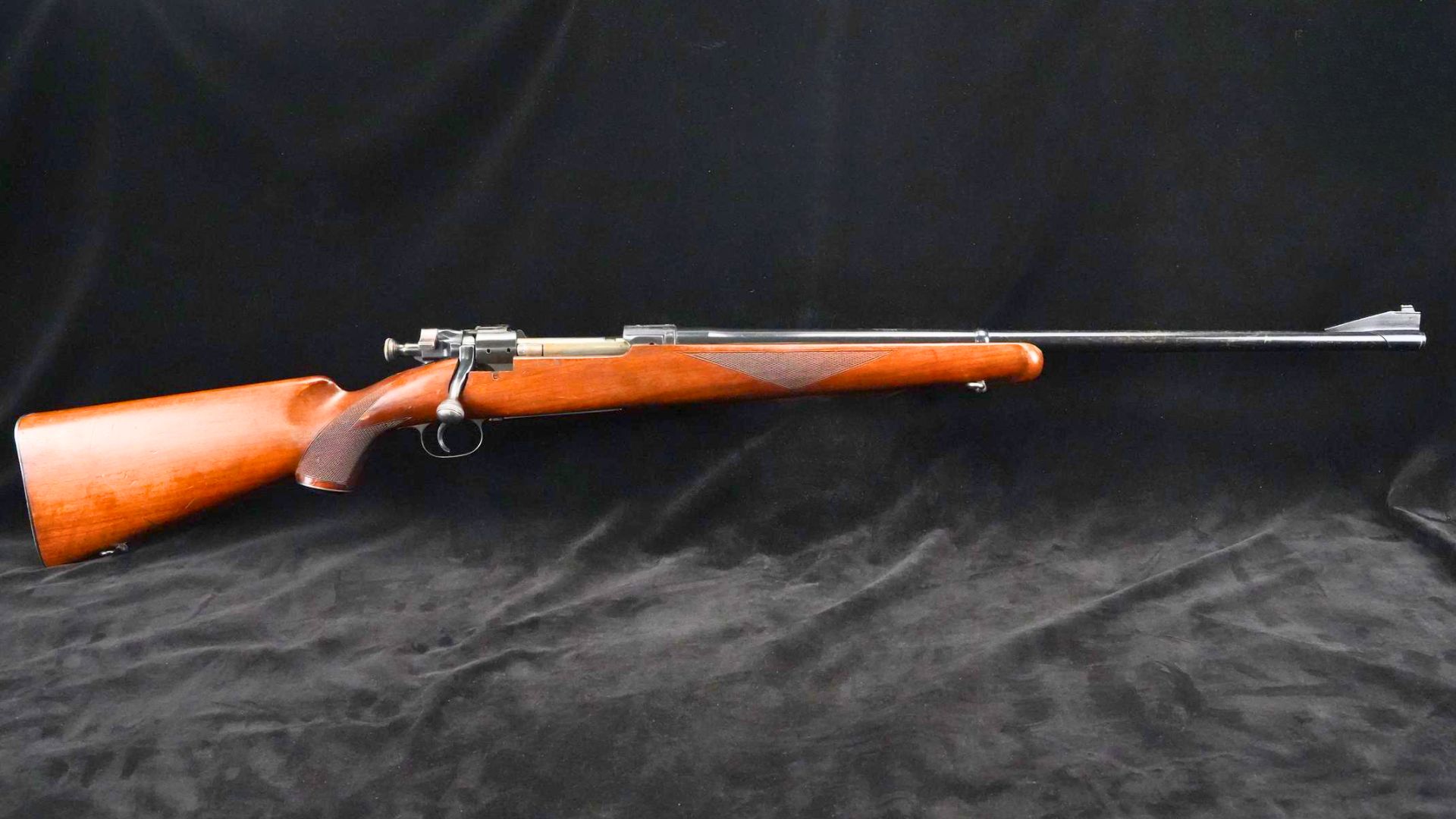
The government-run Springfield Armory closed in 1968, ending a major chapter in American arms production. That closure left the name and history sitting there until the modern company brought the name back several years later.
That closure is one reason the name can feel confusing. When someone talks about “Springfield Armory,” they may mean a national historic site, a former federal arms maker, or the modern company selling commercial firearms. Those are related in name and story, but they are not the same thing. For an article like this, that difference is worth making plain.
4. The Reese Family Revived the Name in 1974

The modern Springfield Armory, Inc. story starts in 1974, when the Reese family took over the name and built the commercial company in Geneseo, Illinois. Public company summaries describe Springfield Armory, Inc. as founded in 1974 by Bob Reese and family, with the modern company producing and importing firearms under the Springfield Armory name.
That family ownership angle matters because modern Springfield Armory is not some anonymous corporate relabeling operation. The Reese family turned the name into a major commercial firearm brand. Whatever someone thinks of the catalog, the company did succeed at turning a historic name into one of the most recognizable names in American gun shops.
5. The M1A Is What Helped Launch the Modern Brand

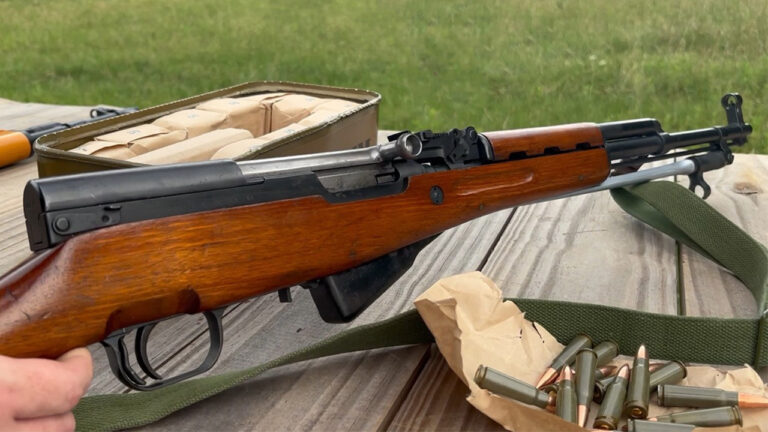
The modern Springfield Armory brand was built heavily around the M1A, the civilian semi-automatic version inspired by the M14 rifle. Before Springfield Armory became known for Hellcats, XD pistols, 1911s, and SAINT rifles, the M1A was the gun most closely tied to the company’s early identity.
That matters because the M1A gave the modern company a serious old-school rifle foundation. It was not trying to enter the market first with polymer carry pistols or AR-style rifles. It built credibility with a rifle that appealed to shooters who respected the M14 lineage, walnut stocks, iron sights, .308 power, and traditional American service-rifle feel.
6. Springfield Armory Helped Keep the M14 Pattern Alive
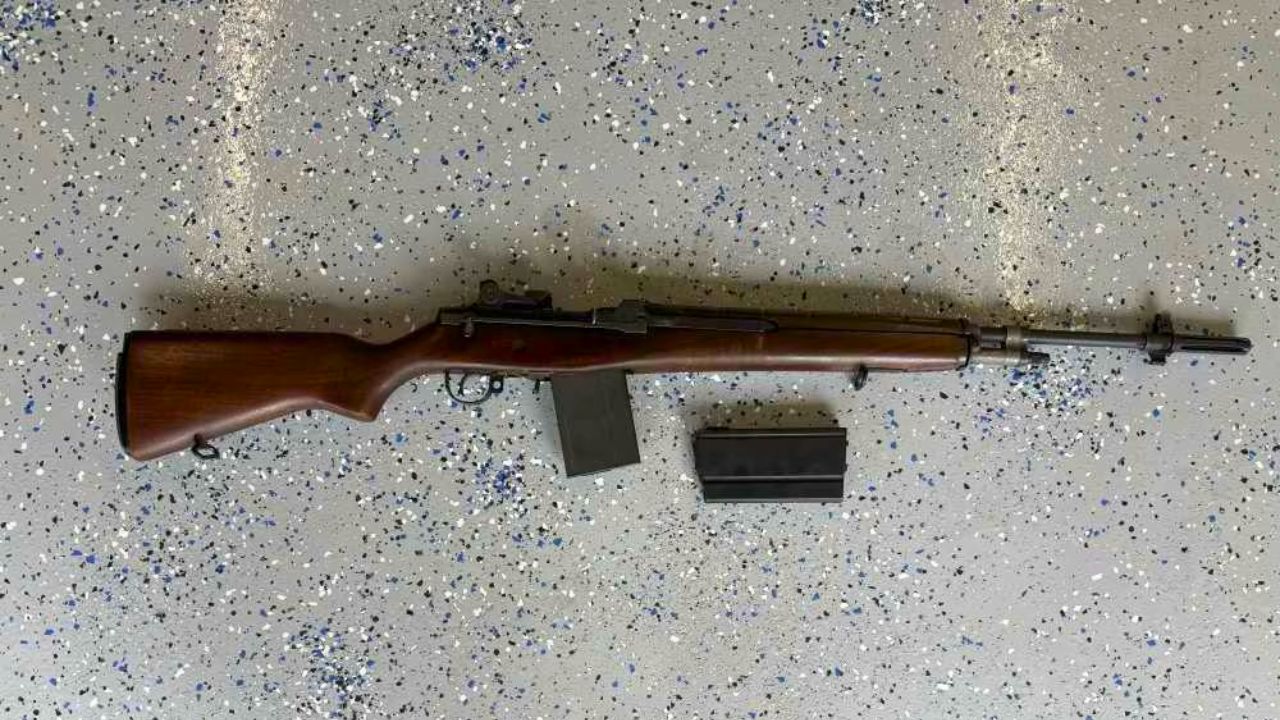
The M14 had a relatively short run as the primary U.S. service rifle, but the M1A kept the pattern alive for civilian shooters. That gave people a way to own a rifle that looked, felt, and handled like the M14 without needing a select-fire military gun.
That lane has always been part of Springfield’s identity. The M1A is not light, cheap, or as modular as a modern AR-10-style rifle. But it has a personality that still appeals to traditional rifle shooters. Springfield Armory kept that platform visible when plenty of companies were moving hard into newer rifle designs.
7. Springfield Armory Became a Big 1911 Name Too
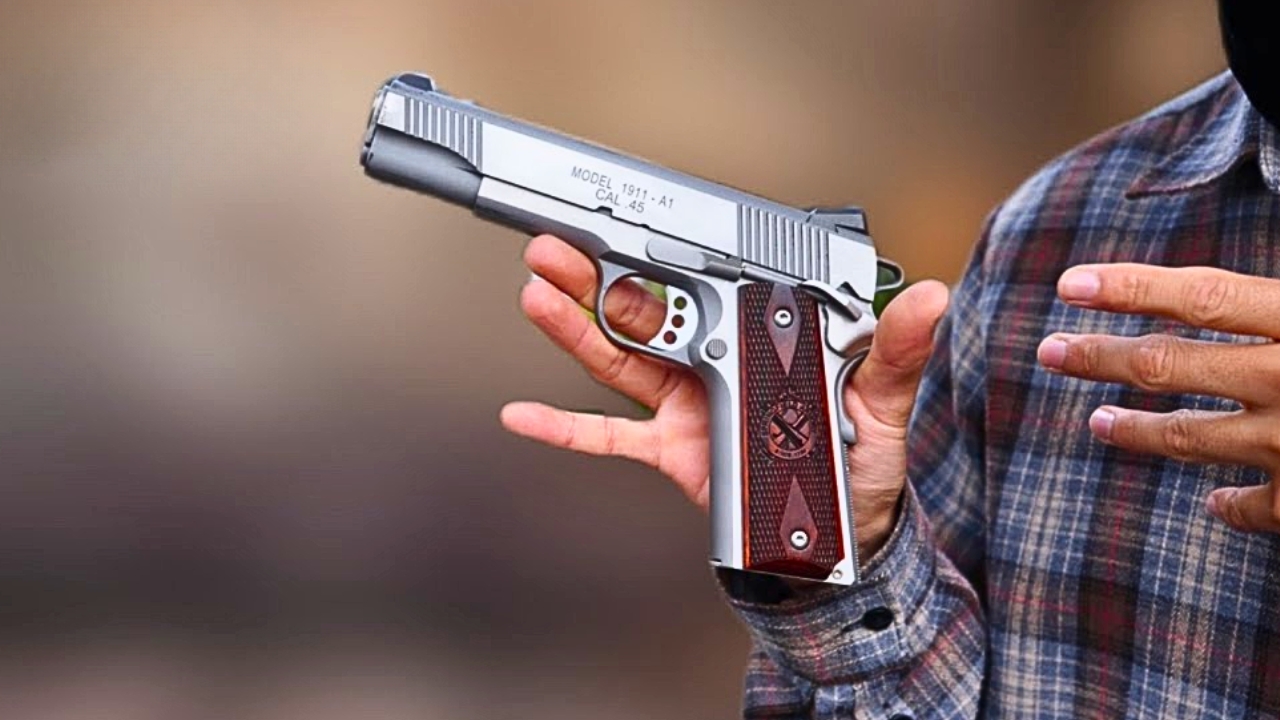
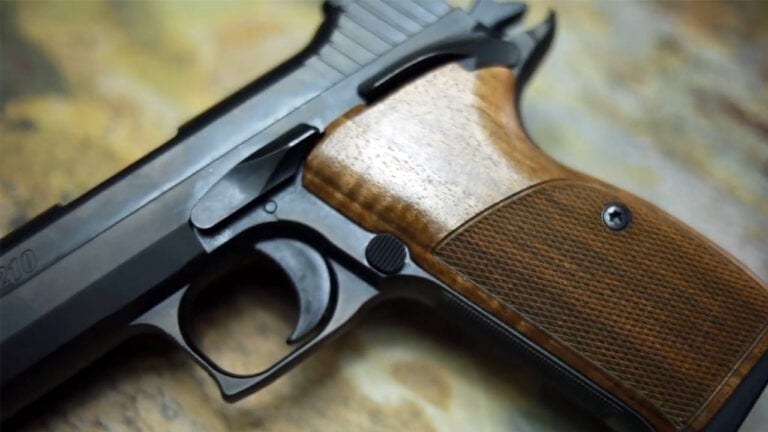
Springfield Armory is also deeply tied to production 1911s. The company has sold a wide range of 1911 pistols, from more traditional GI-style guns to Loaded, Range Officer, TRP, Ronin, Garrison, Emissary, and other versions over the years.
That helped Springfield reach buyers who wanted a 1911 without jumping into full custom prices. The 1911 market is emotional and picky, but Springfield found a lane by offering a broad spread of pistols at different price points. For a lot of shooters, a Springfield 1911 became one of the easiest entry points into a serious 1911.
8. The XD Line Came From Croatia
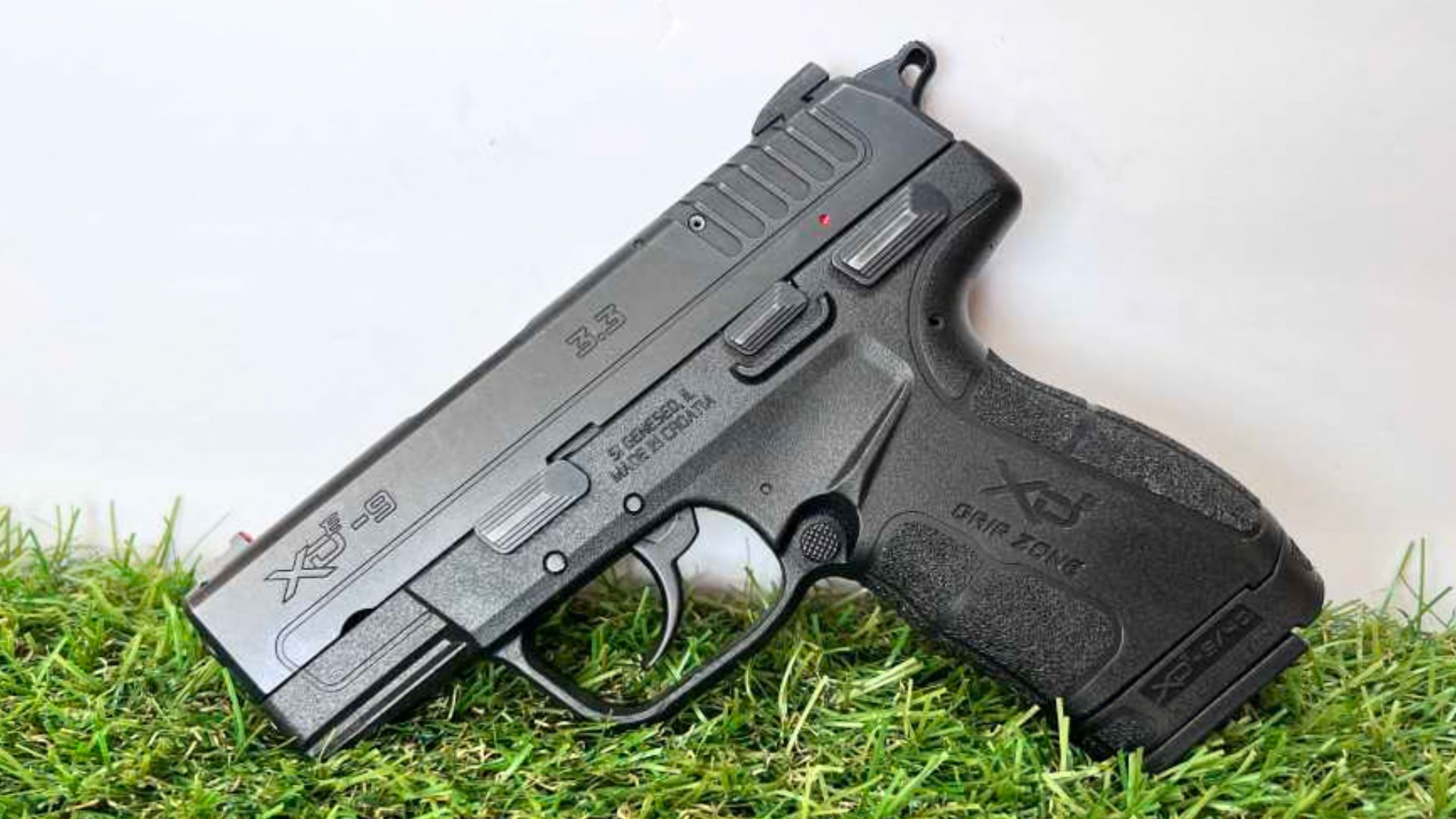
One thing many newer shooters miss is that the XD family did not originate as an American-designed Springfield pistol. The XD line traces back to HS Produkt in Croatia. Springfield Armory’s own HS Produkt page says the partnership between Springfield Armory and HS Produkt introduced firearms including the XD, Hellcat, Hellion, and Echelon to shooters worldwide.
That import partnership became a huge part of the modern Springfield catalog. Some shooters criticize Springfield for branding imported Croatian designs under an American-sounding name. Others do not care as long as the guns work. Either way, it is an important part of the brand’s modern story.
9. The XD Helped Springfield Compete in Polymer Pistols

The XD gave Springfield Armory a real foothold in the striker-fired polymer pistol market. Before the Hellcat and Echelon, the XD and later XD-M and XD-S models were the pistols many buyers associated with Springfield’s modern handgun lineup. American Rifleman described Springfield as being known for its Croatian-produced XD line of duty-size handguns for a long time before the Echelon updated that side of the catalog.
That mattered because Glock had already changed the defensive pistol market. Springfield needed a polymer handgun line if it wanted to stay in that conversation. The XD line gave the company a recognizable answer, even if shooters still argue over grip safeties, bore axis, and how it compares to Glock, M&P, and SIG.
10. The Hellcat Changed Springfield’s Carry-Gun Reputation

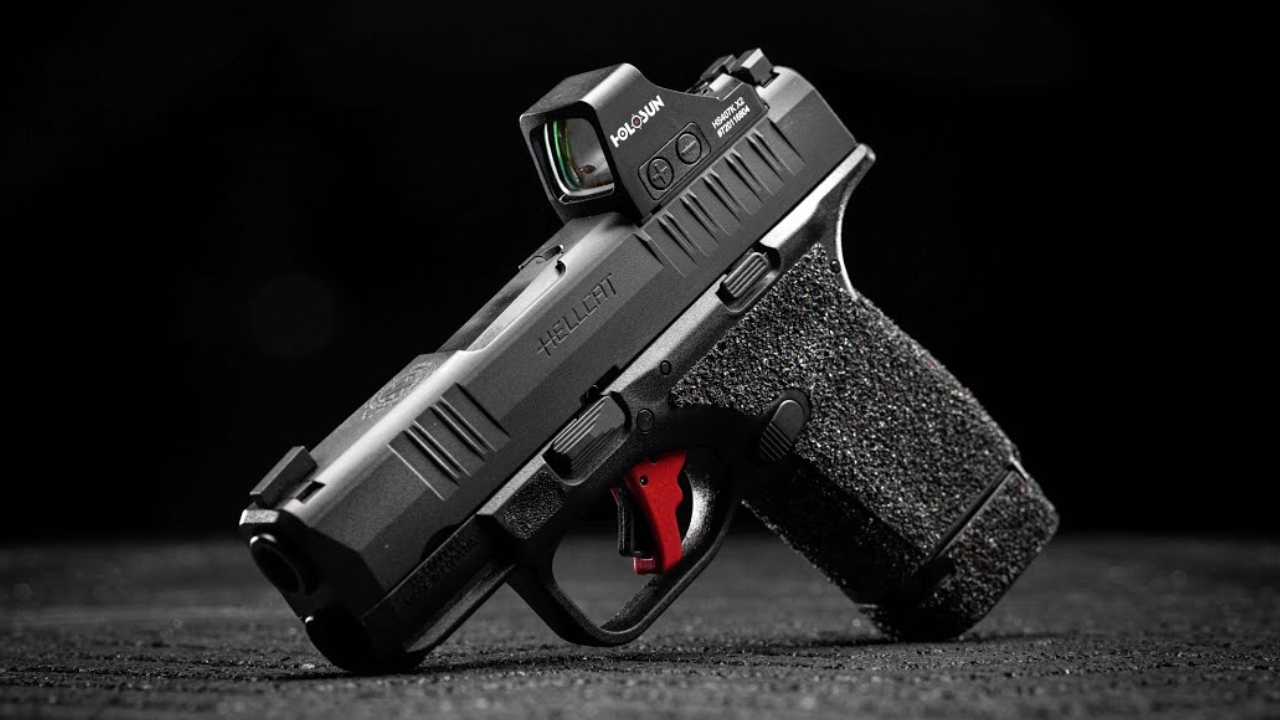
The Hellcat was a major moment for Springfield Armory. It landed in the micro-compact 9mm fight and gave buyers a high-capacity carry pistol that could compete directly with the SIG P365 and other slim carry guns. Springfield’s site still pushes the Hellcat family heavily across concealed-carry and micro-compact categories.
That was important because the Hellcat made Springfield feel current. The XD line had become familiar, but the Hellcat gave the company fresh energy in one of the hottest handgun categories. It was small, optics-ready in OSP versions, and high-capacity for its size. That combination made buyers pay attention.
11. The Hellcat Pro Filled a Smarter Middle Ground

The original Hellcat was tiny and easy to carry, but the Hellcat Pro gave shooters a little more gun to hold onto. It offered a slim profile with more shootability and more capacity than many older single-stack carry pistols. That helped Springfield reach buyers who wanted something between a micro-compact and a traditional compact.
That middle lane is important. A lot of people can conceal a slightly larger pistol better than they can shoot a tiny one well. The Hellcat Pro gave Springfield a strong answer for buyers who wanted a carry gun that still felt controllable during real practice.
12. The Echelon Was Springfield’s Big Modular-Pistol Move

The Echelon was Springfield’s attempt to step into the modern duty-style striker-fired pistol market with a more forward-looking design. American Rifleman described it as a modern striker-fired design made by HS Produkt in Croatia with a serialized chassis system set inside an unserialized polymer grip frame.
That chassis system matters because modular pistols are a major part of the modern handgun conversation. SIG pushed the concept hard with the P320, and Springfield needed something more advanced than simply another polymer frame. The Echelon gave the brand a duty-size pistol with optics flexibility, modularity, and a design language that felt more current than the older XD family.
13. Springfield Armory Built a Strong AR Line With SAINT
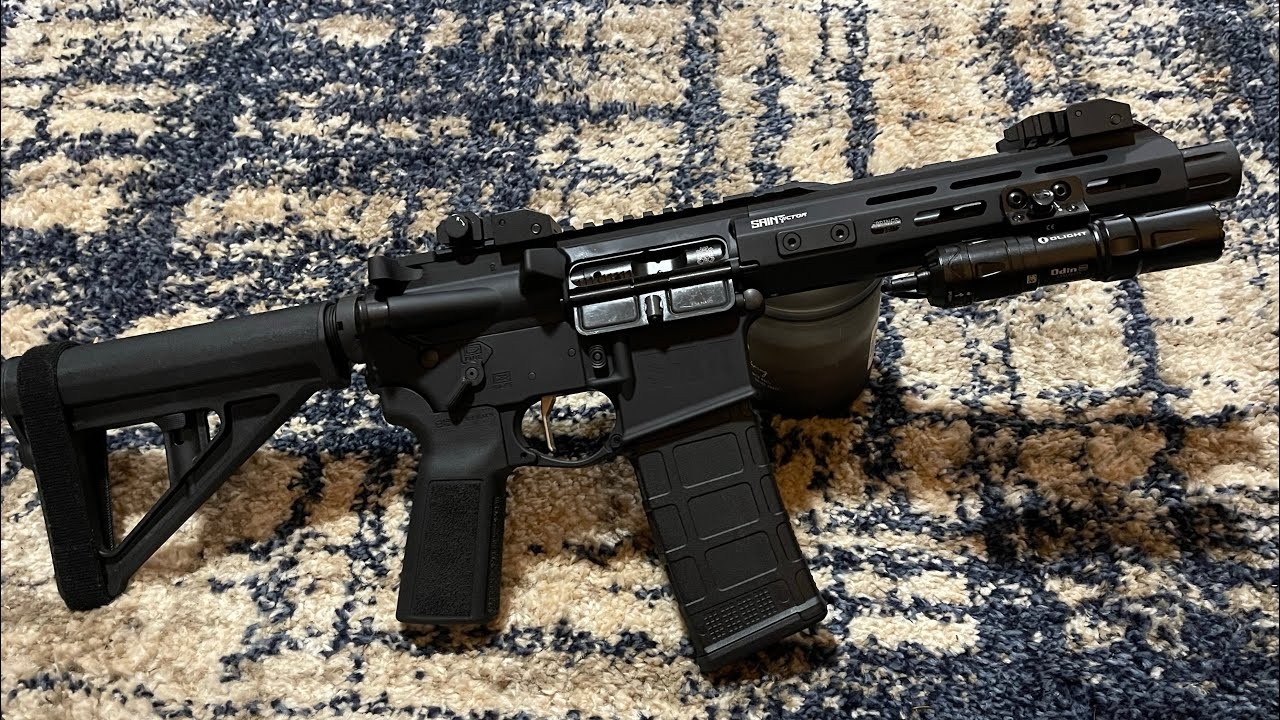
Springfield Armory also moved hard into AR-style rifles with the SAINT line. That gave the brand another major category beyond M1As, 1911s, and imported polymer pistols. The SAINT family has included entry-level rifles, Victor models, Edge models, pistols, and more specialized configurations.
That move made sense because ARs are too important for a modern American firearm brand to ignore. Springfield already had traditional rifle credibility with the M1A, but the SAINT line gave it a modern rifle identity. It let the company reach buyers who wanted a factory AR from a known brand rather than piecing together a build.
14. The SA-35 Showed Springfield Knows How to Use Nostalgia
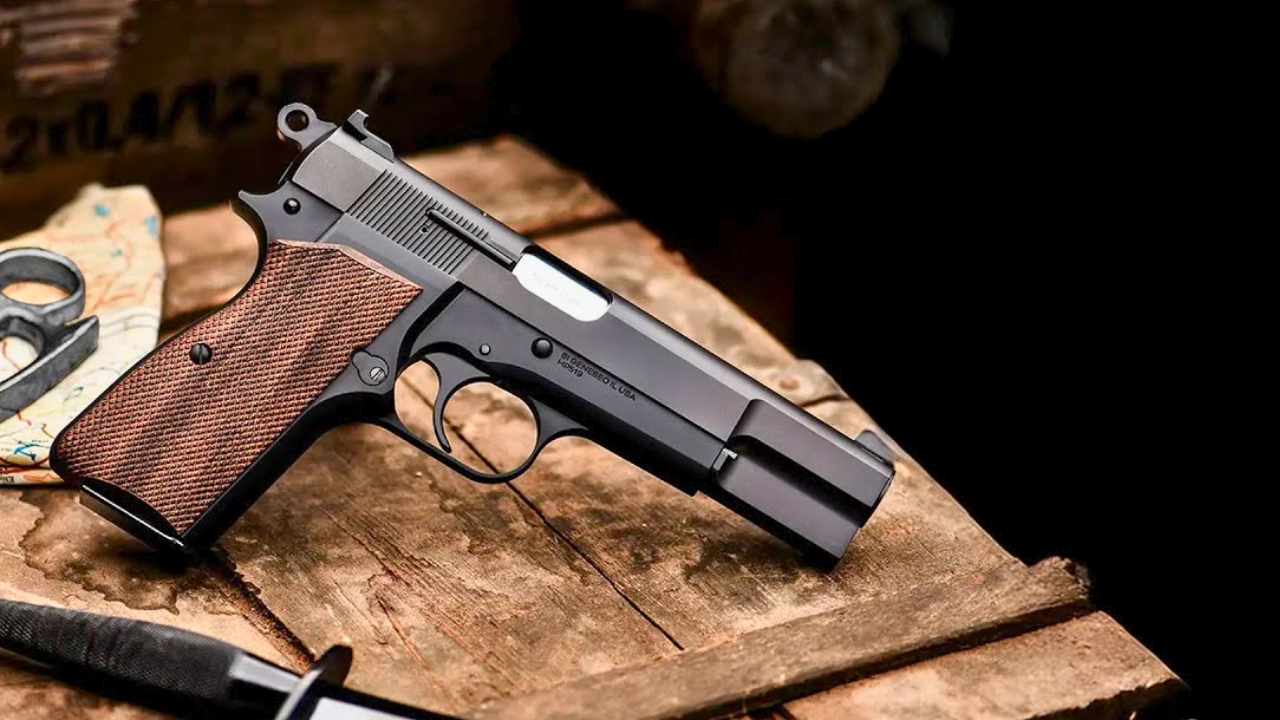
The SA-35 gave Springfield a modern take on the Browning Hi-Power concept. Springfield describes the SA-35 as based on one of the most prolific and popular pistols in small arms history, with updates to John Moses Browning’s original P-35 design for modern use.
That was a smart move. The Hi-Power has a huge following, but original guns can be expensive or worn. Springfield offered a way for buyers to get that old-school wood-and-steel feel with modern improvements. It showed the company understands that nostalgia can still sell when the gun itself fills a real gap.
15. Springfield Armory’s Real Strength Is Range

The biggest thing most shooters do not know about Springfield Armory is how broad the modern company really is. It sells M1A rifles, 1911s, SAINT ARs, Hellcat carry pistols, XD-family pistols, Echelon duty pistols, SA-35s, and imported Croatian designs tied to HS Produkt.
That range is the real story. Springfield Armory is not only the historic government armory name, not only the M1A company, not only a 1911 maker, and not only a Hellcat seller. It is a modern commercial brand that has built a catalog by mixing American firearm nostalgia, Croatian manufacturing partnerships, modern carry pistols, and AR-style rifles. That mix is why the name keeps showing up in so many different corners of the gun market.
Like The Avid Outdoorsman’s content? Subscribe to our newsletter so you never miss an article.
Here’s more from us: