Photo credit: Mud Lake Ranch/YouTube
You might think you scored a deal with that low-priced pistol, but some of them end up costing more in the long run than buying quality upfront. These are the guns that eat up time, parts, and patience—ones that seem great until you start chasing down feeding issues, cracked parts, or busted springs. This list covers the pistols that feel cheap for a reason and tend to live at the gunsmith more than the range. If reliability matters to you, these are worth thinking twice about.
Taurus PT111 G2

The PT111 G2 often lures buyers in with its compact size and attractive price. It fits the hand well and offers decent capacity for its size, but long-term reliability is a toss-up. Many owners report issues with failure to feed, light primer strikes, and questionable trigger resets.
Aftermarket parts aren’t always easy to find, and factory support has its limits. The money you save upfront can get burned quickly on shipping, labor, and time lost waiting on repairs. It’s not a total flop, but it’s not built for the long haul either.
Jimenez JA Nine
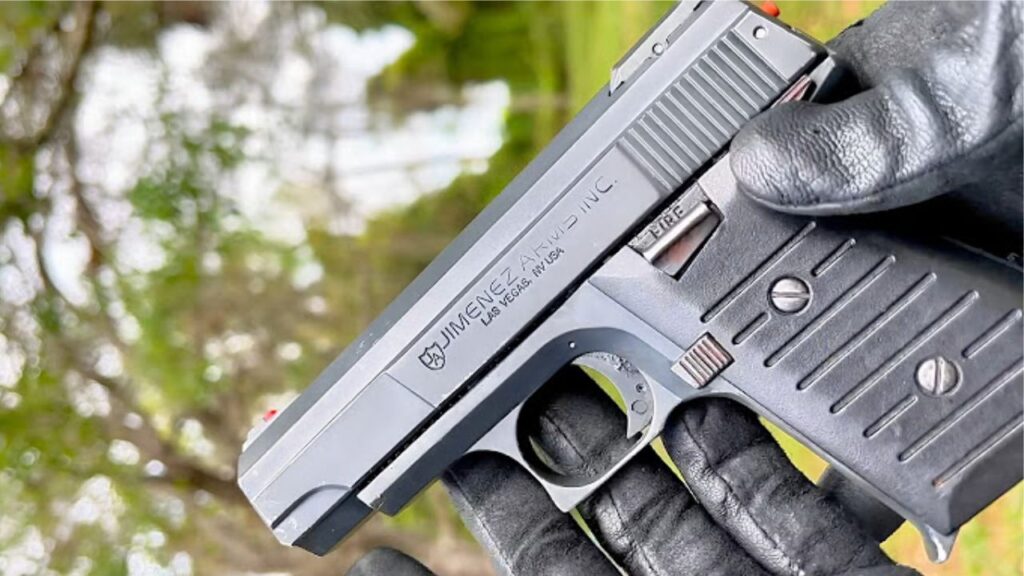
This pistol might look the part, but it’s built with questionable materials that don’t hold up under repeated use. It has a zinc-alloy frame that’s prone to cracking and loosening over time. Even light range sessions can take a toll on its overall function.
Firing pins, extractors, and safeties have all been known to fail early, leaving you with a paperweight or a repair bill. It’s cheap for a reason, and most folks who buy one either shelve it or regret not spending a little more for something that works consistently.
KelTec P-11
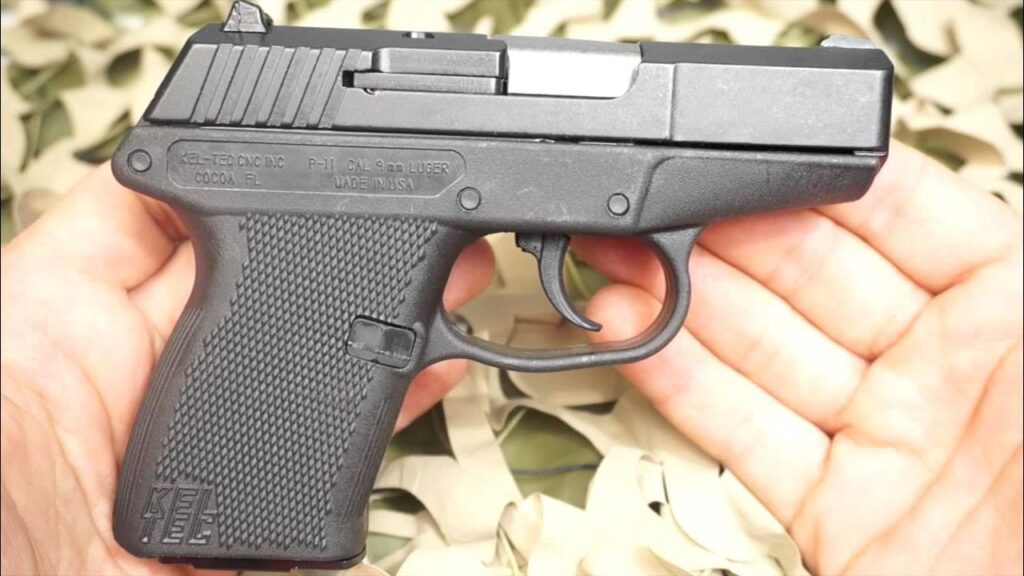
The P-11 promises a lot—compact size, double-stack mag, and a lightweight frame—but it often feels more like a prototype than a finished product. The trigger is notoriously heavy, and reliability can be hit or miss, especially after the first few hundred rounds.
Feed issues and premature wear on internal parts are common complaints. The design had potential, but you’ll likely find yourself tuning springs or dealing with slide fitment problems sooner than you’d like. It’s not a pistol you want to depend on without putting a lot of extra work into it.
SCCY CPX-2

This one often gets mentioned as a good first carry pistol because of its size and price, but the long, gritty trigger and inconsistent cycling make it frustrating to shoot. Slide lock issues and magazine ejection problems are fairly common too.
It’s not unusual to see premature wear on the recoil assembly or extractor, which means more time fiddling with parts than getting range time. You might get a decent one, or you might spend your money swapping components and troubleshooting reliability every time you take it out.
Hi-Point C9
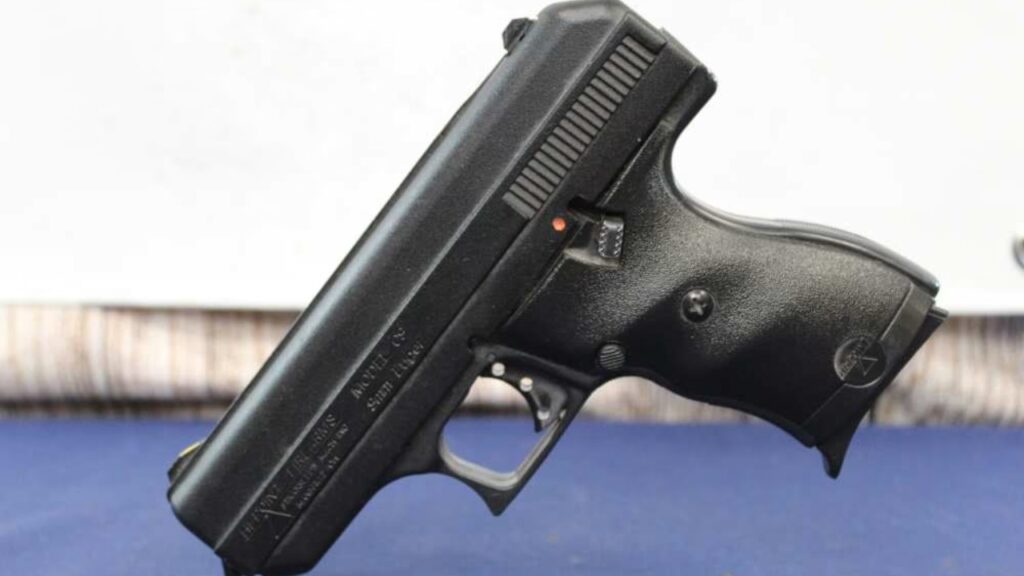
Hi-Points are known for their durability in some circles, but “durable” doesn’t always mean practical. The C9 is heavy, clunky, and plagued with feeding issues unless you stick to very specific ammo. Even then, it’s not always reliable.
Magazines are often the weak link, causing misfeeds and jams that don’t resolve without tinkering. You might not break the bank buying one, but you’ll pay in frustration and downtime. It’s more of a range curiosity than a serious sidearm.
Cobra FS380

The Cobra FS380 might look like a decent low-cost option, but it’s hard to trust a gun that struggles to run smoothly out of the box. Poor machining and soft materials mean it doesn’t age well, especially under regular use.
Even basic components like the safety lever or slide can start to give you trouble early on. These aren’t guns built to last, and they’re certainly not made for daily carry or heavy training. What you save upfront often ends up spent at the gunsmith.
Raven MP-25
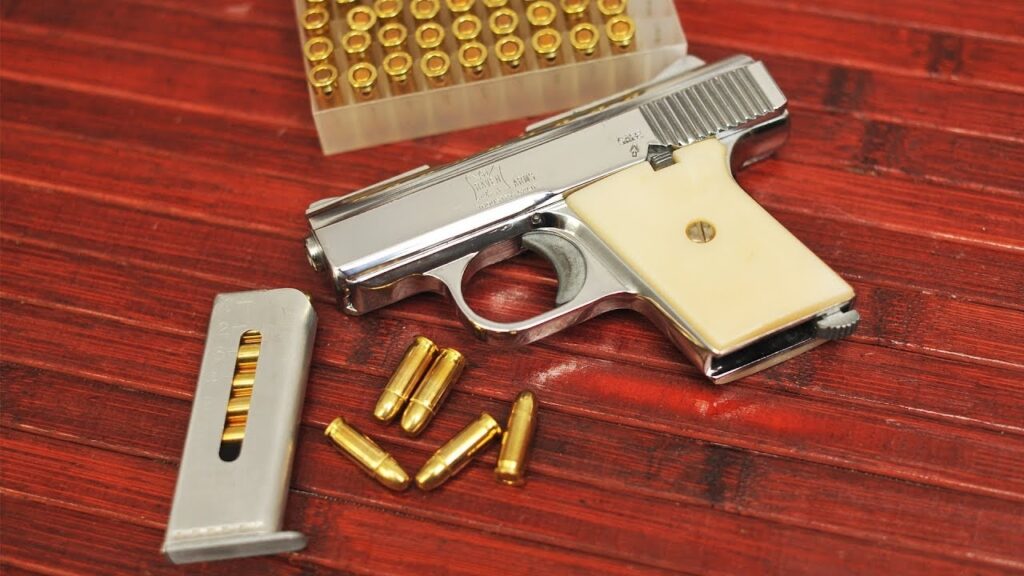
This little pocket pistol has been around for a long time, and there’s a reason it’s mostly seen in pawn shops and glove boxes. It’s cheap, unreliable, and chambered in a weak caliber—but even with .25 ACP, it still struggles to cycle consistently.
Barrel looseness and firing pin breakage are frequent complaints. For an “affordable backup,” it ends up needing more attention than it’s worth. It’s not something you want to bet your safety on, and most folks who’ve owned one wouldn’t recommend repeating the experience.
Phoenix Arms HP22A

At first glance, the HP22A doesn’t seem too bad. It’s compact, feels decent in hand, and has a few handy features. But once you start putting rounds through it, the problems pile up fast—especially with feeding and extraction.
The safety design is overly complicated and easy to bump. On top of that, the frame is soft and wears faster than it should. If you’re looking for a range toy and don’t mind tinkering, maybe. But as a dependable shooter? It’s more trouble than it’s worth.
EAA Windicator
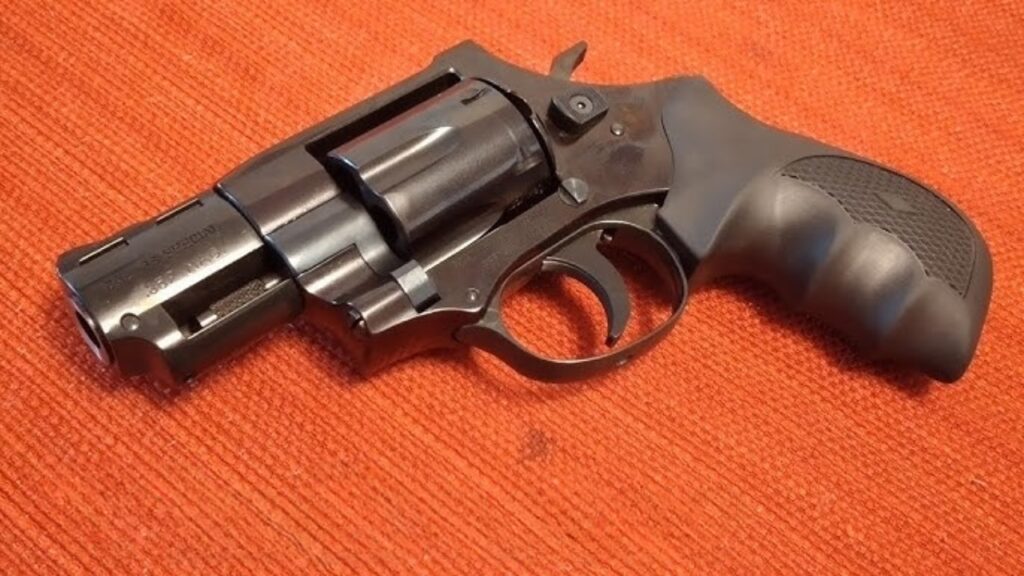
This budget revolver looks and feels solid, but once you start running it, issues start popping up. Timing can be off, and trigger pull isn’t always consistent. Cylinder lock-up can feel loose over time, especially after repeated use.
Parts availability is limited, so if anything breaks, you might be out of luck or waiting weeks. The finish also tends to wear quickly, even with light carry. For a revolver, it requires more maintenance and repair than many budget semi-autos, which says a lot.
Zastava M88A
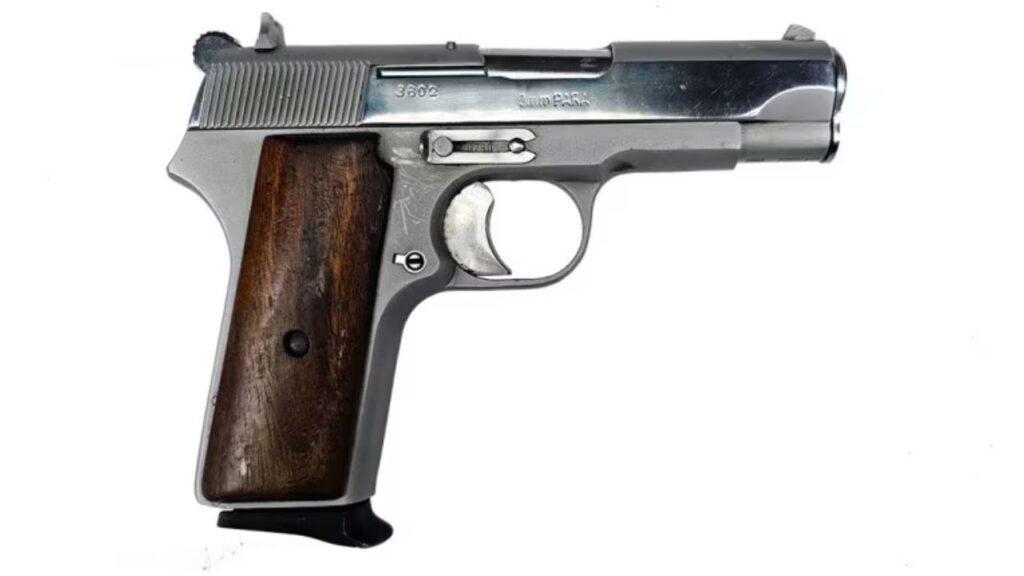
This surplus-style pistol has a solid frame and classic look, but the internal quality control isn’t great. Extractor problems, slide bite, and gritty triggers are all part of the experience. You’ll likely spend time polishing, adjusting, and replacing parts before it runs smooth.
Magazine compatibility is limited, and the factory options aren’t always reliable. It’s one of those guns that looks promising but requires a lot of tweaking to be usable long-term. Unless you enjoy constant maintenance, there are better options out there.
ATI FXH-45
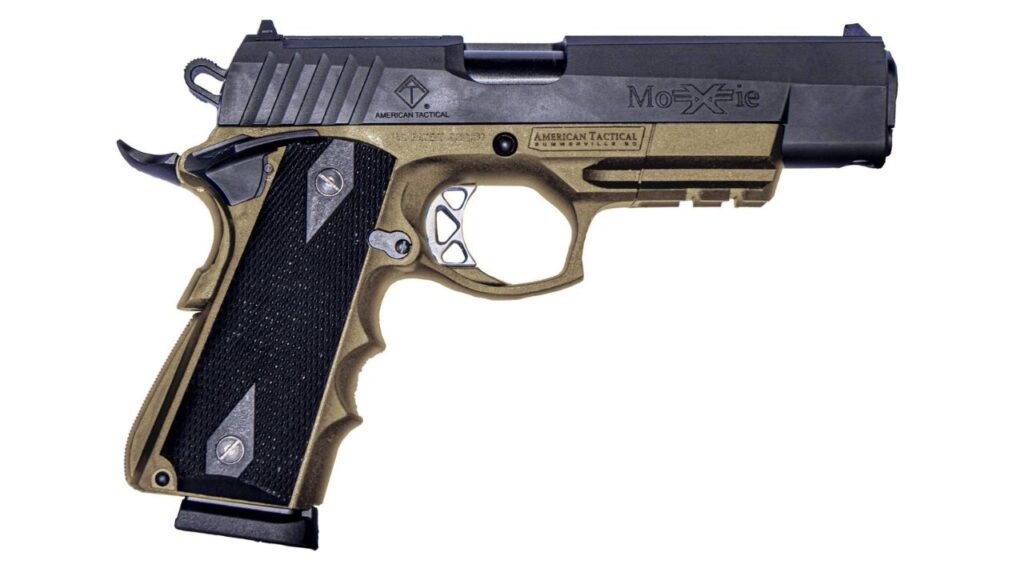
This budget 1911-style pistol tries to offer full-size performance at a low price, but build quality is hit or miss. Tolerances are often off, which leads to slide rattle and inconsistent cycling. Accuracy can suffer because of it, too.
You’ll likely end up replacing springs, tuning the trigger, or sanding internal parts just to get it running smoothly. While some get lucky with a decent one, others end up dumping more into repairs than the pistol originally cost. It’s a gamble that doesn’t always pay off.
Armscor M200
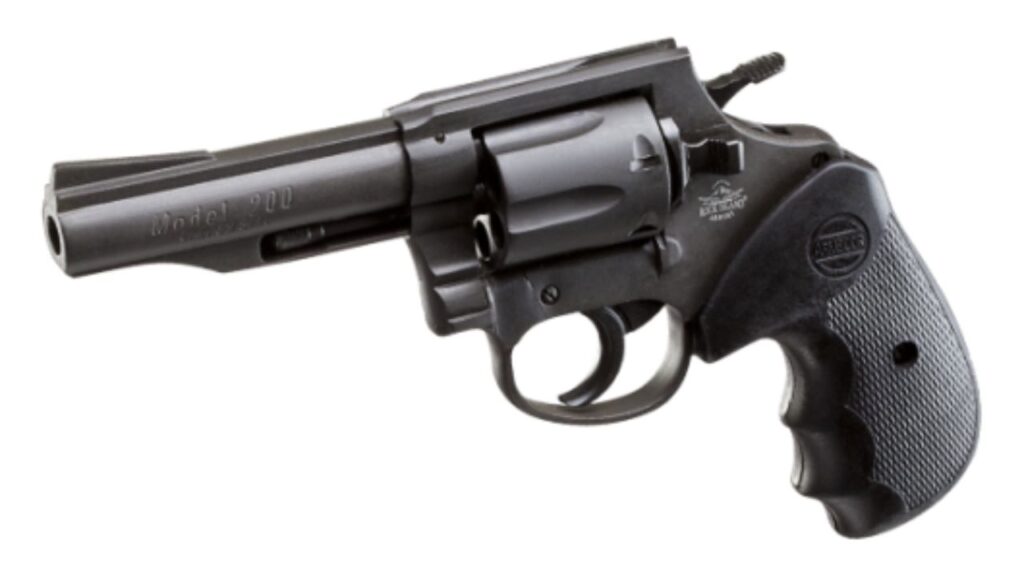
This revolver gets attention for being inexpensive and easy to find, but reliability and finish leave a lot to be desired. Timing issues, stiff cylinder release, and poor double-action performance are commonly reported.
The M200 doesn’t take abuse well, and parts wear quickly with heavy use. It’s not a bad training tool if you’re fine with its quirks, but for serious use, it’s more of a stepping stone to something better. It’s affordable—but you may end up paying for that more than once.
*This article was developed with AI-powered tools and has been carefully reviewed by our editors.