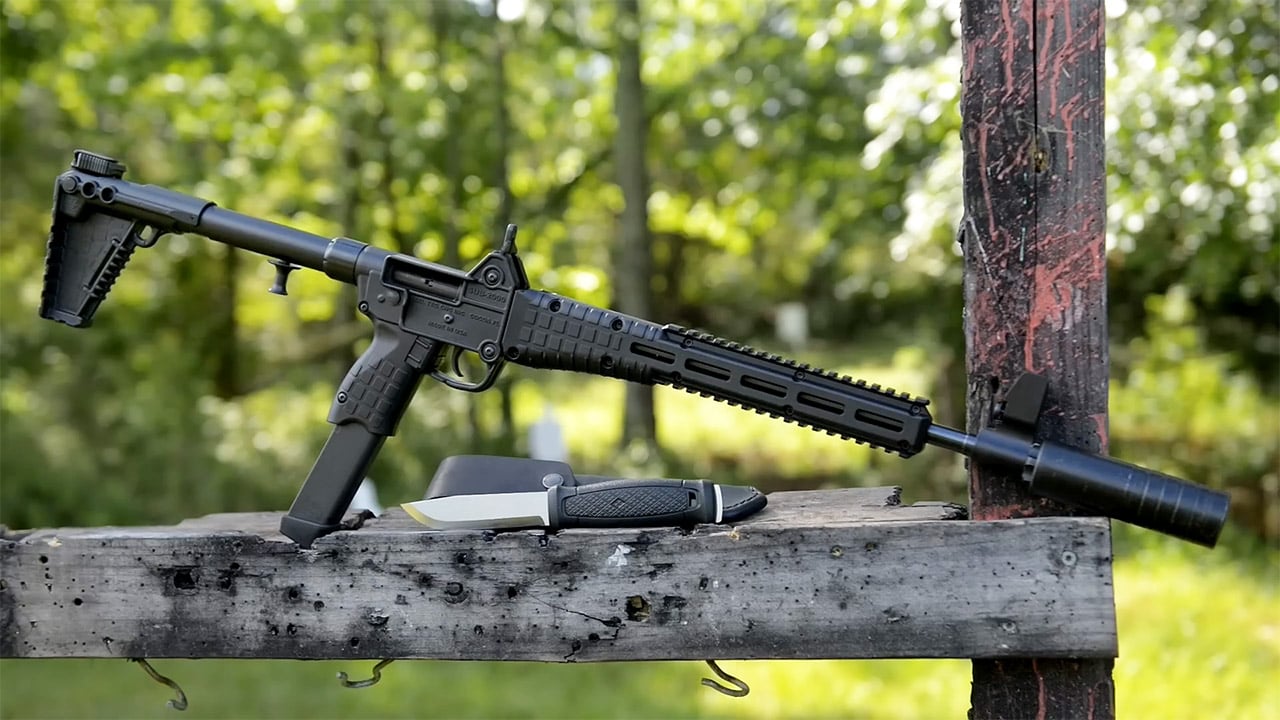
Photo credit: Iraqveteran8888/Youtube
Every time I’m standing at the gun counter or packing up after a range day, I hear the same thing: “Everybody says this one is the best.” And sure, 9mm is a sweet spot for a lot of us—cheap enough to practice, effective enough for defense, and manageable recoil even when you’re tired, cold, or wearing gloves.
But hype is its own caliber. Some pistols get talked up like they’re problem-solvers for everybody, when really they’re just fine… or they’re picky… or they’re built for a specific niche that most normal outdoorsmen don’t actually live in. Here are 20 popular 9mm pistols that get pushed hard, but don’t always earn the worship once you’ve carried them, cleaned them, bought mags for them, and run them on a dusty range.
1. Glock 43

The Glock 43 got famous because it put “real Glock” in a tiny package, and for a while that was the whole conversation. The problem is it’s a skinny little pistol that can feel snappy and cramped unless your hands match it, and a lot of guys don’t realize that until the first 200 rounds.
Capacity is the other thing. In today’s world, it’s hard to get excited about 6+1 when you can get similar concealment with more ammo and a better grip. It still works, it’s still simple, but the pedestal it sits on is taller than it needs to be.
2. SIG Sauer P365 (original early-production reputation)

I’m not here to deny the P365 changed the carry market, because it did. But it also got treated like it was automatically the right answer for everyone the second it hit shelves, and that’s where the hype outran reality.
It’s a small gun with a lot going on inside, and some owners learned the hard way that tiny pistols can be less forgiving about limp-wristing, inconsistent grip, or maintenance habits. Plenty run great. Plenty also ended up being “great once I found the load it likes and the mag it likes and the grip it likes.” That’s not magic—that’s tuning.
3. Springfield Armory Hellcat

The Hellcat came in hot with capacity numbers that made people’s eyes light up. Then a bunch of folks actually shot it. It can be a sharp little gun in the hand, and the trigger feel isn’t everybody’s kind of “fine.”
I also see owners get tired of the tiny footprint when they’re doing real practice strings. It’s easy to carry, sure. It’s not always easy to shoot well at speed, and the internet doesn’t mention that part as loudly.
4. Smith & Wesson M&P9 Shield (1.0)
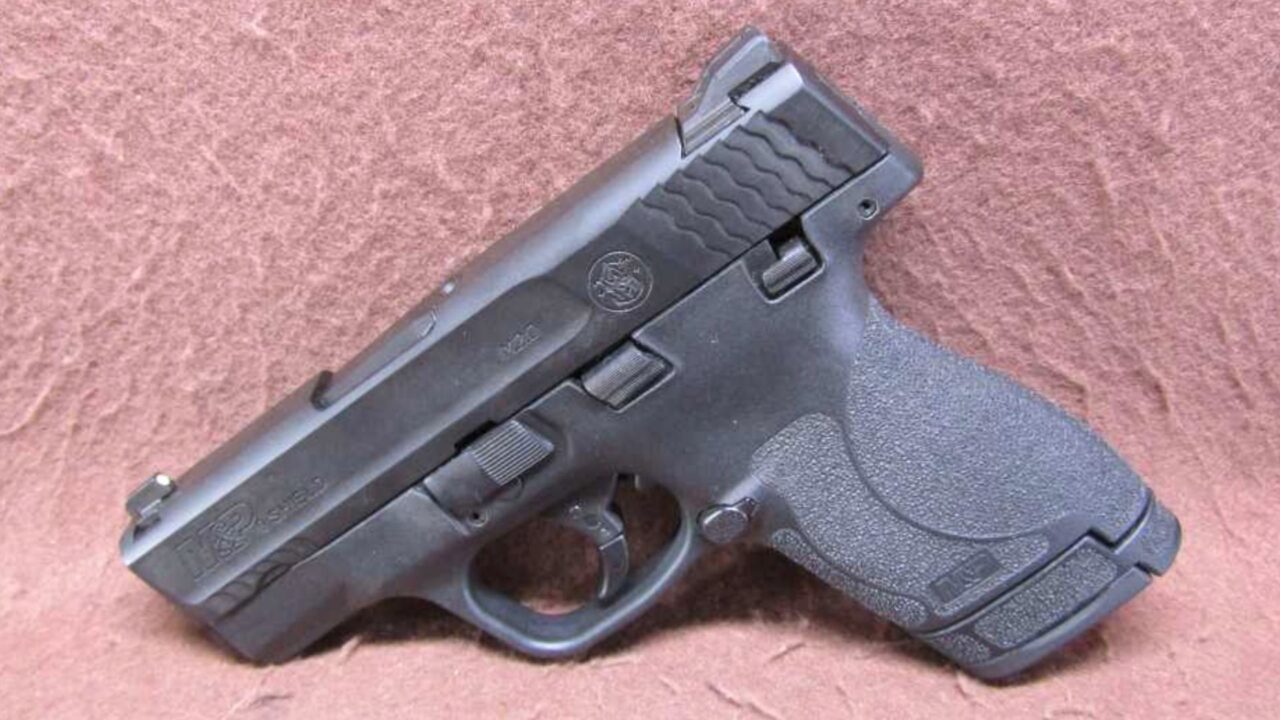
The original Shield earned its reputation, but some of the praise stuck around longer than the gun’s advantages did. A lot of the Shield 1.0s had triggers that felt like dragging a boot through gravel, and you either got used to it or you didn’t.
It’s also one of those pistols that people recommend based on “it never failed me,” which is good, but doesn’t mean it’s the best choice now. The newer micro-compacts made the old single-stack format feel dated in a hurry.
5. Ruger LC9 (original hammer-fired model)
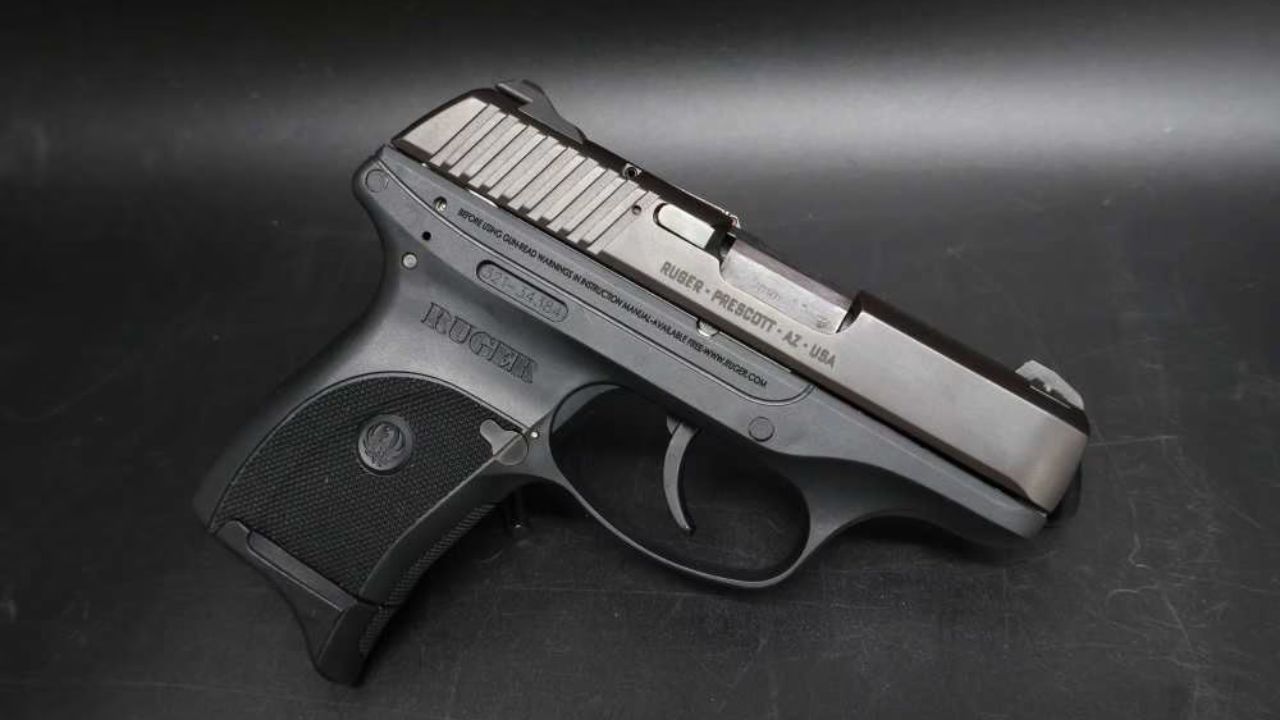
The LC9 sold because it was thin, light, and said Ruger on the slide. What many of us remember, though, is that long trigger pull. It felt like it took a full calendar month to get to the break.
For a deep concealment gun, some folks accept that. For an everyday carry pistol you’ll actually train with, it can be a chore. It’s not useless, but it got recommended to new shooters way too often for what it really was.
6. Taurus G2C

The G2C gets love because it’s cheap and it often runs. That’s the whole story online. In real life, the experience is all over the map—triggers vary, sights vary, and quality control is the dice roll nobody wants to talk about.
If you get a good one, you’ll defend it like a loyal dog. If you get a problem child, you’ll spend more time diagnosing magazines and ammo than practicing. Budget is fine. Budget plus uncertainty is where the hype needs to calm down.
7. Taurus GX4
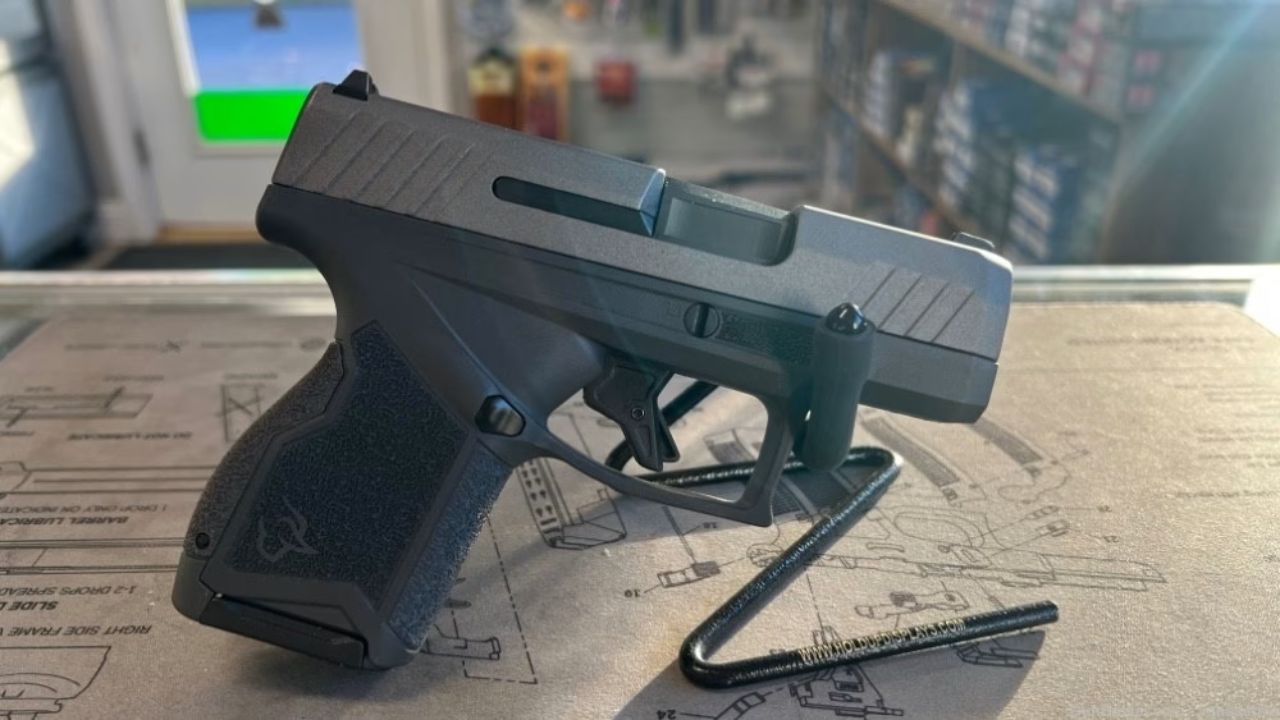
The GX4 is another one that arrived as a “giant killer,” and for some owners it absolutely is. For others, it’s been a lesson in why tiny, high-capacity guns demand more from springs, mags, and tolerances.
When a pistol is marketed as a premium solution for a bargain price, I get cautious. The GX4 might be the right fit for you, but it shouldn’t be treated like a sure thing just because a few videos said it’s flawless.
8. Kimber R7 Mako

Kimber can build a good-looking pistol, and the Mako looks the part. The hype is that it’s a refined micro-compact that “feels better than the others.” Sometimes it does. Sometimes it just feels different.
What I see in the real world is owners expecting a boutique experience and getting a normal one, plus the usual micro-compact realities: it’s easy to carry, harder to shoot well, and not everybody loves the controls or the trigger wall.
9. Walther CCP M2

The CCP got attention as a soft-shooting 9mm option, and it can be pleasant in the recoil department. But it also became one of those pistols folks buy for one narrow reason, then realize everything else is a little odd.
The design has quirks, and cleaning/maintenance isn’t as straightforward as a lot of modern striker guns. If you’re the kind of person who shoots a box a year and wipes it down, fine. If you actually train, those quirks get old.
10. Beretta APX (full-size, early wave)

The APX got pushed as a duty-grade striker pistol that was going to take big bites out of the market. It’s a solid gun, but it didn’t quite live up to the “Glock killer” talk, and the chunky slide profile wasn’t loved by everyone.
Holster support and aftermarket depth matter more than reviewers admit. If your pistol is a tool, not a personality, you want parts and support everywhere. The APX never became that universal.
11. FN 509 (standard models)
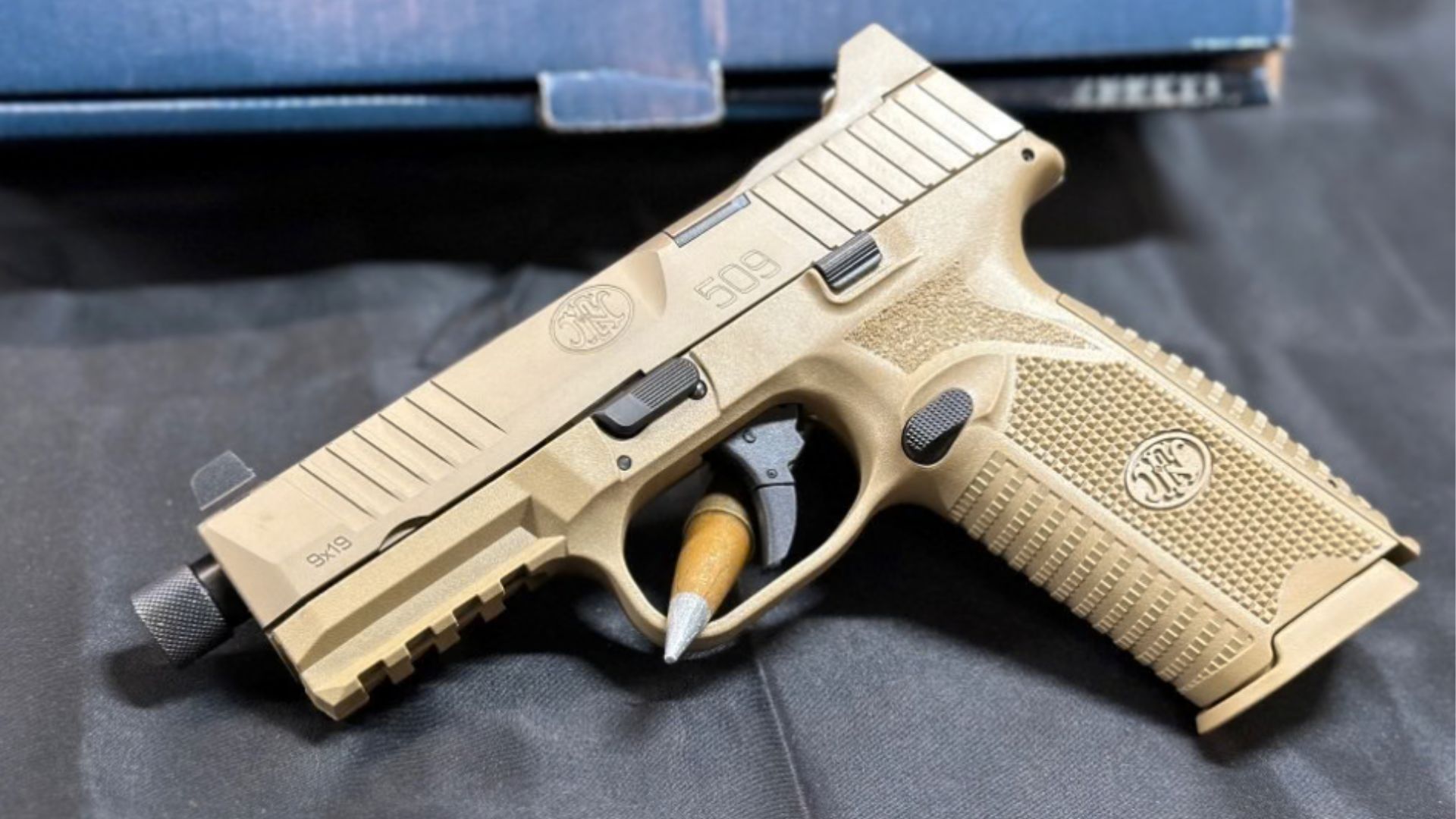
The FN 509 gets respect because FN is a serious maker and the pistol has a duty mindset. The hype, though, is that you’re buying some kind of special forces aura along with it.
In the hand, many shooters find it blocky, and the trigger can be underwhelming for what you paid. It’s a capable pistol, but for the price point, folks expect “wow,” and it often lands at “yep, it works.”
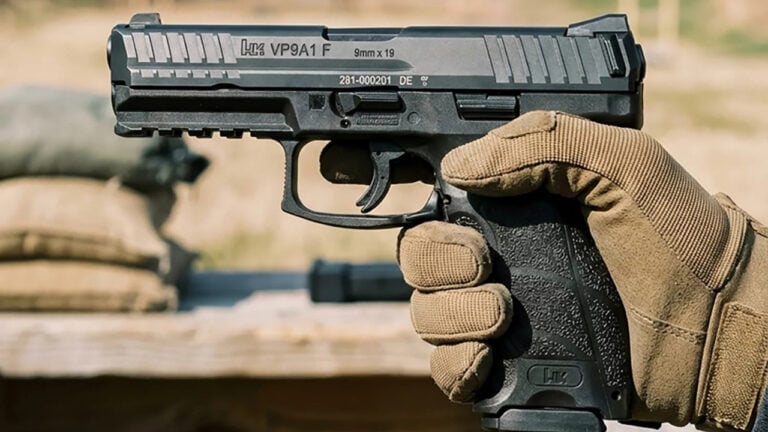
12. Heckler & Koch VP9

The VP9 is comfortable, accurate, and it points well. I won’t argue that. What I will argue is the way it gets recommended like it’s automatically worth the premium over other striker guns that do the same job.
Once the new-gun glow wears off, you still need magazines, holsters, and spare parts, and you still need to not baby it. The VP9 is a fine pistol, but it’s not a cheat code.
13. CZ P-10 C (early trigger-hype era)

For a while, the P-10 C was the internet’s favorite “better Glock.” The trigger is good, and the gun shoots flat. But the hype train acted like it was perfection in a box.
Then real life shows up: some examples are pickier about mags, some have an odd feel in the controls, and the aftermarket isn’t as bottomless as the big players. It’s a good pistol. It just isn’t a miracle.
14. Canik TP9SA

Canik earned its fan base by offering a lot for the money, and the TP9SA rode that wave. The catch is the decocker setup and the general “this is different” manual-of-arms compared to what most folks train on.
Mixing systems without a training plan is where people get sloppy. If you’re going to run a pistol hard, consistency matters. The TP9SA can be a fun range gun, but the hype sometimes skips the part where it’s not the simplest choice for a working defensive pistol.
15. IWI Masada

The Masada is one of those pistols everybody seems to “discover” and then declare underrated genius. It’s reliable for many owners and has a clean, modern layout, but it didn’t become mainstream for a reason.
Ergonomics are subjective, and the feel isn’t for everybody. Also, “solid value” doesn’t always mean “best choice.” If you can’t find the holster you want locally and you’re ordering everything online, the romance fades.
16. SIG Sauer P320 (carry-size variants)

The P320 is popular because it’s modular and it got major adoption in big circles. That alone creates hype. But a modular chassis doesn’t automatically make it the best everyday pistol for the guy who just wants to carry and shoot.
The bore axis feel, the mushy trigger to some hands, and the general bulk of certain variants can make it less appealing once you’re actually living with it. It’s a system, and systems are great—until you realize you wanted a simple tool.
17. Glock 19 (Gen 5 included)
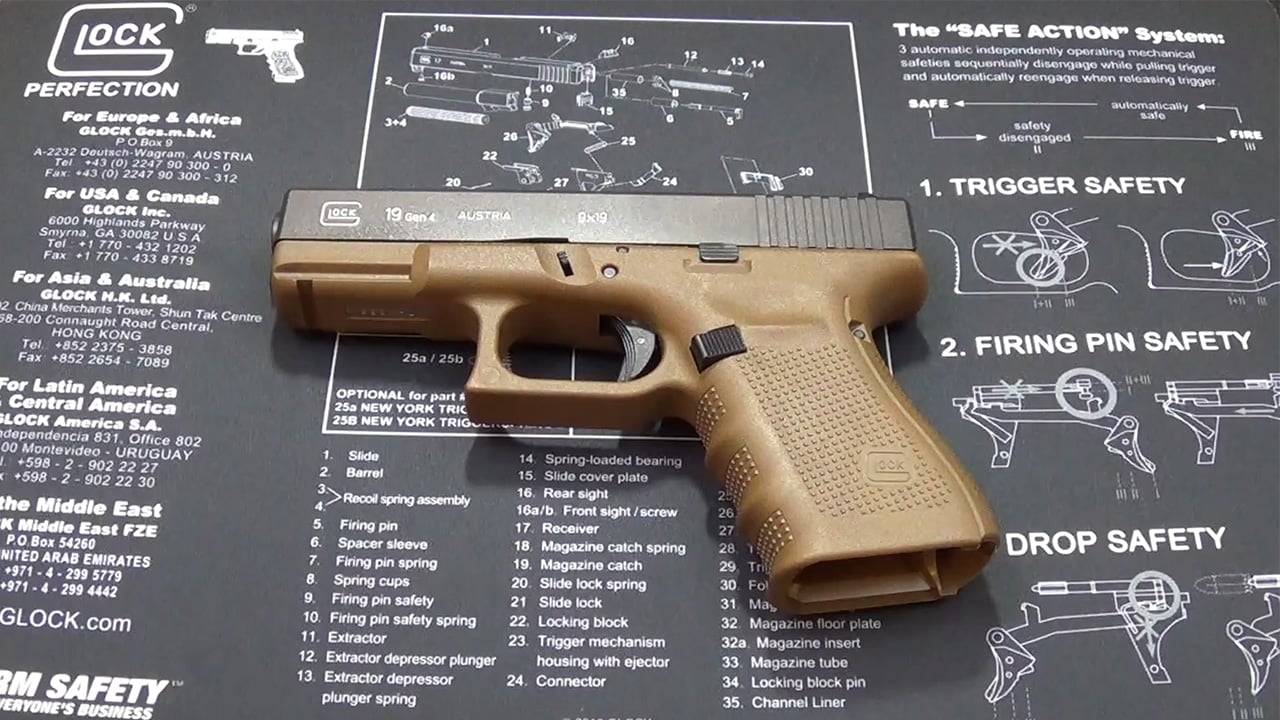
Here’s the one that makes people mad. The Glock 19 is a proven, practical pistol. I own Glocks. I trust them. But the way it gets treated like it’s the only correct answer is where the hype gets silly.
Not everybody shoots it best. Not everybody likes the grip angle. And in 2026, “it’s a compact” means something different than it did when the G19 became the default recommendation. It’s still a benchmark, not a religion.
18. Staccato P (9mm 2011)
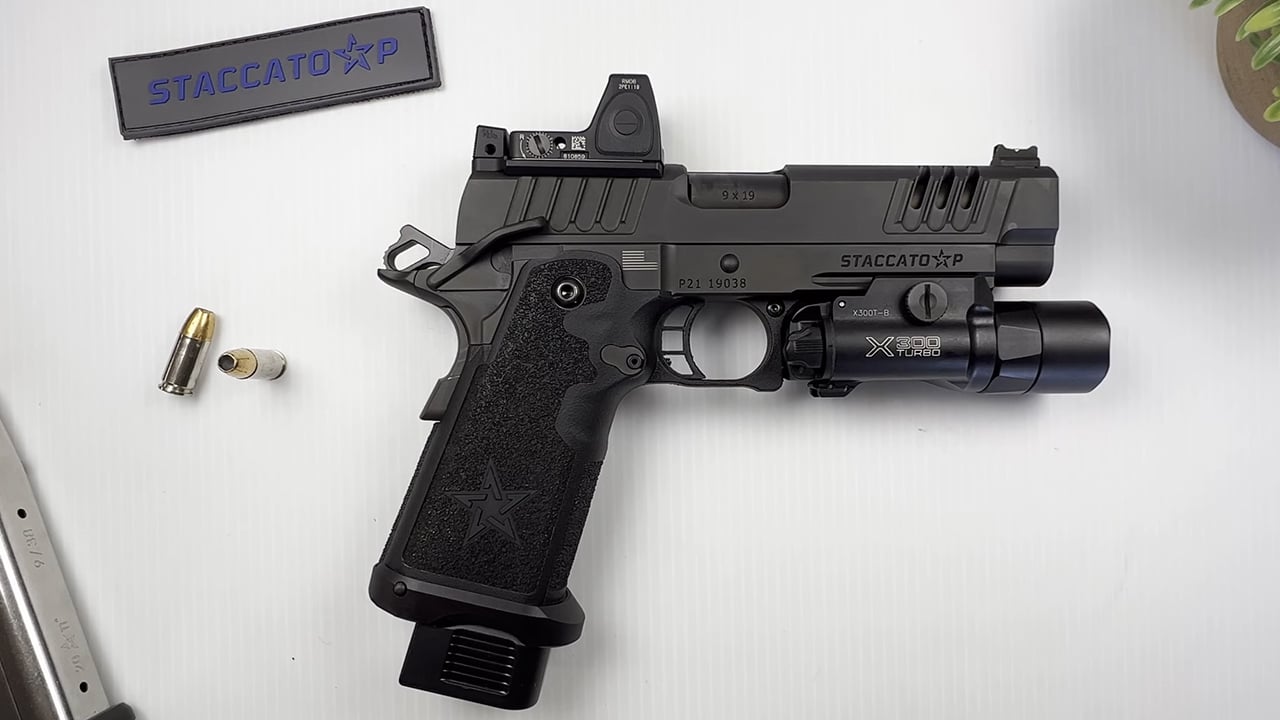
The Staccato P is a sweet shooter. Smooth, fast, accurate. It also gets talked about like it’s what everybody should be carrying if they’re serious, and that’s where the hype needs a reality check.
It’s expensive, and expensive guns have expensive habits. Mags cost real money, maintenance matters, and the average guy working around a farm or bouncing in and out of a truck may not want a high-dollar, tight-tolerance pistol riding on his belt every day.
19. Kel-Tec SUB-2000 (9mm, pistol-caliber “pistol” hype)
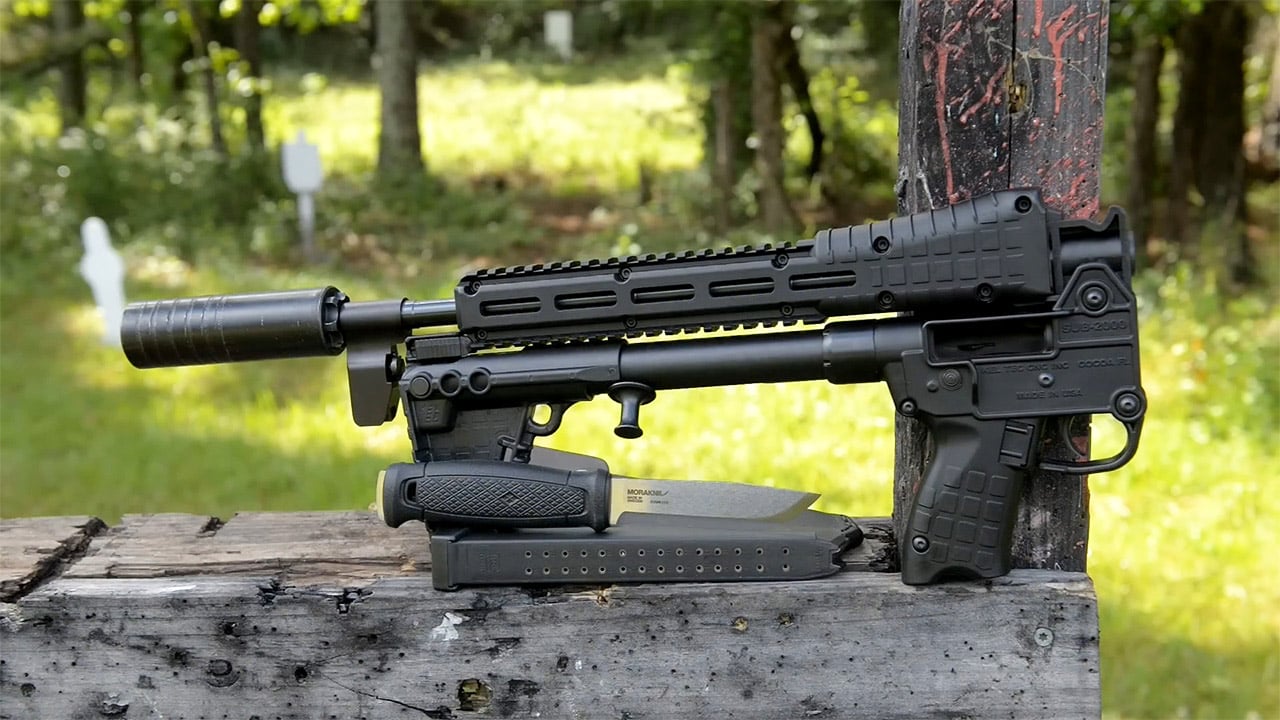
Yes, it’s technically not a handgun in the traditional sense, but it gets dragged into 9mm defensive pistol conversations constantly because it takes pistol mags and folds up. The hype is that it’s the ultimate truck companion.
In practice, the ergonomics are weird, the sighting setup can be awkward, and it’s not the kind of thing you casually “grab and go” without thinking through safe storage and how you’ll actually deploy it legally and safely. Fun tool, niche tool, not a universal answer.
20. Hi-Point C9
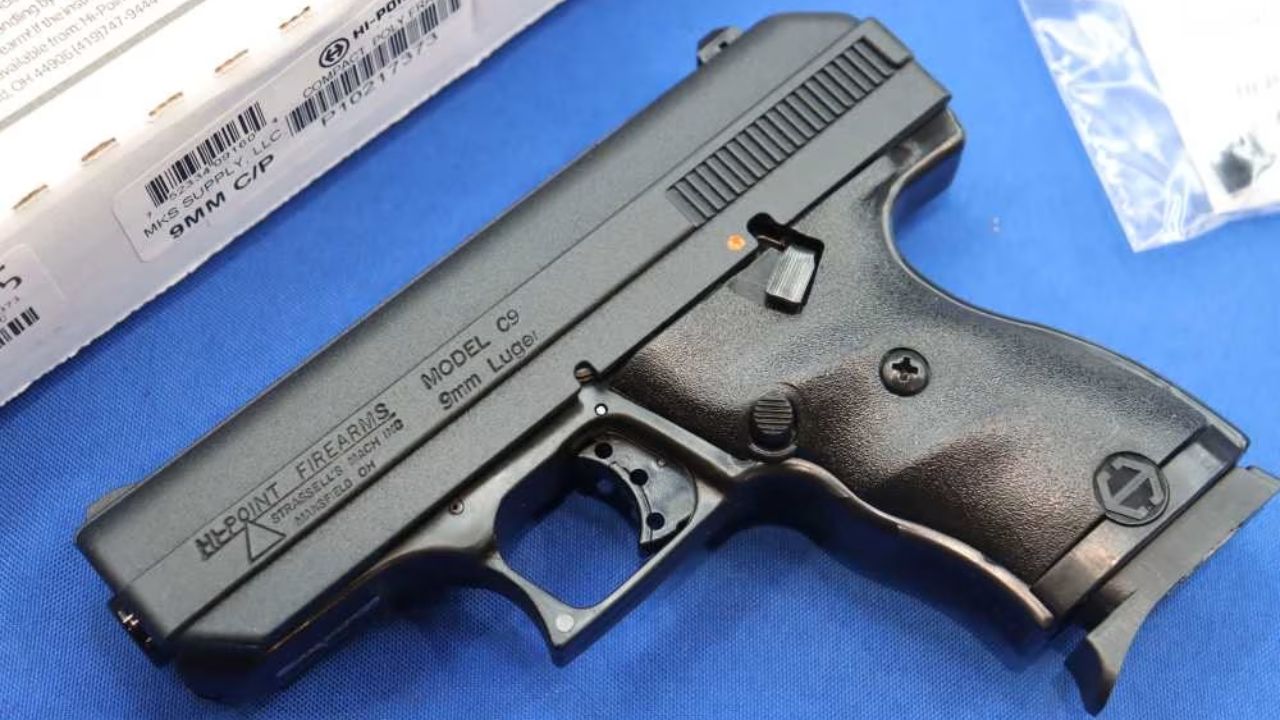
The C9 is famous, and it’s famous because it’s cheap. Some run forever, some run rough, and nearly all of them feel like carrying a brick with a trigger. The hype is usually built on the idea that “it always goes bang,” and sometimes that’s true.
But most outdoorsmen I know eventually admit they don’t carry it, don’t train with it, and don’t enjoy it. A defensive pistol you don’t actually practice with is a bad deal even if it was a bargain.
If you noticed a pattern here, it’s not that these pistols are all junk. It’s that “popular” and “perfect for you” are two different things. Before you buy the next hot 9mm, think about how it carries on a long day, what mags cost, whether you can get a real holster, and whether you’ll still like shooting it after the first 500 rounds. That’s where the truth lives.
Like The Avid Outdoorsman’s content? Subscribe to our newsletter so you never miss an article.
Here’s more from us: