Photo credit: IGarandGuy2553/YouTube
Here’s the funny part about the Old West: legends get built on stories, but they stay alive because you can still hold the hardware in your hands. When you look past the movies and the souvenir-shop myths, a handful of specific firearms keep showing up in the same places—often tied to the same makers, from Colt and Winchester to Remington and Smith & Wesson.
What matters isn’t whether a gun looks “Western.” It’s whether it made sense for the way people actually lived—dust, sweat, bad weather, and long days where maintenance was whatever you could do by lantern light. The models below earned their reputations through carry comfort, repeatable handling, and the kind of durability that forgives rough travel.
If you want to understand what Old West professionals and hard cases relied on, start here. These are the guns that were carried, shot, and trusted enough to become part of the record—and they still make sense when you take them off the page and put them on the range.
Colt 1851 Navy
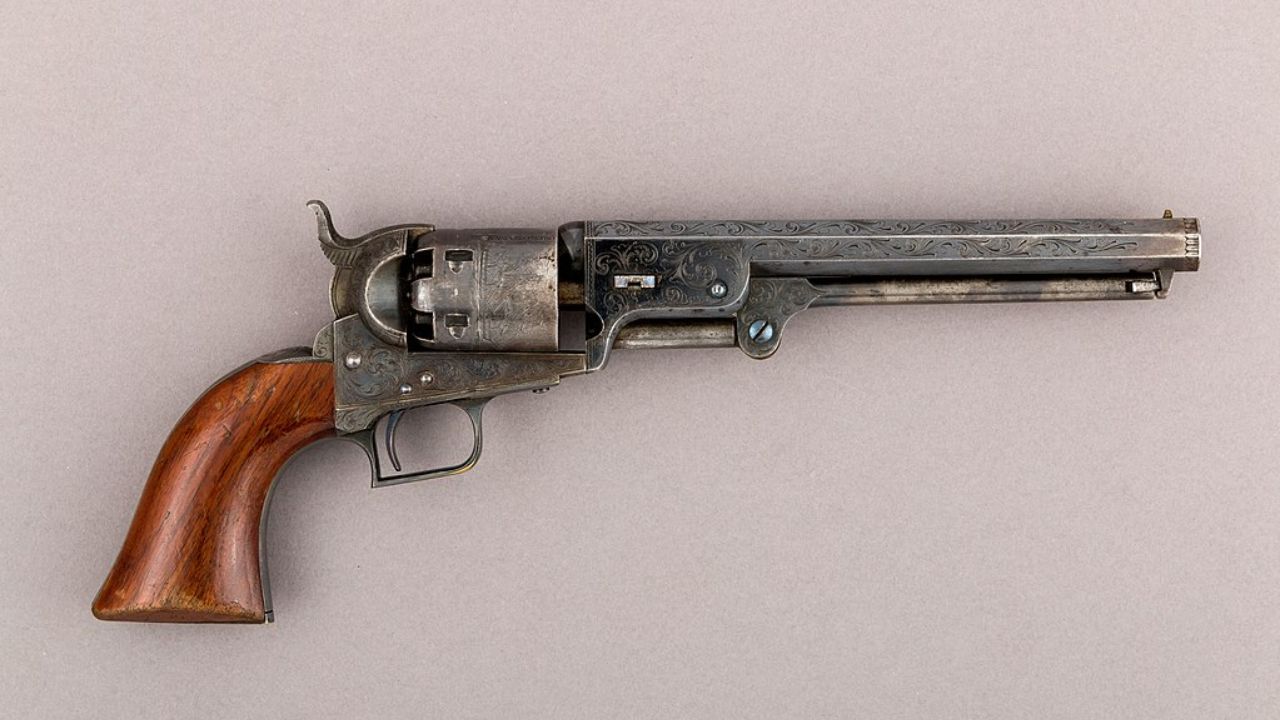
Wild Bill Hickok didn’t become a legend by carrying delicate hardware. He’s strongly associated with a pair of Colt 1851 Navy cap-and-ball revolvers, the kind of sixguns that balance well and point fast when the day turns ugly. That matters because the Navy isn’t a hand-cannon. It’s a controllable .36 that lets you keep the front sight where it belongs while you work a trigger that’s usually better than people expect from a percussion revolver.
If you’re trying to understand why an “old” gun stayed in a hard man’s hands, start with how it carries and how it shoots. The 1851 sits low, clears leather clean, and doesn’t fight you in recoil. Keep caps tight, nipples clean, and loads consistent, and you get reliability that made sense in the 1860s.
Remington New Model Army (1858)

When you hear “Remington 1858,” you’re really talking about the Remington New Model Army, and its reputation comes from practical stuff: a solid topstrap, a cylinder that stays aligned, and a gun that takes rough handling better than many open-top designs. If you were riding hard, getting rained on, and living out of a bedroll, that extra rigidity mattered. It’s a percussion revolver, but it feels built for work instead of display.
Collectors love the fast cylinder swap story, but the real advantage is steadiness. The sights are crude by modern standards, yet the gun tends to keep timing longer and hold a consistent point of impact when it’s maintained. If you shoot one today, you notice how the frame feels locked together, which is exactly what a lawman or scout wanted when everything was dusty and improvisational.
Colt Single Action Army (1873)

The Colt Single Action Army became the default sidearm of the post-Civil War West for a reason: it fits the hand, the lockup is strong, and the manual of arms stays clear under stress. Famous names get attached to it because the 1873 Colt rode on a lot of hips—law, outlaw, ranch hand, and traveler—when the frontier was still rough and distances were short.
If you shoot a good one, you understand the staying power. The grip rolls in recoil instead of slamming straight back, and the sights are quick inside the ranges most fights happened. Keep screws snug, watch the base pin, and you can run one hard for a long time. It’s not modern, but it’s straightforward, and that’s why it’s still the revolver people picture when they picture the Old West.
Smith & Wesson Model 3
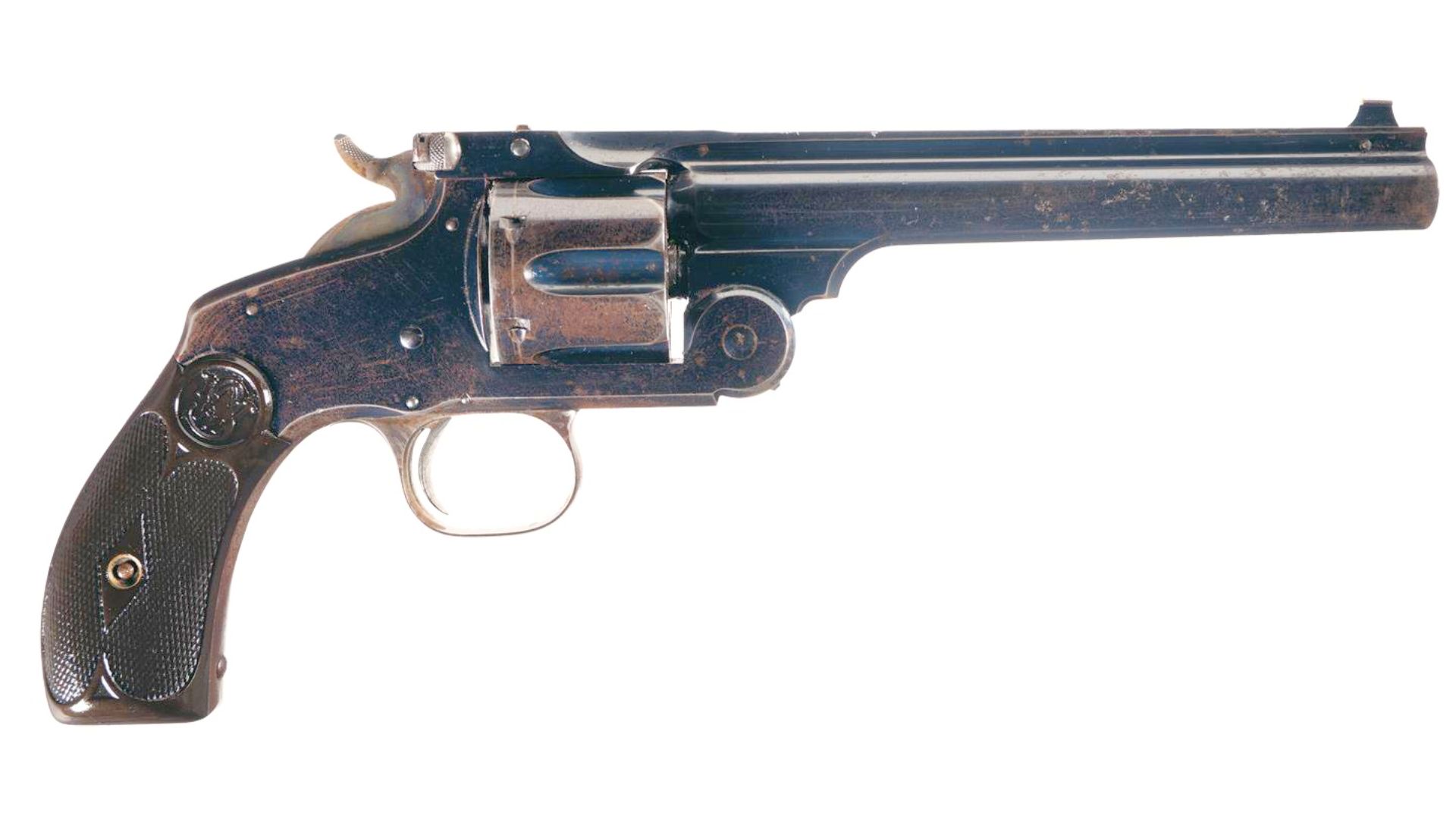
If you want a real snapshot of late-frontier sidearms, the Smith & Wesson Model 3 is right in the middle of it. Top-break reloads were a real advantage when a fight turned into a messy, close-range problem, and that’s why the Model 3 shows up in so many Western accounts and collections. The gun’s whole personality is speed after six: crack it open, kick the empties, and feed it again before anyone can close distance.
What you learn from shooting one is that reload speed is a form of reliability. The latch has to lock, the hinge has to stay tight, and the extractor has to do its job every time. When it’s in good shape, the Model 3 points naturally and runs fast. For a working professional who didn’t get to choose the moment trouble showed up, that mattered more than romance.
Smith & Wesson Schofield
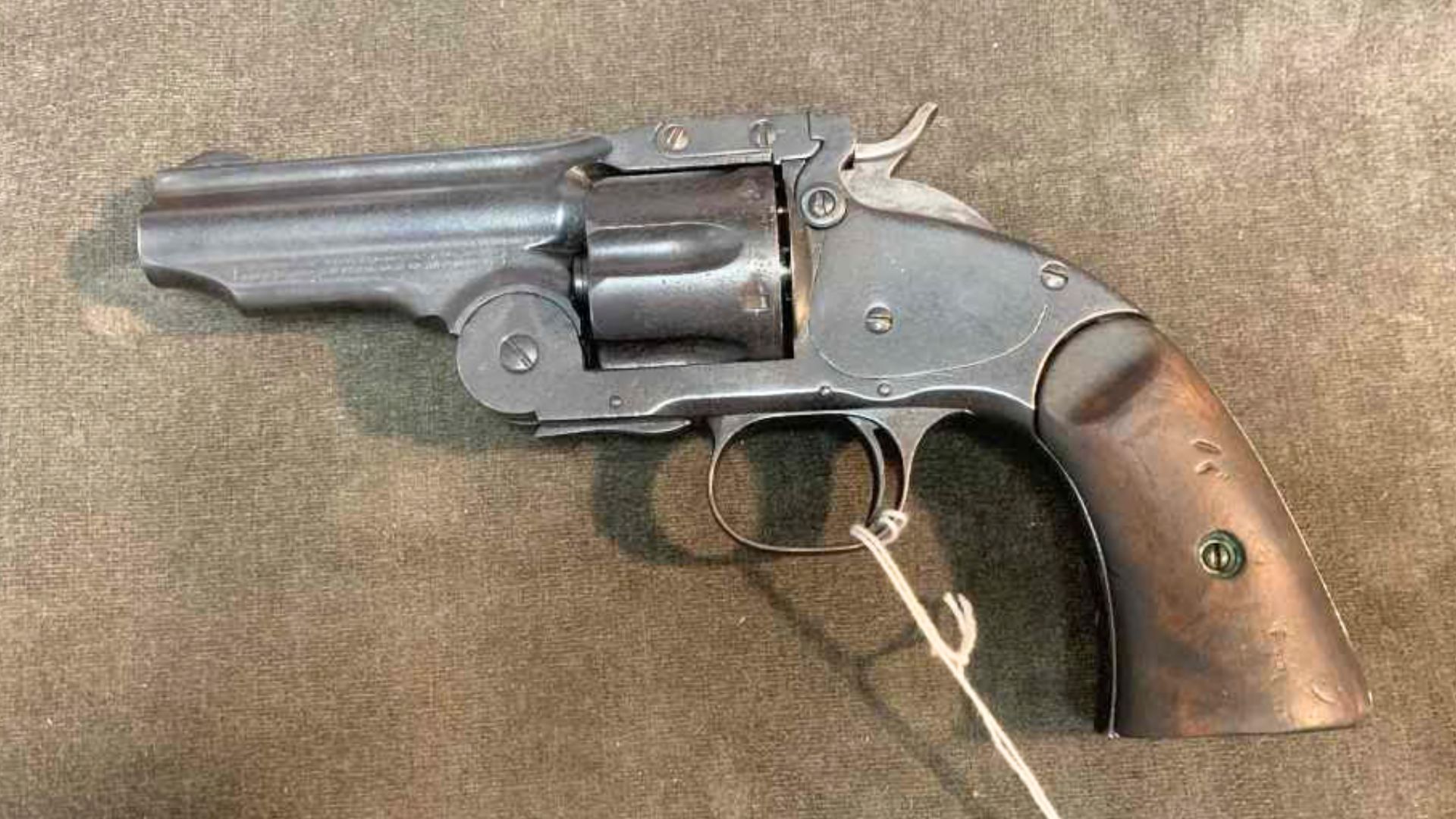
The Smith & Wesson Schofield is what happens when a soldier looks at a service revolver and decides reload speed matters more than tradition. The top-break design lets you dump empties and refill fast, and the gun earned enough confidence that the U.S. Army ordered thousands in the mid-1870s. On the frontier, that same fast reload made sense for anyone who might need a second cylinder’s worth of options in a hurry.
In your hands, a Schofield feels like a duty gun from another timeline. The latch is positive, the gun opens cleanly, and the extraction is the whole point. The tradeoff is ammunition and logistics—these revolvers lived in a world of specific loads and supply lines. But if you’re trying to understand why some Western professionals favored top-breaks, the Schofield gives you a clear answer after your first reload.
Colt Model 1877 Thunderer
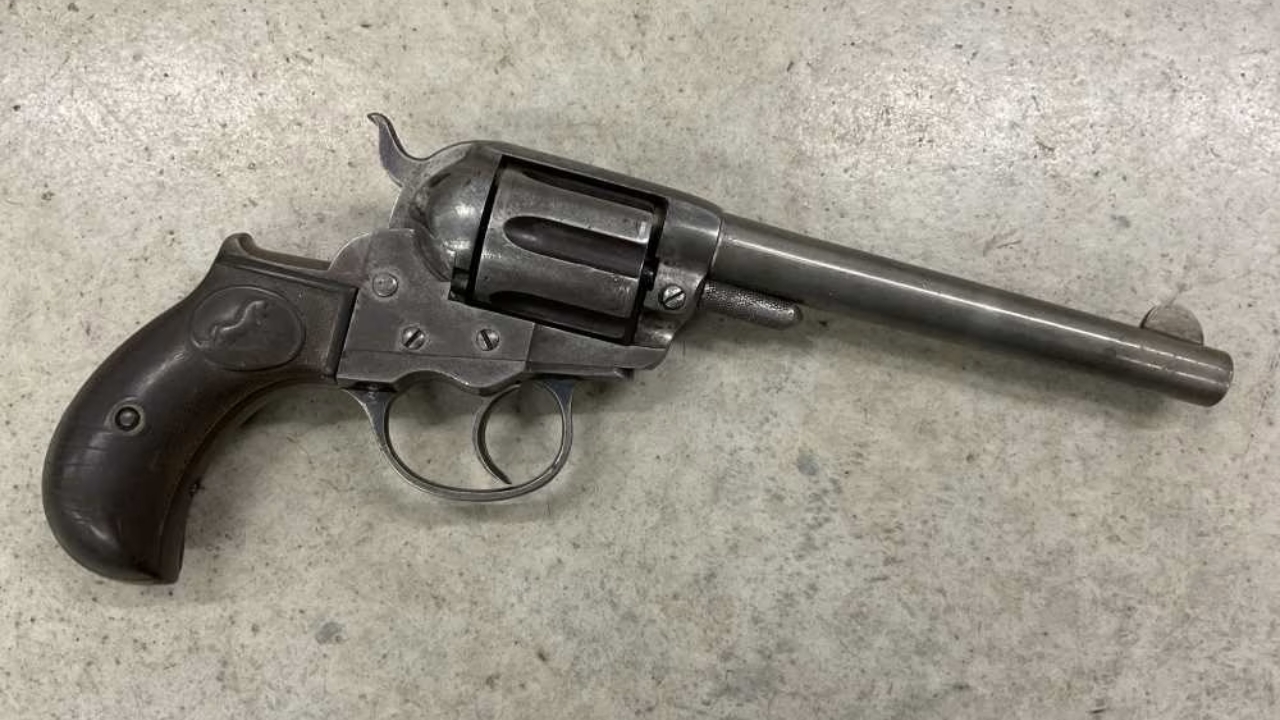
Doc Holliday’s reputation is built on cards and cold nerve, but the gun he’s most often credited with carrying is the Colt Model 1877 in the Thunderer pattern. It’s a double-action sixgun, and that matters because it lets you run the trigger fast without cocking a hammer every shot. That’s not a target shooter’s setup, but it makes sense when the distance is measured in steps and you’re moving through a doorway or around a corner.
The 1877’s downside is also part of the story. The action can be delicate if it’s worn or abused, so you don’t treat it like a modern duty revolver. In a tight, well-timed example, though, the gun carries flat, clears leather clean, and gives you speed that looks very modern for the late 1870s.
Winchester Model 1873
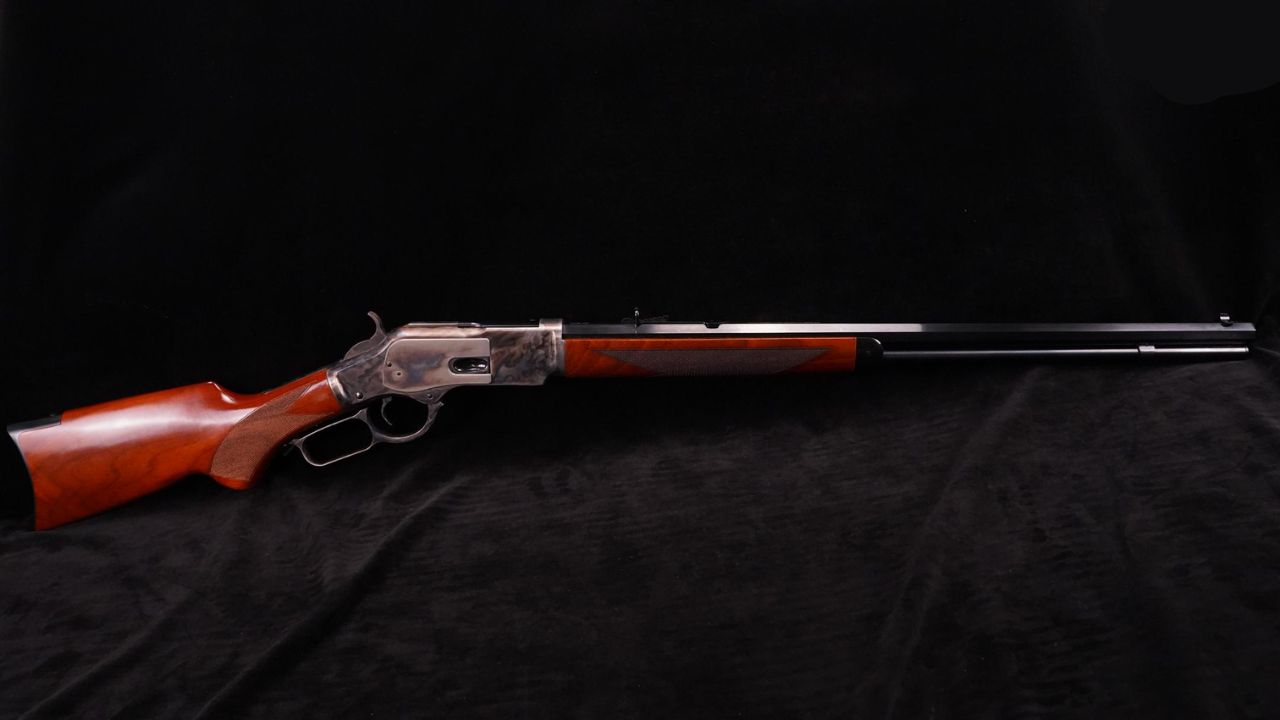
The Winchester Model 1873 earned its “won the West” nickname because it put repeating firepower into ordinary hands. Billy the Kid is famously photographed leaning on a Winchester ’73 carbine, and that image did as much for the rifle’s legend as any advertising copy ever could. The important point is that the gun fit the way people actually lived: saddle scabbard, cabin corner, or behind a store counter.
For you, the takeaway is practicality. The ’73 handles quickly, balances well with a 20-inch barrel, and cycles smoothly when it’s kept reasonably clean. It’s not a long-range rifle, but it’s fast to shoulder and easy to shoot in awkward positions. That’s exactly why it became a frontier staple—and why collectors still chase honest, original examples.
Winchester Model 1876
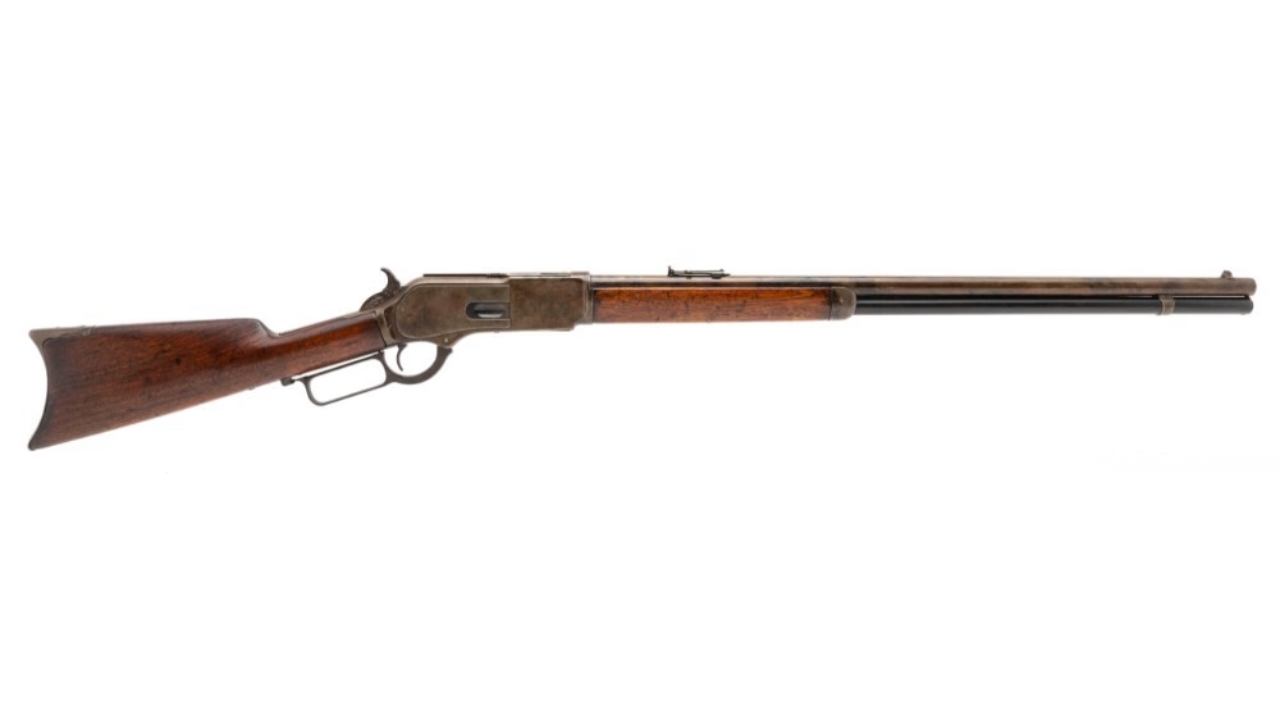
When you talk about the big-frame Winchesters, the Model 1876 is the one that feels like a frontier lever gun that grew up. It was built to handle longer, heavier cartridges than the pistol-caliber repeaters, and it fit the image of hunters and scouts who wanted lever-gun speed without giving up too much punch. That’s why it keeps showing up in Western lore and in serious collections.
What you feel in an 1876 is steadiness. The action is longer, the rifle carries weight out front, and recoil is more of a shove than a snap. It still rides well in a saddle scabbard, but it hits with authority that makes sense for elk-size problems inside practical distances. If you like history you can hunt with, the 1876 is a direct line to the era when a rifle wasn’t a hobby item—it was a daily tool.
Henry Rifle (Model 1860)
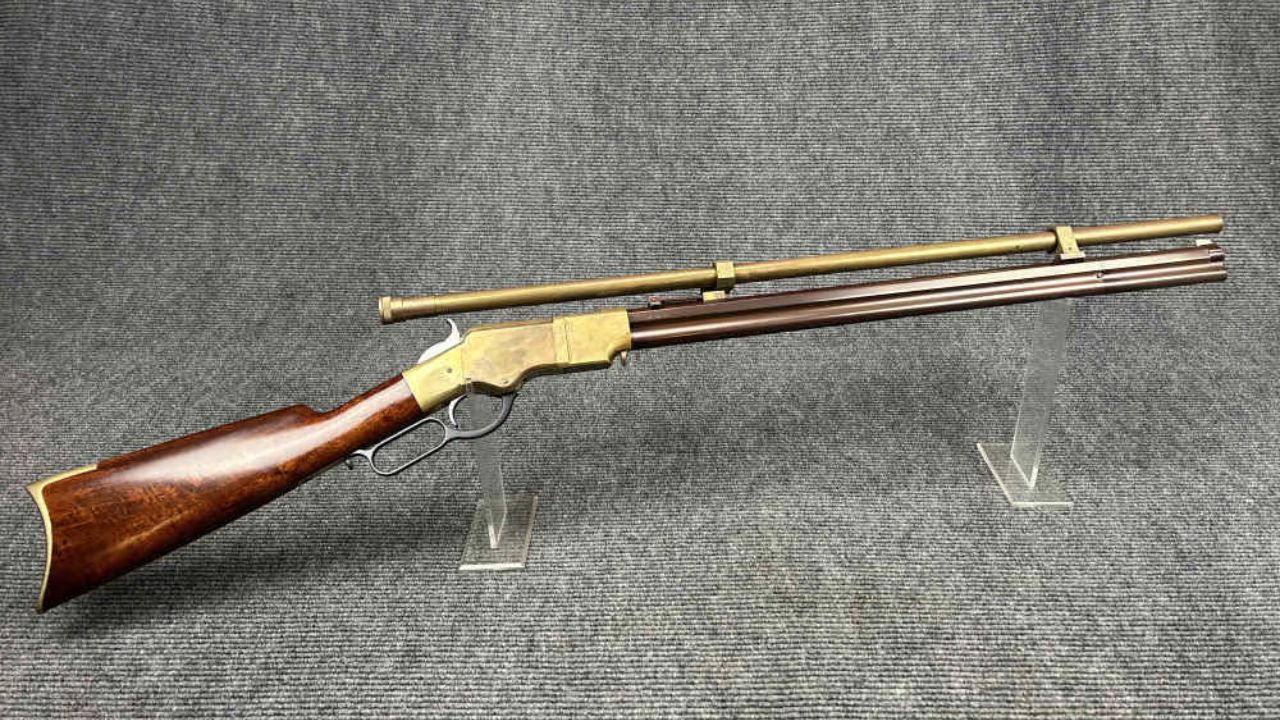
The Henry Rifle of 1860 is the lever gun that started the whole fever, and it earned that place the hard way—by showing what a repeating rifle could do when everyone else was still working a single shot. By the time the West really opened up, the Henry’s reputation was already set, and that reputation followed it into frontier hands that wanted more rounds before a reload.
Shoot one and you’ll notice why it changed minds. The gun is slim, points like a bird gun, and the lever throw is quick. The tradeoff is that tube loading through the front isn’t as convenient as the later Winchester gate, and the open magazine can invite grit. Still, as a bridge between the muzzleloader era and the repeating-rifle West, the Henry is the rifle that made people rethink what “enough gun” looked like in real time.
Sharps Model 1874
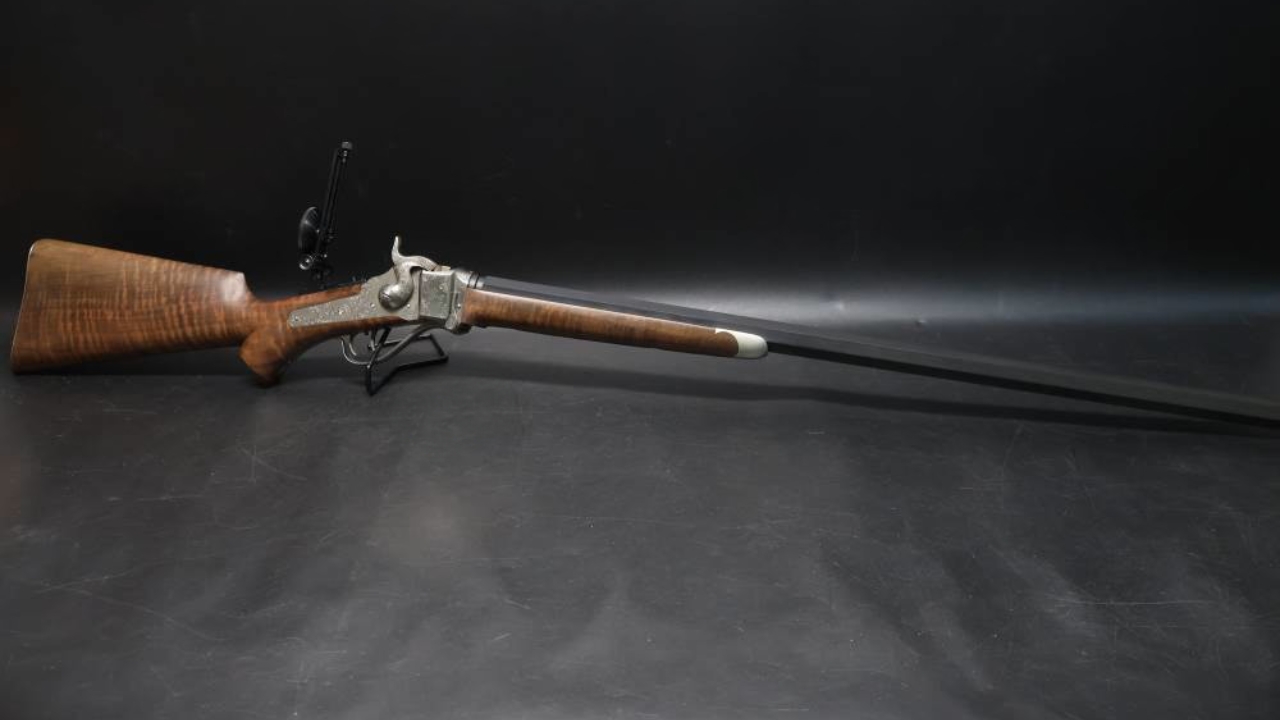
The Sharps Model 1874 is the rifle behind a lot of long-range campfire talk because it was built for deliberate shooting, heavy bullets, and hard work on the open plains. Buffalo hunters leaned on Sharps rifles to put meat and hides on the ground, and that kind of steady, repeatable performance is what turns a tool into a legend. If you’ve ever watched mirage boil and wind switch, you understand why a heavy single shot with a good trigger stayed relevant.
For you, the appeal is honesty. A Sharps won’t flatter rushed shooting. It forces you to build position, read the breeze, and make the first shot count. When you do your part, the rifle rewards you with stability that lighter repeaters can’t match. It’s slow on purpose, and that’s exactly why it became the standard for men who lived by one clean hit.
Springfield Model 1873 Trapdoor

The Springfield Model 1873 “Trapdoor” isn’t glamorous, but it’s one of the firearms that shaped the West because it rode with the U.S. Army through the years when the frontier was still hot. The hinged breech made it quicker to load than a muzzleloader, and the .45-70 cartridge gave soldiers real reach with a bullet that carried authority. When a rifle is issued by the crate, it ends up in history whether you like it or not.
What you learn shooting a Trapdoor is respect for basics. The sights are plain, the recoil is there, and the rifle makes you pay attention to follow-through. It also teaches you why .45-70 stuck around: inside sane distances it hits hard and penetrates deep. For a working rifle of its era, the Trapdoor did a lot with not much complexity.
Spencer Repeating Carbine (Model 1860)
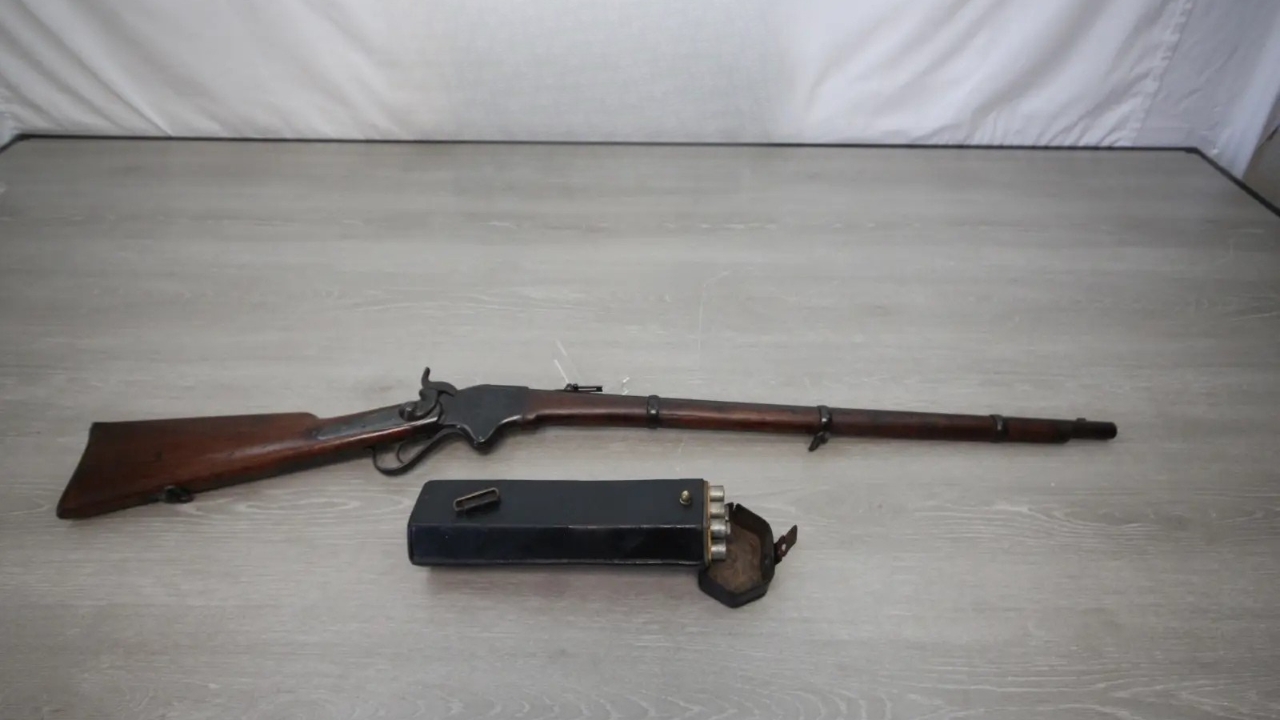
The Spencer repeating carbine is an earlier chapter, but it matters because it showed how much a repeater could change a fight, and that lesson carried straight into the West. Post-war, Spencers ended up on the frontier in the hands of men who wanted quick follow-up shots without the bulk of a full-length rifle. The seven-shot tube in the buttstock looks odd until you run one and realize how fast you can keep it fed.
In the field, the Spencer’s strength is how it handles. It’s short, it comes to the shoulder quickly, and it doesn’t punish you. The cartridge is mild by modern standards, so you’re not using it for far-ridge shots, but you can shoot it from horseback, from a saddle, or from a cramped corner without fighting the gun. That portability is why it stayed in use long after the war ended.
Winchester Model 1892
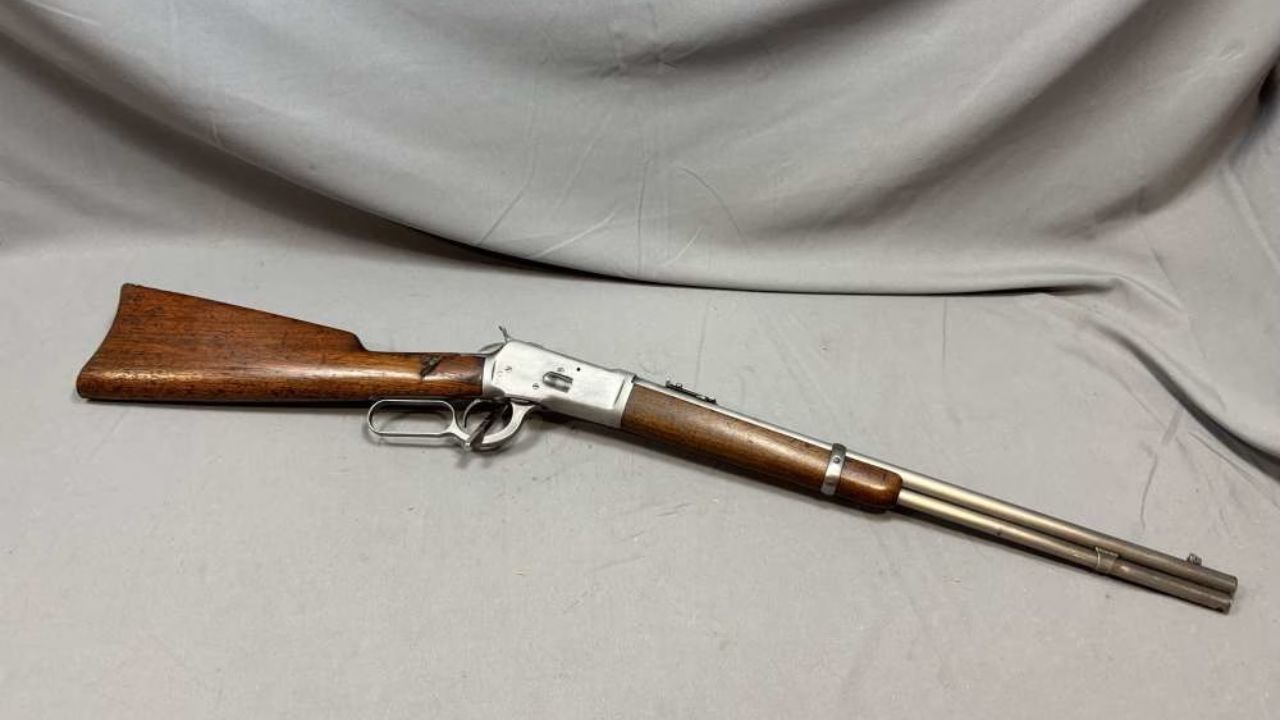
The Winchester Model 1892 shows up at the tail end of the classic frontier, but it earned its reputation because it refined the pistol-cartridge lever gun into something slick and strong. Designed by John Browning, the ’92 cycles fast, locks up solid, and carries like it belongs on a saddle. When you hear old stories about a lever gun that “runs,” this is often the pattern people are thinking of.
The reason it mattered to working people is that it was easy to live with. The action stays smooth even when it’s seen plenty of dust, and the gun points naturally in odd positions—kneeling in brush, leaning around a post, or shooting off a wagon seat. It’s also a rifle you can practice with a lot without getting beat up. That combination—carryability, speed, and shootability—is why the 1892 became a legend in its own right.
Remington Model 1875
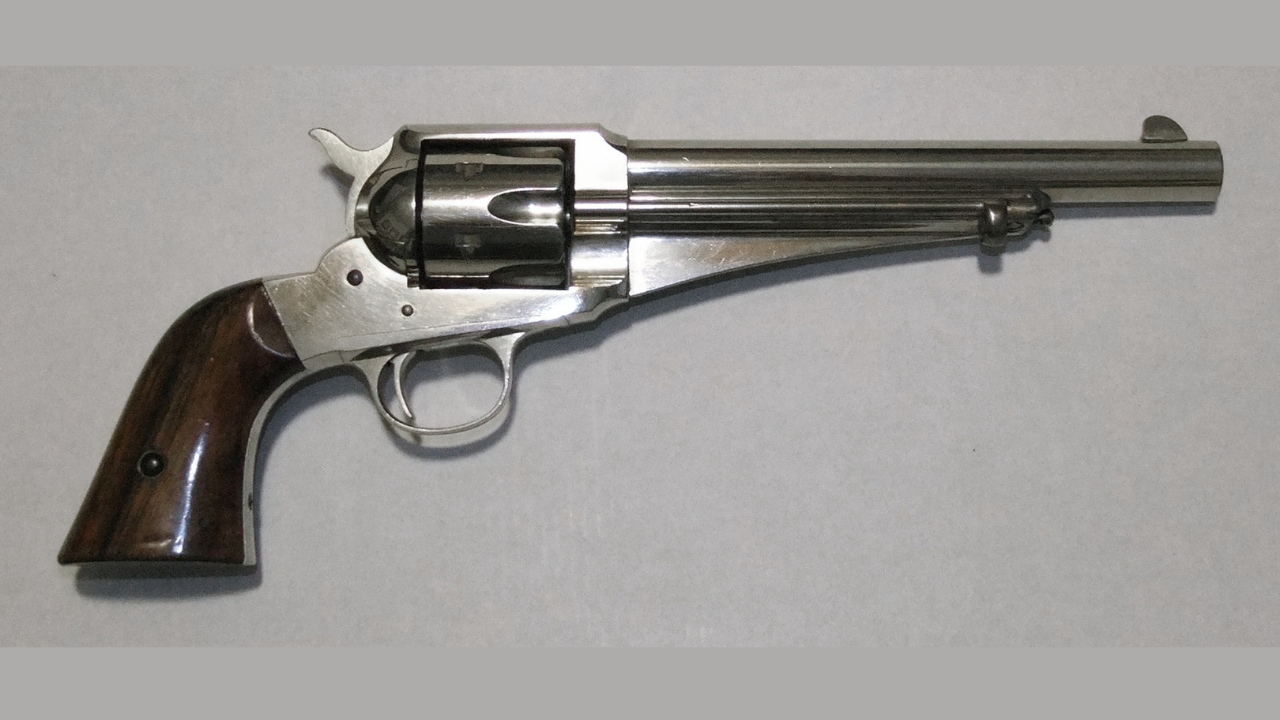
If you’ve ever handled a Remington Model 1875, you can see why it became the “other” big revolver of the West. The frame and topstrap feel substantial, the cylinder locks up confidently, and the gun has a workmanlike balance that invites you to shoot it instead of admire it. Outlaws and lawmen both turned to them, partly because Remington could deliver a serious revolver when Colt availability or pricing wasn’t friendly.
For you, the lesson is that not every classic is a Colt. The 1875 points well, and the sights are usable in the real world. The grip shape doesn’t punish you, and the gun tends to feel steady when you’re firing quickly. If you like revolvers that feel planted and predictable, the 1875 makes sense. It’s a frontier sidearm that was built to take miles, sweat, and neglect—and still function.
Colt Model 1878 Double Action
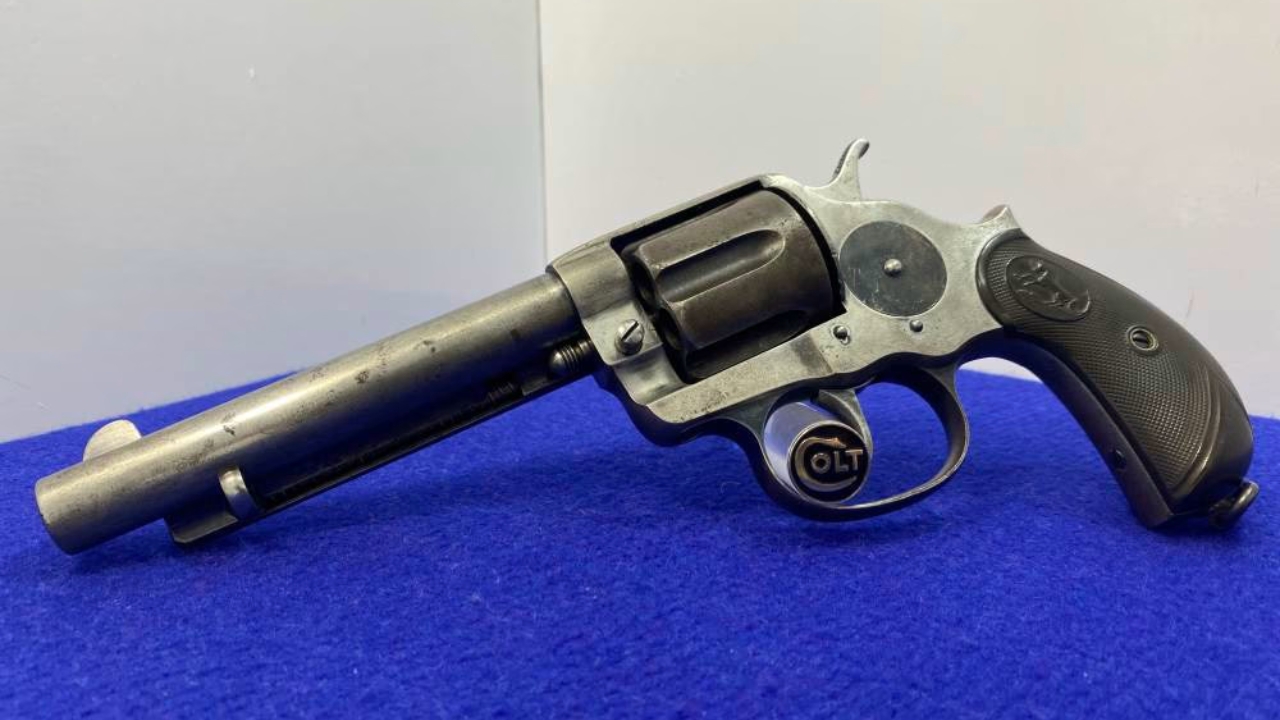
The Colt Model 1878 is one of those revolvers that shows the West wasn’t stuck in single-action thinking. Double action meant you could fire fast when the situation demanded it, and the 1878 gave you that option in a big-frame revolver with real authority. Even when you can’t pin a single famous owner to a serial number, you can pin the gun to the working reality of late-1800s carry.
Shoot an 1878 and you notice the feel immediately. The trigger is longer than a modern DA, but it’s workable, and the gun settles back on target if you’ve got the grip for it. It also carries flatter than you’d expect for a large revolver. If you like a revolver that can be run either deliberate or fast, the 1878 is frontier evolution you can still understand.
Like The Avid Outdoorsman’s content? Subscribe to our newsletter so you never miss an article.
Here’s more from us: