Photo credit: Old Arms of Idaho
Handgun cartridges range from mild target rounds to powerful loads built for hunting, wilderness protection, and long-range shooting. The largest rounds can generate rifle-like energy from specialized pistols and revolvers, but power alone does not make a cartridge useful. Recoil, ammunition cost, firearm size, and the shooter’s ability to place a shot still matter more than impressive numbers printed on a box.
Some of these cartridges became famous through military service or law enforcement use. Others earned their reputation with handgun hunters, silhouette competitors, and outdoorsmen carrying revolvers in remote country. A few are highly practical, while others exist mainly for shooters who enjoy pushing handgun performance to its limits.
.500 S&W Magnum
The .500 S&W Magnum sits near the top of the commercially available handgun-power ladder. Smith & Wesson introduced it for the massive X-frame revolver, creating a cartridge capable of firing bullets that commonly weigh between 275 and 500 grains. Depending on the load and barrel length, it can produce energy figures that rival some traditional rifle cartridges.
That power comes at a serious cost. Revolvers chambered for it are enormous, ammunition is expensive, and full-power loads generate violent recoil and muzzle blast. This is not a cartridge most people will shoot casually for an entire afternoon. Its real strengths appear in handgun hunting and protection around very large animals. Shooters who buy one simply because it is the “most powerful” option often discover that owning it is easier than mastering it. Reduced-recoil loads make practice more manageable, but the .500 S&W remains a specialized cartridge intended for experienced shooters.
.460 S&W Magnum

The .460 S&W Magnum combines extreme velocity with the ability to fire multiple cartridges from the same revolver. A .460 revolver can generally also handle .454 Casull and .45 Colt ammunition, giving owners a wide range of recoil and power levels. Full-power .460 loads can push lighter bullets at velocities more commonly associated with rifles than handguns.
Its flat trajectory makes it particularly interesting for handgun hunters. Compared with slow, heavy big-bore rounds, the .460 can extend the practical range of a revolver in the hands of a skilled shooter. The downside is that the guns are large and heavy, and the muzzle blast can be punishing even when recoil is controlled by the revolver’s weight and compensator. It is one of the most versatile powerful handgun rounds available, but most shooters will spend far more time using .45 Colt or .454 Casull loads than firing the most aggressive .460 ammunition.
.454 Casull
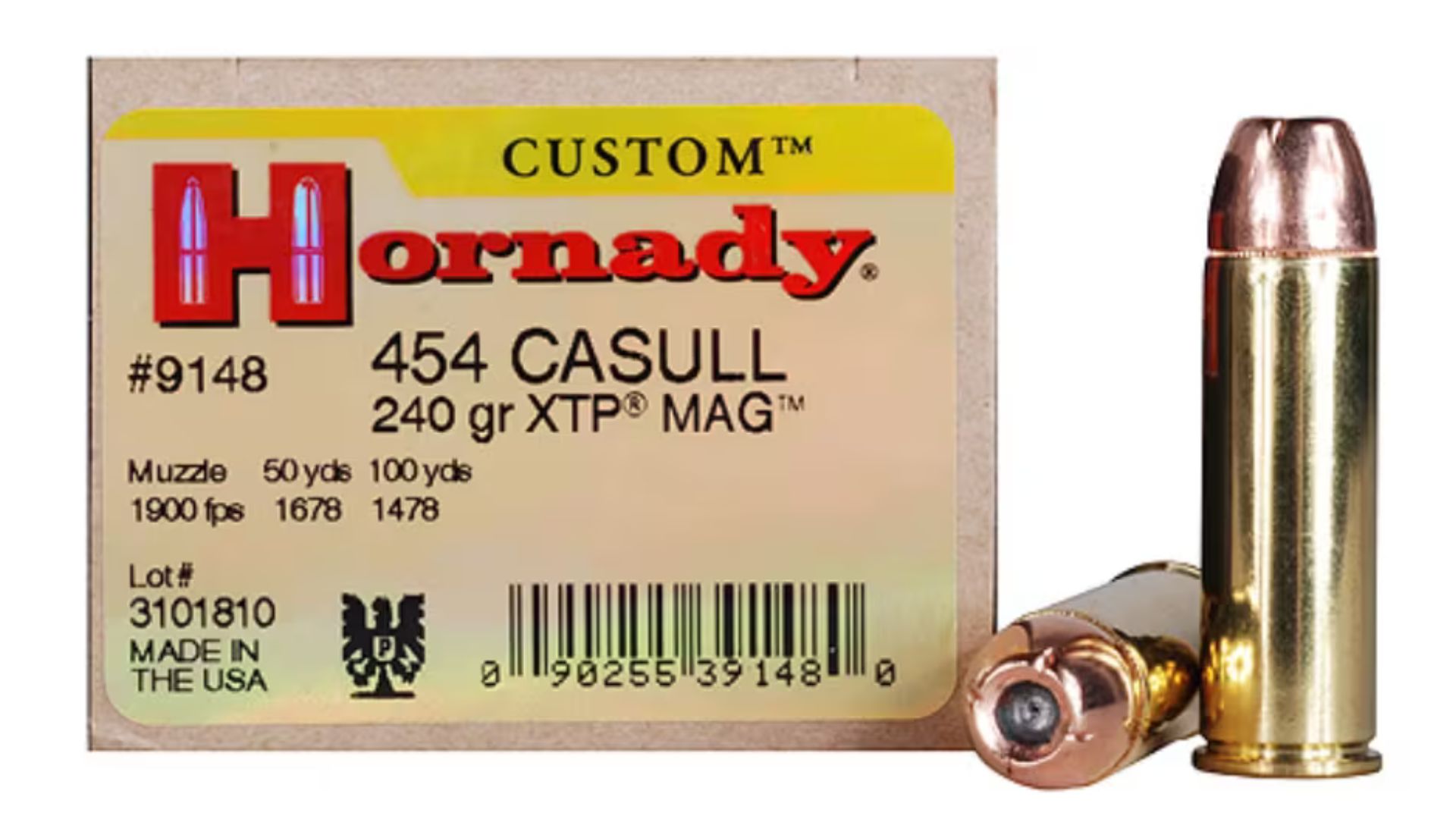
The .454 Casull earned a reputation as a serious hunting and wilderness cartridge long before the larger Smith & Wesson magnums appeared. It is based on a lengthened and strengthened .45 Colt case, but it operates at dramatically higher pressure. Full-power loads can launch heavy bullets with enough velocity and penetration for large game.
Recoil is sharp, especially in lighter revolvers intended for backcountry carry. The cartridge demands a solid grip and good technique, and inexperienced shooters can quickly develop a flinch if they begin with the heaviest ammunition. One major advantage is that many .454 Casull revolvers can also fire .45 Colt, allowing owners to practice with softer loads. The .454 remains a practical middle ground for shooters who want more power than a .44 Magnum but do not want the enormous size of a .500 S&W revolver.
.475 Linebaugh

The .475 Linebaugh was created for shooters who wanted deep penetration and heavy-bullet performance without depending on extreme velocity. It typically launches bullets weighing around 400 grains from large custom or semi-custom revolvers. Rather than chasing dramatic speed, it relies on bullet diameter, weight, and momentum.
This cartridge became respected among serious handgun hunters and big-bore revolver enthusiasts. It can penetrate deeply through heavy tissue and bone when loaded with proper hard-cast bullets. However, ammunition is expensive and much less common than .44 Magnum or .454 Casull. Firearms are also specialized, and many are built on modified Ruger actions or produced in limited numbers. The .475 Linebaugh is not a sensible first magnum revolver, but it remains one of the most respected options for shooters who understand heavy-recoiling single-action handguns.
.480 Ruger

The .480 Ruger was developed to deliver much of the heavy-bullet performance of the .475 Linebaugh at somewhat lower pressure. It usually fires bullets in the 325- to 410-grain range and produces strong penetration without relying on the extreme velocities of cartridges like the .460 S&W Magnum.
Although it still generates substantial recoil, many experienced shooters find it more manageable than the most aggressive big-bore rounds. Its greatest problem has always been limited popularity. Ammunition selection is smaller, and fewer revolvers are chambered for it than for the .44 Magnum or .454 Casull. Hunters who use the .480 tend to appreciate its balance of bullet weight, power, and controllability. It may not receive as much attention as larger cartridges, but it delivers serious field performance without turning every shot into a punishment.
.50 Action Express
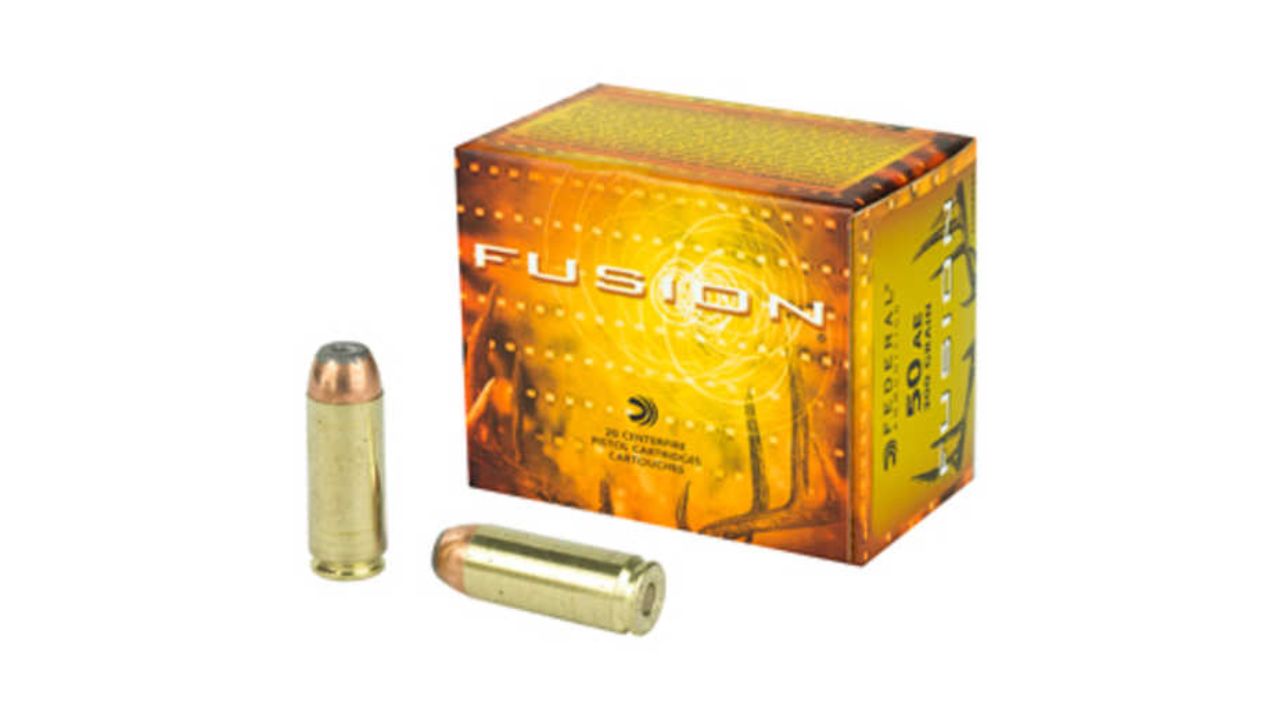
The .50 Action Express became famous because of its connection to the Desert Eagle. Its massive case and wide bullet give the pistol an unmistakable appearance and shooting experience. Common loads use bullets weighing around 300 to 350 grains, producing far more energy than conventional defensive handgun cartridges.
Despite its power, the .50 Action Express is more commonly treated as a range and novelty cartridge than a practical field round. Desert Eagles are heavy, expensive, and sensitive to grip technique and ammunition. The gas-operated action absorbs some recoil, but the blast and movement are still dramatic. Handgun hunters can use the cartridge effectively, yet most owners buy it because they want one of the most recognizable pistols ever made. It delivers the spectacle people expect, though ammunition cost usually keeps range sessions fairly short.
.44 Magnum

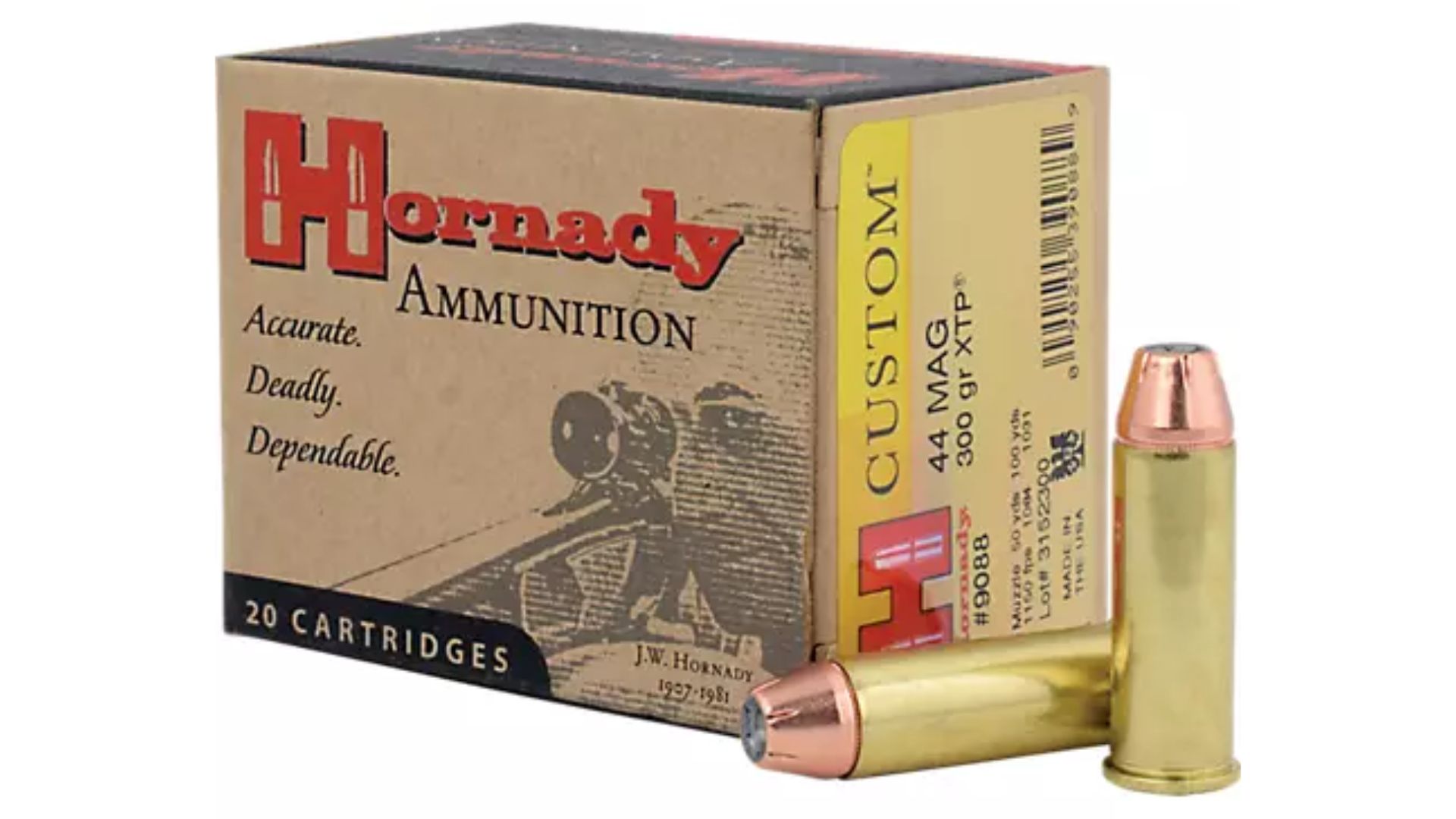
The .44 Magnum remains the standard by which powerful revolver cartridges are judged. It became famous through movies, but its real reputation was built by hunters and outdoorsmen. Common bullet weights range from 180 to more than 300 grains, and load strength varies from relatively mild practice ammunition to heavy hard-cast rounds intended for deep penetration.
Unlike some larger magnums, the .44 is supported by a huge selection of revolvers, lever-action rifles, and factory ammunition. Shooters can choose a heavy hunting revolver, a lighter carry model, or a long-barreled gun intended for accurate field shooting. Full-power loads produce significant recoil, but most experienced handgun shooters can learn to manage it with practice. Revolvers chambered in .44 Magnum can also fire .44 Special, making the platform far more versatile than its intimidating reputation suggests.
.41 Magnum
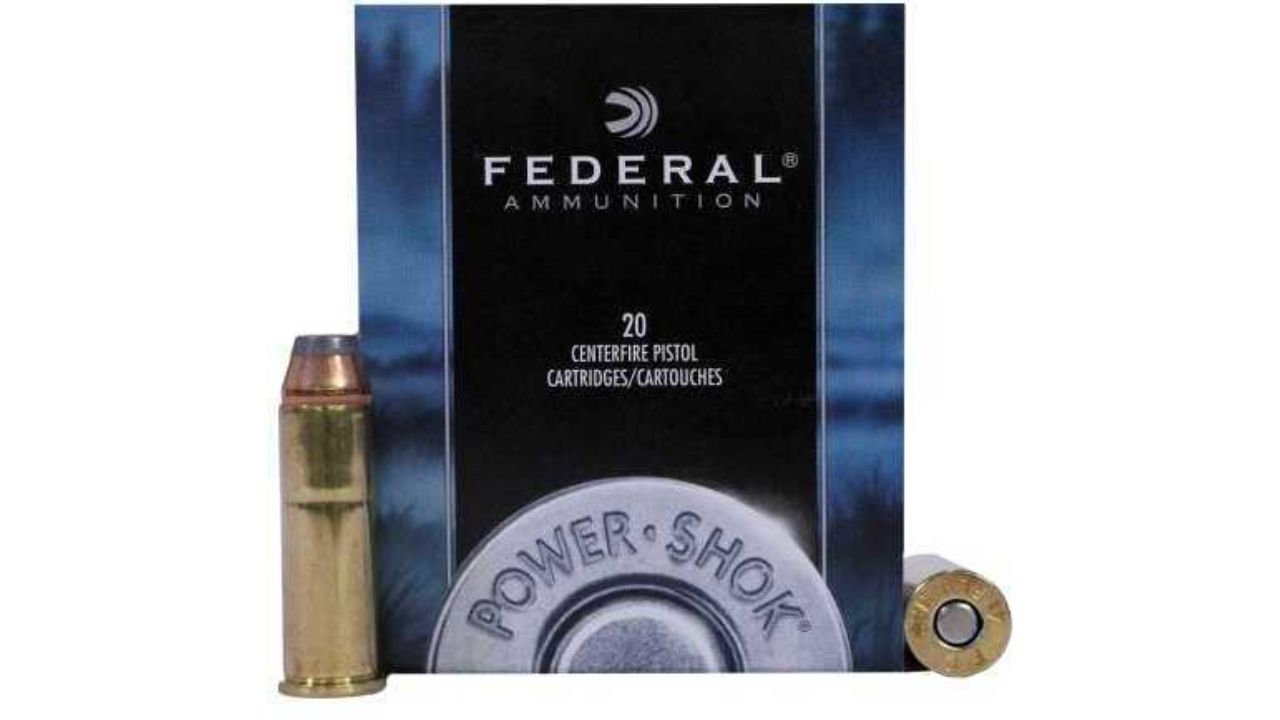
The .41 Magnum was intended to bridge the gap between the .357 Magnum and .44 Magnum. It offers larger and heavier bullets than the .357 while generally producing less recoil than comparable .44 Magnum loads. In theory, it should have become one of the most useful revolver cartridges ever introduced.
Instead, it struggled to gain the same popularity as its better-known competitors. Early factory loads were often hotter than many law enforcement officers wanted, while hunters already trusted the .44 Magnum. The .41 eventually found a loyal following among revolver hunters who appreciated its accuracy, penetration, and balance. Ammunition can be harder to find and more expensive, but those who use the cartridge often consider it one of the most underrated powerful handgun rounds available.
.357 Magnum

The .357 Magnum may seem modest beside the largest revolver cartridges, but it remains a powerful and highly practical handgun round. It can fire lightweight bullets at high velocity or heavier loads designed for deeper penetration. From longer revolver barrels, the cartridge gains meaningful speed and performs far beyond what compact defensive pistols can deliver.
Its greatest advantage is versatility. A .357 Magnum revolver can also fire mild .38 Special ammunition, giving owners access to inexpensive practice loads and softer defensive options. Full-power magnum loads produce noticeable blast and recoil, particularly from short barrels, but they are still manageable for many shooters. The cartridge works for target shooting, small-game hunting, deer hunting where legal, and general outdoor use. Few rounds offer such a broad range of firearm sizes, load choices, and practical applications.
10mm Auto

The 10mm Auto offers serious power in a semi-automatic platform. It fires heavier bullets and generally produces more velocity than the .40 S&W, especially when loaded to its full potential. The cartridge has become particularly popular among hunters and outdoorsmen who want more capacity and faster reloads than a large revolver provides.
Not all 10mm ammunition is equally powerful. Some factory loads are only slightly stronger than .40 S&W, while hunting and wilderness loads can be significantly hotter. Pistol size, recoil spring strength, and shooter technique all affect how manageable the cartridge feels. Full-size 10mm pistols usually handle it better than compact models. For shooters who want a powerful semi-automatic handgun without stepping into highly specialized cartridges, the 10mm remains one of the best-supported and most practical choices.
.45 Super

The .45 Super looks almost identical to the .45 ACP, but it operates at higher pressure and produces greater velocity. It was developed for shooters who wanted more power from a familiar .45-caliber semi-automatic platform. With the right firearm setup, it can push heavy bullets hard enough for hunting and outdoor use.
The important detail is that .45 Super should not be fired through an ordinary .45 ACP pistol unless the firearm has been properly configured and approved for it. Stronger springs, suitable barrels, and fully supported chambers may be necessary. This limits its appeal compared with factory-supported cartridges like the 10mm Auto. For knowledgeable shooters who already own a suitable pistol, however, the .45 Super provides a meaningful increase in performance without requiring an oversized handgun.
.45 Winchester Magnum
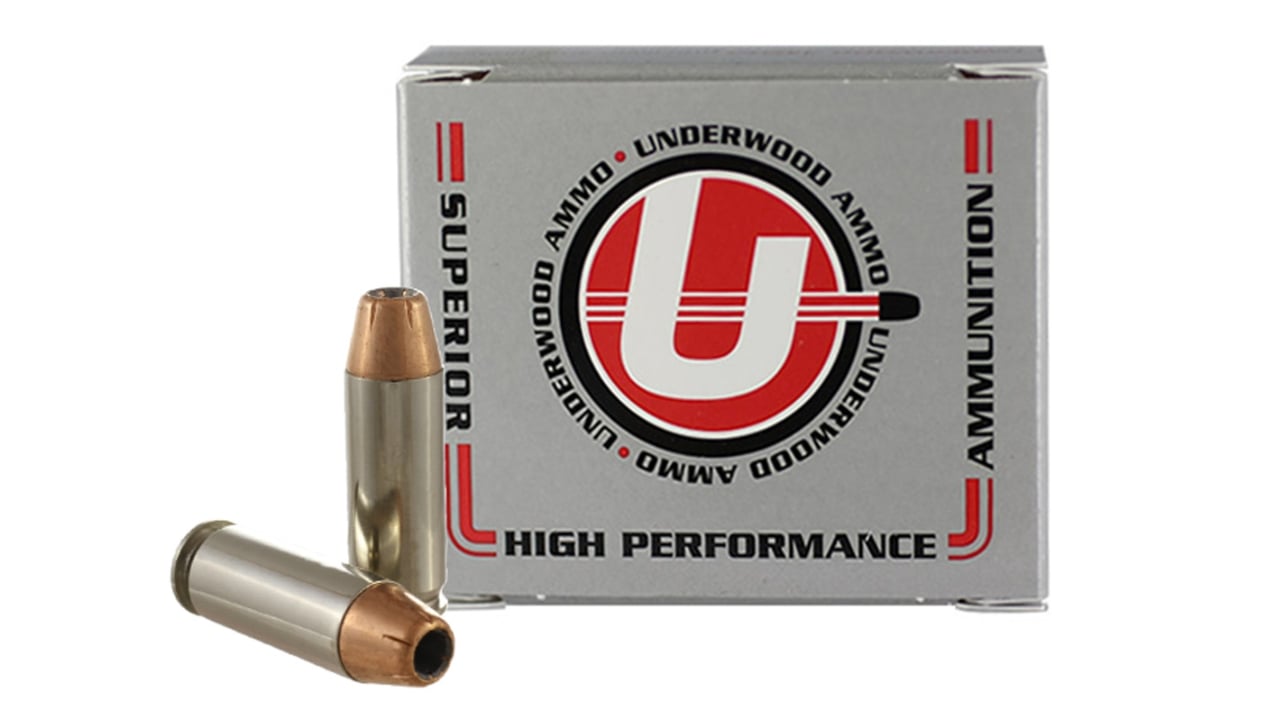
The .45 Winchester Magnum was designed to deliver magnum-level power from semi-automatic pistols. Its longer case prevents it from being chambered in standard .45 ACP firearms and gives it room for greater powder capacity. The cartridge became associated with large pistols such as the Wildey and LAR Grizzly.
It can launch heavy .45-caliber bullets at impressive velocities, making it useful for handgun hunting and metallic silhouette competition. However, the pistols chambered for it are large, ammunition availability is limited, and recoil is substantial. It never gained the widespread support enjoyed by the 10mm Auto or .44 Magnum. Today, the .45 Winchester Magnum is mainly kept alive by collectors, handloaders, and shooters who appreciate unusual high-powered semi-automatic pistols.
.45 Colt

The .45 Colt began as a black-powder revolver cartridge in the 1800s, but modern versions can cover a tremendous range of power. Standard-pressure loads remain relatively mild and work well in traditional revolvers. Heavy loads intended for strong modern firearms can push large bullets with enough force for hunting and wilderness use.
Firearm strength is critical because not every .45 Colt revolver can safely handle high-pressure ammunition. Loads made for strong Ruger, Freedom Arms, or Thompson/Center firearms should never be treated as universal .45 Colt ammunition. In a suitable gun, the cartridge can approach or even overlap lower-end .44 Magnum performance while using wide, heavy bullets. Its combination of history, versatility, and effectiveness has kept it relevant for far longer than most handgun cartridges.
.44 Auto Mag
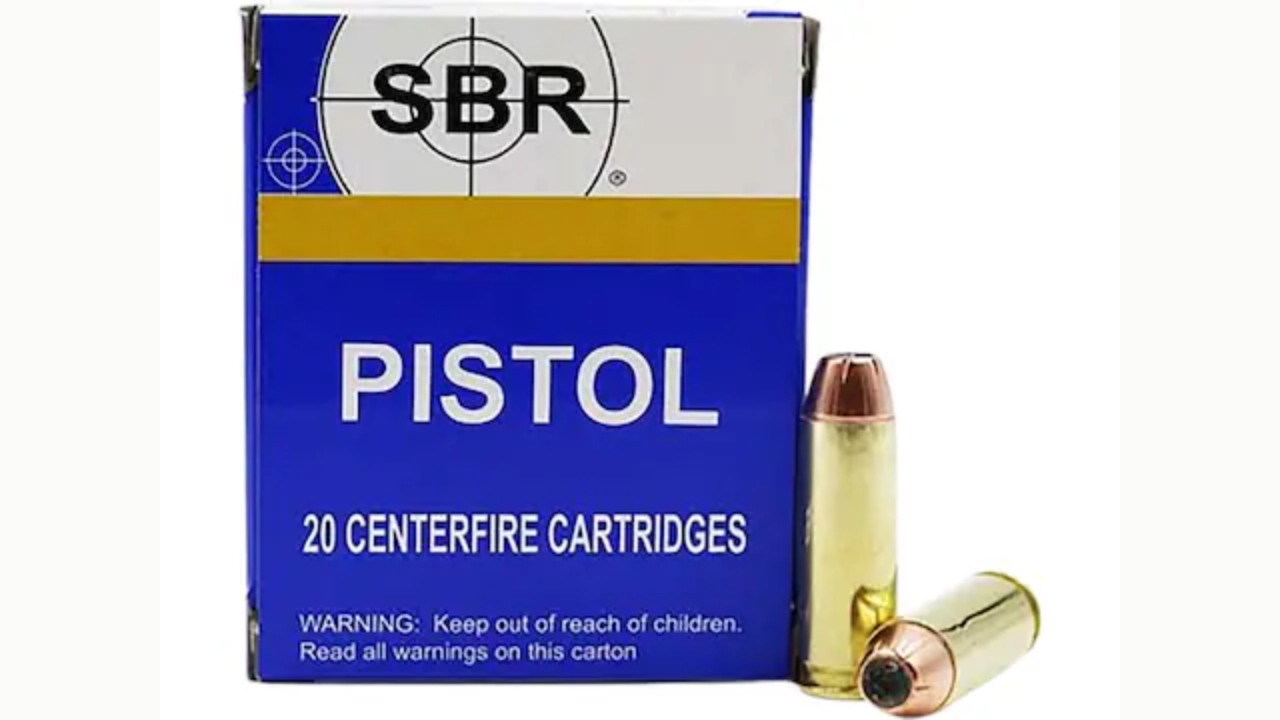
The .44 Auto Mag was developed to provide .44 Magnum-like performance from a semi-automatic pistol. It uses a long, rimless case and became famous through the enormous Auto Mag pistol. The combination looked futuristic and offered power levels that were rare in semi-automatic handguns at the time.
Unfortunately, the cartridge and pistol both developed reputations for expense and limited availability. Original Auto Mags could require careful maintenance and properly prepared ammunition. Modern production efforts have renewed interest, but the platform remains specialized. The .44 Auto Mag is capable of serious hunting performance, yet its main appeal comes from its history, unusual design, and collector value. Shooters seeking a practical hunting handgun will usually find easier options, but few cartridges have more personality.
.429 Desert Eagle
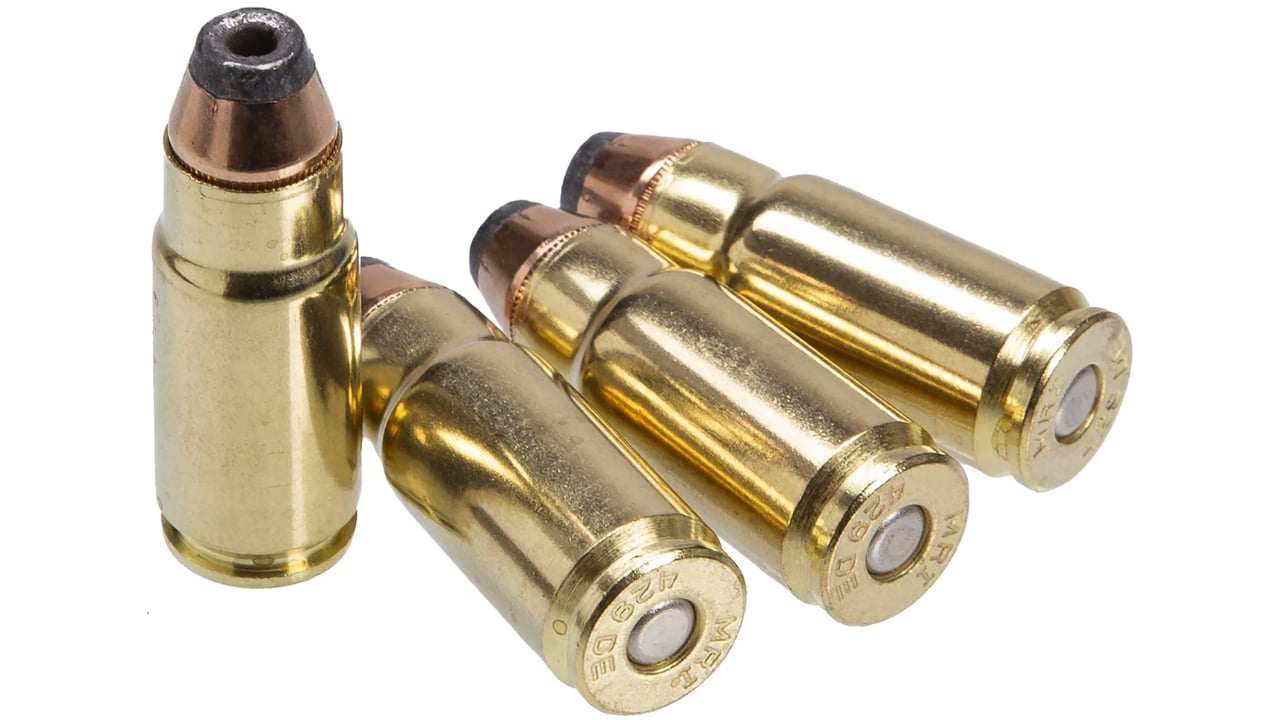
The .429 Desert Eagle was created to provide greater velocity than the .50 Action Express while still using the large Desert Eagle platform. It uses a .50 AE case necked down to accept .44-caliber bullets. This design allows it to launch relatively heavy projectiles at impressive speeds.
The result is a flat-shooting and powerful semi-automatic handgun cartridge with real hunting potential. It also produces substantial blast and requires the same large, heavy pistol associated with other Desert Eagle chamberings. Ammunition selection is limited, and cost remains high. The .429 Desert Eagle appeals most to shooters who already like the platform and want something less common than .50 AE or .44 Magnum. It is powerful, unusual, and capable, but it is unlikely to become a mainstream handgun round.
.445 SuperMag
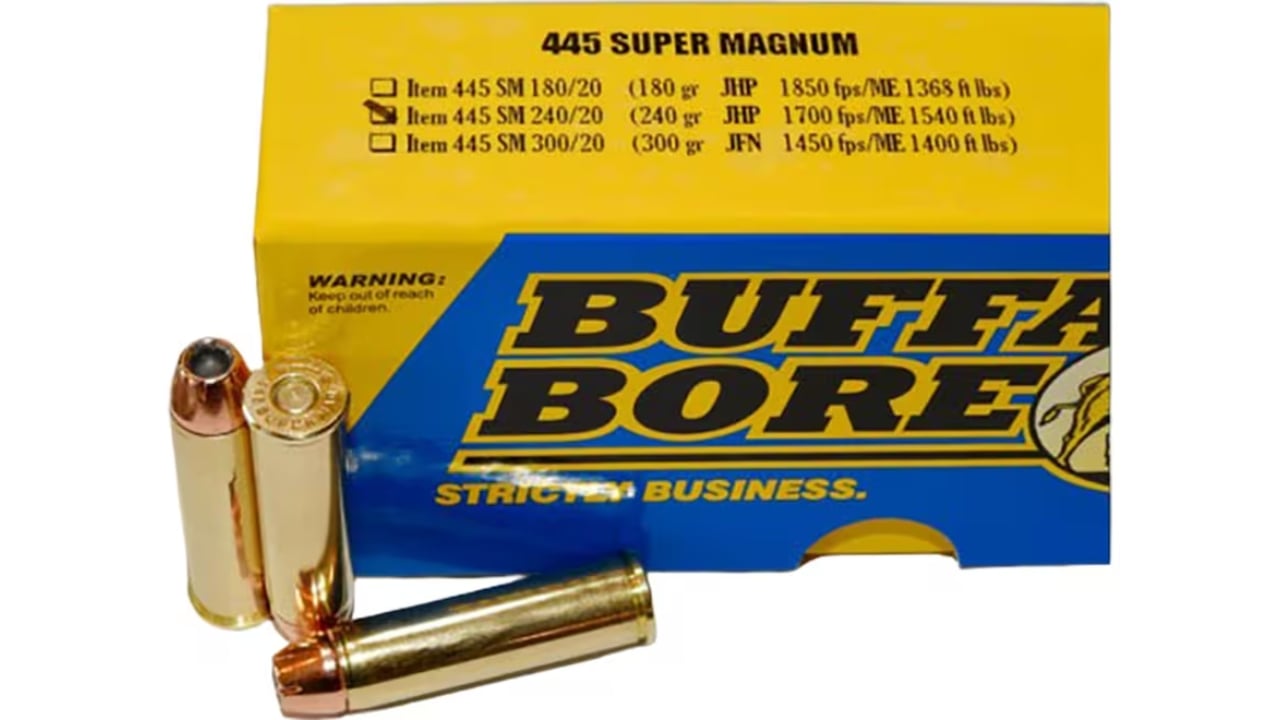
The .445 SuperMag extends the concept of the .44 Magnum by using a longer case with greater powder capacity. It was developed for long-range handgun competition and hunting, where shooters wanted heavier bullets and increased velocity. Dan Wesson revolvers were among the best-known firearms chambered for it.
Its performance exceeds the .44 Magnum, but the cartridge never achieved broad commercial popularity. Revolvers are uncommon, ammunition is difficult to locate, and many owners rely on handloading. It remains respected among handgun hunters because it offers serious power without moving all the way into the enormous .475- and .500-caliber class. The .445 SuperMag is a reminder that some of the strongest handgun cartridges were developed for competitive silhouette shooting rather than personal defense.
.357 Remington Maximum
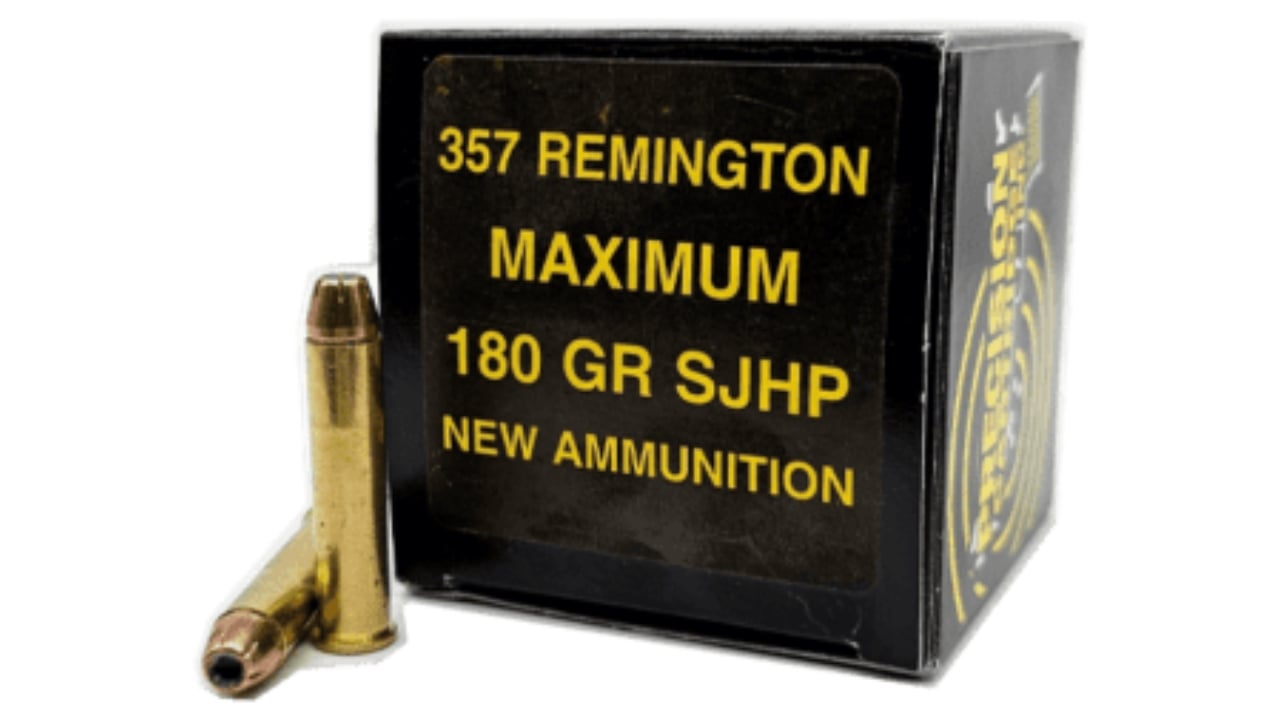
The .357 Remington Maximum uses a longer case than the .357 Magnum, allowing it to produce more velocity and energy with heavier .357-caliber bullets. It was designed largely for hunting and silhouette competition, and it performs especially well from long-barreled revolvers and single-shot pistols.
Early revolvers experienced problems with flame cutting and forcing-cone erosion when shooters used lightweight bullets and heavy powder charges. Those issues damaged the cartridge’s reputation and caused some manufacturers to discontinue their guns. With heavier bullets and sensible loads, the .357 Maximum remains highly capable. It has also found new life in single-shot rifles and custom revolvers. It is far less common than the standard .357 Magnum, but its performance explains why dedicated hunters and handloaders never completely abandoned it.
.327 Federal Magnum
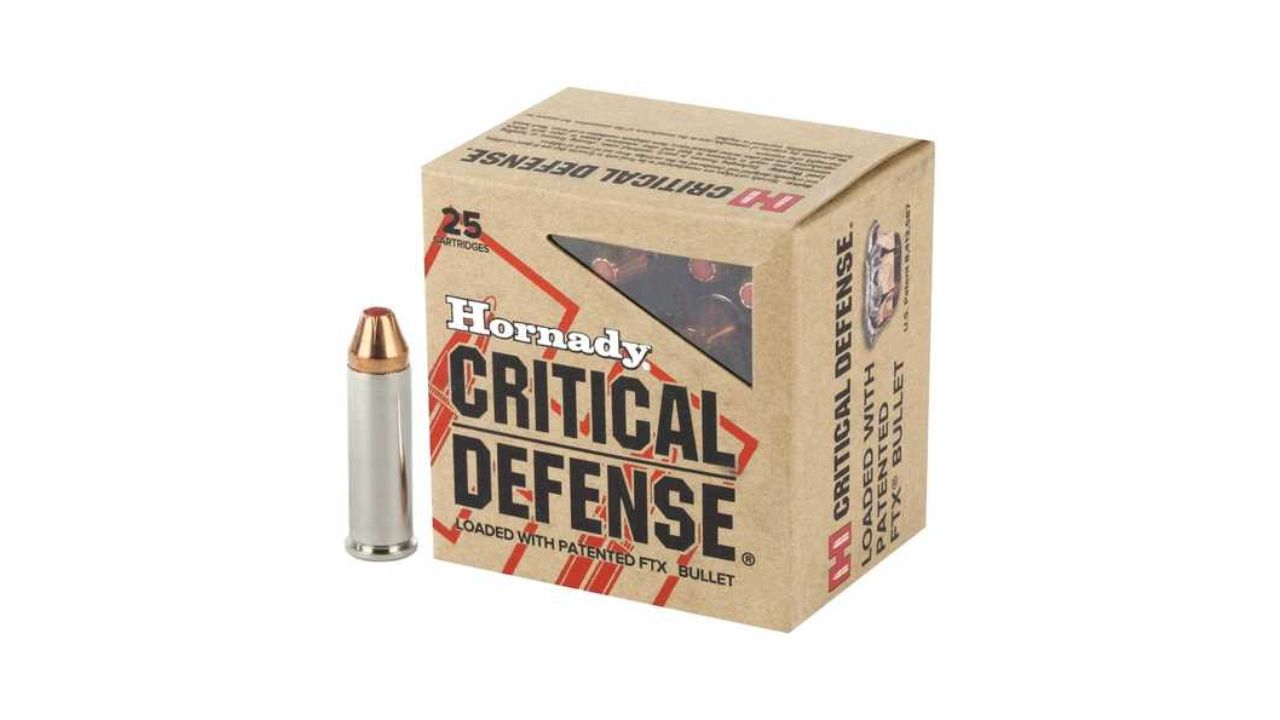
The .327 Federal Magnum was designed to provide magnum performance from smaller revolvers while allowing greater capacity than many .357 Magnum models. It fires .312-inch bullets at high velocity and can deliver impressive penetration and energy for its size. Some small-frame revolvers hold six rounds of .327 where a comparable .357 might hold only five.
The cartridge also offers unusual versatility because many revolvers chambered for it can fire .32 H&R Magnum, .32 S&W Long, and .32 S&W ammunition. Full-power loads are loud and produce sharper recoil than the cartridge’s size might suggest, but they remain manageable for many shooters. It is not a replacement for the largest hunting rounds, yet it offers substantially more performance than mild .32-caliber cartridges. The main limitation continues to be ammunition cost and availability.
.30 Carbine

The .30 Carbine cartridge was created for the M1 Carbine, but it has also appeared in large handguns such as the Ruger Blackhawk and AMT AutoMag III. From a revolver or long-barreled semi-automatic pistol, it produces high velocity and a sharp muzzle blast that surprises shooters expecting ordinary handgun behavior.
Its small-diameter bullet limits it compared with true big-bore hunting cartridges, but the round can still produce meaningful energy. Revolvers chambered for it are loud enough that hearing protection becomes especially important, even by magnum standards. The cartridge is more interesting than practical in a handgun, but it remains worth knowing because it blurs the line between pistol and carbine ammunition. Shooters who enjoy unusual revolvers often appreciate its flat trajectory and historical connection.
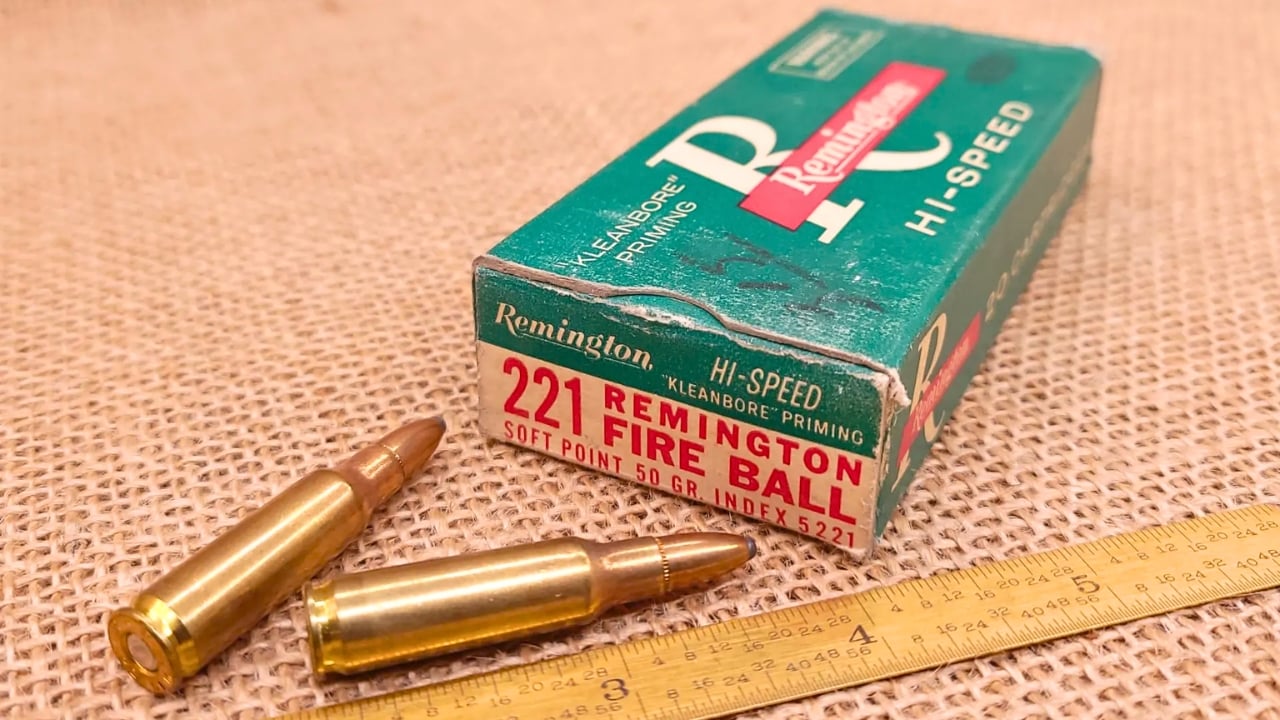
.221 Remington Fireball

The .221 Remington Fireball was originally developed for the Remington XP-100 bolt-action pistol. It uses a small rifle-style case and fires lightweight .22-caliber bullets at very high velocity. The cartridge was intended for long-range varmint shooting, where accuracy and flat trajectory mattered more than bullet diameter.
It produces less recoil than large magnum revolver cartridges, but its velocity gives it a completely different kind of power. From a specialized pistol, it can accurately reach distances that would be difficult for traditional handgun rounds. It is not intended for self-defense or large-game hunting. Its strengths are precision, varmint control, and metallic silhouette shooting. The .221 Fireball helped prove that a handgun could be a serious long-range sporting firearm rather than only a close-distance tool.
Like The Avid Outdoorsman’s content? Subscribe to our newsletter so you never miss an article.
Here’s more from us: