Photo credit: RawHawg/YouTube
There are firearms that look perfect sitting behind glass or showing up in online discussions. They have loyal fans, famous names, and years of reputation behind them. But once they hit the range, some shooters discover that owning one and loving one are two very different things.
That does not mean these guns are bad. Many of them have strong followings for good reasons. The problem is that expectations often get built higher than reality. A firearm can be historically important, visually appealing, or extremely popular and still leave some shooters disappointed once they spend serious time behind the trigger.
Kimber Solo
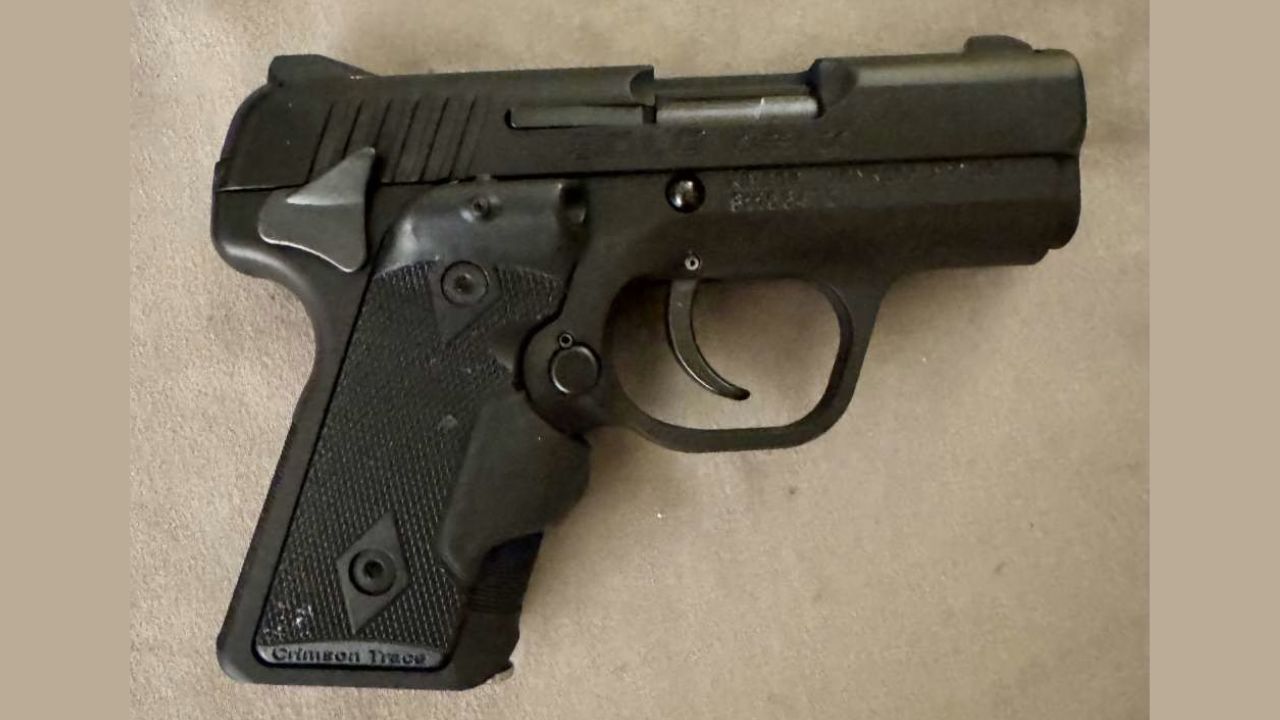
The Kimber Solo arrived with the promise of being a premium pocket pistol that combined upscale looks with everyday carry practicality. On paper, it had a lot going for it with a smooth trigger, metal frame, and compact design.
The problem was that many owners discovered it could be picky about ammunition and maintenance. For a small carry gun that people expected to work every time, reliability concerns quickly hurt its reputation. It looked like a high-end pocket pistol but did not always deliver the confidence shooters wanted.
Taurus Curve

The Taurus Curve looked like something from the future when it was released. Its curved polymer frame, built-in light, and snag-free design made it stand out from every other pocket pistol on the market.
Once people actually shot it, the excitement faded for many owners. The unusual shape made it harder to shoot accurately, the trigger was not impressive, and the design solved problems that many shooters did not actually have.
FN Five-seveN

The FN Five-seveN has one of the most interesting cartridges in the handgun world. The lightweight 5.7x28mm round, large magazine capacity, and military connections made it extremely popular among enthusiasts.
The issue is that some shooters expect it to feel like a powerhouse handgun. Once they actually shoot it, many realize the recoil is mild, the grip is large, and the overall shooting experience does not match the hype surrounding the cartridge.
Desert Eagle Mark XIX

Few handguns have the reputation of the Desert Eagle. It became famous through movies, video games, and pop culture, creating an image of an unstoppable hand cannon.
Then people actually pick one up. The size, weight, expensive ammunition, and awkward handling make it much less practical than many expect. It is impressive, but plenty of shooters quickly realize it is more of a conversation piece than an everyday firearm.
Springfield Armory XD-S

The Springfield XD-S was one of the early competitors in the slim single-stack concealed carry market. Many buyers liked the idea of a thin pistol with a larger caliber option.
The problem came when shooters spent time practicing with it. The short grip, snappy recoil, and limited capacity made it harder to shoot well compared with newer compact 9mm designs that followed.
Beretta PX4 Storm
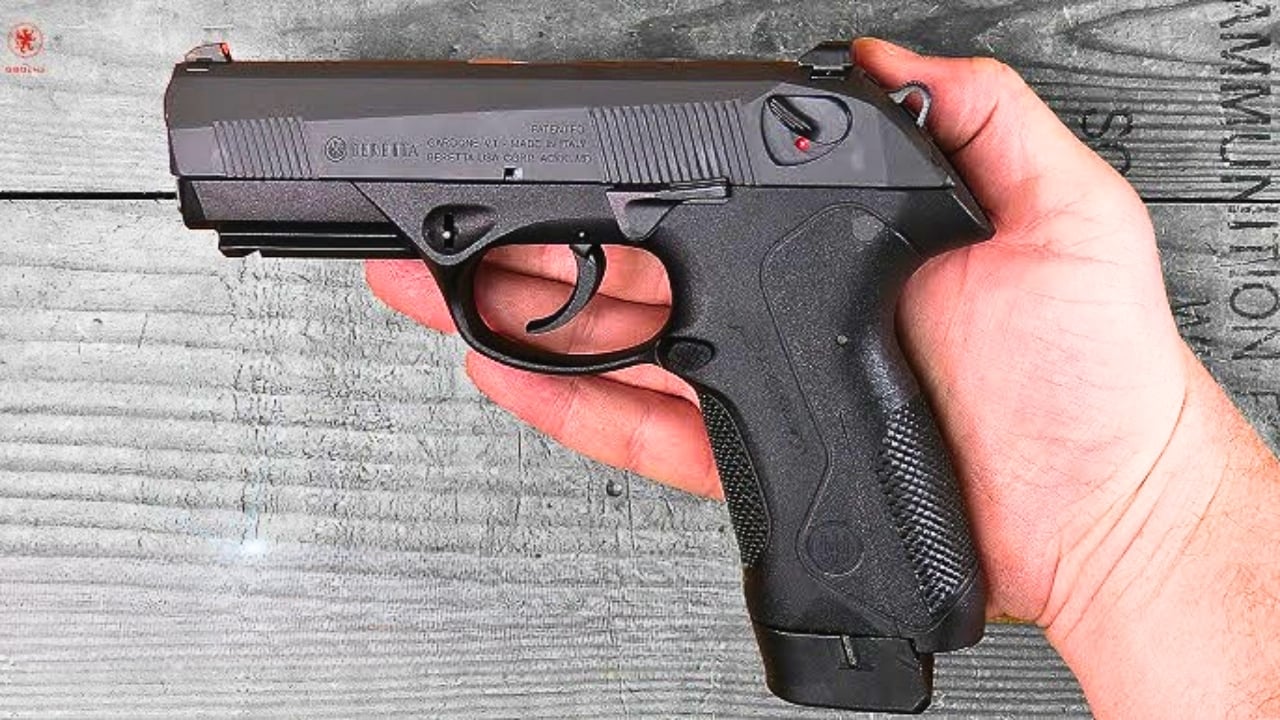
The Beretta PX4 Storm has a unique rotating barrel system and the reputation of one of Italy’s major firearms companies behind it. Many shooters expected it to be an instant favorite.
Instead, some found the design unusual and the controls less intuitive than traditional Beretta pistols. It shoots well for many owners, but the first impression does not always match the excitement surrounding it.
Smith & Wesson Governor
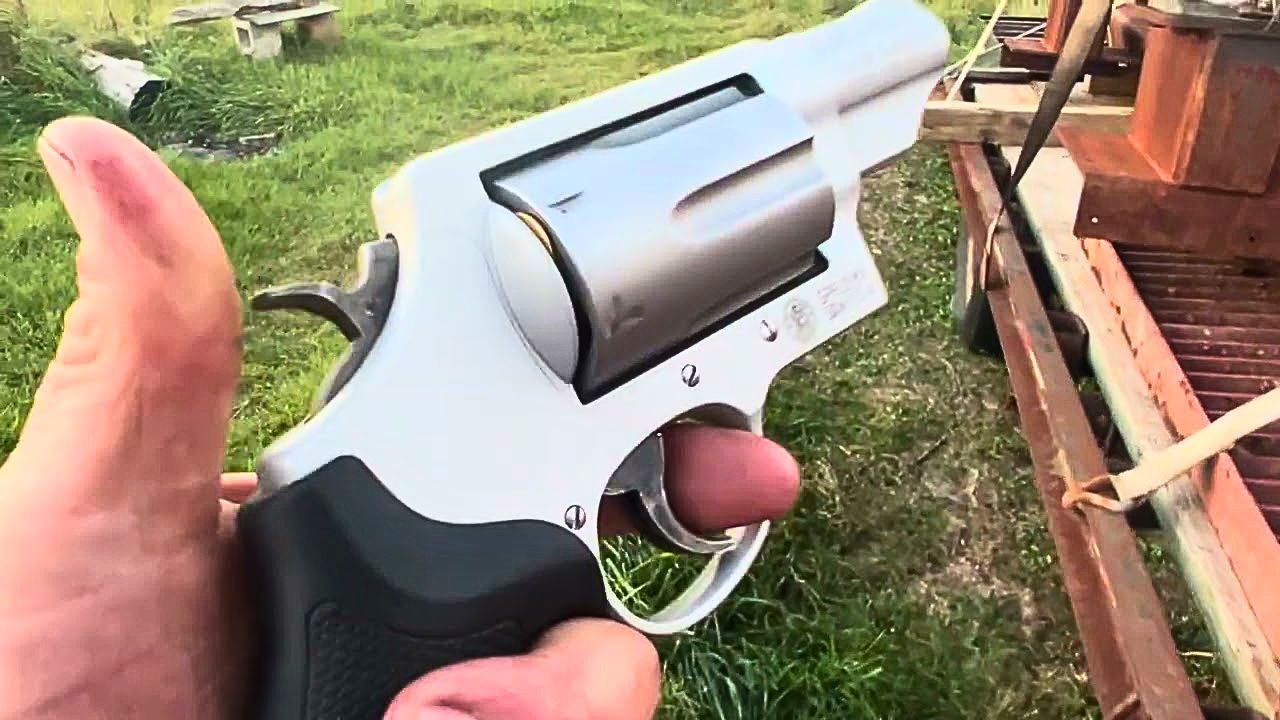
The Smith & Wesson Governor seems like the ultimate survival revolver. It can handle .45 Colt, .45 ACP with moon clips, and .410 shotshells, giving it incredible versatility.
After shooting one, many owners realize that versatility comes with compromises. The large frame, heavy weight, and mediocre performance with some loads make it less appealing than a dedicated revolver or handgun.
Ruger LCP Max

The Ruger LCP Max solved many problems of the original LCP by adding more capacity while keeping a tiny footprint. It became one of the most popular pocket .380 pistols available.
However, many shooters discover that small size still comes with a cost. The tiny grip, short sight radius, and sharp recoil make it difficult to shoot quickly and accurately compared with larger carry guns.
Glock 26
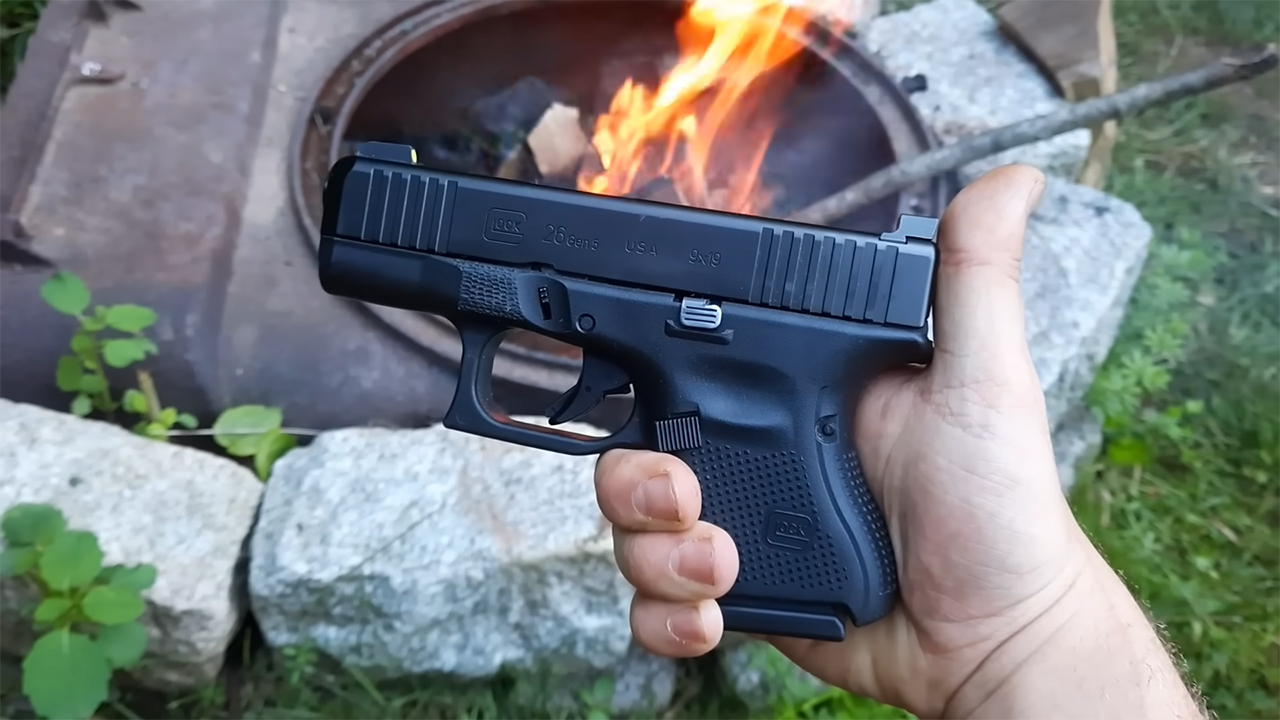
The Glock 26 has been one of the most respected subcompact pistols for decades. Its reliability and durability made it a favorite among concealed carriers.
But many first-time buyers expect it to shoot like a smaller Glock 19. Once they hit the range, they find the short grip and limited purchase can make it much harder to control, especially with larger hands.
Colt Python (Current Production)
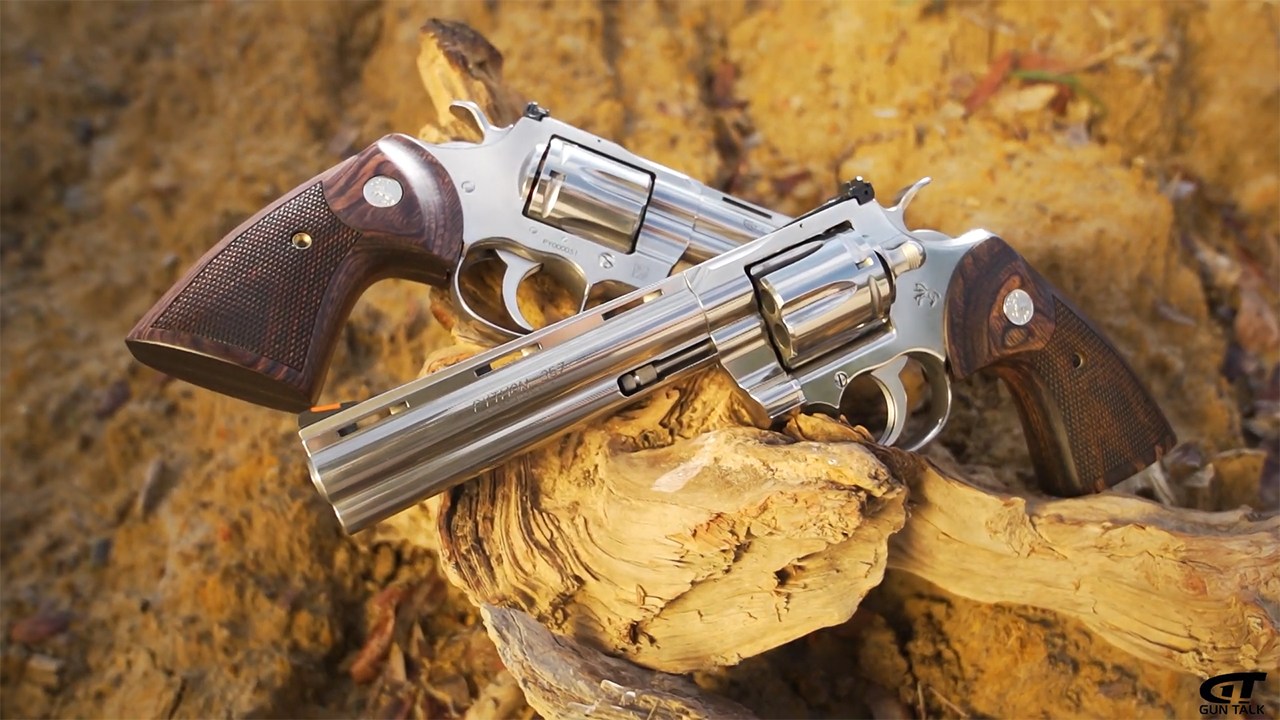
The modern Colt Python brought back one of the most famous revolvers ever made. Collectors and revolver fans rushed to get one because of the legendary name attached to it.
After shooting it, some owners found that the experience did not completely match the six-decade reputation. The gun is attractive and well-made, but some shooters expected a flawless return of the original legend.
SIG Sauer P320
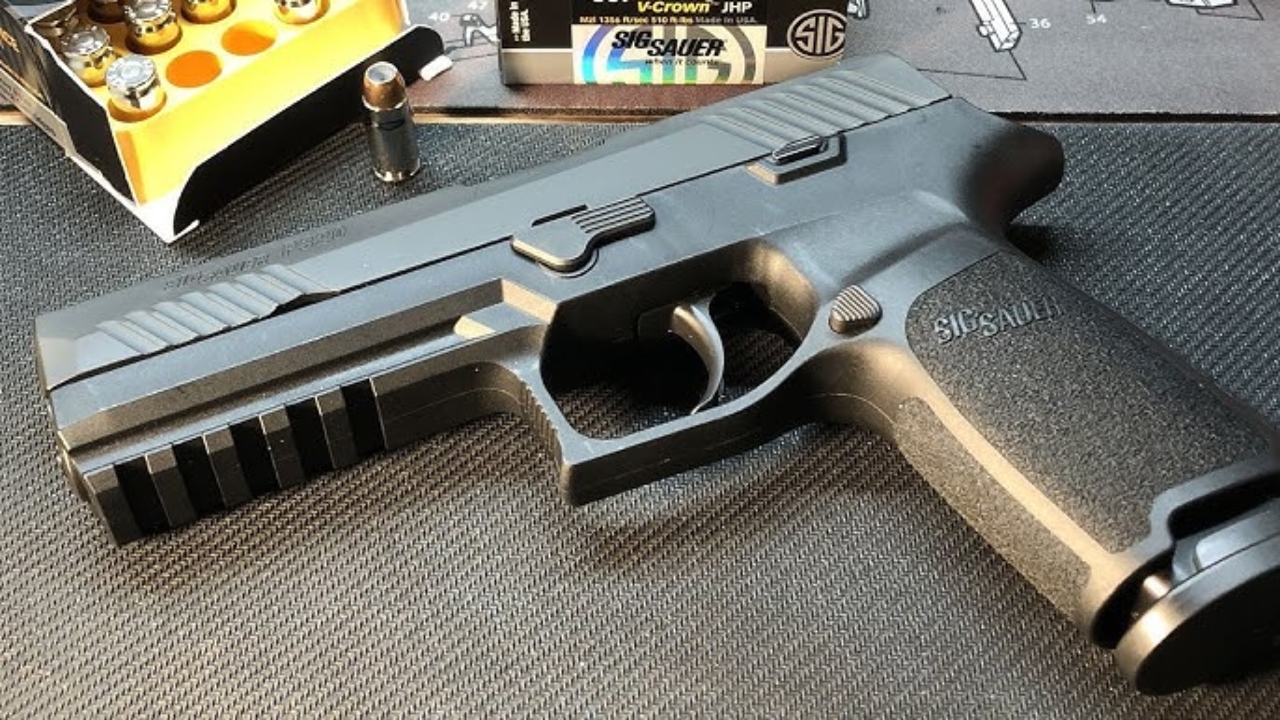
The SIG Sauer P320 became one of the most successful modern striker-fired pistols, including adoption by military and law enforcement agencies.
However, its popularity also created extremely high expectations. Some shooters find the grip shape, bore feel, and trigger characteristics less impressive than competing striker-fired pistols from Glock, Smith & Wesson, and Walther.
CZ Scorpion EVO 3

The CZ Scorpion EVO 3 became one of the most popular pistol-caliber carbines because of its unique appearance and aftermarket support.
Once shooters spend time with it, some realize the ergonomics are not perfect. The safety placement, factory trigger, and recoil impulse leave some owners wishing CZ had refined a few more details.
Walther CCP

The Walther CCP attracted attention because it offered a soft-shooting compact pistol with a unique gas-delayed system.
The problem was that many owners expected German engineering perfection. Instead, some encountered a pistol that required more attention to ammunition and maintenance than they anticipated.
Mossberg MC1sc

The Mossberg MC1sc entered a crowded concealed carry market with a clear goal of competing against popular single-stack pistols.
While the design had some interesting features, many shooters found it did not offer enough advantages over established competitors. It was a good idea that struggled to separate itself.
FN 509

The FN 509 was built after FN competed in the U.S. Army’s Modular Handgun System trials. That military connection created a lot of excitement among shooters.
But after shooting one, some owners found it less refined than expected. The trigger feel, grip texture, and overall shooting experience did not always stand out compared with other premium striker-fired pistols.
Ruger American Pistol

The Ruger American Pistol was designed as a serious duty handgun with military and law enforcement ambitions. It was built strong and had many practical features.
The problem was that it entered a market packed with excellent competitors. Many shooters expected a major Glock or SIG challenger but found a pistol that was competent without being memorable.
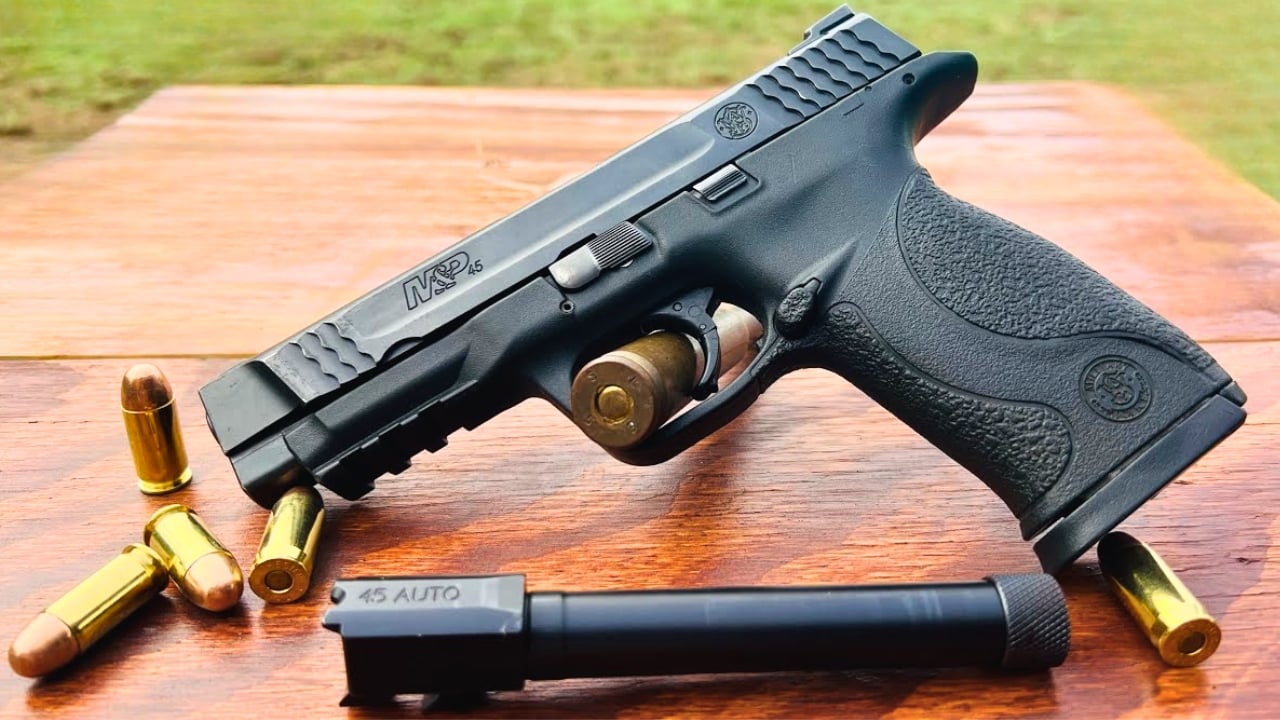
Smith & Wesson M&P 45

The M&P 45 earned a reputation for being dependable and durable, especially among people who wanted a polymer .45.
The issue is that many shooters compare it directly against the 1911 and other .45 ACP classics. After shooting it, some find the trigger and overall feel do not provide the same level of excitement as other .45 options.
KelTec PMR-30

The KelTec PMR-30 gained attention because it carries 30 rounds of .22 Magnum ammunition in a lightweight handgun.
That capacity sounds incredible until shooters experience the tradeoffs. The unusual cartridge, polymer construction, and finicky reputation made some owners question whether the extra rounds were worth the compromise.
Henry Long Ranger

The Henry Long Ranger looked like the perfect modern evolution of the classic lever-action rifle. It combined traditional styling with detachable magazines and faster cartridges.
After shooting it, some hunters found it did not have the same smooth personality as traditional Henry rifles. It was capable, but some buyers expected the same magic found in Henry’s classic lever guns.
FN PS90

The FN PS90 became famous because of its futuristic design, compact size, and use of the 5.7x28mm cartridge.
The problem is that the real-world experience does not always match the sci-fi image. Many shooters find it expensive to feed, unusual to operate, and less practical than traditional carbines.
Like The Avid Outdoorsman’s content? Subscribe to our newsletter so you never miss an article.
Here’s more from us: