Photo credit: Fieldstrip357/YouTube
Some pistols hit your hand with that sharp, unpleasant snap that makes you rethink finishing the box of ammo. It isn’t always the caliber’s fault, either. Sometimes the design, weight, grip angle, or slide timing exaggerates the recoil and makes a gun feel harsher than others in the same class. You notice it fast—your palm gets tender, your groups start opening up, and you start anticipating the shot instead of pressing through it. When a pistol kicks harder than it should, it steals your confidence and takes the fun out of training. These are the handguns that tend to punch back a little more than most shooters expect.
Glock 43

The Glock 43 is reliable and easy to carry, but you feel its recoil the moment you start running it quickly. The lightweight frame and slim grip mean there’s not much mass or surface area to help you control the snap. The gun cycles fast, and that quick slide speed adds to the sharp, upward flip that surprises new shooters. You can manage it with practice, but it’s not nearly as forgiving as the larger Glock models.
When you fire several magazines in a row, the combination of a narrow grip and firm polymer frame makes the recoil feel cumulative. Many shooters eventually upgrade to the 43X or 48 because the longer grip and added weight soften things noticeably. The 43 works, but it hits your hand harder than a 9mm this small needs to.
Ruger LCP II in .380
Even as a .380, the LCP II has a bark to it that feels out of proportion to the caliber. The pistol is extremely light, and that weight savings comes at a cost when you pull the trigger. The recoil impulse has a sharp, fast snap, and the small grip doesn’t give your hand much leverage to stay locked in. It’s controllable for a few rounds, but it becomes tiring during longer sessions.
Shooters with larger hands often feel like they’re holding onto the pistol with their fingertips, which makes the recoil even more noticeable. While it’s a practical deep-carry gun, it’s not something most folks enjoy shooting often. The LCP II carries better than it shoots, and that surprise factor catches a lot of new owners off guard.
Smith & Wesson Airweight J-Frames
The Airweight revolvers are famous for their convenience, but their recoil is no joke. When you combine a lightweight alloy frame with .38 Special or even +P loads, the result is a sharp, stinging recoil that you feel right through the backstrap. These guns are meant to be carried far more than they’re fired, and you learn that quickly.
The short grip and exposed backstrap make it tough to spread the recoil across your hand, so each shot has a concentrated bite. They work well as defensive tools, but they aren’t range-friendly firearms. Anyone looking to run long practice sessions will feel punished by the end of the day.
KelTec P3AT

KelTec’s P3AT shares a lot of traits with early pocket .380s—light frame, narrow grip, and a long trigger pull. All of that translates into a snappy recoil pulse that surprises new shooters. The pistol simply doesn’t have enough mass to absorb much movement, so every shot comes with a quick jump.
People who use it for deep concealment appreciate how easily it disappears, but they’re also the first to admit it’s not enjoyable to train with. The recoil strikes right at the top of your palm, and the slide has enough speed to add a little sting. As a last-ditch carry pistol, it makes sense, but it kicks far harder than most folks expect from a .380.
Glock 33 in .357 SIG

The Glock 33 may be compact, but the .357 SIG round makes it feel like a miniature hand cannon. The cartridge is known for its speed and pressure, and when you fire it out of such a small frame, the recoil feels abrupt and loud. Many shooters describe it as a shove followed by a quick snap, which makes fast follow-ups challenging.
The short grip doesn’t offer the stability that larger .357 SIG platforms provide, so your support hand has to work overtime. While the gun is reliable and capable, it’s not a pistol you take to the range for comfort. If you pick one up, expect a learning curve with recoil control.
Walther PPS M1
The PPS M1 left many shooters surprised at how snappy it felt compared to similar single-stack 9mms. The slim grip and relatively high bore axis contribute to more muzzle rise than expected. It’s accurate and dependable, but the recoil impulse is sharper than many competing carry pistols.
During extended sessions, the grip’s thin profile becomes noticeable. There’s simply not enough surface area to distribute the recoil comfortably, so the pistol feels like it’s driving straight into your palm. Many shooters enjoy carrying it but admit it’s not the softest gun to train with.
Kahr CM9
The Kahr CM9 has a smooth trigger and good accuracy, but it carries a surprising bite for such a small 9mm. The pistol’s slim frame and low weight make recoil more pronounced, especially during longer shooting sessions. You feel a noticeable upward snap on every shot, and controlling it requires more grip tension than you might expect.
The narrow grip doesn’t help much with stability, and shooters with larger hands often struggle to get a full purchase. While the CM9 is well-built and dependable, the recoil characteristics can catch new owners off guard and make training days feel longer than they should.
SIG Sauer P365 XL with +P loads

The P365 XL is one of the more controllable micro-compacts, but once you load +P ammunition, the recoil ramps up fast. The gun cycles quicker, the muzzle flip increases, and the grip—though better than the base model—still doesn’t provide the leverage a midsize pistol offers.
Shooters who practice regularly notice that +P loads introduce more movement and require more recovery time between shots. It’s still manageable, but the experience changes enough that many prefer sticking to standard-pressure loads. The pistol can handle the ammunition, but your hand will feel it after a full session.
Taurus PT709 Slim
The PT709 Slim is light and easy to conceal, but its recoil impulse feels sharper than many other pistols in its category. The grip has a narrow profile, and the frame doesn’t absorb much movement. As a result, each shot has a quick, snapping feel that surprises those expecting a softer-shooting 9mm.
Follow-up shots take more work because of the pronounced muzzle rise, and long training sessions can become uncomfortable quickly. While the pistol offers good value, the recoil characteristics remain one of the biggest complaints from owners.
Ruger EC9s
The EC9s is reliable and budget-friendly, but it carries a noticeable recoil snap thanks to its small frame and lightweight design. The grip texture is minimal, so during rapid fire, the pistol shifts in your hand more than you’d like. That movement makes recoil feel even more aggressive than it should for a compact 9mm.
Shooters doing extended practice sessions often report fatigue after only a few magazines. While the pistol works well for concealed carry, its shooting comfort falls behind more refined models in the same category.
Springfield XD-S 9mm (3.3”)

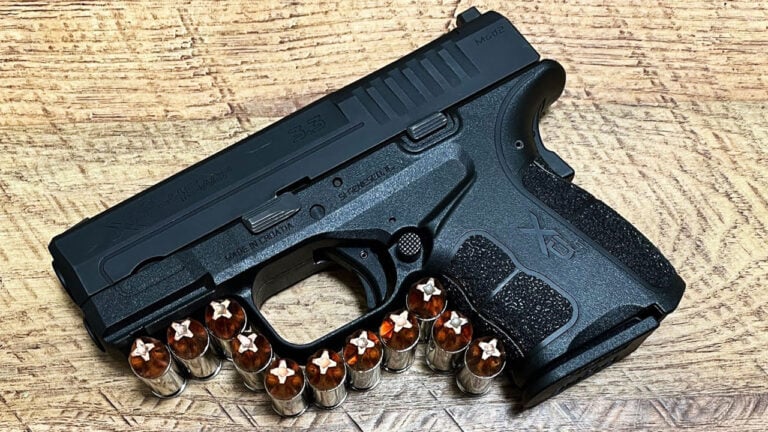
The XD-S in 9mm has a loyal following, but the 3.3-inch version packs a sharper punch than many expect. The pistol has a narrow grip combined with a high slide mass, and that mix creates a recoil impulse that feels quicker and more abrupt than other single-stacks.
During rapid fire, muzzle flip becomes noticeable, especially for new shooters. The XD-S remains reliable and accurate, but it’s not the softest-shooting pistol in its class. Many owners appreciate its carry comfort while acknowledging that it kicks harder than you’d think from its size.
Kimber Micro 9
The Kimber Micro 9 has clean lines and good build quality, but the lightweight frame makes recoil surprisingly lively. The gun feels great in the hand until you start firing defensive loads, where the snap becomes immediately noticeable. The shorter grip also limits control for shooters with larger hands.
Extended practice sessions can become fatiguing, and many owners end up swapping to softer-shooting ammo to make range time more pleasant. While the Micro 9 is accurate and dependable, its recoil characteristics don’t match its refined appearance.
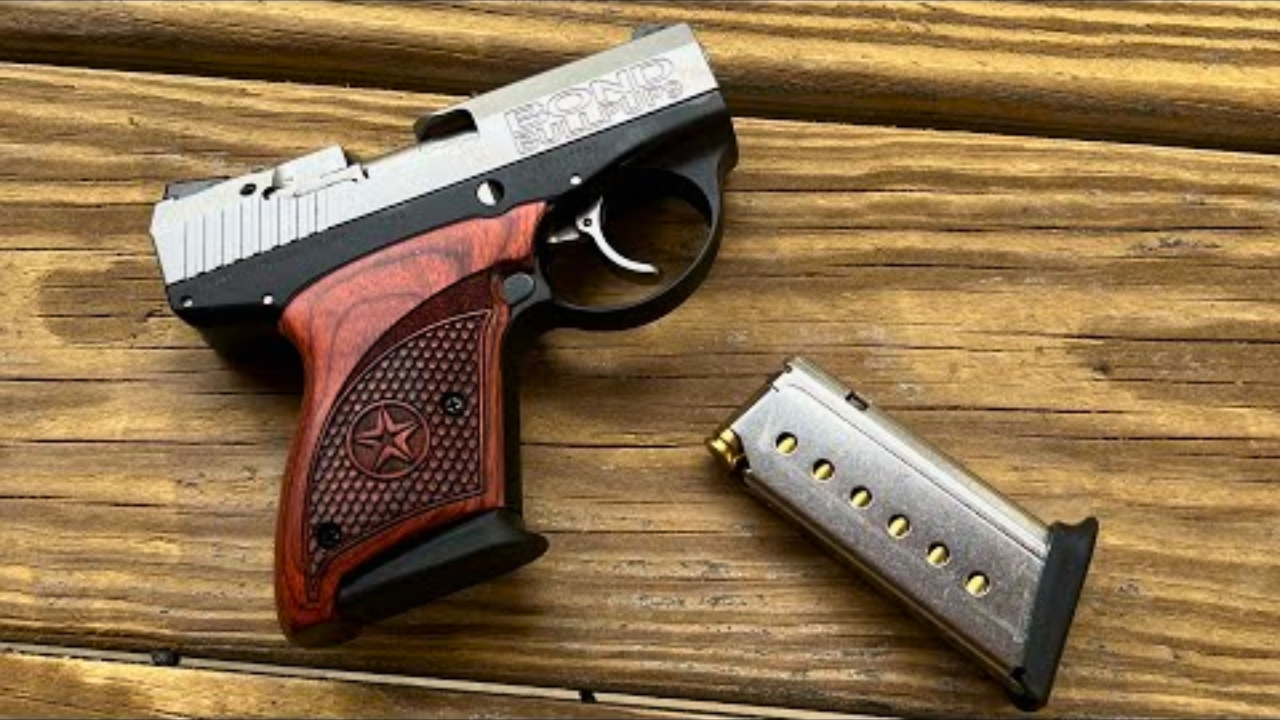
Bond Arms Bullpup 9
The Bullpup 9 has an interesting design, but the short, lightweight frame channels recoil straight into your palm. The gun’s compact size and unique feeding system don’t do much to soften the impulse. Shooters often describe the recoil as a firm jab rather than a smooth push.
Control can be challenging, especially during rapid fire. The grip angle and texture don’t help much with stability, and many users eventually moved on to pistols with a more predictable recoil profile. It’s a distinctive firearm, but not the friendliest one to shoot.
Bersa Thunder 9 UC Pro
The Bersa Thunder 9 UC Pro works well mechanically, but the recoil feels firmer than many expect from a gun its size. The slide has notable mass, and the impulse feels abrupt when firing hotter 9mm loads. Shooters often report that rapid fire takes more effort than comparable pistols.
The grip is comfortable, but the recoil’s vertical snap requires a firmer hold to stay consistent. It’s reliable and capable, yet the kick surprises enough shooters that it earns a place on this list.
Like The Avid Outdoorsman’s content? Be sure to follow us.
Here’s more from us:
The worst deer rifles money can buy
Sidearms That Belong in the Safe — Not Your Belt
*This article was developed with AI-powered tools and has been carefully reviewed by our editors.