Photo credit: 45 Alfa Charlie Papa/Youtube
There was a stretch of time when revolvers weren’t trying to impress anybody. No light rails, no optics cuts, no marketing pitch about being “modular.” They were expected to ride in a holster, get banged on a truck door, pick up dust in a tackle box, and still light off every time you needed them to. Finish wear was normal. Dings were honest. If it stayed in time and kept throwing lead where you pointed it, it was doing its job.
Some of these old wheelguns are collector pieces now. Some are still working guns that just happen to be older than the guy carrying them. Either way, they came from an era where toughness wasn’t a feature—it was the whole point. Here are 20 revolvers that earned reputations the hard way.
1. Smith & Wesson Model 10 (Military & Police)
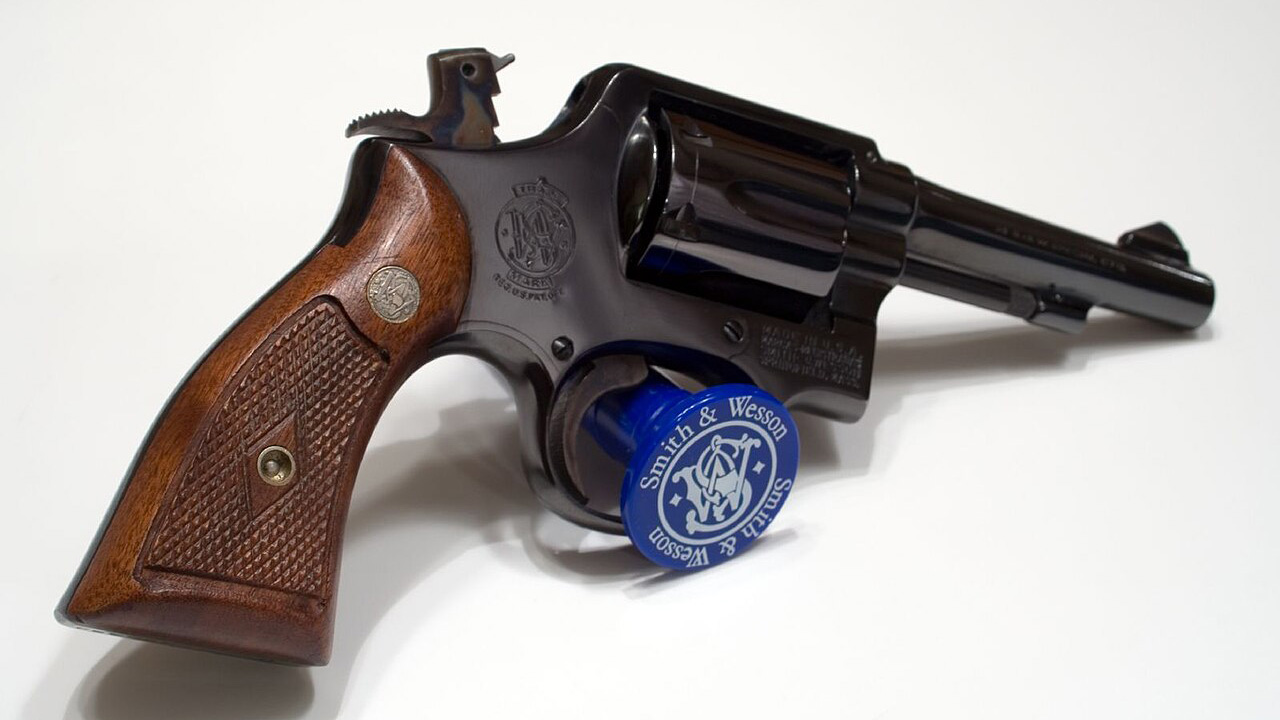
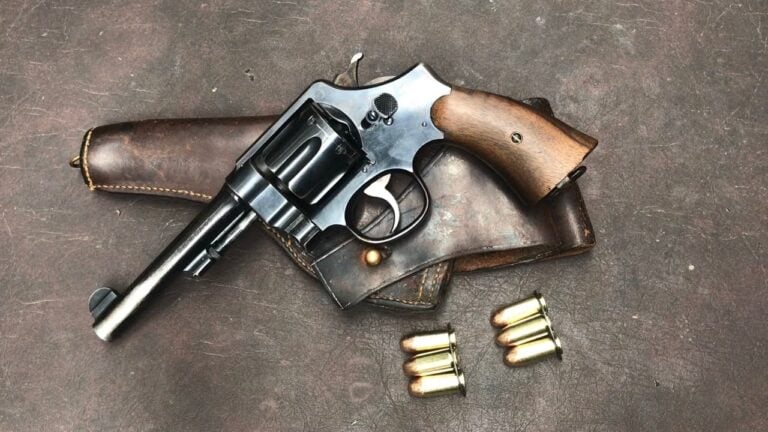
The Model 10 is about as close as you get to a “default” revolver for the last century. Fixed sights, K-frame size, usually .38 Special, and built in numbers that make you think they were stacking them like firewood. They point naturally and they don’t ask for much maintenance beyond basic cleaning and common sense.
It’s not glamorous, and the finish on many of them is worn smooth from holsters. But a tight Model 10 with a decent trigger will embarrass a lot of newer handguns at practical distances. If you want a revolver you can actually shoot a lot without babying it, this is one.
2. Smith & Wesson Model 19 (Combat Magnum)
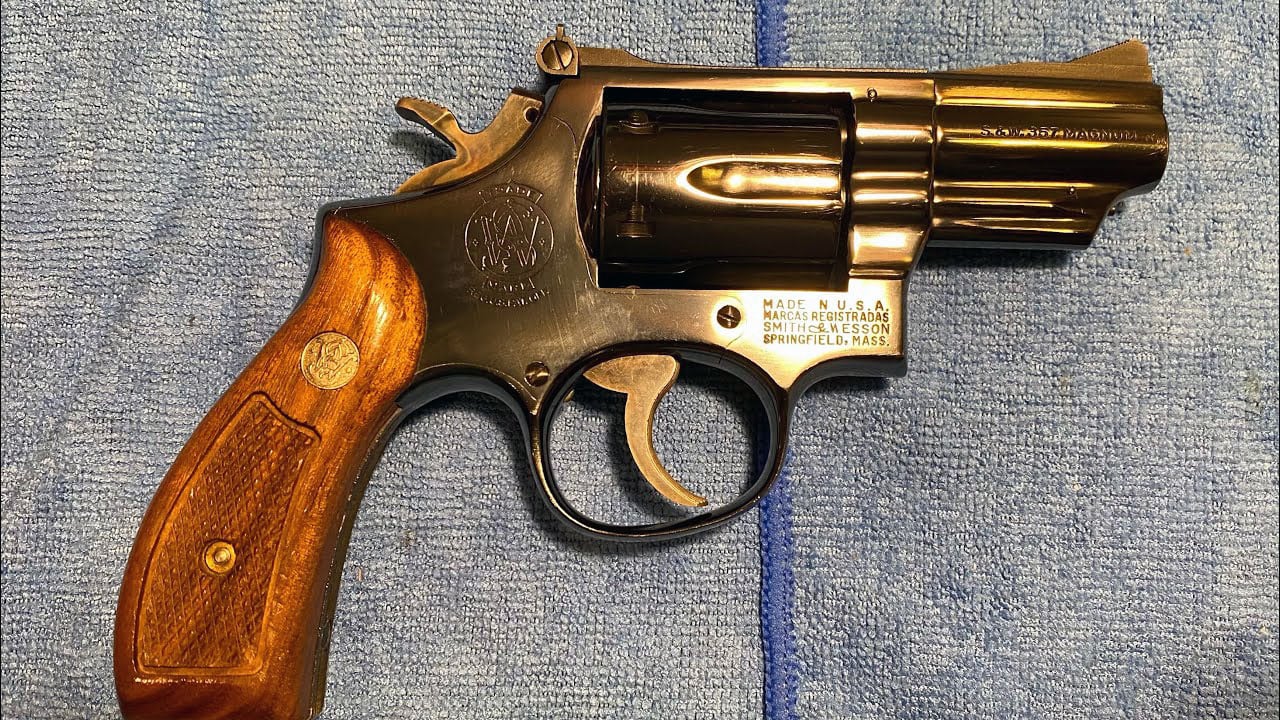
There’s a reason the Model 19 became a legend. It carries easier than the big N-frames, shoots great, and the action on a good one feels like it’s rolling on bearings. It’s one of those revolvers that makes you understand why people still talk about “pinned and recessed” like it’s a sacred phrase.
Now, I’m not going to pretend it’s indestructible with a steady diet of hot, light .357 loads. But treated like a working gun and fed like a reasonable person, it’ll last a long time. And it’s the kind of revolver that gets under your skin.
3. Smith & Wesson Model 27
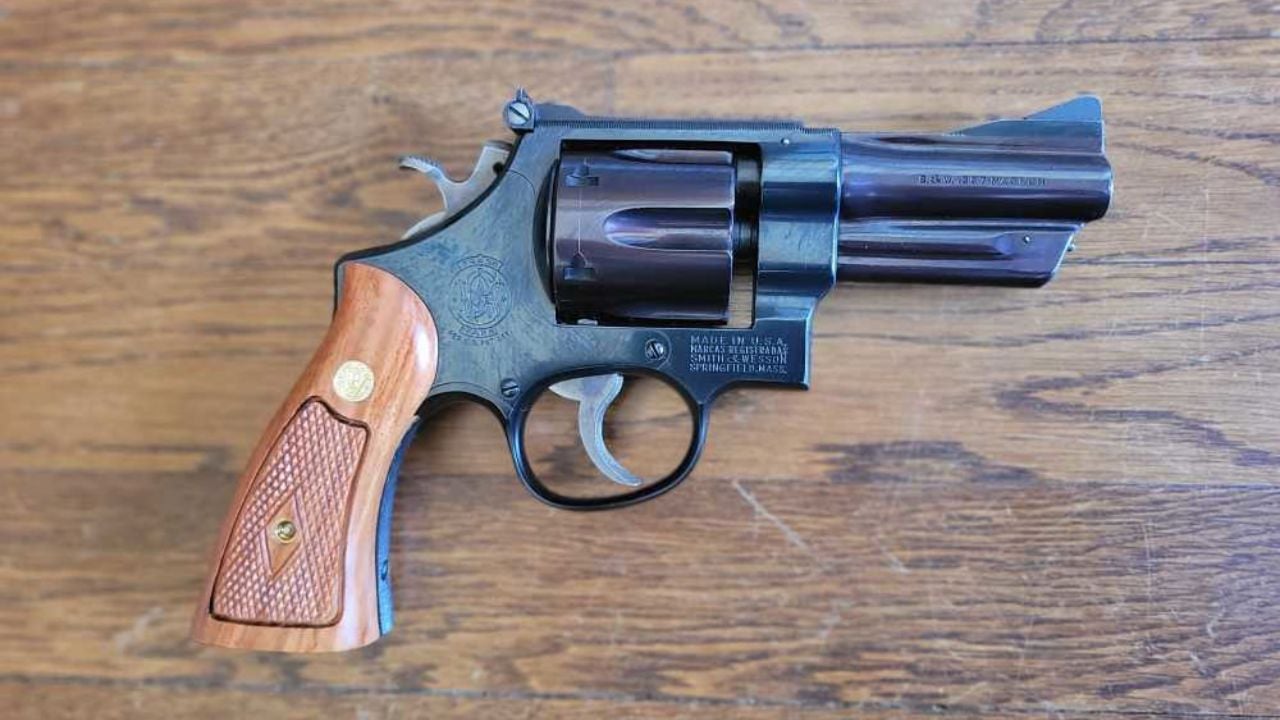
The Model 27 is what you buy when you want a .357 that feels like it was built by somebody who didn’t trust metal savings. Big N-frame, smooth action, and built to handle magnum pressure without acting offended about it. They tend to be heavy, but that weight is part of why they shoot so well.
For a field revolver, they’re steady and calm. If you’re used to compact carry guns, a 27 feels like a tool from a different trade. Not subtle. Very confident.
4. Smith & Wesson Model 28 (Highway Patrolman)
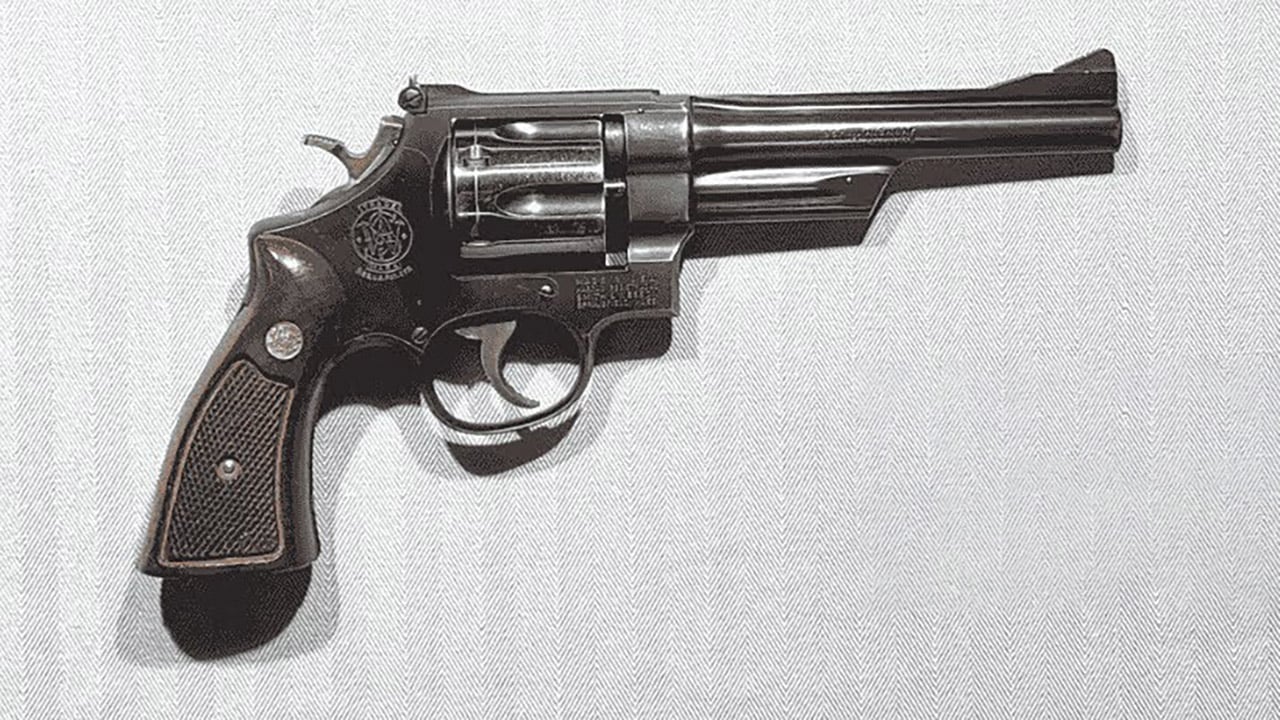
Think of the Model 28 as the working man’s Model 27. Same basic muscle, less polish. The matte finish was meant for duty use, not for sitting under a display light. They show holster wear early, but they keep running.
If you find a clean one that hasn’t been “improved” with somebody’s kitchen-table trigger job, you’ll have a revolver that can eat magnums and still have a trigger worth bragging about. They’re not fancy, and that’s exactly why they’re good.
5. Smith & Wesson Model 29
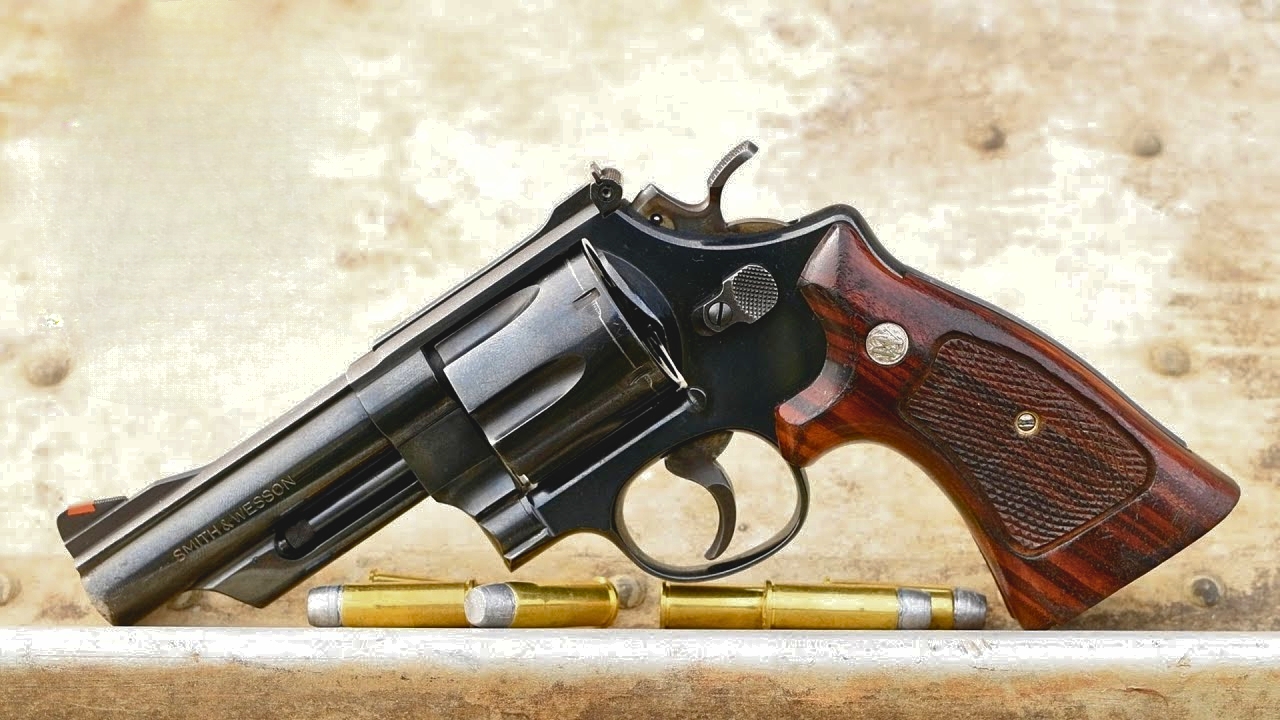
The Model 29 gets talked about like it’s only a movie gun, but plenty of them earned their keep on ranches and in hunting camps. When you get into .44 Magnum, frame size and steel quality start to matter fast. The 29 has both.
It’s not the revolver you shoot all afternoon unless you enjoy sore hands, but it’s durable in the way serious guns are durable. Keep screws checked, don’t ignore timing issues, and it’ll be around long after lighter guns get retired.
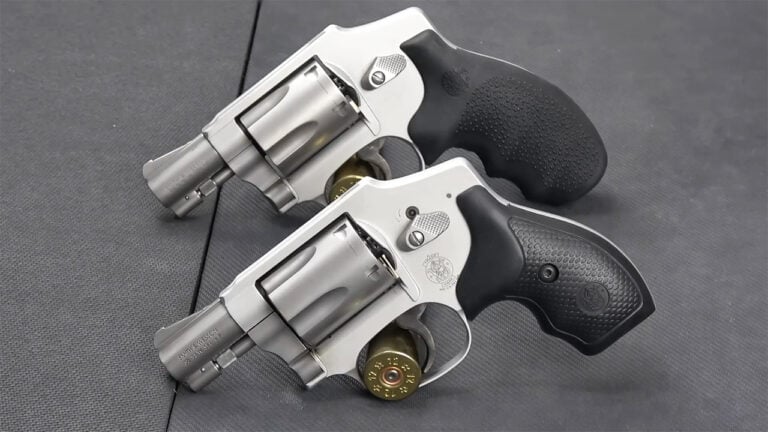
6. Smith & Wesson Model 36 (Chief’s Special)
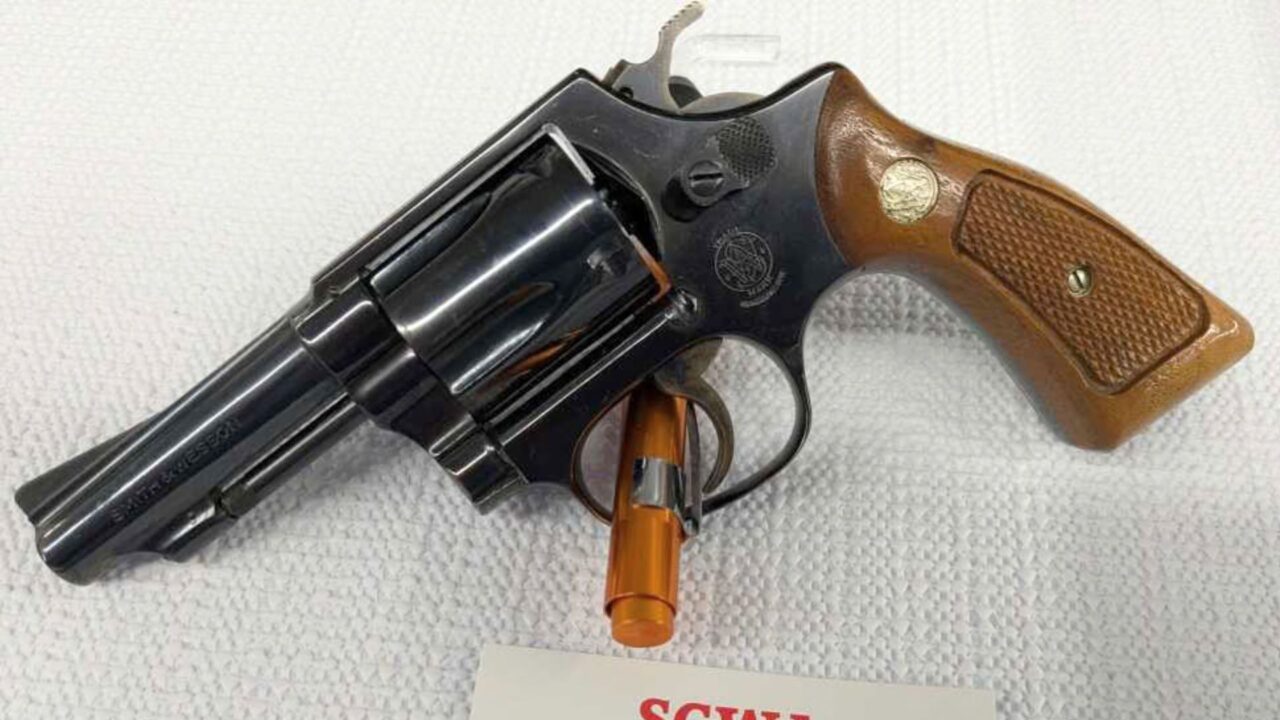
The little J-frame .38s don’t look like “durability first” guns until you see how many of them are still in pockets, tackle boxes, and glove compartments. The Model 36 was built for constant carry, not range bragging rights. It disappears easy and it’s simple.
Yes, it’s a small revolver and small revolvers are harder to shoot well. But the older steel J-frames have a solid feel that a lot of newer lightweight guns just don’t. For a “grab it and go” revolver, it’s hard to argue with.
7. Ruger Security-Six
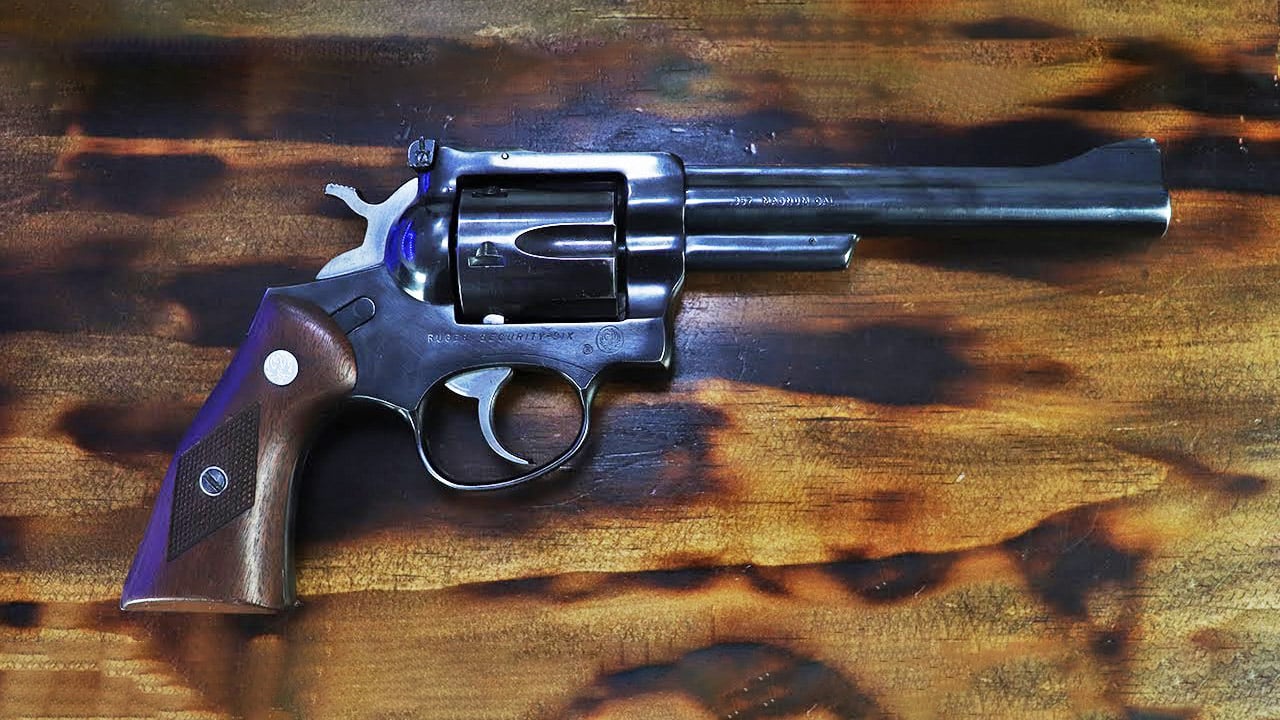
The Security-Six is one of those revolvers that feels overbuilt the second you close the cylinder. Ruger wasn’t trying to out-finesse Smith on trigger pull. They were trying to make a revolver that could take hard use from folks who didn’t treat gear gently.
They balance well, they’re strong for their size, and they have a no-nonsense reputation. Parts and smithing knowledge are still out there, too, which matters if you actually plan to shoot what you own.
8. Ruger GP100
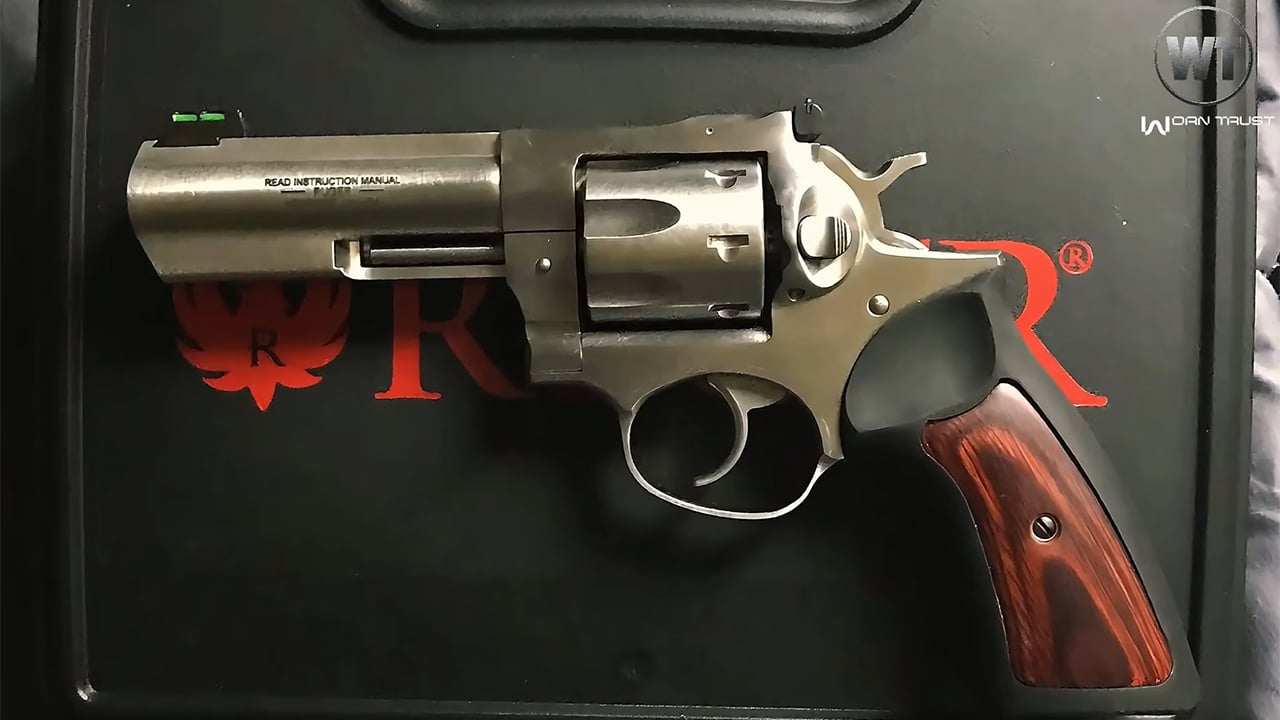
If you want a .357 that you can run hard without feeling guilty, the GP100 is the easy answer. The frame is beefy, the lockup is solid, and the whole gun feels like it was designed by someone who has snapped lesser parts and decided that wasn’t happening again.
They’re not svelte. They’re not “collector pretty.” But they shoot. And they keep shooting. If you’ve ever watched a buddy’s range toy start going out of time while your GP100 just keeps clunking along, you get it.
9. Ruger Redhawk

The Redhawk is what you grab when the plan involves heavy bullets and no excuses. Whether it’s .44 Magnum or .45 Colt in strong loadings, this is a revolver that was meant to live in bear country and on traplines. It’s heavy, but it’s honest weight.
Carrying one all day will teach you something about belts and holsters. Still, if you’re the kind of person who wants a sidearm to back up a rifle in rough places, this one has earned its reputation.
10. Ruger Super Blackhawk

Single-actions don’t get enough credit in modern conversations because they’re “slow.” Fine. But durability-wise, the Super Blackhawk is a brick with a trigger. The design is simple, strong, and it holds up to real magnum use.
In a hunting rig, a Super Blackhawk makes sense. It rides well in a crossdraw or chest holster, it’s easy to keep clean, and it’ll take weather and trail dust without drama. There’s nothing fancy about it, and that is kind of the point.
11. Colt Python (older production)
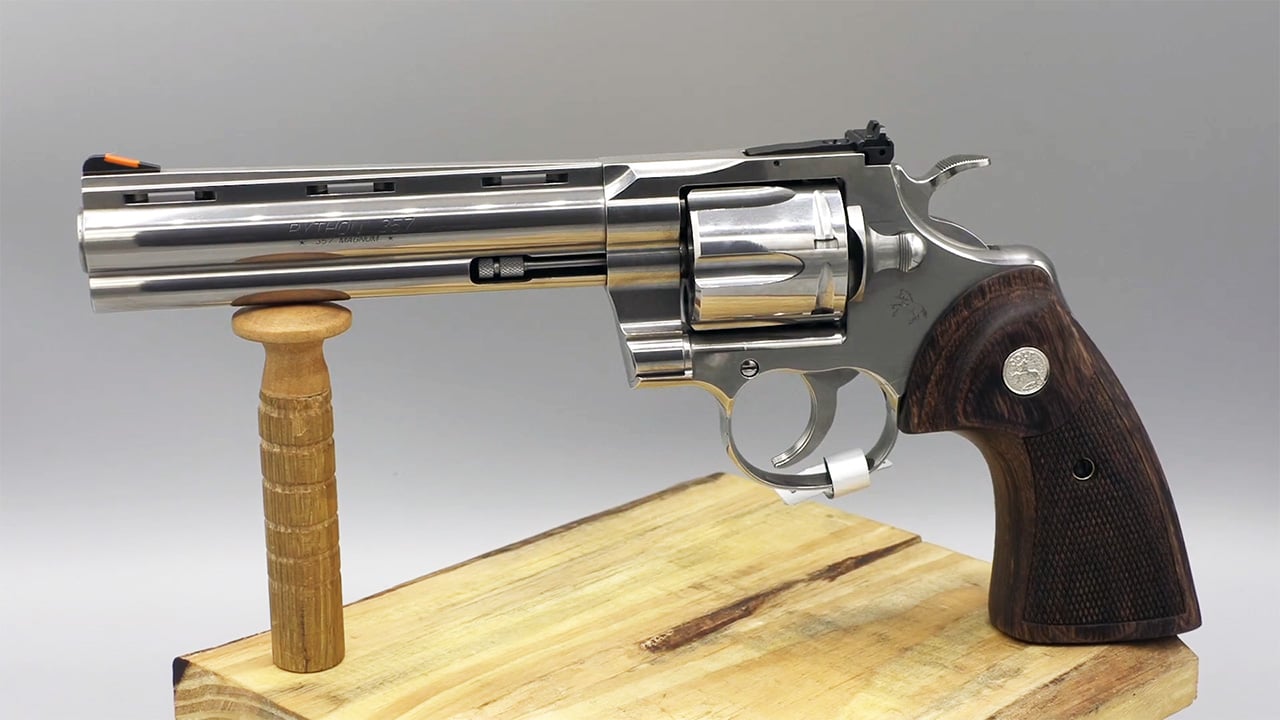
The Python is famous for being smooth and accurate, and it deserves that praise. But the durability side is more about craftsmanship and long-term tightness when it’s kept properly. A good Python locks up like a bank vault and the sights and barrel work were top-tier for the time.
Here’s the catch: they’re not “abuse it and forget it” revolvers. Parts and timing work can be more specialized than common-duty guns. Still, they were built in an era when fit mattered and it shows every time you run the action.
12. Colt Trooper Mk III
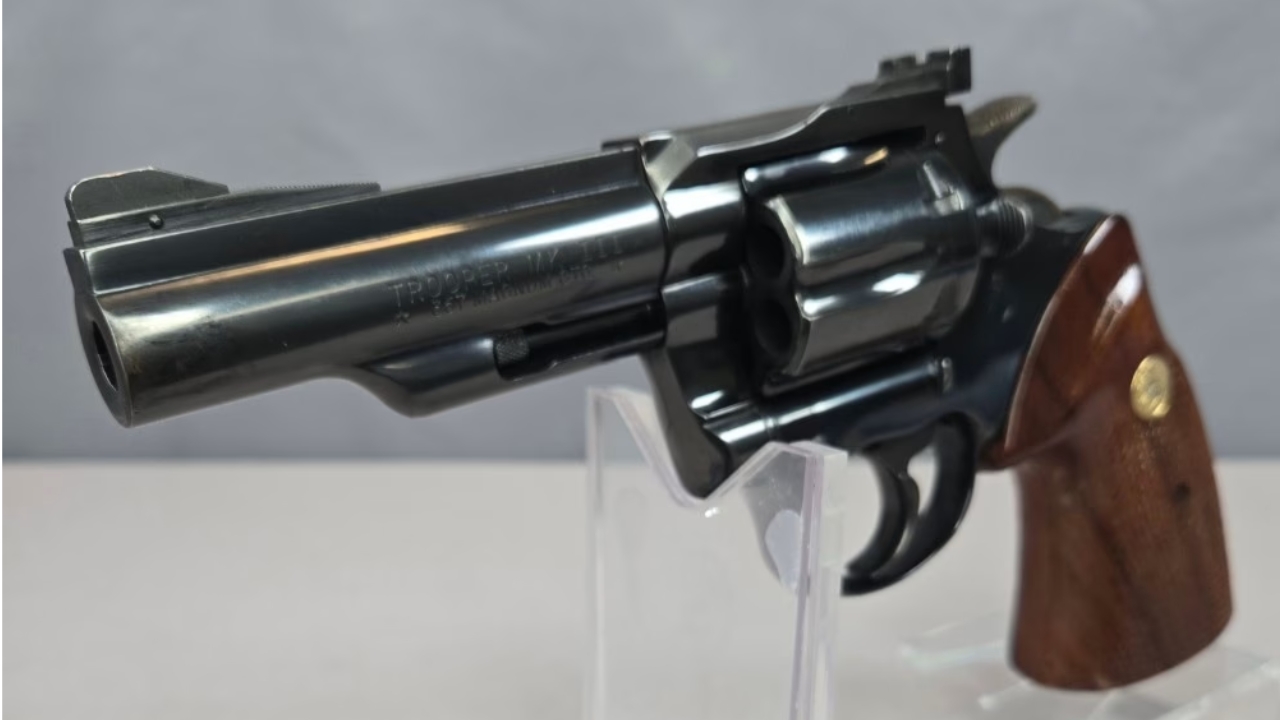
The Trooper Mk III doesn’t get the same glamour as a Python, but it’s a serious working revolver. Colt built it to be sturdier and more production-friendly, and it ended up being a tough duty gun with good bones. They tend to be accurate and they carry well.
If you stumble into one at a fair price, don’t overthink it. It’s a practical .357 that came from a time when service revolvers had to survive real duty wear, not just weekend range sessions.
13. Colt Official Police
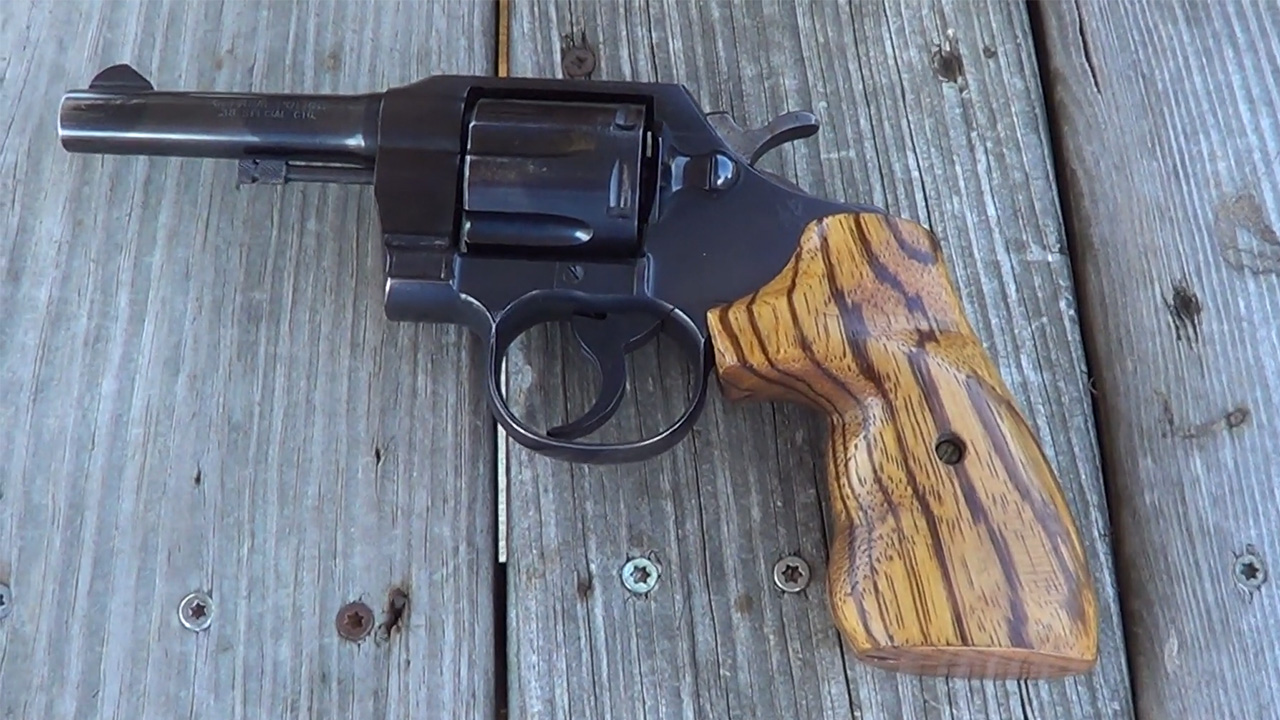
This one is a piece of history that still works as a tool. The Official Police was carried a lot, shot a lot, and expected to last. Most of them are .38 Special, and they have that classic Colt feel—different from Smith, but still smooth when they’re in good shape.
You’ll see plenty with thin bluing and honest wear. That doesn’t scare me. What you want to check is lockup and timing, because these guns have been around awhile. Find a solid one and it’ll do exactly what it was built to do.
14. Smith & Wesson Model 15 (Combat Masterpiece)
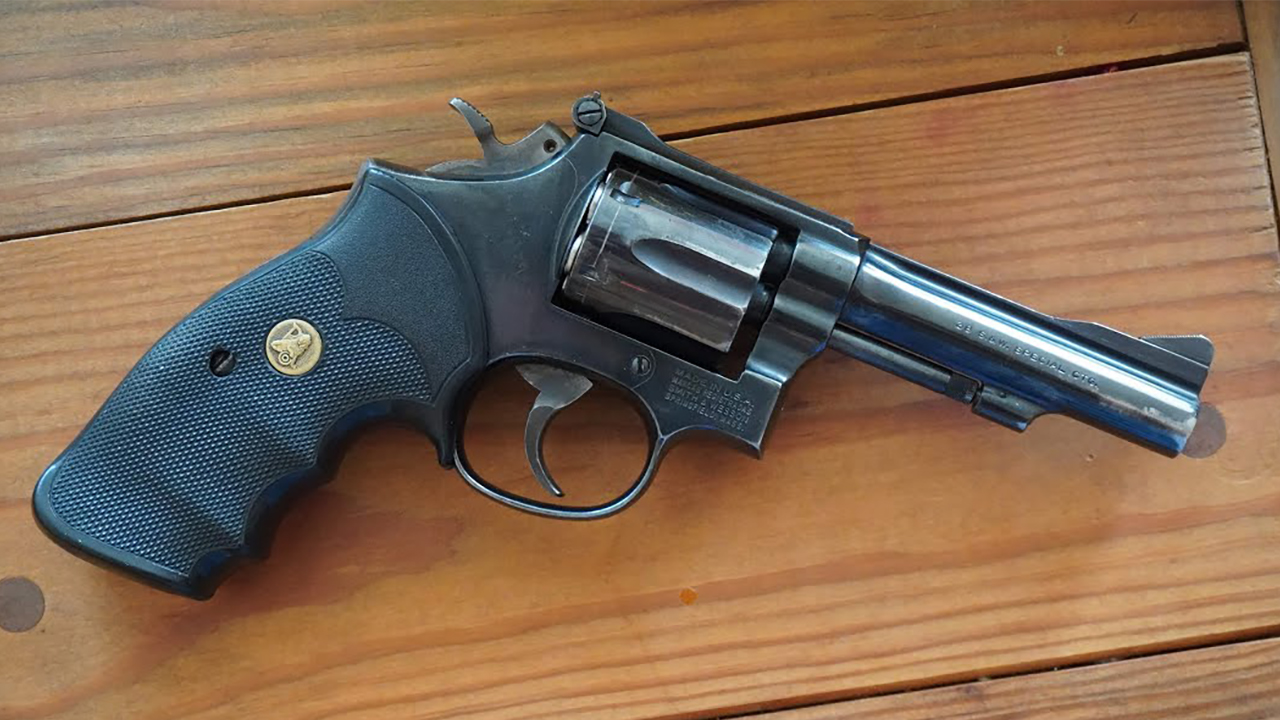
If you grew up around folks who actually shot revolvers well, odds are somebody respected the Model 15. Adjustable sights on a K-frame .38 make for a sweet-shooting gun that’s easy to live with. It’s a training revolver that doesn’t beat you up.
Durability here is more about a revolver that stays pleasant enough to shoot that it actually gets used. A lot of guns “last forever” because nobody wants to put rounds through them. The 15 gets shot, and it holds up.
15. Smith & Wesson Model 14 (K-38 Target Masterpiece)
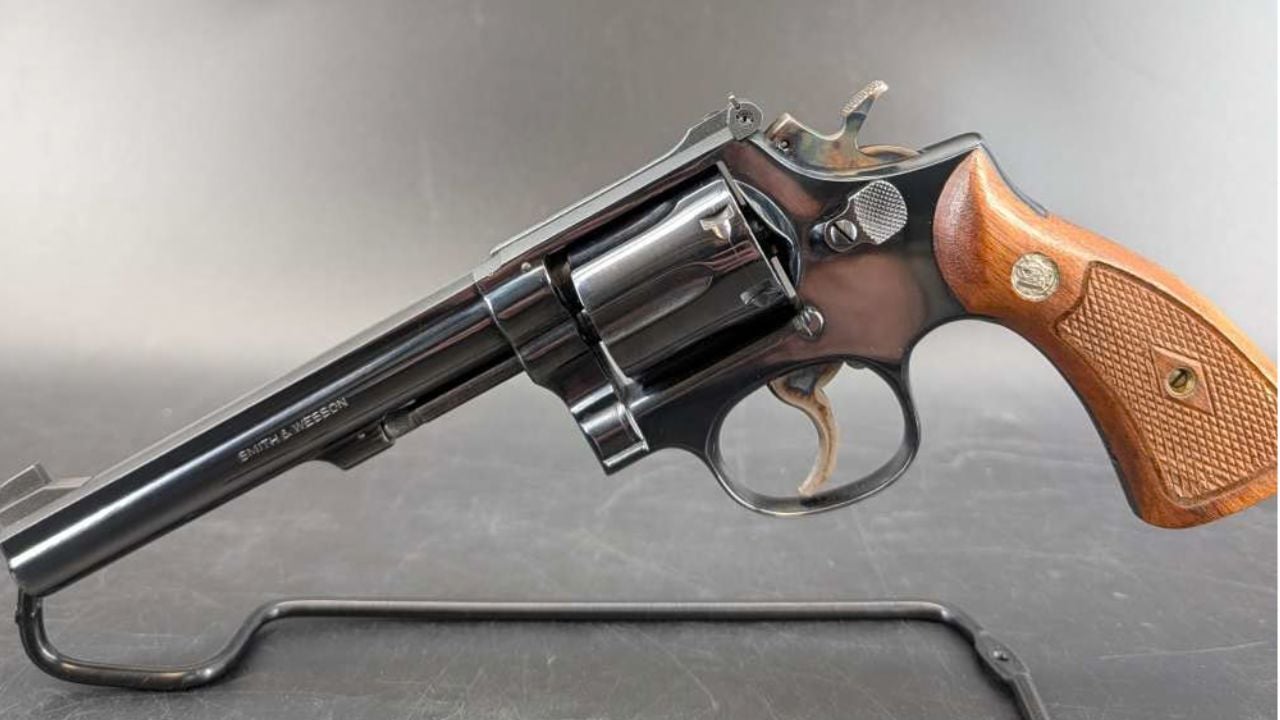
The Model 14 is a paper-puncher by reputation, but don’t confuse “target” with “delicate.” These were built when target shooting meant high round counts and serious practice. The actions are often excellent, and the guns tend to be accurate enough to make you question your own fundamentals.
They’re longer barreled and not a carry choice for most folks, but for a durable range revolver that rewards good shooting, it’s hard to beat. If you want to teach a new shooter what a good trigger feels like, this is a strong candidate.
16. Smith & Wesson Model 586
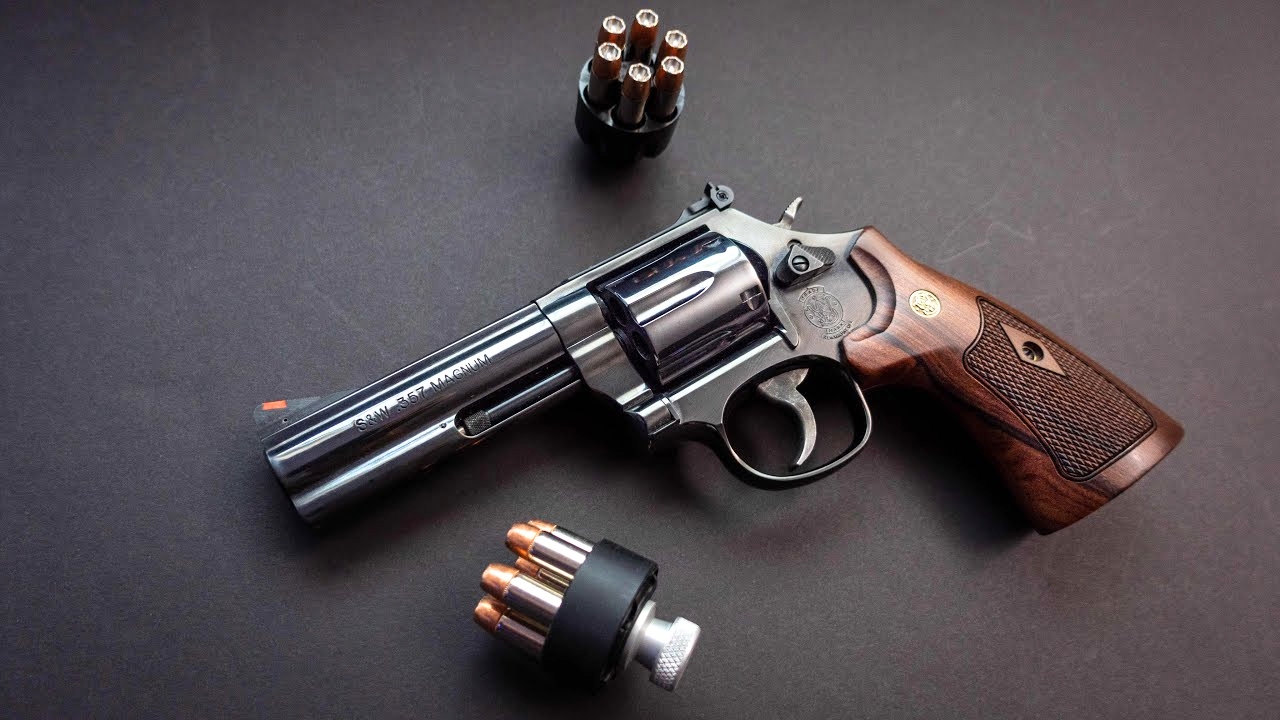
The L-frame guns were a response to hard .357 use, and the 586 is right in that sweet spot. Bigger and stronger than a K-frame, but not as bulky as an N-frame. They balance well, soak up recoil, and hold up to a lot of magnum shooting.
If you want a revolver that can live on the range and also make sense on your hip in the woods, the 586 is one of the best compromises Smith ever made. They’re not rare, but good ones don’t sit long when they’re priced right.
17. Smith & Wesson Model 686
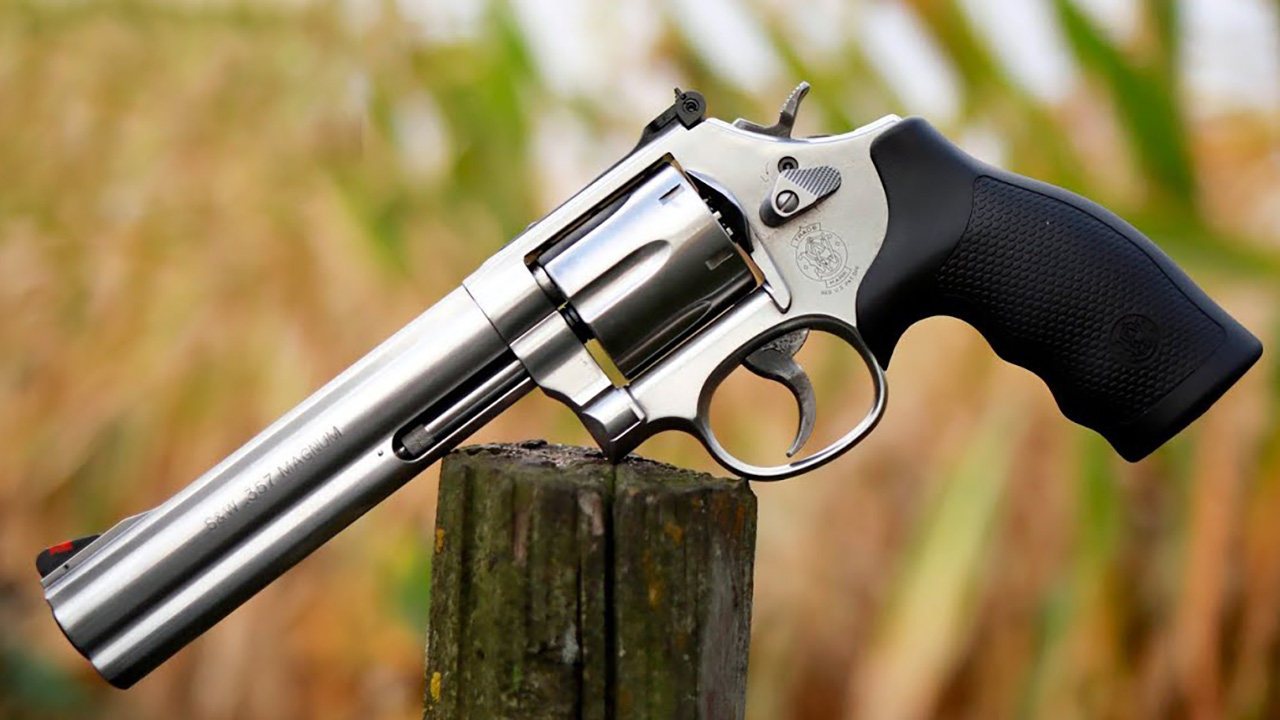
The 686 is basically the same idea as the 586, just stainless. Stainless matters when your revolver rides in a damp holster during deer season, or lives around sweat and rain and boat spray. Finish is not the whole story, but it’s part of durability in the real world.
These guns are workhorses. The triggers vary by era, but plenty of them are excellent. If you want one revolver that can handle magnums, survive weather, and still be pleasant to shoot, the 686 has earned its spot.
18. Dan Wesson Model 15 (.357 Magnum)
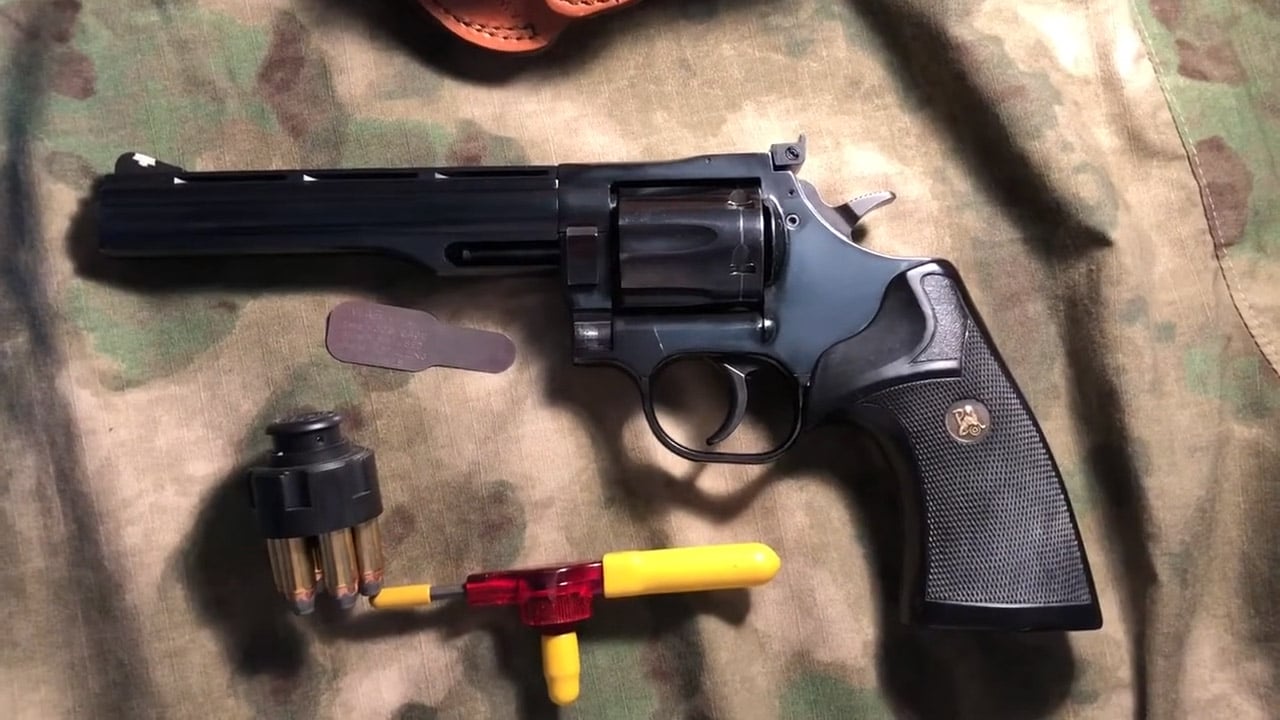
Dan Wesson revolvers have always been a little “if you know, you know.” The Model 15 is strong, accurate, and built like it expected you to actually shoot it. The lockup and overall construction are serious, and they tend to run forever if they’re not neglected.
They’re also the kind of gun you find from an older shooter who took care of it, because they were often owned by folks who actually practiced. If you get a chance to buy one that’s mechanically sound, don’t be surprised if it becomes a permanent safe resident.
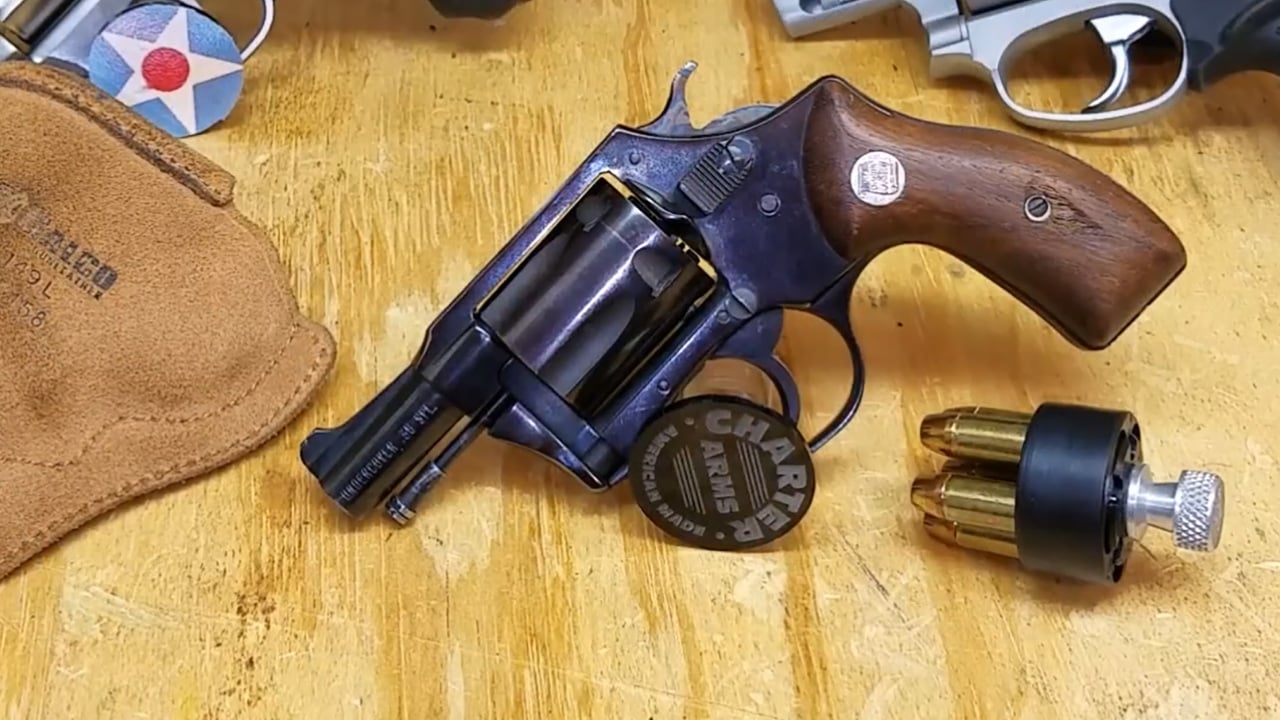
19. Charter Arms Undercover (early production)
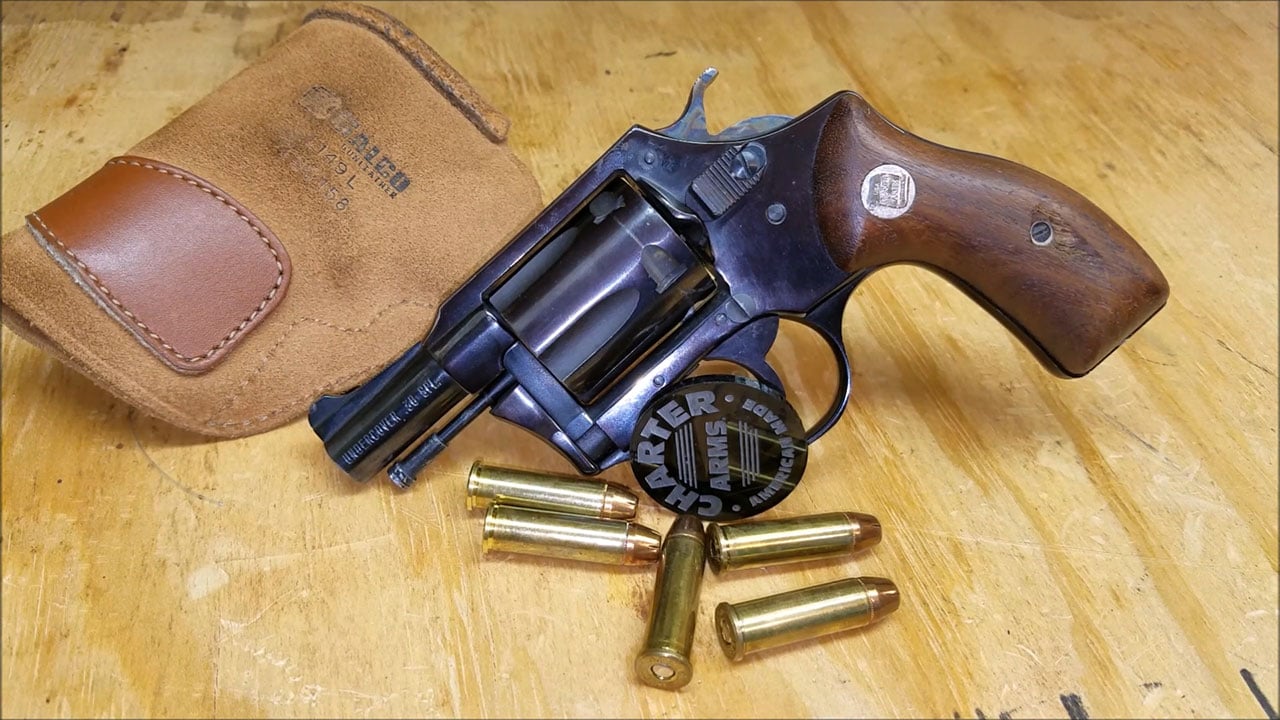
Charter Arms doesn’t get the same respect as the big names, but the early Undercover revolvers filled a real need: a simple, affordable, carryable .38 that didn’t feel like a toy. They’re not refined and they’re not slick, but many of them just keep working.
This is one you inspect carefully. Some were used hard and maintained poorly. When you find a good one, though, it’s a reminder that “durable” sometimes means “simple enough that not much can go wrong.”
20. Smith & Wesson Model 12 (Airweight Military & Police)
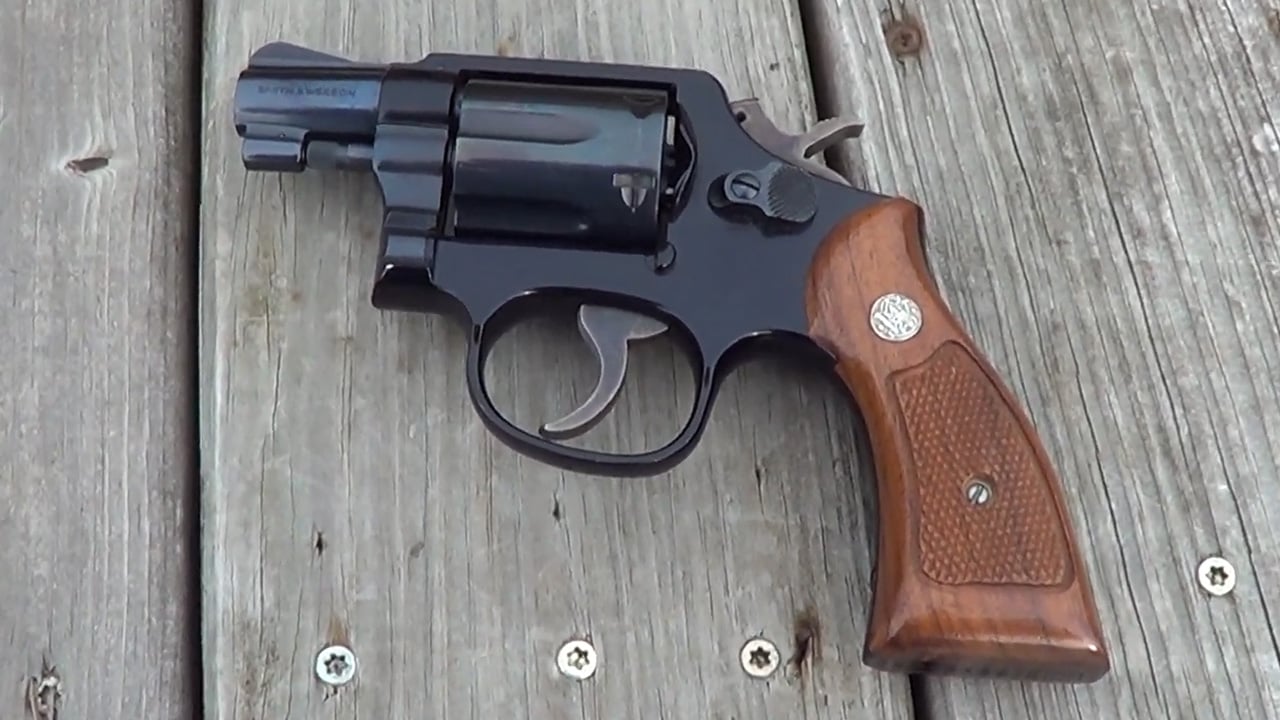
The Model 12 is a neat bridge between old-school duty revolvers and the lighter carry mindset. Alloy frame, K-frame size, usually a six-shot .38 that carries easy for what it is. It’s not a “run hot loads forever” kind of gun, but it was built for daily carry when cops actually carried revolvers every day.
For the outdoorsman angle, it’s a good reminder: durability isn’t only about tank-like strength. Sometimes it’s about a gun that’s light enough to be with you all the time, and solid enough to trust when it is.
New revolvers can be great. I own some modern guns I trust, and I’m not interested in pretending everything old is automatically better. But those older designs and older production mindsets gave us wheelguns that were meant to be used, not curated. If you’ve got one sitting in the back of the safe, it might be worth wiping it down, checking it over, and taking it to the range. Some lessons only show up when steel meets time.
Like The Avid Outdoorsman’s content? Subscribe to our newsletter so you never miss an article.
Here’s more from us: