Photo credit: Henry Repeating Arms/Youtube
Every deer camp has at least one guy who still talks about “the old round” like it’s a family member. And every gun counter has a kid staring at a wall of ammo boxes, wondering why there are so many choices when all he wants is something that drops a whitetail clean and doesn’t beat him up. The truth is, a handful of cartridges didn’t just fill niches—they changed what hunters could realistically do, how far they could do it, and what kind of rifles showed up in truck racks for the next fifty years.
This isn’t a list of “best.” It’s the rounds that moved the needle: made affordable rifles possible, stretched practical distance, opened up new game, or flat-out became the default answer when someone asked, “What should I hunt with?” Some of them are old and boring. Some are loud and flashy. All of them left a mark.
1. .30-30 Winchester
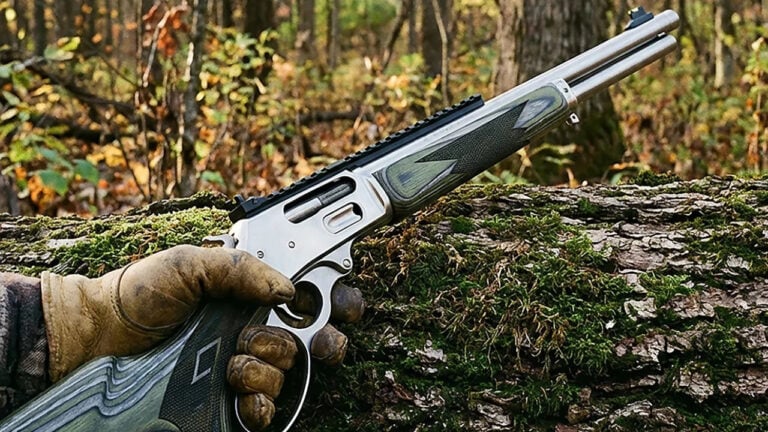
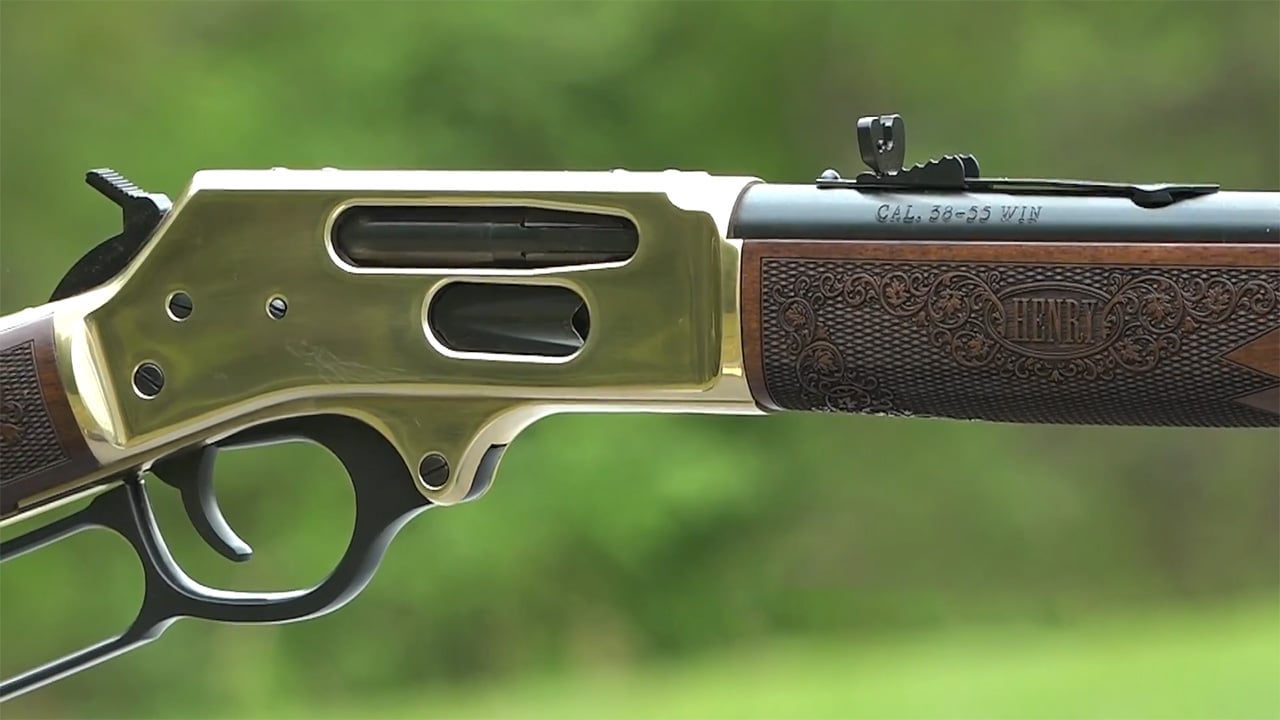
If you grew up in woods country, you’ve seen what this one does. Lever-action rifles, saddle scabbards, thick timber, quick shots inside 100 yards—this cartridge basically wrote that whole story. It’s not a long-range round, and it doesn’t pretend to be.
What it did was make a reliable, repeatable deer rifle setup normal working folks could afford and carry. Even now, when somebody says they “just need a woods gun,” .30-30 still makes sense, and that’s not nostalgia talking.
2. .30-06 Springfield
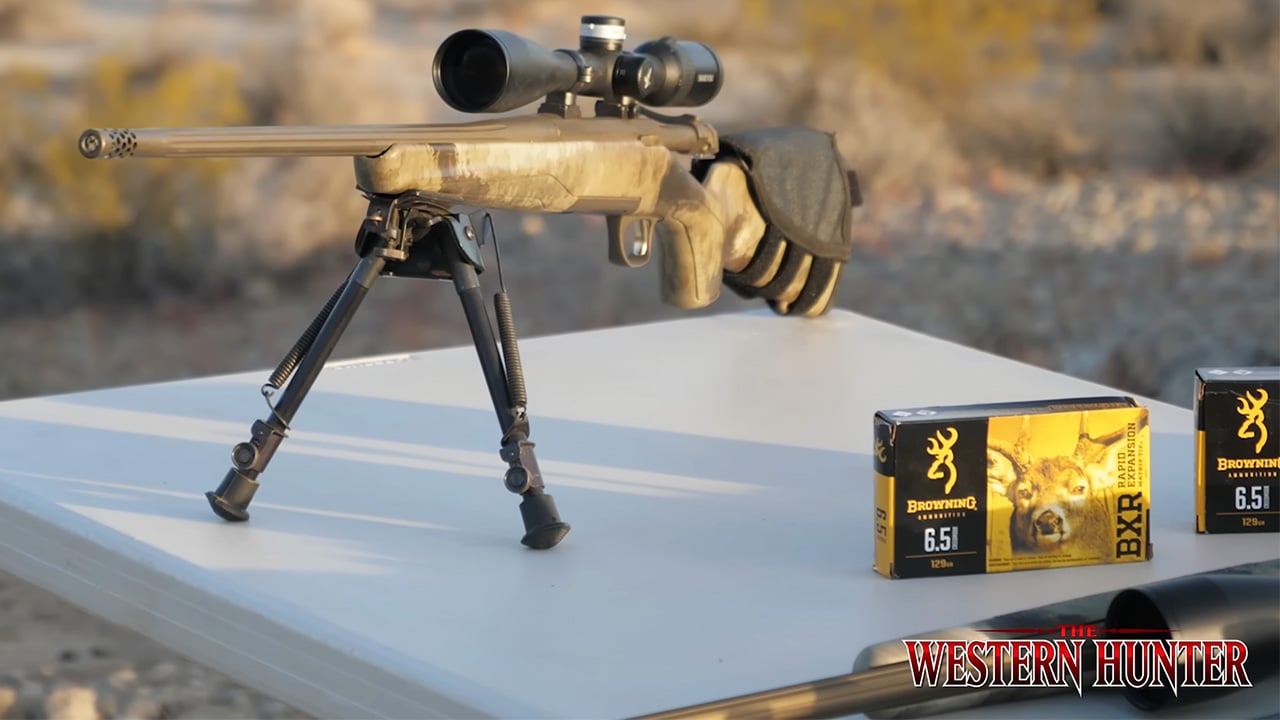
This is the cartridge that taught generations of hunters you can own one rifle and quit overthinking it. It’ll handle deer, elk, moose, and bear with the right bullet, and it does it out of rifles that are everywhere.
It also set the bar for “serious” hunting performance in North America. A lot of newer rounds are basically attempts to match .30-06 results with less recoil, shorter actions, or newer marketing.
3. .270 Winchester
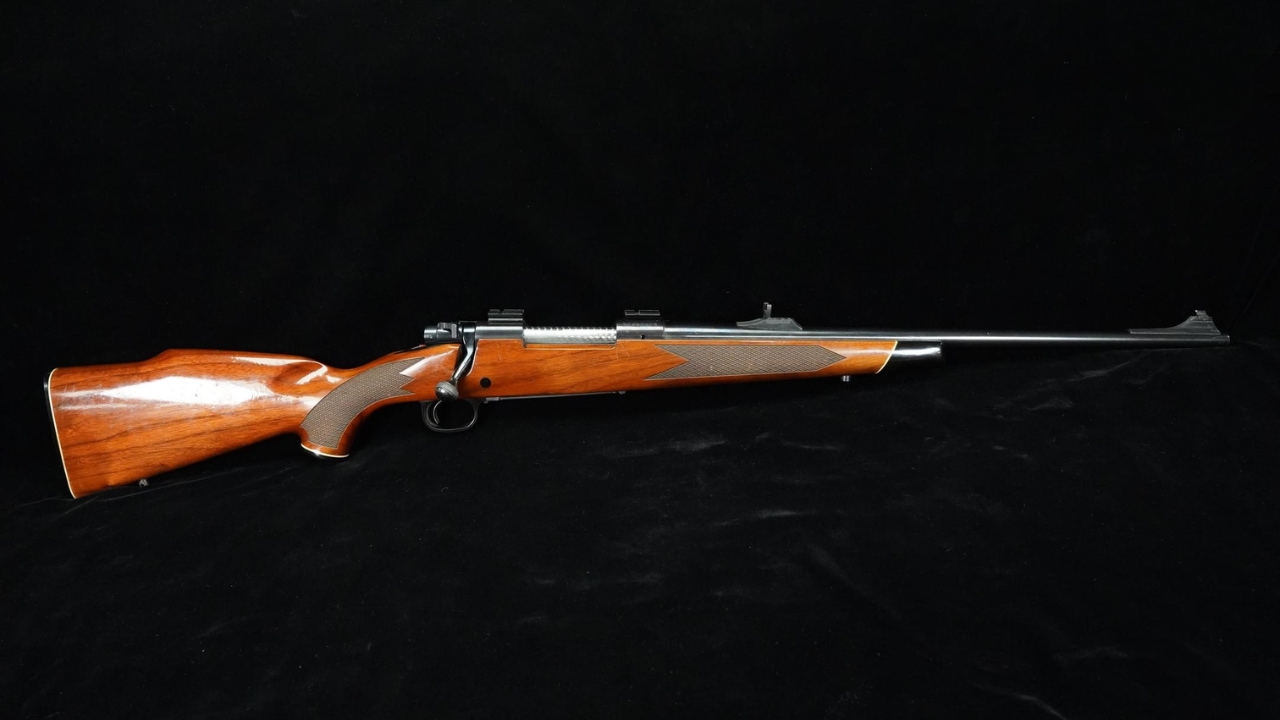
There’s a reason this one has such a loyal fan club. It shot flatter than the common rounds of its day, hit hard enough for big game, and did it with recoil most hunters could manage without developing a flinch.
It helped push the idea that you didn’t need a heavy, slow bullet to cleanly take deer-sized game at real-world distances. For open-country hunters, it was a game-changer.
4. .308 Winchester

Short action, efficient, accurate, and not fussy. This cartridge became the bridge between military development and hunting practicality, and it’s still one of the easiest “do-most-things” picks on the shelf.
It changed hunting forever because it showed you could get near-.30-06 performance in a handier rifle. Better feeding, shorter bolt throw, and generally great accuracy—ask me how many “one-rifle guys” end up with a .308.
5. .243 Winchester
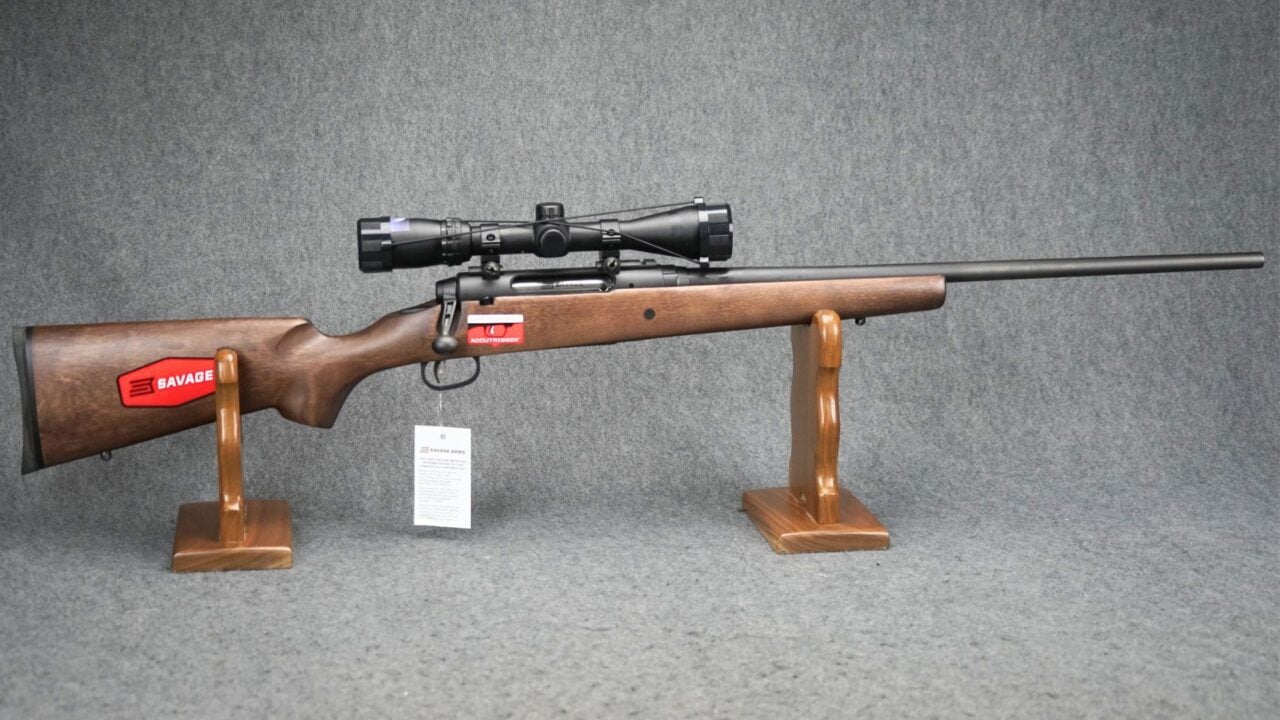
This one brought a lot of new hunters into the fold. Mild recoil, good accuracy, and enough performance for deer with proper bullets and sensible shot placement. It’s the cartridge that made “youth rifle” a real category instead of a punishment.
It also gave varmint hunters a fast, flat option that didn’t turn every day at the bench into a shoulder bruise contest. Not perfect for every situation, but it opened doors.
6. .223 Remington
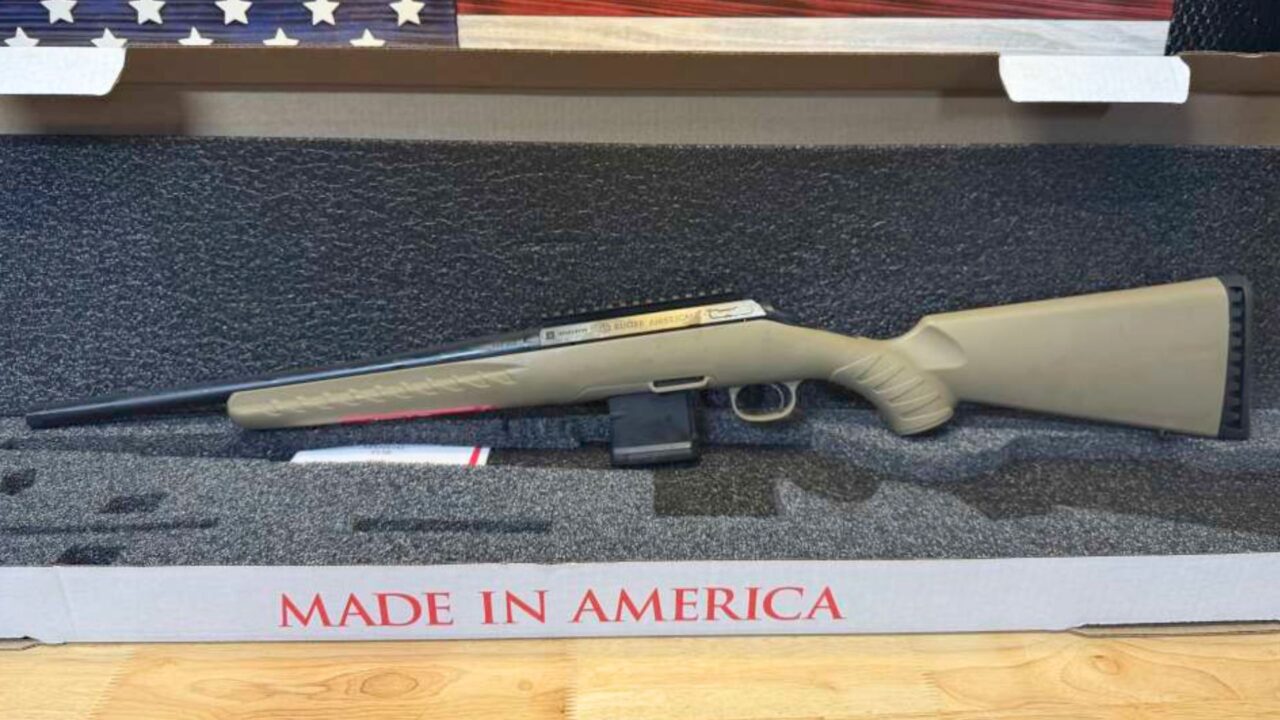
Yes, it’s a small-bore. Yes, it’s a hot topic in deer camps. But you can’t deny what it did to the hunting world: it made cheap practice normal, it made accurate rifles common, and it made predator hunting explode.
It also changed the way folks think about rifles as “shoot a lot” tools. When ammo is affordable and rifles are light, people actually practice, and that matters more than internet arguments.
7. .22 Long Rifle

Small game put meat on the table for a long time, and .22 LR is the reason. It’s the round that taught most of us how to shoot, how to stalk, and how to pay attention to angles and backstops.
It changed hunting because it made marksmanship accessible. A brick of .22 and a beat-up rifle has launched more hunting careers than any fancy magnum ever will.
8. 7mm Remington Magnum

When this showed up, it made “reach out there” something the average hunter could actually do. Flat trajectory, plenty of energy, and a wide range of hunting bullets turned it into a western staple.
It also helped cement the magnum era. The downside is it encouraged some folks to shoot farther than they should. Still, in a good rifle with a good shooter, it’s hard to argue with.
9. .300 Winchester Magnum

This is the round that made a lot of elk hunts feel possible for guys who only get one tag every few years. It hits hard, carries well at distance, and has bullet selection for days.
It also taught plenty of hunters about recoil management the hard way. I get why some folks trade down after a season of bench work, but in the mountains it’s still a serious tool.
10. .22-250 Remington

Predator and varmint hunting has its own culture, and this cartridge helped build it. Laser-flat for practical distances, hard-hitting on coyotes, and it makes prairie dogs look like tiny long-range targets.
It changed hunting by making long shots on small targets more normal, which pushed optics, rests, and the whole “set up and shoot” style of hunting forward.
11. .25-06 Remington
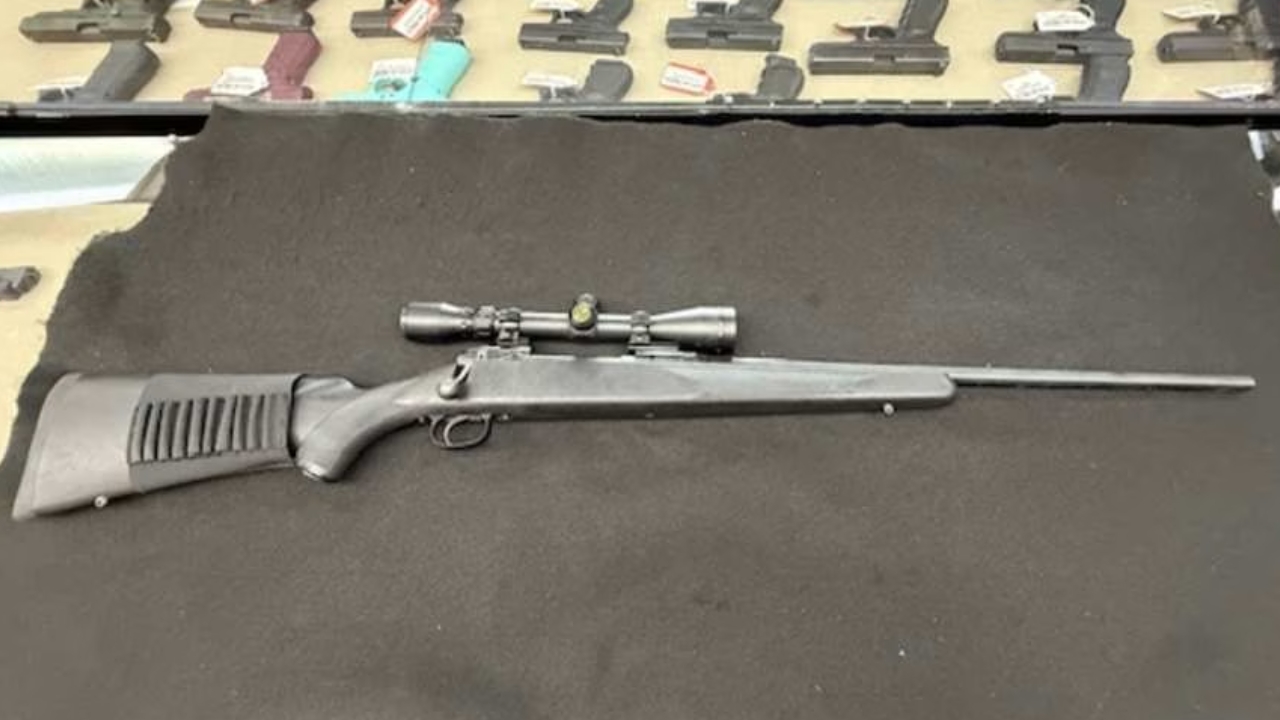
Some cartridges live in that sweet spot where they’re just plain easy to like. The .25-06 is one of them—flat shooting, mild-ish recoil, and a great deer/antelope option when you want speed without going full magnum.
It helped popularize the idea that high-velocity, smaller-diameter bullets could be extremely effective on medium game. It’s not trendy, but it’s effective, and that’s what counts.
12. 6.5 Creedmoor

You can roll your eyes at the hype and still admit it changed things. It made “accurate at distance” more accessible to average shooters, mostly because it’s forgiving, efficient, and factory ammo is generally consistent.
For hunting, it pushed a lot of folks toward better bullets and better shot discipline. The best thing it did might be getting people to practice more because it doesn’t punish you.
13. 6.5×55 Swedish
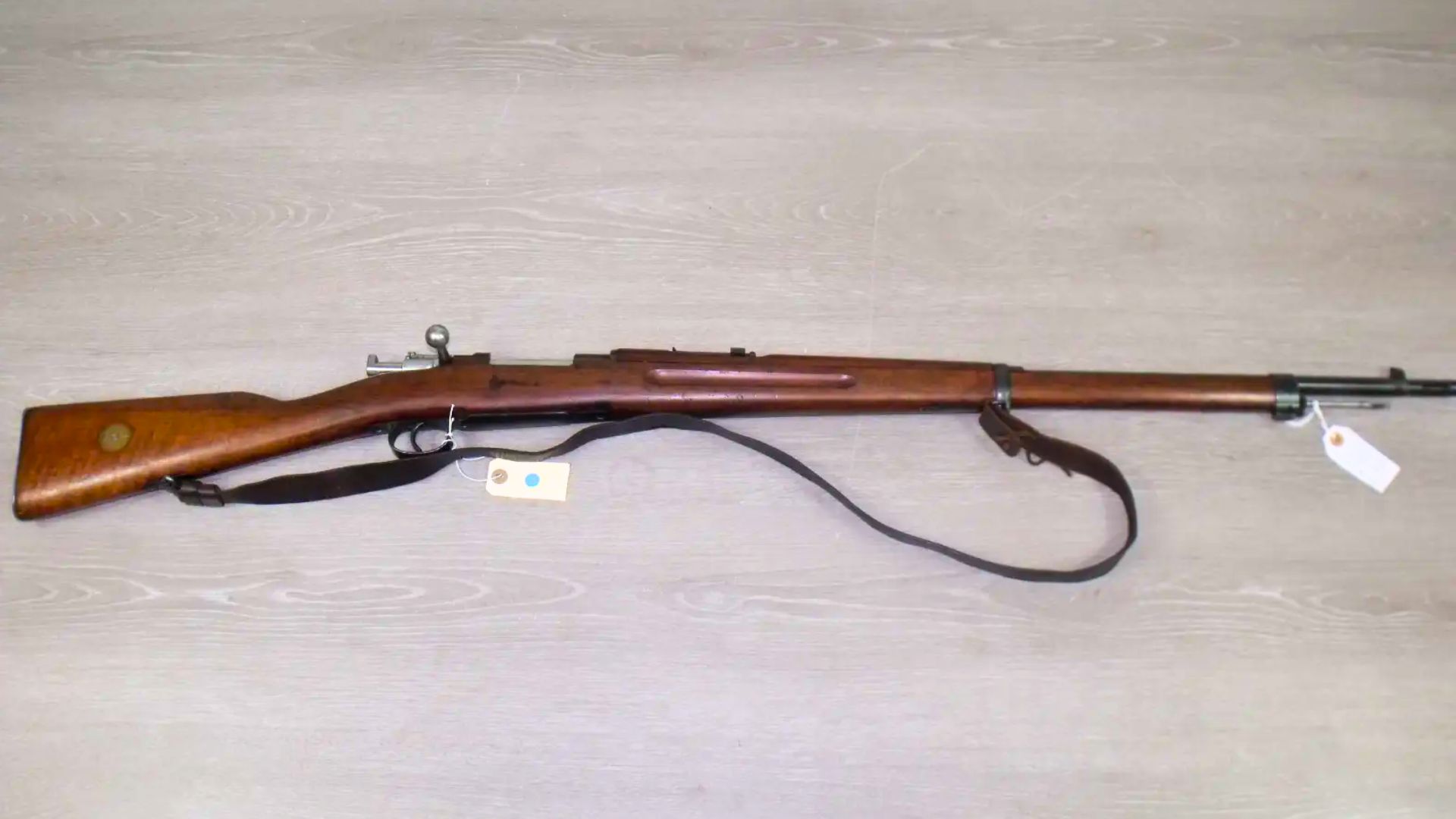
This one has been quietly doing the job for a long time. Mild recoil, great sectional density, and a reputation for penetration that earned respect on game bigger than most folks expect.
It helped prove that “bigger” isn’t always better, and that bullet construction and placement matter. A lot of modern 6.5 popularity is just old ideas getting rediscovered.
14. .45-70 Government

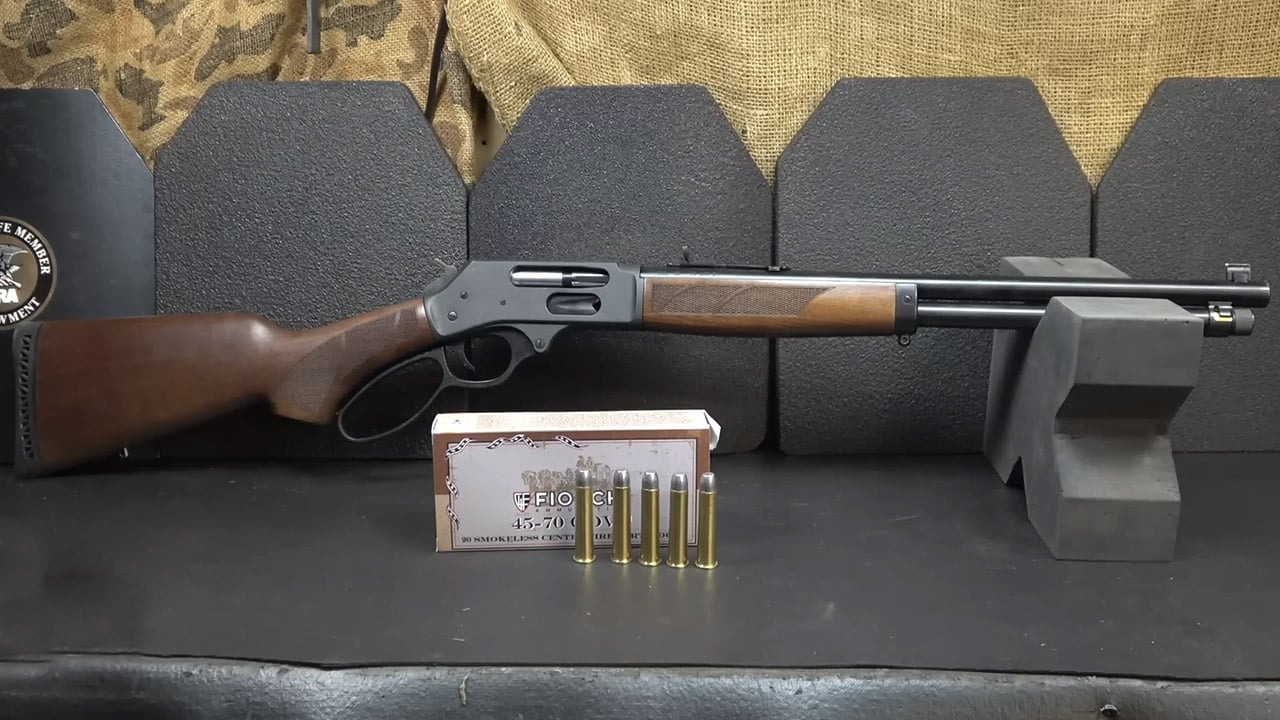
Big, slow, and honest. The .45-70 never pretended to be flat shooting, but it hits like a hammer at the distances it’s meant for. In thick cover and on big-bodied animals, it’s still a comfort.
It changed hunting in a different way: it kept the big-bore tradition alive and proved there’s more than one way to be effective. With modern loads, it can surprise you, but it’s still a “know your range” cartridge.
15. .338 Winchester Magnum

If you’ve ever watched a big bull soak up marginal hits, you understand why this cartridge has fans. It’s a legitimate answer for elk, moose, and bear when you want extra authority.
It also shaped the “guide rifle” concept in a lot of camps—strong, controlled-feed rifles and a cartridge that doesn’t leave much doubt when it connects. Recoil isn’t gentle, but it’s manageable for most hunters who practice.
16. .375 H&H Magnum
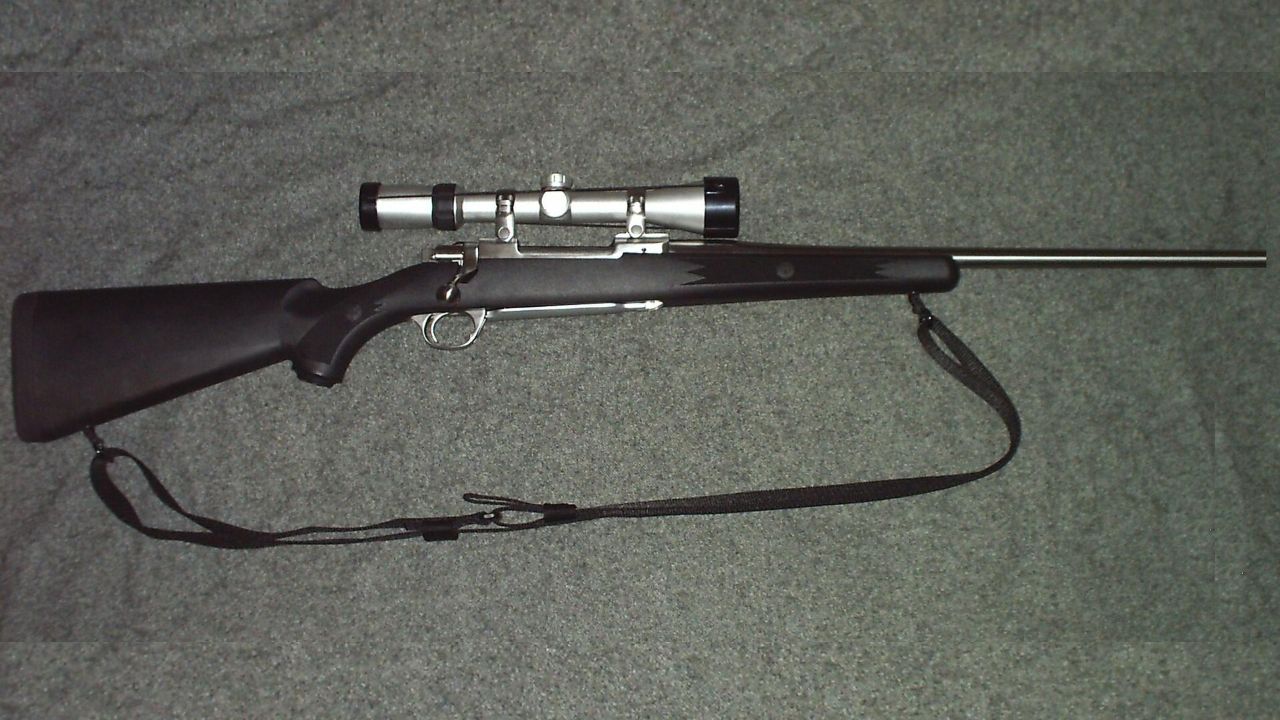
This is the classic “serious game” round, and it influenced dangerous game hunting more than most of us will ever personally experience. Even if you never set foot outside North America, its legacy shows up in rifle design and cartridge development.
It proved you can have power and reliability without being a science project. Long, smooth feeding, dependable performance, and a track record that’s hard to argue with.
17. 7×57 Mauser

Old-school doesn’t mean irrelevant. The 7×57 showed the world that moderate recoil and good bullet performance can make a cartridge feel bigger than it looks on paper.
It influenced a lot of later 7mm thinking, and it’s still a pleasant cartridge to shoot in a world full of blast and brake culture. There’s nothing fancy about it, and that is kind of the point.
18. .35 Remington

In the thick stuff, where shots are quick and animals are close, this one earned a reputation. It’s not common everywhere, but in the right country it’s been a quiet favorite for a long time.
It helped keep the idea alive that you can hunt effectively without chasing velocity. Big frontal area, good performance in brush-country ranges, and often paired with rifles that carry like they belong in your hands.
19. .300 AAC Blackout

This cartridge changed the modern hunting conversation, especially around short rifles and suppressed setups where legal and appropriate. In the woods at close range, it can be effective with the right bullet and realistic expectations.
It also forced hunters to think harder about limitations. If you treat it like a .308, you’ll be disappointed. If you treat it like a short-range tool and practice, it can work fine for certain jobs.
20. .17 HMR
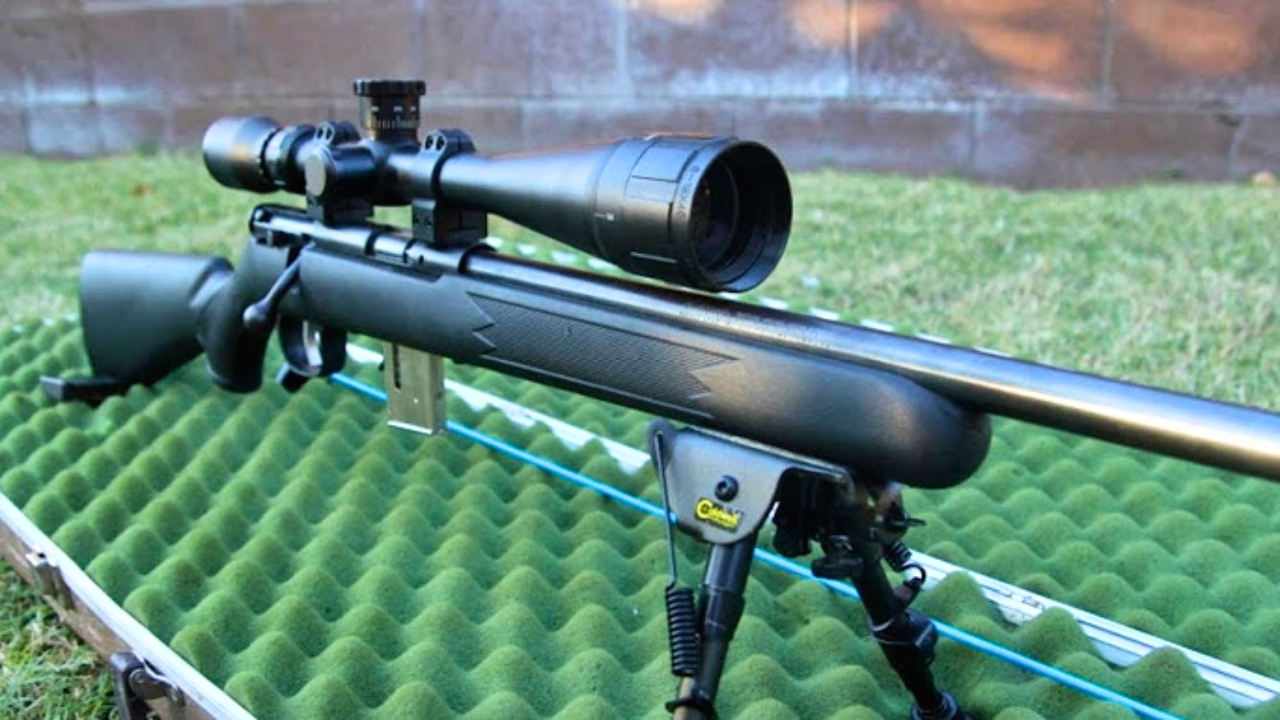
For rimfire hunting beyond “inside the barnyard,” this one was a big deal. It made small varmints at longer rimfire distances feel doable, and it’s flat enough to forgive minor range errors compared to a .22 LR.
It changed the small-game and varmint world by giving hunters a clean, accurate option that doesn’t require centerfire noise or cost. Wind can push it around, but on calm mornings it’s almost cheating.
Cartridges come and go, and the gun world loves a new box with a new name. But the rounds that truly changed hunting are the ones that kept showing up season after season because they worked for normal people with normal budgets and normal shooting skills. If you’re picking your next hunting rifle, don’t just chase what’s hot. Chase what you’ll actually practice with, carry without hating it, and trust when the moment shows up fast and you don’t get a do-over.
Like The Avid Outdoorsman’s content? Subscribe to our newsletter so you never miss an article.
Here’s more from us: