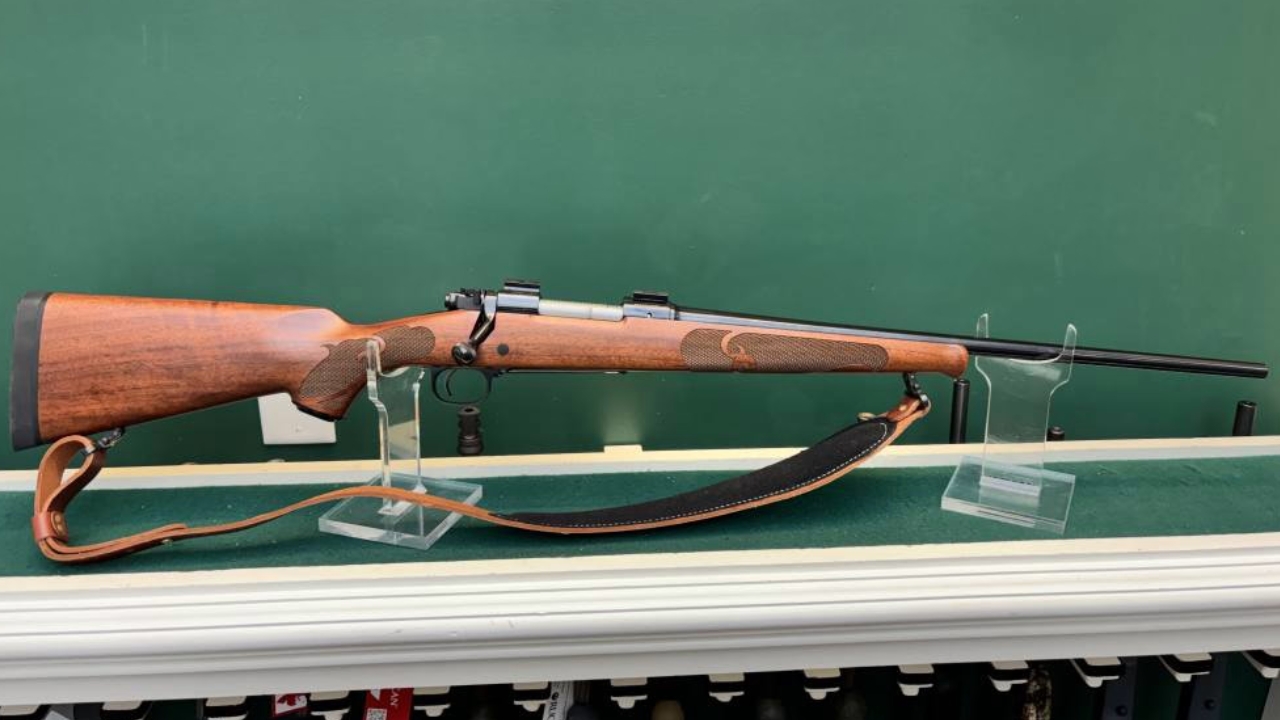
Photo credit: MunitionsOutpost/GunBroker
Any gunsmith who’s been behind the counter long enough has a few rifles that never quite make it into the used rack. They’re not always the prettiest, and they’re definitely not always the newest. They’re the ones that quietly solve problems: they feed, they shoot, they hold zero, and they don’t act up the night before season.
This isn’t a list of status symbols. It’s the back-room pile: rifles that get “test-fired” a little too often, rifles that get “set aside for a customer” and somehow never leave, and rifles that remind you what matters when the weather turns and the shot is real.
1. Ruger M77 Hawkeye
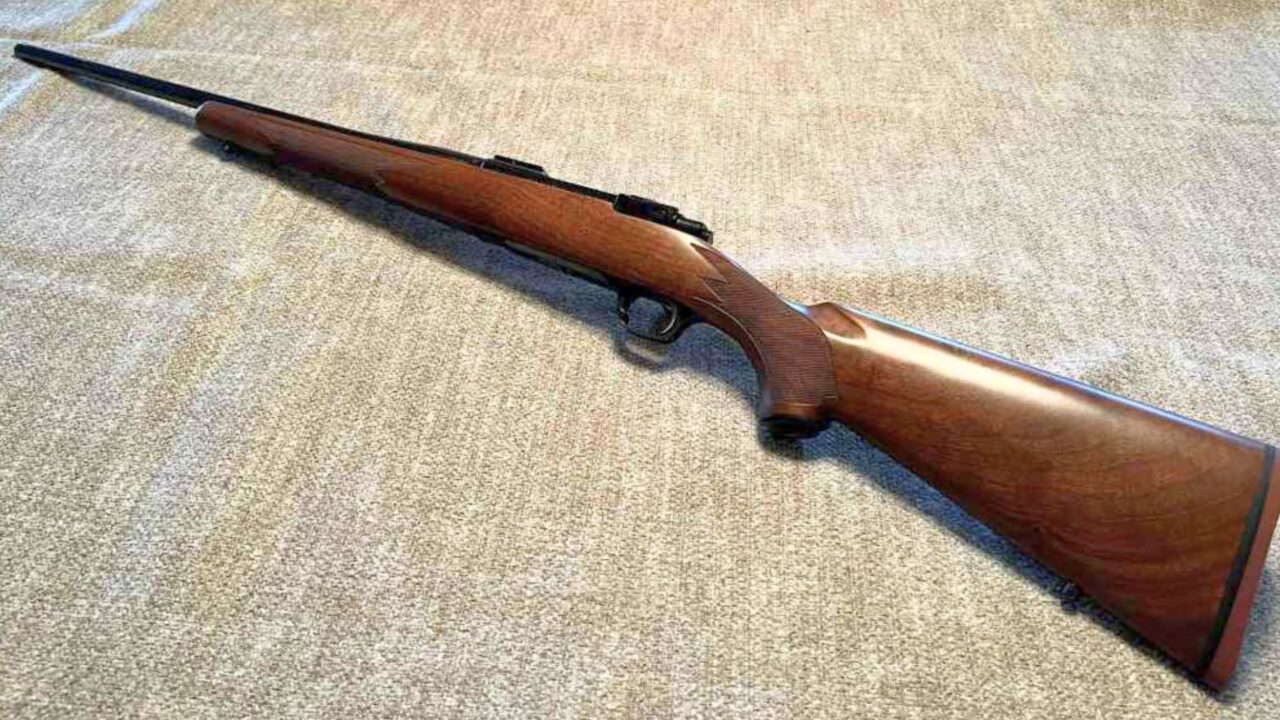
If you want a rifle that feels like it was built for a pickup seat and a wet deer camp, the Hawkeye is it. Controlled-round feed, sturdy extractor, and a safety that makes sense with gloves on. It’s not a featherweight, and it doesn’t need to be.
The reason a smith hangs onto one is boring reliability. They come in for rings, a trigger tweak, maybe bedding if the owner wants to chase groups. Then the rifle just keeps doing its job for decades.
2. Remington 700 BDL (older production)
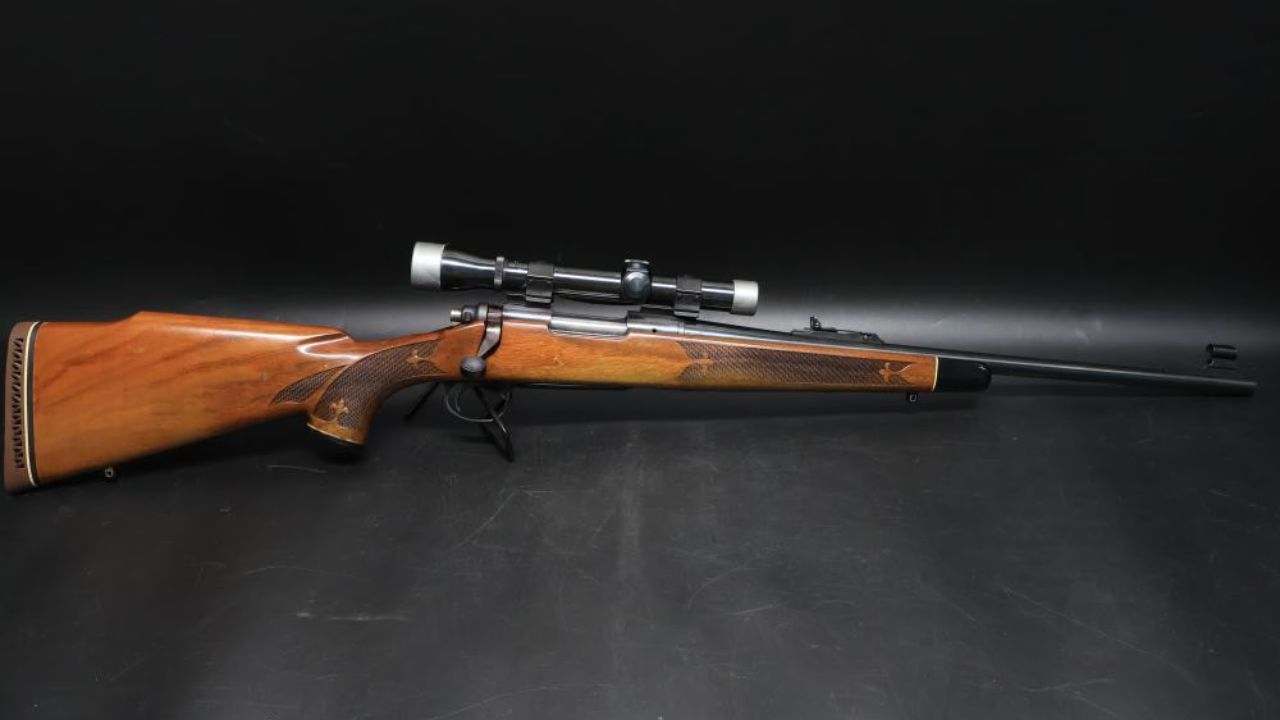
The older BDLs are the ones that make you understand why the Model 700 became what it became. Smooth bolt lift, a stock that carries well, and an action that’s still the default for accuracy work.
They also show up with honest wear: bluing thin at the carry point, a few dings from climbing stands, and a scope that’s older than some new hunters. A gunsmith knows how easy these are to keep running and how hard it is to replace that old-school fit and finish without spending serious money.
3. Winchester Model 70 Featherweight

This is the rifle you grab when you’re walking more than you’re sitting. The balance is what sells it. It points like a bird gun, and it carries like somebody actually hunted steep country when they designed it.
Not every Featherweight shoots tiny groups with every load, and that’s fine. In the real world, a “minute of deer” rifle that handles perfectly kills more critters than a bench gun you hate carrying.
4. CZ 457 (especially the Varmint or American)
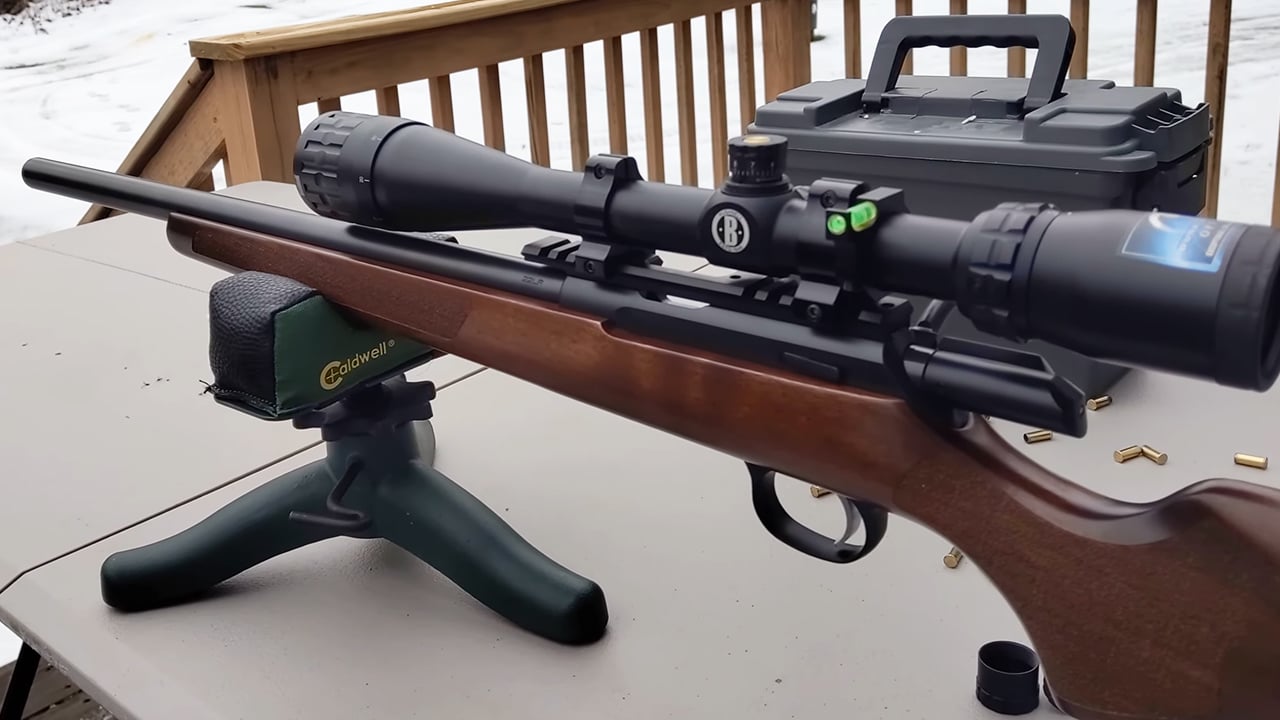
A good .22 LR is a tool, not a toy, and the 457 is one of the best working .22s made. The action feels tight without being stiff, the mags are simple, and the barrels tend to shoot like they cost more than they do.
Gunsmiths keep these because they’re constantly useful. Sight in a kid’s rifle, check a new scope, knock down pests, burn a brick on a Sunday afternoon. You’ll never regret having a serious rimfire around.
5. Tikka T3x Lite
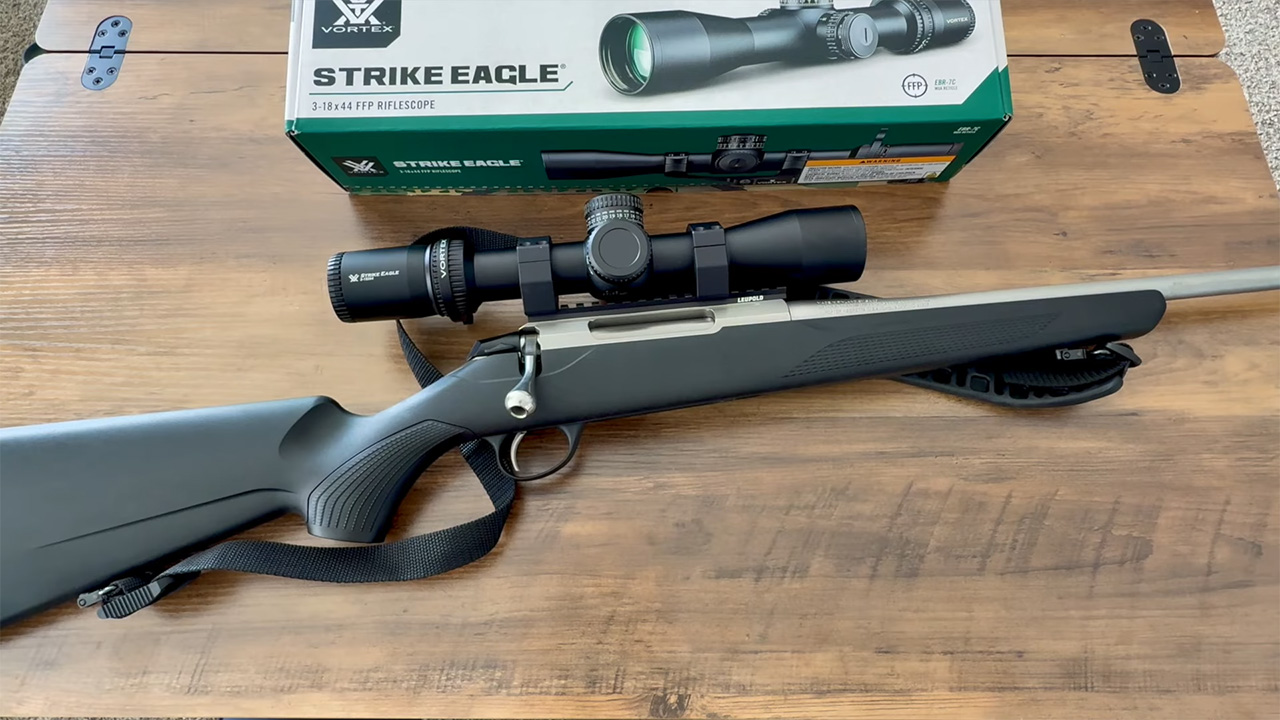
Tikkas aren’t romantic. They’re not heirloom-looking rifles with fancy walnut. They’re just smooth, accurate, and frustratingly consistent from one to the next.
A shop keeps a T3x around because it’s the rifle you hand to somebody who’s struggling. The bolt glides, the trigger breaks clean, and suddenly the “I can’t shoot” problem becomes a scope-mounting or fundamentals problem.
6. Savage 110
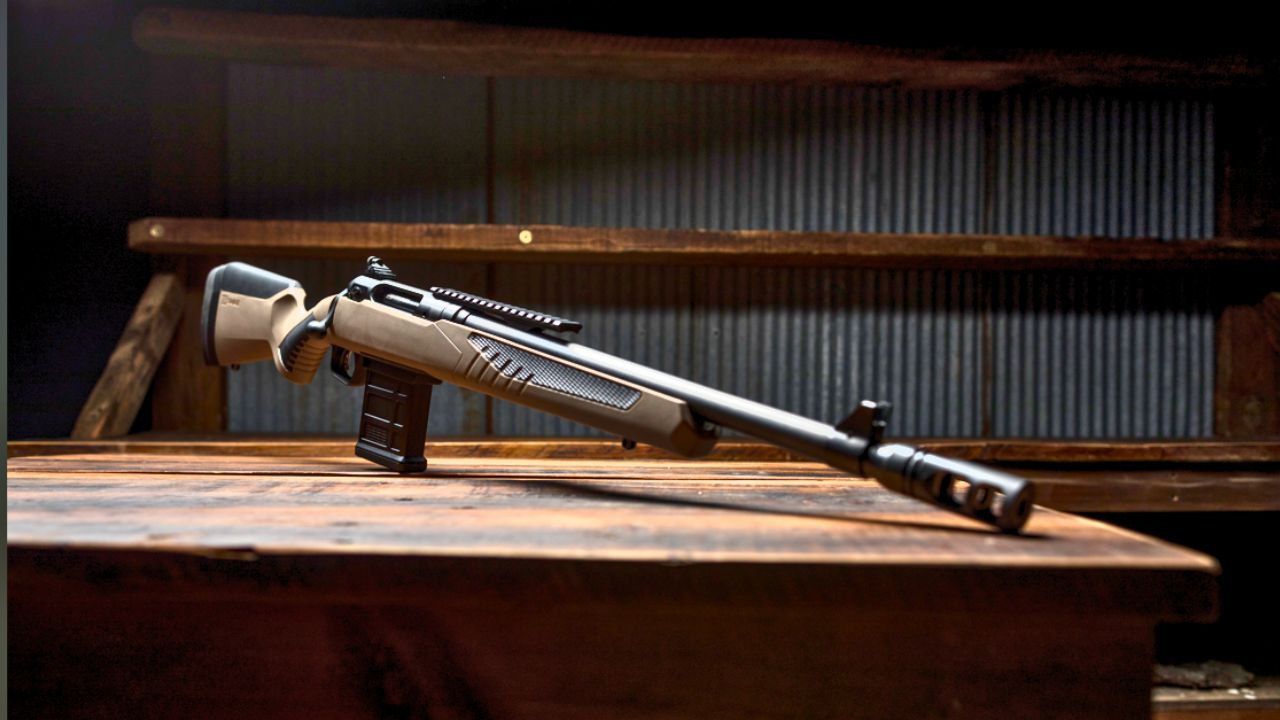
There’s a reason you still see beat-up Savages in deer camps. They’re not glamorous, and the factory stocks on some of them feel like a canoe paddle. Still, they shoot.
A smith likes them because they’re straightforward to work on and they respond well to basic attention. Bed it, float it, decent glass, and you’ve got a hunting rifle that doesn’t care about rain or dust.
7. Ruger American Rifle

It’s easy to sneer at budget rifles until you watch one stack three shots into a tidy group and then ride behind a truck seat for five years without drama. The Ruger American is plain, light, and more accurate than it needs to be.
Shops keep one because it’s the modern “loaner rifle” that doesn’t break hearts. If it gets scratched, nobody cries. If it gets wet, it doesn’t swell. It just hunts.
8. Kimber 84M (in a sensible chambering)
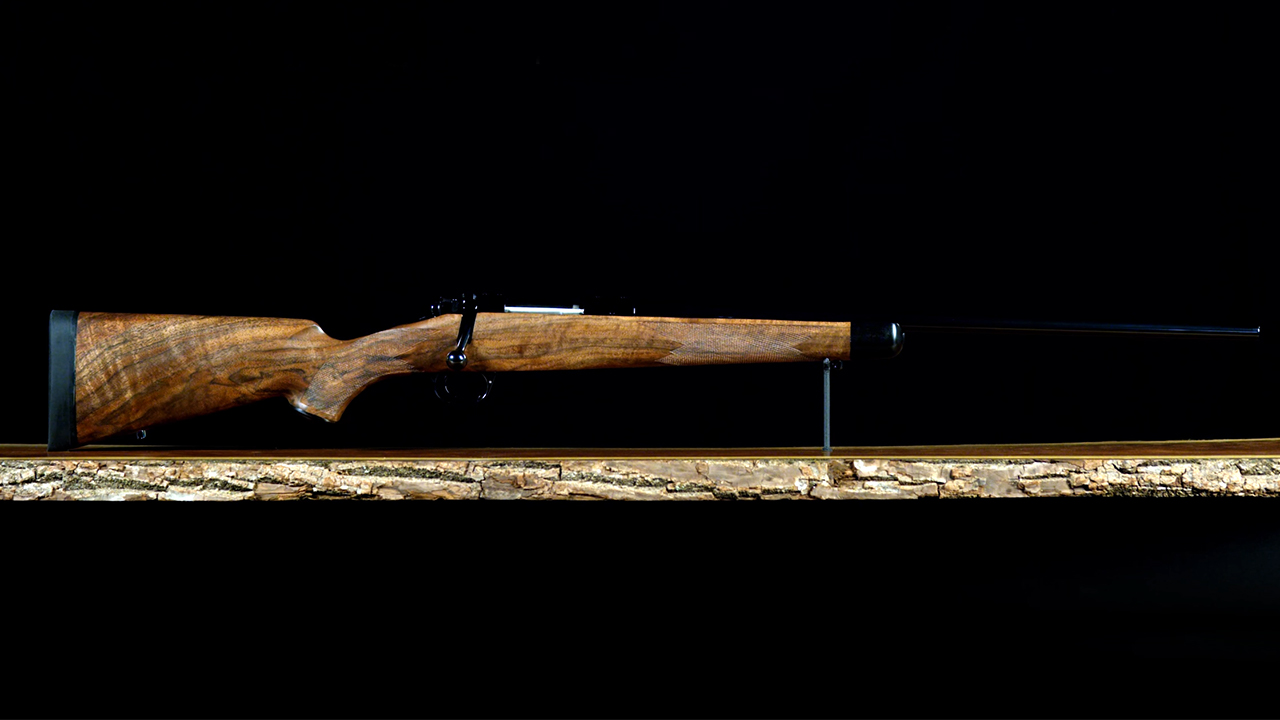
When you pick up a good 84M, you get it. Trim action, excellent carry, and it feels alive in your hands. The catch is “a good one,” because Kimber’s reputation has some bumps.
A gunsmith who’s handled enough of them knows which ones are right. The ones that feed smoothly and shoot straight don’t get sold off lightly, because there aren’t many true mountain rifles that carry that well without going custom.
9. Browning X-Bolt
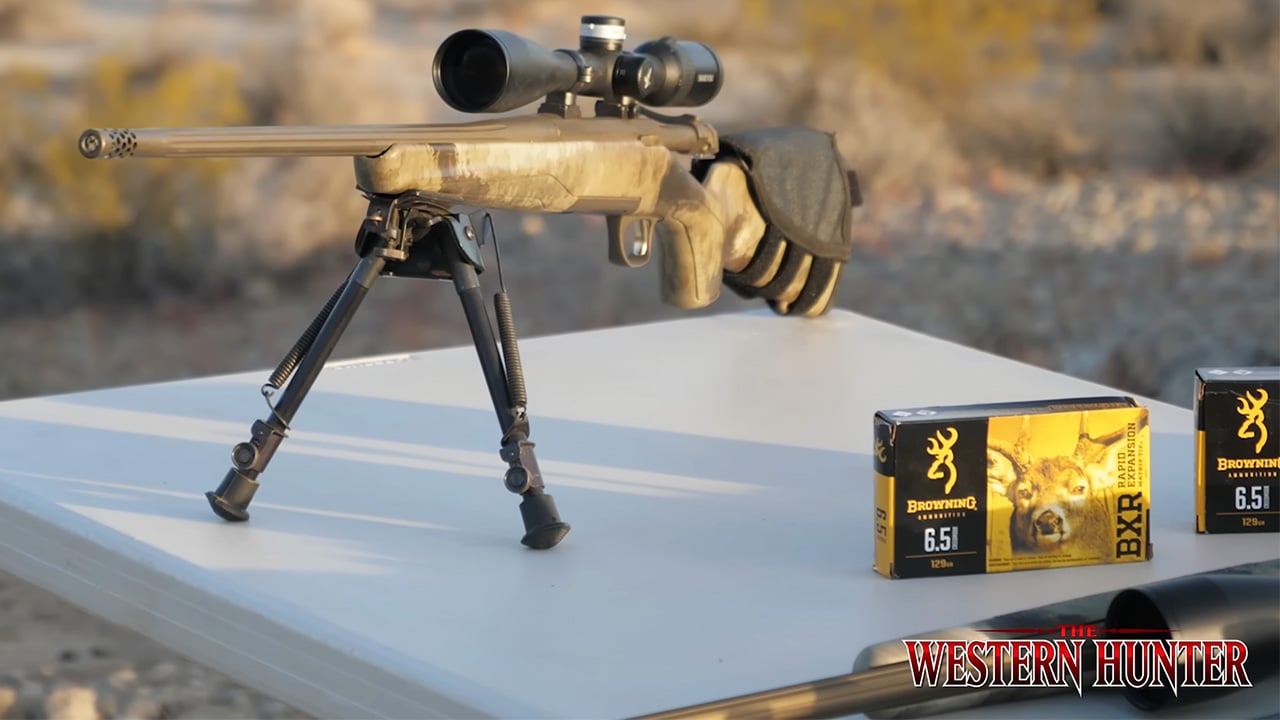
The X-Bolt is one of those rifles that rarely causes drama. Good trigger, solid fit, and they tend to shoot well with hunting ammo. The bolt throw is short and quick, which matters in a stand when you’re trying not to move much.
A shop rifle in this category is the one that always seems to have a scope mounted and always seems ready. It’s a “grab it and go confirm zero” kind of gun.
10. Sako 85
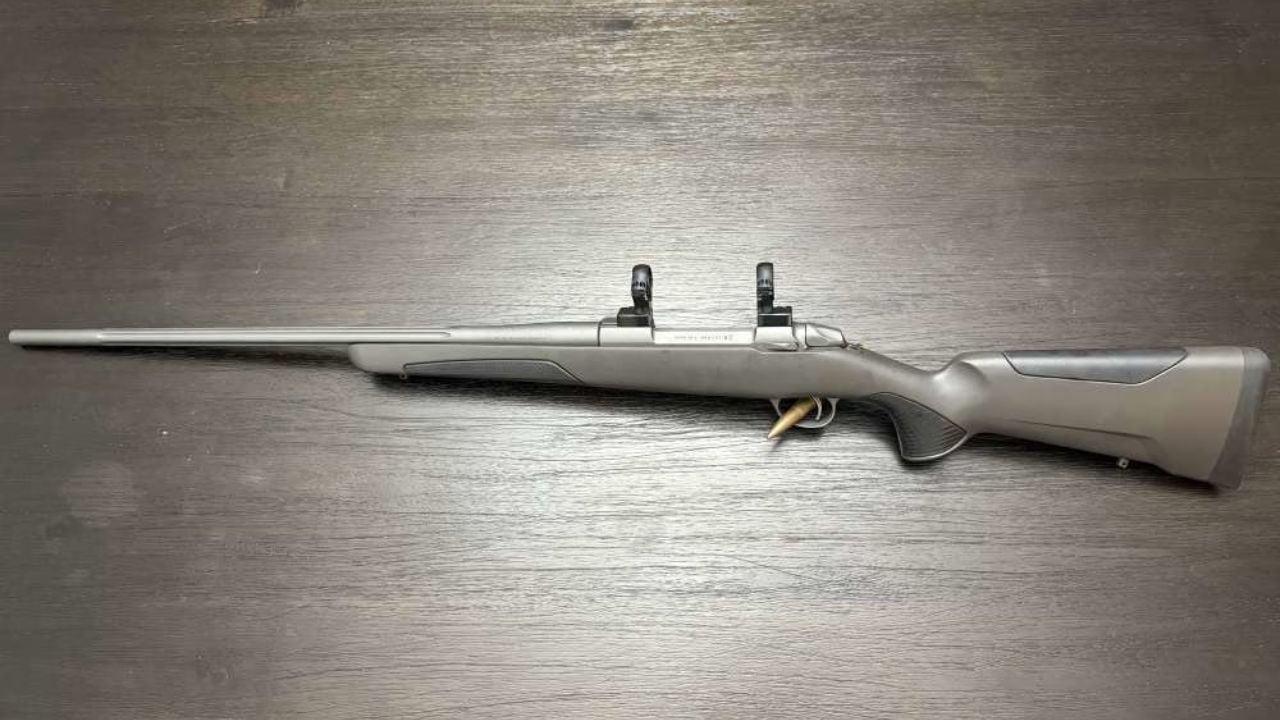
Sako rifles feel like somebody cared. The machining, the bolt travel, the magazine fit—everything is just a notch above. They cost enough that most folks don’t buy one on a whim, which is why a shop might have one tucked away.
They don’t come in often for repairs. They come in for nice glass and careful ring work. And when something doesn’t break, it tends to become a keeper.
Free for gun owners: If something happened to you tomorrow, would your family know where the guns are, who has the safe combination, or what to do first? Our free Gun Owner’s Family Checklist walks them through it. It takes about 15 minutes to fill out. Get your free copy here.
11. Weatherby Vanguard (Series 2 and newer)
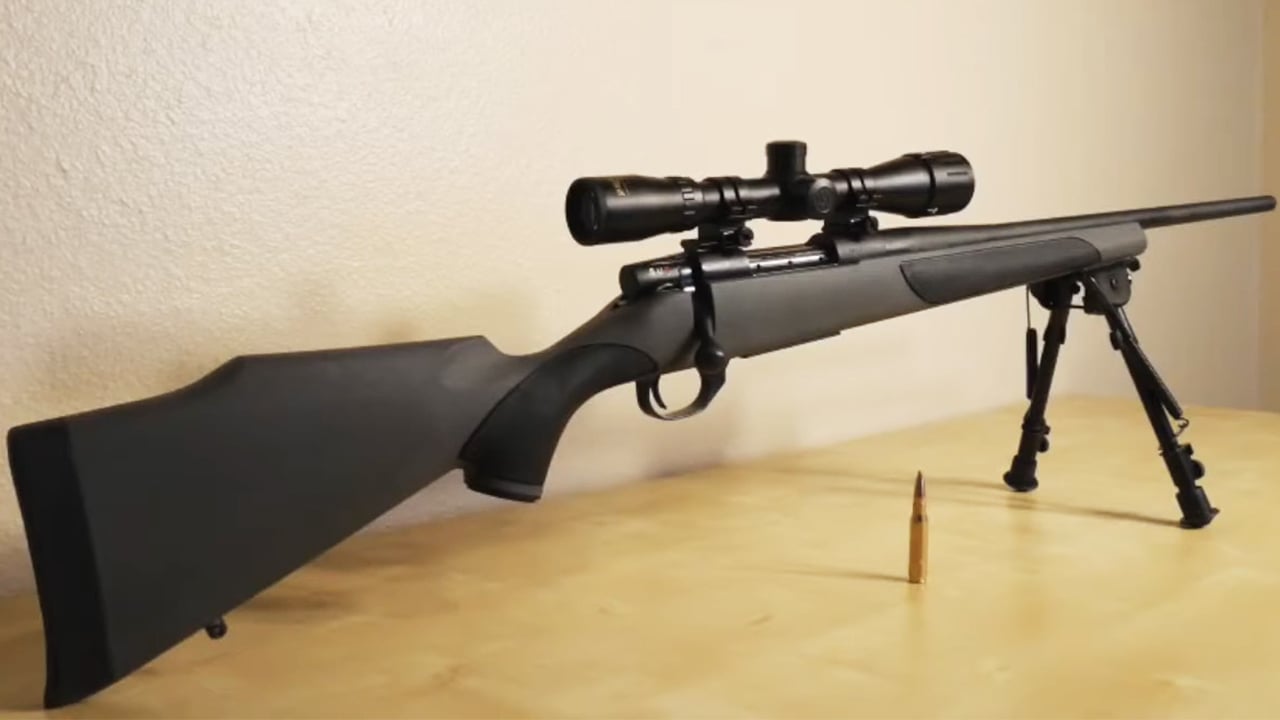
The Vanguard is the working man’s Weatherby. It’s not the glossy-marketing rifle; it’s the “I need a .30 caliber that won’t embarrass me” rifle. The two-stage trigger on many of them is better than it has any right to be at the price point.
Gunsmiths like rifles that don’t play games. The Vanguard usually feeds, shoots, and holds together. If you’re the kind of hunter who shoots a couple boxes a year and expects the rifle to behave, this is the type that does.
12. Marlin Model 336
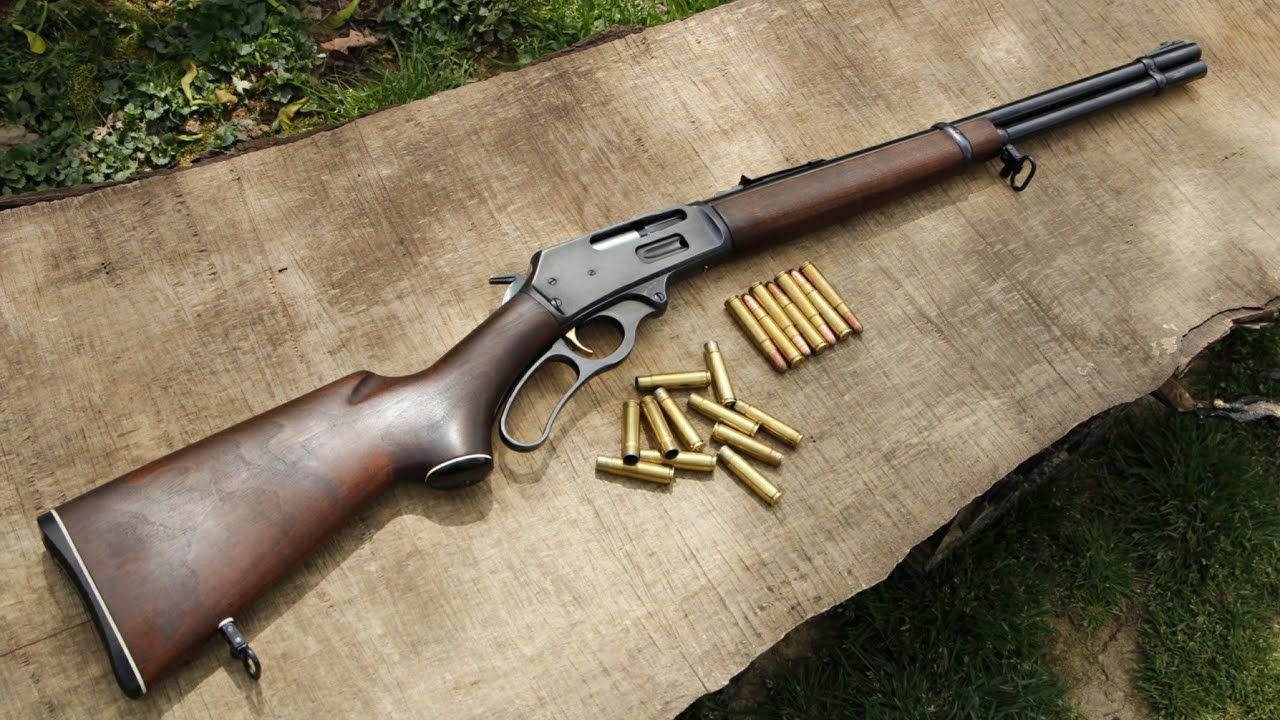
Every shop has that lever gun story: the one somebody traded because “nobody uses .30-30 anymore,” and then the owner realized that same rifle is perfect in thick timber and from a side-by-side. The older 336s carry flat and point fast.
They also just feel right in the hands. A gunsmith will keep one because it’s a practical rifle that doesn’t need batteries, doesn’t need a rail, and still puts venison in the freezer when the shots are close and quick.
13. Winchester Model 94 (pre-1964)
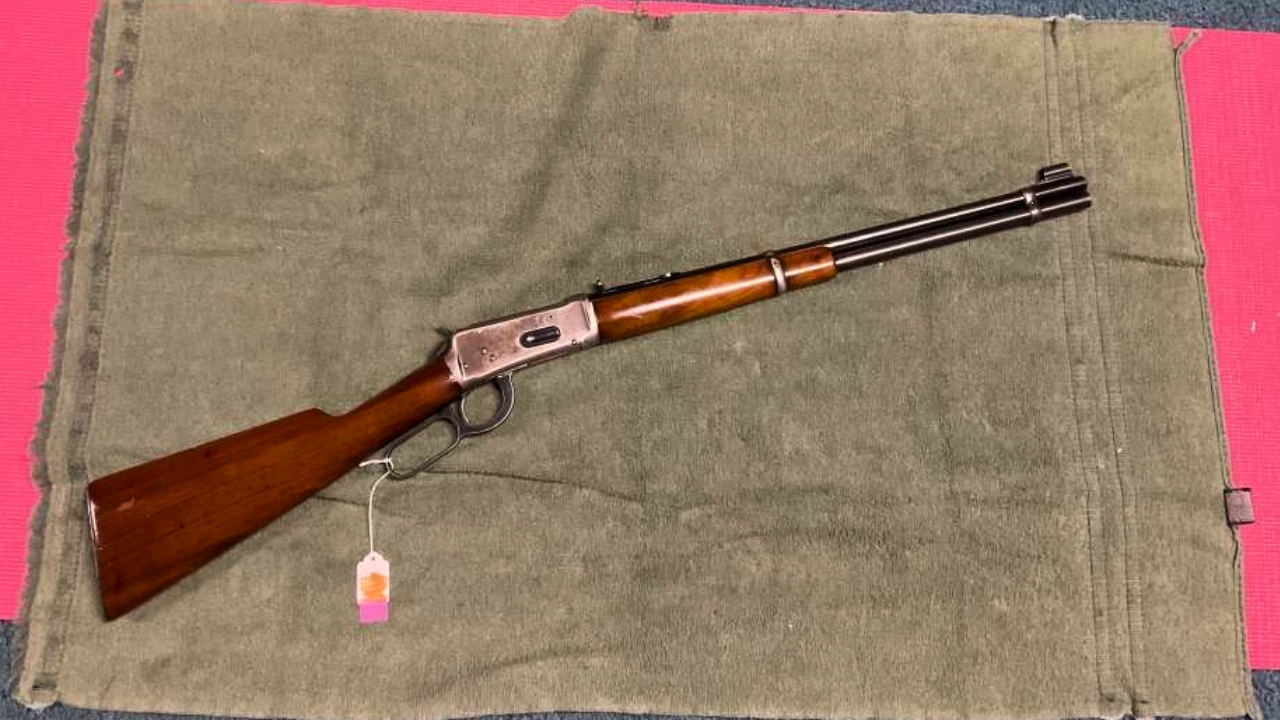
Not every pre-64 is a safe queen. Plenty of them are honest hunting rifles with worn bluing and smooth actions. They cycle like they’ve been run a thousand times—because they have.
A shop might hang onto one because they’re getting harder to find in good mechanical shape, and because they’re still deadly in the woods. If you’ve ever tracked through brush all morning, you understand the appeal of a slim lever gun.
14. Ruger No. 1
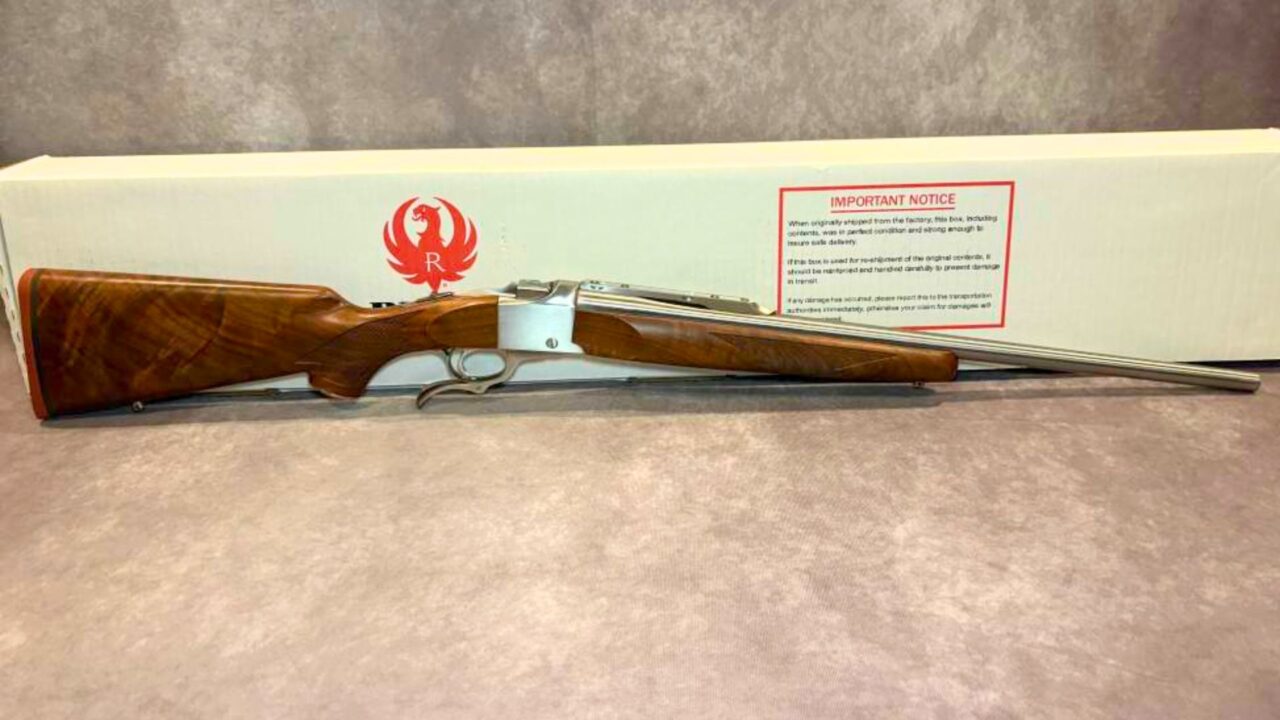
Single-shots aren’t for everyone. You give up quick follow-ups, and you accept that you need to be on your game. But the Ruger No. 1 has a way of getting under your skin.
Gunsmiths keep these because they’re classy without being fragile. And they’re a reminder to slow down. There is nothing fancy about dropping the hammer on one shot that matters, and that is kind of the point.
15. Springfield Armory M1A (Standard or Loaded)
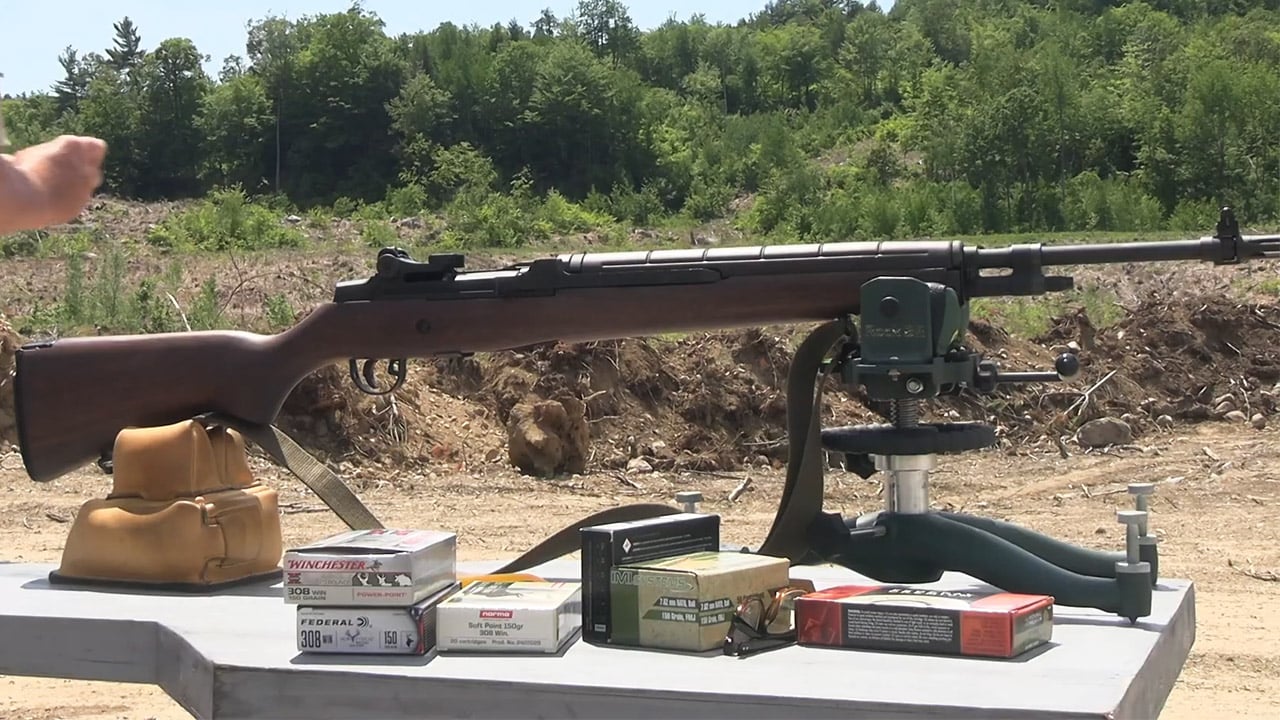
The M1A is heavy, a little old-fashioned, and not cheap to feed. It’s also satisfying in a way a lot of modern rifles aren’t. The iron sights are excellent, and the recoil impulse is more of a shove than a slap.
A shop keeps one because customers always want to talk about them, and because a properly running M1A is a good “truth teller” on the range. If your fundamentals are sloppy, it will show. If you do your part, it will reward you.
16. FN SCAR 17S

Not a deer-camp classic, but it’s the kind of rifle that gets “parked” in a back room because it’s expensive and it works. The SCAR 17S runs clean for what it is, and the recoil is surprisingly manageable.
It’s also a rifle that makes you think about cost in a different way. Magazines aren’t bargain-bin items, and accessories add up fast. If a shop has one set up right, they’re not in a hurry to let it walk out the door.
17. Colt AR-15A4
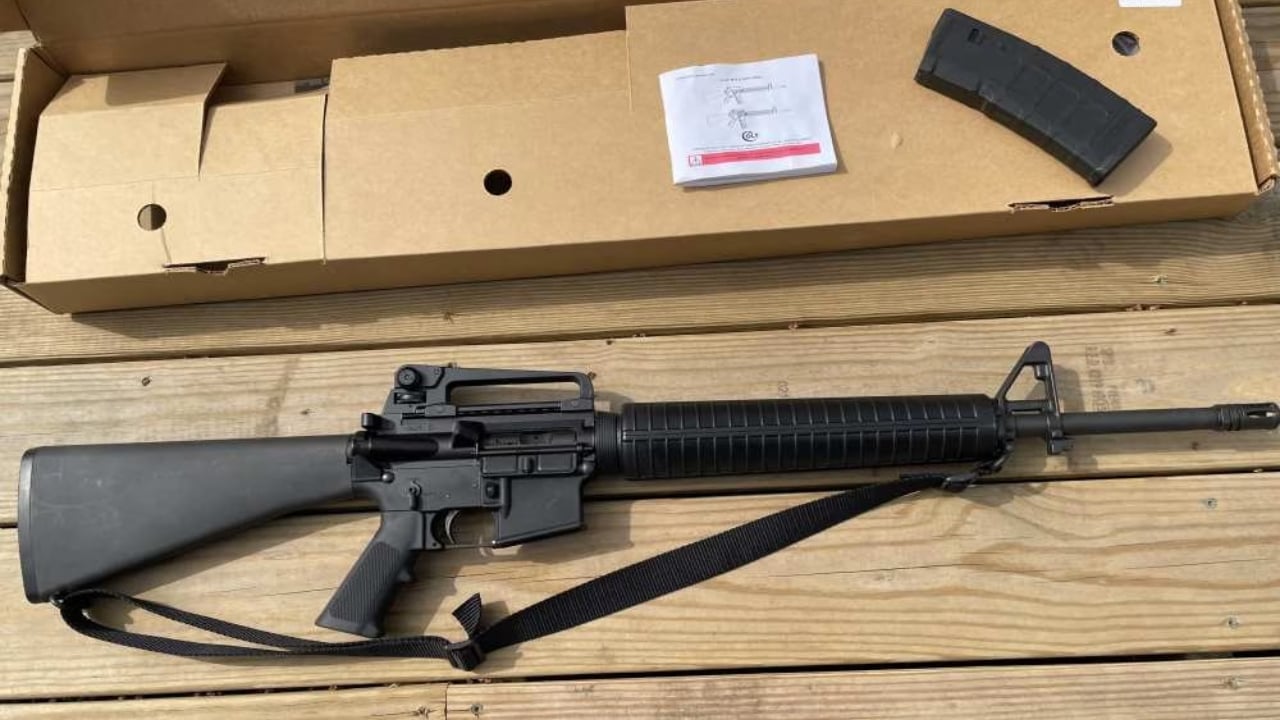
Everybody wants short and handy until they shoot a full-length 20-inch AR that’s set up correctly. The rifle-length gas system is smooth, the sight radius is generous, and it’s just easy to shoot well.
A gunsmith keeps one because it’s a baseline. When a customer’s AR is acting weird, the shop’s proven rifle is how you separate “ammo problem” from “gun problem” fast. Also, a good A4 scratches the itch without turning into a science project.
18. Ruger Mini-14 Ranch Rifle (older and newer both)

The Mini-14 gets mocked online, and some of the older thin-barrel guns earned it with wandering groups when they heated up. Still, for a ranch rifle that rides in a truck, it has a lot going for it.
They’re handy, they balance well, and they don’t scream for attention. A shop keeps one because it’s useful and because, when you find one that shoots well, you tend to stop caring what the internet says.
19. Steyr Scout

This one is quirky. The looks are different, the setup is different, and you either “get it” or you don’t. But the Steyr Scout is purpose-built: light, practical, and designed around actually carrying a rifle all day.
Gunsmiths keep oddballs like this because they’ve seen enough trends come and go. The Scout concept still makes sense for certain folks, especially if you hunt and travel and want one rifle that does a lot without being a boat anchor.
20. Swiss K31

If you’ve never worked the bolt on a K31, you should. It’s straight-pull, fast, and oddly satisfying. The craftsmanship is obvious, and many of them shoot far better than a surplus rifle has any business shooting.
The ammo situation can be a sticking point depending on what you can find, and the length isn’t ideal in tight spaces. Still, a shop keeps a K31 because it’s a piece of honest engineering that delivers on the range, and because once you sell one, you’ll probably want another.
What all these rifles have in common isn’t hype. It’s usefulness. They’re the guns that keep working after the new-gun smell is gone, after the accessories stop being fun, and after the weather turns ugly. If you’ve got one of these sitting in your safe and you’ve been thinking about trading it toward the next shiny thing, I’d sleep on it first. Ask me how I know.
Like The Avid Outdoorsman’s content? Subscribe to our newsletter so you never miss an article.
Here’s more from us: