Photo credit: Reloader Joe/Youtube
There are rifles you own because they fill a role, and then there are rifles that become part of the family. Those are the ones that can sit in the safe for months and still be the last guns an owner would consider selling. Sometimes the reason is collector value. More often, it is something harder to put a number on: the way the action feels, the particular piece of walnut, the accuracy of one old barrel, or memories attached to seasons spent carrying it.
That is why a surprisingly generous offer does not always work. Money can buy another rifle with the same model name, but it cannot guarantee the replacement will shoot, handle, or feel exactly the same. These are the rifles I see owners hanging onto even while everything else in the collection remains negotiable.
Winchester Model 71
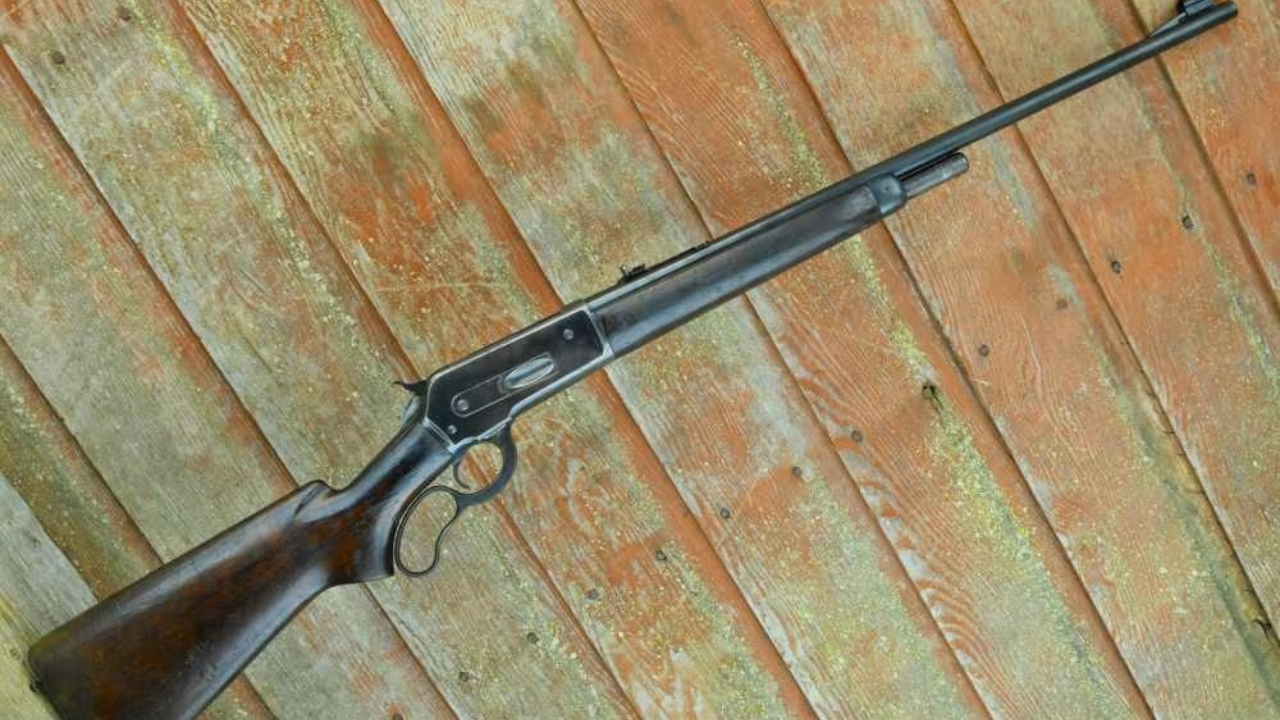
The Winchester Model 71 is one of those rifles that becomes harder to understand until you actually handle one. Chambered for the .348 Winchester, it was built around a large lever action that feels substantial without becoming clumsy. It carries the character of an older Winchester hunting rifle while offering enough power that owners historically trusted it for serious North American game. The cartridge is unusual today, but that only makes a good rifle feel more distinctive.
An owner who already has ammunition, dies, and years of experience with a particular Model 71 has very little incentive to sell. Finding another clean rifle is one challenge. Recreating the same combination of condition, accuracy, and personal history is another. This is the sort of Winchester people tend to regret selling almost immediately.
Remington Model 788
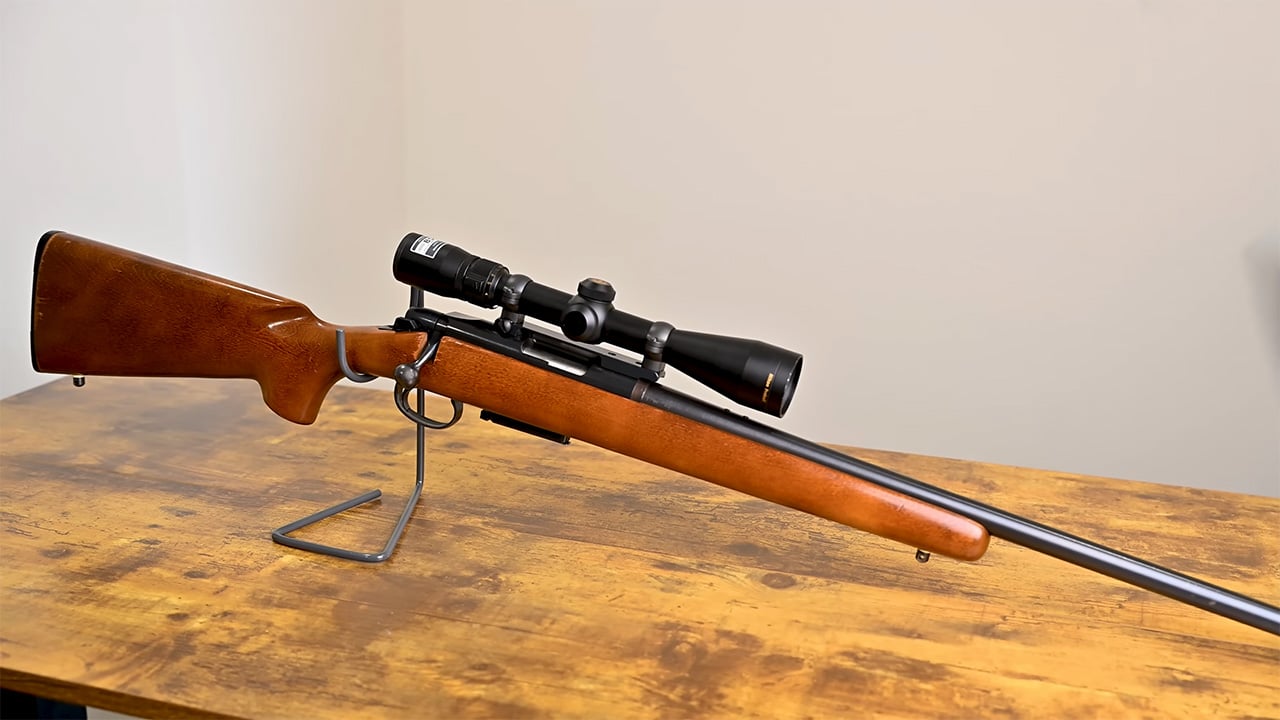
The Model 788 spent years being considered the inexpensive Remington rather than the desirable Remington. That reputation never stopped many of them from shooting extremely well. The rear-locking action, detachable magazine, and plain styling made it a working rifle rather than a showpiece, and plenty of hunters discovered that their budget 788 would group right alongside rifles that cost considerably more.
That creates fierce loyalty today. If someone owns a 788 that consistently puts its preferred load exactly where expected, selling it to fund a newer rifle can feel pointless. Certain chamberings and original magazines have also become much more troublesome to replace than they once were. Owners know a new rifle may look nicer, but there is no guarantee it will outshoot the old Remington they already trust.
Sako L61R Finnbear
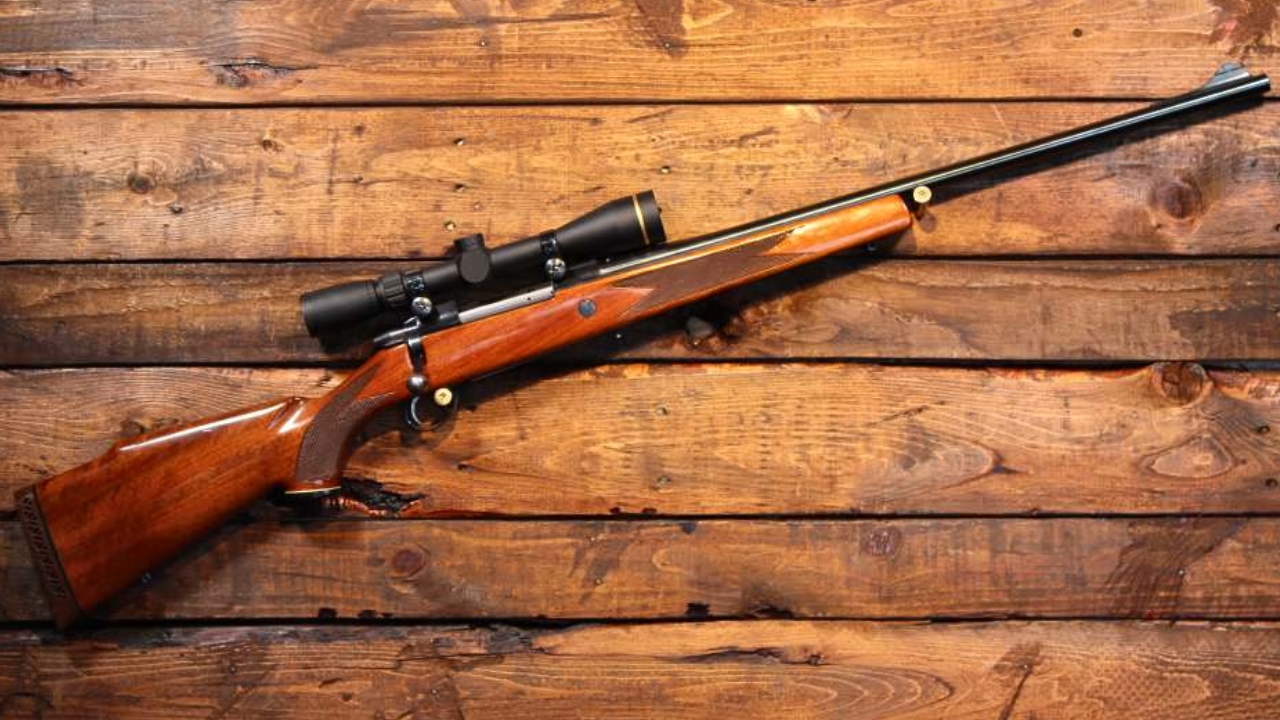
The Finnbear is one of those older bolt actions that makes modern hunters understand why Sako developed such a loyal following. The action is beautifully smooth, the rifles often wear excellent walnut, and the whole package has the proportions of a traditional hunting rifle rather than something designed around a benchrest.
Owners who have carried one for decades usually know exactly how it shoots and exactly where the first cold-barrel round is going. That confidence becomes difficult to put a dollar value on. There are newer Sakos with advanced features and lighter materials, but they do not make an older Finnbear feel obsolete. When somebody has a clean example in a favorite chambering, offers tend to get rejected because replacing the rifle would mean replacing far more than the name on the receiver.
Ruger M77 RSI
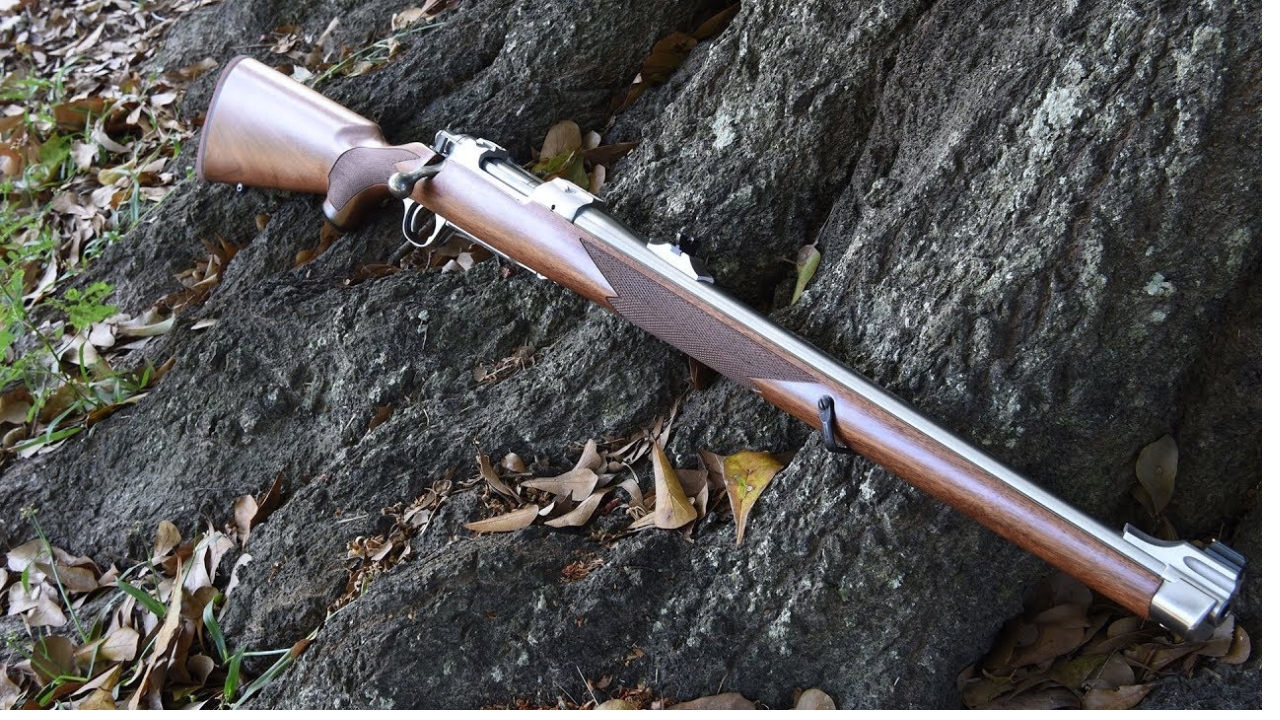
The full-stocked Ruger M77 RSI has a personality that ordinary bolt-action hunting rifles rarely duplicate. The Mannlicher-style stock runs nearly to the muzzle, giving the rifle a distinctive appearance and compact feel. Depending on the chambering, it can make an exceptionally handy woods rifle while still carrying the rugged character associated with older Ruger bolt actions.
That combination is exactly why owners hang onto them. You can walk into a store and find dozens of accurate synthetic-stocked rifles, but finding another rifle that looks and carries like an RSI is considerably harder. A particularly attractive piece of wood makes the decision even easier. If someone already has one that groups well, selling it for a profit often means spending years searching for another example they like as much.
Marlin 444S
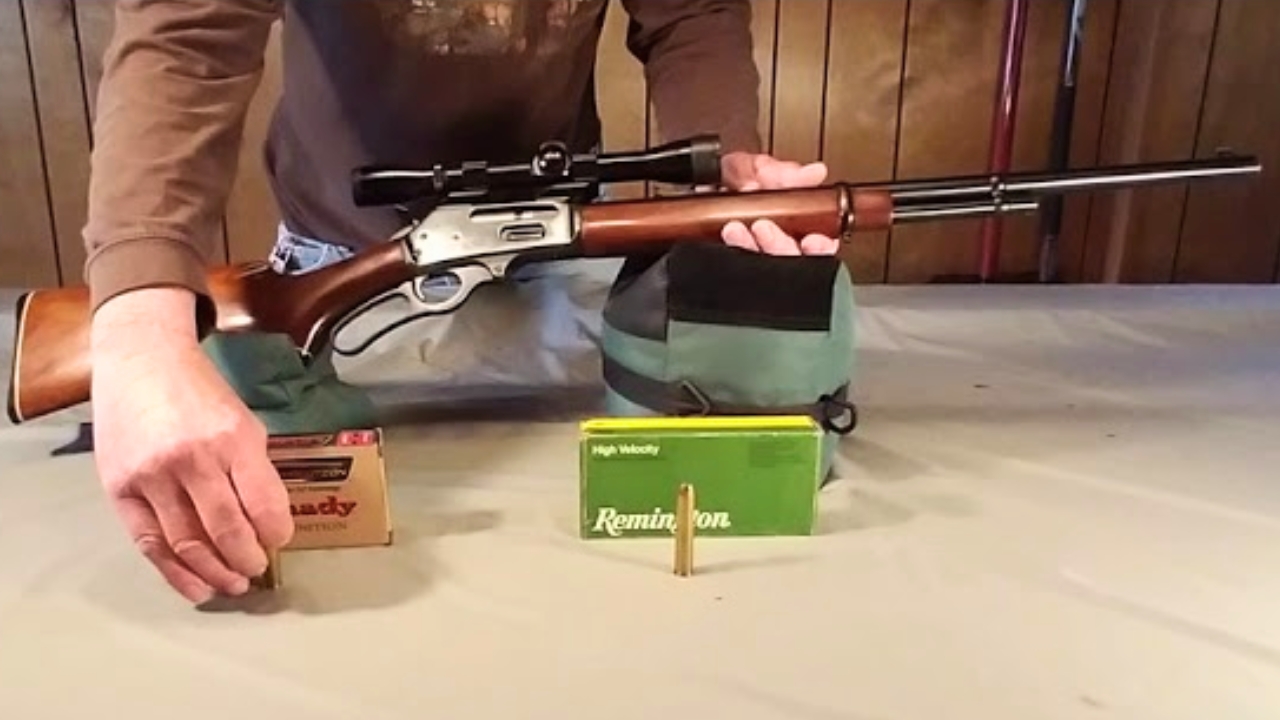
The Marlin 444S appeals to hunters who want considerably more than a .30-30 without carrying a large bolt-action magnum through thick woods. Chambered in .444 Marlin, the rifle provides serious power in a traditional lever-action package, and that combination has built a dedicated following among hunters who spend their time in timber rather than open plains.
Owners tend to become especially attached once they have worked out the ammunition their rifle prefers. Older Marlins also vary enough in wood, finish, and individual character that one 444S does not automatically replace another. A proven rifle that has already taken deer or larger game becomes even more difficult to sell. Someone can offer market value or more, but the owner knows the next clean rifle may not feel anything like the one already in the safe.
Browning Model 78
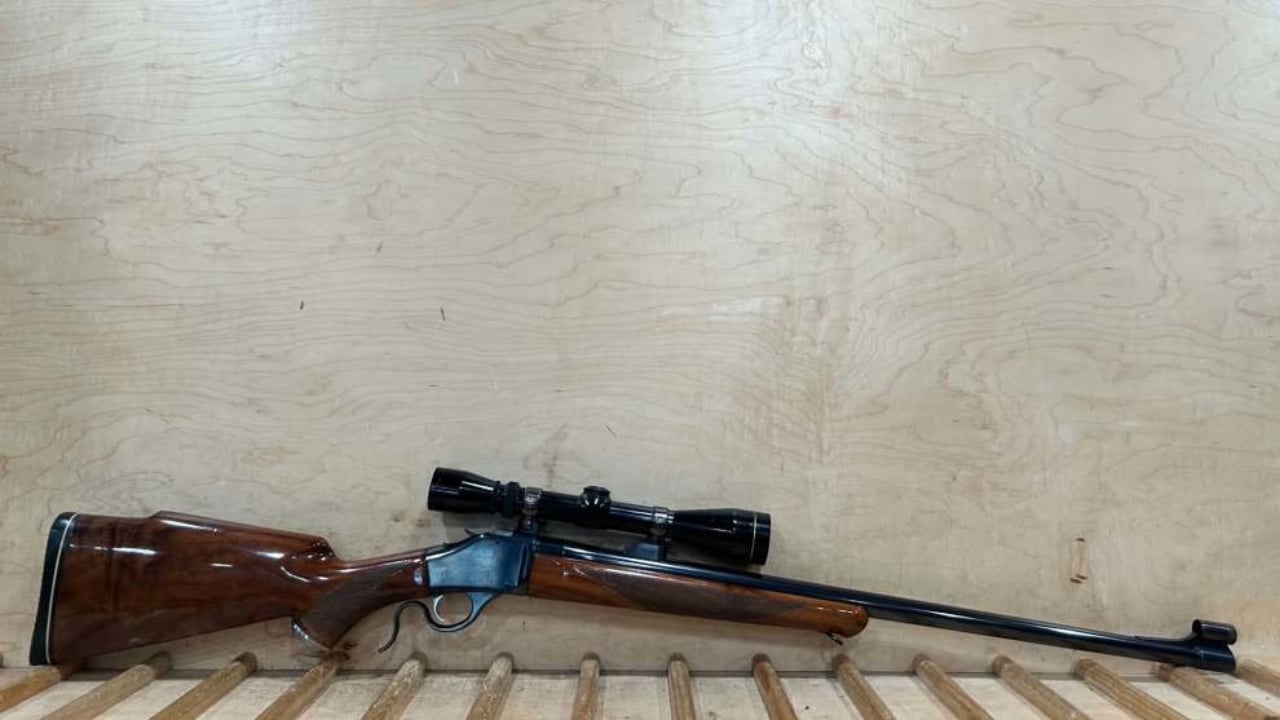
Before the Browning 1885 became the company’s better-known modern single-shot, the Model 78 gave shooters a beautifully built falling-block rifle with serious hunting capability. The action is strong, the rifles often carry excellent wood, and the single-shot format encourages a slower style of shooting that many owners end up appreciating more over time.
These are not rifles most people buy accidentally. Once someone owns one in a chambering they genuinely enjoy, there is very little reason to let it go. The replacement problem is not simply finding another single-shot. It is finding one with the same wood, same balance, and same shooting personality. A good Model 78 can become the rifle an owner takes out simply because nothing else in the safe feels quite the same.
Remington Model 760 Gamemaster
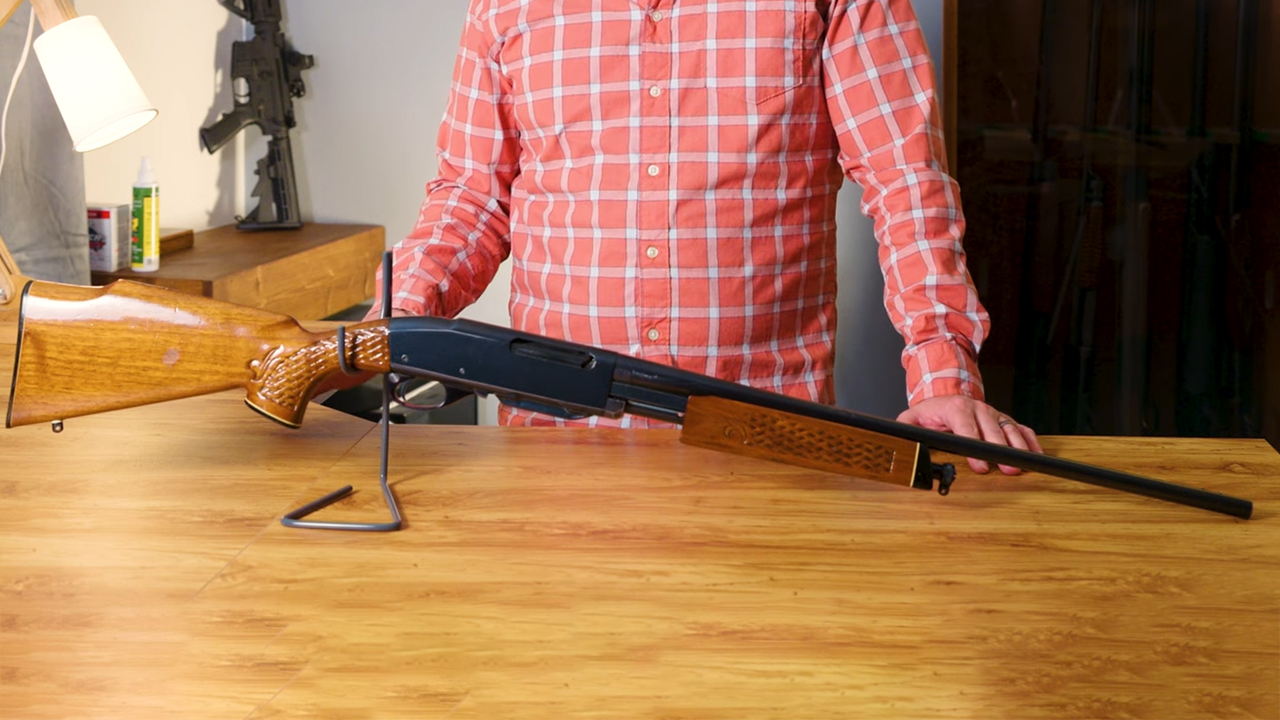
The older Model 760 Gamemaster holds a special place with hunters who grew up around pump shotguns and wanted the same fast operating style in a centerfire deer rifle. In places where deer hunting happens in thick timber, the ability to cycle the action without changing the shooting position made these rifles extremely popular.
A well-worn 760 may not look like a collectible, but that is exactly why owners become attached to them. Many have been carried through decades of deer seasons and have actions that feel almost effortless from years of use. A newer bolt action may technically be more precise or easier to mount optics on, but it cannot replace forty seasons of familiarity. If Dad or Grandpa hunted with the rifle too, the conversation about price is usually over before it begins.
CZ 550
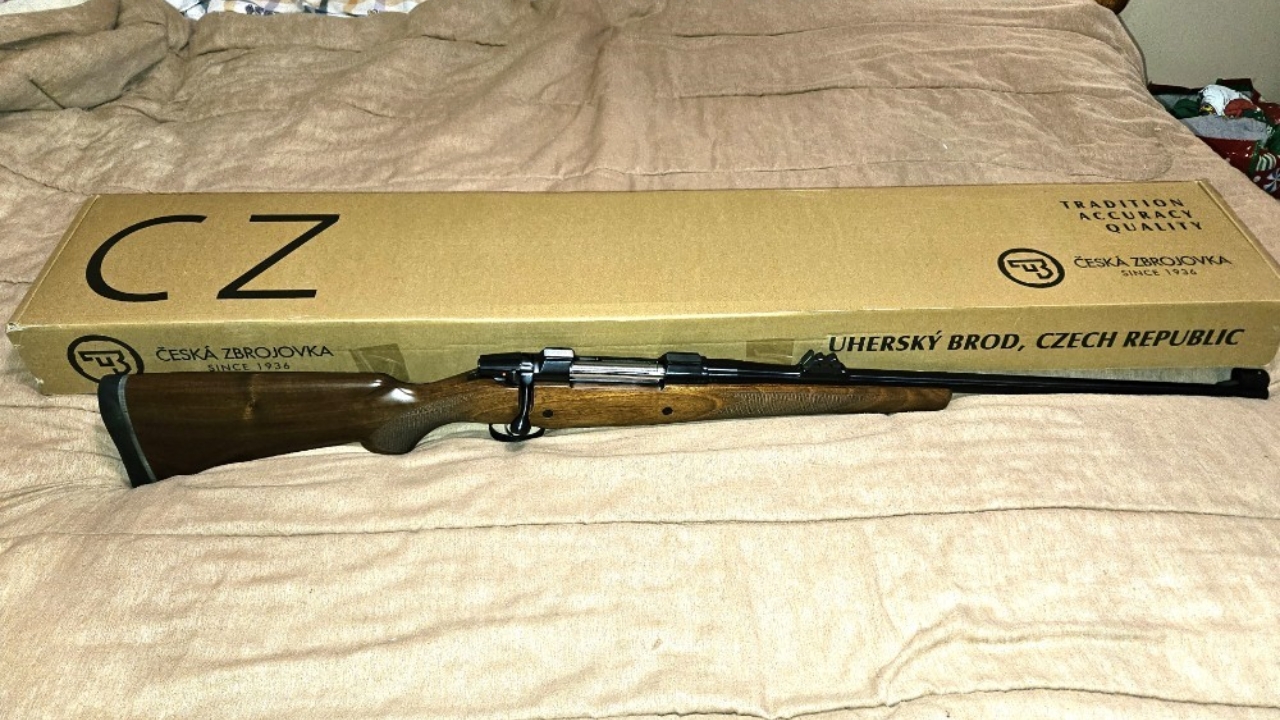
The CZ 550 belongs to the category of rifles people often appreciate more after they stop seeing new ones everywhere. Its Mauser-style controlled-feed action, substantial construction, and traditional stock give it a feel that differs noticeably from the lighter push-feed hunting rifles dominating the market today.
Owners who like that old-school construction tend to become extremely reluctant sellers. This is especially true with less-common chamberings or rifles that already have excellent wood and a smooth action. A CZ 550 may feel a little heavy compared with newer rifles, but that weight also makes it steady and reassuring. Once a hunter has one properly scoped and shooting a preferred load well, replacing it with something newer can feel like trading character for convenience.
Tikka M595
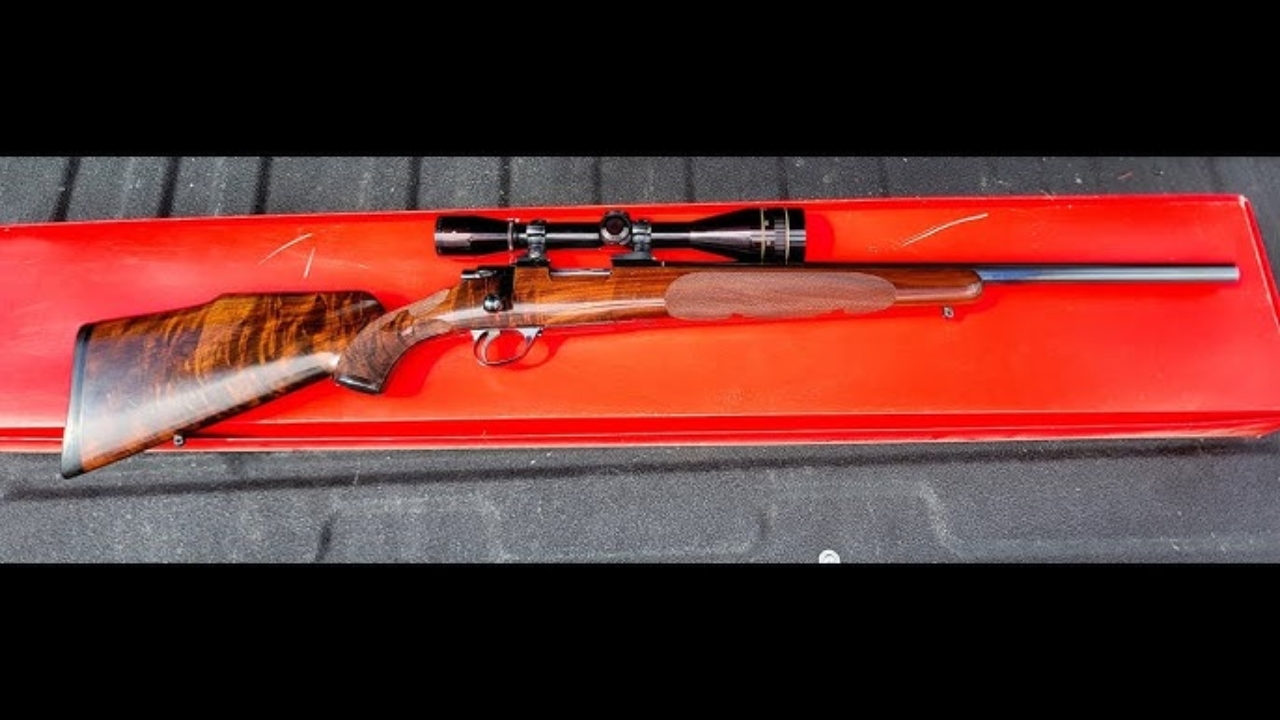
The M595 came before the T3 family that made Tikka a household name among American hunters, but shooters who own one often speak about it with surprising loyalty. The action is extremely smooth, the rifles have a reputation for accuracy, and the overall design feels a little different from the newer Tikkas that eventually replaced it.
That is why owners rarely let a really good M595 go. If the rifle shoots tiny groups and has already proven itself in the field, there is no practical reason to sell merely because the model is older. Magazines and certain parts may also become more difficult to replace, which makes a complete rifle even more worth keeping. Sometimes the best reason not to sell a rifle is simply realizing the manufacturer already replaced it with something different.
Ruger 77/44

The Ruger 77/44 occupies an odd little niche that becomes extremely useful for the right hunter. Chambered in .44 Magnum and built as a compact bolt action, it gives shooters a short, handy rifle for thick cover without moving to a traditional lever gun. It is especially appealing to hunters who already use .44 Magnum revolvers and like the simplicity of keeping the same cartridge family around.
Once an owner discovers how convenient the rifle is, selling becomes difficult. There are plenty of .44 Magnum lever guns, but relatively few compact bolt actions that fill the same role. A 77/44 with a light optic can become one of those rifles that rides through deer season year after year. The more specialized a rifle’s role becomes, the harder it is to replace with something supposedly better.
Husqvarna 1640
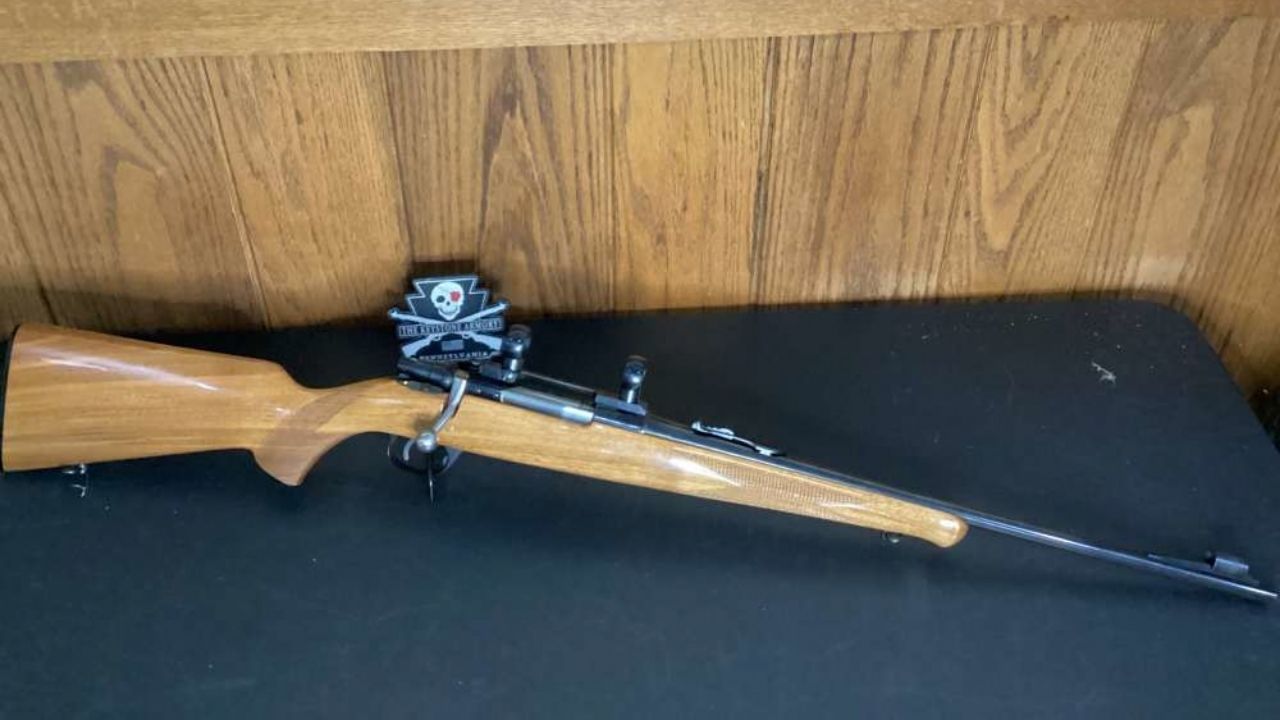
Older Husqvarna sporting rifles are the sort of guns knowledgeable hunters often recognize before the broader market does. The 1640 combines a traditional European sporting appearance with a controlled-feed-style action and the kind of lightweight walnut-stocked construction that makes the rifle enjoyable to carry.
Many owners bought them years ago without thinking of them as especially collectible. Once they spend time with one, though, the appeal becomes difficult to ignore. The rifles often balance beautifully, and individual stocks can have far more character than modern synthetic hunting guns. A good Husqvarna may not command the attention of a pre-64 Winchester, but that does not mean the owner is willing to sell. Sometimes obscurity actually makes a beloved rifle harder to replace.
Kimber 84M Montana

The original 84M Montana developed a loyal following among hunters who wanted a genuinely lightweight rifle without moving into expensive custom territory. The synthetic stock, compact action, and slender profile made it particularly attractive for hunters covering steep terrain or anyone who simply hated carrying unnecessary rifle weight.
That loyalty grew stronger after the market changed and the exact original configuration became harder to reproduce. Owners who have a Montana that shoots well tend to hold onto it because lightweight rifles can be surprisingly individual. One gun may group beautifully with a specific load while another requires more experimentation. If you already have a proven rifle weighing far less than many alternatives, selling it to chase another lightweight setup makes very little sense.
Winchester Model 64

The Model 64 took the basic lever-action hunting concept and wrapped it in a more refined sporting package than the ordinary carbine. The pistol-grip stock, longer barrel options, and traditional Winchester craftsmanship gave it a distinctive appearance while preserving the handling qualities that made lever guns useful in the woods.
Owners of clean examples tend to understand how difficult they are to replace. Many Model 64s were genuine hunting rifles and accumulated scratches, worn blueing, and altered sights over decades of use. A rifle that somehow escaped all that deserves more respect than its simple specifications suggest. Even someone who rarely hunts with it may refuse strong offers because another Model 64 with the same wood, finish, and condition may not appear for years.
Weatherby Mark V Deluxe

The Mark V Deluxe represents Weatherby at its most recognizable: highly figured wood, glossy finish, contrasting stock details, and an action built around the company’s reputation for powerful cartridges. These rifles have never been subtle, and that is part of why owners become attached to them.
A good Mark V Deluxe can also be surprisingly personal. The wood alone may make one example dramatically more appealing than the next. If an owner has a rifle with exceptional figure and a chambering he likes, selling it means giving up something that cannot simply be ordered again from a catalog with identical appearance.
Plenty of hunters now prefer matte finishes and synthetic stocks, but that does not make a classic Weatherby less desirable. Sometimes a rifle stays because it represents an entire era of hunting-rifle style.
Browning BLR Lightweight
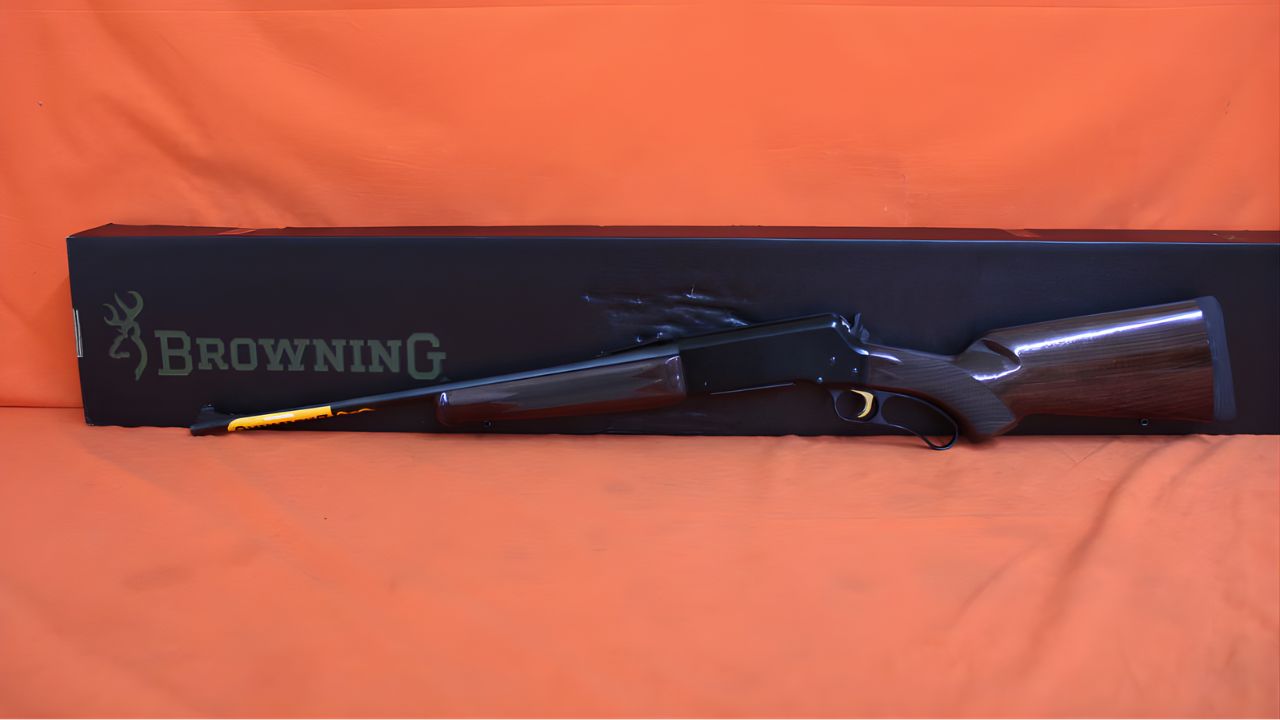
The BLR has a following because it does something very few rifles do well: it combines the handling of a lever action with cartridges and bullets normally associated with bolt rifles. Its box magazine allows pointed ammunition, opening the door to chamberings such as .308 Winchester while retaining quick lever operation.
Owners who actually hunt with them often become difficult to persuade into selling. The BLR works especially well in mixed terrain where one morning may involve thick timber and the next may produce a much longer shot across a field. It is not quite a traditional lever gun and not quite a bolt rifle, which is precisely why replacing one is hard. When a rifle fills a strange niche perfectly, market value stops being the only thing that matters.
Steyr Mannlicher-Schoenauer
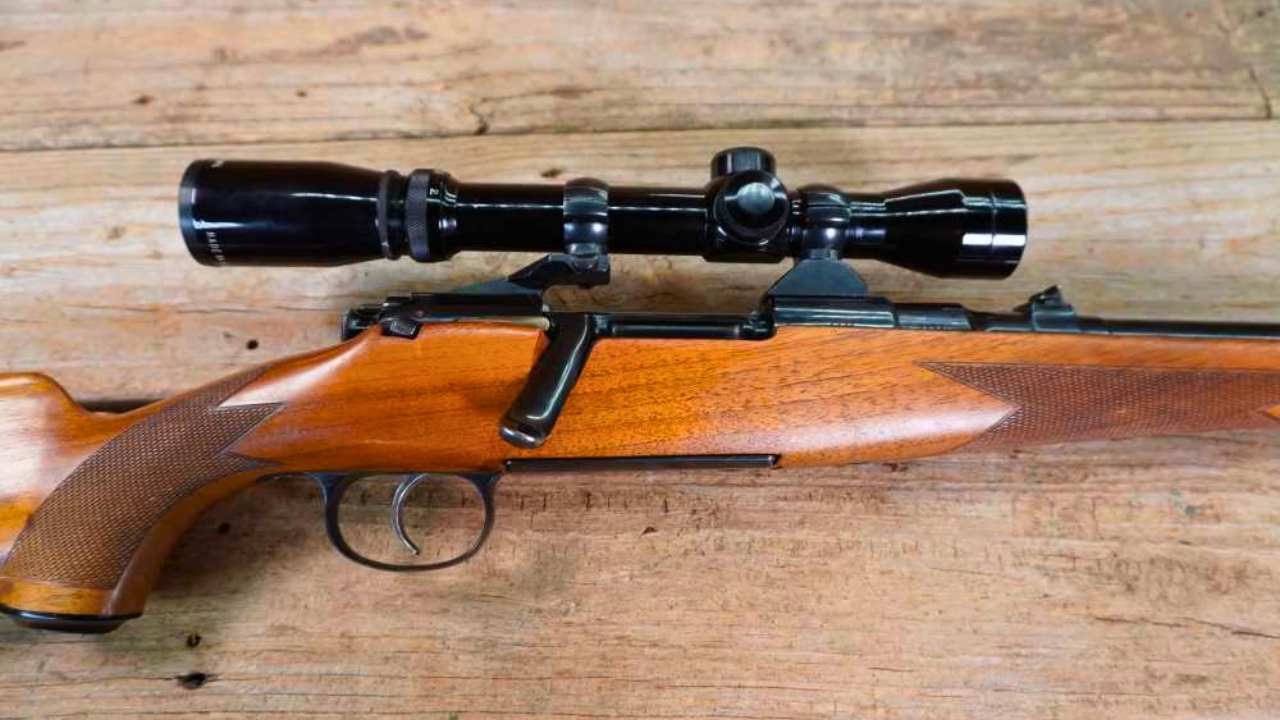
Few rifles develop owner loyalty like a Mannlicher-Schoenauer. The famously smooth rotary-magazine action, full-stocked configurations, and old-world manufacturing give these rifles a personality that modern production rifles rarely approach. Even working the bolt can make someone understand why owners speak about them with such affection.
This is also a rifle where condition and individual feel matter enormously. Stock dimensions, wood, sights, and chambering all influence how desirable a particular example becomes. Once someone owns a good one, selling it means entering a market where finding an equally satisfying replacement may be extremely difficult.
An owner may not shoot it every season, but that rarely matters. Some rifles earn permanent status simply because there is no modern substitute that captures the same mechanical and aesthetic experience.
Remington Model Seven
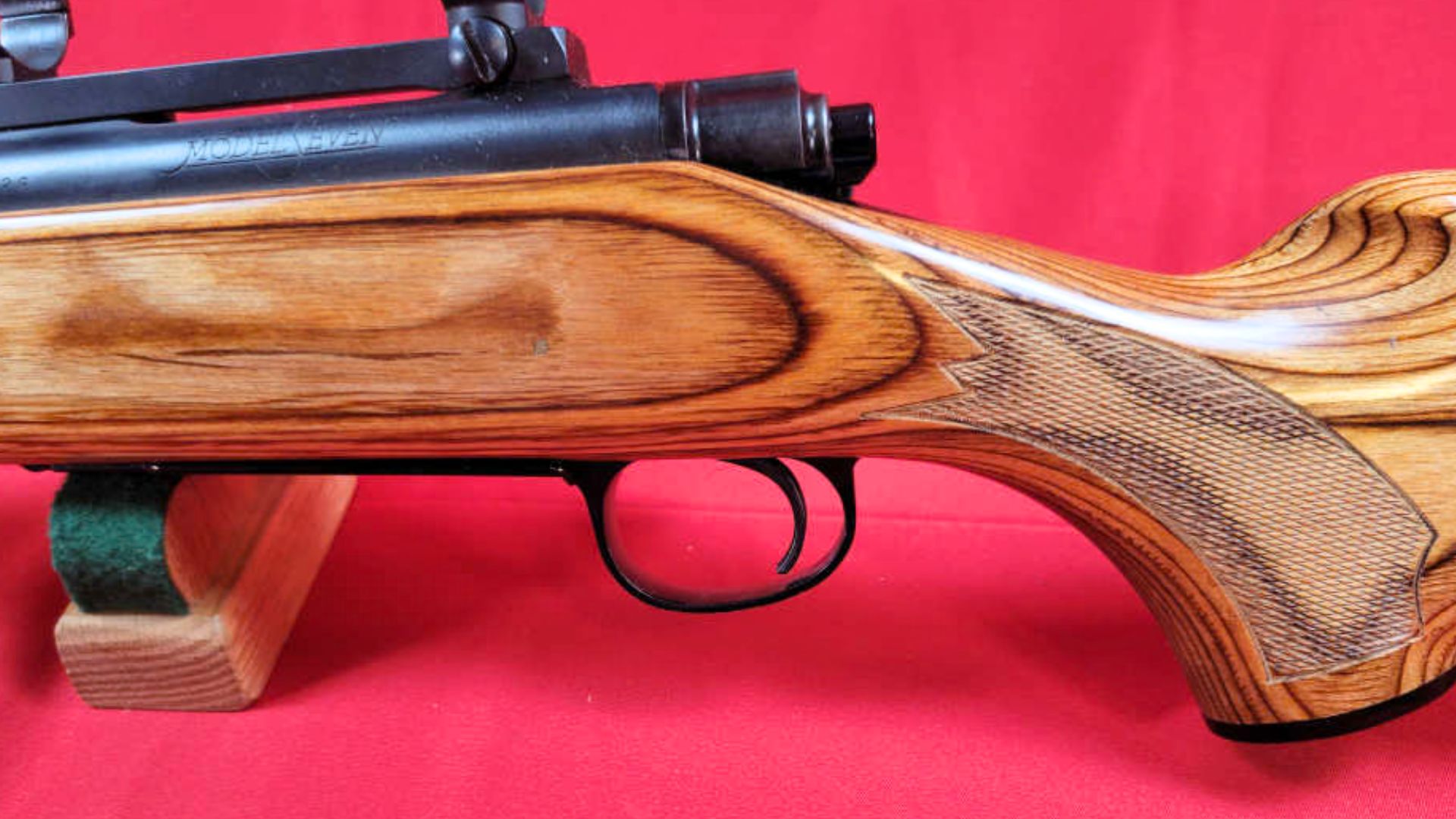
The Model Seven has always appealed to hunters who want a compact bolt-action rifle without moving all the way into a youth rifle or specialized carbine. Short actions, handy barrels, and lighter stocks made these rifles especially useful in treestands, thick woods, and rough terrain where a full-size sporter can become cumbersome.
That practicality creates attachment. A hunter who has carried the same Model Seven for years knows how quickly it shoulders and exactly how it handles from awkward positions. Certain chamberings and older configurations have also become less common, which makes the replacement problem worse.
A newer compact rifle may perform the same basic function, but that does not mean it will balance the same way. Owners who have a particularly accurate Model Seven usually understand that before anyone makes an offer.
Savage Model 24
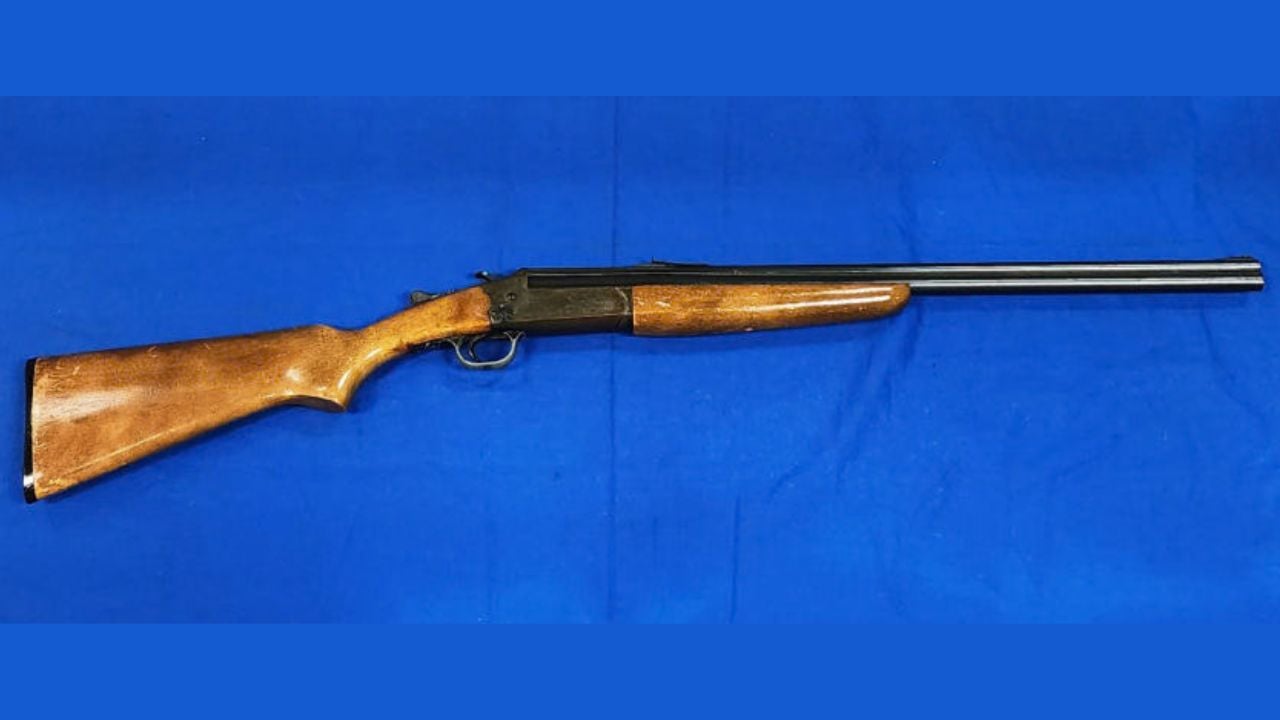
The Model 24 rifle-shotgun combination is the type of firearm owners often refuse to sell because nothing else in the safe can replace its exact function. Depending on configuration, one gun can provide a rimfire or centerfire rifle barrel over a shotgun barrel, making it extremely useful around rural property or for small-game hunting.
That versatility mattered more when people expected one inexpensive gun to cover several jobs, but it still has plenty of appeal today. Older examples also came in enough caliber-and-gauge combinations that owners can become very attached to a particular setup.
Selling one may produce a quick profit. Finding the same configuration later can be far more frustrating. When a gun occupies its own category rather than competing directly with ten current models, owners tend to think twice before letting it leave.
Cooper Model 52
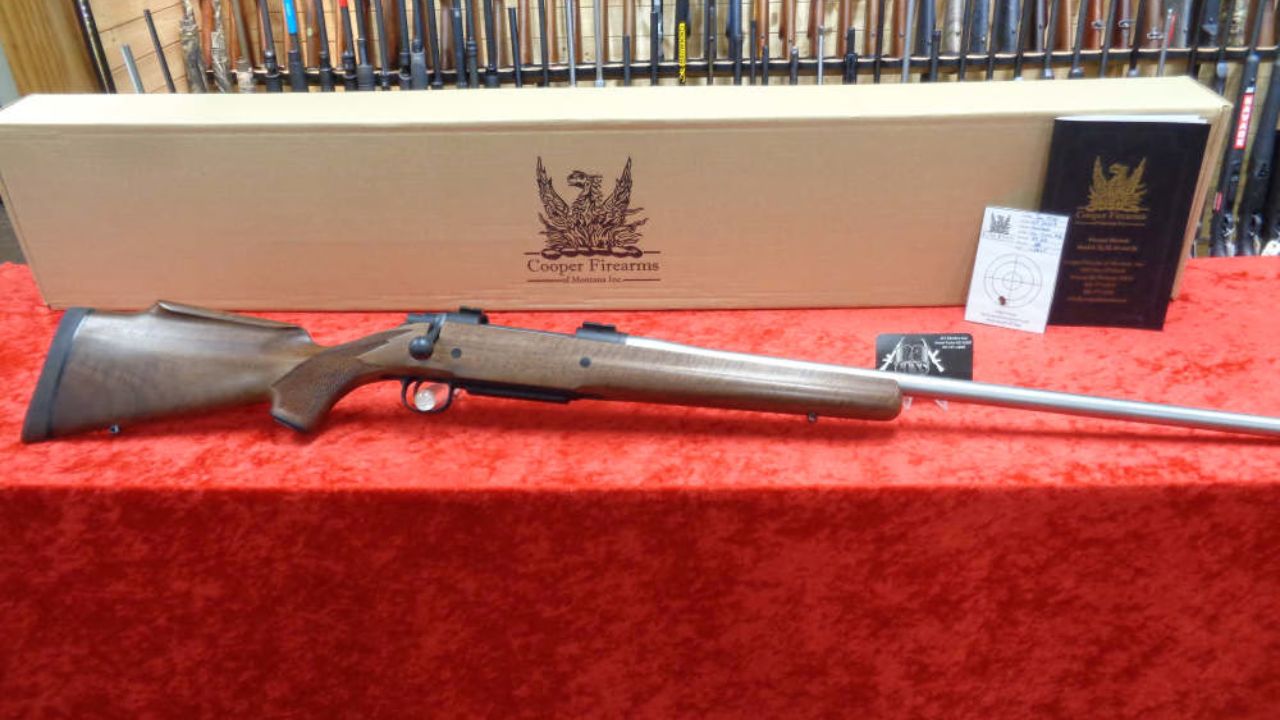
A Cooper Model 52 is the kind of rifle someone usually buys after already knowing exactly what they want. These are refined bolt actions built around accuracy, excellent stocks, and a more semi-custom feel than ordinary production rifles. That makes the purchase personal from the beginning.
Once the owner finds a load the rifle loves and spends several seasons hunting with it, offers become increasingly irrelevant. A replacement Cooper might also shoot beautifully, but it will not necessarily have the same piece of wood, the same balance, or the same proven field history.
This is one of those rifles where the resale price may look tempting until the owner asks the more important question: what would I buy that I actually like better? If there is no good answer, the rifle stays.
Marlin 1894 .357 Magnum
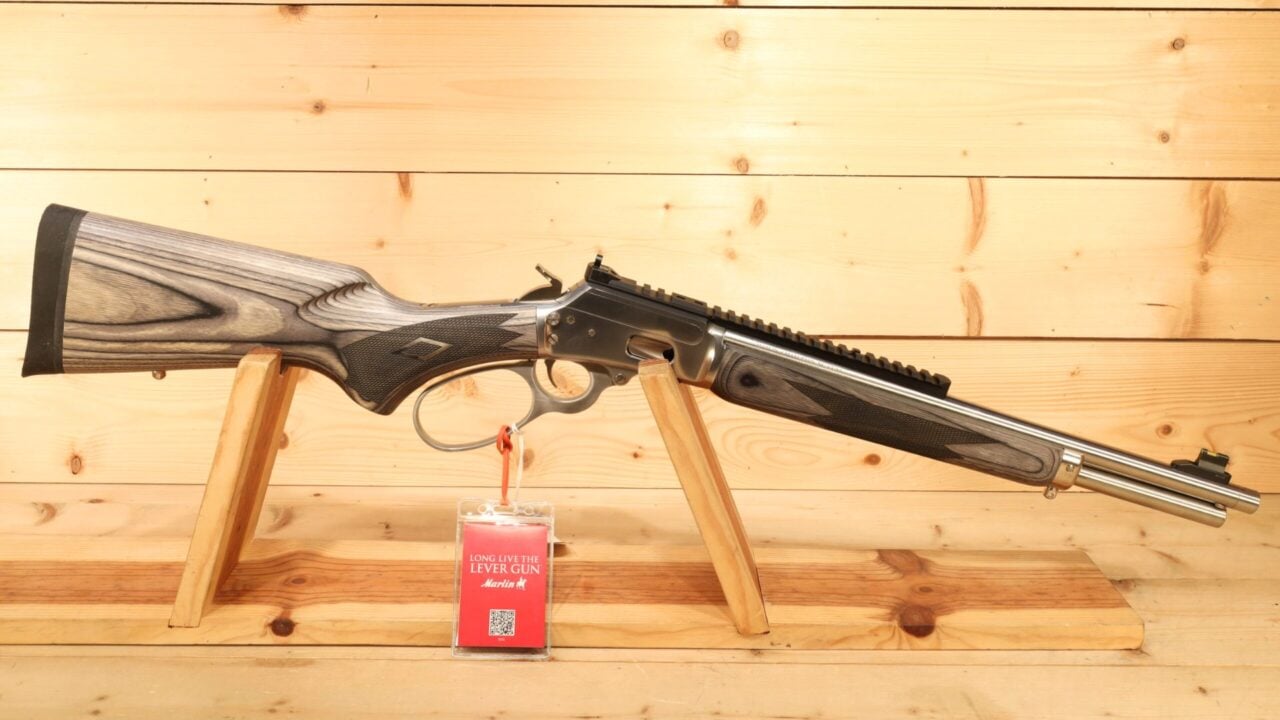
A Marlin 1894 in .357 Magnum has a way of becoming one of the most frequently used rifles in a collection even when the owner also has more powerful guns. It is short, light, pleasant to shoot, and capable of using .38 Special for low-recoil practice. Around rural property or in thick woods, those qualities make it incredibly handy.
That combination is why owners get stubborn about keeping them. A good older example that feeds smoothly and shoots accurately is difficult to improve on for what it does. The rifle may not have the reach of a bolt-action centerfire, but that was never the point.
Once someone realizes how often the little lever gun leaves the safe while bigger rifles stay home, selling it becomes hard to justify. Some rifles earn permanent status by simply being useful all the time.
Like The Avid Outdoorsman’s content? Be sure to follow us.
Here’s more from us: