Photo credit: older-than-dirt2008/ebay
Fixed-blade knives have always had a strange relationship with collectors. The fanciest customs were protected from the day they were purchased, while affordable hunting and camp knives were expected to earn scars. They dressed deer, cut rope, rode in tackle boxes, lived behind truck seats, and got sharpened on whatever stone happened to be available. Nobody worried about preserving a knife that could easily be replaced next season.
That is exactly why some of those old working knives have become so interesting. Specific steels disappear, factories close, production moves, and once-common models slowly become difficult to find without broken tips, polished blades, missing sheaths, or decades of sharpening. I would not call any knife a guaranteed investment, but these 20 fixed blades prove that ordinary working tools can become surprisingly desirable once collectors realize what stopped being made.
Buck 124 Frontiersman
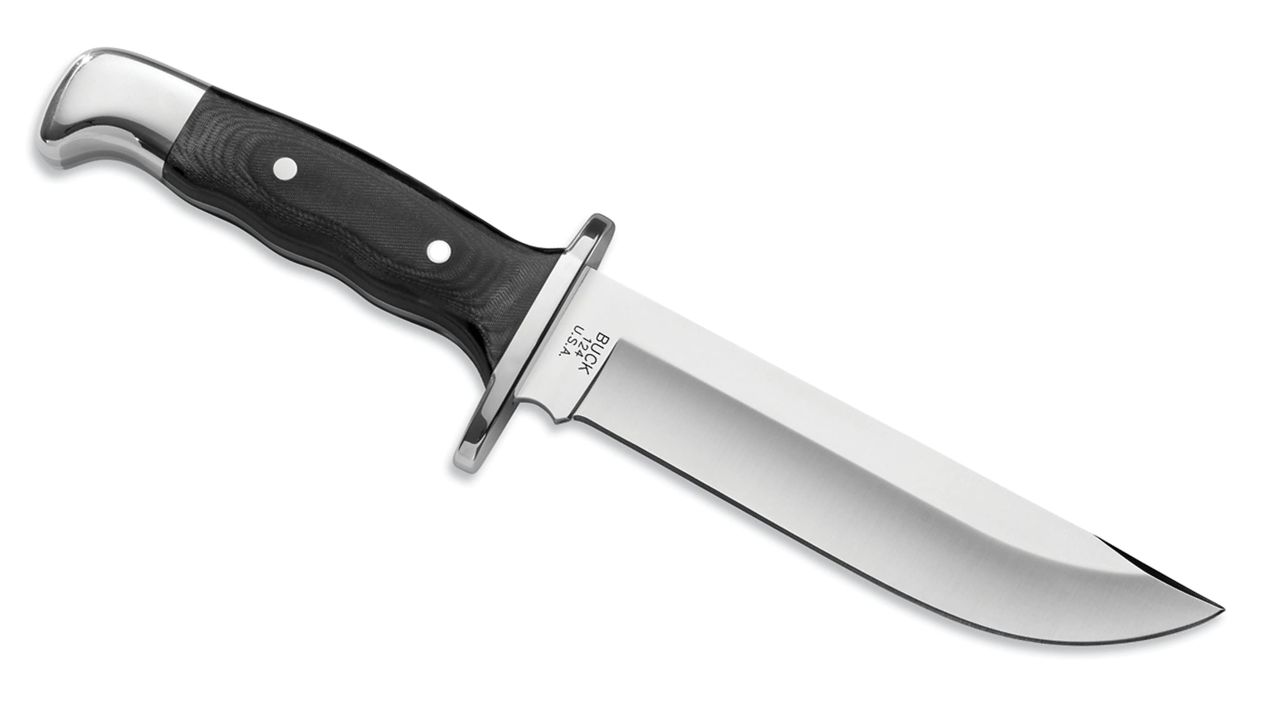
The Buck 124 Frontiersman has always looked like a knife meant for serious use rather than delicate display. Its broad blade, substantial guard, and squared-off handle gave it a much heavier presence than Buck’s more familiar hunting knives. Buck itself identifies the 124 as one of the company’s famed hunting Bowie knives and part of the classic fixed-blade tradition that grew out of its 100-series family.
For years, though, the 119 received most of the mainstream attention while the 124 occupied a smaller niche. That worked out well for owners who bought one simply because they wanted an unusually stout hunting knife. Older Frontiersmen, particularly clean examples with the proper sheath and minimal blade wear, are now the kind of knife knowledgeable Buck collectors immediately notice. Once a fixed blade this distinctive disappears from ordinary store shelves, people start appreciating how little else feels exactly like it.
Buck 118 Personal
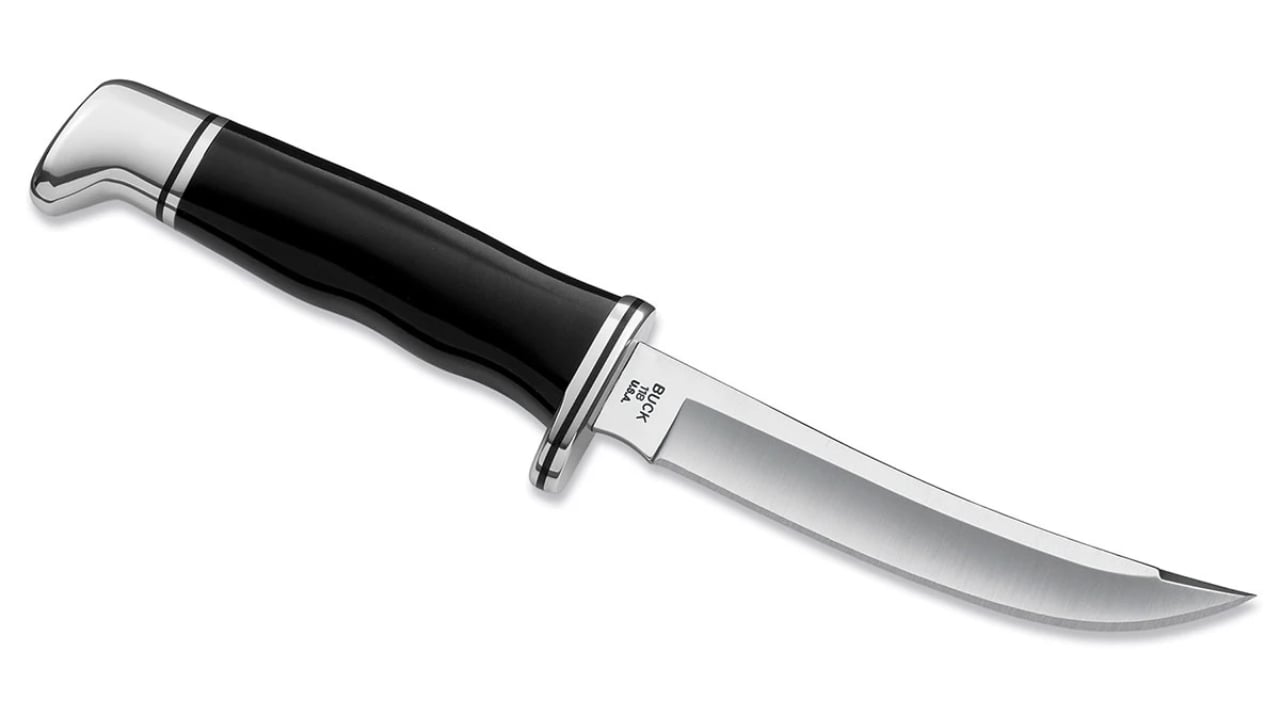
The Buck 118 Personal was easy to overlook because it sat among larger, more visually dramatic Buck fixed blades. The 119 Special had the famous clip-point silhouette, while the 120 General offered size and presence. The 118 was smaller and more understated, which actually made it a very practical hunting knife. Buck lists the 118 among the classic 100-series designs that helped establish the company’s fixed-blade identity during the 1960s.
That smaller size is part of why I think older examples deserve attention now. Hunters actually carried them, which means many surviving knives show sharpening, sheath wear, and handle damage. A clean older 118 with its original sheath feels much more special once you realize how many were simply treated as tools. Collectors eventually learn that the less-famous sibling can be harder to replace than the knife everyone saved.
Buck 105 Pathfinder

The Pathfinder is another Buck fixed blade that spent decades being overshadowed by the 119. It has a narrower blade and a more restrained profile that makes a lot of sense for actual field work, but restraint rarely attracts as much attention as a large clip-point hunting knife. Buck includes the 105 among the fixed blades that became familiar parts of its classic 100-series lineup.
That long working history is exactly what makes older Pathfinders interesting. They were hunting knives first, and hunters used them accordingly. Blade profiles were slowly sharpened away, aluminum guards collected scratches, and leather sheaths absorbed years of weather. Finding an older knife that still has a full blade and clean factory appearance can therefore be much more satisfying than finding another heavily used example. This is one of those knives collectors appreciate after realizing practical designs rarely remain pristine.
Gerber Mark II
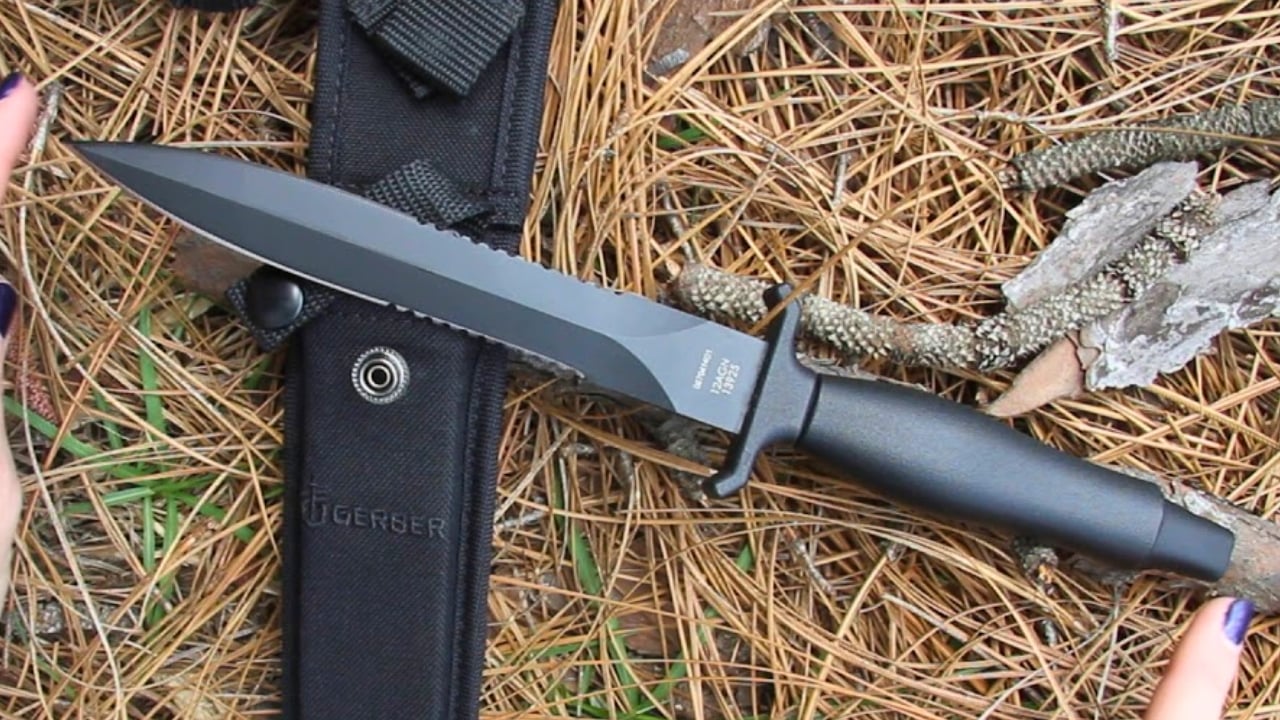
The Gerber Mark II never lacked personality, but there was a time when military-style fixed blades were treated much more like equipment than collector objects. The long narrow blade and double guard gave the Mark II an unmistakable appearance, and many owners purchased them because they wanted a hard-use fighting or field knife rather than something to preserve.
Production changes over the years made collectors much more interested in the details. Handle material, blade finish, serrations, sheath style, and production era can all separate one Mark II from another. That is where an apparently ordinary old Gerber becomes much more interesting.
I would be particularly reluctant to alter an early knife today. Plenty were sharpened aggressively, modified, carried, or stored poorly because owners had no reason to imagine later enthusiasts would care about original configuration. The cleaner the knife, the harder that history becomes to ignore.
Gerber BMF
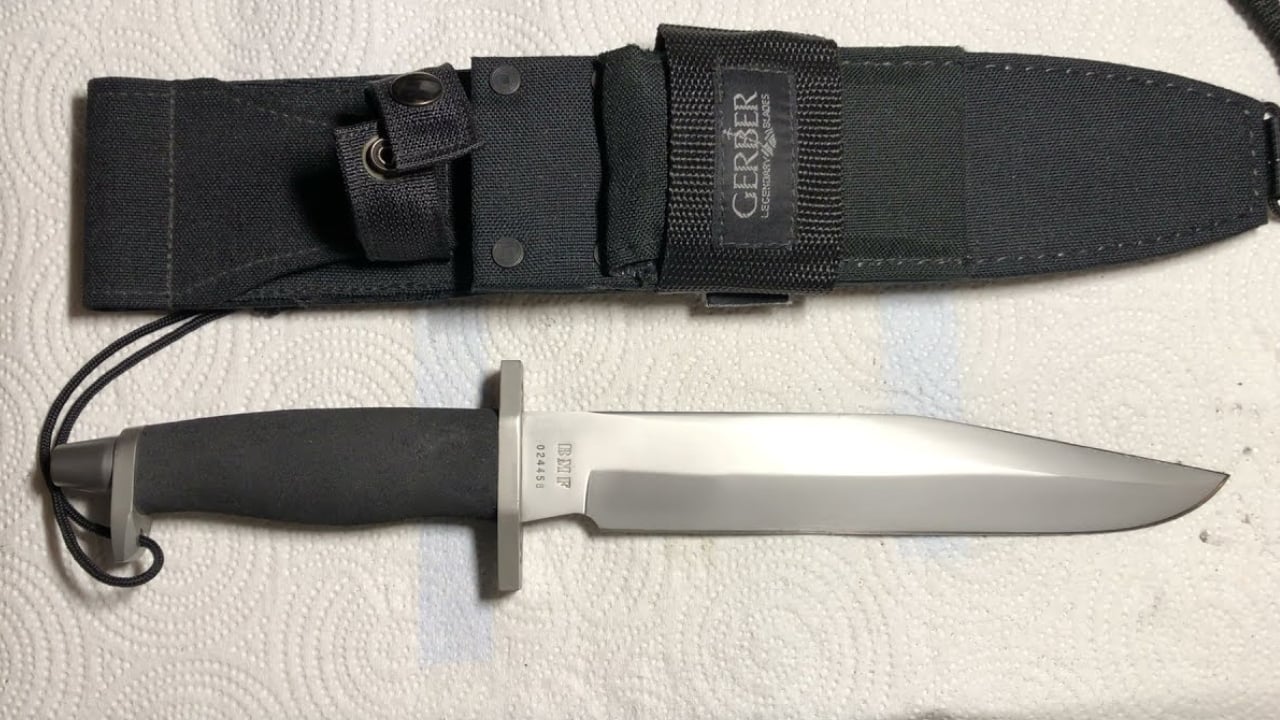
The BMF came from an era when a large survival knife could be unapologetically heavy. It was not trying to disappear in a lightweight backpack or win an ultralight gear comparison. It was a substantial fixed blade intended for the kind of owner who believed more steel was usually better.
That mentality eventually fell out of fashion. Modern outdoor knives became lighter, more specialized, and increasingly influenced by bushcraft designs. The old BMF suddenly looked excessive, and for a while that made it easier to dismiss.
Collectors now see something different. The BMF captures a very specific period in survival-knife design, and clean examples with the original sheath and accessories stand apart from knives that spent years actually being used outdoors. A knife that once seemed too big and outdated can become desirable precisely because manufacturers stopped making knives with the same attitude.
Gerber LMF
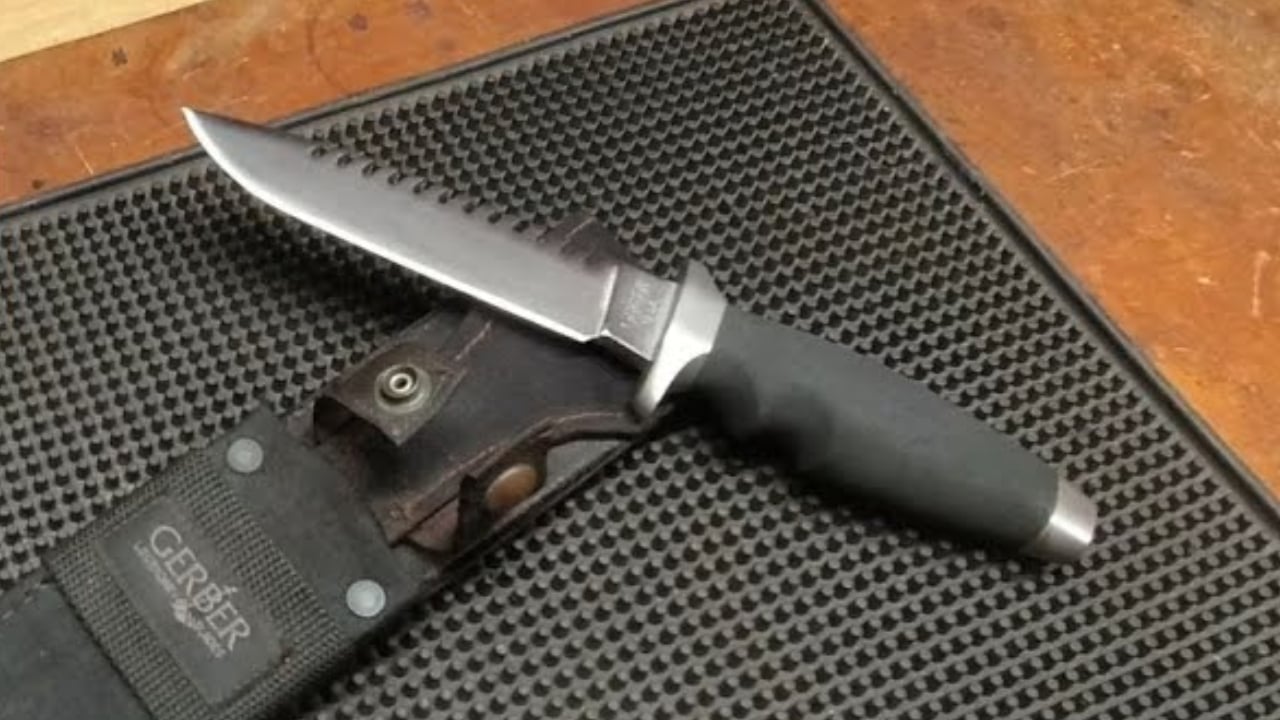
Before the LMF name became associated with later tactical survival knives, earlier Gerber versions had their own following. These were straightforward field knives built during a period when Gerber’s American-made fixed blades carried a very distinctive appearance and construction style.
Owners rarely treated them as future collectibles. A knife called an LMF was supposed to work. That meant edge wear, scratched finishes, damaged sheaths, and occasional modifications were all part of normal ownership. Years later, those same characteristics make an untouched example much more noticeable.
I think knives like the LMF prove why condition matters more than raw production numbers. There may still be plenty of old Gerbers floating around, but finding exactly the production variation you want with the original sheath and very little wear can become surprisingly difficult. Collectors are not merely buying the name. They are buying an intact piece of that production era.
Schrade 165 Woodsman
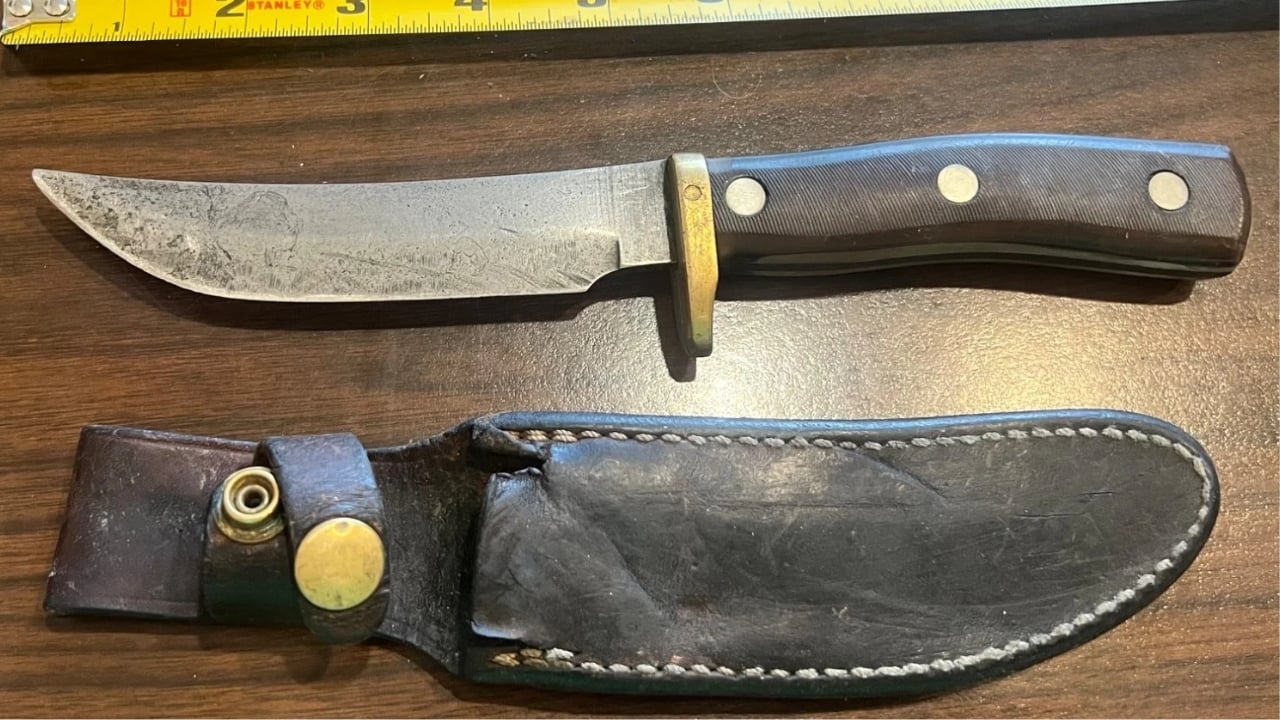
The Schrade 165 Woodsman was the kind of hunting knife that made perfect sense when Schrade’s American factories were still producing affordable working cutlery. It had a traditional blade shape, practical handle, and very little about it suggested owners should put one away untouched.
Most people did exactly the opposite. They took them hunting. Blades were sharpened season after season, leather sheaths got wet, and handles accumulated marks from real field use. When the old Imperial Schrade operation closed in 2004, that endless replacement supply disappeared.
That changed the conversation around American-made Schrade fixed blades. A clean 165 is no longer just another old hunting knife. It is a surviving example from an American factory era that ended more than two decades ago. I would especially want one with a full blade and original sheath rather than a polished knife someone tried to make look new again.
Schrade PH1 Pro Hunter
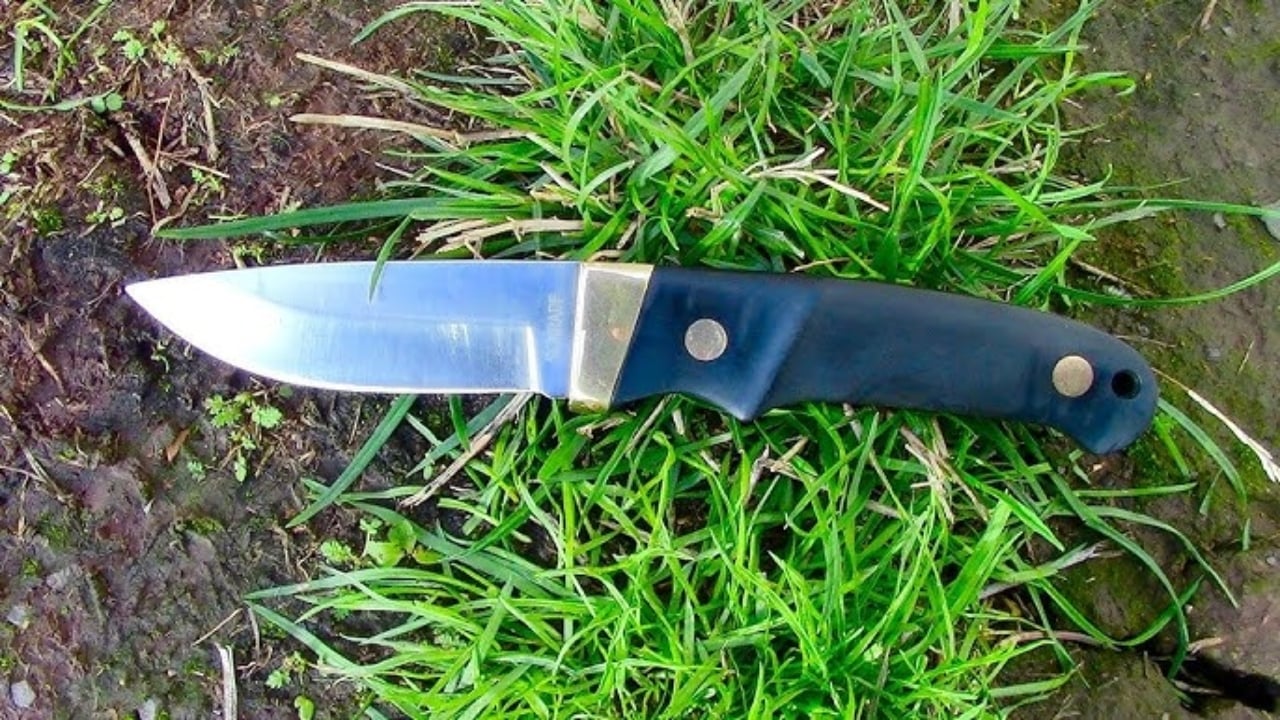
The PH1 Pro Hunter never had the old-fashioned appearance of Schrade’s traditional hunting knives, which may have worked against it for collectors initially. It was a practical full-tang knife designed around grip and field use rather than classic stacked handles or polished guards. To many buyers, it simply looked like a modern working Schrade.
That is precisely why I find the old American-made PH-series knives interesting today. They represent Schrade experimenting outside the traditional Old Timer formula while still manufacturing knives domestically. Once the original company closed, those specific versions became another finite category.
A PH1 with an intact handle, factory blade profile, and proper sheath is something I would no longer treat casually. Working fixed blades disappear from the market differently than collectibles. They do not vanish all at once. They slowly get used up until everyone suddenly notices how few nice examples remain.
Case XX Finn
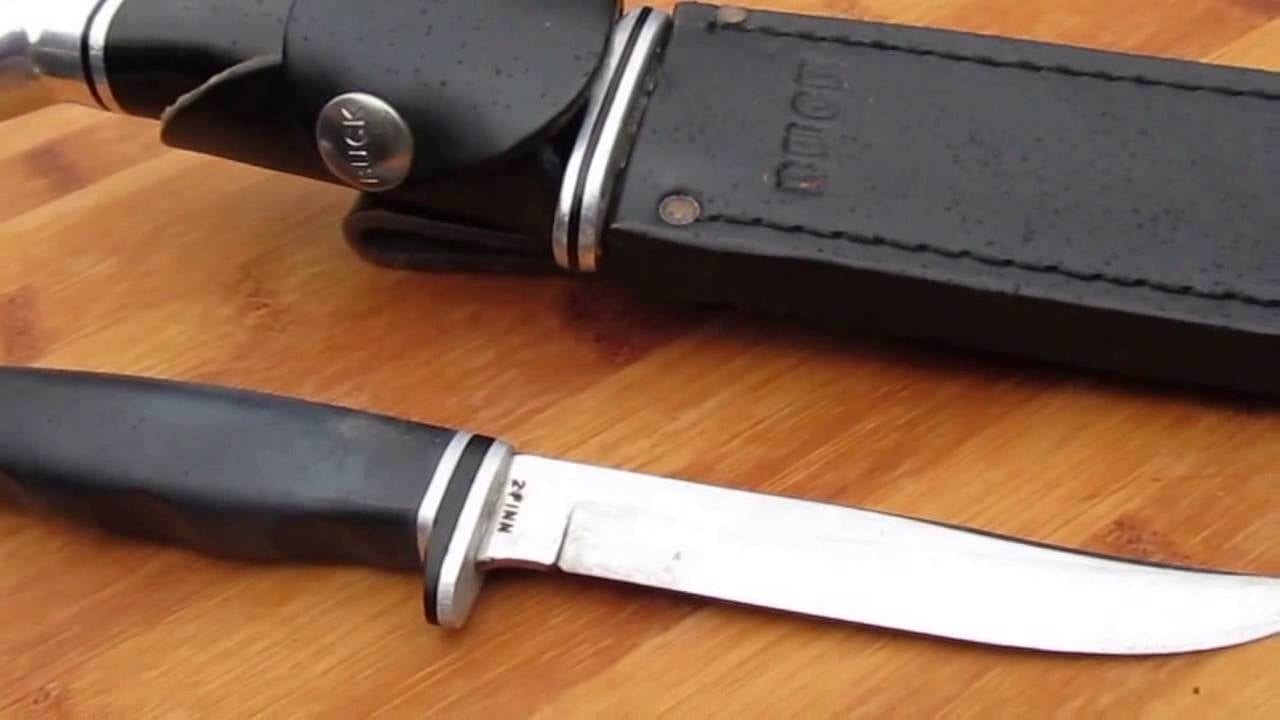
Case collectors are famous for chasing folders, which can cause the company’s older fixed blades to receive less attention than they deserve. The Finn-style hunting knives were practical, compact tools that did not have the massive profile of a Bowie or the visual variety of Case’s countless pocketknife patterns.
That understated nature is exactly why older examples appeal to me. A vintage Case fixed blade with the right tang stamp can be dated and placed within the company’s long production history, and Case notes how important those changing stamps have become to collectors trying to establish manufacturing periods.
Because these were hunting knives, condition can vary enormously. A full original blade and correct sheath matter much more than they did when another Case hunting knife could simply be purchased. The fixed blades are slowly getting the recognition the folders received much earlier.
Case XX 316-5
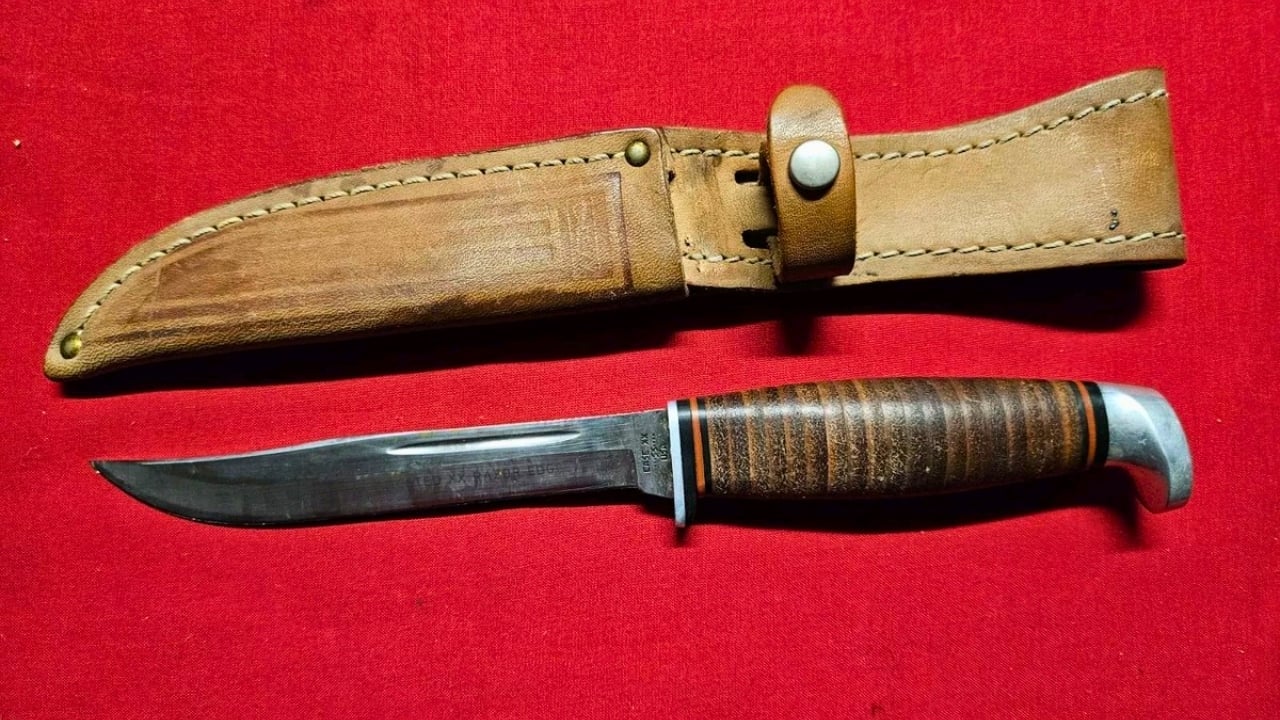
The Case 316-5 is the kind of straightforward hunting knife that could easily disappear into the background. It was neither an enormous Bowie nor an exotic survival knife. It was built around the idea that a hunter needed a good fixed blade and not much else.
Those ordinary designs are often the ones that suffer the most over time. Owners sharpen them repeatedly, replace damaged sheaths, polish away patina, or eventually leave them rusting in a toolbox because the knife never seemed important enough to preserve. Several decades later, collectors start looking for exactly the factory-original example nobody thought to save.
Case’s XX marking itself has roots in the company’s heat-treatment process and remains one of its best-known identifying marks. An older fixed blade carrying that history is increasingly more interesting than its once-modest hunting-knife reputation suggested.
Camillus Pilot Survival Knife
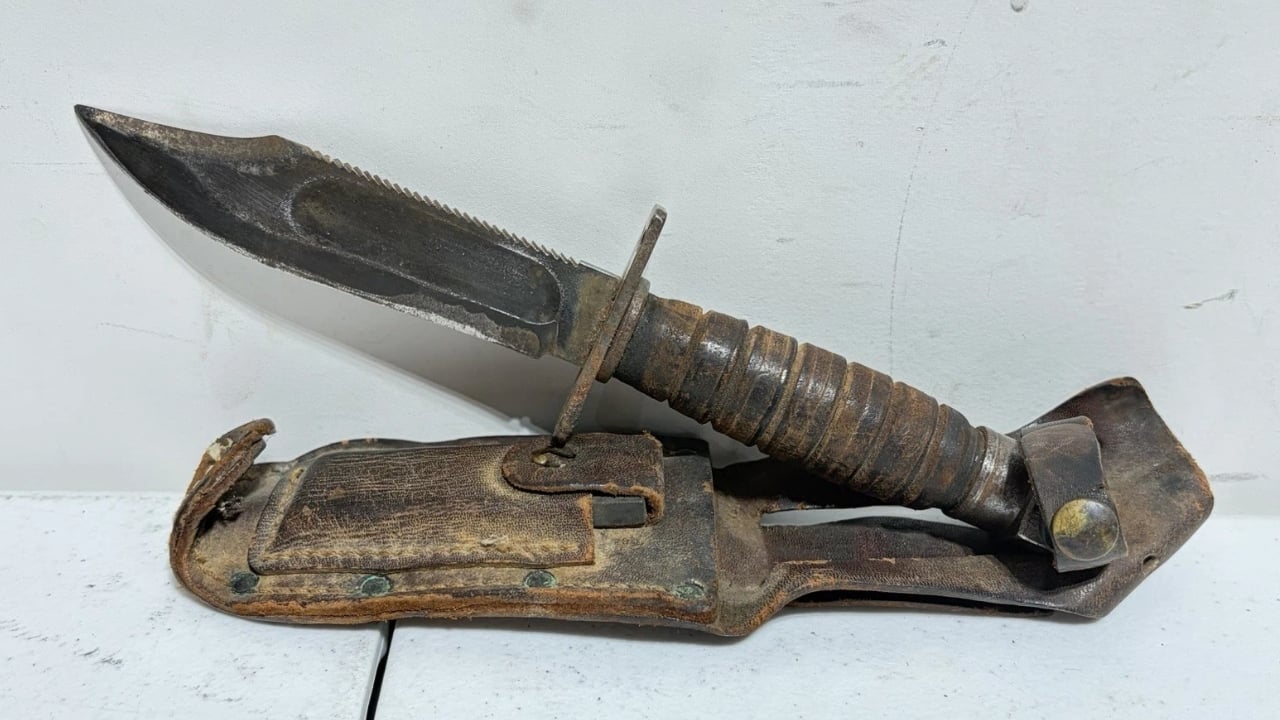
The Camillus pilot survival knife is one of the clearest examples of a tool being taken for granted because it was made in large numbers for practical purposes. These knives were connected to military survival use rather than the collector market, and plenty of civilian examples were treated as inexpensive camp or utility knives.
That is hard on condition. Tips get damaged, pommels get hammered, sharpening changes the blade shape, and leather handles darken or loosen after years of exposure. None of that is surprising because the design was never meant to live untouched in a display cabinet.
The closure of the original Camillus operation in 2007 changed how collectors viewed many of the company’s American-made knives. Once the New York factory was gone, old Camillus-marked military and survival blades became pieces of a production history that could not simply restart. Clean originals deserve much more attention now.
Camillus Becker BK1 Brute
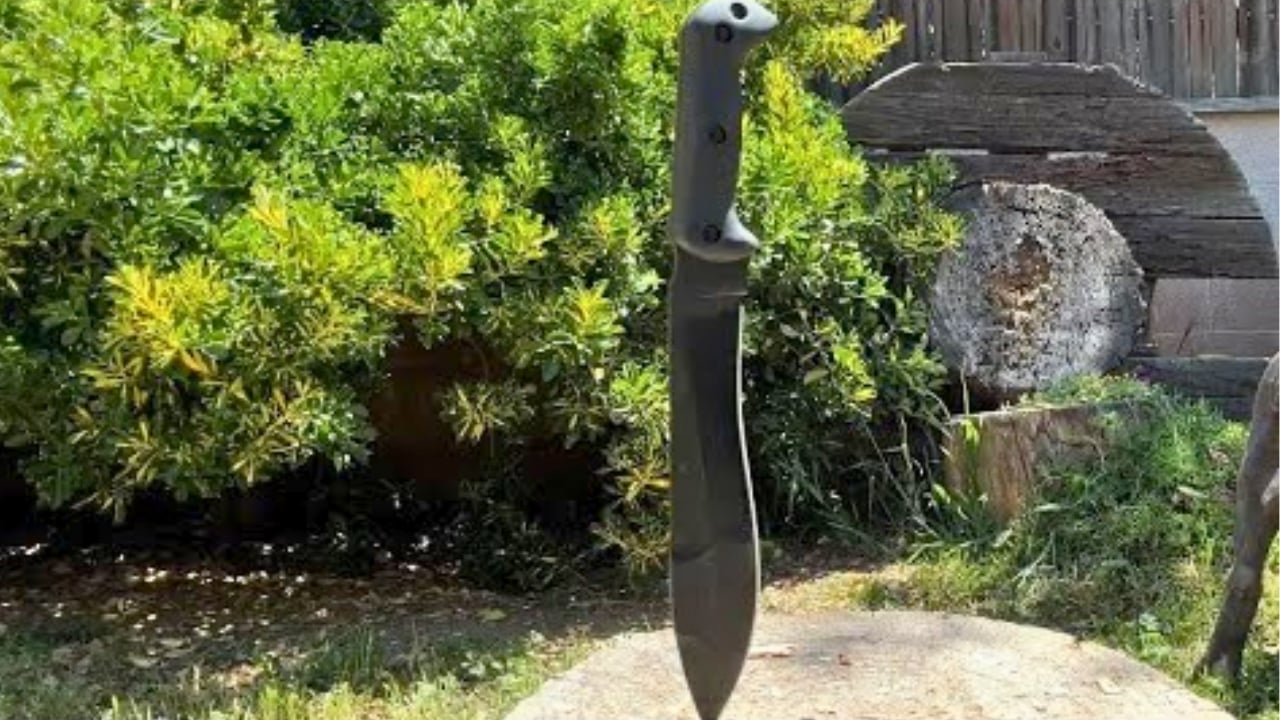
The Becker Brute looked ridiculous to some people when it was new. It was thick, aggressively shaped, and clearly designed around hard chopping and camp work rather than delicate cutting. That made the BK1 easy to dismiss as excessive, especially as outdoor-knife tastes shifted toward lighter bushcraft blades.
Then the Camillus-made Becker era ended. The old Camillus factory closed in 2007, and although Becker designs continued elsewhere, the Brute did not simply remain an ordinary catalog knife forever.
That is where collectors took over. The BK1 became desirable partly because there is so little else shaped quite like it. Many owners also modified or heavily used theirs, which makes an original knife with the factory coating and proper sheath substantially more appealing. What once looked like an awkward chunk of steel now represents one of the most recognizable discontinued designs from the early Becker period.
KA-BAR 1217 USMC Fighting/Utility
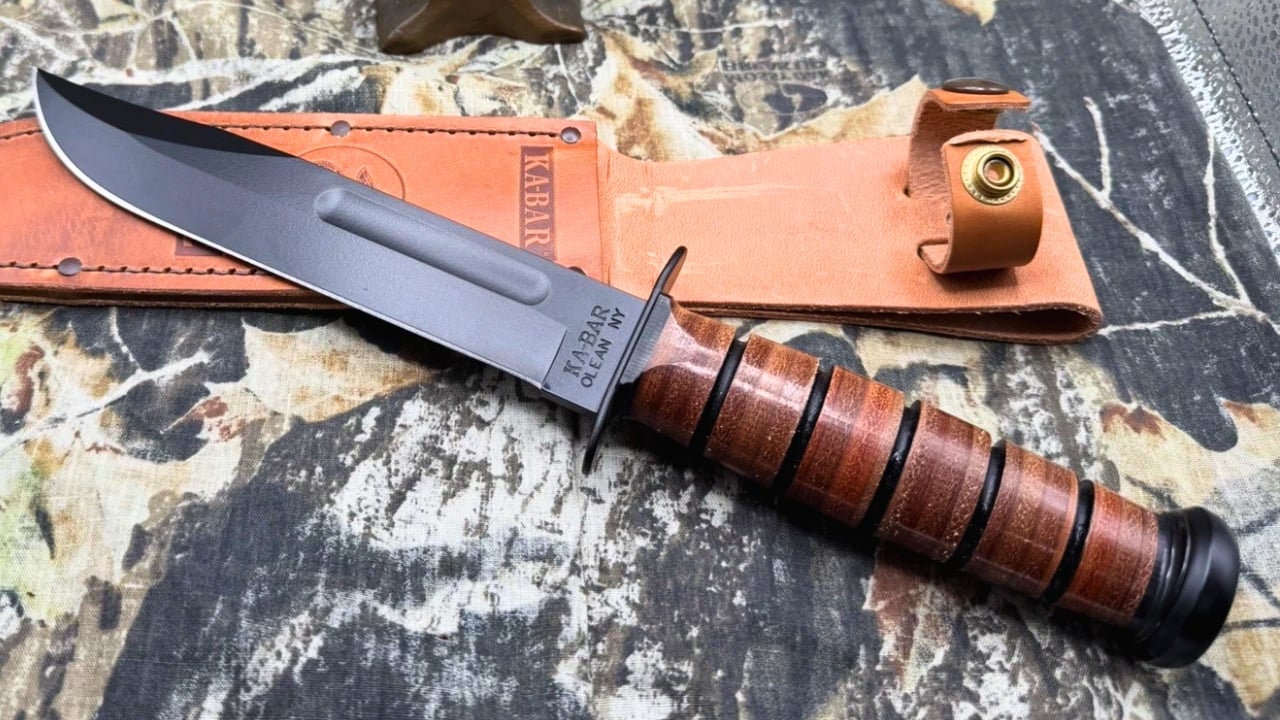
It seems strange to call the KA-BAR overlooked because practically everyone recognizes it today. The important distinction is that older examples were often viewed primarily as military or utility knives rather than collectibles. The design traces directly to the 1219C2 Fighting/Utility Knife adopted by the Marine Corps during World War II, with multiple companies producing versions. KA-BAR notes that the trademark became so closely associated with the pattern that the name eventually eclipsed Union Cutlery itself.
That history makes production details important. An actual wartime knife is a different object from a later commercial 1217, and condition, markings, pommel construction, and sheath can dramatically alter collector interest.
Older owners sometimes treated these knives like any other field blade. Collectors now know to look much more carefully before sharpening, refinishing, or replacing anything.
Western Black Beauty
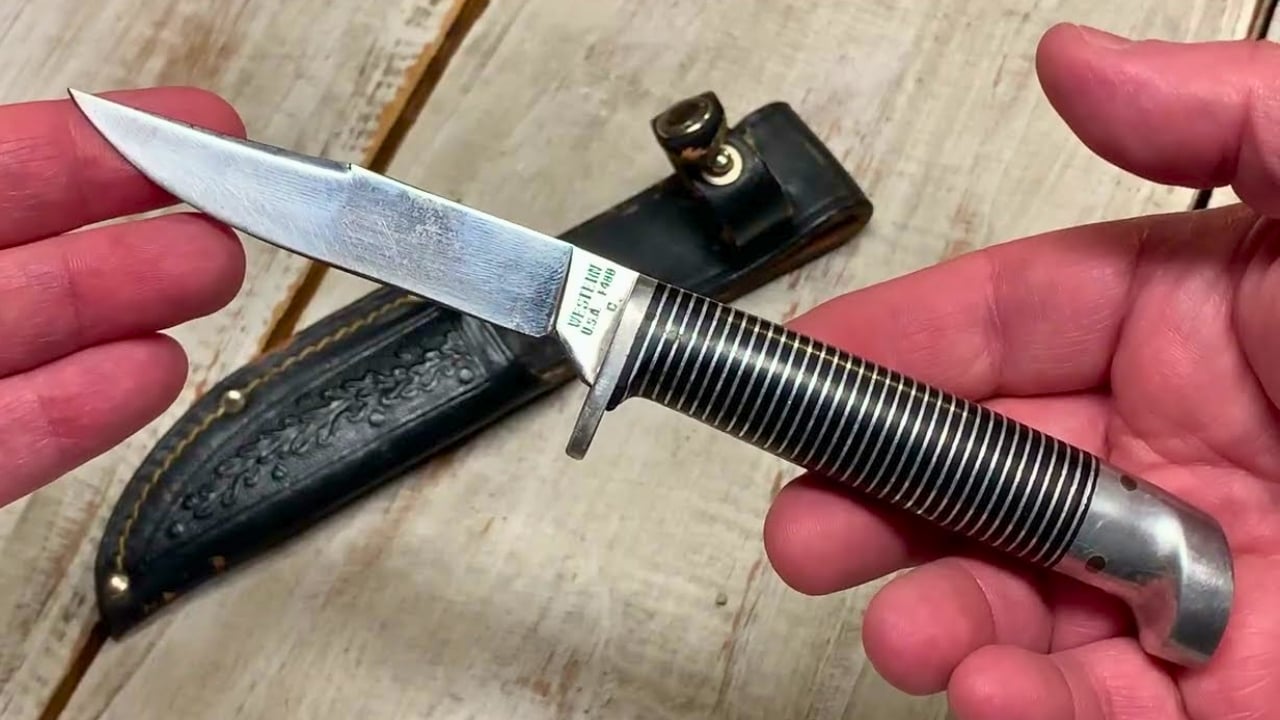
Western’s Black Beauty hunting knives have the visual personality collectors eventually notice. Dark handles, bright metal accents, and traditional fixed-blade shapes gave them a recognizable style, but for decades Western remained primarily a working-knife brand rather than one people automatically placed in glass display cases.
That meant Black Beauties went hunting. They were sharpened, carried in leather sheaths, and subjected to the same hard life as thousands of other American hunting knives. The original Western production era ended long ago, turning those surviving knives into something much more finite than owners once realized.
I would particularly look for a knife that has not been polished to death. Original finishes and honest minor wear tell me much more than an artificially shiny blade. Western collectors have become much better at distinguishing production periods, and the days of assuming every old Western is just a cheap hunting knife are fading quickly.
Western F39
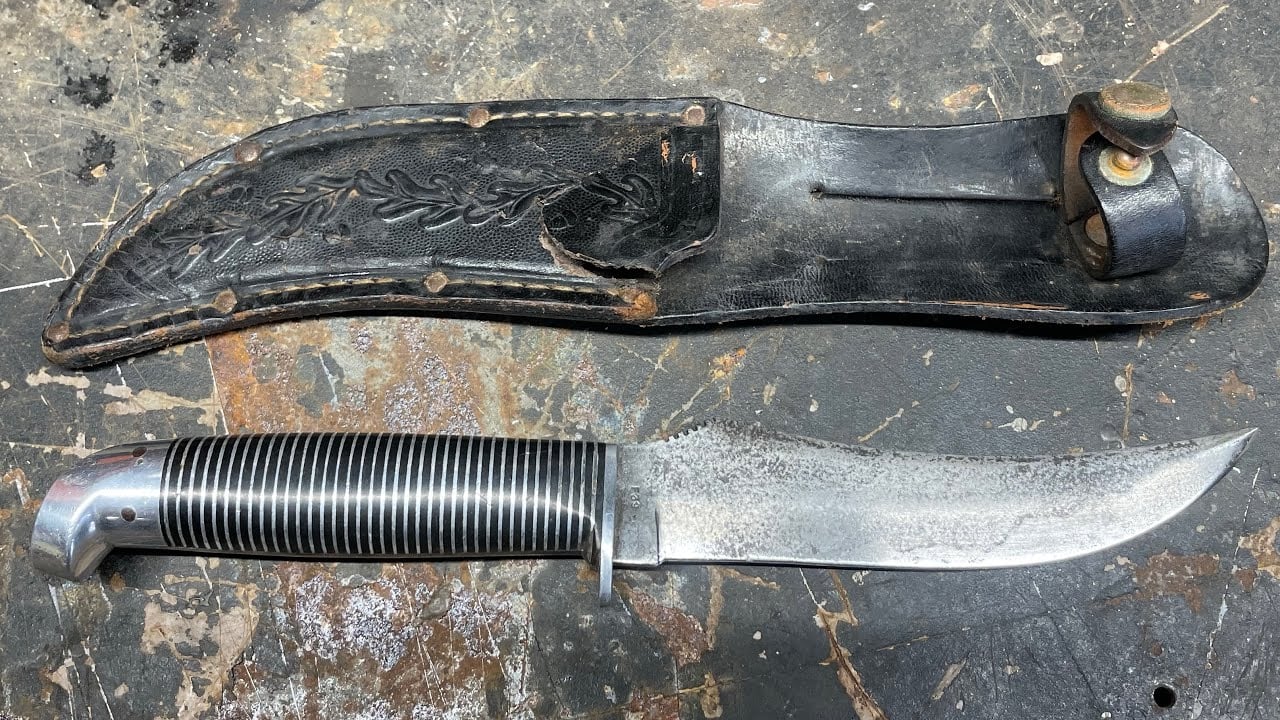
The F39 is another Western fixed blade that benefits from being different. Instead of resembling the standard hunting knife everyone already knows, it has enough period styling to immediately place it in another era. That can work against a knife while it is new and become exactly what collectors appreciate later.
Owners rarely thought this way at the time. They judged the knife by whether it cut well and survived hunting trips. As a result, old Western fixed blades frequently turn up with reshaped edges, missing sheaths, damaged handles, and other evidence that somebody got decades of value out of them.
A clean F39 proves that usefulness and collectibility can eventually intersect. I would not buy one expecting guaranteed appreciation. I would buy one because once an unusual American-made fixed blade disappears, finding another in equal condition can turn into a surprisingly long search.
SOG S1 Bowie
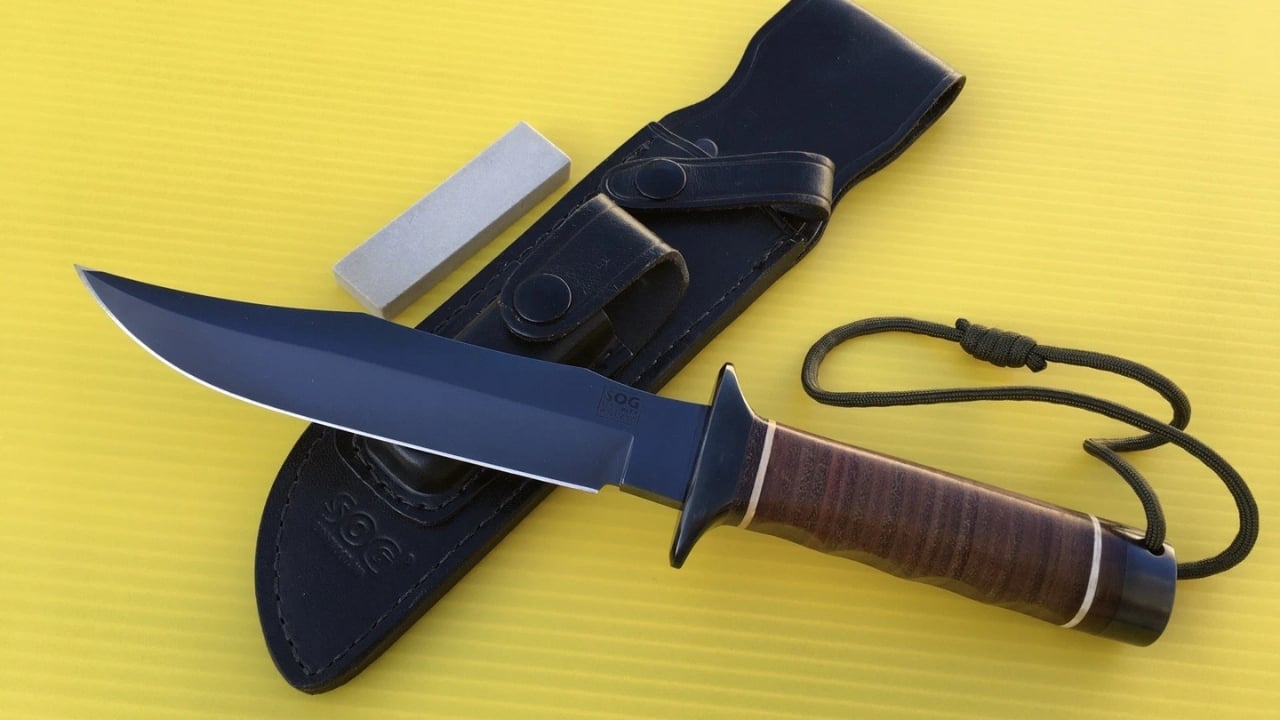
The early SOG Bowie knives helped establish the company around designs inspired by the knives associated with the Vietnam era. Japanese-made SOG fixed blades developed a following for their fit, finish, and distinctive stacked-handle appearance, but they were originally purchased by plenty of people who simply wanted a serious field knife.
As SOG changed and production evolved, the older Japanese knives began separating themselves in the collector market. Country of manufacture suddenly mattered. So did exact markings, sheath type, handle condition, and whether the blade had been sharpened.
The S1 is exactly the kind of knife I would think twice about modifying today. Modern SOG knives can handle field duties without risking an older example. Once collectors decide one production period represents the version to own, clean knives tend to disappear into permanent collections quickly.
SOG Tigershark
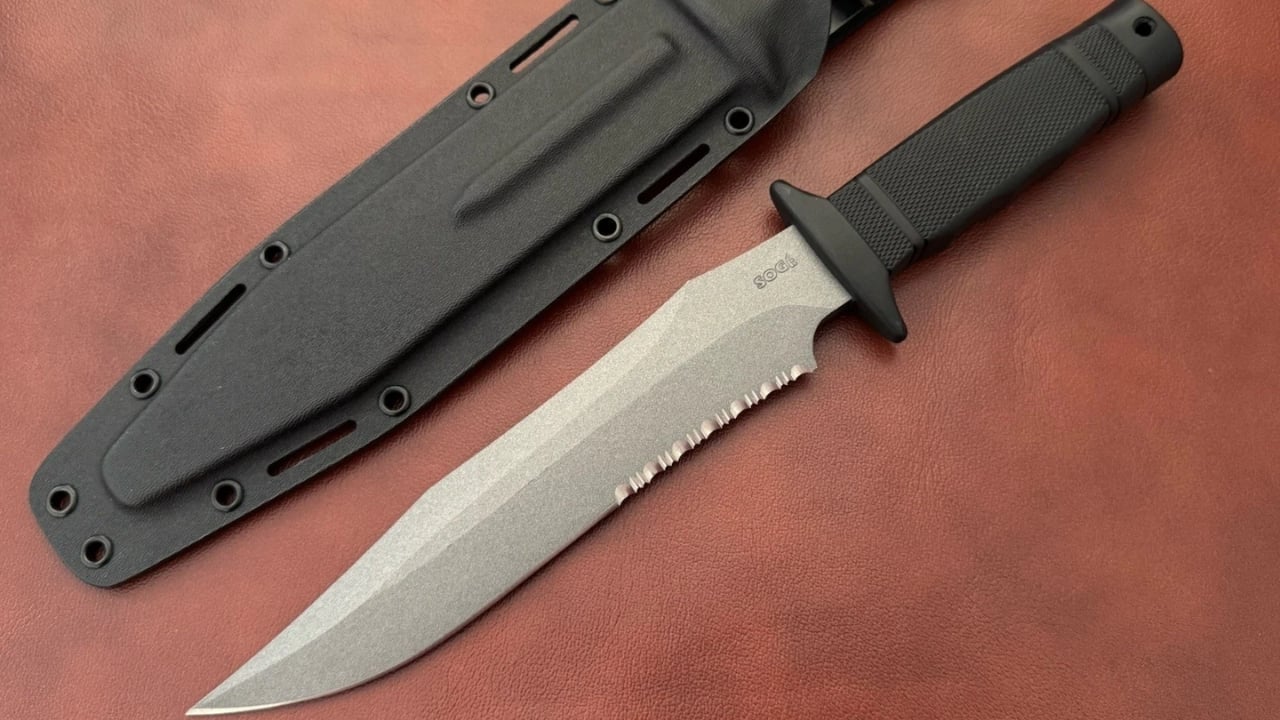
The original Tigershark had the size and attitude that defined a certain era of survival knives. It was large, aggressive, and built for buyers who did not consider a heavy fixed blade a disadvantage. At the time, that placed it into direct competition with plenty of other oversized outdoor knives.
Today, the early Japanese-made versions have a very different appeal. They capture an era of SOG production that cannot be reproduced merely by reusing the model name. Older examples that retain their factory finish, handle condition, and correct sheath are particularly noticeable because Tigersharks were not exactly purchased for gentle treatment.
I would not be surprised if more collectors begin separating early SOG production into increasingly specific categories. Once that happens, the knife someone once tossed into a camping bin becomes the knife everybody wishes the previous owner had left untouched.
Cold Steel Trail Master San Mai
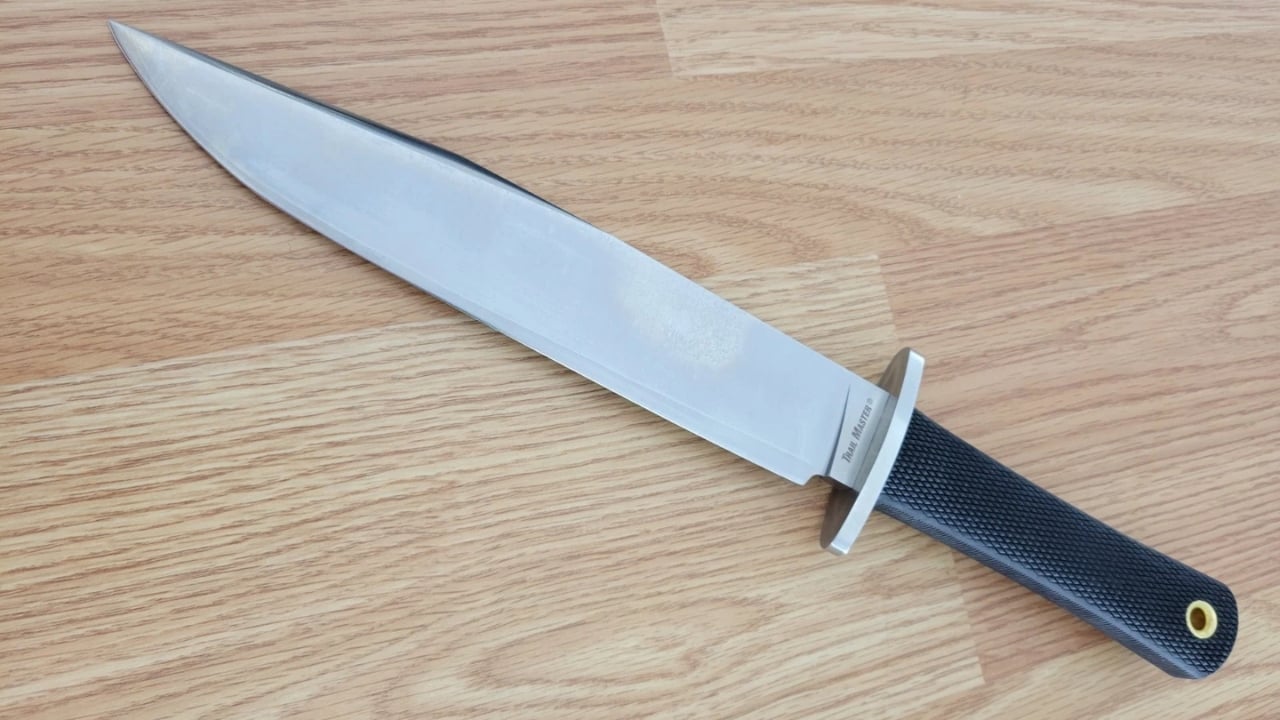
The Trail Master earned its reputation by being enormous, tough, and unapologetically built around hard outdoor use. Versions made in Japan with laminated San Mai construction eventually became particularly interesting as Cold Steel’s manufacturing arrangements and materials changed over the years.
The funny thing is that buyers originally paid for performance, not future collector status. Trail Masters got used. They chopped wood, accumulated scratches, and sometimes received homemade sheath or handle modifications from owners who thought nothing of altering a working knife.
That makes a clean older San Mai example much more meaningful now. The combination of Japanese production, a distinctive Cold Steel design, and a configuration tied to an earlier company era gives collectors several reasons to care. The knife that once seemed absurdly oversized can eventually become one of the knives people most regret beating up.
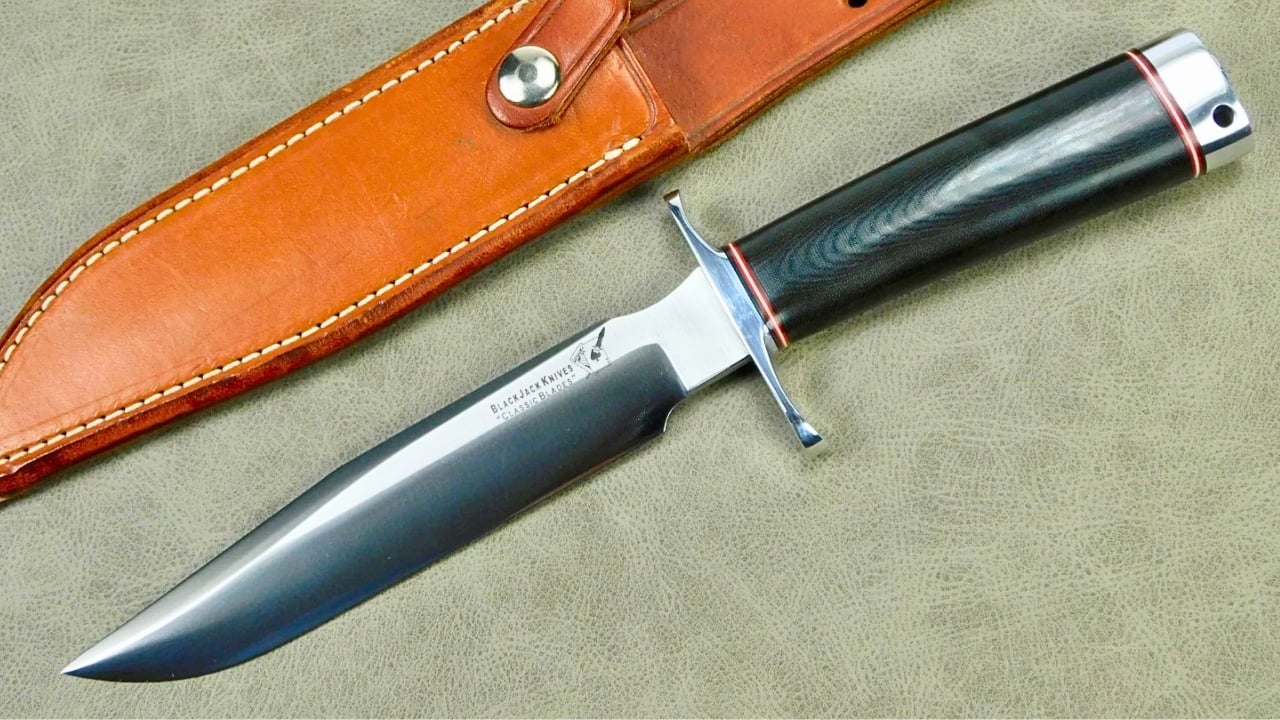
Blackjack Model 1-7
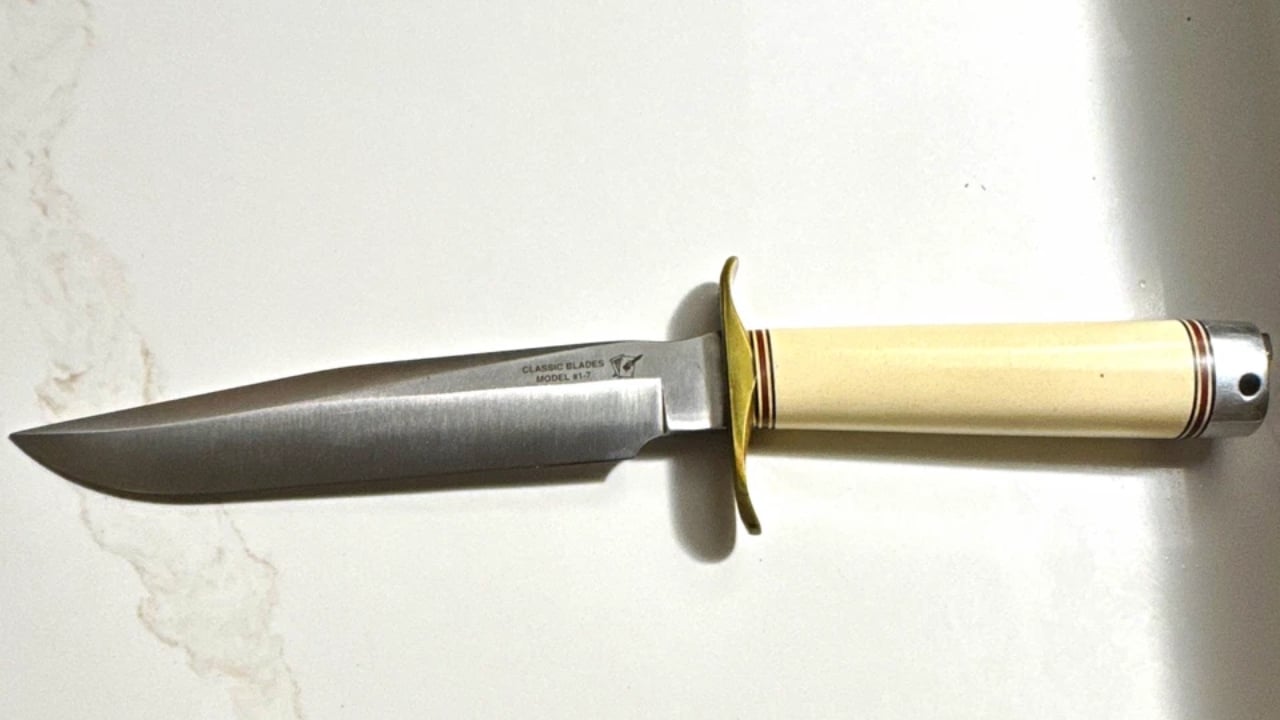
Blackjack knives have gone through enough manufacturing changes that experienced collectors learn quickly not to treat every knife carrying the name as identical. The Model 1-7 has the unmistakable traditional fighting-knife appearance that puts it into the same broad visual family as classic military and Randall-style designs.
For years, however, Blackjack occupied a more affordable space than the custom knives that inspired some of its styling. That made the knives much easier to actually use. Hunters and outdoorsmen could own a handsome fixed blade without feeling as though every scratch destroyed a major investment.
Production-era differences are much more important today. Collectors care who manufactured a particular Blackjack, where it was made, what steel was used, and whether the sheath is correct. That deeper knowledge is exactly how overlooked production knives stop being interchangeable and start becoming collectible.
Benchmade Nimravus
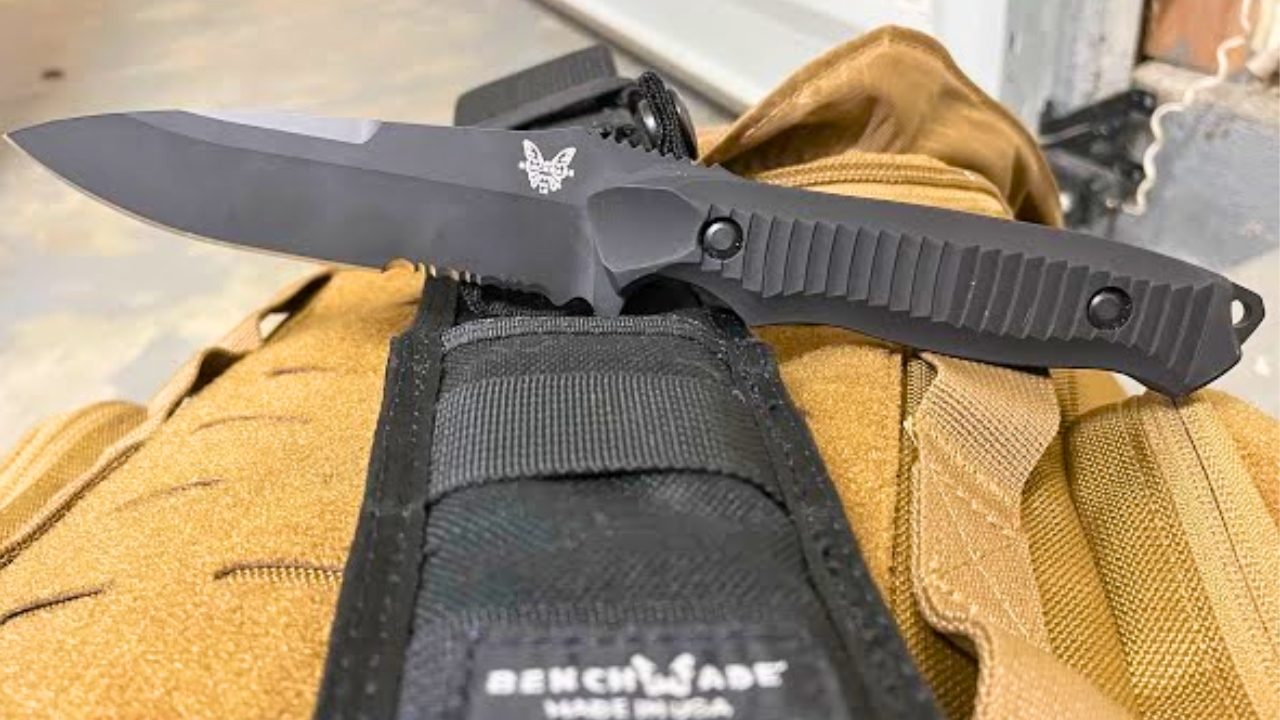
The Nimravus came from a period when Benchmade was much more strongly associated with folders, which made a straightforward fixed blade easy to overlook. It had clean tactical styling, a full tang, and a profile that worked equally well as a field or utility knife without relying on the exaggerated shapes common to some tactical blades of the era.
That understated design has aged remarkably well. Older production variations, steels, coatings, and handle configurations now give collectors something to sort through, while discontinued versions become harder to find untouched. Owners who bought them for real use often scratched the coatings, replaced sheaths, or modified the edge without ever thinking twice.
A clean early Nimravus makes much more sense as a collectible today because it represents an important fixed-blade branch of a company better known for its folding knives. Sometimes being overlooked initially is exactly what makes preservation difficult later.
Like The Avid Outdoorsman’s content? Be sure to follow us.
Here’s more from us: