Photo credit: srspower/YouTube
Rimfire rifles may be one of the easiest categories of firearms to underestimate. A centerfire hunting rifle might get cleaned carefully and tucked into the safe after deer season, while the family .22 gets thrown behind a truck seat, leaned against a barn wall, handed to three generations of kids, and fed thousands of rounds without anyone thinking about what it might someday be worth.
That is exactly why the clean ones are becoming interesting. I would not treat any firearm as a guaranteed investment, but several discontinued rimfires are attracting considerably more collector attention than their old plinker reputations suggest. Remington’s Nylon 66 is a perfect example, with collector interest and price escalation already documented for less-common variations. These are 20 rimfires I would think carefully about before treating them like ordinary used .22s.
Remington Nylon 66

The Nylon 66 spent years being mocked because its synthetic construction looked cheap during an era when serious rifles were supposed to wear walnut. That perception did not stop people from buying them. Remington produced more than a million before discontinuing the rifle in 1991, making it one of the company’s great rimfire successes. Because they were light, inexpensive, and reliable, owners usually treated them as working plinkers instead of something worth preserving.
That attitude is changing fast. Collector interest has already pushed less-common variations upward, and condition makes a tremendous difference. A basic Mohawk Brown may still be attainable, but clean Apache Black, Seneca Green, and other desirable versions are another conversation. I would never casually alter a nice original Nylon 66 today.
Ruger 77/22
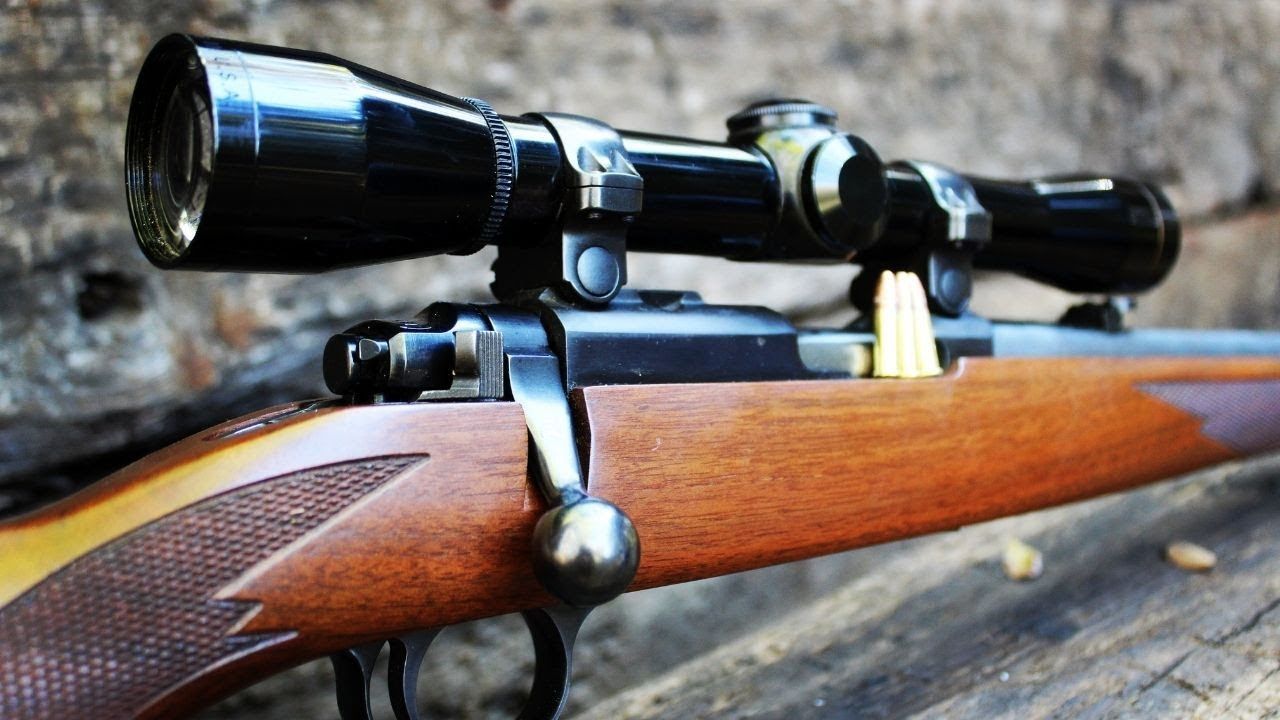
The 77/22 was Ruger’s answer for shooters who wanted a rimfire that felt like an adult centerfire bolt rifle rather than a lightweight youth gun. Ruger began the 77/22 line in 1984, and over its production life the family expanded beyond .22 LR into .22 Magnum and several .17-caliber chamberings. Ruger’s production records show the series extending through 2018.
For years, the 77/22 was simply a high-quality working rimfire. That made it easy to overlook while cheaper rifles handled the same basic plinking duties. Now the walnut-stocked versions, stainless guns, .22 Magnum rifles, and particularly clean early examples have much more appeal. The detachable rotary magazine and centerfire-like construction give it a personality modern budget rimfires do not duplicate. If I had a sharp one, I would not be in a hurry to turn it into cash.
Ruger 96/22

The Ruger 96/22 is exactly the kind of rifle collectors tend to discover after production has already ended. It used a lever action while borrowing heavily from Ruger’s familiar rimfire ecosystem, resulting in a compact rifle that never achieved anything close to the popularity of the 10/22. Ruger’s records show the Model 96 family beginning in 1996 and continuing through 2009 in .22 LR, .22 Magnum, and eventually .17 HMR configurations.
That relatively short run is becoming more important. The 96/22 was never rare in the custom-shop sense, but it also was not made continuously for generations. Owners who treated them like ordinary squirrel rifles sometimes modified or wore them hard. Clean examples now have the combination collectors love: recognizable manufacturer, discontinued action, useful chambering, and just enough oddness to make people want one after seeing it.
Winchester Model 63

The Winchester Model 63 came from an era when a semiautomatic .22 could be built with polished steel and walnut and still be viewed primarily as an ordinary sporting rifle. Its sleek receiver and tubular magazine gave it an elegant appearance, but plenty of owners simply used them for rabbits, squirrels, and endless cans instead of treating them as collectibles.
That is why condition means so much now. A worn Model 63 is still charming, but a rifle that has somehow retained deep blueing, nice wood, and an unaltered sight setup looks completely different after decades of use have taken their toll on the surviving population. I would pay particularly close attention to rifles that have escaped extra holes, refinishing, and stock damage. Classic Winchester rimfires have a way of looking inexpensive until you try replacing the exact clean example you just sold.
Winchester Model 52
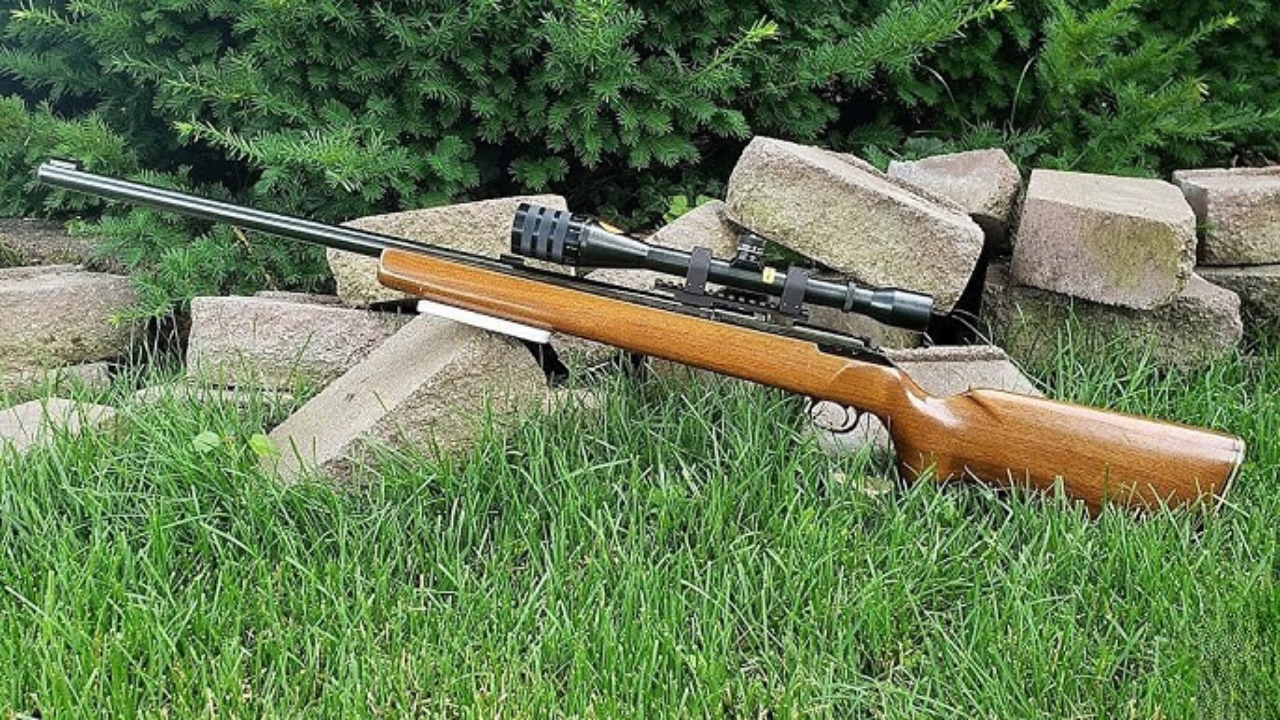
The Model 52 was never really a cheap plinker, but generations of shooters still treated many of the target versions as tools rather than collectibles. Winchester produced the Model 52 from 1920 until 1980, and approximately 125,000 were made. It earned an extraordinary reputation in smallbore competition because of the level of fitting and accuracy Winchester built into it.
Today, shooters understand exactly what that craftsmanship means. Sporters command enormous attention, while original target rifles with the right sights and accessories also deserve a careful look. The Model 52 is the kind of rimfire where a missing original component or an old stock modification can make a major difference. I would never assume another equally nice one will be available simply because target rifles once seemed common. They stopped making rifles this way for a reason: doing it was expensive.
Winchester Model 69A
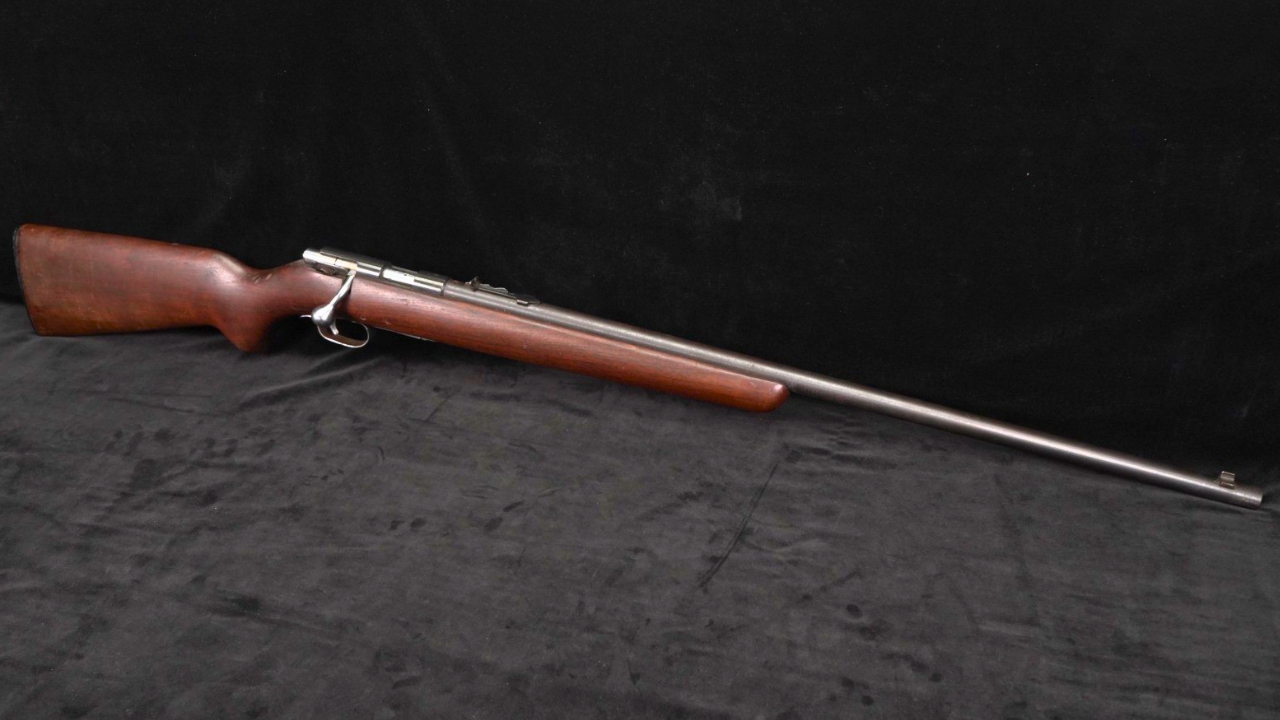
The Model 69A represents the opposite end of Winchester rimfire collecting from a Model 52. It was a straightforward bolt-action .22 designed for ordinary shooting rather than elite competition. That meant families bought them, kids learned on them, and owners rarely worried about preserving factory condition.
Those humble origins are exactly why nice ones are becoming appealing. When an inexpensive rimfire survives decade after decade without having its stock carved, barrel neglected, or sights lost, it begins telling a different story. The 69A also has the traditional proportions people increasingly want in an older .22: walnut, steel, open sights, and none of the modern tactical styling that dominates today’s market.
I would not expect every 69A to become a high-dollar collectible. I would expect clean, honest originals to become more difficult to replace as the rough rifles continue getting rougher.
Remington 541-S Custom Sporter
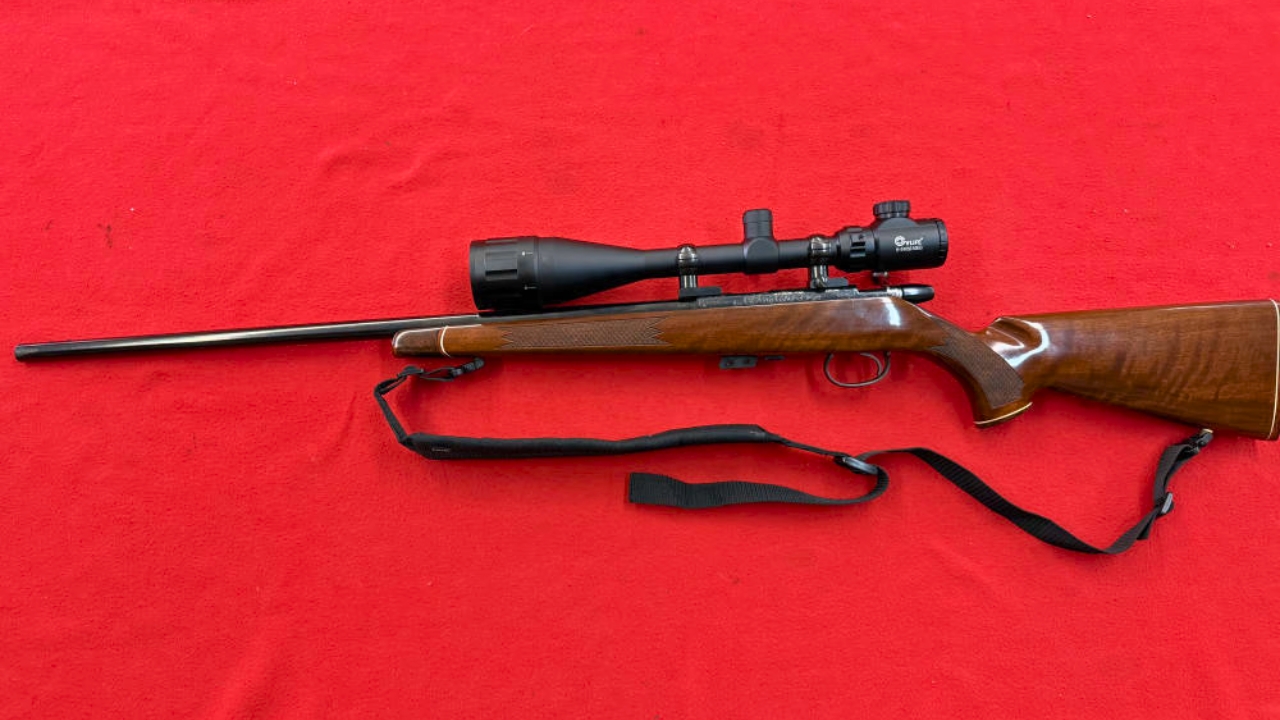
The 541-S is the kind of rifle many shooters did not appreciate until Remington stopped building rimfires with this much traditional sporting character. Walnut, good checkering, a substantial bolt action, and strong accuracy gave the rifle a much more refined feel than basic department-store .22s.
For years, however, it was still just a rimfire. Owners hunted squirrels with them, mounted whatever scope was convenient, and occasionally modified rifles without thinking about future collector demand. That leaves a noticeable difference between the average used 541-S and a really sharp original example.
I would watch these closely because shooters who want an adult-size traditional American .22 do not have endless choices anymore. Once somebody handles a 541-S after spending years around inexpensive polymer-stocked rimfires, it becomes obvious why the old Remington attracts attention.
Remington 513T Matchmaster
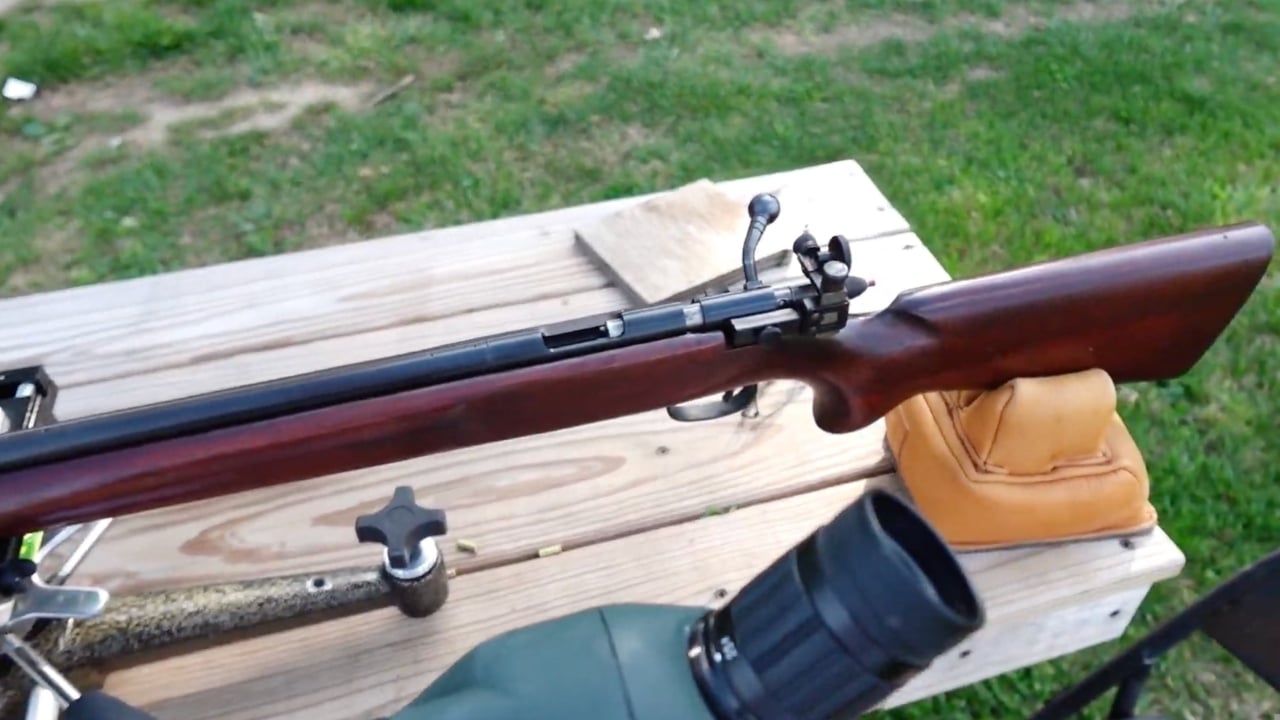
The 513T Matchmaster spent much of its life doing exactly what its name implied: target work. Schools, clubs, military programs, and private shooters used heavy target .22s like these because they were accurate and durable. That sort of institutional use is not particularly friendly to collector-grade condition.
Many surviving rifles consequently show rack marks, stock dents, replaced sights, or decades of accumulated wear. None of that makes them poor shooters, but it does make complete rifles with the proper target sights and strong original finish increasingly noticeable.
I like the 513T because it represents a category that has almost disappeared from ordinary American gun stores. Full-size steel-and-walnut target .22s used to be part of shooting culture rather than a specialized luxury product. A clean Matchmaster is a reminder of that era, and I would think carefully before assuming another equally complete rifle will be easy to find.
Remington Model 550-1
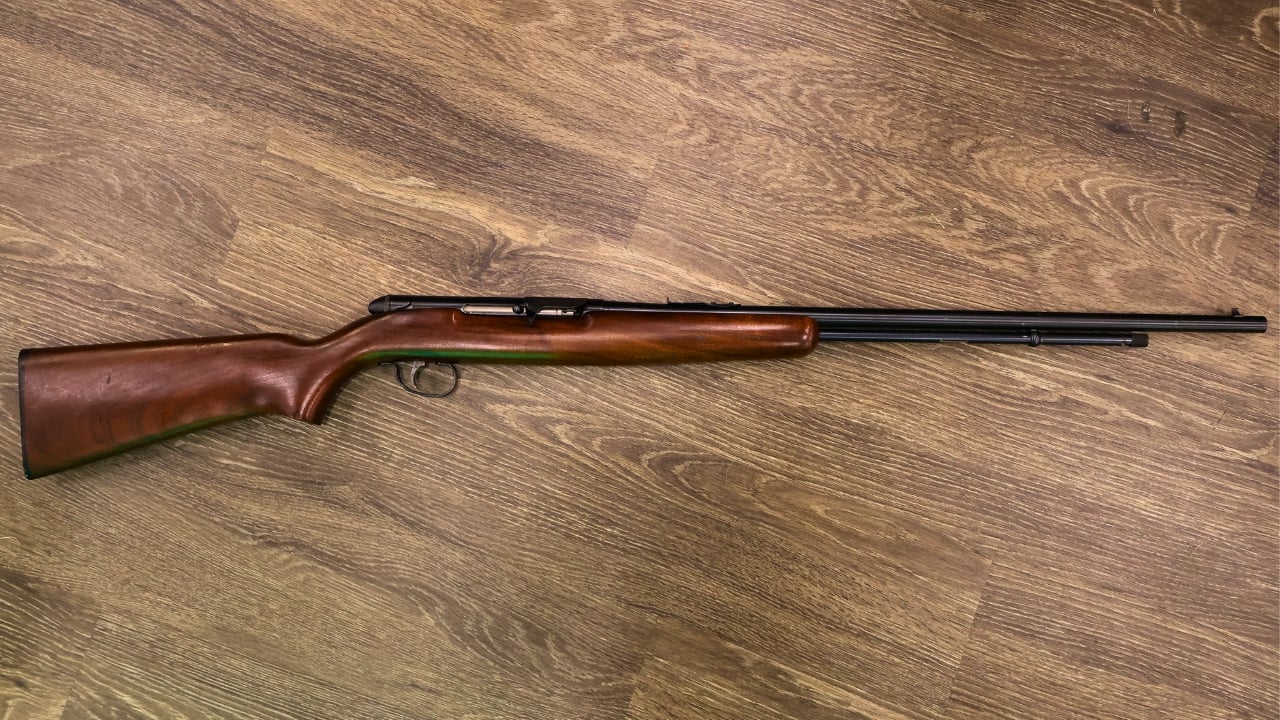
The Model 550-1 was already sharing Remington’s rimfire catalog with newer designs by the late 1950s. In 1959, it retailed for $46.75, slightly less than the Model 552, illustrating just how ordinary these rifles once were in the company’s lineup. Owners bought them because they were useful semiautomatic .22s, not because anyone believed a worn plinker would someday deserve collector attention.
The unusual ability of the design to handle multiple lengths of .22 ammunition gave it more character than the average autoloader, but years of inexpensive shooting took their toll. Clean wood, strong blueing, and properly functioning rifles are what I notice now.
A 550-1 does not need to become rare to appreciate. It merely needs enough shooters to realize how much more expensive it would be to manufacture the same kind of traditional rimfire today.
Weatherby Mark XXII

The original Weatherby Mark XXII is one of the best examples of a rimfire that owners increasingly view differently with age. Weatherby’s own history traces development of the rifle to 1961, with the Mark XXII formally appearing in the company’s story in 1964. More than 800 orders were reportedly placed after the prototype was displayed to dealers.
These rifles had the unmistakable Weatherby styling of the period, which either looked glamorous or excessive depending on who was doing the looking. For years, rimfire status kept them below the collector attention given to Weatherby’s centerfire magnums.
Now that styling is part of the attraction. Early versions and particularly clean rifles have far more personality than another generic .22. A rifle that looks this distinctly like a product of its era becomes harder to dismiss once that era is gone.
Kimber of Oregon Model 82
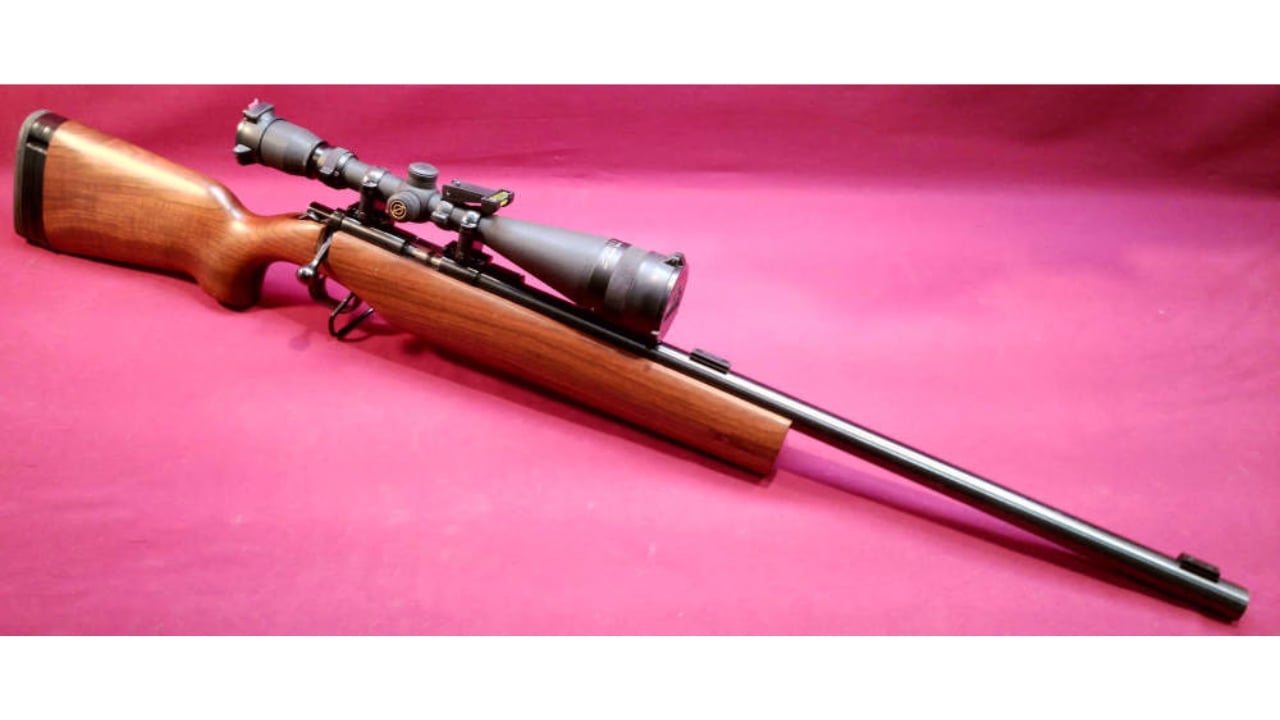
The original Kimber Model 82 came from a company specifically trying to build an adult-quality sporting .22 at a time when the famous Winchester Model 52 was disappearing. Kimber of Oregon was founded in 1979, and the Model 82 became its flagship rimfire, eventually appearing in numerous versions.
That history matters because these rifles were not merely inexpensive youth guns. They helped establish the idea that an American rimfire could receive the same quality stock, barrel, and trigger treatment as a premium centerfire. Kimber of Oregon itself eventually disappeared in the early 1990s, making the original rifles a closed chapter rather than a product someone can simply reorder.
I would pay close attention to originality, wood, and configuration. A clean Oregon Kimber is increasingly more than a nice squirrel rifle. It is part of modern American rimfire history.
Sako P94S Finnfire
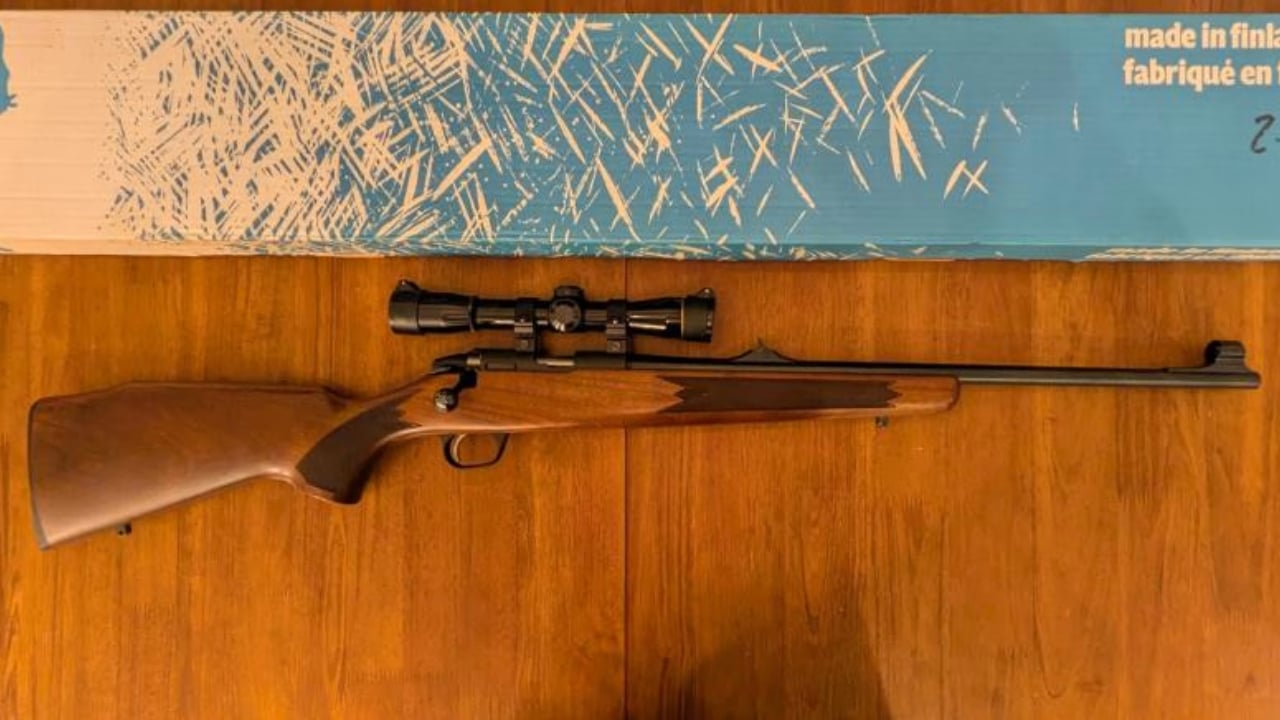
The original P94S Finnfire earned a reputation among shooters who wanted serious accuracy without carrying a full competition rifle. Sako documentation from the period describes the P94S-based Finnfire with cold-hammer-forged free-floating barrels, adjustable triggers, detachable magazines, and a 50-degree bolt lift.
Sako still uses the Finnfire name today, but that does not make the original P94S rifles interchangeable with current production. Older Hunters, Varmints, and Range models each have their own following, and magazines and original accessories matter more as rifles age.
I think these are exactly the sort of European rimfires American shooters eventually regret treating as merely expensive plinkers. A good P94S is accurate enough that owners tend to keep using it, which means beautiful untouched examples are not necessarily the ones coming back onto the market.
Belgian Browning SA-22

The SA-22 is unusual because it is not discontinued. Browning still offers the basic design, whose history goes back to John Browning’s 1912 patents and FN production beginning in 1914. Browning itself continues to describe the rifle as a current tribute to the original design.
What I would watch are the older Belgian-made rifles. Those have a specific manufacturing origin and period character that a new rifle cannot replace simply by sharing the same name. Many were actually hunted with, and the bottom-ejecting takedown design made them ideal little woods rifles rather than safe queens.
When a Belgian SA-22 appears with beautiful original wood and minimal receiver wear, I would not treat it like any other used semiautomatic .22. Collectors increasingly separate specific production periods, and condition only gets harder to improve with time.
Mossberg 144LSB
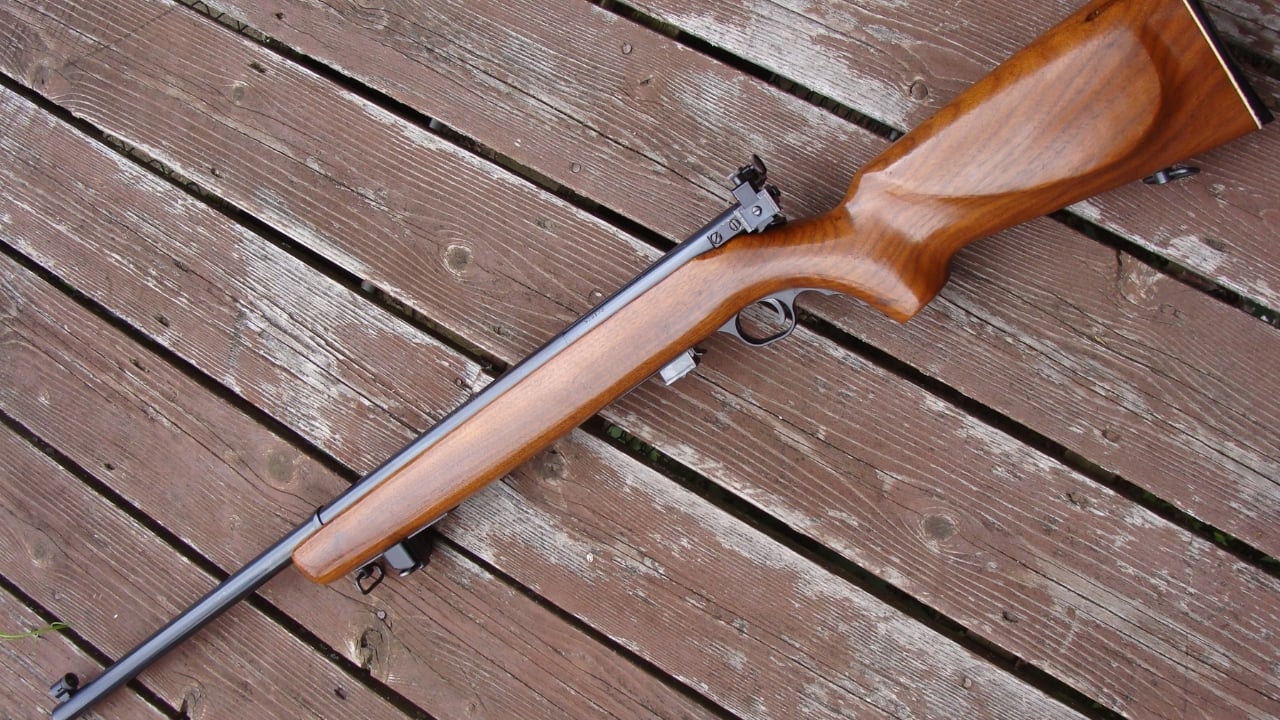
Old Mossberg target rifles have spent decades being overshadowed by Winchester and Remington equivalents. That may be one of the reasons I find the 144LSB interesting now. It was a heavy, adult-size bolt-action .22 built for target shooting rather than plinking, often fitted with aperture sights and a substantial stock.
Mossberg’s name simply did not carry the collector prestige of Winchester, so many of these rifles remained affordable much longer than their accuracy and construction suggested they should. That is beginning to work in their favor. Shooters who want a vintage smallbore rifle eventually realize the cheaper alternatives were often exceptionally capable.
I would want one with the correct sights and as little stock modification as possible. Target rifles attract customization, which means an intact original can be significantly tougher to duplicate than the number of rifles produced would suggest.
Mossberg Model 46B

The Model 46B is the kind of old Mossberg that once seemed almost too common to matter. It combined traditional walnut-and-steel construction with the quirky details that make vintage Mossberg rimfires fun to collect. Many were family rifles, inexpensive small-game guns, or first rifles handed down rather than carefully documented collectibles.
That creates exactly the condition problem I look for today. Plenty survive, but many have missing sights, altered stocks, heavy finish wear, or improvised scope setups from owners who had no reason to worry about originality. When a complete 46B appears with its period equipment intact, it deserves a second look.
I think older Mossbergs still have room for broader appreciation because they give collectors an affordable route into classic American rimfires. Once the premium Winchesters become too expensive, people inevitably start studying what else was sitting beside them on the rack.
Marlin Model 57 Levermatic
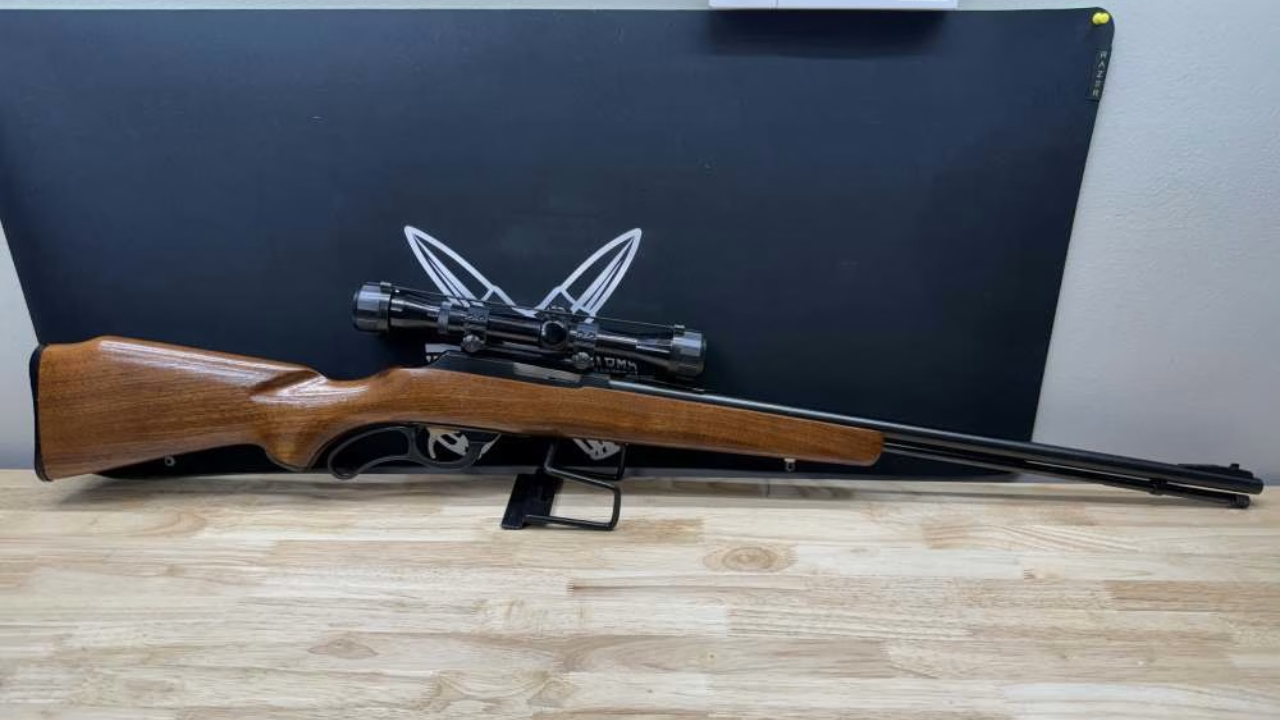
The Model 57 Levermatic is one of those rifles that immediately becomes interesting once you realize how different the action is from a conventional lever gun. Instead of the large sweeping lever throw associated with a traditional Winchester or Marlin, the Levermatic used a short-stroke action that could be operated quickly.
For years, the design existed in the awkward category of old but not famous. That kept prices from receiving the same attention as more recognizable Marlin lever-action rimfires. The strange mechanism may ultimately be exactly what saves it from remaining overlooked.
I would especially watch for clean rifles that have not been modified for optics or damaged by decades of field use. Collectors eventually gravitate toward designs manufacturers tried and then abandoned. The Model 57 has enough mechanical personality to fit that pattern perfectly.
Remington Model 121 Fieldmaster
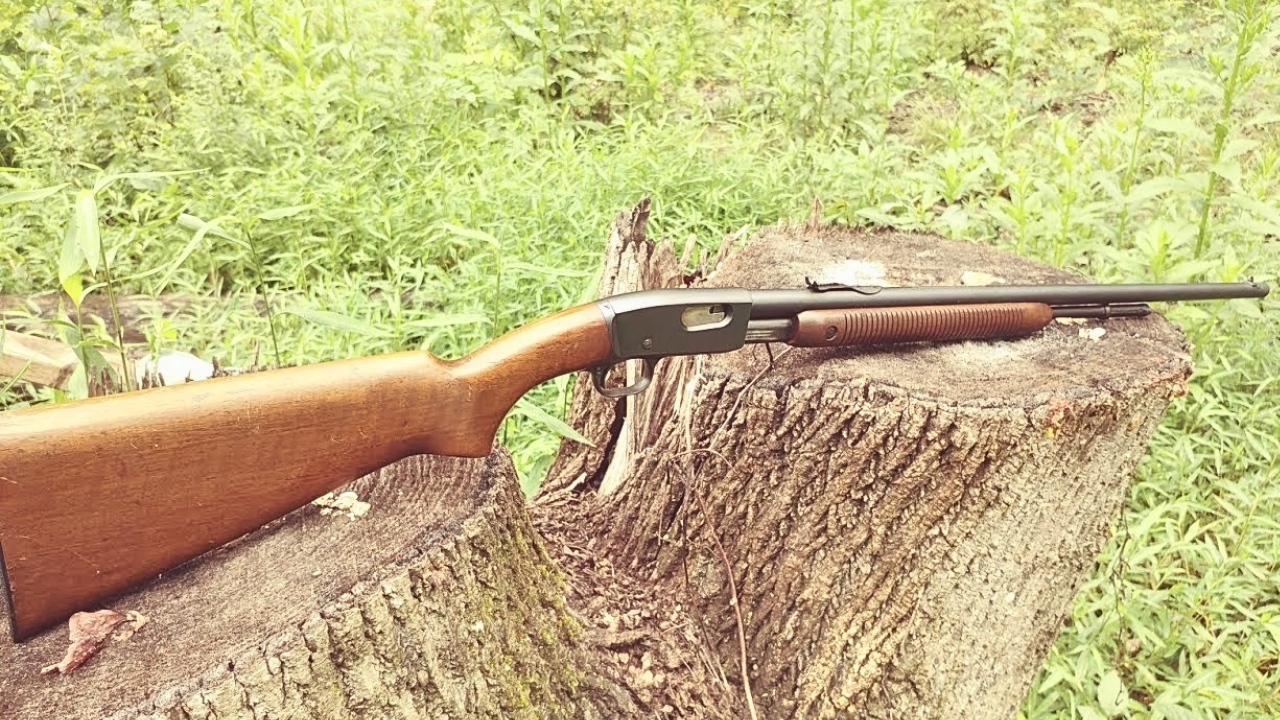
Pump-action .22s tend to survive in rough condition because people shoot them constantly. The Model 121 Fieldmaster was no exception. These rifles were smooth, fast, and enjoyable enough that owners burned through enormous quantities of rimfire ammunition without ever imagining the gun might someday be examined for finish condition.
That usage makes a sharp Model 121 stand out immediately now. Original wood, strong barrel blue, good sights, and an action that has not been abused can turn what looks like an ordinary old pump .22 into something much more desirable.
I like these rifles because the market is slowly rediscovering just how expensive it would be to make a traditional steel-and-walnut pump rimfire with the same character today. The rifles did not change. What changed is our understanding of how difficult they are to reproduce cheaply.
Winchester Model 77
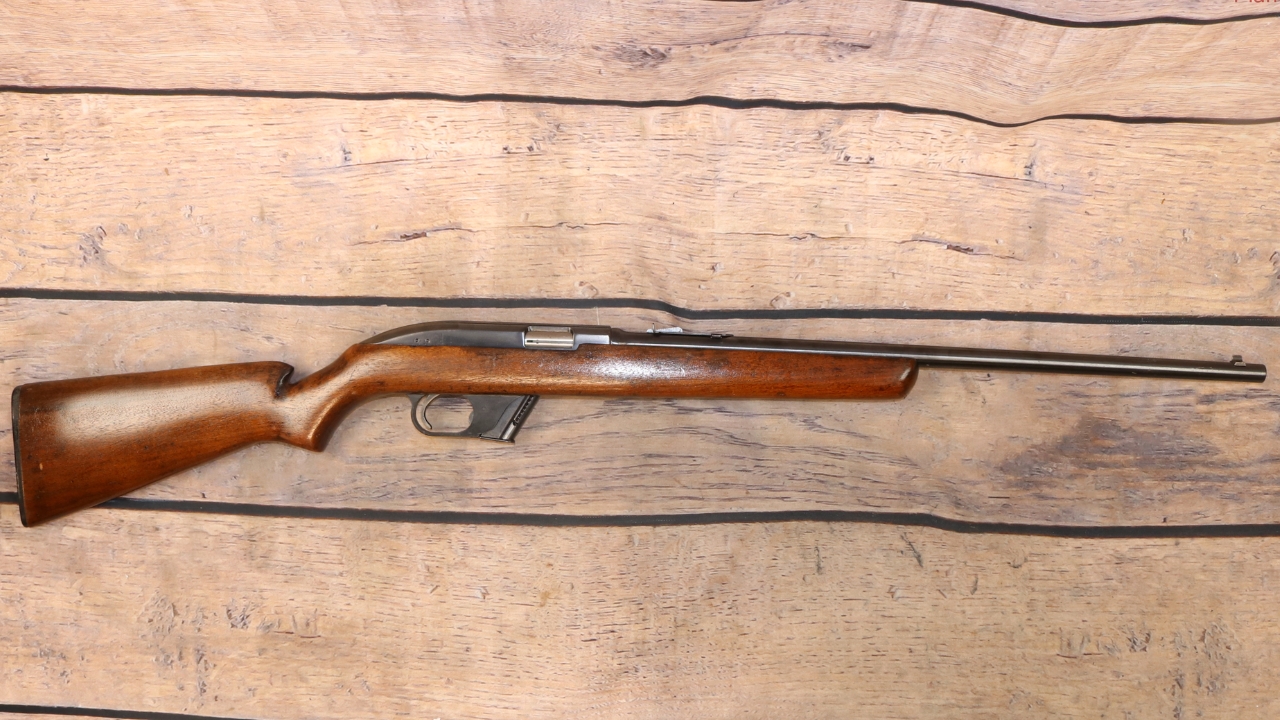
The Winchester Model 77 is not the Winchester rimfire most collectors mention first, and that may be precisely why I would watch it. It was a semiautomatic .22 from a period when Winchester had several rimfire options competing for buyers, and it never developed the legendary status of models such as the 52, 61, or 63.
That leaves it in interesting territory. The Winchester name provides collector recognition, but the Model 77 remains approachable enough that shooters may still view one as merely an old plinker. Clean rifles are the important distinction. Many were used heavily, stored poorly, or modified because nobody considered them particularly sacred.
I would not expect every Model 77 to explode in value. I would expect original rifles in unusually good condition to become more appreciated as collectors work their way deeper into Winchester’s rimfire catalog.
Savage-Anschutz Model 164

The Savage-Anschutz rifles gave American shooters access to German Anschutz rimfire quality through a name that often kept prices more approachable than comparable rifles wearing only the Anschutz brand. That branding situation also caused some shooters to underestimate what they were looking at.
Once you handle a good example, the appeal becomes clearer. These rifles offered the kind of accuracy, trigger quality, and traditional sporter construction that serious rimfire shooters eventually learn to value. Because they lived between the ordinary Savage and premium Anschutz worlds, they never fit neatly into one collector category.
I think that makes clean examples particularly worth watching. Once shooters start researching exactly what the rifle is rather than judging the Savage name first, the value proposition changes. Original magazines, sights, and excellent wood would all matter to me before buying one.
Browning T-Bolt Belgian Production
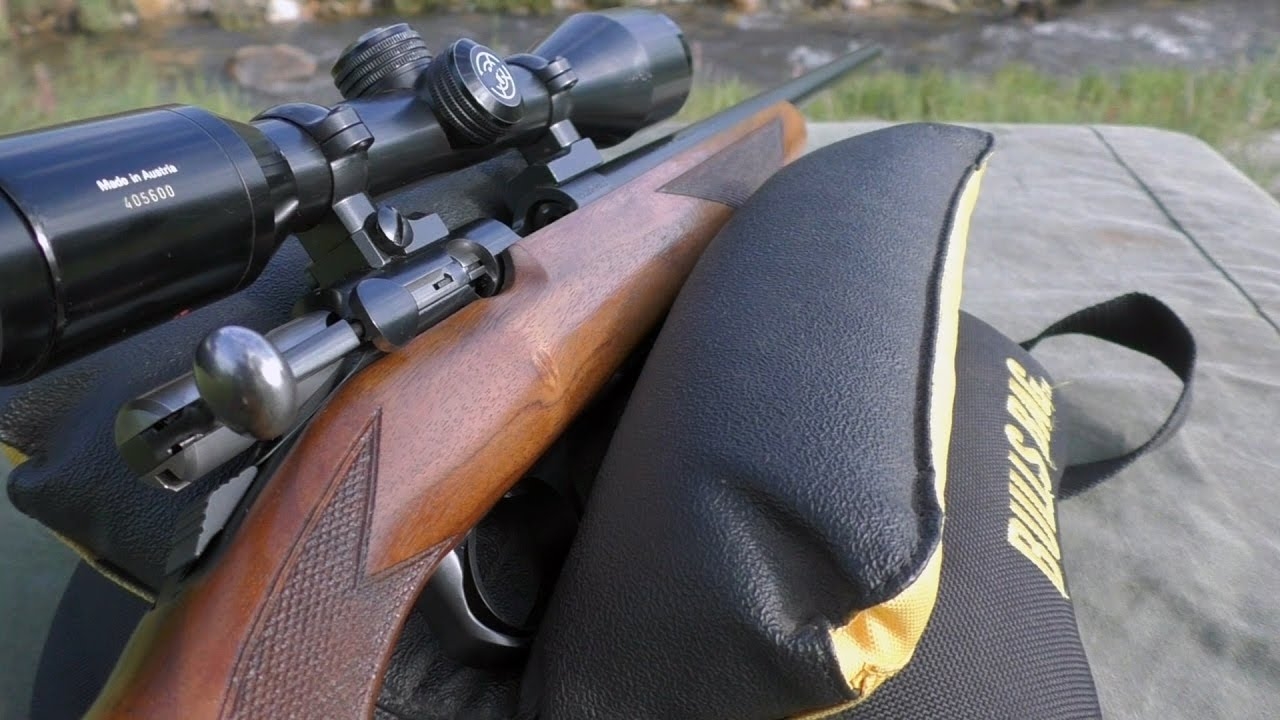
The T-Bolt was always different because of its straight-pull bolt action. That mechanism gave the rifle a faster, more unusual operating feel than conventional turn-bolt rimfires, but it also made the T-Bolt something traditionalists could dismiss when ordinary bolt actions were plentiful and cheap.
Older Belgian-production examples have developed considerably more appeal as shooters begin separating them from later T-Bolt generations. The rifle’s distinctive action gives collectors something mechanical to care about, while Browning’s older Belgian production carries its own following.
I would pay special attention to rifles that have retained clean wood and factory configuration. A rimfire with an unusual action is exactly the sort of firearm that owners once treated like a novelty and collectors later decide they need. By the time everyone wants the same version, the clean examples are usually already buried in long-term collections.
Like The Avid Outdoorsman’s content? Be sure to follow us.
Here’s more from us: