Photo credit: Academy Sports
Most firearms do not get decades to prove themselves. A competing design comes along with better ergonomics, cheaper manufacturing, lighter weight, or some feature that suddenly makes the old gun look dated. The market is ruthless that way. Plenty of once-promising rifles, pistols, and shotguns disappear even though they were perfectly usable because buyers simply moved on.
A handful of guns survive that cycle over and over. They outlast direct rivals, entire product generations, and sometimes even the companies or doctrines that originally surrounded them. Some stay alive because they are rugged. Others survive because they are easy to support, endlessly adaptable, or simply so good at one job that replacing them never makes enough sense. These 20 firearms have watched competitors come and go while they kept finding new owners.
Ruger 10/22
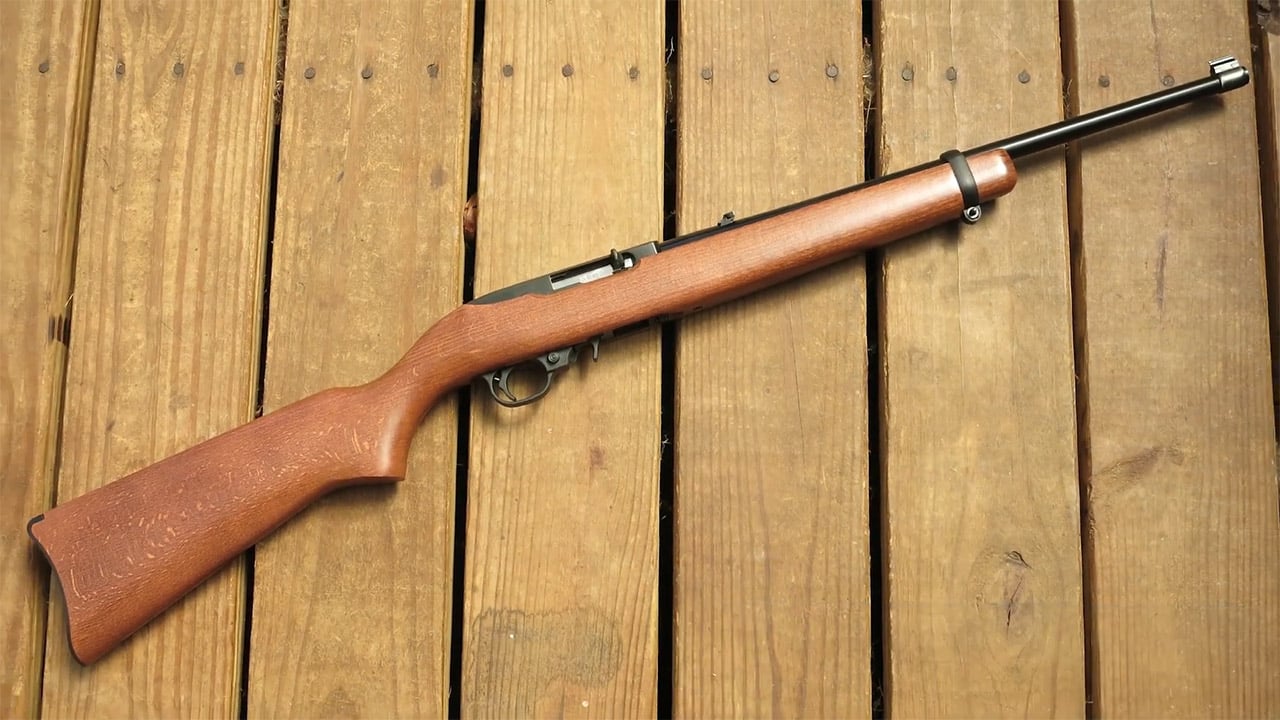
The 10/22 has outlasted an absurd number of rimfire semiautomatics because it became more than a rifle. It became a platform. The rotary magazine is reliable, the action is straightforward, and the receiver gives owners an easy foundation for everything from a basic plinker to a highly modified target gun. Over the decades, countless competitors have tried to beat it with lower prices, tactical styling, or more modern furniture, but most never built the same combination of reputation and aftermarket support. That matters because a gun gets much harder to displace once magazines, triggers, stocks, barrels, mounts, and replacement parts are available almost everywhere.
The 10/22 is not automatically the most accurate .22 on the rack, but it does almost everything well enough. That versatility is exactly why so many competitors disappeared while it stayed.
Remington 870

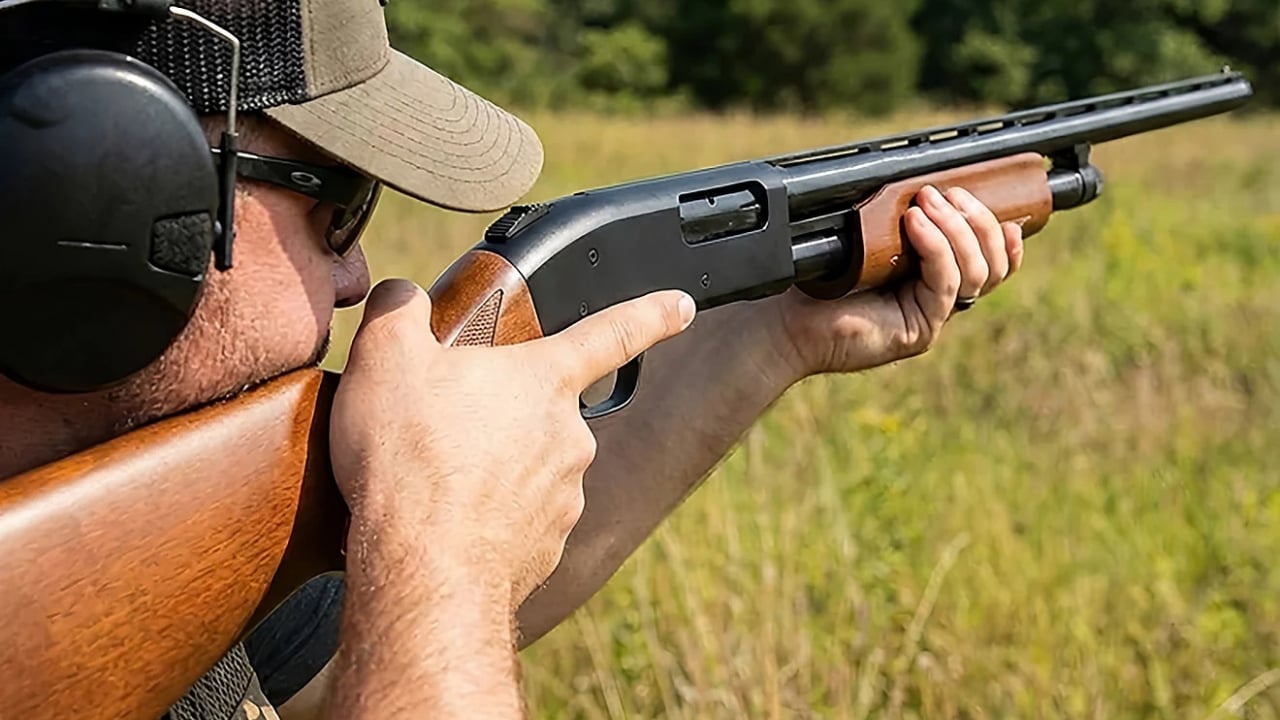
The 870 survived because it never depended on one narrow market. Hunters bought it, police departments carried it, deer hunters used slug versions, and ordinary owners kept defensive configurations around the house. The steel receiver gave the shotgun a substantial feel, while the basic pump action was easy to understand and durable enough to spend decades in service. Other pumps have been cheaper, lighter, or smoother in certain configurations, yet few ever matched the sheer depth of the 870 ecosystem.
That broad usefulness is what kept it alive through repeated competition. A shotgun that can move between field, defensive, and specialized roles has more staying power than one built around a single trend. The 870 became a reference point, and once that happens, new competitors have to beat more than just the gun itself.
Mossberg 500

The Mossberg 500 has spent decades being compared with the 870, and the fact that it is still in that conversation tells you almost everything you need to know. The aluminum receiver keeps weight manageable, the tang safety is easy to use, and the design supports an enormous range of barrels, stocks, and configurations. Mossberg also kept the price practical enough that generations of first-time shotgun buyers could afford one without feeling like they were settling for something disposable.
Plenty of newer pumps have appeared with rails, detachable magazines, unusual feeding systems, or aggressive styling. Most of them never became nearly as universal. The 500 survived because it remained ordinary in the best possible way. It works, parts are easy to find, and almost everyone understands how to use it.
Glock 17
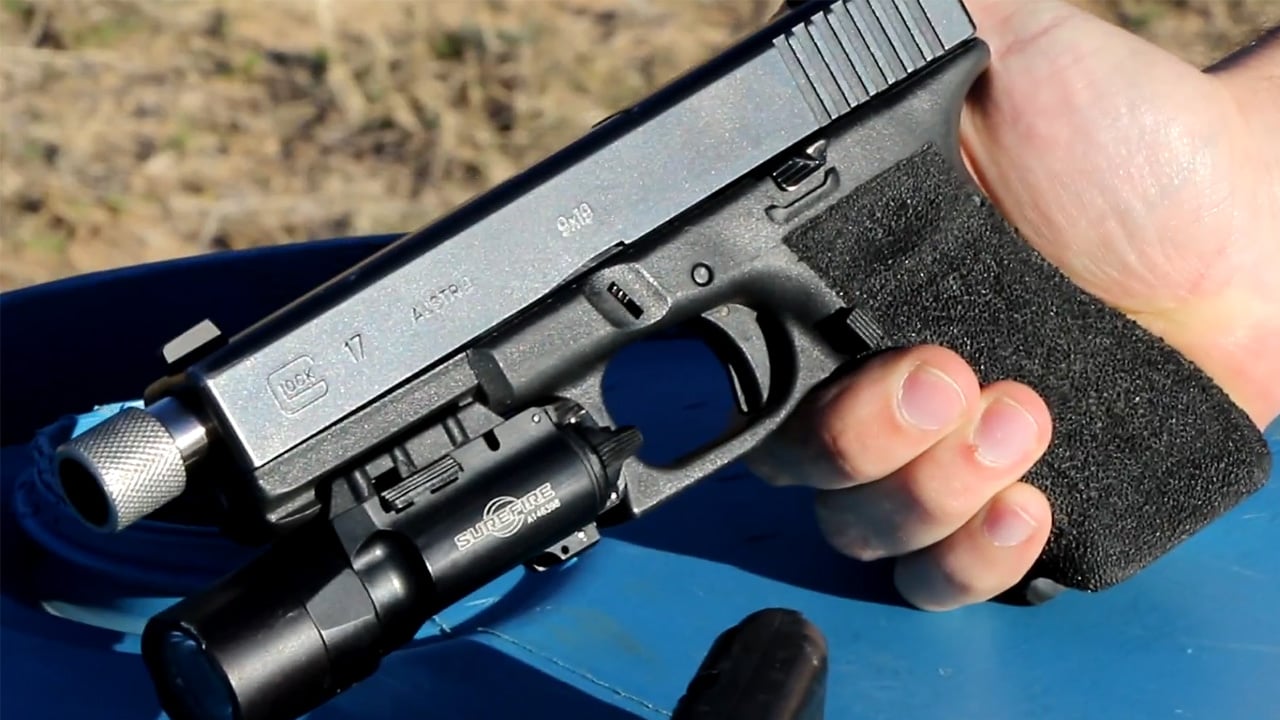
The Glock 17 did not just outlast competitors. It changed what the competition looked like. When polymer-framed striker-fired pistols were still unfamiliar, the Glock seemed almost too plain and too unconventional to replace traditional metal service guns. Then agencies, militaries, and civilian shooters discovered how much value there was in a lighter frame, large magazine, consistent trigger system, and relatively low parts count. Entire generations of competing pistols appeared afterward trying to improve on the same basic formula.
Some competitors have better factory triggers, grip texture, sights, or modularity, but the Glock 17 remains because the whole package is proven and easy to support. Magazines and parts are everywhere, armorers understand it, and decades of use have removed most of the uncertainty. That kind of institutional familiarity is brutally difficult for a new pistol to overcome.
Colt 1911 Government Model
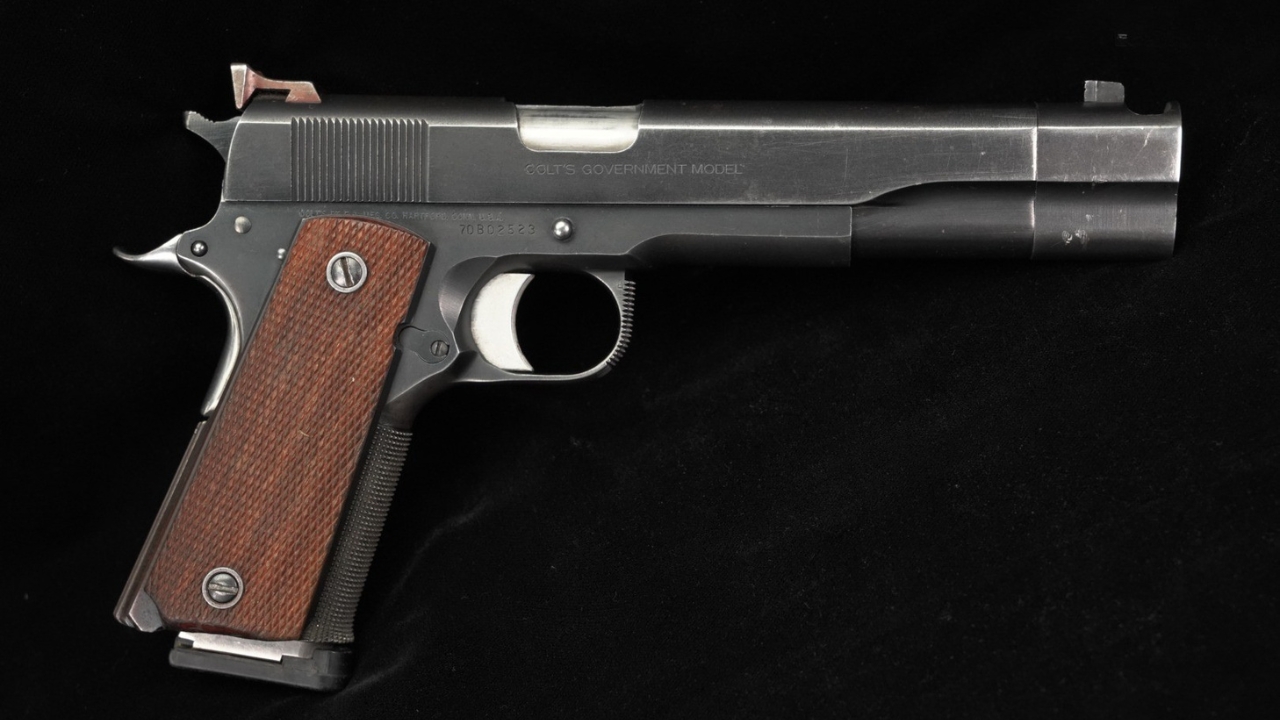
The 1911 has been declared outdated so many times that the argument has almost become part of the design’s history. Capacity is modest, the pistol is heavy, and modern duty guns are much cheaper to manufacture. None of that has removed the things shooters still love about it. The single-action trigger remains difficult to beat, the grip is slim, and the design points naturally for a lot of people. On top of that, the 1911 developed one of the deepest parts and gunsmithing ecosystems in the firearms world.
Competitors have come along offering lighter frames, higher capacity, and simpler controls. Many were excellent. Yet the 1911 survived because shooters kept wanting exactly what it offered rather than a substitute. A design does not last this long on nostalgia alone. It still shoots too well for that.
Beretta 92
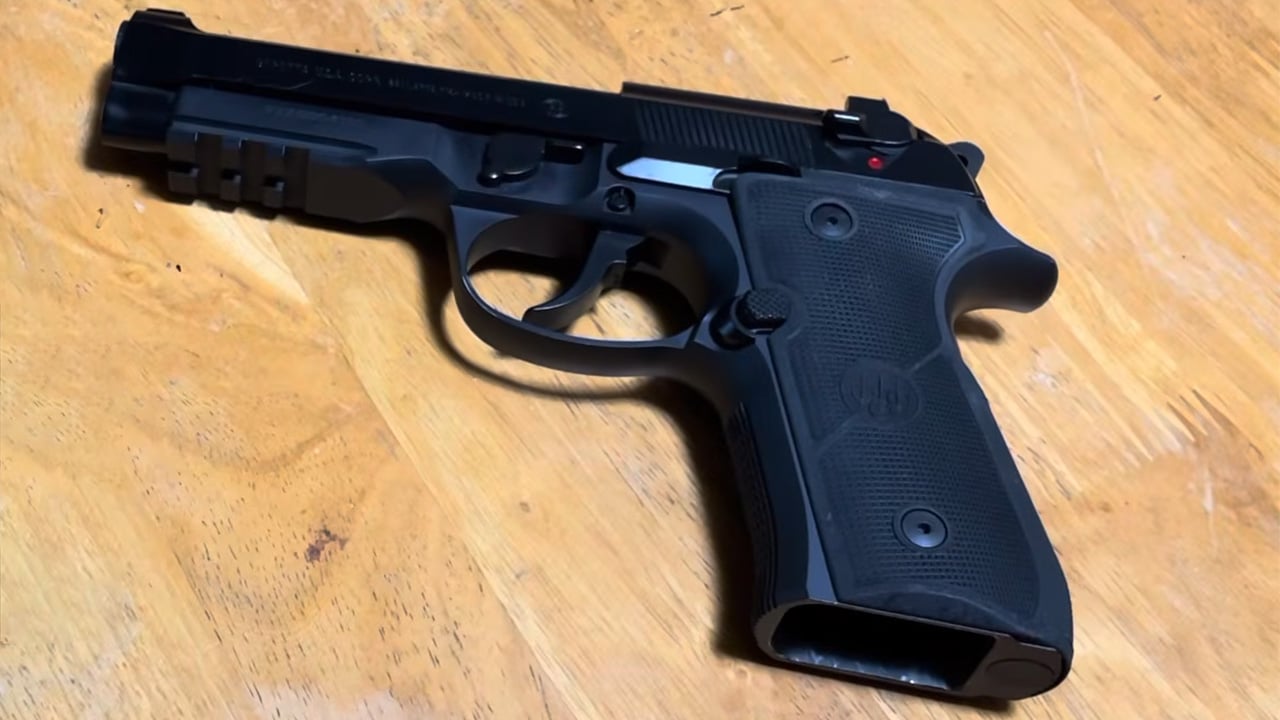
The Beretta 92 has watched several complete generations of service pistols arrive after it, and it still refuses to disappear. The open-slide design, alloy frame, DA/SA trigger, and broad grip make it feel very different from the modern striker-fired norm. That difference has become part of the appeal. The gun is soft shooting, extremely recognizable, and backed by decades of military and police use that gave it a reputation few newer pistols can immediately replicate.
Plenty of service pistols are lighter and easier to mount optics on today. Beretta responded by updating the platform instead of abandoning it. That ability to modernize without erasing the original identity is one reason the 92 survived competitors that seemed newer and more advanced at the time.
SIG Sauer P226
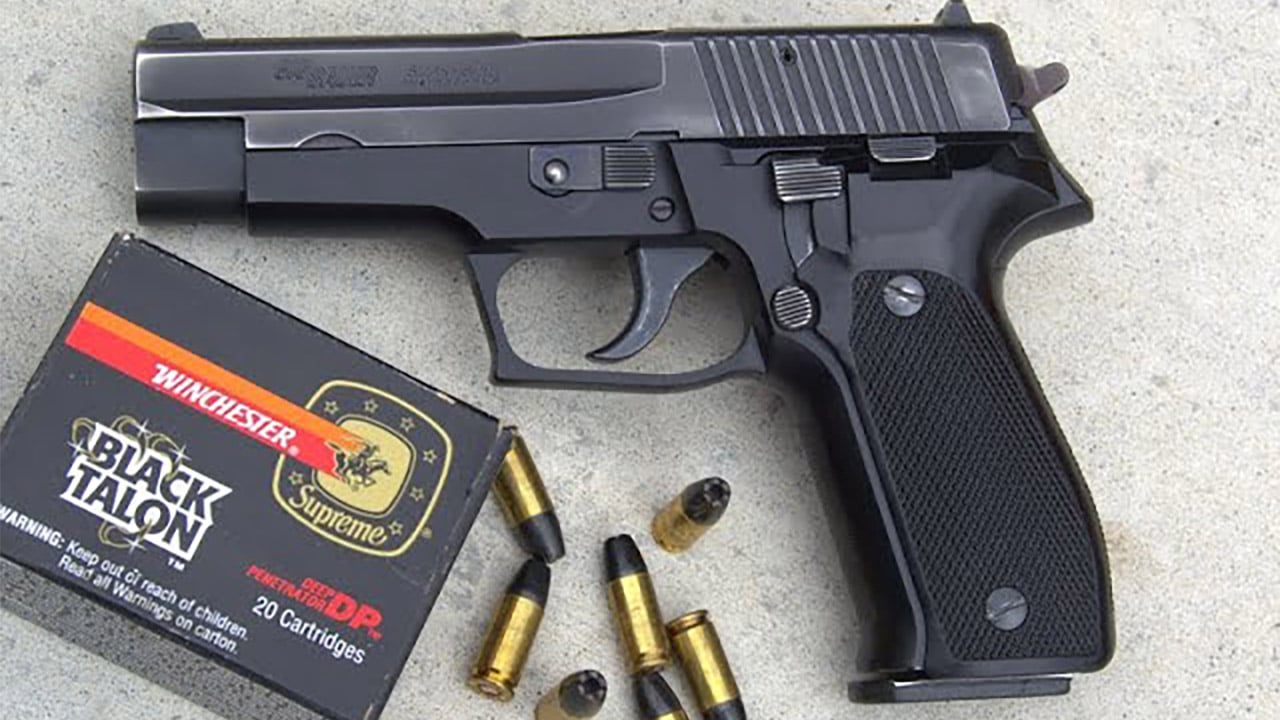
The P226 emerged from a crowded era of metal-framed service pistols and managed to outlive many of them because it combined reliability with genuinely excellent shootability. The alloy frame keeps it lighter than all-steel designs, the grip feels substantial without becoming enormous, and the DA/SA trigger system rewards shooters willing to learn it. It also built a reputation in military and law-enforcement circles that gave the platform credibility long after polymer pistols became dominant.
Many direct competitors from the same era are now primarily collector guns. The P226 never fully made that transition because it remained useful. Modern versions added rails, optics compatibility, and updated controls while preserving the core design. That is how an old platform keeps beating newer ones.
HK USP
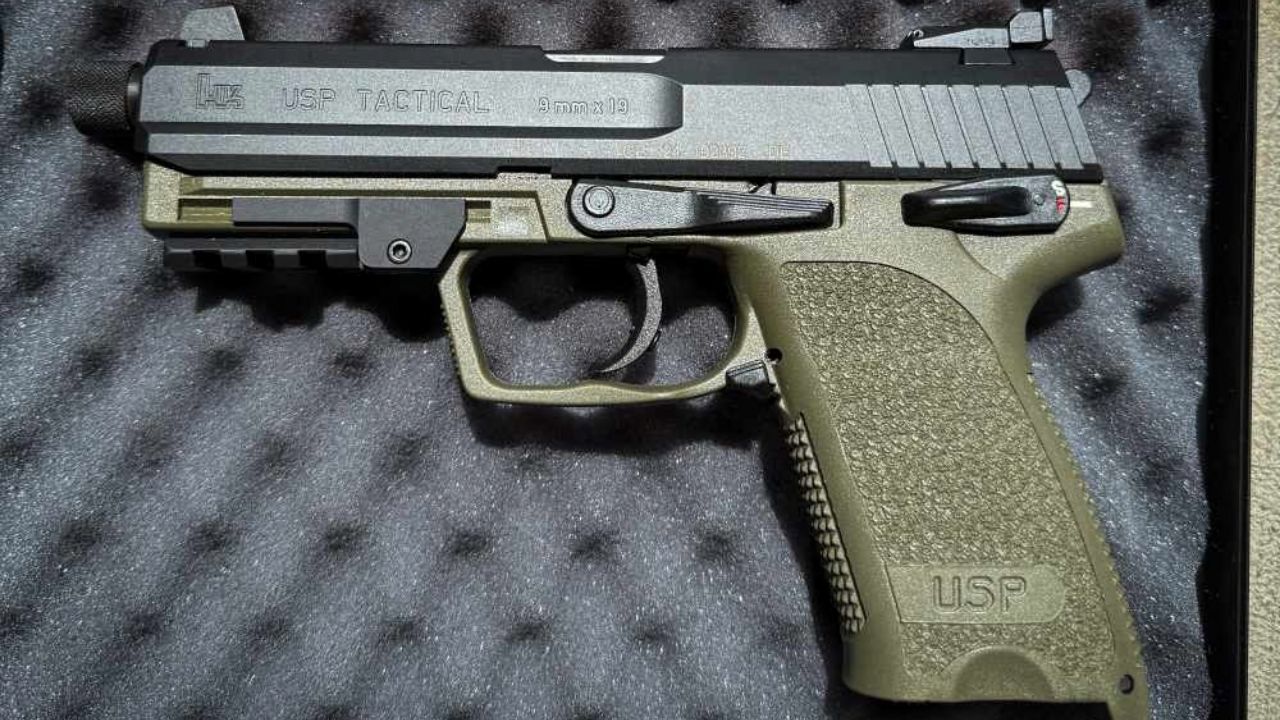
The USP came out in an era when manufacturers were trying to build pistols tough enough for serious service while still embracing polymer construction. HK leaned heavily into durability, and the result was a pistol that looks oversized by modern standards but developed an almost exaggerated reputation for surviving abuse. Its control system could be configured in different ways, the magazines were durable, and the gun tolerated hard use without needing to feel delicate.
Newer HK pistols are more ergonomic and easier to carry, while competitors are thinner and more modular. The USP still survives because some shooters value overbuilt more than optimized. It has outlasted plenty of sleeker designs simply because people trust it to keep working.
Browning Citori
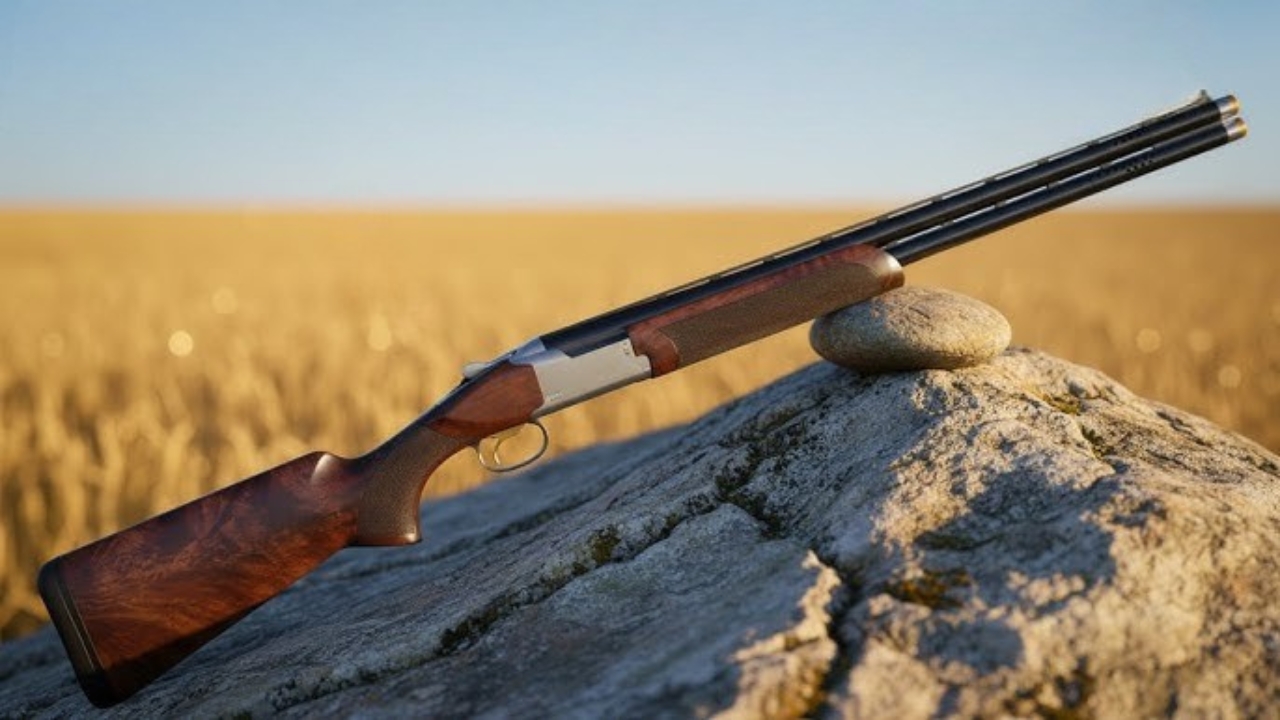
The Citori survived because over-under shotgun buyers care about things that do not change quickly. Balance, lockup, barrel regulation, trigger feel, and durability matter more than whatever feature is fashionable that year. Browning built the Citori around those fundamentals and offered enough versions to cover hunters, sporting-clays shooters, and trap or skeet users without reinventing the whole gun each time.
Plenty of over-unders have appeared at lower prices, while premium European guns have always competed above it. The Citori stayed in the middle where serious shooters could justify the cost without entering luxury-gun territory. That position has proven incredibly durable. It is one of those guns that rarely needs defending because everybody already knows what it is.
Benelli M2
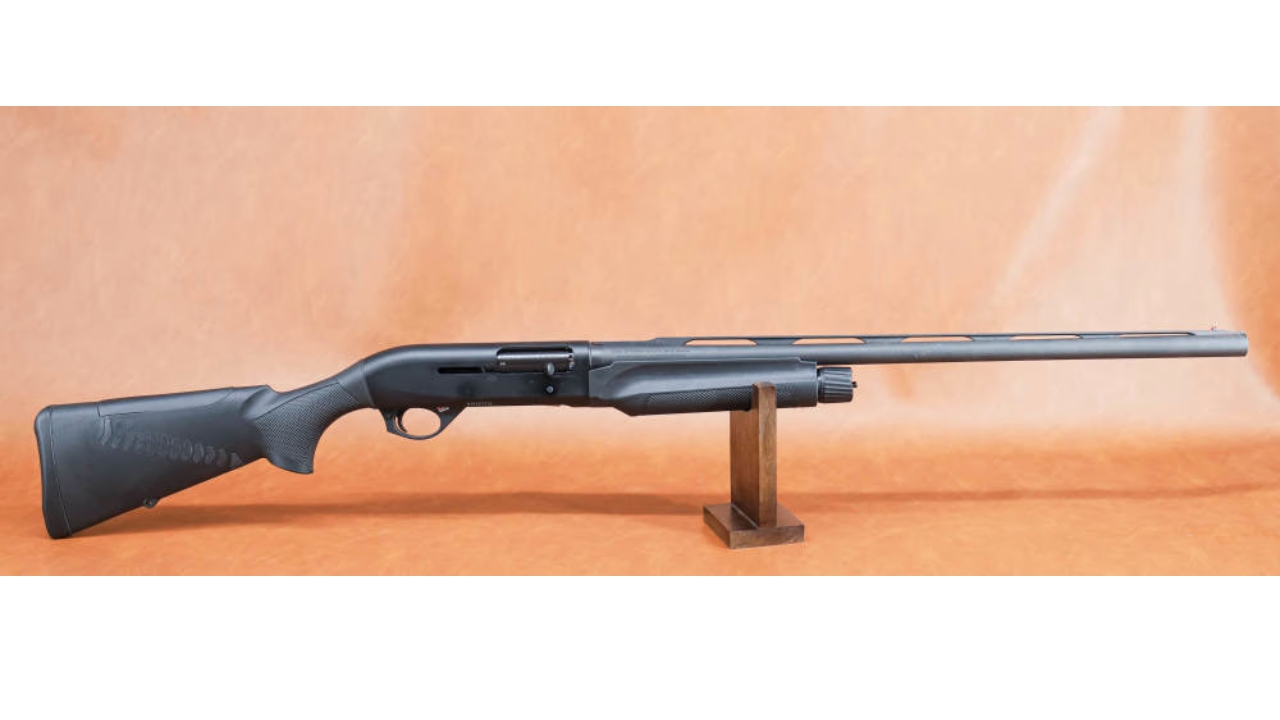
The M2 has outlasted wave after wave of semiautomatic shotguns because the inertia-driven system remains light, straightforward, and dependable. Hunters appreciate not carrying unnecessary weight, while defensive and competition shooters like how quickly the gun cycles when properly set up. It also avoids some of the fouling that gas systems dump into the action, which gives it a reputation for running with less cleaning.
Many newer semiautos have softer recoil and more elaborate controls, but the M2 keeps surviving because it does not try to solve problems that many shooters do not have. If you want a light, durable semiautomatic that works and carries well, the basic formula is still difficult to beat.
Ruger Mark IV
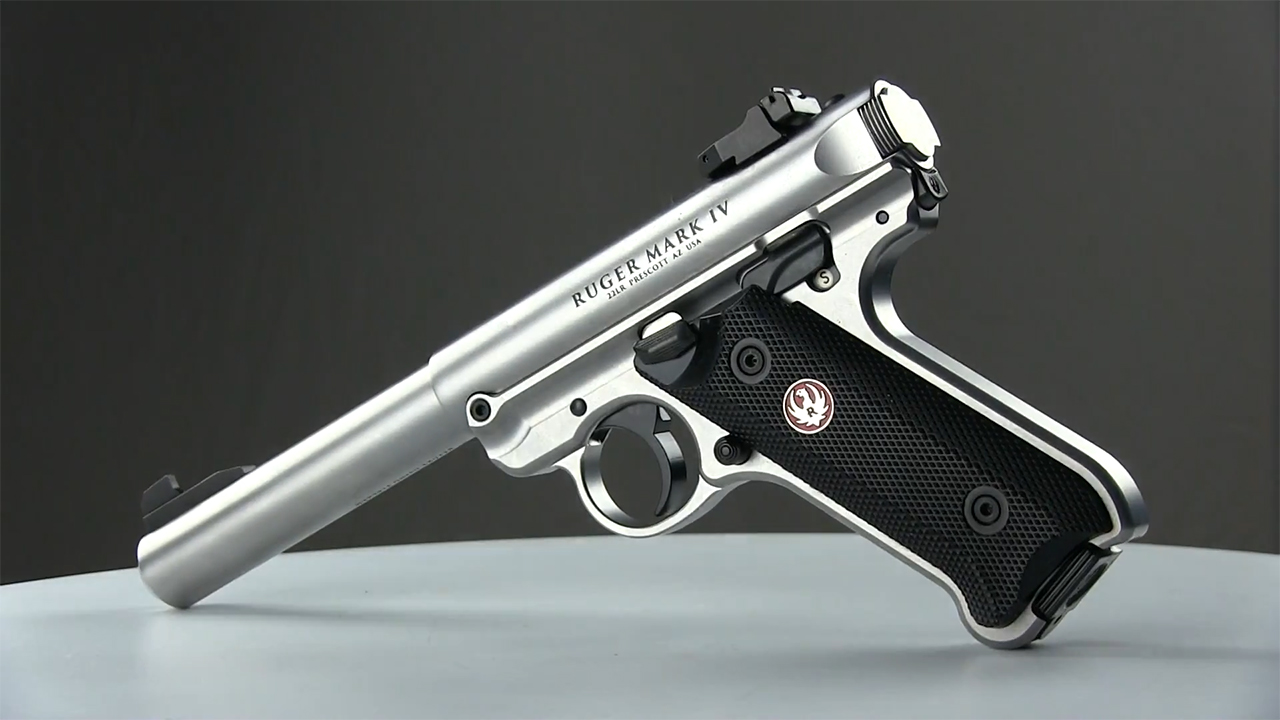
Ruger’s rimfire pistol line has survived so many competing .22 semiautos because the core layout just works. The heavy barrel options, fixed-barrel accuracy, comfortable grip shapes, and huge aftermarket make the platform useful for beginners, target shooters, small-game hunters, and people who simply want an inexpensive pistol to shoot all afternoon. Earlier generations had a reputation for frustrating disassembly, but the Mark IV finally removed one of the platform’s biggest complaints.
That change is exactly why the gun kept outlasting rivals. Ruger improved the weakness without throwing away the strengths. Other rimfire pistols may be cheaper or lighter, but the Mark IV offers a level of support and familiarity that is very hard to displace.
Marlin 336

The 336 survived because it matches the kind of hunting millions of Americans actually do. It is compact, easy to carry through timber, quick to shoulder, and chambered in cartridges that work extremely well at realistic woods distances. The side-ejecting action also made scope use easier than with some older lever designs, which helped the rifle remain practical as hunting optics became more common.
Bolt rifles became cheaper and semiautomatics became more capable, yet neither completely erased the appeal of a handy lever gun. The 336 lasted because it never needed to compete on long-range numbers. In thick deer country, it already did what hunters asked of it.
Winchester Model 70
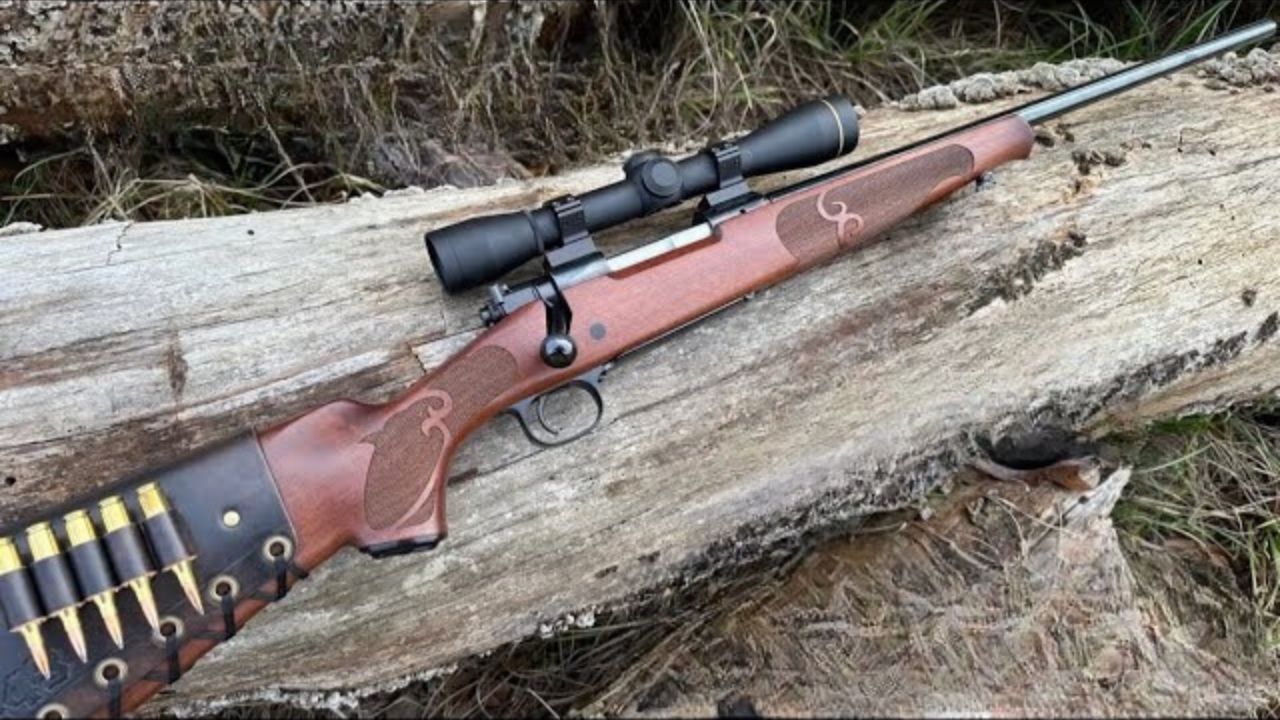
The Model 70 has survived production changes, corporate changes, and entire waves of competing bolt rifles because the fundamental design remains excellent. The controlled-round-feed action on classic-style versions, three-position safety, and traditional stock geometry all make sense in a hunting rifle. Hunters also built such deep familiarity with the platform that the name itself became a benchmark for what a serious bolt gun should feel like.
Newer rifles may be lighter, cheaper, or more modular. The Model 70 does not have to win every technical category because it has already proven that it can do the job for generations. That reputation keeps pulling buyers back even after supposedly better alternatives arrive.
Ruger No. 1
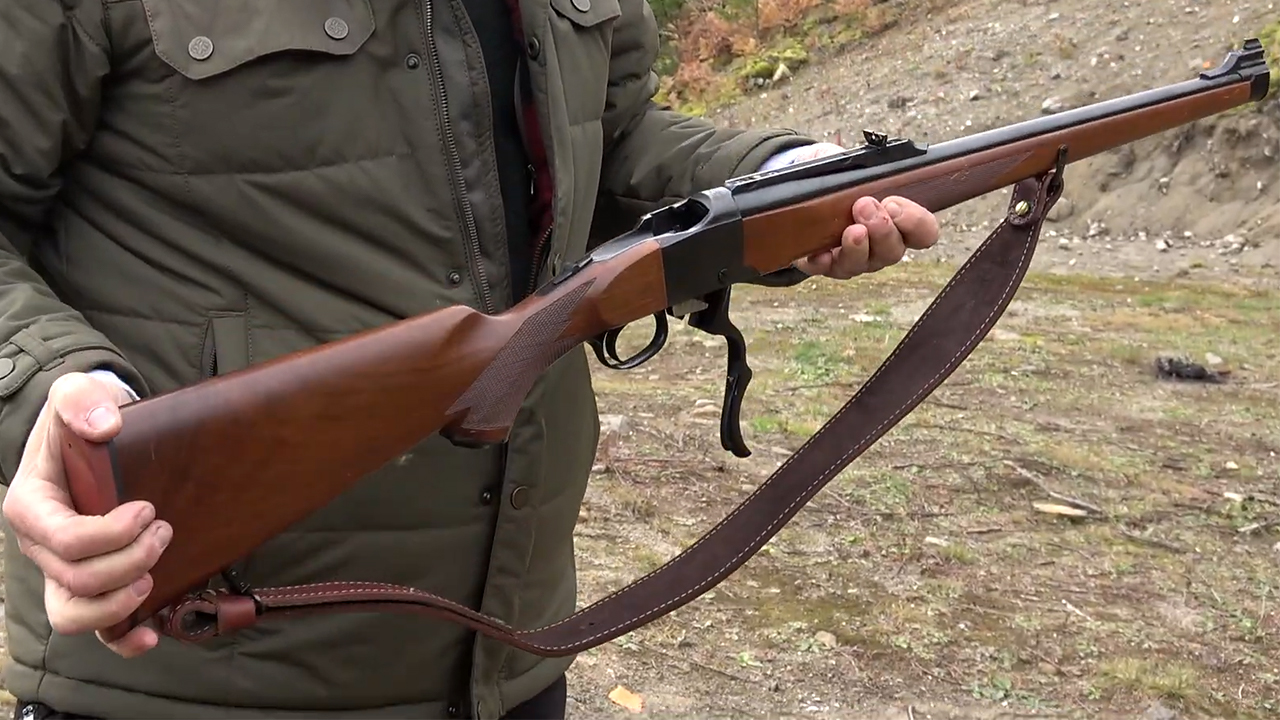
The No. 1 is a strange survivor because single-shot rifles should have been pushed aside completely by faster repeating designs. Instead, the falling-block Ruger built its own niche around strength, compact overall length, and old-school elegance. Because the action does not need the length of a conventional bolt, even long-barreled rifles can remain surprisingly handy.
The No. 1 has also been chambered in a huge range of cartridges over the years, which gave collectors and hunters endless reasons to buy another. Competitors could offer more capacity, but that was never really the point. The rifle survived because people who wanted one usually wanted exactly this design and nothing else.
CZ 75
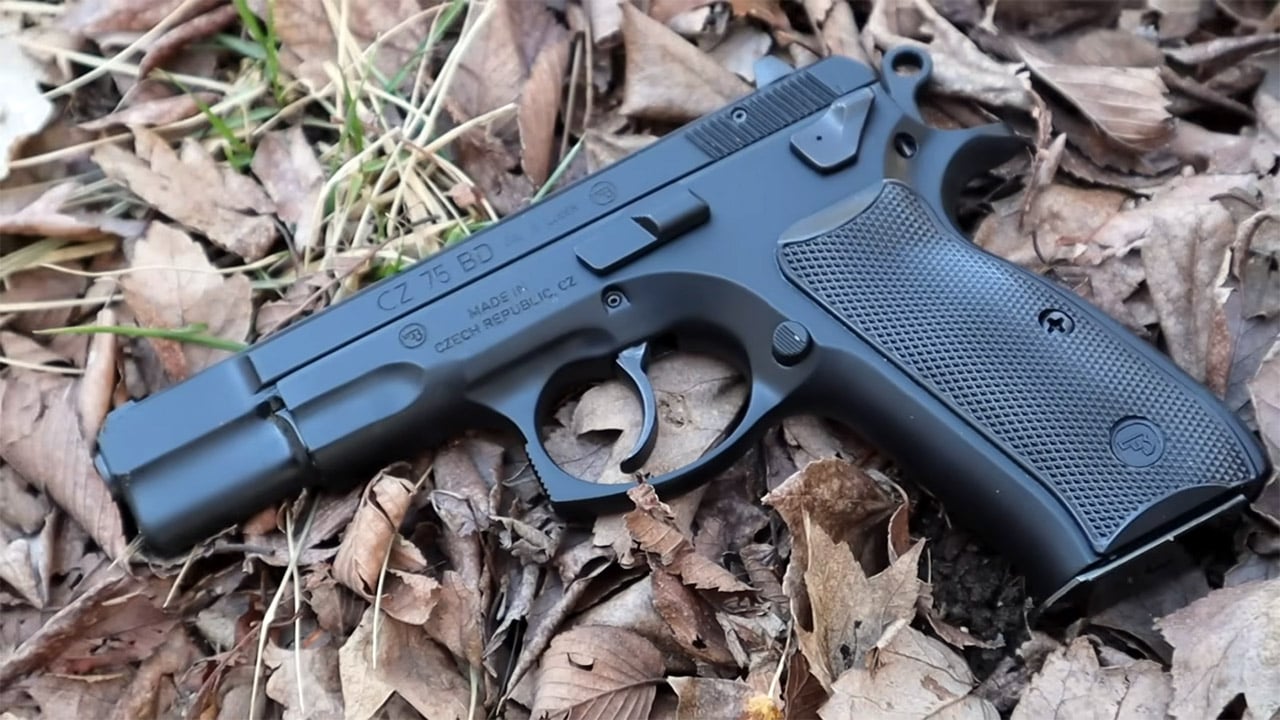
The CZ 75 entered a crowded world of metal service pistols and somehow remained relevant after most of that category faded. The grip shape is outstanding, the slide rides inside the frame rails, and the steel construction gives the pistol a soft, stable feel under recoil. The design also proved adaptable enough to spawn compact, competition, and tactical variants without losing its identity.
Plenty of newer pistols are lighter and easier to carry, but the CZ 75 still feels exceptionally good when actual shooting starts. That is why it outlasted so many contemporaries. It never needed to be the lightest gun. It needed to be one shooters enjoyed using.
Ruger Mini-14

The Mini-14 has spent decades being told the AR-15 makes it unnecessary, yet the rifle keeps hanging around. The traditional stock, Garand-style action, and compact profile appeal to shooters who want a semiautomatic centerfire rifle without the look or handling of an AR. Ruger also improved accuracy and production consistency over time, addressing one of the biggest criticisms aimed at earlier rifles.
The AR is cheaper to customize and has a larger support network, but the Mini does not have to beat it head-to-head to survive. It occupies its own lane, and enough shooters still want that lane to keep the platform alive.
Savage 110

The 110 has outlasted a huge number of bolt-action competitors because Savage kept finding ways to update the same basic platform rather than starting over every few years. The action is straightforward, barrel changes are relatively accessible to knowledgeable gunsmiths and hobbyists, and the AccuTrigger helped redefine what shooters expected from affordable factory triggers. Savage then offered the rifle in enough configurations that it could serve hunters, precision shooters, and people looking for specialty cartridges.
The 110 has never relied much on beauty or prestige. It survives because it keeps shooting well. That is a difficult advantage for competitors to overcome when the buyer primarily cares about where the bullet lands.
Browning BLR

The BLR has survived because almost nobody else offers the same combination. It gives lever-action shooters access to modern high-pressure rifle cartridges and pointed bullets by using a detachable box magazine rather than a traditional tube. That means cartridges like .308 Winchester can live in a rifle that still handles like a lever gun, creating a niche that ordinary Winchester- or Marlin-style actions do not fill.
Plenty of hunters simply buy bolt rifles instead, but the BLR does not need everybody. It only needs shooters who want lever handling without giving up modern cartridge performance. Competitors have struggled to take that space away because Browning’s solution already works so well.
Glock 26
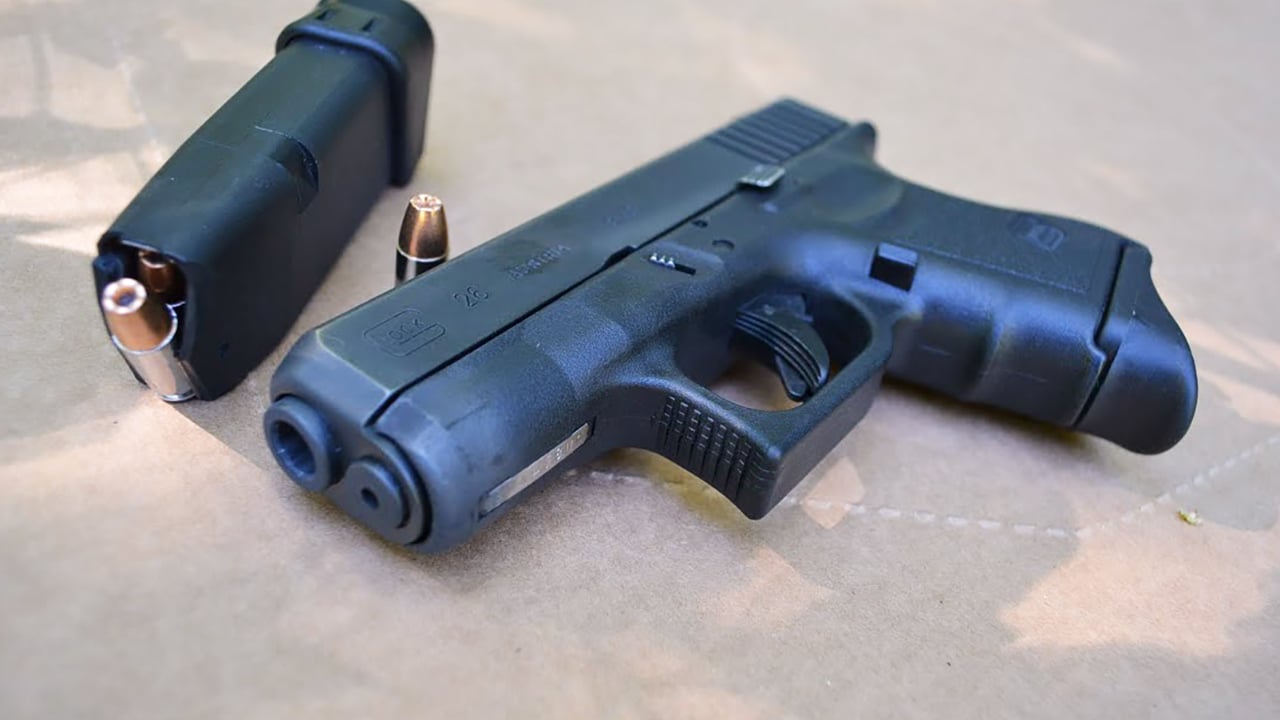
The Glock 26 has been supposedly made obsolete by micro-compacts several times over, yet it still has one important advantage: it behaves like a shortened service pistol rather than an entirely different category of gun. The slide and frame give it enough mass to remain controllable, the operating system is identical to larger Glocks, and it can use longer Glock magazines if the owner wants more capacity. That kind of compatibility is hard to replicate.
Newer carry guns are thinner and often hold impressive amounts of ammunition for their size. The 26 keeps surviving because plenty of shooters would rather accept a little extra thickness for familiar handling and parts commonality. Sometimes compatibility beats novelty.
Mossberg 590
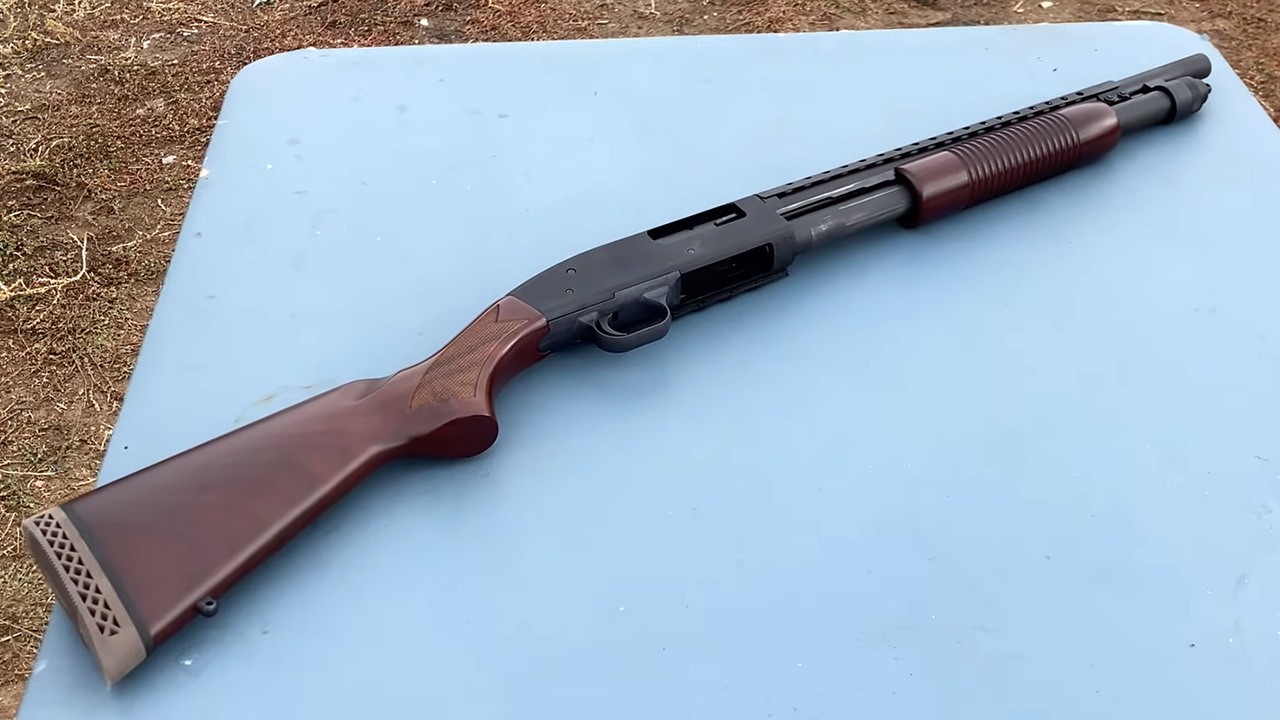
The 590 has outlasted plenty of tactical shotguns because it never forgot that reliability matters more than styling. The design builds on the proven 500 action while adding features intended for harder service, including configurations with heavier barrels, extended magazine tubes, and more rugged furniture. Military and law-enforcement use gave it credibility, but civilian buyers kept it relevant because the shotgun is straightforward and easy to support.
Detachable-magazine shotguns, bullpups, and increasingly complex semiautomatics have all tried to make the old pump look obsolete. The 590 keeps surviving because a manually operated shotgun that feeds from a tube and has decades of proven service remains a very difficult thing to truly replace.
Like The Avid Outdoorsman’s content? Be sure to follow us.
Here’s more from us: